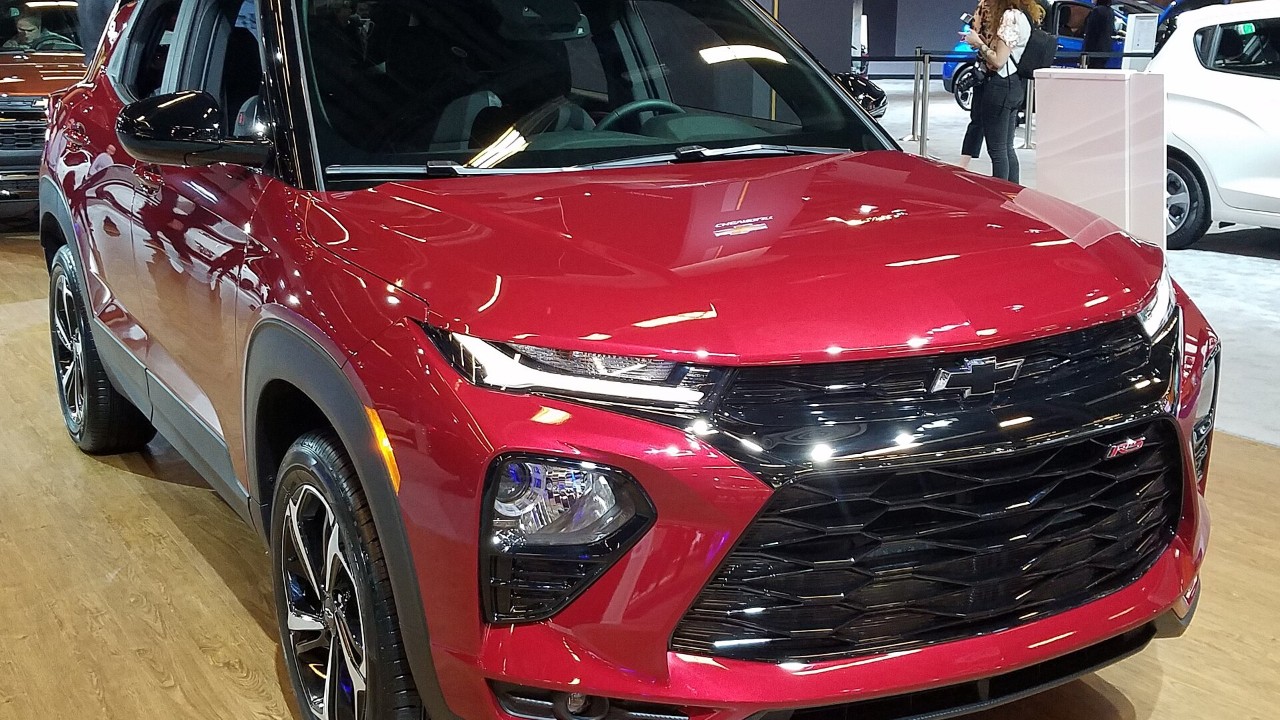
As I look back at the late 1960s, I can’t help but marvel at the muscle cars that defined an era. These vehicles not only offered raw power but also captured the spirit of freedom and rebellion that resonated with a generation. From the sleek lines to the thunderous engines, these classics made a lasting impact on the automotive landscape. Here’s a look at twelve iconic models that made big engines impossible to ignore.
The Ford Mustang: A Pony Car Revolution
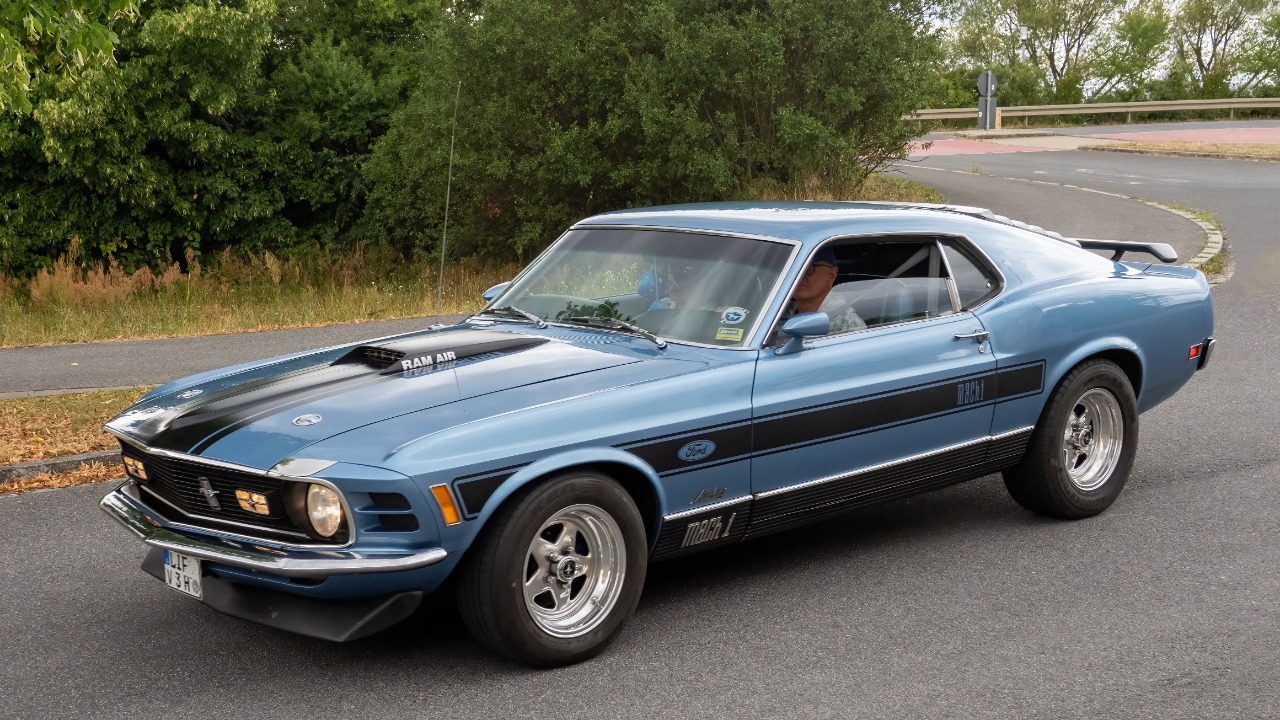
Debuting in 1964, the Ford Mustang ignited the pony car revolution. With its sporty design and a range of powerful engine options, including the iconic 289 cubic inch V8, it quickly became a symbol of American automotive culture. By 1968, the Mustang had evolved, offering the high-performance 390 cubic inch V8, which delivered an exhilarating 320 horsepower. This level of power, combined with its affordability, made the Mustang a game-changer. It appealed to car enthusiasts and the everyday driver alike, solidifying its place in history.
The Mustang’s success was not just about performance; it also had an undeniable style. The long hood and short rear deck gave it a distinctive look that turned heads on the road. With various trims and options, drivers could personalize their Mustangs to match their tastes. Whether cruising down Route 66 or racing on the track, the Ford Mustang embodied the spirit of the 1960s and ensured that big engines were impossible to ignore.
Chevrolet Camaro: The Fierce Competitor
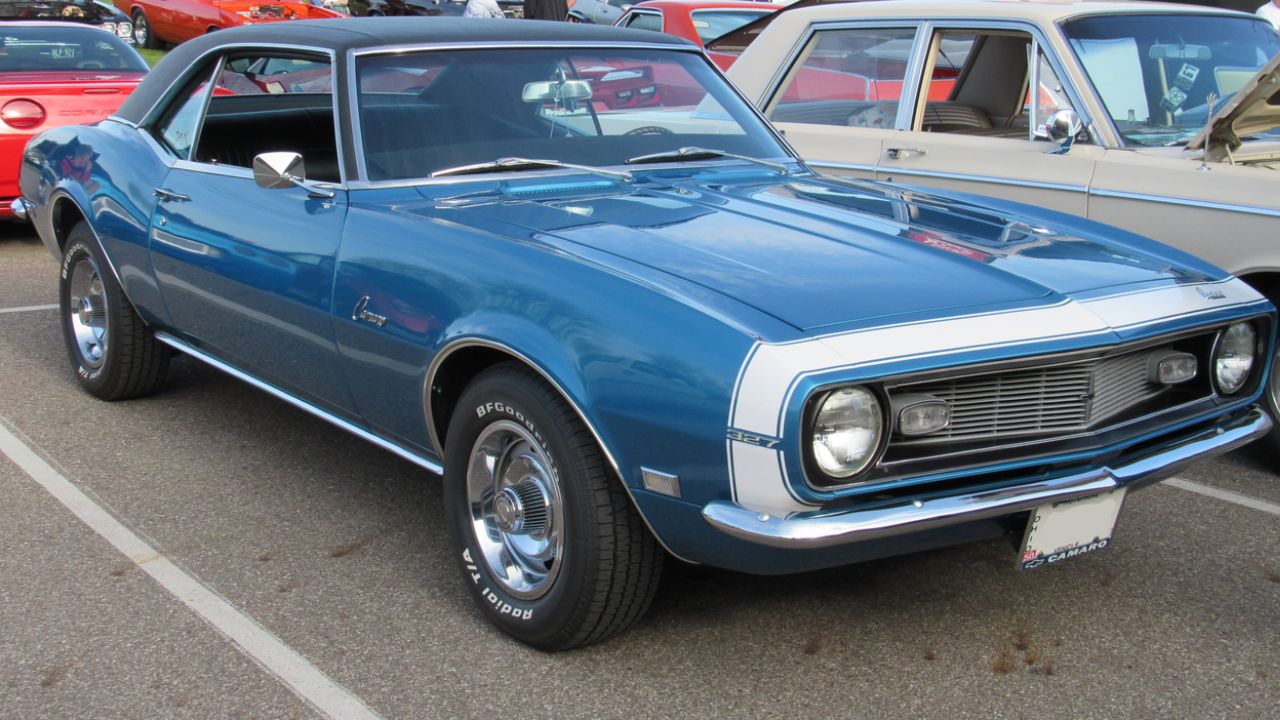
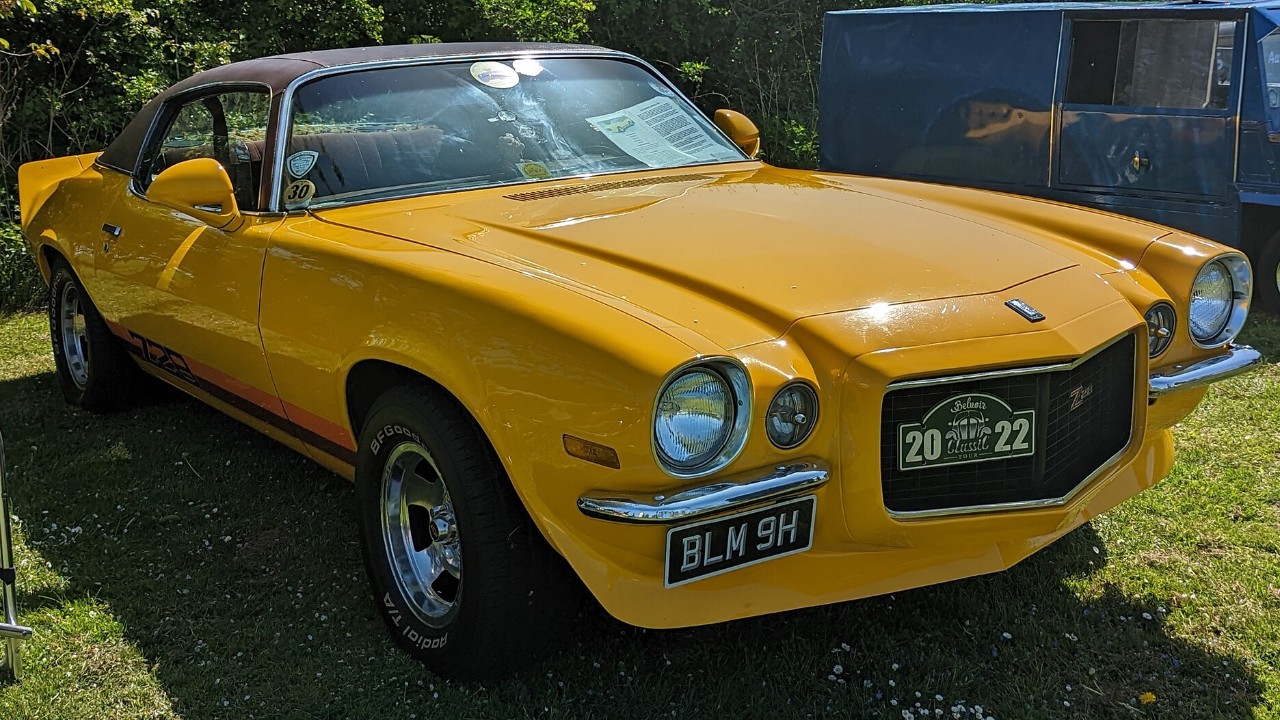
Introduced in 1966 as a direct response to the Mustang, the Chevrolet Camaro quickly made a name for itself as a fierce competitor in the muscle car arena. With a variety of engine options, including the legendary 396 cubic inch V8, it offered drivers exhilarating performance and a chance to stand out. By 1969, the Camaro was equipped with a potent 375 horsepower engine, proving that it was a serious contender on both the street and the racetrack.
The Camaro’s aggressive styling, characterized by its bold lines and wide stance, made it a favorite among muscle car enthusiasts. It became the canvas for countless customization projects, allowing owners to express their individuality. The Camaro’s success in motorsports further solidified its reputation, making it a symbol of American performance. Its blend of power, style, and affordability ensured that the Camaro was a significant player in the late 1960s.
Pontiac GTO: The Original Muscle Car
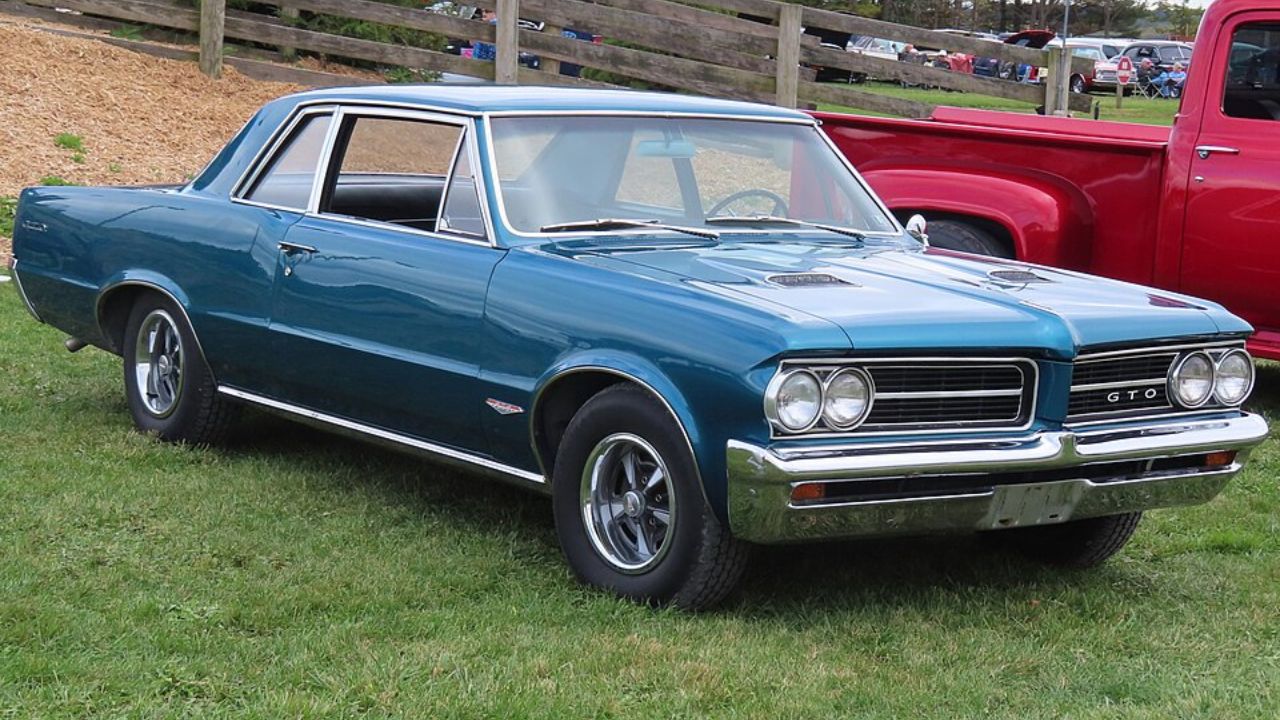
The Pontiac GTO, often hailed as the original muscle car, debuted in 1964 and set the standard for high-performance vehicles. By 1968, the GTO had matured into a powerhouse, featuring a potent 400 cubic inch V8 that produced a staggering 360 horsepower. Its combination of performance and luxury made it a beloved choice among car enthusiasts, and it was one of the first models to truly embrace the muscle car ethos.
The GTO’s sleek design and bold styling cues, such as the iconic split grille and wide body, made it instantly recognizable. This model not only redefined what a car could be but also created a new genre that inspired countless imitators. With its rich history and undeniable performance pedigree, the Pontiac GTO remains a cornerstone of muscle car culture, proving that big engines were not just a trend but a way of life.
Dodge Charger: Power Meets Style
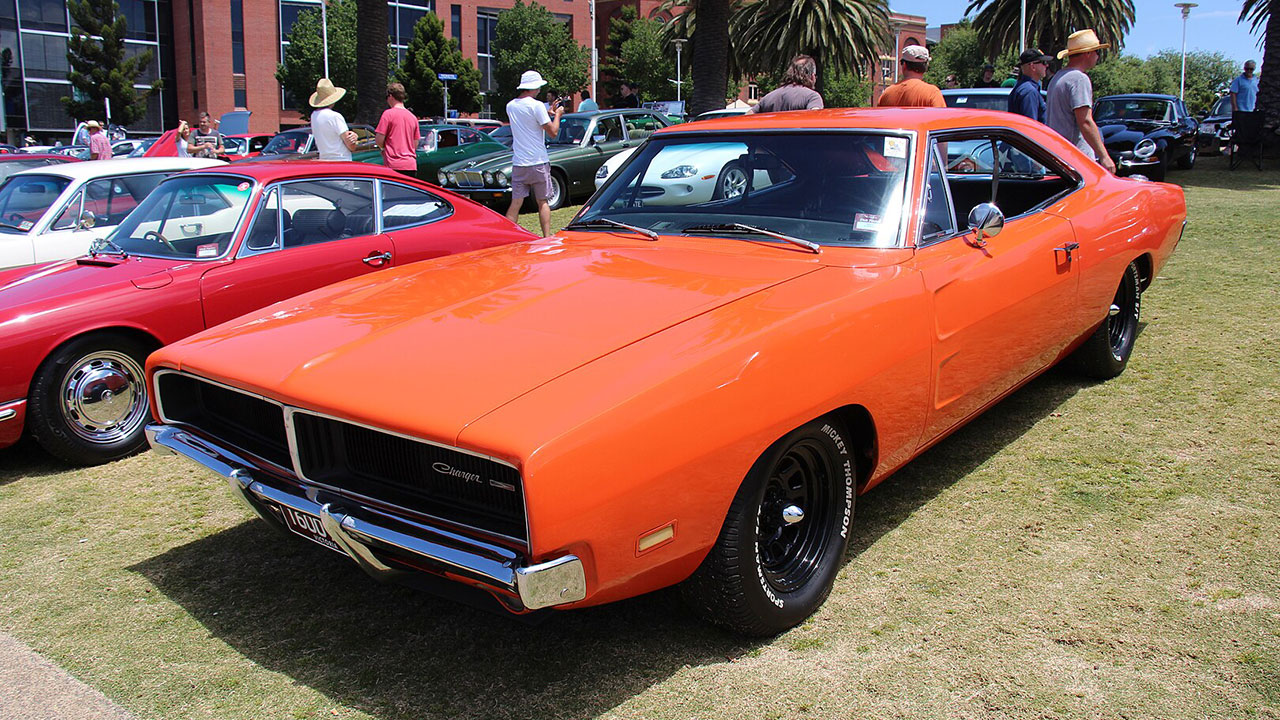
The Dodge Charger first hit the scene in 1966 and quickly became known for its combination of power and style. By 1968, it had solidified its status as a quintessential muscle car, offering a range of formidable engines, including the legendary 426 HEMI. With a bold, aggressive design and a powerful V8 engine that produced up to 425 horsepower, the Charger turned heads on the road and dominated the racetrack.
What set the Charger apart was not just its performance but also its innovative features, such as the fastback roofline and distinctive split taillights. This design made it stand out among its peers and established it as a cultural icon. The Charger’s presence in films and television further solidified its legendary status, making it synonymous with American muscle. For enthusiasts, the Dodge Charger represented not just a car, but a lifestyle that embraced power, speed, and style.
Plymouth Barracuda: The First True Pony Car

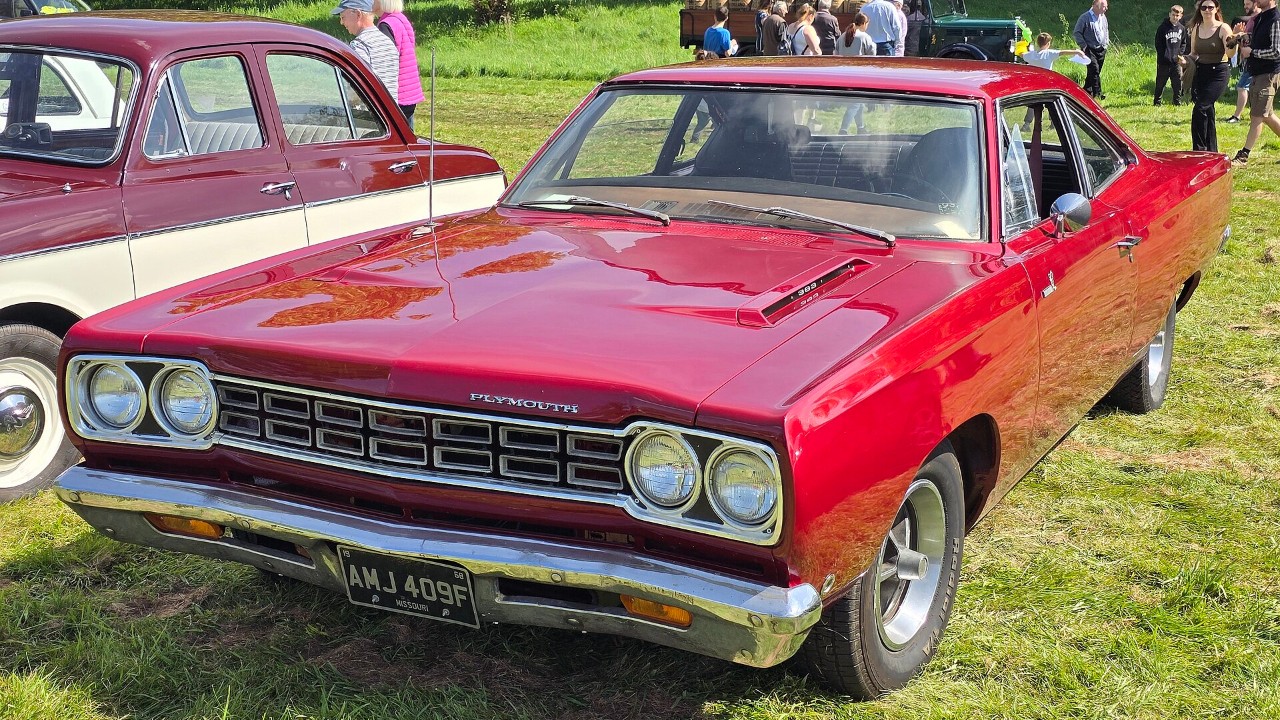
Launched in 1964, the Plymouth Barracuda is often credited as the first true pony car, setting the stage for the muscle car revolution. With its unique fastback design and a range of engine options, including the potent 426 cubic inch HEMI, it offered performance that was hard to ignore. By 1967, the Barracuda had carved out its niche, appealing to those looking for a stylish and powerful vehicle.
The Barracuda’s aggressive stance and striking design elements made it an eye-catching option for drivers. It was a car that drew attention not just for its looks but also for its performance capabilities. As one of the early entrants in the pony car market, the Barracuda paved the way for future muscle cars and demonstrated that big engines and innovative design could coexist harmoniously. Its legacy continues to inspire car enthusiasts and collectors alike.
Mercury Cougar: Luxury and Performance Combined
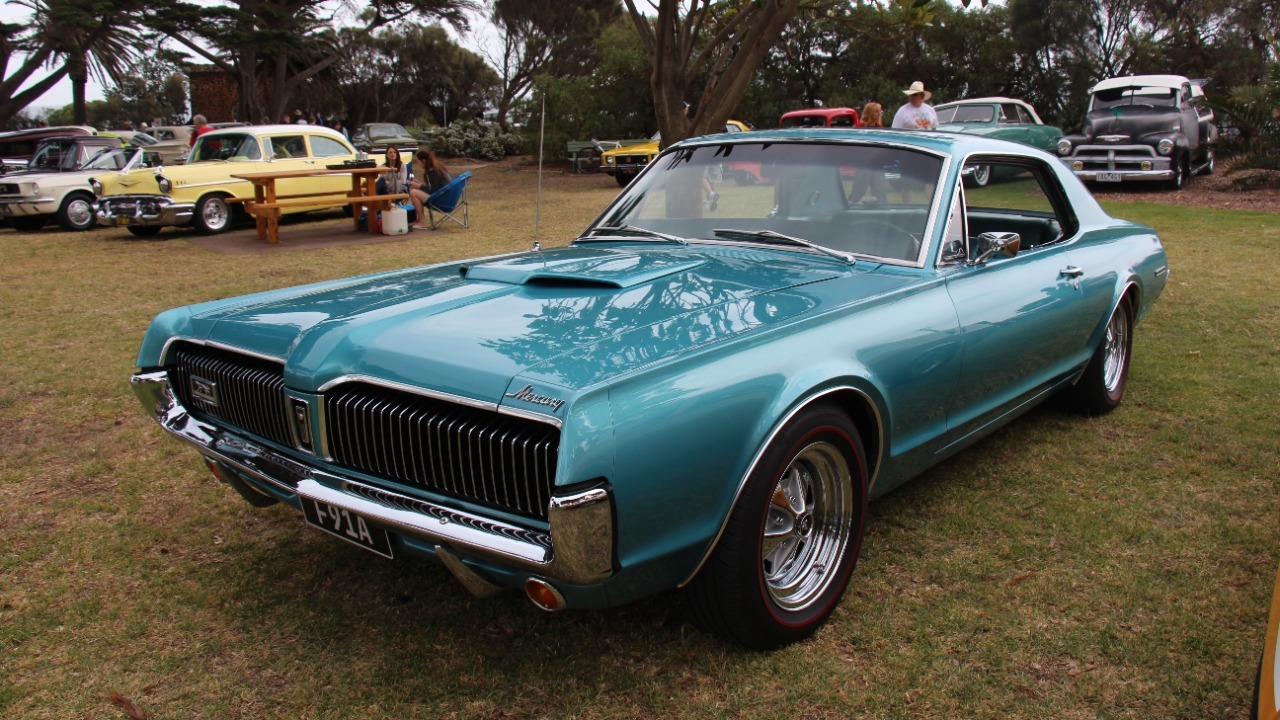
Introduced in 1967, the Mercury Cougar was designed to blend luxury with performance, offering a unique alternative to its competitors. It featured a stylish design and a range of engine options, including the powerful 390 cubic inch V8. This combination of comfort and power appealed to buyers looking for a refined driving experience without sacrificing performance.
The Cougar’s upscale interior and attention to detail set it apart from other muscle cars of the era. With its distinctive lines and elegant features, it attracted a different demographic of car enthusiasts who valued both style and substance. The Mercury Cougar may not have received the same level of fame as some of its peers, but its commitment to luxury and performance made it a noteworthy player in the late 1960s muscle car scene.
Chevrolet Chevelle SS: The Ultimate Muscle Machine
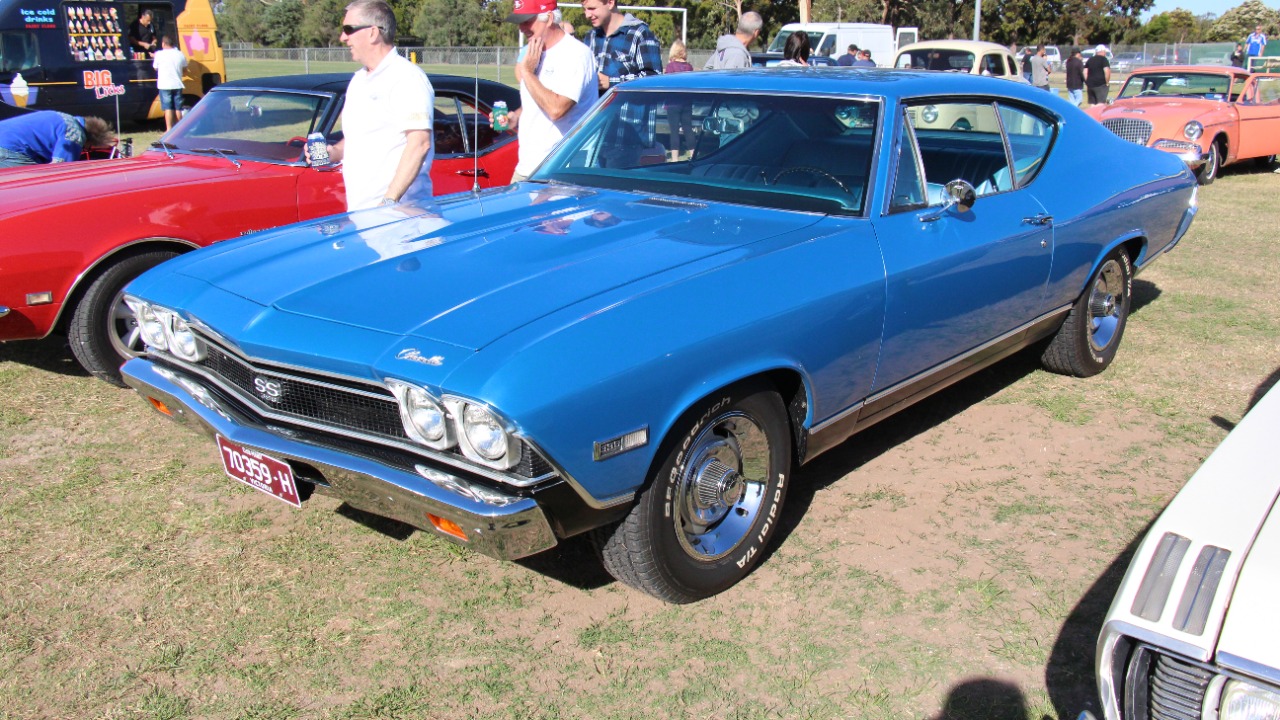
The Chevrolet Chevelle SS emerged in the mid-1960s as one of the ultimate muscle machines. By 1968, the SS model was available with a fierce 396 cubic inch V8 engine that churned out an impressive 375 horsepower. This level of performance, combined with its sleek design, made the Chevelle SS a favorite among muscle car aficionados.
The Chevelle’s muscular stance and aggressive lines gave it a commanding presence on the road. It was not just about speed; the Chevelle offered a smooth ride and a comfortable interior, making it a practical choice for daily driving. The Chevelle SS became a symbol of American automotive power, and its legacy continues to resonate with collectors and enthusiasts today. Its blend of performance, style, and versatility ensured that it remained a popular choice throughout the late 1960s.
Buick GSX: The Unsung Hero of Performance
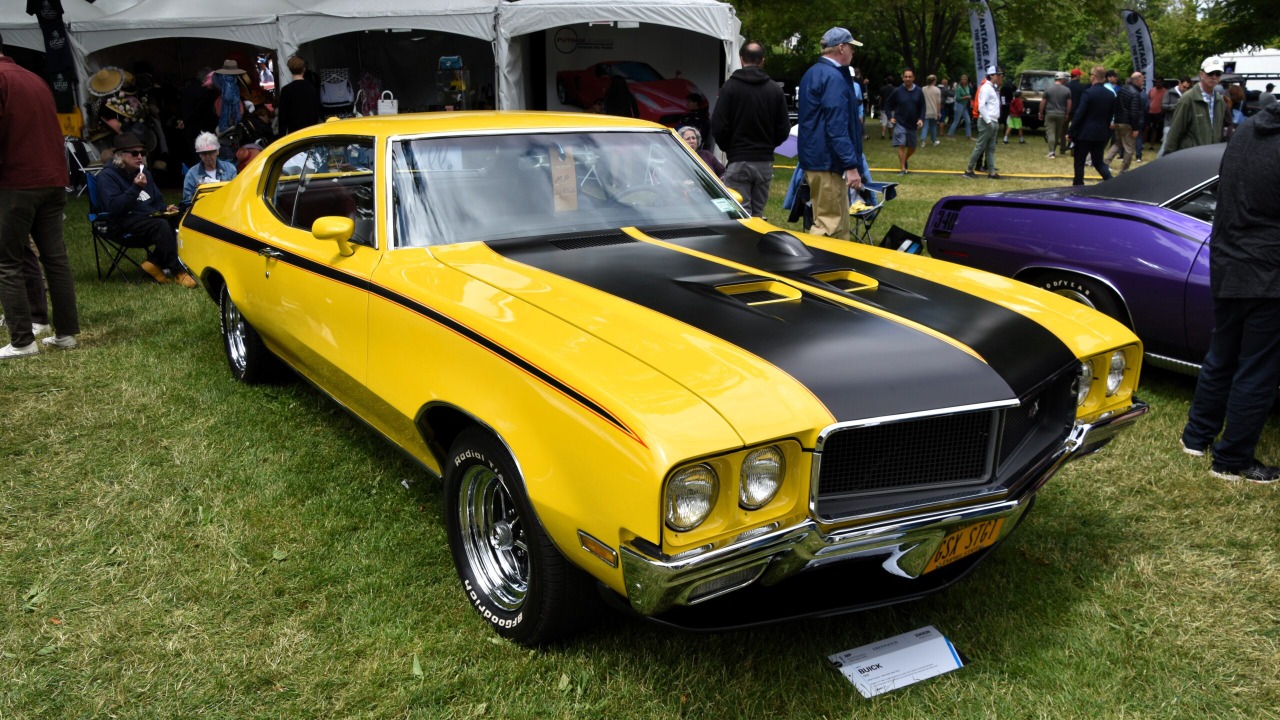
The Buick GSX, introduced in 1970, is often overlooked in muscle car discussions but deserves recognition for its impressive performance. With a monstrous 455 cubic inch V8, it produced a staggering 510 lb-ft of torque, making it one of the most powerful cars of its time. The GSX was designed for speed and performance, and its acceleration was nothing short of exhilarating.
Its bold styling, complete with a distinctive black-and-yellow color scheme, set the GSX apart from other muscle cars. The combination of luxury and raw power made it an attractive option for those who wanted a comfortable ride without compromising on performance. While it may not have the same level of fame as some of its contemporaries, the Buick GSX remains a highly sought-after classic, celebrated for its engineering excellence and performance capabilities.
Oldsmobile 442: A Blend of Power and Comfort
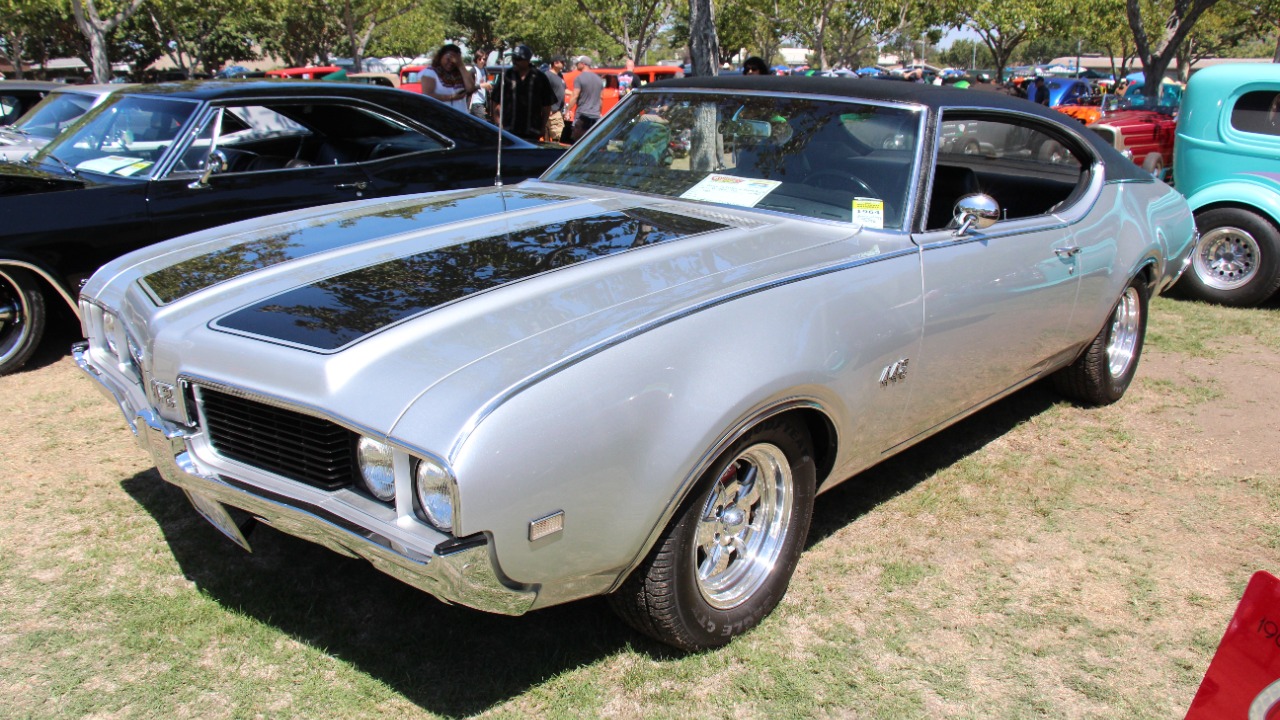
The Oldsmobile 442 first appeared in 1964 and quickly became known for its perfect blend of power and comfort. By the late 1960s, the 442 was equipped with a robust 400 cubic inch V8, delivering an impressive 360 horsepower. It was a car that offered thrilling performance while still providing a comfortable ride, making it a favorite among driving enthusiasts.
The 442’s stylish design and attention to detail made it stand out in a crowded market. With features like a luxurious interior and sporty aesthetics, it appealed to a wide range of buyers. The Oldsmobile 442 was more than just a performance car; it was a statement of style and sophistication. Its legacy is one of a performance vehicle that didn’t sacrifice comfort, ensuring it remains a respected name in muscle car history.
Shelby GT350: The Icon of American Racing
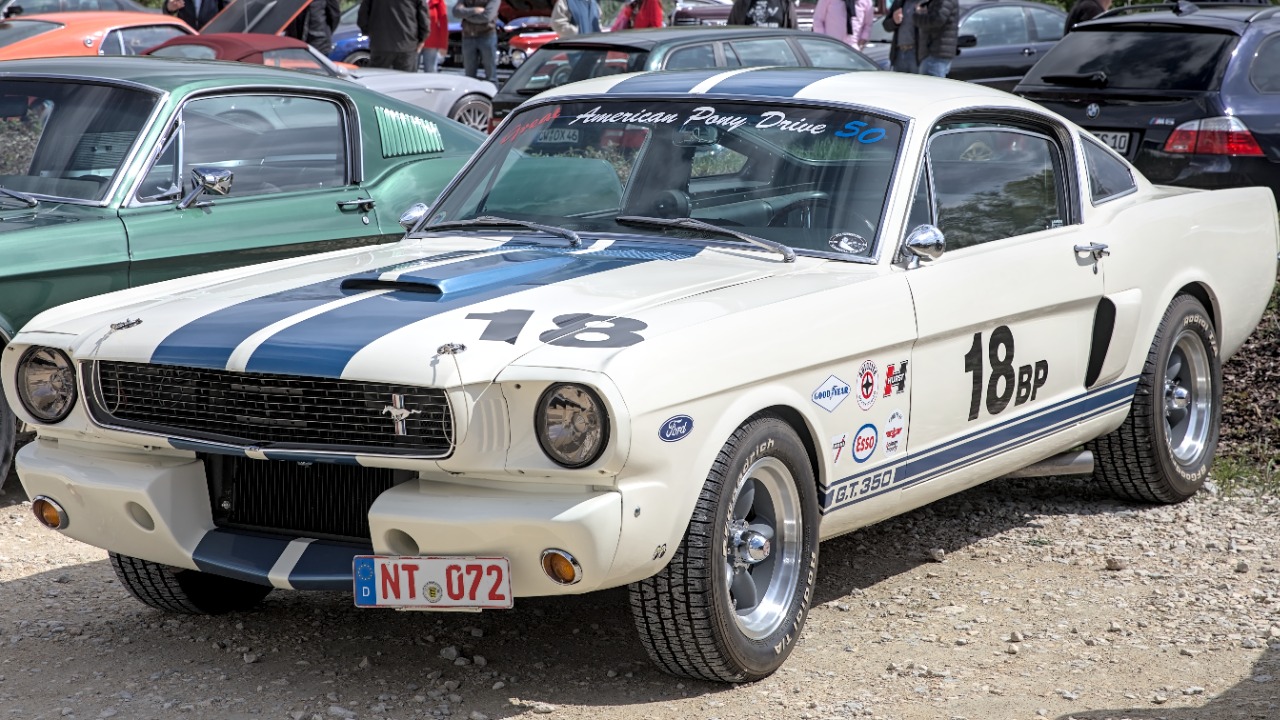
The Shelby GT350 debuted in 1965 and quickly became an icon in American racing culture. With its lightweight design and a powerful 289 cubic inch V8 engine, it was engineered for performance on the track. By 1968, the GT350 had evolved, offering improved horsepower and handling, making it a formidable competitor in motorsports.
The GT350’s aggressive styling, complete with racing stripes and a distinctive front grille, made it an eye-catching option for enthusiasts. Its success in various racing events solidified its status as a performance legend. The Shelby GT350 was not just a car; it represented a passion for racing and speed that resonated with drivers. Its legacy continues to influence the design and performance of modern muscle cars, ensuring its place in automotive history.
AMC Javelin: A Bold Entry into the Muscle Car Scene
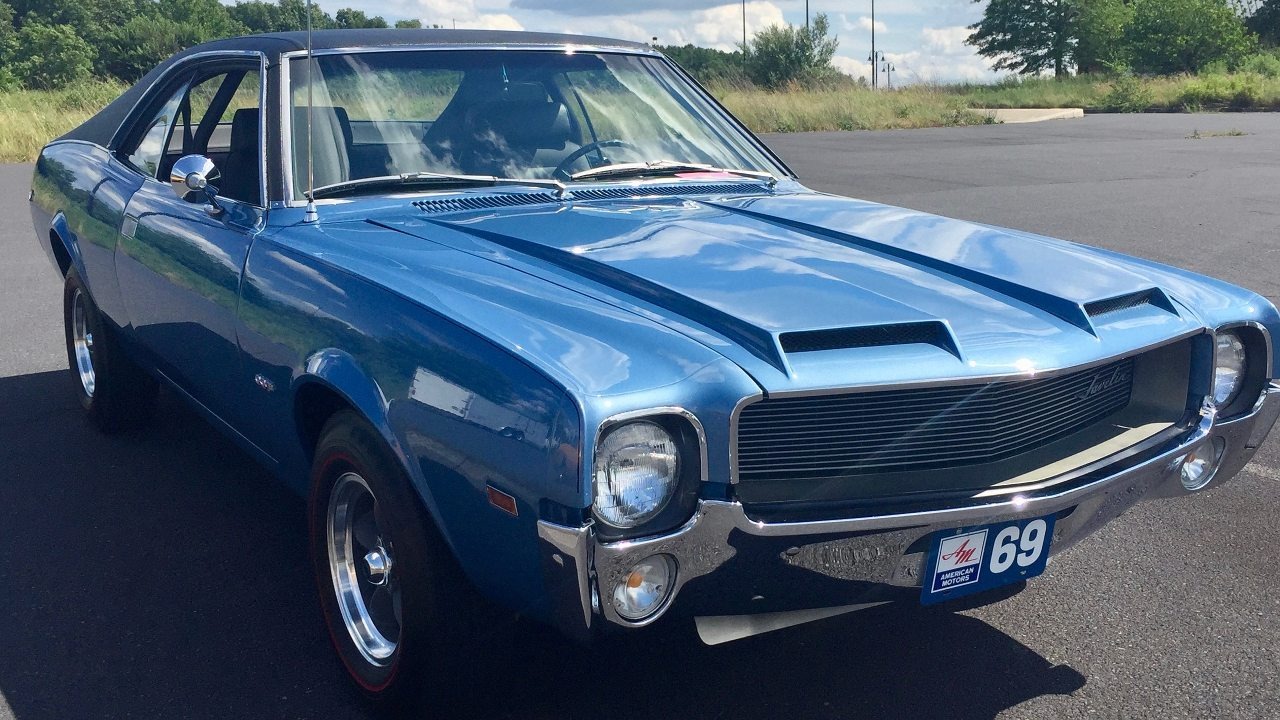
The AMC Javelin, introduced in 1968, made a bold entry into the muscle car scene. With its distinctive styling and a range of powerful engines, including the 390 cubic inch V8, it offered a unique alternative to the more established players. The Javelin’s design was sporty and aggressive, appealing to a younger demographic eager for performance.
What set the Javelin apart was its focus on driving experience. It combined power with nimble handling, making it an enjoyable car to drive on both the street and the track. The Javelin quickly gained a following among enthusiasts who appreciated its unique character and performance capabilities. Though it may not have achieved the same level of fame as its competitors, the AMC Javelin remains a respected name in muscle car history.
Pontiac Firebird: The Stylish Performance Option
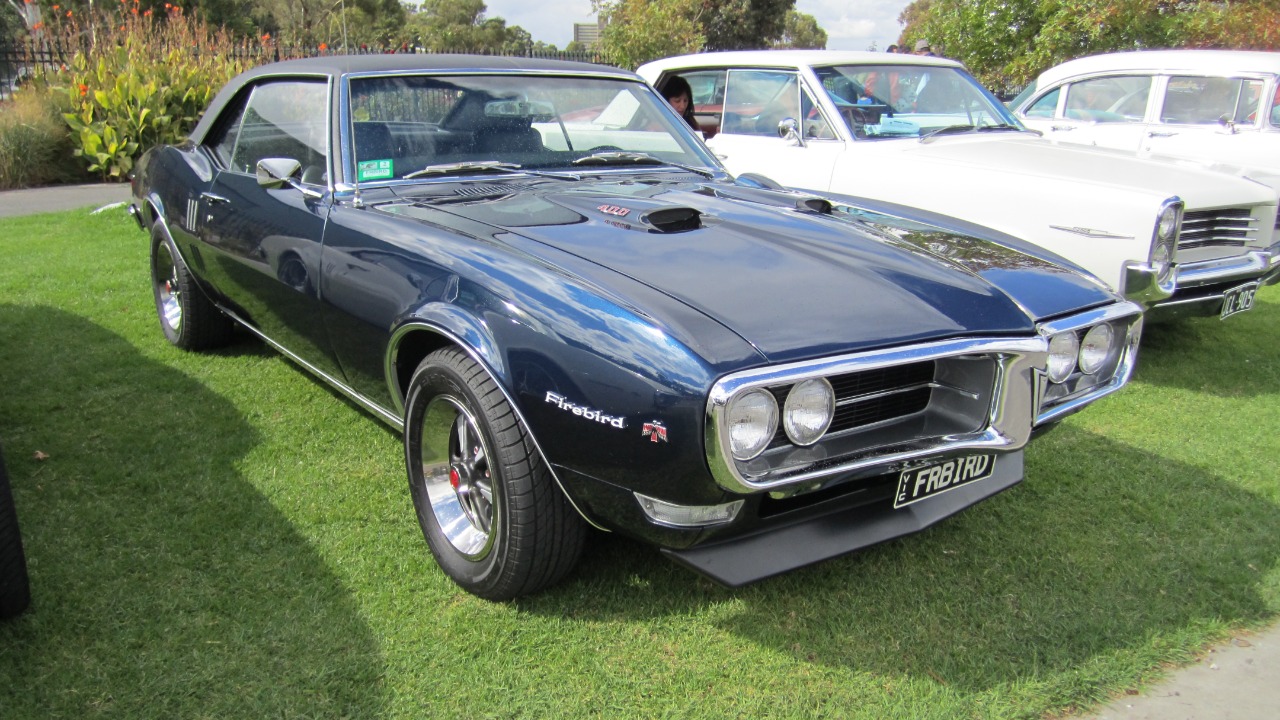
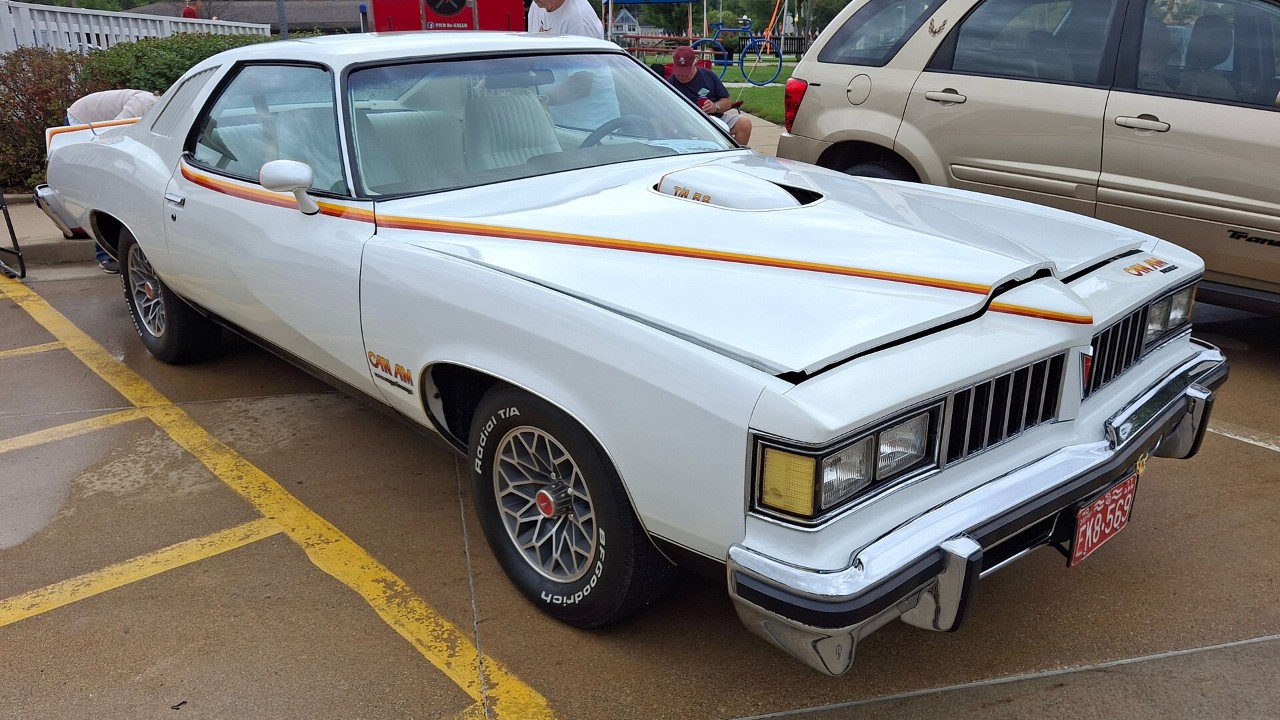
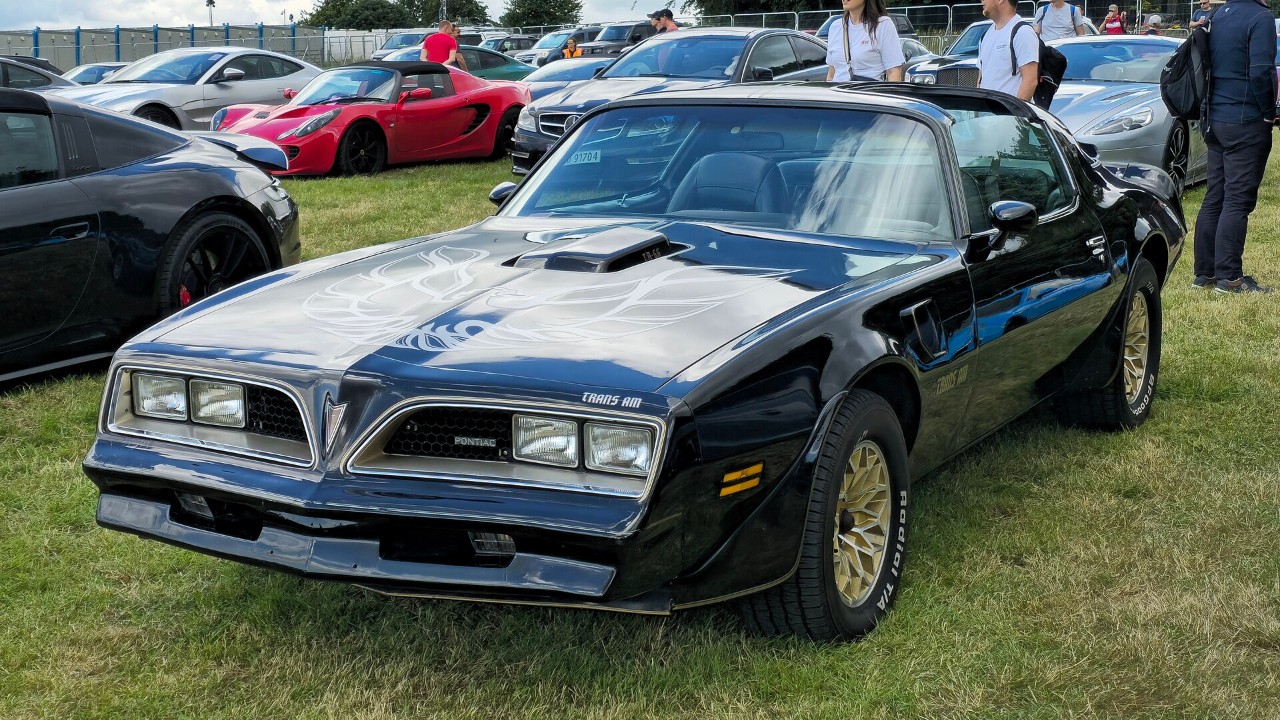
Debuting in 1967, the Pontiac Firebird was designed to compete with the Mustang and Camaro, offering a stylish performance option for buyers. With a range of powerful engine choices, including the 400 cubic inch V8, it delivered impressive horsepower and torque. The Firebird quickly gained popularity for its sleek design and aggressive performance, appealing to a wide range of car enthusiasts.
Its distinctive styling, featuring bold lines and a prominent grille, made the Firebird an eye-catching choice. The interior combined comfort with a sporty feel, making it suitable for both daily driving and spirited performance. The Pontiac Firebird carved out its niche in the muscle car market, proving that style and power could coexist. Its legacy endures, making it a beloved classic among collectors and enthusiasts alike.
More from Fast Lane Only
- Unboxing the WWII Jeep in a Crate
- 15 rare Chevys collectors are quietly buying
- 10 underrated V8s still worth hunting down
- Police notice this before you even roll window down
*Research for this article included AI assistance, with all final content reviewed by human editors.