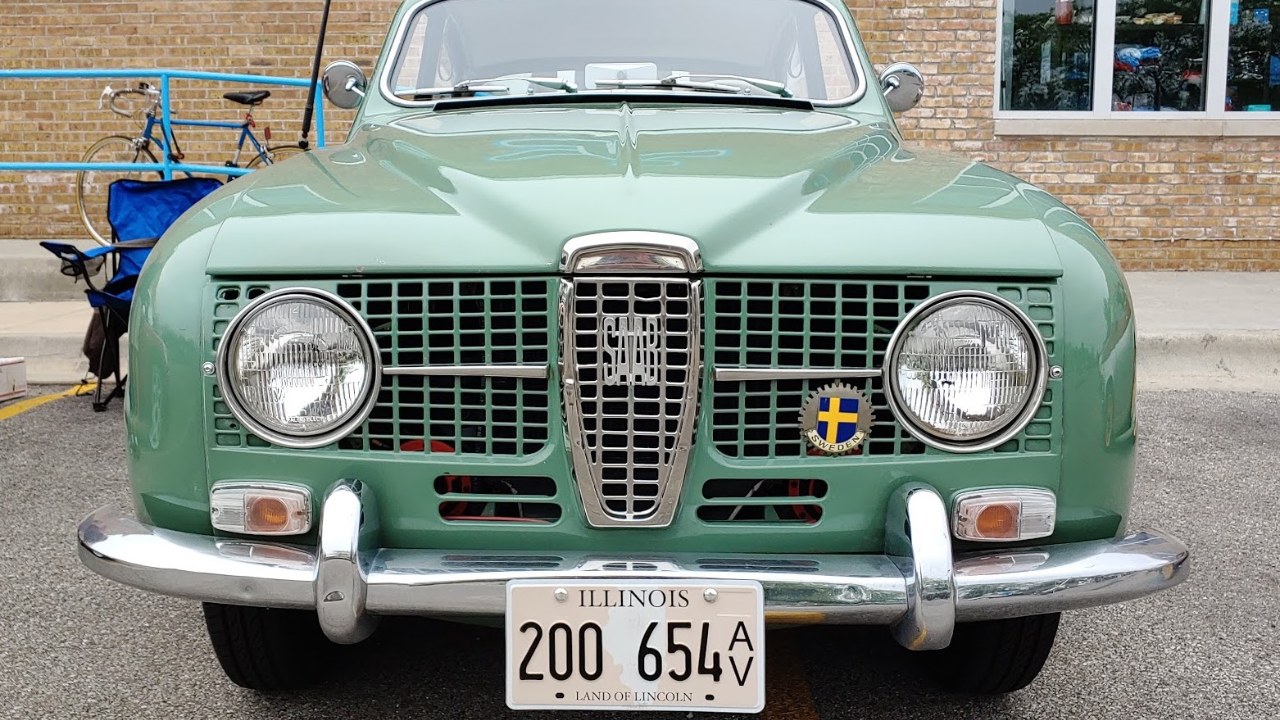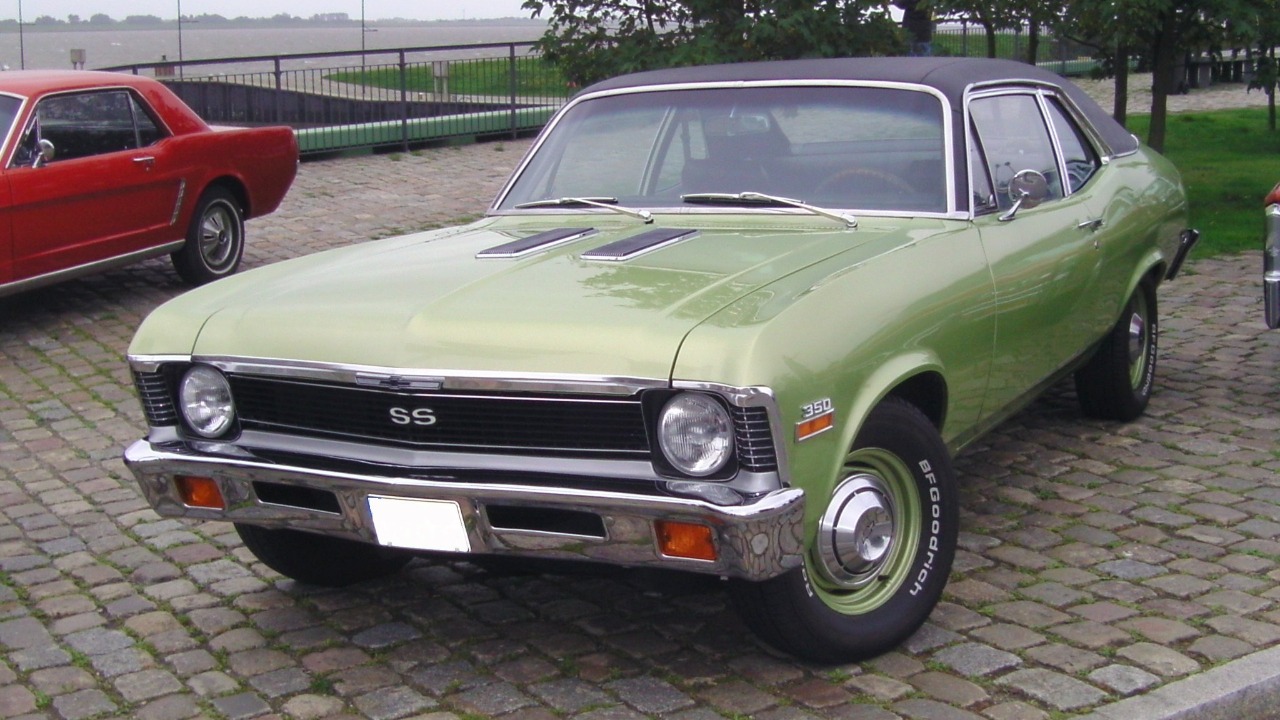
The muscle car era changed how Americans experienced everyday driving. As suburbs expanded and highways stretched farther across the country, automakers responded with cars that offered more power, sharper styling, and stronger personalities. Not every model became a famous collector car, but many brought performance into ordinary neighborhoods and long-distance travel. These classics helped turn routine commutes, family trips, and weekend drives into something far more exciting.
Mercury Cyclone
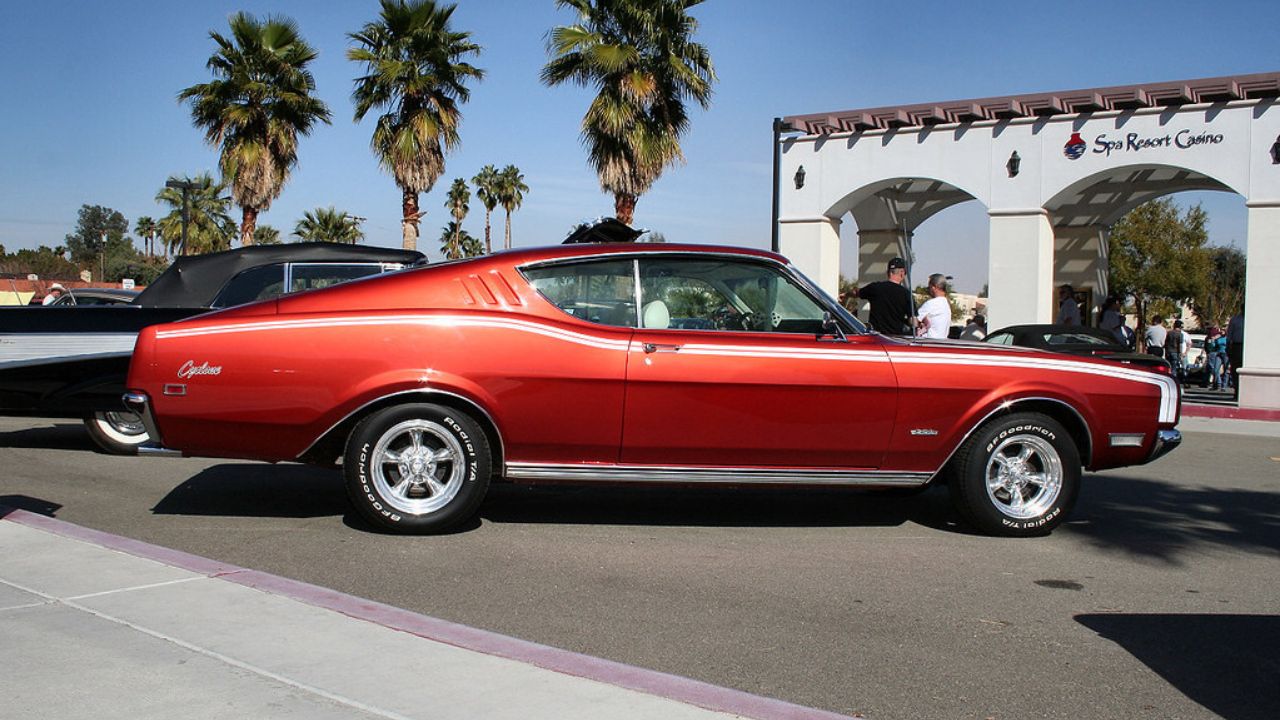
The Mercury Cyclone gave Ford’s Mercury division a sporty car that could handle everyday driving while offering serious V8 performance. Its long hood and fastback styling gave it plenty of presence, while higher-performance versions could deliver impressive acceleration. It never reached the fame of the Mustang or other major muscle cars, which makes surviving examples especially interesting today. Enthusiasts appreciate its blend of performance and relative rarity.
Buick GS 455
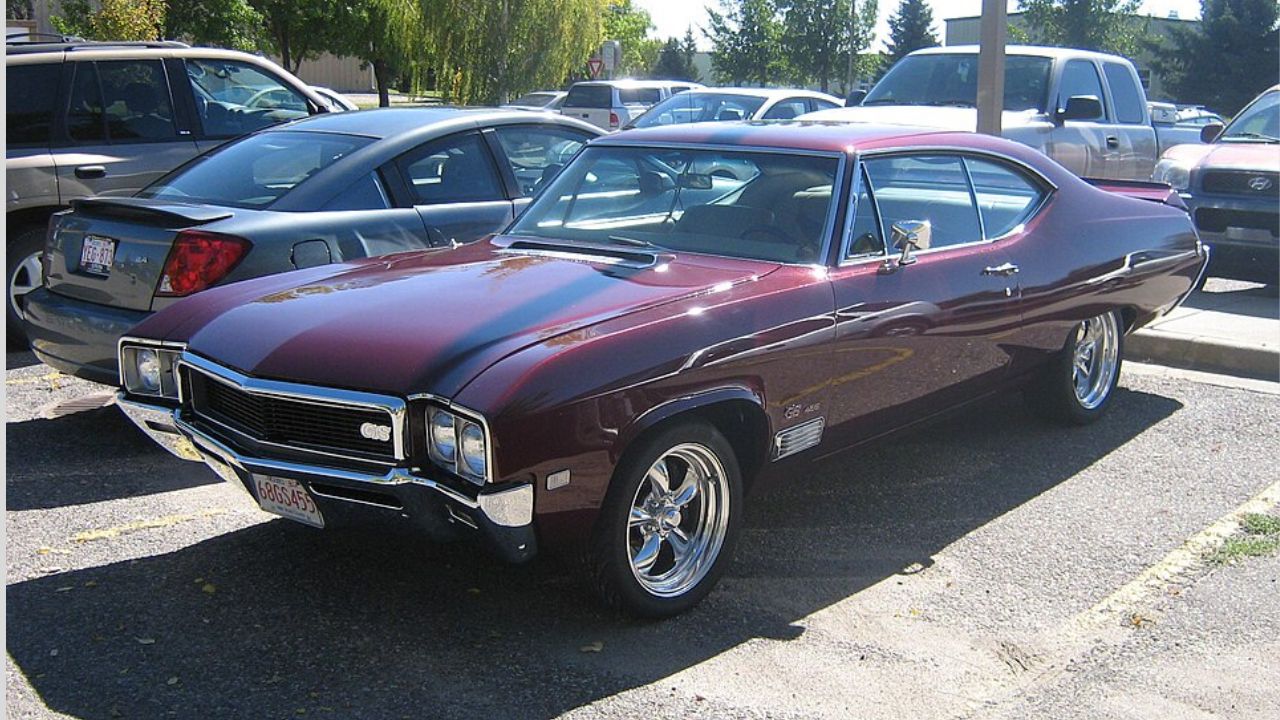
The Buick GS 455 showed that a comfortable American brand could build a genuinely serious performance car. Its large-displacement V8 delivered strong acceleration, while the roomy cabin made it useful for longer highway trips. That combination gave the GS 455 a different personality from stripped-down muscle cars. Today, it remains a favorite among enthusiasts who appreciate big power paired with a more refined driving experience.
Plymouth GTX
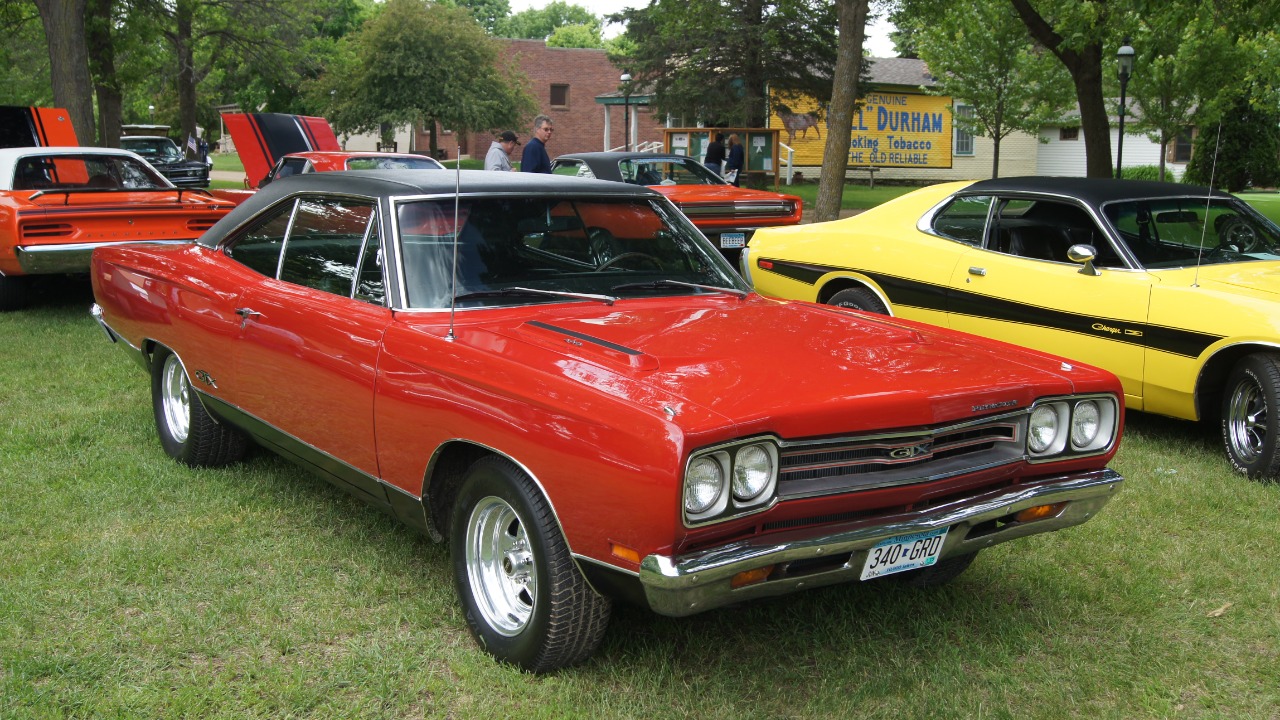
The Plymouth GTX was designed as a more upscale performance car, giving buyers strong V8 power without sacrificing comfort. Its bold styling and powerful engine choices made it a serious highway performer, while the spacious interior suited everyday use. The GTX helped broaden the definition of the muscle car by showing that performance and refinement could coexist. Clean examples remain highly desirable among Mopar enthusiasts.
Oldsmobile 442
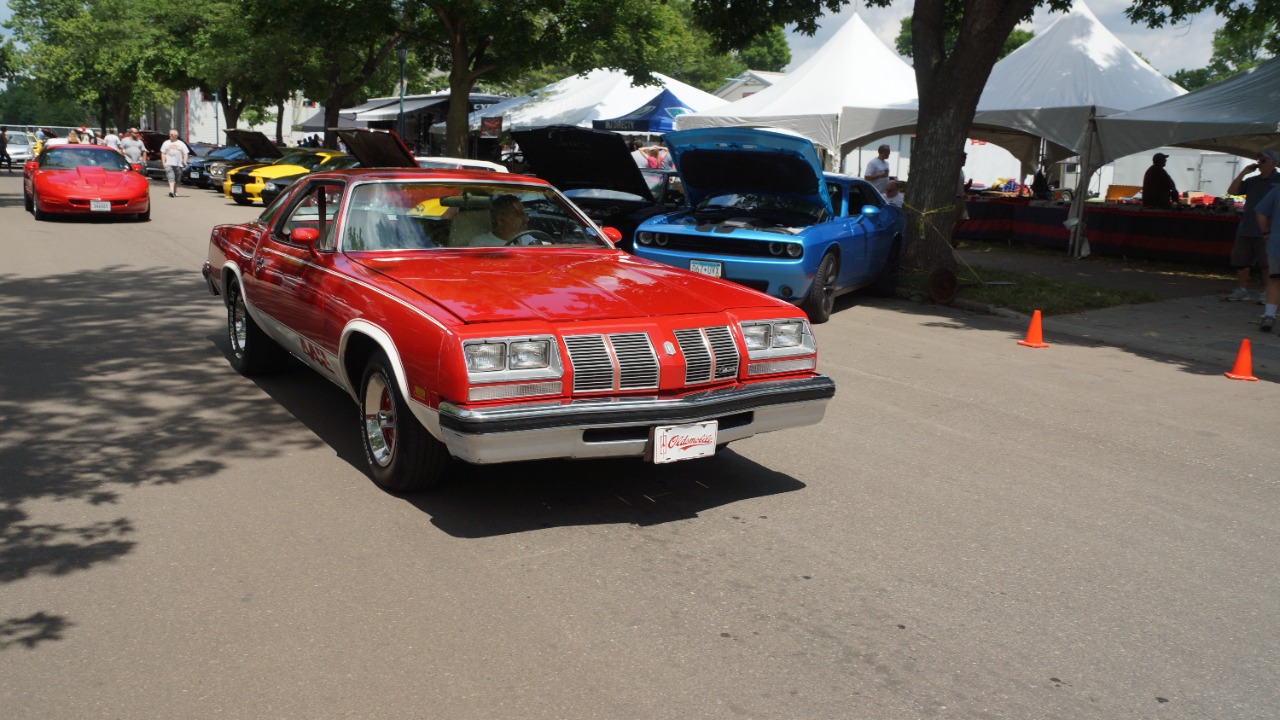
The Oldsmobile 442 became one of the strongest examples of a traditional muscle car with a more mature personality. It offered powerful V8 engines, sporty styling, and enough comfort for normal driving. The model was particularly appealing to buyers who wanted performance without the stripped-down image of some competitors. Its reputation has grown over time, making well-preserved examples increasingly valuable to enthusiasts.
Pontiac Grand Prix
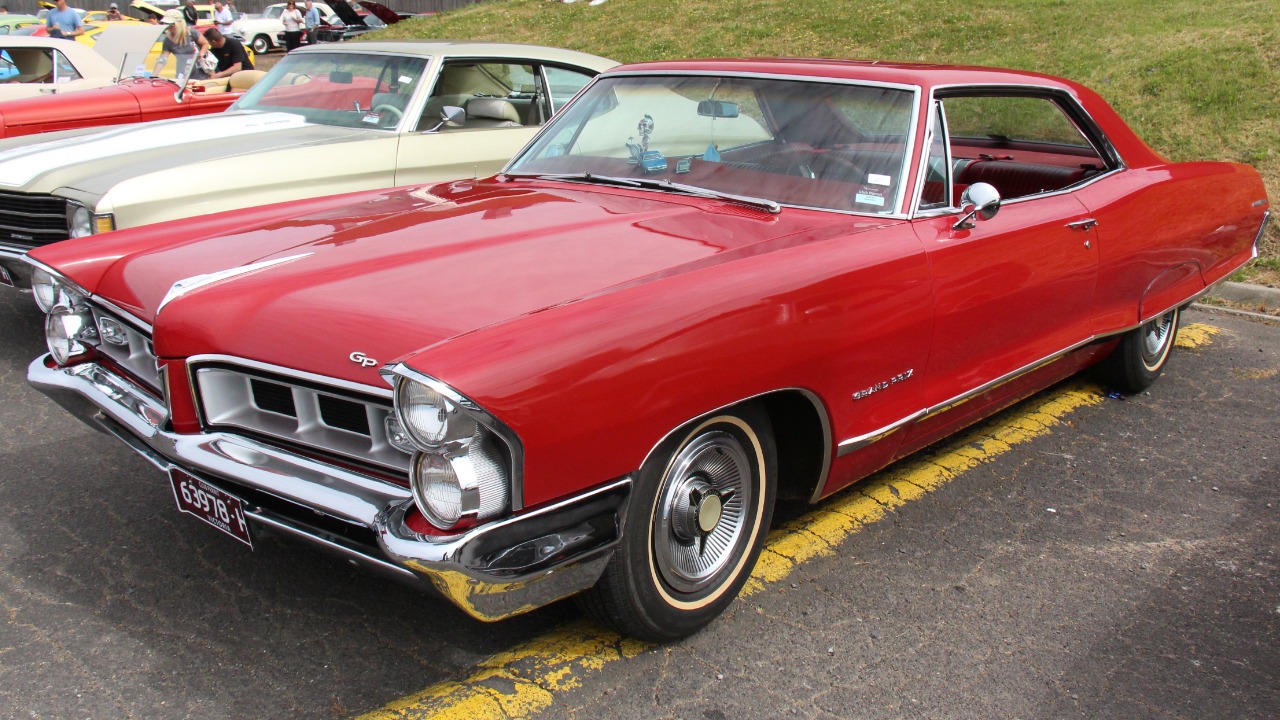
The Pontiac Grand Prix brought performance-oriented styling and V8 power into a larger personal luxury coupe. Its long body and comfortable interior made it well suited to highway cruising, while available engines provided plenty of acceleration. The Grand Prix offered something different from the typical muscle car formula. It helped show that performance could be combined with comfort and a more sophisticated image.
Ford Torino

The Ford Torino became an important part of Ford’s performance lineup while remaining practical enough for everyday use. Buyers could choose from several engines and body styles, ranging from comfortable family cars to powerful performance versions. Its strong connection to NASCAR also gave the Torino added credibility. The model helped bring a sense of racing excitement to ordinary American streets and highways.
Dodge Coronet
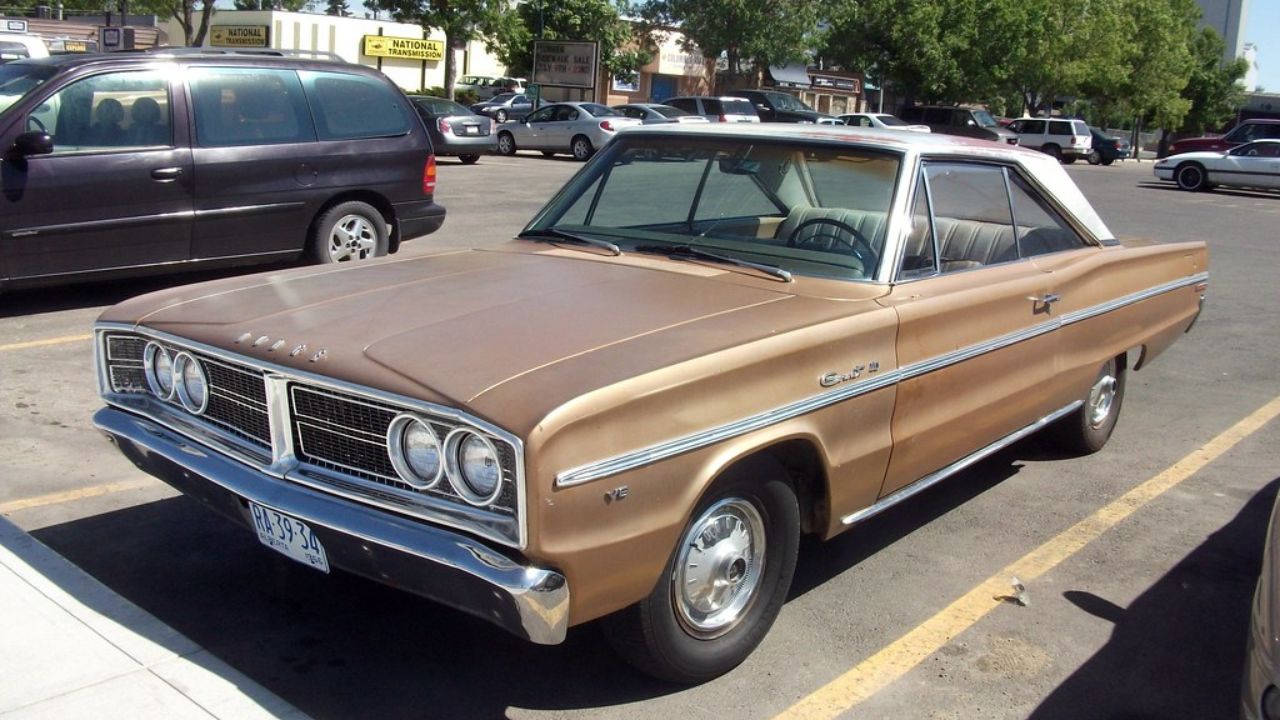
The Dodge Coronet was one of Mopar’s most versatile cars during the muscle era. It could be equipped as a practical family sedan or transformed into a serious performance machine with a powerful V8. Its less glamorous reputation meant it was often overlooked beside the Charger and Challenger. That makes the Coronet especially appealing today to enthusiasts who prefer muscle cars that are less predictable.
Chevrolet Nova SS
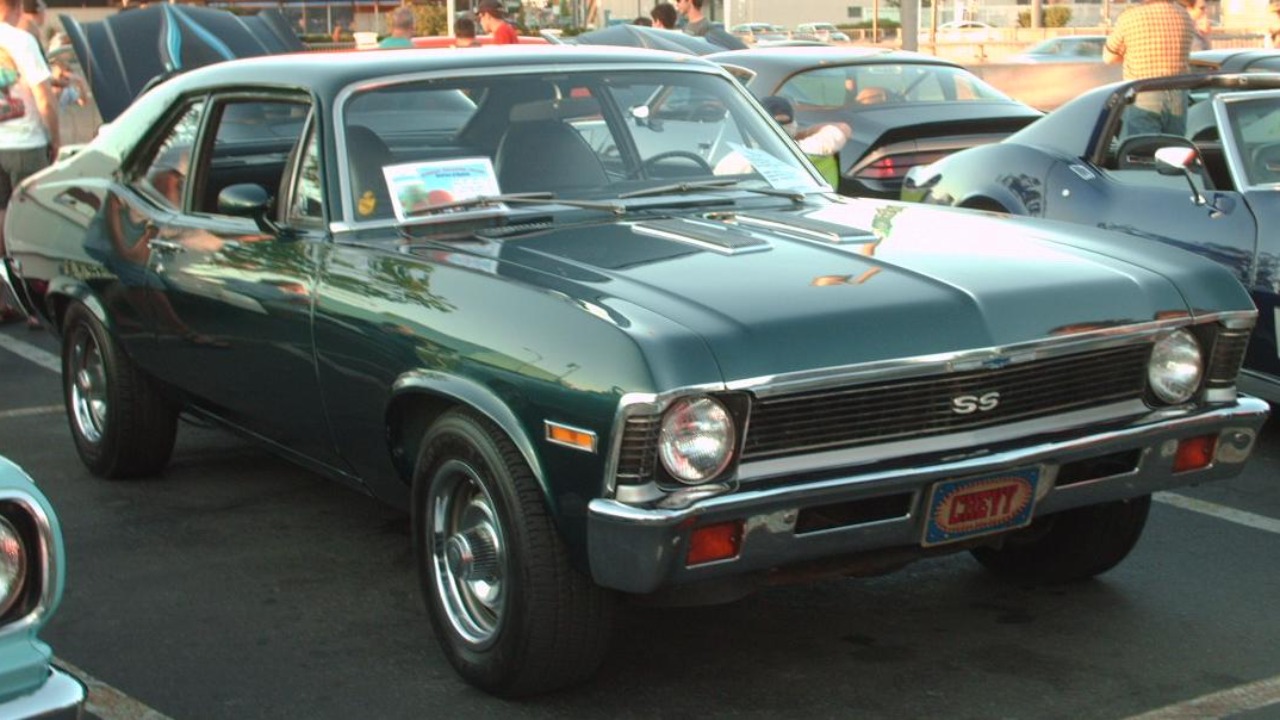
The Chevrolet Nova SS delivered serious performance in a relatively compact package. Its smaller body worked well with available V8 engines, creating a car that could accelerate hard without the size of a full-size cruiser. The Nova was also practical enough for everyday use, making it a natural fit for suburban buyers. Today, the SS remains one of the most respected compact muscle cars.
AMC Javelin
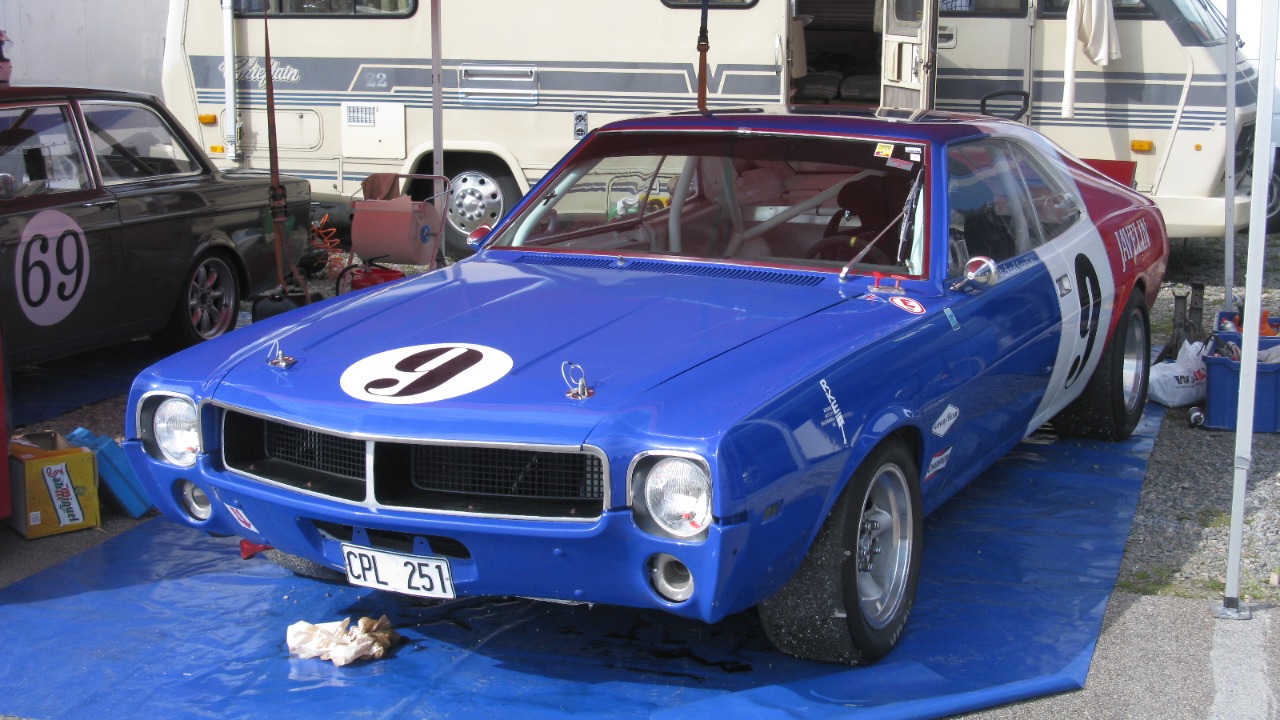
The AMC Javelin gave American Motors a distinctive entry into the growing pony car market. Its dramatic styling and available V8 engines made it competitive with much larger manufacturers. Racing success also helped strengthen its performance image. The Javelin brought something different to American roads and proved that buyers did not have to choose between the biggest brands to get an exciting performance car.
Plymouth Road Runner
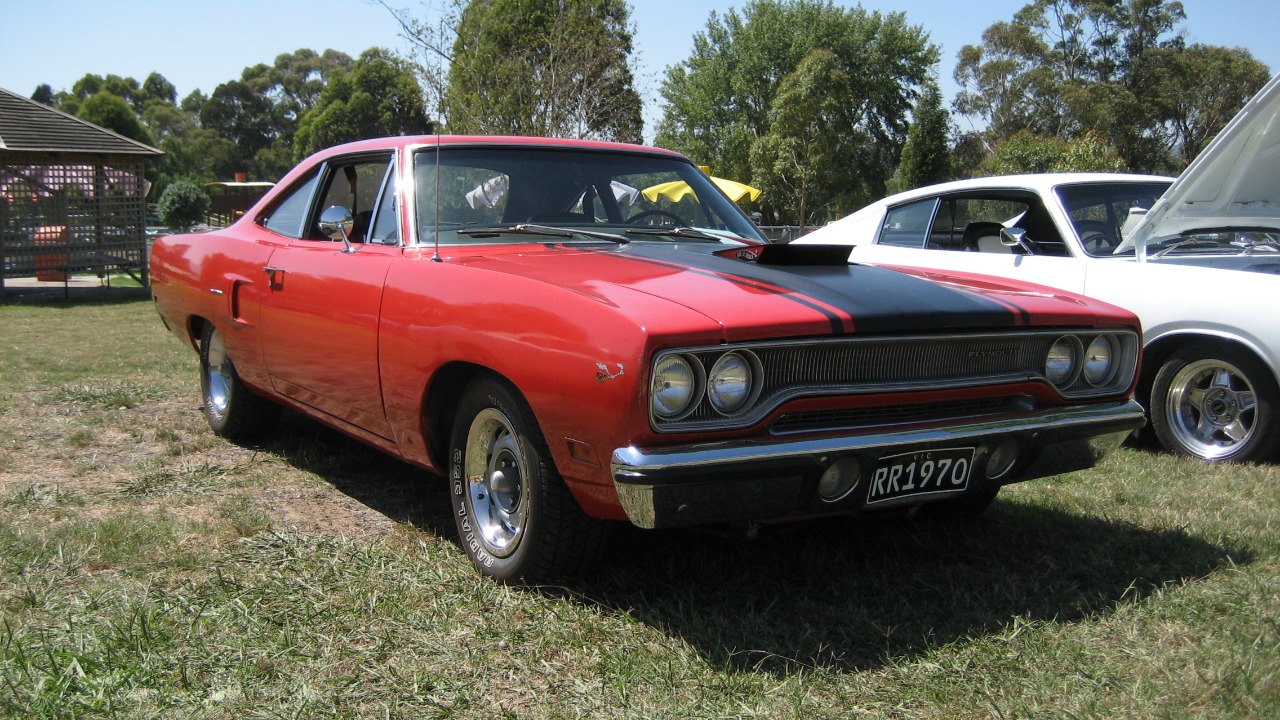
The Plymouth Road Runner made muscle car performance more accessible by focusing on power and affordability instead of luxury equipment. Its simple approach appealed strongly to younger buyers who wanted speed without a huge price tag. The car quickly became one of the defining names of the era. Its popularity also helped establish the idea that a practical-looking car could deliver serious performance.
Mercury Cougar
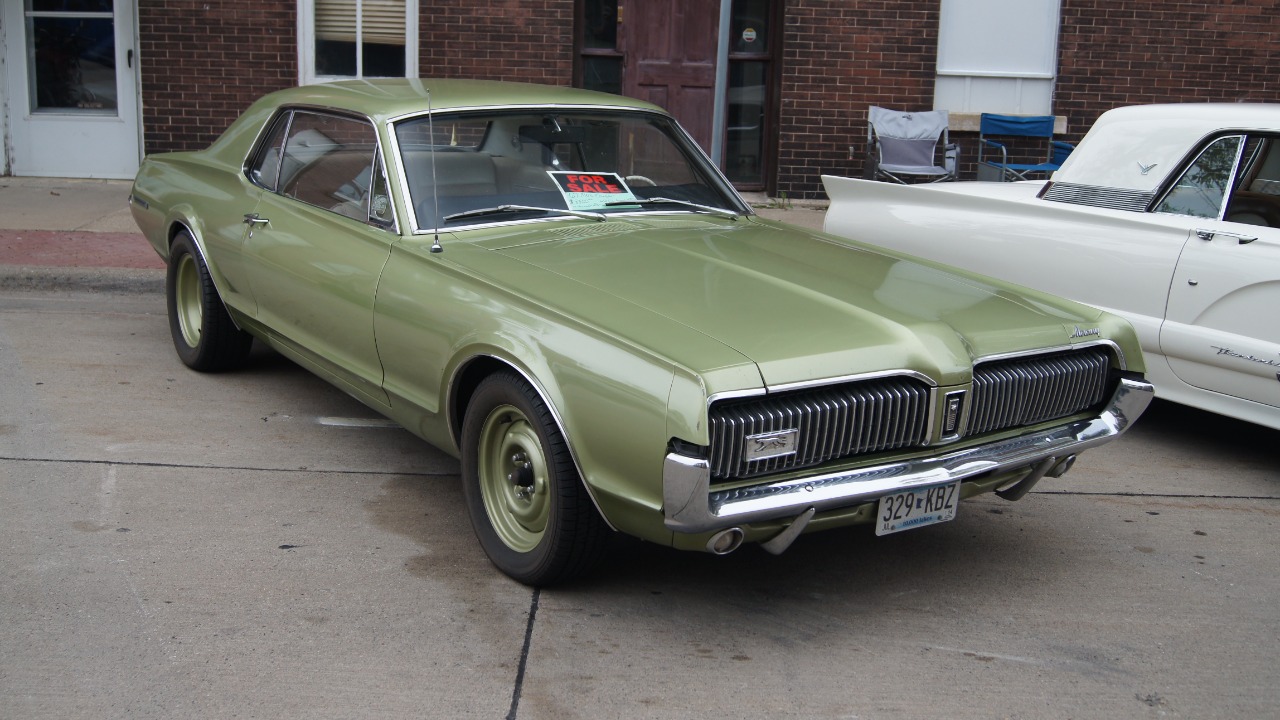
The Mercury Cougar offered a more refined alternative to Ford’s Mustang while retaining plenty of performance potential. Its upscale interior, distinctive front end, and available V8 engines made it comfortable enough for daily use while still providing excitement. The Cougar fit naturally into suburban life, where buyers wanted one car that could handle commuting and weekend driving. Its balance of comfort and performance remains appealing today.
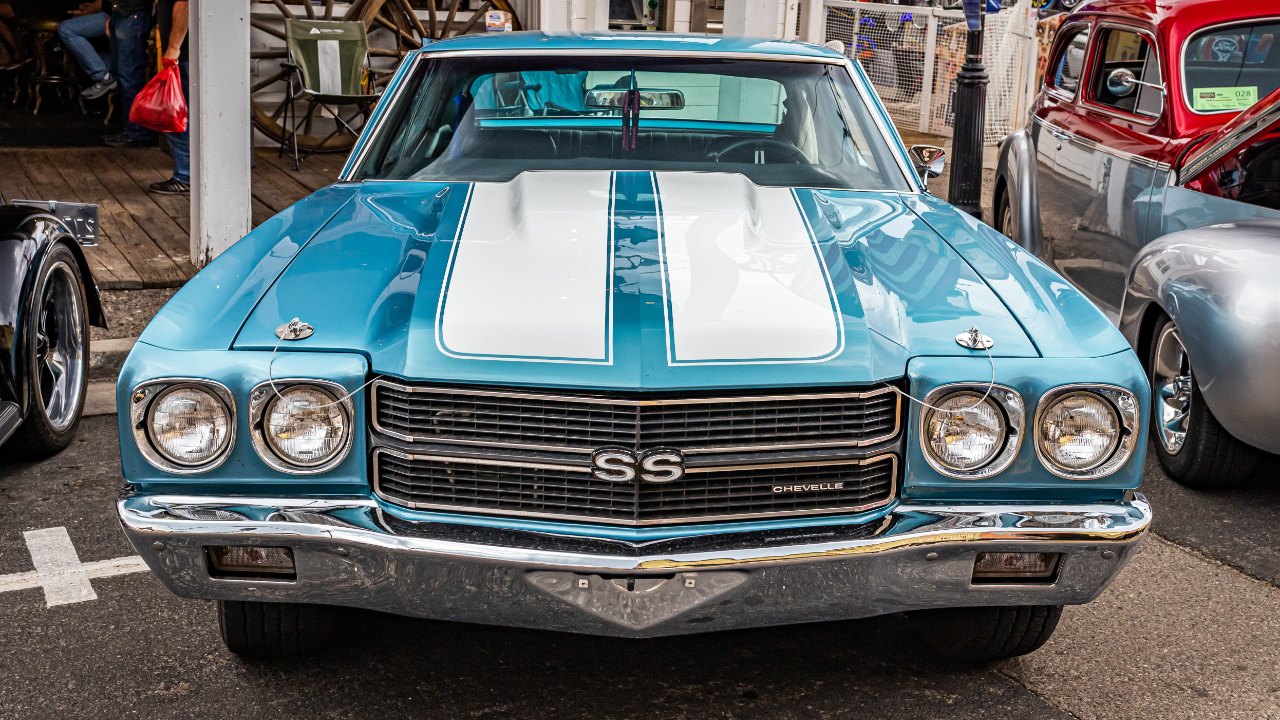
Chevrolet Chevelle SS
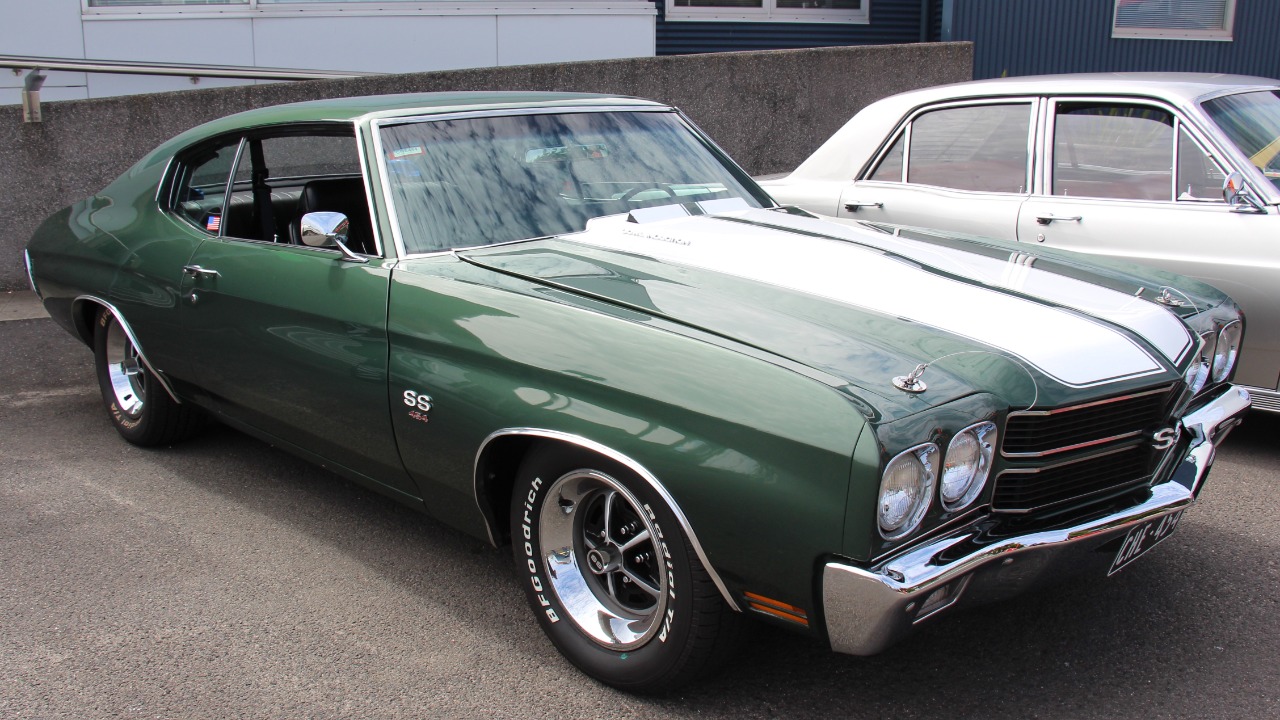
The Chevrolet Chevelle SS became one of the most recognizable muscle cars of the era by combining a practical midsize body with serious V8 power. It could carry passengers and handle everyday driving while delivering the acceleration enthusiasts wanted. Its strong styling helped it become a cultural symbol of the period. The Chevelle SS remains one of the clearest examples of muscle cars becoming part of mainstream American life.
More from Fast Lane Only
- Unboxing the WWII Jeep in a Crate
- 15 rare Chevys collectors are quietly buying
- 10 underrated V8s still worth hunting down
- Police notice this before you even roll window down
*Research for this article included AI assistance, with all final content reviewed by human editors.