The 1990s changed what drivers expected from their cars. Better safety equipment, improved fuel economy, new technology, and smarter packaging began appearing in vehicles that ordinary buyers could actually afford. Some models introduced ideas that later became common across the industry, while others simply showed that cars could be more practical, efficient, or enjoyable. These ten automobiles helped shape the expectations that drivers carried into the new century.
Toyota RAV4

The Toyota RAV4 helped establish the modern compact crossover before the category became a dominant part of the market. Its car-like driving manners, upright seating position, compact size, and available four-wheel drive made it useful for city driving and weekend trips. It offered much of the practicality people liked about SUVs without the bulk of a traditional truck-based model. That formula would eventually become extremely common.
Honda Odyssey

The Honda Odyssey helped redefine what a family minivan could offer. Instead of treating the minivan purely as basic transportation, Honda focused on useful interior flexibility, comfortable seating, and easier everyday driving. Its practical cabin made it appealing to growing families, while its car-based design kept it relatively easy to live with. The Odyssey helped establish the minivan as a serious alternative to large family sedans.
Subaru Outback
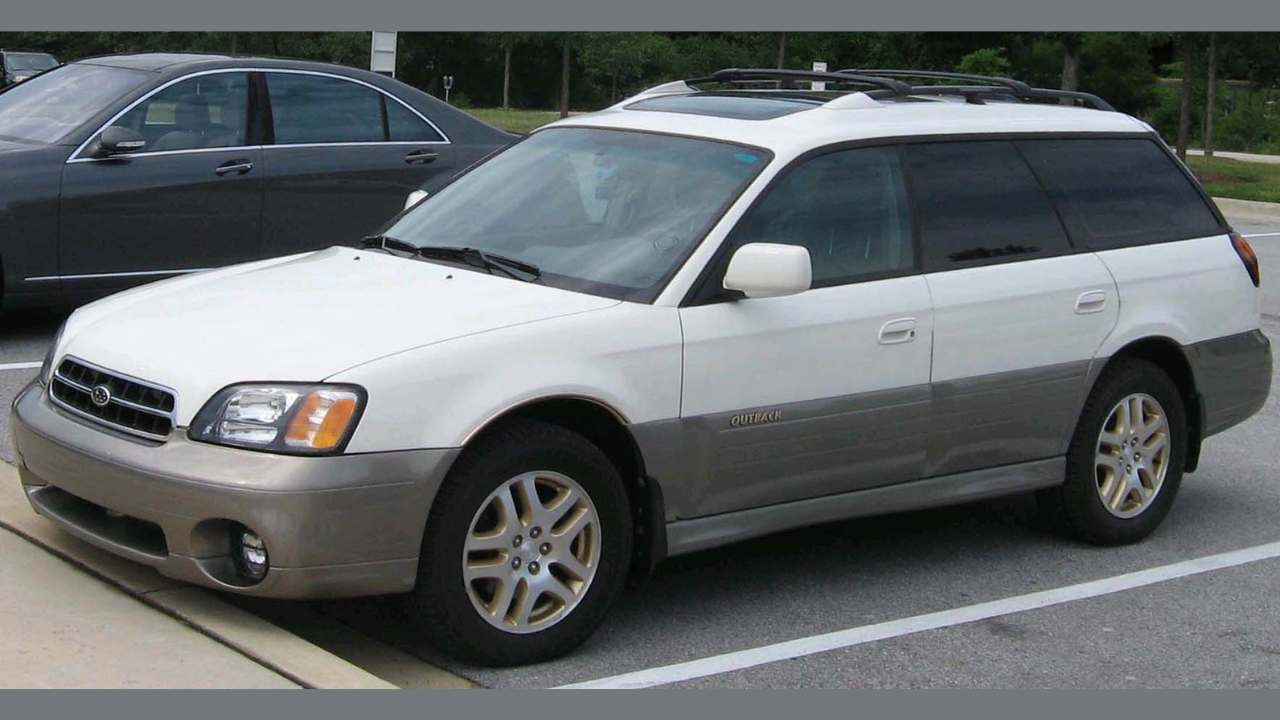
The Subaru Outback helped create a new type of family vehicle by combining wagon practicality with extra ground clearance and available all-wheel drive. It offered a useful alternative for buyers who liked the idea of an SUV but did not need a large truck-based vehicle. Its outdoorsy image also became an important part of its appeal. The formula proved influential as crossover-style vehicles became increasingly popular.
Mazda MX-5 Miata

The Mazda MX-5 Miata brought the lightweight roadster back to the mainstream with a simple formula centered on balance and driving enjoyment. Its compact size, rear-wheel-drive layout, and modest engine made it approachable rather than intimidating. The Miata also showed that a sports car could be affordable, reliable, and easy to live with. Its success influenced a new generation of small performance cars.
Toyota Prius

The Toyota Prius introduced hybrid technology to a much broader audience. Its combination of a gasoline engine and electric motor focused on reducing fuel consumption without requiring drivers to plug the car into an outlet. The unusual hatchback design also emphasized efficiency. Although early Prius models were not performance cars, their importance was much greater. They helped make electrified powertrains a realistic option for ordinary motorists.
Audi A4

The Audi A4 helped raise expectations for compact luxury sedans by combining understated styling, strong interior quality, and modern engineering in a relatively small package. Its refined cabin and available all-wheel drive gave buyers features that were once more associated with larger luxury cars. The A4 also strengthened Audi’s position against established German competitors. Its influence can be seen throughout today’s compact premium segment.
BMW 3 Series

The BMW 3 Series became an important benchmark for combining everyday usability with genuine driving enjoyment. Its balanced chassis, rear-wheel-drive layout, and responsive handling helped separate it from ordinary family sedans. At the same time, it offered enough comfort and practicality for daily use. The 3 Series helped convince buyers that a practical sedan did not have to feel dull behind the wheel.
Ford Explorer
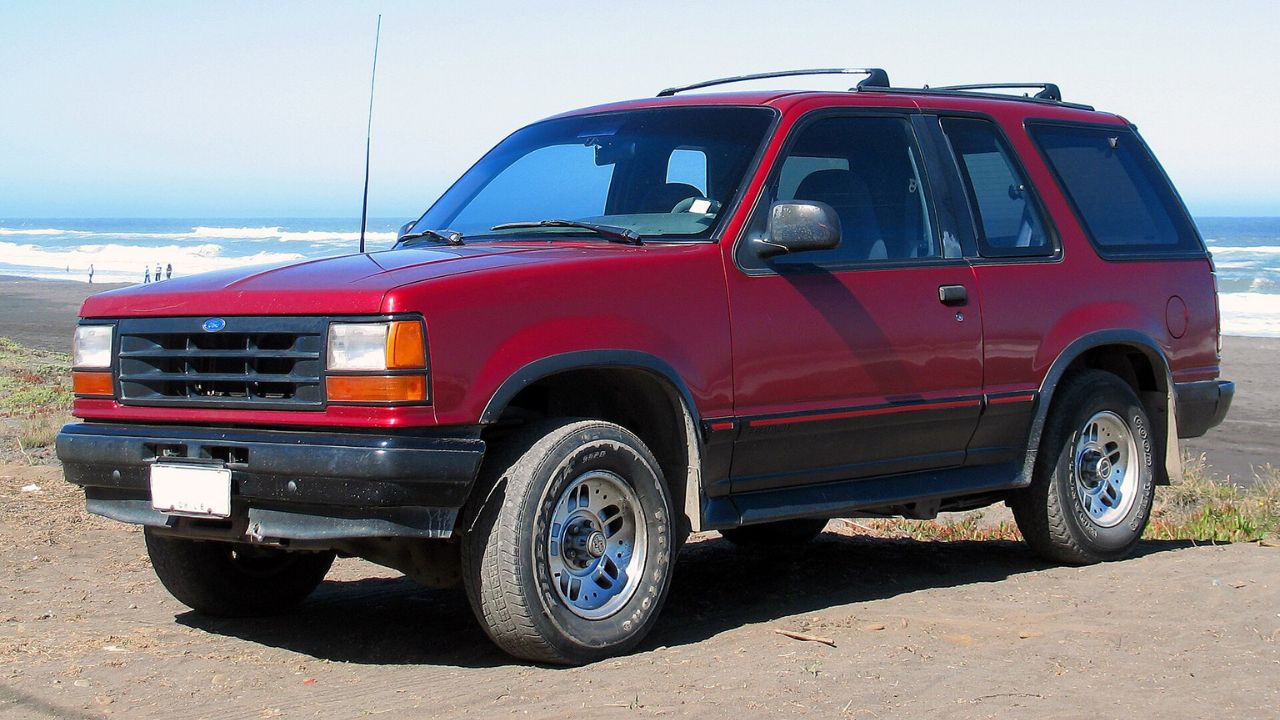
The Ford Explorer helped turn the SUV from a specialized utility vehicle into mainstream family transportation. Its four-door layout, spacious cabin, available four-wheel drive, and commanding seating position appealed strongly to American families. The Explorer became a major sales success and helped accelerate the decline of traditional station wagons. Its impact on the American market was enormous, influencing what many buyers expected from their next family vehicle.
Dodge Viper
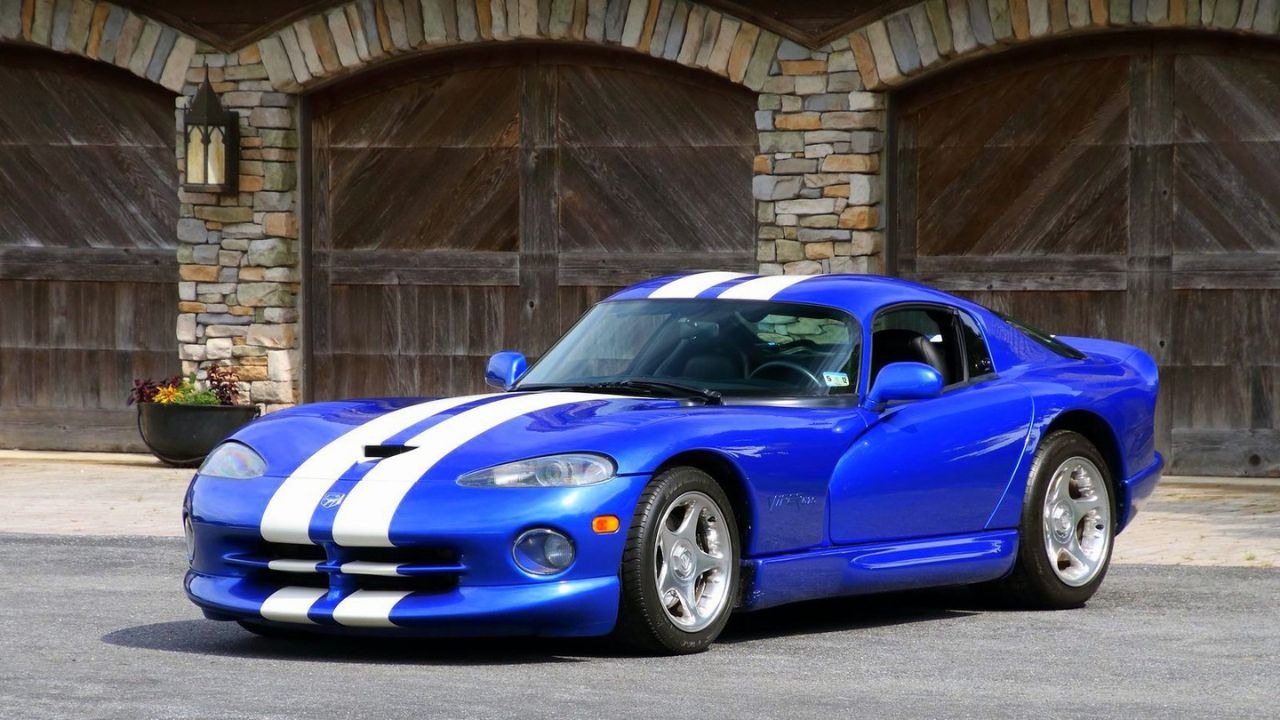
The Dodge Viper challenged the idea that a modern American sports car needed to be comfortable and easy to drive. Its enormous V10, rear-wheel drive, and limited electronic assistance created an experience that was deliberately raw. The Viper looked and felt more extreme than most mainstream performance cars. It demonstrated that an American manufacturer could still build a dramatic sports car capable of attracting worldwide attention.
Ford Taurus

The Ford Taurus helped move American family sedans toward aerodynamic styling and more efficient packaging. Its rounded shape looked radically different from the boxy cars that dominated American roads before it. The spacious interior and front-wheel-drive layout also offered practical advantages. By making aerodynamic design feel normal rather than experimental, the Taurus helped influence the appearance and engineering direction of many later family cars.
More from Fast Lane Only
- Unboxing the WWII Jeep in a Crate
- 15 rare Chevys collectors are quietly buying
- 10 underrated V8s still worth hunting down
- Police notice this before you even roll window down
*Research for this article included AI assistance, with all final content reviewed by human editors.