You expect a car to drain your gas budget, not your entire savings account. Yet some vehicles hide brutal repair and maintenance costs that only show up once you are locked into payments and surprise shop visits. Here are 12 specific models and brands that can quietly bankrupt owners with hidden repairs, and what you should watch for before you sign anything.
Cadillac Escalade ESV
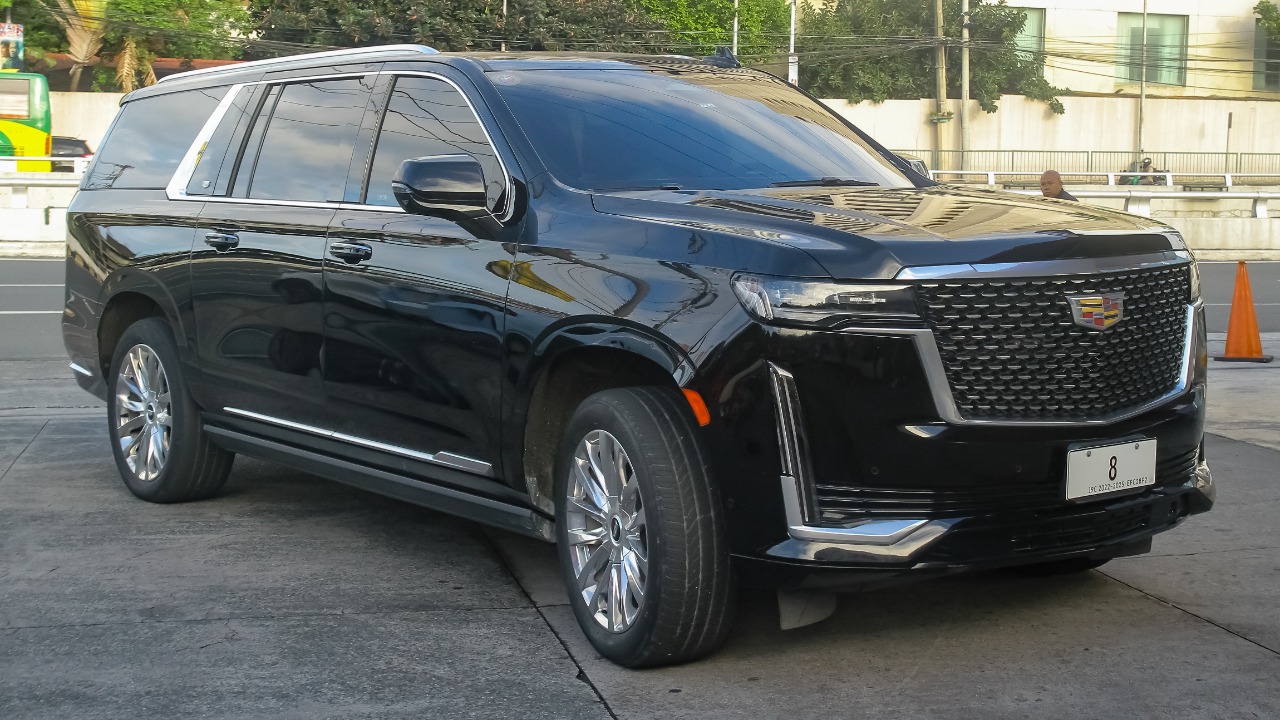
The Cadillac Escalade ESV looks like the ultimate status SUV, but its long-term costs can be punishing. Data on American luxury models shows the Cadillac Escalade ESV Costs $12,938 Over 10 Years in maintenance alone, a figure that does not include fuel or insurance. That kind of bill reflects complex electronics, air suspension components, and big V8 drivetrains that are expensive to diagnose and repair when they age.
If you buy one used, you may inherit worn magnetic ride shocks, failing infotainment modules, and transmission issues that previous owners deferred because of price. Each of those repairs can run into four figures, and they rarely fail one at a time. For you as a shopper, the Escalade ESV is a prime example of why a pre-purchase inspection and an extended warranty are not optional on high-mileage luxury SUVs.
Lincoln MKZ

The Lincoln MKZ tries to deliver a premium experience at a discount, but the ownership math tells a different story. Research into American Luxury Cars That Have High Maintenance And Repair Costs shows the Lincoln MKZ Costs $8,378 Over 10 Years in maintenance. That is a hefty sum for a sedan that often sells cheaply on the used market, luring you in with a low purchase price while hiding long-term expenses.
Turbocharged engines, adaptive suspension, and intricate interior electronics all add to the bill when they fail outside warranty. You may also face higher labor rates because many independent shops are less familiar with the MKZ’s specific systems. If you are tempted by its quiet ride and features, you need to budget for those future repairs up front, or you risk watching a “bargain” luxury sedan quietly drain your savings.
Land Rover Range Rover
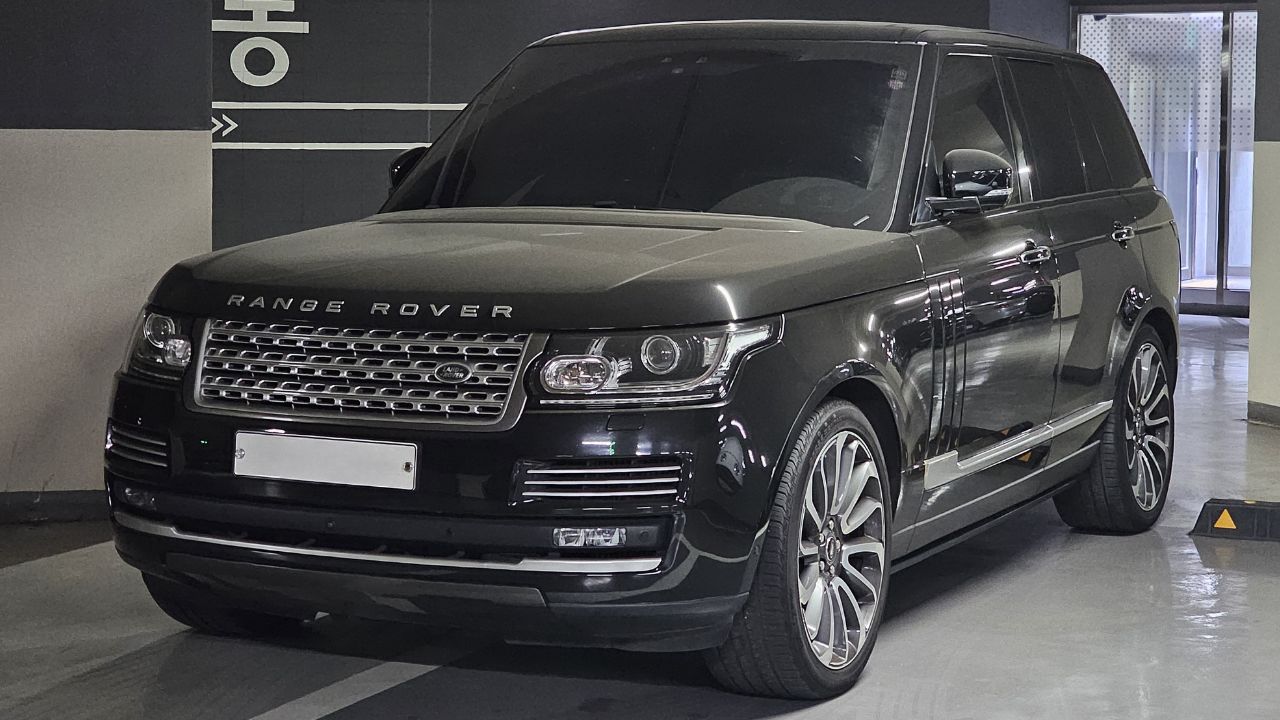
The Land Rover Range Rover is almost a textbook case of a vehicle that dazzles in the showroom and devastates in the service bay. Specialists who work on these SUVs are blunt when asked, Are Land Rovers Expensive to Repair, answering “Yes, Land Rovers” are among the most expensive vehicles to maintain and Repair. The combination of advanced technologies, complex air suspension, and luxury-class build quality means almost every job requires specialized parts and expertise.
Owners often discover that even minor collision damage or an electrical glitch can cost thousands to sort out. Air suspension compressors, height sensors, and control modules are notorious wallet-busters, and they tend to fail as the vehicle ages. If you are considering a used Range Rover because prices look surprisingly low, remember that the purchase price is only the down payment on years of very expensive upkeep.
Ram 1500 (late-model)

The Ram 1500 has a loyal following for its comfort and power, but long-term reliability data should give you pause. In rankings of used-car dependability, the brand Ram sits in the 24th position, with Ram, Jeep, and Tesla grouped as the least reliable. That low standing reflects recurring issues with engines, electronics, and driveline components that can surface just as warranties expire.
For you as a buyer, that means a used Ram 1500 might come with hidden liabilities like failing air suspension, lifter problems on Hemi engines, or glitchy infotainment systems. Each of those can cost thousands to fix, especially if you rely on dealer service. The truck may feel like a smart buy when you compare towing specs, but the risk of repeated shop visits can quietly turn it into a financial trap.
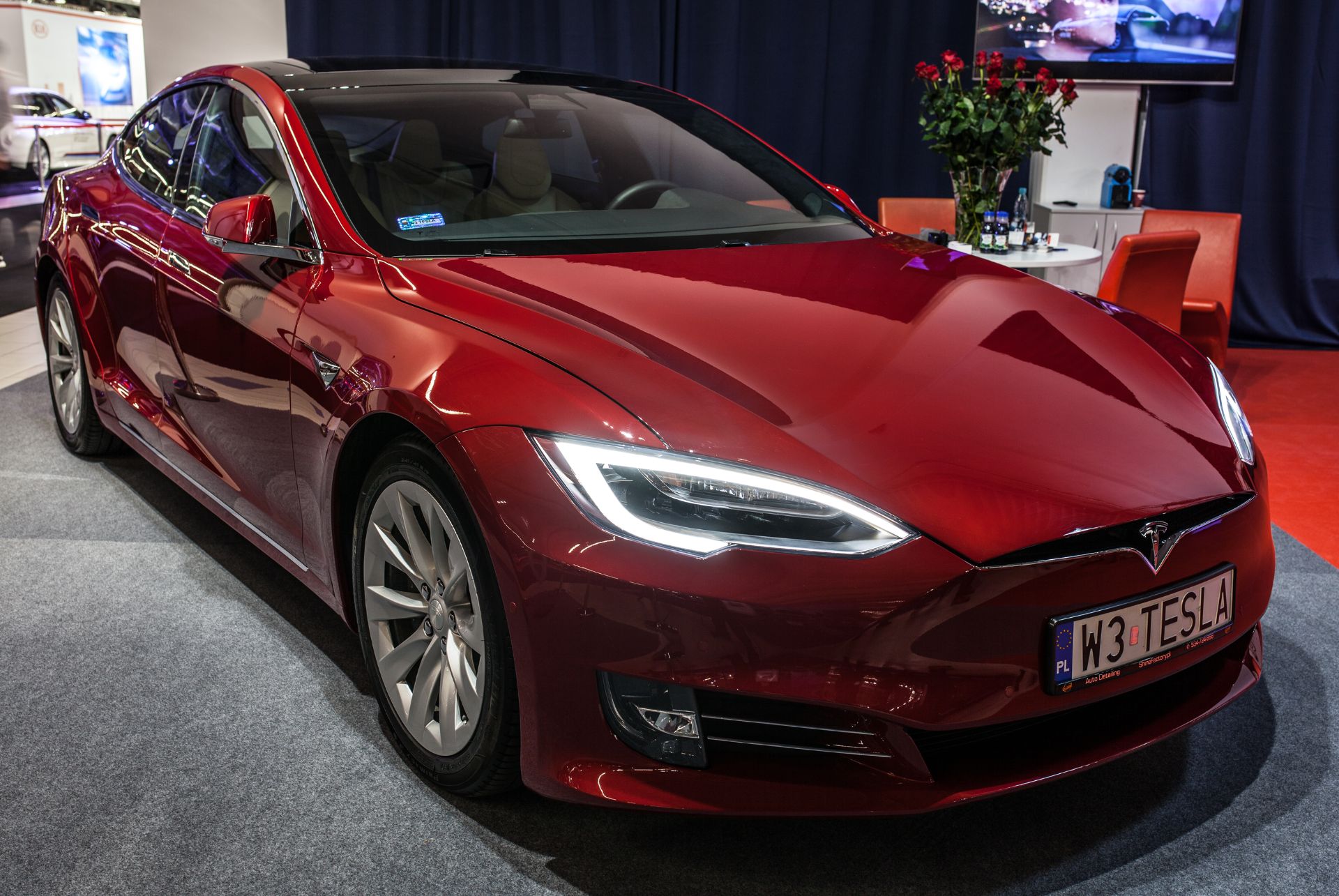
Tesla Model S

The Tesla Model S helped define modern EV performance, yet its long-term reliability record is far from bulletproof. Brand-level data places Tesla in the 26th position for used-car dependability, with Tesla grouped alongside Ram and Jeep as the least reliable. For a complex electric sedan packed with proprietary hardware, that ranking translates into very expensive out-of-warranty repairs.
Battery degradation, drive unit failures, and touchscreen or MCU problems can each cost thousands, and you are often locked into factory service networks. Parts availability and labor rates can stretch repair timelines and inflate bills. If you are drawn to a used Model S for its speed and tech, you need to factor in the risk that a single major failure could wipe out any fuel savings you expected from going electric.
Nissan Sentra (CVT years)
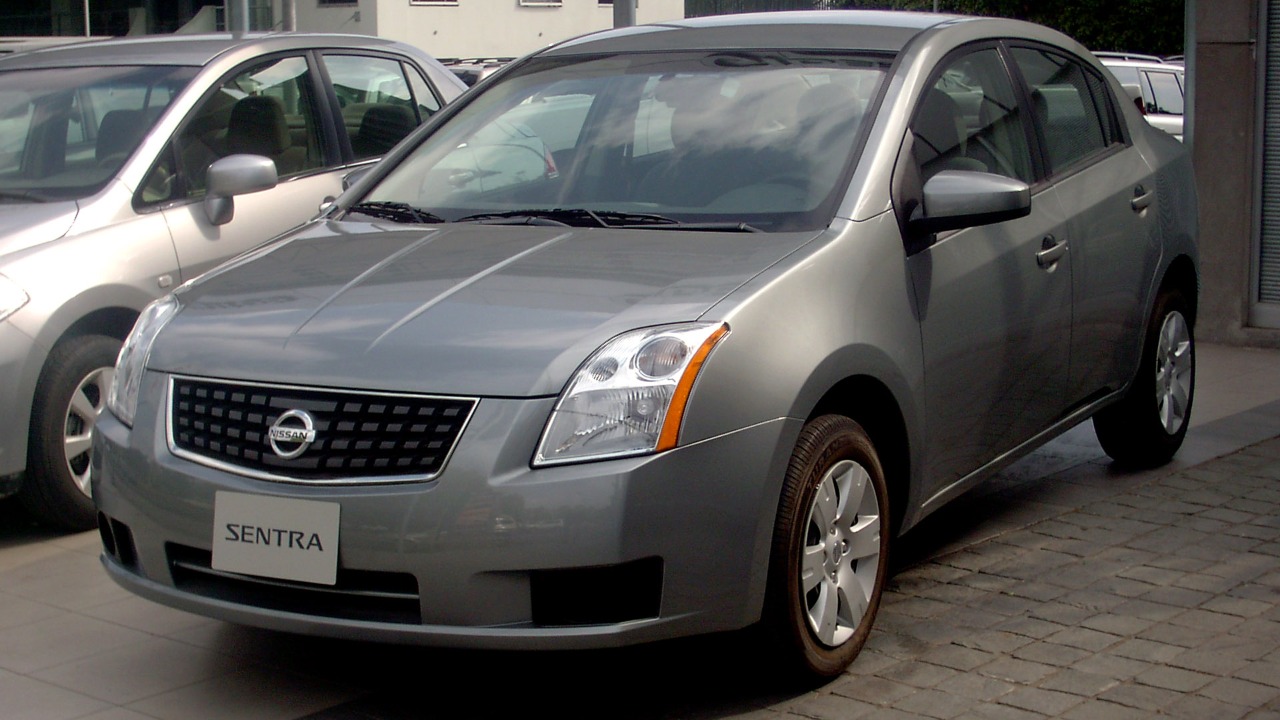
The Nissan Sentra has a reputation as an affordable commuter, but certain model years hide a serious transmission problem. Transmission specialists warn that a 2012, 2013, or 2015 Nissan Sentra is likely to spend time at a shop because the continuously variable transmission is prone to failure, with Nissan Sentra models repeatedly flagged for major issues. When a CVT fails, replacement often costs more than the car is worth.
For you, that means a cheap used Sentra from those years can be a financial landmine. Even if the transmission has not failed yet, shuddering, slipping, or delayed engagement are warning signs that a big bill is coming. Unless you have proof of a recent factory replacement and a strong warranty, you risk paying thousands to keep a budget compact on the road.
Chrysler 200
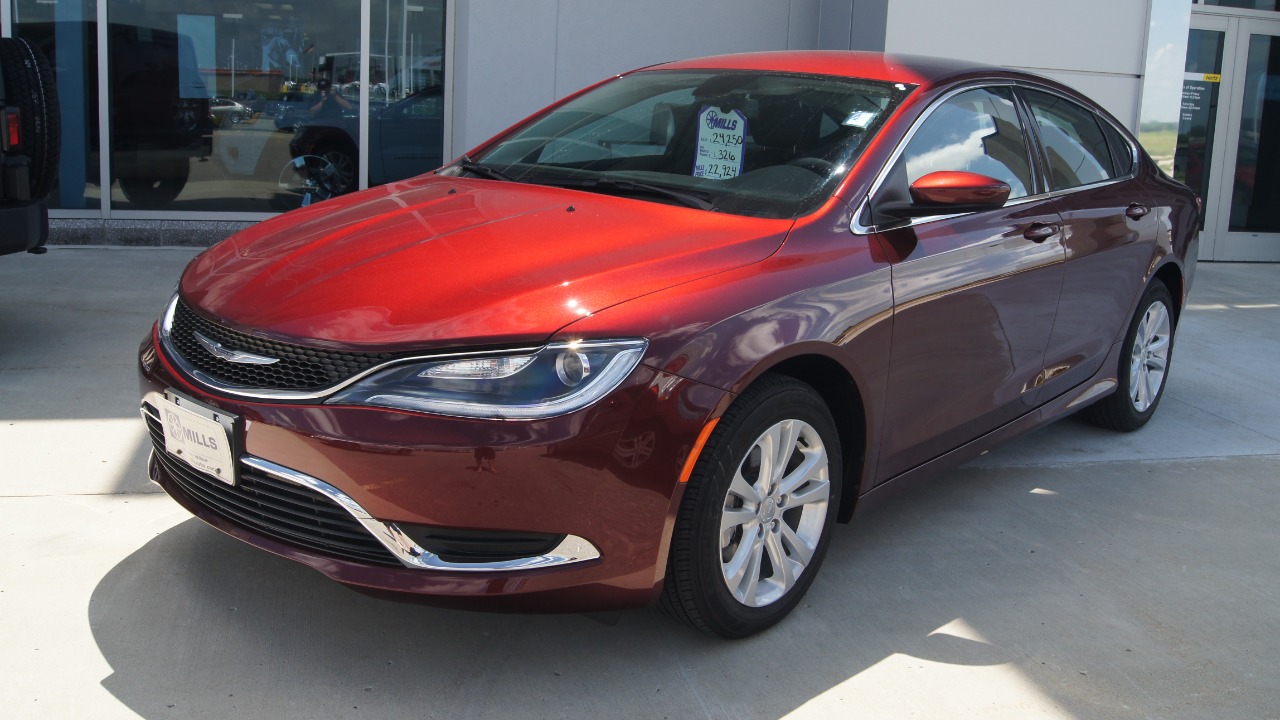
The Chrysler 200 is a sedan you often see on rental lots and used-car rows, but reliability research paints a harsh picture. In a list of the 7 Worst Used Vehicles for Reliability and Chronic Issues, the Chrysler 200 is singled out, with Common Issues including Transmission failure and Elect problems. The report even highlights the number 200 directly when discussing how frequently these cars suffer major driveline trouble.
Transmission failures on the 200 can arrive suddenly and cost more than the car’s remaining value, especially on higher-mileage examples. Electrical gremlins affecting windows, starting, and interior electronics add to the frustration and expense. If you are shopping for a low-cost sedan, you are better off skipping the Chrysler 200 entirely than gambling on whether its weak spots have already been fixed.
Chrysler Pacifica Hybrid

The Chrysler Pacifica Hybrid promises family-friendly efficiency, but reliability scores tell a more worrying story. In a list of the least dependable vehicles, the Chrysler Pacifica Hybrid is called out with a low Reliability score, with coverage framed as “Here” are the models to avoid according to Consumer Reports. That poor Reliability rating reflects problems with the hybrid system, electronics, and sliding-door hardware.
When a plug-in hybrid like this develops issues, you face the cost of both a complex gasoline drivetrain and a high-voltage battery system. Repairs often require dealer-level tools and training, which pushes labor rates higher. For a family on a budget, repeated visits for check-engine lights, charging faults, or door malfunctions can quickly erase any fuel savings and turn the minivan into a financial burden.
MINI (BMW-era models before 2016)
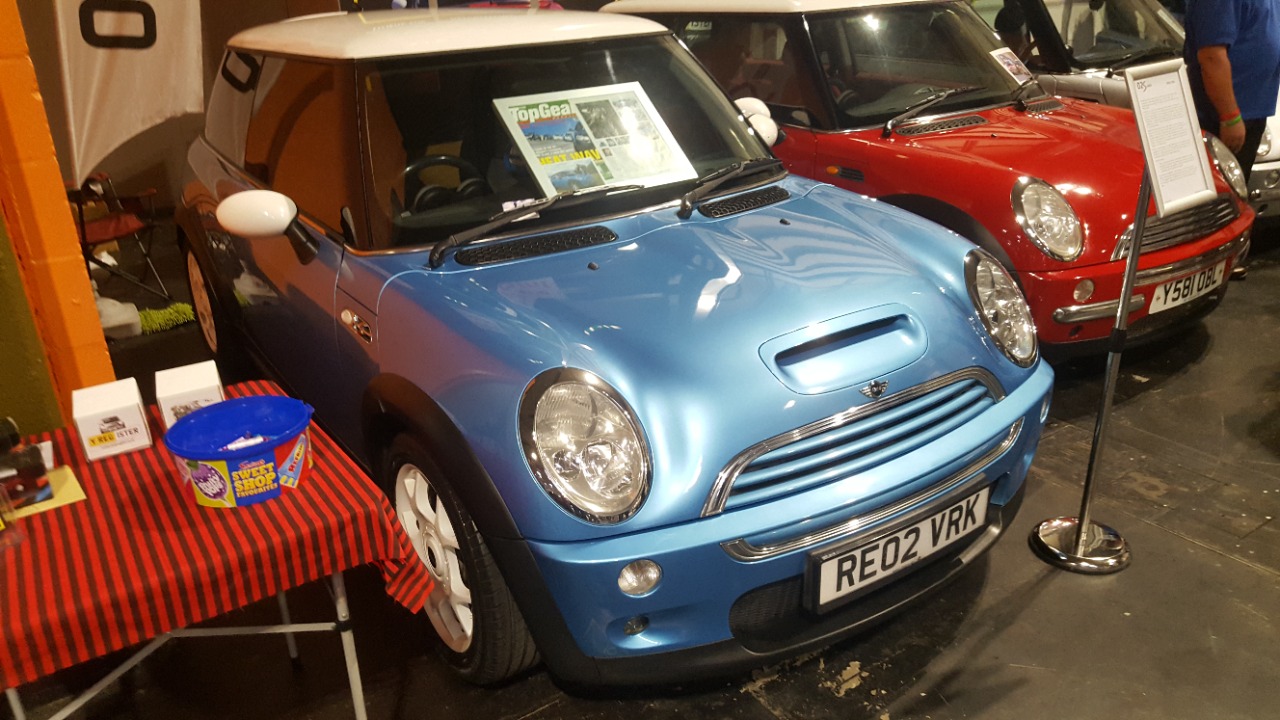
BMW-era MINI models are fun to drive, but their engines can be a nightmare for your wallet. Analysis of unreliable powertrains notes that the newer mini models made after 2016 are much better, but the maintenance and repair costs have been high since BMW made them, with some engines failing well before 100,000 miles. Timing chain issues, oil leaks, and cooling-system failures are all common complaints.
Because these cars pack a lot of hardware into a small engine bay, labor times are high and access is difficult. That means even relatively simple jobs can cost far more than you expect. If you are drawn to a pre-2016 MINI for its style and handling, you need to budget for premium-European repair pricing and consider whether you are comfortable with the risk of an early engine rebuild.
Porsche Cayenne
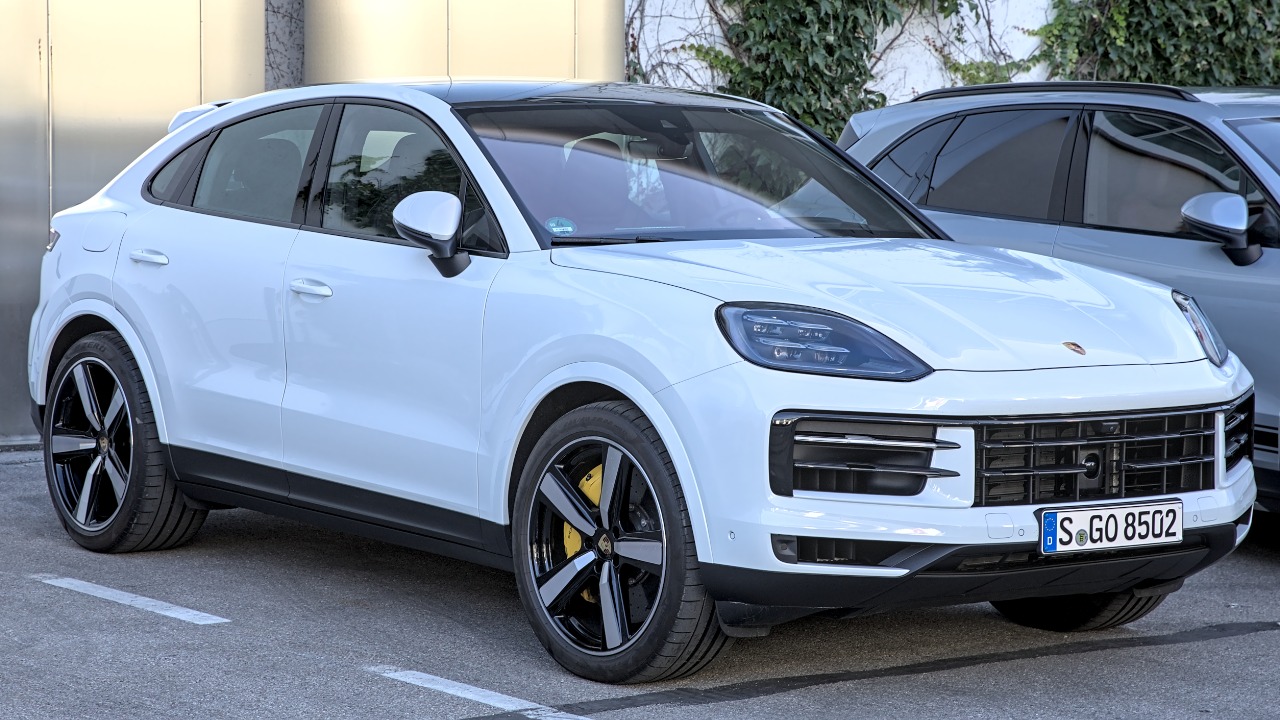
The Porsche Cayenne blends SUV practicality with sports-car performance, but that combination comes at a steep maintenance price. A veteran mechanic describing the most expensive cars to own over time singles out the Porsche Cayenne, noting that The Porsche Cayenne is a beautiful SUV, but the repair bills look less pretty, with the Porsche Cayenne SUV relying on performance parts that are costly to replace. Brakes, tires, and suspension components all wear faster under the weight and power of the vehicle.
Owners also face high labor rates and limited independent specialists, especially outside major cities. Complex AWD systems, turbocharged engines, and intricate electronics mean that even routine service can be expensive, and unexpected failures can easily cross the four-figure mark. If you are considering a used Cayenne as a “cheap” way into the Porsche brand, you should assume sports-car maintenance costs from day one.
Bentley Continental GT

The Bentley Continental GT is the dream car that can quietly become a financial nightmare. Research into luxury-car ownership costs shows that Bentleys are the most expensive luxury car to maintain, with 10-year costs totaling more than $30,000 on average, making Bentleys among the most costly brands on the market. That $30,000 figure reflects routine service, not catastrophic failures.
On a Continental GT, even basic maintenance like fluid changes, brake jobs, and tire replacements is priced at an ultra-luxury level. When air suspension, W12 engines, or complex electronics fail, repair bills can rival the cost of an entire mainstream car. Unless you have a budget that comfortably absorbs five-figure surprises, owning a used Bentley is less a bargain and more a rolling liability.
Ford Escape (problem years)

The Ford Escape is a common sight in driveways, but certain years have earned a reputation for serious mechanical trouble. A review of Most Unreliable Cars notes that Even Toyota has occasional model problems, then warns drivers to focus on Avoiding the Reliably Unreliable, with the Ford Escape and Bronco models included among vehicles with bad engines and transmissions in a Most Unreliable Cars list. For the Escape, that has meant engine failures, coolant leaks, and transmission issues in specific generations.
Because the Escape is marketed as a practical family crossover, many buyers do not expect to face major powertrain repairs before 150,000 miles. Yet owners of the problematic years report blown engines and failing transmissions that arrive far earlier, often without much warning. If you are shopping used, you need to research exact model years and engine codes carefully, or you risk inheriting someone else’s very expensive mistake.
More from Fast Lane Only