You are shopping a used car market that is suddenly flooded in some corners and stubbornly tight in others. As more models pile up on dealer lots, you can find real bargains if you know which nameplates are quietly becoming surplus. Here are nine specific vehicles and segments where supply is swelling fast, and what that means for the price you actually pay.
Off-lease EVs from the 2021–2023 boom

Off-lease EVs from the 2021 to 2023 buying wave are now returning in bulk, and you are seeing them everywhere. A detailed forecast of 2026 used prices notes that Sedans and electric models are under the most pressure as supply normalizes. Another analysis of used car trends explains that a growing number of Off-lease EVs are scheduled to hit auctions and retail lots as leases written at peak incentives expire.
For you, that means a wave of 3 to 5 year old battery cars with relatively low mileage and full modern safety tech. The catch is that EVs are not holding value well, so lenders and dealers are nervous about future residuals. If you are comfortable with range and charging, you can use that anxiety to negotiate aggressively on price, extended warranties, or free home charger installation.
Used electric vehicles dumped after the $7,500 credit

Used electric vehicles that were originally sold with a $7,500 federal incentive are now cycling back as owners trade up. Analysts say 2026 will be “the year of the electric” for buyers because that tax credit, which “doesn’t exist anymore,” pulled a surge of shoppers into leases and loans that are now ending. Many of those early adopters want the latest range and charging speeds, so they are unloading perfectly usable first- and second-generation EVs.
Experts quoted in a separate report argue that used electric vehicles in 2026 could be the best deal in 20 years because prices have fallen far faster than gasoline models. For you, that creates a rare moment where technology has leapt ahead, but depreciation has overcorrected. If you shop carefully, you can capture thousands in savings that were originally subsidized by that $7,500 credit and by the first owner’s steep depreciation hit.
Mass-market EVs tracked by Manheim auctions

Mass-market EVs running through Manheim auctions are another source of sudden supply. A detailed discussion of wholesale trends notes that EV vehicles are not holding their values well and that According to Manheim data, electric models are becoming more popular but also more volatile in price. That volatility is exactly what encourages fleet operators and rental companies to dump inventory quickly when values start to slide.
As those units hit dealer lots, you see deep discounts on mainstream EVs that were used as ride-hail cars, rentals, or corporate fleet vehicles. The risk for you is accelerated battery wear and higher mileage, but the upside is a transaction price that can undercut a comparable gasoline car. If you insist on a full battery health report and a strong warranty, this flood of Manheim-sourced EVs can be your cheapest path into electric ownership.
Ford F-150 losing share in America’s used market

The Ford F-150 is still the bestselling used vehicle in America, but its grip is slipping as more alternatives crowd the market. A breakdown of used sales points out that the 150 remains on top, yet its dominance in America is “quietly shrinking” as buyers cross-shop newer midsize trucks and SUVs. That shift means dealers who once counted on every F-150 selling instantly now have to work harder to move aging inventory.
For you, the result is more negotiating room on high-volume trims like XLT and Lariat, especially in older model years with basic equipment. As domestic brands push incentives on new trucks, used prices face additional pressure. If you are flexible on color and options, you can use that softening demand to secure a better price or to push for extras like bed liners and tow packages to be thrown into the deal.
Slow-selling Toyota sedans in February lists

While Toyota dominates the fastest-selling list in In February rankings, some of its sedans are also showing up on the slow side as shoppers chase crossovers. A detailed breakdown of Fastest and Slowest in 2026 notes that In February, Toyota models in America cluster at both extremes. That split reflects a market where SUVs move quickly while traditional four-doors linger.
If you are willing to drive a sedan instead of a crossover, that hesitation works in your favor. Dealers facing aging inventory on compact and midsize Toyotas are more open to discounting or to offering favorable finance terms. You still get Toyota’s reputation for reliability, but you pay less because the body style is out of fashion. For budget-conscious commuters, those slow-selling sedans can be the sweet spot between price and durability.
Discontinued Chevrolet Malibu units

The Chevrolet Malibu is being discontinued for the 2026 model year, and that decision is already reshaping the used market. A detailed list of discontinued models confirms that Chevrolet Malibu is ending production alongside Acura TLX and ZDX, Cadillac XT6, and Chrysler models. When a mainstream sedan exits, rental fleets and corporate buyers often unload their holdings faster, which sends a wave of cars into auctions and dealer lots.
For you, that means a growing pool of nearly identical Malibus with similar mileage and equipment, all competing for attention. Resale values typically soften when a nameplate dies, since shoppers worry about long-term support. Yet parts and service usually remain available for years. If you are not concerned about owning a discontinued badge, you can use that perception gap to negotiate a lower price than rival sedans with ongoing production.
Dodge Hornet and other slow movers
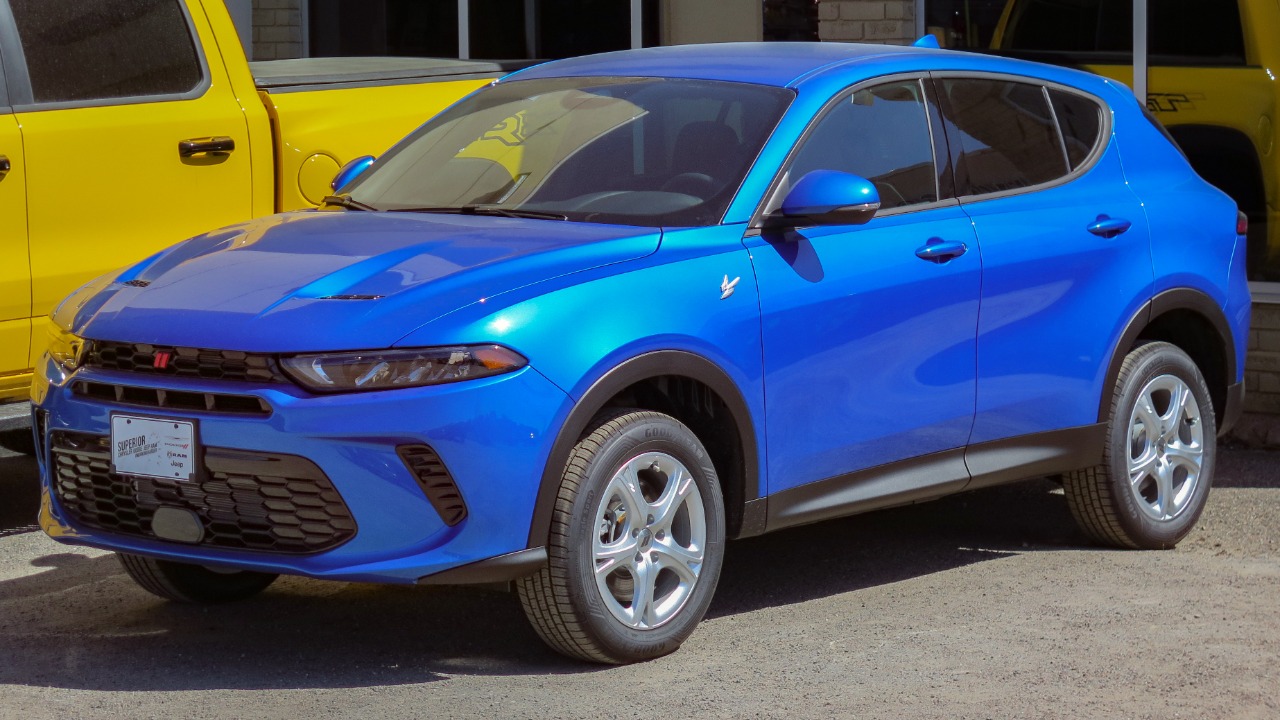
The Dodge Hornet has become a symbol of slow-selling crossovers that are quietly stacking up on lots. In a candid video, an analyst compares it with the Ford Escape, Hyundais, and Kias, noting that Ford Escape, Hyundais, and Dodge products now fight in a crowded value space. He recalls when Dodge used to have cheaper models like a Dodge Caliber that was “like under $20, 000,” contrasting that with the Hornet’s higher pricing.
Because the Hornet has struggled to resonate, used examples can sit long enough that dealers grow impatient. For you, that translates into steeper discounts, especially if you are open to plug-in hybrid versions that some buyers overlook. The key is to separate the model’s marketing challenges from its actual hardware. If the driving dynamics and warranty coverage meet your needs, the Hornet’s slow sales can be your leverage for a below-market deal.
Flood-damaged cars flagged by CARFAX

Not every surge in used inventory is good news. CARFAX warns that 45,000 flood-damaged cars are entering the used market after severe storms. Between April and July, those storms flooded tens of thousands of vehicles that are now being cleaned up and resold, sometimes without full disclosure. That sudden influx can distort local supply, making it look like you have more choices than you really do.
For you, the stakes are high, because flood damage can corrode wiring, airbags, and safety systems long after a car looks dry. You should treat unusually cheap listings in flood-affected regions with extra skepticism, pull full history reports, and insist on independent inspections. The apparent “bargain” created by this flood of damaged cars can quickly evaporate into repair bills if you do not verify what is hiding under the carpet and behind the dashboard.
Tariff-jittery trade-ins and price segmentation

Tariff drama and segmented pricing are also pushing more cars into the used pipeline. One detailed pricing report notes that At the same time, High-demand models are holding or climbing in value, while other segments soften. Another analysis describes how tariffs on imported vehicles and parts have rattled shoppers, prompting some to trade in early before potential price hikes, even as President Donald Trump later paused some measures after market turmoil.
For you, that means a two-speed used market where unloved sedans and older crossovers quietly flood dealer lots while hot trucks and SUVs stay expensive. If you focus on the over-supplied side, you can sidestep the tariff noise and find real value. The key is to ignore the headline models that everyone wants and instead target the trims and body styles where inventory is clearly outpacing demand.
More from Fast Lane Only