You probably know your car has more tech than you use, but you might not realize just how much is hiding in plain sight. Almost 70% of drivers never touch some of the clever features built into their vehicles, so you are far from alone. Here are 13 specific models and trims quietly packed with secret functions and Easter eggs that most owners never discover.
Tesla Model 3’s Santa Mode

Tesla Model 3’s Santa Mode is one of the most playful hidden features on the road, yet many owners never trigger it. Reports on American car Easter eggs describe how Tesla Santa Mode transforms the on‑screen car into a sleigh and nearby vehicles into reindeer, while holiday music takes over the audio system. You usually have to dig into the Toybox menu or use a specific voice command, so it is easy to miss if you only use basic navigation and media.
Beyond the novelty, Santa Mode shows how software updates can keep a car feeling fresh years after you buy it. When you discover tricks like this, you are more likely to explore other buried menus, from efficiency graphs to driver‑profile tweaks, which can change how you plan trips and manage charging. It is a reminder that your Model 3 is less like a traditional car and more like a constantly evolving device.
Tesla Model Y’s Premium Connectivity shortcuts

Tesla Model Y hides surprisingly powerful navigation shortcuts inside its Premium Connectivity package. Coverage of Hidden Tesla Features notes that Connectivity in all Tesla vehicles lets you rapidly navigate to Home or Work by long‑pressing the map, instead of typing addresses every time. Many owners pay for Premium Connectivity mainly for streaming and live traffic, yet never learn these time‑saving gestures that are built into the interface.
Once you start using those shortcuts, you can chain them with other quiet features, such as swiping away an Autopilot prompt or rearranging app icons along the bottom bar. That kind of familiarity matters because it reduces distraction and helps you keep your eyes on the road. For a connected SUV that already blurs the line between car and computer, knowing these hidden inputs lets you get more value from a subscription you might otherwise underuse.
Jeep Wrangler JL’s Morse code “JL”
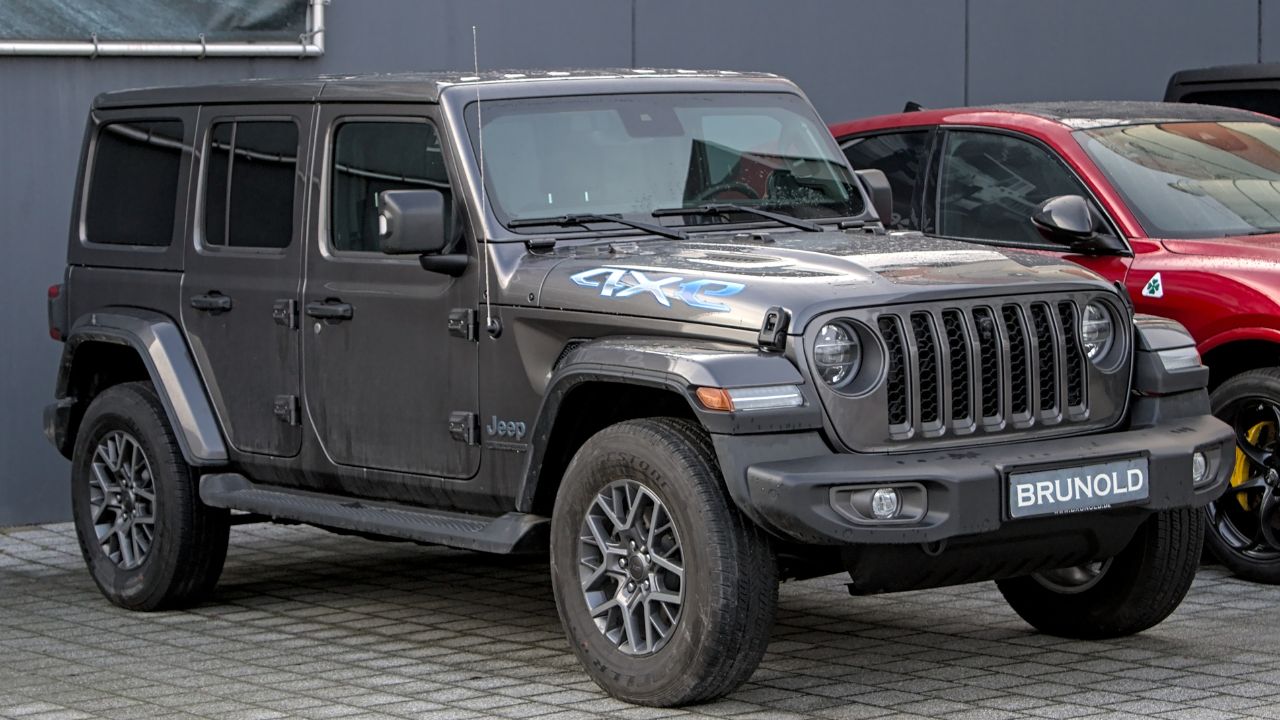
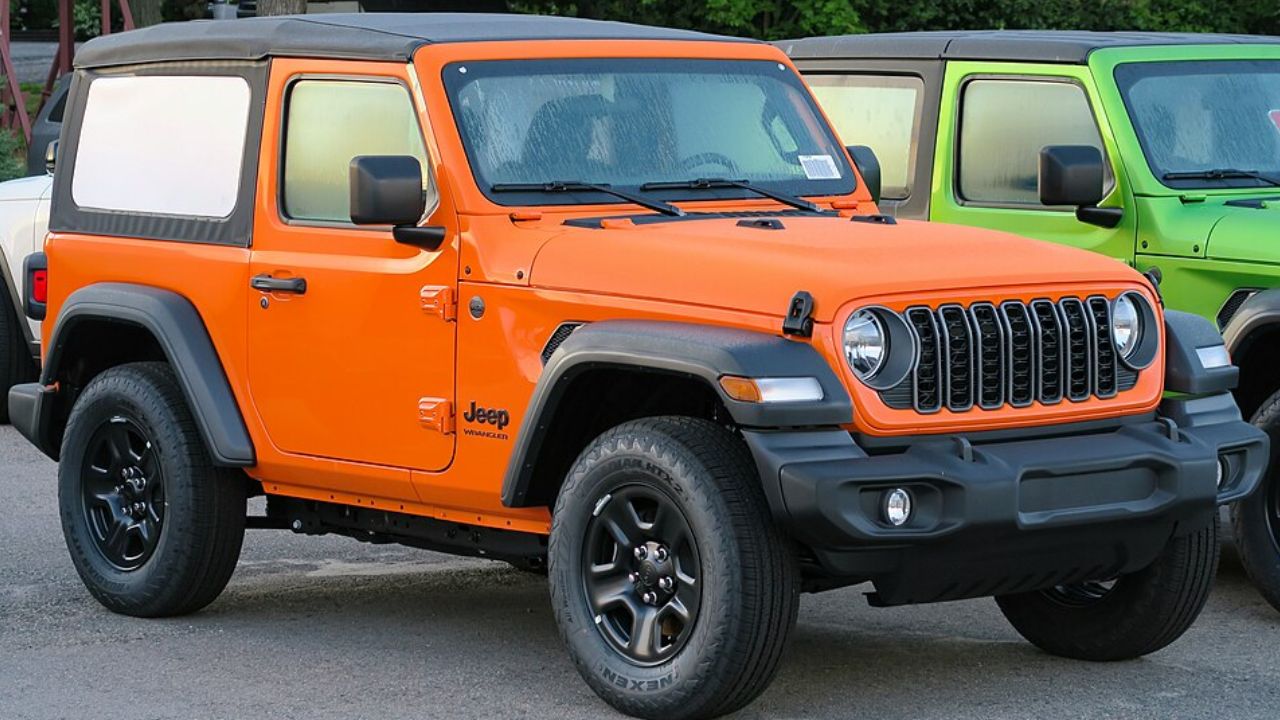
The Jeep Wrangler JL carries one of the most subtle Easter eggs in modern off‑roaders, and you could stare at the cabin for years without spotting it. Detailed coverage of Jeep Wrangler JL explains that designers hid the letters “JL” in Morse code on the vehicle, a tiny nod to its model designation. It is not a button or a menu, just a pattern of dots and dashes molded into trim that most owners never decode.
That kind of detail might seem trivial, but it signals how Jeep treats the Wrangler as a community object rather than just a product. When you find the Morse code, you start hunting for other touches, from grille silhouettes to off‑road coordinates, and that deepens your sense of ownership. It also shows how analog Easter eggs can coexist with digital tech, giving you something to share on trail runs and owner forums.
Jeep Renegade’s “Ciao, baby!” spider
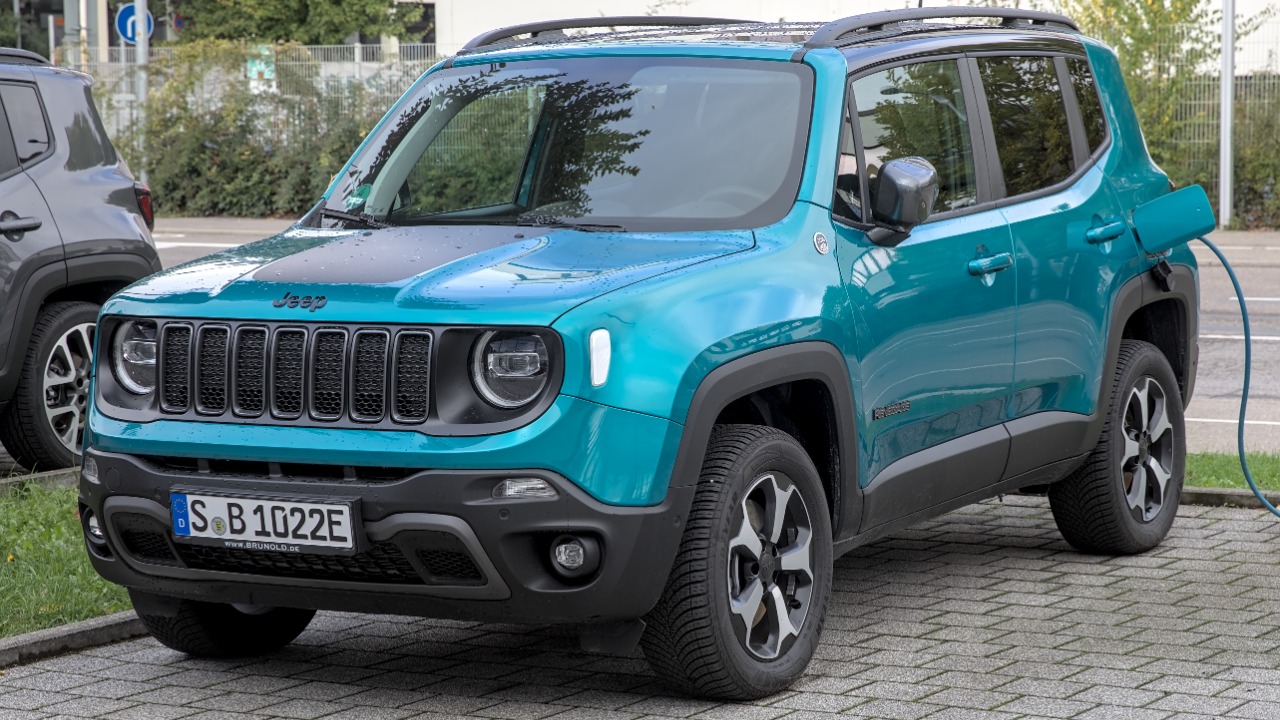
The Jeep Renegade hides one of the most charming visual surprises in any compact SUV, and it lives right by a part you probably use weekly. A breakdown of Notable Jeep Easter points out that the Jeep Renegade features a spider with the phrase “Ciao, baby!” near the fuel cap. You have to look closely when you open the door for refueling, which is why many owners never notice the tiny arachnid waving from the plastic.
That playful “Ciao” is more than a joke, it is a wink at the Renegade’s Italian manufacturing roots and a reminder that design can be fun. When you discover it, you are more likely to scan the rest of the car for hidden topographical maps, grille outlines, or other micro‑graphics. For Jeep, these details help build loyalty, turning a routine fuel stop into a moment that makes you smile and talk about the brand.
Jeep Wrangler’s hidden Willys silhouette

The Jeep Wrangler continues the brand’s tradition of hiding history in plain sight, and one of its best secrets is the Willys silhouette tucked into the bodywork. Coverage of automotive Easter eggs notes that the Jeep Wrangler includes small references to the original military vehicle, often in the windshield or wheel design. Many owners focus on lift kits and tire upgrades, so they never pause long enough to trace the tiny outline of the classic Willys Jeep.
Spotting that silhouette connects your modern Wrangler to the rugged utility vehicle that inspired it, reinforcing the idea that you are driving a descendant of a historic tool. It also shows how designers use hidden art to communicate brand heritage without cluttering the dashboard. For you as an owner, finding it can change how you talk about the vehicle, turning a simple walk‑around into a story about where the Wrangler came from and why it still matters.
Toyota Tacoma’s in‑cabin storage tricks
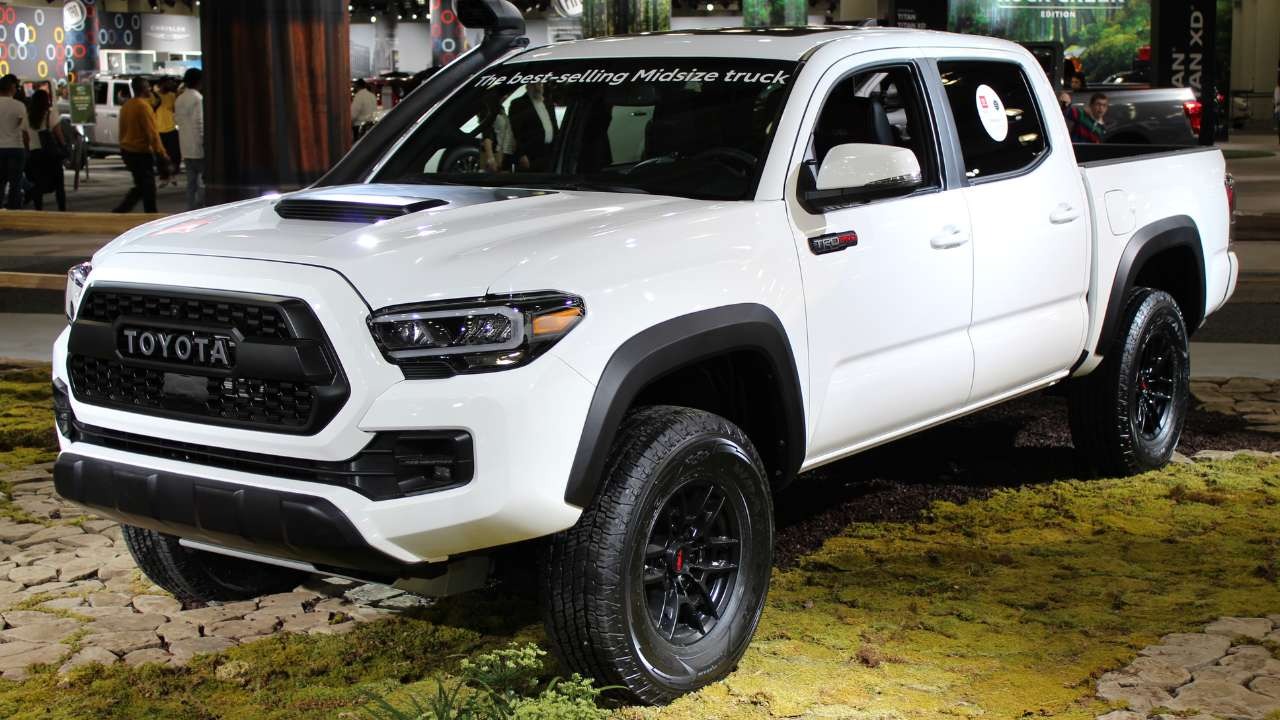
The Toyota Tacoma is famous for durability, but it also hides clever storage features that many owners never use. A detailed guide to Tacoma hidden features highlights under‑seat compartments, removable bins, and small cubbies molded into the rear of the cab. Because they blend into the interior plastics, you might drive for years without realizing a panel lifts up to reveal space for tools, tie‑downs, or recovery gear.
Those compartments matter if you use your Tacoma for work or overlanding, since they let you keep valuables out of sight while freeing up bed space. Once you learn where they are, you can organize straps, first‑aid kits, and small electronics so they do not roll around. It is a reminder that hidden features are not always digital tricks, sometimes they are simple pieces of molded plastic that quietly make your truck more useful every day.
Ford F‑150’s secret storage and bed features
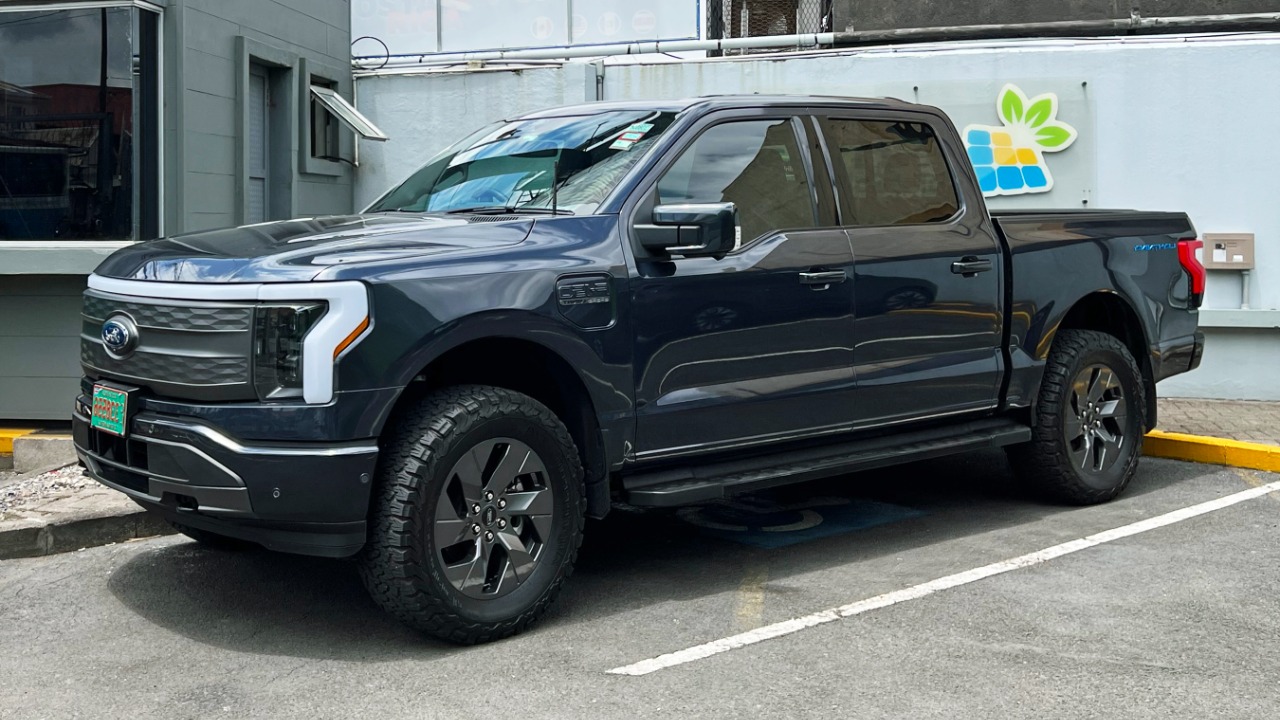
The Ford F‑150 hides more practical Easter eggs than you might expect in a full‑size pickup, especially around the bed and cabin. An analysis of An Easter notes that clever storage compartments often show up in owner’s manuals, including hidden bins under rear seats and tie‑down points integrated into the bed or roof rack. Many drivers never read far enough into the manual to realize these features exist, so they keep improvising with bungee cords and loose toolboxes.
Once you uncover those built‑in solutions, you can secure cargo more safely and reduce the risk of gear flying around in a crash or hard stop. That has real stakes for contractors hauling equipment and families loading bikes or camping gear. It also shows how much value you leave on the table when you skip the manual, since the truck’s most useful tricks are sometimes buried in a diagram instead of on a dashboard button.
Ram 1500’s hidden design Easter eggs
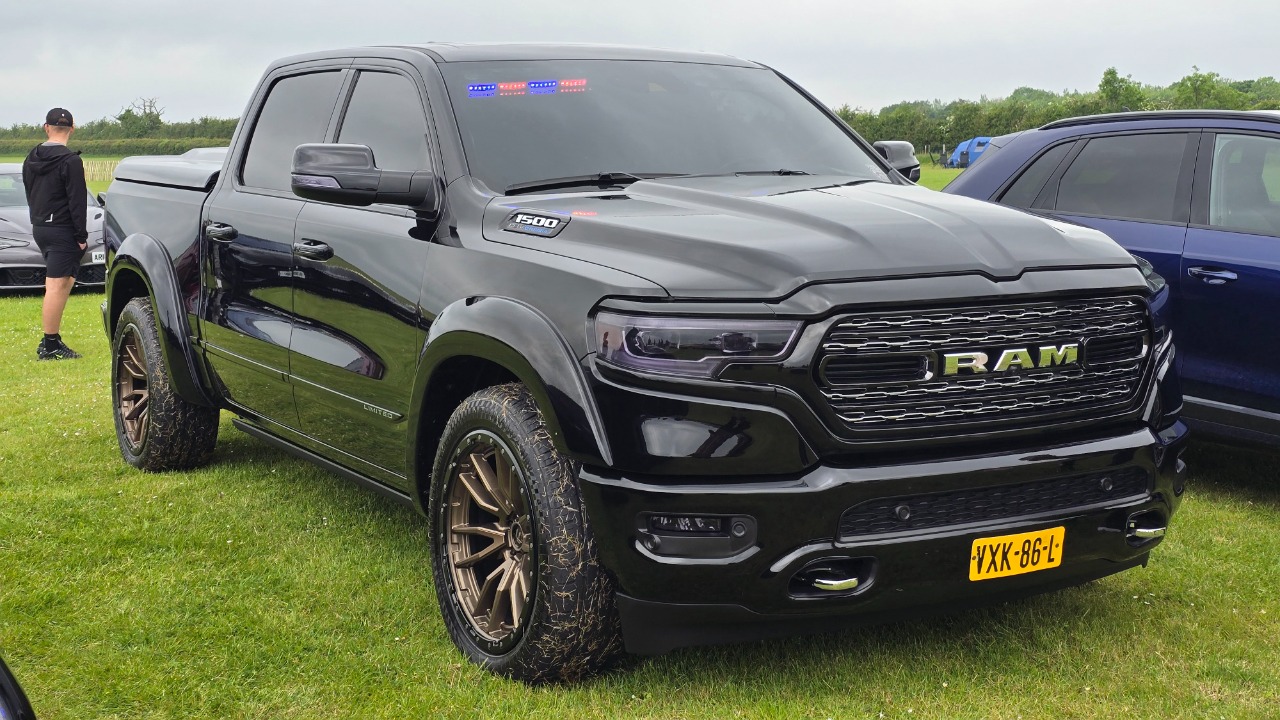
The Ram 1500 mixes luxury with quiet visual jokes, and some of its best details are almost impossible to spot unless you know where to look. A survey of American Easter eggs points to a hidden Ram graphic tucked into the truck’s design, often in places like the headlight housing or interior trim. Because the artwork is tiny and color‑matched, owners can wash and wax the truck for years without realizing a stylized ram’s head is staring back at them.
These subtle touches reinforce the truck’s identity without resorting to oversized badges or decals. When you finally notice them, you start to appreciate how much thought went into the cabin and exterior, beyond towing numbers and engine specs. For Ram, that attention to detail helps justify premium pricing, and for you it turns the truck into something you keep discovering long after the new‑car smell fades.
Chevrolet Corvette C8’s hidden mid‑engine callouts

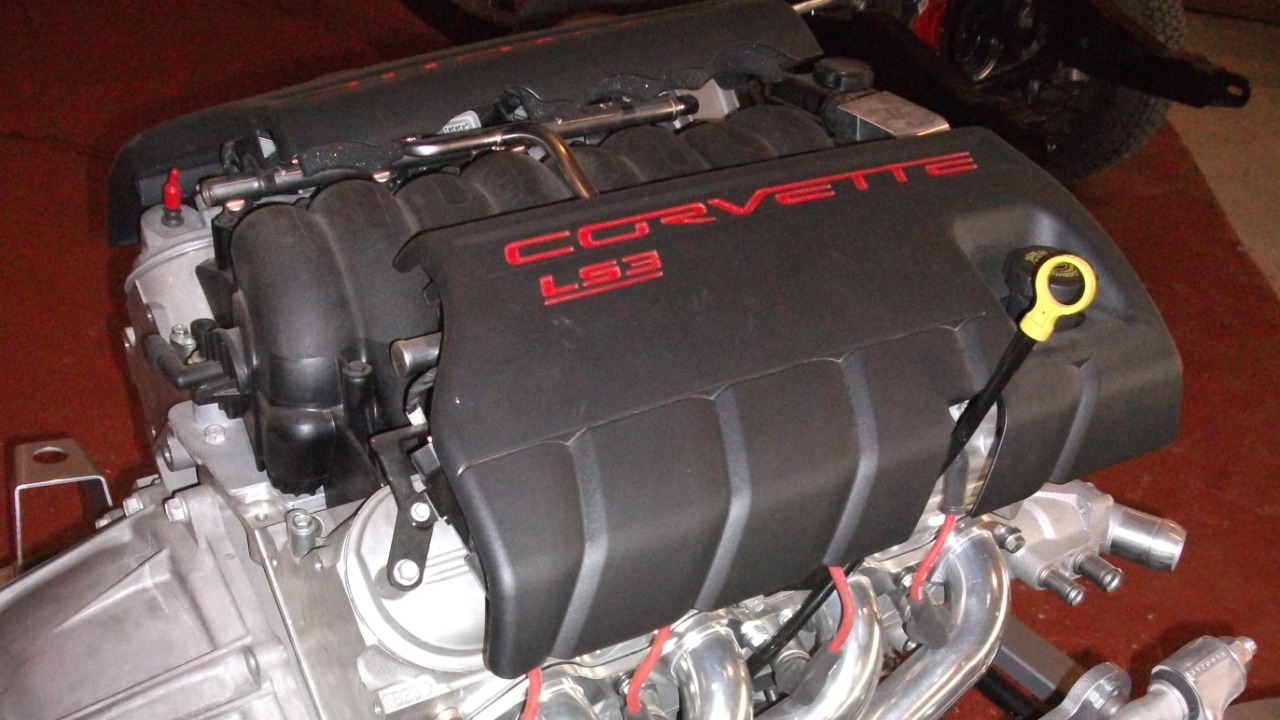
The Chevrolet Corvette C8 celebrates its mid‑engine layout with hidden references that many owners never decode. Coverage of Easter in American cars notes that the C8 Mid‑Engine Chevrolet hides small design cues pointing to the engine’s new position, including graphics and sculpted shapes in the bodywork. Because the car already looks aggressive, these subtle callouts blend into the overall styling and are easy to overlook.
Finding those details matters if you care about the Corvette’s shift from front‑engine tradition to a layout closer to European exotics. Each hidden reference is a quiet statement that this generation is different, and that you are driving a turning point in the model’s history. For owners, it adds another layer of pride, giving you something to point out at cars‑and‑coffee meets beyond horsepower and lap times.
Mini Cooper’s playful interior icons

The Mini Cooper has a reputation for personality, and much of that charm comes from interior icons that double as Easter eggs. Guides to automotive Easter eggs highlight how some Minis hide tiny graphics in the dashboard, door sills, or ambient lighting patterns, often referencing the Union Jack or classic rally heritage. Because these icons are small and sometimes only visible at night, many owners never realize their car is quietly projecting themed shapes around the cabin.
Those playful touches help justify Mini’s premium pricing for a small car, turning every drive into a reminder that you bought something with character. When you discover them, you are more likely to explore drive‑mode animations, customizable lighting, and other software‑driven flourishes. That deeper engagement can keep you loyal to the brand, since it feels like the car was designed for people who enjoy noticing the little things.
Volkswagen Beetle’s hidden flower vase and icons

The modern Volkswagen Beetle carries forward its retro charm with hidden features that many owners treat as simple styling. Some guides to automotive Easter eggs point out the small dashboard flower vase and tiny Beetle silhouettes molded into trim pieces. Because the vase often ships empty and the icons match the surrounding plastic, drivers may never realize these are intentional nods to the car’s 1960s counterculture image.
Once you notice them, you can personalize the cabin with flowers or small decorations, turning a commuter car into something closer to rolling décor. That personalization has real emotional stakes, especially for buyers who chose the Beetle for nostalgia rather than raw performance. It shows how design can invite you to participate, not just sit behind the wheel, and how a simple molded shape can carry decades of cultural history.
Chrysler Pacifica’s Stow ’n Go floor bins

The Chrysler Pacifica is packed with family‑friendly tech, but its most underrated feature is hiding under your feet. Analyses of hidden car features describe how some minivans integrate deep floor bins as part of their seat‑folding systems, giving you storage that disappears when not in use. In the Pacifica, those Stow ’n Go wells can swallow backpacks, emergency kits, or even small coolers, yet many owners only use them when folding seats flat.
Using those bins daily can transform how you pack for road trips or school runs, keeping clutter off the seats and out of the cargo area. It also has safety implications, since loose items become projectiles in a crash, while gear tucked into the floor stays put. For families juggling kids, pets, and groceries, learning to use that hidden space can be the difference between a chaotic cabin and a calm one.
Subaru Outback’s hidden roof rack tricks
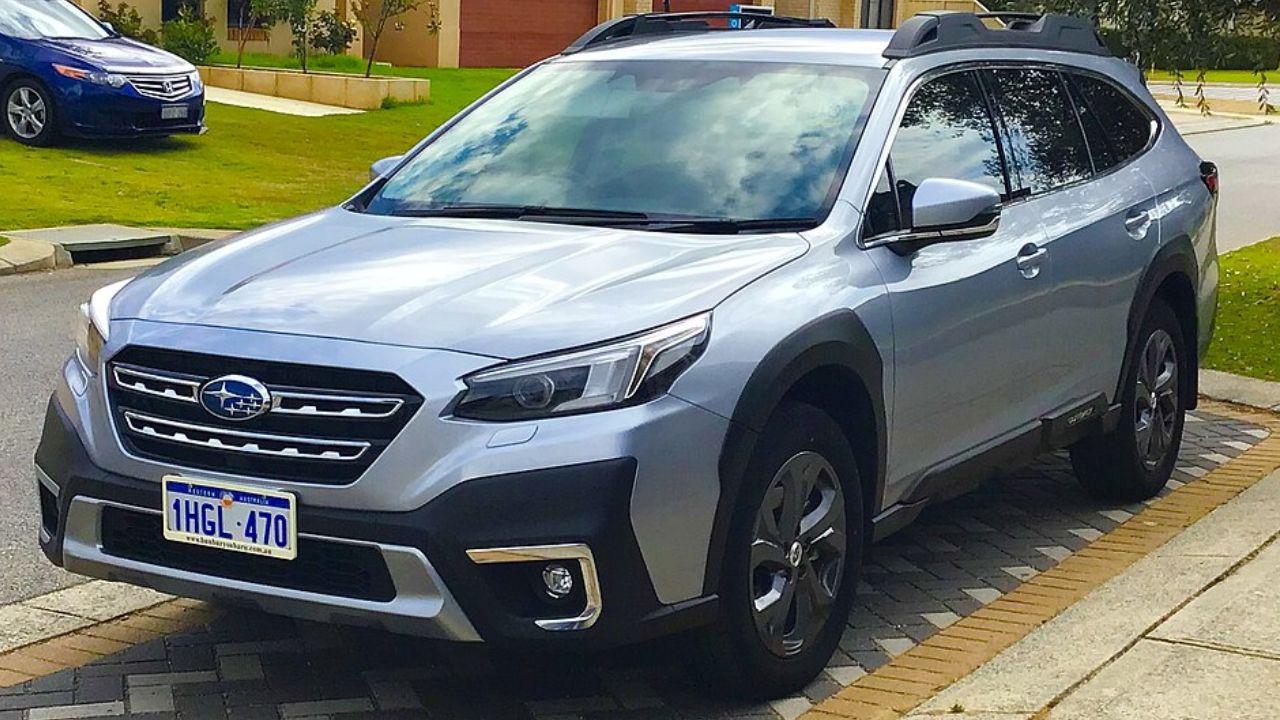
The Subaru Outback is marketed to adventure‑seekers, yet many owners never discover the clever tricks built into its roof rails. Coverage of hidden features notes that some vehicles integrate crossbars or tie‑down points directly into the roof rack, allowing you to reconfigure them without buying extra hardware. Because the mechanisms are flush with the rails, you might assume they are fixed and never experiment with unlatching or repositioning them.
Once you learn how they work, you can mount bikes, kayaks, or cargo boxes more securely, which is crucial for long highway drives or rough forest roads. That capability reinforces the Outback’s image as a go‑anywhere wagon, not just a tall station wagon with plastic cladding. For you, it means the car you already own may be more adventure‑ready than you realized, saving you money on aftermarket racks.
More from Fast Lane Only