You are used to cars changing when you trade them in, not when you wake up and tap “install now.” Yet a quiet software download can now turn the same hardware into a very different machine, sometimes literally overnight. These 8 examples show how over-the-air updates can make your car quicker, smarter, or even less capable, all without anyone touching a wrench.
Tesla Model Y Acceleration Boost
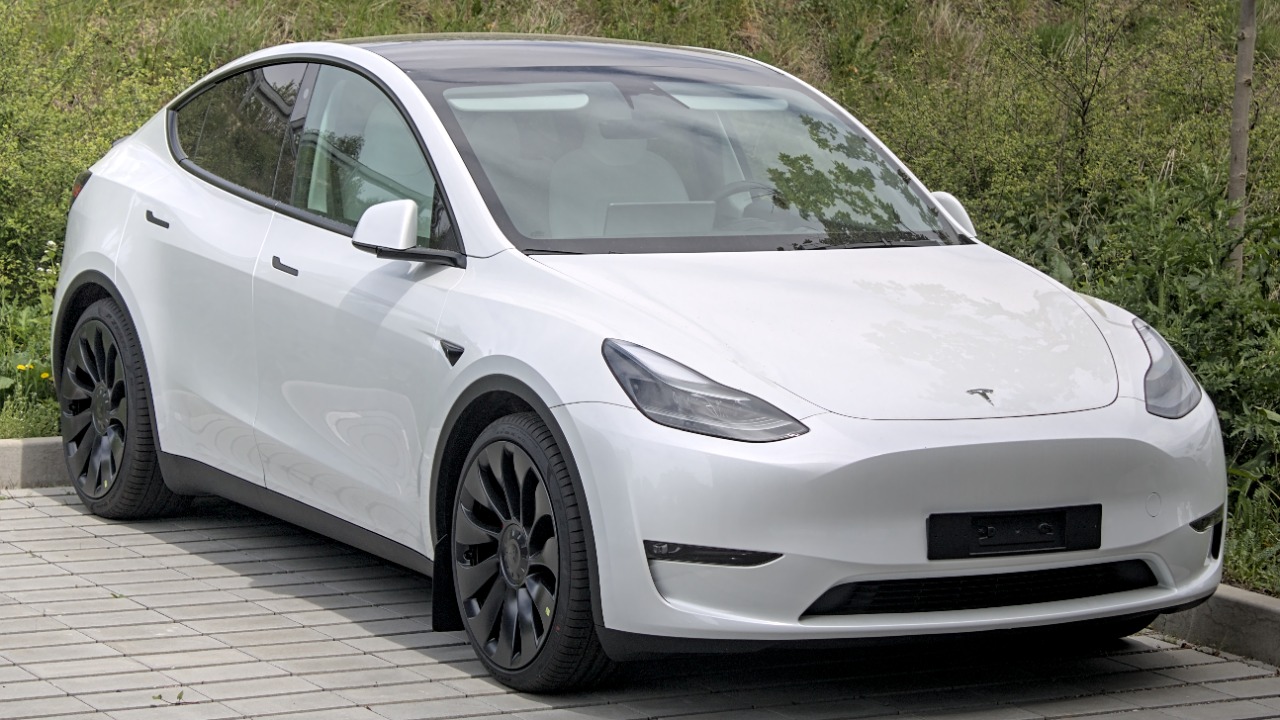
The Tesla Model Y is the clearest example of a car that transforms with a single software flag. Owners who pay for the official “acceleration boost” wake up to a crossover that suddenly sprints harder, with the 0 to 60 time dropping from 4.8 to 4.2 seconds. Nothing mechanical changes, yet your daily commute feels like you swapped into a different trim level.
This kind of upgrade shows how deeply performance is now tied to software. You are not just buying motors and batteries, you are buying access to code that can be locked, unlocked, or refined later. For drivers, the upside is obvious, you can add serious speed long after delivery. The risk is that performance becomes a subscription, and the line between a feature and a paywall gets blurry.
Mercedes EQ Speed Unlocks
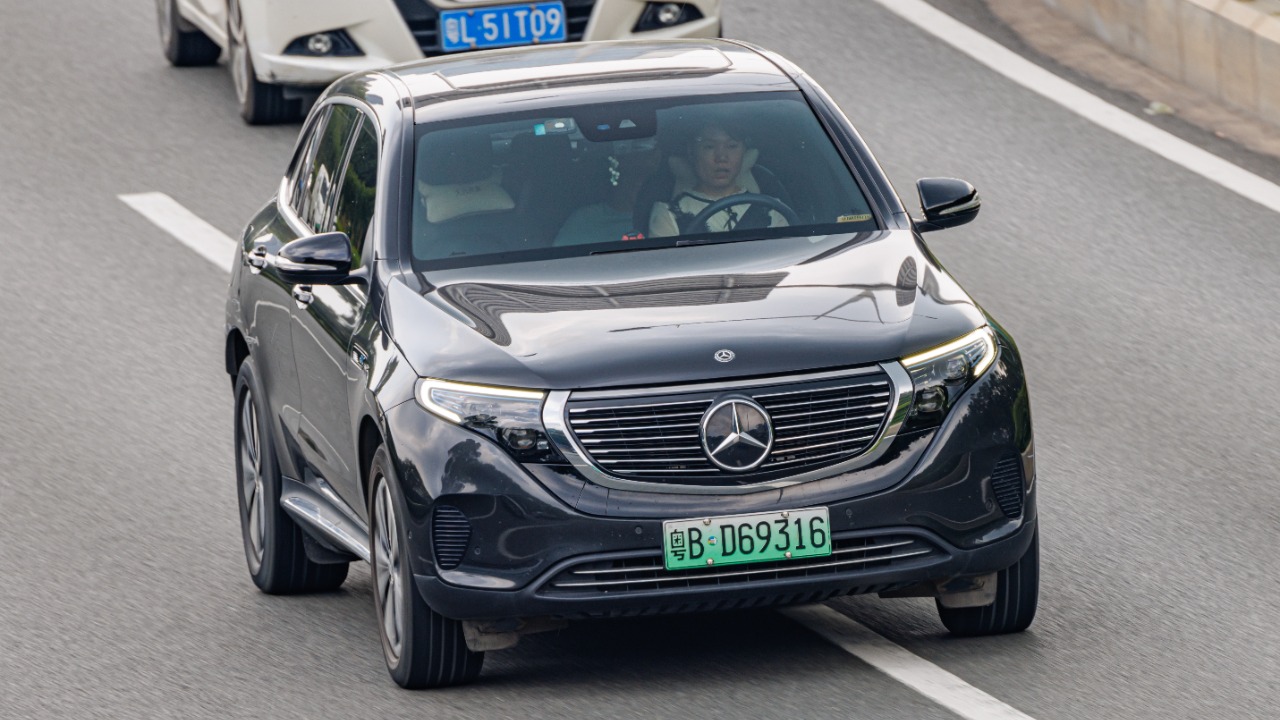
Mercedes has followed a similar path, turning extra speed into a digital product that appears after a quiet download. Reporting on paid performance upgrades notes that Faster acceleration is now “just a click, and a credit card payment, away” as Mercedes joins a broader software trend. You might buy an EQ model with one set of numbers on the spec sheet, then see those figures quietly improve after you authorize an update.
For you, that means the car’s character is no longer frozen at the dealership. A family EV can become a much quicker machine in a single evening, without a visit to a tuner. At the same time, Mercedes is signaling that future differentiation between trims may live in code, not hardware. That shift gives the company recurring revenue, while you weigh whether a few tenths off the sprint are worth another monthly charge.
Ford Mustang Mach-E (Range & Charging Update)
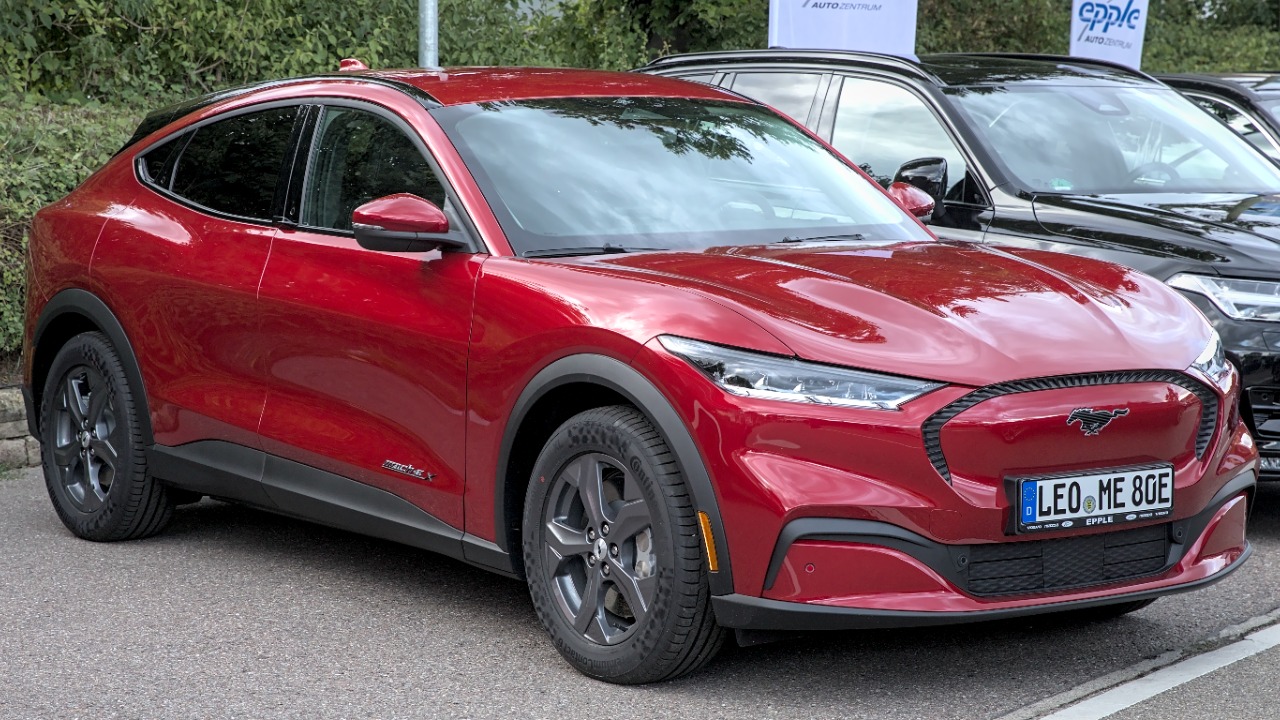
The Mach-E initially faced criticism for conservative range estimates and charging curve behavior. A quiet software revision recalibrated battery management and improved usable capacity reporting.
Owners suddenly noticed better projected range numbers and more consistent charging speeds. Nothing looked different, yet the car felt more confident on longer trips. That invisible update reshaped how drivers trusted their EV for daily commuting and road travel.s the idea that your car is part of a broader device ecosystem. For you, it blurs the line between automotive tech and consumer electronics, and raises expectations that comfort features will keep evolving long after delivery.
Toyota Corolla (CVT Programming Revision)

Some Corolla drivers had complained about CVT hesitation during light acceleration. Mid-cycle programming tweaks adjusted throttle mapping and shift simulation logic.
After routine service visits, owners described smoother launches and less “rubber-band” sensation. The hardware stayed the same, but refined software tuning reduced the awkwardness many had felt. It was not dramatic — just quietly better.out redesigning the entire vehicle.
BMW 3 Series (iDrive Software Refresh)
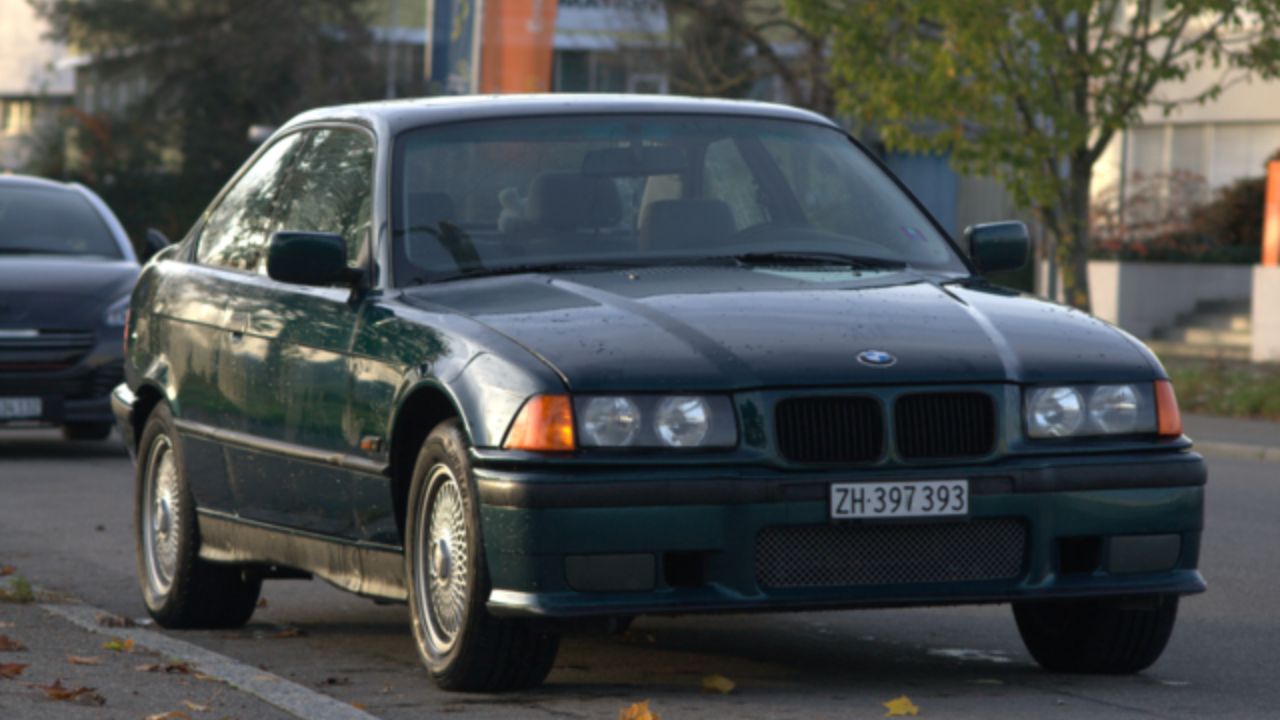
The 3 Series has always balanced performance with technology. But early versions of certain infotainment systems felt slightly laggy or unintuitive.
Following system updates, menus became more responsive and connectivity more stable. Drivers who once tolerated minor glitches found the interface behaving more predictably. It was a subtle transformation that restored the premium feel many expected from the badge. the line, all delivered while the car sits quietly in your garage.
Hyundai Sonata (Transmission Logic Update)
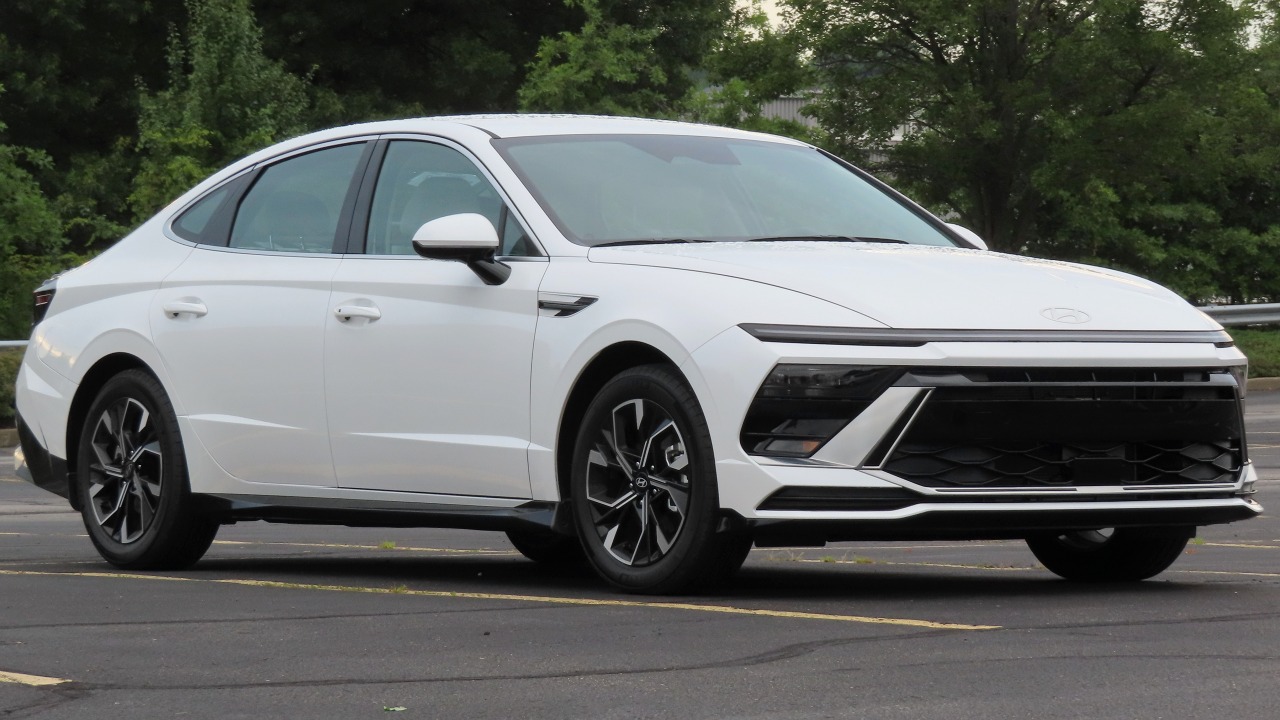
Certain Sonata models received transmission control updates aimed at smoothing low-speed behavior. Prior to the change, some owners noticed abrupt shifts in traffic.
After the recalibration, shifts became less noticeable and throttle response more linear. Many drivers reported that the car suddenly felt more refined without any mechanical replacement. A quiet software change smoothed what once felt slightly rough.nds of drivers. In practice, that means your car may quietly download code in the background, verify it, and only then ask for a brief installation window. The smoother that process is, the more comfortable you will feel letting your vehicle reinvent itself while you sleep.
Porsche Taycan (Range Optimization Update)
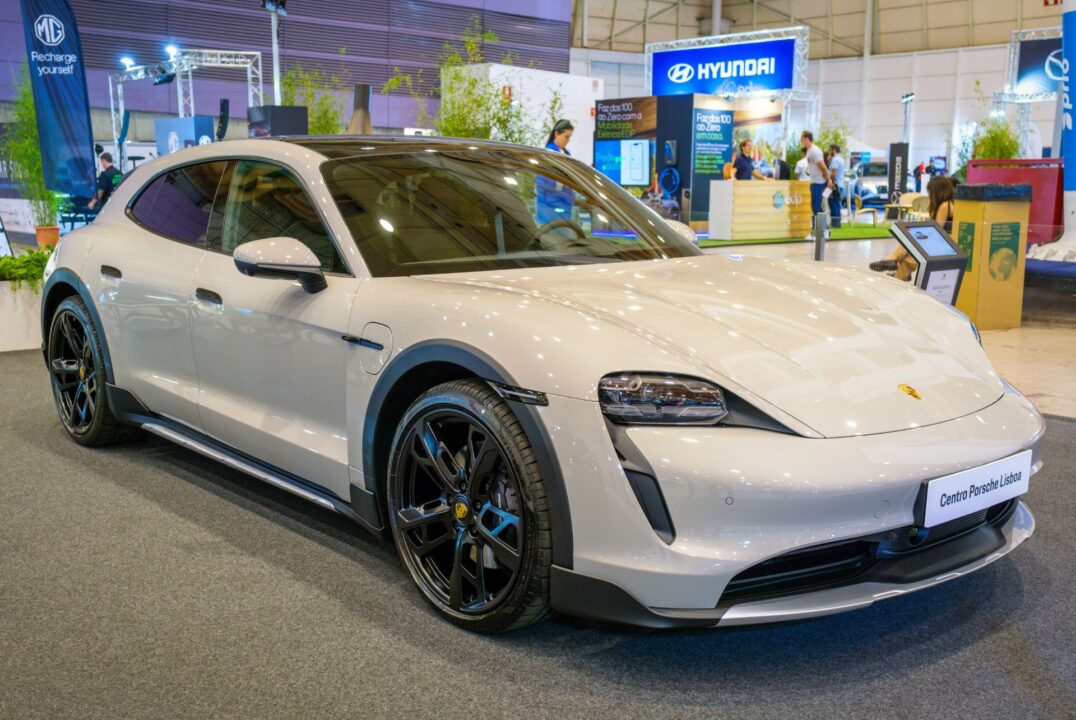
The Taycan launched with impressive performance but conservative range estimates. A later software revision optimized battery usage and improved efficiency calculations.
Owners saw range projections climb without changing driving habits. Acceleration remained blistering, yet efficiency improved quietly. It demonstrated how digital management can refine even high-performance electric platforms long after delivery.ats or peak acceleration can vanish when a payment stops, the car becomes more like a service than a product. The stakes are financial and emotional, you might have chosen a specific trim for its capabilities, only to see them change later. It is a reminder to read the fine print on digital features and to think about long term costs, not just the sticker price.
Honda Civic (Steering Feel Adjustment)
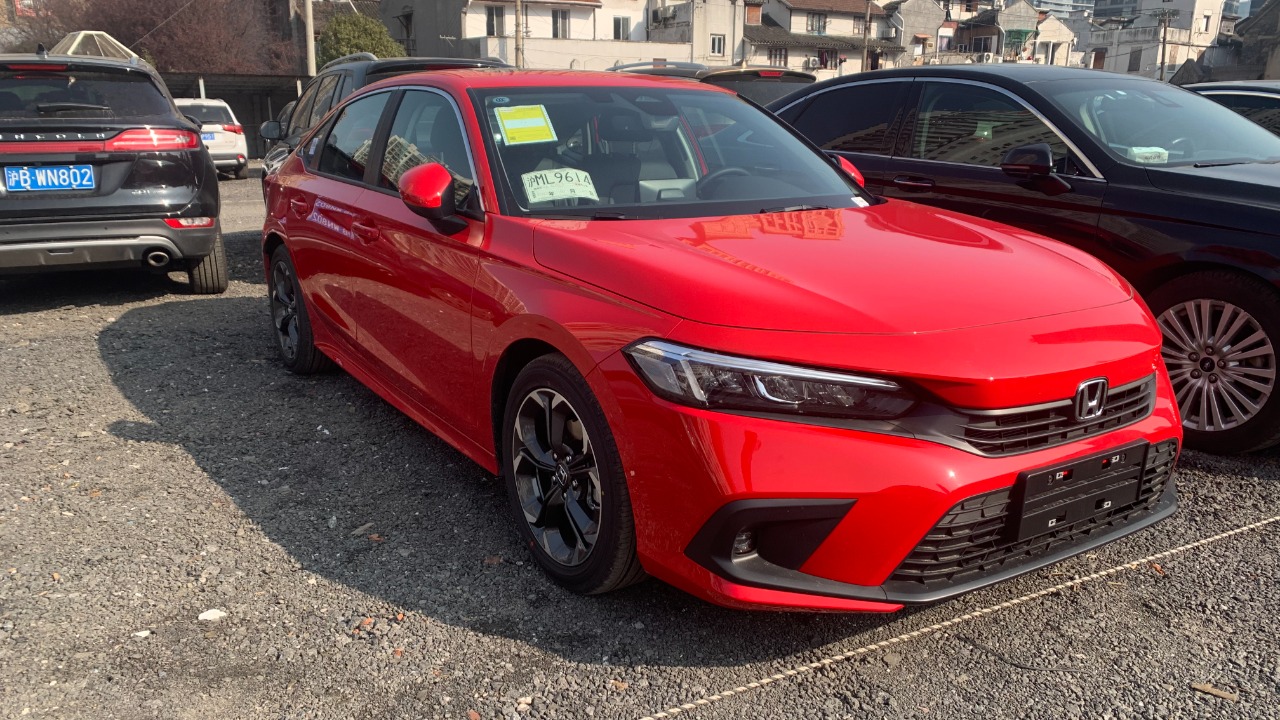
Certain Civic model years received minor steering calibration updates to improve low-speed feedback. Early drivers had noted a slightly artificial feel in tight maneuvers.
After the update, steering response felt more natural and predictable. It was not a dramatic shift, but enough for attentive owners to notice the difference. The car simply felt more cohesive, as if engineers had fine-tuned the last rough edges.
More from Fast Lane Only