Some muscle cars had the power. Others had the look. But every now and then, a few came along that had both—and they did it without even trying. These weren’t just fast cars. They were the ones that redefined cool.
From bare-bones bruisers to surprising sleepers, these machines didn’t just burn rubber—they made an entrance. Here are 15 classic American muscle cars that raised the bar for style, sound, and swagger.
1970 Pontiac Firebird Trans Am
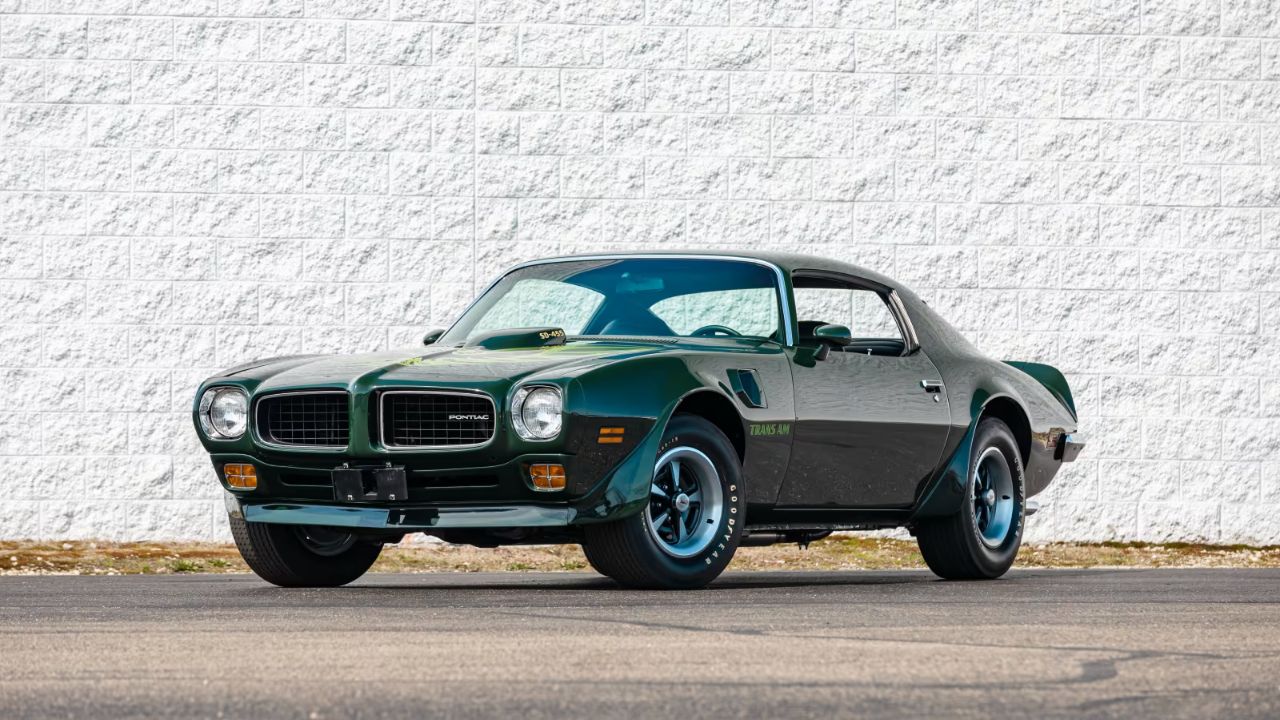
The 1970 Trans Am walked the line between muscle and menace. It had a 400-cubic-inch Ram Air III V8 under the hood making 345 hp, with an optional Ram Air IV that was even rowdier.
Its signature shaker hood, bold stripes, and ducktail spoiler gave it instant street cred. The Firebird had a more European-inspired chassis than some of its Detroit cousins, but it still had American punch. Cool wasn’t just a look here—it was baked in.
1969 Ford Mustang Mach 1 428 Cobra Jet
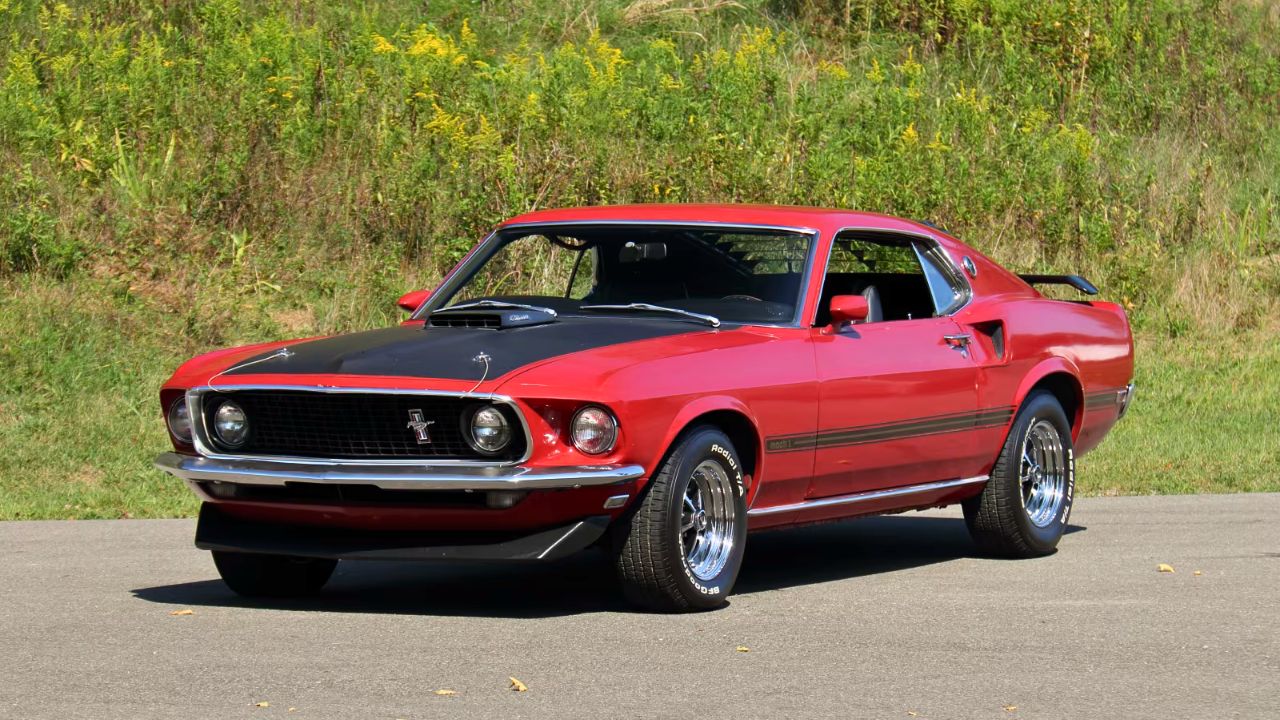
The Mach 1 428 Cobra Jet brought a new level of heat to the Mustang lineup. With 335 underrated horsepower (actual output was much higher) and ram-air induction, it could sprint through the quarter-mile in under 14 seconds.
It had a sporty-but-serious vibe with Magnum 500 wheels, a matte black hood, and reflective stripes. The Mach 1 wasn’t just about going fast—it made a statement doing it. Today, it’s one of the most admired Mustang variants ever built.
1969 Chevrolet Nova SS 396
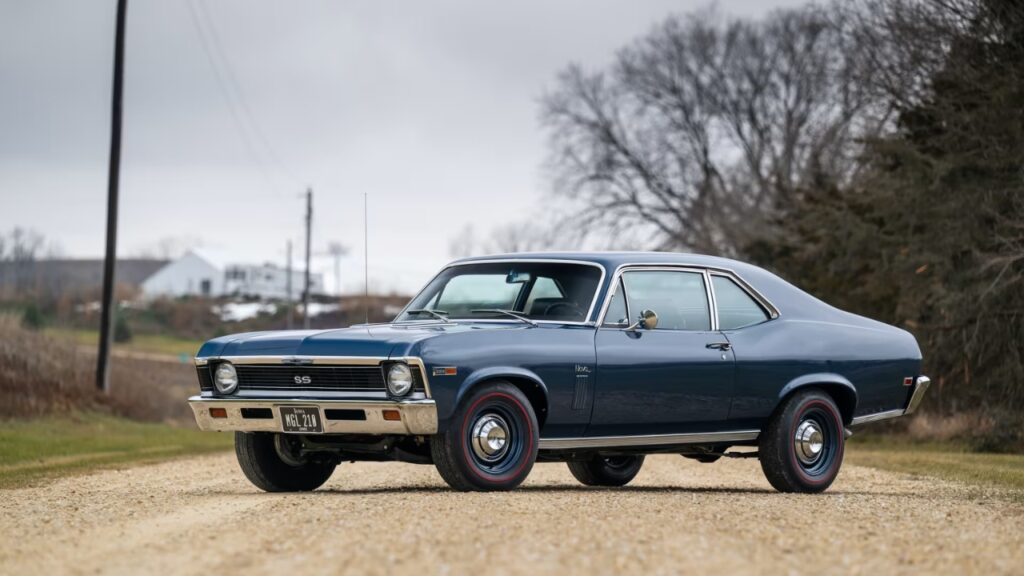
The Nova SS 396 was the definition of a sleeper. A compact body with a big-block 396 V8 pumping out up to 375 horsepower? That’s the kind of combo that made street racers grin.
It didn’t need stripes, wings, or flared fenders to earn respect. Just raw performance and a no-frills attitude. If you knew what it was, you gave it space. If you didn’t, you’d learn fast after the light turned green.
1970 Dodge Super Bee
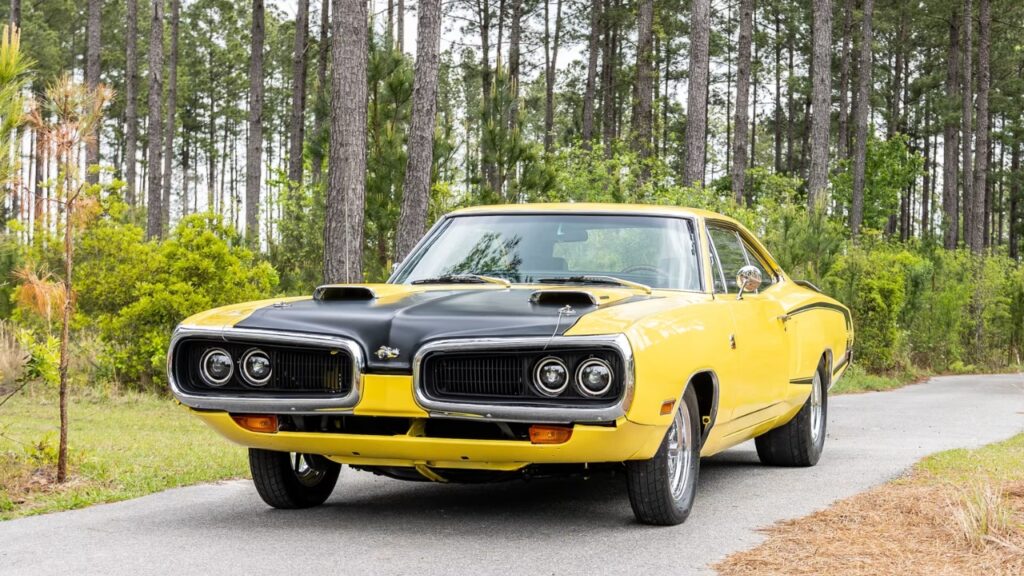
The Super Bee was Dodge’s way of delivering brawn on a budget. With optional engines like the 440 Six-Pack or 426 HEMI, it offered serious power for not a lot of money.
Its bumblebee stripe and cartoon badge were cheeky, but the car itself was all business. With its square-jawed design and rowdy exhaust note, the Super Bee was loud in every way—and that’s exactly what made it so cool.
1964 Ford Fairlane Thunderbolt
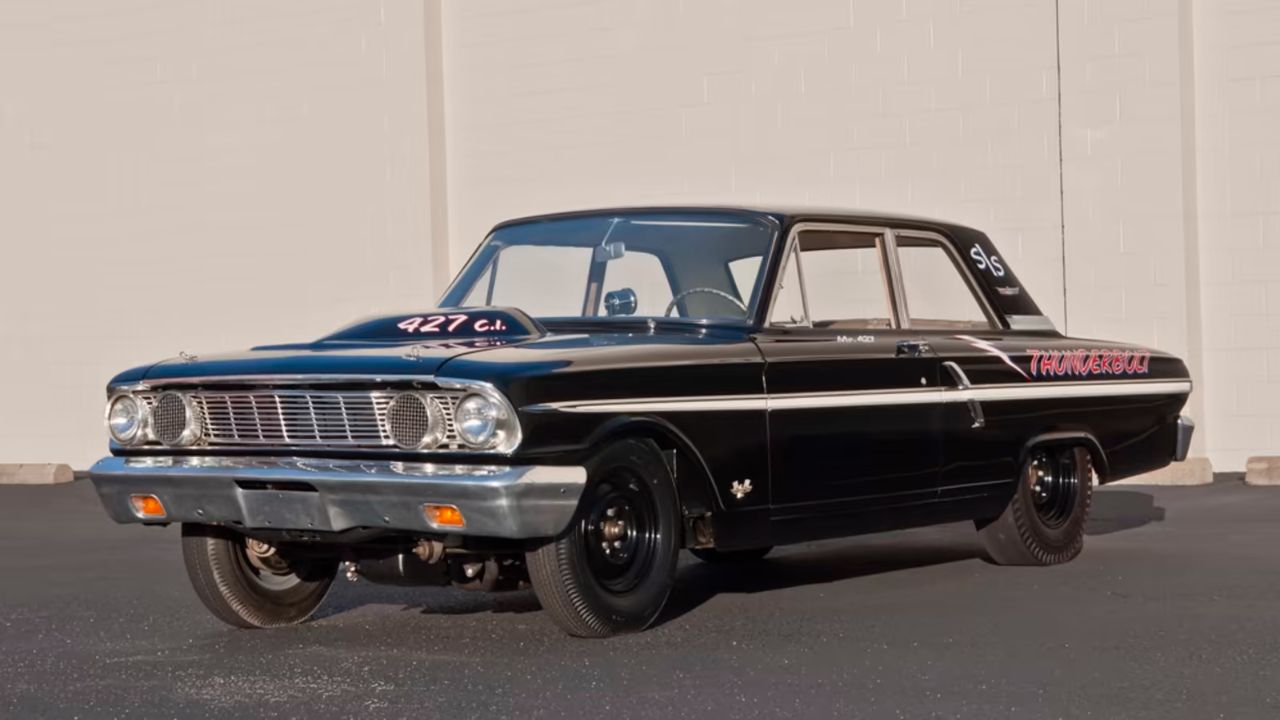
The Thunderbolt was barely street legal, and Ford liked it that way. Built strictly for NHRA drag racing, it packed a 427 V8 rated at 425 hp, but real output was even higher. It weighed less than 3,200 pounds and could run the quarter in the 11s.
It had aluminum body panels, radio-delete, and a spartan interior—zero frills. The Thunderbolt wasn’t about comfort. It was a factory hot rod built to dominate the strip and scare the neighbors.
1970 Chevrolet Chevelle SS 454
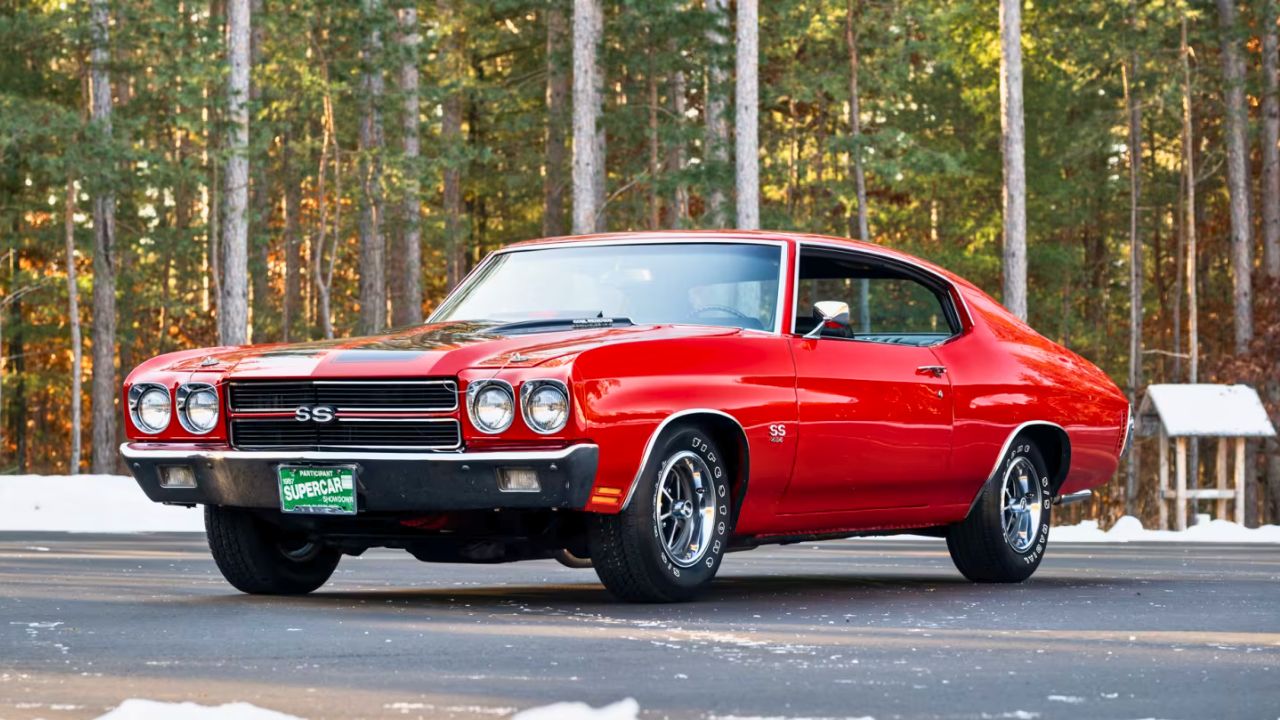
The LS6-powered Chevelle SS was a street legend. Its 454-cubic-inch big block made a factory-rated 450 hp and 500 lb-ft of torque—numbers that embarrassed everything else on the road in 1970.
The cowl induction hood, wide stance, and subtle badging gave it a clean but dangerous look. It had the muscle to back up its attitude, and it made sure everyone around knew it.
1967 Shelby GT500
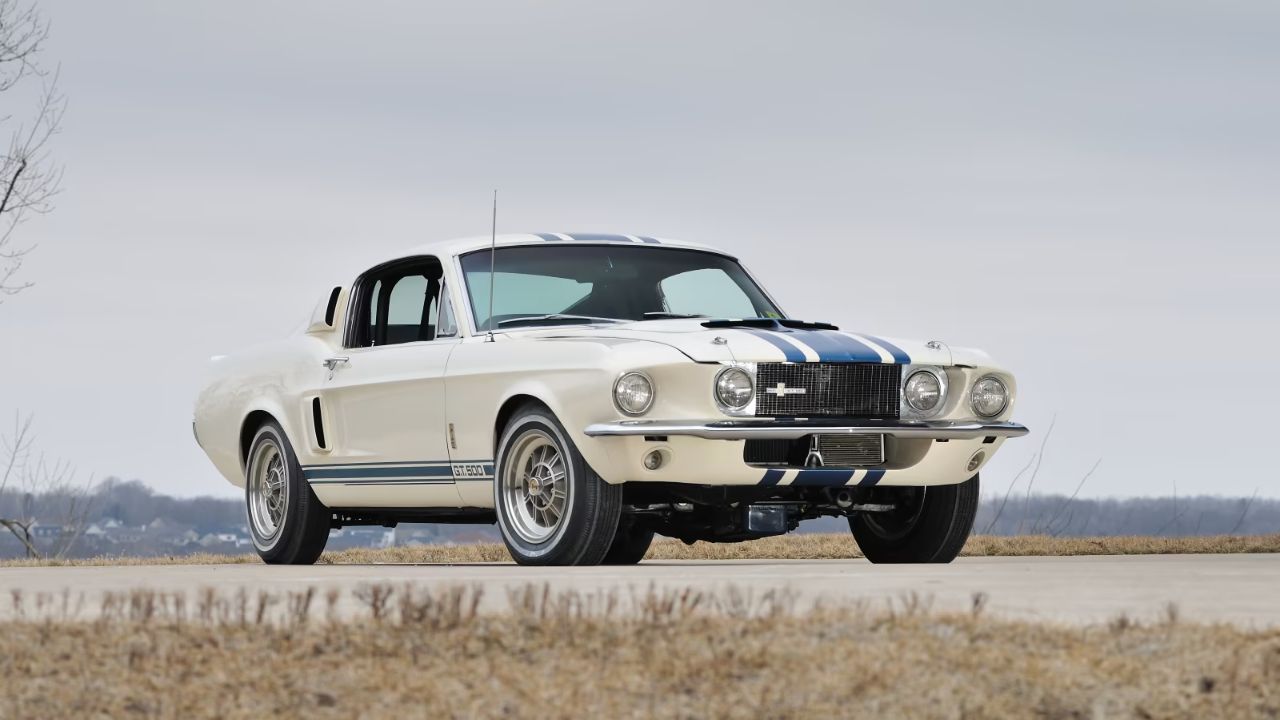
The ’67 GT500 was Carroll Shelby’s vision of the Mustang turned up to 11. With a 428 cubic inch V8 and race-bred suspension, it could move like a street brawler in a tailored suit.
From its dual stripes to its scooped hood and side vents, this car looked fast standing still. It wasn’t just a Mustang—it was a Shelby, and even among muscle cars, that made it something special.
1970 Plymouth HEMI ’Cuda

The HEMI ’Cuda was pure, unfiltered intimidation. It packed a 426 HEMI with dual four-barrels and 425 hp, wrapped in a body with attitude to spare.
From the shaker hood to the gill-like fender vents and bold paint schemes, this car didn’t ask for attention—it took it. It was loud, rare, and wild, and it still ranks among the most desirable Mopars ever made.
1965 Pontiac GTO
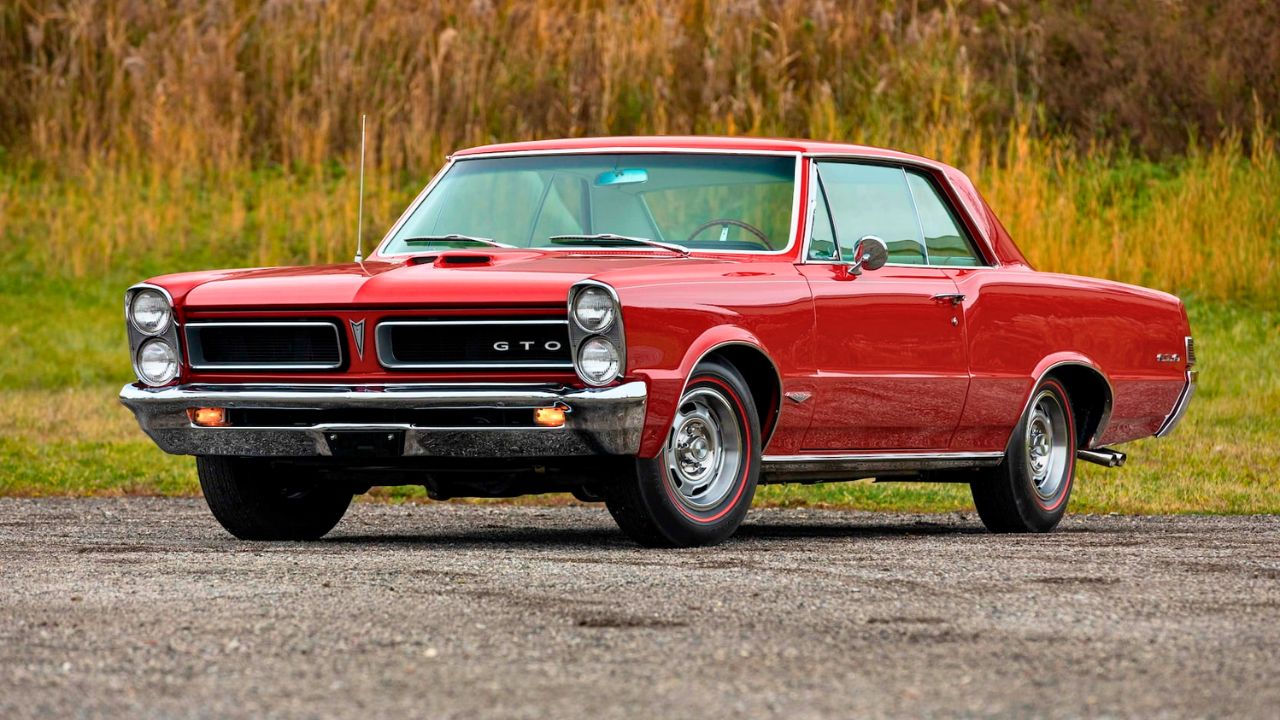
Many credit the GTO with kicking off the muscle car era, and the 1965 model shows why. With a 389-cubic-inch V8 and optional Tri-Power setup, it cranked out up to 360 hp and did 0–60 in under six seconds.
It didn’t need flash—its clean lines and stacked headlights said enough. The GTO was the original cool operator, and it’s still got that same laid-back, effortless vibe today.
1971 Buick GSX Stage 1

The GSX Stage 1 was a muscle car wrapped in a gentleman’s suit. Its 455 V8 produced a pavement-twisting 510 lb-ft of torque—more than most muscle cars, ever.
Add in flashy paint like Saturn Yellow, wide stripes, and rally wheels, and you had something that looked as serious as it drove. Fast, smooth, and just a little rebellious, it was Buick’s mic drop moment in the muscle car wars.
1969 Dodge Charger R/T
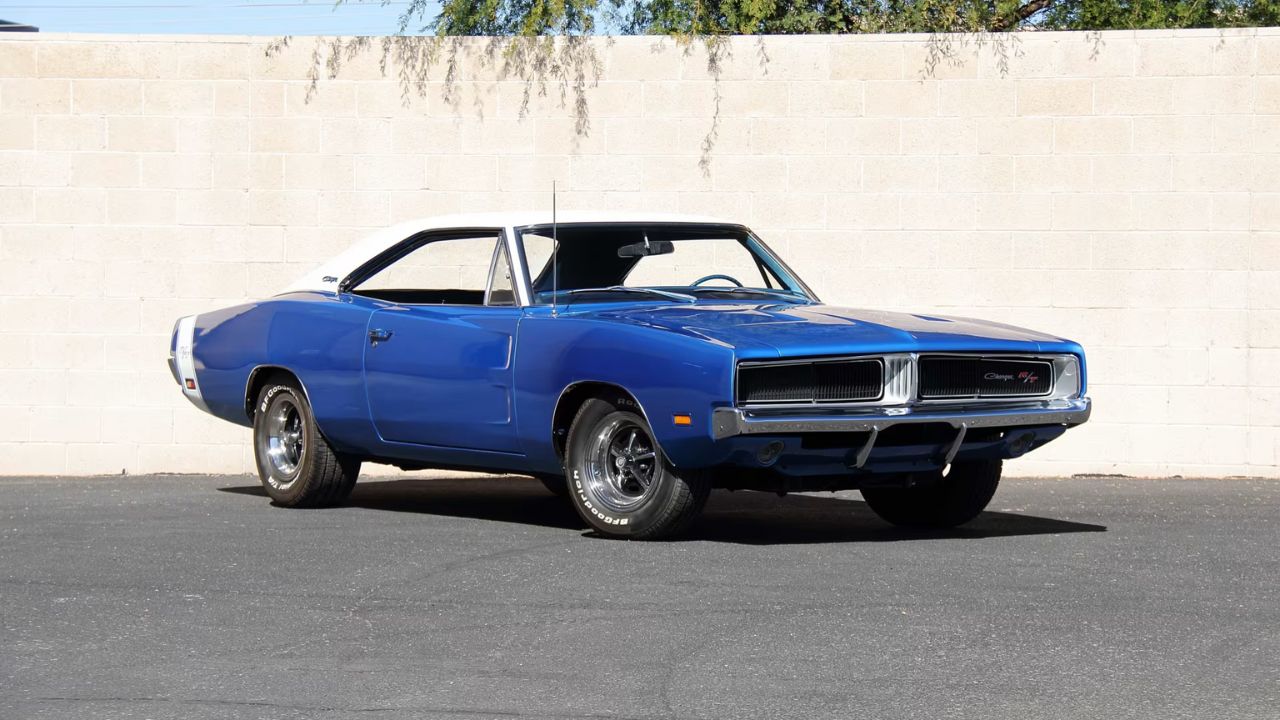
The ’69 Charger R/T had movie-star good looks and the brawn to match. The 440 Magnum came standard, but if you opted for the 426 HEMI, you had one of the meanest cars of the era.
It had that iconic fastback roofline, hidden headlights, and a grille that looked like it meant business. The Charger wasn’t just cool—it was intimidatingly cool.
1970 Ford Torino Cobra
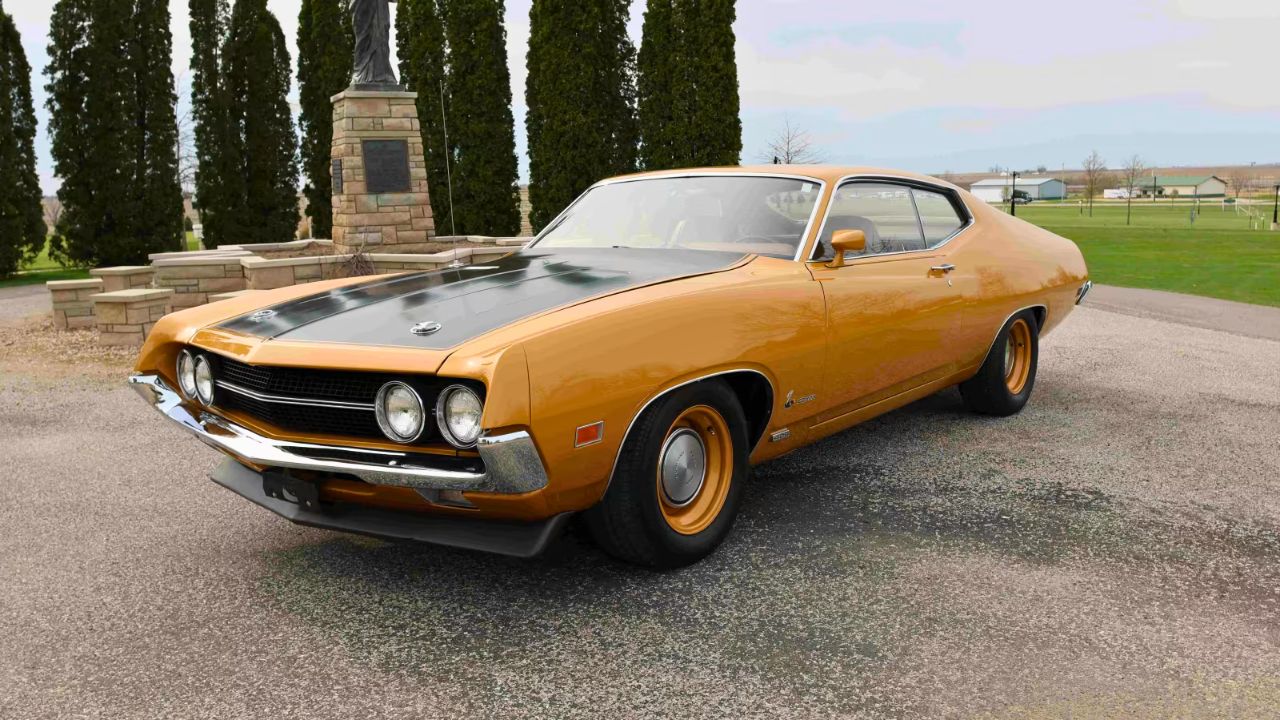
The Torino Cobra was Ford’s muscle sleeper. When optioned with the 429 Cobra Jet Ram Air, it made 370 hp and looked ready to start trouble.
Its sleek fastback design and minimal chrome gave it a clean, streamlined presence. It didn’t shout, but it didn’t need to. The Torino Cobra just showed up, laid down rubber, and disappeared into the night.
1969 AMC AMX
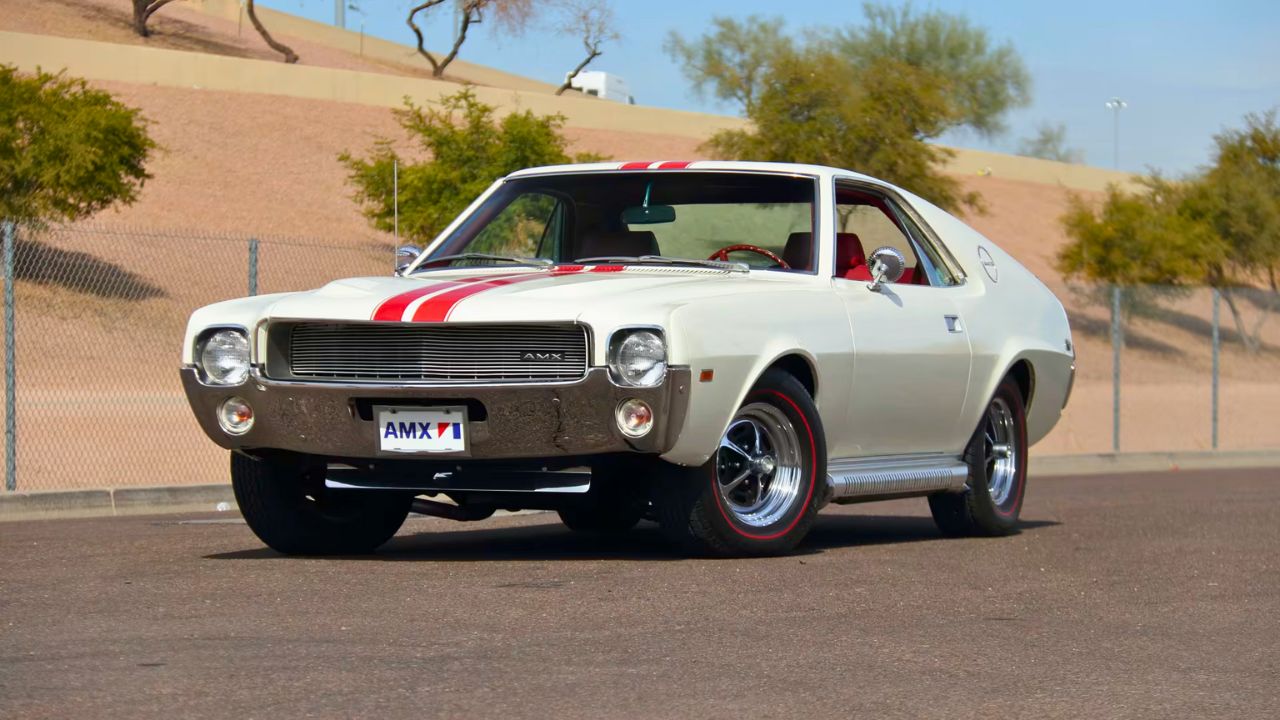
The AMX was different—in all the right ways. A two-seater muscle car with a 390 V8, it was short, agile, and packed with attitude.
It didn’t try to copy the Big Three’s playbook, which made it cooler in its own right. You didn’t just own an AMX—you declared your independence from the crowd.
1966 Oldsmobile 442

The 442 blended style and substance. It had a 400-cubic-inch V8 with up to 360 hp and came with a ride smoother than most muscle cars of its day.
But don’t mistake comfort for softness—this Olds could move. It had that understated confidence that makes a car cool not because it’s trying to be—but because it doesn’t have to try at all.
1968 Mercury Cougar XR-7 GT-E
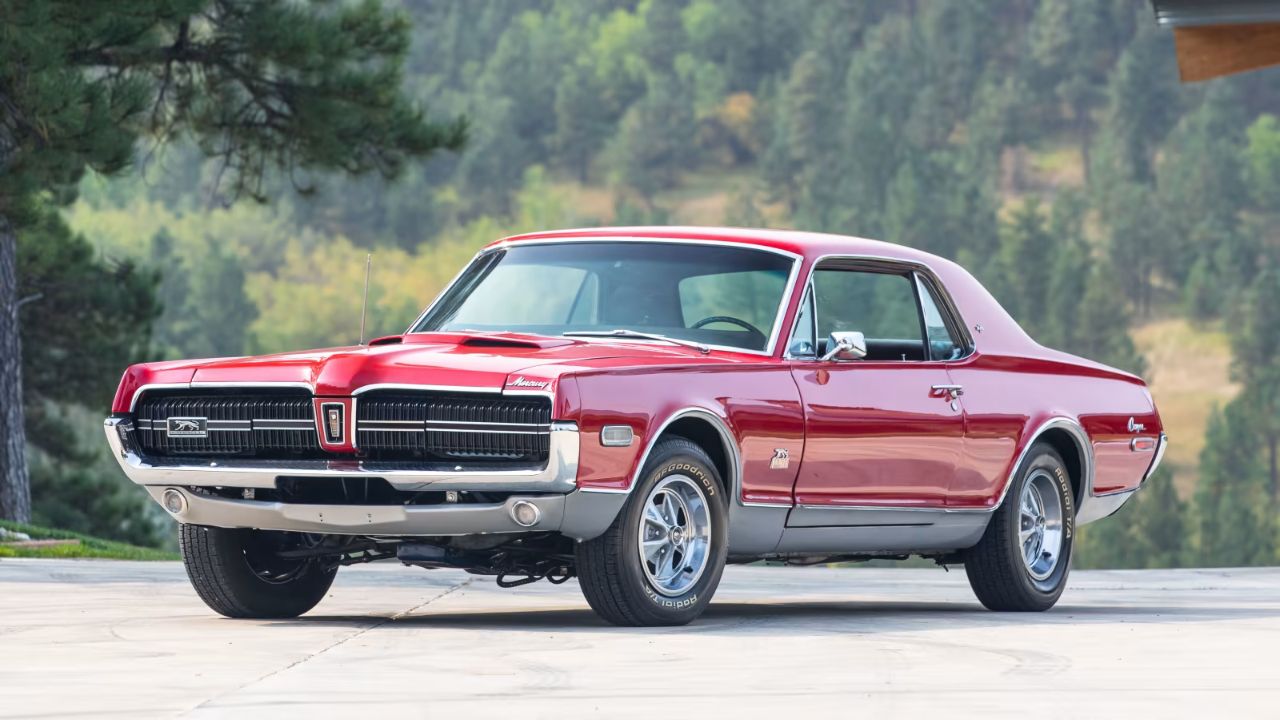
The Cougar XR-7 GT-E might be the most overlooked cool cat of the muscle era. With a 427 or later a 428 Cobra Jet, it had power to match its upscale looks.
The hidden headlights, sequential turn signals, and premium interior made it feel classy, but it could still run with the wildest of them. Cool, composed, and brutally fast—that’s a hard combo to beat.
Like Fast Lane Only’s content? Be sure to follow us.
Here’s more from us:
*Created with AI assistance and editor review.