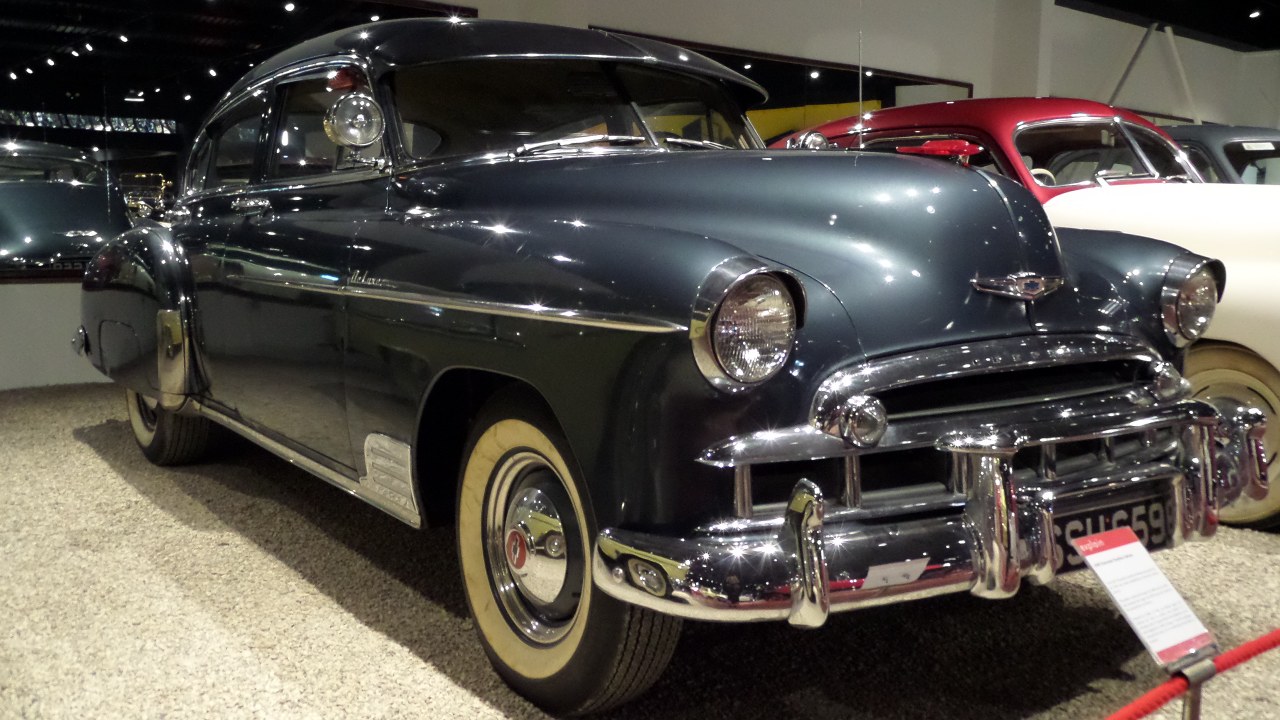
Lowrider culture is an iconic and vibrant subculture that has become synonymous with artistic expression, community pride, and cultural heritage in America. Originating in the mid-20th century, lowriding has evolved into a powerful symbol of identity and resilience for many communities, especially among Mexican-Americans. This article delves into the rich history, cultural significance, and enduring legacy of lowrider culture in the United States.
The Origins of Lowriding
The roots of lowrider culture can be traced back to post-World War II America, a period marked by economic prosperity and the rise of car culture. In the late 1940s and early 1950s, owning a car became a symbol of personal freedom and success. Amidst this automotive revolution, Mexican-American communities in Southern California began to distinguish themselves with unique car modifications that would eventually define the lowrider movement. As these communities sought affordable ways to express their identities, they turned to cars as a canvas for creativity and self-expression.
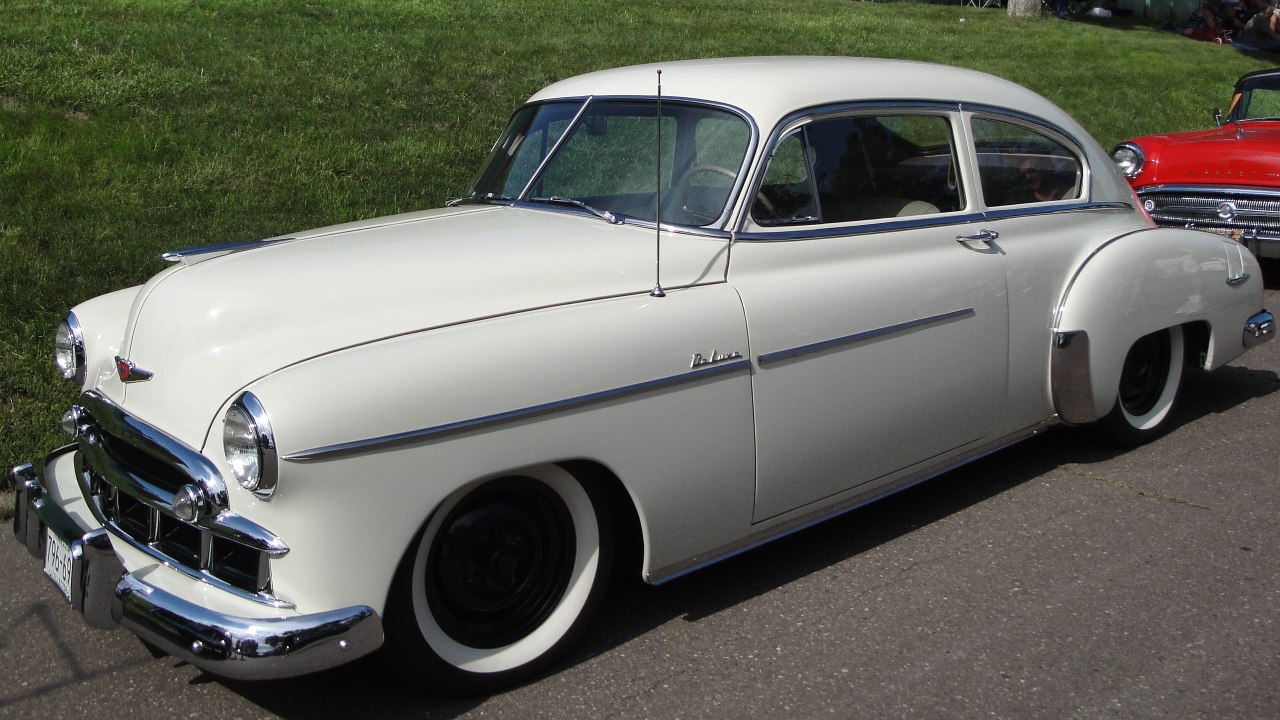
The first lowriders were born out of ingenuity and resourcefulness. Mexican-American car enthusiasts, often referred to as “pachucos,” began customizing their vehicles by lowering them closer to the ground, a stark contrast to the high-riding hot rods popular at the time. This was achieved through techniques such as cutting coil springs and using sandbags to weigh down the car. The 1949 Chevrolet Fleetline and the 1950s Chevy Bel Air were among the popular models transformed into these early lowriders. As this trend gained momentum, it laid the foundation for a cultural phenomenon that would transcend generations.
Cultural Significance and Community Impact
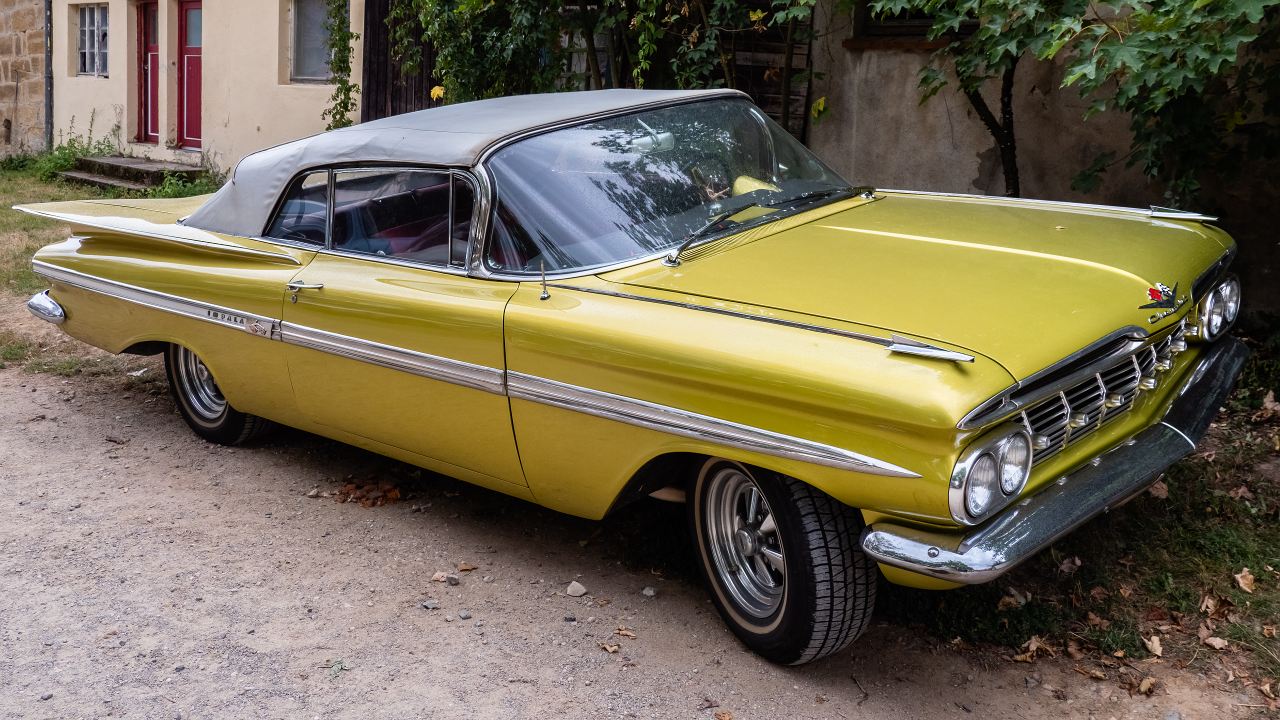
Lowriders quickly became more than just modified cars; they emerged as a potent form of cultural expression and resistance against mainstream stereotypes. In a society where Mexican-Americans often faced discrimination and marginalization, lowriding provided a means to challenge these narratives and assert pride in their heritage. These customized cars became mobile statements of identity, adorned with intricate designs and vibrant colors that celebrated Chicano culture.
Community gatherings and events play a crucial role in the lowrider scene, fostering a sense of belonging and unity. Car shows, such as the annual Tejano Super Car Show in Texas, and lowrider cruises have become essential cultural events where enthusiasts can showcase their creations and share their passion with others. Lowrider clubs, like the Imperials and the Dukes, have been instrumental in organizing these events and building a supportive network for enthusiasts. These gatherings are not just about the cars; they are about community, camaraderie, and a shared love for the art of lowriding.
Artistry and Technical Innovation
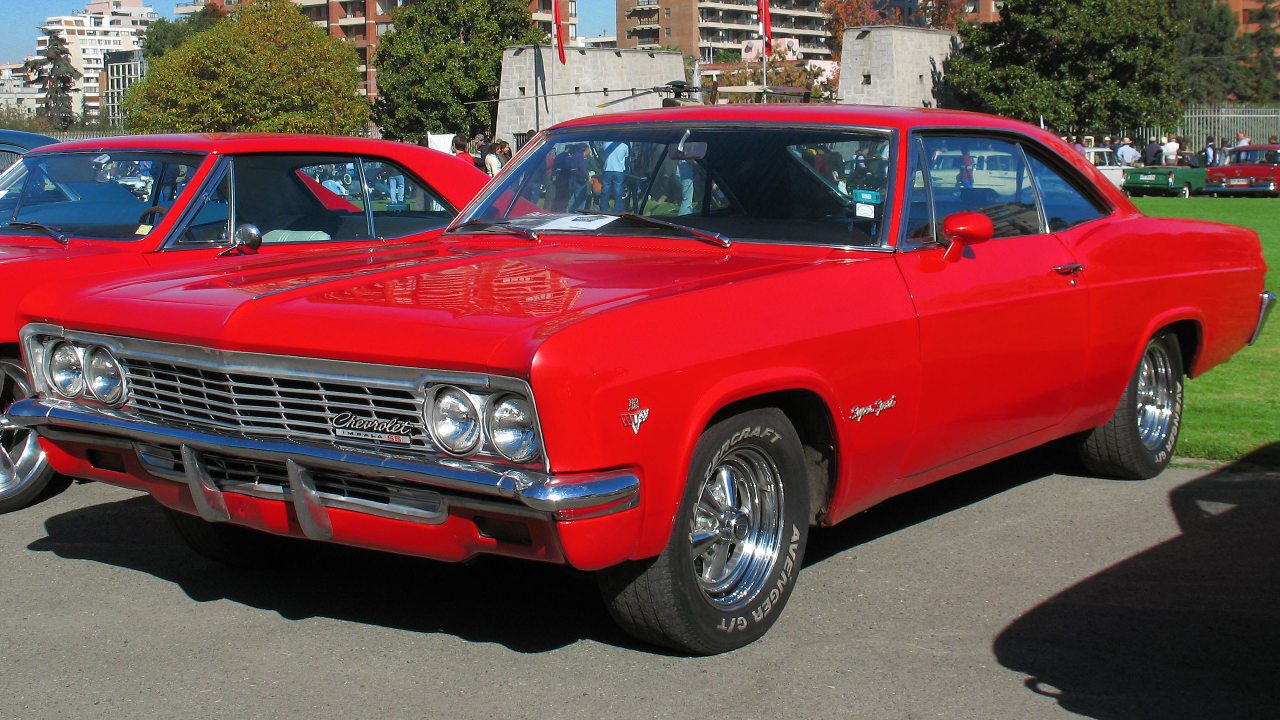
The artistry and technical innovation involved in lowriding have elevated it to a true form of craftsmanship. Over the years, car modifications have evolved into complex and sophisticated processes. Hydraulic systems, for instance, allow lowriders to raise and lower their cars at the push of a button, creating the iconic “bouncing” effect that is synonymous with the culture. These modifications require a deep understanding of automotive mechanics and engineering, as enthusiasts strive to achieve the perfect balance between form and function.
The aesthetic appeal of lowriders has transcended the automotive world, influencing art, fashion, and music. The elaborate paint jobs, featuring airbrushed murals and intricate pinstriping, have inspired artists across various mediums. Musicians, particularly in the Chicano rap and hip-hop scenes, often reference lowriders in their lyrics and videos, celebrating them as symbols of cultural pride and resilience. The craftsmanship involved in transforming a standard vehicle into a lowrider masterpiece is a testament to the dedication and creativity of the artists and mechanics who bring these cars to life.
Challenges and Controversies
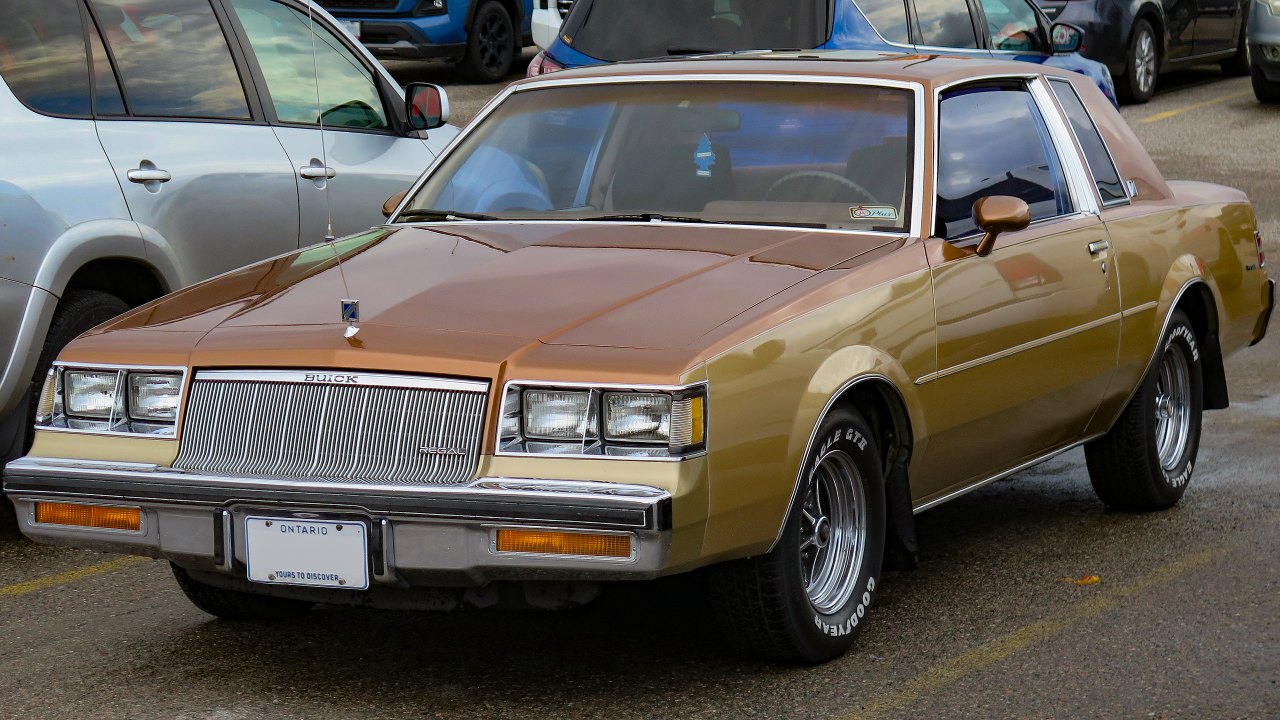
Despite its cultural significance, lowrider culture has faced its share of challenges and controversies. Legal battles and societal perceptions have often cast lowriders in a negative light, with law enforcement agencies and local governments scrutinizing them. In the 1970s and 1980s, lowriders were frequently associated with gang activity, leading to increased police attention and discriminatory practices. This perception was largely unfounded, as lowriding has always been more about community and cultural expression than criminal behavior.
Local ordinances and laws have also impacted the lowrider community. In some cities, restrictions on the height of a car’s suspension or noise levels have been implemented, making it difficult for lowriders to freely cruise the streets. Despite these obstacles, the lowrider community has remained resilient, advocating for their right to express themselves and pushing back against unjust regulations. The ongoing struggle for recognition and acceptance in mainstream culture highlights the enduring strength and determination of the lowrider movement.
The Modern Lowrider Movement
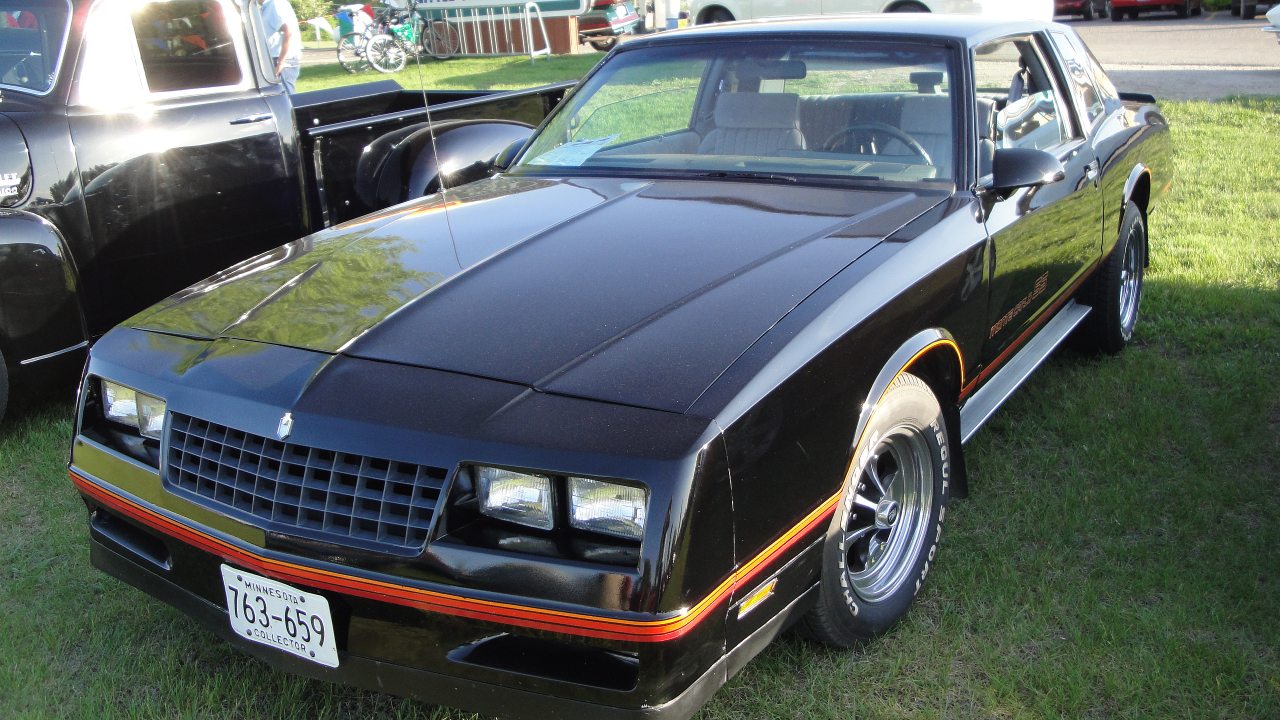
In recent years, lowrider culture has experienced a renaissance, spreading beyond its American roots to become a global phenomenon. Countries like Japan and Germany have embraced lowriding, with enthusiasts adopting and adapting the style to fit their local contexts. In Japan, for instance, lowrider culture has influenced everything from car design to fashion, creating a unique fusion of Japanese and Chicano aesthetics. European countries, too, have seen a growing interest in lowriders, with clubs and events popping up across the continent.
The rise of social media and digital platforms has played a significant role in preserving and promoting lowrider culture. Platforms like Instagram and YouTube have allowed enthusiasts to share their creations with a global audience, fostering connections and inspiring new generations of lowrider fans. Online communities and forums have become vital spaces for exchanging ideas, sharing technical advice, and celebrating the culture’s rich heritage. As the movement continues to evolve, the future of lowriding looks bright, with a new generation of enthusiasts ready to carry the torch and keep the tradition alive.
Like Fast Lane Only’s content? Be sure to follow us.
Here’s more from us:
*Created with AI assistance and editor review.