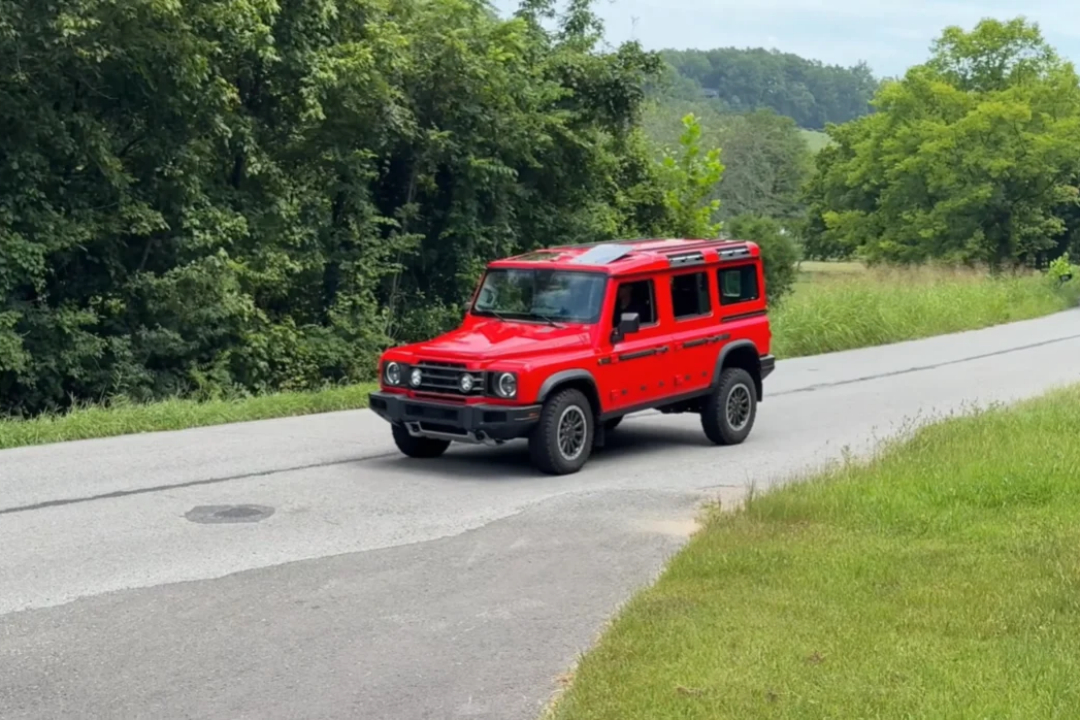
Not every classic car ages with grace—or value. Some were flawed from the start, others got buried under emissions rules, cost-cutting, or plain bad timing. While they might look tempting parked at a show or buried in a barn, these cars tend to bring more trouble than they’re worth. Whether it’s underwhelming performance, weak reliability, or sky-high parts costs, the following models are better admired from a distance. If you’re shopping for a vintage ride, here are 15 classics you might want to skip—no rose-colored glasses required.
1974 Ford Mustang II

Ford’s timing couldn’t have been worse. The 1974 Mustang II landed right as the gas crisis hit, and instead of performance, it leaned into economy. It shared its platform with the Pinto and came standard with a 2.3L inline-four pushing a meager 88 horsepower. Even the optional V6 struggled to move the car with any urgency.
Styling aside, the Mustang II lacked the attitude and muscle of earlier models. Collectors avoid them not just for the weak performance but for the questionable build quality and limited parts support. It’s a low point in the Mustang’s long story.
1980 Chevrolet Corvette (L48)

While the C3 Corvette still looked the part, the early ’80s models were all bark and no bite. The 1980 base L48 engine made just 190 horsepower from a 5.7L V8, thanks to emissions restrictions and a focus on fuel economy. Performance was sluggish, especially by Corvette standards.
The weight-to-power ratio was out of sync, and the build quality took a hit. Interior plastics aged poorly, electronics were finicky, and the ride was more style than substance. Values have remained flat for a reason—there are better years to buy if you want a C3 in your garage.
1976 Cadillac Eldorado Convertible

The ’76 Eldorado marked the “last American convertible” at the time, which created an artificial collector hype. Under the hood was a massive 500-cubic-inch V8, but it only made 190 horsepower. That much weight and so little power made for a floaty, unresponsive drive.
People bought these to stash in garages, hoping for future value. But the bubble never really burst in their favor. They’re big, awkward to drive, and expensive to fix. Nostalgia can’t overcome the maintenance headaches or the fact that it drives more like a couch than a car.
1982 DeLorean DMC-12
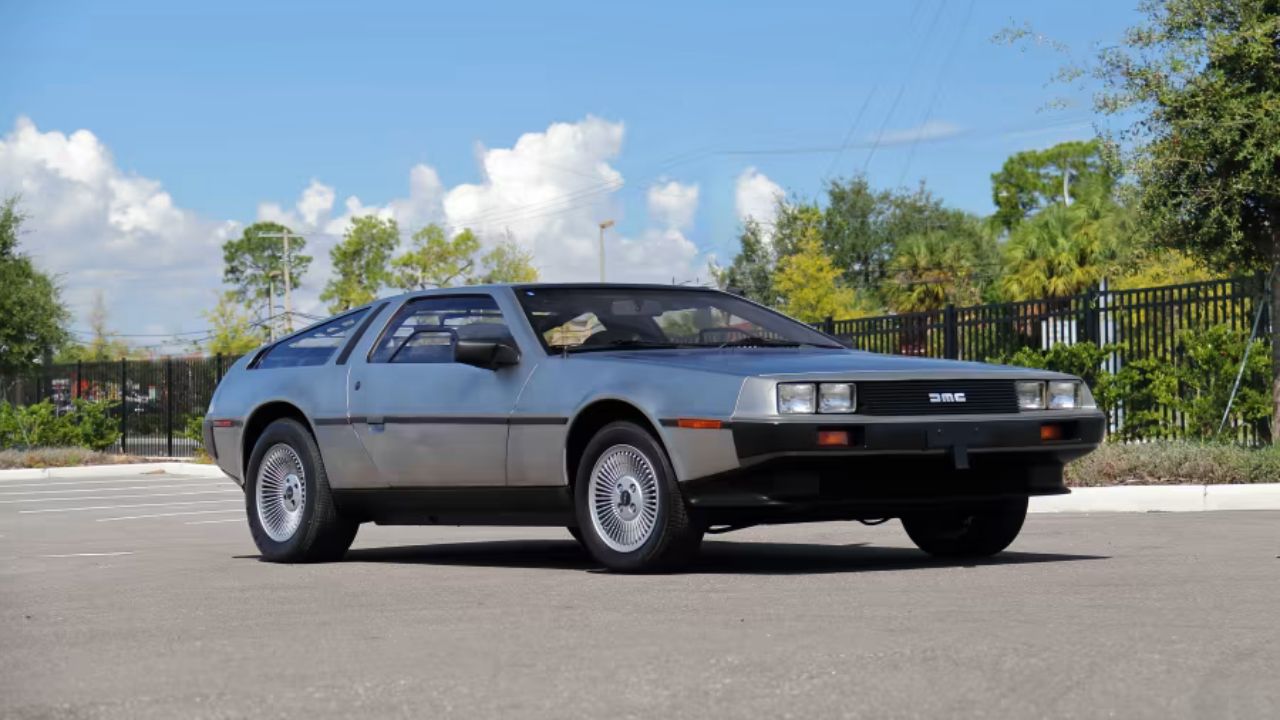
The DeLorean looks great in a photo and even better in a time-travel movie, but that’s where the charm stops. The 2.8L V6 made only 130 horsepower, and the car weighed over 2,700 pounds. Zero to 60 took nearly 10 seconds, and handling didn’t help its case.
The stainless-steel body panels are a pain to repair or refinish, and parts availability has always been hit-or-miss. Add in inconsistent build quality from its Northern Ireland plant and a short production run, and you’ve got a car that’s more conversation piece than daily driver.
1971 AMC Gremlin

AMC tried to cash in on the compact market with the Gremlin, but what they delivered was a chopped-up Hornet with cartoonish proportions and a rough ride. The base model came with a 3.3L inline-six making just 100 horsepower—not enough to make up for its oddball looks or basic interior.
The Gremlin was cheap when new and still feels that way today. Reliability is spotty, trim pieces are hard to track down, and it never aged into something collectible. For many, it’s more of a punchline than a project worth pursuing.
1979 Chrysler Cordoba

Marketed with Ricardo Montalbán and promises of “fine Corinthian leather,” the Cordoba leaned on image instead of substance. It came with a choice of V8s, but even the 360-cubic-inch version felt sluggish under the car’s bulk. Build quality wasn’t great, and handling was vague at best.
The Cordoba tried to blend personal luxury and muscle-era leftovers, but ended up being too soft for one and too weak for the other. Its appeal today is mostly ironic. You’ll find better luxury coupes from the same era that actually live up to their names.
1973 Triumph Stag

The Triumph Stag had one job—offer British style with V8 power—and it blew it. The 3.0L V8 was prone to overheating, timing chain failure, and all manner of oil leaks. British Leyland’s spotty build practices didn’t help, either.
What makes the Stag hard to love today is the constant upkeep. Cooling system redesigns and engine swaps are common just to keep them on the road. Unless you’re mechanically inclined and extremely patient, this car’s headaches far outweigh its charm. Even many classic British fans steer clear of this one.
1981 Cadillac Cimarron
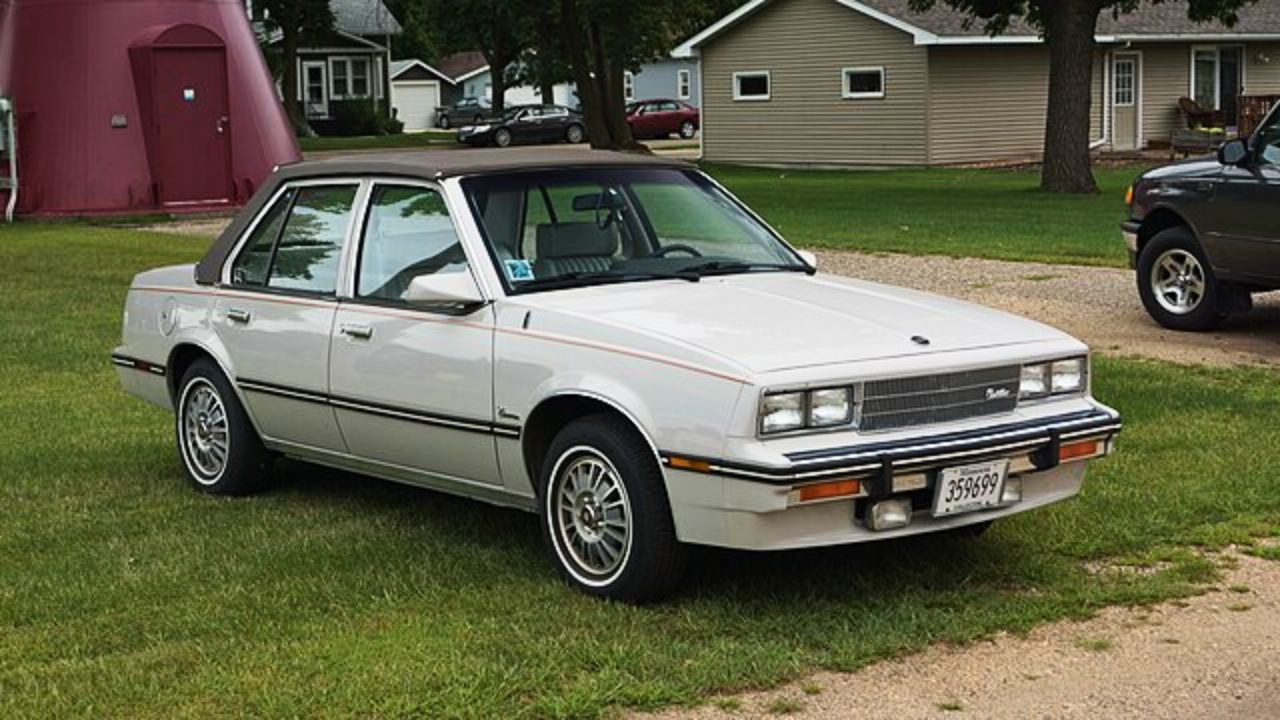
GM’s attempt to slap a Cadillac badge on a Chevy Cavalier went as badly as you’d expect. The Cimarron came with a 1.8L four-cylinder making 88 horsepower and little else to justify its premium price tag. Underneath, it was all J-body economy car—no real Cadillac feel at all.
Interior upgrades were minimal, and the driving experience didn’t change much from the Cavalier either. The Cimarron hurt Cadillac’s reputation and still hasn’t lived it down. It’s often cited as one of the worst badge-engineering efforts in U.S. history—and for good reason.
1974 Bricklin SV-1

At first glance, the Bricklin seems cool—gullwing doors, composite body, and a safety pitch that was ahead of its time. But behind the gimmicks was a car plagued by manufacturing issues. Early models had AMC 360 V8s, later ones used a Ford 351W, neither of which made much power.
Doors failed constantly due to hydraulic problems, panel fitment was hit-or-miss, and the car was heavy for what little it delivered. Production ended after just two years, and most owners today spend more time wrenching than driving. It’s more of a cautionary tale than a collectible.
1980 Fiat X1/9

The X1/9 was Fiat’s mid-engine attempt to bring affordable fun to the masses. But emissions-choked 1.5L engines in the U.S. meant performance was more “moped” than “midship.” Add in rust issues and temperamental electricals, and the shine wears off fast.
It handled well enough on a twisty road, but ownership has never been easy. Even finding a clean example is tough—most rusted from the inside out, especially in humid climates. Enthusiasts may forgive its flaws, but for anyone wanting a usable classic, it’s a frustrating path.
1975 Chevrolet Monza V8
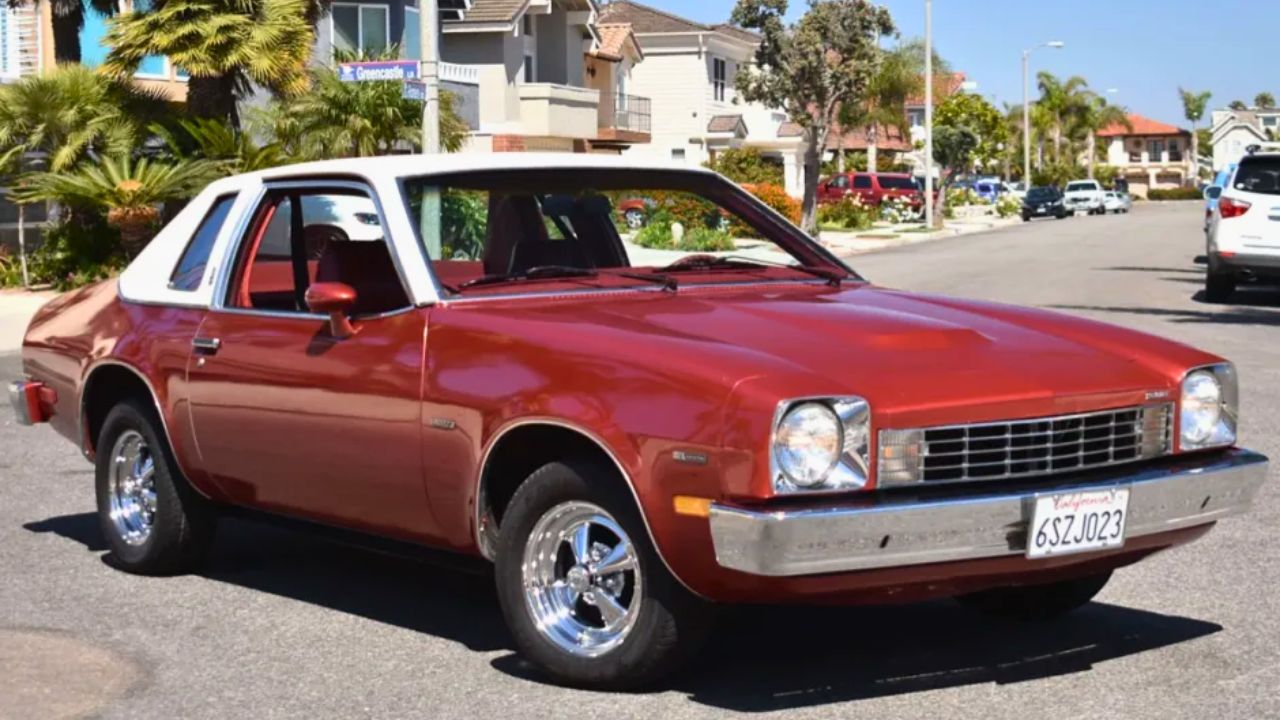
Chevy’s idea with the Monza was to offer a small, sporty car that could house a V8. The problem? It was built around the Vega’s chassis, which wasn’t made to handle that kind of heat or weight. The 262-cubic-inch small-block was cramped in the engine bay and often cooked nearby components.
Servicing anything under the hood is a headache, and performance wasn’t even that impressive. With poor build quality and dated suspension geometry, it never really caught on. Today, most Monzas have either rusted away or been scavenged for drag-strip parts.
1971 Ford Pinto
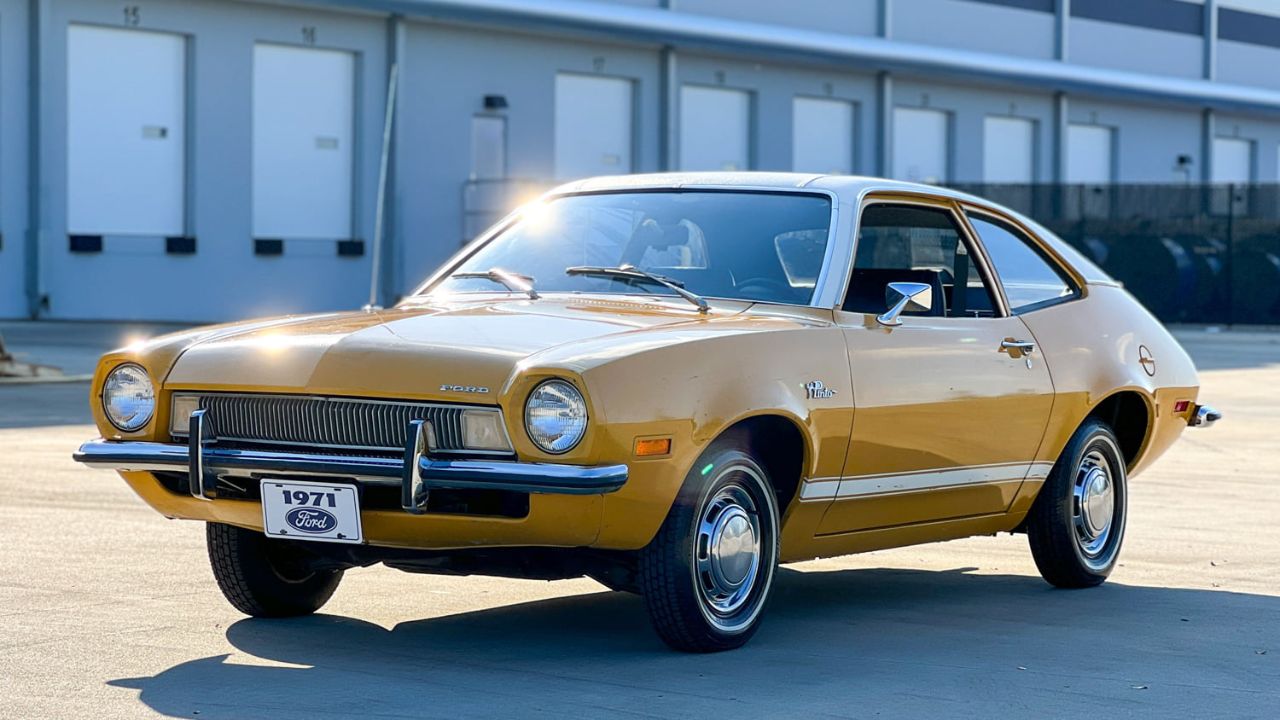
The Pinto’s reputation is forever linked to its rear-end collision fire issues, but even without that controversy, it’s a tough car to recommend. Base models came with underpowered four-cylinders, and the interiors were built to a strict budget—and it showed.
The Pinto’s safety problems were more than headlines. Rear tanks could rupture in a crash, and Ford’s cost-cutting approach drew criticism that still echoes today. Survivors aren’t exactly collectible, and restoring one costs more than it’s ever likely to be worth. Most buyers steer clear—and for good reason.
1980 MG MGB Limited Edition
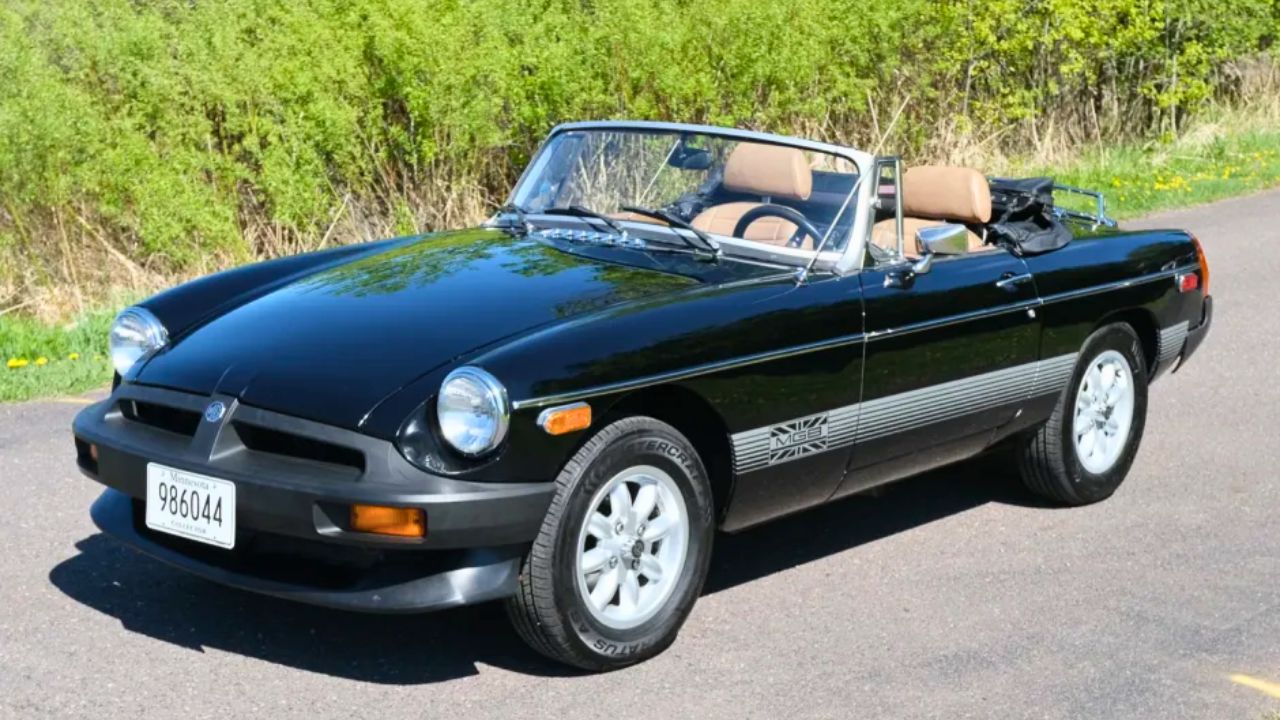
By 1980, the once-sporty MGB had become a shell of its former self. Federal regulations bloated the bumpers, raised the ride height, and sapped the charm. The Limited Edition trim didn’t improve much—just some stripes, wheels, and a badge.
The 1.8L four-cylinder engine made about 62 horsepower in U.S. spec. Add in Lucas electrics and rust-prone bodywork, and you’ve got a recipe for disappointment. While early MGBs still have fans, the last-year Limited Edition is mostly a cosmetic sendoff for a car that had already lost its edge.
1981 Peugeot 504 Diesel
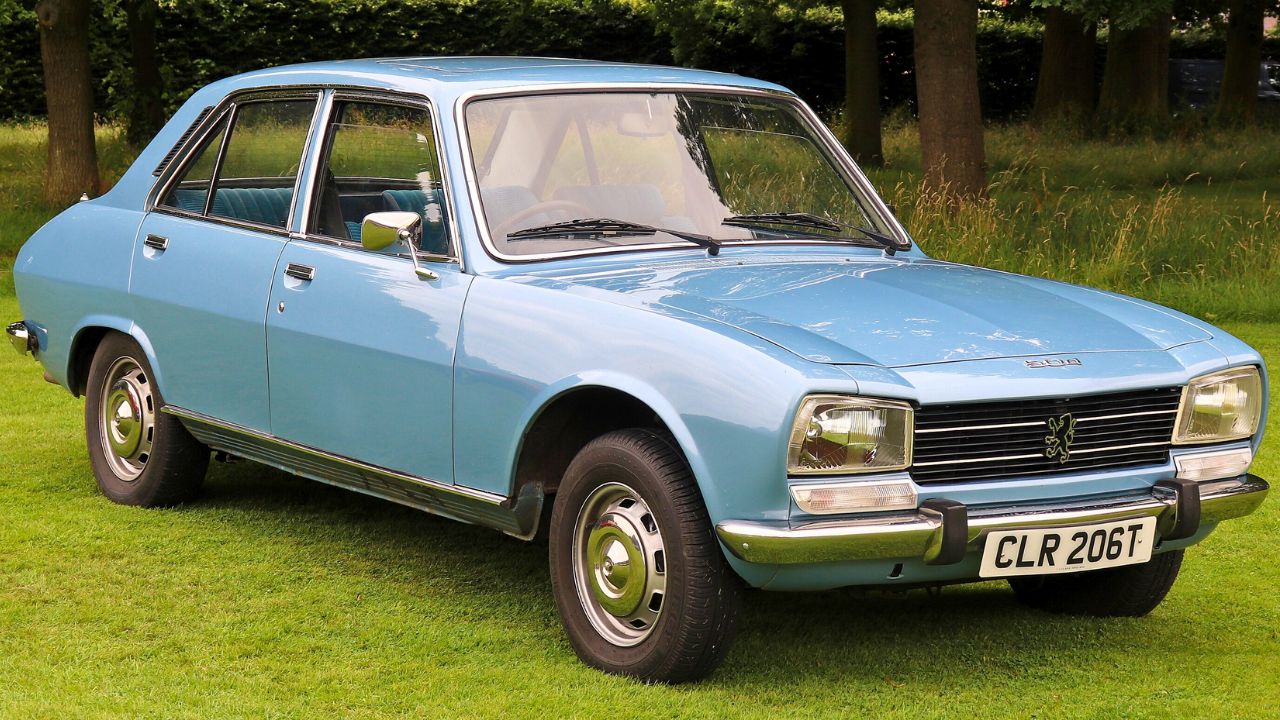
The 504 Diesel has a solid following in Europe, especially among taxi fleets and rural buyers. In the U.S., though, it was a mismatch. The diesel engine was slow—about 65 horsepower—and mated to a sluggish automatic transmission that dulled performance even more.
Parts are hard to come by, and specialist mechanics are few and far between stateside. Add to that rust issues and awkward styling, and the 504 Diesel just doesn’t make much sense here. Unless you have nostalgia or access to a stash of parts, it’s better left overseas.
1977 Dodge Aspen R/T

On paper, the Aspen R/T sounded like it could bring back some Mopar muscle magic. In practice, it didn’t. Even with the 360-cubic-inch V8, it only made around 170 horsepower—barely enough to move its weight. Poor carb tuning and emissions gear didn’t help.
What really hurts the Aspen is its build quality. Early models were notorious for rust, misaligned panels, and electrical gremlins. Dodge tried to market it as a performance coupe, but owners got something closer to a dressed-up commuter with none of the attitude or staying power.
Like Fast Lane Only’s content? Be sure to follow us.
Here’s more from us:
*Created with AI assistance and editor review.