You didn’t just hear them—you felt them in your chest. These classic muscle cars weren’t just fast; they changed the rules. Built for burnout contests and quarter-mile kills, they redefined style, sound, and swagger. From strip-ready legends to torque-heavy street machines, these 15 American muscle cars shook the culture and never stopped echoing.
1968 Dodge Dart GTS 440
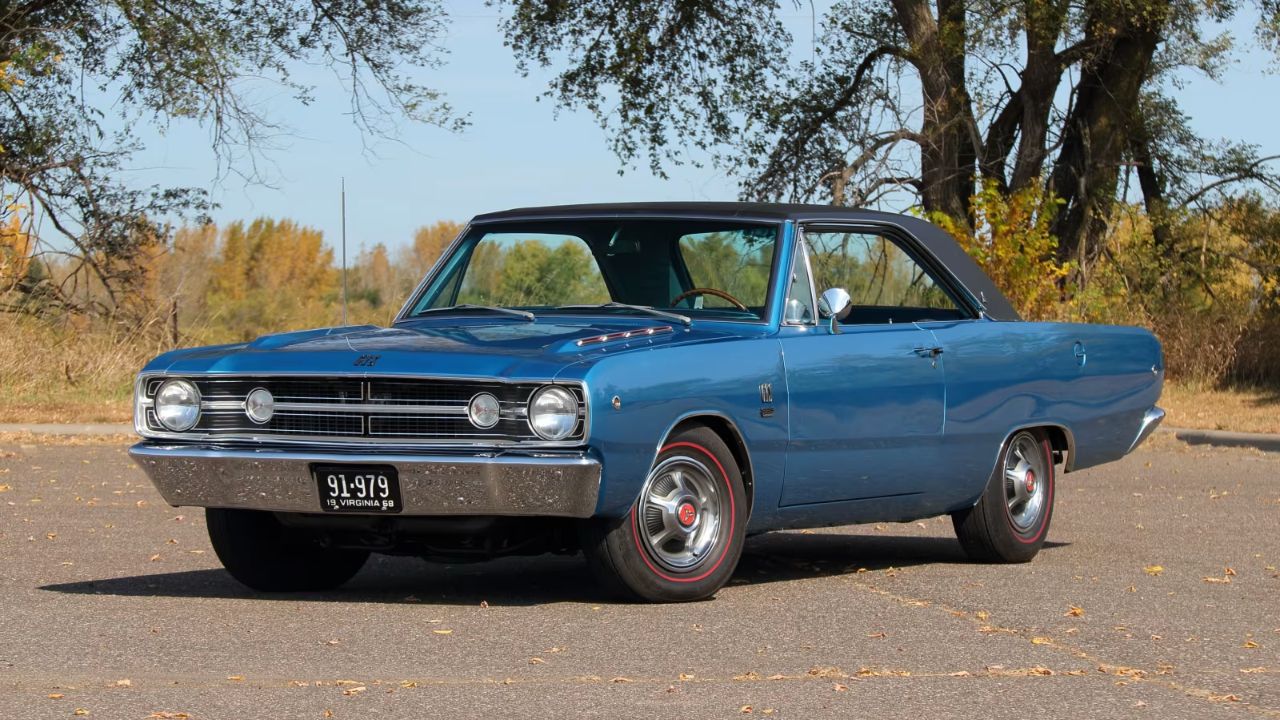
This thing was pure factory rebellion. Dodge stuffed a 440-cubic-inch V8 into the compact Dart and created a street monster. It wasn’t advertised much—insurance companies hated it—but it made over 375 horsepower and could run low-13s with ease.
It looked mild, but it was a full-on predator. Lightweight, raw, and often underestimated, the Dart GTS 440 was Mopar’s street-sleeper secret that kept the big boys on edge.
1973 Pontiac Firebird Trans Am SD-455

While emissions regs neutered most muscle cars by ’73, Pontiac refused to quit. The Super Duty 455 wasn’t just a big engine—it was hand-built, overbuilt, and underrated at 290 horsepower. Real numbers were closer to 370 hp.
With its shaker hood, flares, and screaming bird decal, it looked every bit as fast as it was. The SD-455 made sure muscle car culture didn’t go out with a whimper.
1969 Mercury Cougar Eliminator
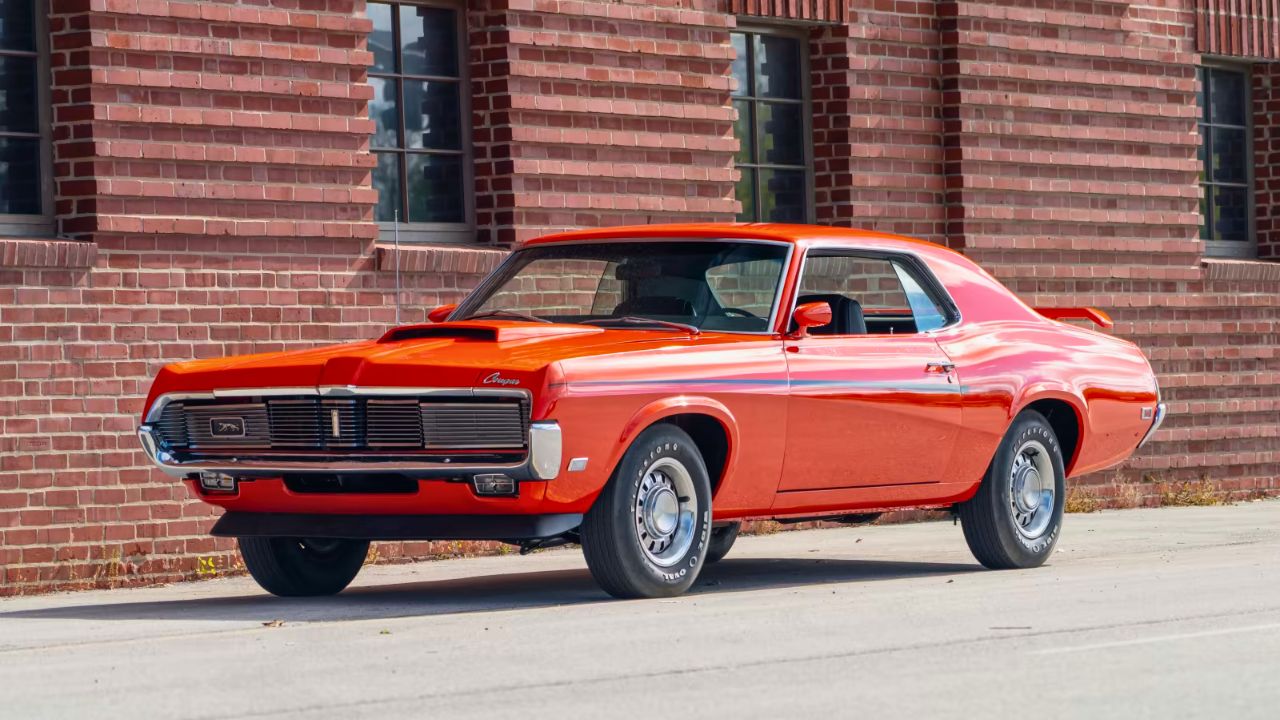
Mercury’s answer to the Mustang came with more refinement—until the Eliminator threw that out the window. It packed up to a 428 Cobra Jet under the hood and looked ready for a street brawl with its bold stripes and blackout grille.
The Cougar wasn’t just muscle—it was muscle with muscle-car attitude. It gave Mercury a shot at street cred and proved that luxury and performance didn’t have to be separate lanes.
1969 Chevrolet Camaro ZL1
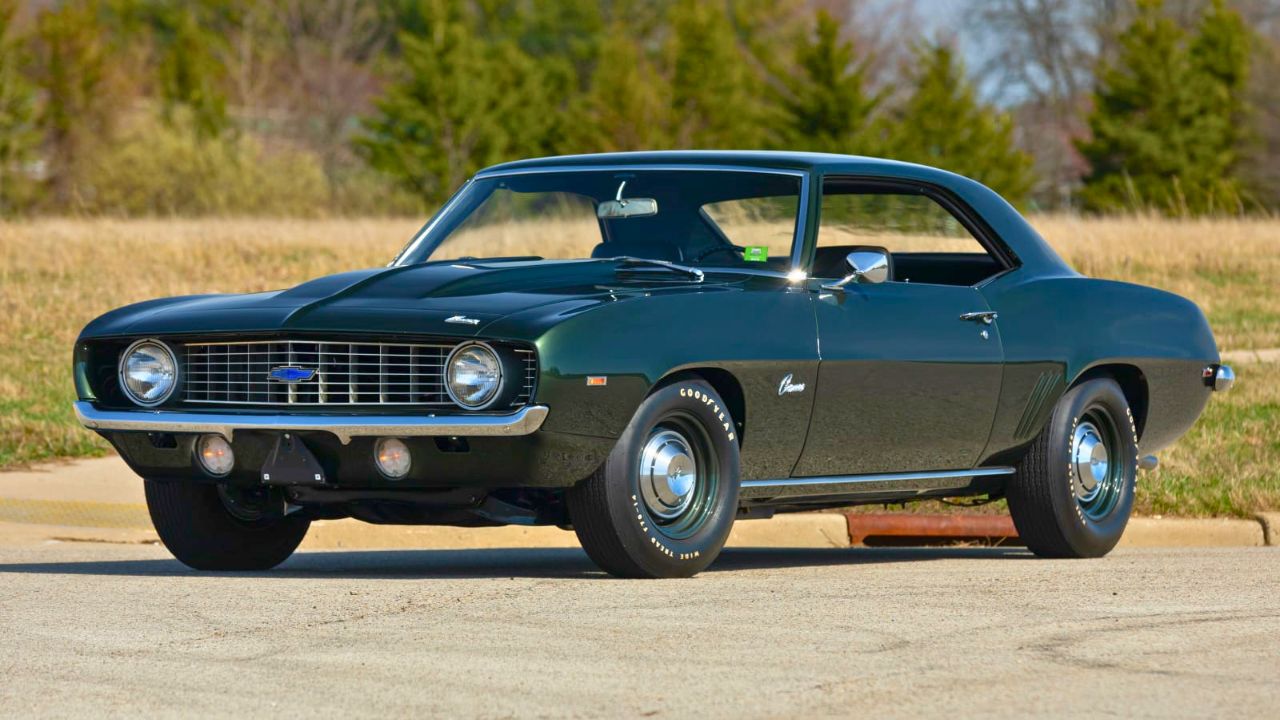
Built under the COPO program, the ZL1 Camaro came with an all-aluminum 427-cubic-inch big-block built for drag racing. It cost nearly twice as much as a regular Camaro—but it also ran 11s right off the showroom floor.
Only 69 were made, making it as rare as it is brutal. It wasn’t just a muscle car—it was a street-legal race car that pushed GM’s rulebook to the limit.
1971 Plymouth GTX 440 Six Barrel
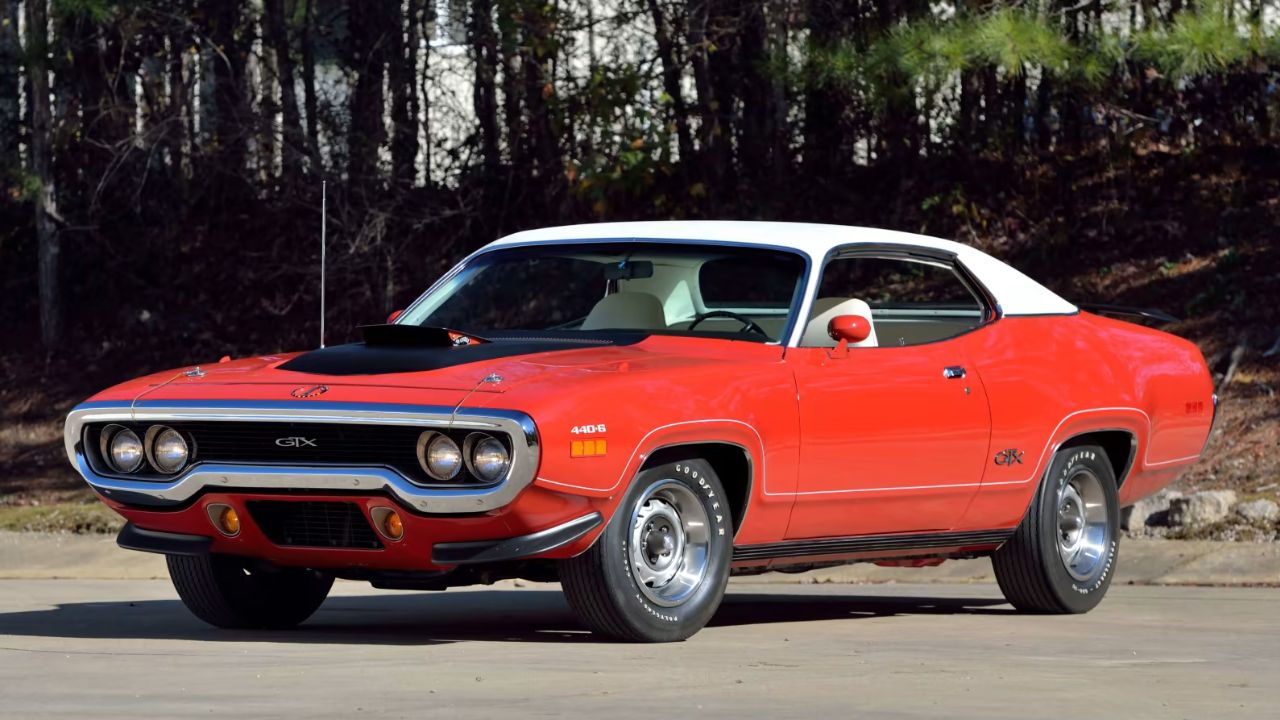
The GTX was always the gentleman’s muscle car, but by 1971, it dropped the manners and got mean. The optional 440 Six Barrel setup made 390 horsepower, and its aggressive fuselage styling gave it serious curb presence.
This was Mopar’s full-sized hammer—elegant but built to do damage. It brought real muscle to the upper class of Detroit steel and still looks deadly today.
1964 Pontiac GTO
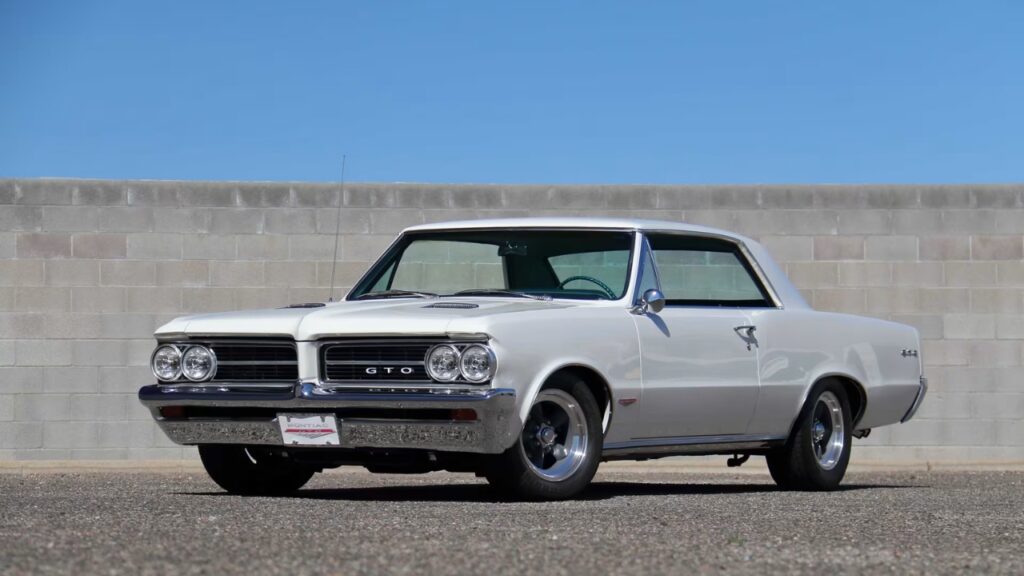
The one that lit the fuse. Pontiac took a mild-mannered Tempest, dropped in a 389 V8, and gave birth to the muscle car blueprint. With the optional Tri-Power setup, it made 348 horsepower and pulled like a freight train.
But more than speed, it was about attitude. The GTO made muscle cars cool, accessible, and addictive. It didn’t follow rules—it made them.
1970 Chevrolet Chevelle SS 454 LS6

This was the peak of brute force. The LS6 Chevelle packed a 454-cubic-inch V8 rated at 450 horsepower—more than most supercars of its time. Cowl hood, wide stance, and a roar that could scare wildlife.
It wasn’t about subtlety. It was about showing up loud, lining up straight, and leaving tire marks in your rearview. The Chevelle LS6 was raw Detroit thunder.
1970 Plymouth HEMI ‘Cuda
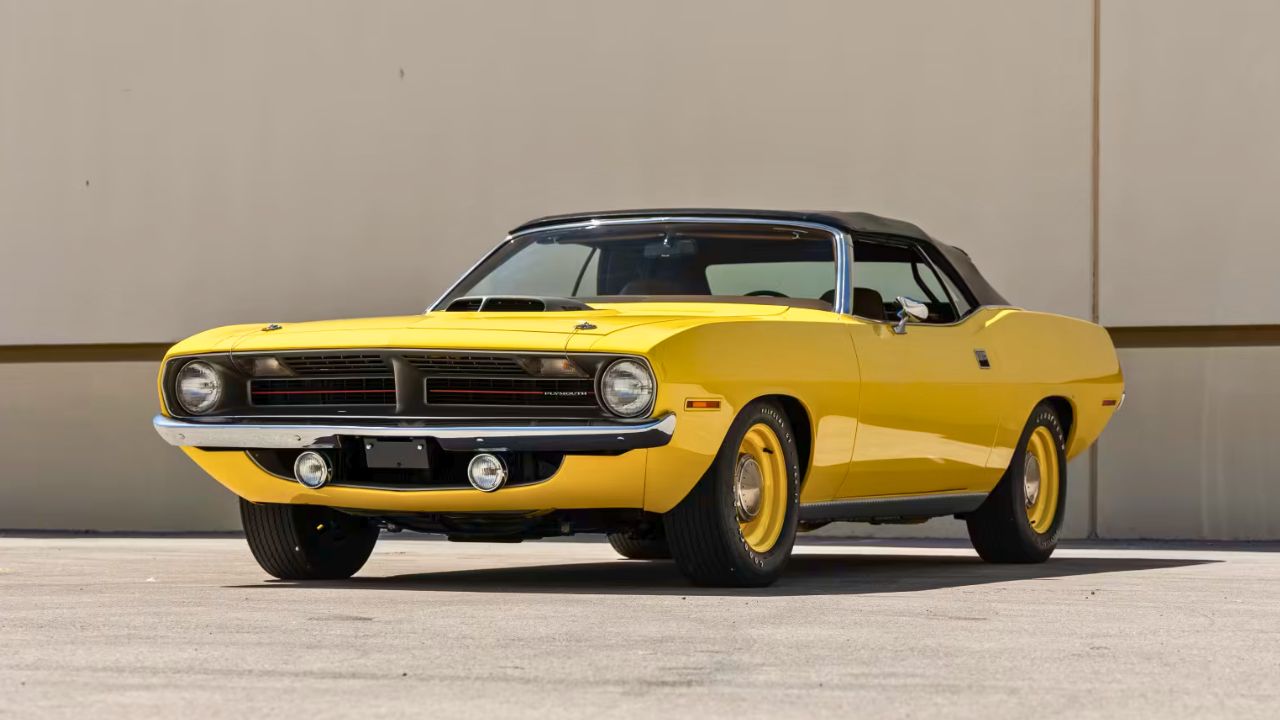
Take Mopar’s sexiest body, shove in a 426 HEMI, and you get one of the most explosive combos in muscle car history. With 425 horsepower and a Shaker hood, the HEMI ‘Cuda looked and sounded like a threat.
Low production numbers made it rare, but its legacy is loud. It wasn’t just a car—it was a warning: mess around and you’ll find out.
1965 Shelby GT350
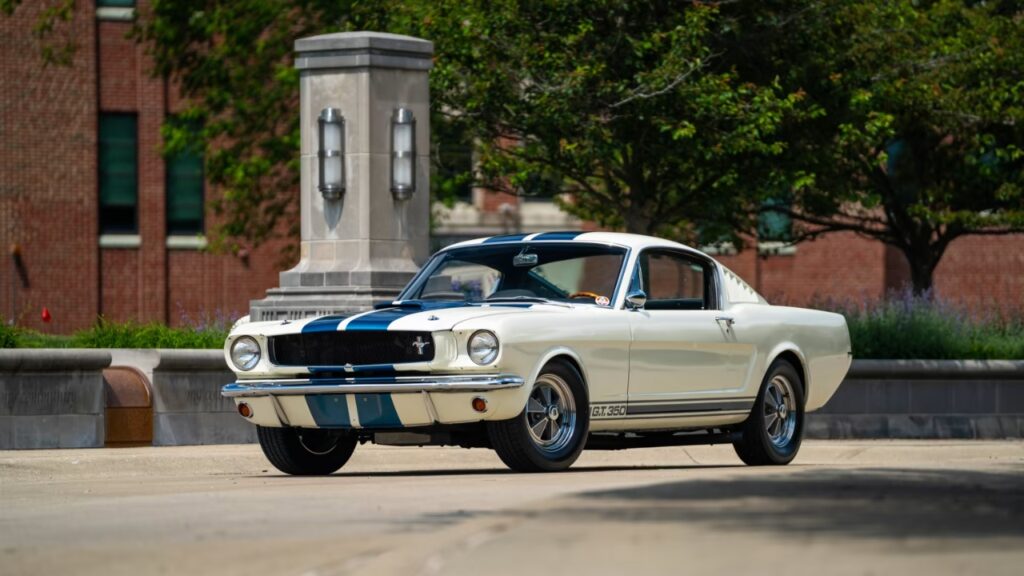
Carroll Shelby turned a Mustang into something wild. With its 289-cubic-inch V8, track-ready suspension, and no rear seat, the GT350 wasn’t built for comfort—it was built to win.
This wasn’t your average muscle car. It was sharp, focused, and dialed in. Shelby’s formula proved American muscle could carve corners just as well as it killed straights.
1970 Buick GSX Stage 1
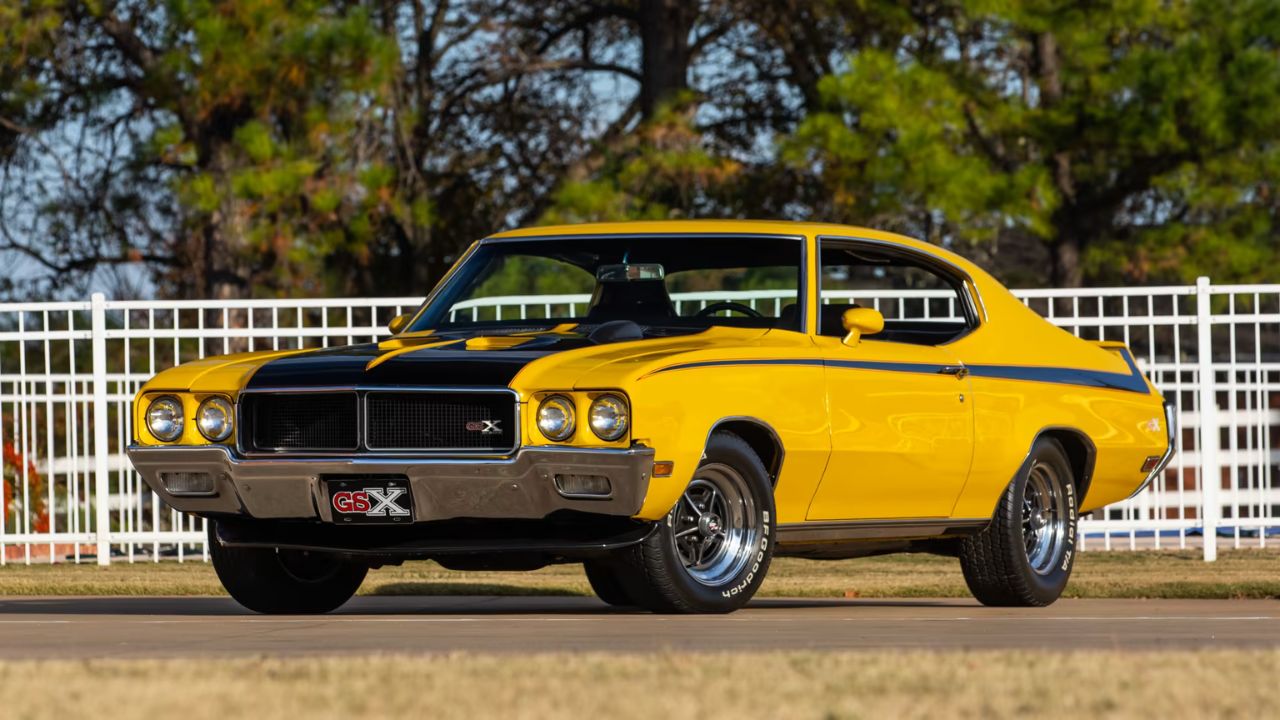
The GSX looked clean, but it hit dirty. Its 455-cubic-inch Stage 1 engine made a monstrous 510 lb-ft of torque, launching it past the competition with quiet confidence.
Luxury? Absolutely. But don’t let the soft touch fool you—this Buick could knock out a quarter-mile in under 14 seconds. It redefined what muscle could look like in a tux.
1969 Dodge Charger R/T

The Charger R/T wasn’t just fast—it was famous. With the 426 HEMI available and that unmistakable Coke-bottle silhouette, it owned both drag strips and TV screens.
Thanks to Bullitt and The Dukes of Hazzard, it became a pop-culture titan. It looked fast, sounded mean, and proved style mattered just as much as horsepower.
1971 Ford Mustang Mach 1 429 Super Cobra Jet
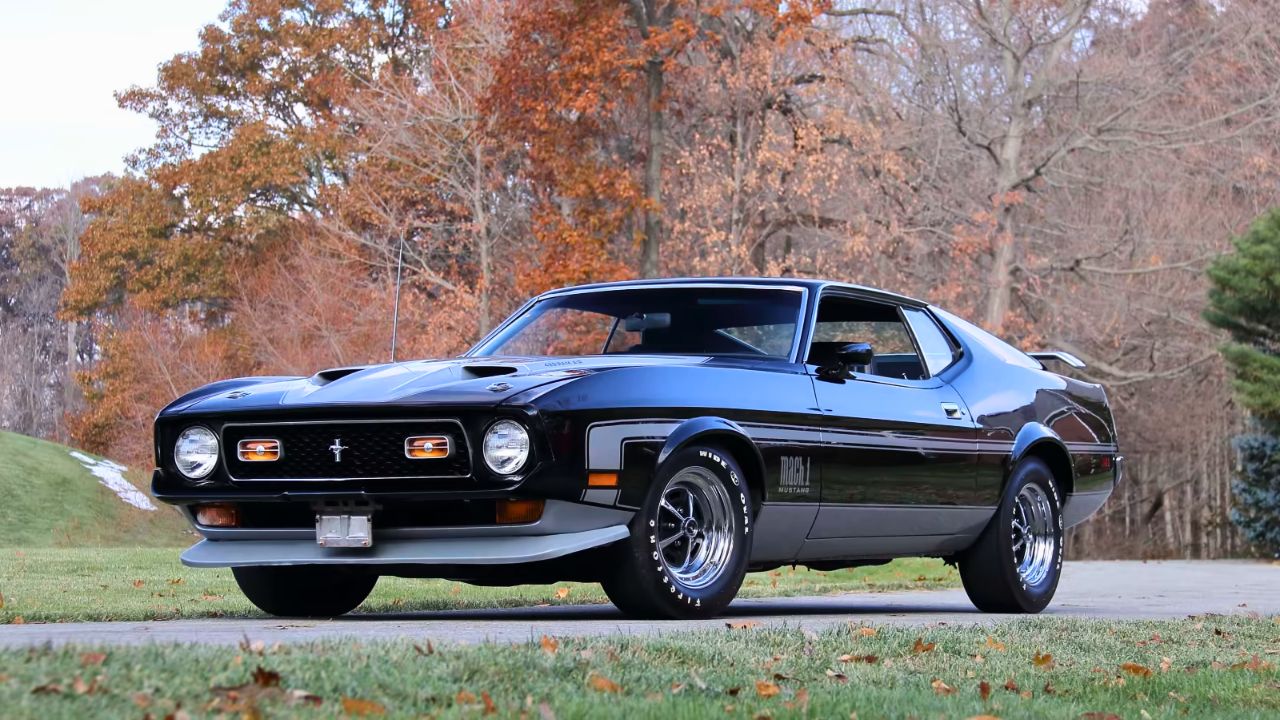
Ford’s heavyweight brawler. With the Drag Pack, oil cooler, and a 429 SCJ under the hood, this Mach 1 was ready for battle. It packed 375 horsepower, but real-world numbers felt stronger.
It wasn’t lean or light anymore—but it made up for that with brute force and dragstrip manners. A true end-of-era monster that went out swinging.
1970 Oldsmobile 442 W-30
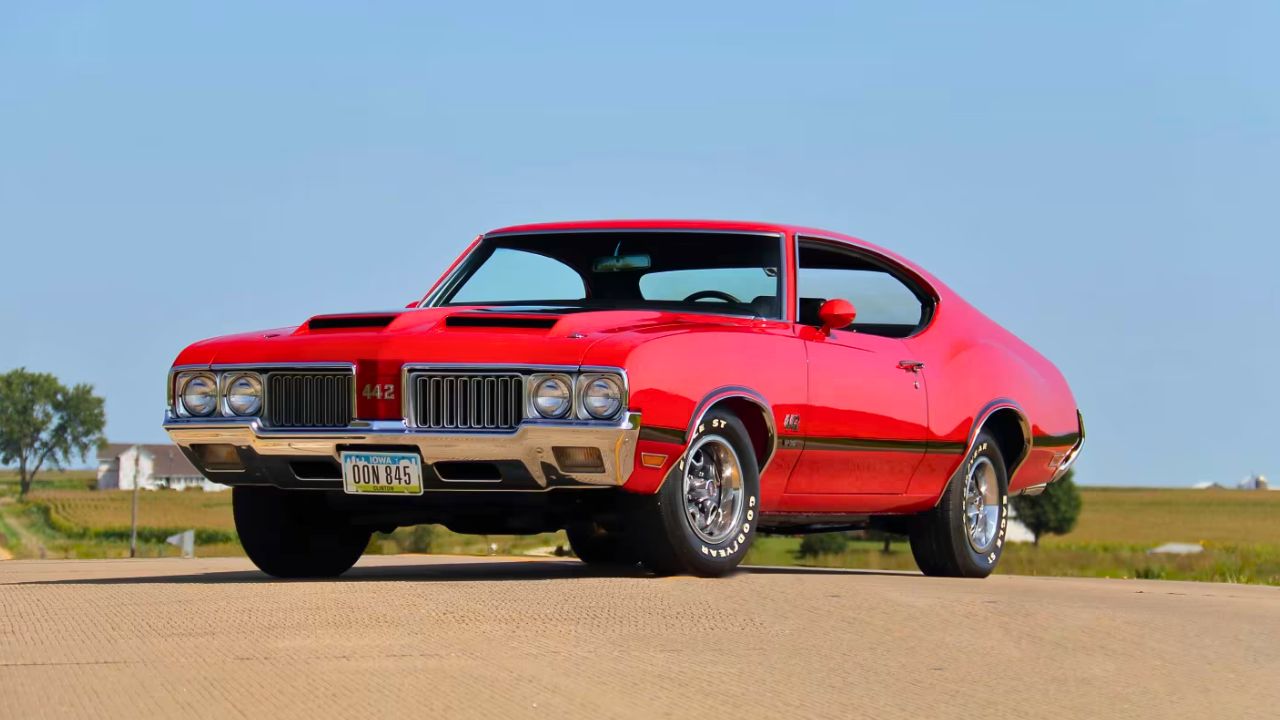
This 442 didn’t just bark—it bit. The W-30 package added a Ram Air hood, hot cam, and a 455-cubic-inch V8 with gobs of low-end torque. The factory said 370 hp, but insiders knew better.
It was the sleeper of the GM muscle family—clean, mean, and seriously underrated. The W-30 proved Olds could throw haymakers when it wanted to.
1969 AMC AMX
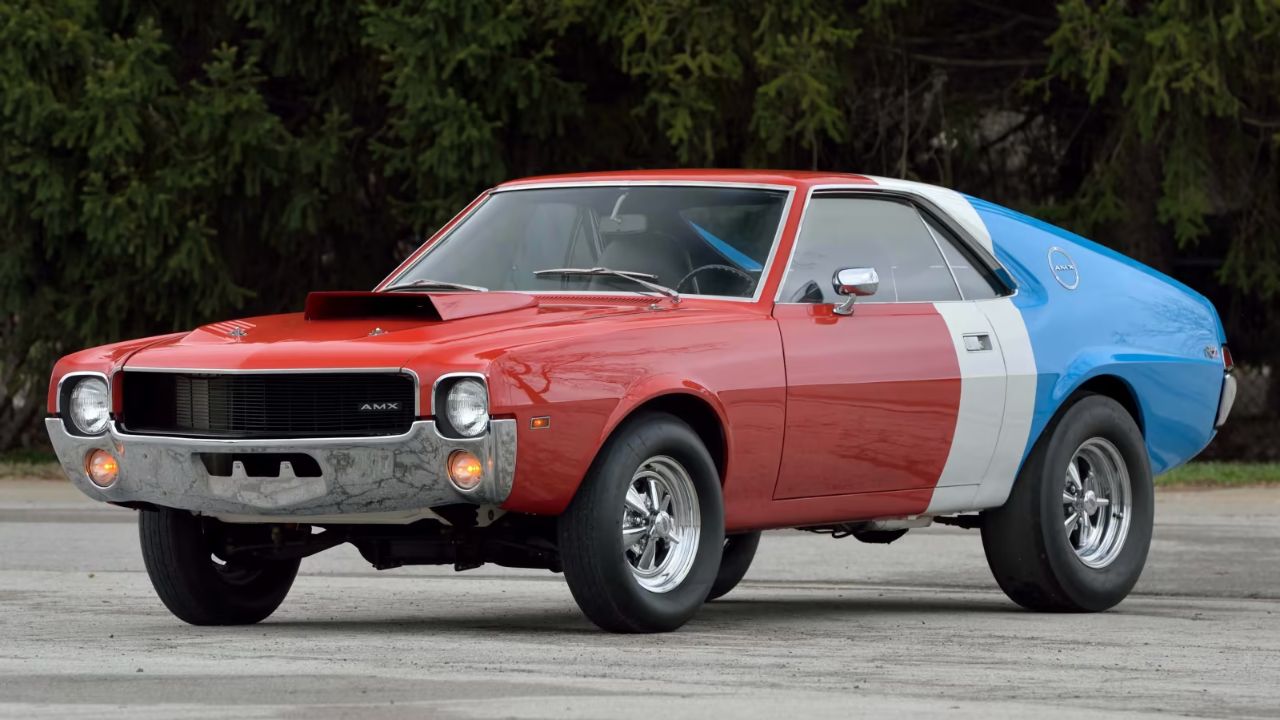
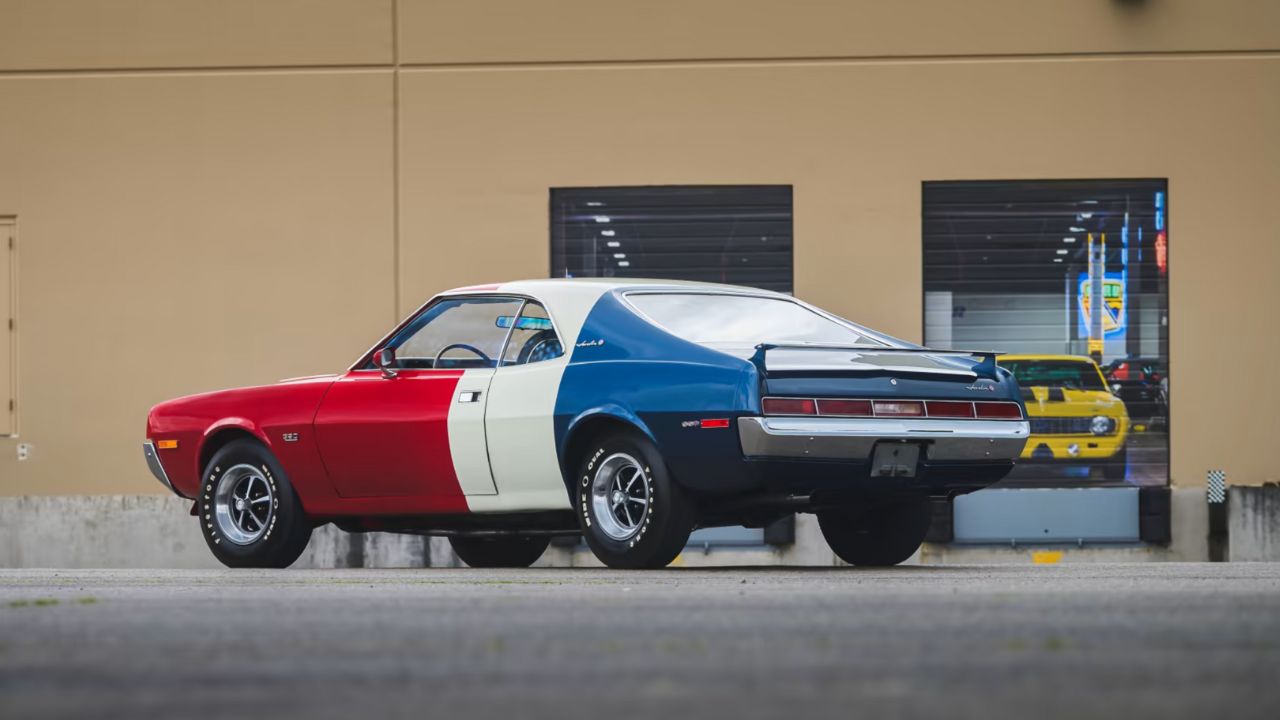
AMC’s AMX was short, sharp, and ready to rumble. Unlike most muscle cars, it had only two seats and a wheelbase small enough to hustle through corners. The 390 V8 gave it plenty of punch.
It didn’t sell in huge numbers, but it left a lasting mark. The AMX proved you didn’t have to be big to hit hard—and the underdog could still win a fight.
1966 Chevrolet Nova SS L79
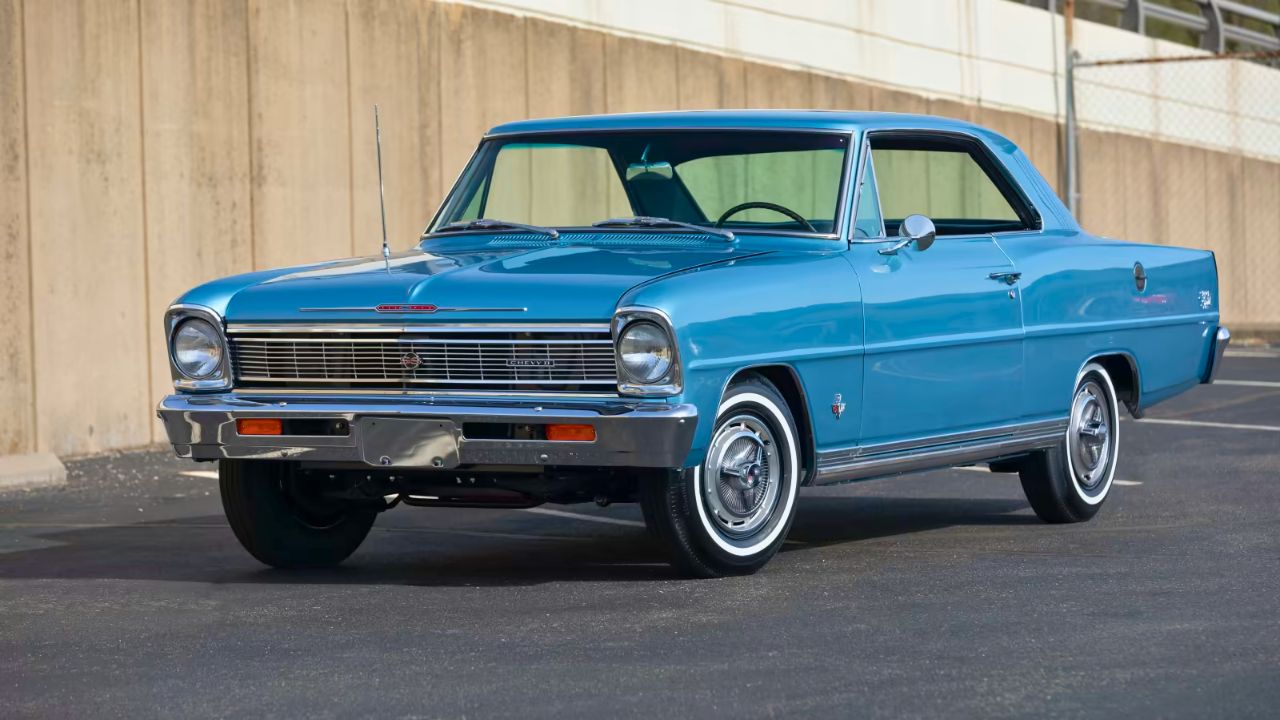
The L79 Nova was a wolf in thrift-store clothing. It hid a 327-cubic-inch V8 making 350 horsepower inside a lightweight, unassuming shell. Quiet, compact, and downright quick.
It could smoke bigger cars without breaking a sweat. The L79 wasn’t flashy, but it rewrote the rules on what a real sleeper could do.
Like Fast Lane Only’s content? Be sure to follow us.
Here’s more from us:
*Created with AI assistance and editor review.