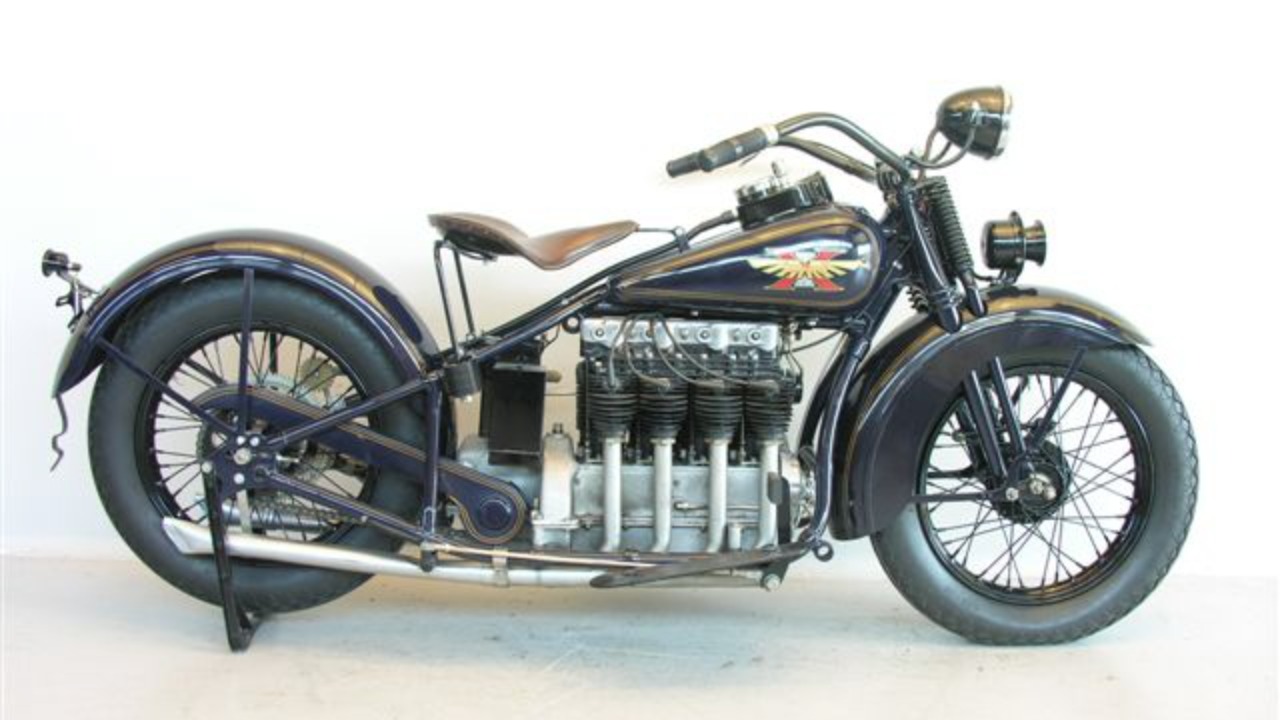
American motorcycle history goes far beyond the familiar Harley-Davidson and Indian names. Several unusual machines were produced in small numbers, built for competition, or disappeared after their manufacturers closed. Their limited survival makes them especially difficult to find today, with some appearing at major auctions only occasionally.
Excelsior Super X
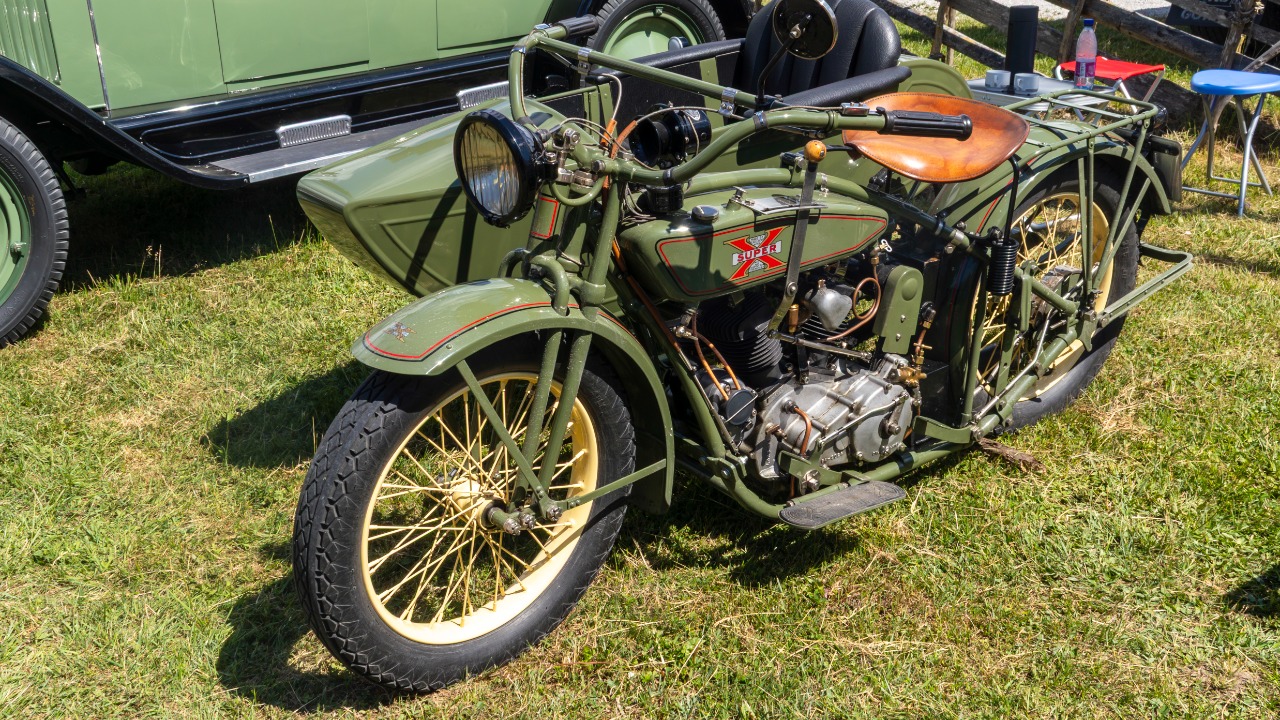
The Excelsior Super X was one of the most advanced American motorcycles of the late 1920s. Its 45-cubic-inch V-twin was larger and more sophisticated than many contemporary engines, while the chassis featured several features designed to improve performance. Excelsior’s motorcycle business ended during the Great Depression, leaving relatively few surviving examples. Original Super X motorcycles are now uncommon discoveries at major vintage auctions.
Henderson KJ
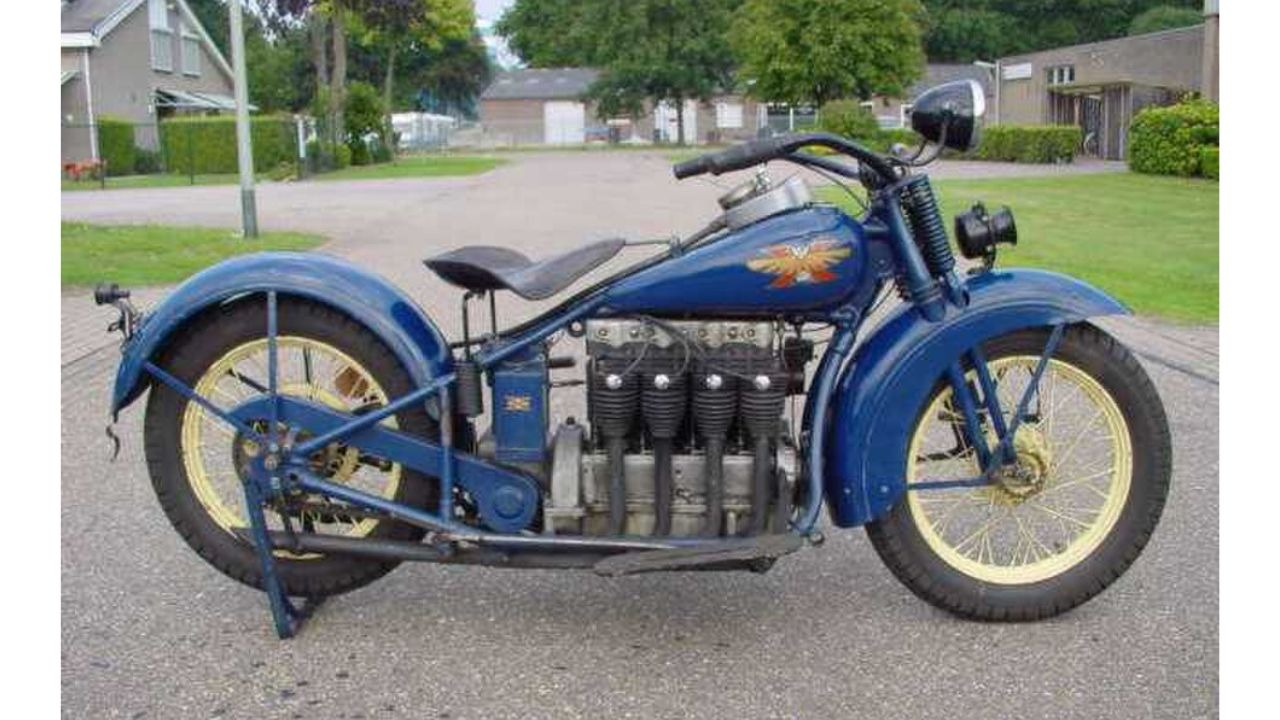
The Henderson KJ was one of the final and most sophisticated motorcycles produced by the Henderson company. Its inline-four engine provided unusually smooth performance, while its long chassis gave it a distinctive appearance. Henderson was absorbed by Excelsior, and motorcycle production eventually ended. Because relatively few KJs survived decades of use, original examples are now highly unusual at collector auctions.
Indian Four
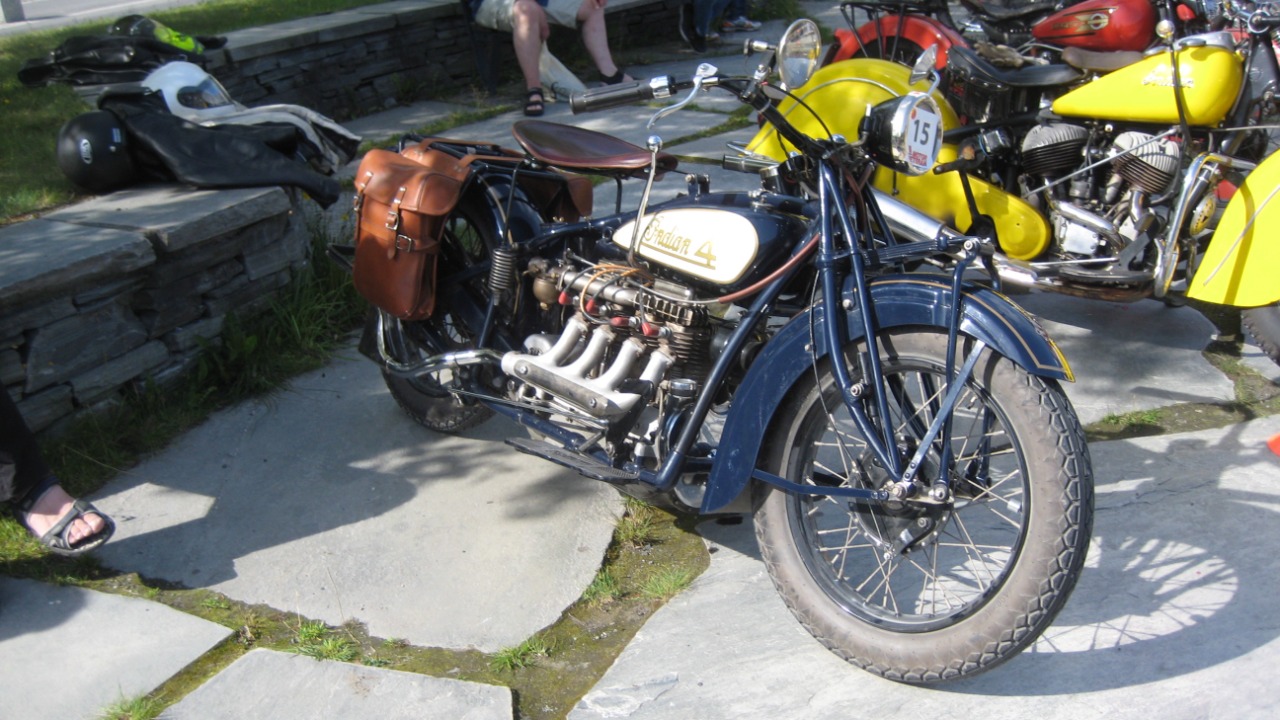
The Indian Four was one of America’s most distinctive multi-cylinder motorcycles. Its inline-four engine offered smooth power and a level of refinement unusual for motorcycles of the period. Indian produced several versions before the company eventually disappeared. Surviving Four-cylinder machines are now highly sought after by collectors, and genuinely original examples can be difficult to encounter outside specialized motorcycle auctions.
Indian Chief
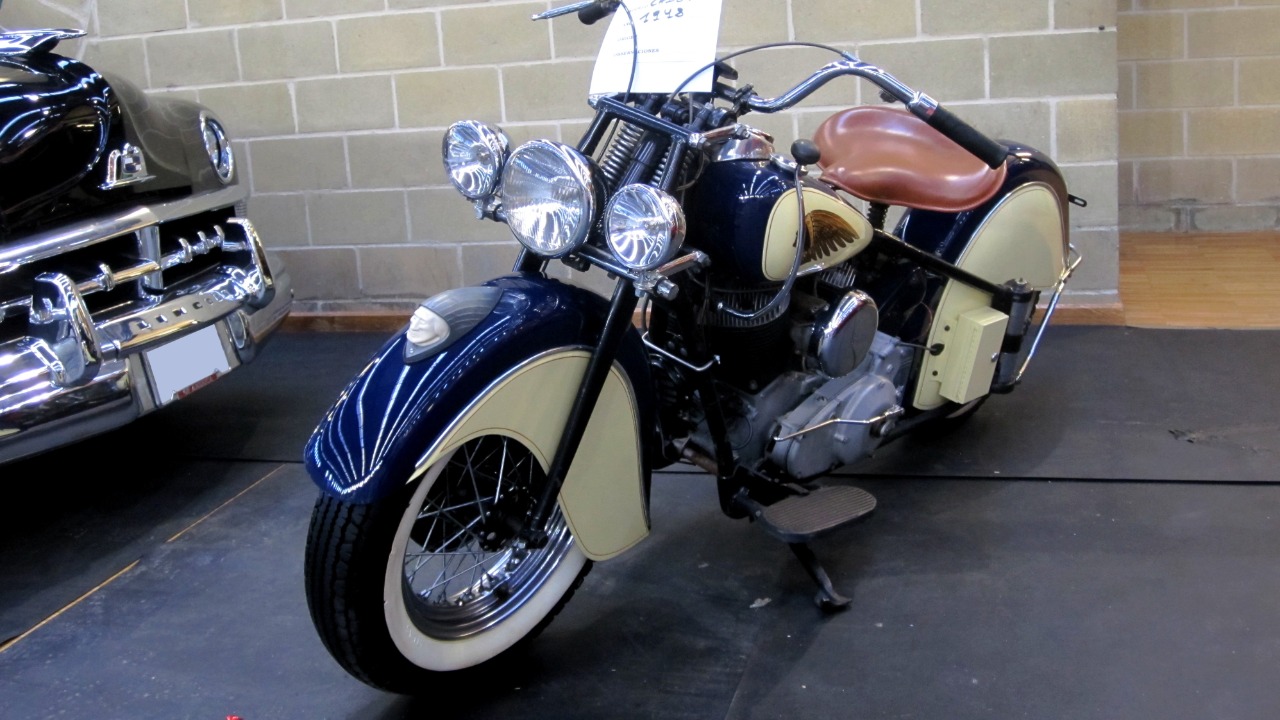
The Indian Chief became one of the company’s most recognizable motorcycles and remained in production through much of Indian’s classic era. Its large V-twin engine, comfortable proportions, and distinctive styling made it a flagship American motorcycle. Many Chiefs were heavily used or modified over the decades, so original examples have become increasingly difficult to find. That scarcity makes certain surviving Chiefs particularly significant to collectors.
Indian Scout
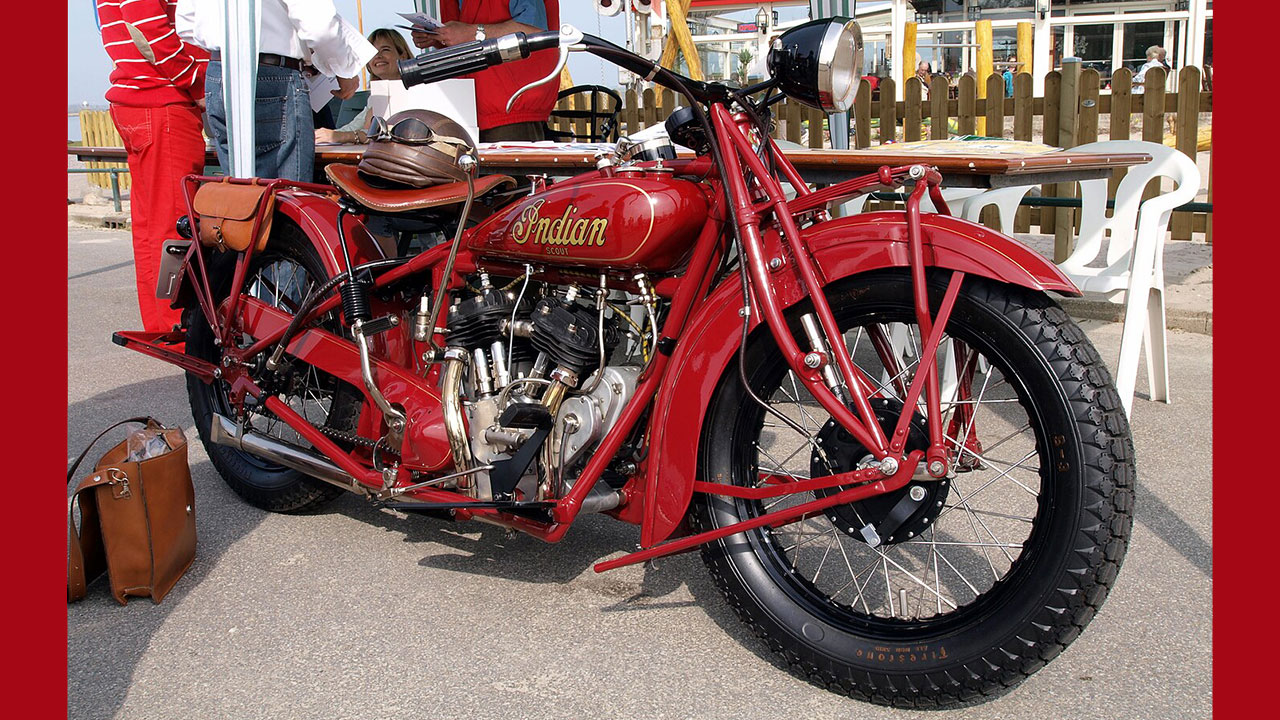
The Indian Scout developed a reputation for strong handling and reliable performance, especially during the 1920s and 1930s. Its compact V-twin design made it popular with riders and racers alike. Many Scouts were modified for competition or everyday utility, reducing the number of original survivors. Early Scouts in authentic condition can therefore be surprisingly difficult to encounter at today’s major auctions.
Indian Sport Scout
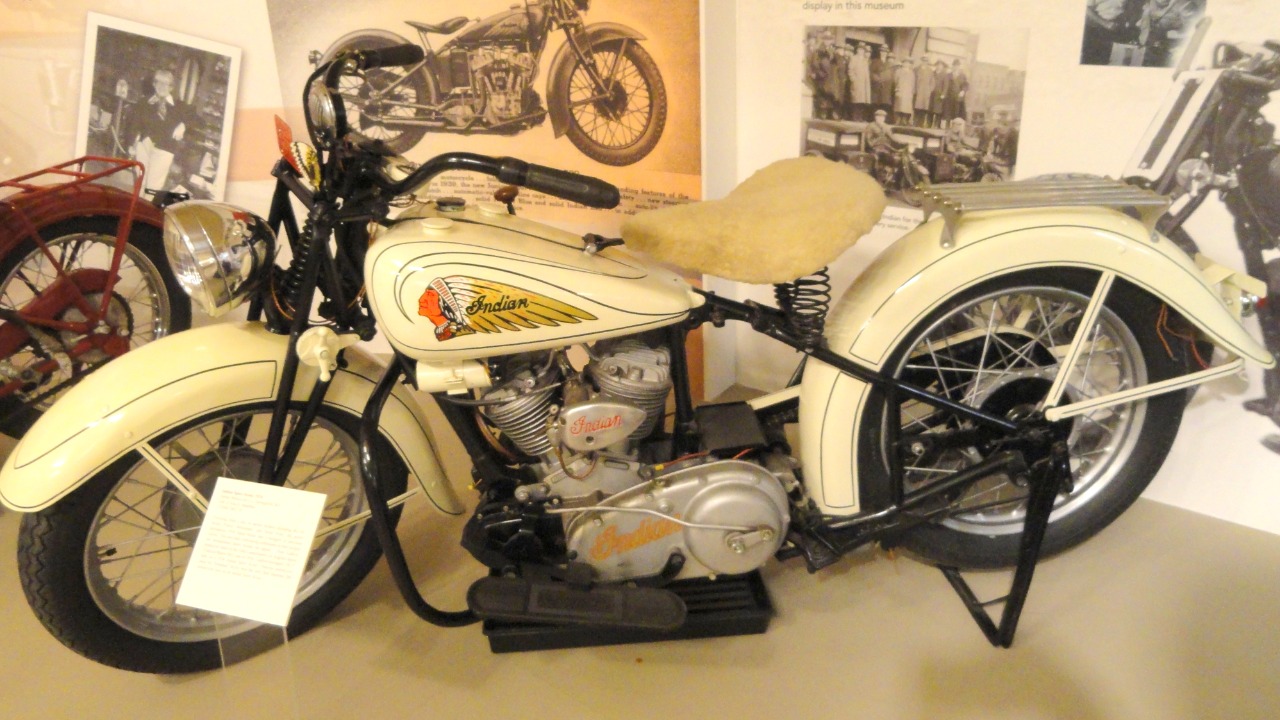
The Indian Sport Scout was a lighter and more performance-oriented development of the Scout. Its improved chassis and V-twin engine made it particularly attractive to riders interested in sporting performance. Many were raced or modified throughout their lives, leaving relatively few untouched examples. Original Sport Scouts are now valuable pieces of Indian’s prewar history and seldom appear in ordinary motorcycle auctions.
Indian Power Plus
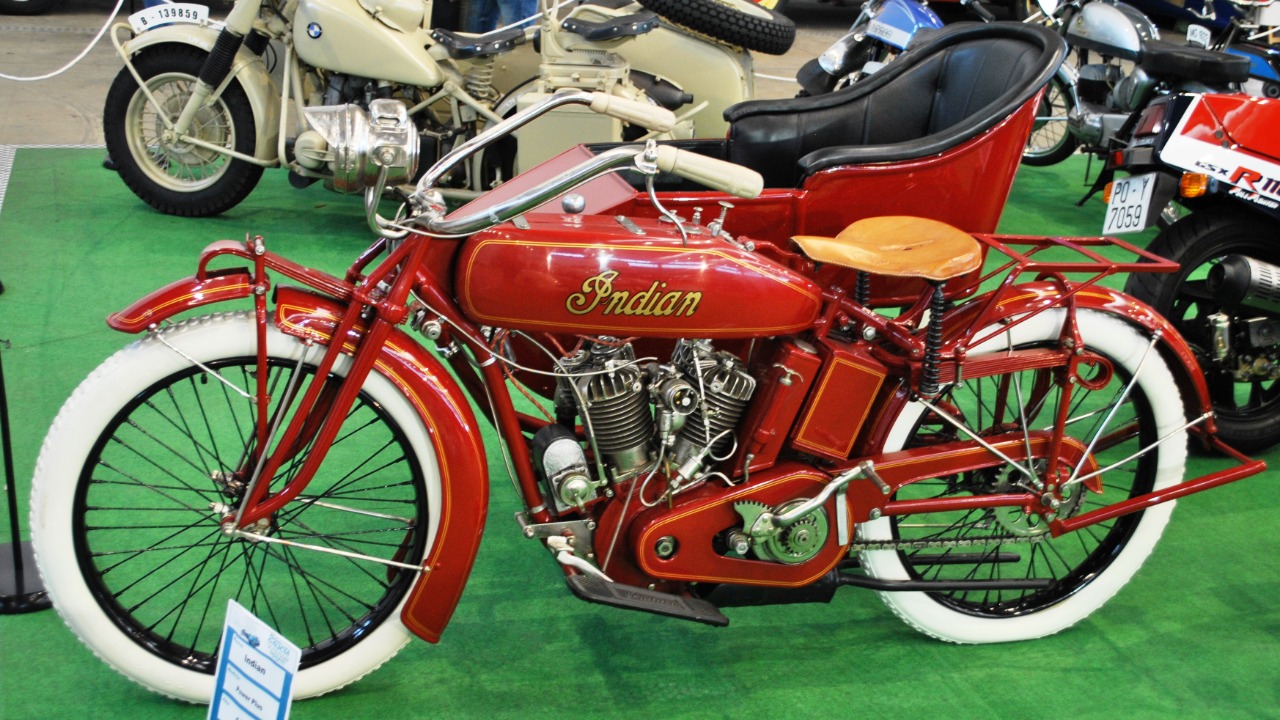
The Indian Power Plus represented an important stage in the development of the company’s large V-twin motorcycles. Its engine became known for strong performance and smooth power delivery for its era. Because these motorcycles are now roughly a century old, surviving examples have naturally become scarce. Original Power Plus machines with documented history are particularly unusual finds for vintage American motorcycle collectors.
Indian Big Chief
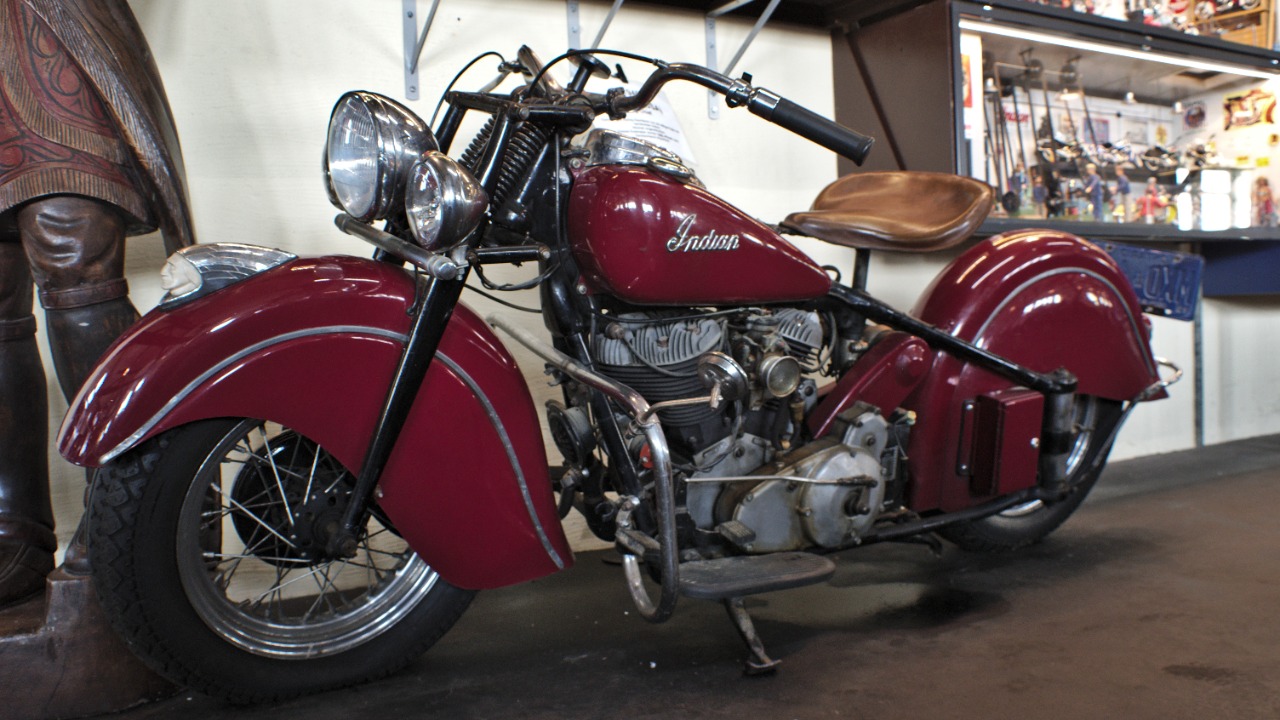
The Indian Big Chief combined the company’s large-displacement V-twin with a substantial chassis designed for touring and long-distance use. It was one of Indian’s most imposing motorcycles during the company’s later prewar period. Years of use, restoration, and modification reduced the number of original survivors. Well-preserved Big Chiefs are therefore uncommon sights, particularly outside specialist Indian motorcycle collections.
Harley-Davidson JD
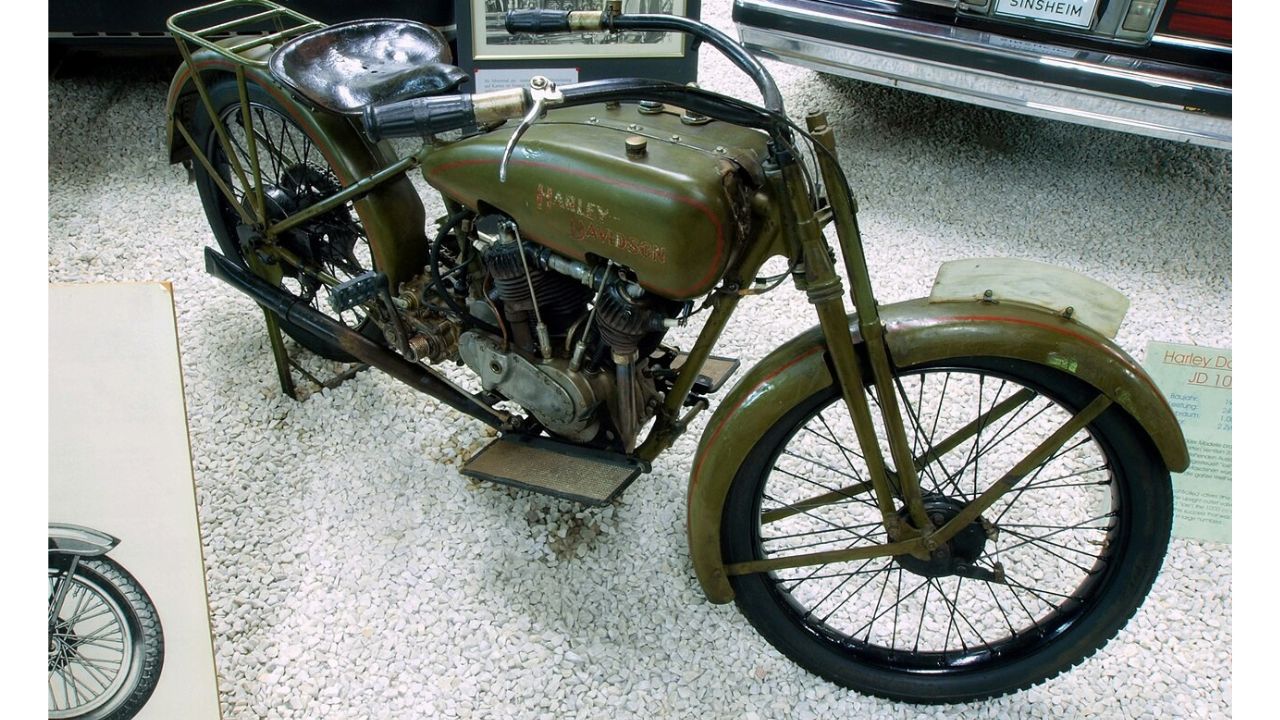
The Harley-Davidson JD was part of the company’s influential early big-twin lineup. Its large-displacement V-twin and period-correct mechanical design made it an important motorcycle in Harley-Davidson history. Many JDs were used extensively and later modified, while others disappeared entirely. Original examples retaining their early equipment can now be difficult to find, especially when compared with more common postwar Harleys.
Harley-Davidson VL
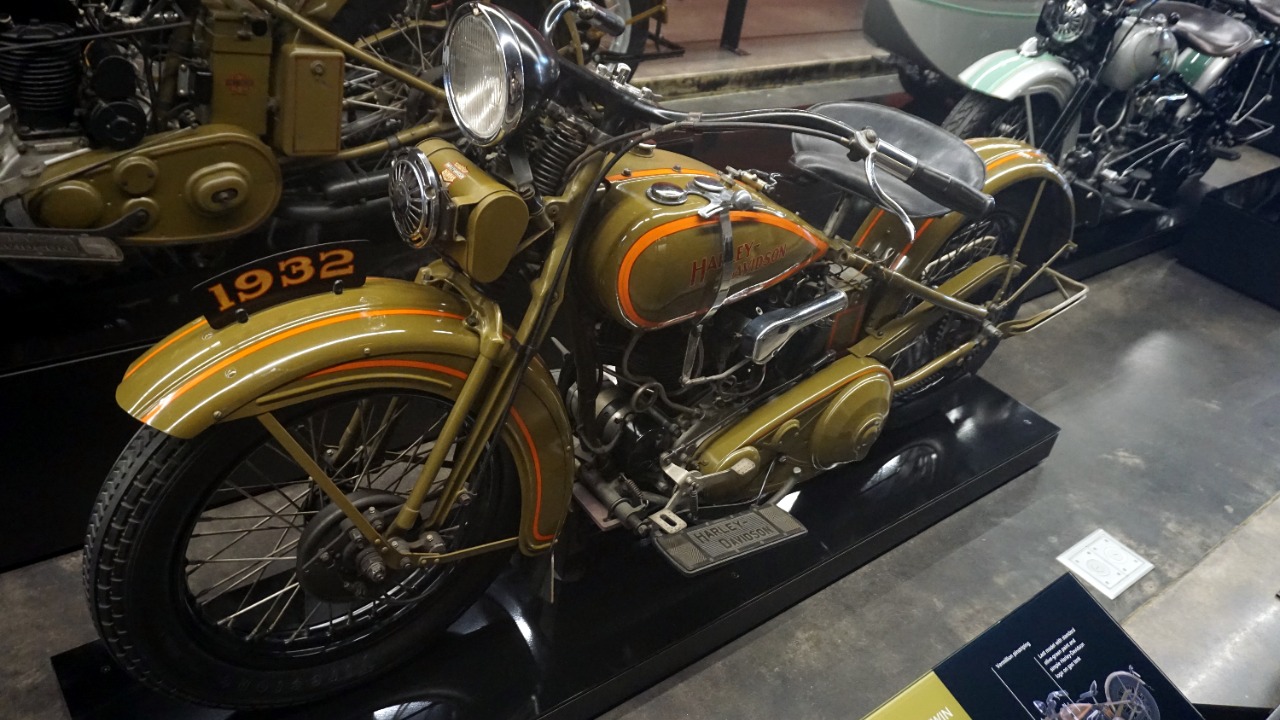
The Harley-Davidson VL represented an important stage in Harley-Davidson’s development of large V-twin motorcycles during the 1930s. Its side-valve engine and sturdy chassis made it well suited to everyday transportation and touring. Many VLs were later customized or rebuilt, reducing the number of original motorcycles. Correctly restored examples are now highly collectible and do not frequently appear at general motorcycle auctions.
Harley-Davidson UL
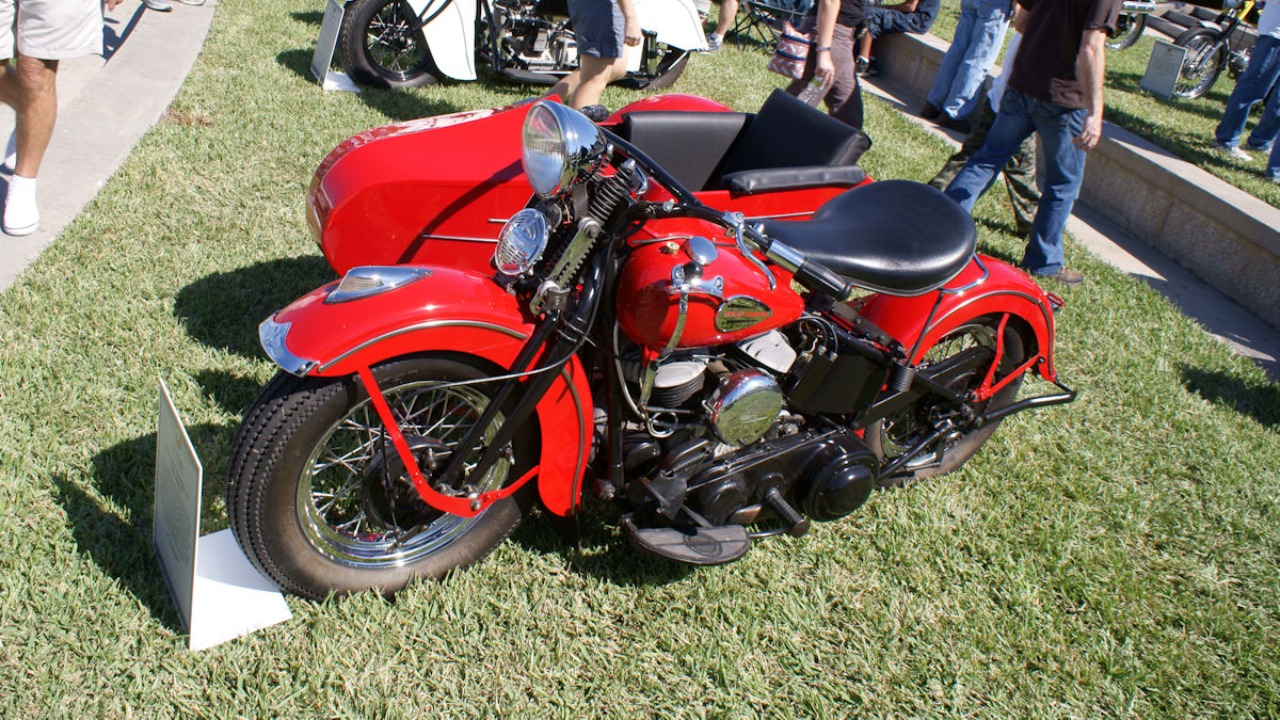
The Harley-Davidson UL introduced the company’s 74-cubic-inch side-valve V-twin and became an important part of the Harley-Davidson lineup during the late 1930s and 1940s. Its flathead engine was durable and mechanically straightforward. Many motorcycles from this period were heavily used, leaving fewer untouched examples today. Original ULs with period-correct components are consequently interesting discoveries for collectors.
Harley-Davidson XA
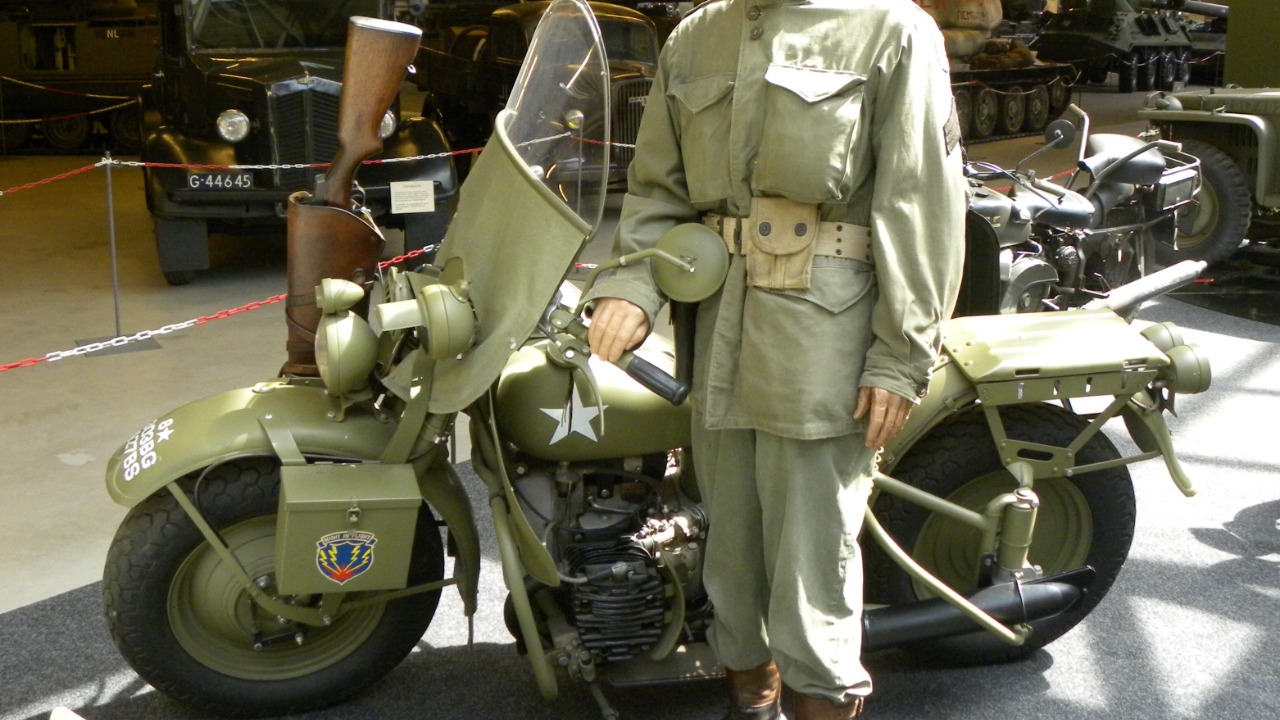
The Harley-Davidson XA was one of the strangest motorcycles ever developed by the company. Created for military use during World War II, it used a horizontally opposed twin-cylinder engine and shaft drive rather than Harley-Davidson’s traditional V-twin configuration. Production was limited, and the XA never became a normal civilian motorcycle. Its unusual engineering and short production run make surviving examples particularly rare.
Harley-Davidson Servi-Car
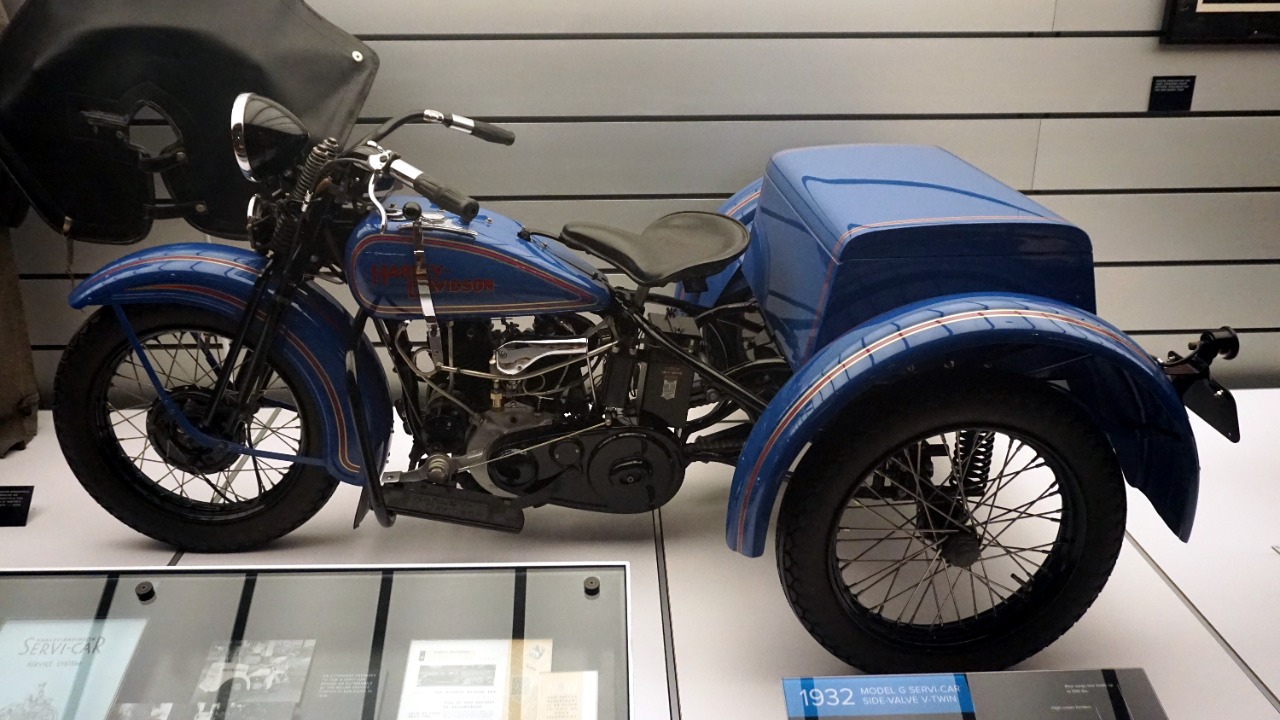
The Harley-Davidson Servi-Car was a three-wheeled utility vehicle designed for commercial and service applications. It was used by businesses, dealerships, police departments, and other organizations for decades. Many were modified or worked heavily, making original examples increasingly difficult to locate. Well-preserved Servi-Cars with correct equipment are now unusual collector vehicles and can attract significant attention when they appear at auction.
Harley-Davidson WR
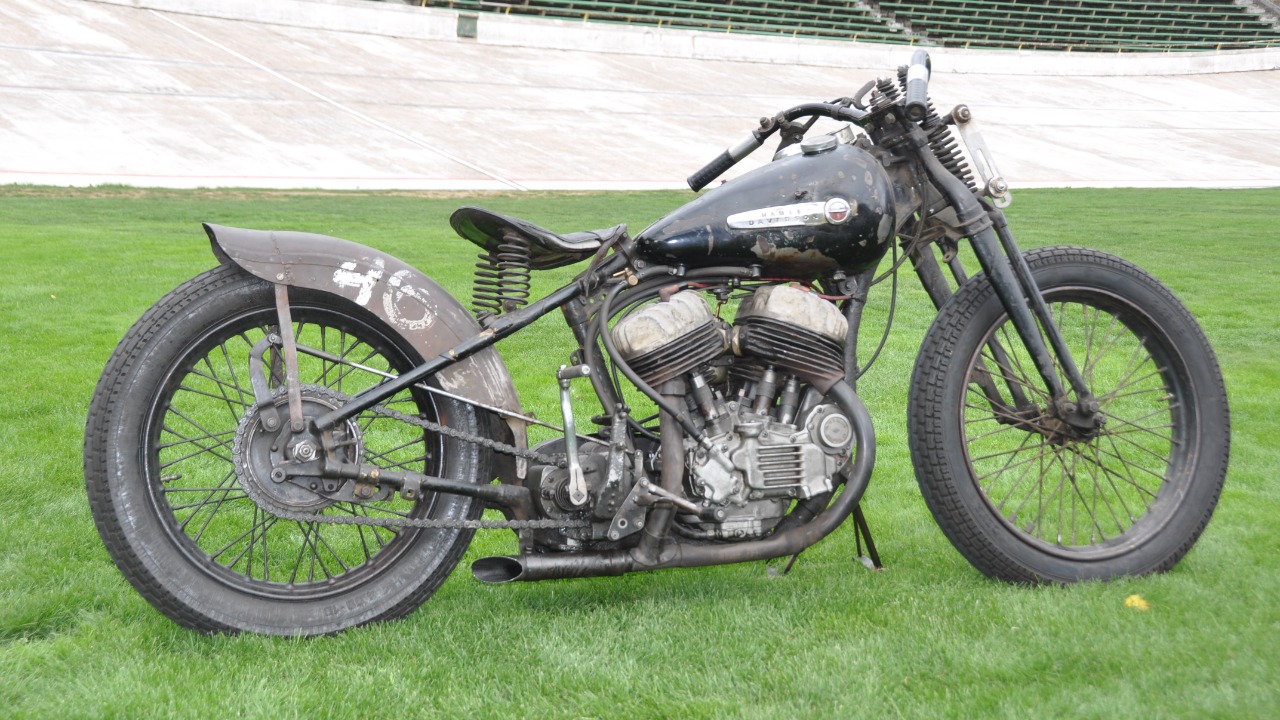
The Harley-Davidson WR was a competition-oriented motorcycle developed for flat-track racing. Its racing purpose meant that relatively few were produced compared with Harley-Davidson’s mainstream street motorcycles. Many were raced hard, rebuilt, or modified throughout their lives. Original WRs are therefore particularly difficult to find today, especially with authentic racing components and documentation intact.
Harley-Davidson KR
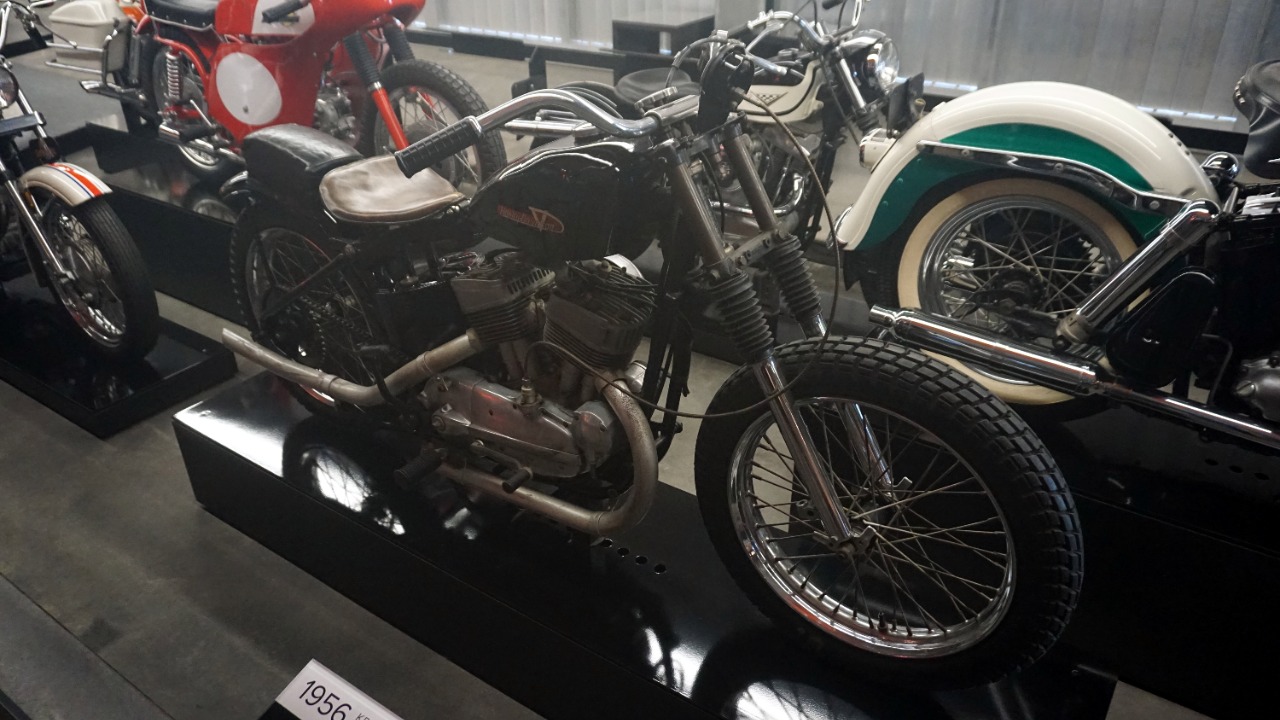
The Harley-Davidson KR was developed specifically for American flat-track competition and became an important part of Harley-Davidson’s racing history. Its purpose-built design separated it from ordinary street motorcycles, and many examples experienced demanding racing careers. Surviving original machines are consequently uncommon. A genuine KR with period-correct racing equipment is much more likely to appear at a specialist collection or competition-focused auction.
Harley-Davidson XR-750
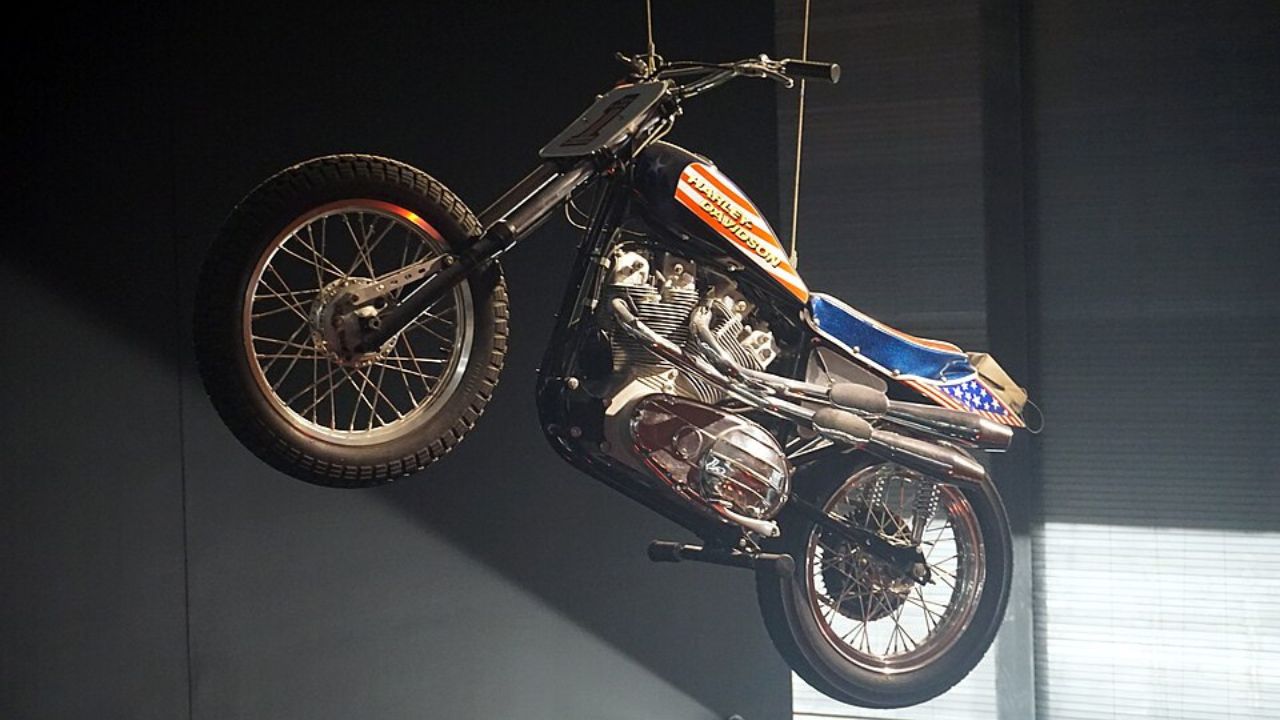
The Harley-Davidson XR-750 became one of the most successful American flat-track racing motorcycles ever produced. Its racing-focused engine and lightweight design gave it exceptional competition capability. Because many were used extensively in racing, finding untouched examples can be difficult. Early XR-750s and historically significant machines are especially interesting to collectors because they represent an important chapter in American motorcycle racing.
Harley-Davidson XR-1000
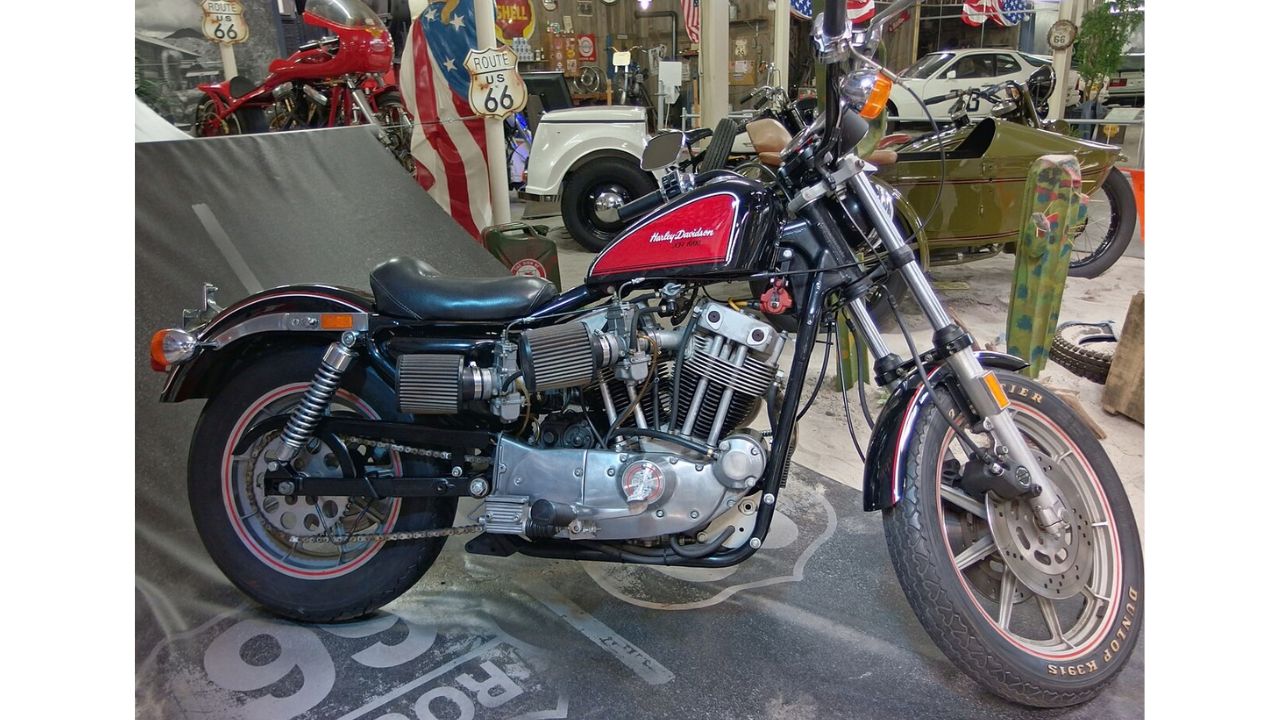
The Harley-Davidson XR-1000 was a limited-production performance motorcycle that combined Sportster street equipment with technology influenced by Harley-Davidson’s XR-750 racing program. Introduced in 1983, it used a modified 1,000cc Sportster engine with high-performance cylinder heads and other racing-inspired components. Its limited production and unusual specification make original examples increasingly difficult to find at major auctions.
Buell S1 Lightning
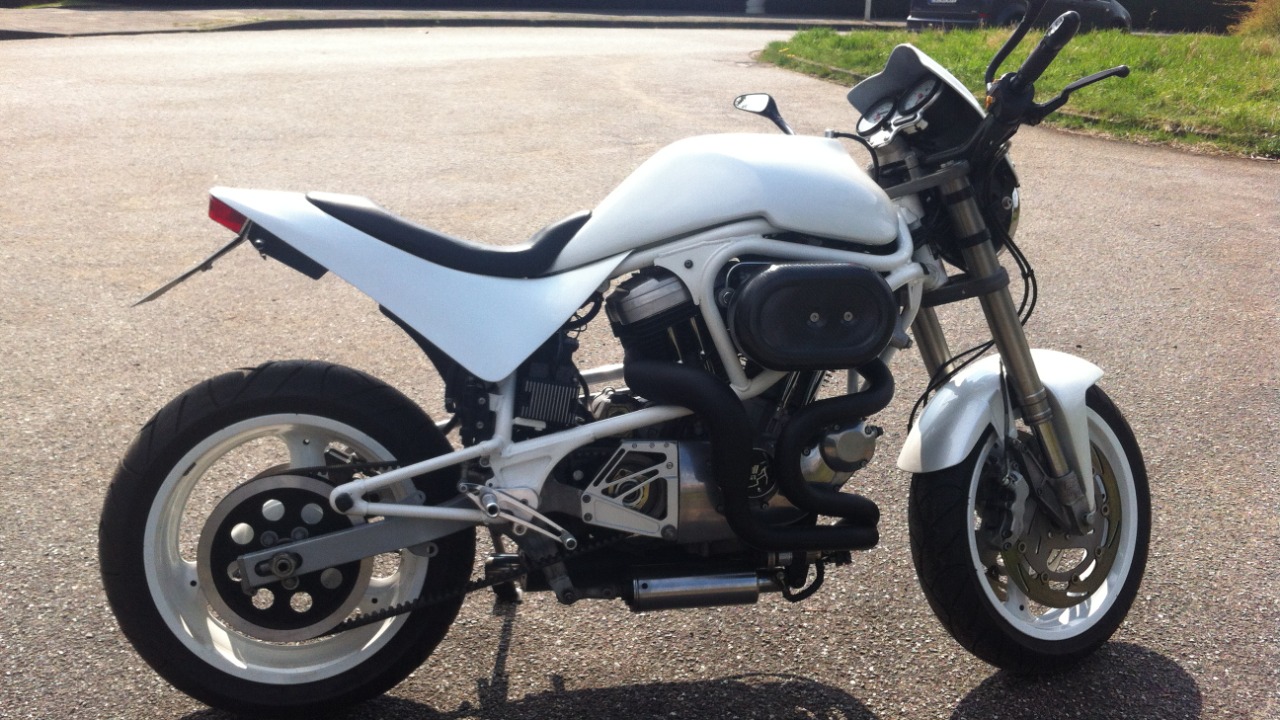
The Buell S1 Lightning was one of the company’s most distinctive performance motorcycles of the 1990s. Its unusual chassis engineering, compact proportions, and Harley-Davidson-derived V-twin gave it a character unlike conventional American motorcycles. Production numbers were relatively low, and many examples were modified by owners. Original S1 Lightnings are now increasingly interesting to collectors looking for unusual American performance bikes.
More from Fast Lane Only
- Unboxing the WWII Jeep in a Crate
- 15 rare Chevys collectors are quietly buying
- 10 underrated V8s still worth hunting down
- Police notice this before you even roll window down
*Research for this article included AI assistance, with all final content reviewed by human editors