Some farm trucks introduced ideas that seemed unusual when they were new but later became common in the pickup and utility market. Four-wheel drive, compact dimensions, unusual cab layouts, diesel power, and specialized bodies gave these trucks capabilities beyond ordinary farm pickups. These 18 models showed how quickly agricultural work vehicles could evolve.
Chevrolet Cameo Carrier
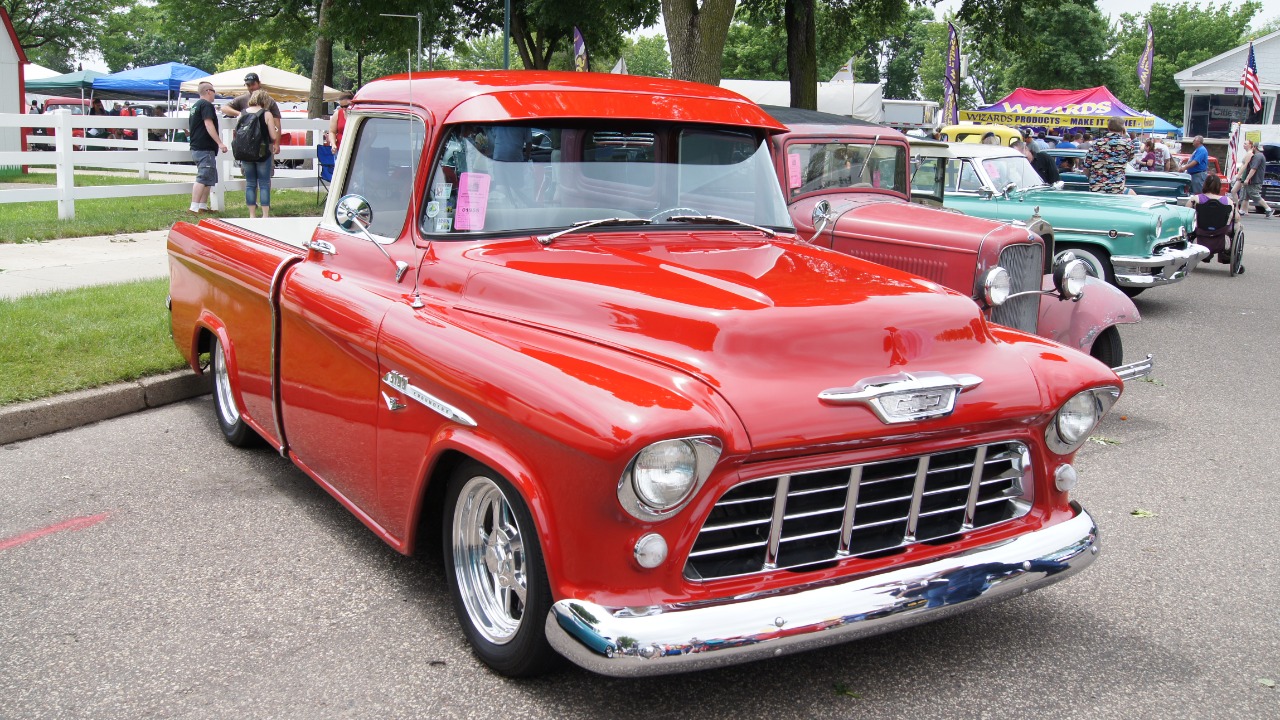
The Chevrolet Cameo Carrier introduced a surprisingly modern approach to pickup styling when it appeared in 1955. Its fiberglass rear fenders flowed into the cab, creating a smoother and more integrated appearance than traditional pickups. Although it still offered a practical cargo bed, the Cameo looked closer to a personal vehicle than basic farm equipment. Its design anticipated the growing demand for pickups that combined working ability with attractive styling, helping influence the development of the modern lifestyle pickup.
Ford F-100 Styleside
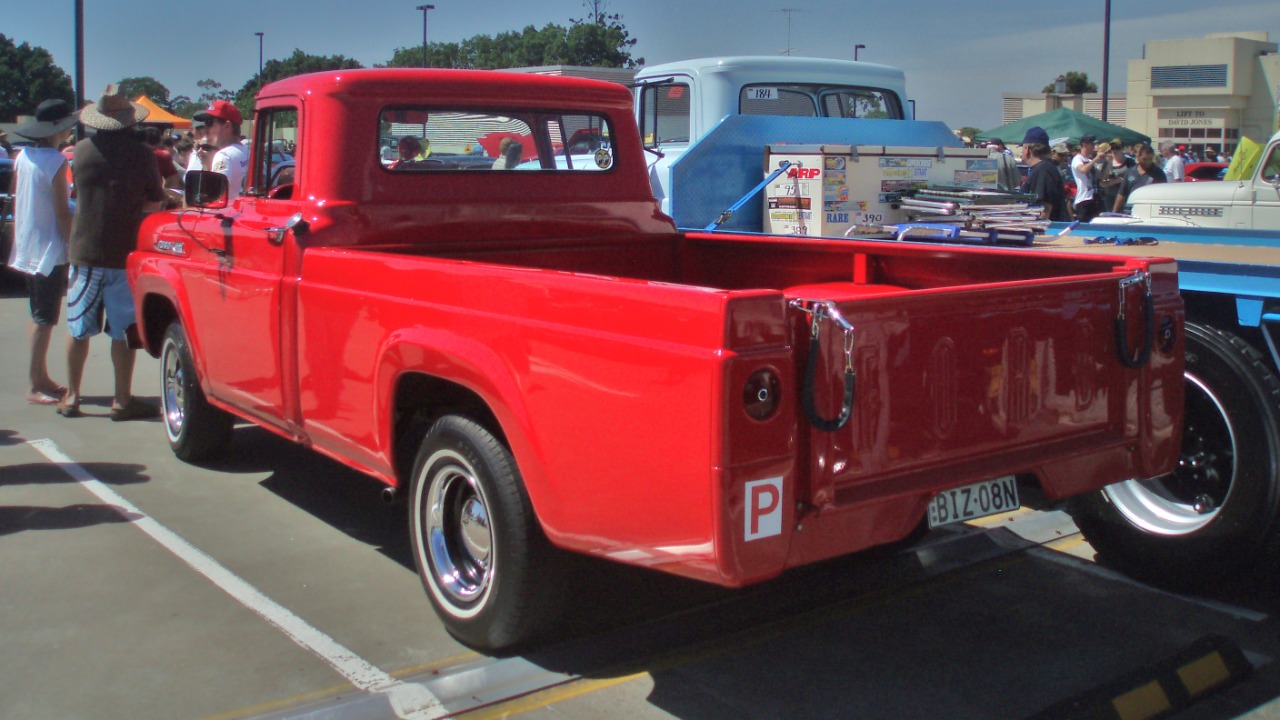
The Ford F-100 Styleside introduced a cleaner pickup design by integrating the rear fenders into the body rather than leaving them as separate protruding sections. This created a wider and more modern-looking cargo bed while giving the truck a smoother appearance. The design also made the F-100 feel more like a unified vehicle rather than a basic chassis with a separate box. That styling direction became extremely influential and remains recognizable in modern pickup design.
Chevrolet Corvair 95 Rampside
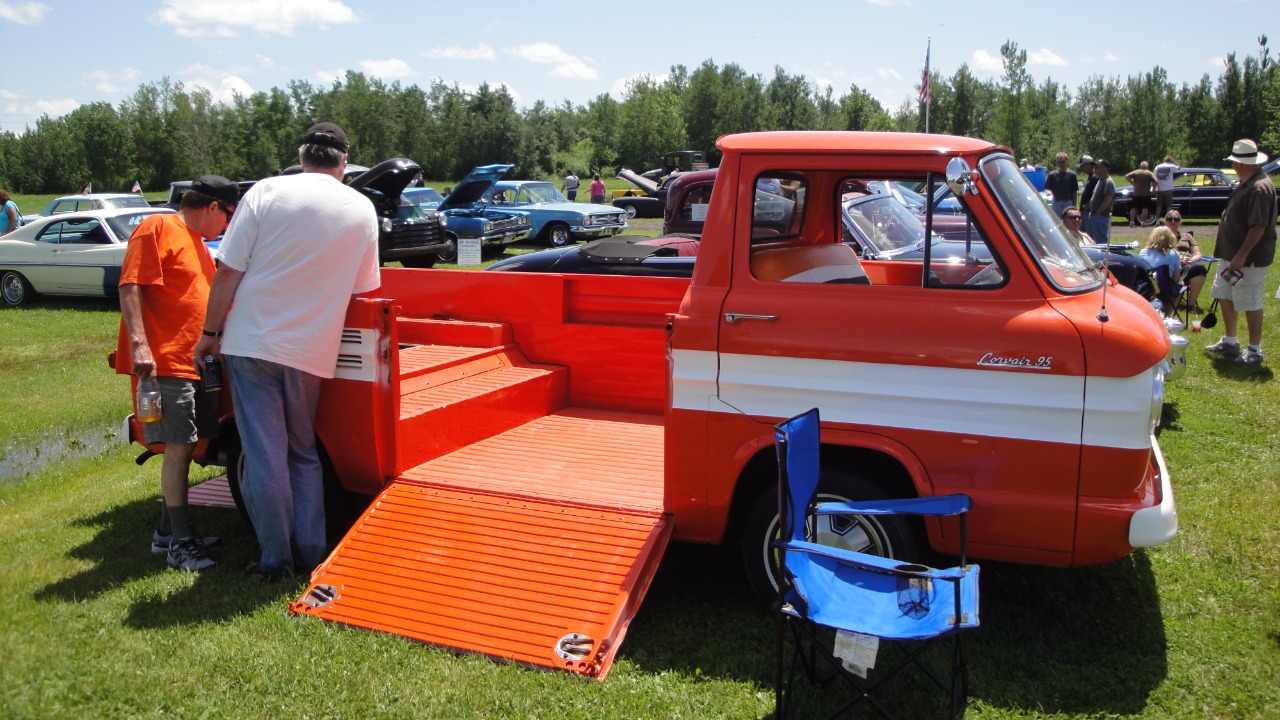
The Chevrolet Corvair 95 Rampside used a rear-engine layout and featured a side-loading ramp built into the passenger side of the body. This unusual configuration could make loading easier when working beside a field, farm building, or roadside. The truck was compact compared with conventional American pickups and used the Corvair’s air-cooled flat-six engine. Its combination of rear-engine packaging and side access was highly unusual for an American truck and demonstrated how manufacturers were experimenting with new utility layouts.
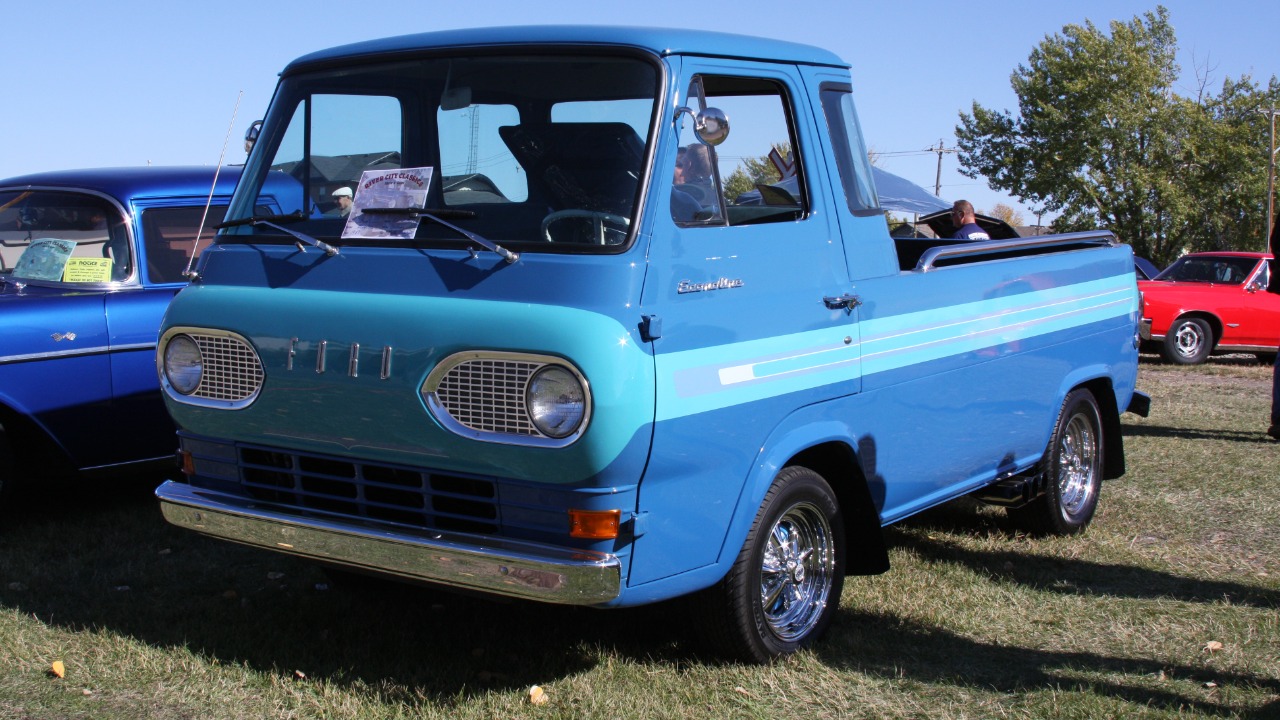
Ford Econoline Pickup
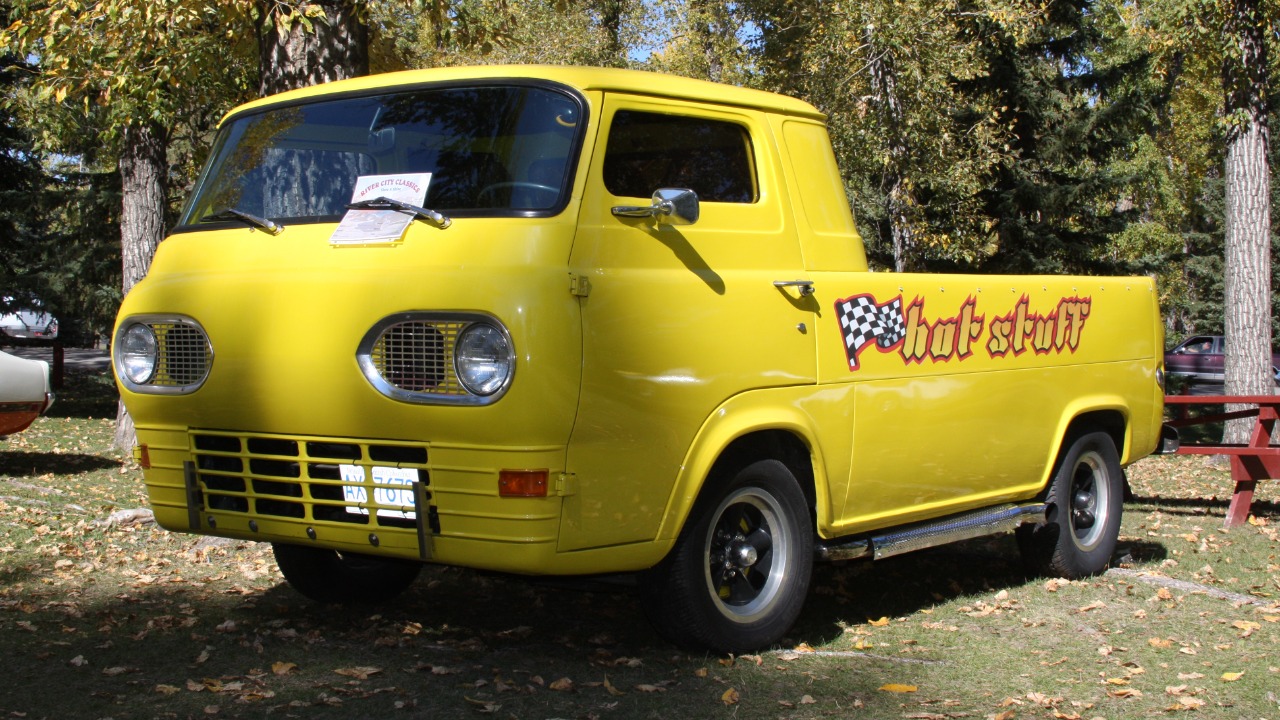
The Ford Econoline Pickup brought cab-over-engine packaging into the American light-truck market during the 1960s. By placing the cab farther forward, Ford created a compact vehicle with useful cargo space despite its relatively small footprint. This layout could be particularly useful around farms, where maneuverability and cargo capacity mattered. The Econoline Pickup anticipated the growing popularity of cab-over trucks and vans in markets where maximizing usable space was more important than having a long conventional hood.
Jeep Forward Control FC-170
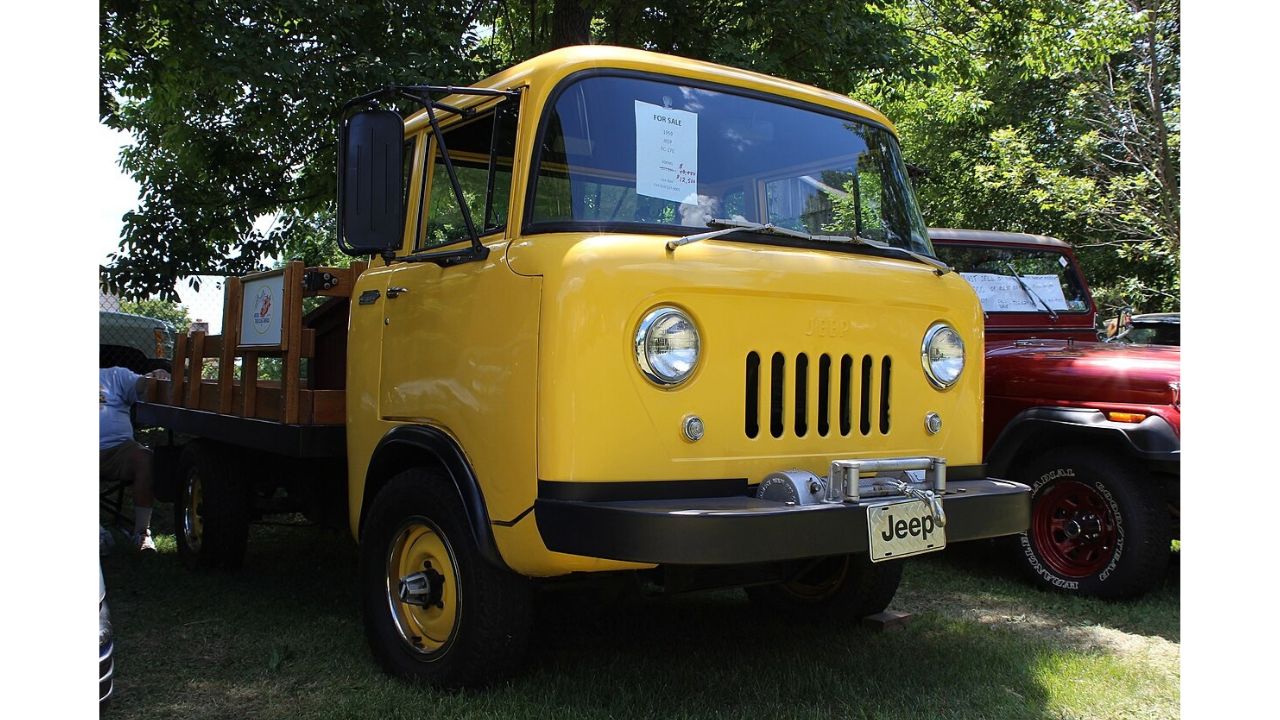
The Jeep Forward Control FC-170 placed the cab directly over the front portion of the chassis, giving the truck a compact overall footprint while preserving a useful cargo area. Four-wheel drive made it especially suitable for farms, construction sites, and rough rural roads. The unusual cab-over design gave the driver excellent forward visibility and allowed the truck to carry substantial equipment without becoming excessively long. Its packaging was remarkably efficient for a working truck of its period.
Ford F-350 Dually
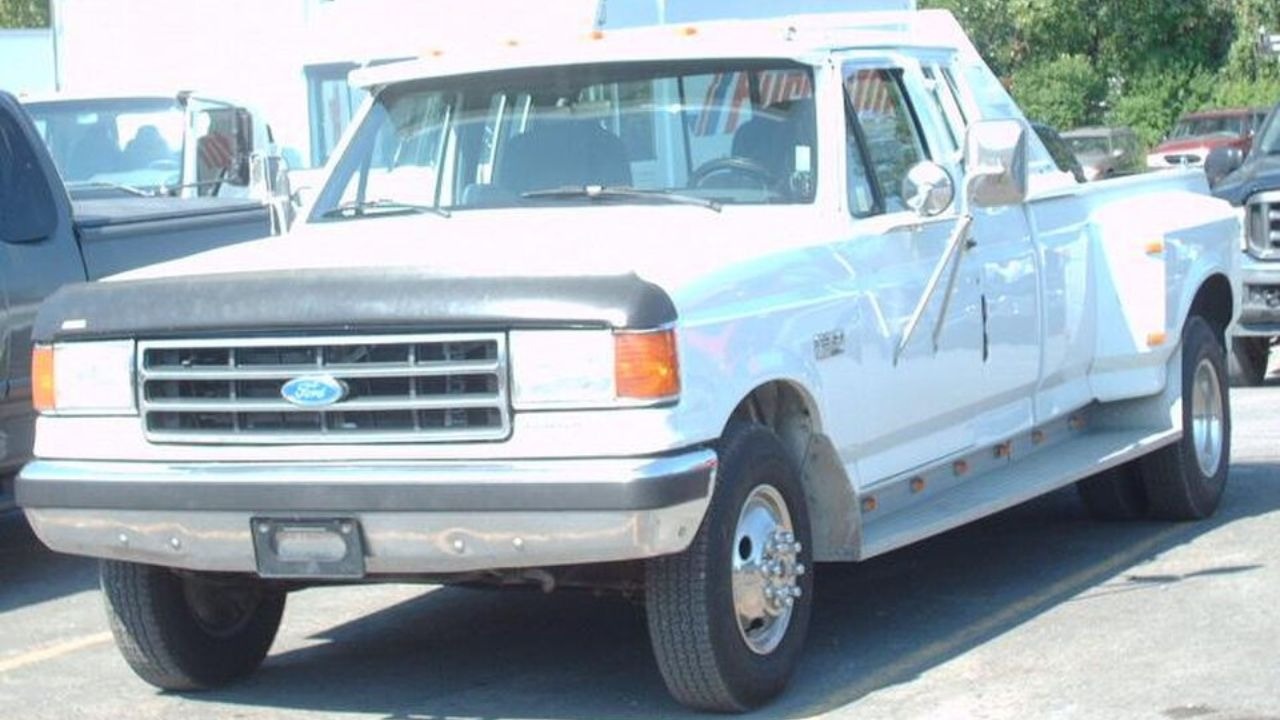
The Ford F-350 brought heavier-duty pickup capability into a package that remained more manageable than a full-size commercial truck. Dual-rear-wheel configurations provided additional stability and load capacity, making the truck useful for trailers, livestock equipment, hay, and other demanding farm duties. Its role anticipated today’s heavy-duty pickup category, where buyers expect a vehicle to handle serious commercial and agricultural work while still functioning as everyday transportation.
Dodge D150 Prospector
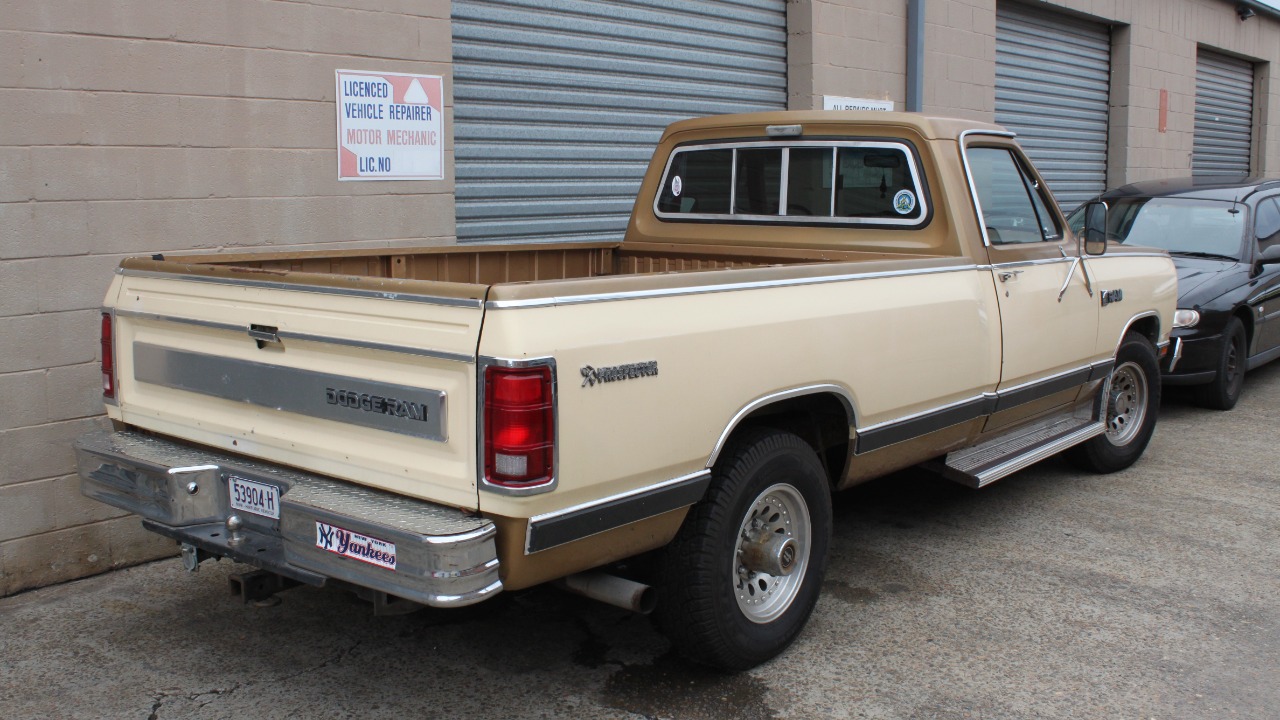
The Dodge D150 Prospector demonstrated how a pickup could combine agricultural utility with increasing levels of comfort and personalization. While still based on a working truck platform, the Prospector package added features and styling that appealed to buyers who wanted more than a bare-bones farm truck. This reflected an important change in the pickup market: owners increasingly expected their work trucks to serve as personal vehicles as well. That idea eventually became a defining feature of modern pickups.
GMC Sierra Grande
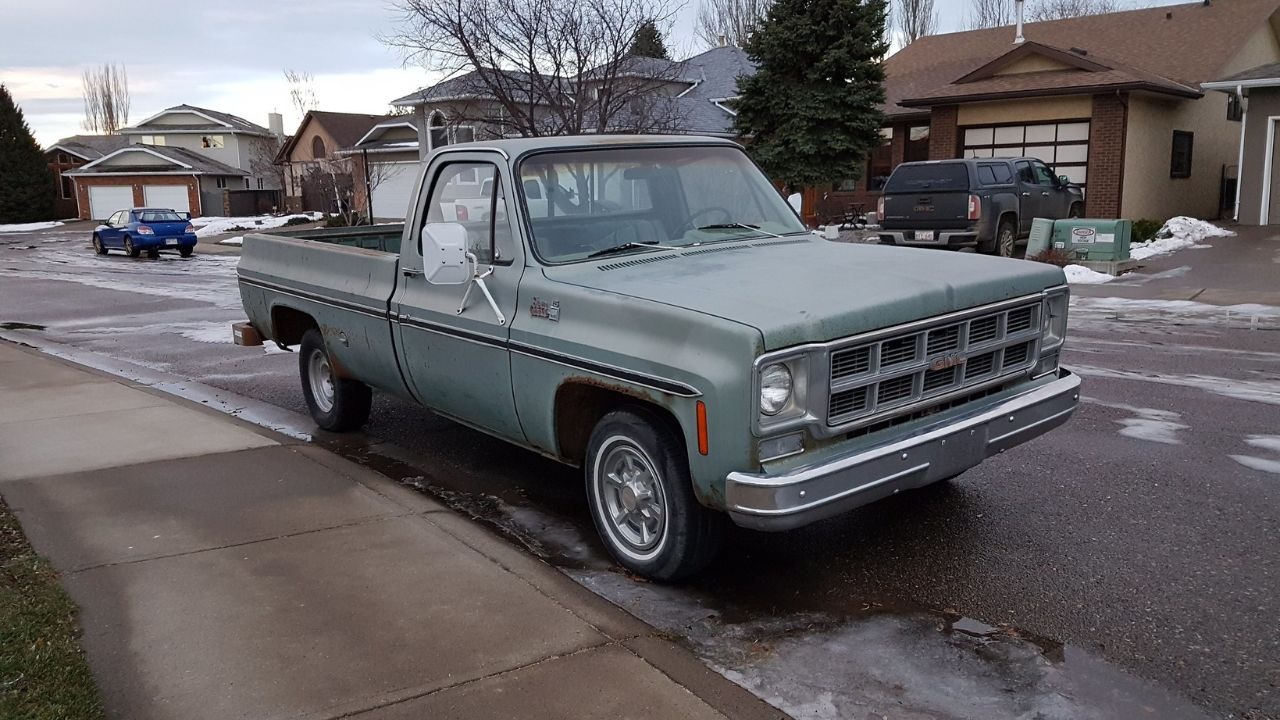
The GMC Sierra Grande helped move the pickup toward the more personalized trucks that would become common in later decades. It offered distinctive exterior trim and a more comfortable presentation while retaining the basic capability expected from a working GMC. Farmers could use the truck for hauling and towing without necessarily accepting a completely utilitarian interior. The Sierra Grande represented the early stages of the pickup becoming both a work tool and a personal vehicle.
International Harvester Travelall
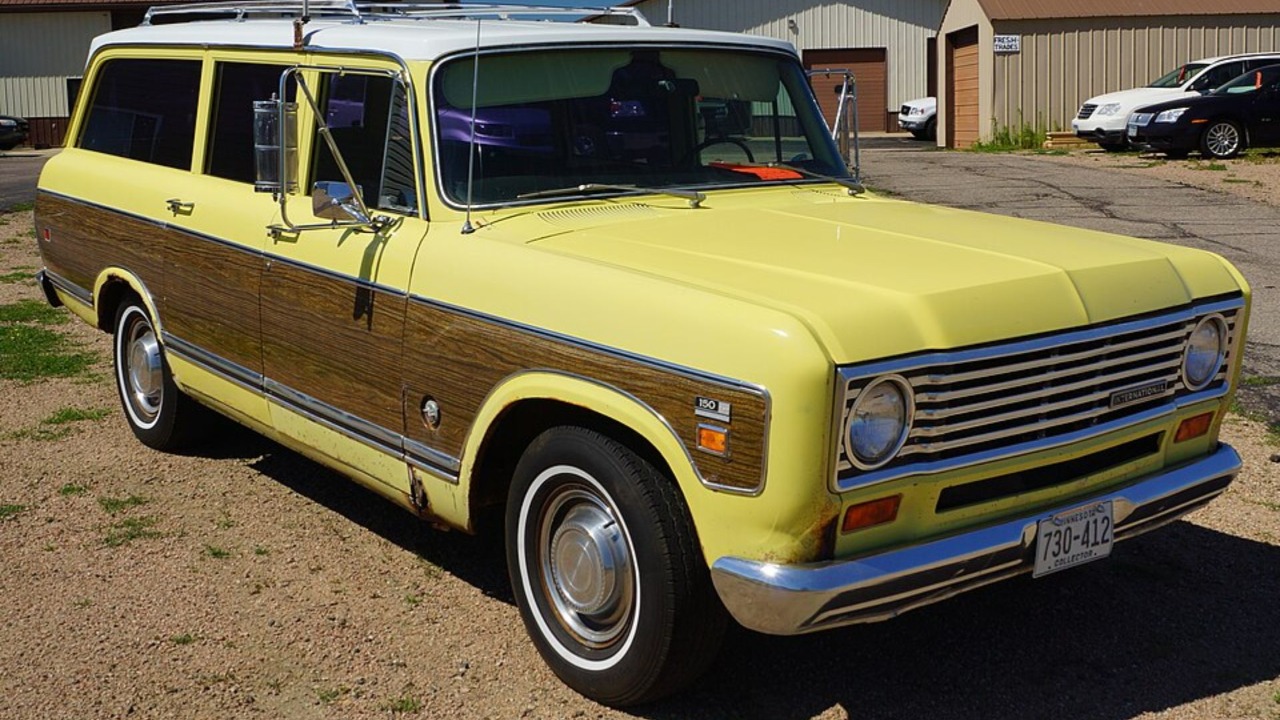
The International Harvester Travelall offered an alternative to the conventional pickup by combining truck-based construction with substantial passenger and cargo space. Its four-wheel-drive versions were particularly useful in rural environments, where one vehicle might need to transport workers, tools, and supplies. The Travelall anticipated the modern SUV and crew-oriented utility vehicle by demonstrating that a truck platform could serve several purposes at once.
Jeep J-Series
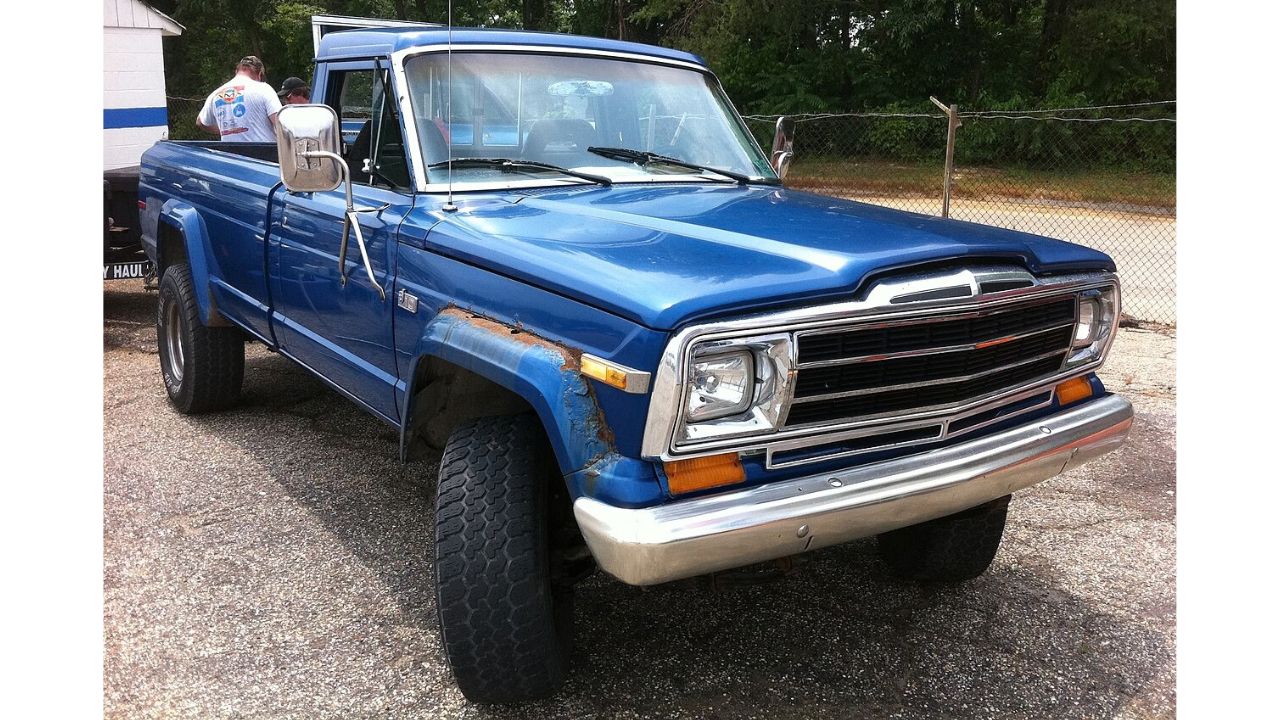
The Jeep J-Series brought four-wheel-drive capability and pickup practicality together in a package designed for demanding rural environments. Its rugged construction allowed it to work on farms, ranches, and rough roads where ordinary passenger vehicles could struggle. Later versions could also be equipped with powerful engines and heavier-duty components. The J-Series helped establish the idea that a pickup could be both a serious off-road machine and a practical everyday truck.
Chevrolet LUV
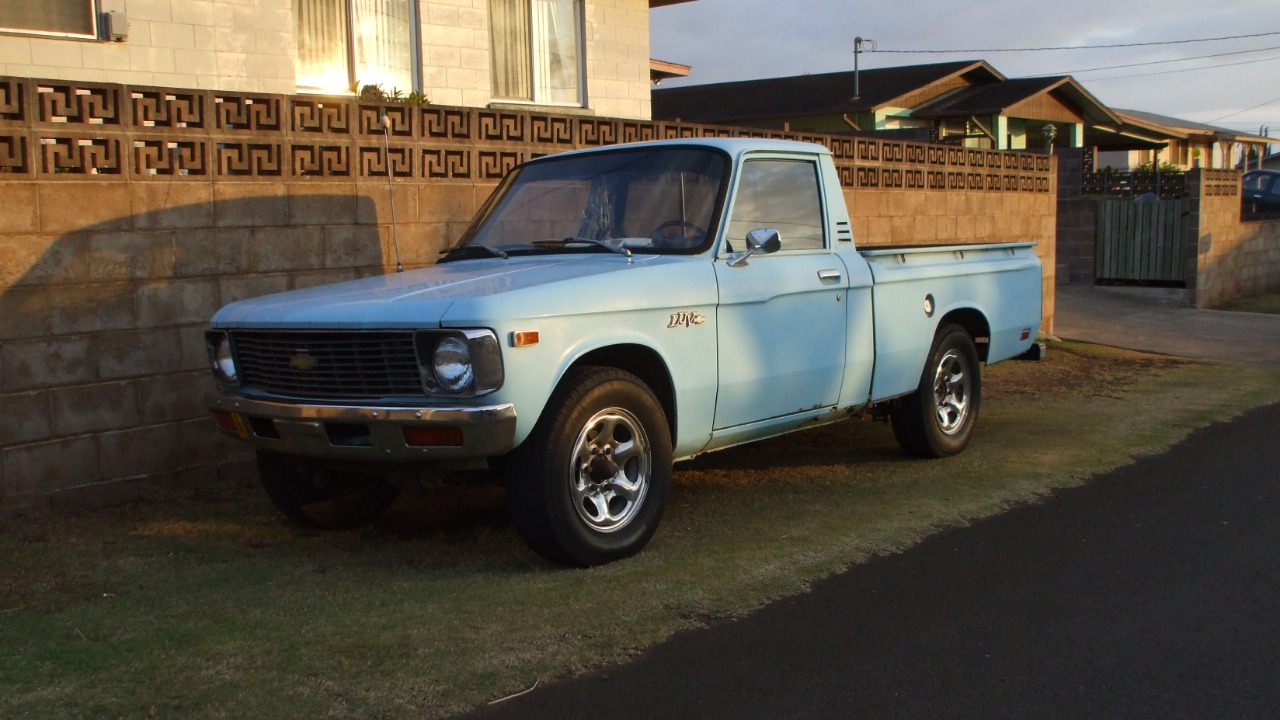
The Chevrolet LUV introduced a compact pickup alternative to America’s increasingly large trucks. Based on a Japanese design, it offered useful cargo capacity while using less physical space and generally requiring less fuel than full-size American pickups. For smaller farms, the reduced size could make maneuvering around buildings, fields, and narrow roads easier. The LUV anticipated the compact-pickup boom that would become increasingly important in the American market during the 1970s and 1980s.
Ford Courier
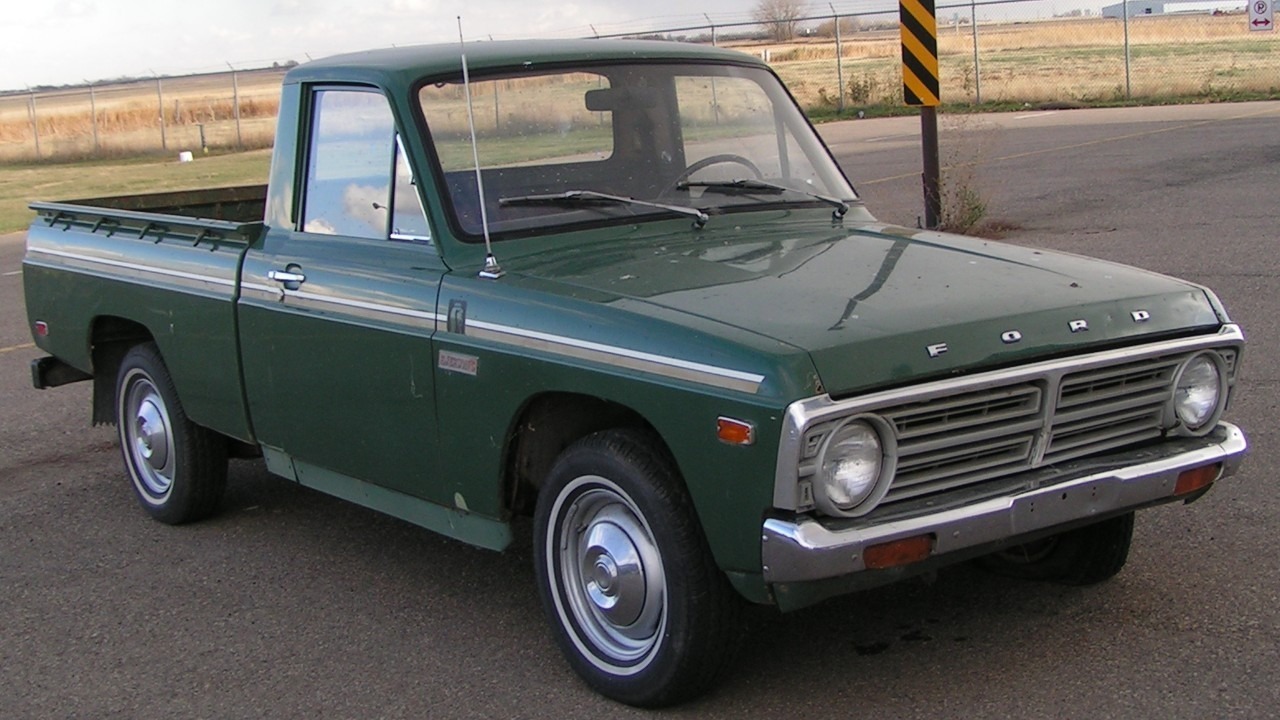
The Ford Courier was another compact pickup that showed how useful a smaller truck could be for rural owners. Its relatively small footprint made it easier to operate on narrow roads and tight farm properties, while its cargo bed could handle everyday tools and supplies. The Courier arrived when fuel economy and lower operating costs were becoming increasingly important. Its success helped demonstrate that farmers did not always need a large-displacement American pickup for routine agricultural work.
Mazda B-Series
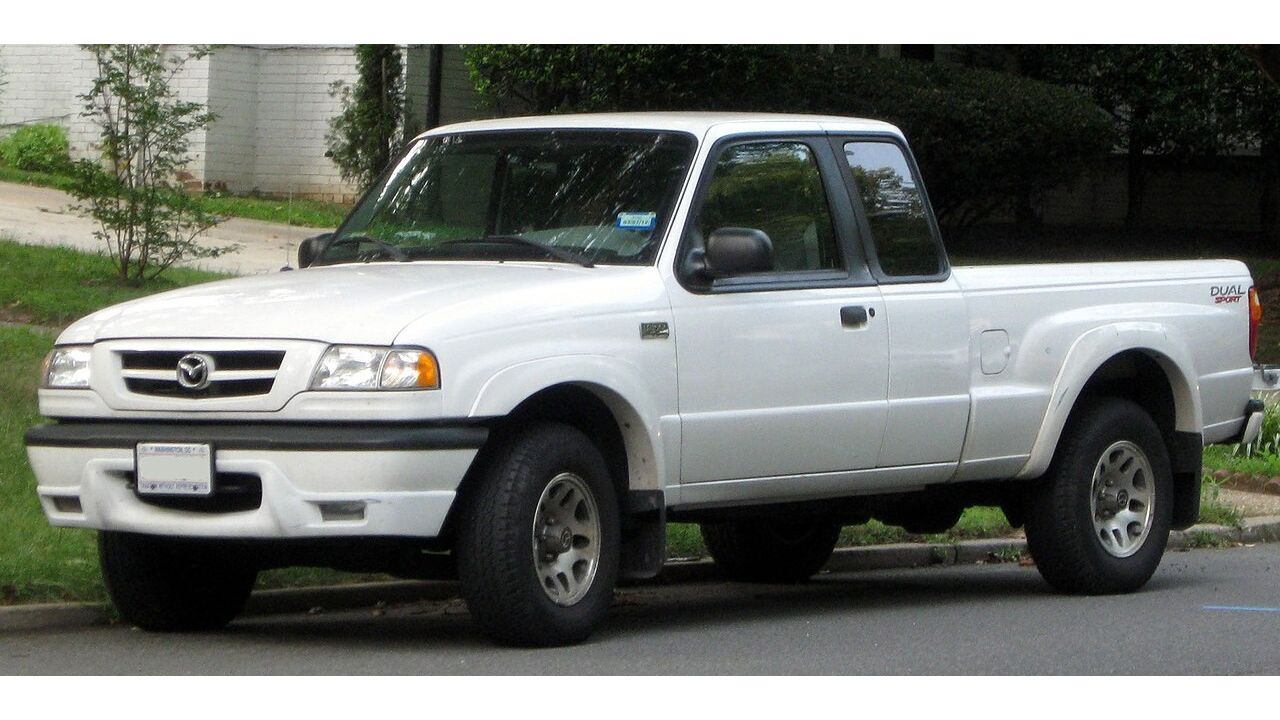
The Mazda B-Series became an important example of the compact pickup formula that gained popularity among farmers and small businesses. Its straightforward construction, manageable size, and practical cargo bed made it useful for everyday rural transportation. Smaller farms could benefit from having a truck that was easier to maneuver and generally less demanding to operate than a full-size pickup. The B-Series helped establish compact pickups as legitimate working vehicles rather than simply inexpensive alternatives.
Volkswagen Type 2 Pickup
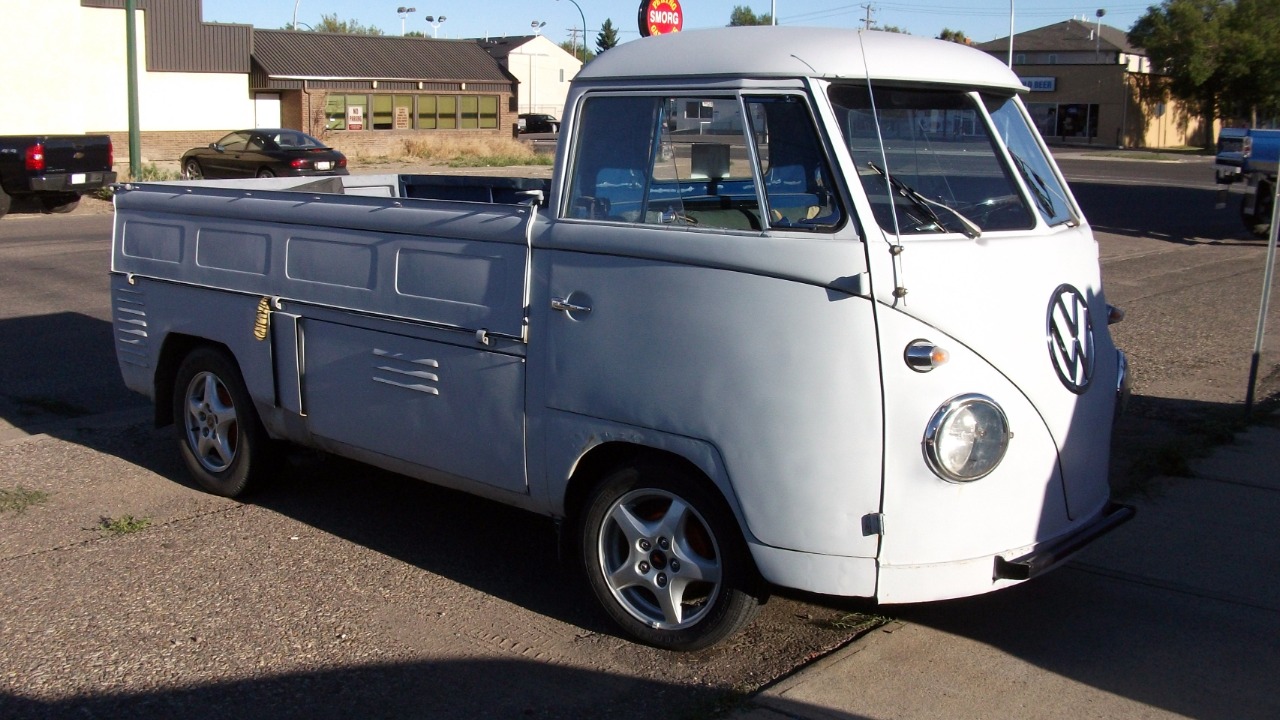
The Volkswagen Type 2 Pickup, particularly the pickup versions of the Transporter, used rear-engine packaging to create a compact and versatile utility vehicle. Its cab-over layout provided excellent use of available space, while the rear engine left room for practical cargo configurations. Farmers and tradespeople could use it for carrying tools and supplies in areas where larger trucks were inconvenient. Its unusual engineering demonstrated that a useful farm vehicle did not require a traditional front-engine pickup layout.
Toyota Land Cruiser Pickup
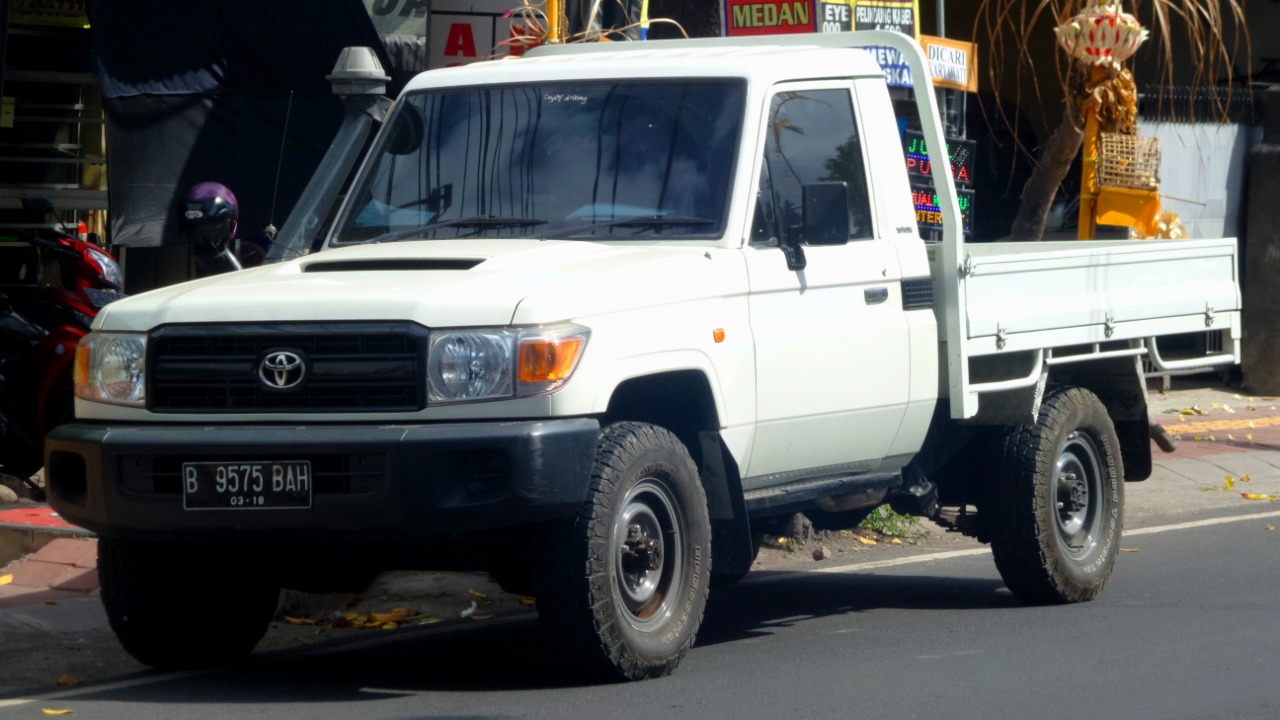
The Toyota Land Cruiser Pickup combined four-wheel-drive capability with a practical cargo bed and a reputation for operating in difficult environments. Its rugged chassis and compact proportions made it useful for agricultural work in areas where roads could be rough or nonexistent. The truck’s design emphasized durability and accessibility rather than luxury. Its global use demonstrated that farm and utility trucks could be engineered for demanding conditions far beyond the paved-road environment common in North America.
Nissan Patrol Pickup
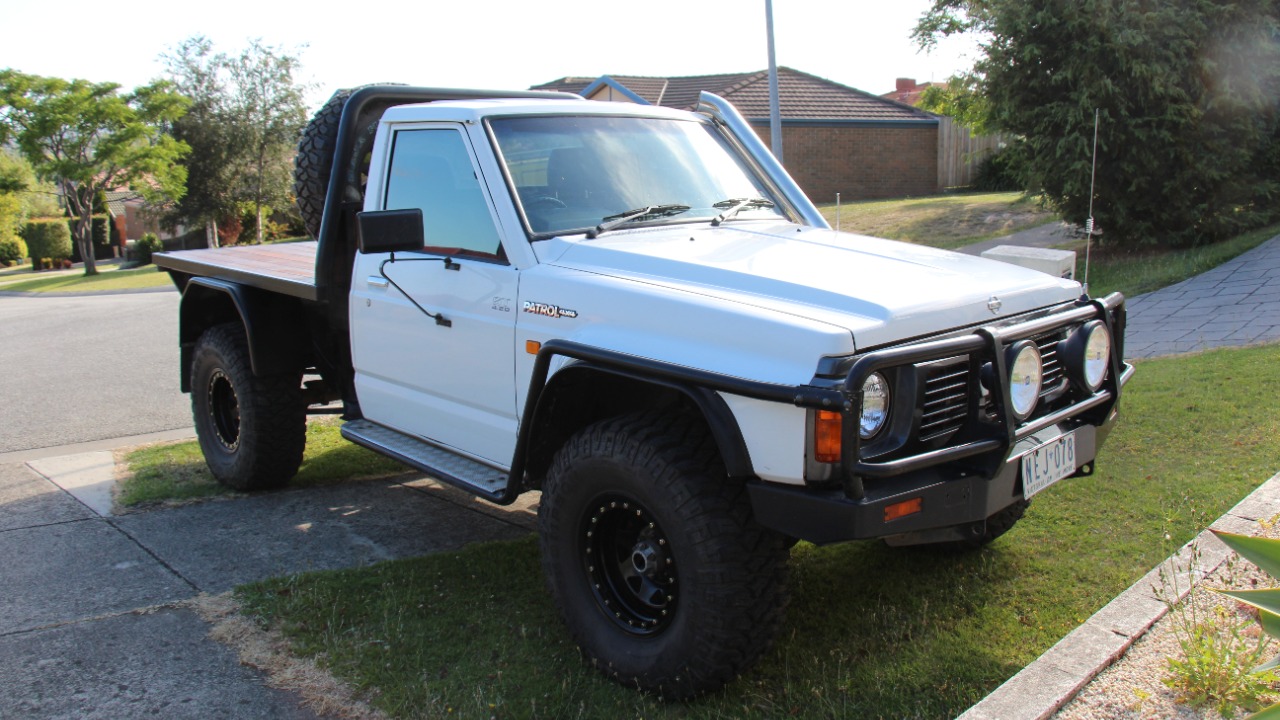
The Nissan Patrol Pickup adapted the Patrol’s four-wheel-drive platform into a practical working truck. Its ability to operate on rough terrain made it useful for agriculture, ranching, and remote-area work. Compared with larger American pickups, its relatively compact dimensions could be advantageous where narrow trails and difficult terrain limited vehicle access. The Patrol Pickup represented an early example of a global utility truck designed around both off-road capability and practical cargo transportation.
Isuzu Faster
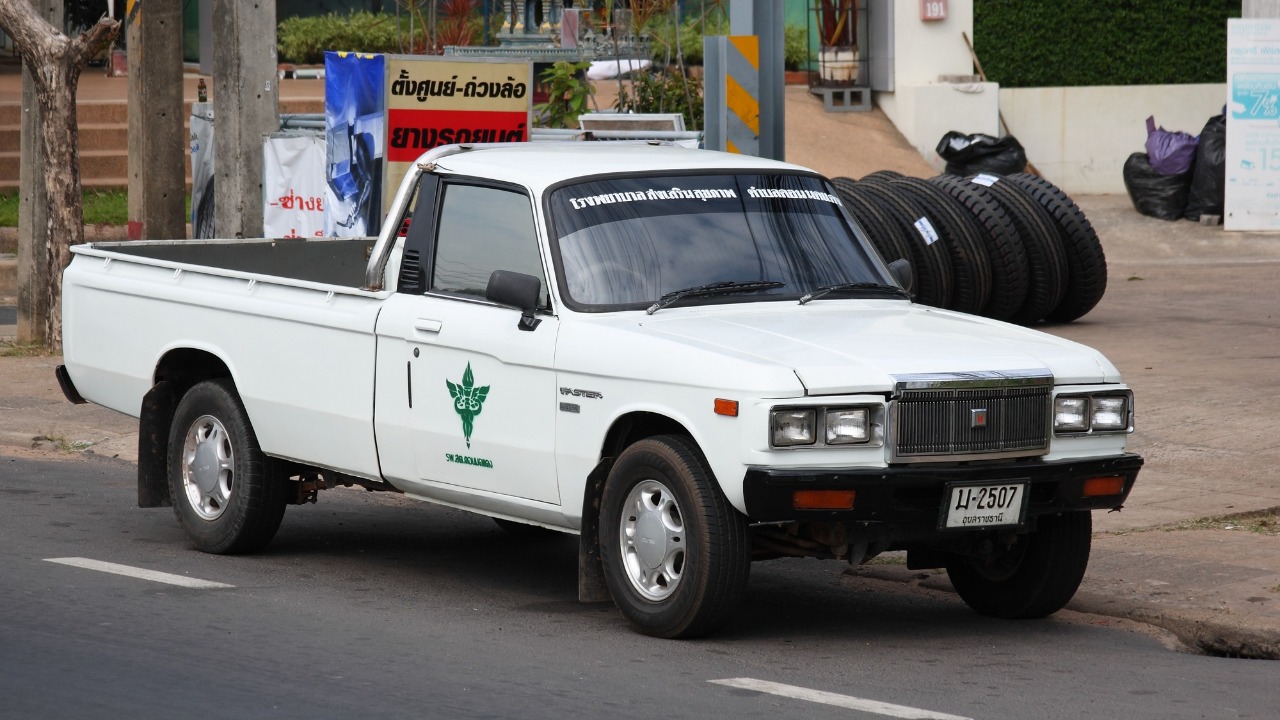
The Isuzu Faster was designed around the idea that a compact pickup could provide serious working capability without the size of a traditional American truck. Its straightforward construction, economical engines, and practical cargo bed made it useful for farms and small businesses. Four-wheel-drive versions added capability in rough conditions. The Faster represented the growing influence of Japanese engineering on the global pickup market and helped prove that smaller trucks could perform legitimate agricultural duties.
Unimog U406
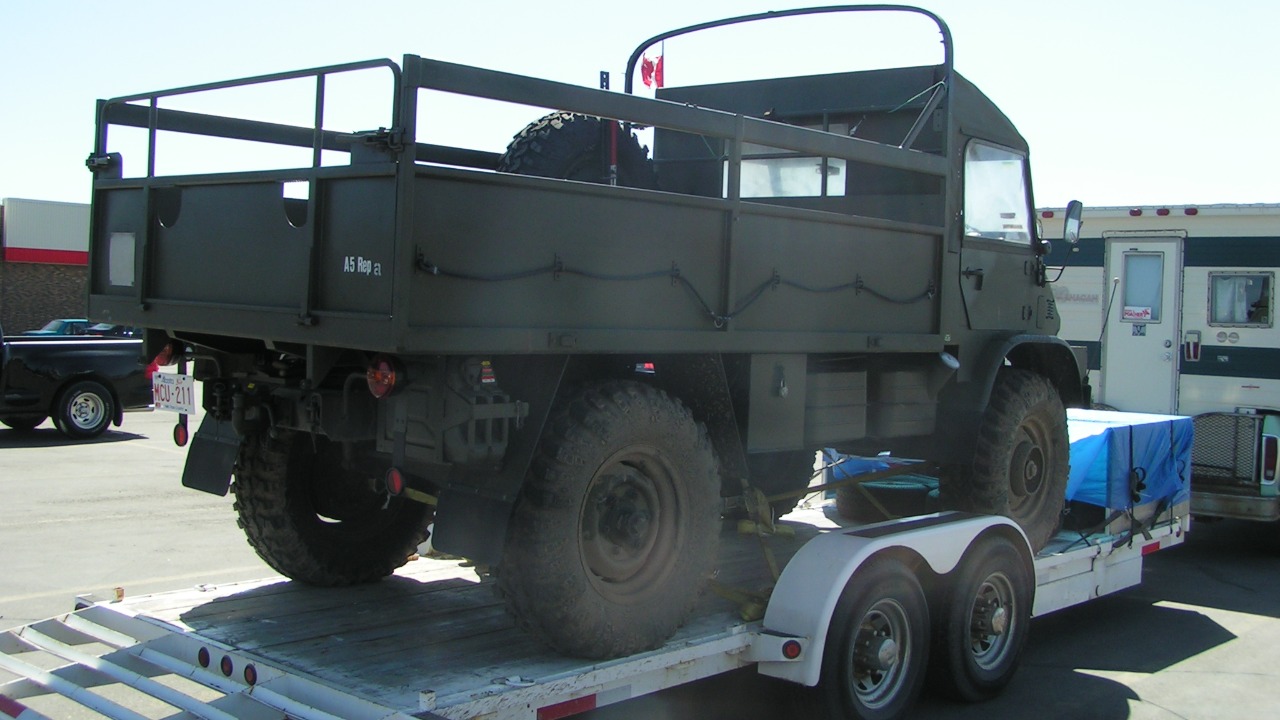
The Mercedes-Benz Unimog U406 was far more specialized than a conventional pickup, but its extreme versatility made it remarkably useful in agricultural work. Its portal axles, high ground clearance, four-wheel drive, and implement-friendly design allowed it to operate in terrain where ordinary trucks struggled. The Unimog could also power and carry specialized equipment, turning it into a multipurpose agricultural machine. Its engineering was so unusual that many of its capabilities still look advanced compared with ordinary farm trucks.
More from Fast Lane Only
- Unboxing the WWII Jeep in a Crate
- 15 rare Chevys collectors are quietly buying
- 10 underrated V8s still worth hunting down
- Police notice this before you even roll window down
*Research for this article included AI assistance, with all final content reviewed by human editors