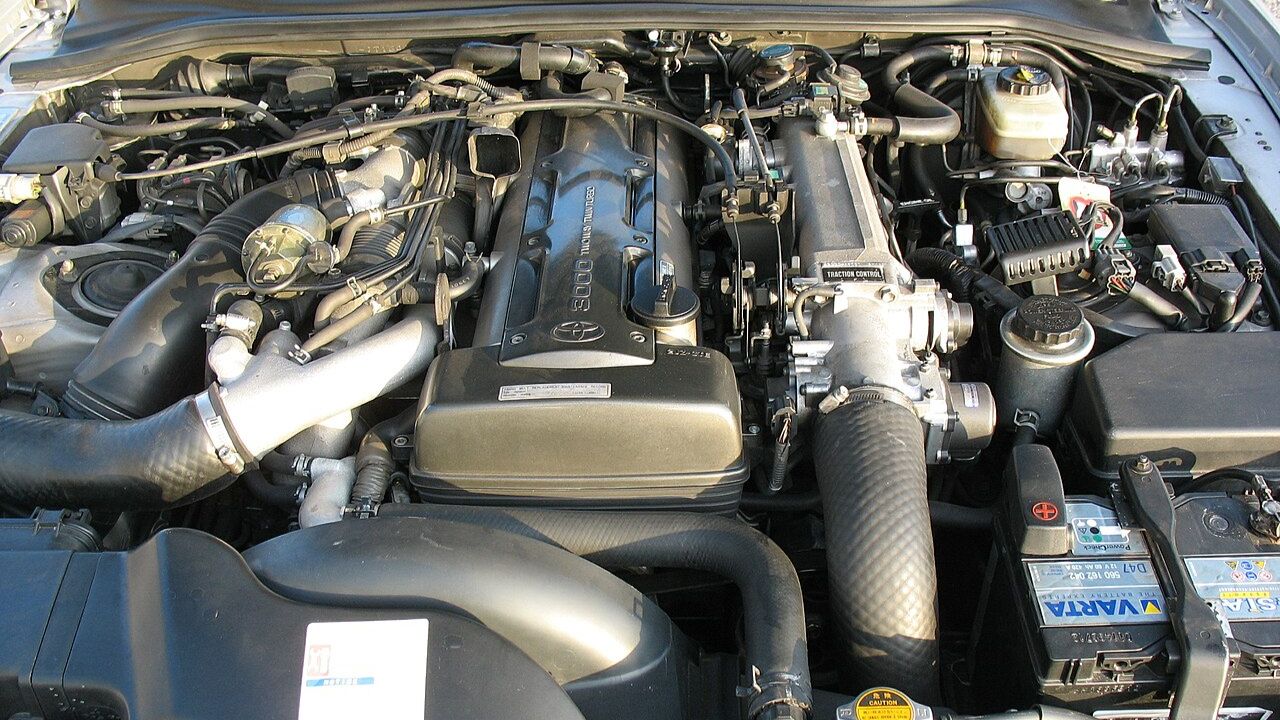
Some engines become memorable not because they make the most power, but because they continue running when newer designs have already developed expensive problems. Strong materials, simple engineering, proven layouts, and proper maintenance helped these engines build lasting reputations. Their ability to survive high mileage made them favorites among drivers, mechanics, and enthusiasts.
Toyota 2JZ-GTE
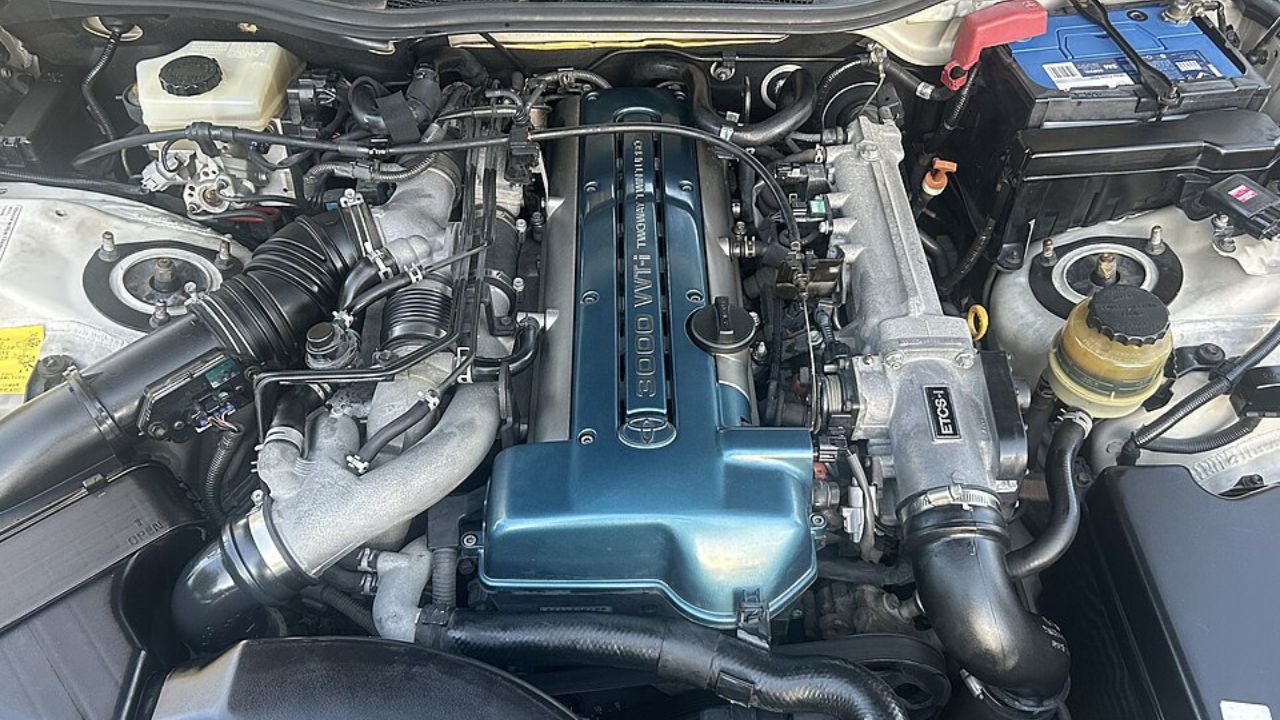
The Toyota 2JZ-GTE became famous for combining strong construction with impressive performance potential. Its cast-iron block, robust crankshaft, and strong bottom-end design gave the twin-turbocharged inline-six a reputation for handling serious mileage and additional power when properly maintained. The engine appeared in the Toyota Supra and became a favorite among performance enthusiasts. Even decades after production ended, the 2JZ-GTE remains highly respected. Regular oil changes, cooling-system maintenance, and proper tuning are still essential, but the engine’s fundamental strength helped it outlast many contemporary performance engines.
Toyota 1UZ-FE
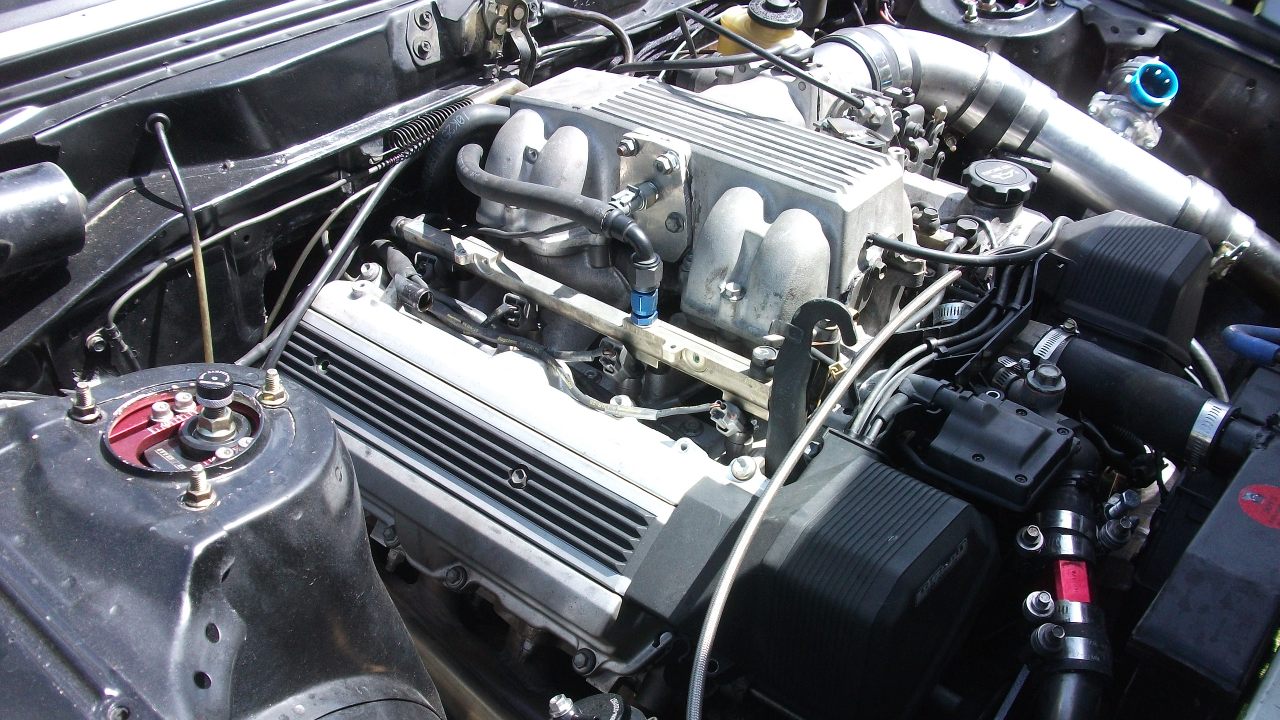
The Toyota 1UZ-FE earned a reputation for smooth operation and impressive durability after its introduction in the late 1980s. Its aluminum V8 construction, double-overhead-cam design, and carefully engineered components helped it deliver both refinement and longevity. The engine powered vehicles including the Lexus LS and Toyota Crown, where reliability was especially important. Many examples have accumulated substantial mileage when properly serviced. Timing-belt replacement, cooling-system care, and regular oil changes remain important, but the 1UZ-FE’s strong engineering helped establish Toyota’s reputation for durable luxury-car powertrains.
Toyota 2UZ-FE
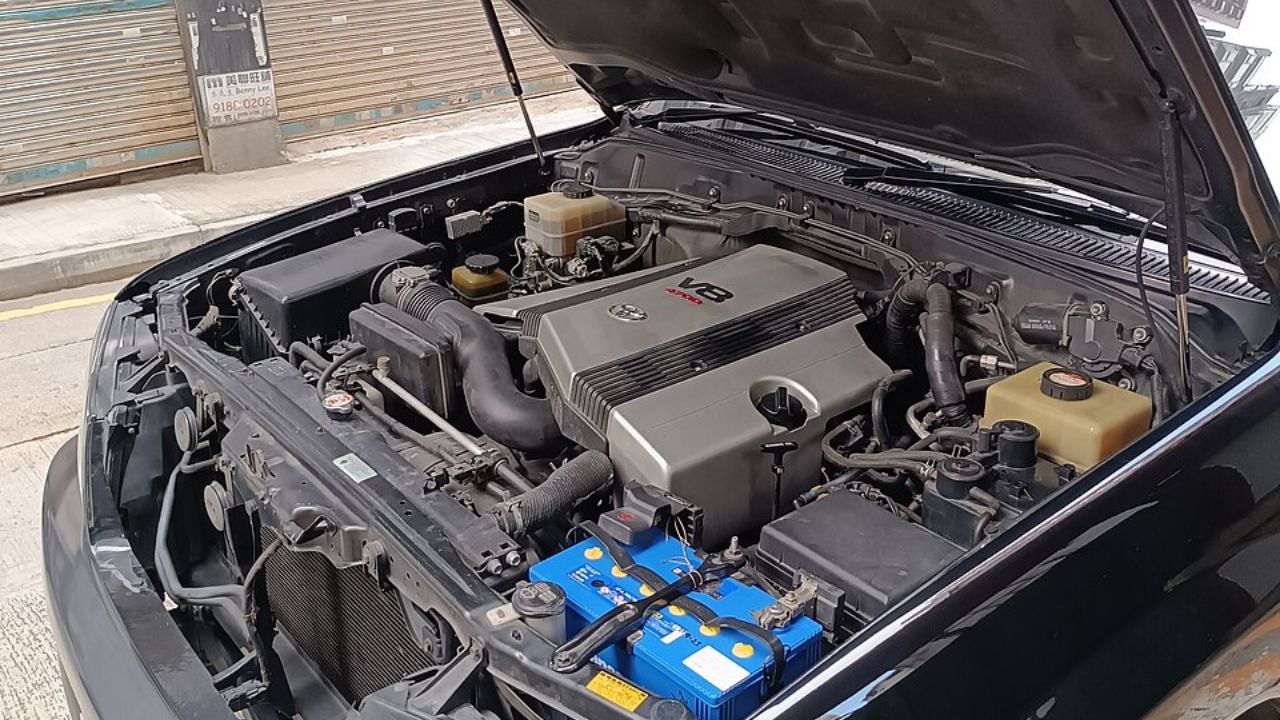
The Toyota 2UZ-FE was designed with durability in mind, particularly for trucks and SUVs that needed dependable low-speed torque. Unlike the aluminum 1UZ-FE, the 2UZ-FE used a cast-iron block, making it particularly well suited to demanding applications. It powered vehicles such as the Toyota Land Cruiser, Tundra, and Sequoia. With regular maintenance, these engines can cover substantial mileage while continuing to provide useful torque. Timing-belt service, cooling-system maintenance, and oil changes are critical, but the basic architecture is widely recognized for its toughness.
Toyota 3S-FE
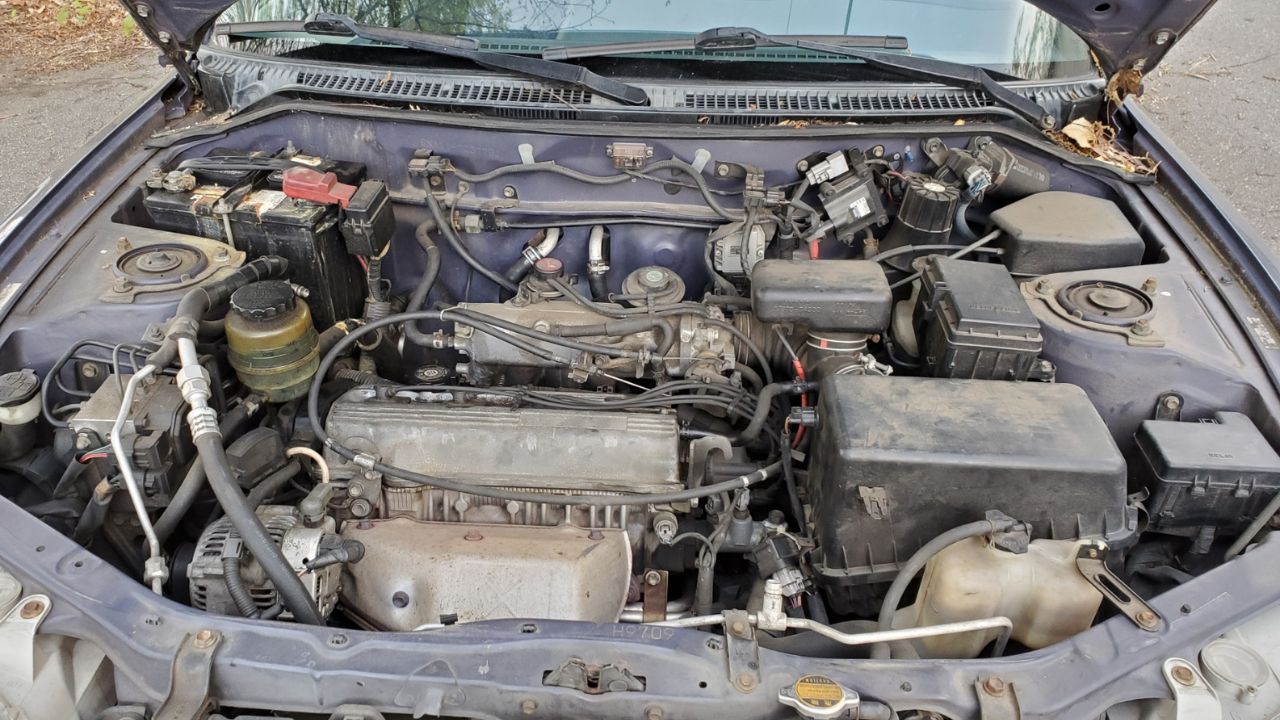
The Toyota 3S-FE was built as a practical four-cylinder engine rather than an exotic performance powerplant. Its straightforward design helped make it dependable in a wide range of Toyota models across several markets. The engine became known for tolerating high mileage when owners followed routine maintenance schedules. It was not particularly powerful, but that was part of its appeal: relatively simple engineering meant fewer complications compared with some newer engines. Proper oil changes, cooling-system maintenance, and timing-belt service can help explain why surviving 3S-FE engines remain useful long after many comparable engines have disappeared.
Toyota 4A-GE
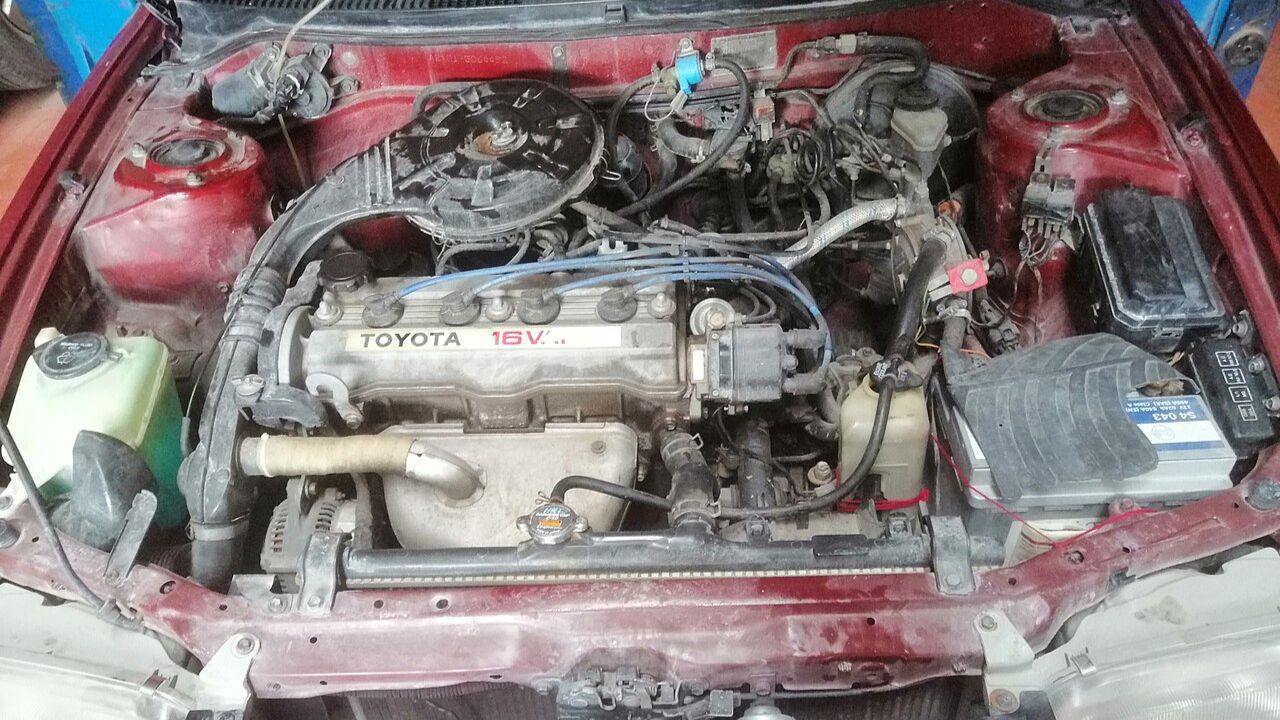
The Toyota 4A-GE became one of the best-known small Japanese performance engines of its era. Its compact four-cylinder design, responsive character, and strong high-revving capability made it popular in lightweight cars and motorsport applications. The engine became particularly associated with the Toyota Corolla and AE86. Its reputation comes from more than performance, however. Properly maintained examples can remain remarkably durable despite being decades old. Regular oil changes, cooling-system care, and attention to timing components are important for preserving an engine that has already survived years of hard use.
Honda B18C
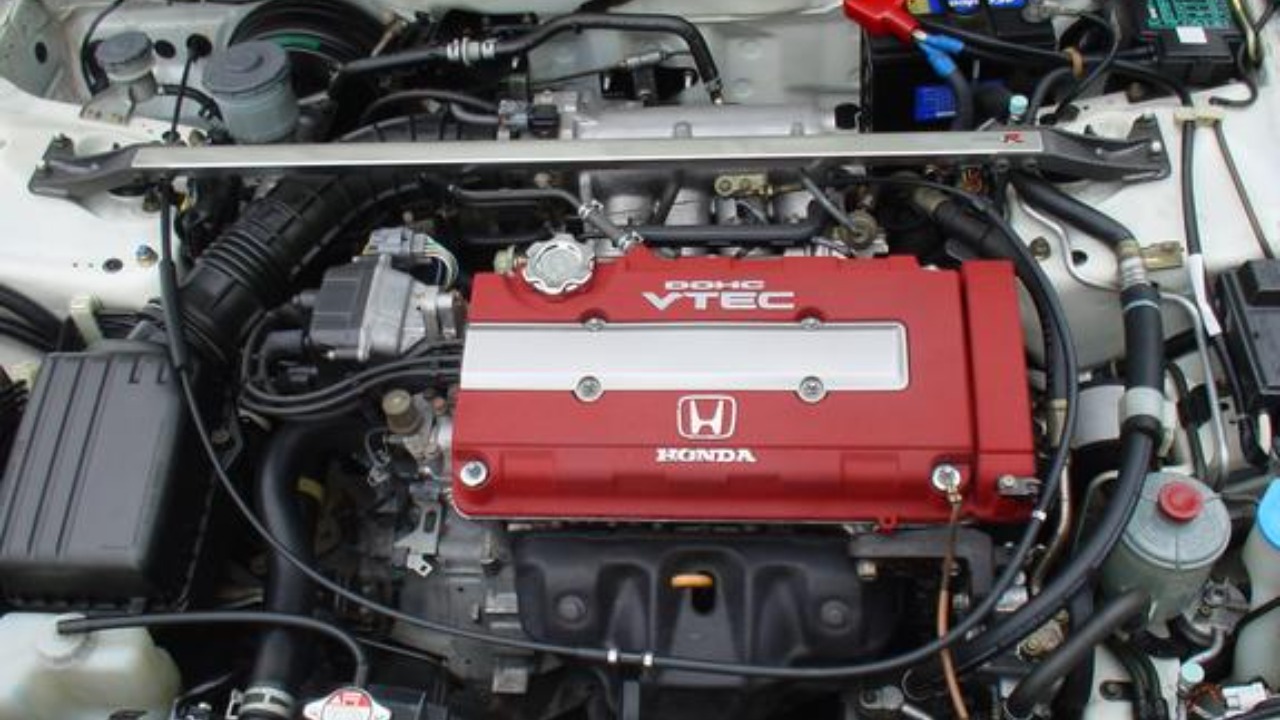
The Honda B18C became famous for combining relatively small displacement with impressive high-rpm performance. Found in performance-oriented Honda and Acura models, including the Integra Type R in specific versions, it developed a strong reputation among enthusiasts. Its naturally aspirated design avoided the additional complexity of turbocharging while still producing impressive specific output for its era. Proper maintenance is essential, particularly oil quality and cooling-system condition. Despite years of modification and demanding driving, well-maintained B18C engines have demonstrated why Honda’s older naturally aspirated four-cylinder engines remain so highly regarded.
Honda B16A
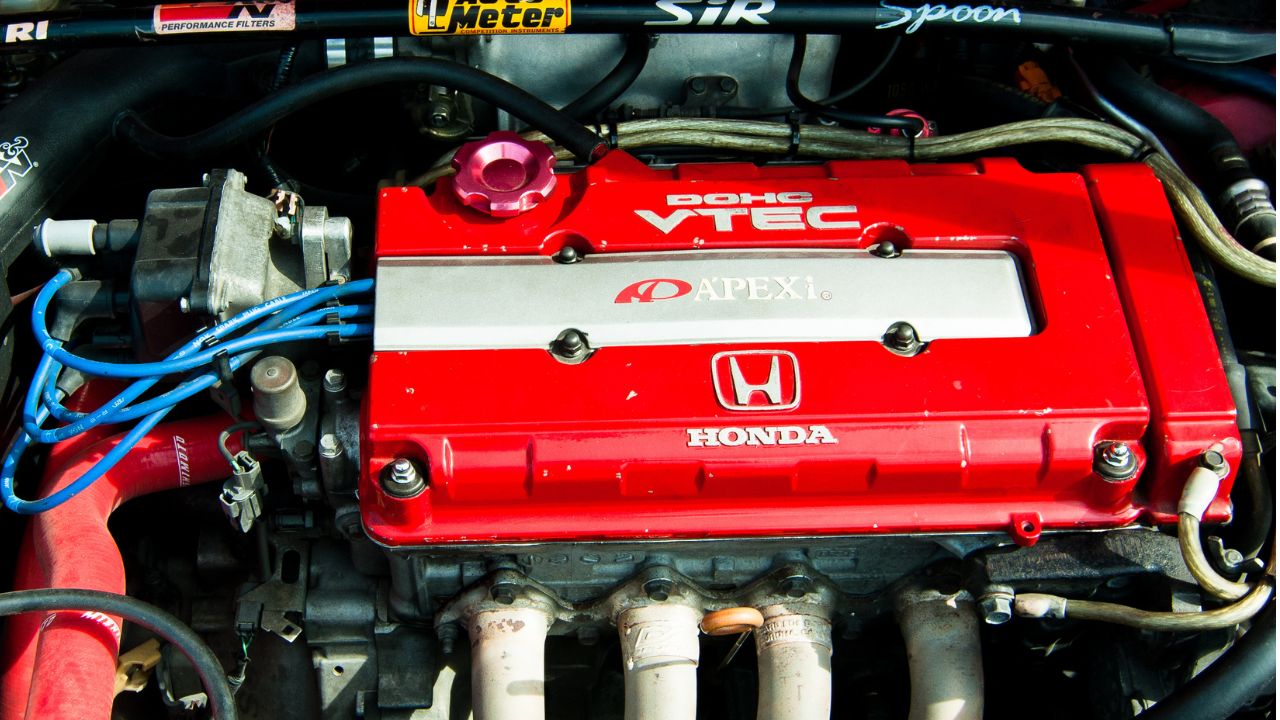
The Honda B16A helped establish the reputation of Honda’s high-revving VTEC engines. Its compact naturally aspirated four-cylinder layout delivered strong performance without forced induction, while the VTEC system allowed the engine to combine everyday drivability with aggressive high-rpm operation. The B16A became popular in models such as the Civic and Integra, as well as among tuning enthusiasts. Many examples have survived decades of use and modification. Proper oil levels, regular servicing, and a healthy cooling system remain essential, especially on engines that have spent years being driven at high rpm.
Honda K20A
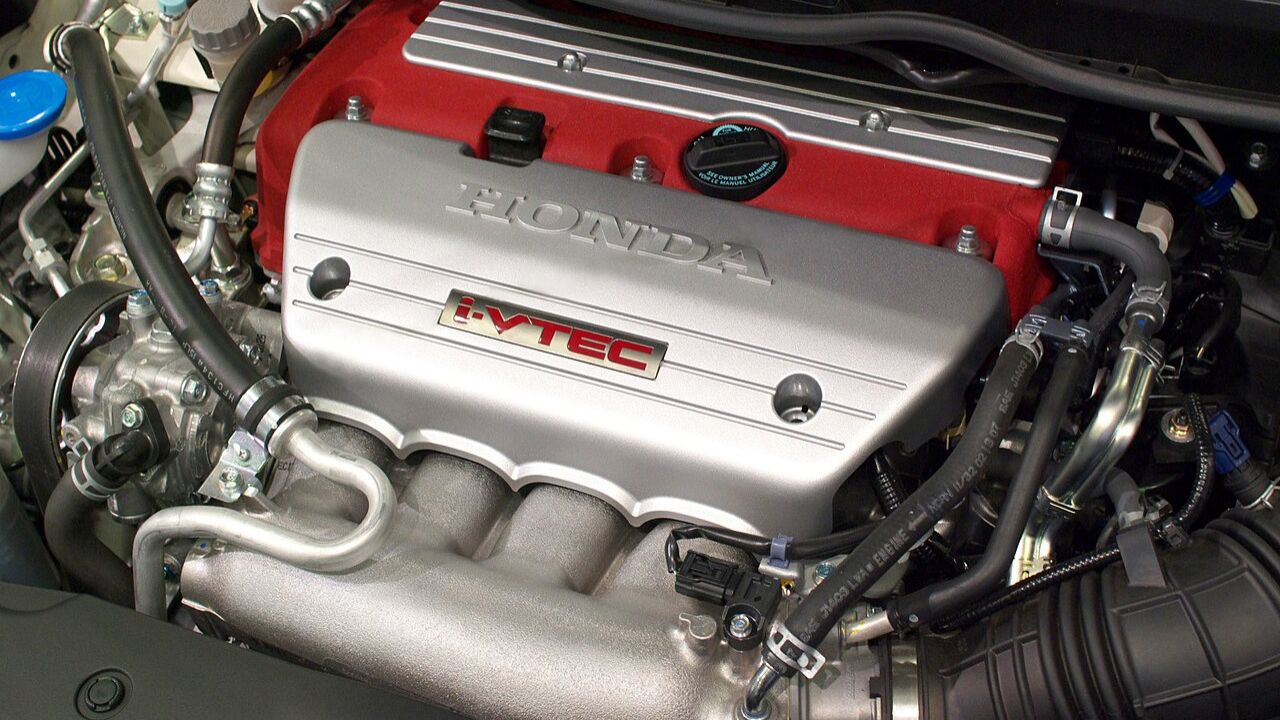
The Honda K20A is part of the K-series family that became widely respected for its combination of efficiency, performance, and durability. Depending on specification, K20 engines powered everything from everyday Hondas to high-performance models. The design incorporated modern features while retaining a relatively straightforward four-cylinder layout. Strong aftermarket support also helped keep these engines alive through years of enthusiast use. Regular oil changes, proper cooling, and attention to timing-chain components are important. When maintained correctly, the K20A demonstrates why Honda’s four-cylinder engines have remained popular long after newer designs arrived.
Honda F20C
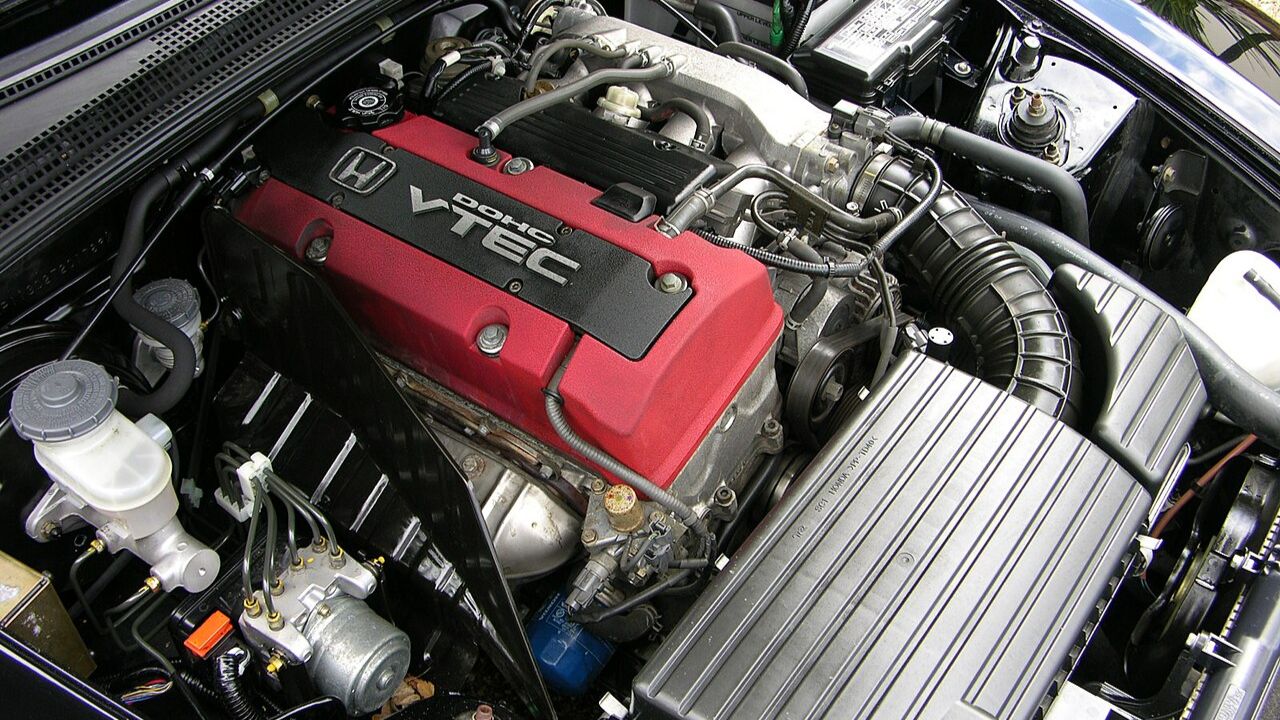
The Honda F20C became famous for combining high-revving performance with strong engineering. Developed for the Honda S2000, it could rev beyond 9,000 rpm while producing impressive power from a naturally aspirated 2.0-liter four-cylinder design. Its lightweight construction, durable internals, and excellent breathing helped it earn a reputation for longevity when properly maintained. Regular oil changes, correct fluid levels, and careful attention to the cooling system are important. Even after years of use, well-maintained F20C engines can continue delivering the sharp response and exciting character that made the S2000 special.
Honda D16Y8
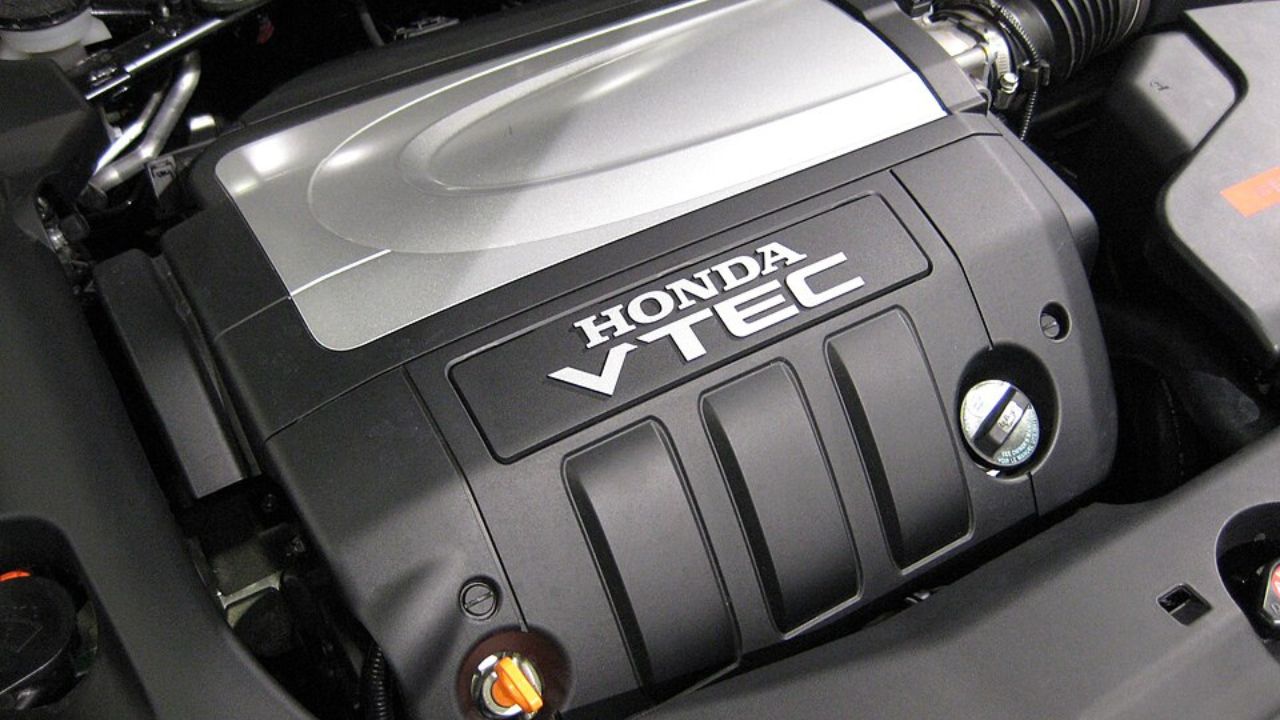
The Honda D16Y8 was a simple, efficient four-cylinder engine used in popular Civic models during the 1990s. Its relatively modest output was part of what made it such a dependable daily-driver powerplant. The engine’s straightforward construction and enormous availability of replacement parts helped keep many examples running for decades. Maintenance remains important, particularly oil changes, cooling-system condition, and timing-belt replacement. Compared with more complicated performance engines, the D16Y8 was inexpensive to maintain and easy for mechanics to understand, which helped many examples survive long after their original vehicles became ordinary used cars.
Nissan RB26DETT
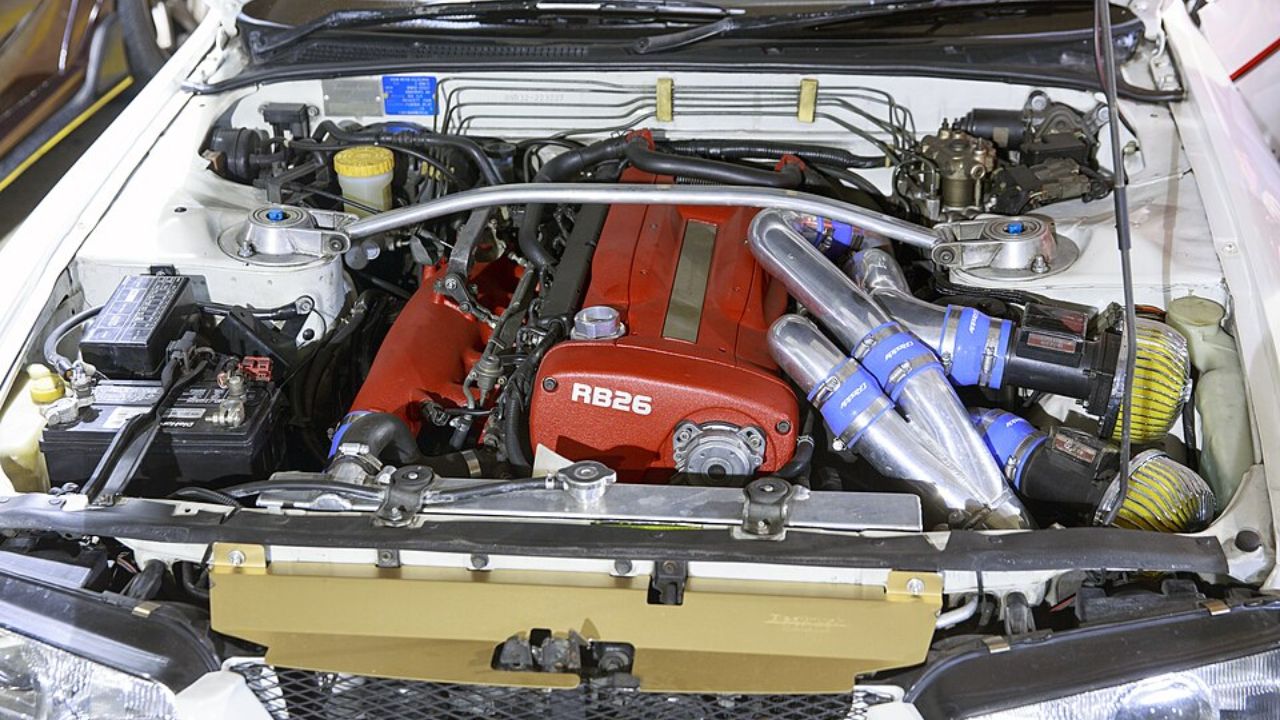
The Nissan RB26DETT became one of Japan’s most recognizable performance engines through its association with the Skyline GT-R. Its inline-six configuration, twin turbochargers, strong block, and sophisticated cylinder head gave it substantial performance potential. The engine also became famous in motorsport and tuning circles, where modified examples demonstrated impressive strength when properly built and maintained. Age is now a major factor, however, because many RB26 engines have been modified repeatedly. Oil supply, cooling, turbocharger condition, and tuning quality are crucial to keeping these legendary engines alive.
Nissan RB25DET
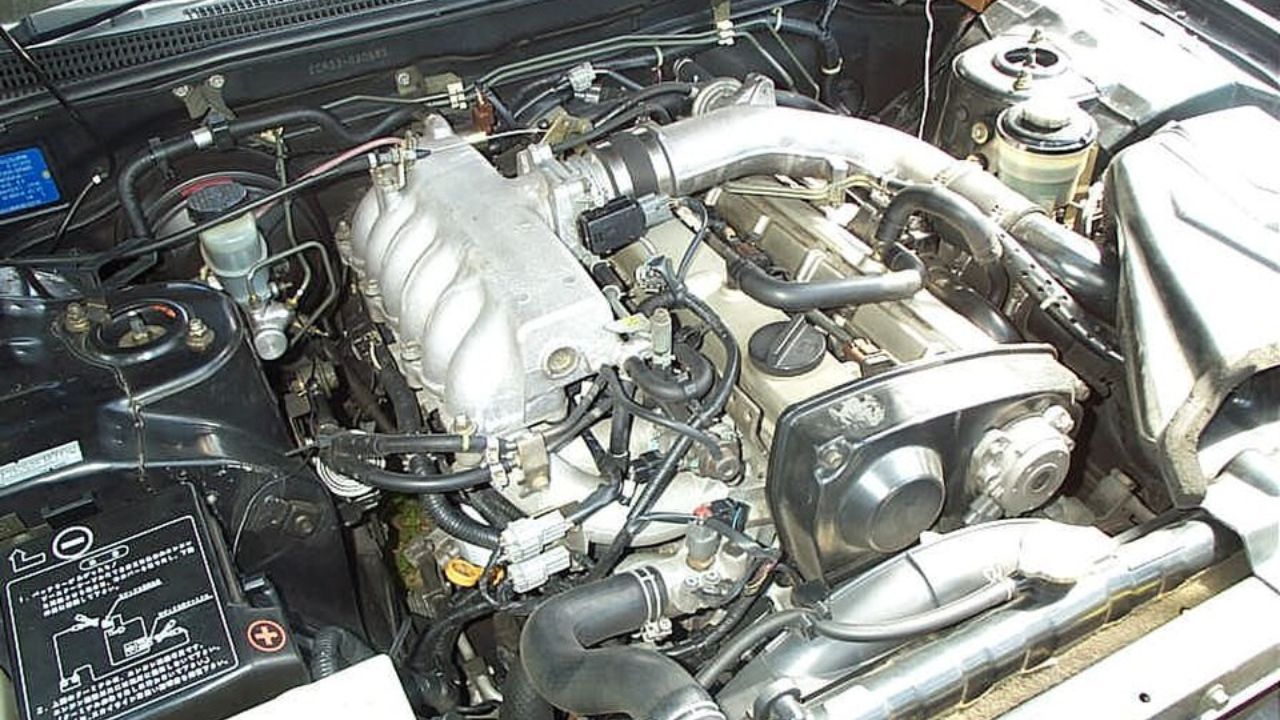
The Nissan RB25DET earned a strong reputation as a durable turbocharged inline-six and became especially popular among Japanese performance enthusiasts. It appeared in several Skyline generations and offered a useful balance between factory performance and tuning potential. Its iron-block construction provided a solid foundation, while the inline-six layout delivered smooth power. Today, condition varies widely because many RB25DETs have been modified or swapped into other vehicles. Buyers should inspect compression, turbocharger condition, oil pressure, cooling, and tuning history before assuming an old RB25DET is automatically healthy.
Nissan SR20DET
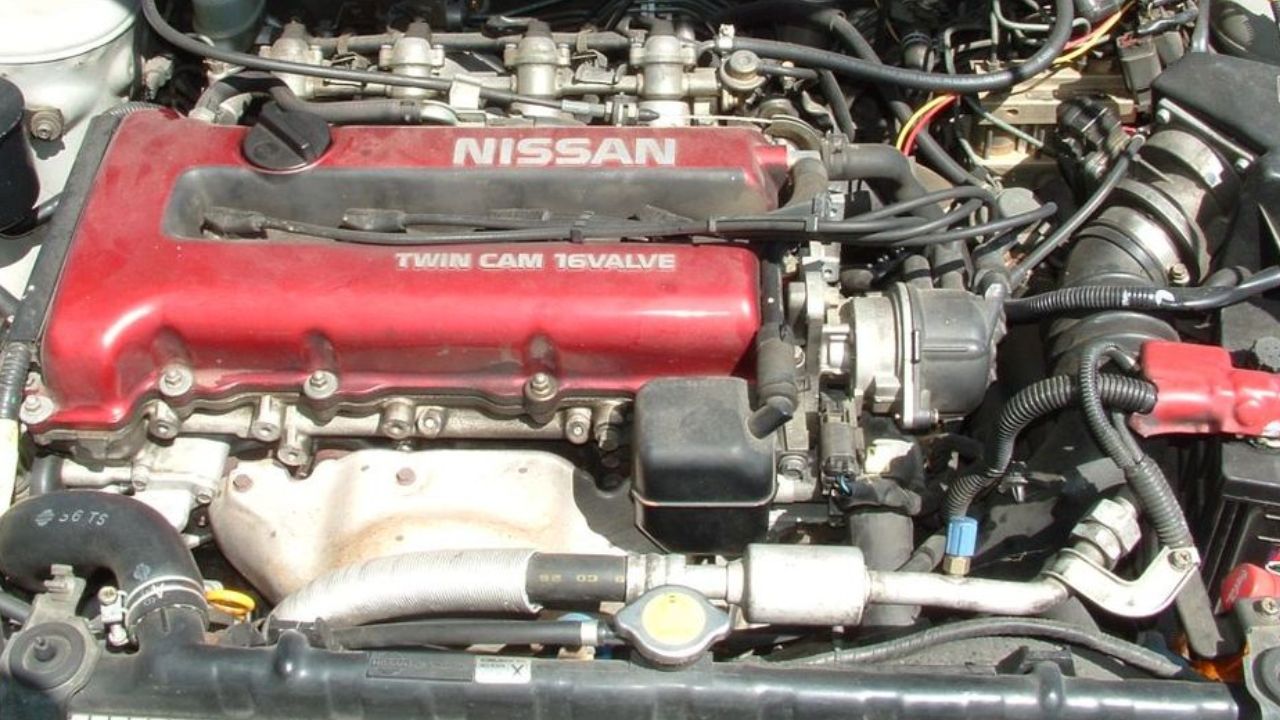
The Nissan SR20DET became one of the most famous turbocharged four-cylinder engines of the 1990s and 2000s. It powered several performance-oriented Nissan models and became particularly popular among drifting and tuning enthusiasts. Its cast-iron block and strong aftermarket support helped many examples survive years of hard use. However, surviving engines are now old, and many have been modified extensively. Oil condition, cooling, turbocharger health, wiring, and tuning quality are critical. A well-maintained example can remain strong, while a poorly modified engine may require significant rebuilding.
Nissan KA24DE
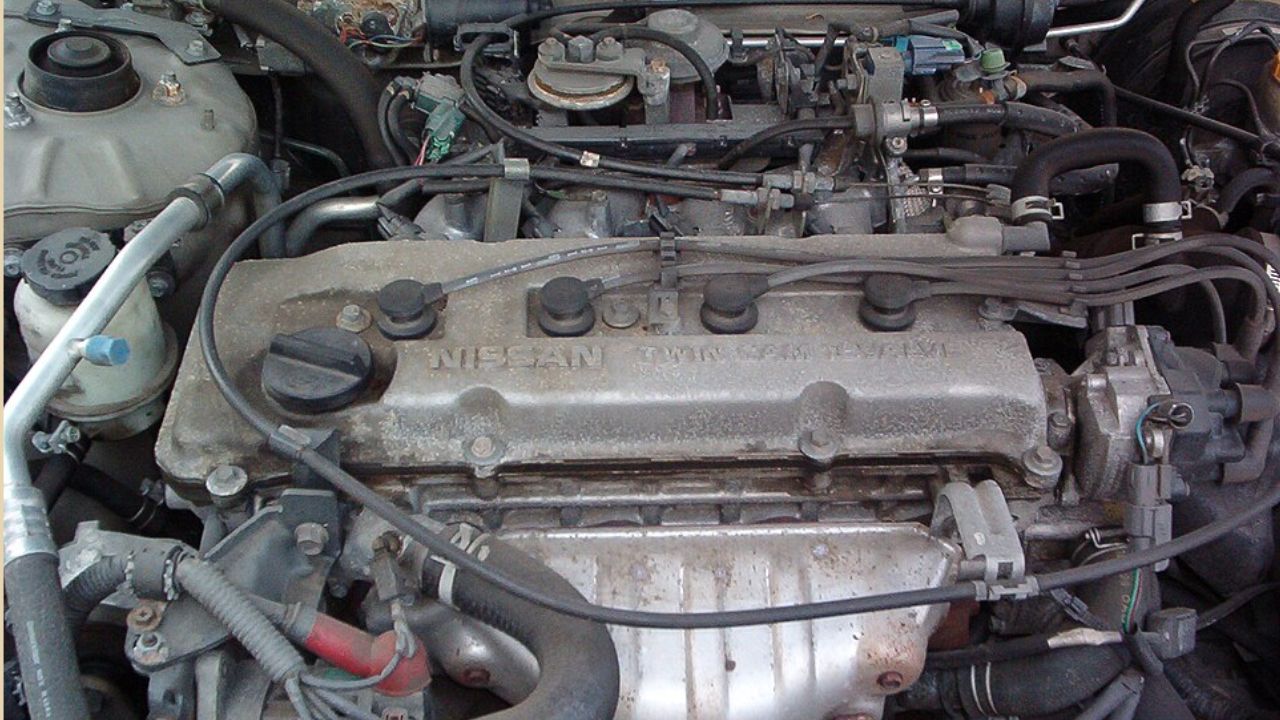
The Nissan KA24DE was never as glamorous as the RB26 or SR20DET, but its reputation comes from something more practical: durability. The naturally aspirated four-cylinder appeared in popular Nissan models and became particularly familiar to pickup and compact-car owners. Its relatively simple construction made maintenance straightforward, while the engine’s torque suited everyday driving. Many examples have survived substantial mileage with regular servicing. Timing-chain condition, oil consumption, cooling, and general wear should still be monitored, especially because the youngest factory examples are now decades old.
Mitsubishi 4G63
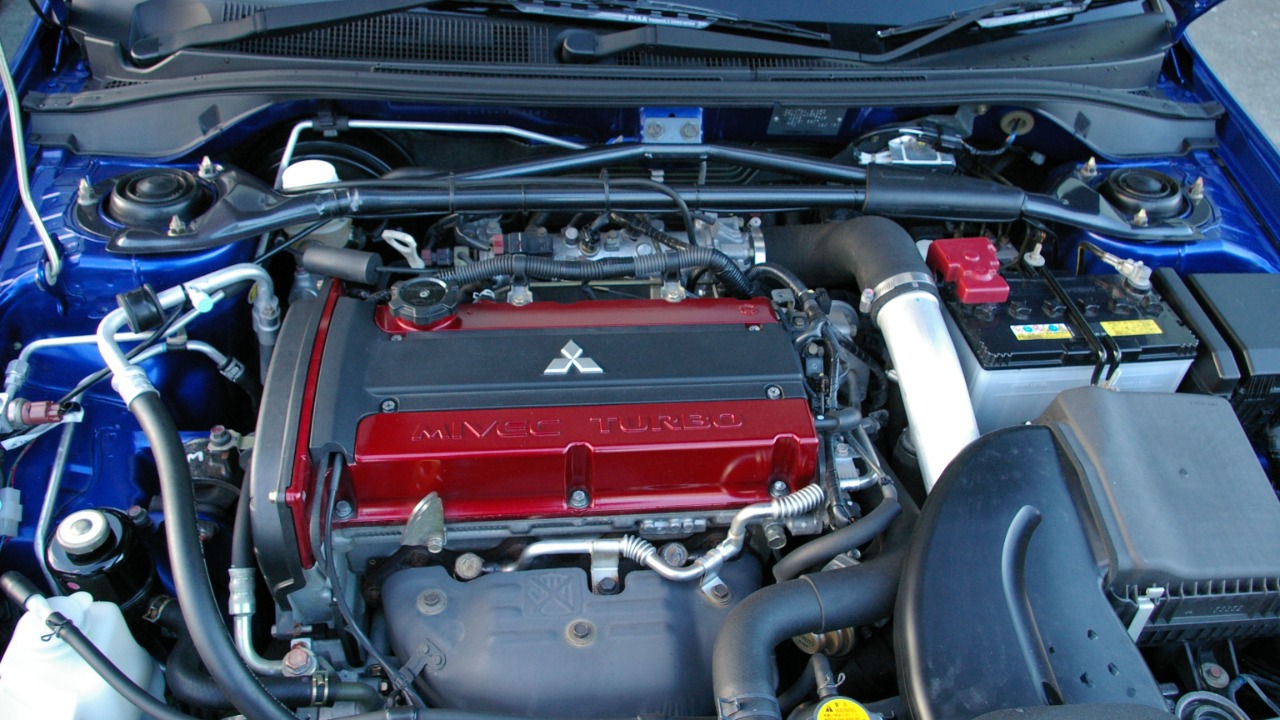
The Mitsubishi 4G63 became legendary through its role in the Lancer Evolution and other performance applications. Its iron-block construction, strong bottom end, and extensive motorsport history gave it a reputation for handling serious power when properly built. Naturally aspirated and turbocharged versions existed, with the turbocharged variants becoming particularly famous among enthusiasts. The engine’s age means condition varies greatly today, especially after years of modifications. Oil supply, cooling, timing components, and tuning are critical, but a properly maintained 4G63 can remain remarkably durable.
Ford 302 Windsor
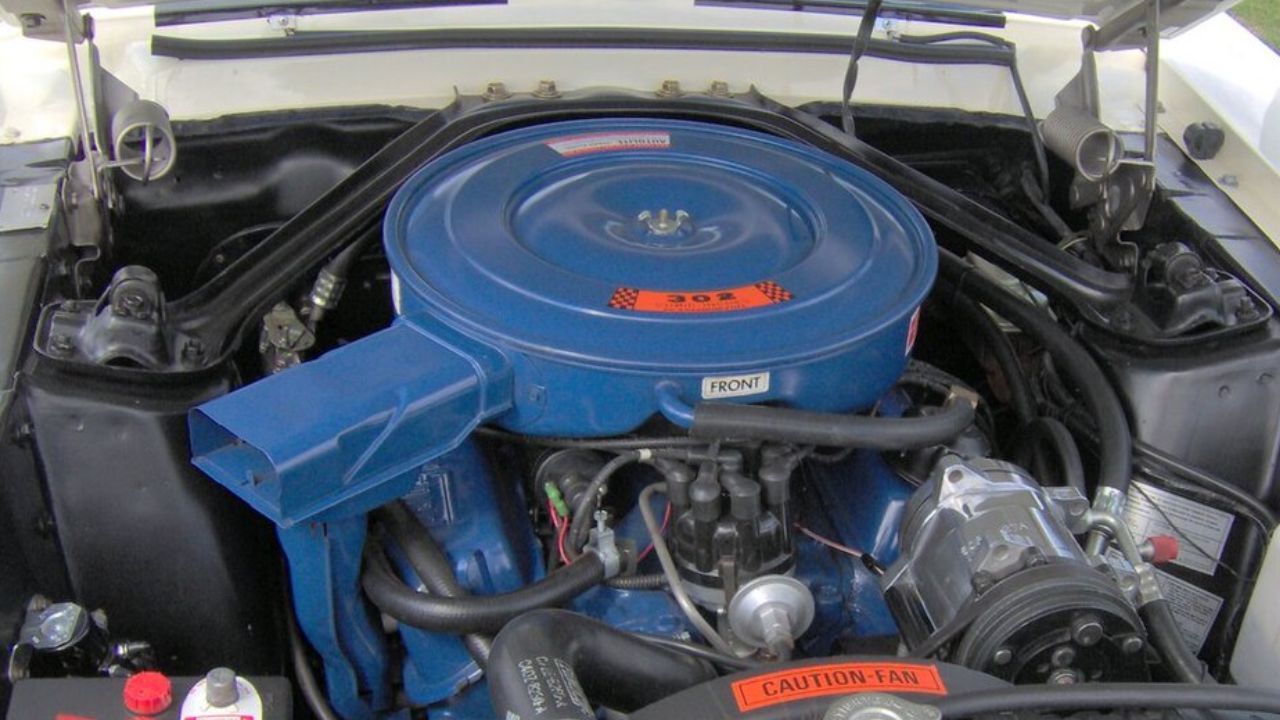
The Ford 302 Windsor became one of America’s most recognizable small-block V8 engines. Its relatively compact dimensions, simple architecture, and enormous parts supply helped make it useful in everything from passenger cars to performance builds. The engine’s long production history also means replacement parts and rebuild knowledge remain widely available. While individual examples can suffer from age, overheating, oil leaks, or neglected maintenance, the basic design has proven remarkably durable. That combination of simplicity and support is a major reason so many 302-powered vehicles remain on the road today.
Chevrolet Small-Block 350
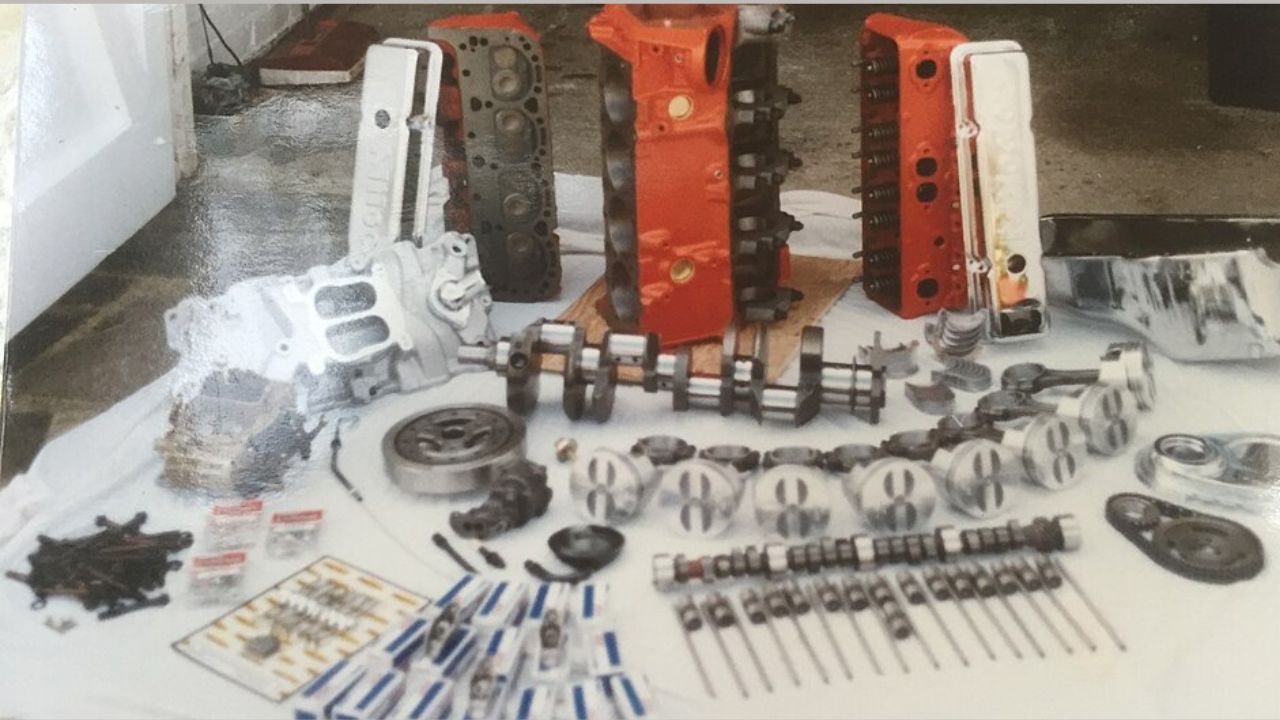
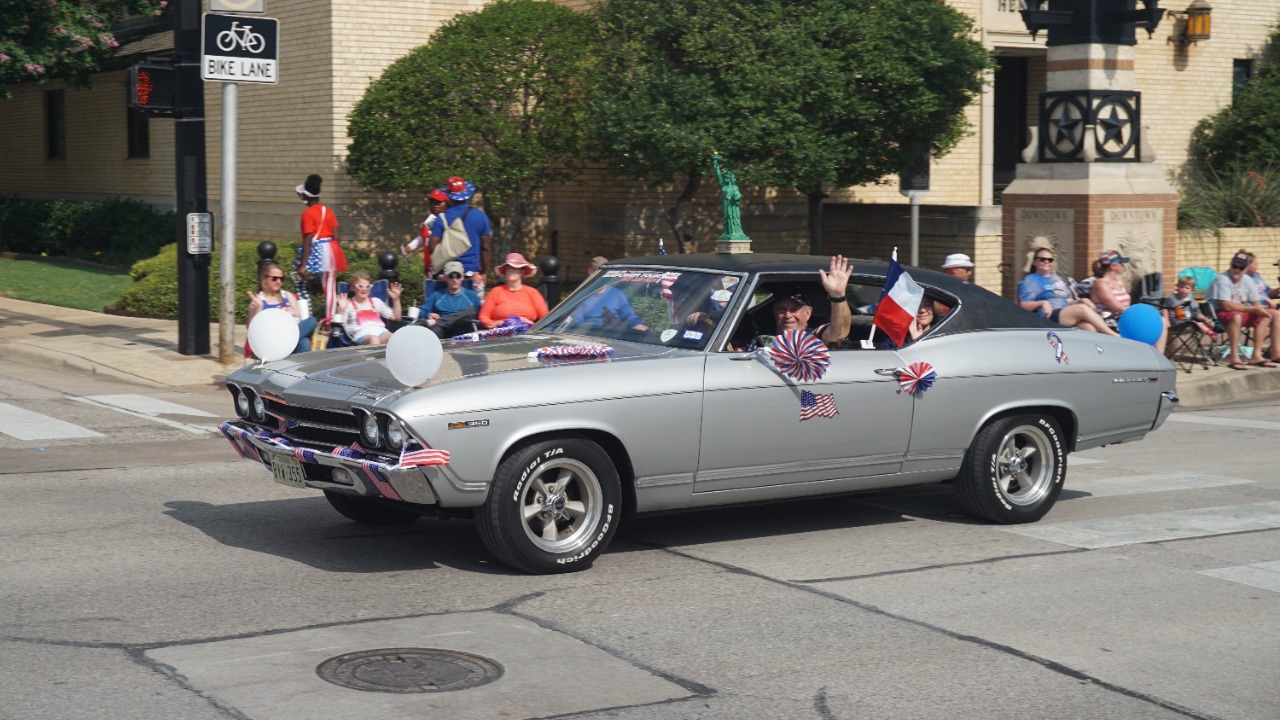
The Chevrolet Small-Block 350 became one of the most widely used V8 engines in American automotive history. Its simple design, compact dimensions, huge aftermarket, and abundant replacement parts allowed it to remain relevant for decades. The engine powered countless Chevrolet cars and trucks and became a favorite foundation for restorations and performance builds. Durability depends heavily on maintenance, cooling, and build quality, but the architecture itself has proven exceptionally adaptable. Even today, mechanics can find parts and technical knowledge for the 350 far more easily than for many older engines.
Chevrolet LS1
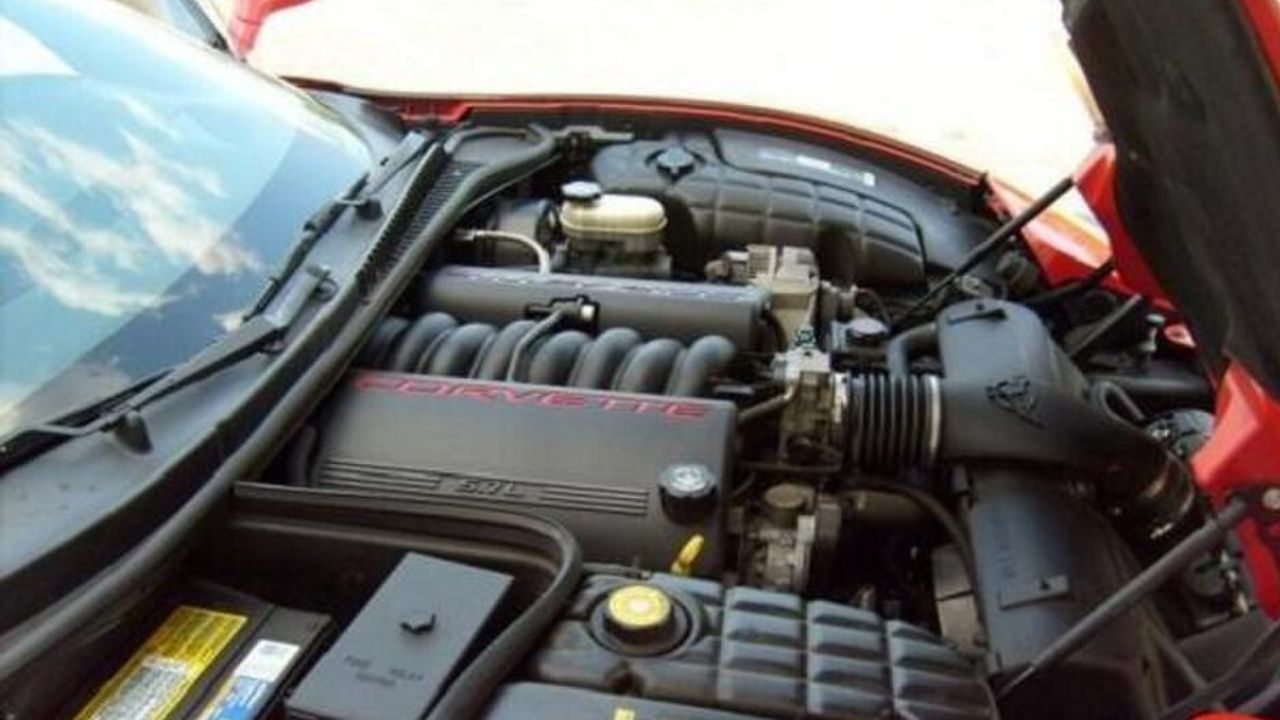
The Chevrolet LS1 brought modern aluminum V8 technology to performance cars while retaining the compact dimensions and straightforward layout that made the LS family popular. Used in vehicles such as the Corvette and Camaro, it delivered strong performance without excessive complexity. Many LS1 engines have accumulated high mileage while remaining serviceable with regular maintenance. Common age-related concerns include oil leaks, cooling components, sensors, and electrical equipment rather than fundamental weaknesses in the basic engine design. Its enormous aftermarket also makes repairs, rebuilding, and upgrades comparatively accessible.
Chrysler 440 Big-Block
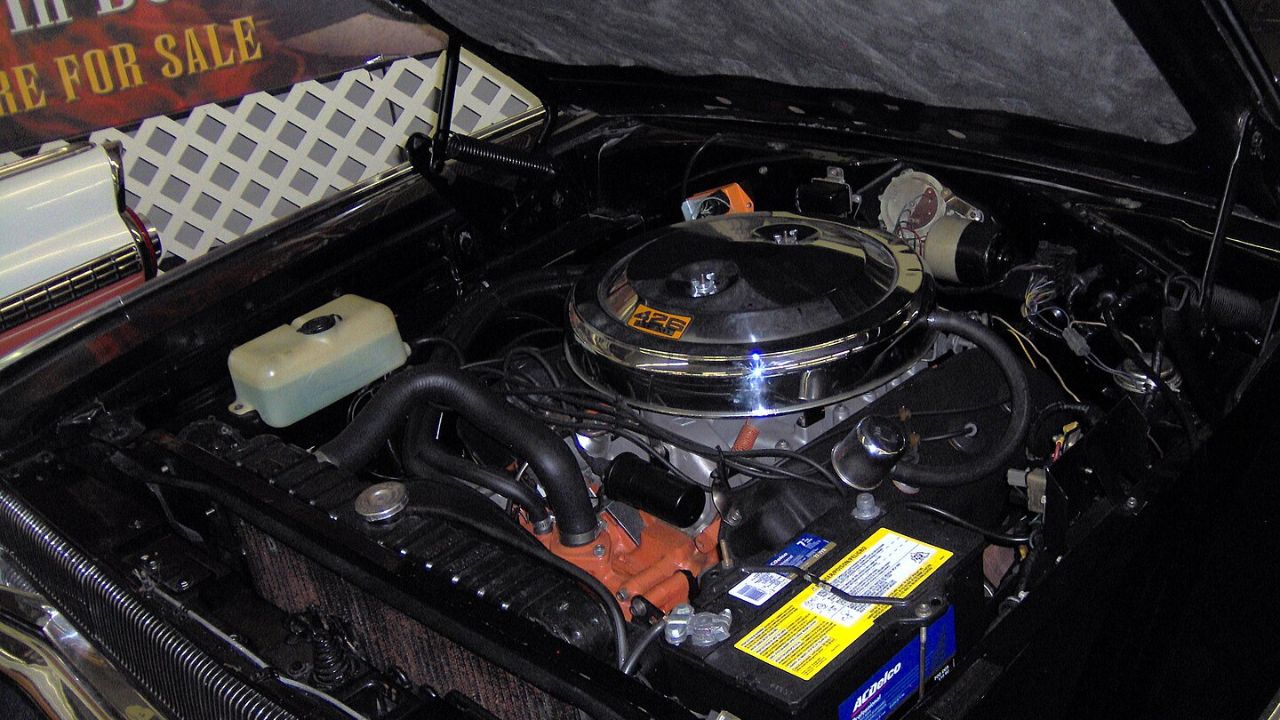
The Chrysler 440 Big-Block became one of America’s best-known large-displacement V8s during the muscle-car era. Its 7.2-liter displacement provided substantial torque, making it popular in performance cars, full-size automobiles, and heavy-duty applications. The engine’s simple pushrod architecture also makes it relatively straightforward to rebuild compared with more complicated modern powerplants. Age is now the biggest concern with surviving examples, as many have been rebuilt or modified repeatedly. A properly maintained 440 can remain a strong performer, but cooling, oiling, and internal wear deserve careful inspection on any original engine.
BMW M50
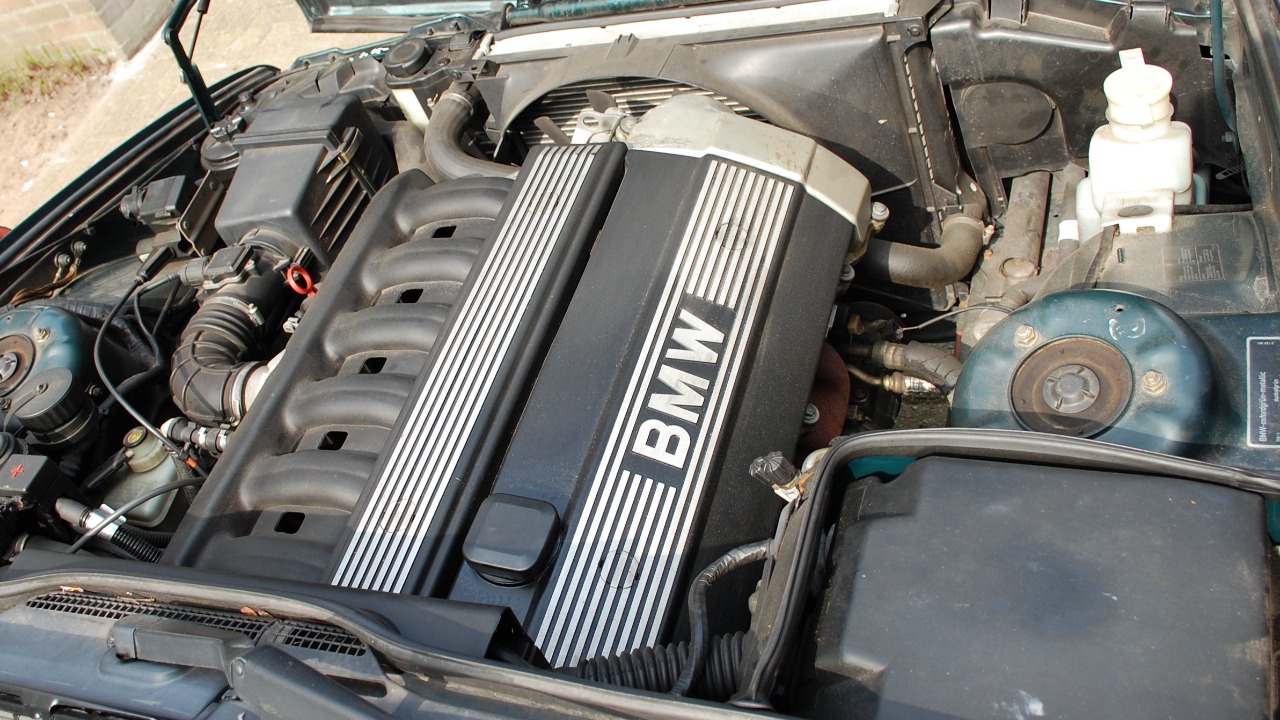
The BMW M50 became one of the company’s most respected inline-six engines, powering models such as the E34 5 Series and E36 3 Series. Its smooth operation, durable construction, and relatively straightforward mechanical design helped many examples reach high mileage. The engine was offered in several versions, including the M50B20 and M50B25. Regular oil changes, cooling-system maintenance, and careful attention to the timing system are important, but the M50’s solid engineering helped it remain dependable long after many contemporary engines had disappeared.
More from Fast Lane Only
- Unboxing the WWII Jeep in a Crate
- 15 rare Chevys collectors are quietly buying
- 10 underrated V8s still worth hunting down
- Police notice this before you even roll window down
*Research for this article included AI assistance, with all final content reviewed by human editors