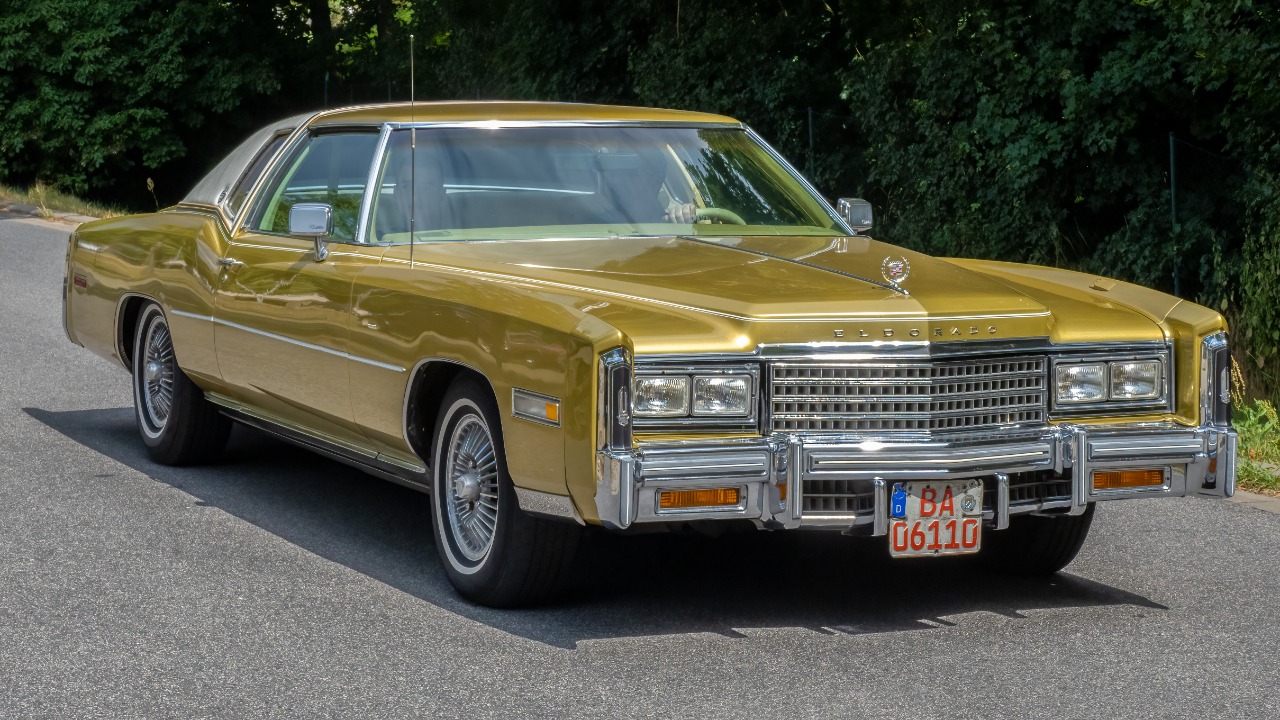
Some cars simply follow the trends of their era, while others seem to arrive before the world is ready for them. These forward-thinking models introduced bold styling, unusual technology, clever engineering, or performance ideas that would become more common years later. From groundbreaking designs to overlooked innovations, these cars showed what the future of driving could look like. Here are 18 cars that brought the future to the road.
Oldsmobile Jetfire
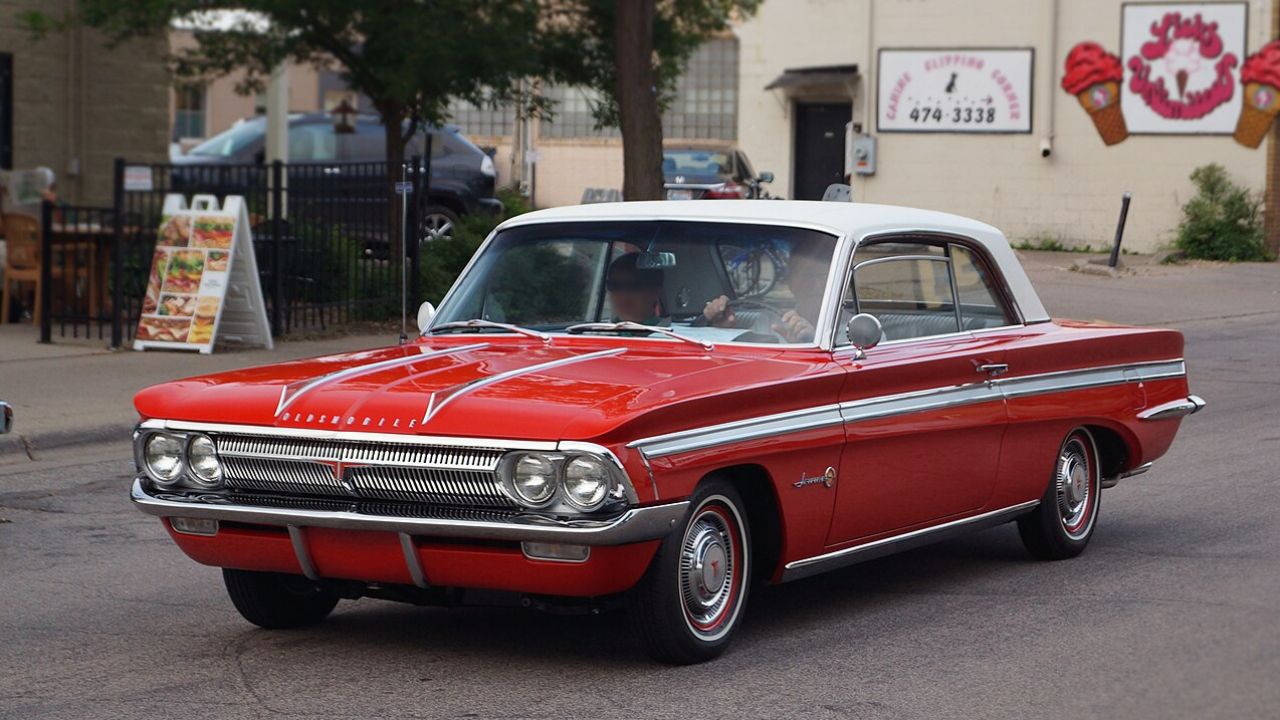
The Oldsmobile Jetfire was an unlikely pioneer because it brought turbocharging to a compact American performance car at a time when forced induction was still unusual. Its small V8 used a turbocharger to produce more power than its displacement suggested, giving the car a distinctly modern approach to performance. The system was complicated for its day and required careful attention, but the underlying idea was sound. Decades later, turbocharging would become one of the most common ways to extract more performance from smaller engines.
Chevrolet Corvair Monza
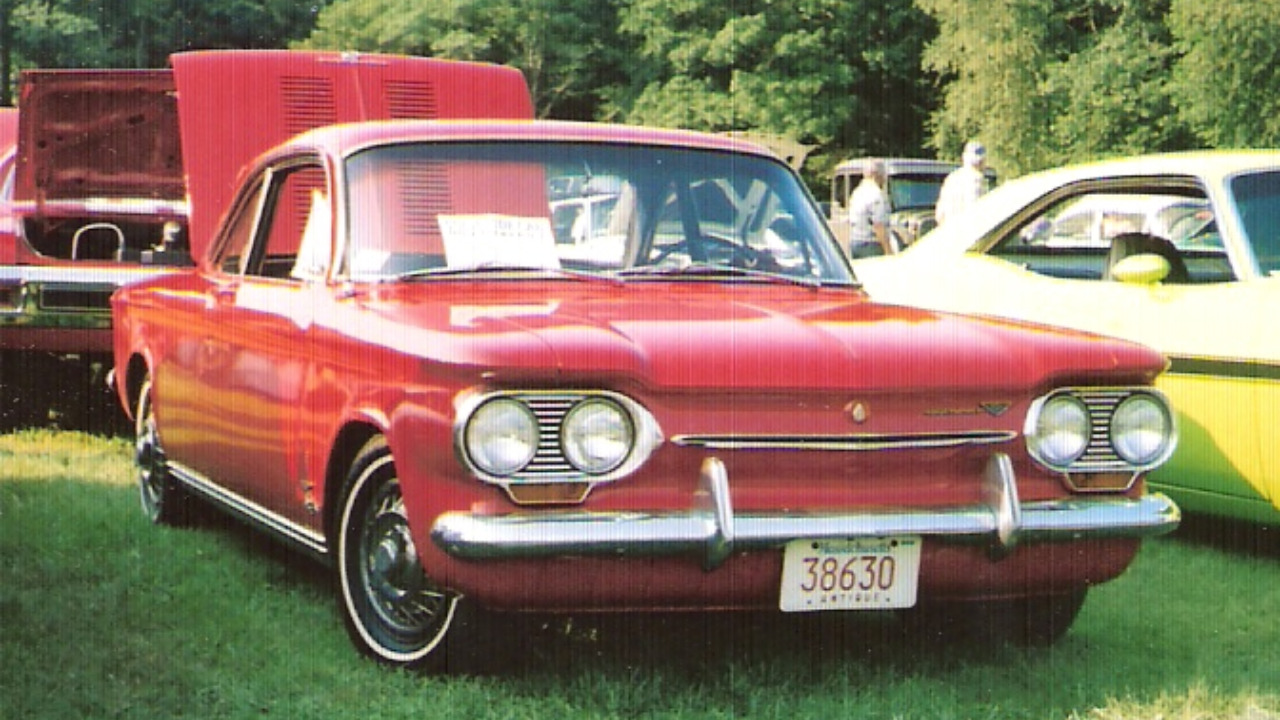
The Chevrolet Corvair Monza broke almost every traditional American performance-car rule. Instead of a big front-mounted V8, it used a rear-mounted air-cooled flat-six and offered sporty styling in a compact package. The Monza demonstrated that an American performance-oriented car did not necessarily need enormous size or displacement. Its unusual layout also gave it a character unlike most domestic cars of the period. While the Corvair remained controversial, its engineering showed that Chevrolet was willing to experiment beyond the conventional muscle-car formula.
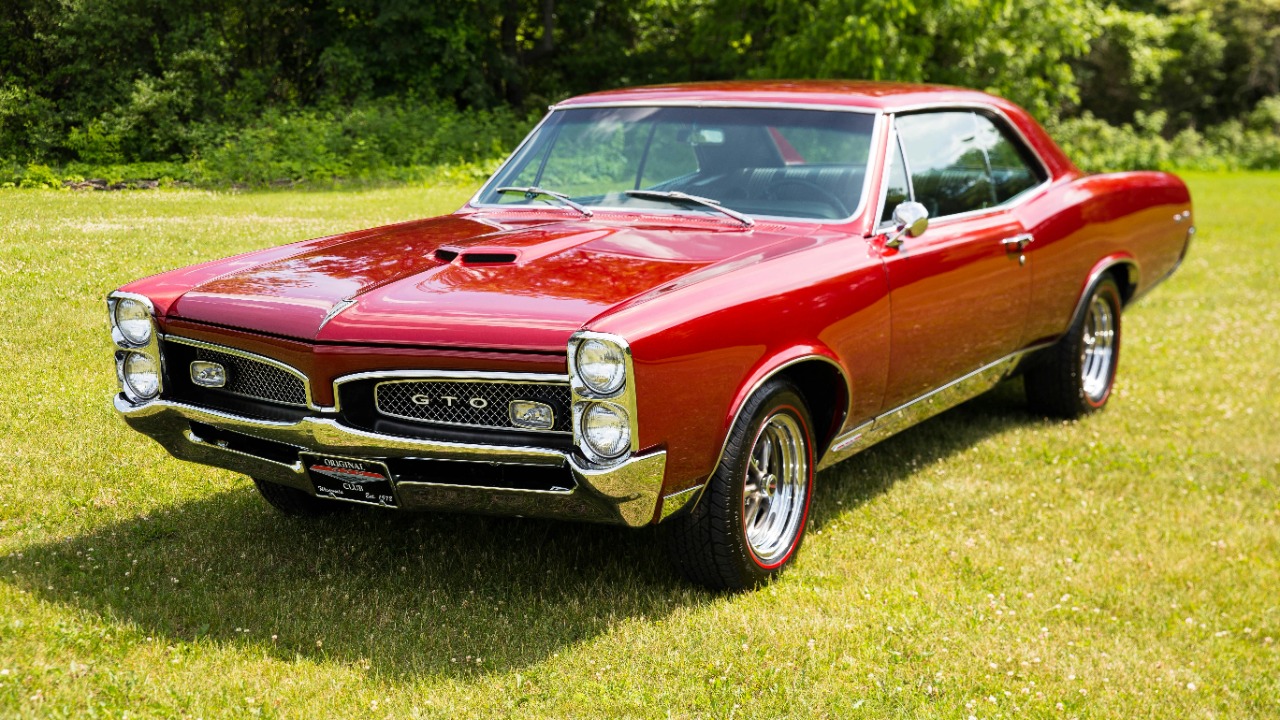
Pontiac Tempest GTO
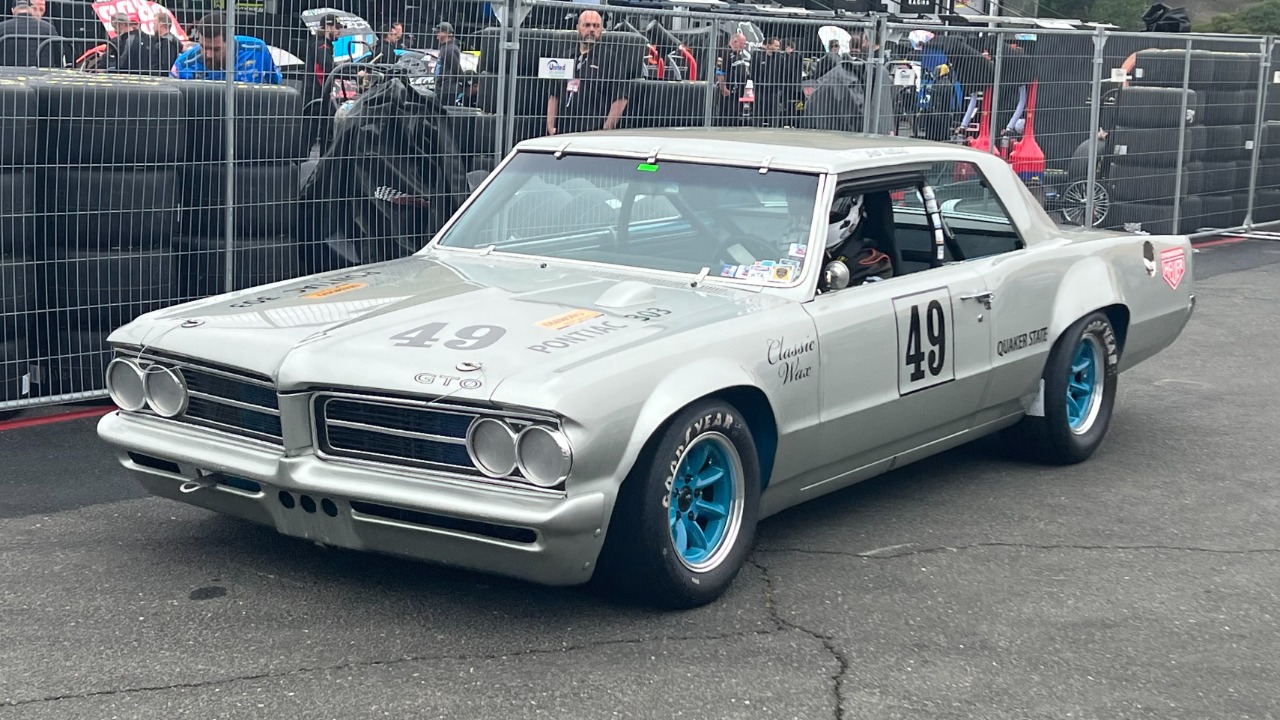
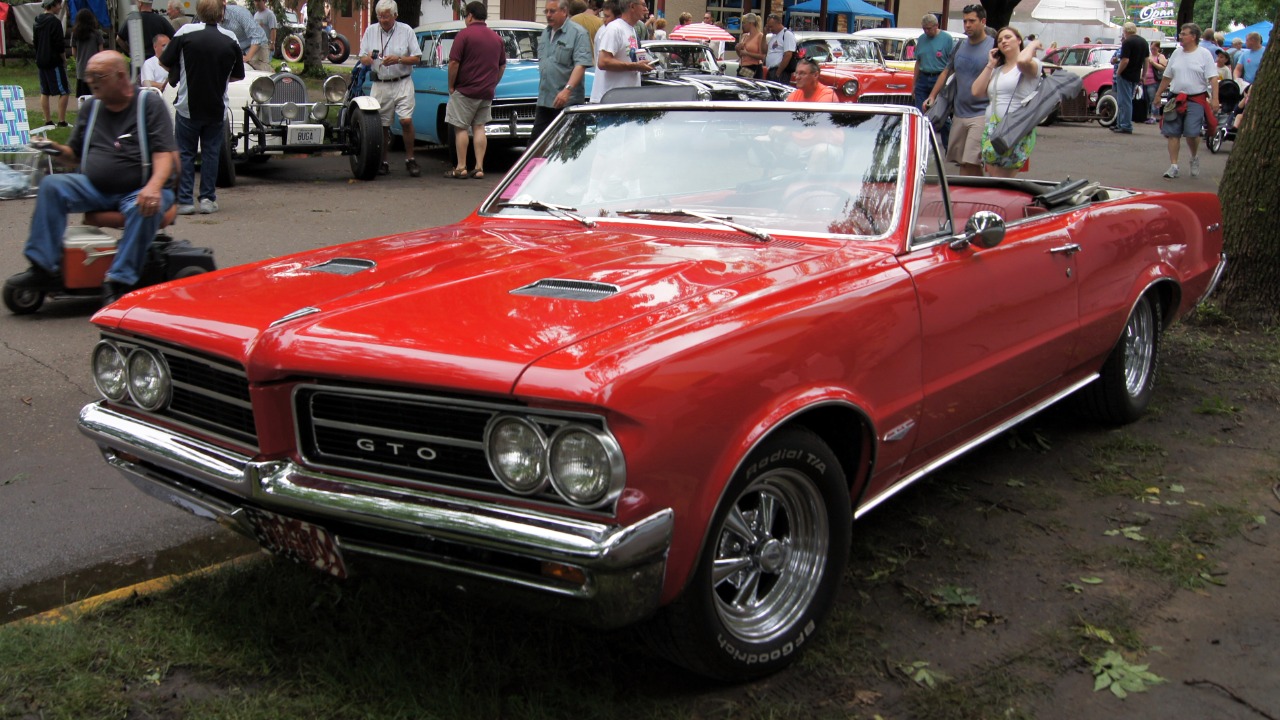
The Pontiac GTO’s early formula helped establish the muscle-car concept itself, but the Tempest platform was part of what made the idea so clever. Instead of developing an entirely separate sports car, Pontiac placed a larger, more powerful engine into a midsize package. That combination created a new market for affordable performance. The concept was so successful that competitors quickly followed. What looked like a simple engine swap ultimately changed the American performance-car industry and influenced generations of cars afterward.
Buick Riviera
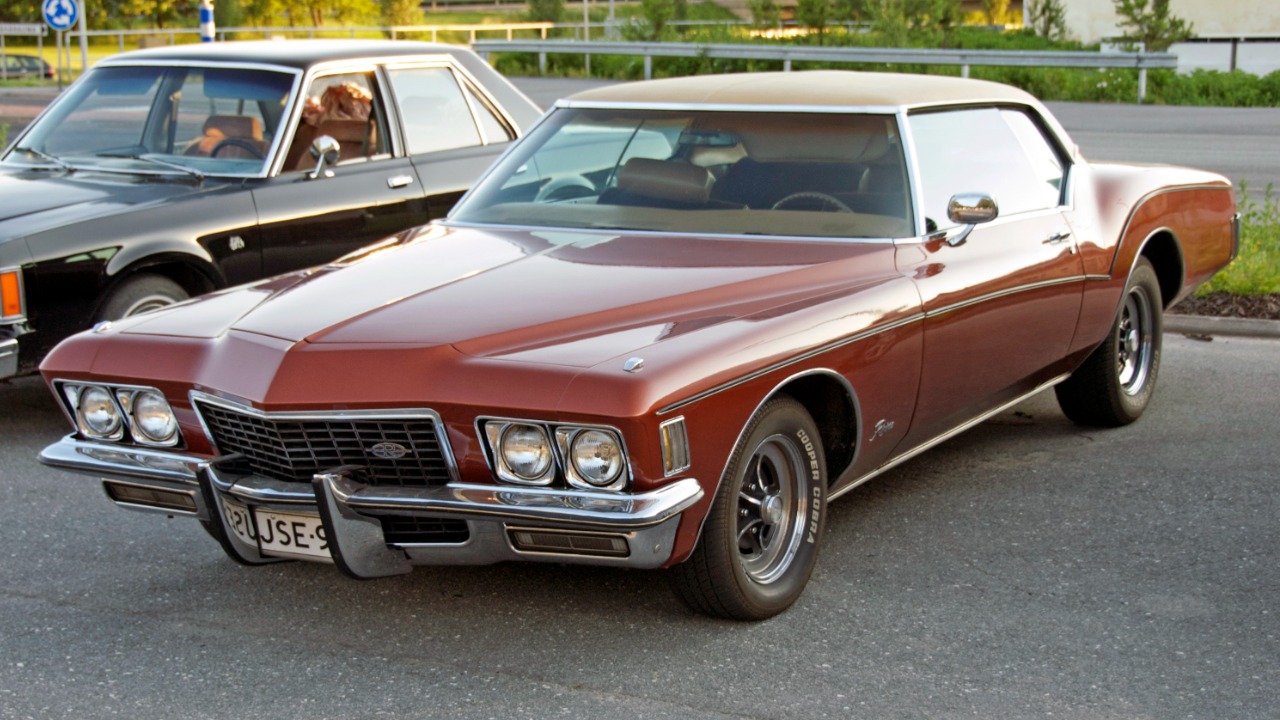
The Buick Riviera brought a more sophisticated interpretation of American performance and personal luxury. Its clean styling, powerful engine options, and carefully developed chassis created a car that could deliver speed without looking like a traditional muscle machine. The Riviera showed that performance buyers did not necessarily want aggressive stripes and bare-bones interiors. Its blend of luxury, comfort, and power anticipated the grand touring approach that became increasingly common in later performance cars.
Ford Mustang Mach 1
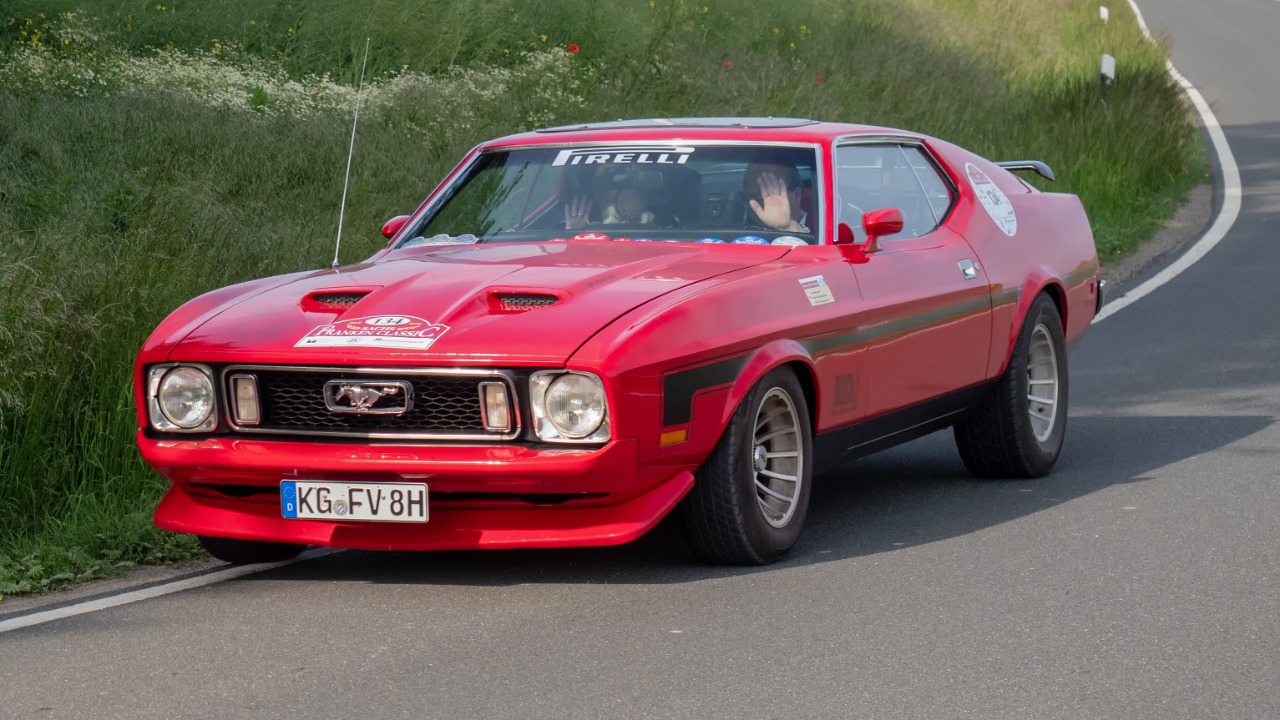
The Ford Mustang Mach 1 helped redefine what a performance Mustang could be by combining serious V8 power with a package that was still practical enough for everyday use. It offered aggressive styling, performance equipment, and several strong engine choices without requiring buyers to move into a dedicated sports car. The Mach 1 also demonstrated how manufacturers could create multiple personalities from one platform. That approach became a major part of the modern performance-car business, where trim levels can dramatically change a car’s character.
AMC AMX
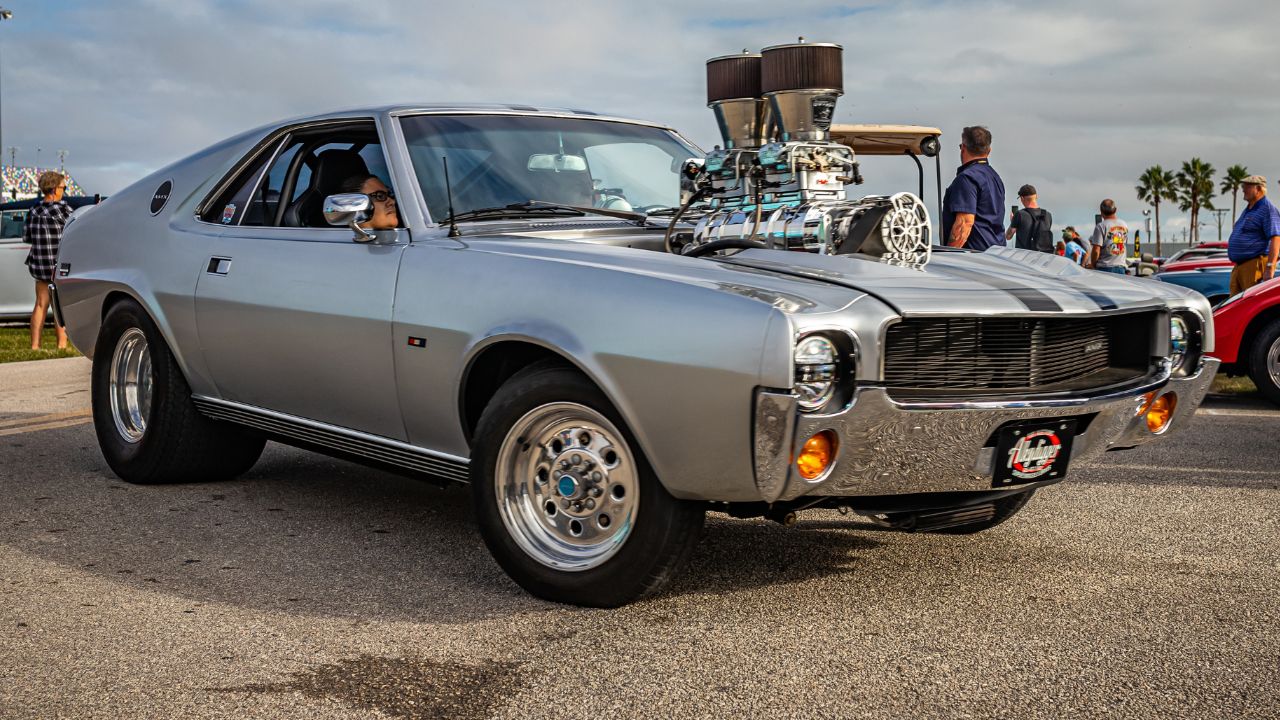
The AMC AMX was unusual because it was a genuine two-seat American performance car from a manufacturer better known for practical family vehicles. Its short wheelbase and powerful V8s gave it a distinctive combination of compact proportions and serious acceleration. The AMX showed that performance did not have to come from Ford, Chevrolet, or Chrysler. Its two-seat layout also gave AMC a unique place in the muscle-car market. Today, the AMX stands out as one of the most distinctive performance cars of its era.
Buick Regal Grand National
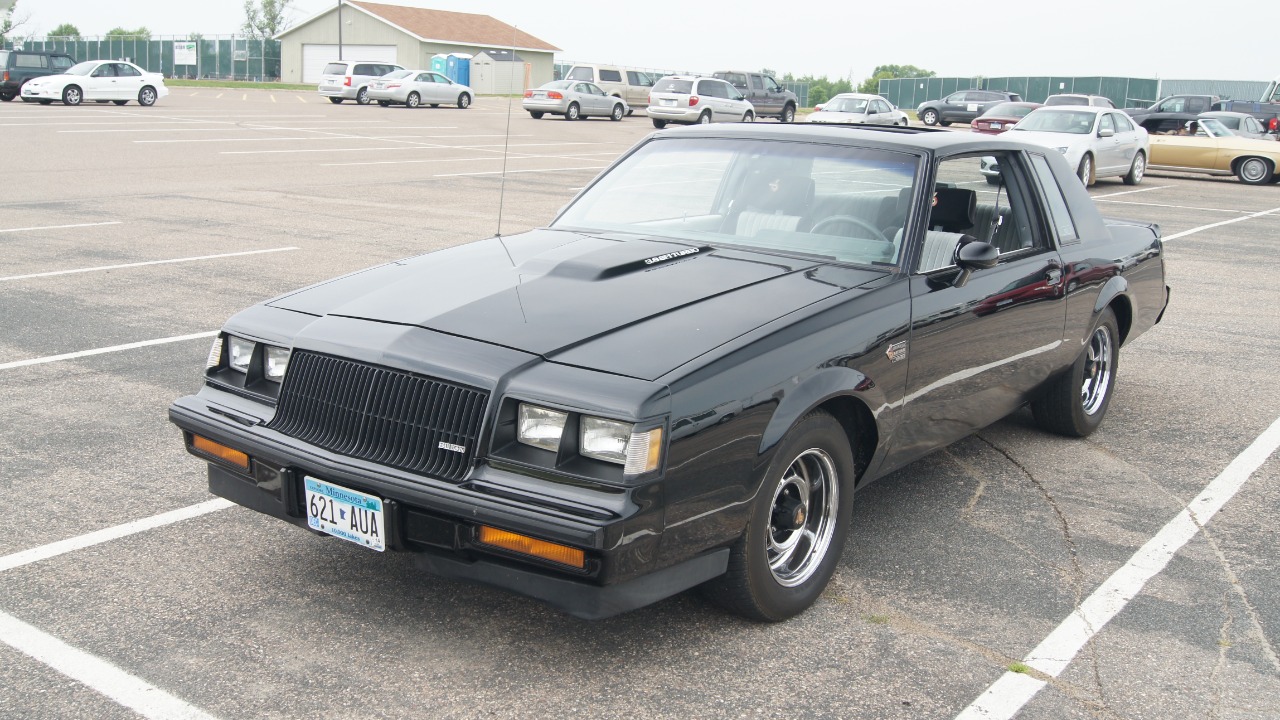
The Buick Regal Grand National demonstrated that a performance car could be extremely quick without relying on a massive naturally aspirated V8. Its turbocharged V6 delivered strong power while keeping the car relatively understated. The black exterior became part of its identity, but the engineering underneath was the real story. The Grand National helped prove that turbocharging could deliver serious American performance while improving the potential of a smaller engine. Its influence became even clearer as turbocharged performance cars grew increasingly common.
Pontiac Firebird Formula

The Pontiac Firebird Formula offered a more restrained alternative to the flashier Trans Am while still providing serious V8 performance. Its relatively clean appearance could disguise the engine underneath, giving buyers a performance car that did not necessarily advertise itself. That idea has become common among modern performance vehicles, where subtle styling can accompany substantial mechanical upgrades. The Formula also demonstrated how manufacturers could offer several levels of performance from the same basic platform without sacrificing everyday usability.
Chevrolet Camaro IROC-Z
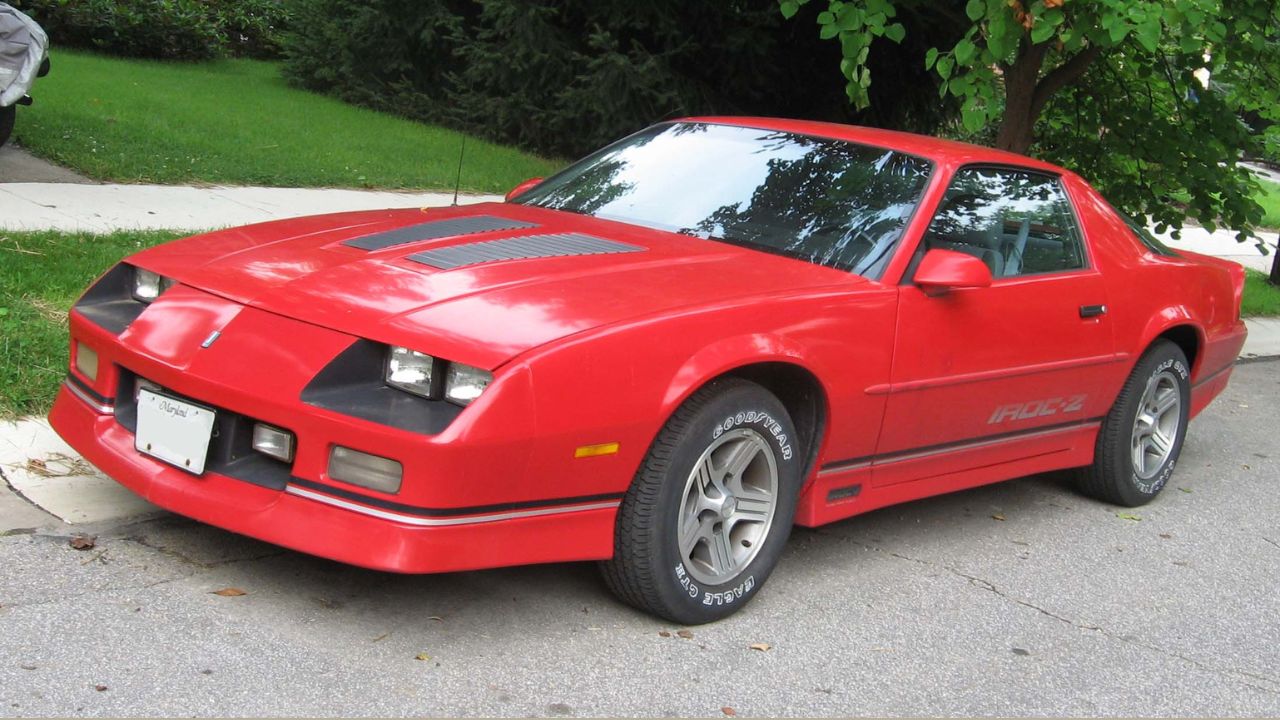
The Chevrolet Camaro IROC-Z brought modern handling emphasis into the traditional American performance-car formula. Instead of focusing only on horsepower, it offered a more carefully developed suspension and chassis package that made the car more capable through corners. The result was a Camaro that could combine straight-line performance with better road manners. This shift toward balanced performance became increasingly important as sports cars evolved. The IROC-Z helped show that American performance cars could be entertaining away from the drag strip too.
Ford Mustang SVT Cobra
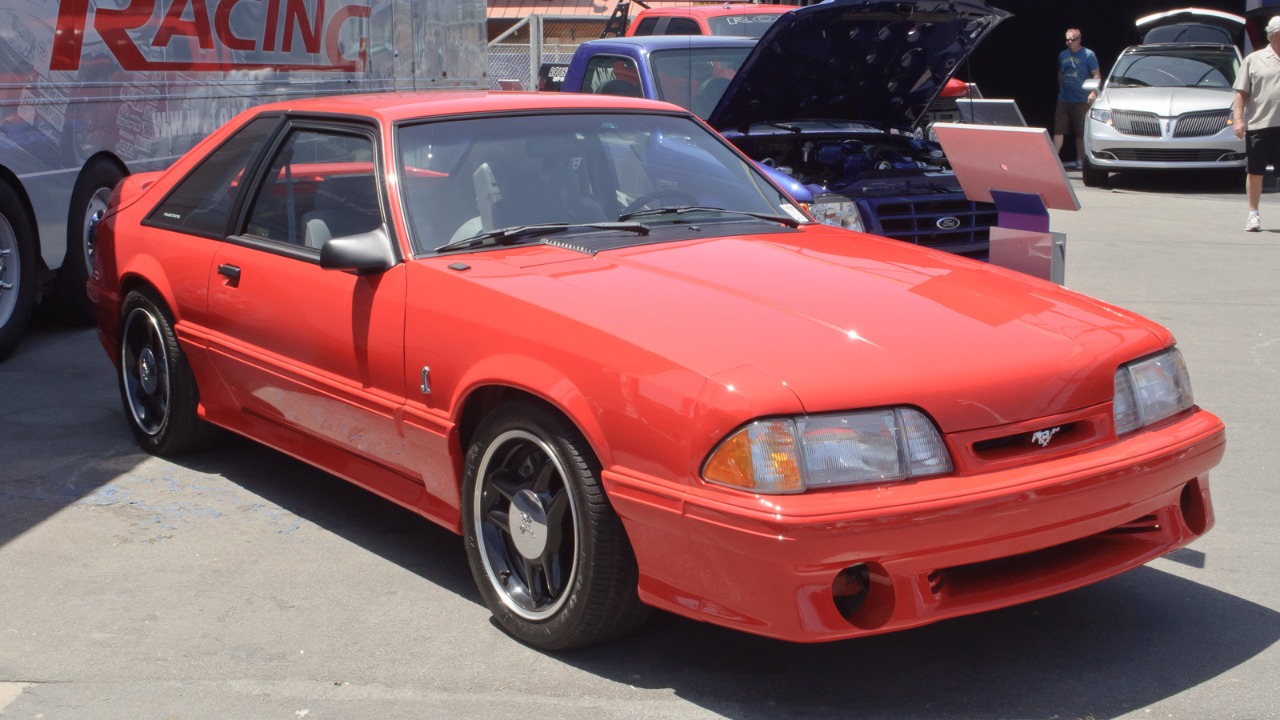
The Ford Mustang SVT Cobra helped push the Mustang toward a more sophisticated performance identity. Its stronger engine, improved suspension, and upgraded braking hardware demonstrated that Ford was paying attention to the entire driving experience rather than simply increasing horsepower. The Cobra became especially important to enthusiasts who wanted a factory-built performance car that could be modified further. Its formula anticipated the modern Mustang approach, where high-performance versions receive substantial chassis and braking upgrades alongside more powerful engines.
Chevrolet Corvette ZR-1
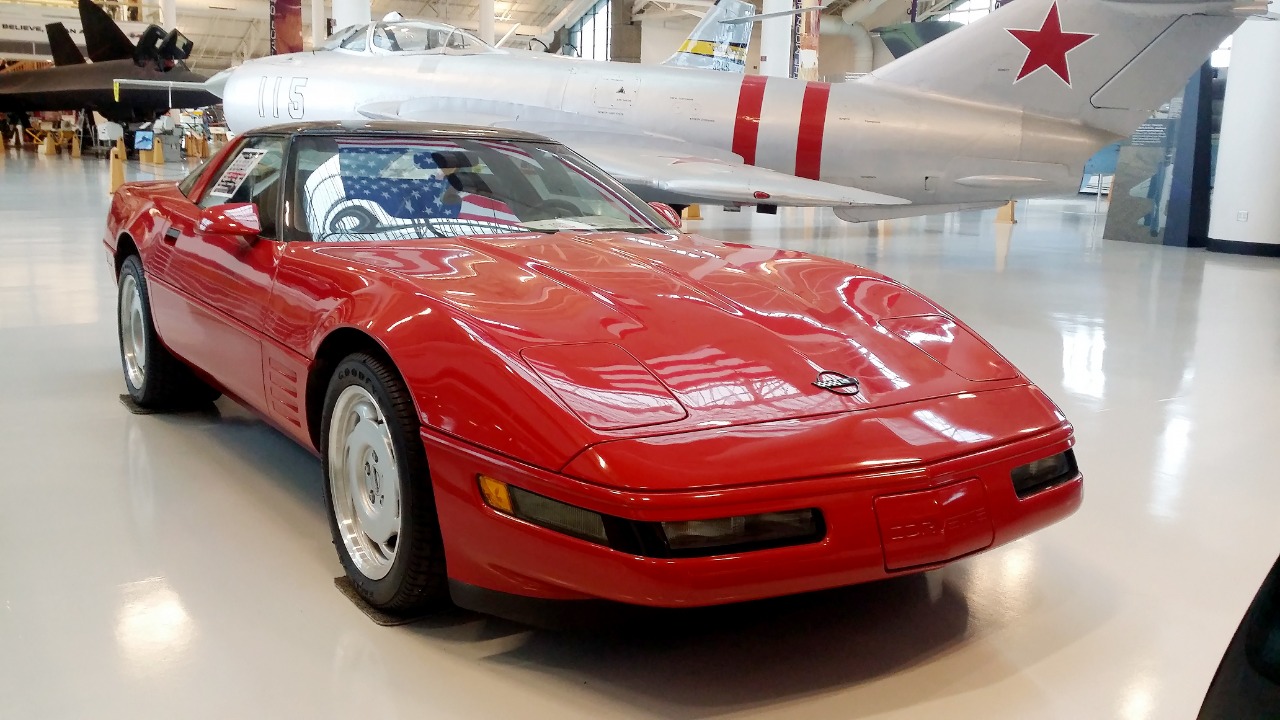
The Chevrolet Corvette ZR-1 was years ahead of many American performance cars because of the technology packed into its drivetrain and chassis. Its sophisticated V8, six-speed manual transmission, and advanced suspension helped give the Corvette genuine supercar capability. The ZR-1 could compete with expensive European machinery while remaining unmistakably American. It demonstrated that a performance car did not have to choose between brute-force power and advanced engineering. That combination became increasingly important in later generations of high-performance vehicles.
Dodge Viper
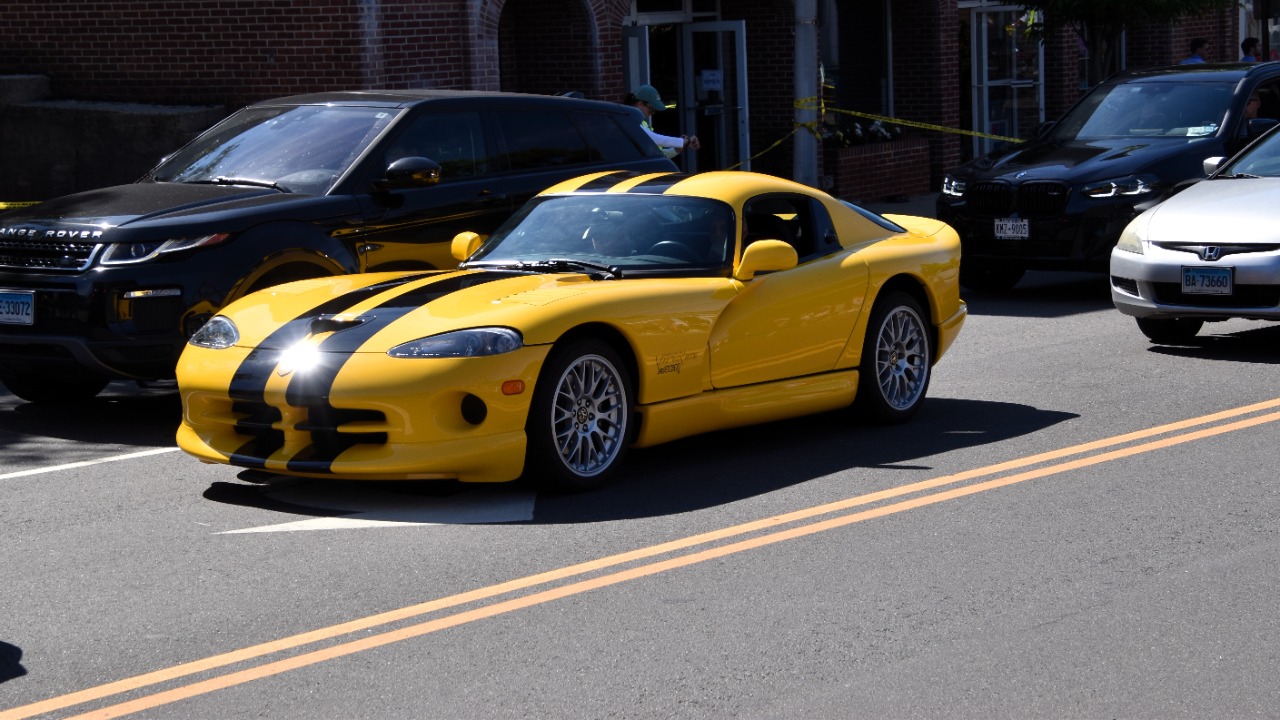
The Dodge Viper was extreme, but its influence came from its willingness to simplify the performance-car experience. Its enormous V10, lightweight body, manual transmission, and minimal electronic intervention created a driving experience that felt radically different from increasingly computerized performance cars. The Viper proved that there was still an audience for raw mechanical involvement. While modern sports cars have become much more technologically advanced, the Viper’s philosophy remains appealing to enthusiasts who prefer direct control and a strong connection between driver and machine.
Chevrolet Impala SS
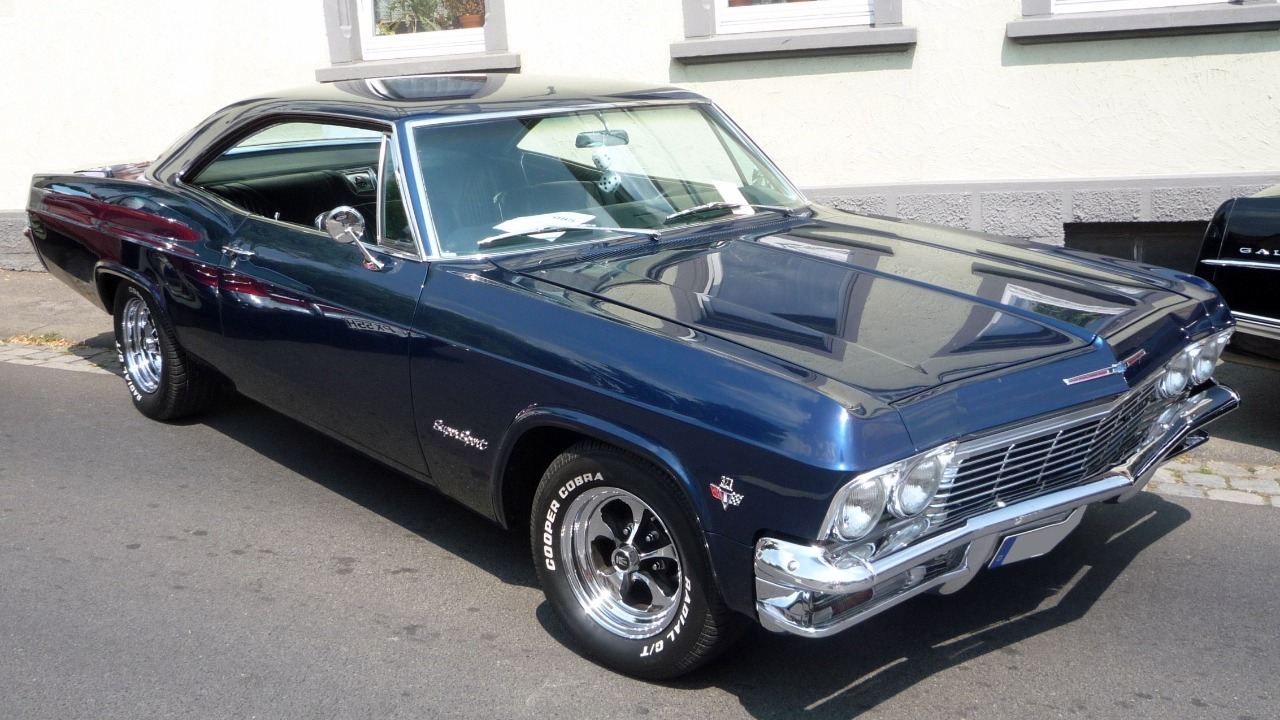
The Chevrolet Impala SS revived the idea of a full-size American performance sedan when the market was moving toward smaller and more front-wheel-drive cars. Its V8, rear-wheel-drive platform, and understated appearance gave it a unique personality. Rather than looking like a dedicated sports car, it could carry a family while delivering serious performance. That formula later became common among modern performance sedans. The Impala SS demonstrated that a large four-door car could still appeal to enthusiasts without giving up everyday usefulness.
Dodge Daytona Shelby Z
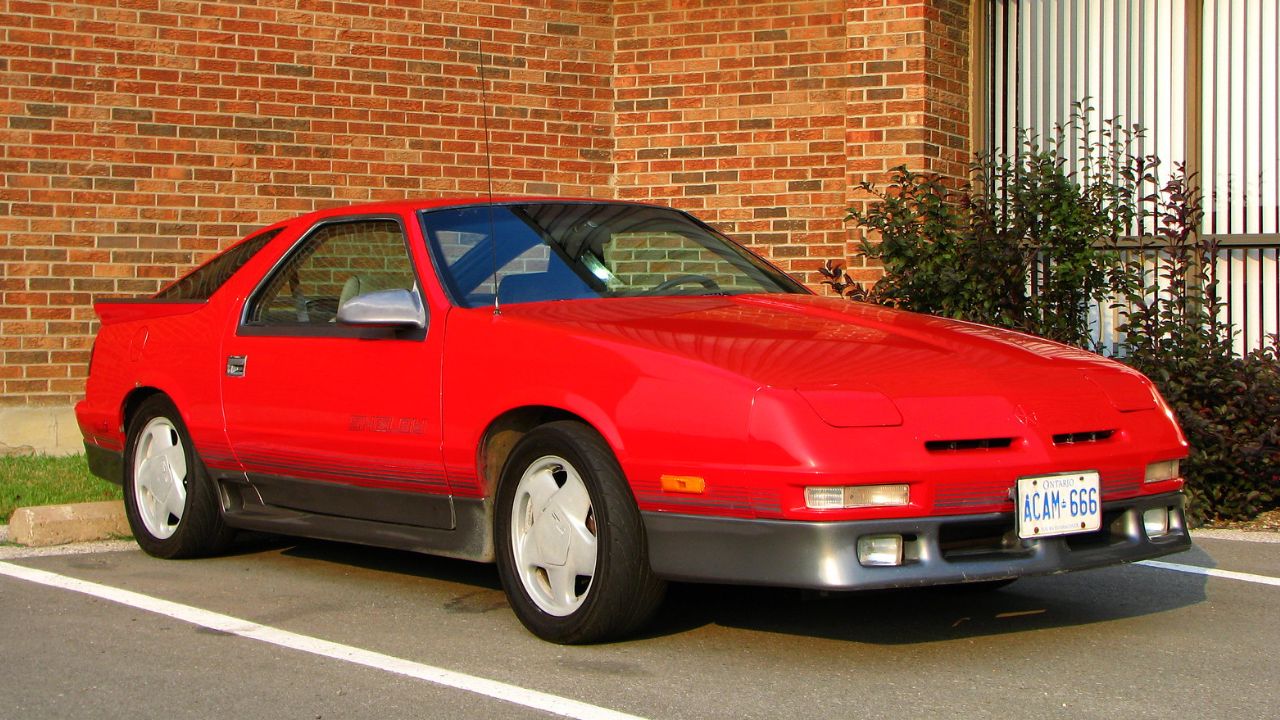
The Dodge Daytona Shelby Z showed how turbocharging and front-wheel drive could be combined into a surprisingly capable performance package. Its aerodynamic bodywork looked futuristic compared with many conventional American coupes, while the turbocharged engine gave it strong acceleration. The Daytona was particularly interesting because it demonstrated that performance did not require a large rear-wheel-drive platform. The combination of forced induction, practical packaging, and aggressive aerodynamics anticipated several trends that became more common in later performance cars.
Pontiac Sunbird Turbo
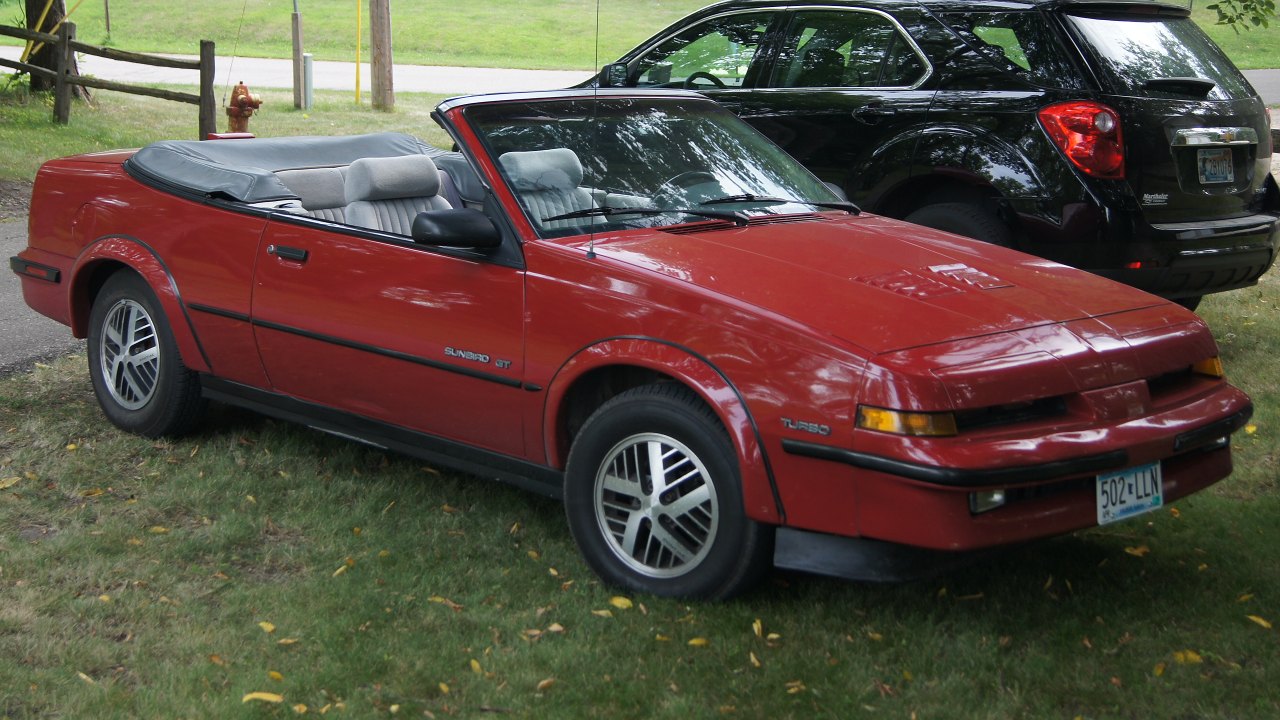
The Pontiac Sunbird Turbo took a modest compact coupe and gave it a much more serious performance personality. Its turbocharged four-cylinder engine offered stronger acceleration without the weight and fuel consumption of a large V8. That approach became increasingly relevant as manufacturers searched for ways to make smaller engines perform like much larger ones. The Sunbird Turbo may not have received the same attention as Pontiac’s traditional muscle cars, but its basic philosophy was surprisingly modern.
Chevrolet Monte Carlo SS
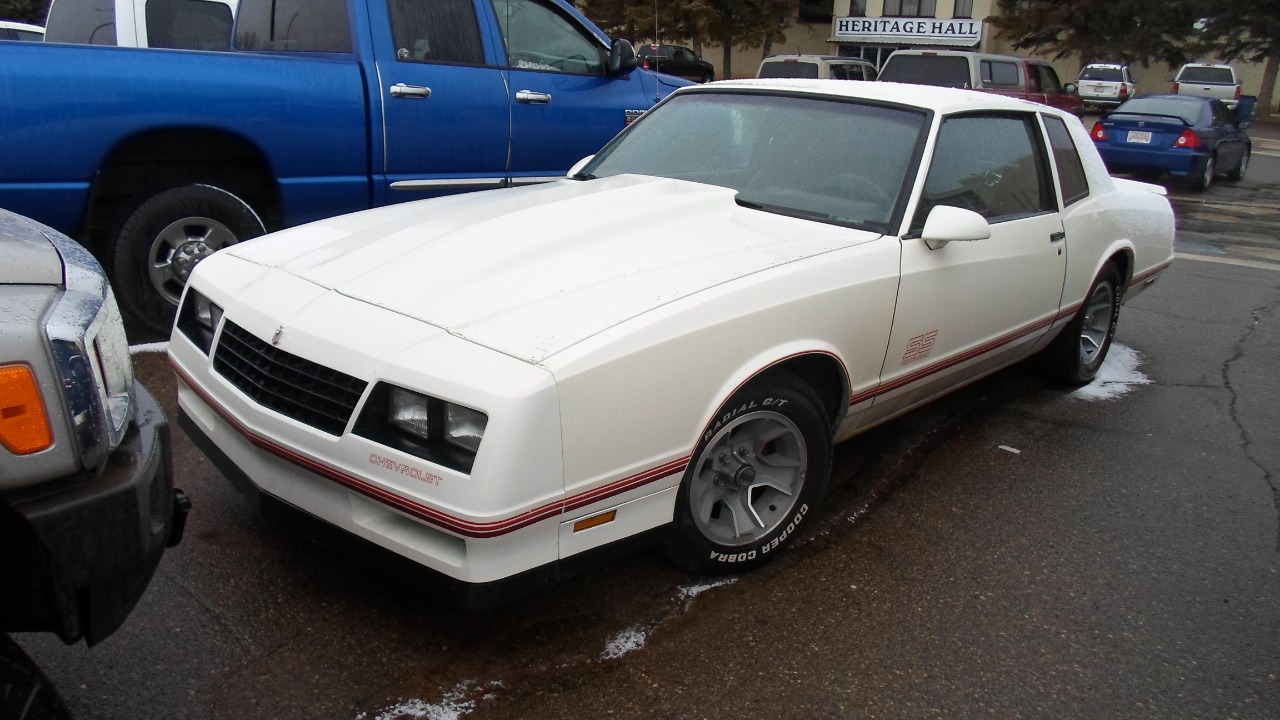
The Chevrolet Monte Carlo SS demonstrated how an everyday personal coupe could receive a performance makeover without becoming a dedicated sports car. Its aerodynamic styling, sporty suspension, and V8 power gave the familiar Monte Carlo a more aggressive personality. The approach anticipated the modern idea of performance-oriented versions that combine distinctive styling with mechanical upgrades. The Monte Carlo SS also became closely associated with NASCAR-inspired design, giving it a connection between showroom cars and motorsports that helped make the package memorable.
Ford Thunderbird Super Coupe
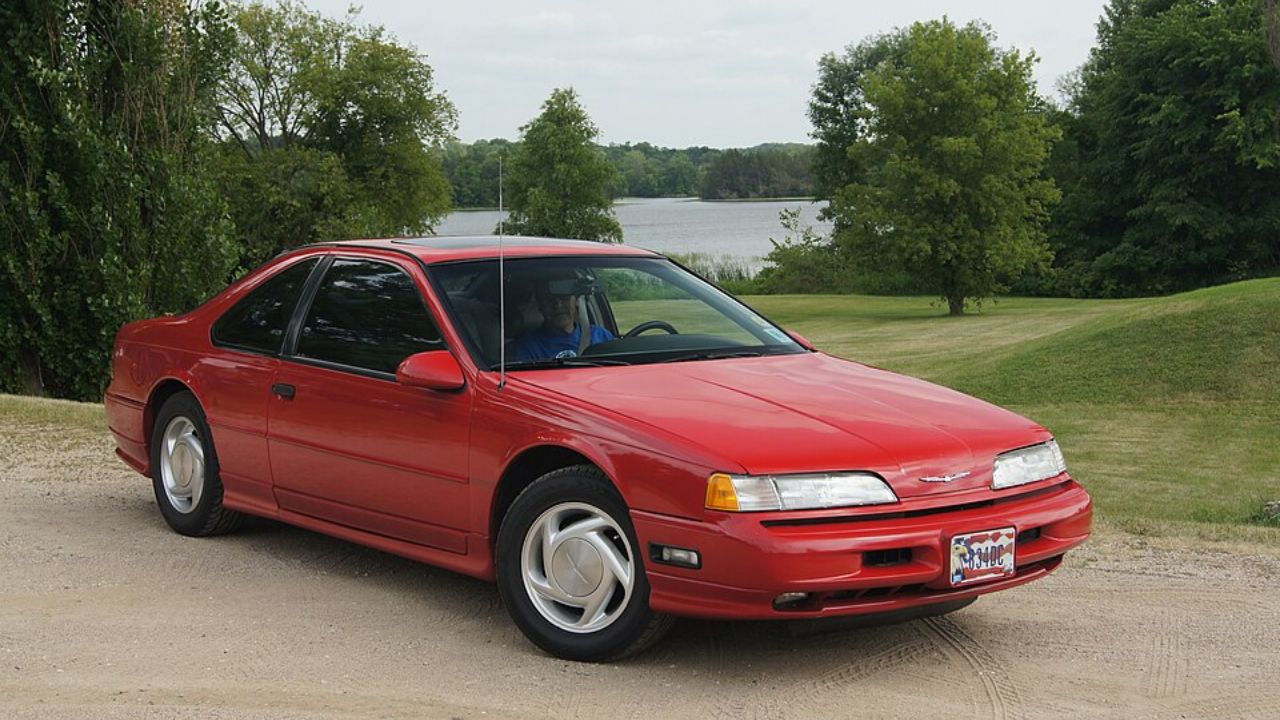
The Ford Thunderbird Super Coupe showed that American personal luxury cars could embrace sophisticated performance technology. Its supercharged V6 provided strong power without requiring a large V8, while the independent suspension and performance-oriented chassis gave the big coupe better handling ability. The Super Coupe was heavier and more comfortable than a traditional sports car, but that was part of its appeal. It demonstrated how forced induction and improved chassis engineering could transform a luxury-oriented platform into a genuine performance machine.
Cadillac CTS-V
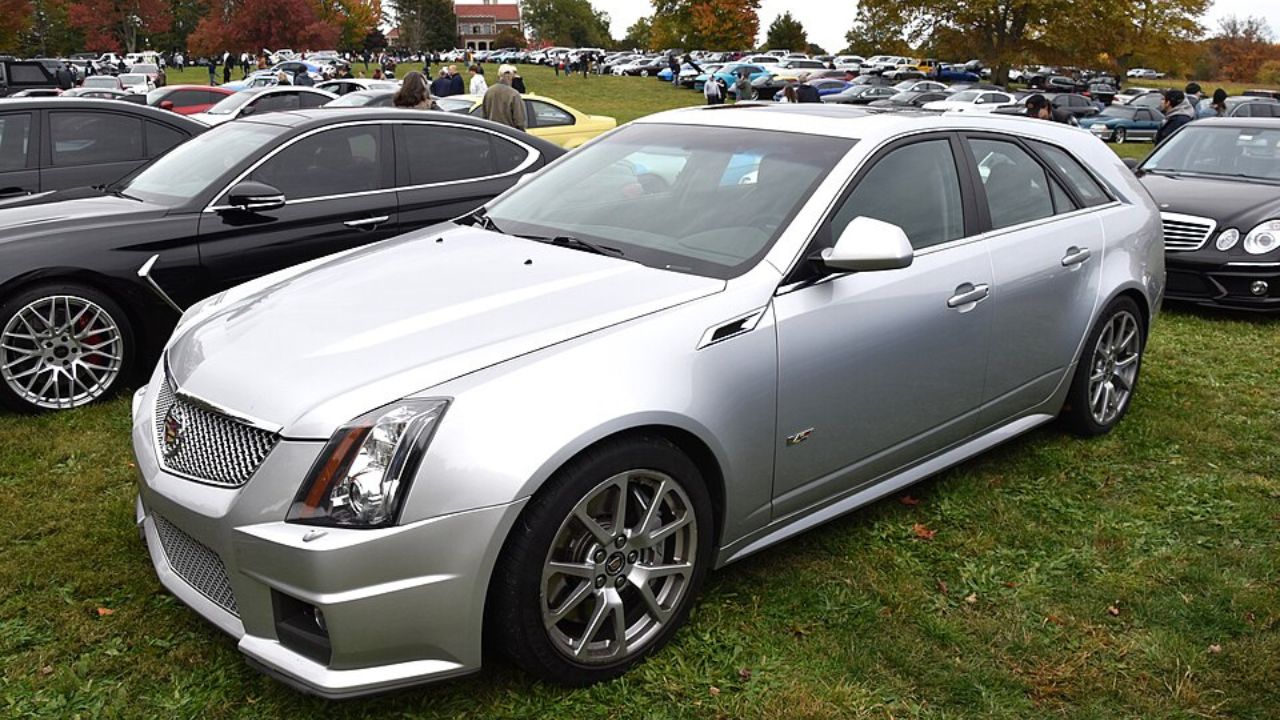
The Cadillac CTS-V represented a major shift in how American luxury manufacturers approached performance. Instead of simply adding cosmetic upgrades to a luxury sedan, Cadillac installed a powerful V8 and developed the chassis, brakes, and suspension to match. The result was a four-door car capable of challenging established European performance sedans. The CTS-V helped establish the modern American super-sedan formula, where comfort, technology, and serious track capability could coexist in one vehicle.
More from Fast Lane Only
- Unboxing the WWII Jeep in a Crate
- 15 rare Chevys collectors are quietly buying
- 10 underrated V8s still worth hunting down
- Police notice this before you even roll window down
*Research for this article included AI assistance, with all final content reviewed by human editors.