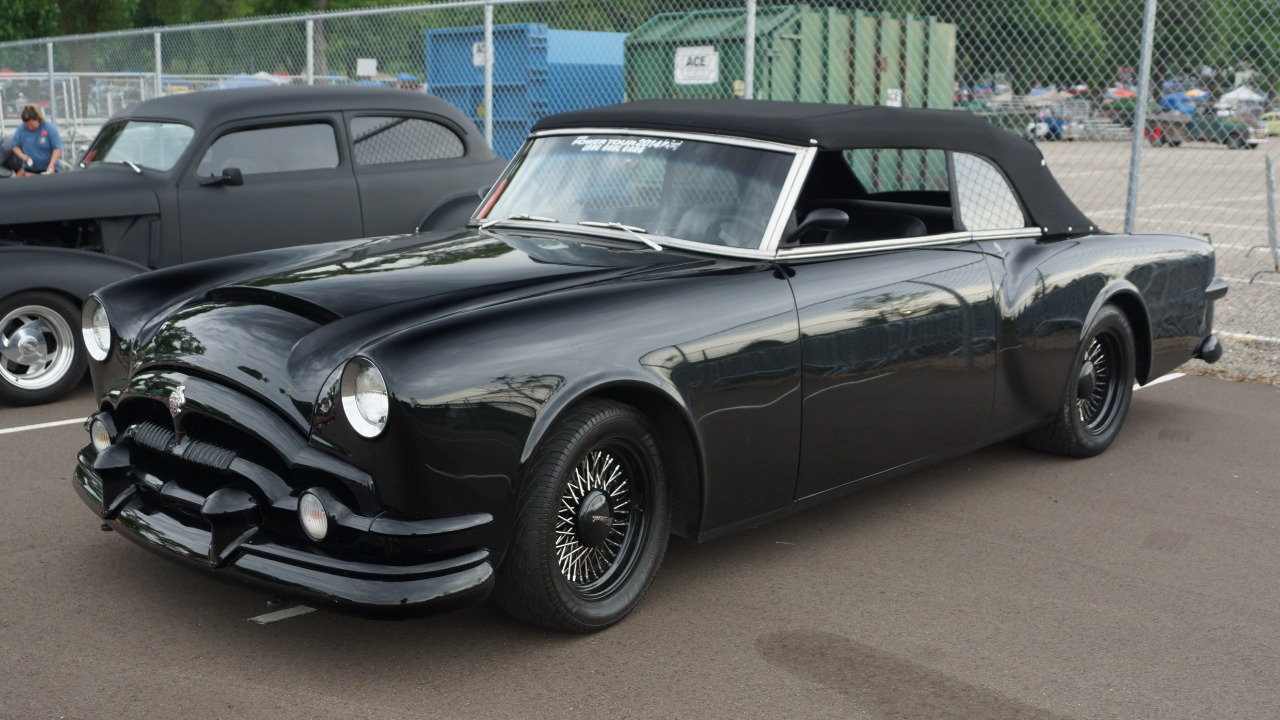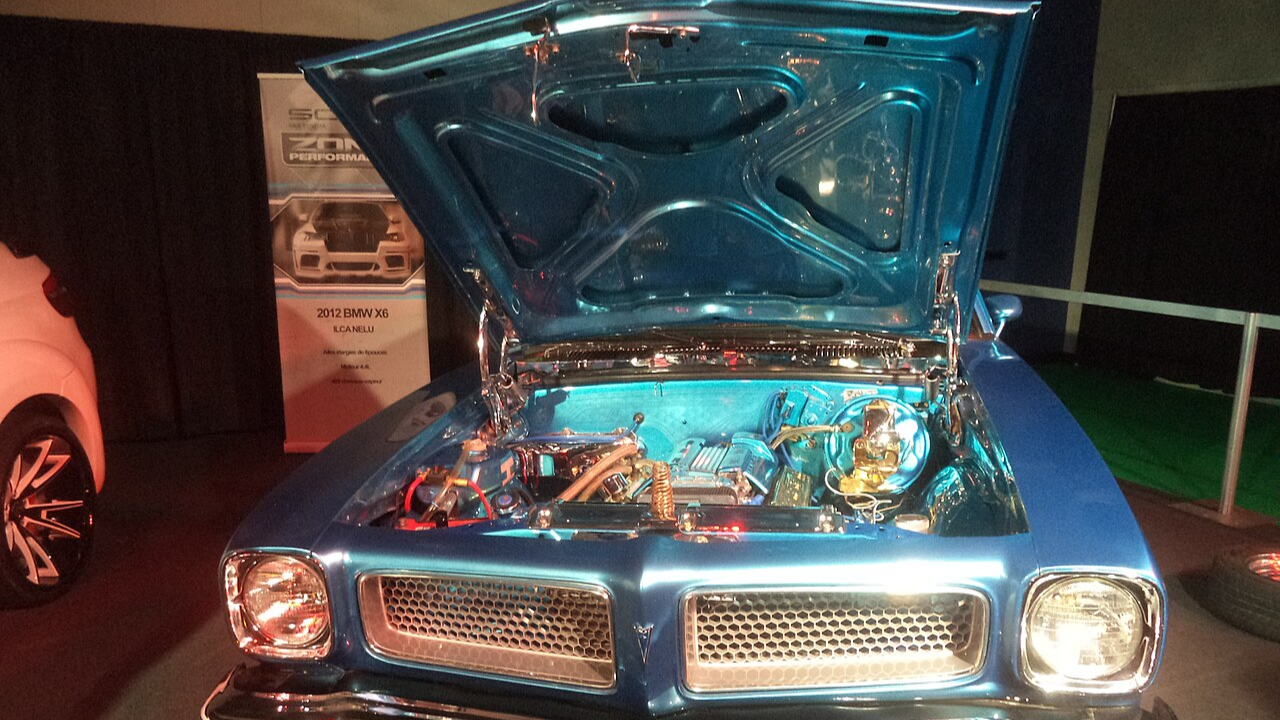
Some factory engines never received the attention given to famous muscle-car powerplants, yet they could move a production car with surprising speed. Often hidden in ordinary-looking sedans, coupes, and family cars, these engines gave buyers more performance than the badge suggested. Their combination of usable power, light weight, or strong tuning made them easy to underestimate.
Ford 289 High Performance V8
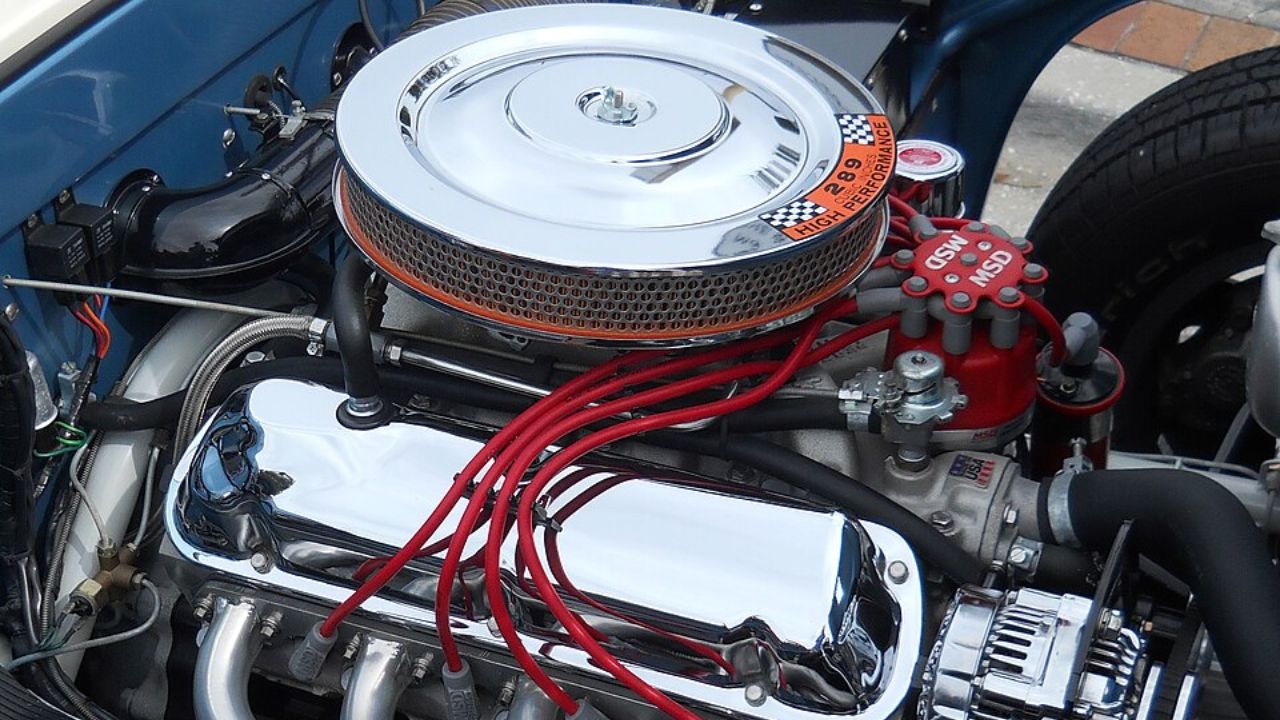
The Ford 289 High Performance V8 gave relatively compact Ford models a serious performance advantage without requiring the enormous displacement associated with later muscle cars. Its high-revving character and strong output made it especially effective in lighter cars. The engine helped establish the Mustang as a genuine performance machine, but its abilities could be overlooked by buyers focused on larger V8s. Today, the 289 High Performance remains one of Ford’s most respected small-blocks and a reminder that displacement was not the only route to speed.
Chevrolet 283 Fuel Injection V8
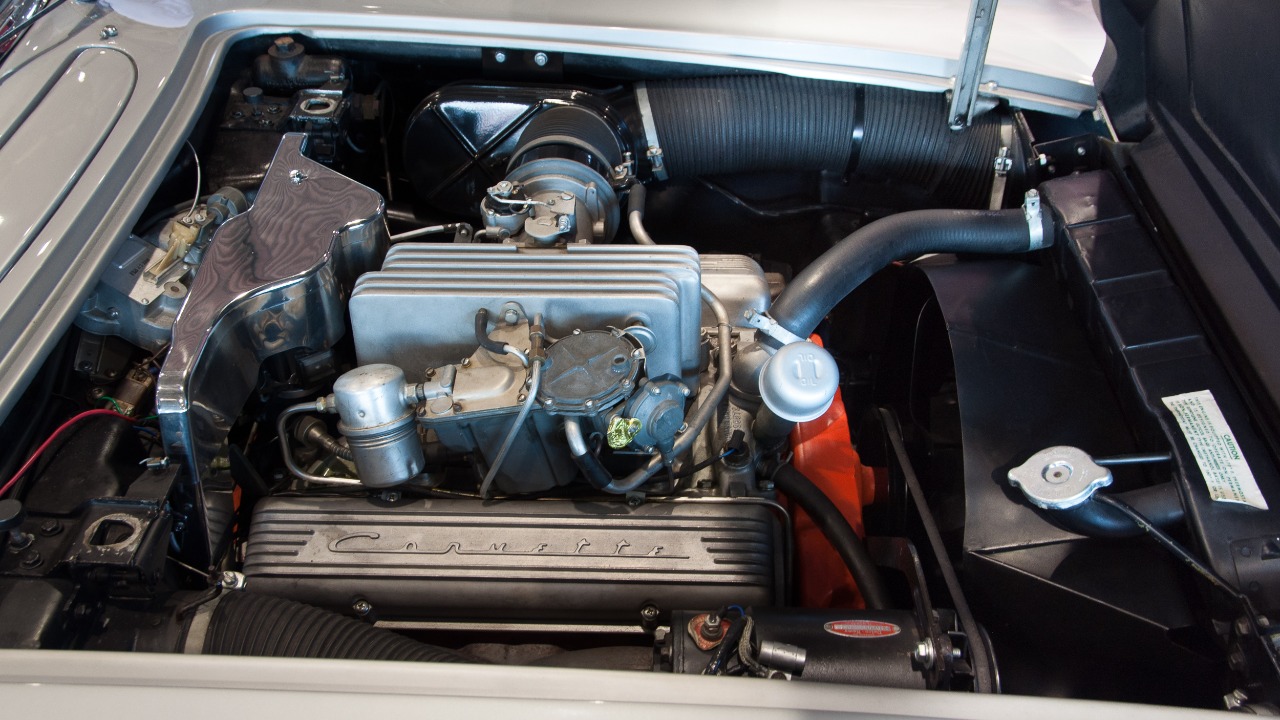
The Chevrolet 283 with fuel injection offered sophisticated performance at a time when most American buyers were still getting used to the idea of electronic-style engine management. Fuel injection helped the small-block produce impressive output for its displacement, particularly in performance-oriented applications. The engine could give a relatively ordinary-looking Chevrolet genuine sporting credentials. It also demonstrated that Chevrolet was already experimenting with ways to extract more performance without simply making its engines larger. That makes the fuel-injected 283 an especially interesting early performance engine.
Pontiac 350 V8
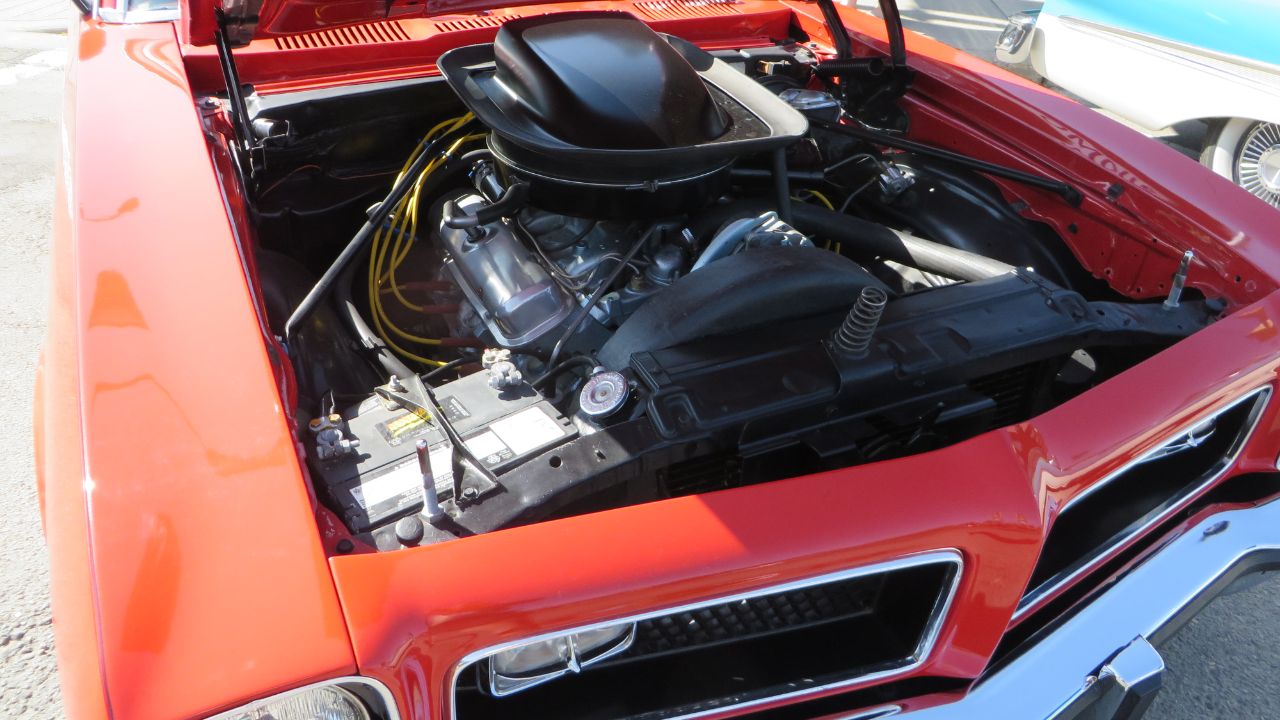
The Pontiac 350 often gets overlooked because the company’s 400 and 455 engines dominate conversations about classic Pontiac performance. Yet the 350 could deliver strong acceleration in lighter applications and benefited from Pontiac’s broad range of performance-oriented tuning. It gave buyers a smaller alternative without completely abandoning the brand’s V8 character. Because many examples powered ordinary-looking Pontiacs, the engine could be easy to underestimate. Its combination of useful torque and manageable size made it more capable than its reputation today might suggest.
Buick 350 Stage 1
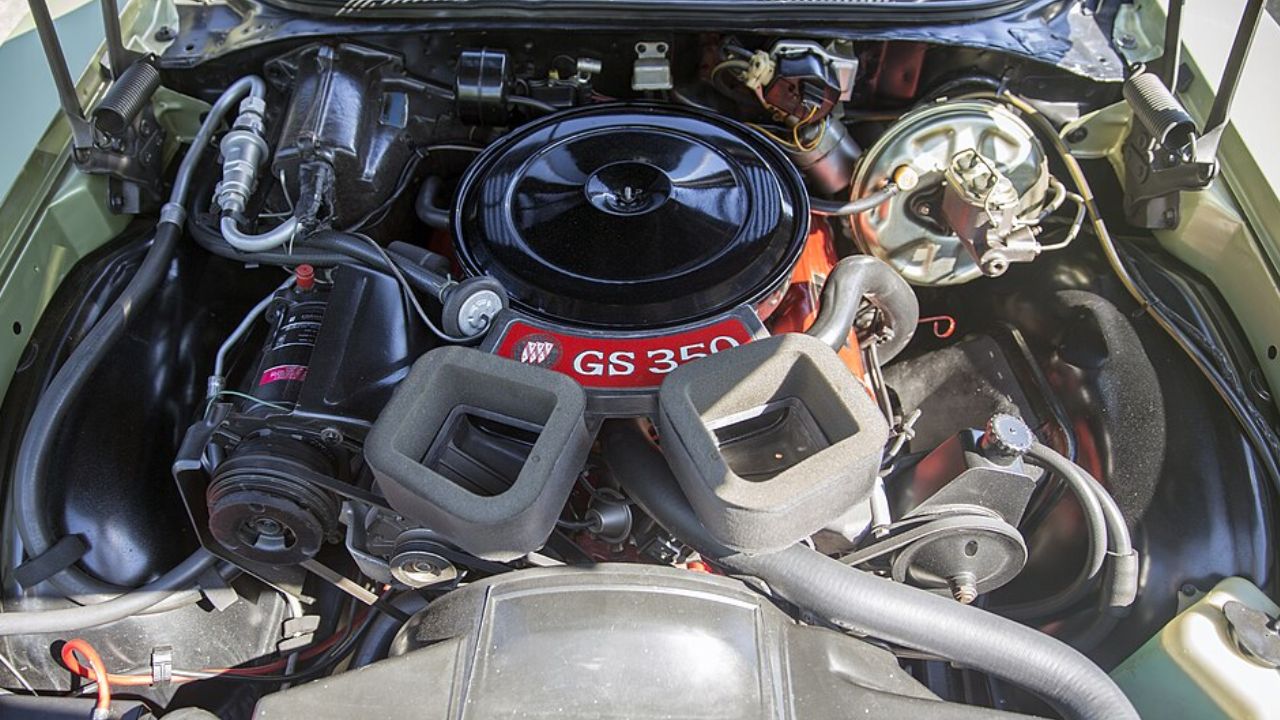
The Buick 350 Stage 1 is an unusual example of an engine that could surprise people because Buick’s image leaned heavily toward comfort and luxury. The performance-oriented tuning gave the engine considerably more urgency than many buyers expected from a Buick. Strong torque made the cars particularly effective in everyday acceleration, while the understated styling helped maintain their sleeper character. Buick enthusiasts today recognize that the brand was capable of building serious performance machinery without always advertising it as loudly as Pontiac or Chevrolet.
Oldsmobile 350 Rocket
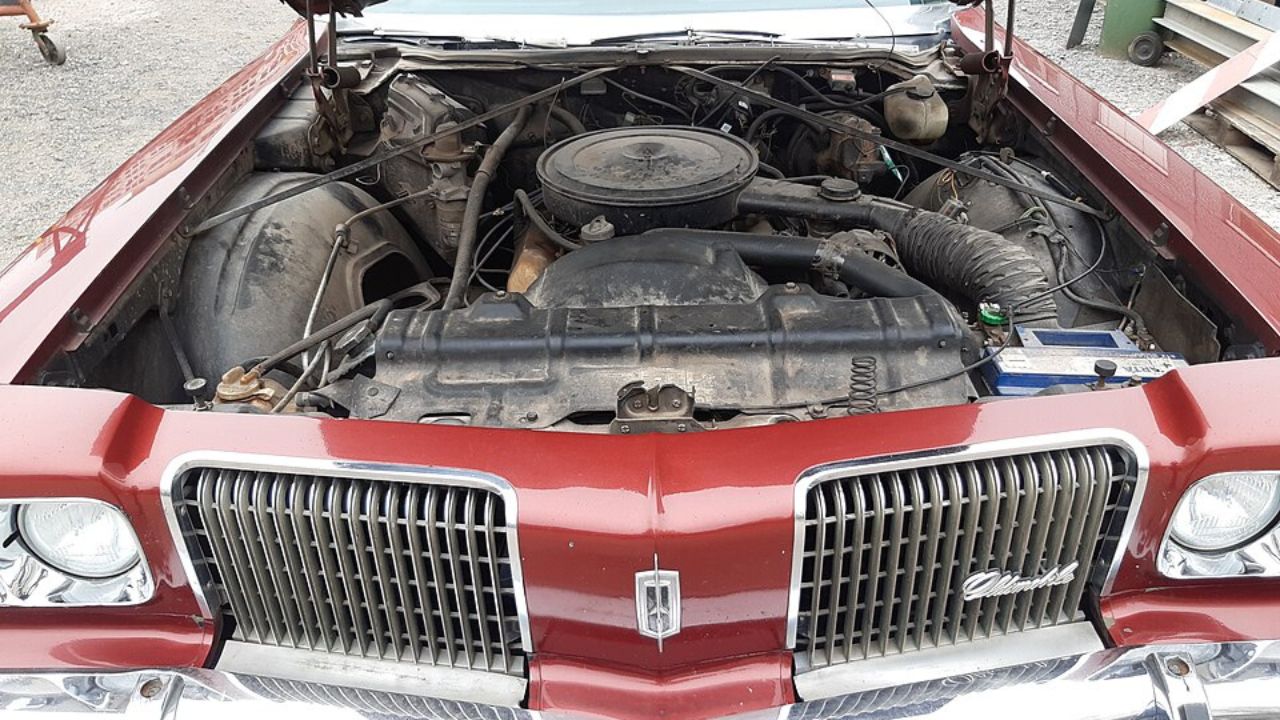
The Oldsmobile 350 Rocket provided a useful blend of displacement, torque, and everyday drivability. It appeared in a wide range of Oldsmobile models, meaning plenty of buyers encountered the engine without necessarily considering it a performance unit. In the right application, however, the 350 could move a midsize car with surprising authority. Its broad torque delivery suited Oldsmobile’s comfortable cars particularly well. While the larger Rocket engines receive most of the attention, the 350 deserves credit for being a capable middleweight powerplant.
Ford 390 FE

The Ford 390 FE was a substantial engine that could deliver serious performance without always being installed in an obviously sporting car. It powered everything from full-size Fords to performance-oriented models, giving it a wide range of personalities. In lighter cars, the engine’s torque could make acceleration feel much stronger than its comfortable surroundings suggested. The 390 also benefited from Ford’s extensive FE engine family and performance development. It remains an important example of how a seemingly ordinary full-size Ford could hide considerable power.
Chrysler 340 V8
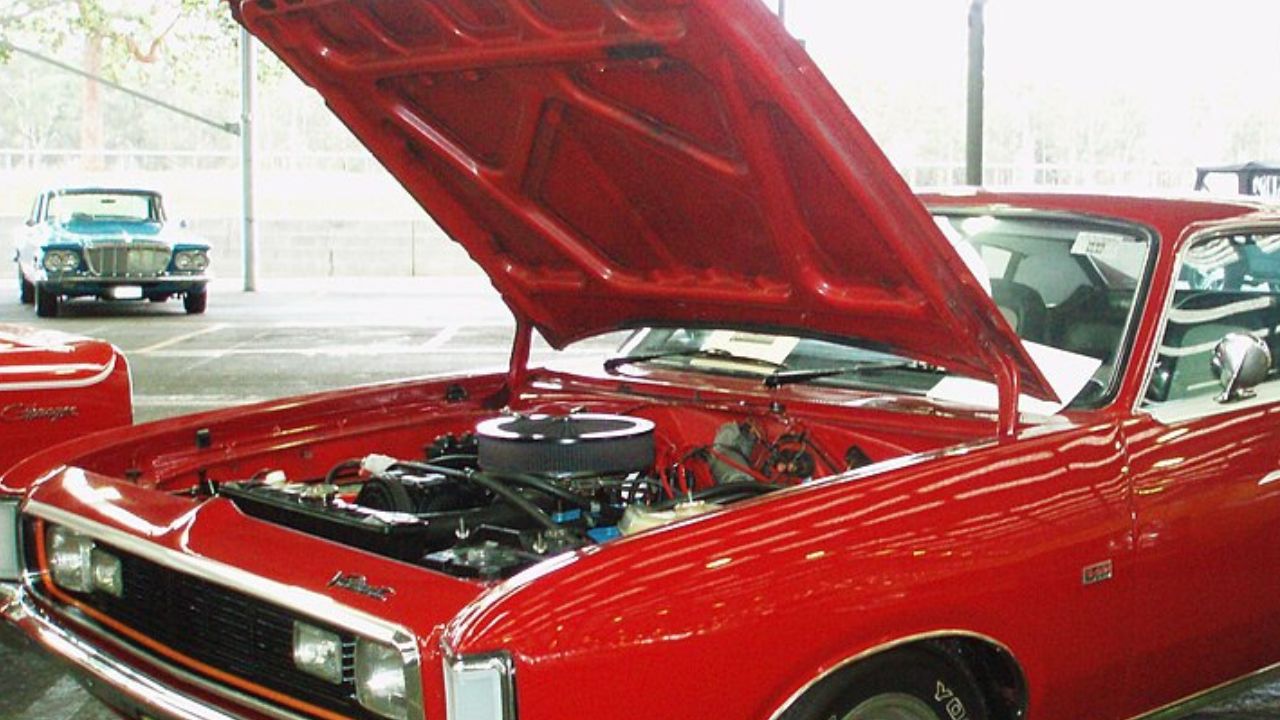
The Chrysler 340 became one of Mopar’s most respected small-block performance engines because it emphasized usable power without the weight and size of the company’s largest V8s. It worked particularly well in lighter intermediate cars, where its strong output could translate into impressive acceleration. The engine also responded well to performance tuning, further strengthening its reputation among enthusiasts. Buyers who ordered a 340-powered car were getting something considerably more serious than the ordinary family-car image might have suggested.
Chrysler 383 V8
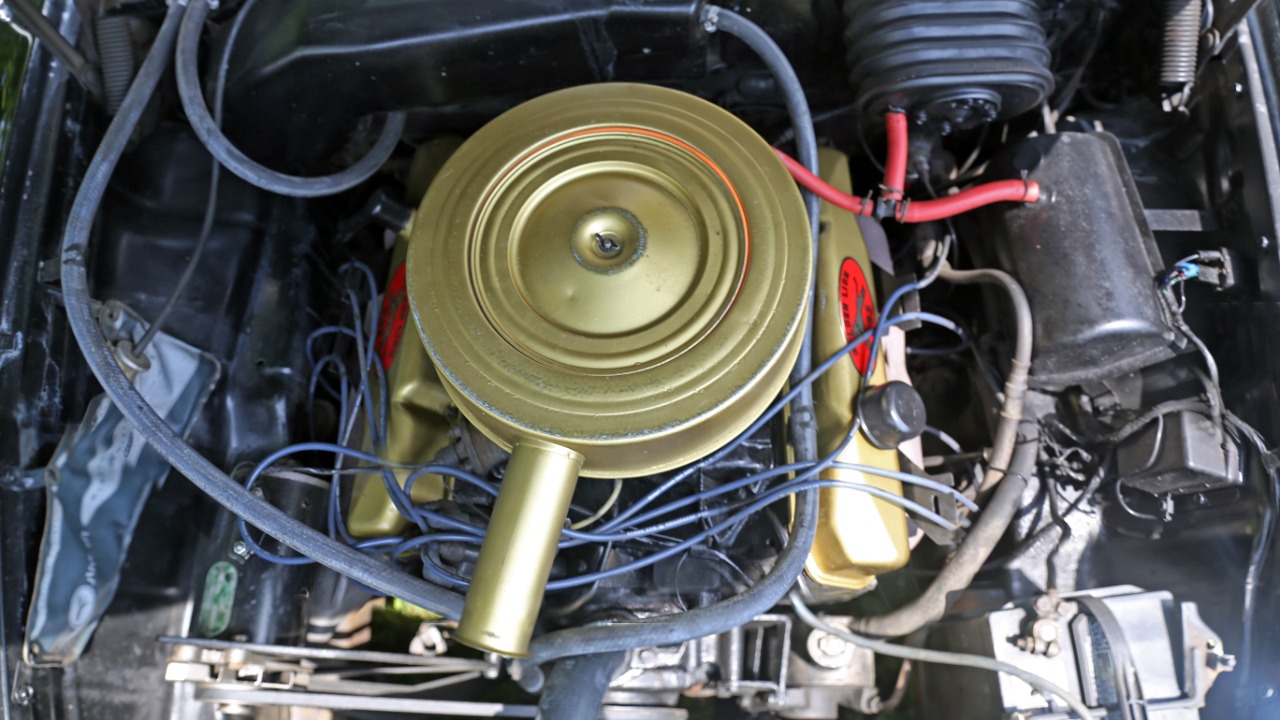
The Chrysler 383 occupied an interesting position between the company’s smaller performance engines and its enormous big-blocks. It produced substantial torque and appeared in a wide range of vehicles, including models that looked more comfortable than aggressive. That made it an effective sleeper engine. A properly equipped 383-powered car could deliver strong straight-line performance while maintaining a relatively restrained appearance. Although the 440 gets more attention from collectors, the 383 was arguably one of Chrysler’s most versatile performance engines.
AMC 360 V8
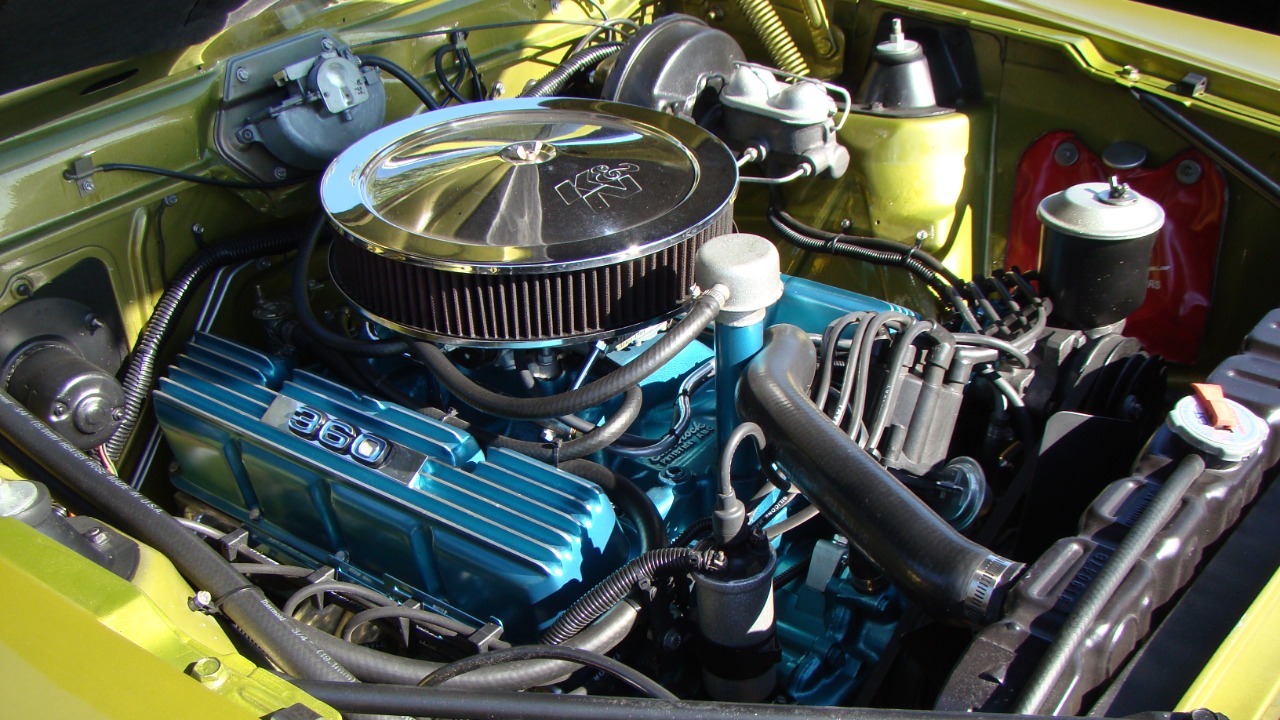
The AMC 360 gave the company’s cars and Jeeps a strong dose of V8 performance without requiring the largest engine available. Its broad torque characteristics suited both passenger cars and utility vehicles, while performance versions could be surprisingly quick. AMC did not have the enormous marketing resources of Detroit’s biggest manufacturers, so its performance engines sometimes received less attention than they deserved. The 360 remains an interesting example of how AMC could build a genuinely capable V8 and install it in vehicles that were easy to underestimate.
Ford 2.3 Turbo
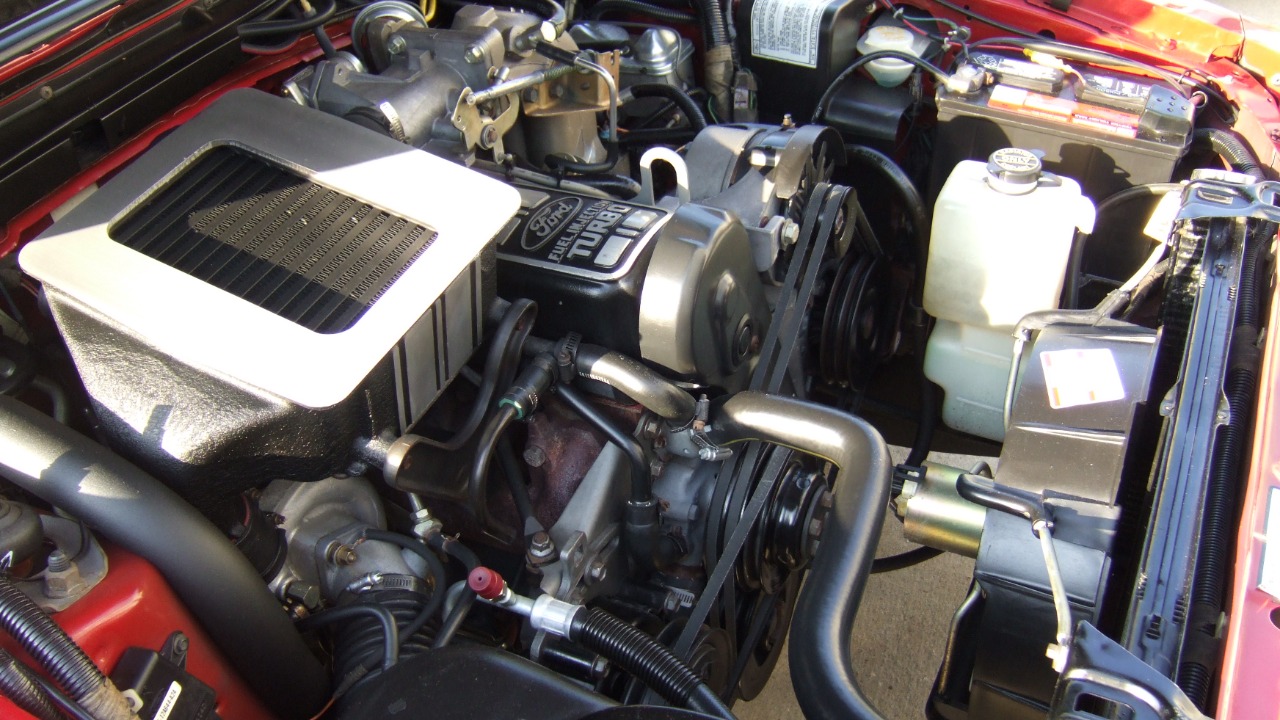
Ford’s 2.3-liter turbocharged four-cylinder proved that serious performance did not always require a V8. Its combination of forced induction and relatively light weight gave certain Ford models a surprising amount of urgency. The engine became particularly interesting in turbocharged Mustang and Thunderbird applications, where it offered an alternative to larger engines. For buyers accustomed to measuring performance by cylinder count and displacement, the 2.3 Turbo could be a genuine surprise. It also helped establish turbocharging as a viable performance strategy for American manufacturers.
Buick 3.8 Turbo
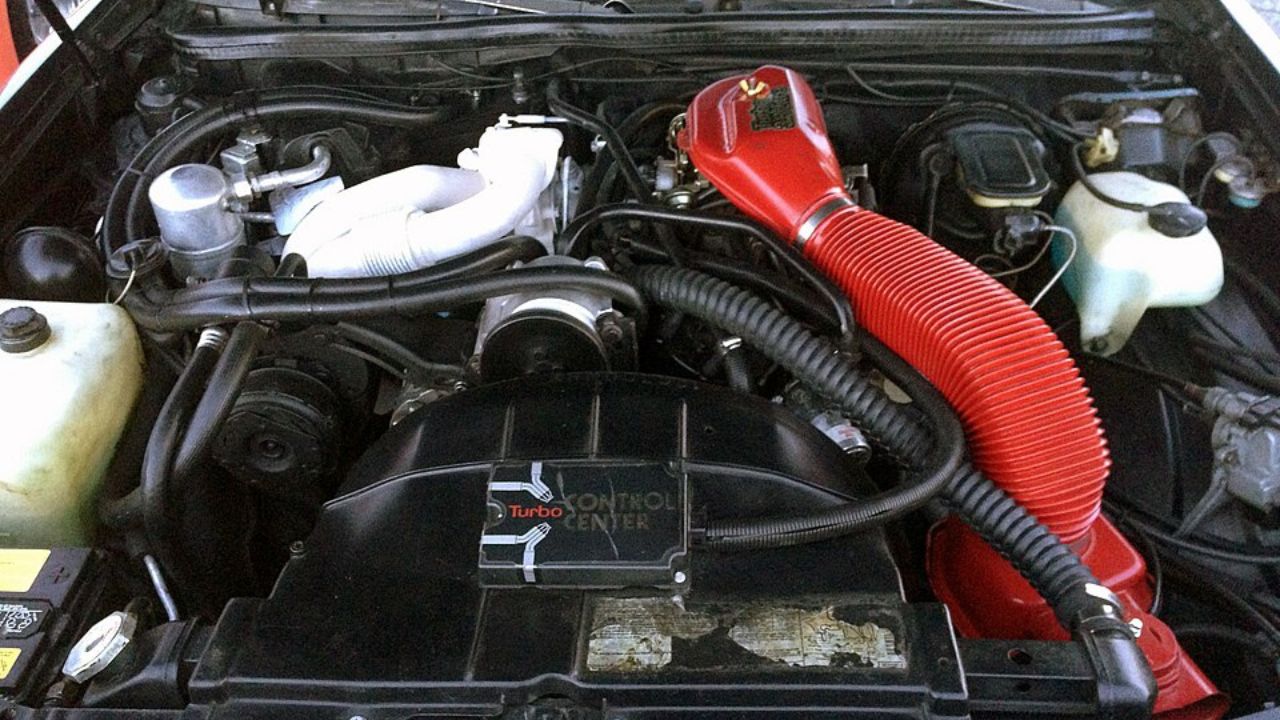
The Buick 3.8 Turbo transformed the image of the ordinary V6. Turbocharging gave the engine strong output and abundant torque, allowing it to power cars that could challenge far more famous V8 muscle machines. The most memorable applications looked relatively conservative from the outside, making the performance even more surprising. The engine’s success demonstrated that Buick could build a serious performance powerplant without relying on enormous displacement. Its reputation eventually grew so strong that the turbocharged 3.8 became one of the defining American engines of its era.
Ford 351 Cleveland
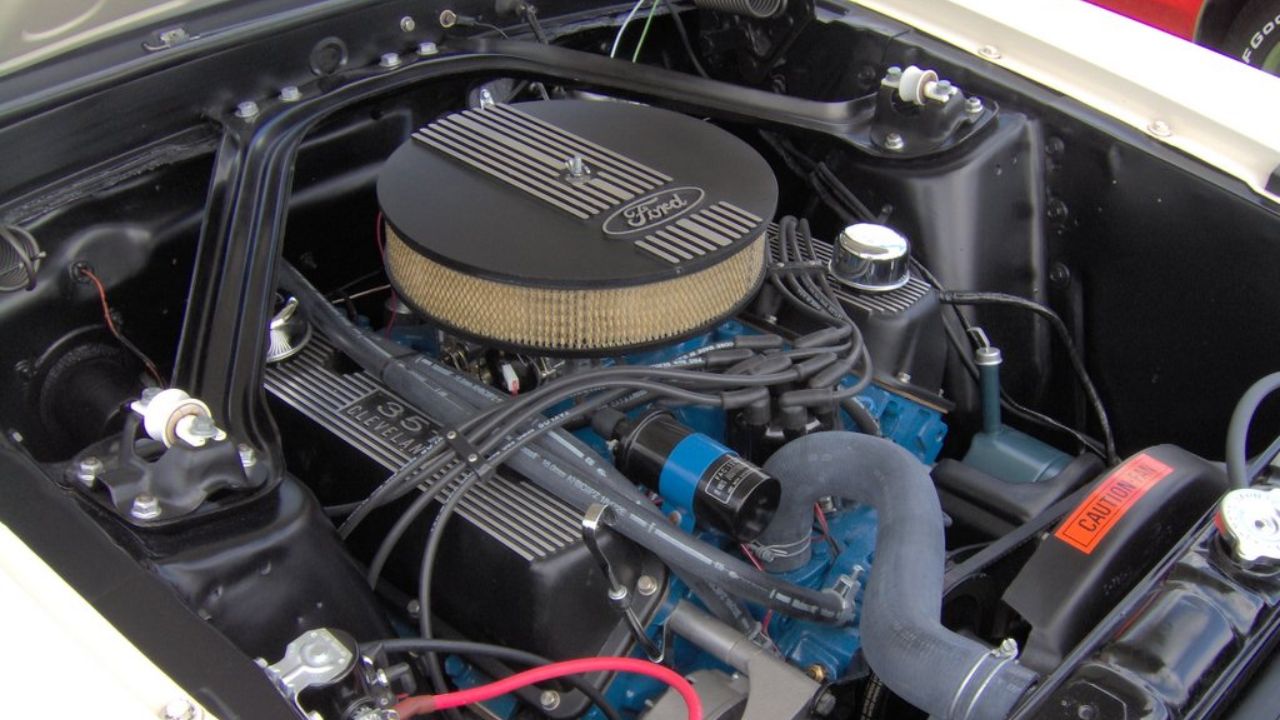
The Ford 351 Cleveland was designed with performance in mind and developed a reputation for strong breathing characteristics. Its cylinder-head design gave it considerable potential, while the engine’s displacement provided useful torque. It appeared in several Ford and Mercury performance cars, where its abilities could be masked by the large bodies and understated styling of the period. The engine became especially respected among enthusiasts who understood how much performance could be extracted from its architecture. It remains one of Ford’s most interesting big-performance small-block-era engines.
Chevrolet 400 Small-Block
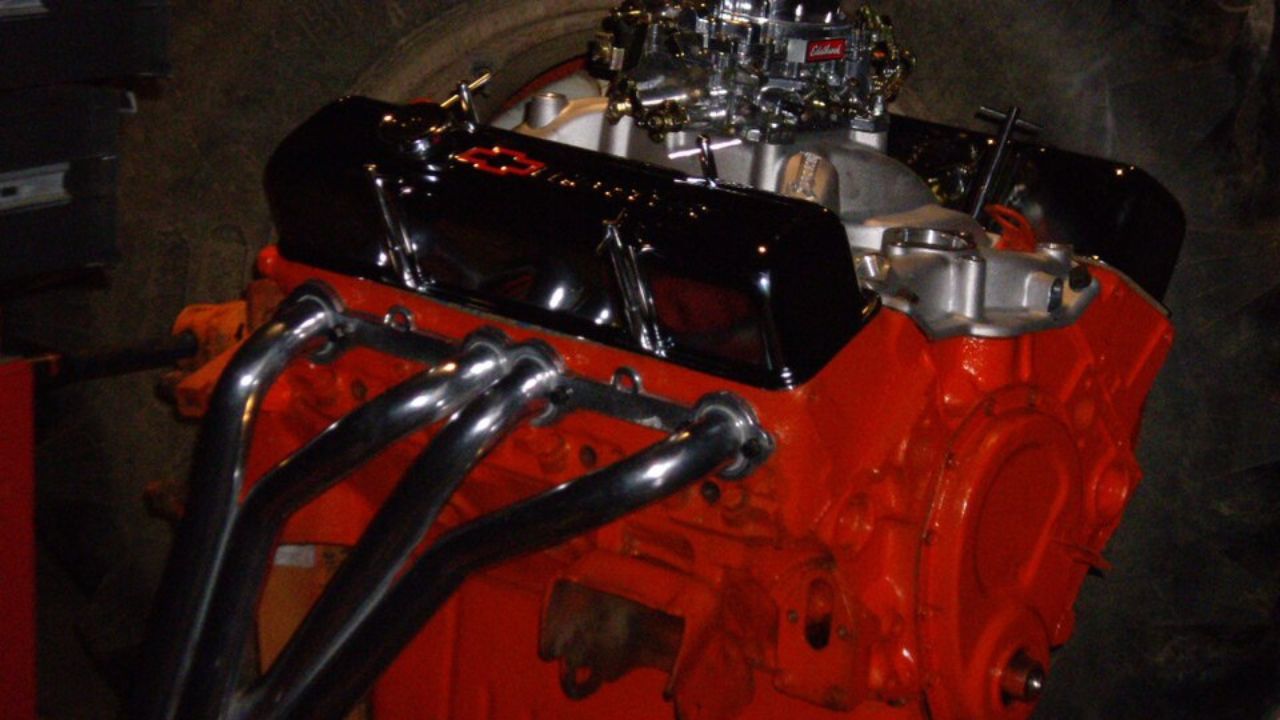
The Chevrolet 400 small-block offered substantially more displacement than the familiar 350 while retaining the basic small-block format. That extra displacement gave it strong low-end torque, making it especially effective in larger cars and trucks. It never became as glamorous as Chevrolet’s high-performance 396 or 427 engines, but its output could be impressive in the right application. The 400’s ability to deliver big-engine torque from a familiar package made it an underrated factory choice for buyers who wanted strong acceleration without chasing a famous badge.
Pontiac 455
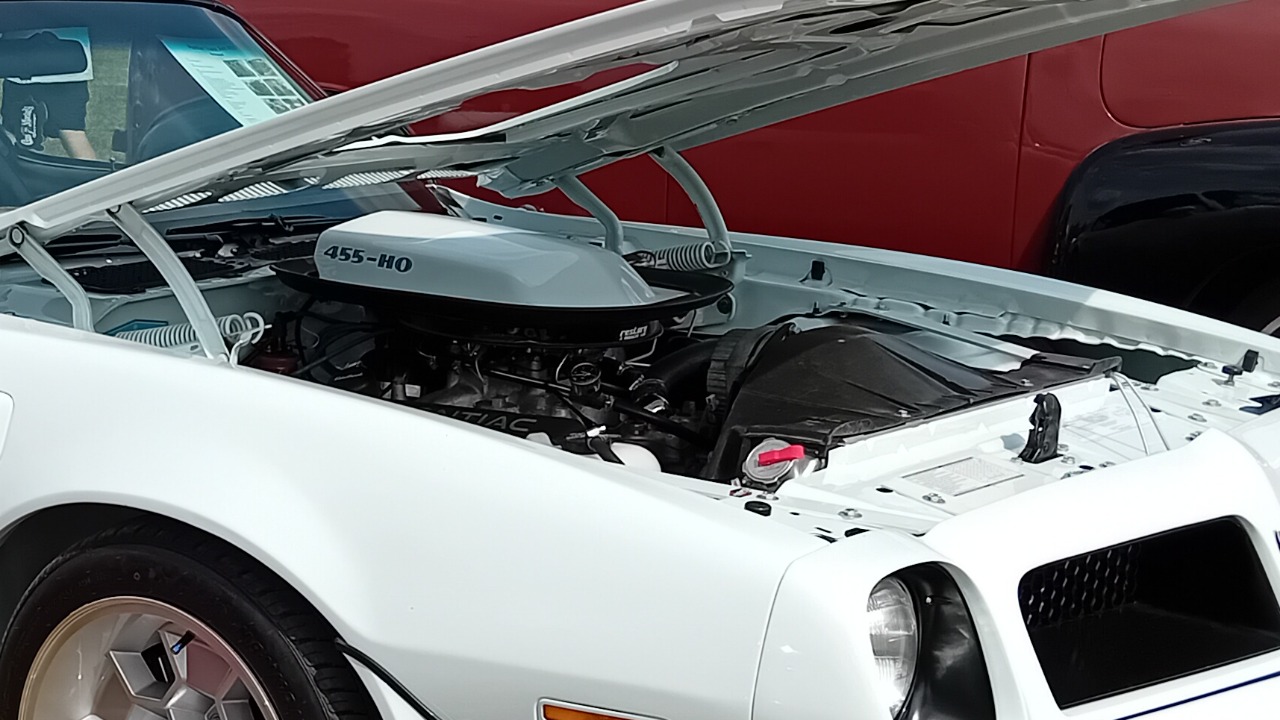
The Pontiac 455 had an enormous amount of torque, yet some of the cars carrying it did not necessarily advertise how powerful they were. Pontiac’s large V8 was particularly effective at moving heavy vehicles with authority, making highway acceleration one of its strengths. The engine’s broad power delivery also made it easy to drive quickly without constantly chasing high rpm. While the GTO and Firebird receive much of the attention, the 455 appeared in other Pontiacs that could surprise anyone who assumed they were simply comfortable cruisers.
Oldsmobile 403 V8
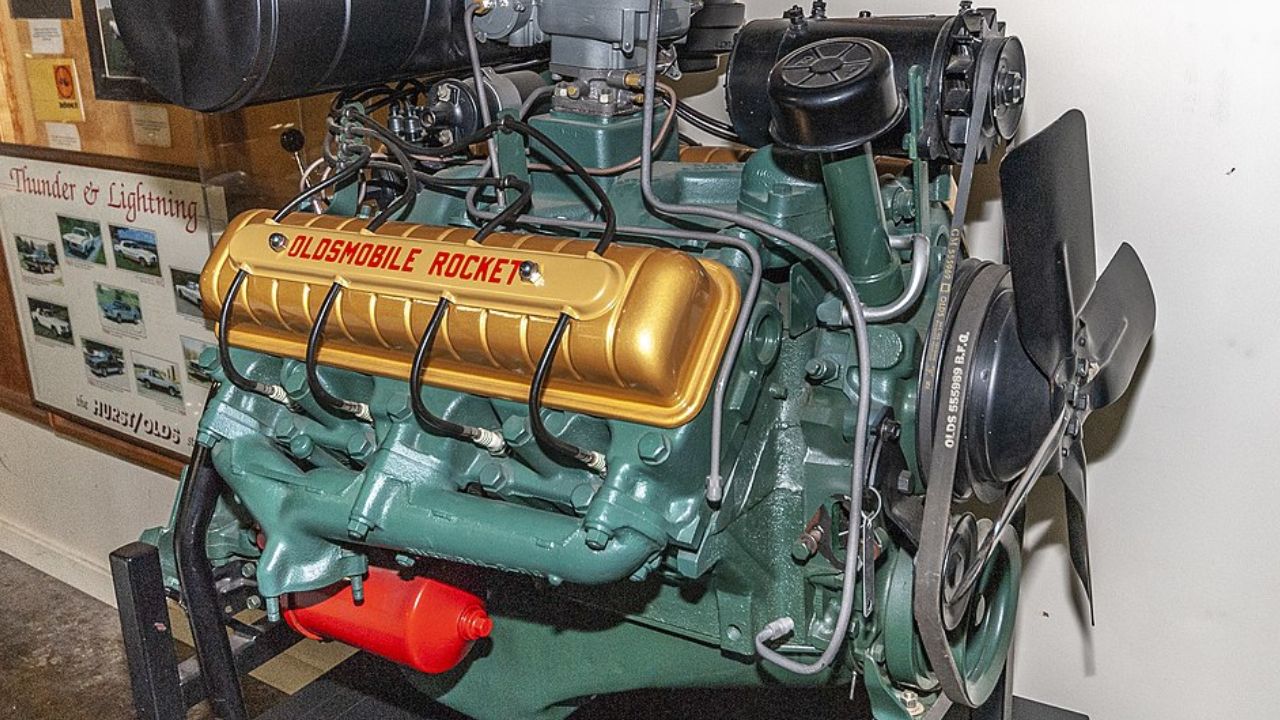
The Oldsmobile 403 arrived during a period when American manufacturers were dealing with tighter emissions and fuel-economy requirements, making its performance achievements more interesting. It delivered strong torque and was used in cars that could still provide entertaining acceleration despite the changing automotive landscape. The engine became particularly notable in performance-oriented Oldsmobile and Pontiac applications. It was never treated like a legendary big-block, but its combination of displacement and real-world torque allowed certain late-1970s cars to remain surprisingly lively.
Ford 4.6 DOHC V8
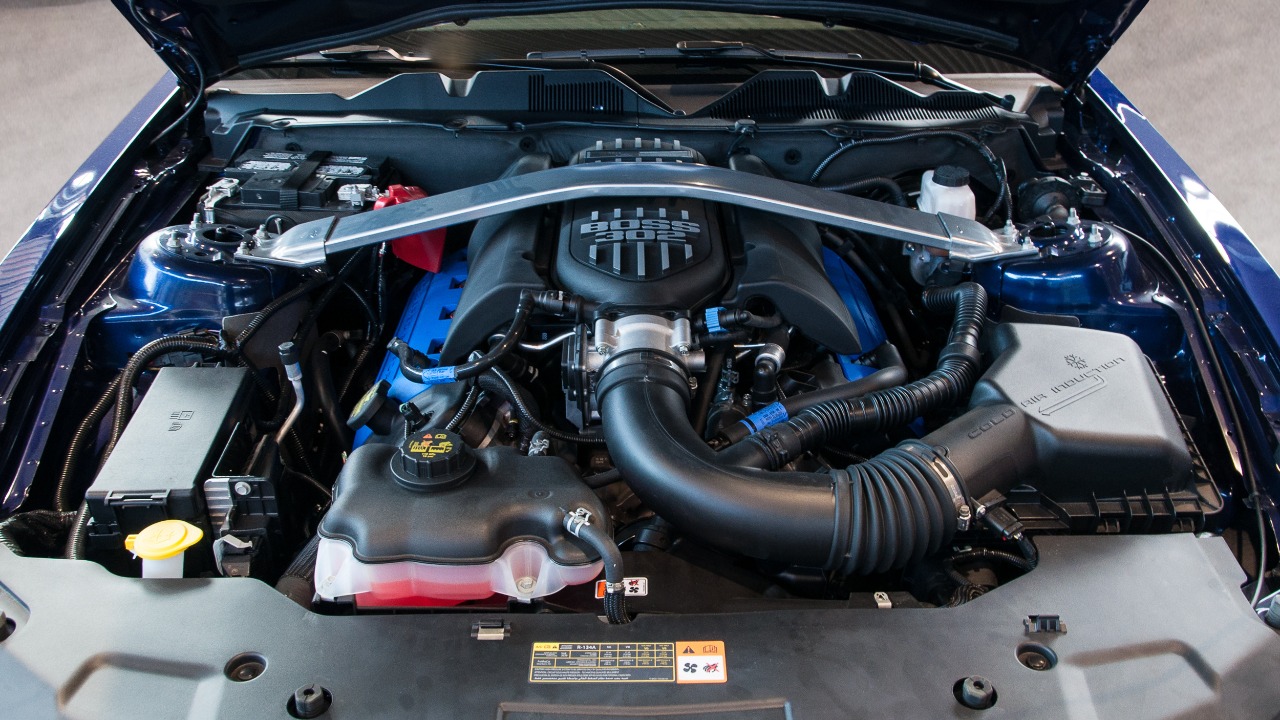
Ford’s 4.6-liter DOHC V8 demonstrated how much performance could come from a relatively modest displacement when advanced cylinder-head technology and high-rpm breathing were involved. Used in performance-oriented Mustangs, it delivered a very different character from Ford’s older pushrod V8s. The engine could rev harder and produce impressive top-end power while remaining compact enough for a relatively small car. It helped move Ford’s performance lineup into a new era and remains an important part of the Mustang’s transition into modern performance engineering.
Chevrolet LS1 V8
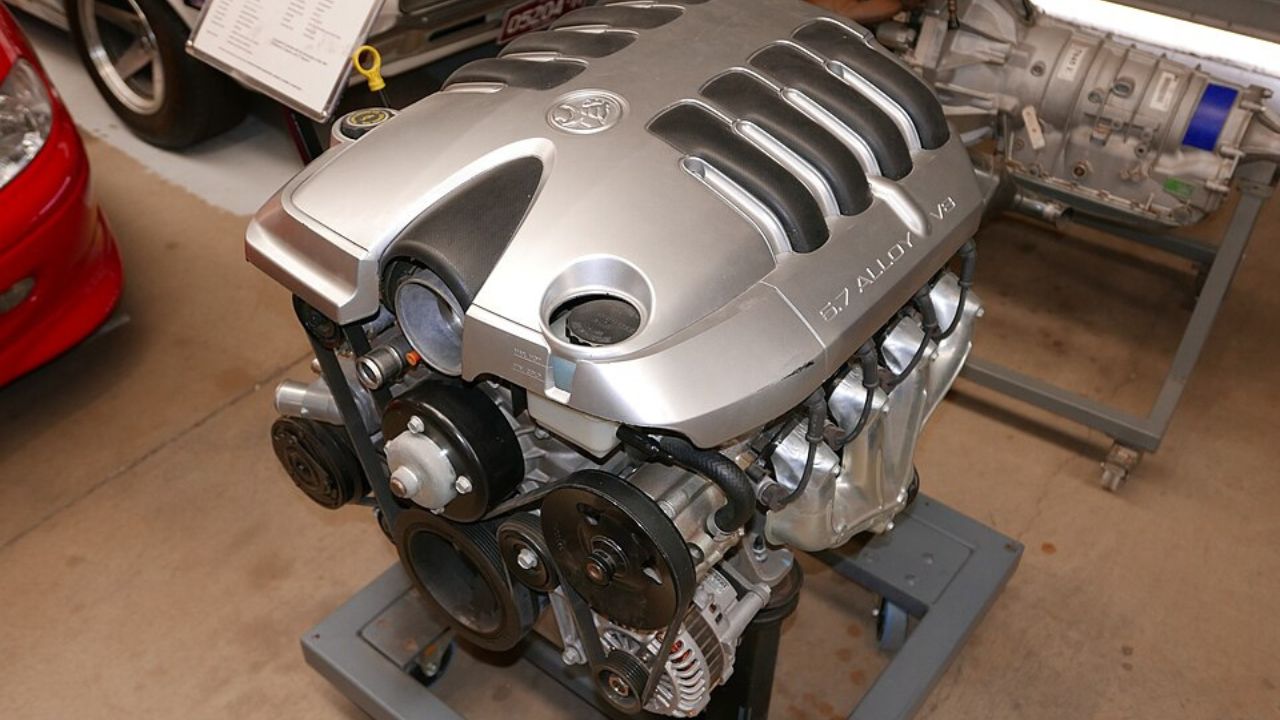
The Chevrolet LS1 changed perceptions about what a relatively compact American V8 could accomplish. Its aluminum construction, modern cylinder heads, electronic controls, and efficient design allowed it to produce strong performance while remaining relatively light. Installed in cars such as the Camaro, Firebird, and Corvette, it could deliver serious acceleration without the enormous displacement associated with earlier muscle engines. The LS1 eventually became famous, but when it first appeared, many buyers did not fully appreciate how significant its combination of power, weight, and efficiency would become.
More from Fast Lane Only
- Unboxing the WWII Jeep in a Crate
- 15 rare Chevys collectors are quietly buying
- 10 underrated V8s still worth hunting down
- Police notice this before you even roll window down
*Research for this article included AI assistance, with all final content reviewed by human editors.