Some engines seem to have been designed with one simple goal: keep running. They may not have been the most advanced engines of their time, the most powerful, or even the most efficient, but they developed something far more valuable to owners who keep their vehicles for years: a reputation for refusing to give up. From old-school gasoline six-cylinders to mechanical diesels and heavily overbuilt performance engines, these powerplants have accumulated enormous mileages in everything from family cars to work trucks.
There is no such thing as a completely unkillable engine. Neglect enough of them and eventually something will fail. What separates the engines on this list is how well they tolerate years of use, imperfect conditions, heavy workloads and, sometimes, owners who probably should have changed the oil a little sooner. These are 18 engines that earned reputations for durability the hard way, by continuing to run long after many of the vehicles around them had already disappeared.
Toyota 22R-E
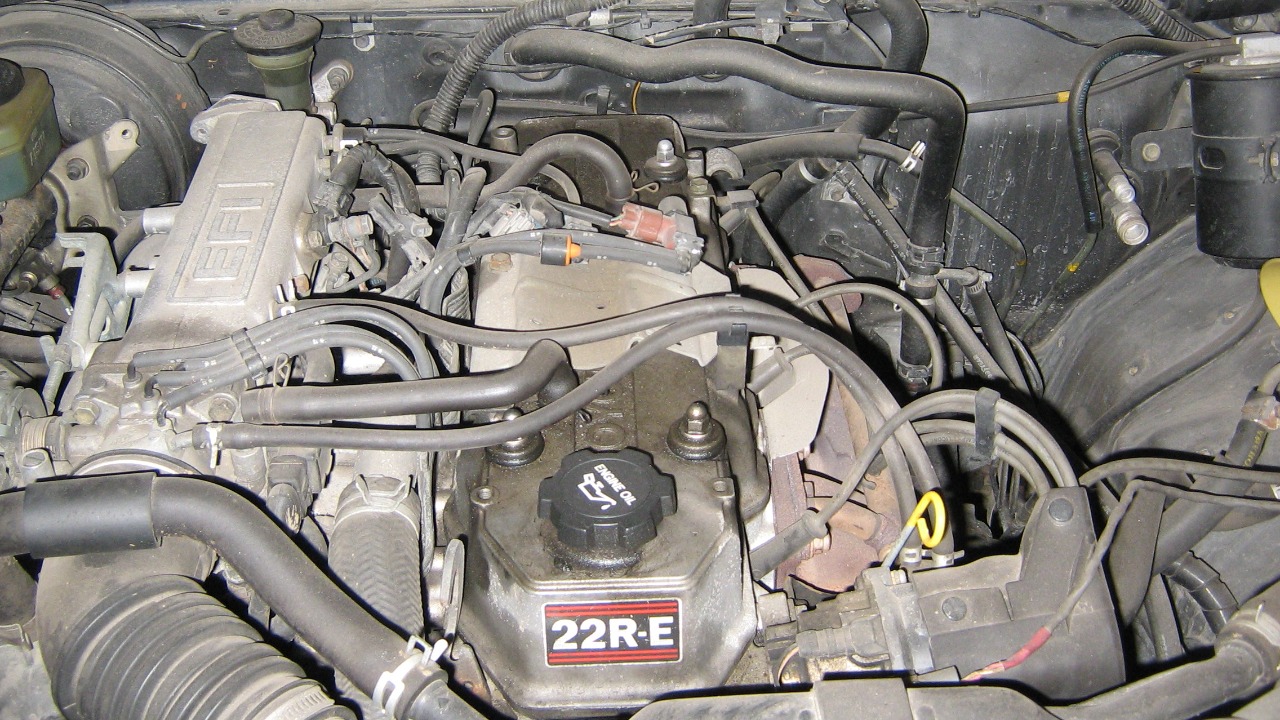
The Toyota 22R-E became one of the defining engines of Toyota’s reputation for building vehicles that could take serious punishment. Produced through much of the 1980s and 1990s, the 2.4-liter four-cylinder was not a high-performance engine, but that was part of the appeal. Its cast-iron block, relatively simple SOHC design and conservative output meant the internal components were not constantly being pushed to their limits. It became especially well known in Toyota pickups and 4Runners, vehicles that were often used in conditions where complicated mechanical failures could become a serious problem. The 22R-E was also comparatively easy to work on, which mattered enormously as these trucks aged. Timing-chain components eventually became a known maintenance concern, but that did little to damage the engine’s broader reputation. High-mileage examples remain common, and owners have long reported 22R and 22R-E engines reaching extraordinary mileage with basic care.
Mercedes-Benz OM617
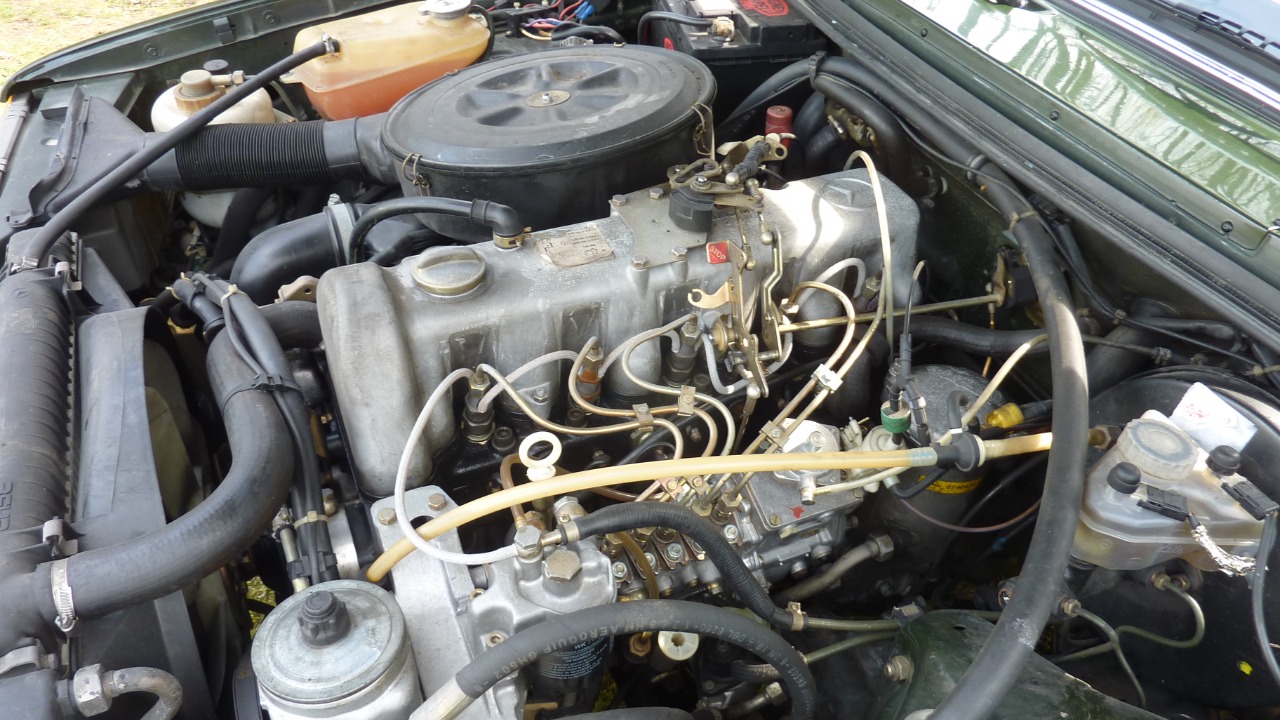
Few engines have a durability reputation quite like the Mercedes-Benz OM617. This five-cylinder diesel appeared in Mercedes passenger cars and other applications beginning in the 1970s and continued into the early 1990s. Its appeal was almost the opposite of modern engine design. There was comparatively little electronic complexity, the construction was heavy, and the engine was designed around conservative operating characteristics rather than extracting every possible horsepower from its displacement. The crankshaft and other internal components were substantially engineered, while the mechanical fuel system could be serviced without the specialized electronics required by later diesels. OM617-powered Mercedes cars became famous for accumulating enormous mileage, and million-kilometer examples have been documented. The engine even demonstrated its strength in Mercedes’ C111 diesel record program, where heavily modified versions were pushed to extraordinary speeds. For everyday owners, however, its greatest achievement was much simpler: starting, running and continuing to work for decades.
Caterpillar 3406
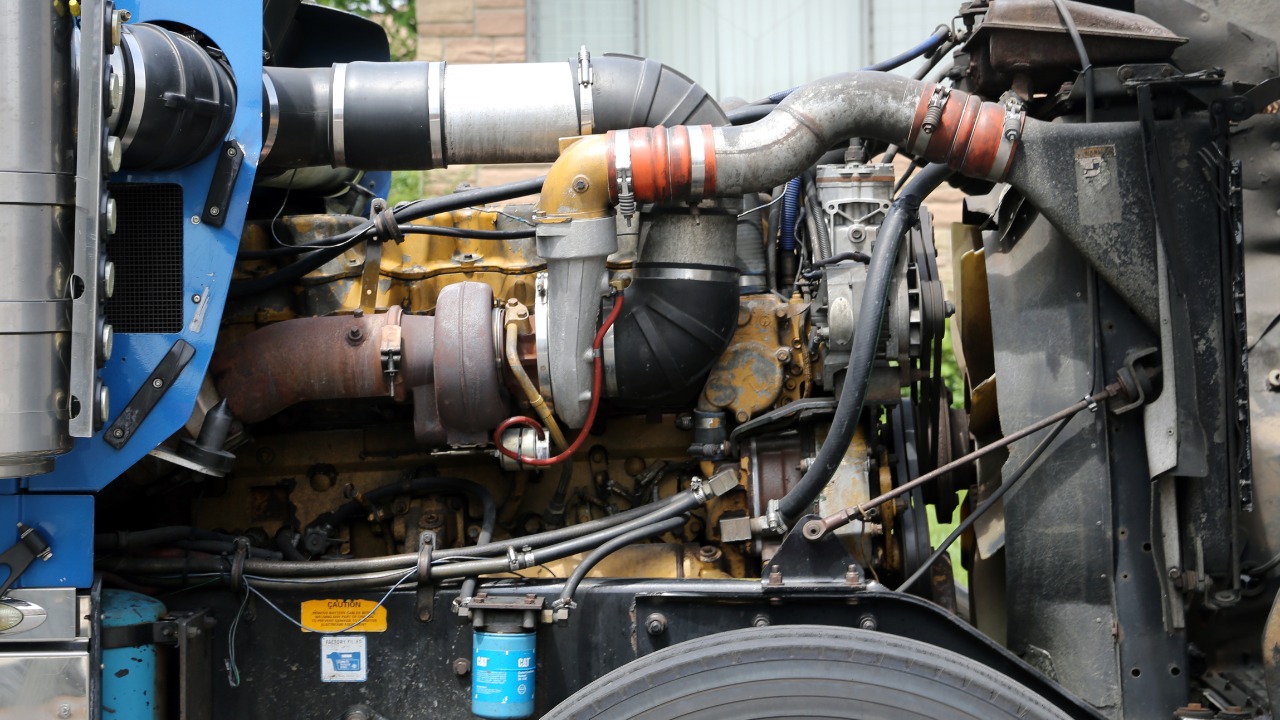
The Caterpillar 3406 was built for people who needed an engine to do serious work for serious amounts of time. This 14.6-liter inline-six diesel became a major player in heavy trucks and evolved through 3406A, B, C and E versions before the family developed into the C15. The displacement alone tells you that Caterpillar was not trying to squeeze enormous power from a tiny engine. Instead, the 3406 had a large rotating assembly and the kind of low-speed torque required to move heavy loads over long distances. Its reputation grew among truck operators who valued an engine that could accumulate huge numbers of miles and engine hours before requiring major work. The 3406 also became popular beyond highway tractors, finding work in industrial and other demanding applications. Modern engines can produce far more power from less displacement, but the old 3406 represents a different engineering philosophy. When an engine spends decades moving enormous loads, conservative design can be worth more than impressive numbers on a specification sheet.
Chevrolet Small-Block 350
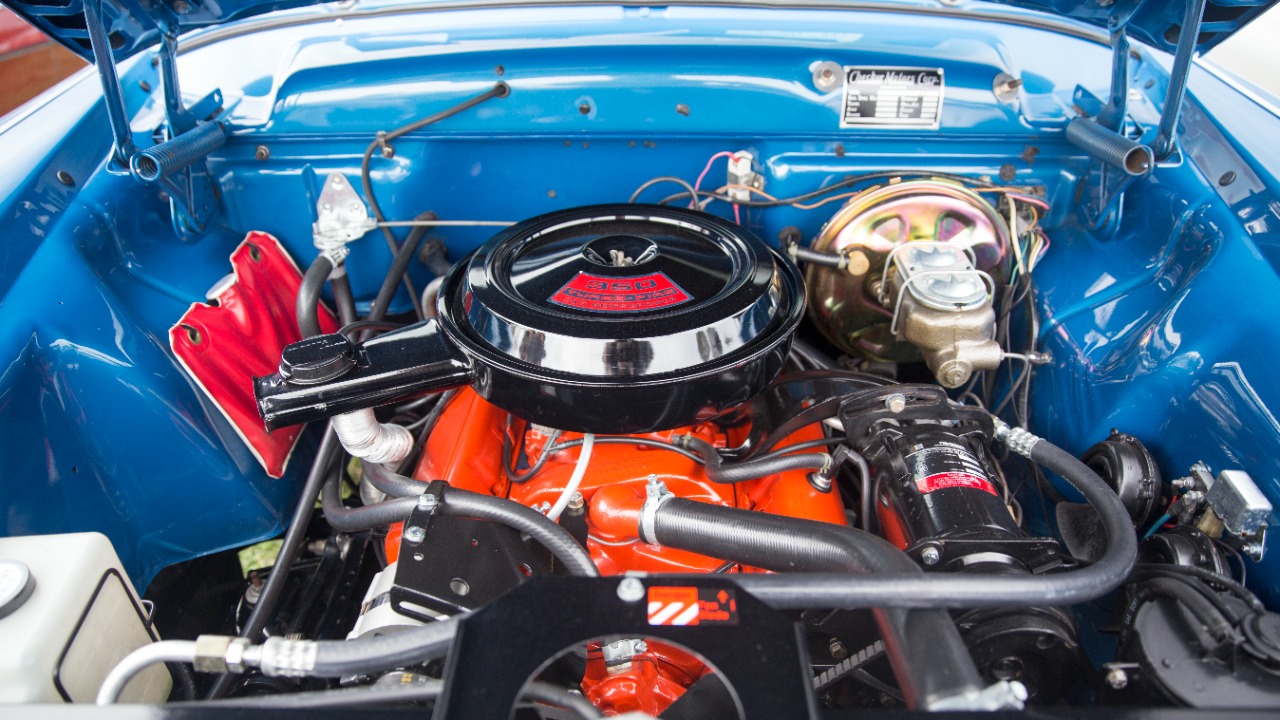
The Chevrolet 350 small-block may be one of the most recognizable V8 engines ever built, but its popularity was not based purely on performance. The basic architecture proved remarkably adaptable, appearing in everything from passenger cars and pickups to boats, motorhomes and countless aftermarket projects. Produced in numerous versions for decades, the 350 offered a combination of simple construction, widespread parts availability and conservative factory configurations that made it unusually easy to keep alive. A stock engine was rarely operating at anything close to the limits that a purpose-built racing engine might face, and even when an owner eventually wore one out, rebuilding it was hardly an exotic proposition. The small-block’s huge aftermarket also meant that replacement parts were everywhere. That combination of mechanical simplicity and endless parts support helped turn the 350 into an engine that could effectively outlive several vehicles. There are more technically advanced engines, but few have been easier to repair, rebuild and put back to work.
Toyota 1HZ
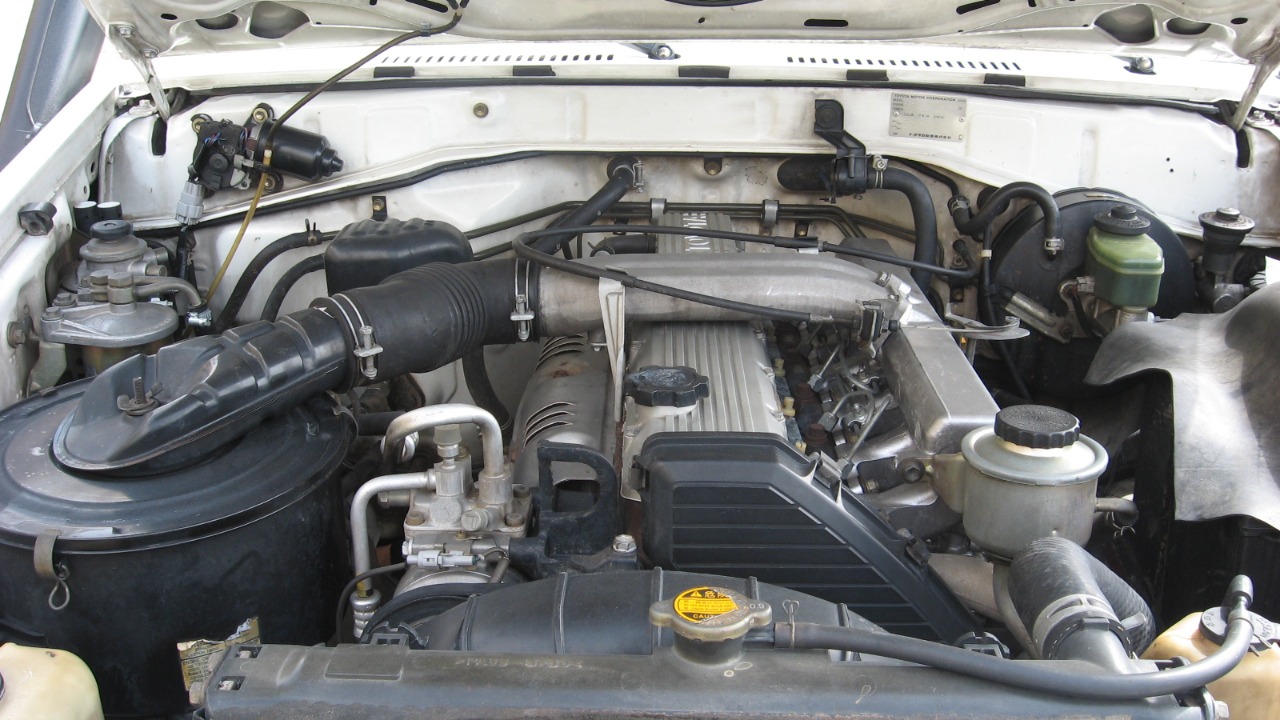
The Toyota 1HZ is the kind of engine that makes sense only when you understand where Toyota expected it to work. This naturally aspirated 4.2-liter diesel became closely associated with the Land Cruiser, including versions intended for markets where vehicles might spend days far from sophisticated repair facilities. Instead of chasing impressive power figures, the 1HZ emphasized straightforward mechanical operation, conservative tuning and durability under difficult conditions. That approach made it especially useful in remote regions where fuel quality, temperatures, road surfaces and service availability could all vary dramatically. The engine’s reputation was built around steady torque and the ability to continue operating for very high mileages when maintained properly. It was never intended to turn a Land Cruiser into a sports car, and that was exactly the point. The 1HZ became a tool rather than a toy, and generations of owners came to value its ability to keep working when conditions were anything but friendly.
Honda K24
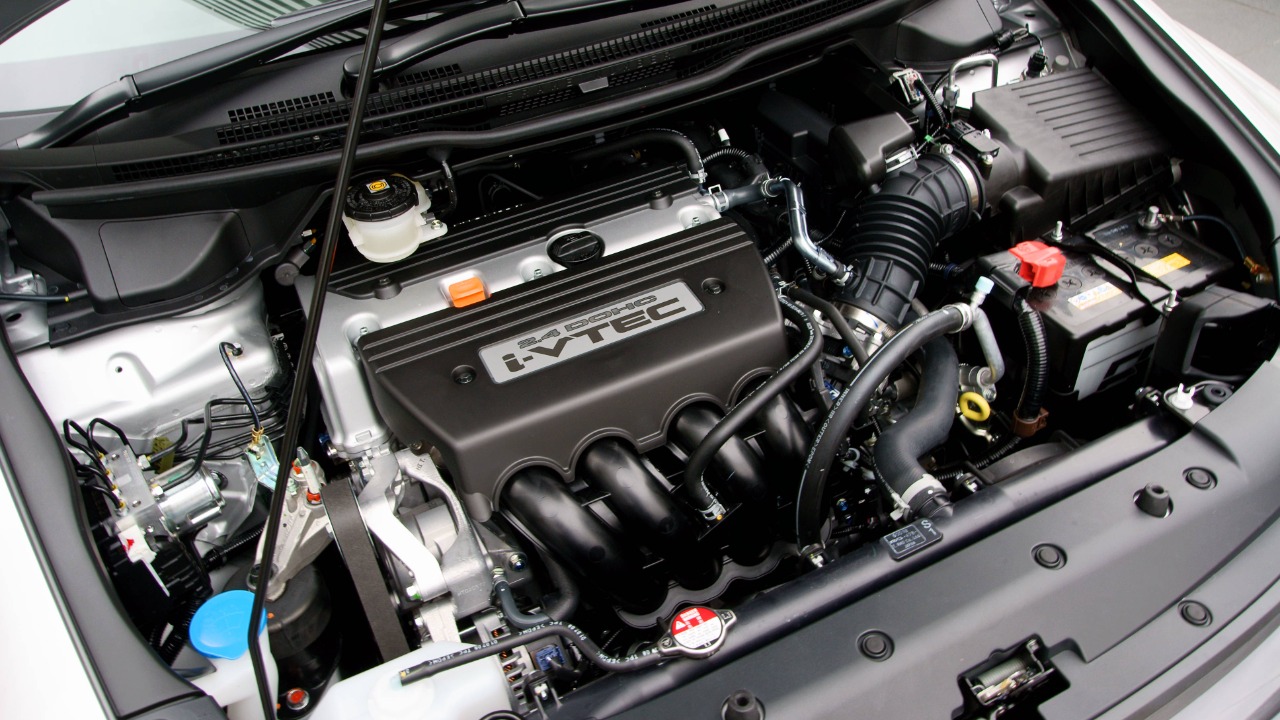
The Honda K24 is proof that durable engines do not have to be old-fashioned. Introduced as part of Honda’s K-series family, the 2.4-liter four-cylinder found its way into Accords, CR-Vs, TSXs and other models while also becoming popular with performance enthusiasts. Its aluminum construction, chain-driven camshafts and efficient combustion design gave it a good balance between everyday economy and long-term durability. The K24 is also interesting because it can handle enthusiastic driving without requiring extreme maintenance when kept in stock or sensible form. Well-maintained examples reaching 200,000 miles are common, and the engine has developed a particularly strong reputation among owners and tuners. It is not flawless, of course. Oil consumption, VTC actuator noise and other age-related issues can appear, especially on neglected examples. But the underlying engine is remarkably tough for something that can also spin enthusiastically and make respectable power. That combination explains why the K24 remains popular long after many of the cars it originally powered have moved into second, third and fourth ownership.
Toyota 2JZ-GE
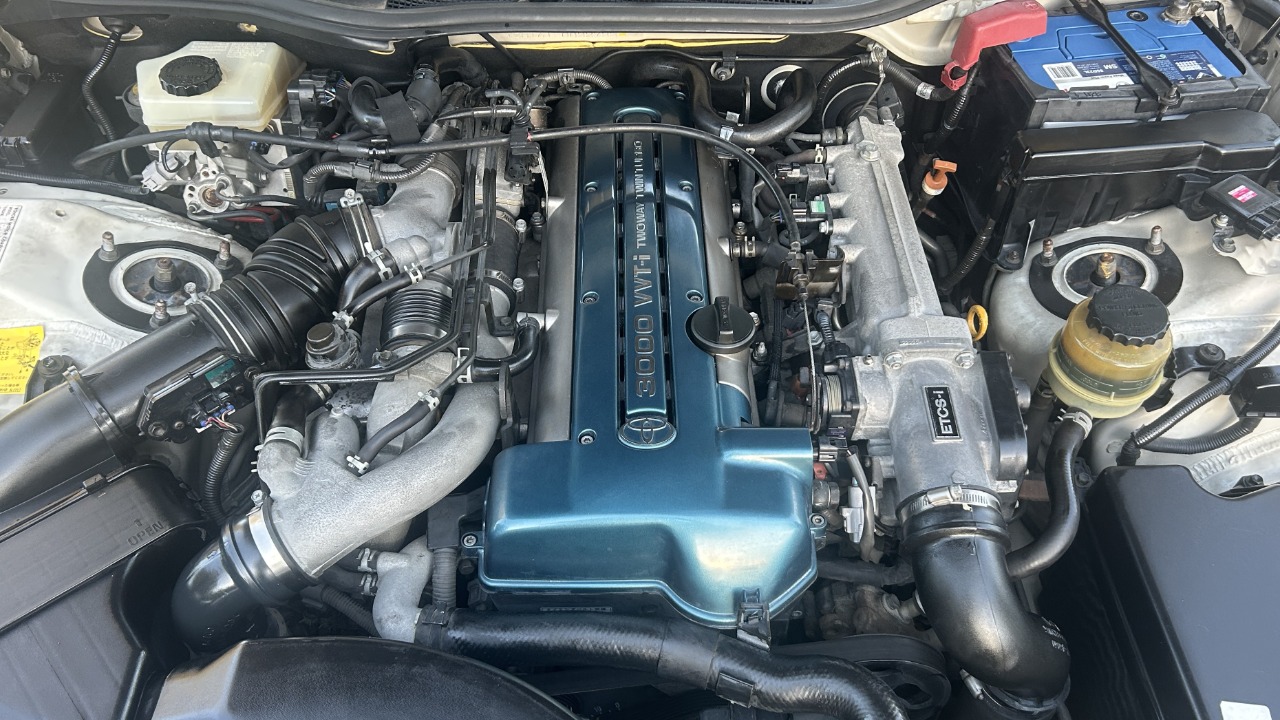
The turbocharged 2JZ-GTE gets most of the attention, but the naturally aspirated 2JZ-GE deserves a place in any discussion about Toyota durability. Introduced in the early 1990s, the 3.0-liter inline-six used the same basic 2JZ family architecture that became famous in the Supra and other performance applications. The naturally aspirated version was never designed to produce the headline power figures associated with the GTE, and that lower-stress environment helped give it a reputation for longevity. Its iron block, strong bottom end and smooth inline-six configuration provided a substantial mechanical foundation. The engine also benefited from Toyota’s manufacturing consistency and widespread use across several models. The 2JZ family became famous partly because enthusiasts discovered how much punishment the architecture could tolerate, but the everyday GE demonstrated the other side of that equation: an engine could be smooth, refined and reasonably powerful while still being exceptionally durable. It is one of the reasons the 2JZ name became synonymous with a motor that simply does not seem interested in giving up.
Honda K20
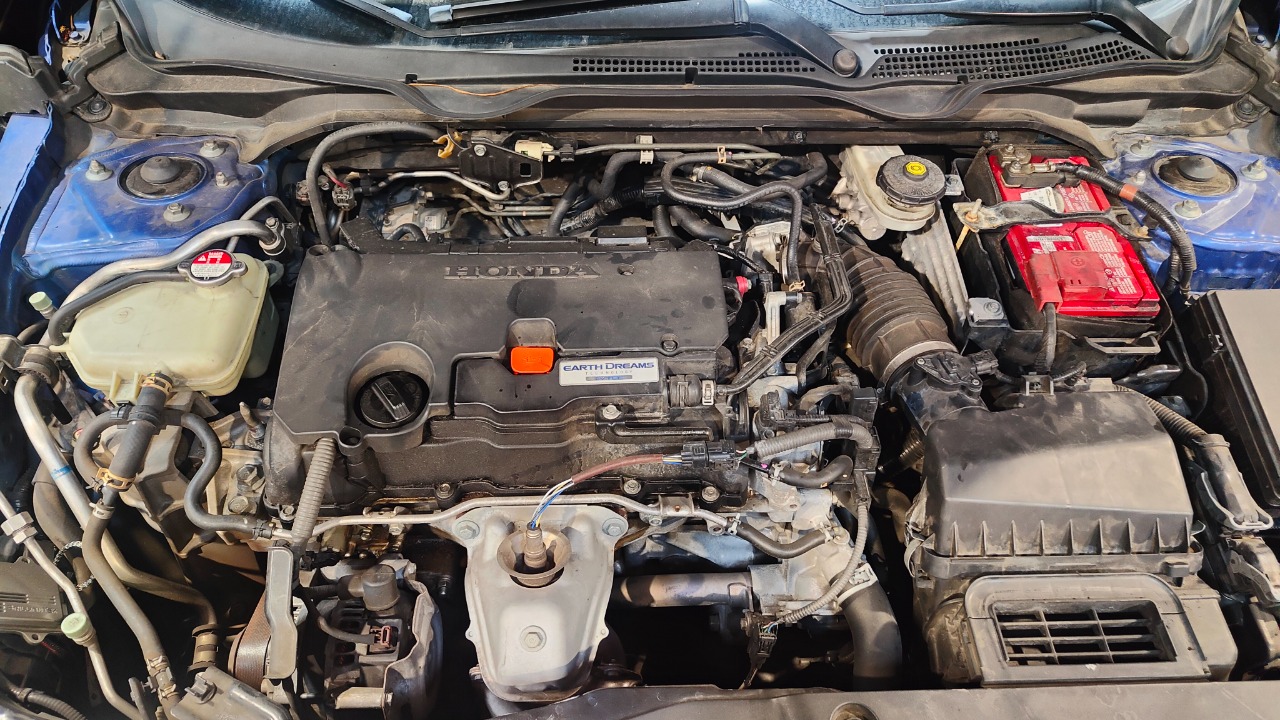
Honda’s K20 proved that an engine did not have to be an old-fashioned, low-revving design to develop a remarkable durability reputation. The 2.0-liter four-cylinder arrived during the early 2000s and powered everything from ordinary Civics and Accords to some of Honda’s most entertaining performance models. What makes the K20 interesting is the combination of relatively sophisticated technology and a fundamentally robust mechanical design. Honda gave it strong internal components, efficient combustion and a valvetrain capable of handling high engine speeds, while the basic architecture proved capable of accumulating serious mileage when maintained properly. Performance versions were routinely driven hard, yet the family also powered ordinary commuter cars that spent years dealing with stop-and-go traffic. That versatility says a lot about the engine. It could be economical and civilized during everyday driving, then tolerate enthusiastic use without immediately turning into a maintenance nightmare. The K20 helped establish the idea that a reliable engine could also be genuinely fun to drive.
Buick 3800 V6
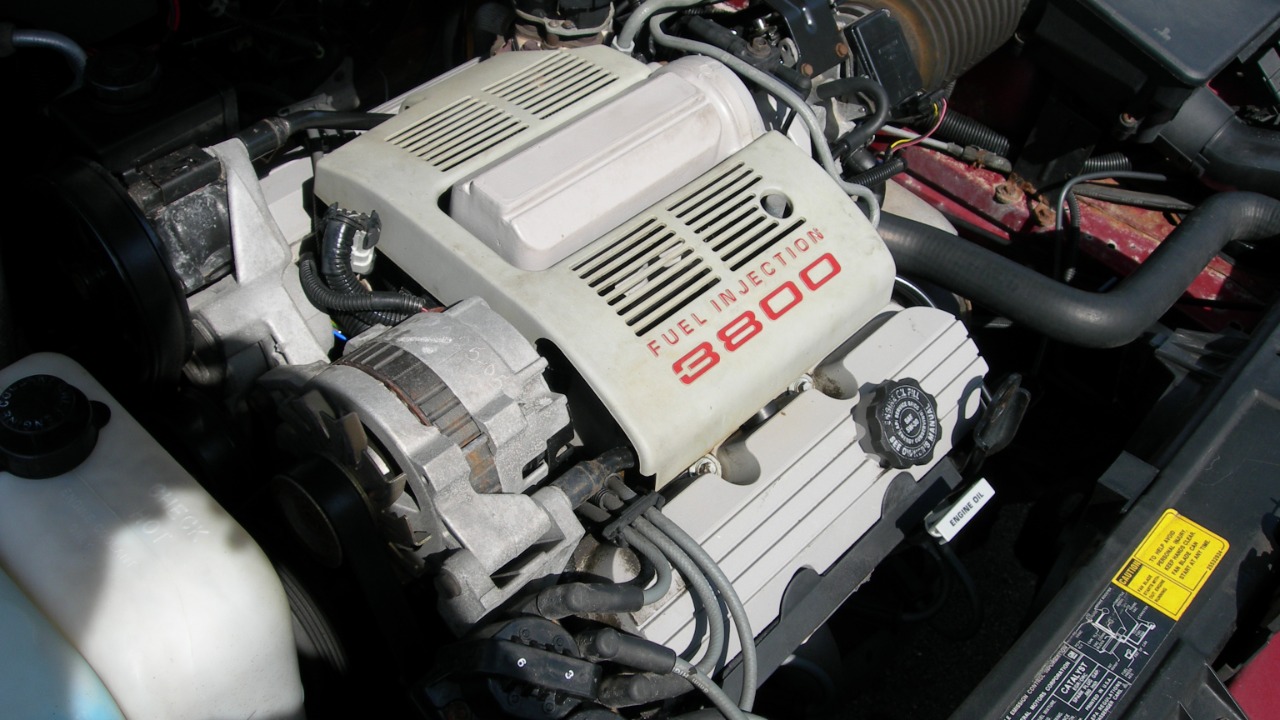
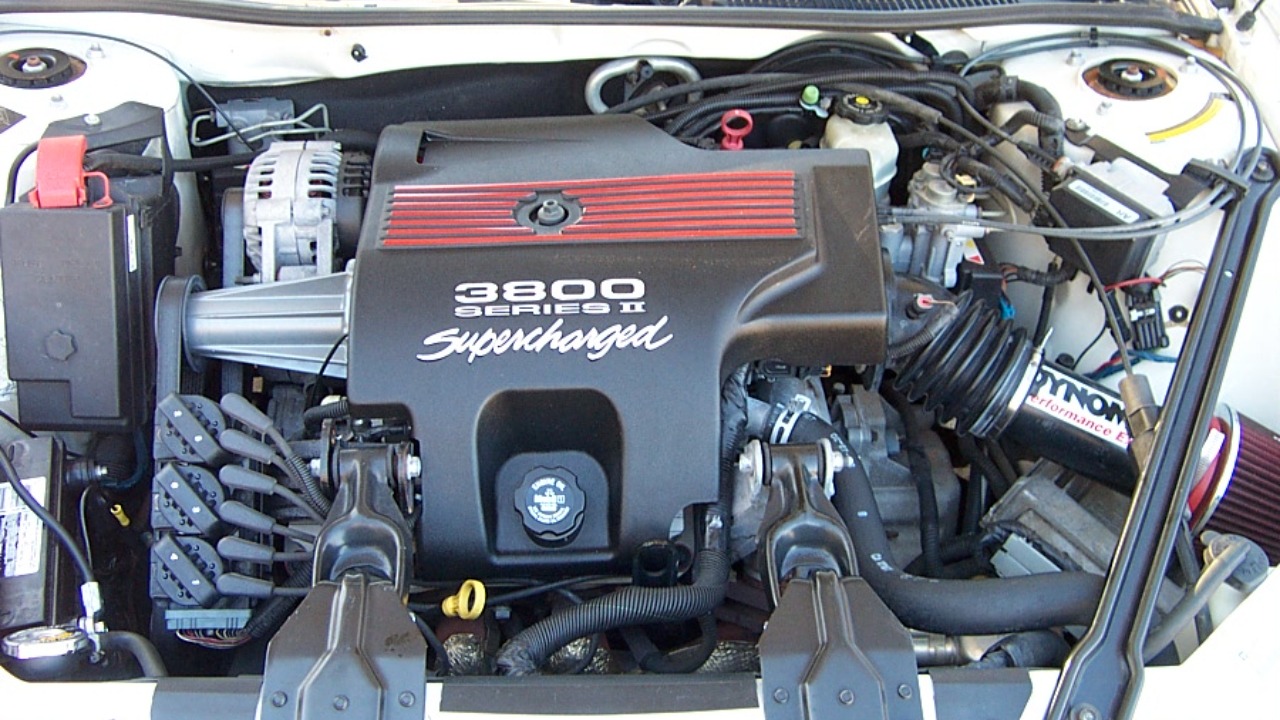
The Buick 3800 V6 earned its reputation by quietly powering millions of ordinary American cars for years. It was not exotic, and most buyers never purchased a car with one because they wanted an exciting engine. They bought family sedans, coupes and comfortable commuters, then discovered that the engine could keep going long after the rest of the car had begun showing its age. The design evolved from Buick’s earlier V6 architecture and was progressively refined over decades, eventually becoming one of General Motors’ most respected engines for everyday durability. The Series II version in particular became famous for high-mileage service, while supercharged versions demonstrated that the basic design could also handle substantially more power. Its relatively simple layout, strong reputation and widespread availability made repairs manageable, while its modest specific output helped keep internal stresses under control. The 3800 became the sort of engine mechanics remembered because customers would return with cars that looked exhausted but still had plenty of life left in the drivetrain.
Toyota 1UZ-FE
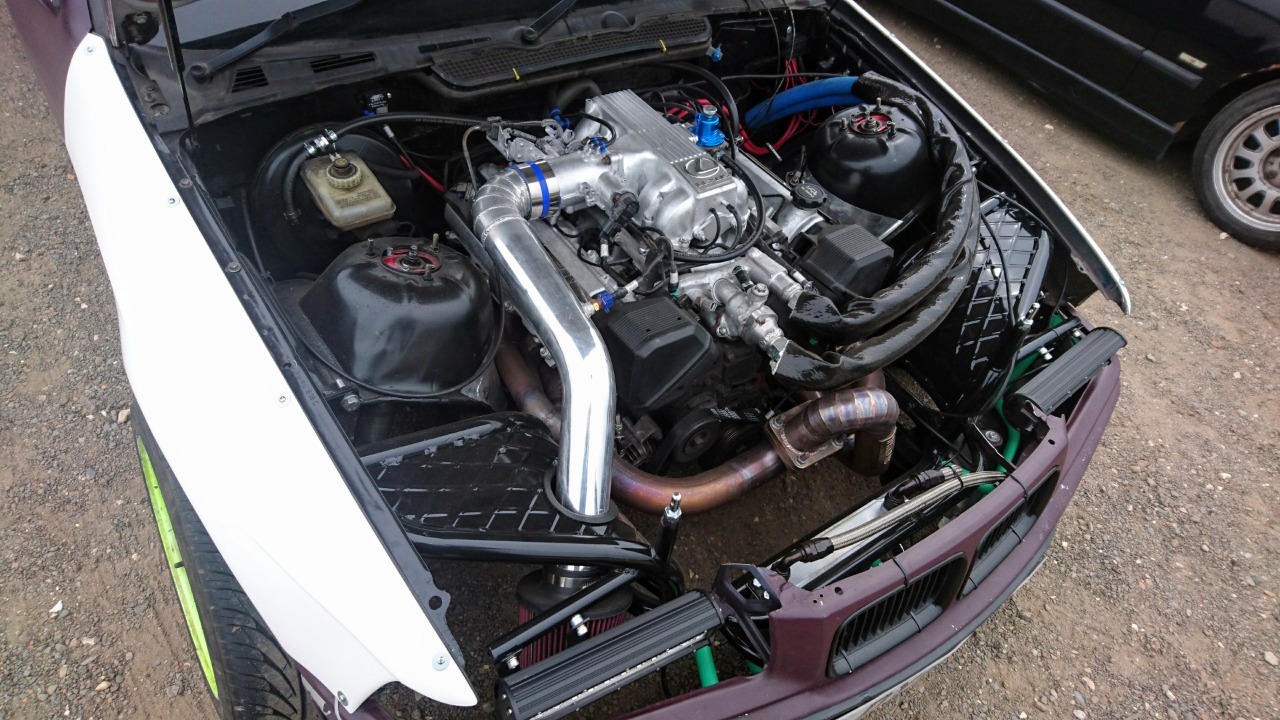
When Toyota introduced the 1UZ-FE V8 for the Lexus LS 400 and related models, it represented a very different approach to durability from the company’s old truck engines. This was a smooth, sophisticated aluminum V8 designed to deliver quiet performance, yet it quickly earned a reputation for exceptional longevity. Toyota invested heavily in the engine’s development and manufacturing, and the result was a compact V8 with a strong bottom end and remarkably smooth operation. The 1UZ also became popular with enthusiasts who transplanted it into other vehicles because the engine could deliver V8 performance without being excessively large or complicated. Timing-belt service is important, as it is with other belt-driven engines, but the underlying architecture proved exceptionally durable. High-mileage examples are not unusual, and the engine’s reputation eventually spread far beyond the luxury cars for which it was originally designed. The 1UZ-FE demonstrated that overengineering did not necessarily have to mean agricultural simplicity.
AMC 4.0 Inline-Six
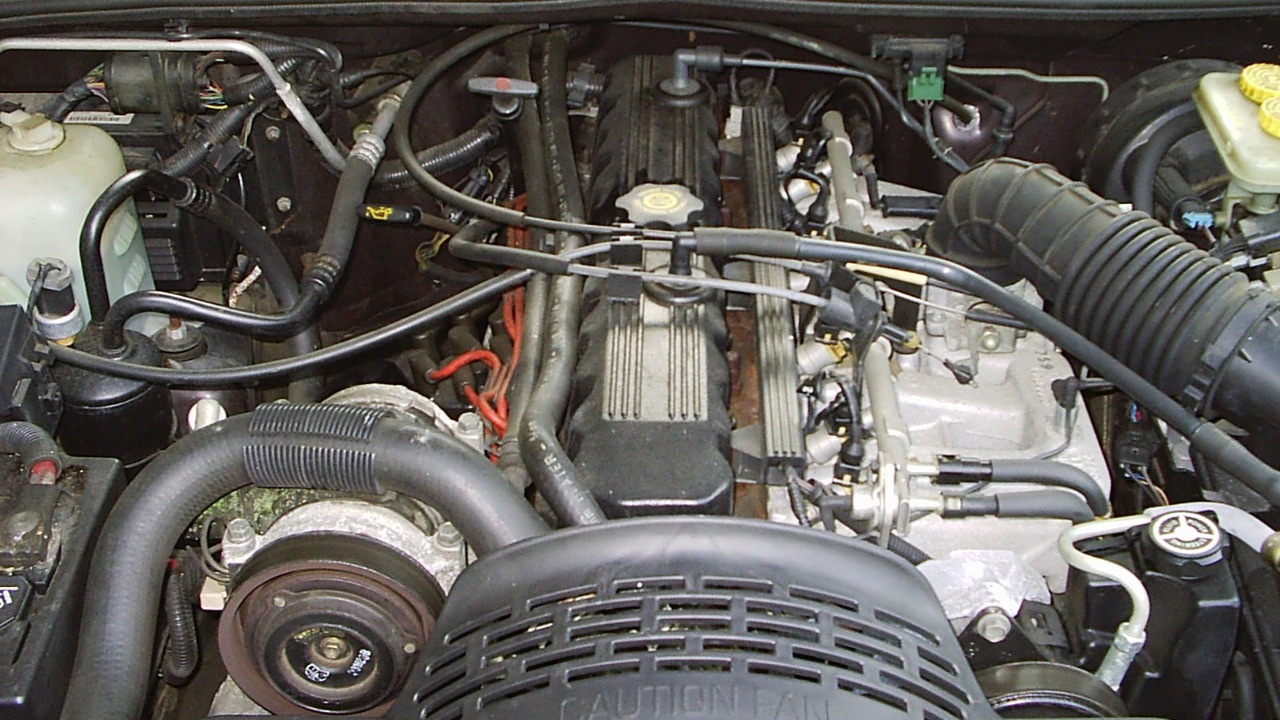
The AMC 4.0-liter inline-six became one of the defining engines of the Jeep era, powering millions of Cherokees, Wranglers and other vehicles. Its basic architecture was derived from AMC’s earlier inline-six family, but the 4.0-liter version became especially respected for its ability to withstand years of everyday use and off-road abuse. It was not a lightweight or especially sophisticated engine, but it was strong, torquey and comparatively straightforward. That suited the Jeep applications perfectly. Owners could take a Cherokee into rough terrain, use it as a daily driver and continue doing both for years without treating the engine like a fragile piece of machinery. The 4.0 also developed enormous aftermarket support, making everything from routine repairs to complete rebuilds relatively accessible. It eventually became one of the most beloved Jeep engines precisely because it combined simple engineering with a tolerance for hard use. Plenty of modern engines produce more power from less displacement, but few have developed the same reputation for simply carrying on regardless of what the owner asks of them.
Volvo B230
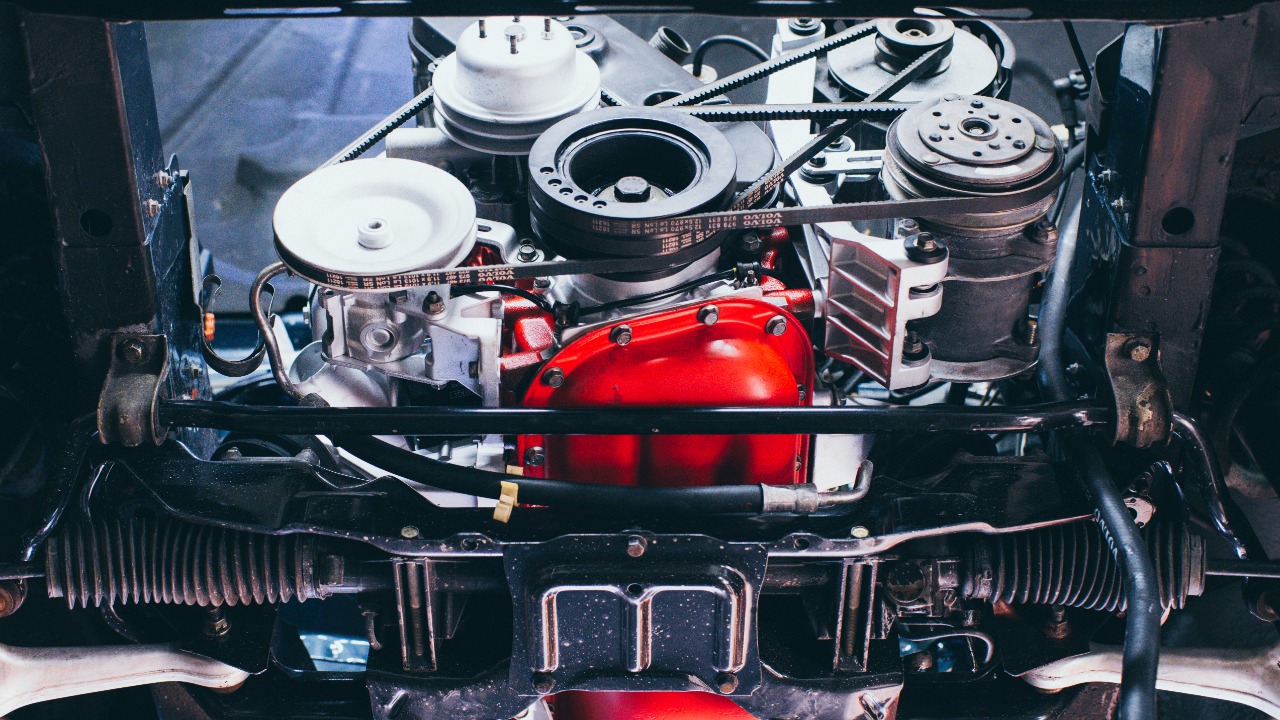
Volvo’s redblock engines have a reputation that borders on folklore, and the B230 is one of the biggest reasons why. Used extensively in the 240, 740 and 940 families, the 2.3-liter four-cylinder was built around a durable cast-iron architecture that could tolerate substantial mileage and, in turbocharged form, considerably more power than its everyday specifications suggested. Volvo’s conservative engineering philosophy was particularly useful here. The company was willing to build engines that were not the lightest or most technologically adventurous, but were capable of surviving the kind of long-term use expected from its cars. Naturally aspirated versions were famously durable, while turbocharged variants became favorites among enthusiasts because the underlying architecture could handle performance modifications. The B230 was not without weaknesses, particularly in some early versions, but later improvements strengthened its reputation further. Today, surviving redblock-powered Volvos are often valued less for luxury or speed than for the feeling that the engine itself could probably keep running longer than the person sitting behind the wheel.
Mercedes-Benz OM606
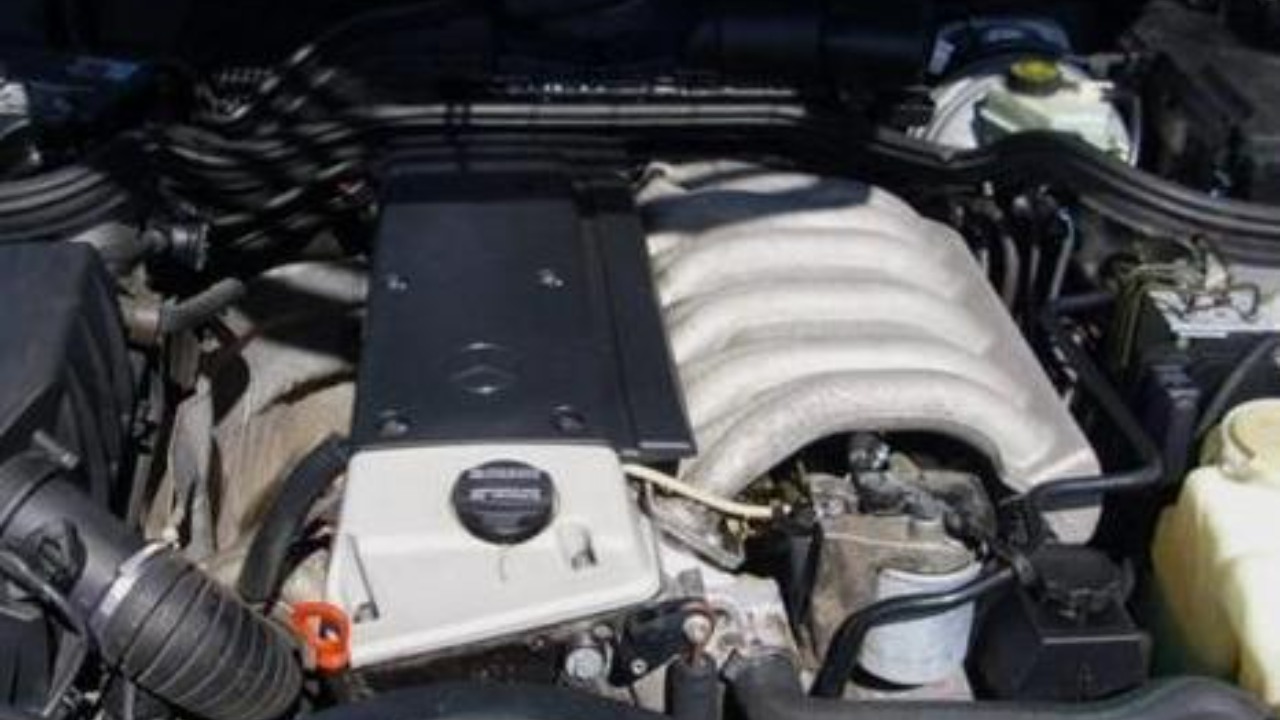
The Mercedes-Benz OM606 followed the tradition established by earlier Mercedes diesels while adding modern features without completely abandoning mechanical toughness. This 3.0-liter inline-six diesel appeared in the 1990s and was offered in naturally aspirated and turbocharged forms. Its cast-iron block, seven main bearings and substantial internal components gave it the kind of foundation that made high mileage entirely believable. The OM606 also became popular with enthusiasts because the engine could produce substantially more power when modified, particularly in turbocharged applications, without immediately becoming fragile. That tuning reputation is important because it demonstrates the strength of the basic design beyond ordinary commuting. Like every old diesel, it has age-related problems involving seals, injection equipment, cooling systems and timing components, but those issues do not erase the reputation of the core engine. In a well-maintained Mercedes, the OM606 can continue working long after the rest of the vehicle has accumulated enough age-related problems to make ownership an exercise in patience.
Volkswagen 1.9 TDI
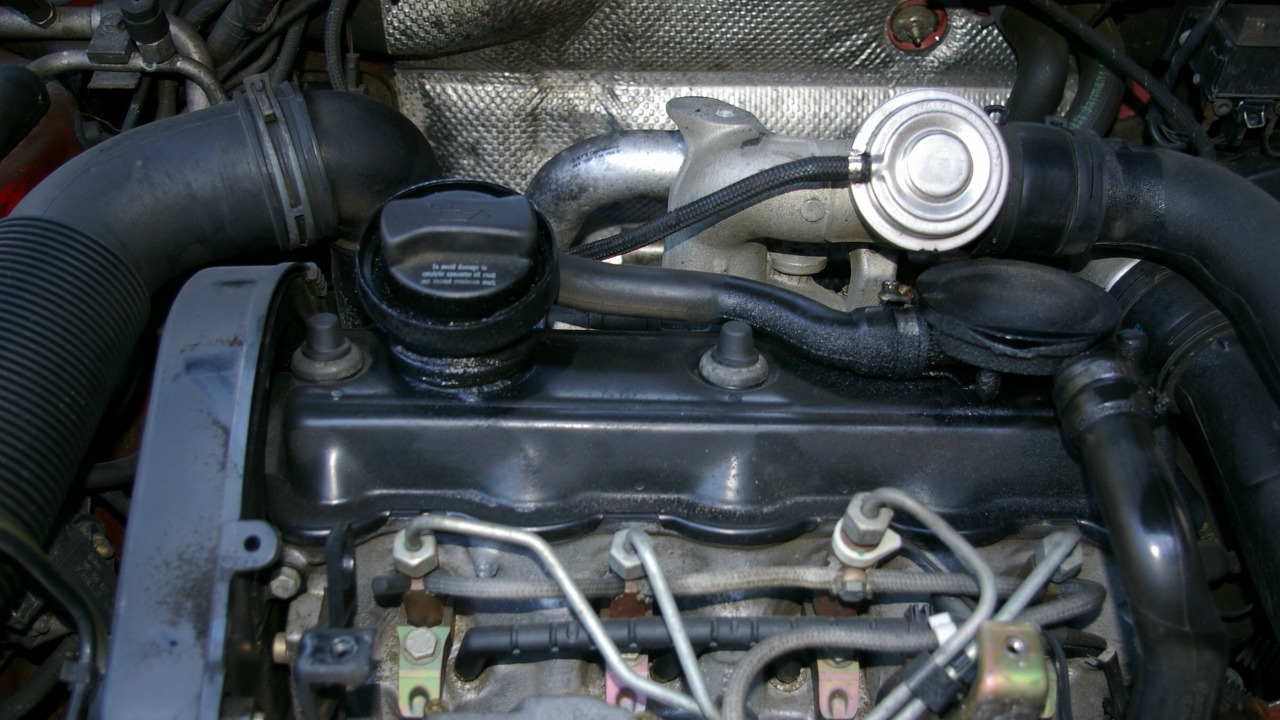
Volkswagen’s 1.9 TDI became famous for a different reason than many of the old-school engines on this list. Instead of relying on enormous displacement and very low specific output, it combined compact size, excellent fuel economy and strong real-world longevity. The 1.9-liter turbocharged direct-injection diesel appeared in a huge range of Volkswagen Group vehicles and was produced in numerous versions, with some variants developing especially strong reputations among long-distance drivers. The engine’s popularity was helped by its impressive fuel economy and abundant parts availability, but its durability was what kept so many high-mileage examples on the road. Like any diesel, it still requires proper servicing, and different 1.9 TDI variants have their own known weaknesses. Nevertheless, the basic engine became a favorite among drivers who wanted a vehicle capable of covering huge distances without consuming fuel at the rate of a larger engine. Decades later, the 1.9 TDI remains one of the most recognizable names in high-mileage diesel culture.
Honda B18
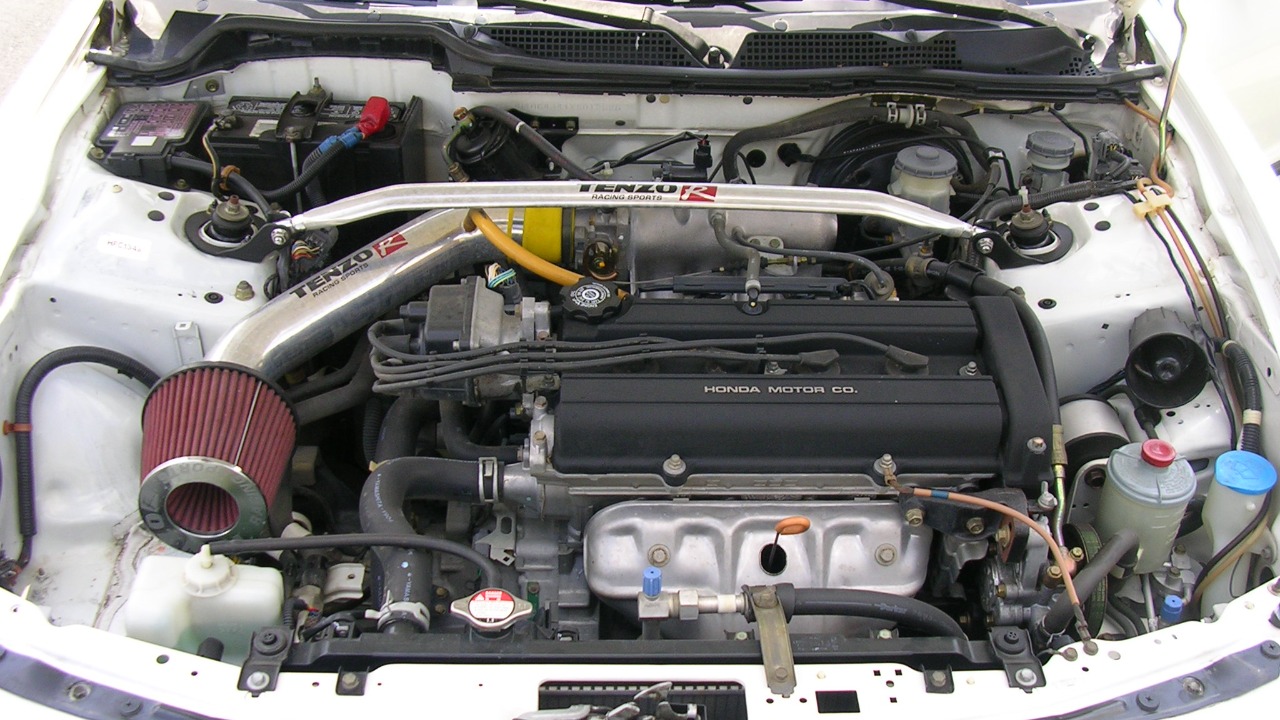
Honda’s B18 engine family became famous not because it was oversized or massively overbuilt, but because it could handle high engine speeds while remaining remarkably dependable. The 1.8-liter four-cylinder powered a variety of Hondas and Acuras, with the B18C versions becoming especially well known among performance enthusiasts. The basic engine architecture was compact and efficient, while Honda’s DOHC design and VTEC technology allowed certain versions to produce impressive power without requiring a huge displacement. That meant these engines often lived hard lives in the hands of enthusiasts, yet well-maintained examples could continue running for very high mileage. The B18 also became one of the most heavily supported engines in the tuning world, meaning replacement parts and upgrade components were easy to find. Its greatest achievement may be the balance it struck between performance and longevity. An engine that could spend years as a commuter powerplant and then become the centerpiece of a weekend track car was never going to be forgotten.
Toyota 2UZ-FE
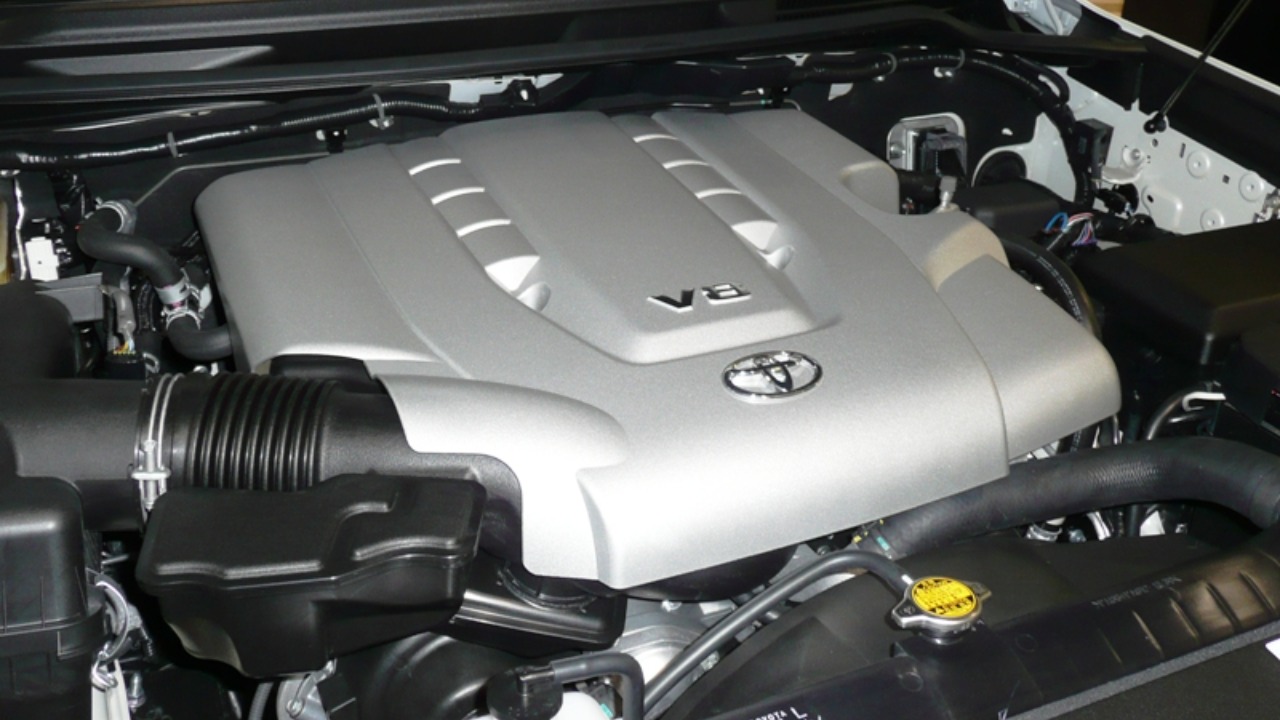
Toyota’s 2UZ-FE took the basic durability philosophy of the company’s V8 program and adapted it for trucks and SUVs. The 4.7-liter V8 became a major part of the Toyota Tundra, Sequoia, Land Cruiser and Lexus LX family, where it was expected to deal with heavier vehicles and substantial workloads. Unlike many high-output V8s, the 2UZ was not chasing huge horsepower figures. Its relatively conservative tuning and robust construction gave it the kind of reputation that made high-mileage examples desirable rather than frightening. Owners who maintain the cooling system and timing-belt service tend to find that the engine itself can keep going for a very long time. That is particularly impressive considering how much work these engines were often asked to do. A luxury Lexus and a working Land Cruiser may seem worlds apart, but underneath, both benefited from a V8 designed with durability as a priority. The 2UZ is one of those engines that makes the vehicle around it seem old before the engine itself feels finished.
BMW M57
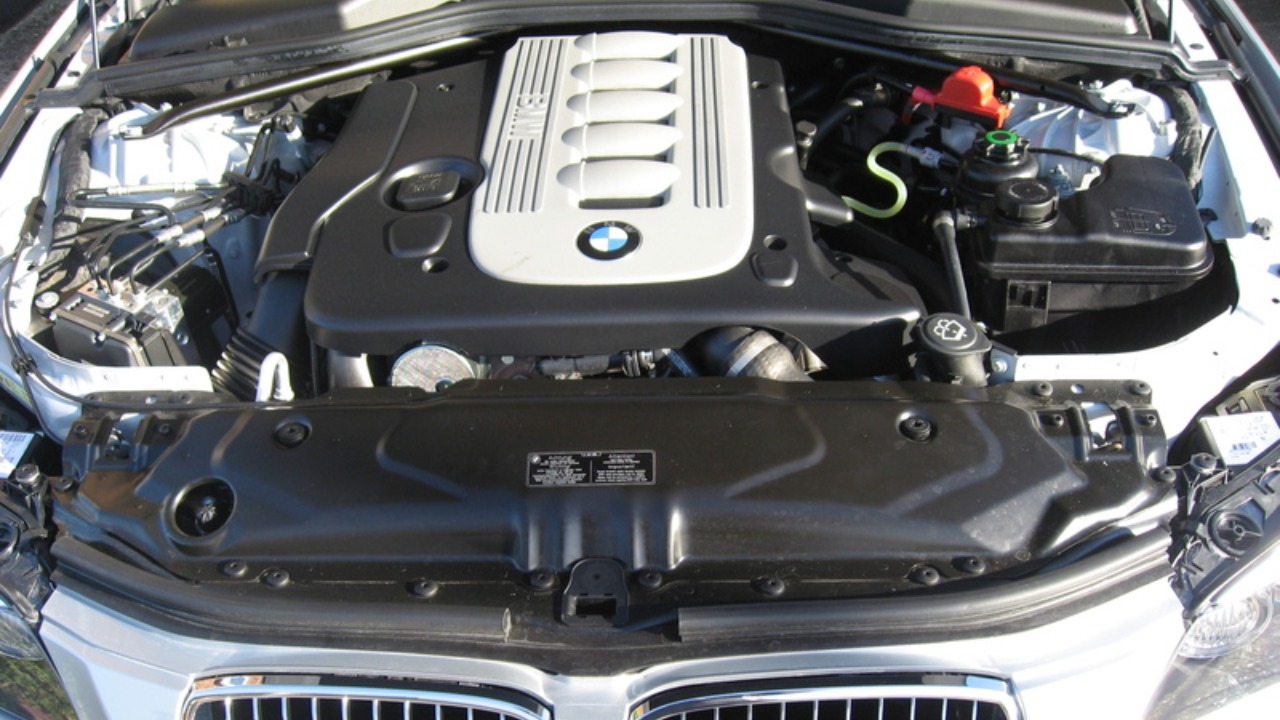
The BMW M57 proves that a durable engine does not necessarily have to be crude. This six-cylinder turbo-diesel powered a wide range of BMW models, including several generations of the 3 Series, 5 Series and X5, and became known for combining strong performance with impressive longevity. The cast-iron block provided a solid foundation, while the inline-six configuration delivered the smoothness expected from BMW. Several versions were produced over the engine’s long life, so maintenance requirements and known problems vary, but properly maintained examples can accumulate serious mileage. The M57 also developed a strong following among enthusiasts because it offered substantial torque and responded well to sensible modifications. Its success is particularly interesting because it came during a period when diesel engines were becoming increasingly sophisticated. Rather than proving that complexity automatically destroys reliability, the M57 showed that advanced technology can still have a durable mechanical foundation.
GM LS1
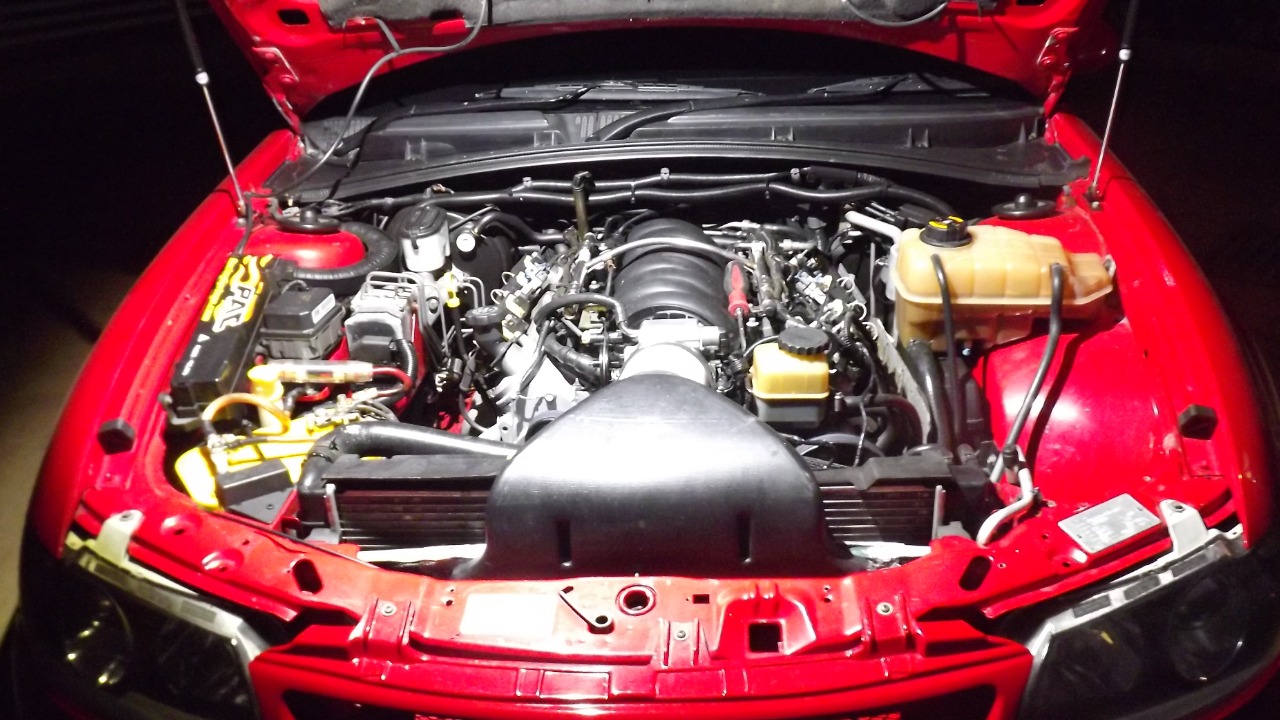
The LS1 took General Motors’ small-block V8 formula into a new generation without throwing away the qualities that had made the earlier engines so durable. Introduced in the 1997 Corvette, the 5.7-liter LS1 used an all-aluminum construction and modern fuel injection while retaining the compact pushrod layout that had served GM for decades. It was lighter and more efficient than many older small-blocks, yet it quickly demonstrated that performance and longevity could coexist. The LS1 became particularly popular in the Corvette and Camaro, but its compact dimensions also made it an obvious choice for engine swaps. Enthusiasts soon discovered that the engine could produce substantially more power with relatively straightforward modifications while maintaining a strong reputation for durability. That versatility helped turn the LS family into one of the most influential modern V8 designs. The LS1 was never an engine that needed to be babied, and its ability to combine everyday drivability with serious performance helped make it one of the defining American V8s of its generation.
More from Fast Lane Only
- Unboxing the WWII Jeep in a Crate
- 15 rare Chevys collectors are quietly buying
- 10 underrated V8s still worth hunting down
- Police notice this before you even roll window down
*Research for this article included AI assistance, with all final content reviewed by human editors.