Studebaker disappeared from the American automotive scene more than half a century ago, but its cars still have a reputation that goes beyond unusual styling. The company built everything from simple six-cylinder family cars to surprisingly sophisticated V8 performance machines, and many of those cars were engineered with a practical streak that experienced mechanics can appreciate. Studebaker also had a habit of trying ideas years before larger manufacturers considered them worthwhile.
That doesn’t mean every Studebaker was perfect. Some had complicated parts situations, unusual systems, or engineering compromises that could make restoration difficult today. But several models earned respect because their mechanical foundations were strong, their layouts were understandable, and their engineers regularly managed to accomplish a lot with limited resources. These are 20 Studebakers that still give experienced mechanics something to appreciate.
Studebaker Champion
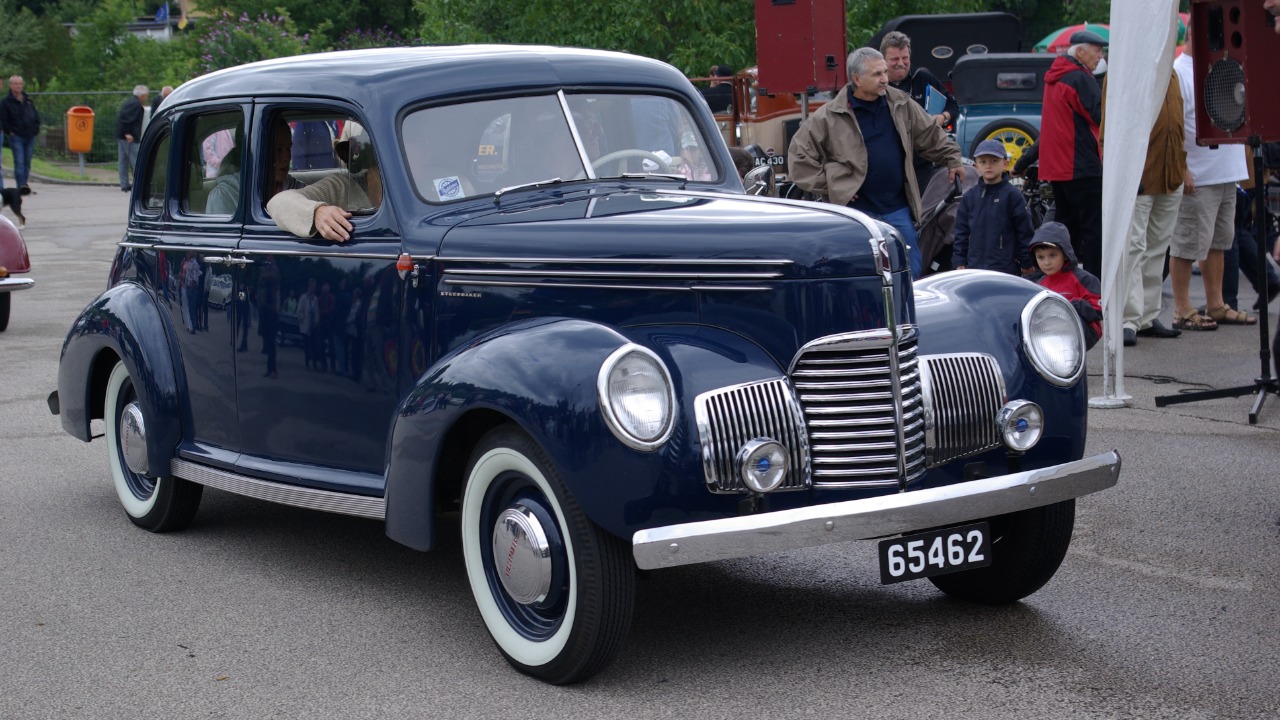
The Champion was one of Studebaker’s most important cars because it proved that an independent automaker could compete by thinking smaller and smarter. Introduced for 1939, the Champion was built around a six-cylinder engine and a relatively lightweight body, giving it a useful combination of economy and straightforward mechanical design. Later generations continued that philosophy, and the postwar Champions became particularly interesting because Studebaker kept developing the platform instead of simply making everything larger. The 1950s cars could be had with Studebaker’s familiar inline-six, which was not exotic but was easy for an experienced mechanic to understand and service. The 1953 redesign also produced the striking Starlight and Starliner bodies, although the mechanical simplicity underneath remained one of the car’s greatest virtues. For mechanics who prefer accessible older hardware over complicated systems, a well-kept Champion makes plenty of sense.
Studebaker Commander
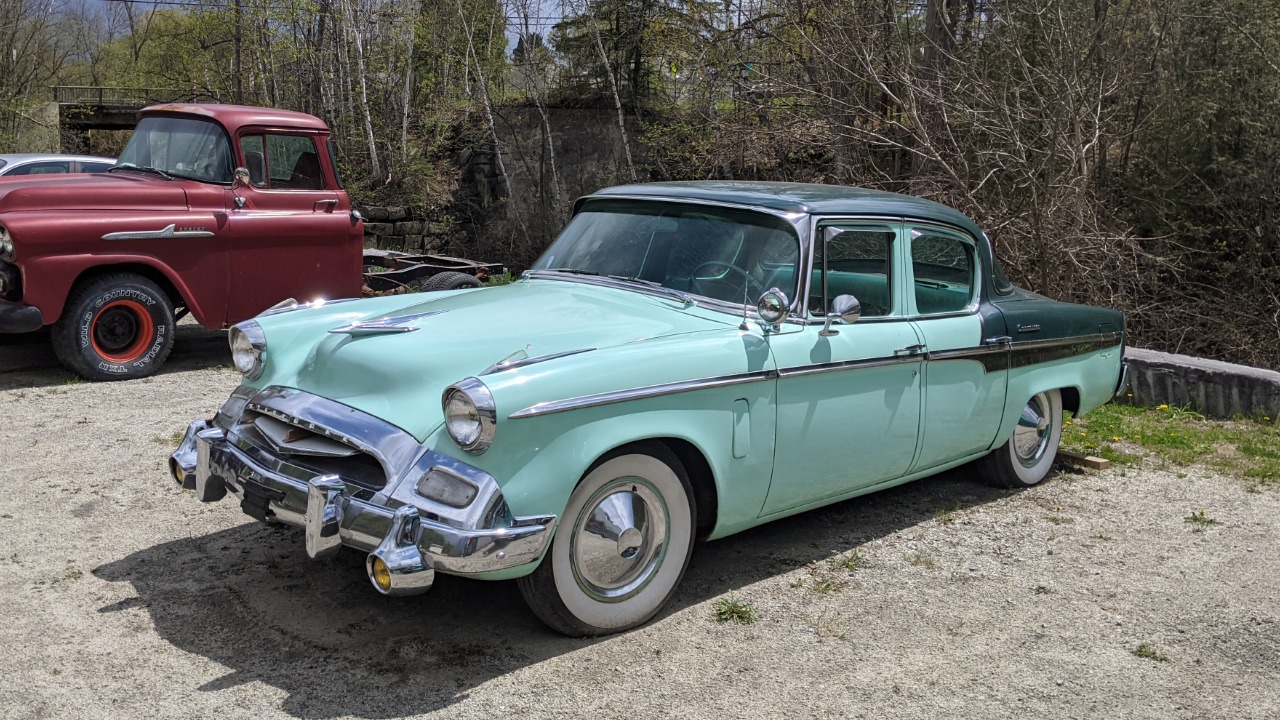
The Commander occupied the more powerful end of Studebaker’s lineup and became particularly significant when the company introduced its new overhead-valve V8 for 1951. That engine gave Studebaker a serious answer to the rapidly changing American market, arriving only a couple of years after Cadillac and Oldsmobile had introduced their landmark overhead-valve V8s. The early Studebaker V8 was not without weaknesses, but its basic architecture proved durable enough to remain in production in various forms through 1964. That longevity says something about the underlying design. Commanders could also be equipped with familiar manual transmissions and conventional rear-wheel-drive layouts, giving mechanics plenty of room to work without dealing with modern electronic complexity. For an independent manufacturer operating under serious financial pressure, developing an entirely new V8 and then continually improving it was an impressive engineering achievement.
Studebaker President
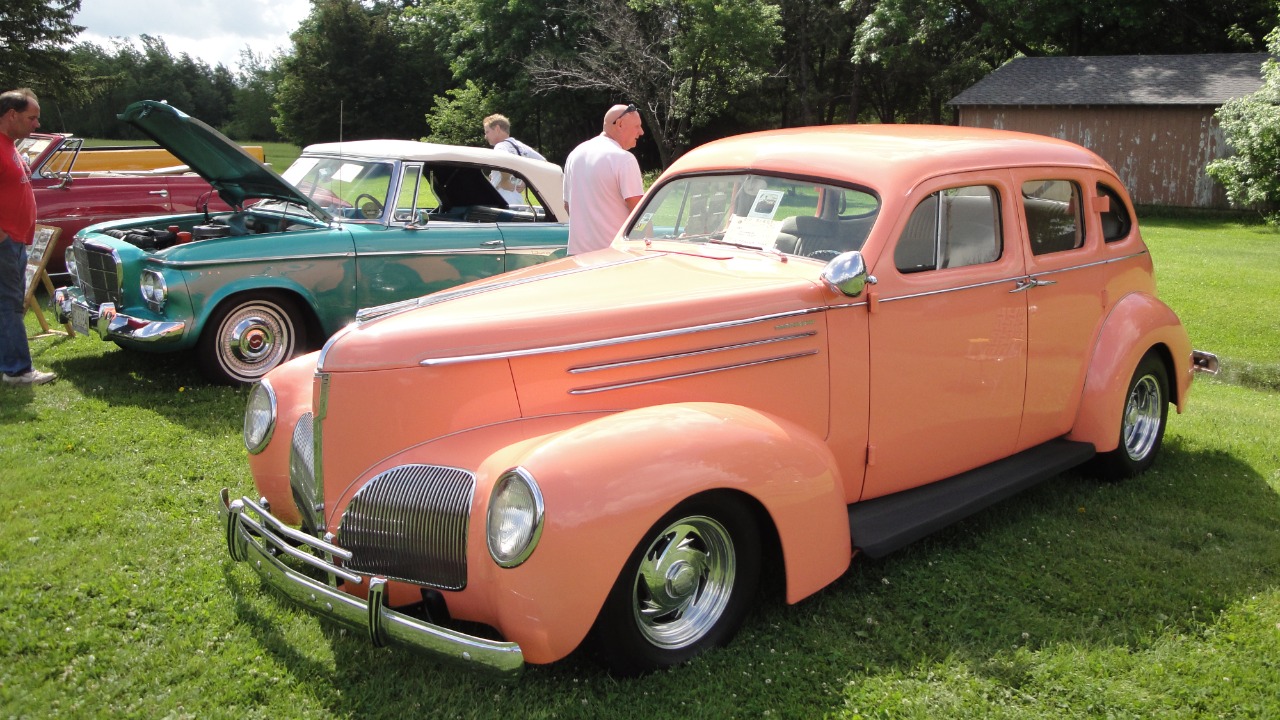
The President represented the upper end of Studebaker’s pre-Hawk passenger-car range, but its importance to mechanics comes from what sat underneath the polished exterior. Later Presidents used versions of Studebaker’s OHV V8, giving the big sedan enough power to compete with much larger American cars while retaining a fundamentally conventional drivetrain. The 1955 and 1956 cars are especially interesting because Studebaker’s relationship with Packard brought Packard mechanical components into portions of the lineup, creating some unusual combinations for restorers today. Earlier Presidents are often more straightforward, with the familiar Studebaker V8 architecture and conventional chassis systems. A mechanic looking at one of these cars isn’t dealing with an anonymous collection of disposable components. There is a clear engineering lineage running through the engines and chassis, and much of the mechanical work can still be understood without specialized electronic equipment. That old-school serviceability is a big part of the appeal.
Studebaker Land Cruiser
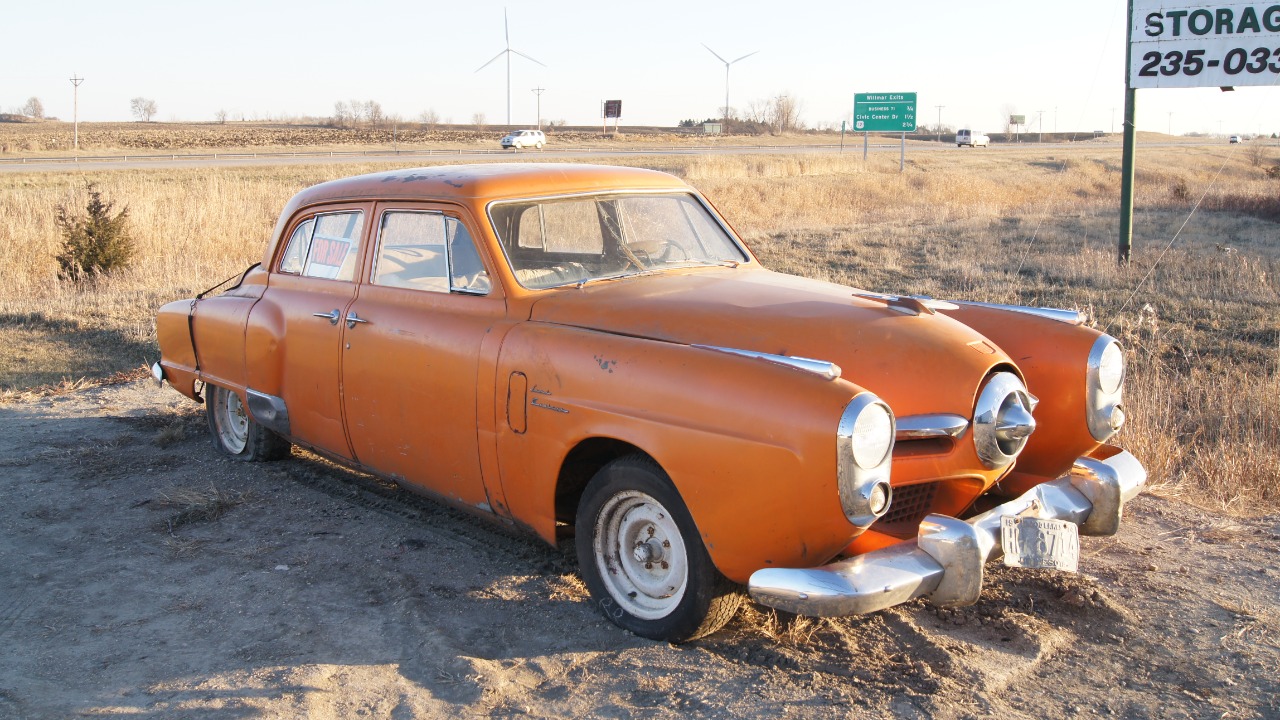
The Land Cruiser name belonged to Studebaker’s longer-wheelbase luxury sedans, and these cars demonstrated that the company could build a comfortable highway machine without simply copying Detroit’s biggest cars. The 1950s Land Cruiser used a stretched version of Studebaker’s basic architecture and offered more interior room while retaining the company’s familiar engines and rear-wheel-drive layout. The mechanical advantage today is that much of the car remains conventional by classic-car standards. There are no computers to diagnose, no electronic fuel injection to troubleshoot, and no modern network of sensors hiding behind the dashboard. An experienced mechanic can approach the engine, suspension, brakes, and drivetrain using traditional methods. The cars are also unusual enough that working on one can be more interesting than servicing another common 1950s sedan. For a mechanic who appreciates solid old hardware and doesn’t mind dealing with scarce trim and body parts, the Land Cruiser remains an appealing Studebaker.
Studebaker Starliner
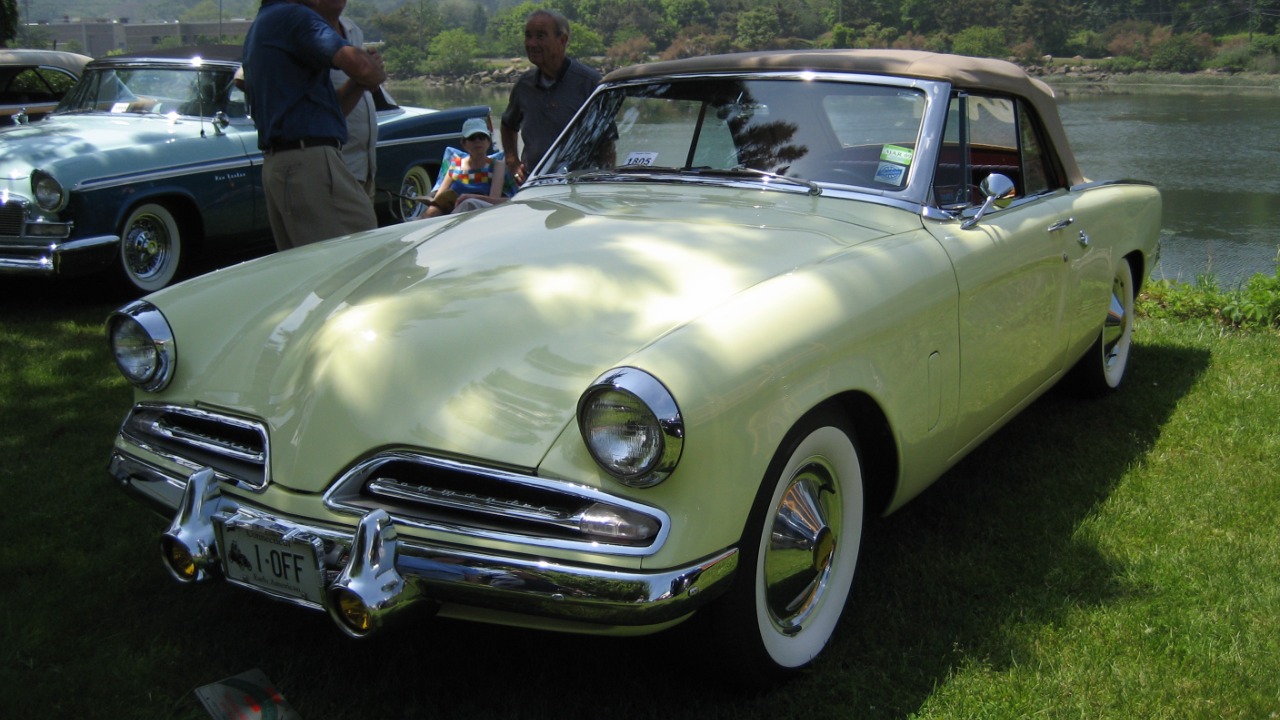
The 1953 Studebaker Starliner is remembered primarily for its styling, but there is more to the car than its low roof and dramatic lines. It rode on the longer Studebaker chassis and shared its basic mechanical foundation with other members of the company’s passenger-car range. Underneath the beautiful Raymond Loewy-associated bodywork was a relatively conventional rear-wheel-drive layout, meaning the mechanical systems were not nearly as intimidating as the body suggested. The Starliner also illustrates one of Studebaker’s recurring engineering problems: ambitious design sometimes moved faster than the company could afford to refine it. Early versions had structural and body-related issues that were addressed through subsequent development. For mechanics, that makes later examples particularly interesting because they combine the unusual styling with a more mature version of the underlying hardware. It is a car where the visual drama can distract from the fact that much of the mechanical work remains familiar classic-car territory.
Studebaker Starlight
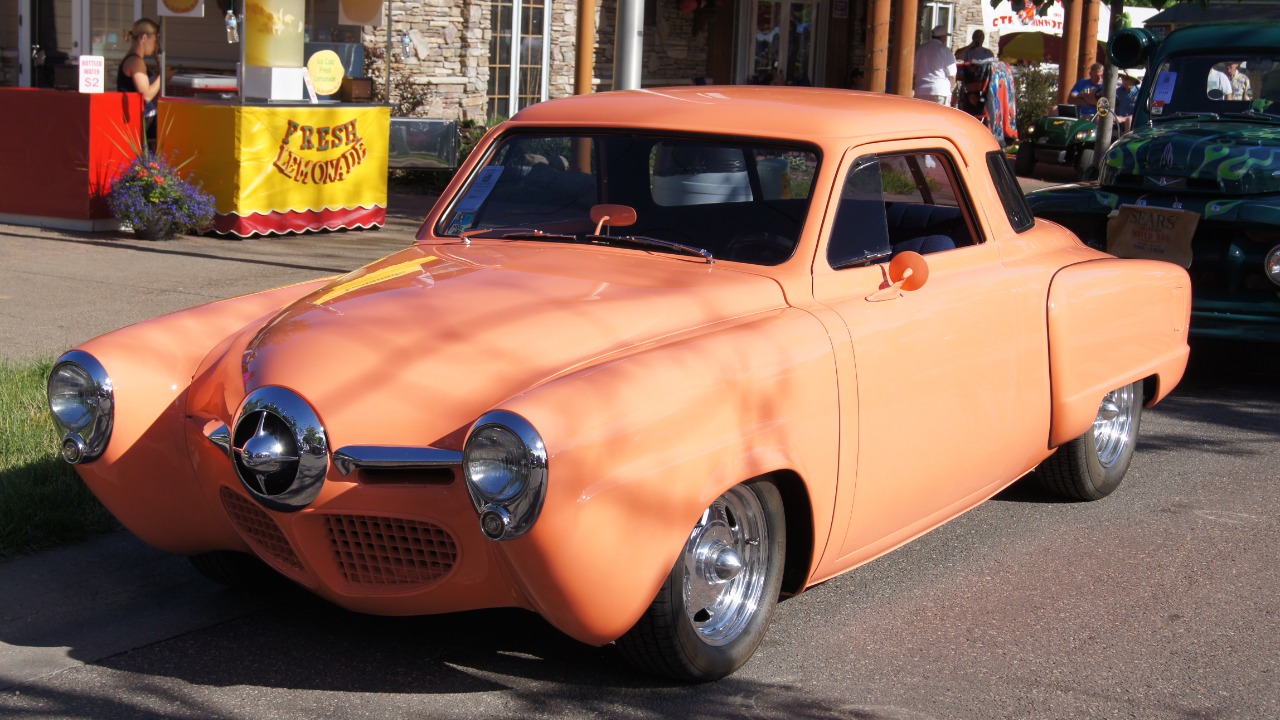
The Starlight shared much of its engineering with the Starliner but used a conventional roof structure with fixed pillars. That difference may sound minor, but it mattered because the pillarless Starliner presented body-flex concerns that Studebaker had to address. The Starlight therefore represents a fascinating compromise between dramatic styling and practical structural engineering. Mechanically, it retained the familiar Studebaker powertrain approach, including six-cylinder and V8 options depending on the year. That means a mechanic isn’t dealing with an exotic drivetrain simply because the body looks futuristic. The car’s relatively straightforward chassis and engine bay are much easier to understand than the exterior would suggest. Today, finding one in good condition is the harder part, especially because trim, glass, body panels, and other specialized pieces can be more troublesome than routine mechanical components. For a hands-on owner, however, that combination of simple mechanical systems and unusual bodywork remains hard to resist.
Studebaker Speedster
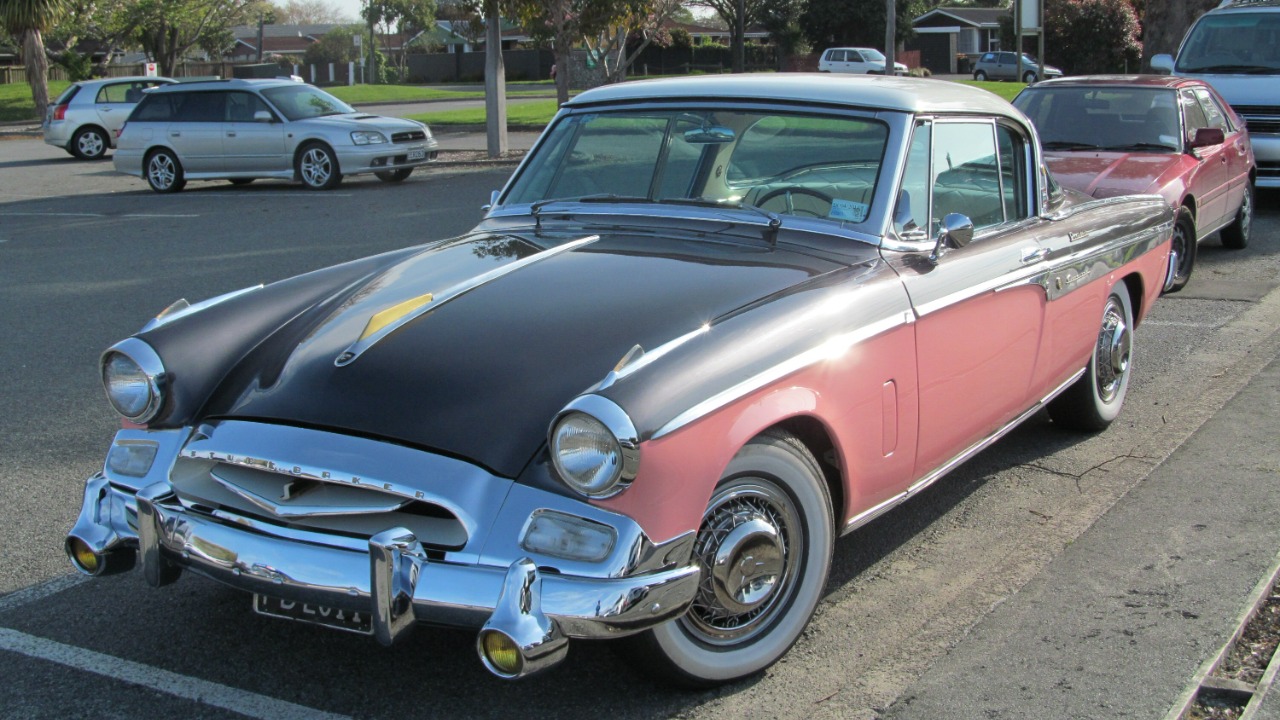
The 1955 Speedster took the basic Studebaker coupe formula and added a more ambitious performance and luxury package. It was closely related to the Champion and Commander family but received a more powerful V8, special trim, and equipment intended to make it a genuine performance-oriented flagship. The important thing for mechanics is that Studebaker didn’t need to invent an entirely new mechanical system to create the Speedster. It relied on the company’s existing V8 architecture and conventional rear-wheel-drive chassis, allowing the performance upgrades to remain understandable to anyone familiar with the brand. The Speedster is also an interesting reminder of how quickly Studebaker could turn existing hardware into something distinctive. Its rarity today means finding parts can be more difficult than working on the actual engine or suspension. A mechanic who knows Studebaker V8s will recognize plenty of familiar components underneath the special equipment, which is exactly why the car continues to have practical appeal.
Studebaker Flight Hawk
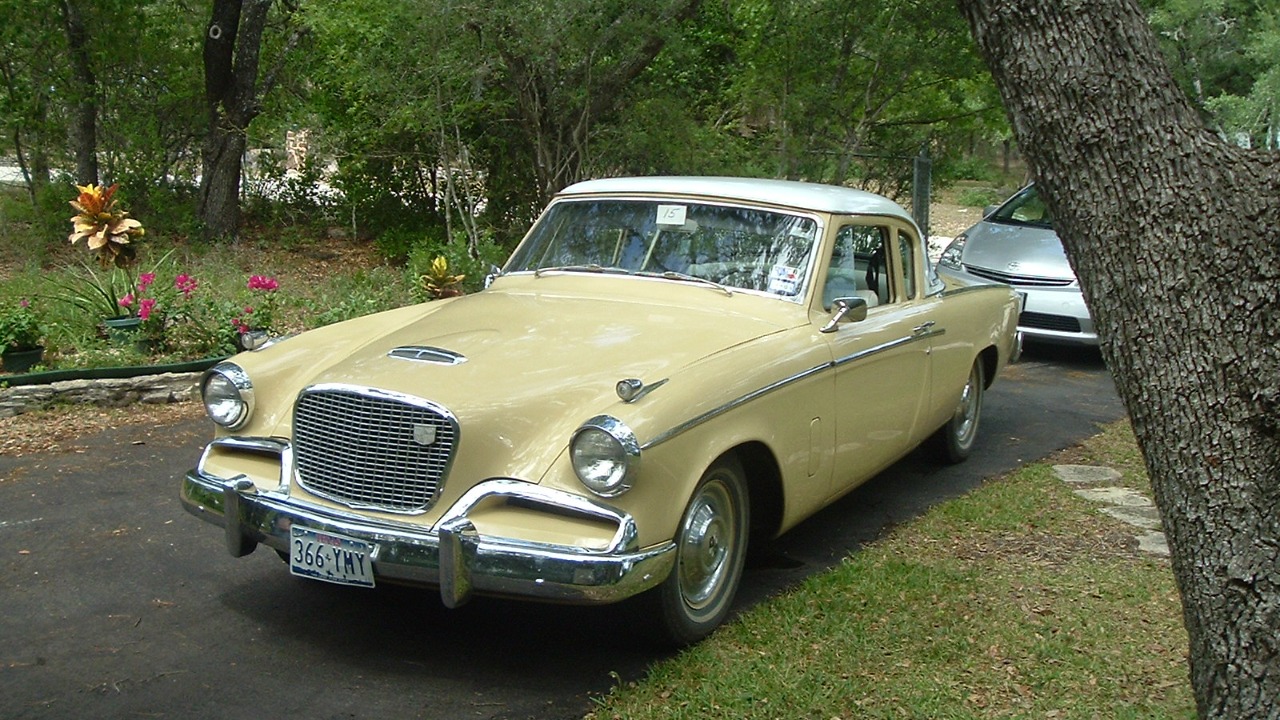
The Flight Hawk was the entry-level member of the 1956 Hawk family, and its mechanical simplicity is precisely what makes it interesting. While its more powerful siblings received V8 engines, the Flight Hawk used Studebaker’s 185.6-cubic-inch Champion-derived flathead six. That wasn’t the glamorous choice, but it was a straightforward engine with an uncomplicated design and decades of accumulated mechanical knowledge behind it. There was something refreshing about the way Studebaker offered the Hawk body with different levels of performance rather than making every version a high-powered special. A mechanic working on a Flight Hawk can concentrate on traditional fundamentals such as ignition, carburetion, cooling, lubrication, and valve adjustment. Parts availability can still be a challenge because these cars are old and uncommon, but the basic engineering isn’t intimidating. For someone who enjoys keeping classic machinery alive through careful maintenance rather than electronic diagnostics, the Flight Hawk remains a fascinating example.
Studebaker Power Hawk
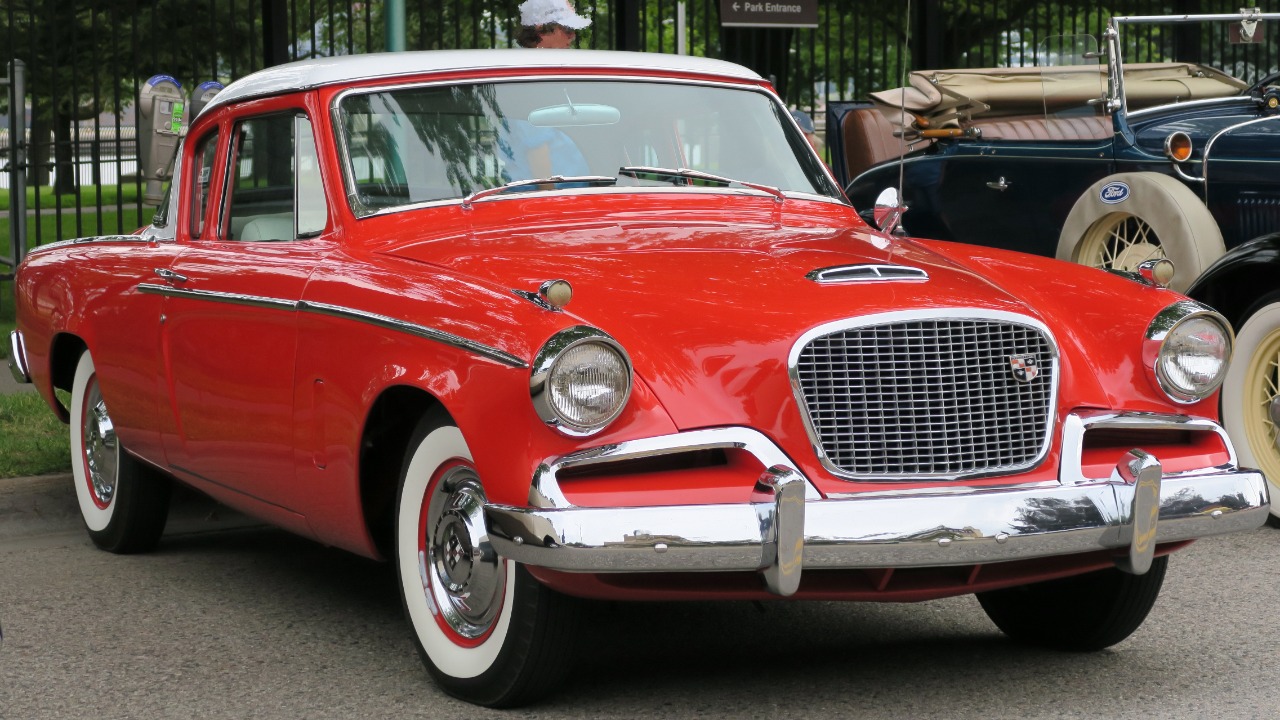
The Power Hawk gave buyers a middle ground between the basic Flight Hawk and the more expensive performance versions. Under its hood was Studebaker’s 259-cubic-inch overhead-valve V8, an engine that became one of the company’s important small-block-style powerplants during the 1950s. Depending on specification, the engine could produce substantially more power than the basic six-cylinder cars while retaining a fairly conventional layout. That combination is exactly the kind of thing experienced mechanics tend to appreciate. The engine is compact enough to work around, mechanically understandable, and supported by a long history of Studebaker applications. The Power Hawk itself is also less intimidating than a Golden Hawk, which can make it an appealing starting point for someone wanting a real Studebaker performance car without going immediately to the rarest hardware. It is an honest mechanical package with enough V8 character to make every drive feel like a proper 1950s American performance car.
Studebaker Golden Hawk
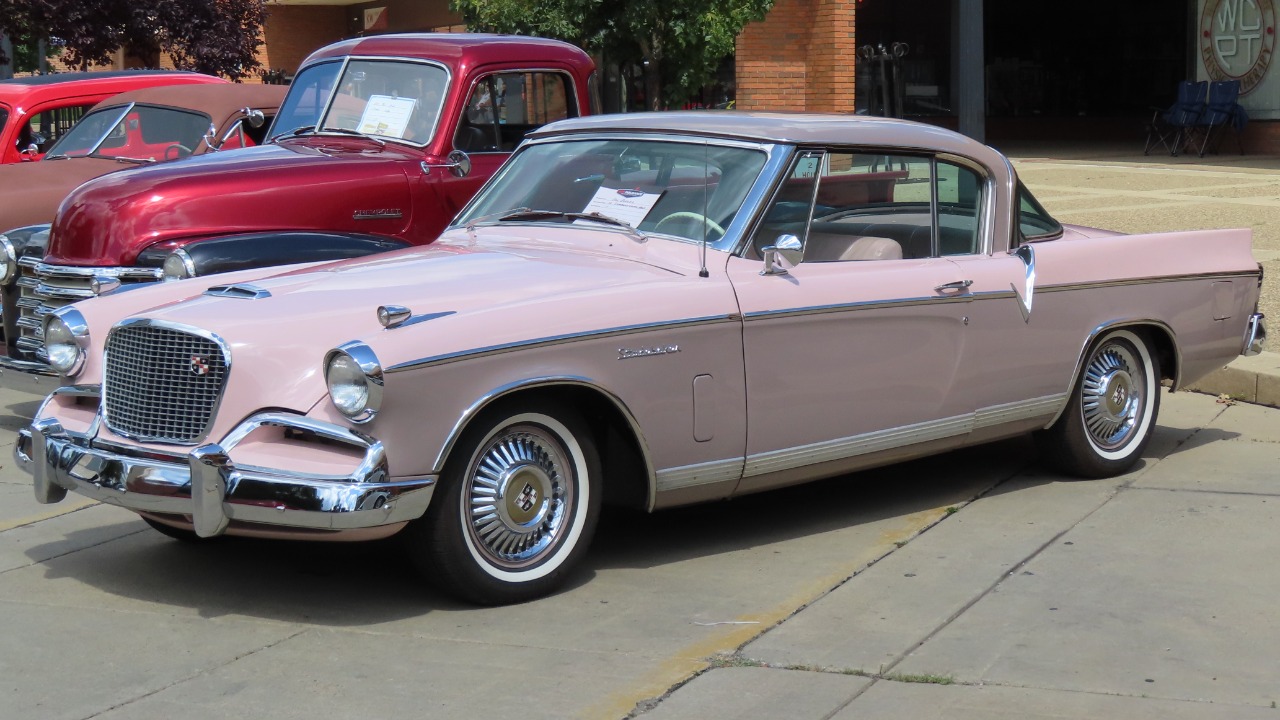
The Golden Hawk is one of the Studebakers that most clearly demonstrates how much engineering the company could squeeze into a relatively small package. The 1956 version used a Packard 352-cubic-inch V8, while later Golden Hawks received Studebaker’s supercharged 289. That later combination became particularly memorable because the supercharger gave the car serious performance without requiring a gigantic engine. The underlying Hawk chassis remained comparatively compact, making the car more nimble than its dramatic styling might suggest. Mechanics today have to distinguish between appreciating the engineering and pretending every component is easy to source. The Packard-powered 1956 car, for example, presents different parts and service considerations from later Studebaker-powered versions. Still, the Golden Hawk earns respect because Studebaker created a genuine high-performance machine during a period when horsepower wars were becoming increasingly important. It is a great example of the company’s willingness to try something ambitious even when resources were limited.
Studebaker Silver Hawk
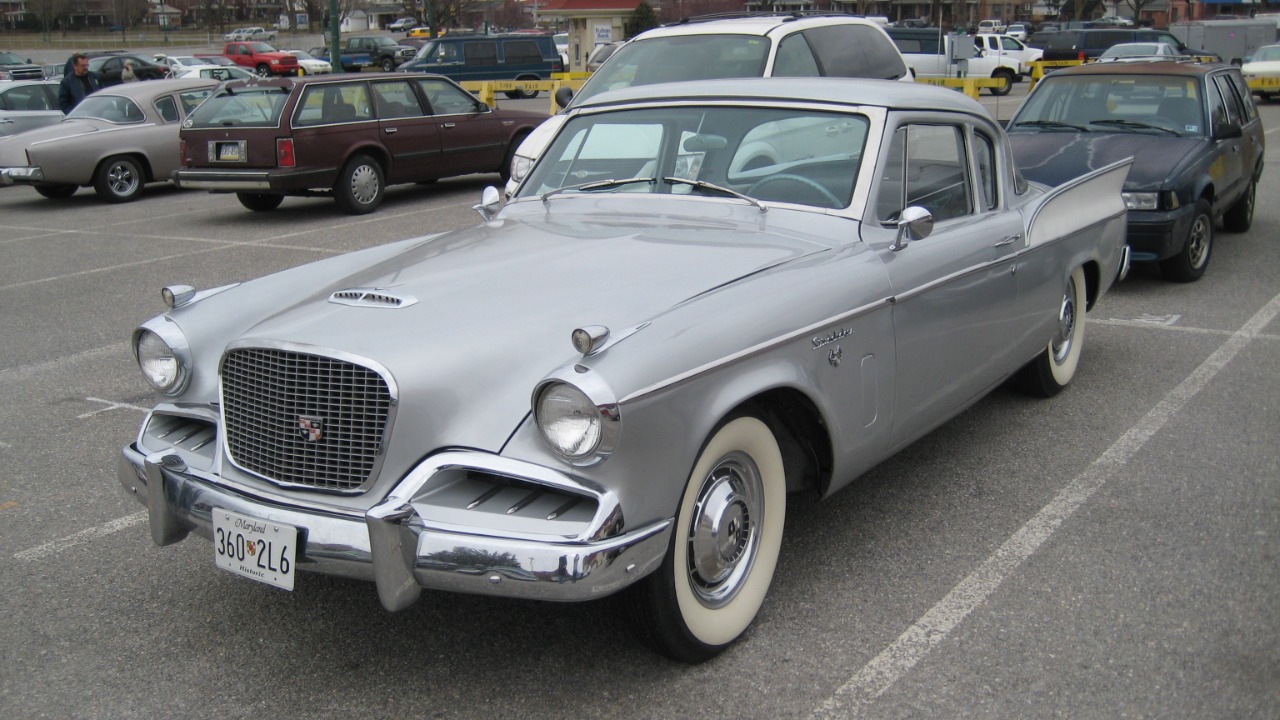
The Silver Hawk became one of Studebaker’s most recognizable names, and its mechanical formula was considerably more sensible than its dramatic appearance suggested. Introduced for 1957, the Silver Hawk was available with Studebaker’s six-cylinder and V8 engines depending on configuration, while retaining a conventional rear-wheel-drive chassis. That gave buyers the freedom to choose between economy and performance without changing the basic architecture of the car. For mechanics, this matters because the underlying systems are familiar: traditional carbureted engines, conventional transmissions, mechanical suspension components, and straightforward braking systems. The Silver Hawk also benefited from Studebaker’s ongoing development of the Hawk platform, meaning later examples can provide a more mature version of the basic package. Its distinctive styling and relative rarity make body restoration more complicated than routine mechanical service, but once a mechanic gets past the trim and cosmetics, there is plenty of familiar Studebaker hardware underneath.
Studebaker Packard Hawk
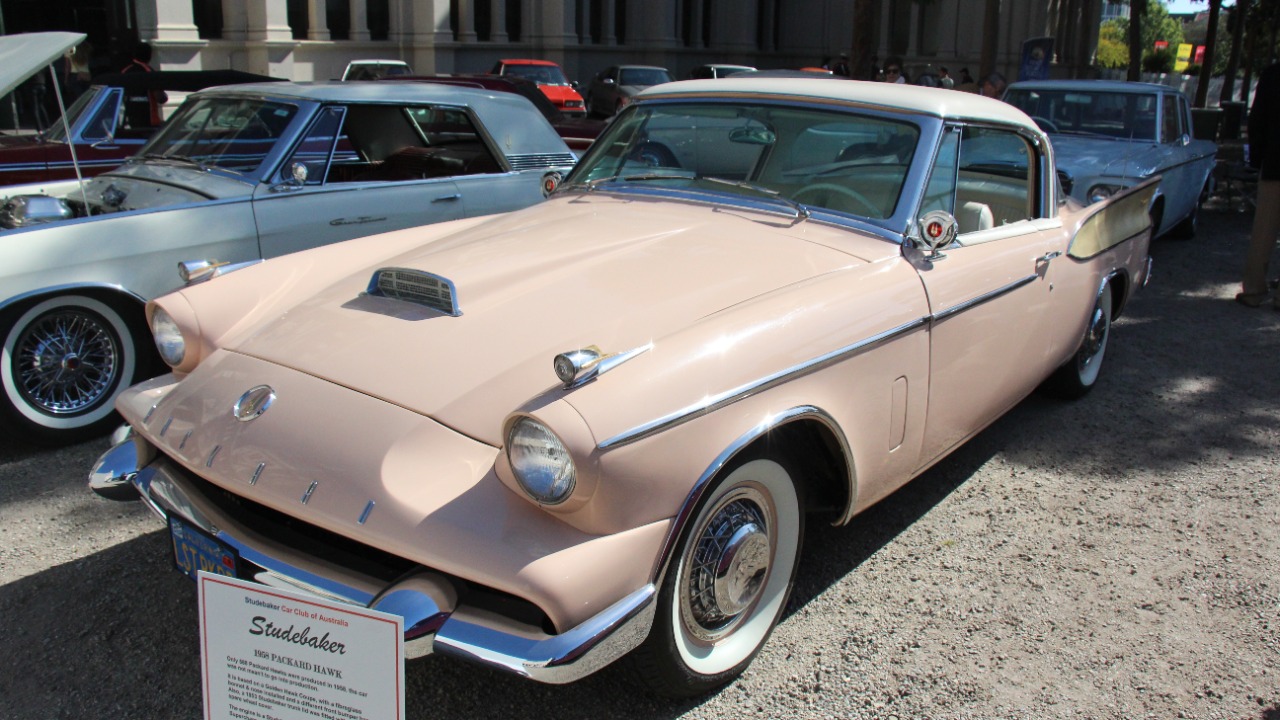
The 1958 Packard Hawk is an oddball even by Studebaker standards. It was essentially a Studebaker Hawk transformed into the final Packard-branded performance model, complete with distinctive styling and Studebaker’s supercharged V8. From a mechanical standpoint, that makes it an intriguing mixture of two companies that were then tied together by the troubled Studebaker-Packard organization. The car used familiar Studebaker engineering rather than some completely separate Packard drivetrain, which means the mechanical foundation is more approachable than its name suggests. The supercharged engine adds complexity, but it also gives the Packard Hawk much of its personality. Today, mechanics may spend more time worrying about sourcing correct trim and specialized parts than understanding the engine itself. That is common with rare 1950s cars. Once the unusual pieces are sorted out, however, the Packard Hawk’s conventional chassis and proven Studebaker V8 architecture make it a fascinating machine to keep running.
Studebaker Hawk
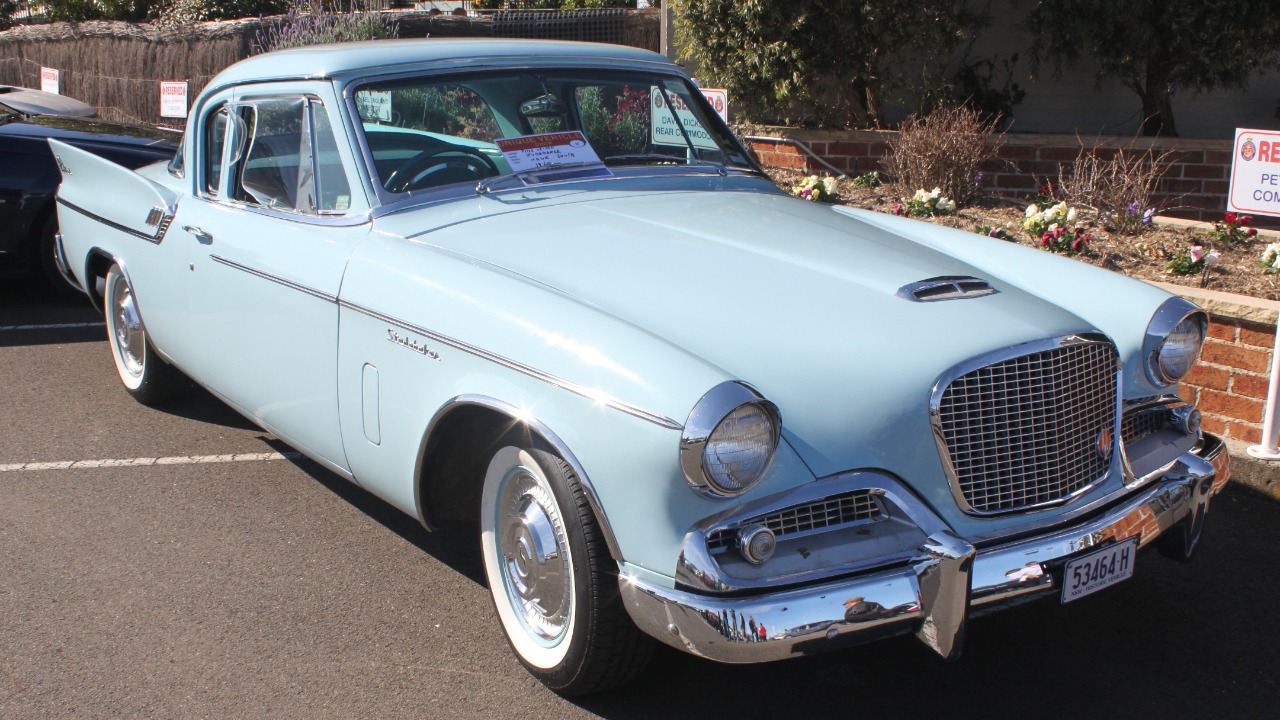
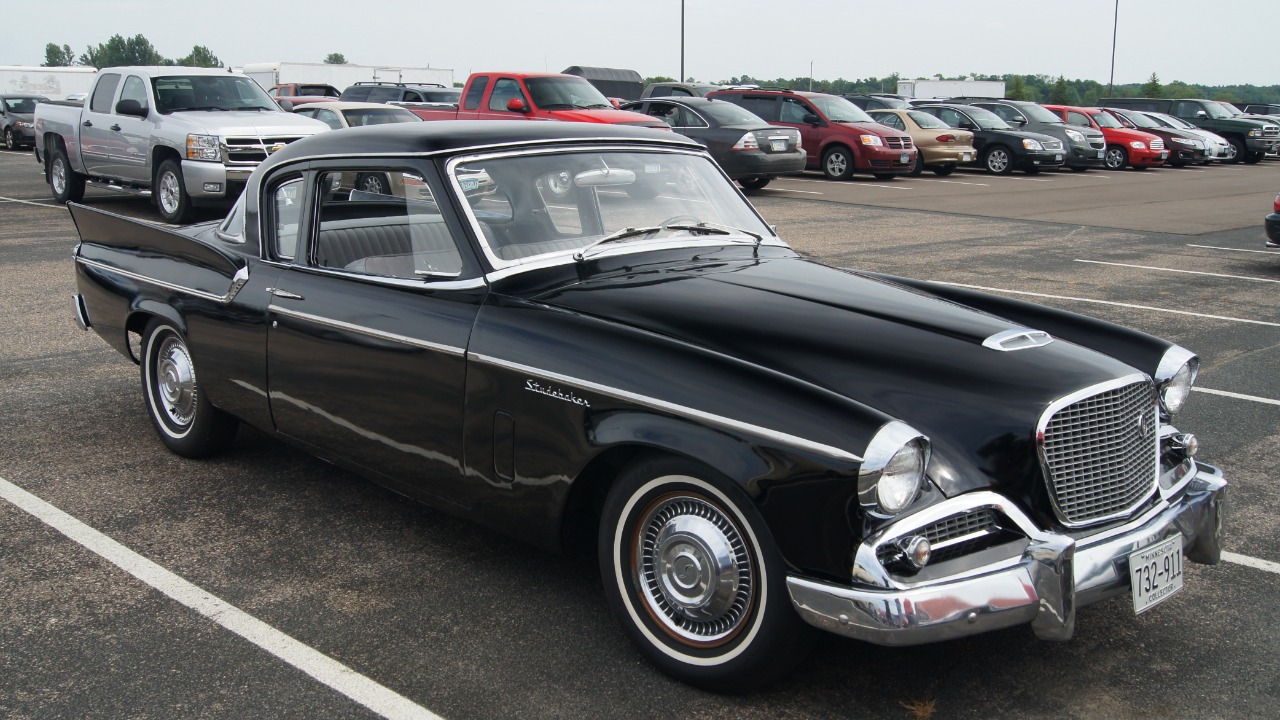
By 1960, Studebaker simplified the Hawk name, but the basic mechanical philosophy remained recognizable. The car continued using the company’s V8 family, including the 289 in later versions, along with conventional manual and automatic transmissions. What mechanics appreciate about these cars is the continuity. Studebaker didn’t constantly reinvent every component simply to make the brochure look different. The Hawk platform carried familiar hardware across several years, which helped create a useful parts and knowledge base. The 1960 and 1961 cars also benefited from the company’s increasingly compact approach, making them interesting alternatives to the enormous performance coupes coming from Detroit. A mechanic who understands Studebaker’s V8 family can move between several applications without starting from scratch every time. That doesn’t make every repair easy, particularly today, when some parts are scarce, but it does make the Hawk one of those classics where mechanical knowledge still goes a long way.
Studebaker Gran Turismo Hawk
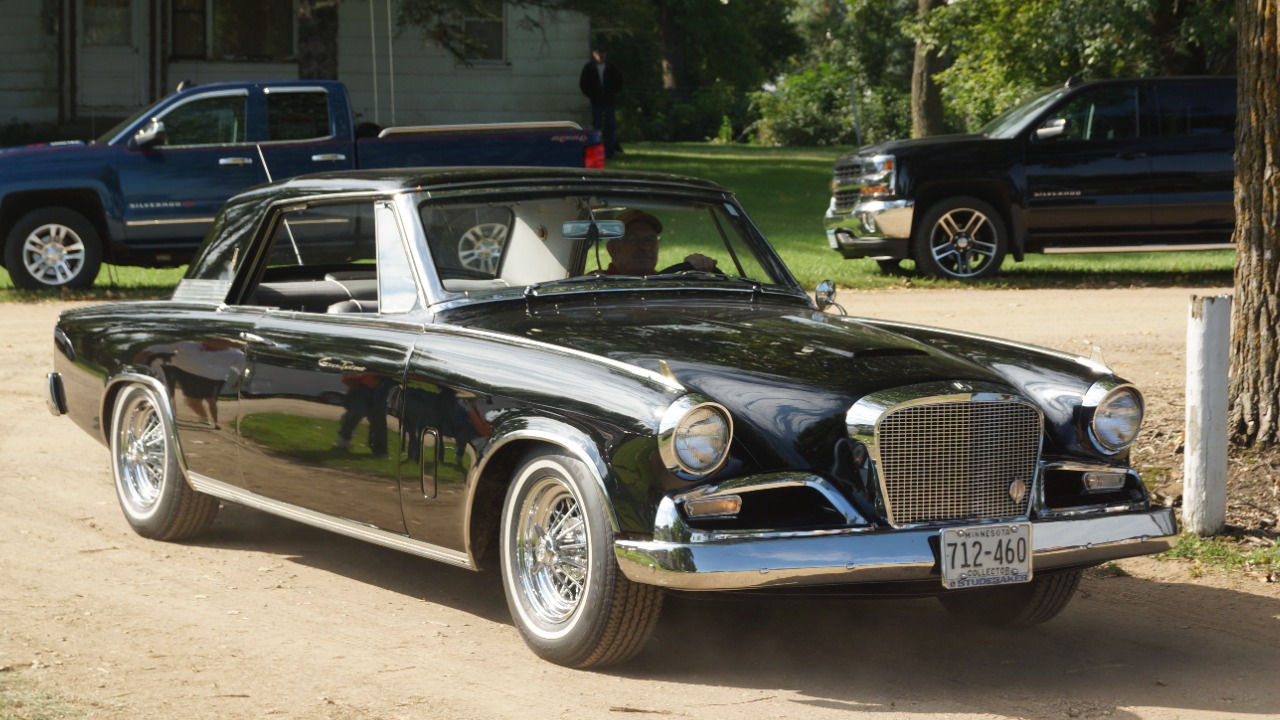
The Gran Turismo Hawk arrived for 1962 and showed how much life Studebaker could extract from an aging platform. The chassis was related to the earlier Hawk and ultimately traced back to the company’s 1953-era architecture, but that wasn’t necessarily a disadvantage for mechanics. Familiarity can be a virtue when working on a 60-year-old automobile. The GT Hawk could use the 289-cubic-inch Studebaker V8, with later cars also able to receive the company’s Jet Thrust R-series engines. Optional performance equipment included front disc brakes, heavier suspension components, and other hardware that helped turn the car into a surprisingly capable grand tourer. The basic design also meant replacement parts could sometimes be shared across a wider range of Studebaker applications. That parts commonality is one reason the car remains more approachable mechanically than its rarity might suggest.
Studebaker Lark
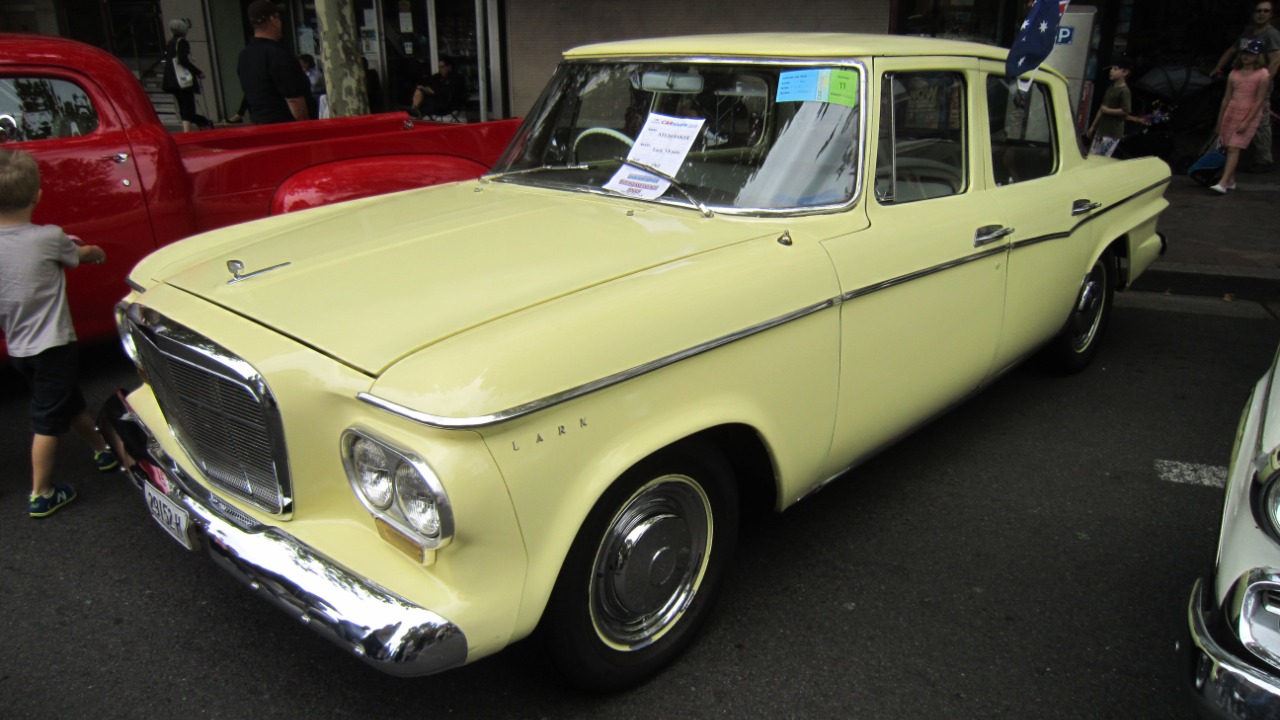
The Lark may not have the visual drama of an Avanti or Golden Hawk, but mechanics have good reason to respect it. Introduced for 1959, it was a compact car designed specifically to reduce weight, cost, and complexity at a time when American manufacturers were still pushing toward larger vehicles. Its engines included Studebaker’s familiar six-cylinder units and later V8 options, while the rear-wheel-drive layout kept the mechanical arrangement conventional. The Lark’s success was critical to Studebaker’s survival and gave the company a platform that could be adapted into numerous body styles. Later versions became increasingly sophisticated without abandoning the fundamental mechanical simplicity that made the original concept attractive. For a mechanic, a Lark can be more appealing than a giant luxury sedan because there is less weight, less bulk, and generally less unnecessary hardware to deal with. It is one of those cars that demonstrates how effective sensible engineering can be when a manufacturer has to watch every dollar.
Studebaker Lark Cruiser
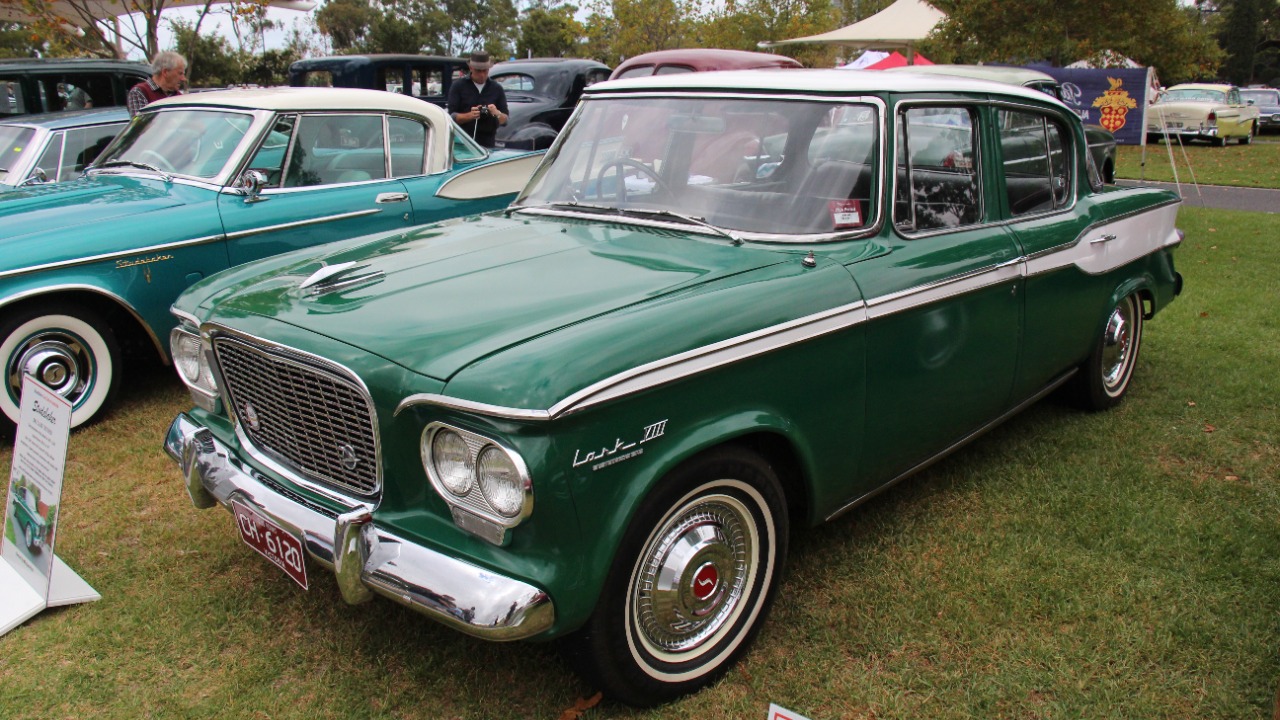
The Lark Cruiser took the compact formula and stretched it into something more comfortable for buyers who wanted additional passenger space. The 1961 Cruiser used a longer 113-inch wheelbase, giving rear passengers more room while retaining the basic Lark architecture. That makes it interesting mechanically because the car remained a relatively compact package rather than turning into a full-size sedan. The Cruiser could use Studebaker’s established engines and transmissions, so an experienced mechanic wasn’t faced with a completely new collection of systems. Its conventional suspension and rear-wheel-drive layout also make routine mechanical work recognizable to anyone familiar with American cars of the period. The Cruiser isn’t usually the first Studebaker enthusiasts mention when discussing performance, but mechanics often value cars for reasons beyond horsepower. Simplicity, accessibility, durability, and parts interchange can matter just as much. The Cruiser demonstrates that side of Studebaker engineering particularly well.
Studebaker Lark Daytona
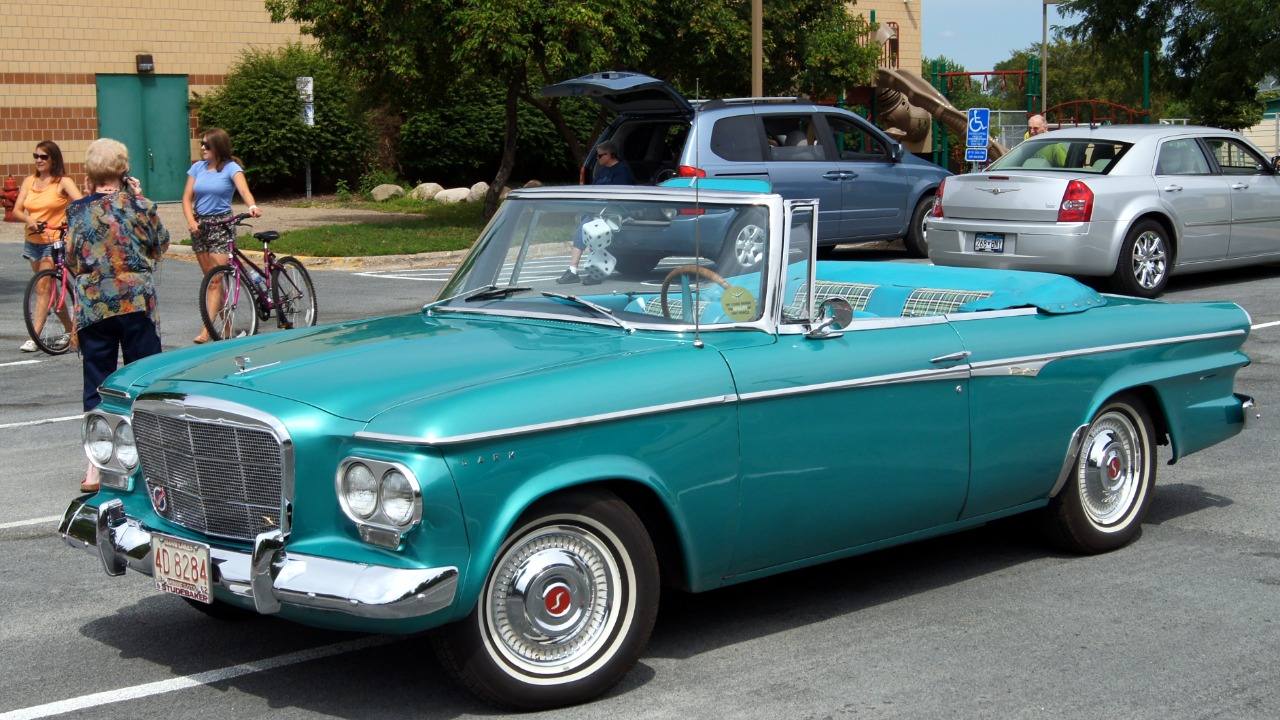
The Daytona transformed the relatively sensible Lark into something considerably more entertaining. Introduced as a sportier model for the early 1960s, it could be equipped with Studebaker’s stronger V8 engines and eventually the R-series Jet Thrust powerplants associated with the Avanti. That meant buyers could have a relatively compact car with serious American V8 performance. The mechanical foundation remained conventional, however, which is one reason the Daytona is still attractive to hands-on enthusiasts. The engine sits in a traditional front-engine, rear-wheel-drive layout, and many components are shared with other Studebaker applications. Later Daytona versions could also be fitted with front disc brakes, adding a worthwhile improvement for anyone who actually intends to drive the car rather than leave it parked. The Daytona is therefore a good example of Studebaker’s ability to take an existing platform and extract much more performance from it without completely abandoning practicality.
Studebaker Wagonaire
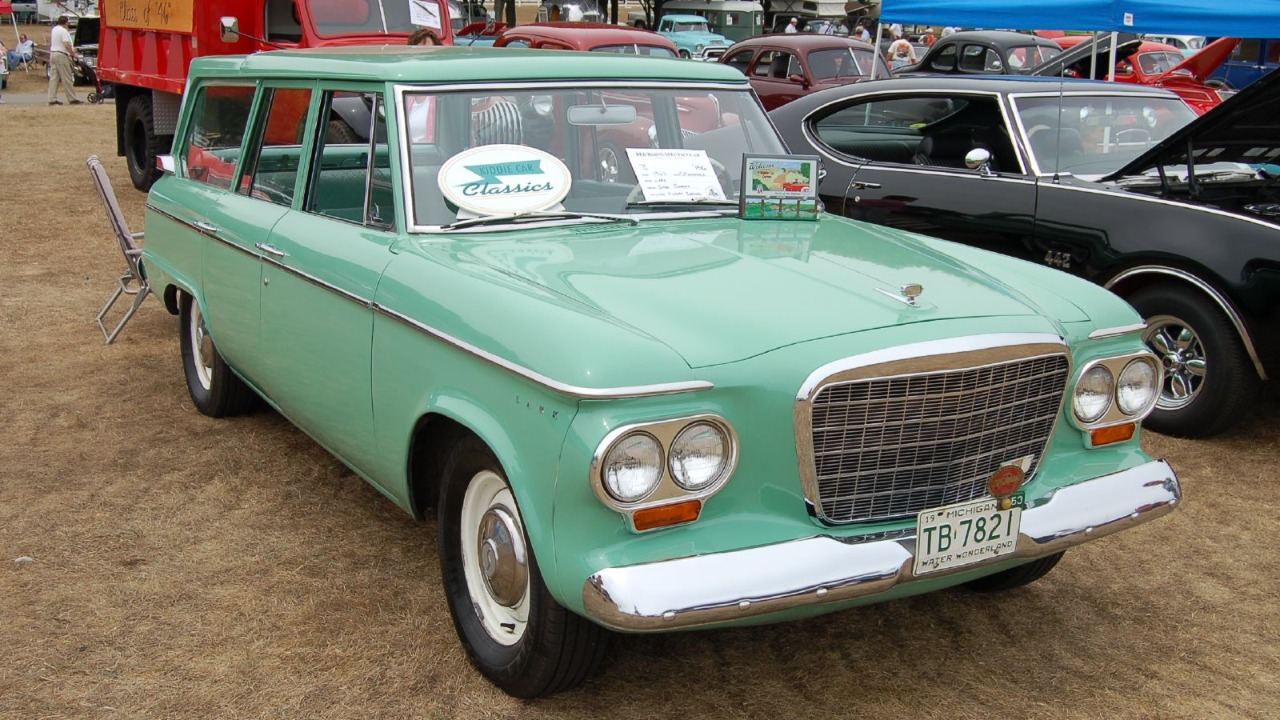
The Wagonaire is probably one of the strangest Studebakers ever built, but its unusual roof mechanism doesn’t tell the whole mechanical story. Introduced for 1963, it used the Lark platform and offered a sliding section of roof over the cargo area, allowing owners to carry tall objects while keeping the rest of the vehicle enclosed. Early examples developed water-leak problems, and the sliding mechanism required attention to seals and drainage tubes, so this isn’t a case where every aspect of the design deserves praise. What mechanics can respect is the sheer practicality of the underlying engineering. The Wagonaire could use Studebaker’s six-cylinder and V8 engines, including the 289 and, in some Daytona applications, the supercharged R2. It also incorporated substantial structural reinforcement around the unusual body opening. The result was a genuinely inventive utility vehicle built with conventional mechanical hardware underneath.
Studebaker Transtar
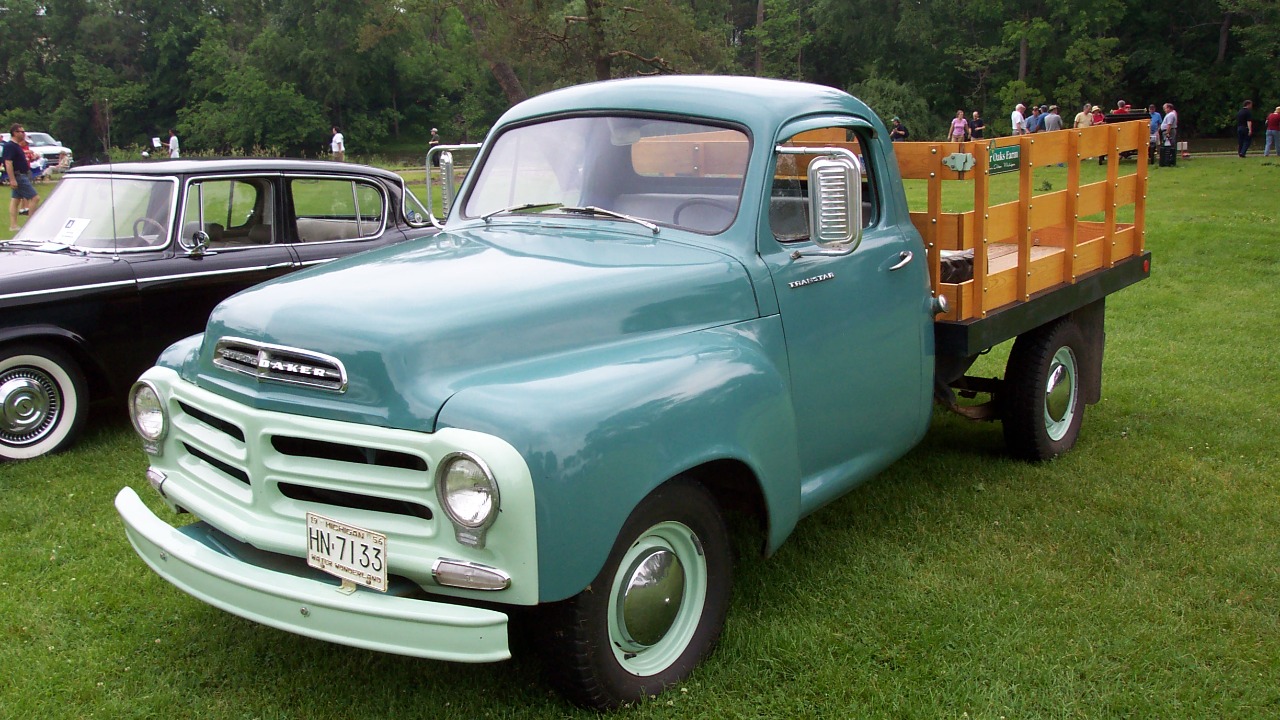
Studebaker’s Transtar trucks are a reminder that the company wasn’t only interested in stylish passenger cars. The Transtar name covered a range of pickups and commercial trucks using the company’s established truck architecture and several different six-cylinder and V8 engines. Depending on the year and model, buyers could get engines including the 185-cubic-inch Champion six, larger sixes, and Studebaker V8s ranging from the 224 to the 289. The basic layout was exactly what a working mechanic wanted in a truck of the period: front engine, rear-wheel drive, conventional axles, and manual transmissions. Four-wheel-drive versions were also available in certain applications. These trucks weren’t built around unnecessary complexity, and their mechanical systems were intended to be serviced in the real world rather than simply replaced. Today, rust and missing body parts can be bigger problems than the mechanical architecture itself.
Studebaker 3R Pickup
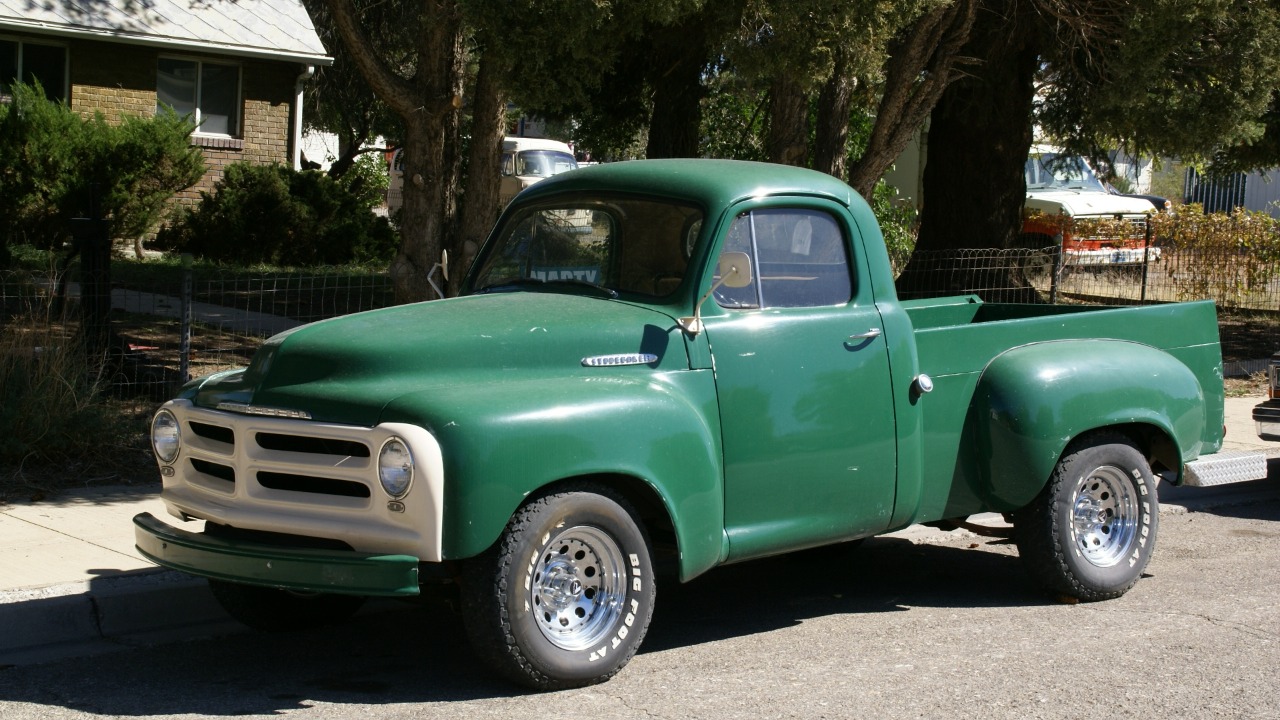
The 3R was a relatively short-lived update to the 2R, but it deserves attention because Studebaker improved the truck without throwing away the basic architecture. The 1954 3R received a one-piece windshield, revised front-end treatment, and an updated dashboard, while the fundamental mechanical package remained familiar. More importantly, the V8 became available to American buyers in heavier-duty 3R28 and 3R38 models. That gave the truck a useful increase in performance while preserving the traditional truck layout. A mechanic working on a 3R encounters the kind of hardware that can usually be understood with ordinary tools and mechanical knowledge. There are no computers, electronic control modules, or complicated emissions systems hiding behind the basic functions. The biggest challenge today is finding good original parts and dealing with decades of wear, not understanding the engineering. For someone who enjoys restoring old trucks by actually turning wrenches, the 3R remains a satisfying machine.
More from Fast Lane Only
- Unboxing the WWII Jeep in a Crate
- 15 rare Chevys collectors are quietly buying
- 10 underrated V8s still worth hunting down
- Police notice this before you even roll window down
*Research for this article included AI assistance, with all final content reviewed by human editors.