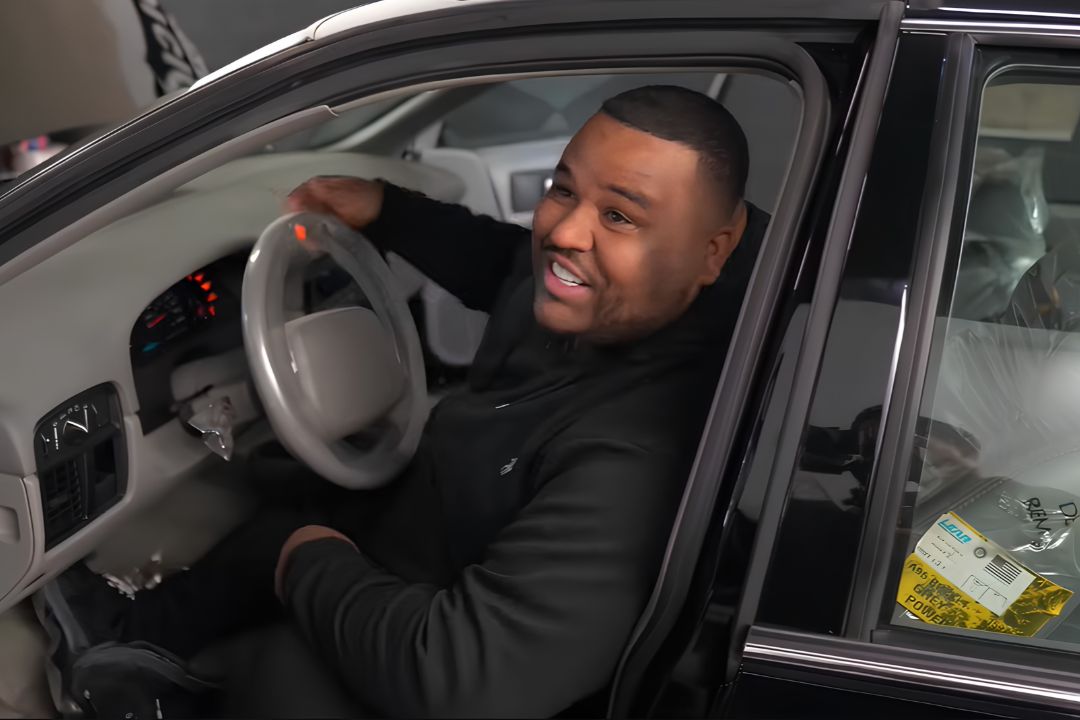
Most 30-year-old cars wear their age somewhere. A cracked dash, sun-faded trim, a steering wheel worn smooth from decades of hands. This 1996 Chevrolet Impala SS shows none of that, because as far as anyone can tell, almost nobody’s hands have actually touched it. Omi, the collector who bought it, and his friend Billy spent their first inspection of the car finding factory protection still in place on parts that normally disappear within the first week of ownership, including a set of wheel locks still sealed inside their original plastic packaging in the trunk.
The car itself represents a genuinely short window in Chevrolet’s history. The Impala SS returned for only three model years, 1994 through 1996, and this specific example is an early 1996 build, the first year the car got a center console shifter and analog gauge cluster in place of the column shifter and digital dash used on the 1994 and 1995 models. Under the hood sits the LT1 V8, essentially the same engine platform used in the Corvette of that era, dropped into a full-size rear-wheel-drive sedan built more like a boat than a sports car. Omi paid $33,000 for it, a price he called close to impossible to find for a car with this little mileage, especially compared to typical Impala SS listings that run similar money with 10,000 to 15,000 miles already on the odometer.
Ten miles and a trunk full of untouched factory parts
The odometer reading is the headline detail, and it holds up under close inspection rather than falling apart the moment someone actually looks closely. Original delivery paperwork found with the car states it was purchased new on December 4, 1995, and had only 9 miles on it at that point, essentially factory-to-driveway mileage with nothing in between. Reading through that paperwork, Omi and Billy noted a stated preference that the vehicle be delivered in the same condition as it left the factory, language consistent with a buyer who intended to store the car rather than drive it.
Whatever that original owner’s plan was, it clearly worked. The interior still carries its original protective plastic on the steering wheel and turn signal stalk, details usually gone within days of a new car leaving the lot. Door panels retain factory plastic as well. The original window sticker is still present. Even the keys still carry their factory dealer and alarm tags attached, the kind of small paper tags that get thrown away almost immediately on virtually every other car ever sold. In the trunk, a full set of factory wheel locks sat sealed in their original plastic wrap, never removed, let alone used.
Billy, inspecting the car alongside Omi, seemed genuinely thrown by how complete the preservation was, at one point questioning whether the car was even worth driving back given how untouched everything was. Rubber components throughout the car, seals and trim that typically dry out, crack, or shrink with age even on a car that’s simply sat in storage, were described as still fully intact, a detail that surprised both men given how routinely that kind of rubber degrades over three decades regardless of mileage.
An argument over what the car is actually for
Not everything about the car was perfect. Long-term storage had left the outer door belt molding and window trim showing visible wear and some rot, the kind of degradation that comes specifically from sitting rather than from use. Omi mentioned wanting the trim potentially replaced and the paint color-corrected and clear-coated, cosmetic work aimed at cleaning up storage-related wear rather than fixing any real damage.
That maintenance conversation led directly into a disagreement between the two friends about what to actually do with the car going forward. Billy’s position was straightforward: a car this original belonged parked and preserved, not driven, treating the near-zero mileage itself as the asset worth protecting. Omi pushed back hard on that idea, stating flatly that he’d bought the car specifically to drive it, going as far as joking that if he had his way, he’d drive it inside his own house. The disagreement wasn’t really about the Impala specifically. It touched on a broader argument about whether cars like this one gain more value sitting untouched for another decade or two, or whether the entire point of owning something this rare is actually using it.
Before any of that gets resolved, there’s practical paperwork to sort out first. The car’s original title exists, and both men agreed that keeping that original document, rather than transferring the title into Omi’s name and generating a new one, matters enough to be worth requesting a duplicate of the original rather than simply replacing it outright.
What almost nobody actually does with a car like this
The debate between Omi and Billy captures something that applies well beyond this one Impala. Keeping a car parked and pristine for thirty years, refusing to drive it despite the option being right there, takes either serious financial patience or a level of willpower most car owners simply don’t have. Whoever ordered this Impala SS new in December 1995 apparently had exactly that patience, and the result is a car that reads today less like a used vehicle and more like a time capsule that happened to come with a title and a set of keys.
Whether it stays that way under its next owner is still an open question. What’s not in question is how rare the starting point actually is: a genuine 1996 Impala SS, delivered new with 9 miles on the odometer, sitting today at roughly 10, with a full paper trail and factory protective plastic still in place on components that essentially never survive this long anywhere else.
More from Fast Lane Only
- Unboxing the WWII Jeep in a Crate
- 15 rare Chevys collectors are quietly buying
- 10 underrated V8s still worth hunting down
- Police notice this before you even roll window down
*Research for this article included AI assistance, with all final content reviewed by human editors.