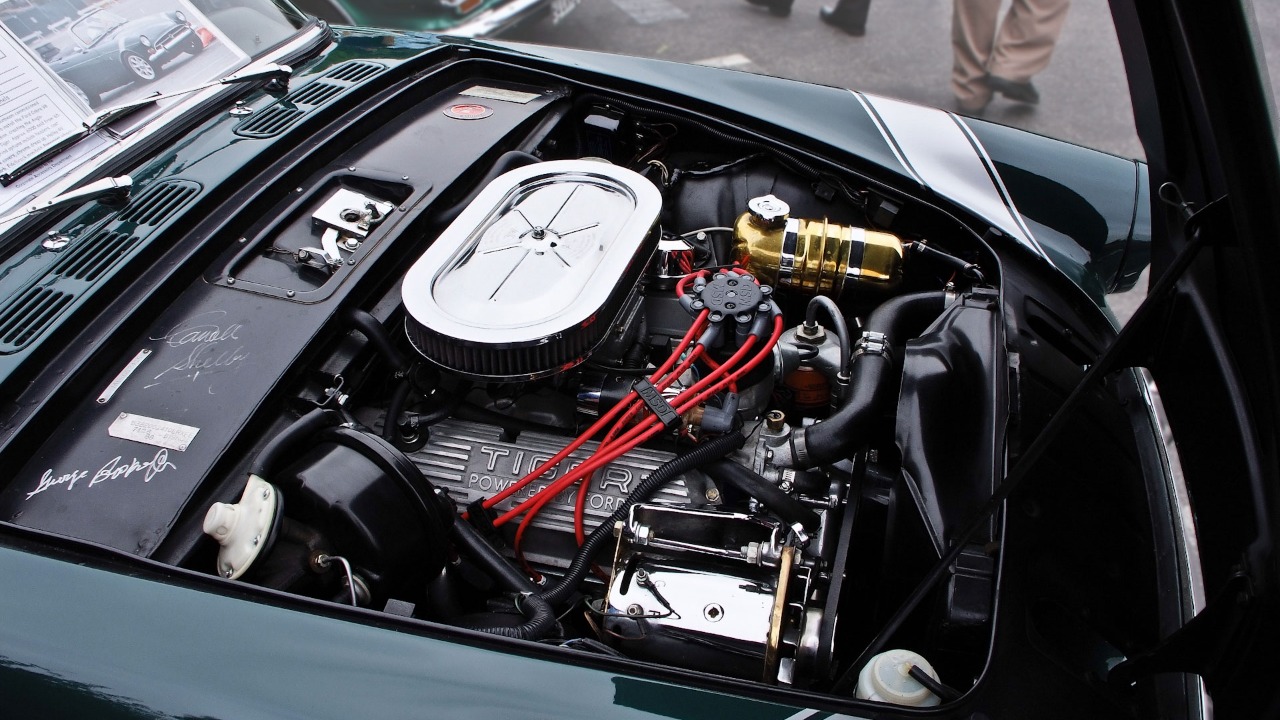
Some engines earn a reputation for surviving demanding driving, high mileage, heavy workloads, and years of daily use. Their strength usually comes from durable construction, proven designs, and the ability to tolerate real-world conditions. These 18 engines became known for staying dependable even when owners pushed them harder than expected.
Toyota 2JZ-GTE
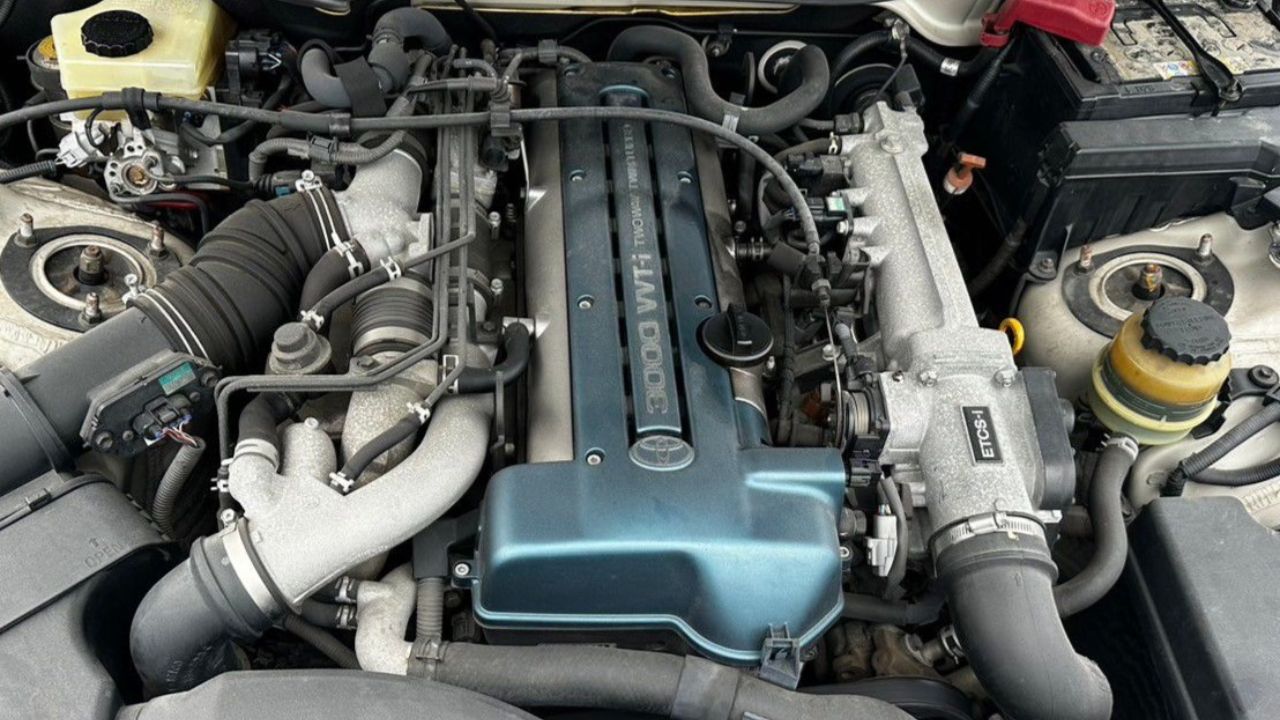
The Toyota 2JZ-GTE became famous for its strong iron block, durable internals, and impressive ability to handle additional power. Originally developed for performance applications, it also proved capable of surviving years of hard driving when properly maintained. Its reputation grew even stronger through tuning culture, where well-built examples routinely handled power levels far beyond the factory specification.
Toyota 1UZ-FE
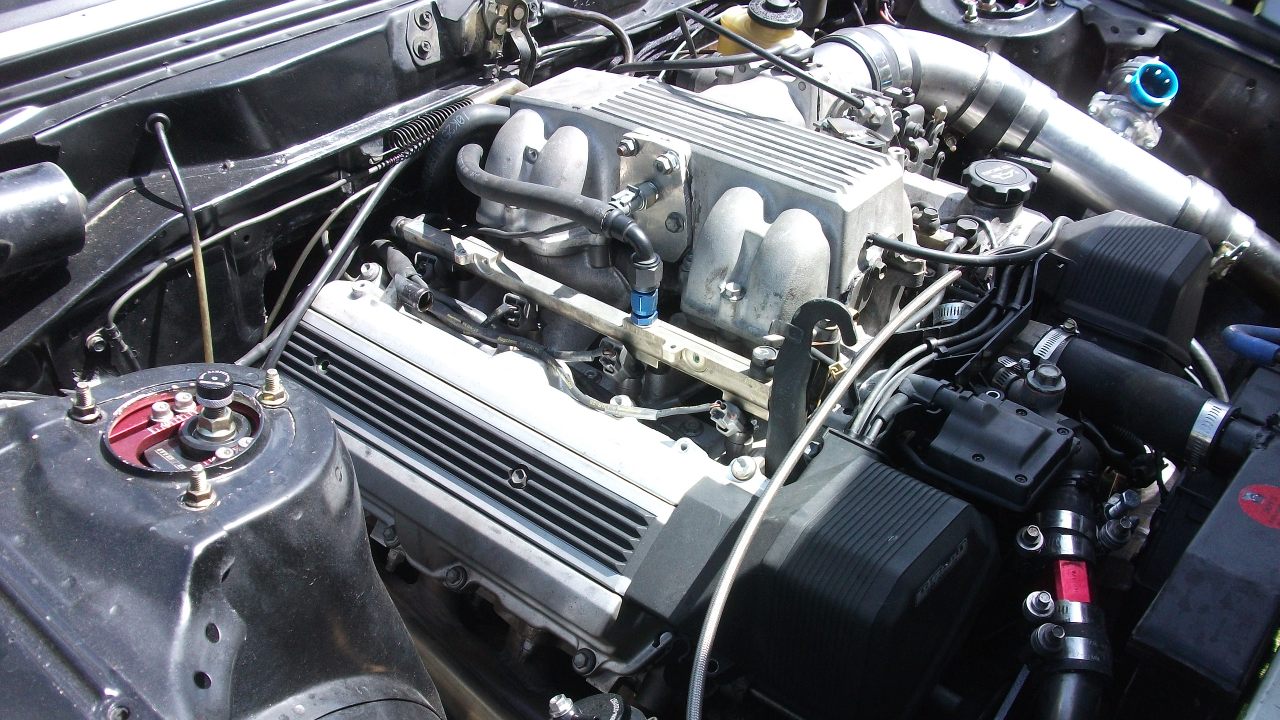
The Toyota 1UZ-FE combined an aluminum V8 design with strong internal engineering and excellent refinement. Originally used in Lexus models, it was built to provide smooth performance over long periods rather than chase extreme output. Proper maintenance allows these engines to accumulate substantial mileage, and their reputation for durability has made them popular for swaps and enthusiast projects.
Toyota 22R-E
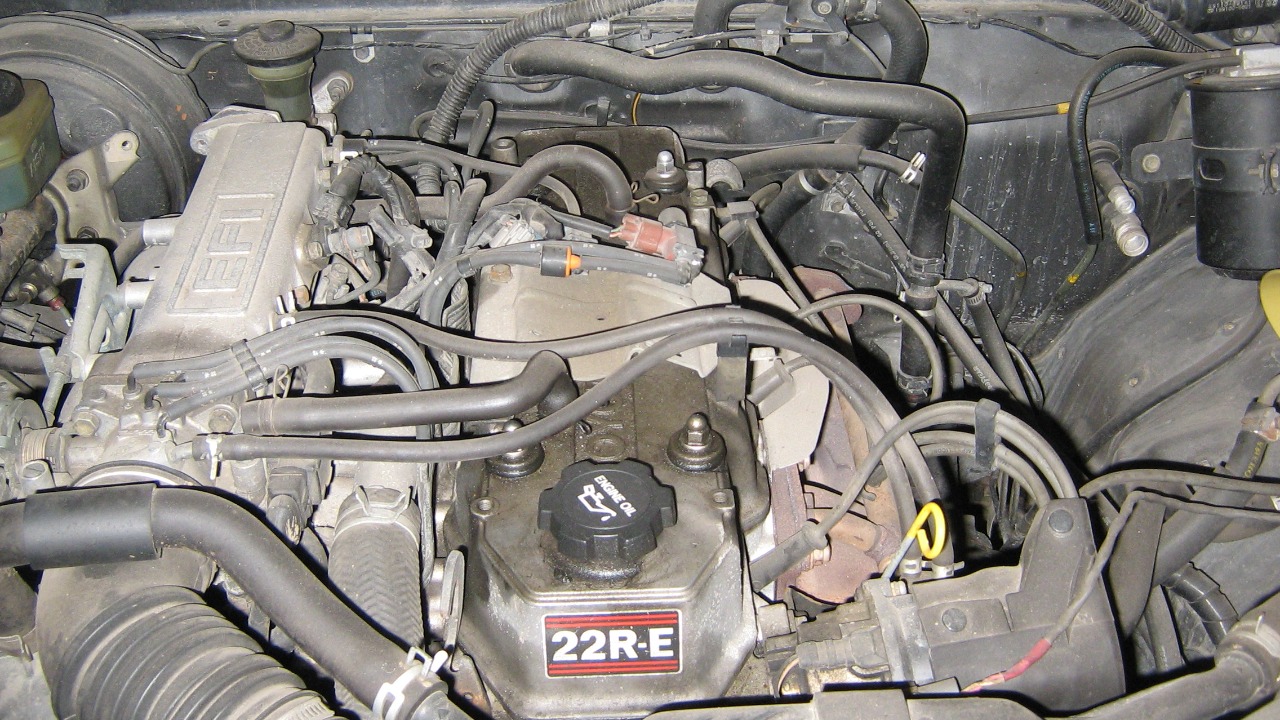
The Toyota 22R-E became one of the company’s best-known engines for dependable everyday service. Its relatively simple four-cylinder construction and sturdy design suited pickups and SUVs particularly well. Many examples spent years working under demanding conditions, helping establish the 22R-E as an engine that could tolerate high mileage and regular hard use without requiring complicated maintenance.
Honda K24
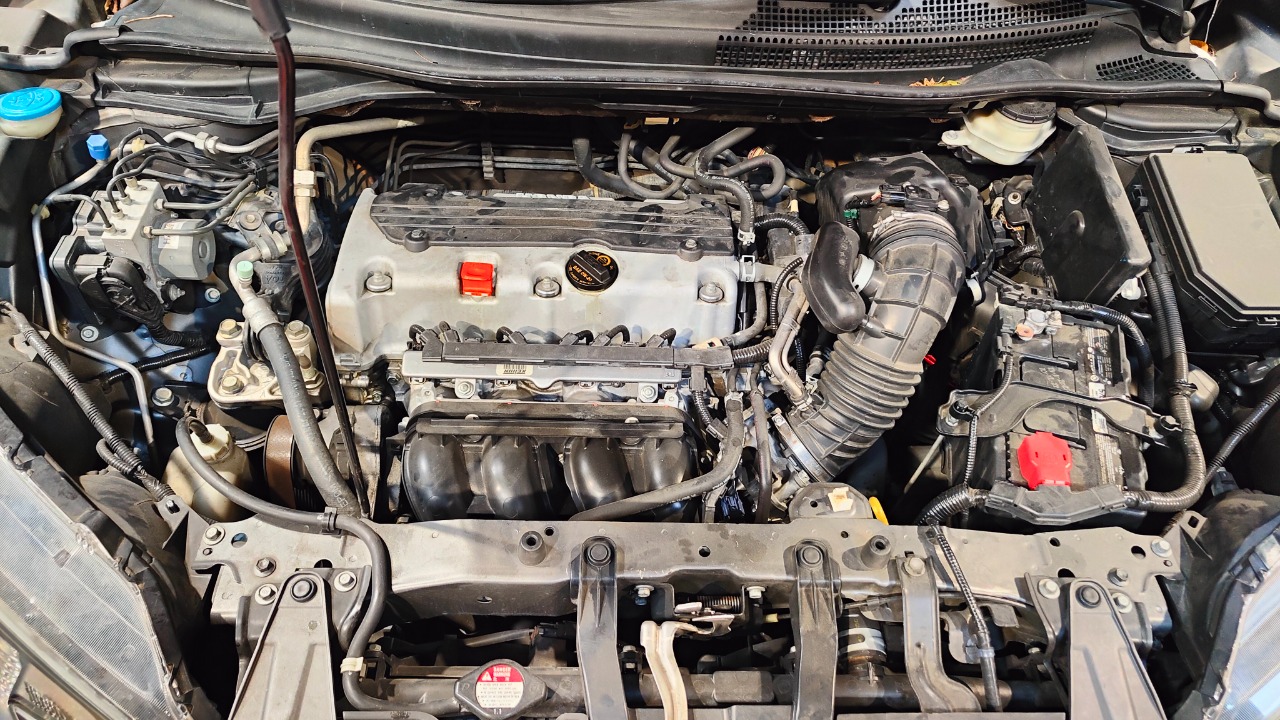
The Honda K24 offers a useful combination of durability, efficiency, and performance. Its four-cylinder design has powered numerous Honda and Acura models, giving mechanics and owners extensive experience with the engine. With regular oil changes and proper servicing, the K24 can handle substantial mileage while also supporting performance modifications, making it dependable for both ordinary driving and enthusiast use.
Honda B18C
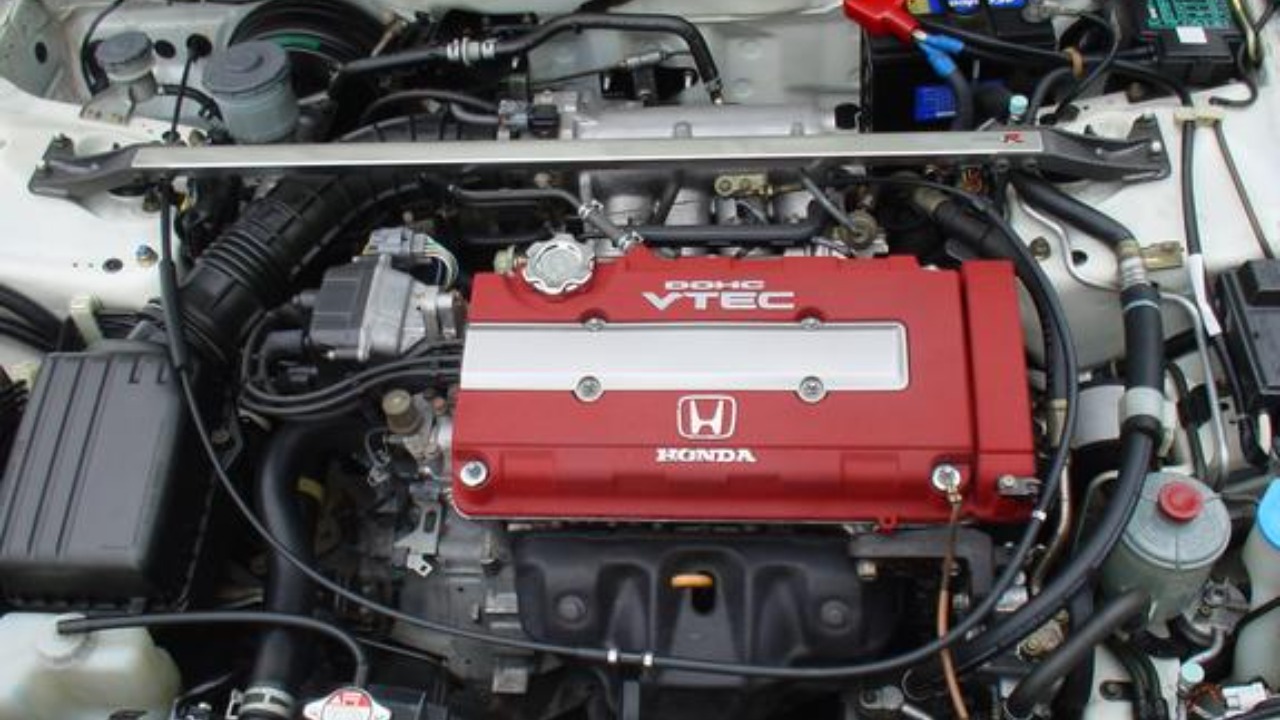
The Honda B18C became famous for its high-revving character and strong performance potential. Despite being designed for enthusiastic driving, it can remain reliable when maintained correctly. Its durable architecture and huge supply of replacement and performance parts have helped keep many examples on the road for decades. The engine remains especially respected among Honda performance enthusiasts.
Ford 300 Inline-Six
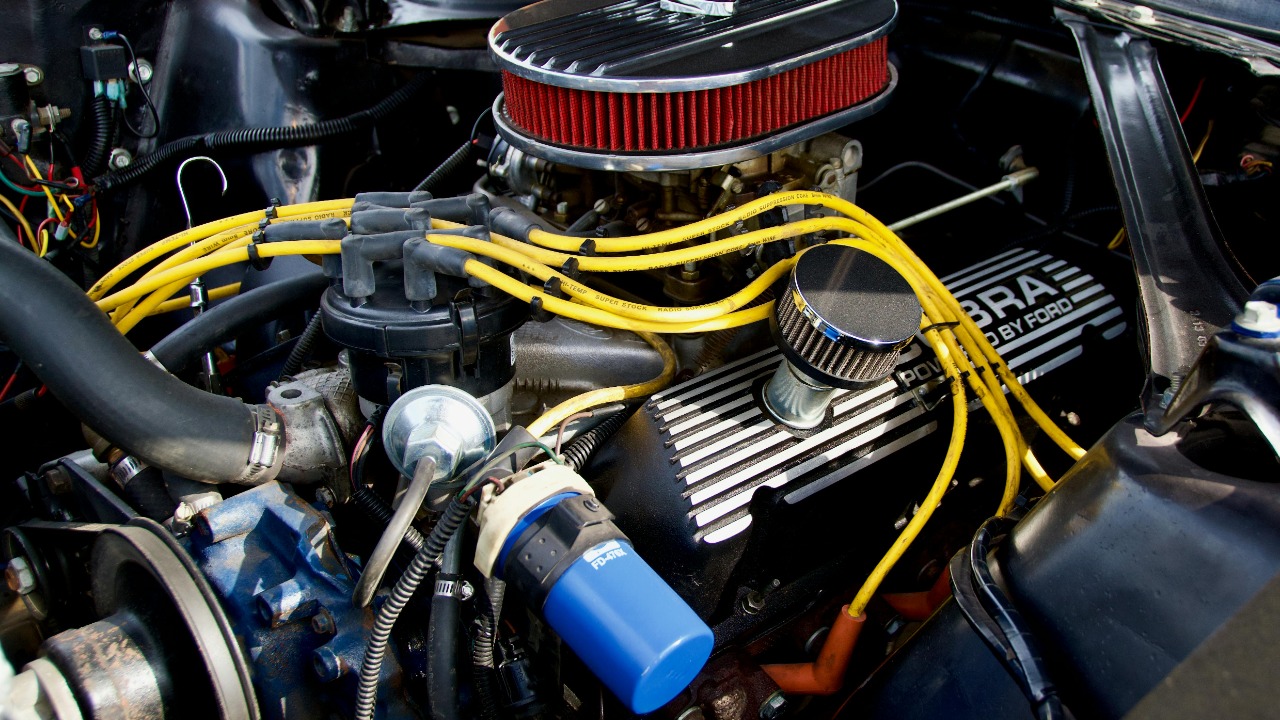
The Ford 300 inline-six developed an almost legendary reputation for surviving hard work. Its simple design, strong low-speed torque, and durable construction made it especially useful in trucks and commercial applications. It was not built around high-revving performance, but that was part of its appeal. The engine could deliver dependable service through years of demanding use.
Chevrolet 350 Small-Block
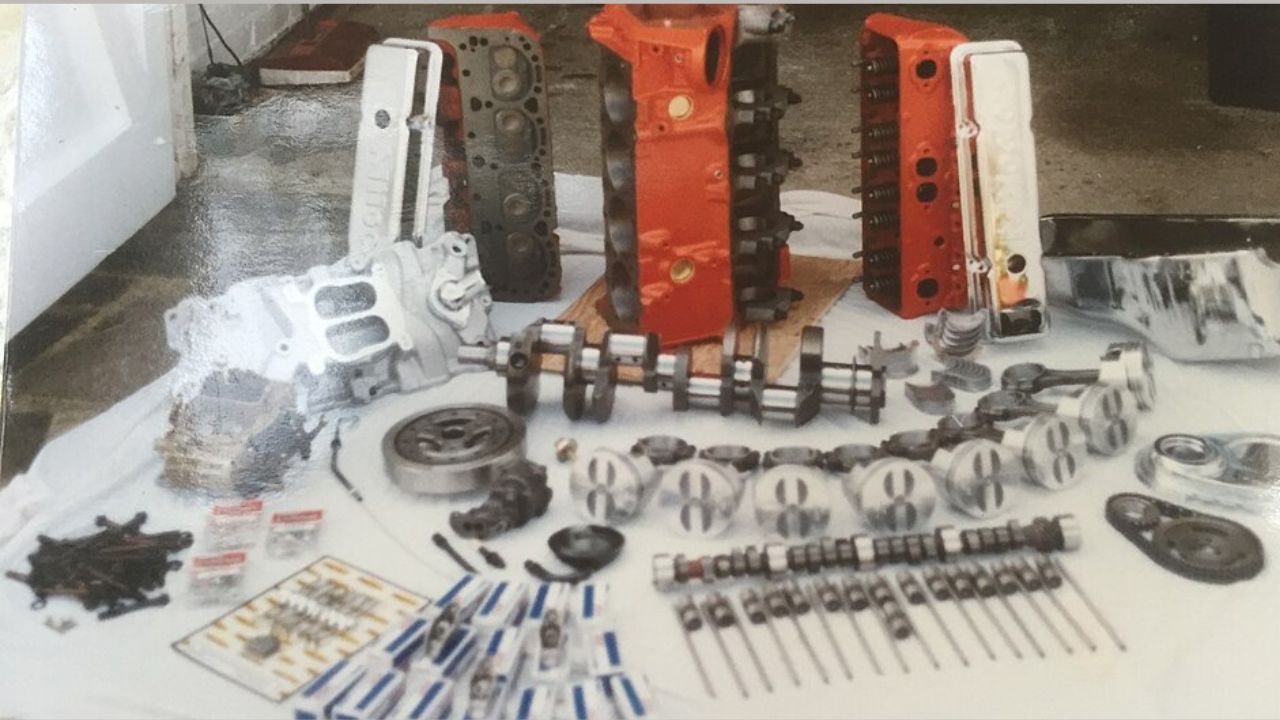
The Chevrolet 350 small-block became one of the most widely used V8 engines in American automotive history. Its straightforward architecture, abundant parts supply, and enormous mechanical knowledge make it relatively easy to repair and rebuild. From trucks to muscle cars, countless applications demonstrated its ability to deliver dependable performance under a wide range of driving conditions.
GM LS3

The GM LS3 combined modern engine technology with the simple pushrod architecture that helped make GM V8s so popular. Its 6.2-liter displacement provided strong naturally aspirated performance, while its basic design remained relatively compact. Properly maintained examples can handle demanding street use, and its strong aftermarket support makes repairs, upgrades, and rebuilds widely accessible.
Cummins 5.9L 12-Valve
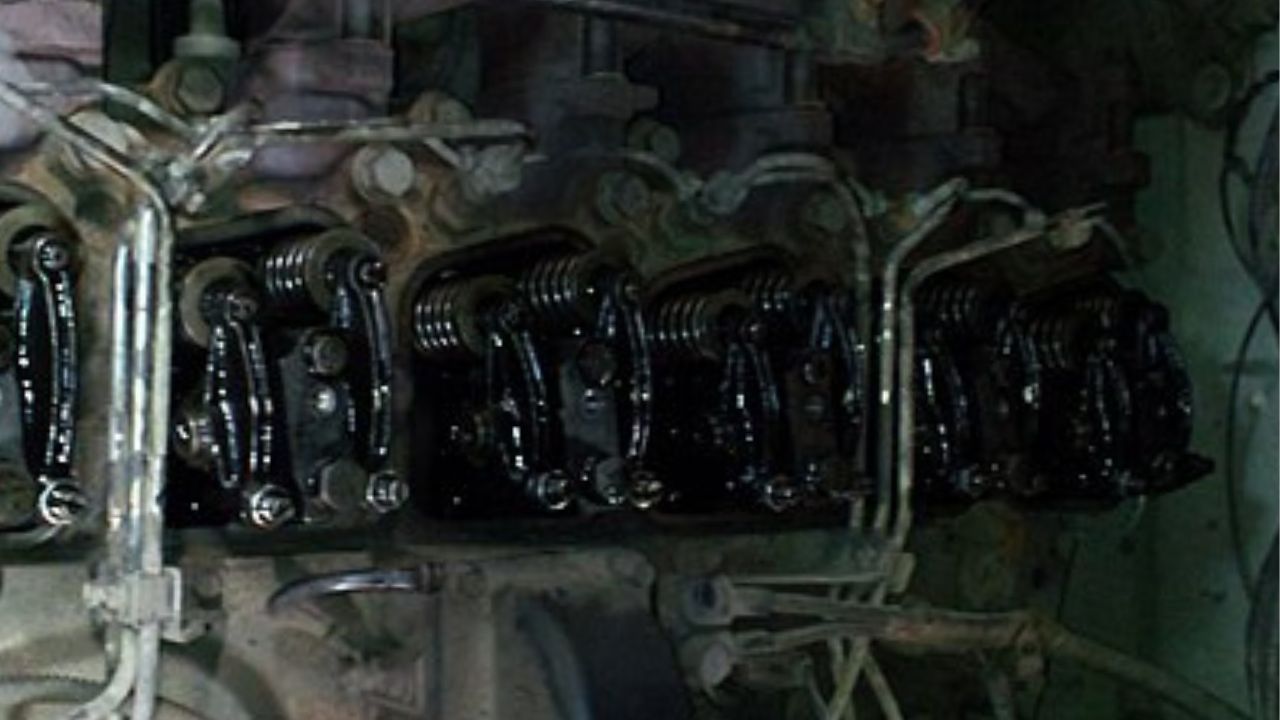
The Cummins 5.9L 12-valve diesel became legendary among truck owners for its mechanical fuel system and extremely durable construction. It was designed primarily as a workhorse, giving it the strength needed for towing and hauling. Many examples have accumulated enormous mileage, and its straightforward mechanical design remains one of the reasons enthusiasts continue to value it.
Mercedes-Benz OM617
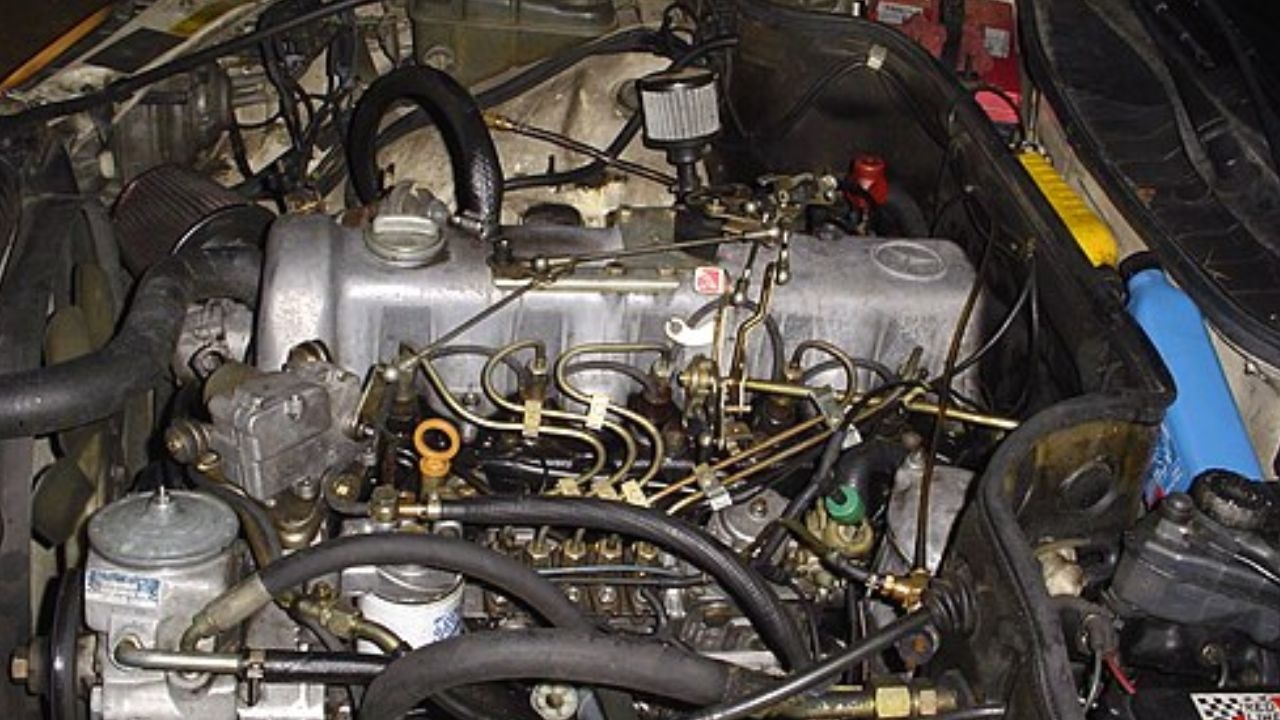
The Mercedes-Benz OM617 became famous for its ability to cover extremely high mileage. Its five-cylinder diesel layout and conservative engineering were well suited to long-distance driving. These engines powered Mercedes-Benz passenger cars for years, and their reputation for durability became an important part of the company’s diesel legacy. Proper servicing remains essential, but the basic design is remarkably robust.
Toyota 1HZ

The Toyota 1HZ was designed around reliability rather than outright performance. This naturally aspirated diesel became closely associated with the Land Cruiser and demanding environments where durability matters more than speed. Its relatively simple construction and conservative tuning allow it to work effectively for long periods when maintained properly, making it a favorite in remote and heavy-duty applications.
Jeep 4.0L Inline-Six
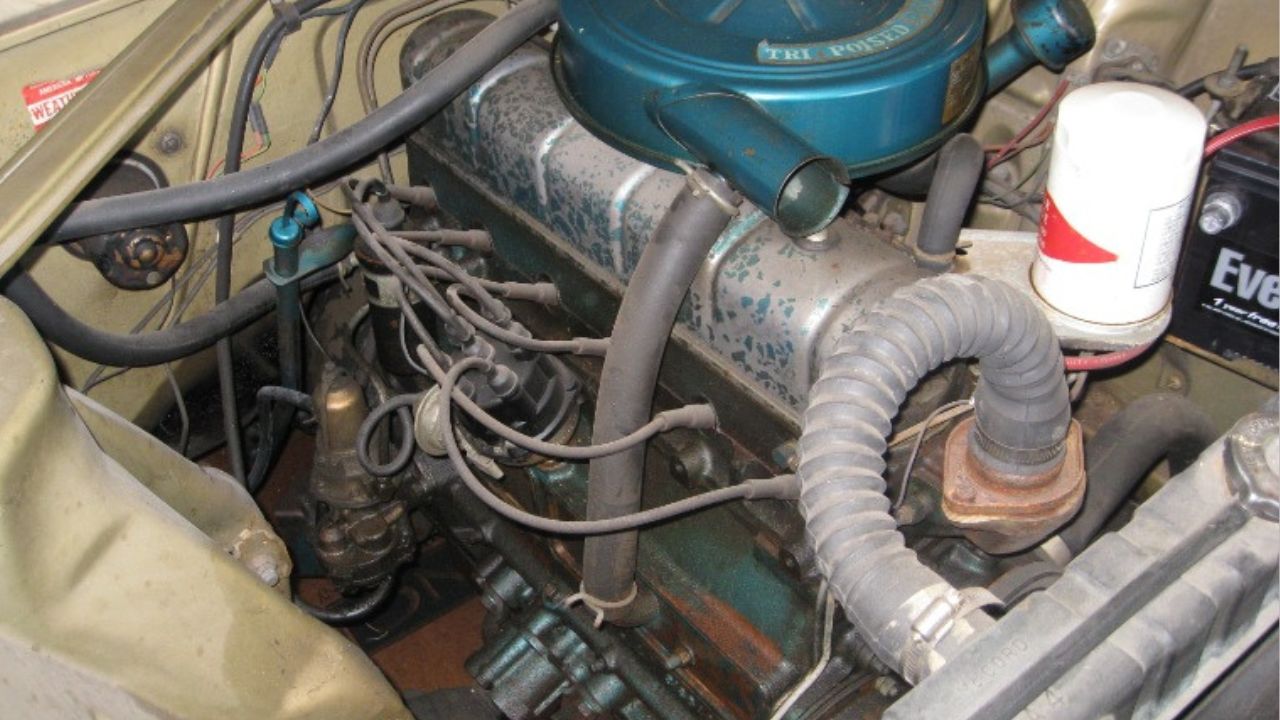
The Jeep 4.0L inline-six became one of the most recognizable engines in American off-road vehicles. Its simple architecture, strong low-end torque, and durable construction made it well suited to the Cherokee, Wrangler, and other Jeep models. Many owners appreciated its ability to keep running through years of everyday driving, towing, and off-road use.
Toyota 3S-FE
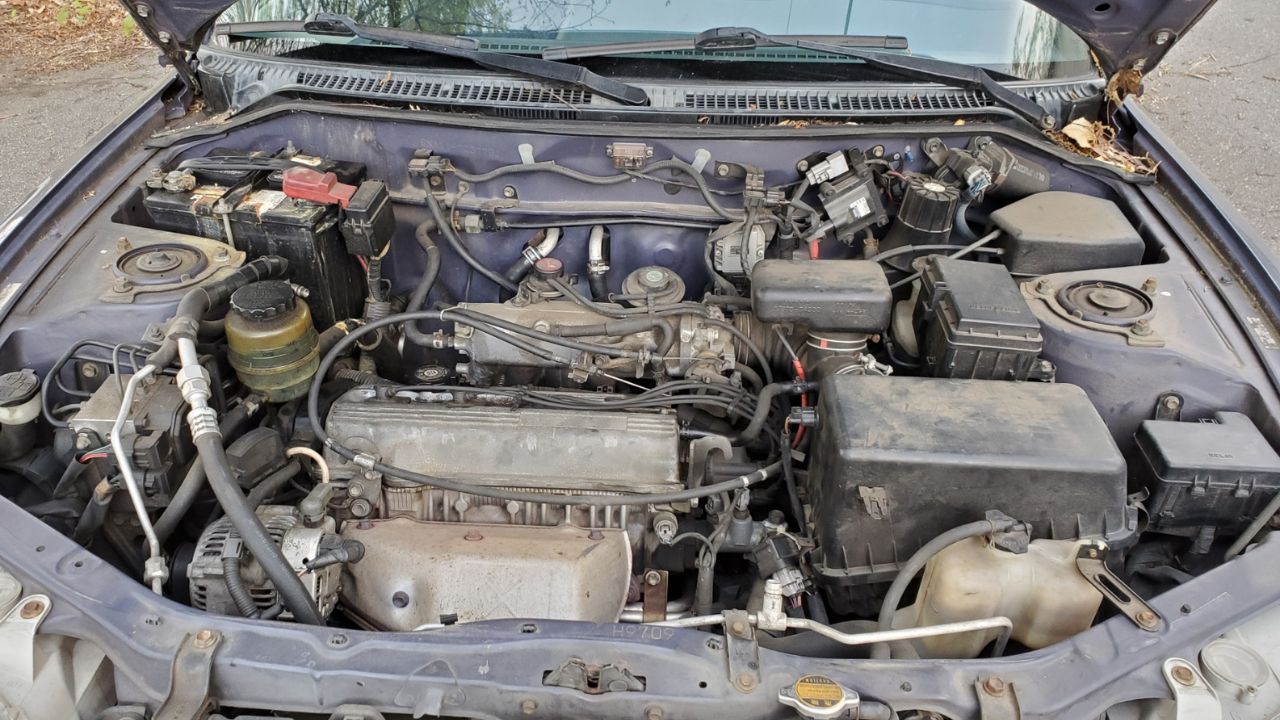
The Toyota 3S-FE was developed primarily for dependable everyday transportation. Its straightforward four-cylinder design and conservative engineering helped it earn a reputation for long service life in many markets. It was not intended to be a high-performance engine, but its ability to handle normal driving for many years demonstrated the value of a simple and well-developed design.
Volkswagen 1.9 TDI
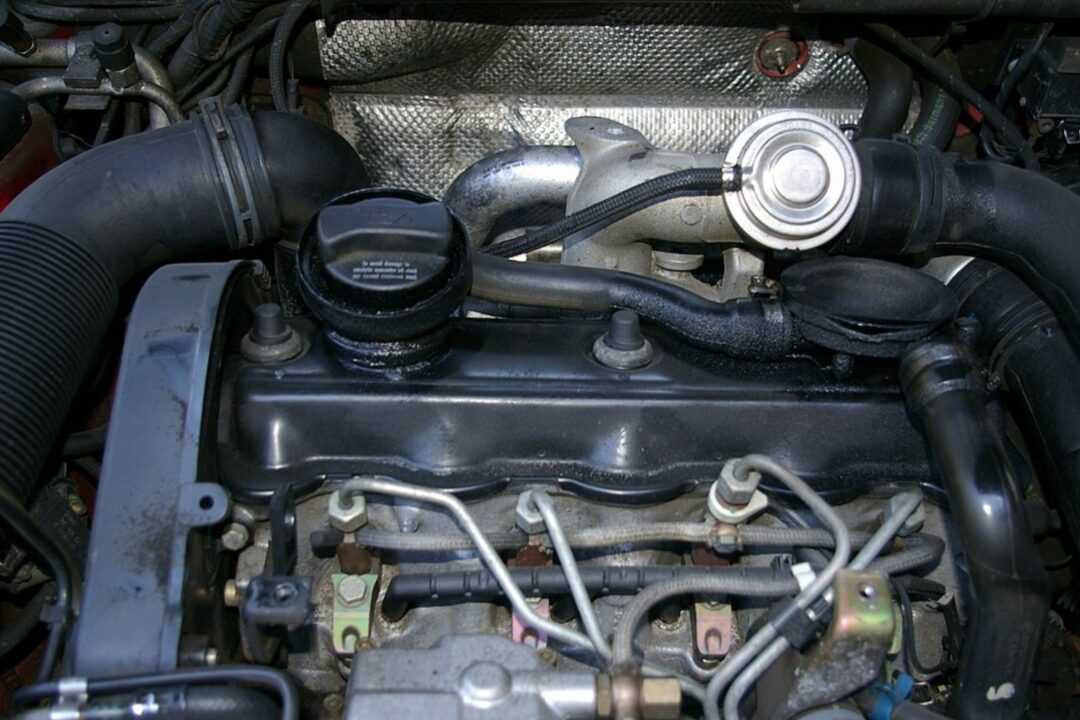
The Volkswagen 1.9 TDI became well known for combining excellent fuel economy with impressive longevity. Its diesel design provided strong low-speed torque while remaining efficient during everyday driving. Proper maintenance is important, but well-kept examples have demonstrated very high mileage. Its widespread use also created a large knowledge base among mechanics and diesel enthusiasts.
Chrysler Slant-Six
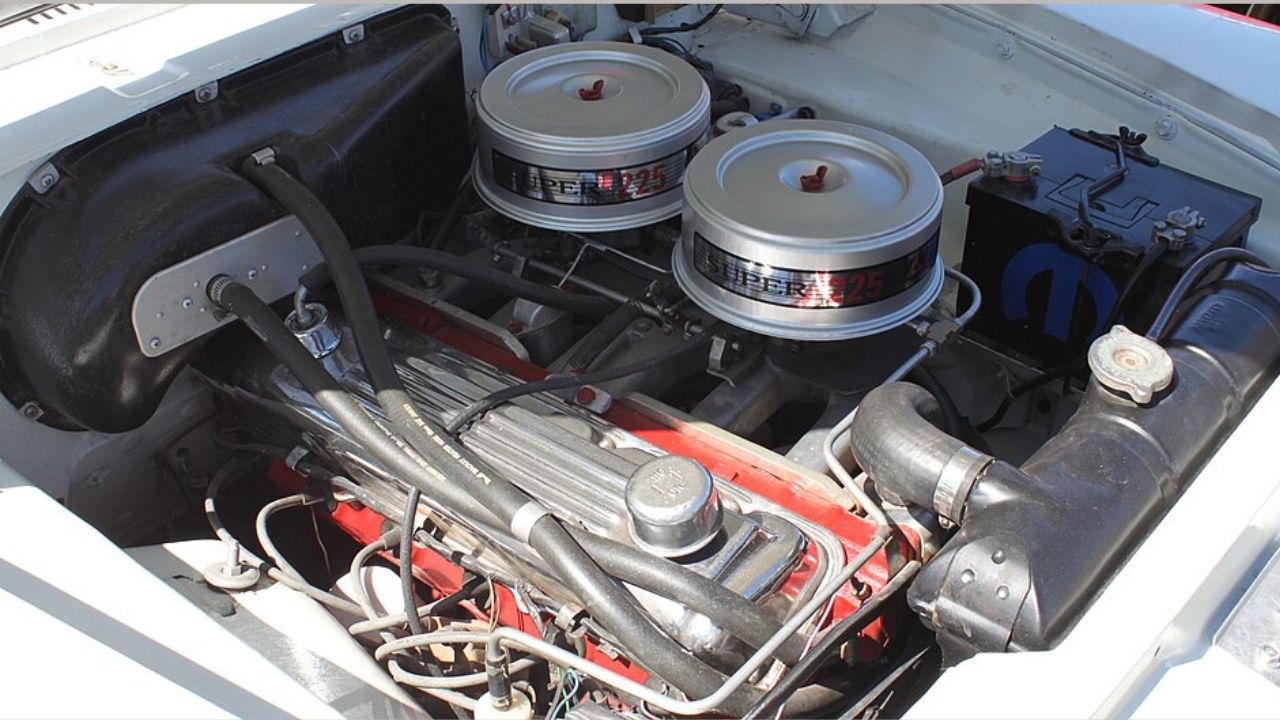
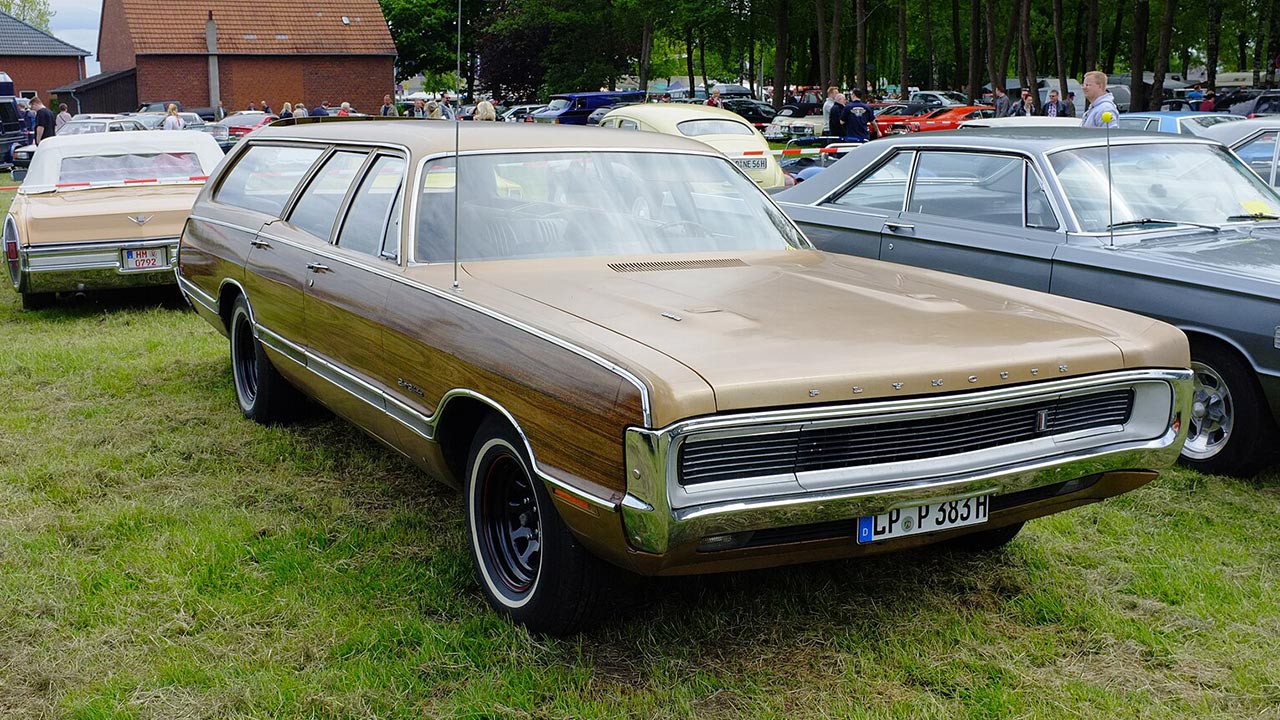
The Chrysler Slant-Six earned its reputation through simplicity and durability. Its unusual cylinder arrangement allowed Chrysler to create a compact engine while keeping the mechanical design straightforward. Used across many Dodge and Plymouth vehicles, it became known for tolerating years of ordinary abuse. Its inexpensive maintenance and broad availability also helped keep these engines running for decades.
Honda J35
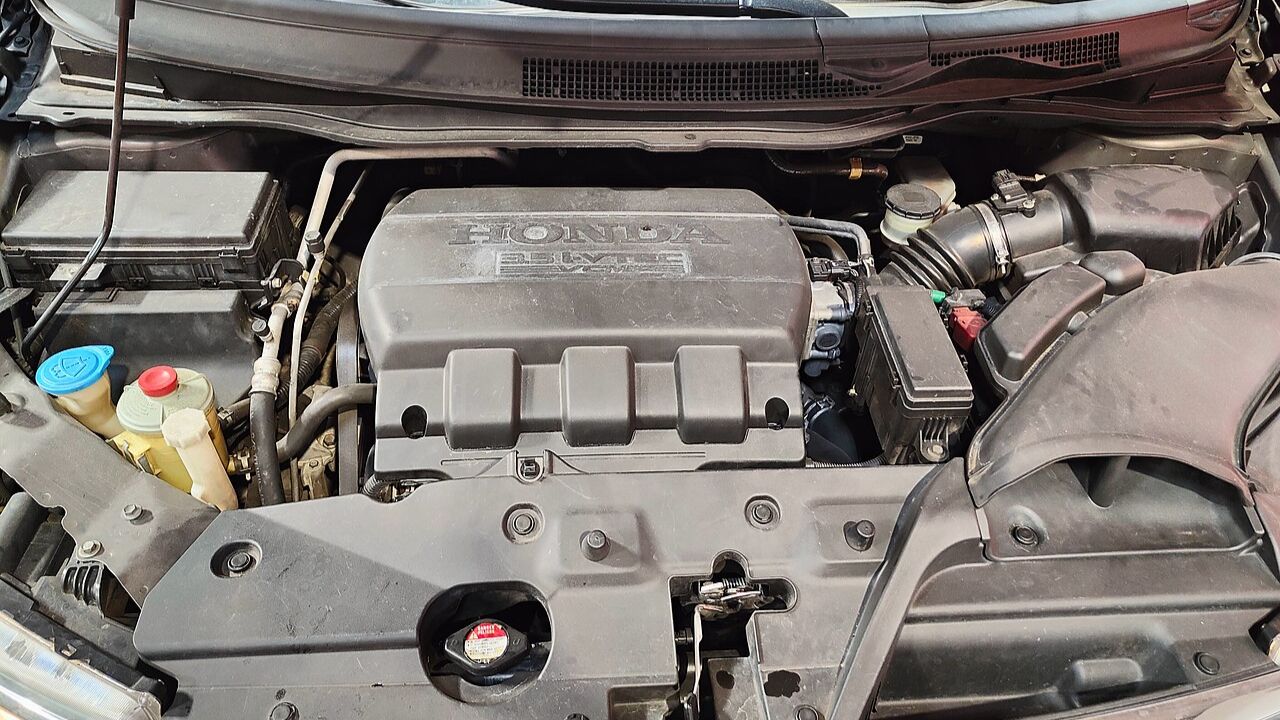
The Honda J35 is a V6 that has powered a wide range of Honda and Acura vehicles. Its naturally aspirated design, broad torque delivery, and widespread use have given mechanics extensive experience with the engine. With regular maintenance, many J35-powered vehicles can accumulate substantial mileage, making the engine a practical example of Honda’s long-running V6 engineering.
Ford 4.6 Modular V8
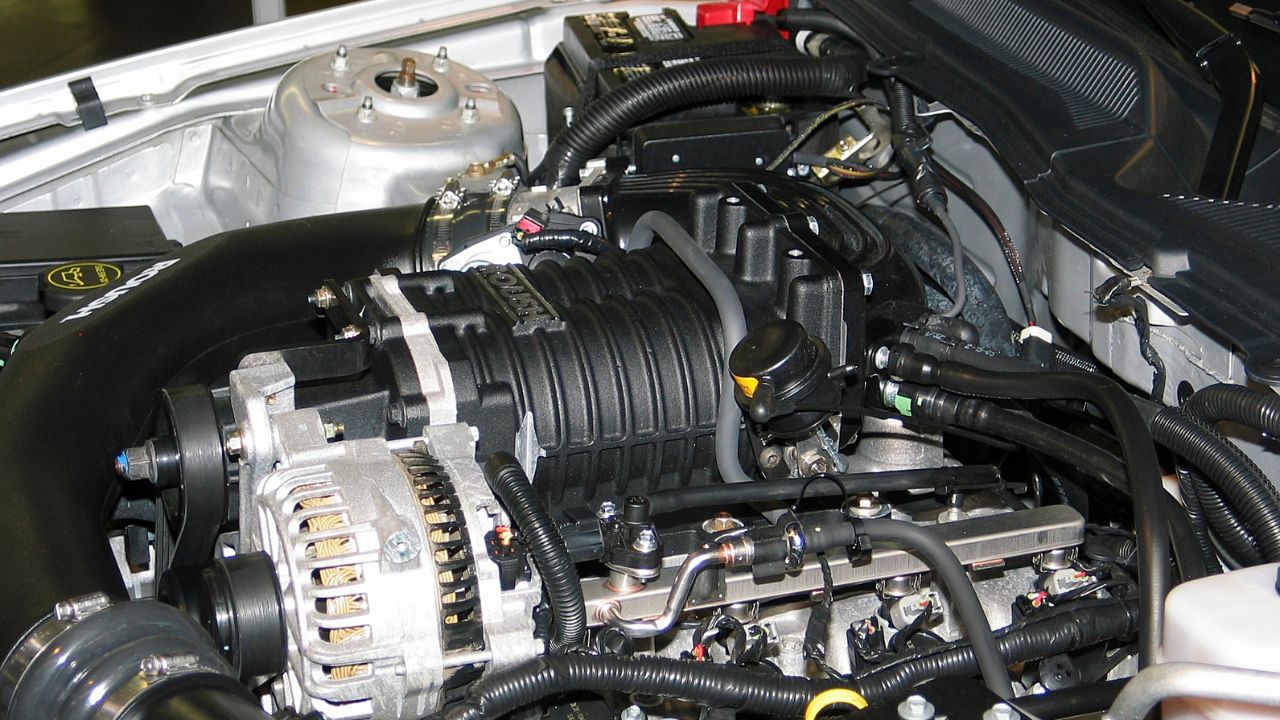
The Ford 4.6 Modular V8 became a major part of Ford’s passenger-car and performance lineup. Its overhead-cam design was more modern than Ford’s older small-block architecture, yet many versions developed strong long-term durability. Used in everything from sedans to the Mustang and Crown Victoria, the engine demonstrated that a mass-produced V8 could handle varied driving demands.
Toyota 2TR-FE
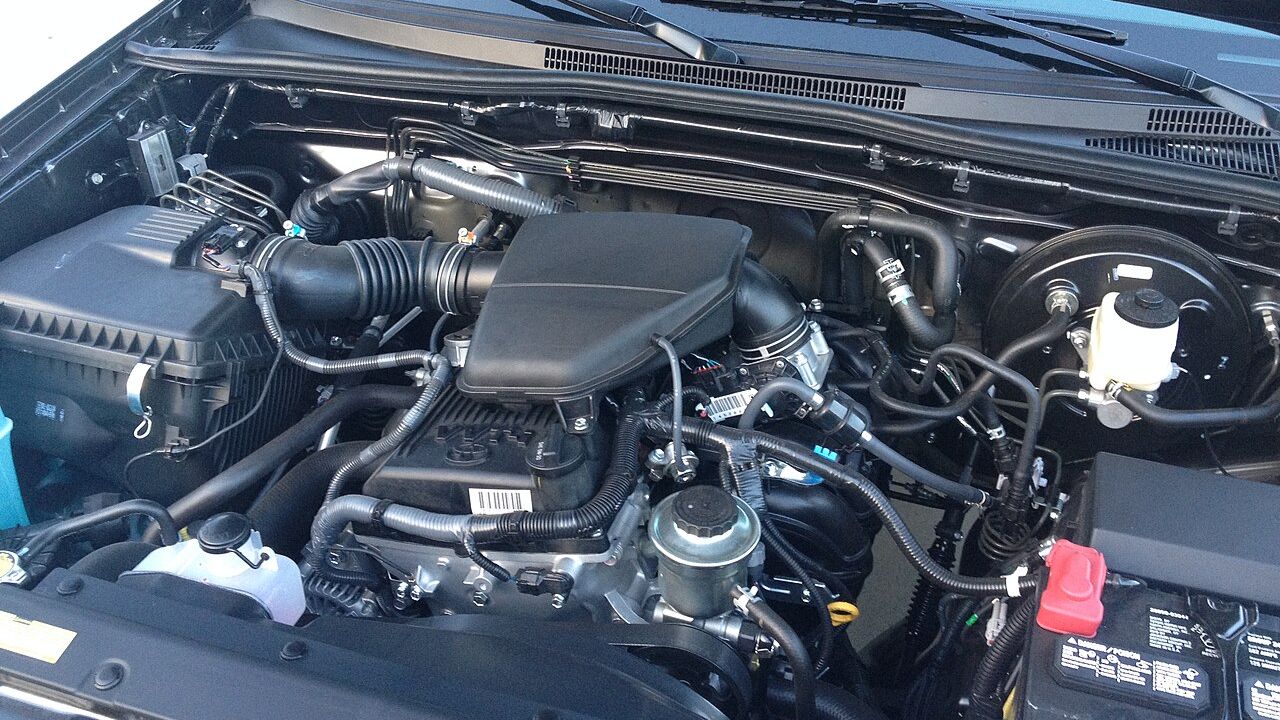
The Toyota 2TR-FE was developed primarily for pickups and utility vehicles, where dependable operation matters more than extreme performance. Its four-cylinder layout provides useful torque and relatively straightforward service requirements. Used in vehicles such as the Hilux and other Toyota trucks, it has earned a reputation for handling everyday hauling, commercial work, and demanding road conditions when properly maintained.
More from Fast Lane Only
- Unboxing the WWII Jeep in a Crate
- 15 rare Chevys collectors are quietly buying
- 10 underrated V8s still worth hunting down
- Police notice this before you even roll window down
*Research for this article included AI assistance, with all final content reviewed by human editors.