Some factory engines became famous not because they produced the most horsepower, but because they simply refused to give up. Strong internals, conservative designs, effective cooling, and proven engineering allowed these engines to survive years of hard use. Many earned reputations for lasting far beyond what owners expected.
Toyota 2F
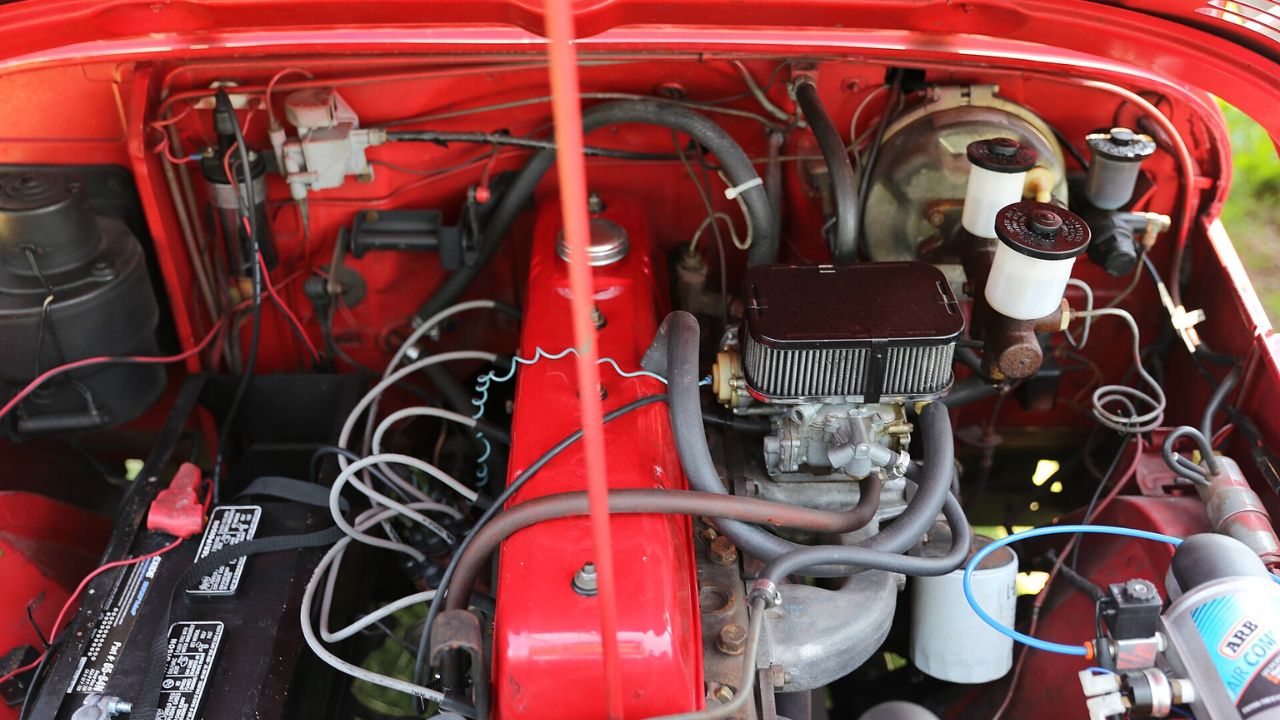
The Toyota 2F became famous for powering Land Cruisers through demanding conditions. Its simple overhead-valve design, iron construction, and relatively low-stress tuning favored durability over outright performance. The engine was not designed to be sophisticated, but that simplicity became an advantage. With regular maintenance, many 2F engines accumulated years of hard work in difficult environments.
Mercedes-Benz OM617
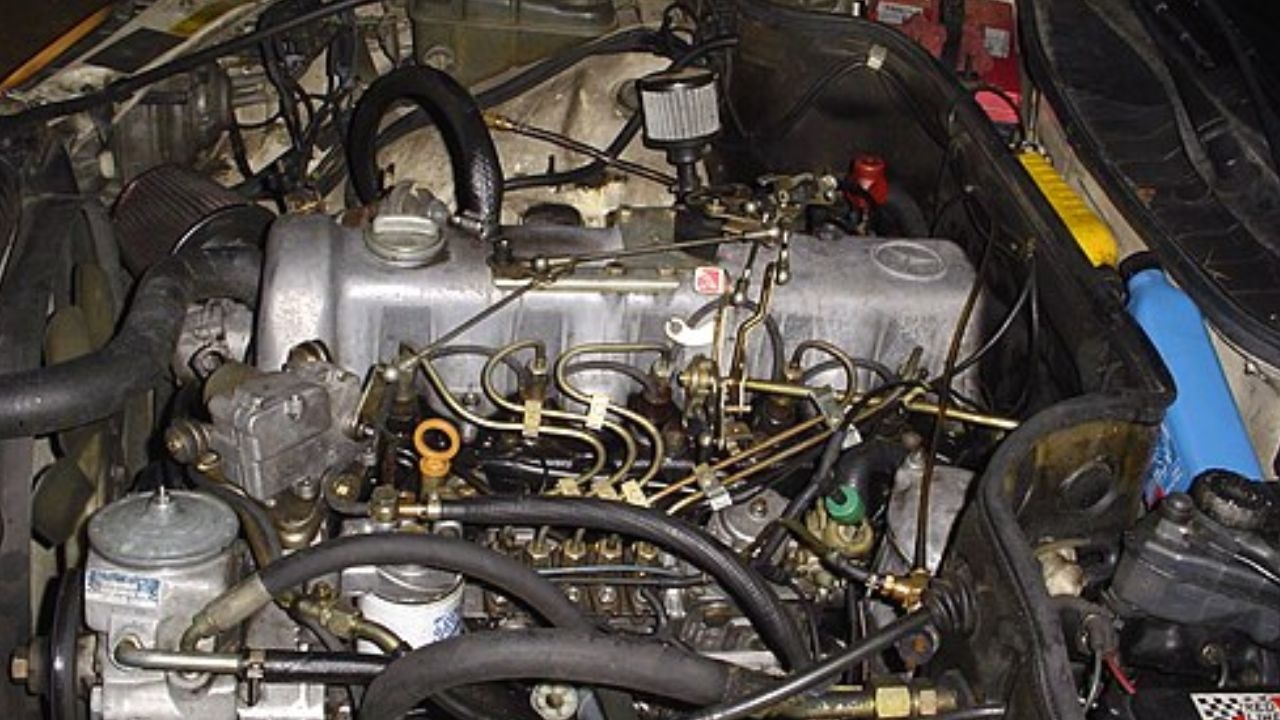
The Mercedes-Benz OM617 five-cylinder diesel developed a reputation for extraordinary longevity. Its heavy-duty construction and conservative output allowed it to tolerate enormous mileage when properly maintained. Found in vehicles such as the W123 and W126, the engine became especially respected among owners who valued reliability over speed. Its durability remains one of its defining characteristics.
Volvo B230F
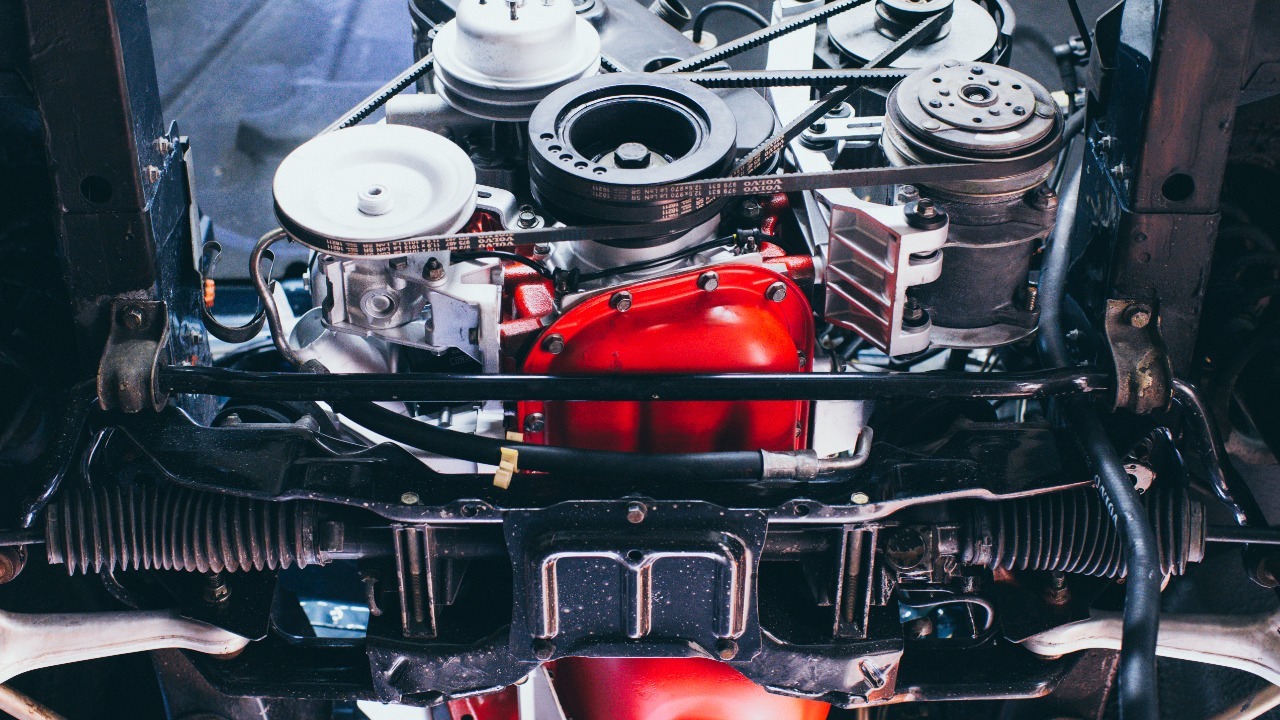
The Volvo B230F four-cylinder became closely associated with the durability of older Volvo cars. Its straightforward design, strong block, and relatively modest factory output helped it withstand long periods of daily use. The engine was not especially exotic, but its combination of simplicity and robust construction allowed many examples to remain operational long after newer engines had disappeared.
Toyota 1HZ

The Toyota 1HZ diesel was developed for demanding applications where reliability mattered more than performance. Its naturally aspirated design kept the engine mechanically straightforward, while its strong construction allowed it to operate under difficult conditions. Used extensively in Land Cruiser applications, the 1HZ became respected for handling high mileage and demanding workloads with relatively simple maintenance.
Toyota 1HD-T
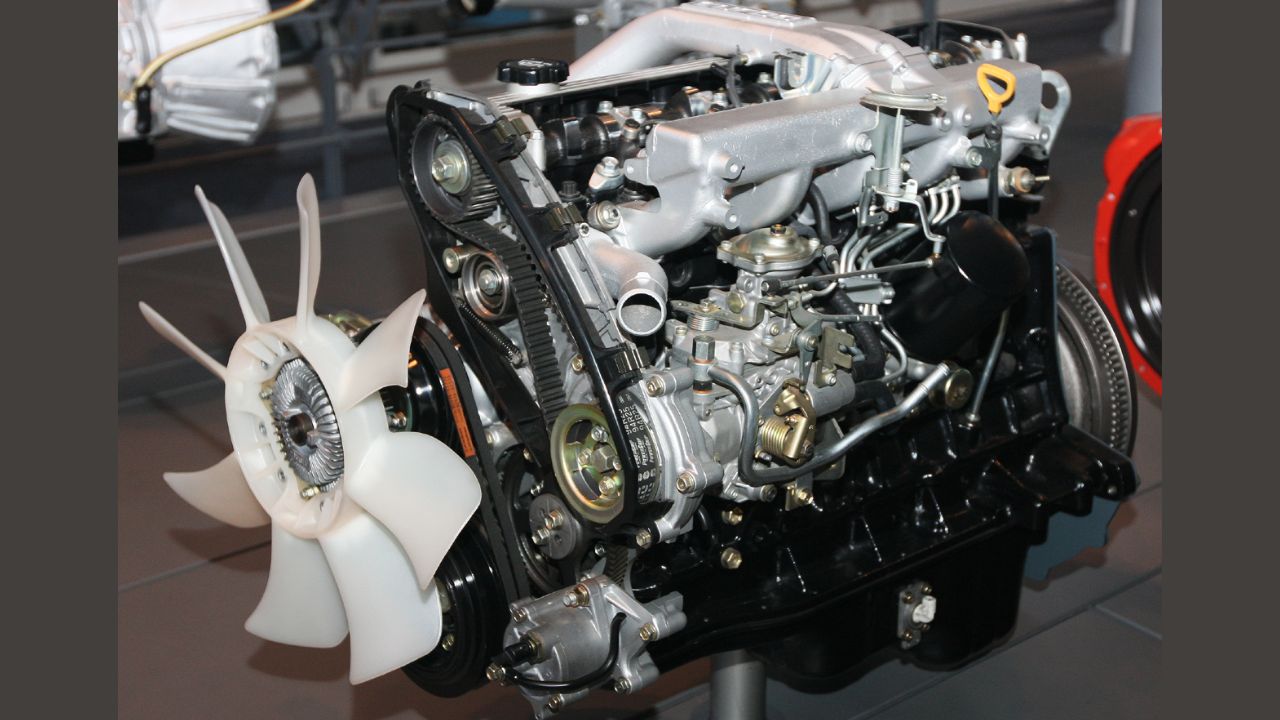
The Toyota 1HD-T brought turbocharging to Toyota’s durable diesel formula without abandoning its heavy-duty character. Its strong inline-six construction and substantial low-end torque made it well suited to demanding four-wheel-drive applications. When maintained properly, the engine could handle high mileage and hard use, helping establish Toyota’s reputation for durable diesel power.
Honda B18C
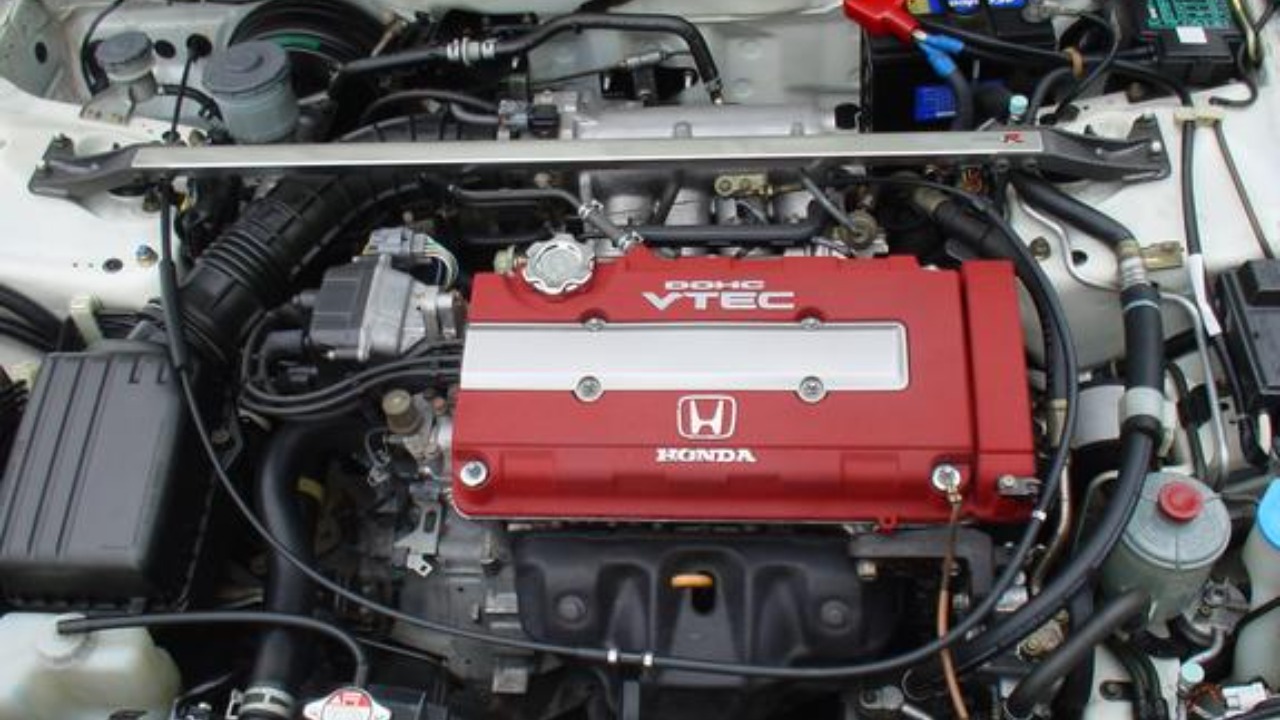
The Honda B18C became famous for combining strong reliability with high-revving performance. Its compact four-cylinder design featured advanced engineering for its time, yet the basic engine proved remarkably durable when maintained correctly. Performance versions could operate at high engine speeds without sacrificing the dependability expected from a Honda production engine.
Honda K24
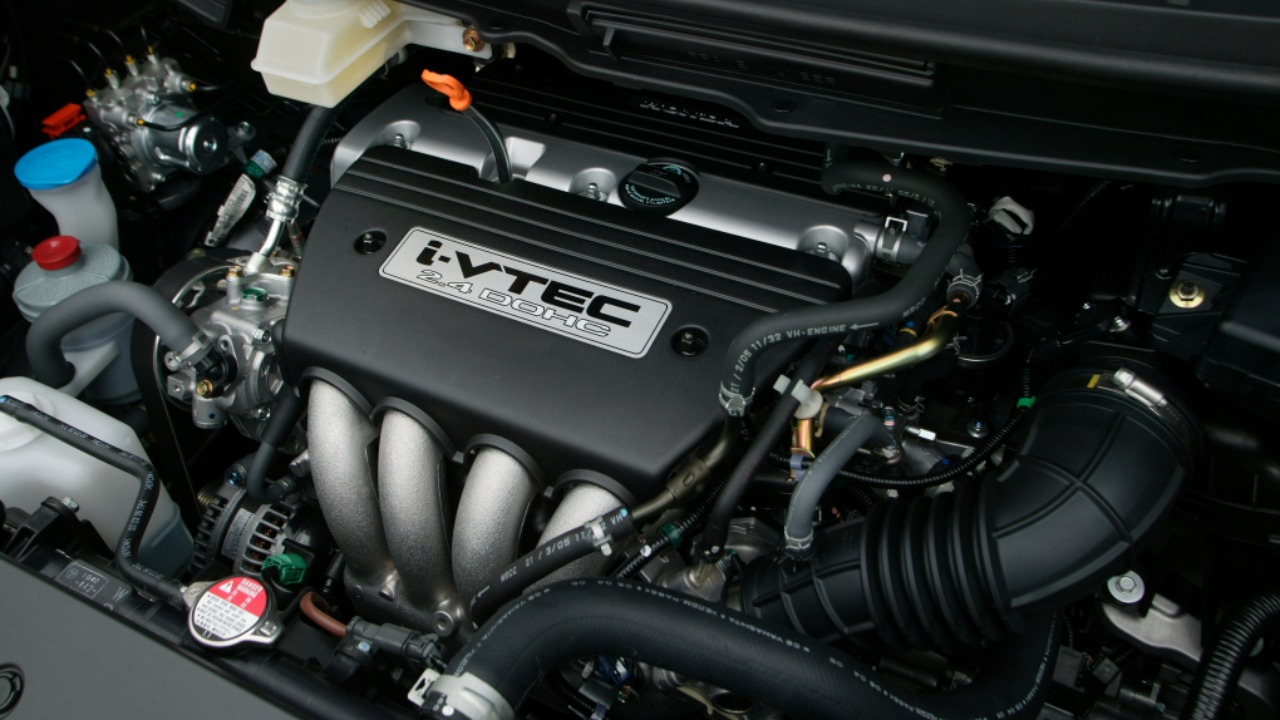
The Honda K24 became one of the company’s most versatile modern four-cylinder engines. Its relatively large displacement provided useful torque while the engine’s basic architecture offered strong durability. Used in many applications, the K24 became popular with both ordinary drivers and enthusiasts because it could handle daily use while also supporting substantial performance modifications.
Toyota 22R
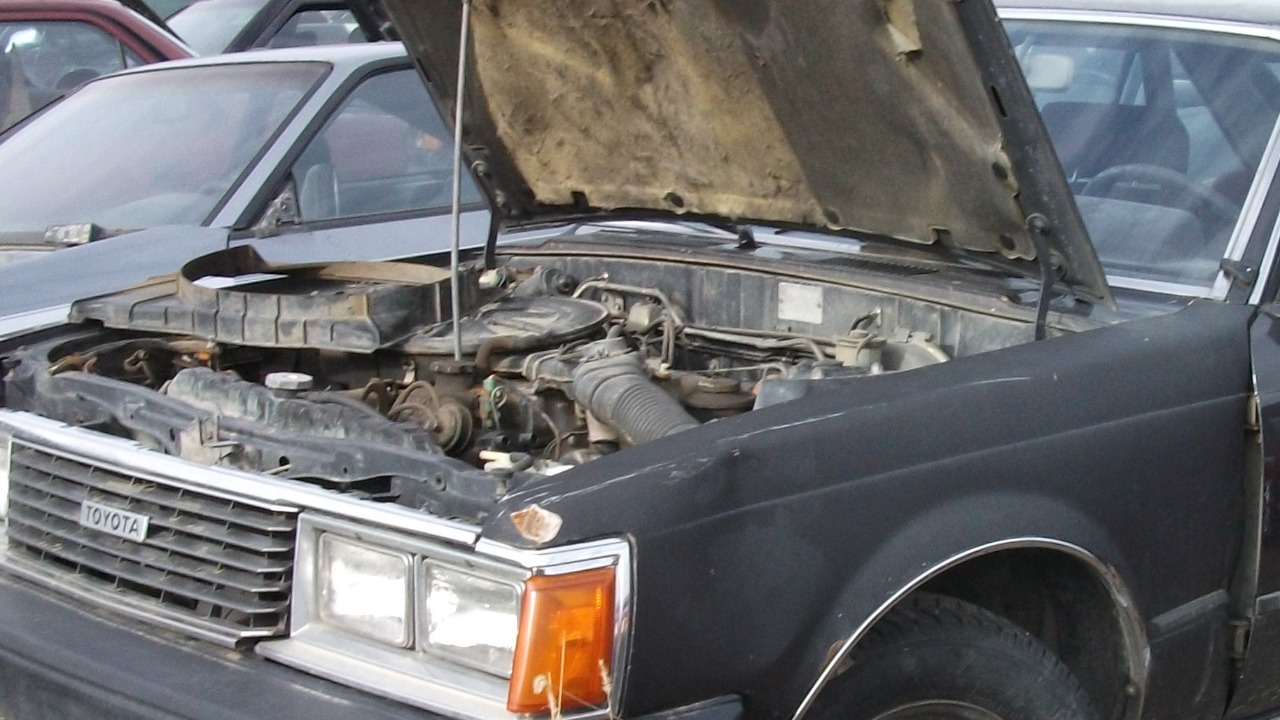
The Toyota 22R became one of the most recognizable durable four-cylinder engines ever fitted to a pickup. Its simple design and strong construction made it well suited to demanding work. The engine powered generations of Toyota trucks and earned a reputation for surviving high mileage with regular maintenance, making it a favorite among owners who valued longevity.
Nissan RB25DET
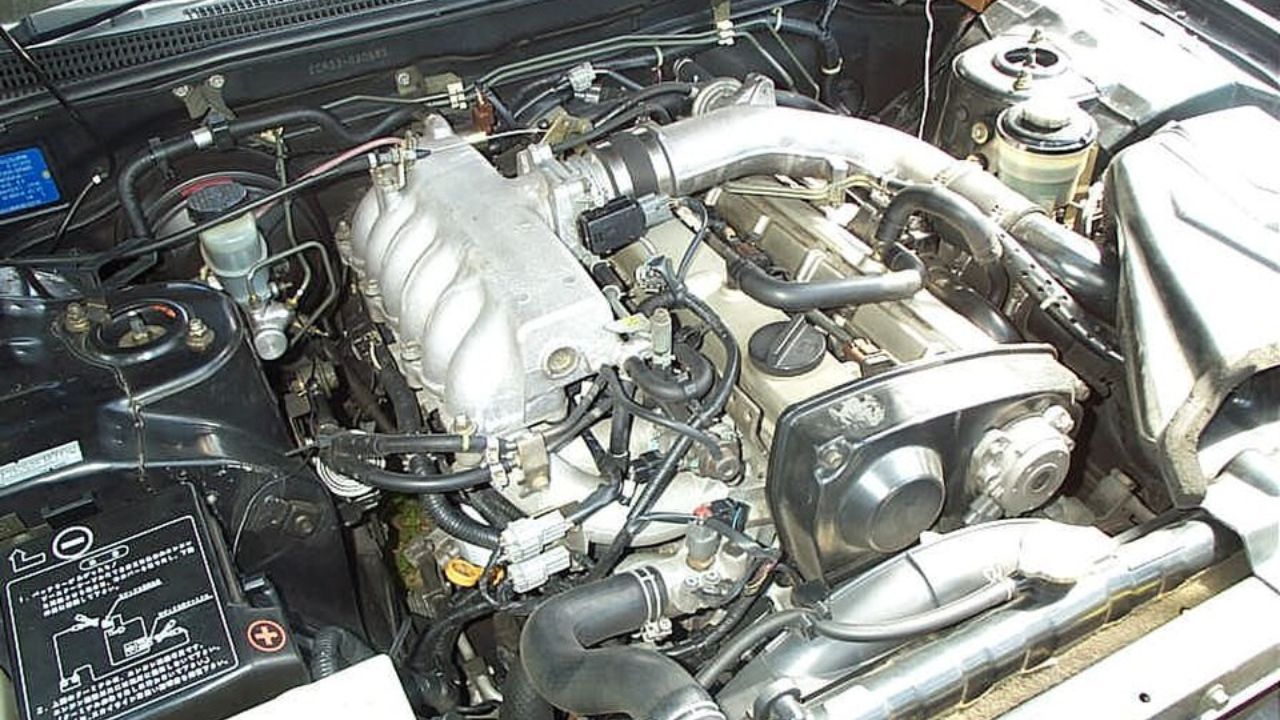
The Nissan RB25DET combined turbocharged performance with the strong architecture of the RB engine family. Its inline-six design became popular among enthusiasts because it could handle significant performance modifications when properly built and maintained. The engine demonstrated that a factory turbocharged powerplant could offer both serious performance potential and respectable long-term durability.
Mitsubishi 4D56
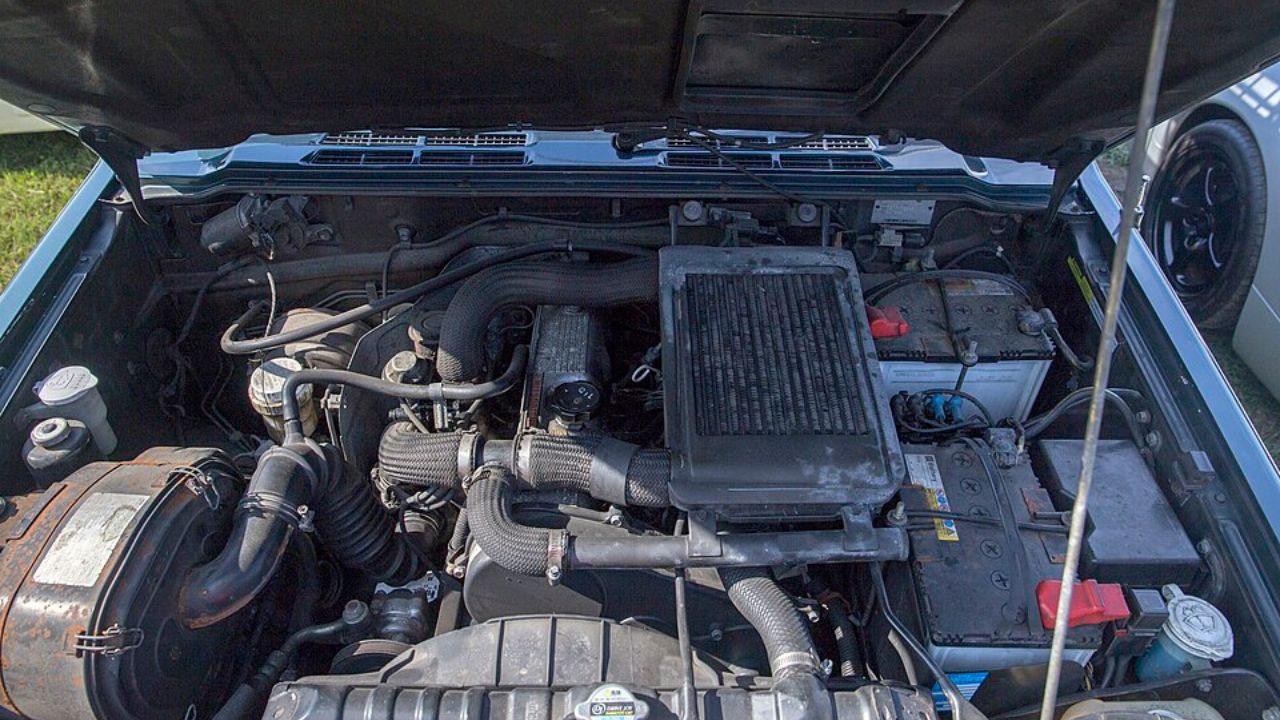
The Mitsubishi 4D56 became one of the company’s most widely used diesel engines. Its compact four-cylinder configuration made it practical for pickups and utility vehicles, while its torque-focused characteristics suited demanding work. Different versions evolved over the years, but the engine’s long production history demonstrated its usefulness across a wide range of applications.
Cummins 5.9L 12-Valve
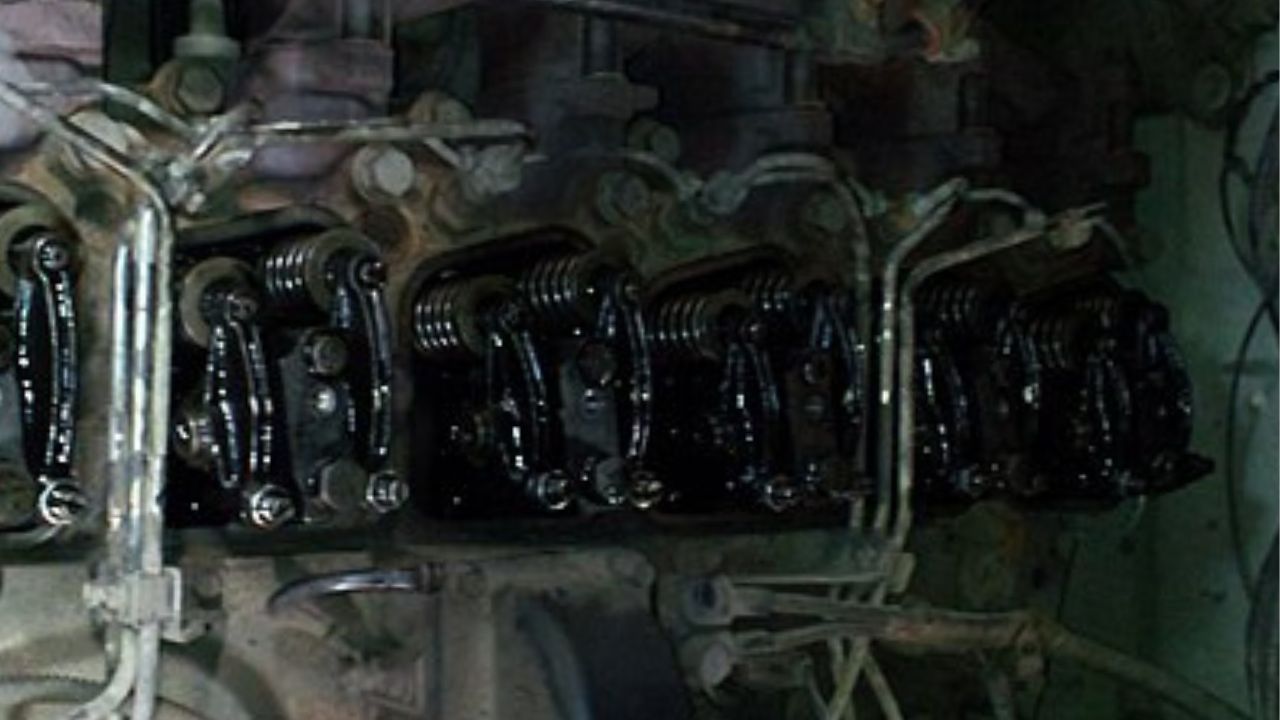
The Cummins 5.9L 12-valve became legendary among diesel enthusiasts for its strong mechanical design. Its inline-six layout, mechanical fuel system, and substantial internal components gave it an impressive reputation for durability. Used in Dodge Ram trucks, the engine could handle heavy workloads and substantial mileage, while its simple fuel system made it particularly attractive to enthusiasts.
Ford 300 Inline-Six
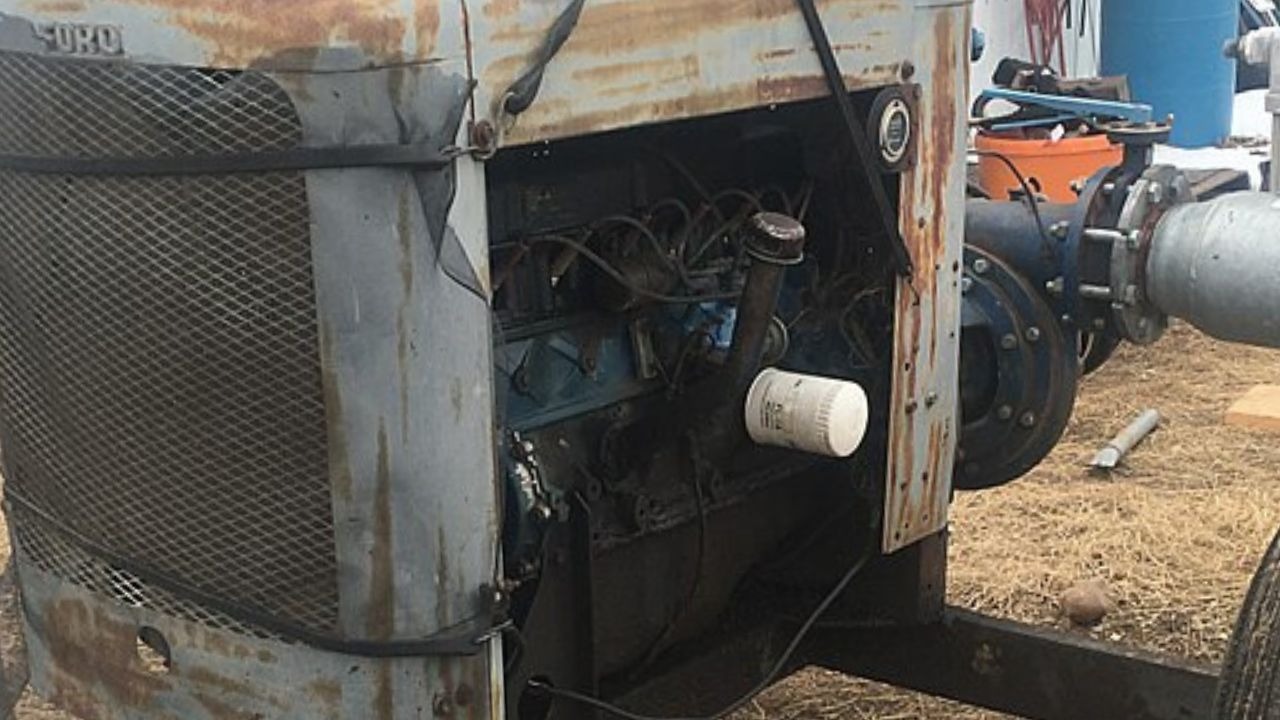
The Ford 300 inline-six became one of America’s most respected workhorse engines. Its long-stroke design produced strong low-speed torque, while its simple construction made it easy to maintain. Found in countless Ford trucks, the engine developed a reputation for surviving hard labor and neglect better than many more complicated engines of its era.
Chevrolet 4.3 V6
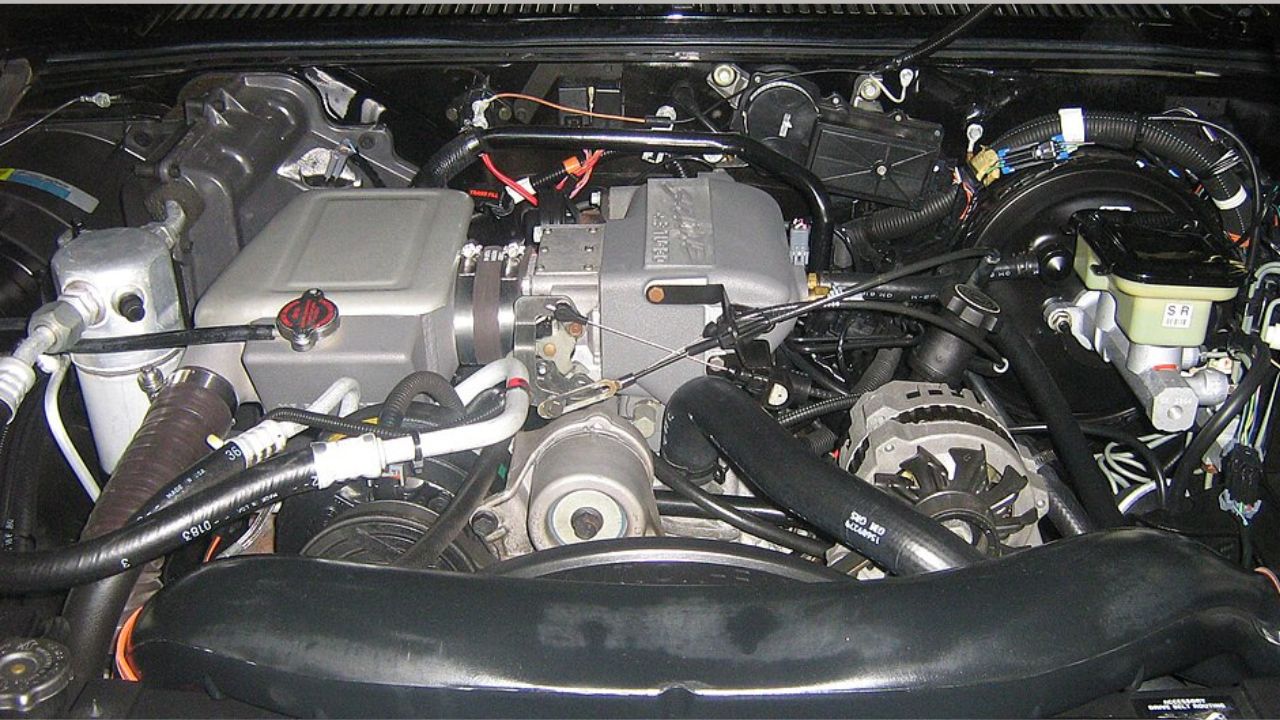
The Chevrolet 4.3 V6 was essentially a compact relative of Chevrolet’s small-block V8 family. Its familiar architecture, large production numbers, and straightforward design made it easy to service and maintain. Used in trucks, vans, and SUVs, the 4.3 became a dependable workhorse capable of handling substantial mileage when properly maintained.
Buick 3800 V6
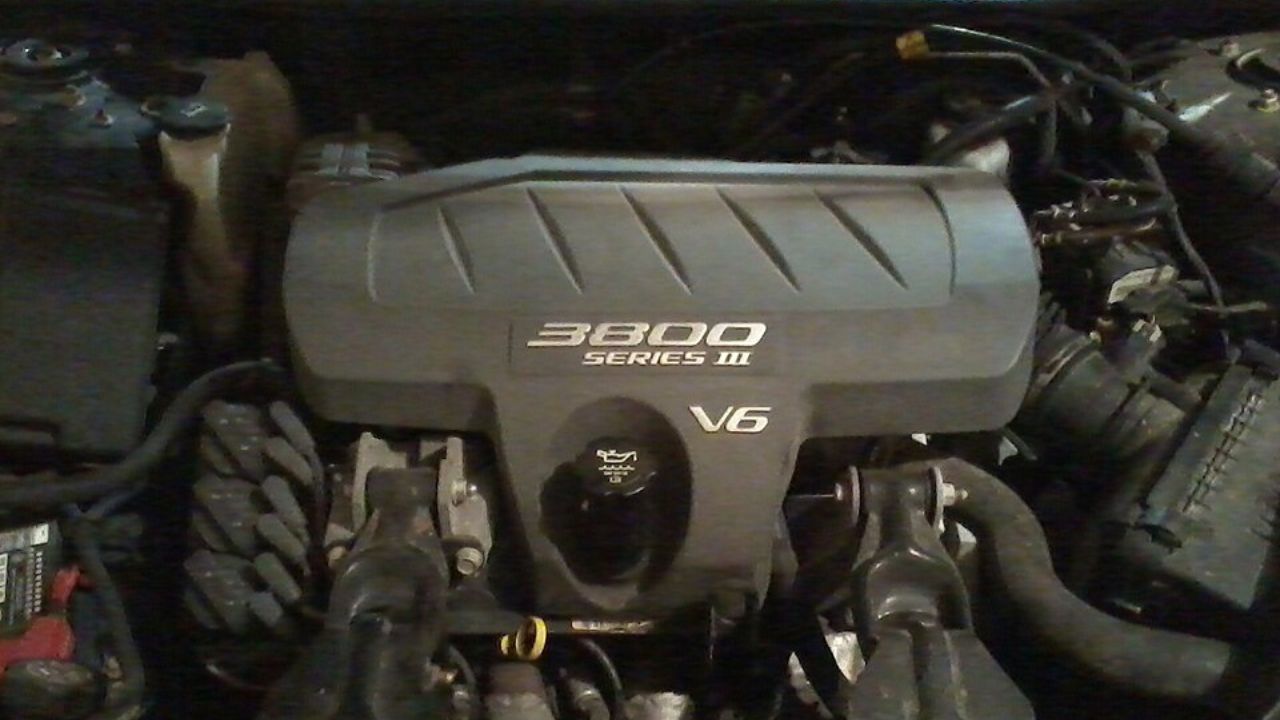
The Buick 3800 V6 earned a strong reputation for durability across decades of General Motors production. Its relatively simple pushrod architecture produced useful torque without demanding extreme engine speeds. The engine powered everything from sedans to performance-oriented cars, and its ability to accumulate high mileage became one of its most recognized characteristics.
Toyota 5VZ-FE
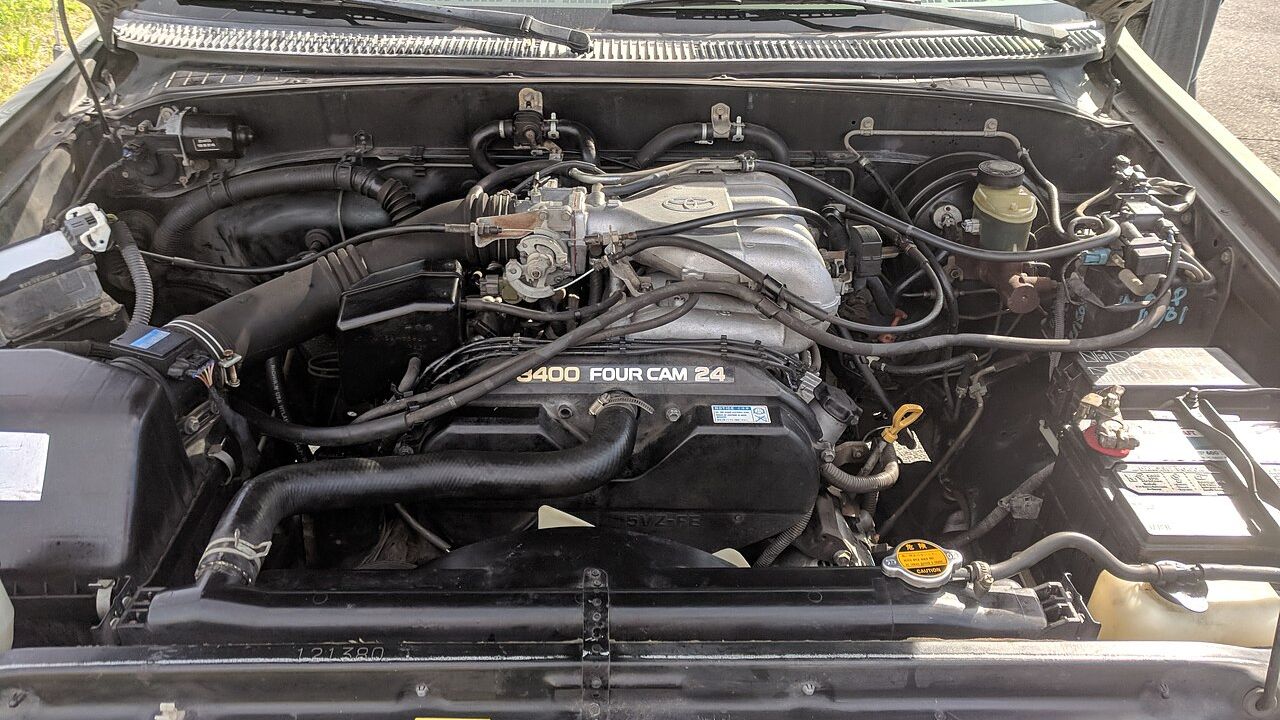
The Toyota 5VZ-FE 3.4-liter V6 became particularly popular in Toyota trucks and SUVs. Its cast-iron block, straightforward design, and moderate factory output gave it a strong durability reputation. The engine was well suited to vehicles that were expected to work hard, and many examples accumulated substantial mileage while continuing to provide dependable service.
Ford 4.9L Inline-Six
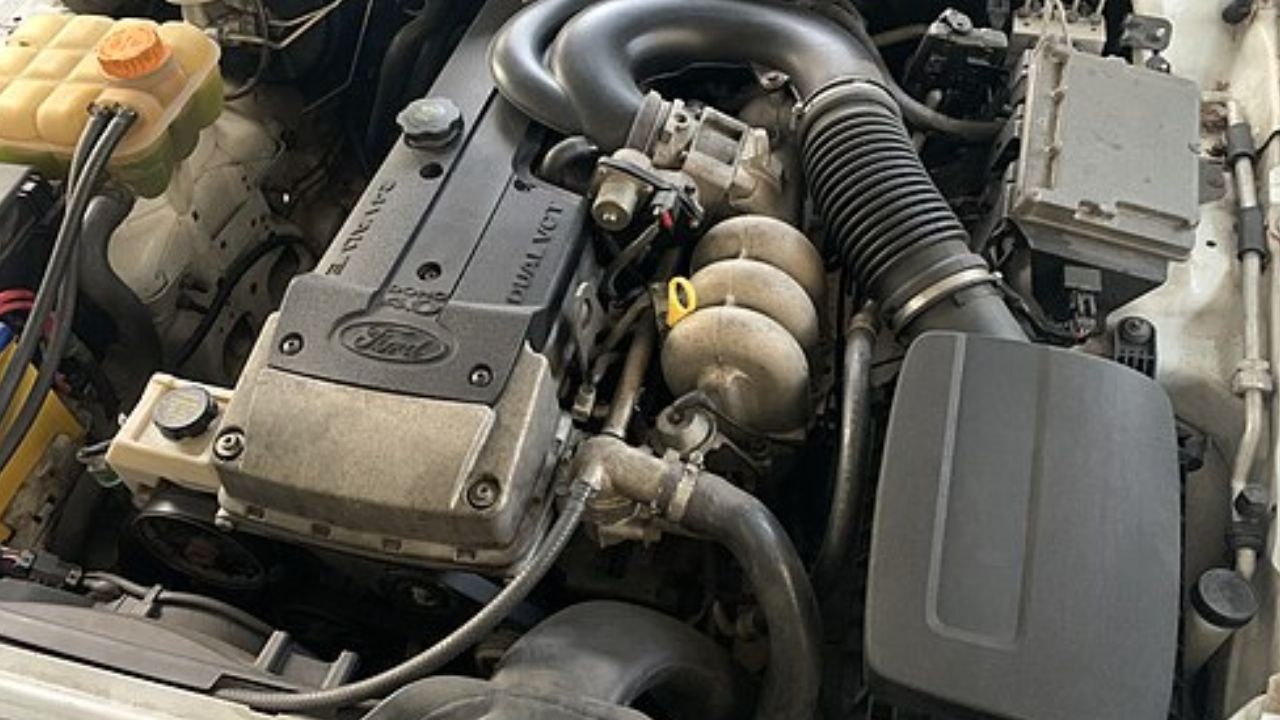
The Ford 4.9L inline-six became a staple of Ford’s pickup lineup because of its simplicity and durability. Its low-revving character favored torque and long-term service rather than high-speed performance. Fleet operators and truck owners valued its straightforward construction, while its reputation for surviving demanding work helped make it one of Ford’s most respected six-cylinder engines.
Toyota 2UZ-FE
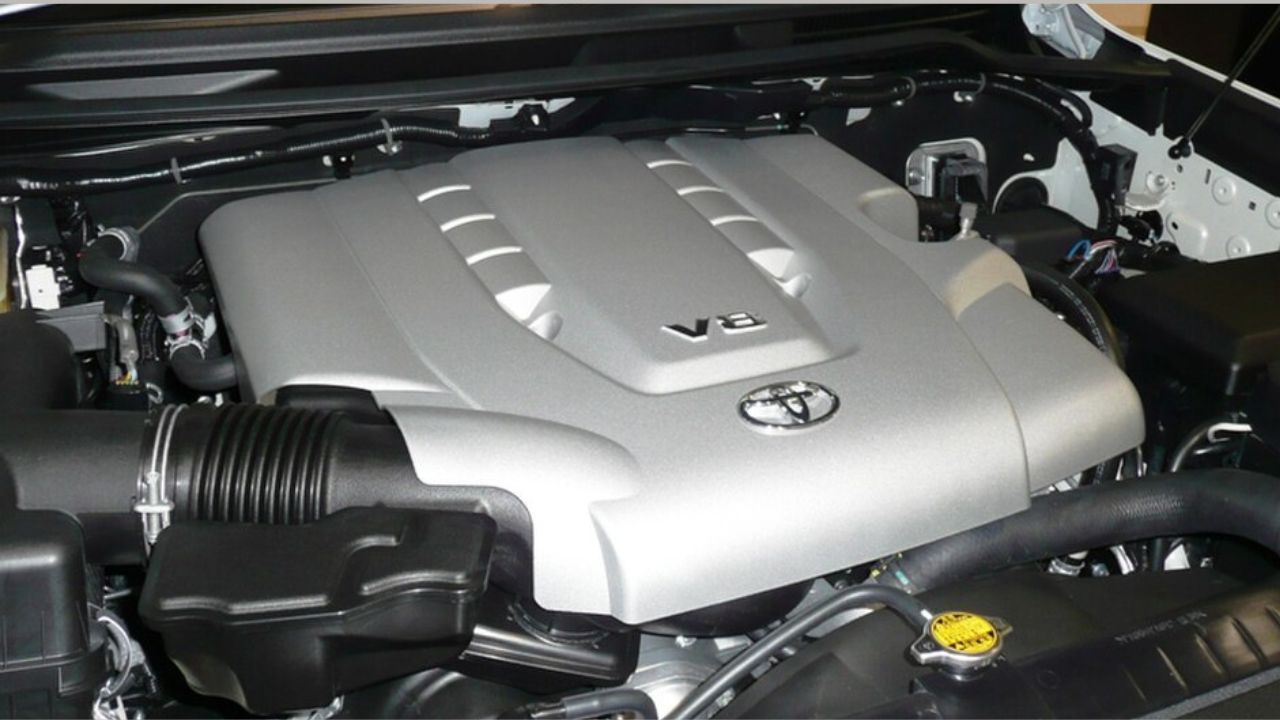
The Toyota 2UZ-FE was designed specifically for applications where durability and torque were important. Its cast-iron block gave it substantial strength, while the V8 configuration provided smooth power for trucks and SUVs. Used in vehicles such as the Tundra, Sequoia, and Land Cruiser, the engine became known for handling high mileage and demanding use.
Mercedes-Benz OM606
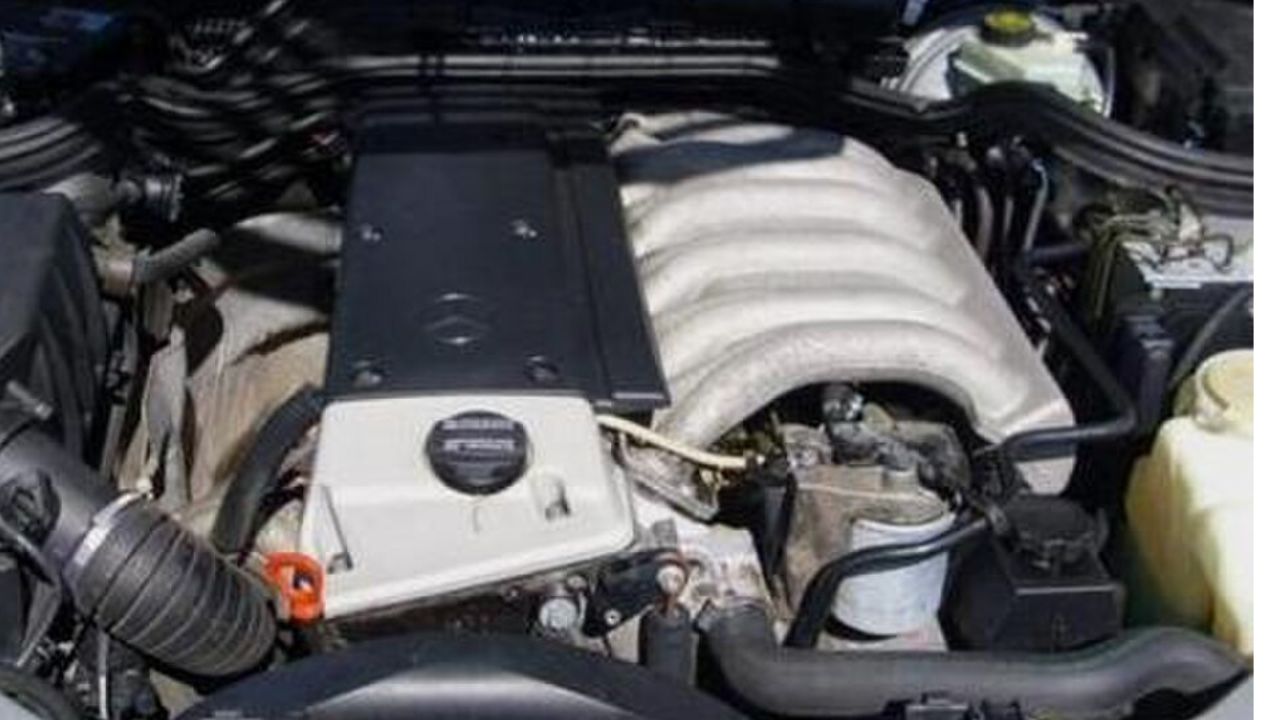
The Mercedes-Benz OM606 combined an inline-six layout with a strong diesel design and excellent long-term durability. Naturally aspirated and turbocharged versions were produced, giving the engine a wide range of applications. Its robust construction made it particularly attractive to enthusiasts who wanted a diesel capable of handling high mileage while also offering considerable tuning potential.
More from Fast Lane Only
- Unboxing the WWII Jeep in a Crate
- 15 rare Chevys collectors are quietly buying
- 10 underrated V8s still worth hunting down
- Police notice this before you even roll window down
*Research for this article included AI assistance, with all final content reviewed by human editors.