American motorcycles have long represented independence, individuality, and the open road. From early Indian and Excelsior machines to Harley-Davidson cruisers and Buell sport bikes, these motorcycles helped shape American riding culture. Their distinctive designs, engines, and personalities continue to attract enthusiasts who see two wheels as a symbol of freedom and adventure.
Harley-Davidson Knucklehead
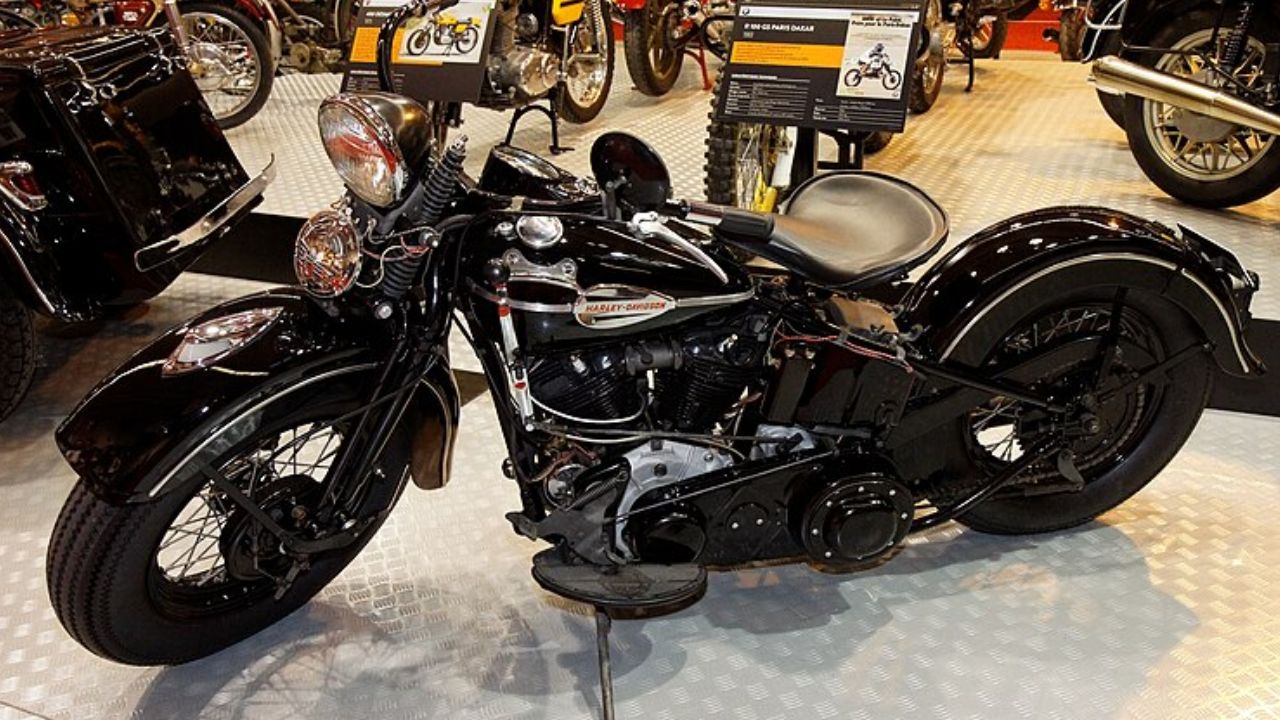
The Harley-Davidson Knucklehead became one of the company’s most important motorcycles when it introduced overhead-valve technology to the Big Twin lineup in 1936. Its distinctive rocker-box covers gave the engine its famous nickname, while strong performance made it popular with riders who wanted more power. The Knucklehead helped establish a formula of large-displacement engines, relaxed cruising, and unmistakable styling that would influence Harley-Davidson motorcycles for decades.
Harley-Davidson Panhead
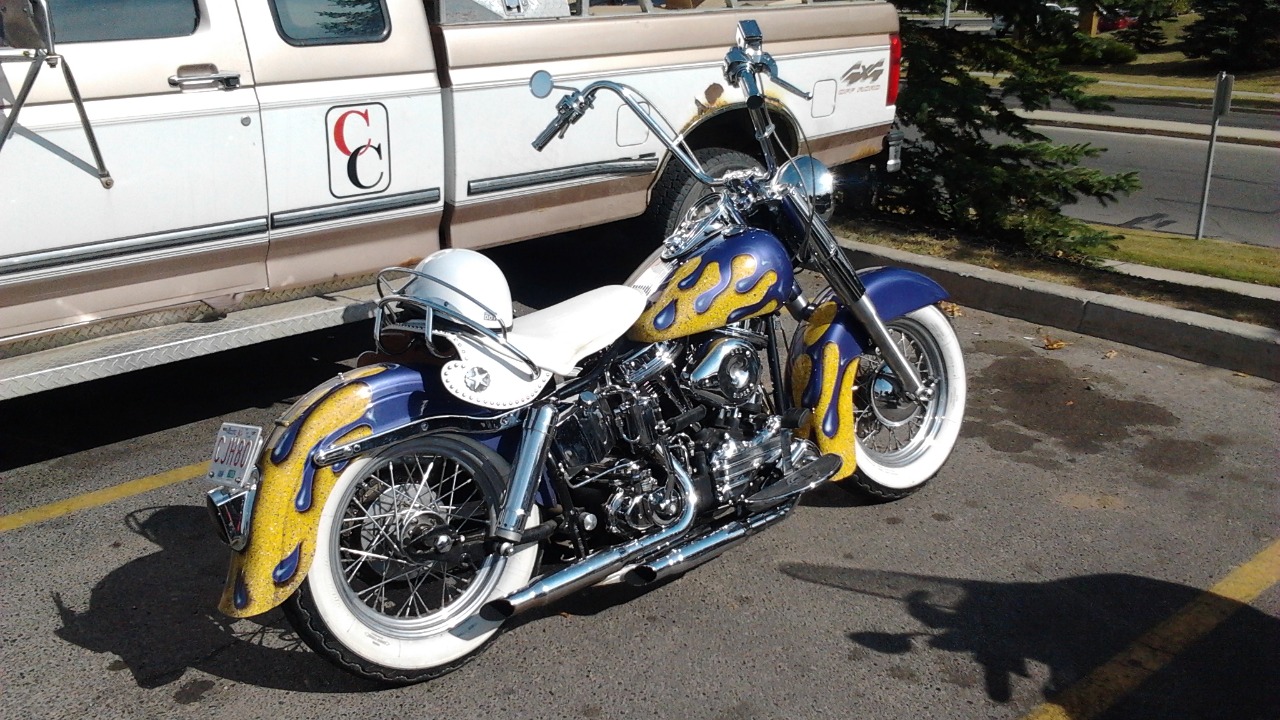
The Harley-Davidson Panhead followed the Knucklehead and became another defining American motorcycle. Introduced in 1948, it received redesigned cylinder heads and improved oil management while retaining the familiar Big Twin character. Its smooth power and strong presence made it a favorite for long-distance riding and customization. Today, the Panhead remains closely associated with traditional American motorcycle culture and the postwar growth of the country’s riding community.
Harley-Davidson Sportster XL
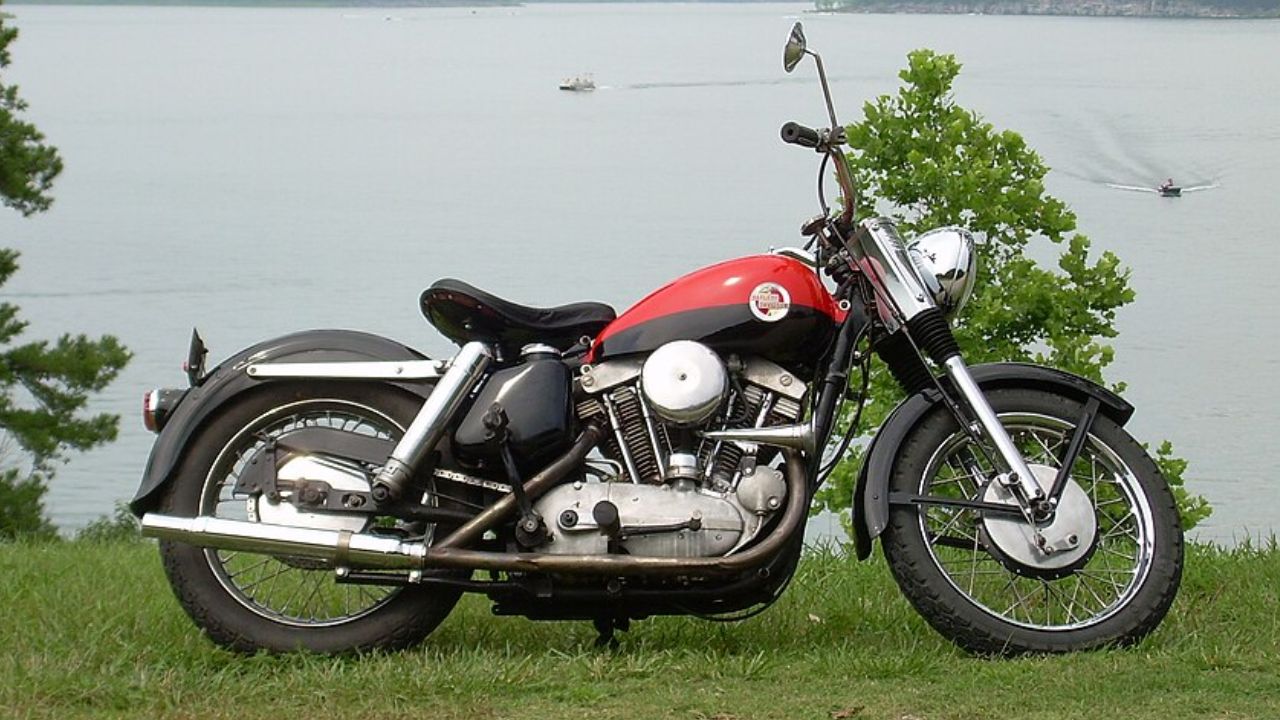
The Harley-Davidson Sportster XL brought a more compact and performance-oriented character to the company’s lineup. Introduced in 1957, it used a smaller V-twin than Harley’s Big Twins and quickly developed a reputation for responsive handling and strong acceleration. The Sportster became one of the company’s longest-running model families, appearing in many forms over the decades. Its combination of simplicity, performance, and customization made it an important American motorcycle.
Harley-Davidson XLCR
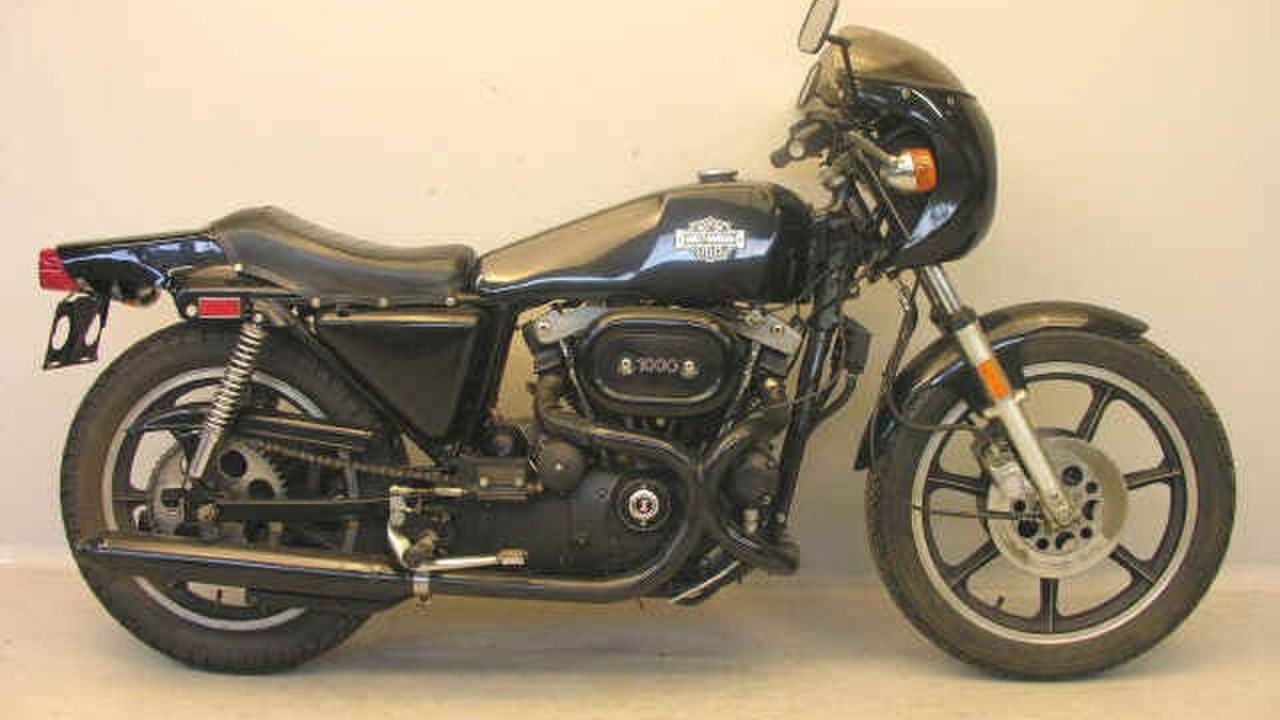
CC BY-SA 3.0 / Wiki Commons
The Harley-Davidson XLCR showed that the company could move beyond its traditional cruiser formula. Introduced in 1977, the XLCR used Sportster mechanicals but featured a café-racer-inspired design, solo seat, distinctive tank, and blacked-out appearance. Production was limited, and the model did not become a major commercial success at the time. Its unusual styling later made it a highly recognizable motorcycle among enthusiasts interested in Harley-Davidson’s experimental period.
Harley-Davidson XR-750
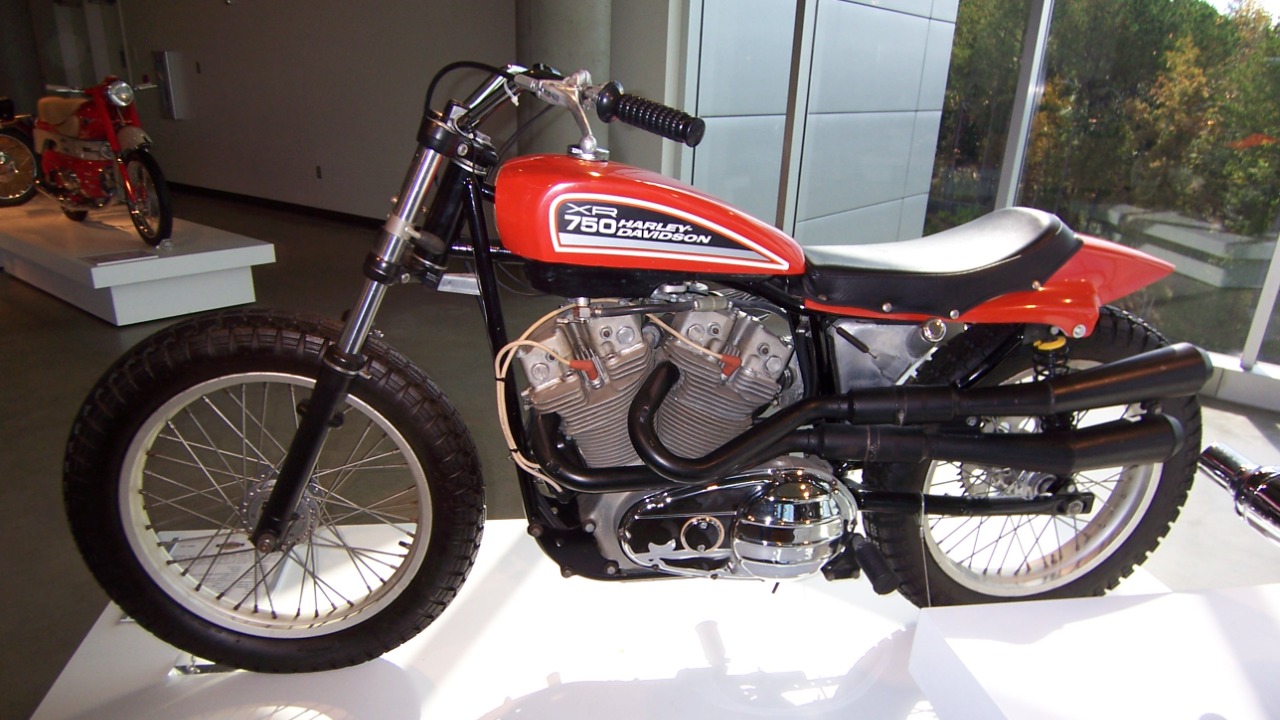
The Harley-Davidson XR-750 became one of America’s most famous racing motorcycles. Developed for flat-track competition, it combined a lightweight chassis with a powerful V-twin designed for sustained racing performance. The XR-750 dominated American flat-track racing for many years and became closely associated with legendary riders and racing culture. Although built primarily for competition, its reputation influenced the broader image of American motorcycles as machines capable of serious performance.
Harley-Davidson V-Rod
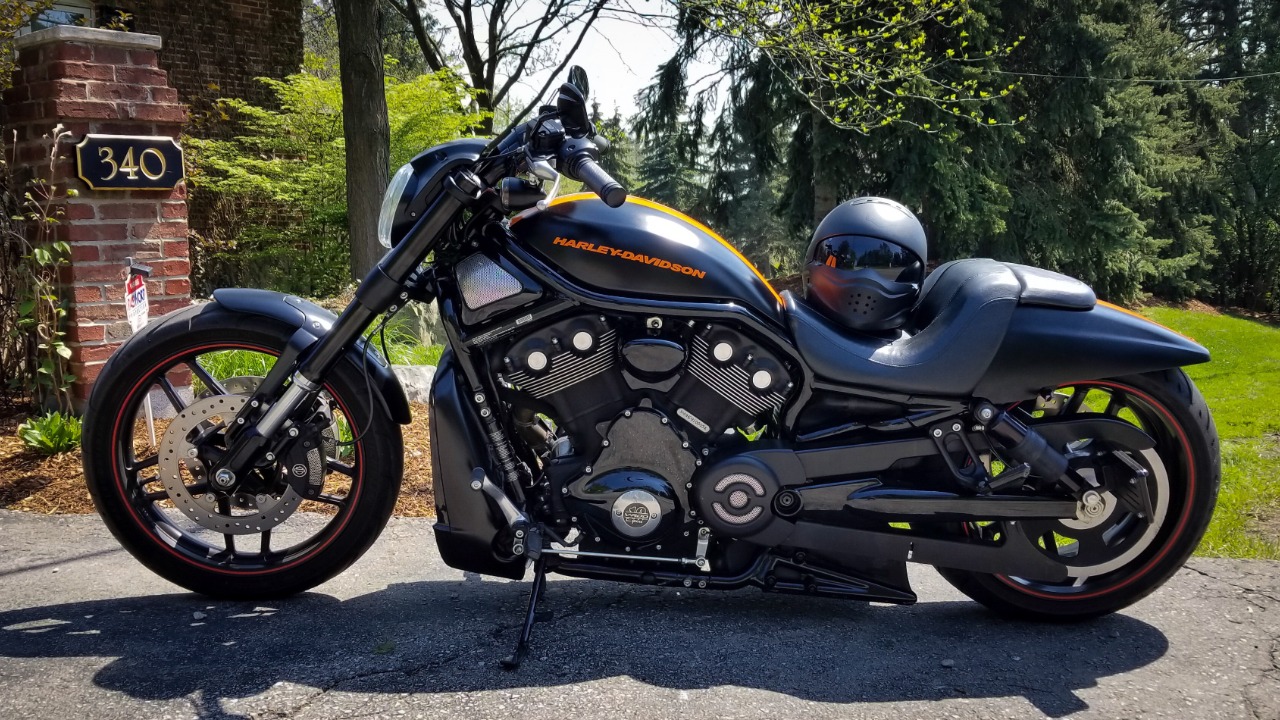
The Harley-Davidson V-Rod represented one of the company’s boldest departures from tradition. Introduced in 2001, it used the liquid-cooled Revolution V-twin developed with Porsche and featured a modern chassis and distinctive styling. The motorcycle offered substantially different performance and engineering compared with Harley’s air-cooled cruisers. Its introduction showed that American motorcycle design could incorporate modern technology while retaining the strong visual identity associated with Harley-Davidson.
Harley-Davidson WLA
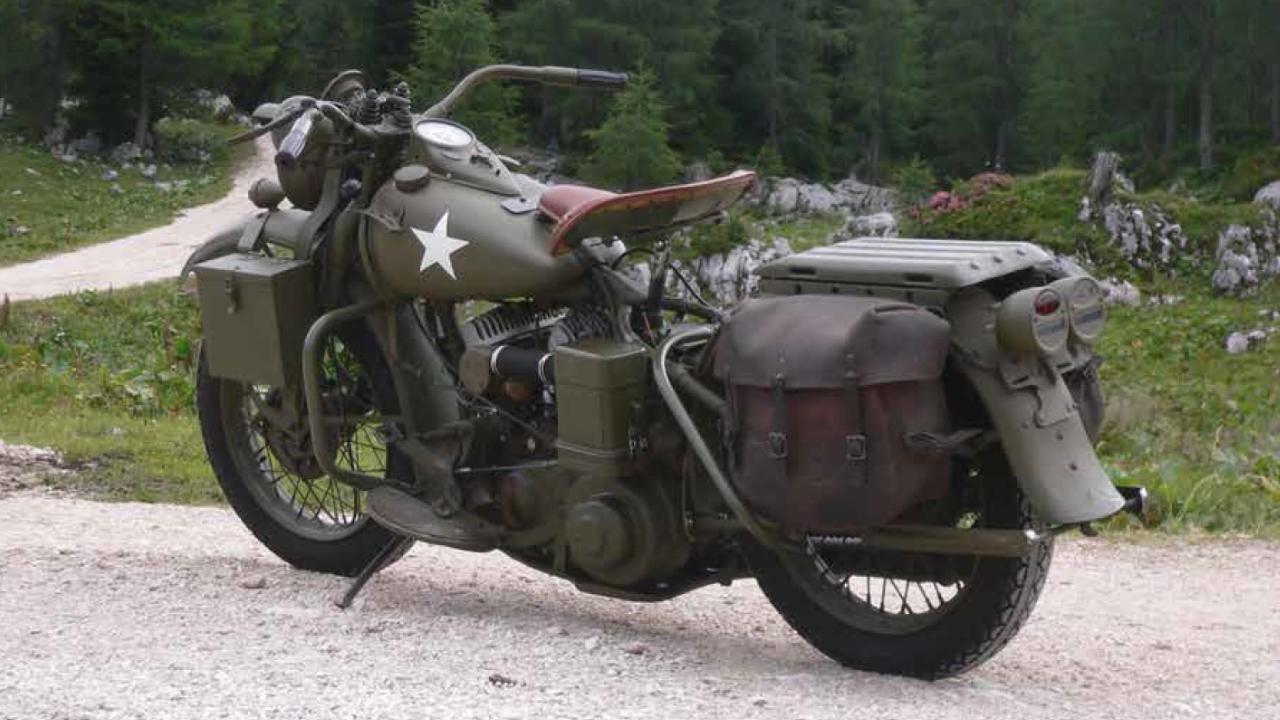
The Harley-Davidson WLA became famous for its military service during World War II. Based on the civilian WL, it received equipment suited to military use, including protective components, storage, and other practical modifications. Thousands were produced for wartime service, making the WLA an important part of motorcycle history. After the war, many examples entered civilian hands, where they became symbols of military history and classic American motorcycle engineering.
Indian Scout
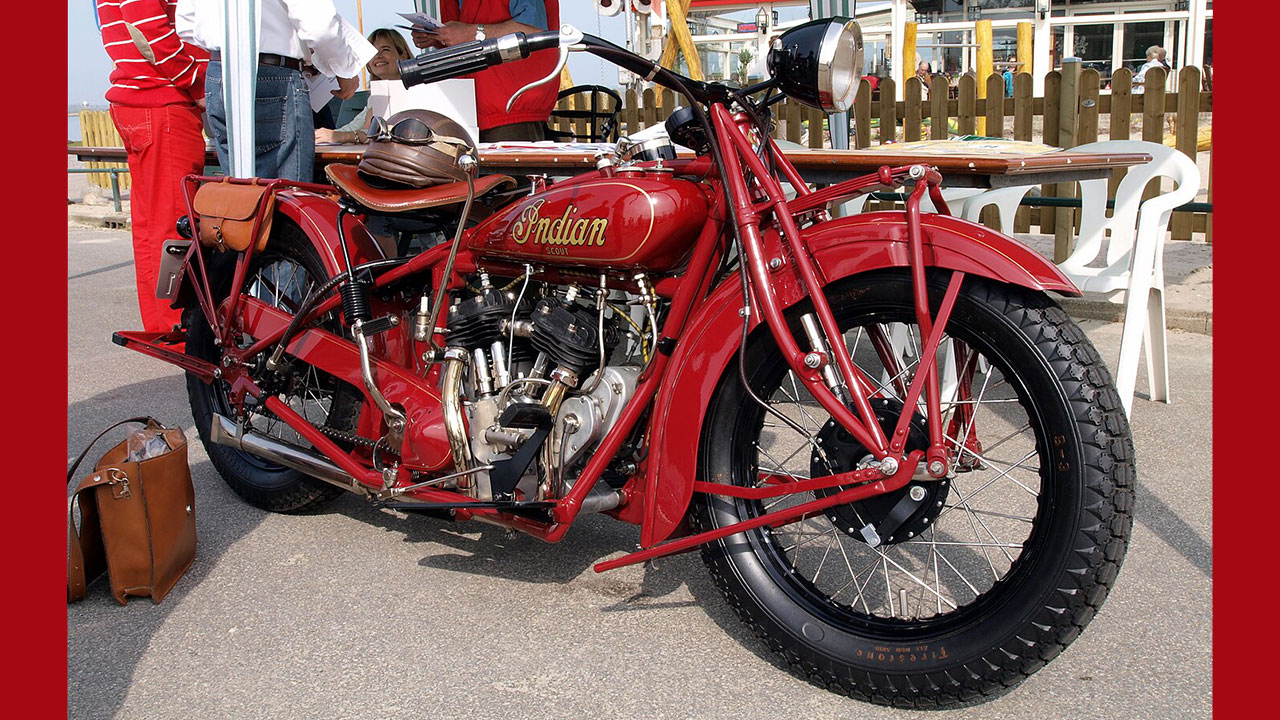
The Indian Scout became one of the most respected motorcycles produced by the original Indian Motorcycle Company. Introduced in 1920, it was smaller and more manageable than some of Indian’s larger models while still offering strong performance. The Scout became popular with everyday riders, racers, and customizers. Its combination of balance, reliability, and distinctive American styling helped establish it as one of the most influential motorcycles of the early twentieth century.
Indian Chief
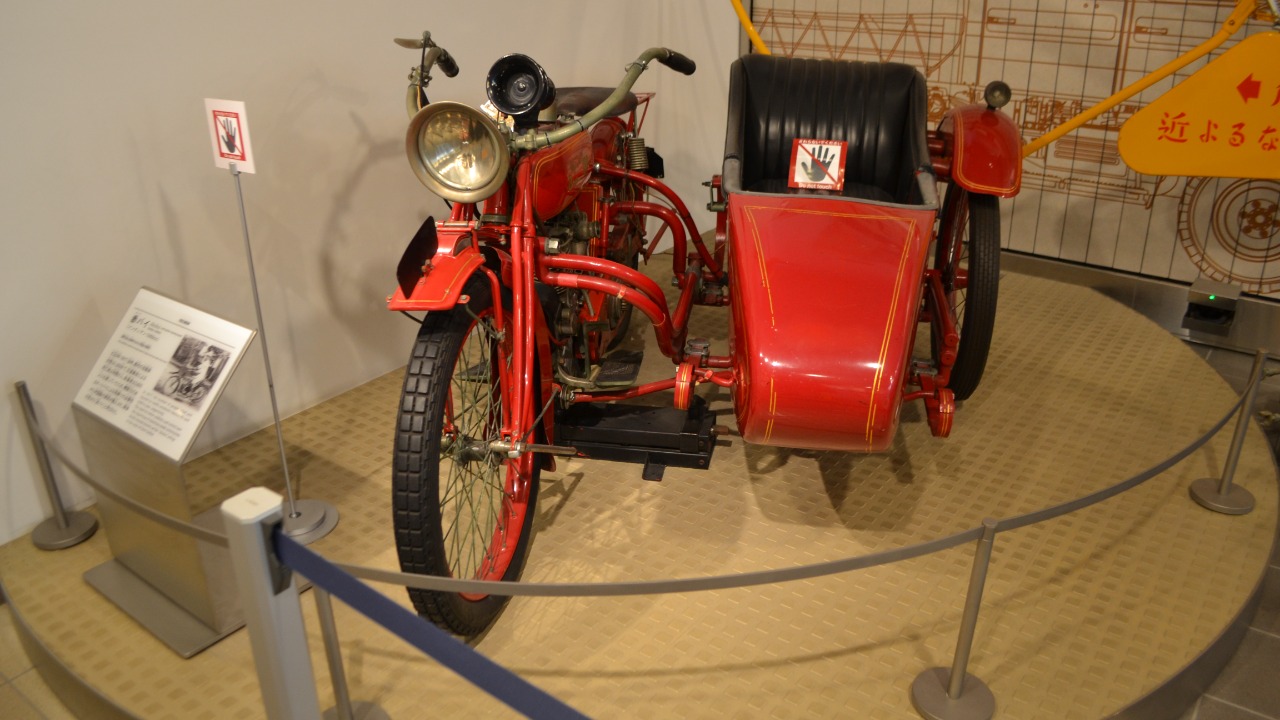
The Indian Chief became a flagship American motorcycle and one of the company’s most recognizable models. Introduced in 1922, it used a large V-twin engine and a substantial chassis designed for comfortable long-distance riding. Its graceful fenders and strong presence became part of Indian’s visual identity. The Chief remained an important model throughout much of Indian’s history and continues to attract collectors interested in classic American motorcycles.
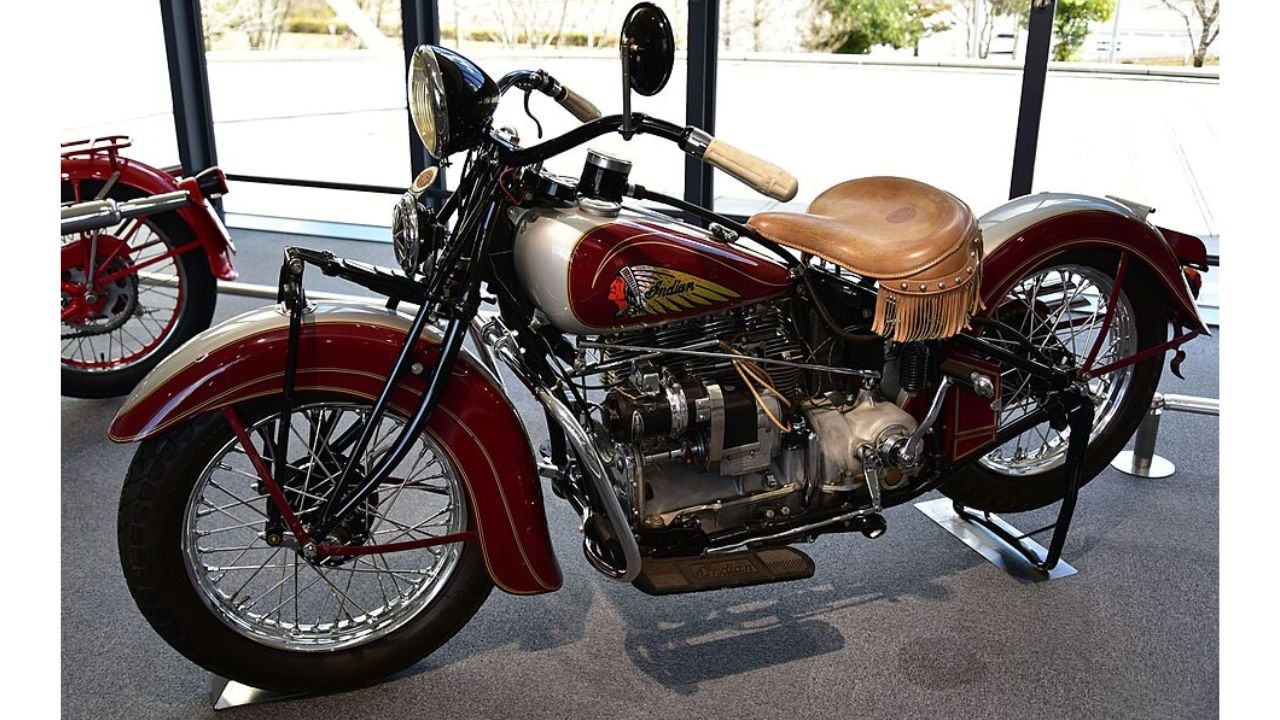
Indian Four
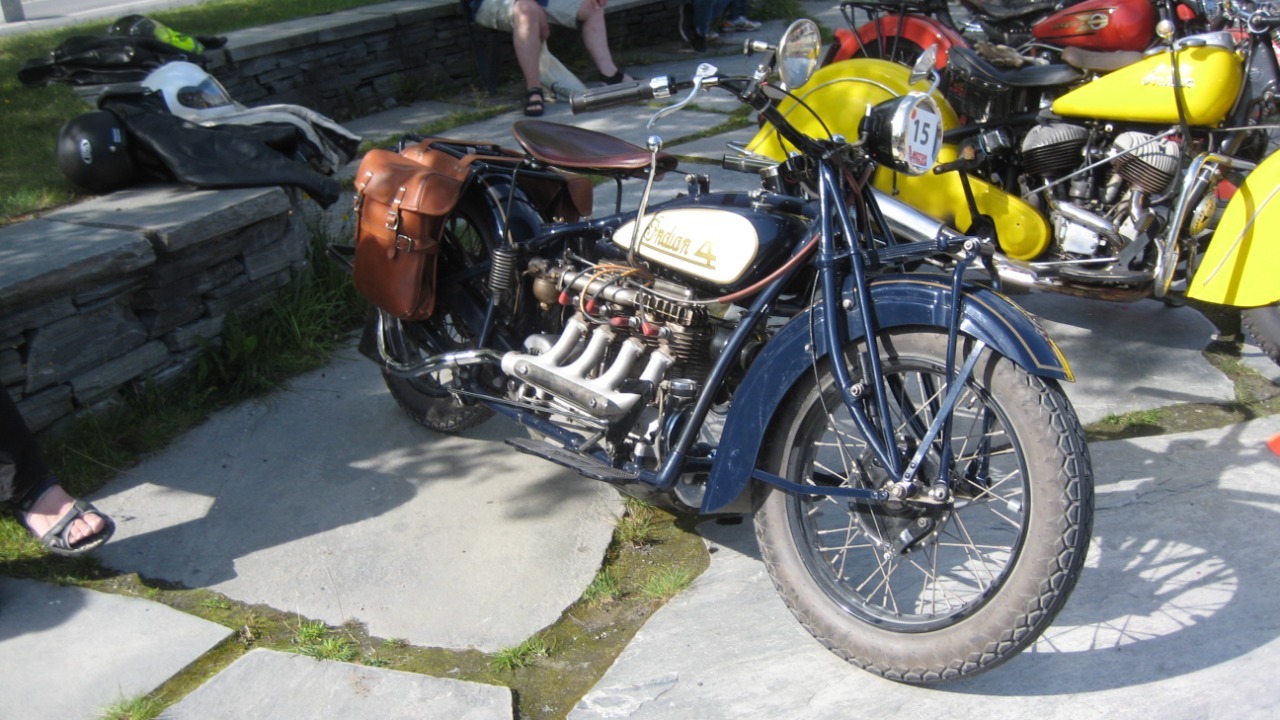
The Indian Four was unusual because it used a four-cylinder engine rather than the V-twin configuration associated with most American motorcycles. Introduced in 1928, it offered exceptionally smooth power for its time and became Indian’s flagship touring machine. Its distinctive engine layout and elegant appearance made it stand apart from other American motorcycles. Surviving examples are highly interesting to enthusiasts because of their unusual engineering and limited production.
Indian Sport Scout

The Indian Sport Scout combined a lighter chassis with the company’s V-twin engine, giving riders a more responsive alternative to larger touring motorcycles. Introduced in the 1930s, it became particularly important in racing and performance applications. Its compact proportions and strong handling helped establish the Scout name as one of Indian’s most respected designs. Today, restored Sport Scouts remain popular among collectors of prewar American motorcycles.
Indian Power Plus

The Indian Power Plus represented an important stage in the development of American V-twin motorcycles. Introduced in the early twentieth century, it used a large-displacement engine that helped establish Indian as a serious competitor to Harley-Davidson. The Power Plus name became associated with strong performance and dependable long-distance capability. Its historical importance comes from its role in shaping the early American motorcycle industry during a period of rapid development.
Indian 841
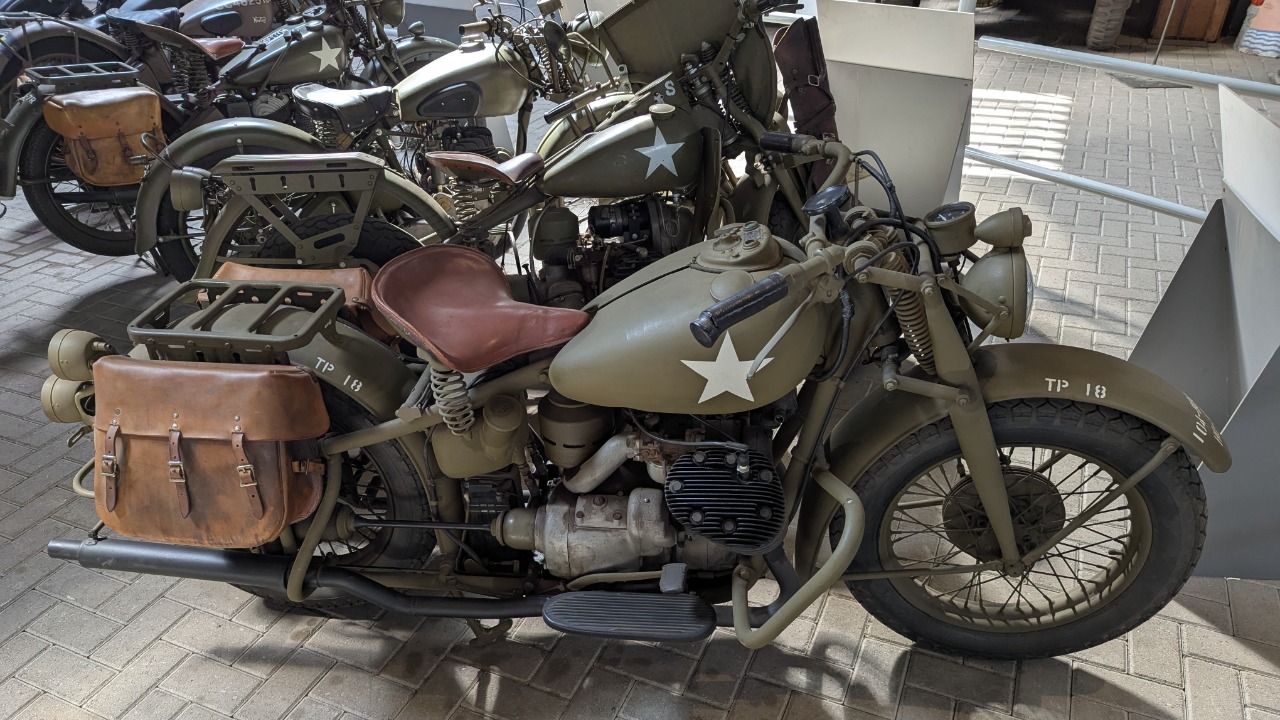
The Indian 841 was one of the company’s most unusual motorcycles. Developed during World War II, it was designed for military use and featured a longitudinally mounted V-twin engine with shaft drive. This layout was radically different from the conventional American motorcycle formula. Although it was not produced in large numbers, the 841 remains fascinating because it demonstrates how American manufacturers experimented with alternative engineering solutions when military requirements demanded something different.
Excelsior Super X
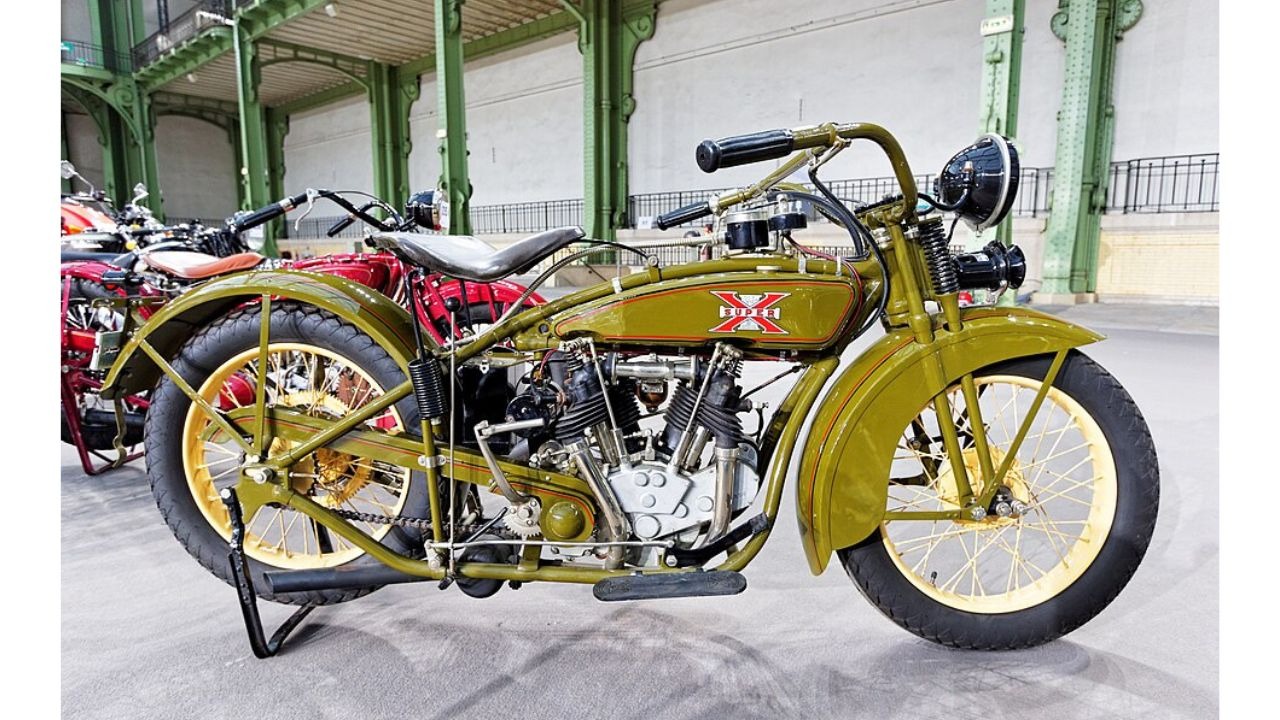
The Excelsior Super X was one of the most distinctive American motorcycles of the 1920s and early 1930s. It used a 45-degree V-twin engine and introduced features that helped distinguish it from competing motorcycles. The Super X became known for its performance and innovative engineering, but Excelsior eventually left the motorcycle business. Surviving examples are now highly valued because they represent one of America’s major motorcycle manufacturers that disappeared from the market.
Henderson KJ
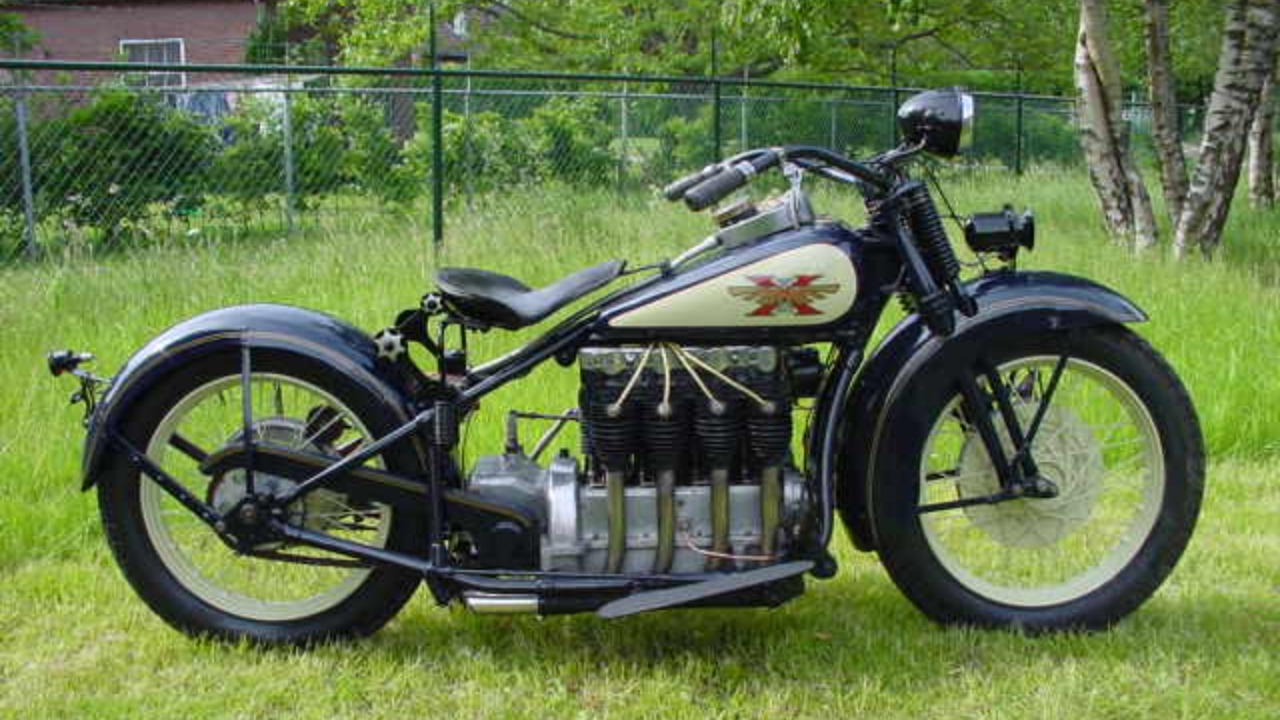
The Henderson KJ was a prestigious American four-cylinder motorcycle produced during the late 1920s. Its inline-four engine delivered smooth power and impressive performance, while its long chassis provided a distinctive touring character. Henderson motorcycles were known for engineering sophistication and were among the fastest American motorcycles of their era. The KJ is especially significant because it represents the high level of performance and refinement available before the Great Depression transformed the motorcycle industry.
Harley-Davidson Electra Glide
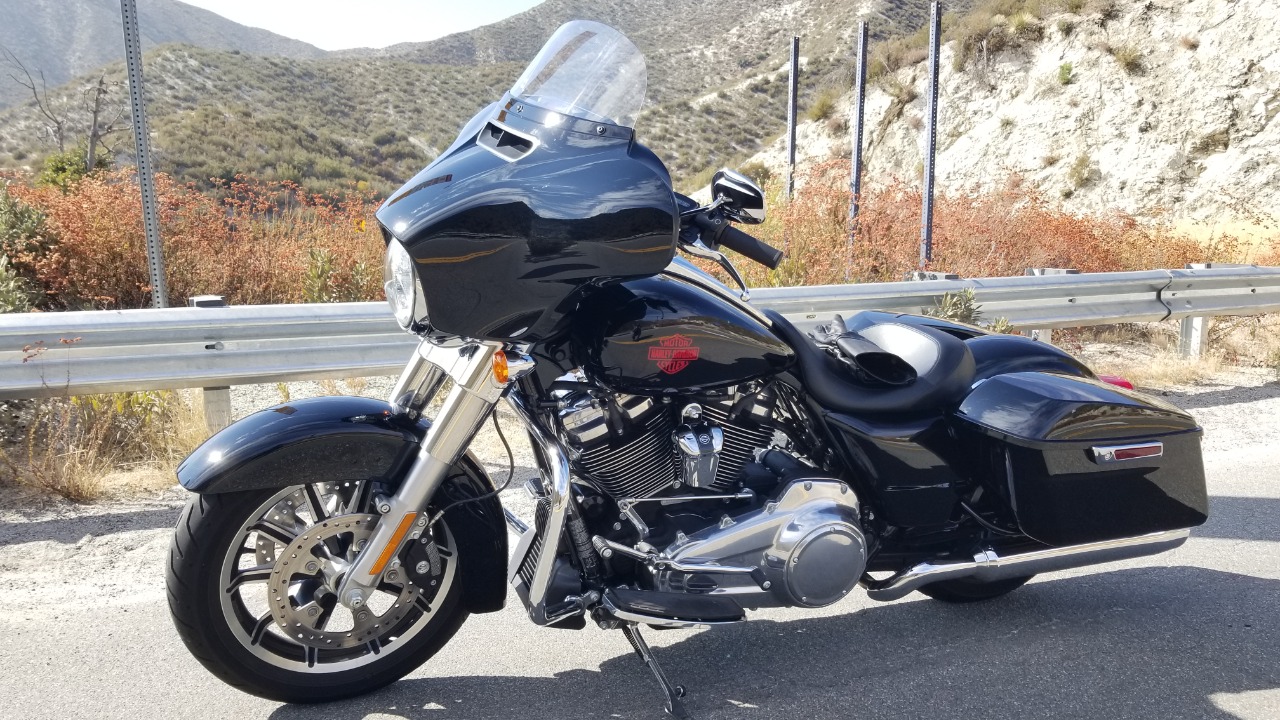
The Harley-Davidson Electra Glide brought electric starting to Harley-Davidson’s touring lineup when it debuted in 1965. This made large motorcycles easier to start and more convenient for everyday riding. The Electra Glide also became a foundation for the company’s long-running touring family, combining a Big Twin engine with equipment designed for long-distance travel. Its name remains strongly associated with the American touring motorcycle tradition.
Harley-Davidson Fat Boy
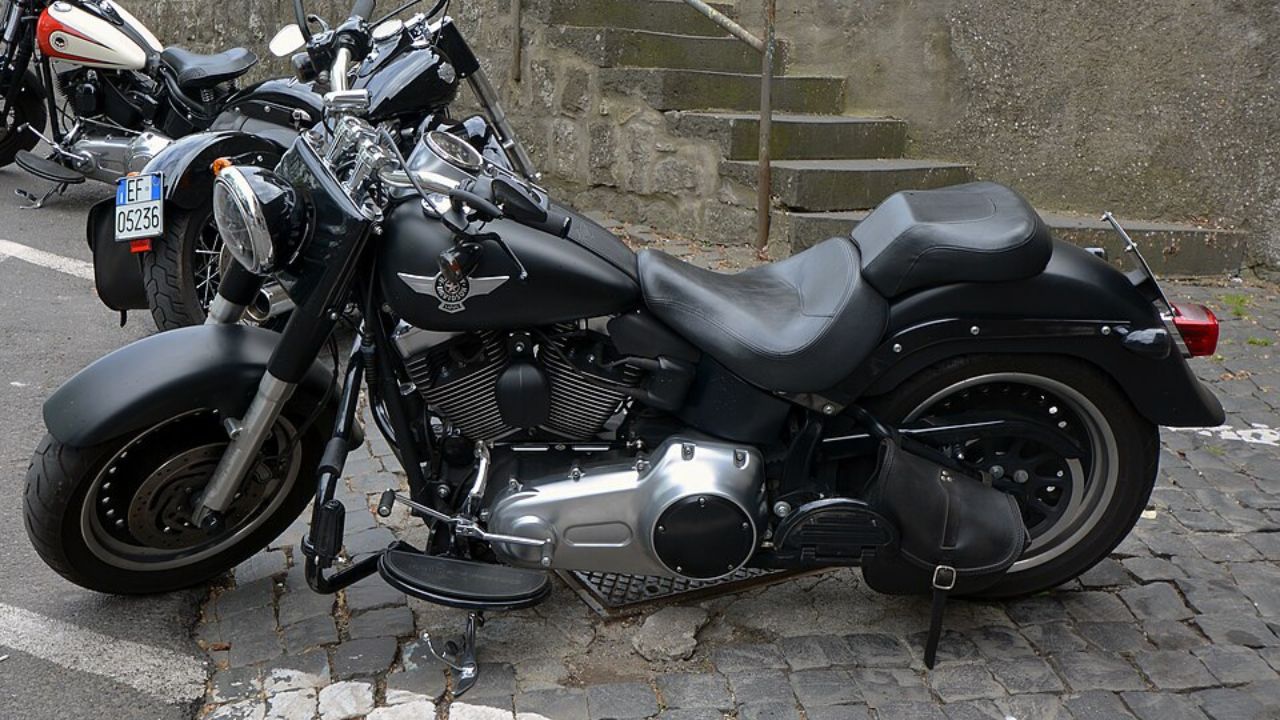
The Harley-Davidson Fat Boy became one of the most recognizable American motorcycles of the modern era. Introduced in 1990, it combined a muscular V-twin engine with solid wheels, wide tires, and a distinctive cruiser design. Its bold appearance helped make it an icon beyond traditional motorcycle circles, while its comfortable riding position suited relaxed cruising. The Fat Boy became a symbol of American custom-bike styling during the 1990s.
Buell S1 Lightning
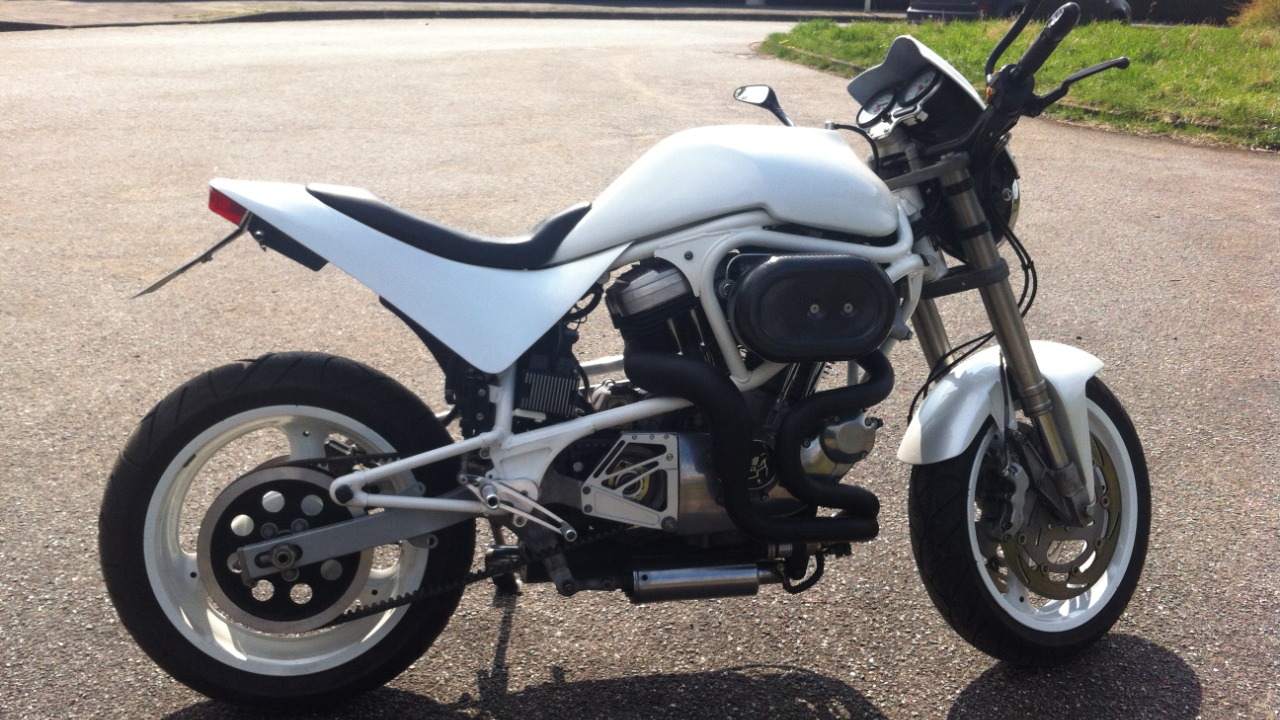
The Buell S1 Lightning demonstrated a very different approach to American motorcycle design. Introduced in the 1990s, it combined a Harley-Davidson-derived V-twin engine with a lightweight chassis and unconventional engineering. The motorcycle emphasized handling and responsiveness rather than traditional cruiser comfort. Its distinctive appearance and unusual technical solutions helped establish Buell as one of America’s most interesting performance motorcycle manufacturers.
Buell XB9R Firebolt

The Buell XB9R Firebolt represented another major step in American sport-bike development. It used a compact V-twin engine, perimeter front brake, fuel stored within the frame, and a swingarm-mounted fuel system arrangement that reflected Buell’s unconventional engineering philosophy. The Firebolt was designed around handling and centralization rather than simply following established motorcycle layouts. It remains an important example of American experimentation in modern performance motorcycles.
More from Fast Lane Only
- Unboxing the WWII Jeep in a Crate
- 15 rare Chevys collectors are quietly buying
- 10 underrated V8s still worth hunting down
- Police notice this before you even roll window down
*Research for this article included AI assistance, with all final content reviewed by human editors.