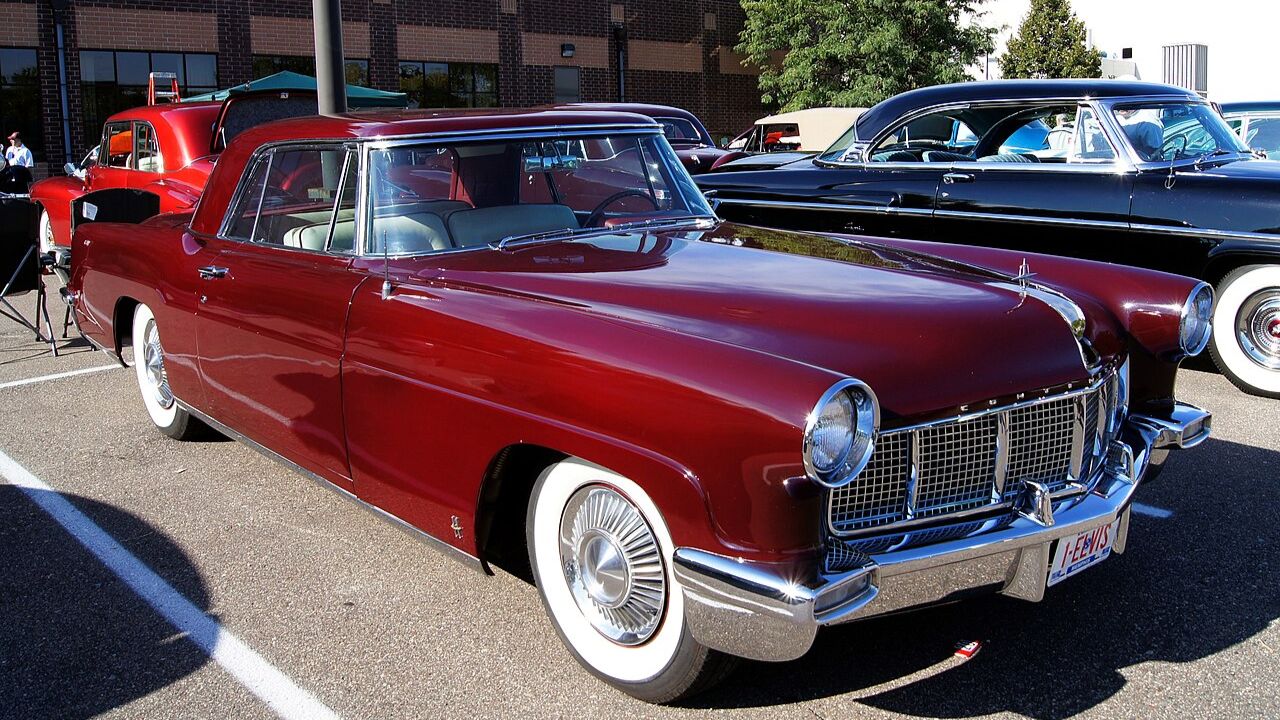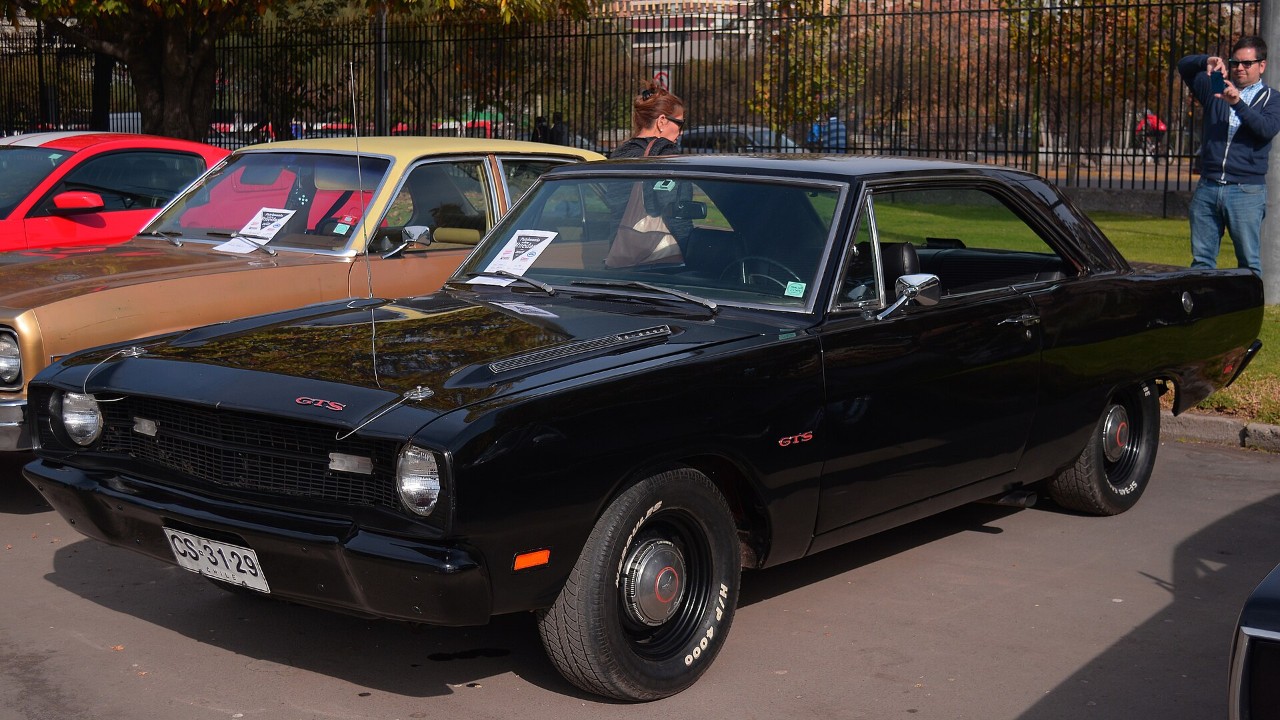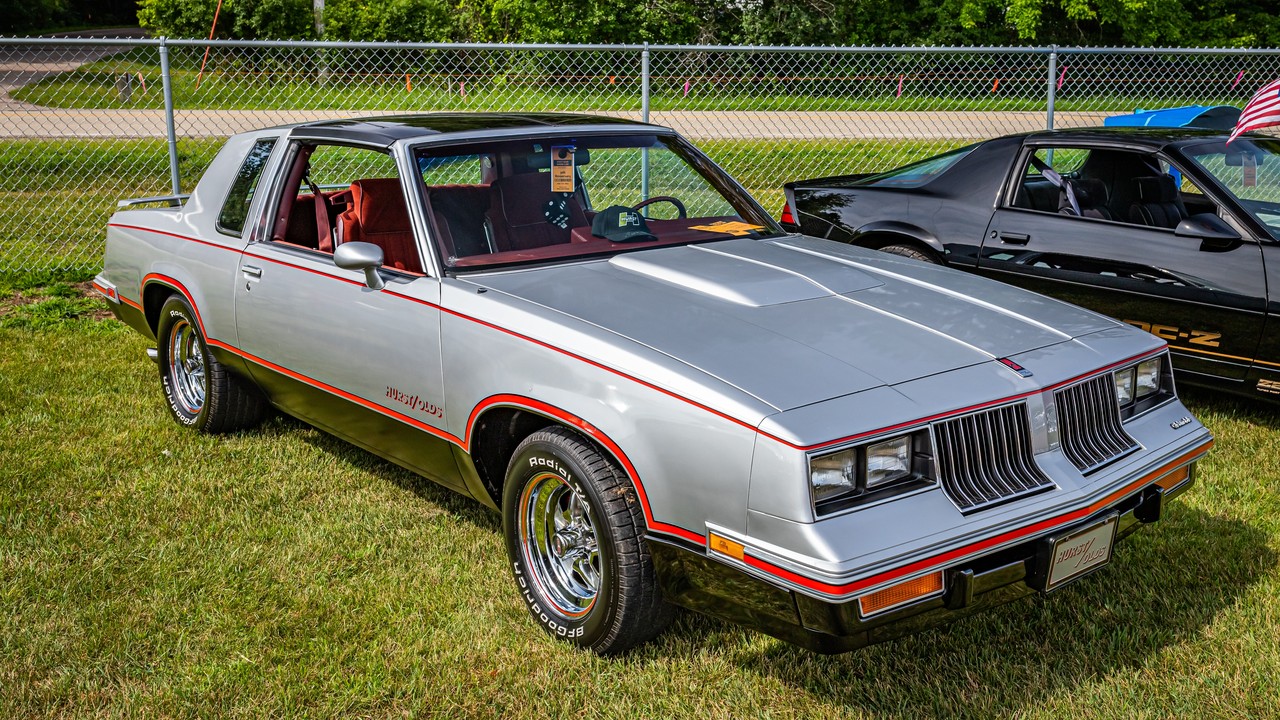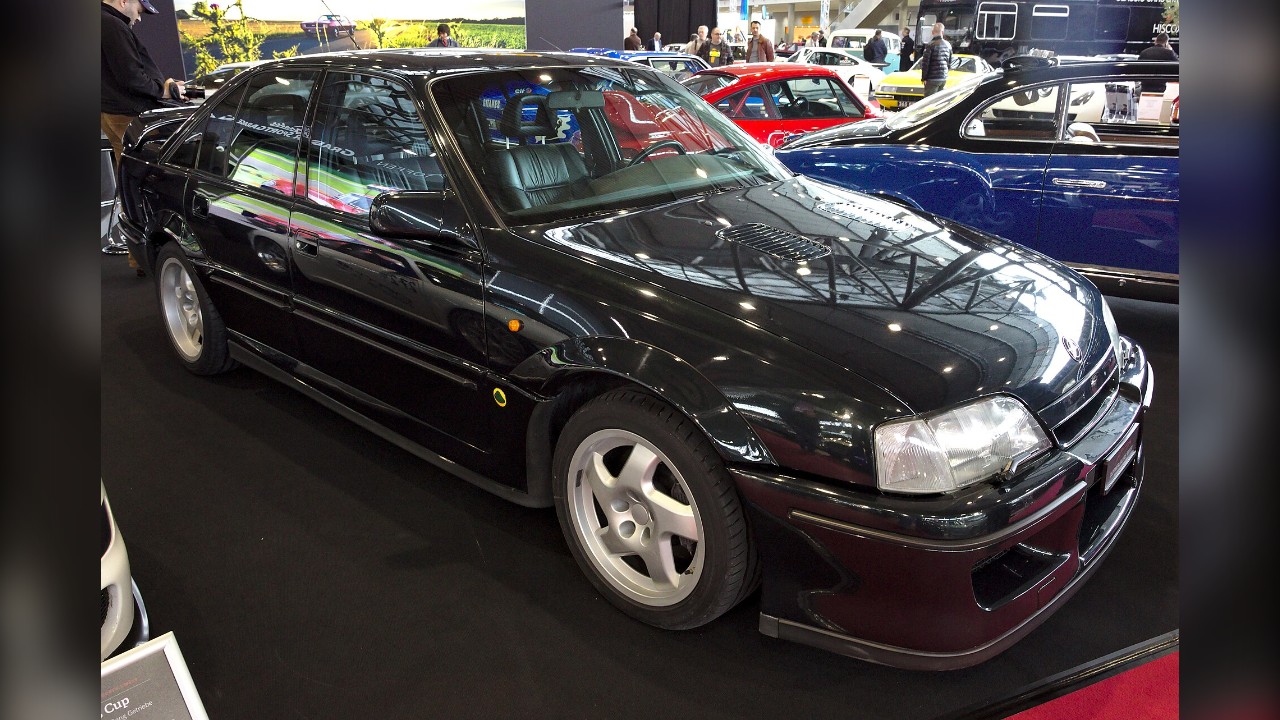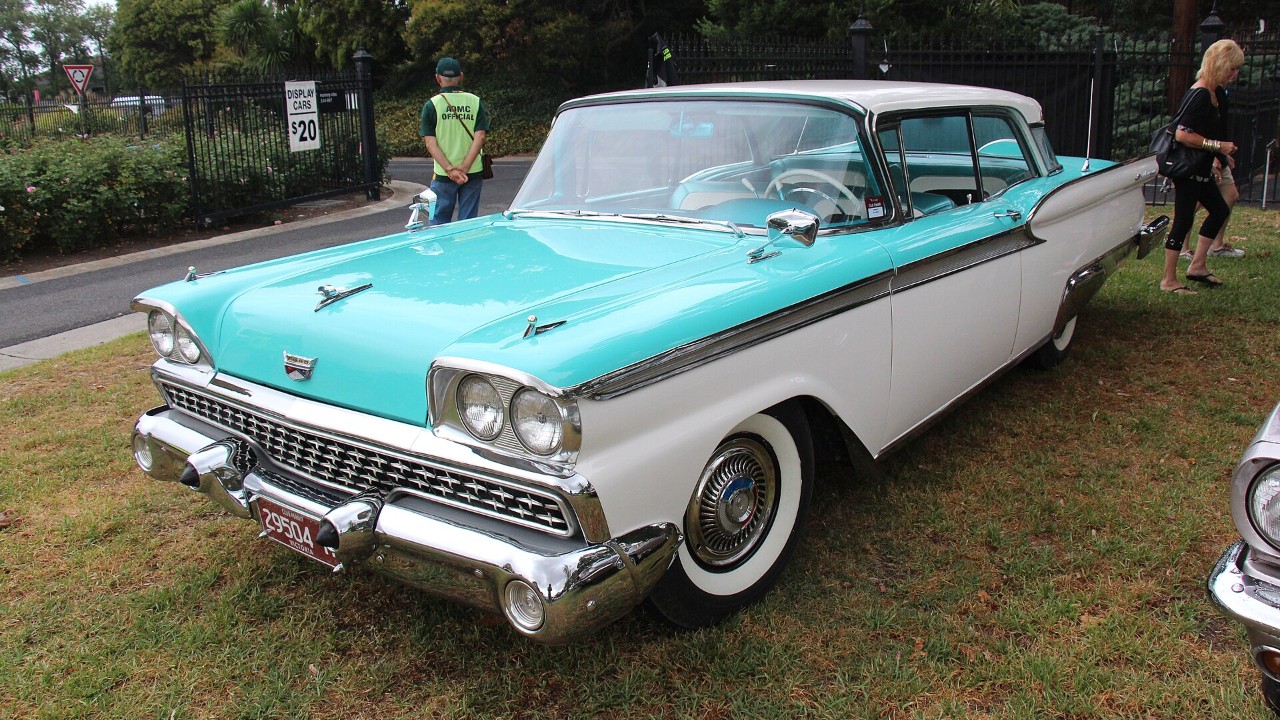
The Ford Fairlane took its name from Henry Ford’s estate in Dearborn. It then carried that name through the 1955 to 1970 model years in North America, and in that time it went through seven generations. It began as Ford’s flashiest full-size car and later became a mid-size muscle machine. Along the way, it also spawned retractable-hardtop convertibles and car-based pickups.
Today, however, most people remember the Mustang and the Torino instead. That is a shame, because the Fairlane often got there first. It tried bold roof styles, new safety gear and hot new engines. And in 1964, it won the drag races that mattered most.
These are our picks, and the verdict is our opinion. We chose seven Fairlanes that, in our view, outpaced the competition in style, speed or smart thinking. In fact, one of them never sold in America at all. Every number comes from a source we read for this story.
1. 1955 Ford Fairlane Crown Victoria
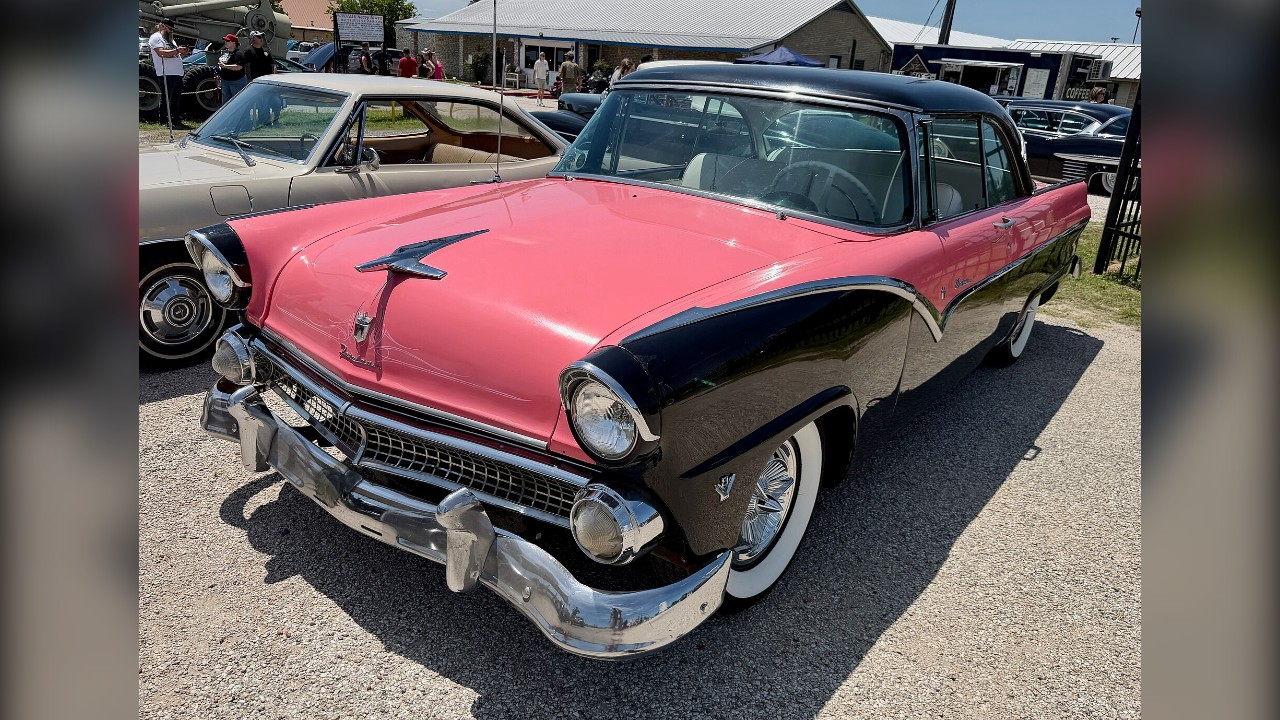
The Fairlane replaced the Crestline as Ford’s top full-size model for 1955. Above the rest of that line sat the Crown Victoria. Its signature was a band of stainless steel that arched over the roof. Ford called it a “crown of chrome,” and the car borrowed its lower greenhouse from the 1955 Mercury Montclair.
The Crown Victoria cost $2,302, about $100 more than a regular Victoria hardtop. Ford built 33,165 of them for 1955, according to Mac’s Motor City Garage. Only 1,999 were Skyliners, which swapped the front of the roof for a tinted Plexiglas panel. That option cost $70 extra and reportedly made the cabin unbearably hot on sunny days.
A 272-cubic-inch V8 was standard, and the 292 “Thunderbird V-8” was optional. Our take: no other low-priced car of 1955 looked this daring. The Crown Victoria outpaced its rivals in pure style, even if the fad faded fast. If you shop for one, a steel-roof car is easier to live with. A Skyliner, by comparison, is the rarer and more striking choice.
2. 1956 Ford Fairlane Victoria
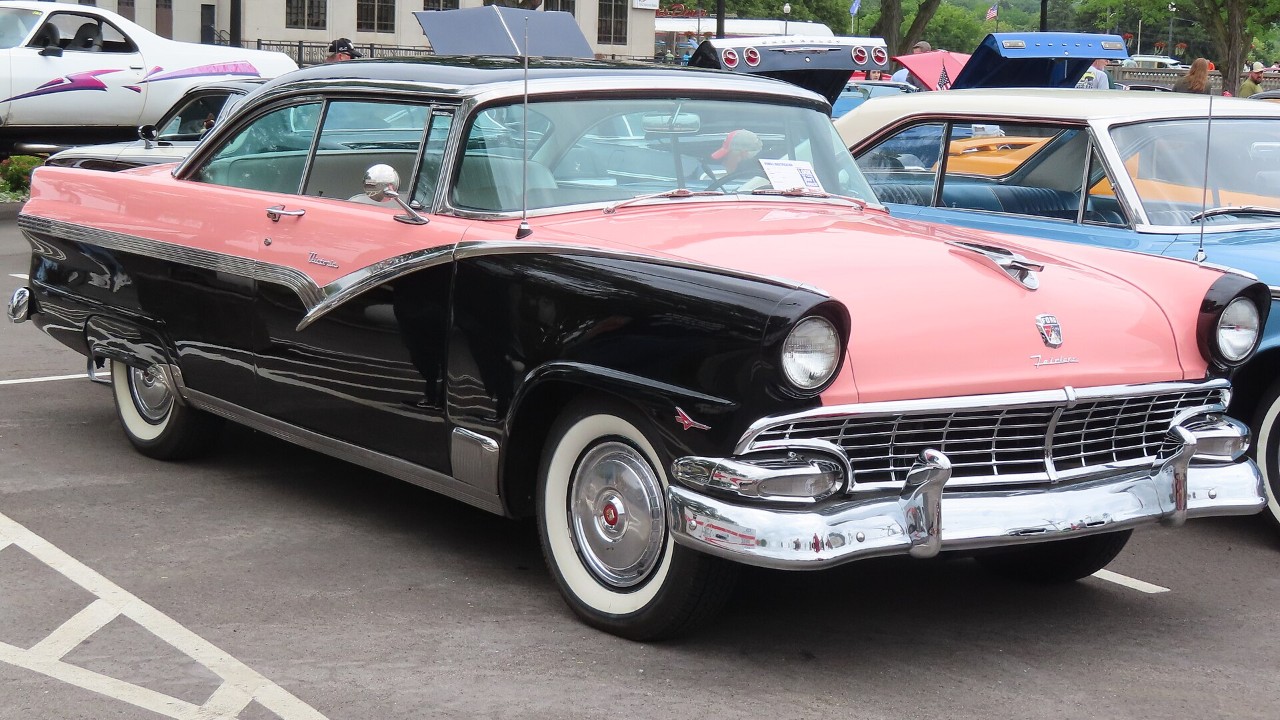
For 1956, Ford took the Crown Victoria’s best idea and spread it across the line. The lower roofline that had made the 1955 car special went onto every Ford hardtop. At the same time, Ford added a four-door Victoria hardtop, and the Fairlane range gained 292 and 312 V8s. The 312 carried a rating of up to 225 horsepower.
The 1956 Fairlane also introduced the Lifeguard safety package. In our view, that move put Ford ahead of the pack on safety. Meanwhile, the Crown Victoria itself faded, falling to 9,209 cars for 1956. In our view, buyers had simply moved on to the cleaner Victoria look.
In our view, the 1956 Victoria is the smarter classic. It gives you the low roof, the better engines and the Lifeguard story without the Crown Victoria’s price premium. Our take: it outpaced rivals by selling safety early. Federal rules, after all, only brought gear like an energy-absorbing steering column to the 1967 Fairlane. If you want a usable 1950s Ford, this is the one we would buy.
3. 1963 Ford Fairlane 500 two-door hardtop
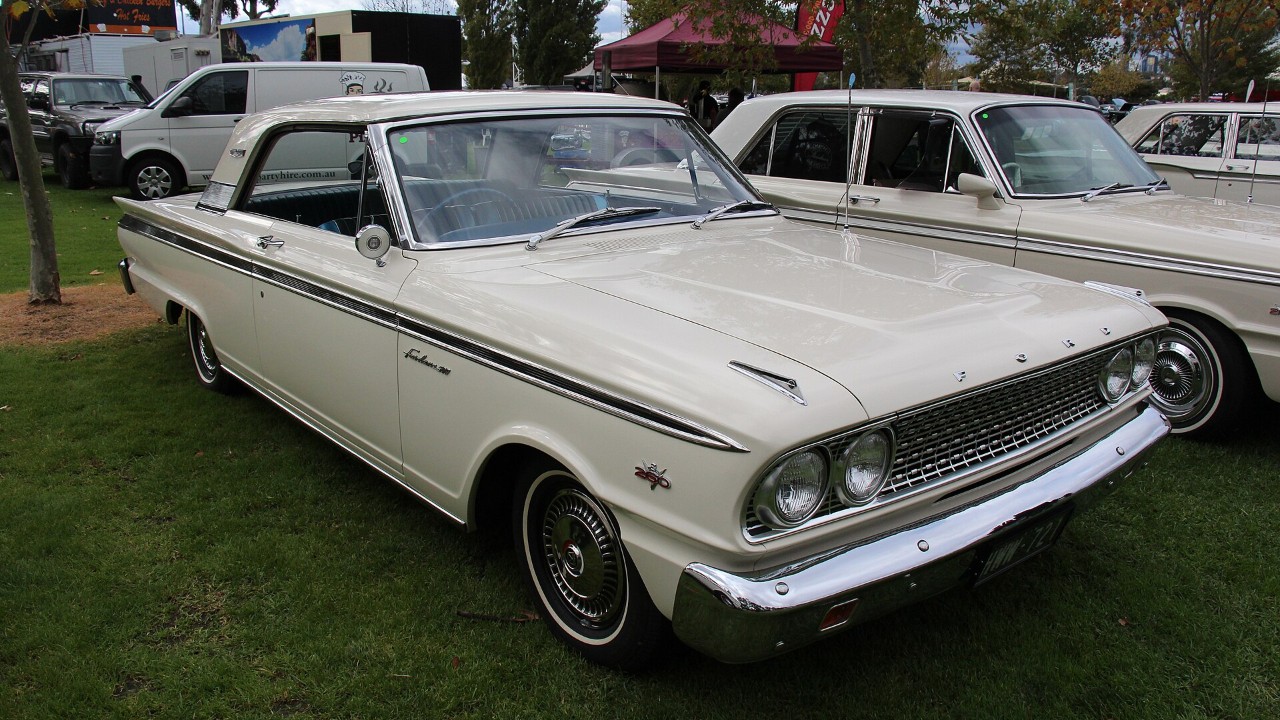
By 1962 the Fairlane had moved to a new intermediate size, smaller than the big Galaxie. For 1963, Ford added pillarless hardtop coupes in Fairlane 500 and Sports Coupe trim. Engine choices also included a 221-cubic-inch V8 for 1962 and 1963 and a 260 V8 from 1962 through 1964.
Then, in mid-1963, Ford introduced the Challenger 289 High Performance V8 with an advertised 271 horsepower. It carried the letter K in the VIN, so fans call it the K-code engine. Dropping it into a light, mid-size hardtop created a genuine performance car with a family-car body.
Our take: the 1963 Fairlane 500 hardtop outpaced its rivals by proving that a mid-size Ford could be fast. It looks plain today, but that is part of the charm. Our advice: check the VIN letter before you pay a high-performance price. After all, a K-code claim is easy to make and just as easy to verify.
4. 1964 Ford Fairlane Thunderbolt
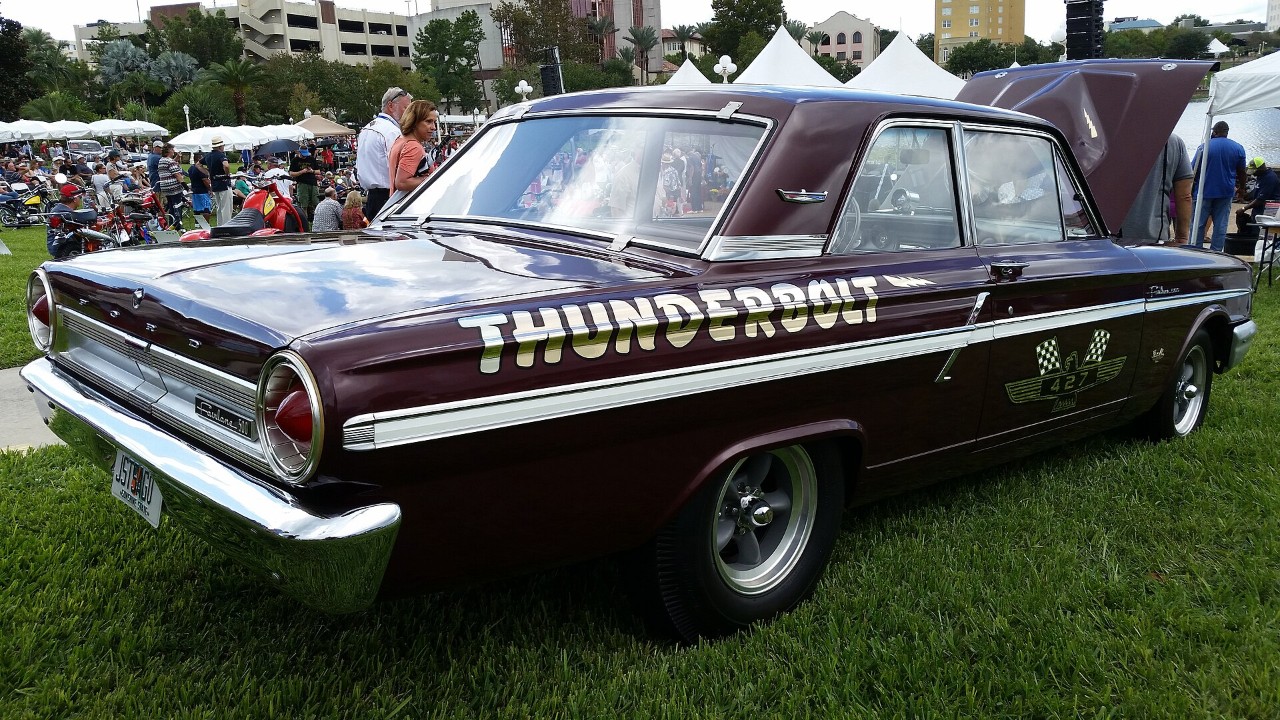
The Thunderbolt was a race car with license plates. Only 100 left the shop, all as 1964 models. Of those, 51 had automatic transmissions, while 49 got manual four-speed gearboxes. Ford did not assemble them on a normal line. Instead, it worked with Andy Hotton of Dearborn Steel Tubing to strip and modify each car.
The weight-saving list was long, too. The doors, front fenders and hood were fiberglass instead of steel, and Plexiglas replaced the side and rear glass. As a result, the radio, heater, sun visors, carpeting and spare tire all disappeared. Under the hood sat a 427-cubic-inch FE V8 breathing through two Holley four-barrels. Ford’s official figure was 425 horsepower at 6,000 rpm.
The results were immediate. Gas Ronda won the 1964 NHRA Winternationals final in a Thunderbolt with an 11.78-second pass at 123.40 mph, beating Butch Leal’s Thunderbolt. Later that season, the Thunderbolt also brought Ford the 1964 NHRA Super Stock crown. Our take: no Fairlane outpaced the competition more literally than this one. For that reason, we would never call it ordinary.
5. 1966 Ford Fairlane GT coupe
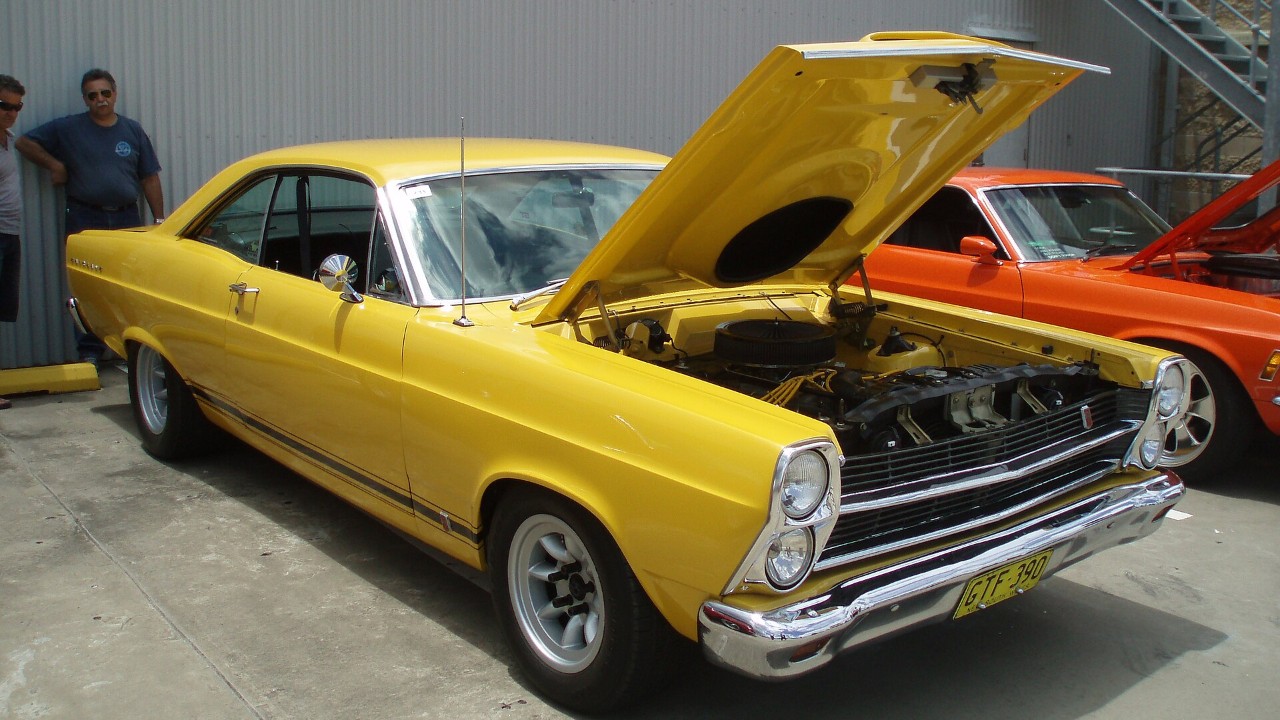
For 1966, Ford redesigned the Fairlane and gave it a proper performance model. The Fairlane GT came standard with a 390-cubic-inch FE V8 rated at 335 horsepower. The GTA version added the SportShift Cruise-O-Matic automatic, and both carried the same 390.
Not every tester was impressed. Car Life ran a 1966 GTA from 0 to 60 mph in 8.6 seconds. It then concluded that the car’s main problem was “not enough power,” according to Curbside Classic’s review of that test. The magazine also found the car close to a “pretty fair utilitarian family sedan.” As tested, with power steering, power brakes and an automatic, it cost $3,499.
So why does it belong here? In our view, that family-sedan comfort is exactly where the GT outpaced the competition. It offered a 335-horsepower big-block and a usable back seat in one tidy package. Our take: that mix of engine and everyday comfort was hard to beat. So the GT is the version we would hunt for.
6. 1967 Ford Fairlane Ranchero GT 390
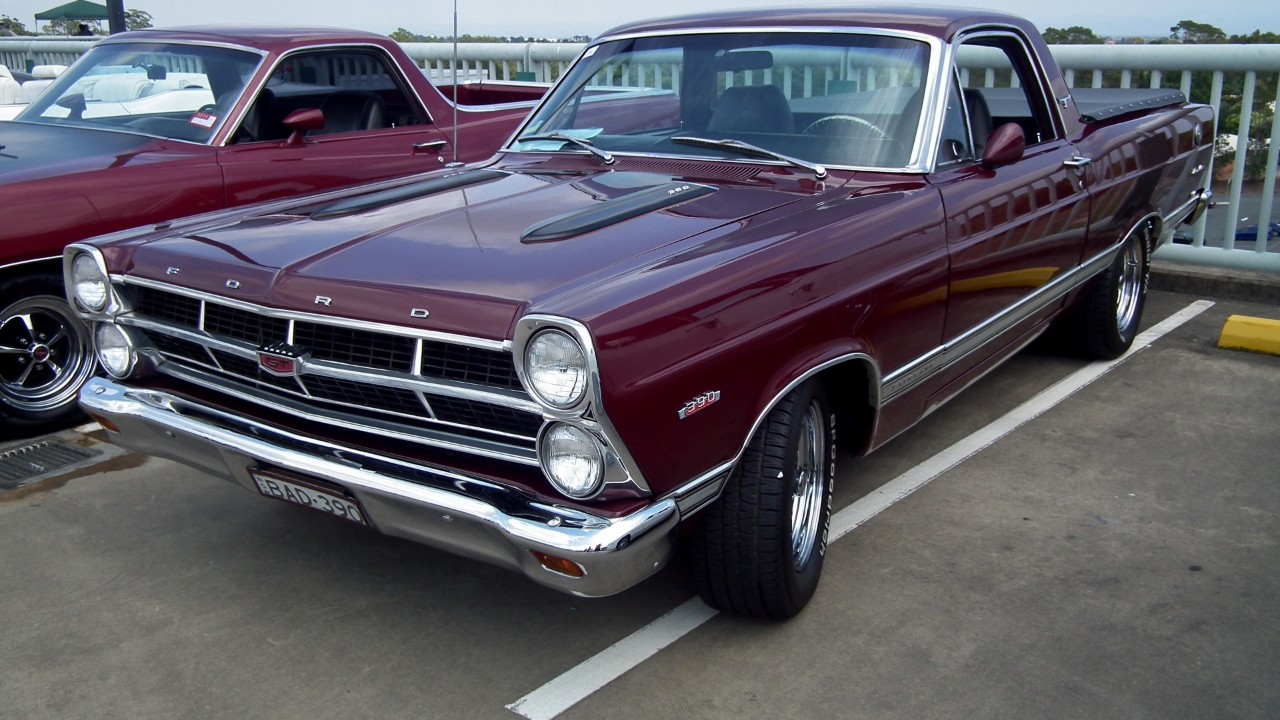
Ford’s car-based pickup made a big leap for 1967. The Ranchero dropped its Falcon look and took on Fairlane sheet metal and trim. Hot rodders had already been swapping Fairlane front ends onto 1966 Rancheros, a simple bolt-on job, according to Mac’s Motor City Garage.
Buyers could choose a Fairlane, Fairlane 500 or Fairlane 500XL Ranchero. The 500XL added cloth-and-vinyl bucket seats and a center console with a floor shifter, and only 1,881 were built. Engines ran from a 200-cubic-inch six up to a big-block 390 V8 rated at 320 horsepower. Clearly, the change worked. Ranchero sales jumped from 9,480 in 1966 to 17,293 in 1967.
Our take: the 1967 Ranchero outpaced its own past by nearly doubling sales in one year. It mixed a pickup bed, a Fairlane face and a 390. In our view, that recipe makes even more sense today than it did then. Our advice: a 390 car with documented options is the one to buy. So ask for the paperwork before you pay a big-block price.
7. 1970 Ford Fairlane ZC 500 sedan
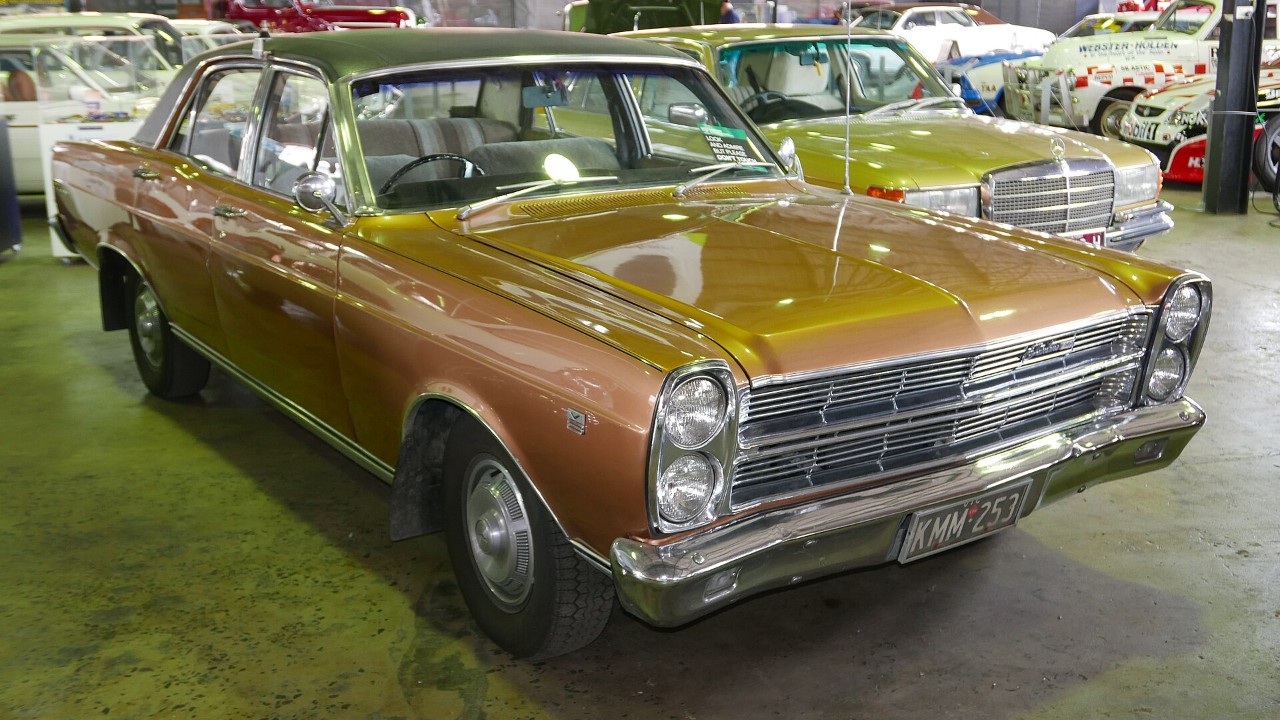
The Fairlane name lived on in Australia, where Ford built it as a long-wheelbase Falcon. The ZC series ran from July 1969 to November 1970. During that time Ford built 12,500 of them, according to Unique Cars and Parts. It also brought a styling change, since Ford Australia adopted vertical headlamps, a look the American Fords had already dropped.
The Fairlane 500 cost $4,370, compared with $3,330 for the Fairlane Custom. For that money, it came with a 302 V8, disc brakes, fully reclining bucket seats and a woodgrain-style dash. The ZC was also the first Fairlane to offer a 351 V8 as an option. On top of that, buyers could order Australia’s first factory-fitted steel sunroof for $163.
Our take: the ZC Fairlane 500 outpaced its local rivals in comfort and equipment. Moreover, its factory steel sunroof was a genuine first for the country. It is the forgotten Fairlane that never came to America. Our advice: a 351 car with its original options is the prize.
More from Fast Lane Only