Some hot rods become more than old cars. Owners spend years rebuilding them, improving them, driving them, and passing their stories from one generation to another. From classic Fords to powerful Chevrolet and Mopar builds, these cars have the character, history, and personality that make enthusiasts reluctant to ever let them go.
1932 Ford Roadster
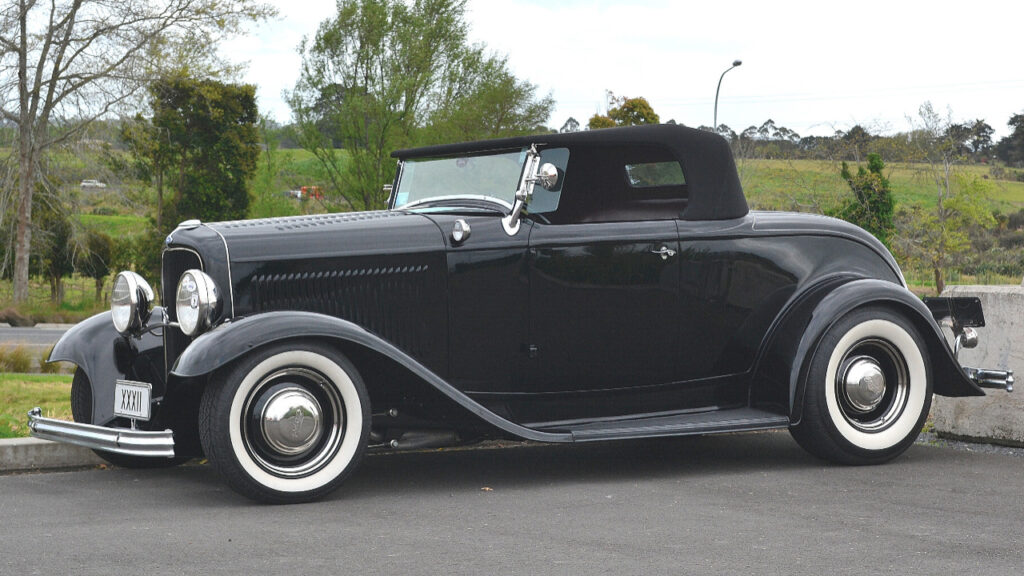
The 1932 Ford Roadster is one of the defining shapes in American hot-rodding history. Its lightweight body, compact proportions, and available flathead V8 made it an ideal foundation for performance modifications. The model became especially popular with postwar enthusiasts who transformed inexpensive Fords into personalized street machines. Today, a well-built 1932 Roadster can represent years of work, making it the kind of car an owner often treats as a permanent member of the family.
1932 Ford Three-Window Coupe
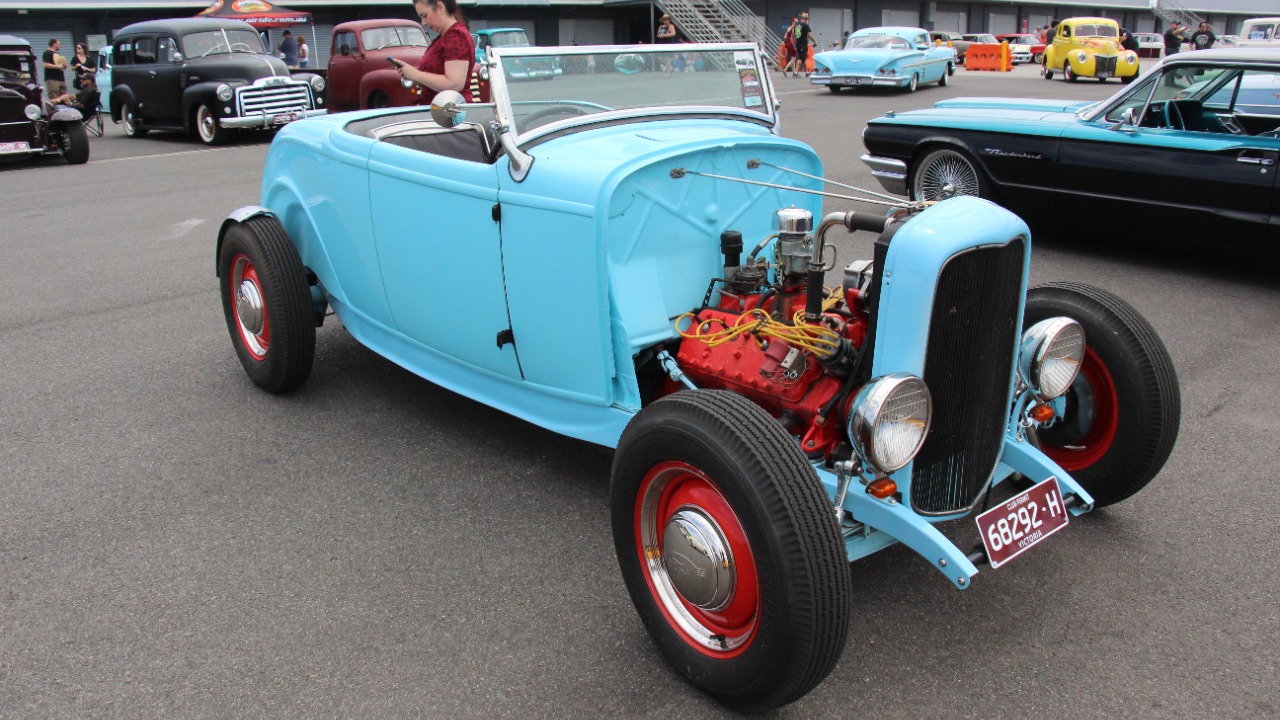
The 1932 Ford Three-Window Coupe has the proportions that many enthusiasts associate with the traditional hot rod. Its compact roof, long hood, and upright grille create an instantly recognizable silhouette. Hot rodders have modified these cars with everything from flathead V8s to modern crate engines, while retaining the basic character of the original body. Because genuine examples and quality builds can be difficult to replace, owners often develop a strong emotional connection with them.
1934 Ford Coupe
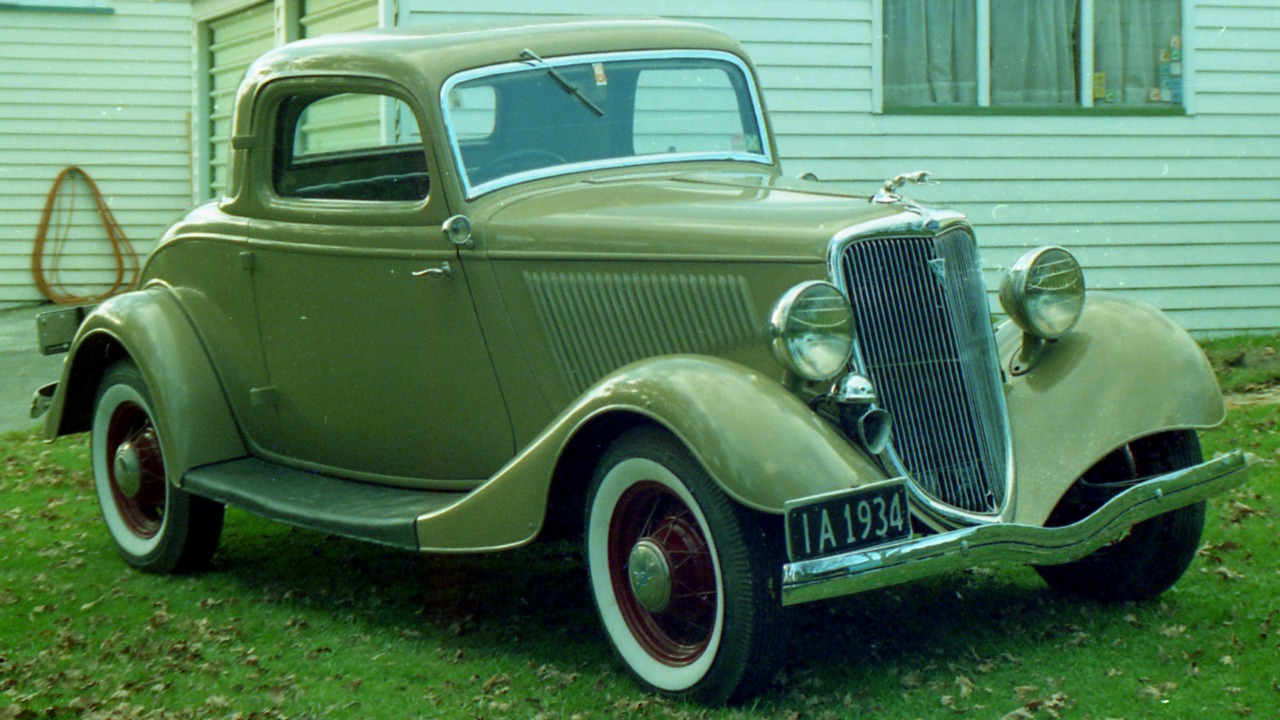
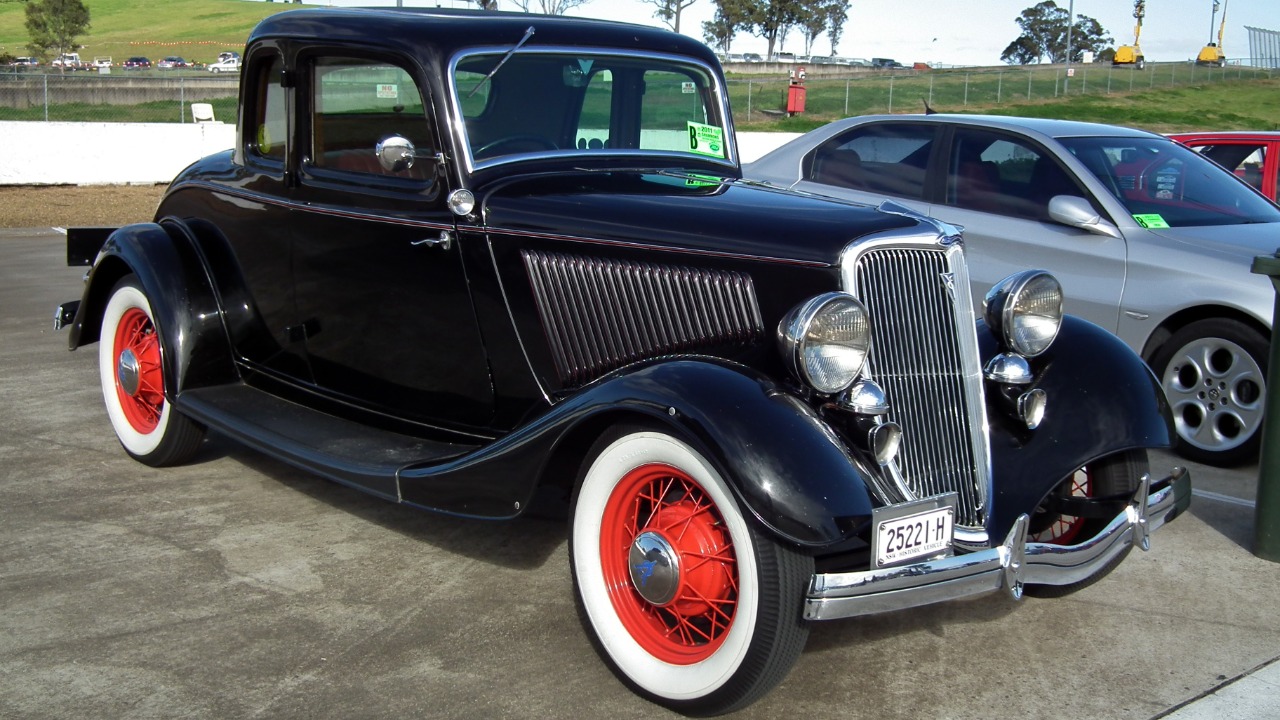
The 1934 Ford Coupe became another favorite platform for traditional hot rodding. Its rounded fenders and distinctive grille gave builders plenty of room for customization without losing the car’s original identity. The model could be transformed into a mild cruiser, traditional hot rod, or serious street machine. Many surviving examples have been passed between enthusiasts and families, giving individual cars histories that can become just as important as their mechanical specifications.
1936 Ford Roadster
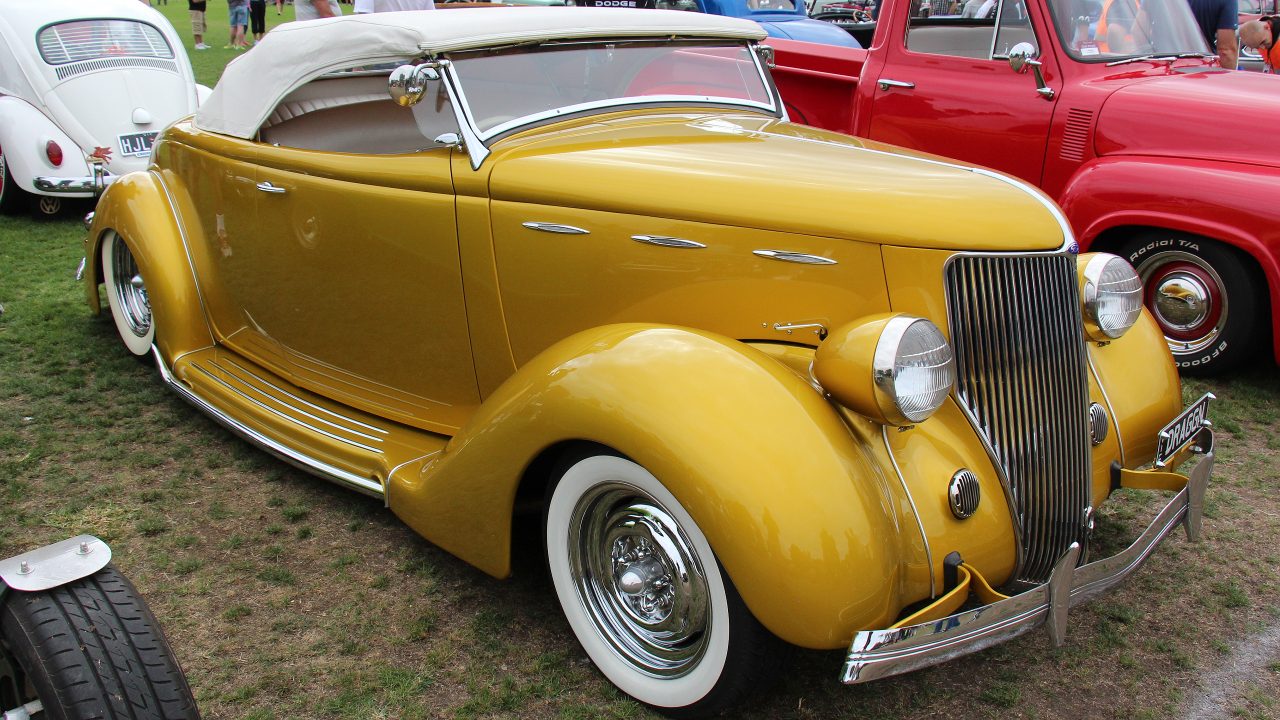
The 1936 Ford Roadster combined prewar styling with a body that remains highly attractive when modified. Its sweeping fenders and upright windshield give it a distinctive appearance, while its chassis provides a solid foundation for traditional hot-rod construction. Owners often personalize these cars extensively, but many retain recognizable Ford details. A carefully built 1936 Roadster can become a long-term project that stays with one enthusiast for decades.
1940 Ford Coupe
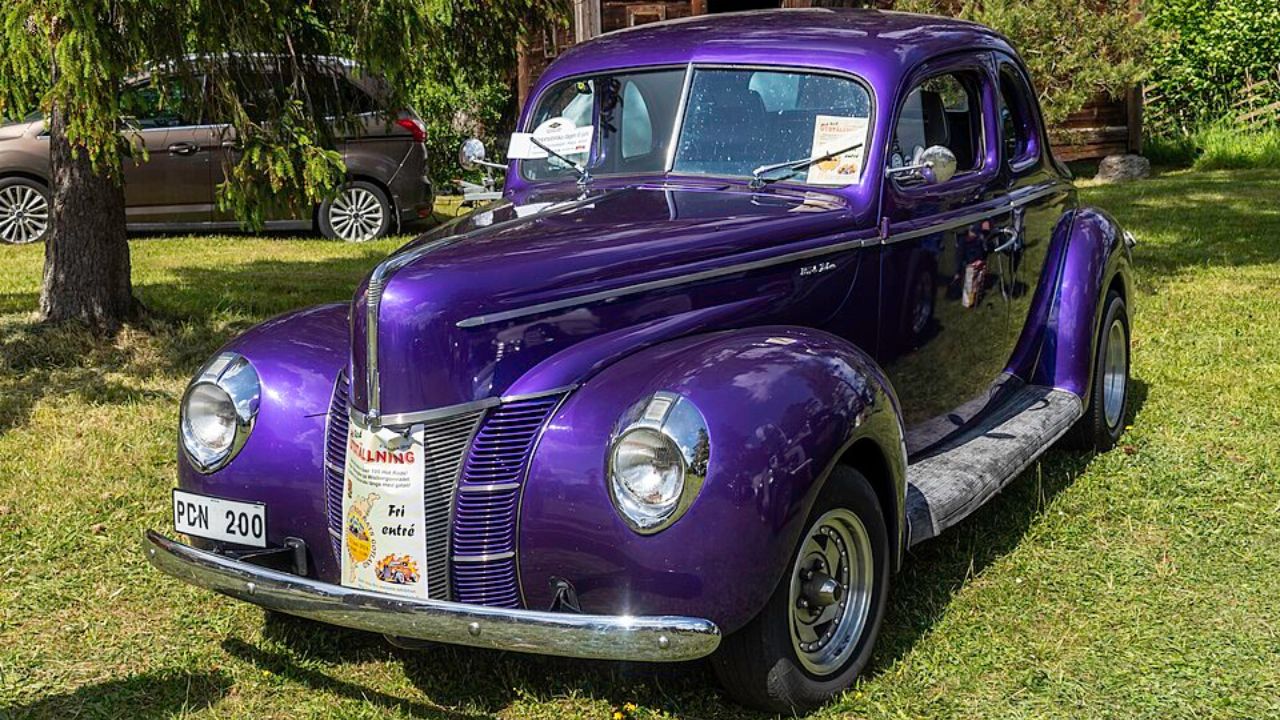
CC BY-SA 4.0 / Wiki Commons
The 1940 Ford Coupe arrived with more refined styling but still offered the mechanical simplicity that attracted hot rodders. Its broad grille, flowing fenders, and compact cabin created a strong foundation for both traditional and custom builds. The car can carry a period flathead or a later V8 without losing its visual character. Because of its recognizable shape, a finished 1940 Coupe often becomes closely associated with the owner who spent years creating it.
1941 Willys Coupe
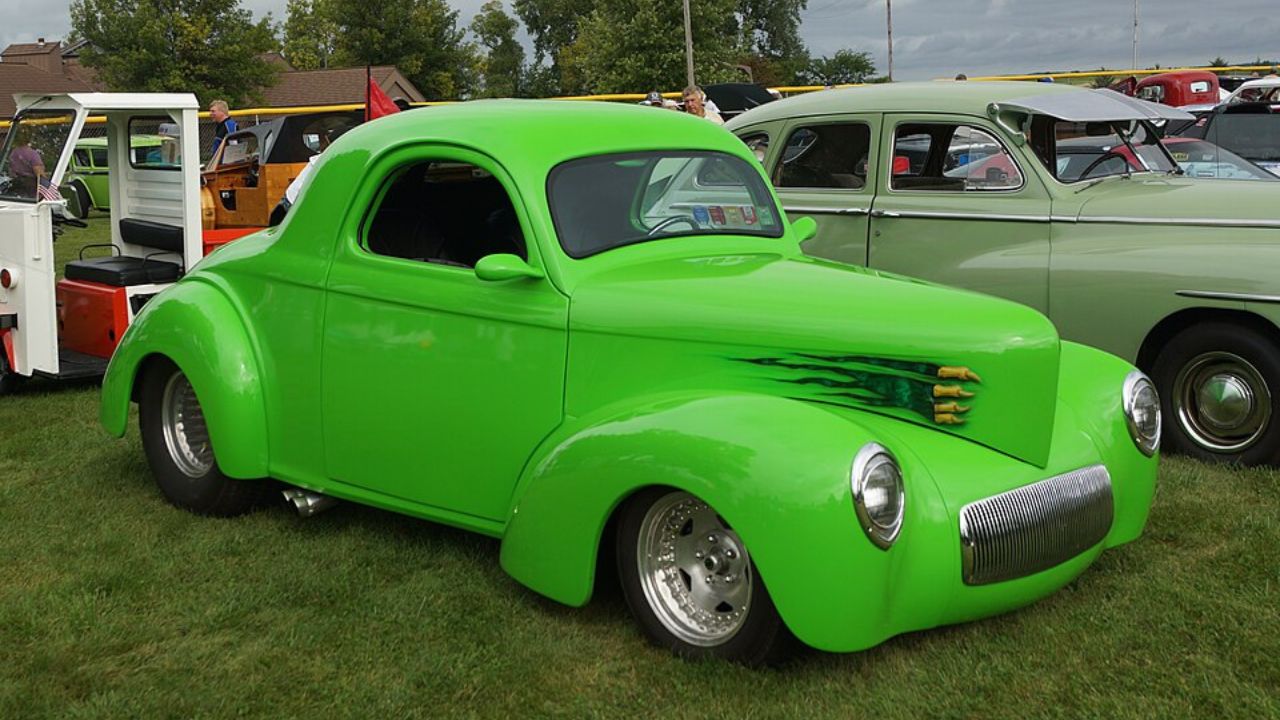
The 1941 Willys Coupe became famous in drag racing and later became a favorite basis for high-performance hot rods. Its compact body could accommodate powerful engines, and lightweight construction gave modified examples a serious performance advantage. Many modern builds use large-displacement V8s, aggressive chassis setups, and altered bodywork. The Willys’ racing history gives it an identity beyond ordinary street cars, making a well-built example particularly meaningful to its owner.
1949 Mercury Coupe
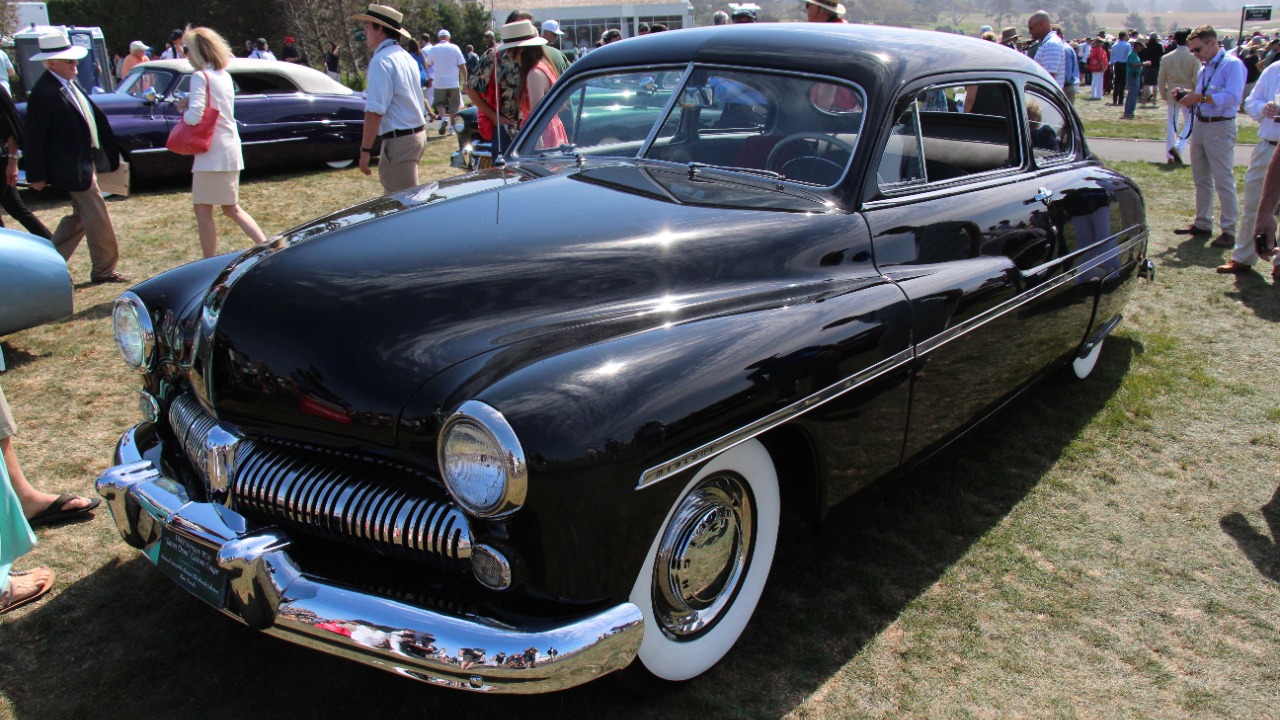
The 1949 Mercury Coupe became one of the most influential custom-car platforms in American history. Its long, low body responded well to chopping, sectioning, channeling, and other traditional modifications. Customizers turned the Mercury into a symbol of postwar California car culture, while later builders developed high-performance versions. Because every major modification can change the personality of the car, owners often spend years refining the details until the finished Mercury feels completely personal.
1950 Oldsmobile Rocket 88
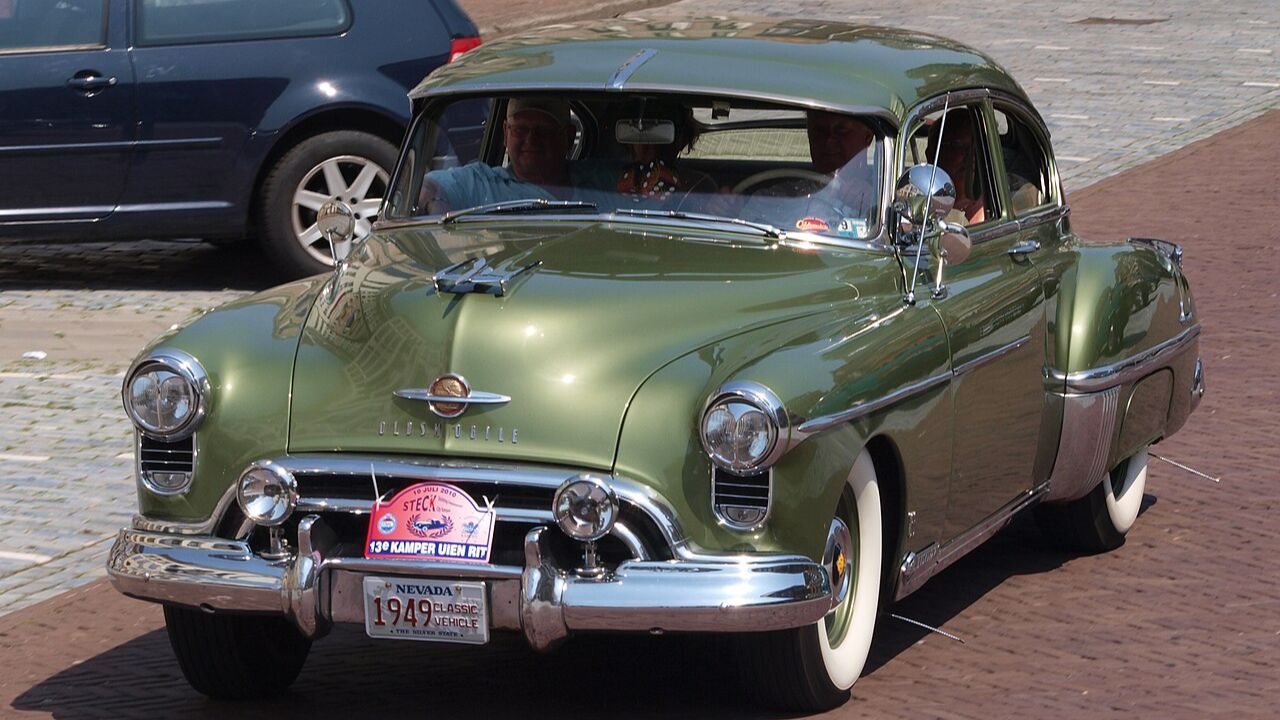
The 1950 Oldsmobile Rocket 88 became an important performance car because of its combination of a relatively light body and Oldsmobile’s new overhead-valve Rocket V8. That formula made it attractive to early hot rodders looking for more performance from a factory car. Its role in early stock-car and performance history adds to its importance. Today, enthusiasts value surviving Rocket 88s as examples of the transition toward the modern American performance car.
1955 Chevrolet Bel Air
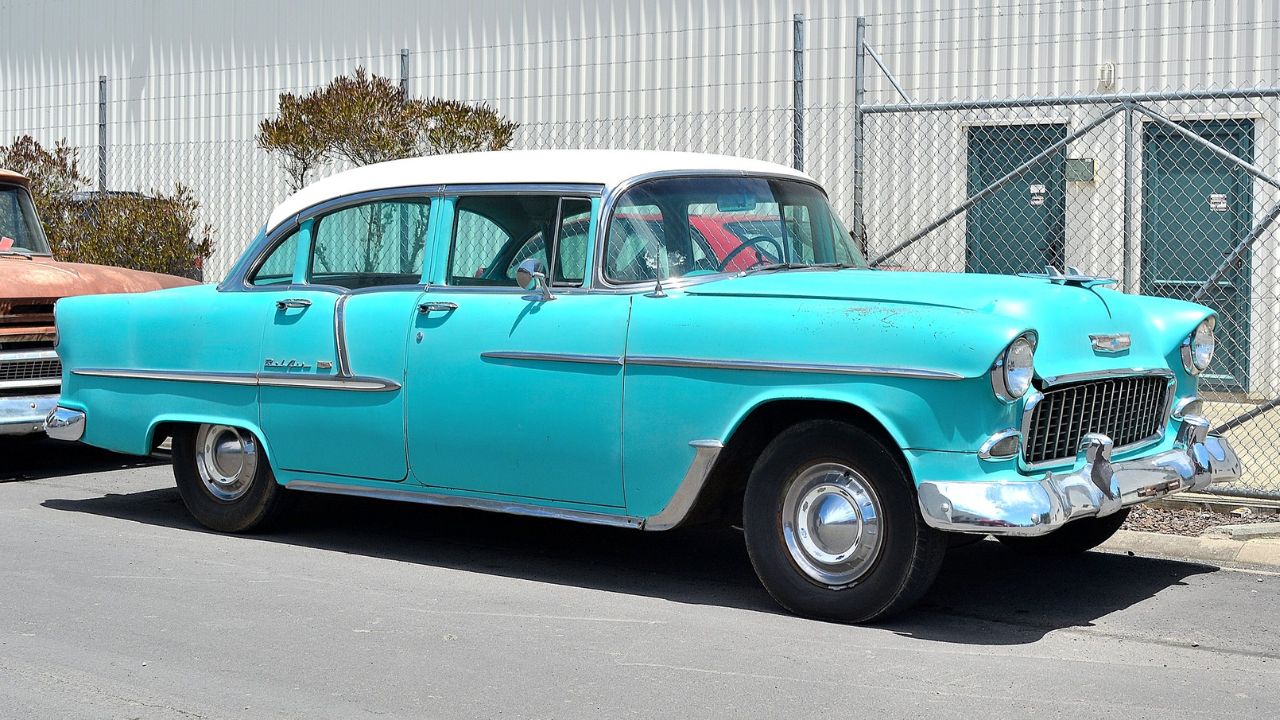
The 1955 Chevrolet Bel Air became a favorite among hot rodders because Chevrolet gave it a new body and the available small-block V8. Its compact dimensions and simple mechanical layout made engine swaps and chassis modifications relatively straightforward. Builders could create anything from a traditional cruiser to a serious street machine. A carefully finished 1955 Bel Air often becomes more than transportation, with its appearance and sound reflecting years of personal customization.
1957 Chevrolet 210
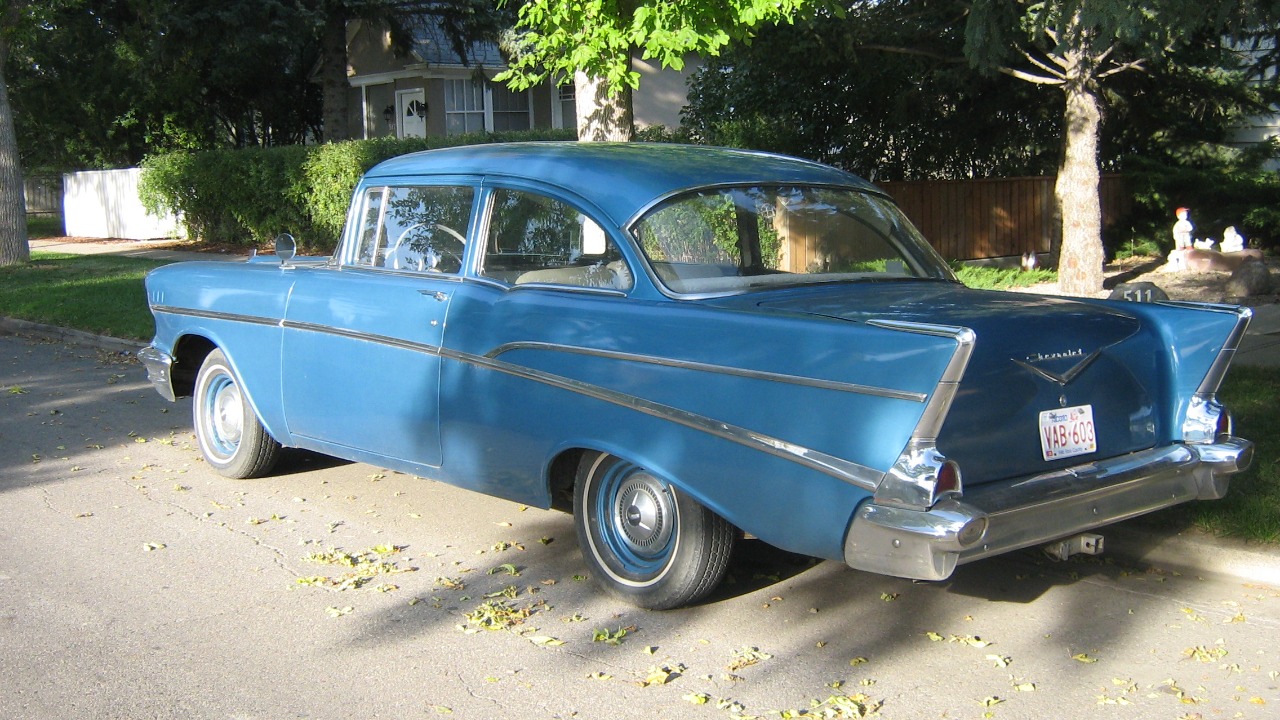
The 1957 Chevrolet 210 offered much of the visual character of the famous 1957 Chevrolet lineup without requiring the same focus on Bel Air trim. Its strong body lines and available V8 power made it a useful hot-rod foundation. Two-door examples are especially attractive to builders who want a clean, period-inspired appearance. Owners can modify the suspension, engine, brakes, and interior while preserving the unmistakable late-1950s Chevrolet shape.
1962 Chevrolet Impala SS
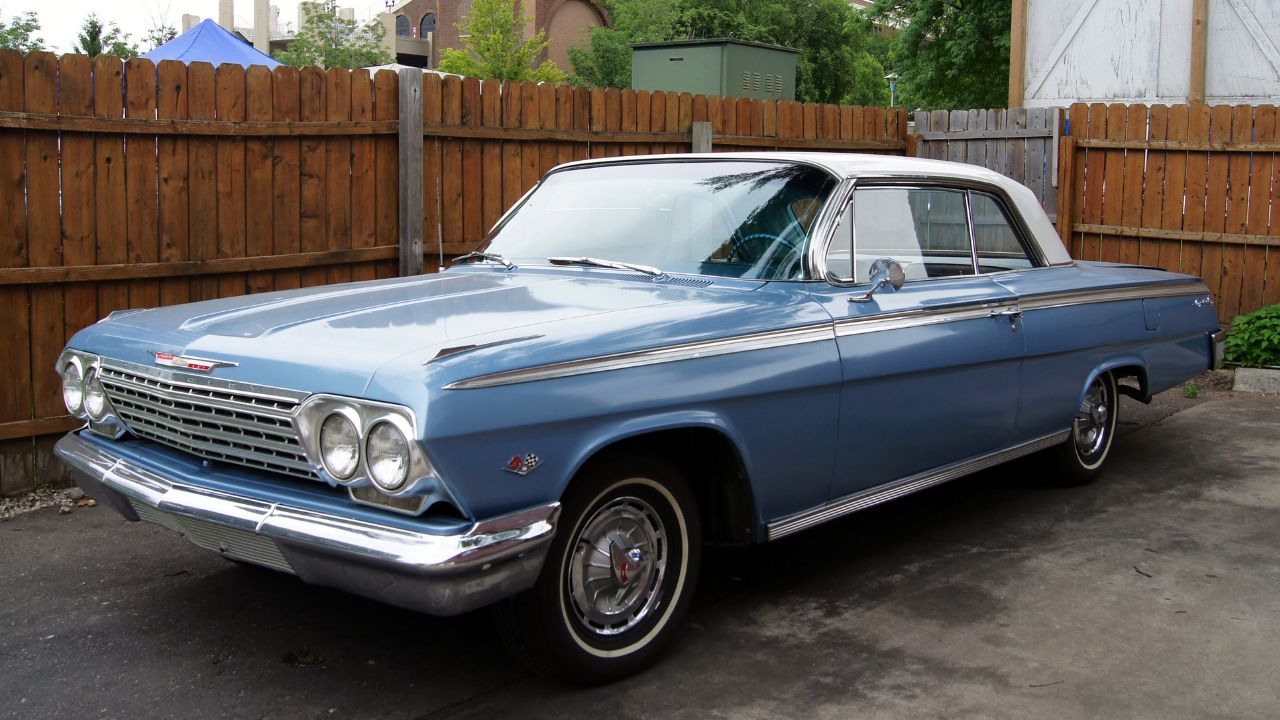
The 1962 Chevrolet Impala SS combined full-size American styling with performance-oriented equipment. Available with powerful V8 engines, the Impala SS could serve as both a comfortable cruiser and a serious performance car. Its large body provides plenty of visual presence, while the SS identity adds collector interest. Owners who restore or modify these cars often keep them for years because few modern vehicles provide the same combination of size, chrome, power, and character.
1963 Ford Galaxie 500 XL
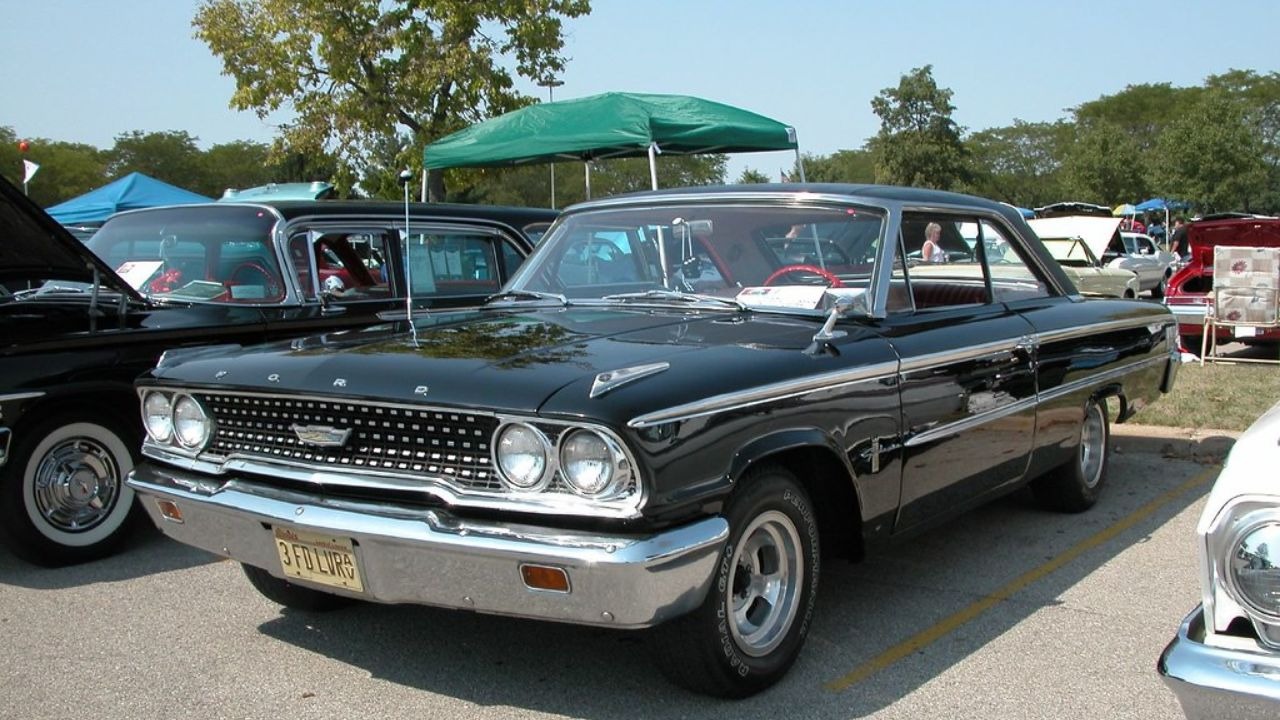
The 1963 Ford Galaxie 500 XL offered a larger and more powerful alternative to Ford’s compact performance cars. The XL package brought sporty styling and was available with increasingly serious V8 engines. The Galaxie also became an important platform in American racing and performance development. Today, a well-kept example can serve as a dramatic cruiser or period-style hot rod, and its large body gives owners plenty of room for personal touches.
1964 Ford Fairlane Thunderbolt
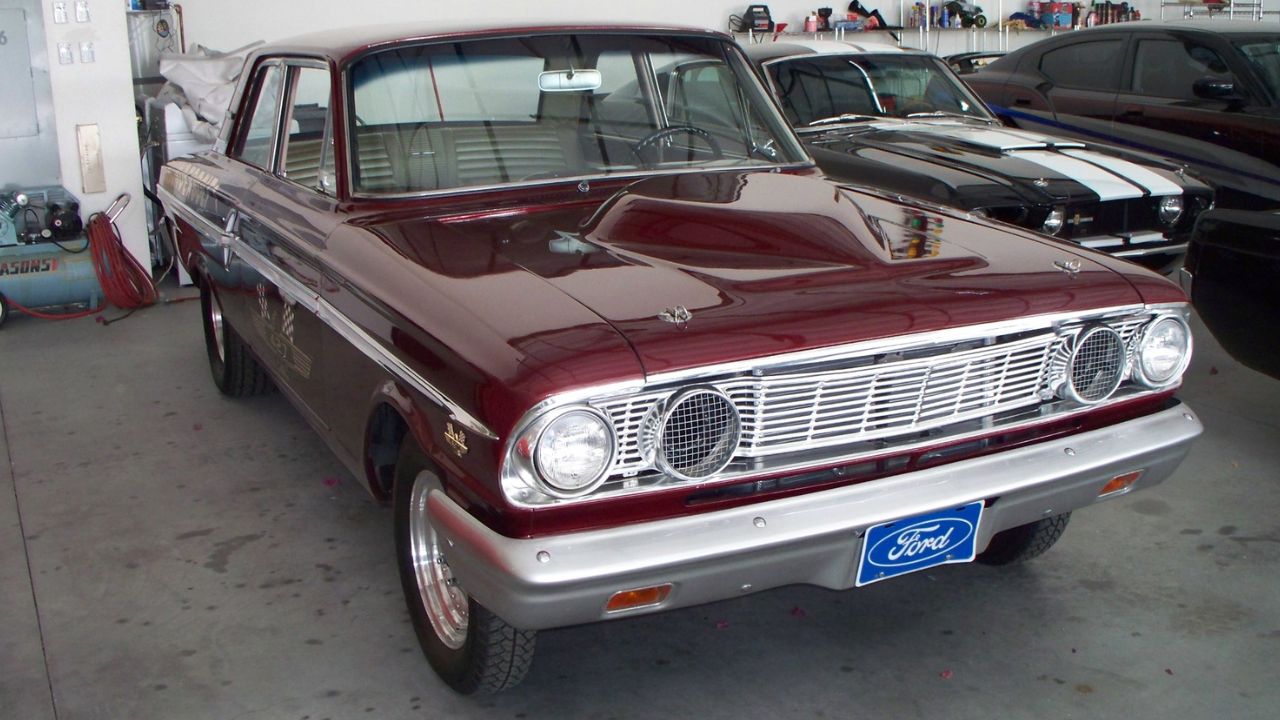
The 1964 Ford Fairlane Thunderbolt took factory performance to an extreme by combining a relatively compact Fairlane body with Ford’s 427 FE V8. Lightweight fiberglass and aluminum components, stripped equipment, and racing-oriented modifications helped prepare it for drag competition. Ford built only 100 examples, making surviving original cars exceptionally significant. The Thunderbolt became a legendary factory drag racer and remains one of the most desirable Ford performance cars of its era.
1966 Chevrolet Chevelle SS 396
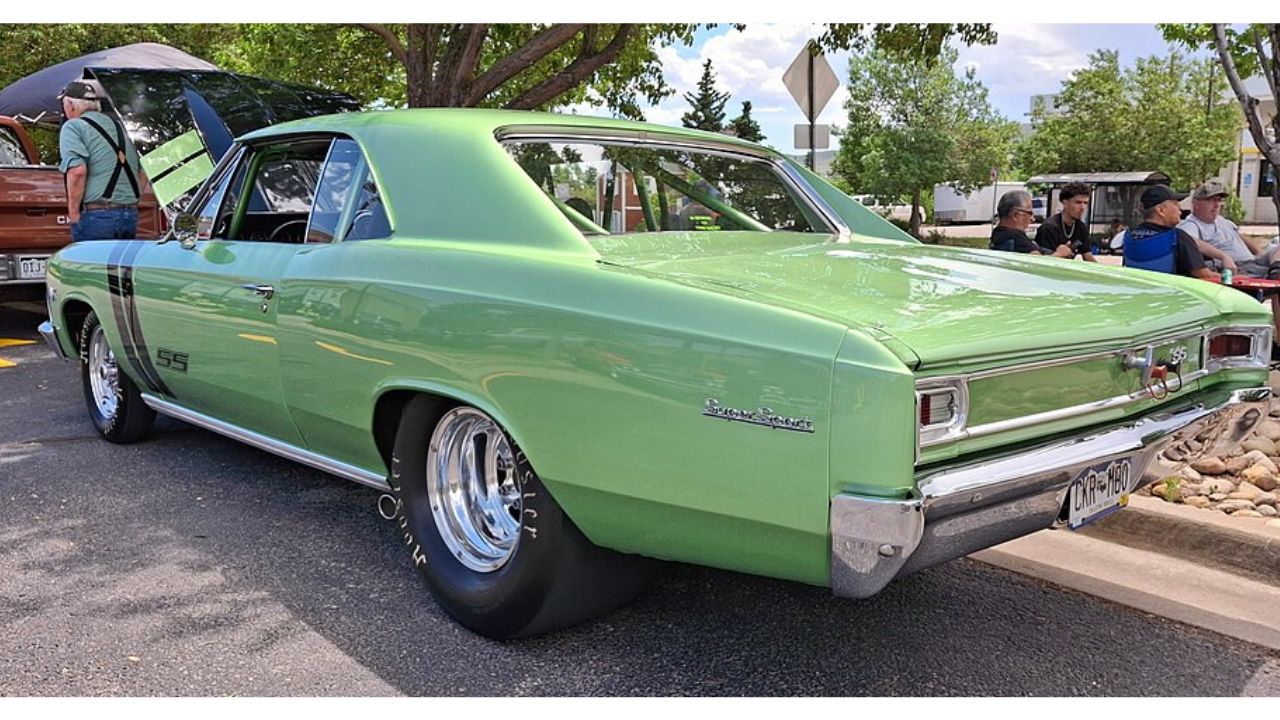
The 1966 Chevrolet Chevelle SS 396 combined a relatively compact intermediate body with Chevrolet’s big-block performance. The result was a powerful street car that could also be transformed into a serious hot rod. Its clean proportions make it attractive even without extensive modification, while the 396 V8 provides the mechanical character enthusiasts expect. Original or carefully restored examples are often kept for decades because the combination is difficult to recreate with newer vehicles.
1967 Chevrolet Camaro Z/28

The 1967 Chevrolet Camaro Z/28 brought racing influence into a compact American coupe. Developed around the SCCA Trans-Am racing requirements, the Z/28 used a high-revving 302-cubic-inch V8 and performance-focused equipment. Its compact size made it an excellent platform for enthusiasts interested in handling as well as acceleration. The Z/28’s racing connection and distinctive first-generation Camaro styling make properly preserved examples particularly meaningful to owners.
1969 Chevrolet Camaro ZL1
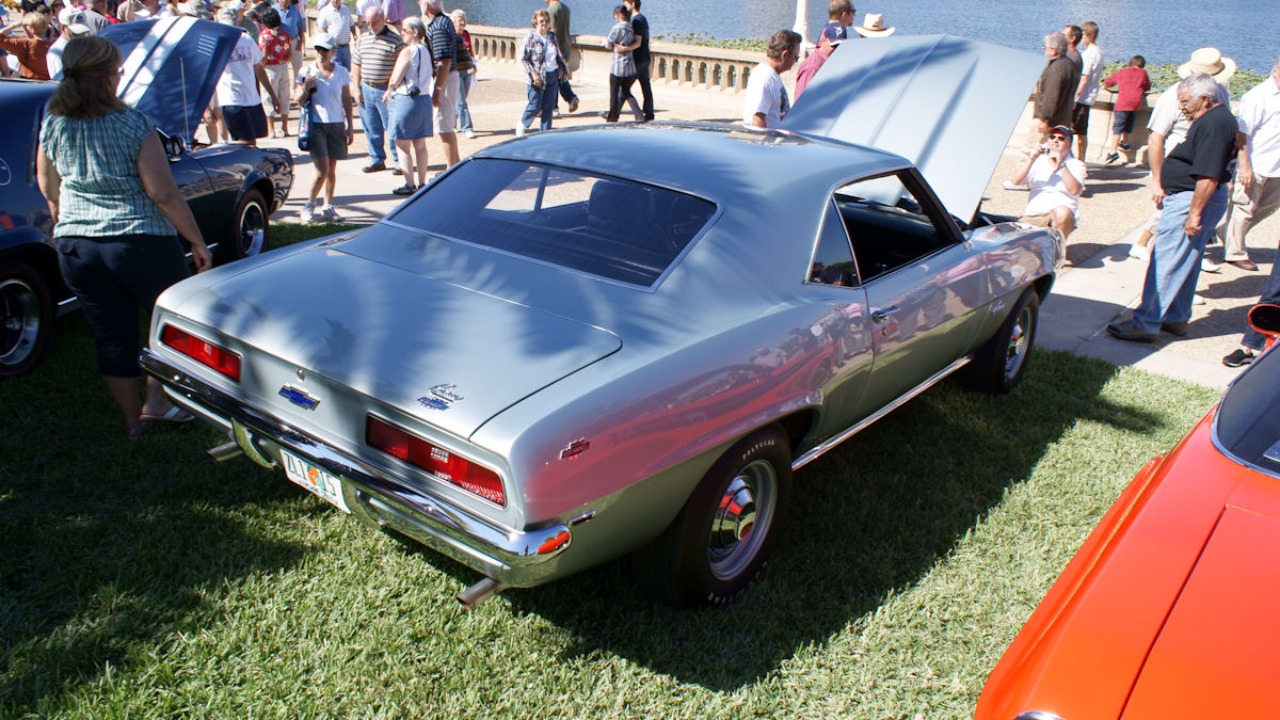
The 1969 Chevrolet Camaro ZL1 represents one of the most extreme factory muscle cars of its period. Its aluminum 427-cubic-inch V8 was closely related to Chevrolet’s racing hardware, and the package was built in exceptionally small numbers. Contemporary testing demonstrated serious straight-line performance, while the lightweight engine added to its technical significance. Genuine ZL1s are exceptionally rare, making ownership more like stewardship of a piece of American performance history.
1970 Buick GSX Stage 1
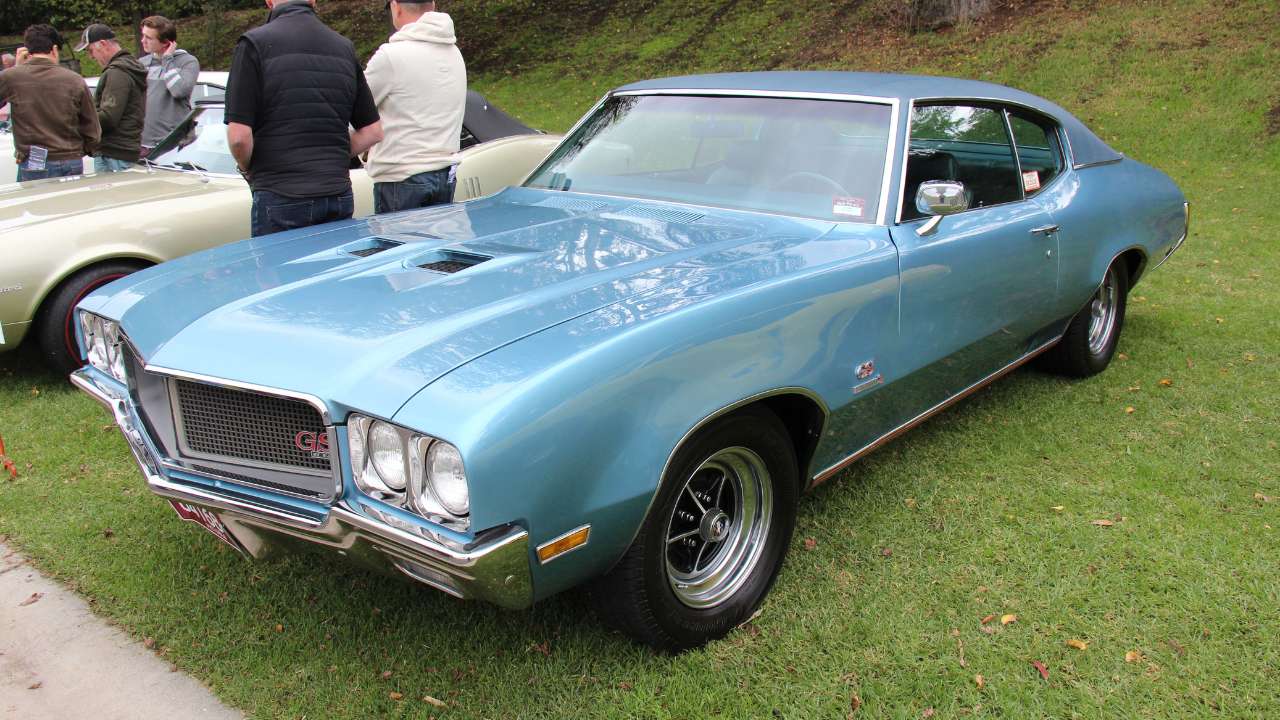
The 1970 Buick GSX Stage 1 combined a relatively understated Buick body with one of the era’s most serious big-block combinations. Its 455-cubic-inch V8 delivered enormous torque, while the GSX package added performance-focused suspension, appearance details, and equipment. The car’s combination of luxury and muscle gave it a unique personality. Owners who preserve original GSX Stage 1 examples are holding onto one of Buick’s most recognizable high-performance cars.
1970 Oldsmobile 442 W-30
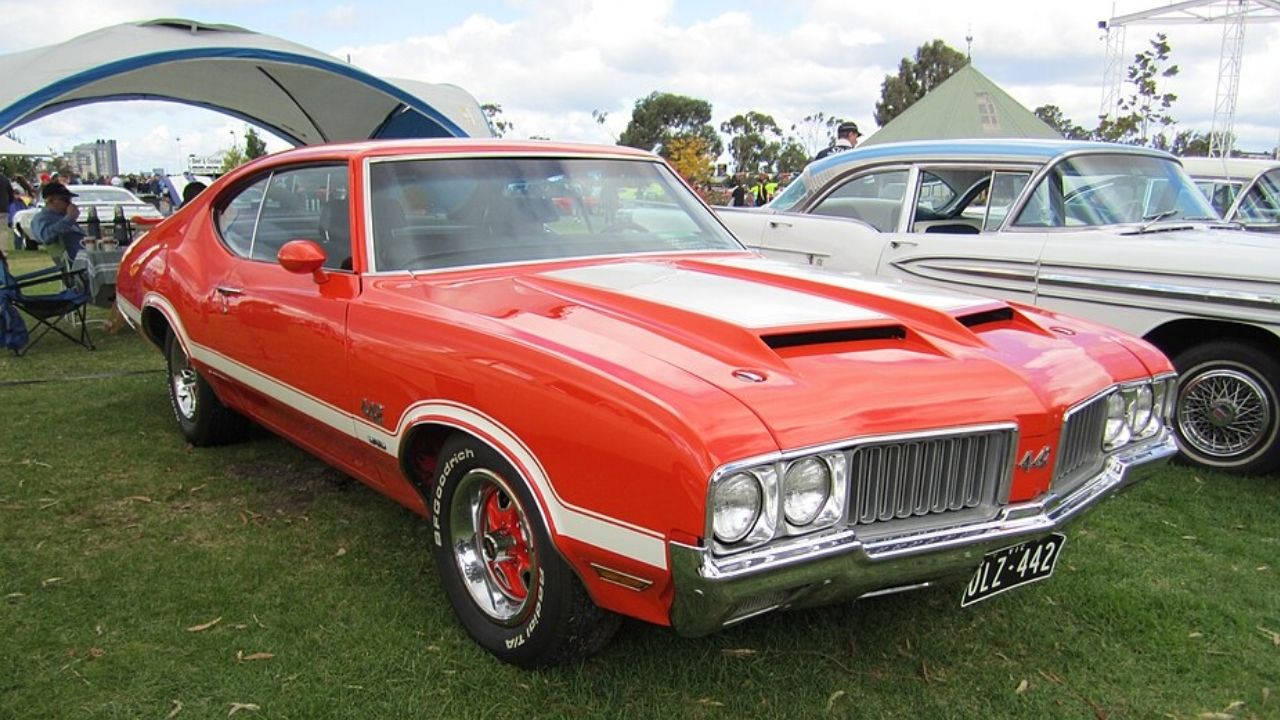
The 1970 Oldsmobile 442 W-30 became one of the strongest muscle cars produced by Oldsmobile. Its 455-cubic-inch V8, performance-oriented induction system, and distinctive W-30 package gave it serious straight-line ability. The car also retained the comfort and refinement expected from Oldsmobile. That combination makes the W-30 especially appealing to owners who want performance without giving up the character of a full American road car. Well-preserved examples are rarely treated casually.
More from Fast Lane Only
- Unboxing the WWII Jeep in a Crate
- 15 rare Chevys collectors are quietly buying
- 10 underrated V8s still worth hunting down
- Police notice this before you even roll window down
*Research for this article included AI assistance, with all final content reviewed by human editors.