Older vehicles often relied on simple mechanical systems, durable materials, and designs that could be repaired without specialized equipment. Many lacked modern electronics, but their straightforward construction helped them survive decades of hard use. These cars and trucks show why old-school engineering still earns respect from drivers, mechanics, collectors, and enthusiasts.
Toyota Land Cruiser FJ40
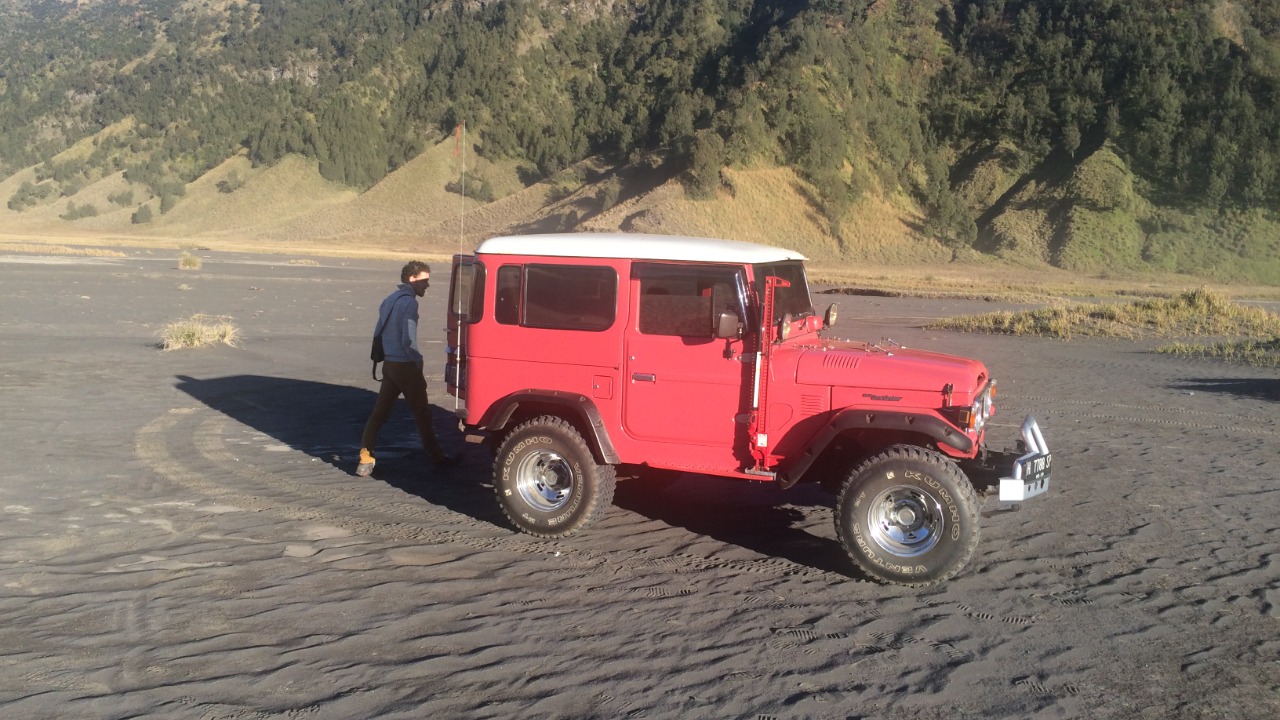
The Toyota Land Cruiser FJ40 became famous for its ability to operate in difficult conditions with relatively simple mechanical systems. Its body-on-frame construction, solid axles, and rugged drivetrain made it useful for farms, remote travel, and demanding off-road work. The FJ40 was not built around luxury or electronic complexity. Instead, Toyota focused on durability and serviceability, which helped many examples remain useful long after newer vehicles had become expensive to maintain.
Mercedes-Benz 240D
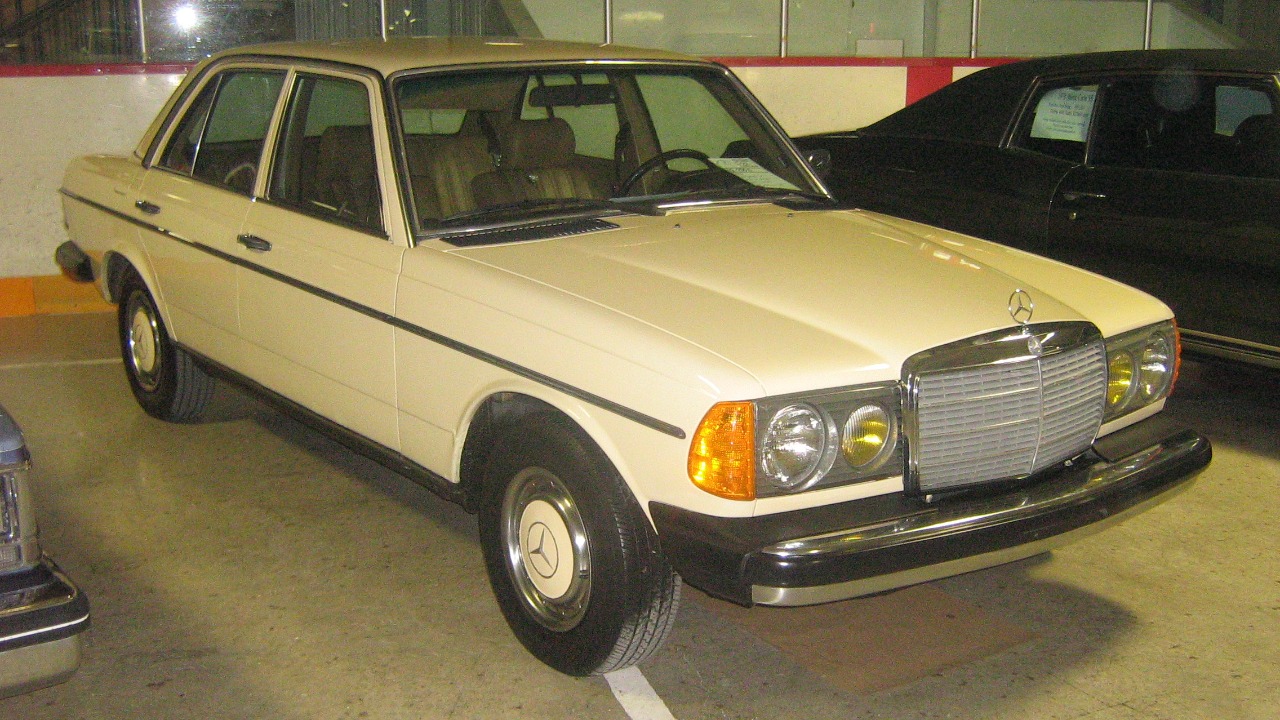
The Mercedes-Benz 240D became one of the best-known examples of conservative engineering. Its diesel engine was designed around durability and steady operation rather than high performance. The W123 chassis also used substantial construction and relatively straightforward mechanical systems. These cars became famous for accumulating very high mileage when properly maintained. Their success demonstrated how careful engineering, strong components, and a focus on longevity could produce a vehicle capable of decades of service.
Volvo 240
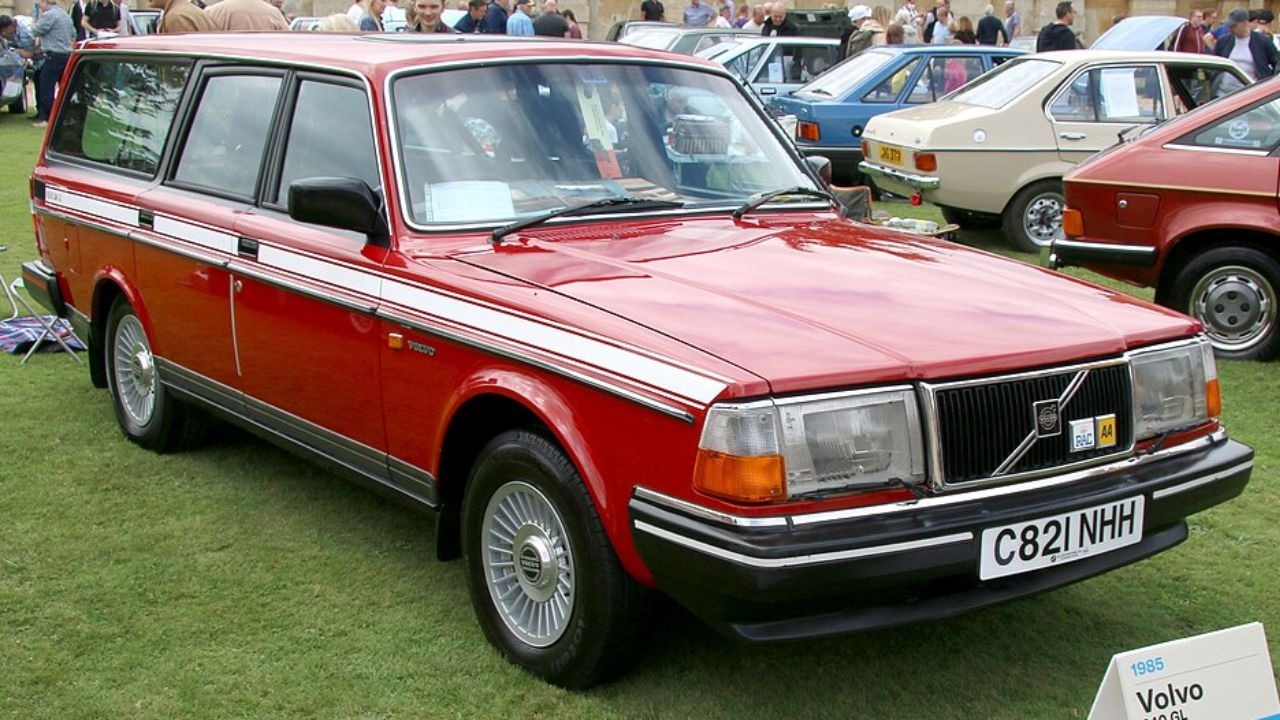
The Volvo 240 combined a simple rear-wheel-drive layout with sturdy construction and relatively straightforward mechanical systems. Its boxy body became almost symbolic of Volvo’s practical engineering philosophy. The four-cylinder engines were not designed to deliver extreme performance, but they could provide long service when maintained correctly. The 240’s reputation for durability helped make it a favorite among owners who valued reliability, practicality, and repairability over complicated features.
Toyota Hilux
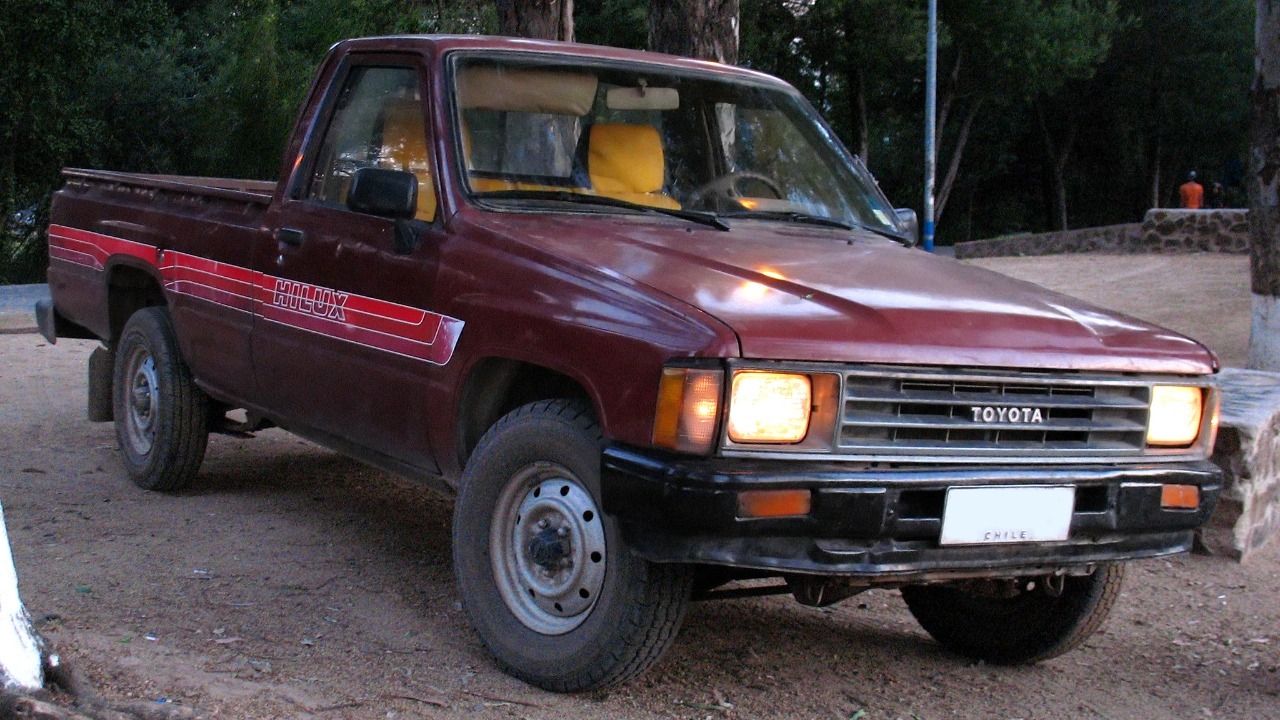
The Toyota Hilux developed a global reputation for surviving demanding working conditions. Early generations used simple engines, sturdy frames, and straightforward drivetrains that made them relatively easy to maintain. Farmers, tradesmen, and commercial operators valued the pickup because it could handle daily work without unnecessary complexity. The Hilux demonstrated that a lightweight but durable truck could be remarkably capable, and older examples remain popular in places where dependable transportation matters more than modern conveniences.
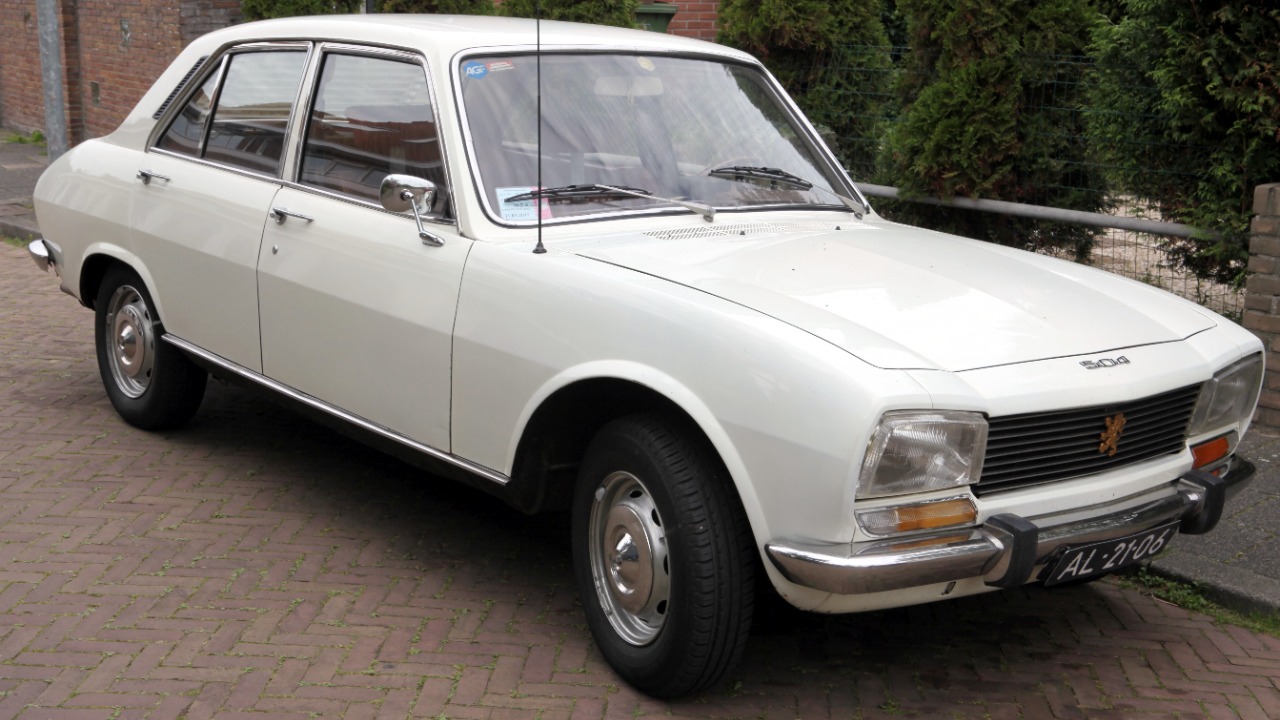
Peugeot 504
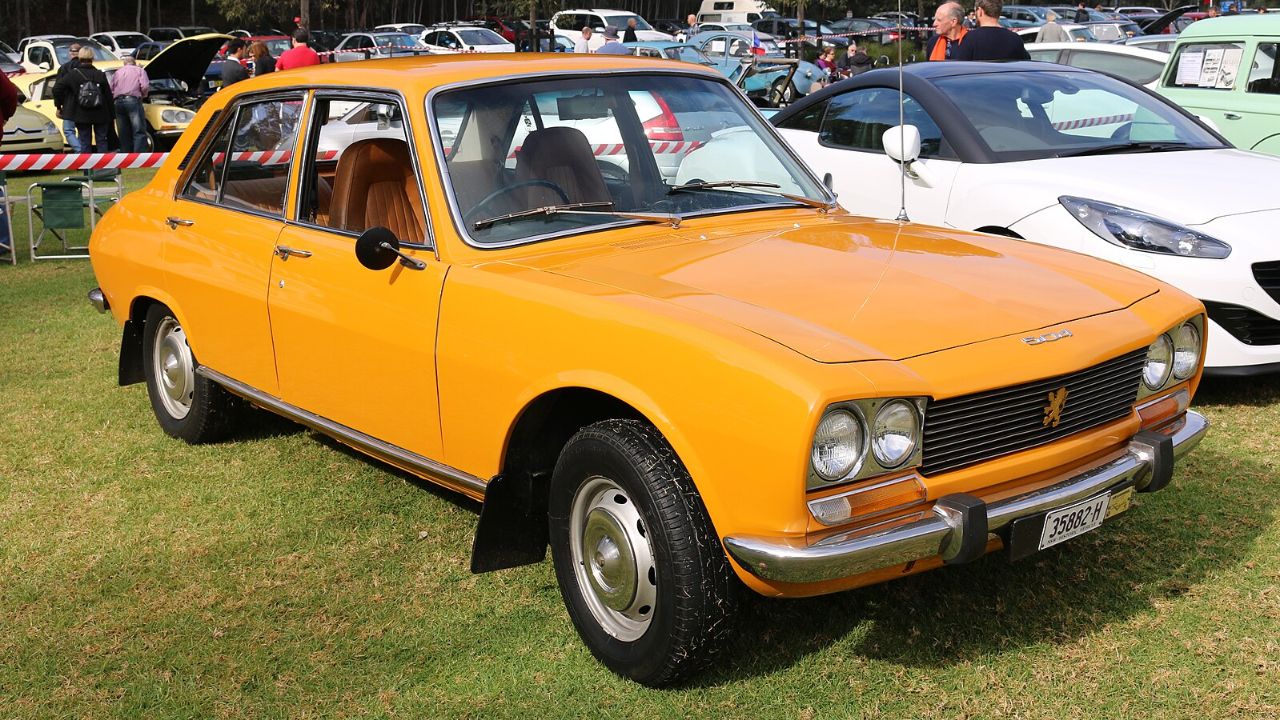
The Peugeot 504 became respected in many parts of the world for its durable construction and ability to handle poor roads. Its conventional rear-wheel-drive layout, strong suspension, and dependable engines made it useful for families, taxis, farmers, and commercial operators. The 504 proved especially successful in regions where vehicles faced harsh conditions and limited servicing. Its reputation illustrates how thoughtful mechanical engineering can make a car useful far beyond its original market.
Jeep CJ-5
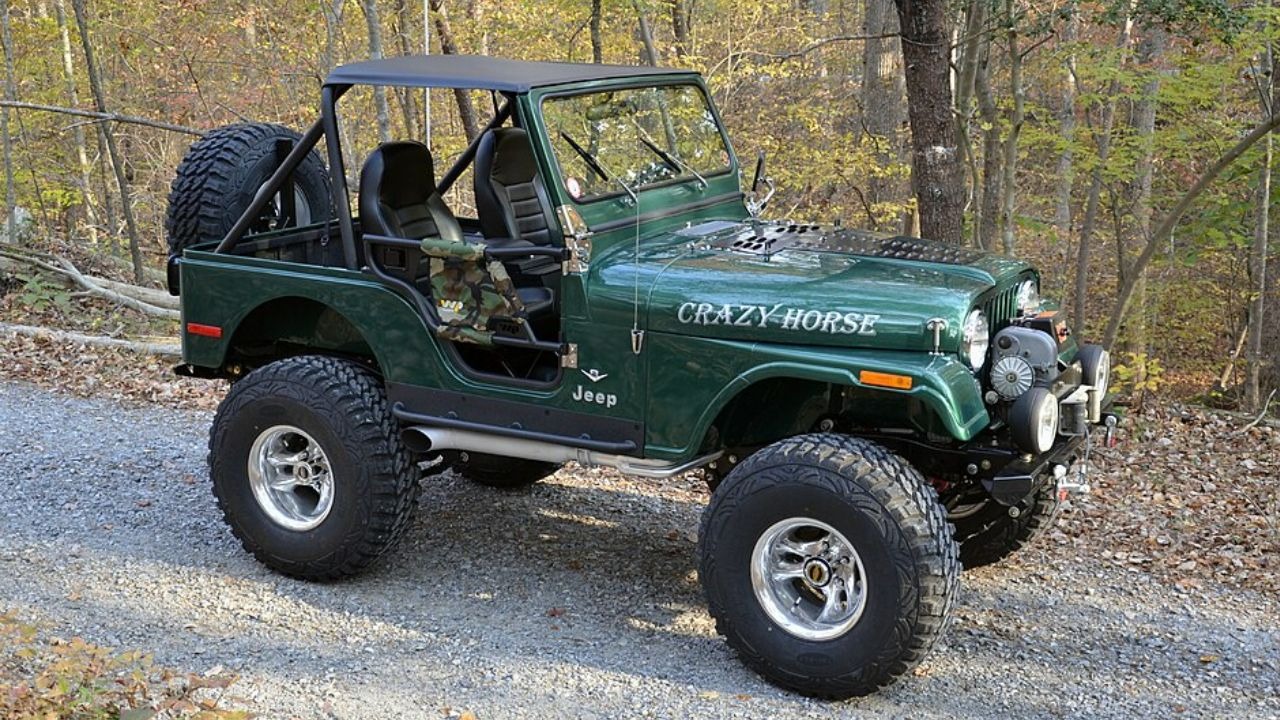
The Jeep CJ-5 was designed around simplicity and off-road usefulness. Its compact body, solid axles, body-on-frame construction, and straightforward drivetrain allowed it to operate in conditions that would challenge many ordinary vehicles. Owners could work on many mechanical components without sophisticated diagnostic equipment. The CJ-5’s combination of basic engineering and rugged construction made it useful for farms, trails, and utility work, helping establish the Jeep as a symbol of practical off-road transportation.
Volkswagen Beetle
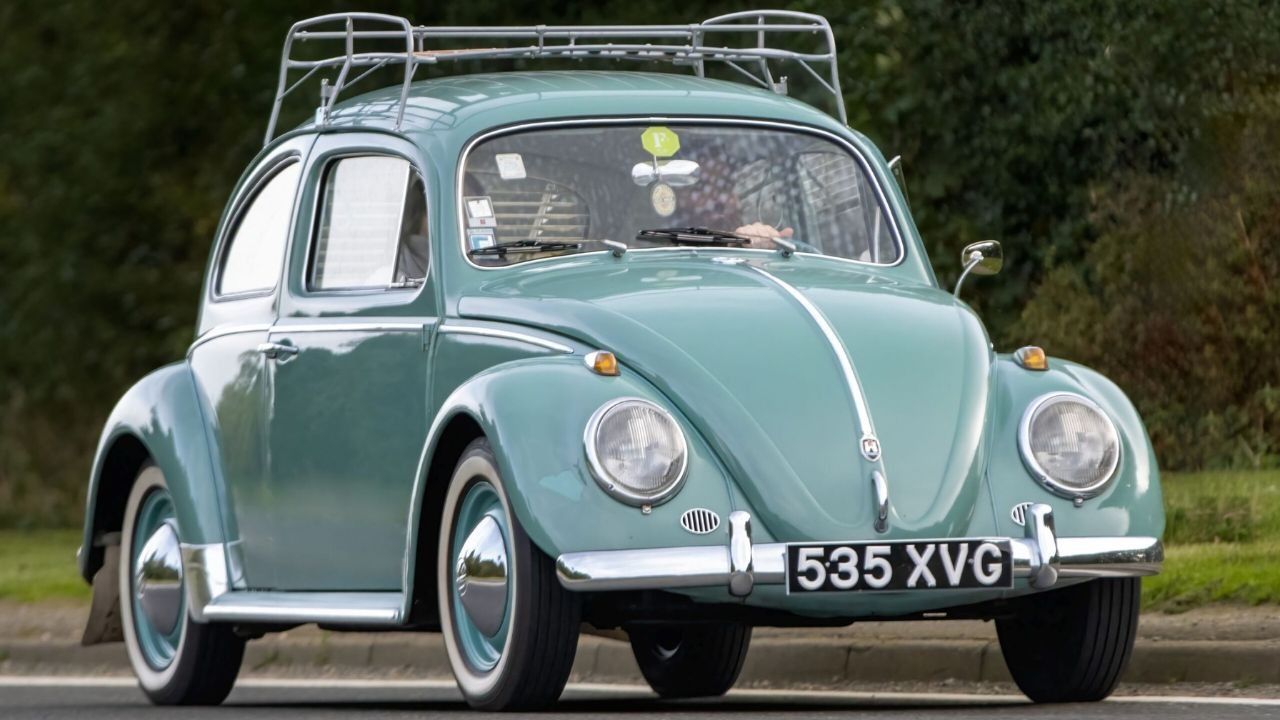
The Volkswagen Beetle became famous for its simple rear-engine layout and air-cooled flat-four engine. Its design minimized some of the cooling and mechanical systems found in conventional front-engine cars while maintaining a compact and practical package. The Beetle was inexpensive to operate and relatively straightforward to service. Its enormous global production also created an extensive supply of replacement parts, helping owners keep these cars operating long after their original production ended.
Toyota Corolla KE70
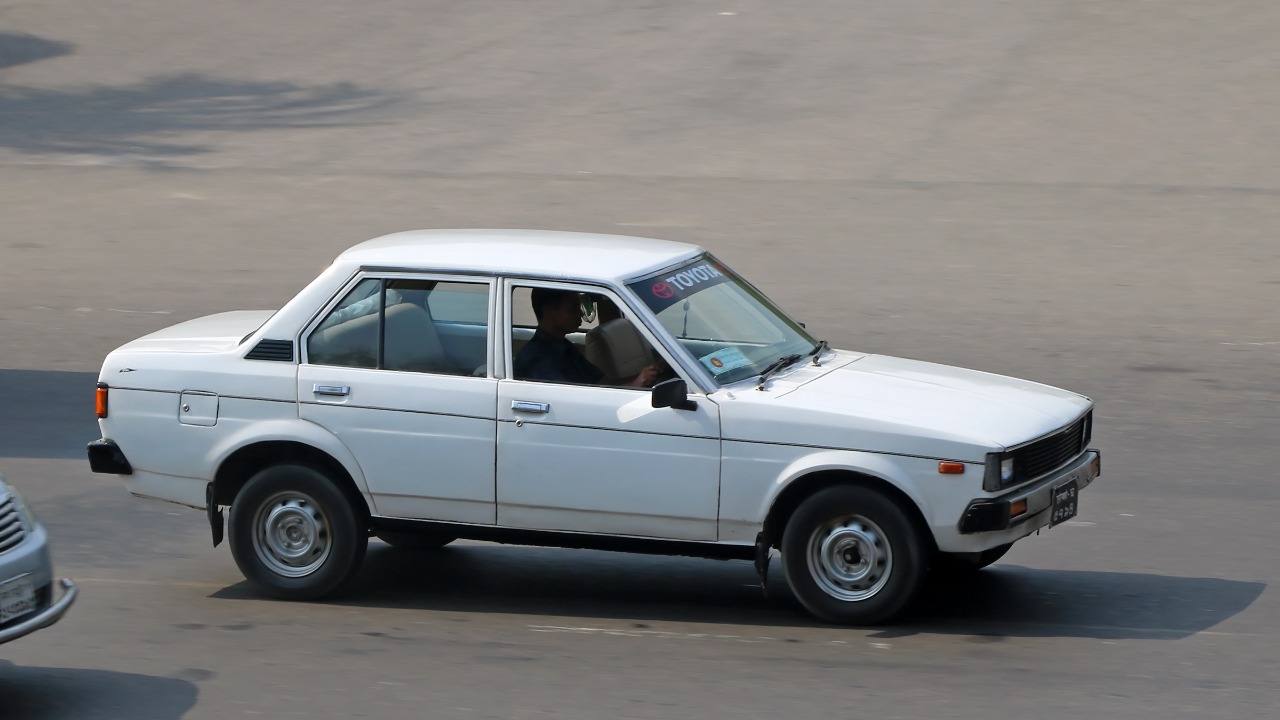
The Toyota Corolla KE70 represented a straightforward approach to affordable transportation. Its rear-wheel-drive layout, compact dimensions, and simple four-cylinder engines made it easy to operate and maintain. Many examples were used as everyday transportation for years, while others became popular with enthusiasts because of their lightweight construction. The KE70 demonstrates how a relatively ordinary family car can develop a lasting reputation when its engineering prioritizes durability and uncomplicated mechanical operation.
Mercedes-Benz W123
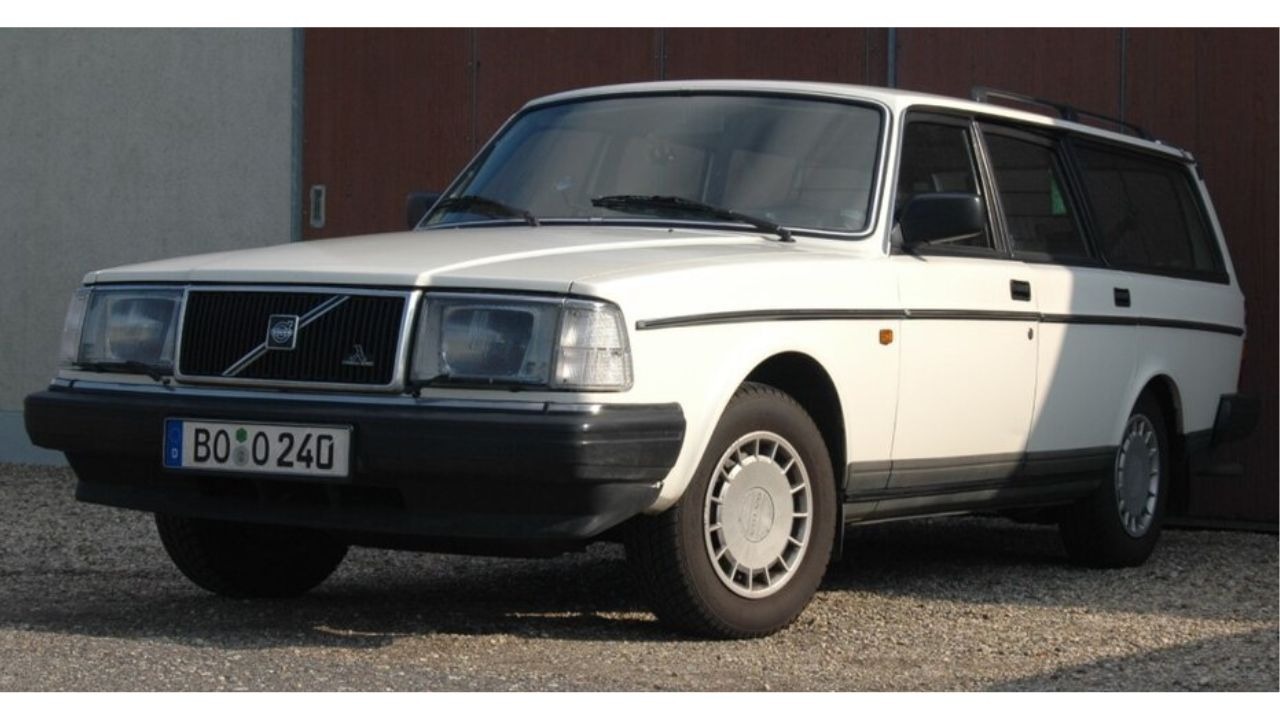
The Mercedes-Benz W123 became renowned for its robust construction and long service life. It was offered with several engines, including durable diesel powerplants, and used a conventional rear-wheel-drive layout. The car was engineered to withstand extensive daily use rather than simply deliver short-term performance. Strong body construction, durable drivetrains, and relatively understandable mechanical systems helped many W123s remain on the road for decades.
Datsun 510

The Datsun 510 became popular because it combined a lightweight body with a simple rear-wheel-drive chassis and dependable four-cylinder engines. Its straightforward suspension and mechanical layout made it easy to modify, race, and maintain. The 510 proved particularly successful in motorsports and developed a strong following among enthusiasts. Its engineering showed that a relatively affordable family car could provide useful performance without requiring complicated technology or excessive weight.
Honda Civic

The early Honda Civic demonstrated how efficient engineering could produce a practical and dependable small car. Its compact four-cylinder engine, front-wheel-drive layout, and lightweight body helped reduce fuel consumption while maintaining useful everyday performance. The Civic’s mechanical simplicity also made it accessible to owners and independent mechanics. Its success helped establish Honda as a major global automaker and showed that small, carefully engineered vehicles could provide exceptional value.
Isuzu Trooper
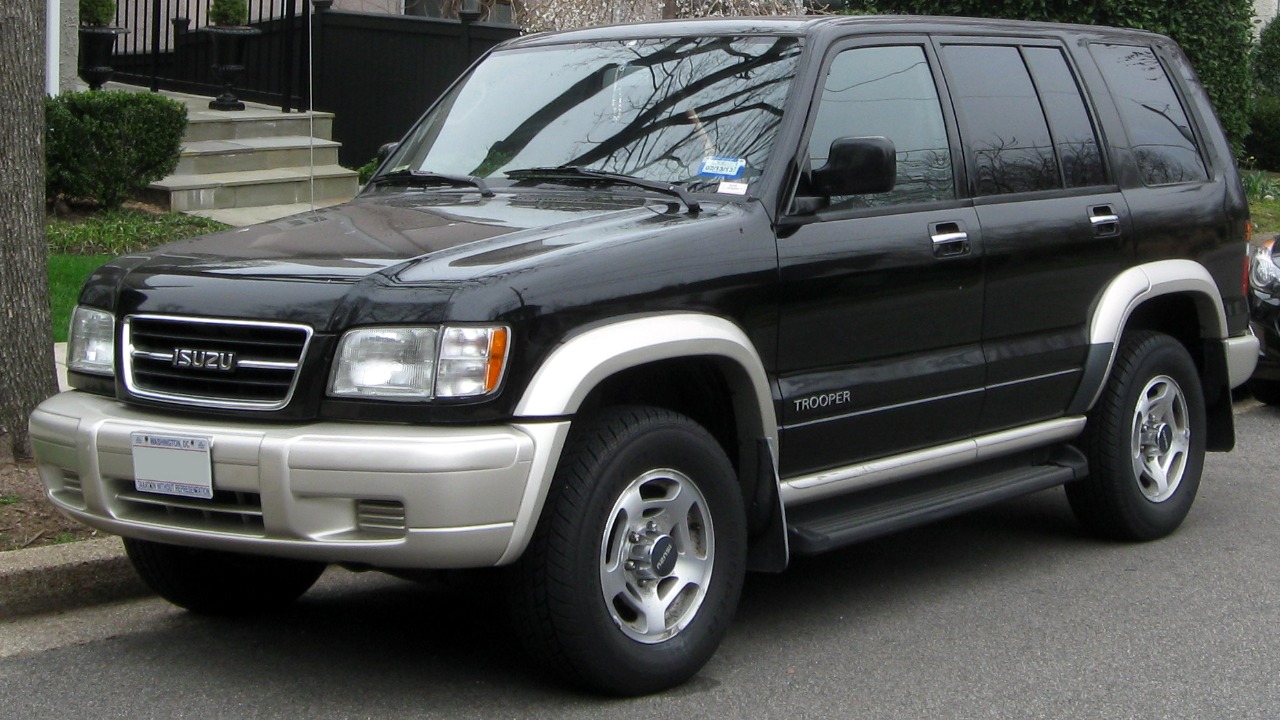
The Isuzu Trooper combined a body-on-frame chassis with a relatively simple four-wheel-drive system and durable engines. It was developed for markets where rugged transportation was important, making it suitable for rough roads and demanding conditions. Early Troopers were not overloaded with electronic features, which helped keep their mechanical systems relatively understandable. Their sturdy construction and practical design allowed many examples to remain useful long after newer SUVs had become more complicated.
Nissan Patrol

The Nissan Patrol developed a reputation for toughness in markets around the world. Its body-on-frame construction, solid axles on many generations, and durable engines made it suitable for difficult terrain and heavy-duty use. The Patrol was widely used by governments, businesses, farmers, and expedition operators. Its engineering emphasized mechanical strength and reliability, demonstrating why simple four-wheel-drive systems can remain valuable when vehicles must operate far from specialized service facilities.
Chevrolet C10
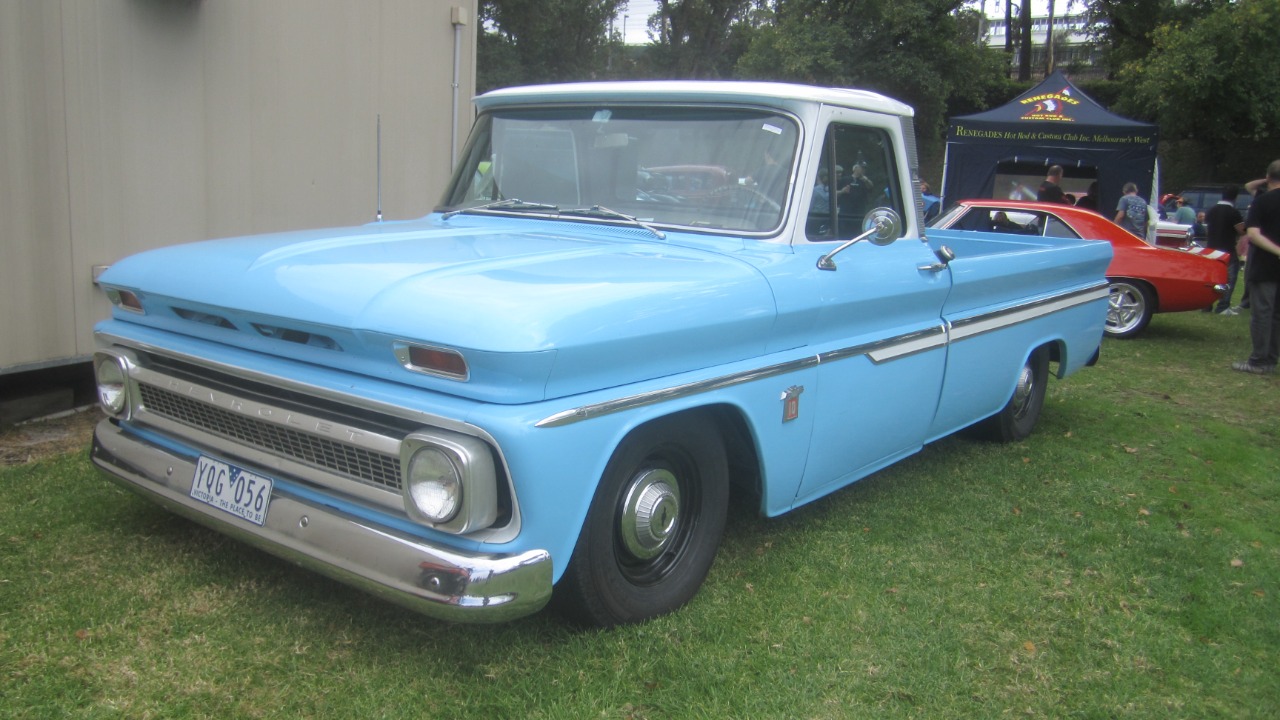
The Chevrolet C10 became one of America’s most recognizable classic pickups because of its straightforward construction and practical design. Its body-on-frame architecture, conventional drivetrain, and simple suspension made it easy to understand and repair. The truck could serve as a work vehicle while also becoming a popular personal pickup. Its mechanical simplicity and huge parts supply have helped keep many C10s operating decades after their original production.
Ford F-100
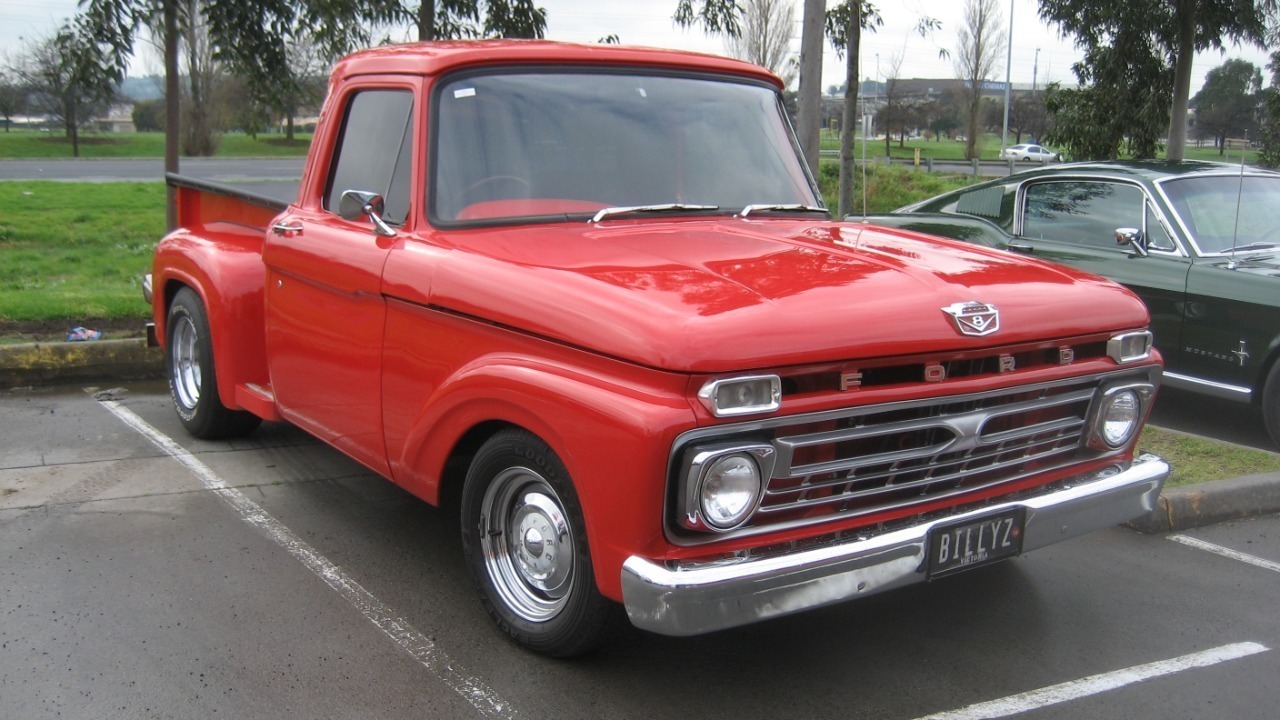
The Ford F-100 represents the traditional American pickup formula of a strong frame, simple drivetrain, and useful cargo capacity. Generations from the 1950s through the 1970s became common on farms, construction sites, and businesses. Their relatively uncomplicated mechanical systems allowed owners and mechanics to perform many repairs without specialized electronics. The F-100’s longevity demonstrates how practical engineering can keep a vehicle useful long after its original technology becomes outdated.
Land Rover Series III
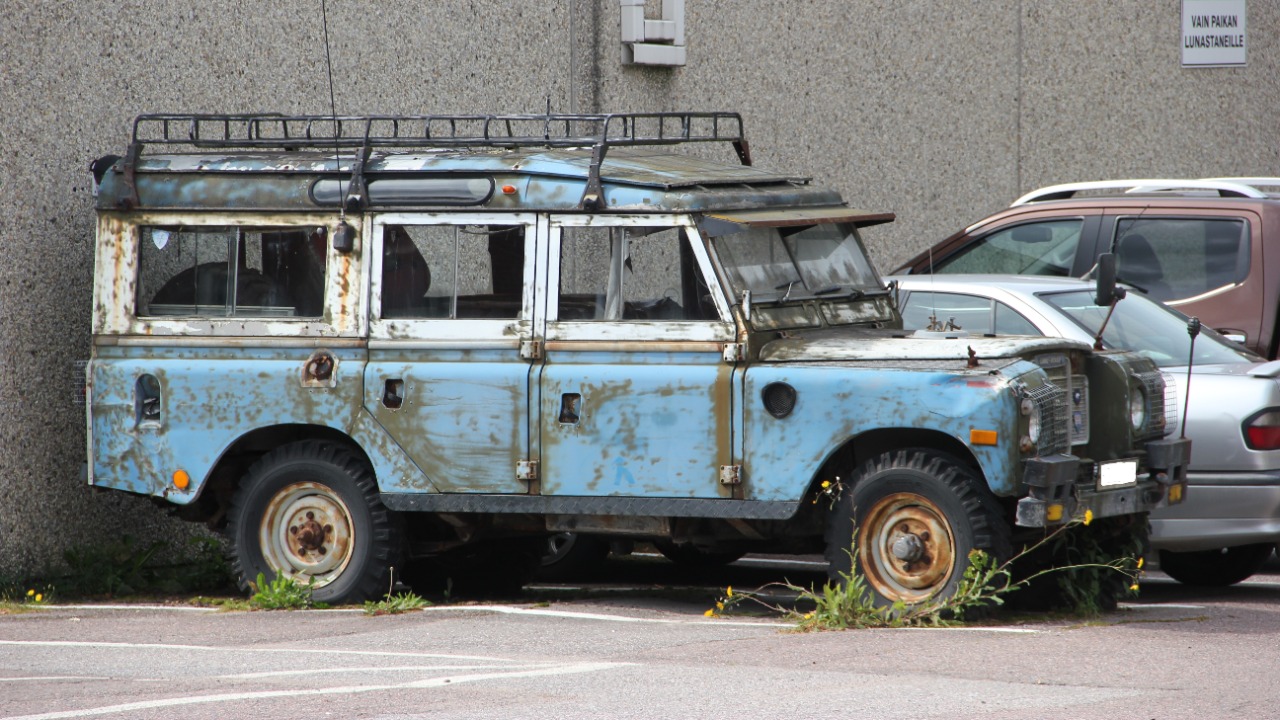
The Land Rover Series III was built around a rugged body-on-frame design and a straightforward four-wheel-drive system. Its aluminum body panels helped resist corrosion, while its simple mechanical layout suited remote environments. The vehicle became widely used for agriculture, exploration, military support, and utility work. Its design prioritized accessibility and durability rather than comfort. That approach helped many Series III Land Rovers remain operational in demanding conditions decades after production.
Porsche 911
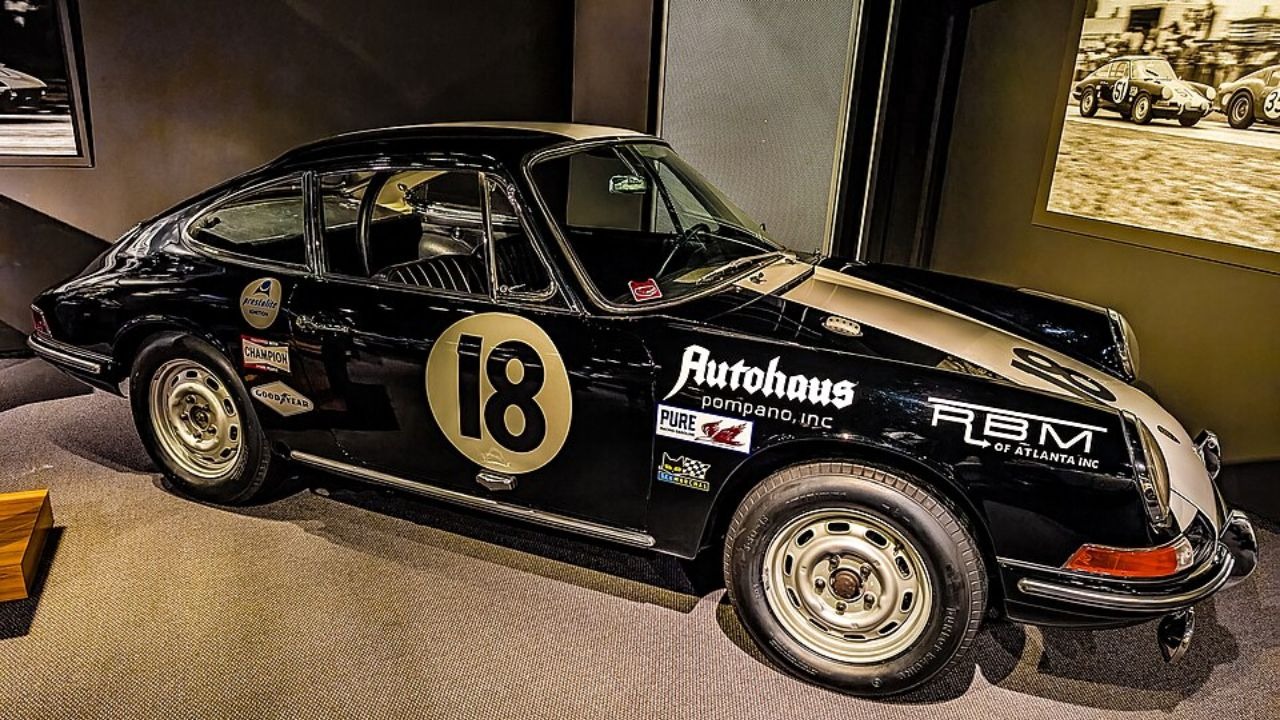
The early Porsche 911 demonstrated that relatively traditional mechanical engineering could deliver both performance and longevity. Its rear-mounted air-cooled flat-six engine, rear-wheel-drive layout, and lightweight construction created a distinctive driving experience. While the 911 was technically sophisticated in several areas, its mechanical architecture remained recognizable across generations. Strong engines and a huge enthusiast community helped keep many classic examples on the road, showing how durable engineering can become part of a vehicle’s identity.
Toyota Land Cruiser FJ60
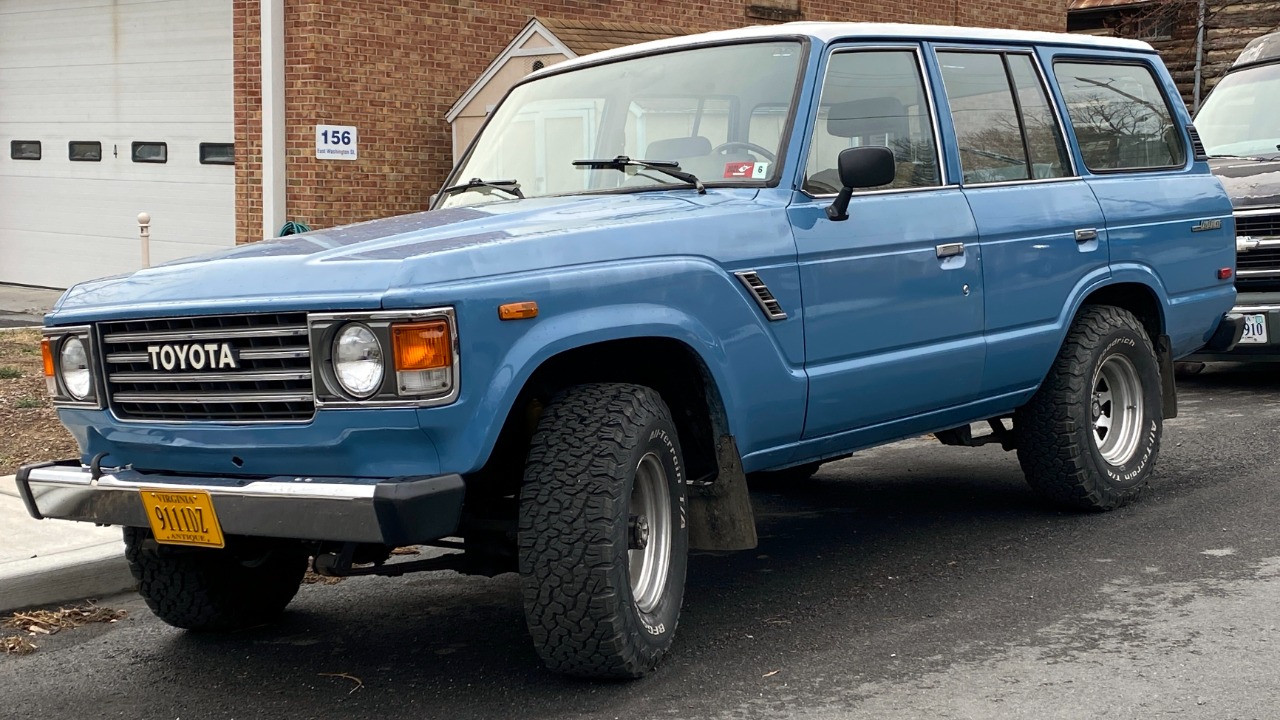
The Toyota Land Cruiser FJ60 combined the traditional Land Cruiser emphasis on durability with a more practical wagon body and improved passenger comfort. Its body-on-frame construction, solid axles, and dependable inline-six engine made it suitable for both family transportation and demanding off-road work. The FJ60 became particularly respected for long-distance reliability. Its straightforward mechanical systems and rugged chassis explain why many examples continue to serve as capable adventure and utility vehicles today.
More from Fast Lane Only
- Unboxing the WWII Jeep in a Crate
- 15 rare Chevys collectors are quietly buying
- 10 underrated V8s still worth hunting down
- Police notice this before you even roll window down
*Research for this article included AI assistance, with all final content reviewed by human editors.