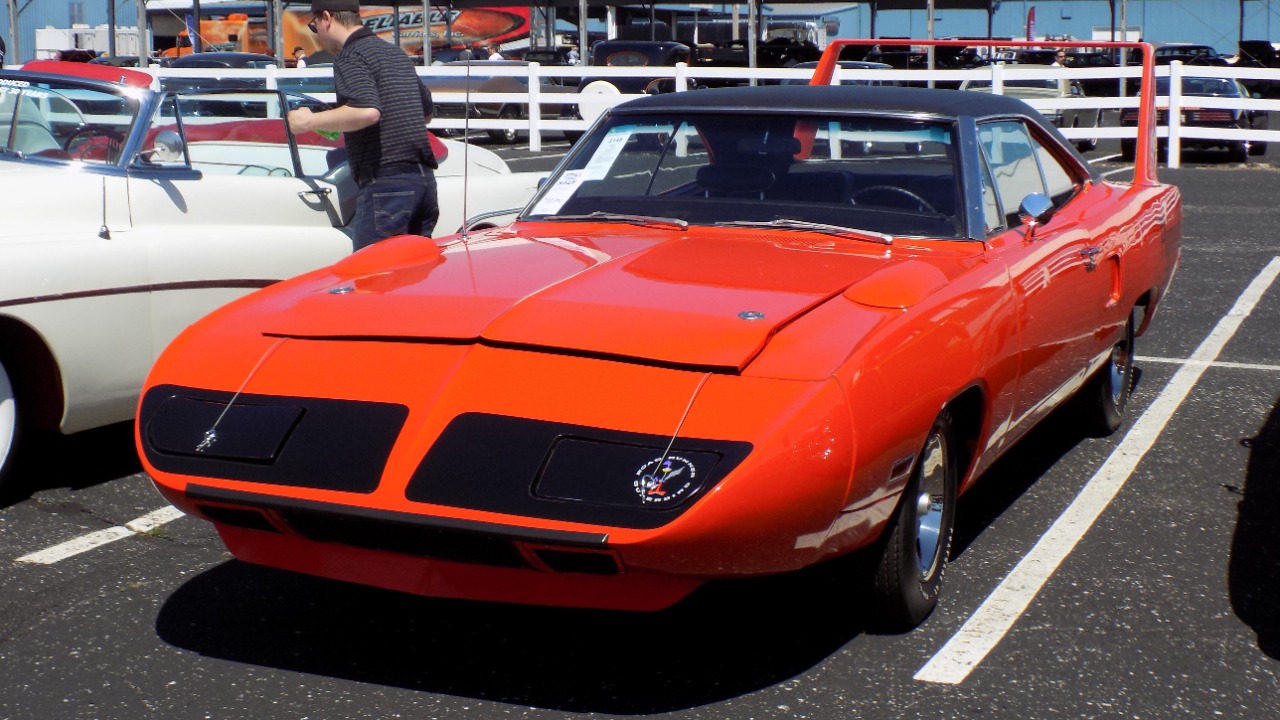
Hot-rodding has always been about making ordinary cars faster, lighter, and more exciting. Some builds and factory performance cars went far beyond the local garage, becoming icons almost overnight. Their engines, styling, racing success, and influence on American car culture gave them a lasting reputation. These 18 machines remain important examples of that transformation.
1932 Ford V8 Roadster
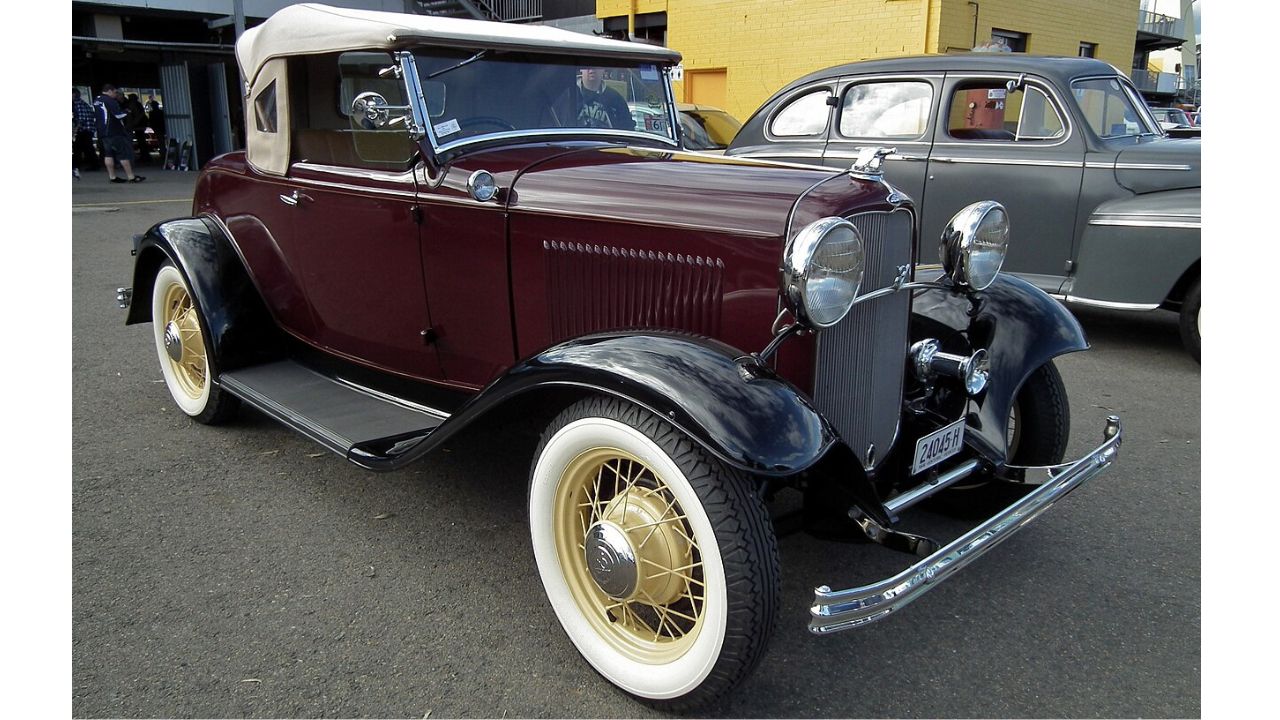
The 1932 Ford V8 Roadster became one of the most important foundations of American hot-rodding. Its lightweight body and available flathead V8 gave enthusiasts an affordable starting point for performance modifications. Builders quickly discovered that the car could be lowered, chopped, and fitted with increasingly powerful engines. Its simple construction and unmistakable shape eventually made the 1932 Ford one of the defining symbols of traditional hot-rodding.
1934 Ford Coupe
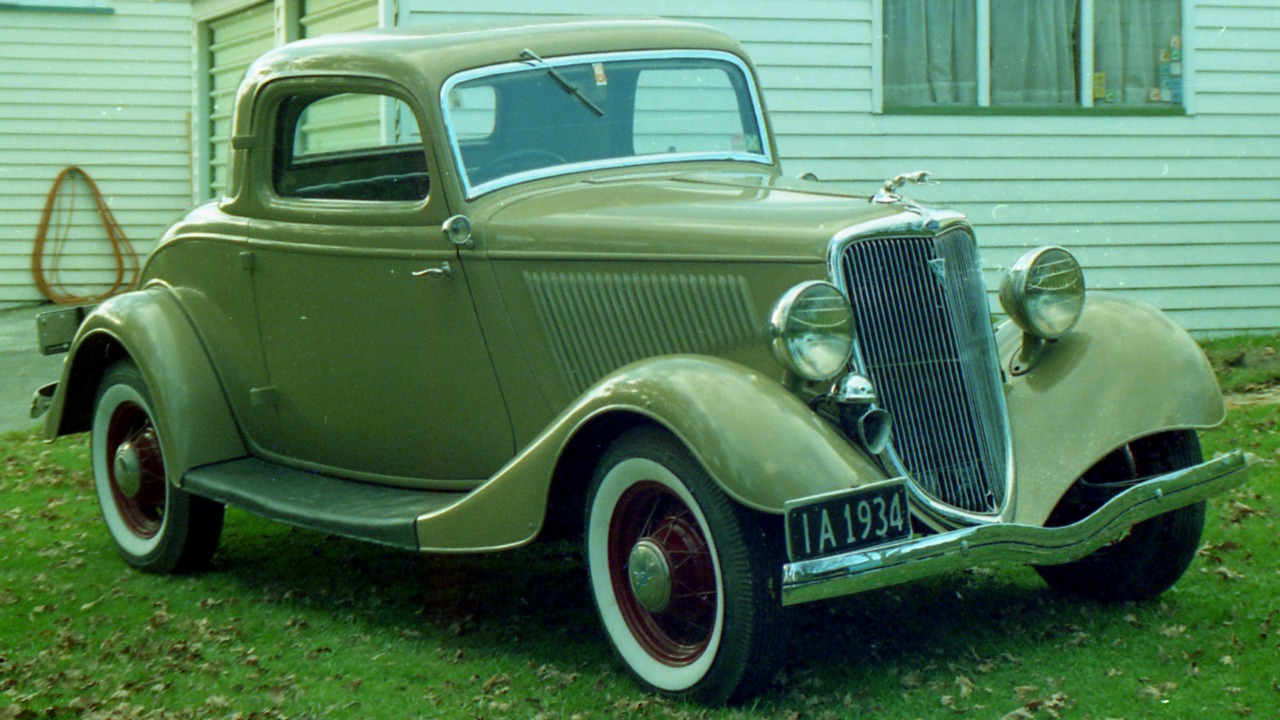
The 1934 Ford Coupe became another favorite among early hot-rodders because of its strong steel body and classic proportions. Enthusiasts modified them with larger engines, custom suspension, chopped roofs, and distinctive paint schemes. The coupe’s compact body made it particularly attractive for performance builds. Over time, the 1934 Ford became a familiar sight at hot-rod shows and an important part of American custom-car history.
1940 Willys Coupe
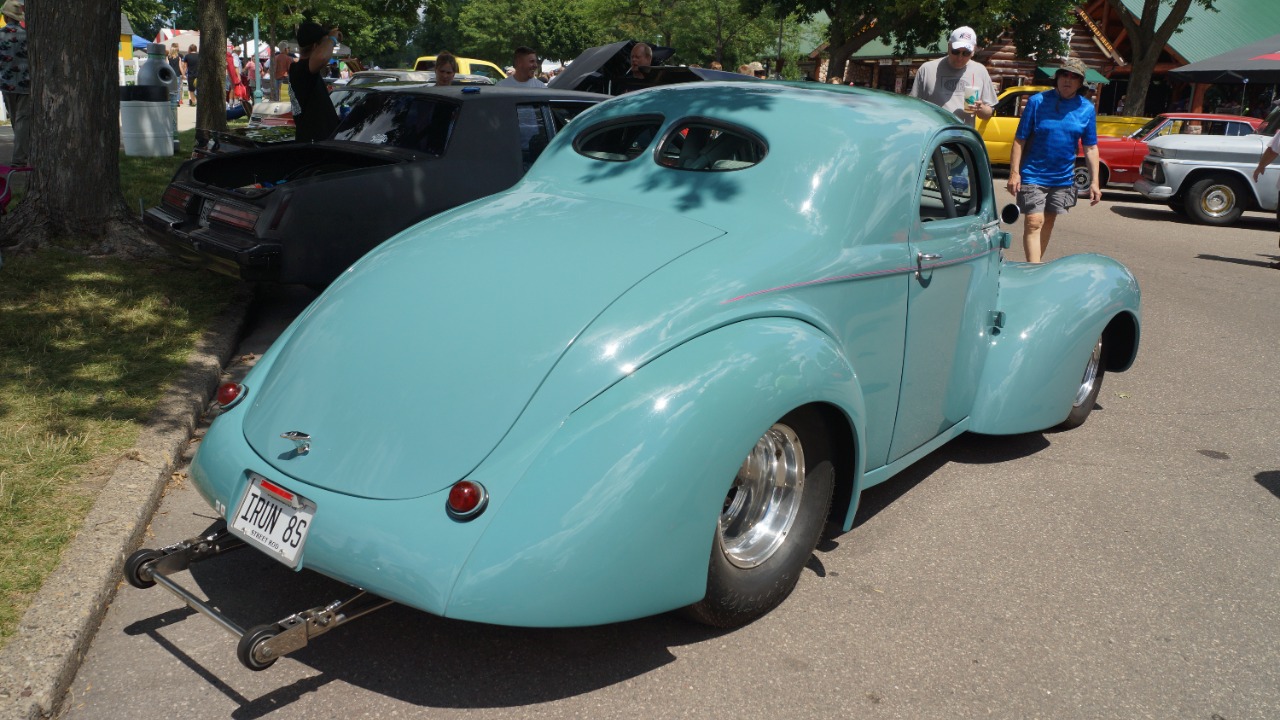
The 1940 Willys Coupe developed a reputation for becoming extremely quick when modified for drag racing. Its lightweight body provided an advantage when paired with powerful engines, making it a favorite among early drag racers and hot-rodders. Modified Willys coupes became closely associated with straight-line performance. Their unusual proportions and racing history eventually made them some of the most recognizable traditional drag-racing hot rods.
1941 Willys Coupe
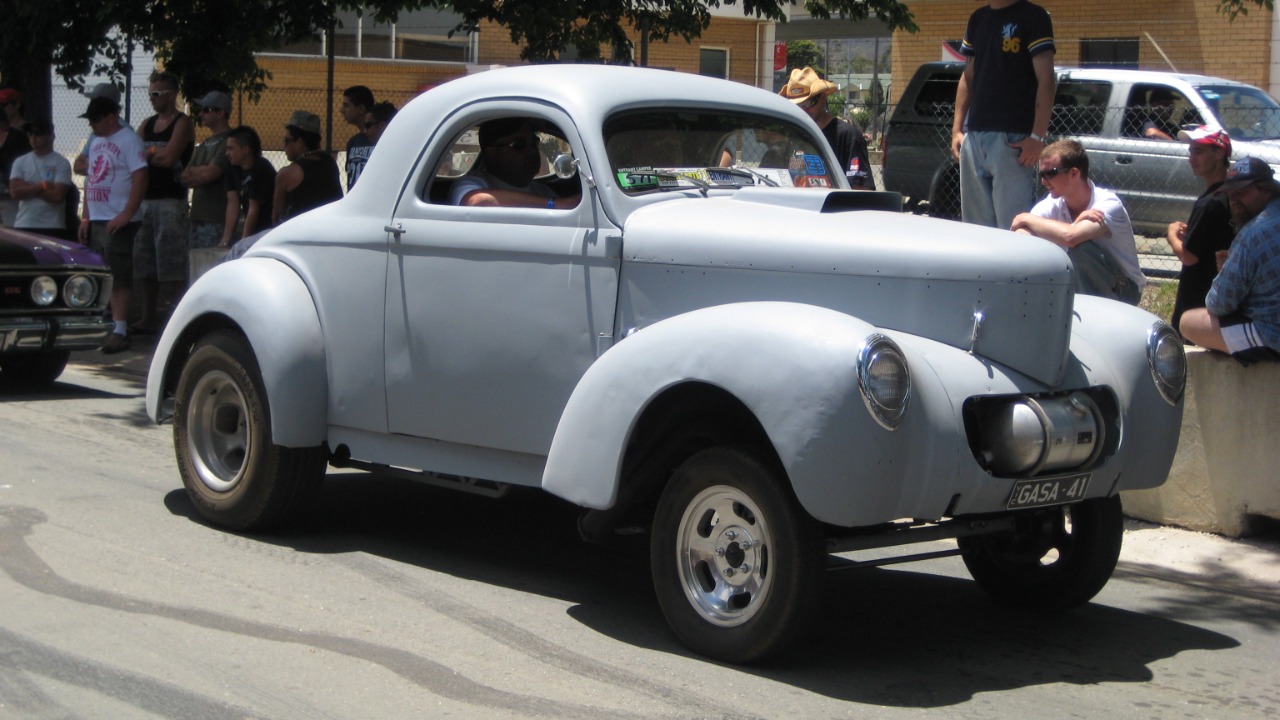
The 1941 Willys Coupe became another legendary platform for drag racing and hot-rodding. Its compact body and relatively low weight made it particularly effective when builders installed increasingly powerful V8 engines. Many were heavily modified for competition, creating an aggressive appearance that became associated with early drag racing. Today, a properly built 1941 Willys remains instantly recognizable among traditional hot-rod enthusiasts.
1949 Mercury Coupe
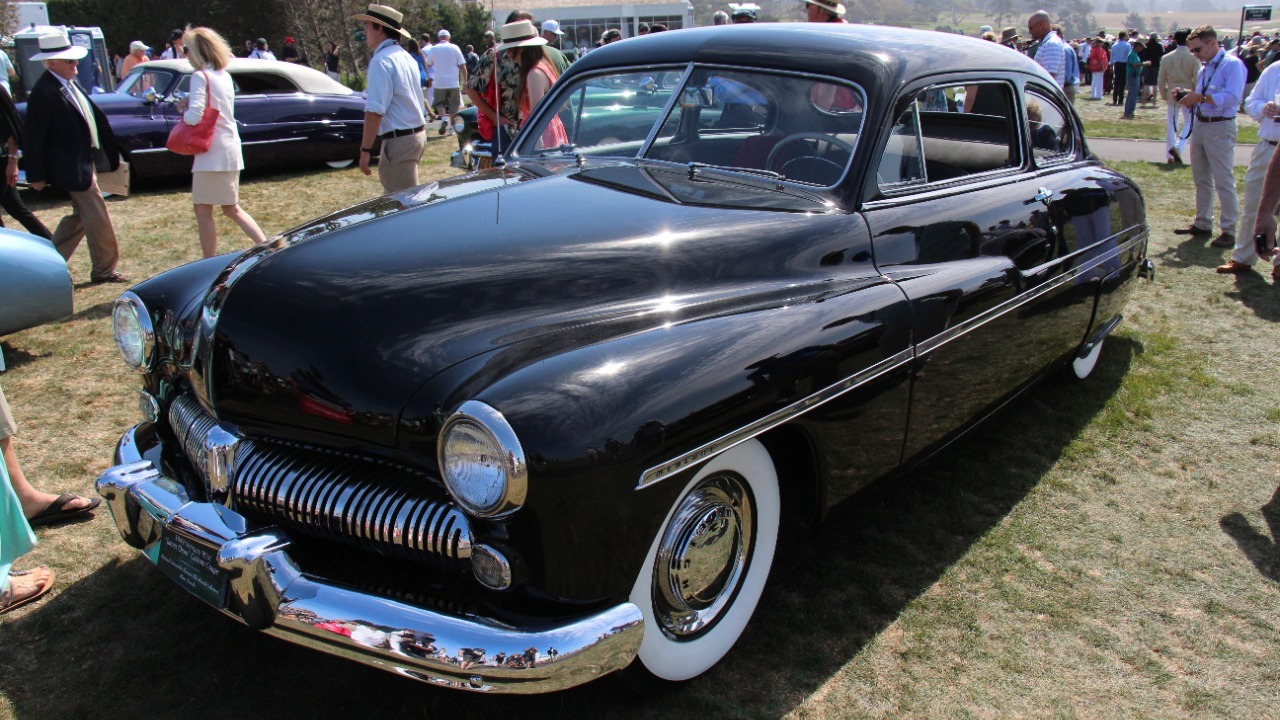
The 1949 Mercury Coupe became a major symbol of postwar custom-car culture. Its long body and flowing fenders provided an ideal canvas for chopping the roof, lowering the suspension, and smoothing the bodywork. Customizers transformed these cars into dramatically different machines. The Mercury’s popularity among builders and its appearance in movies and magazines helped turn it into one of the most influential custom hot rods.
1955 Chevrolet Bel Air
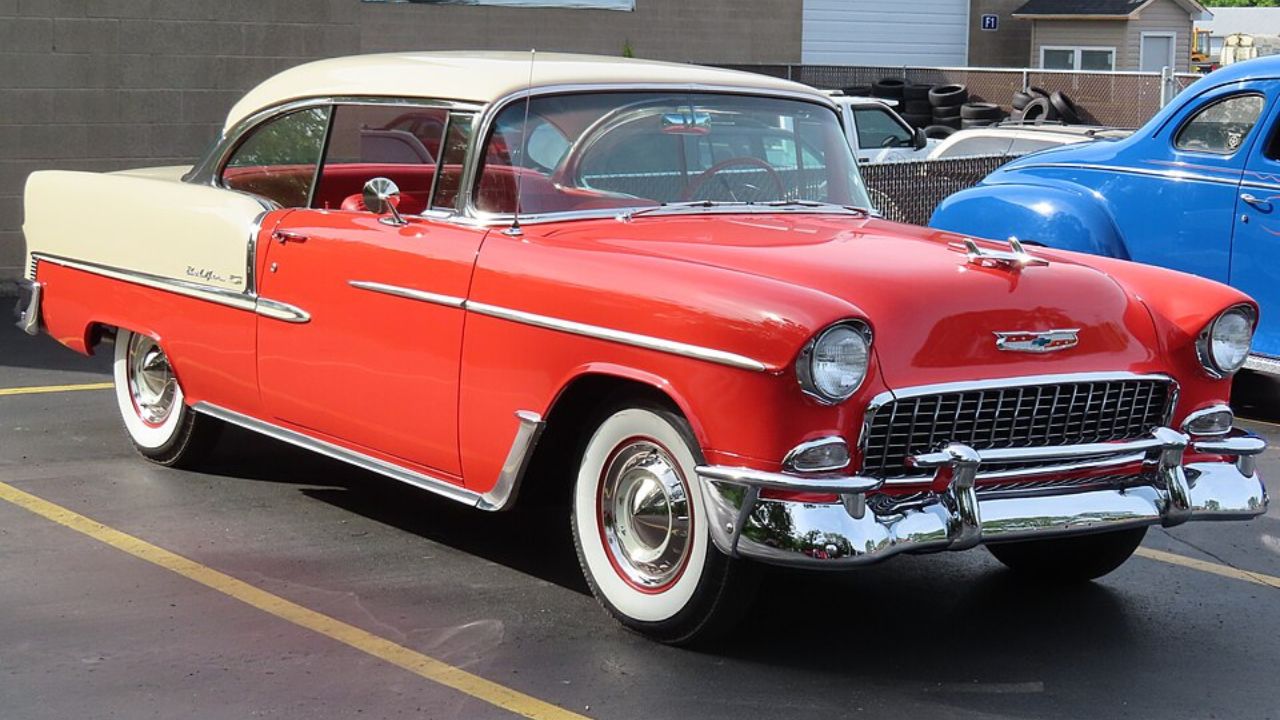
The 1955 Chevrolet Bel Air became a favorite among hot-rodders because Chevrolet offered a new small-block V8 that was compact, powerful, and easy to modify. The car’s clean body design also made it suitable for custom builds. Enthusiasts quickly began installing stronger engines and performance components. Its combination of styling and mechanical potential helped the 1955 Bel Air become a classic American hot-rod platform.
1957 Chevrolet 210

The 1957 Chevrolet 210 offered many of the same mechanical possibilities as the better-known Bel Air while often providing a simpler starting point for performance builds. With Chevrolet’s small-block V8 available, enthusiasts could create serious street and strip cars. The model’s clean body and iconic 1957 styling also made it attractive to custom builders. Today, modified 210s remain a familiar part of traditional American hot-rod culture.
1965 Ford Mustang Fastback
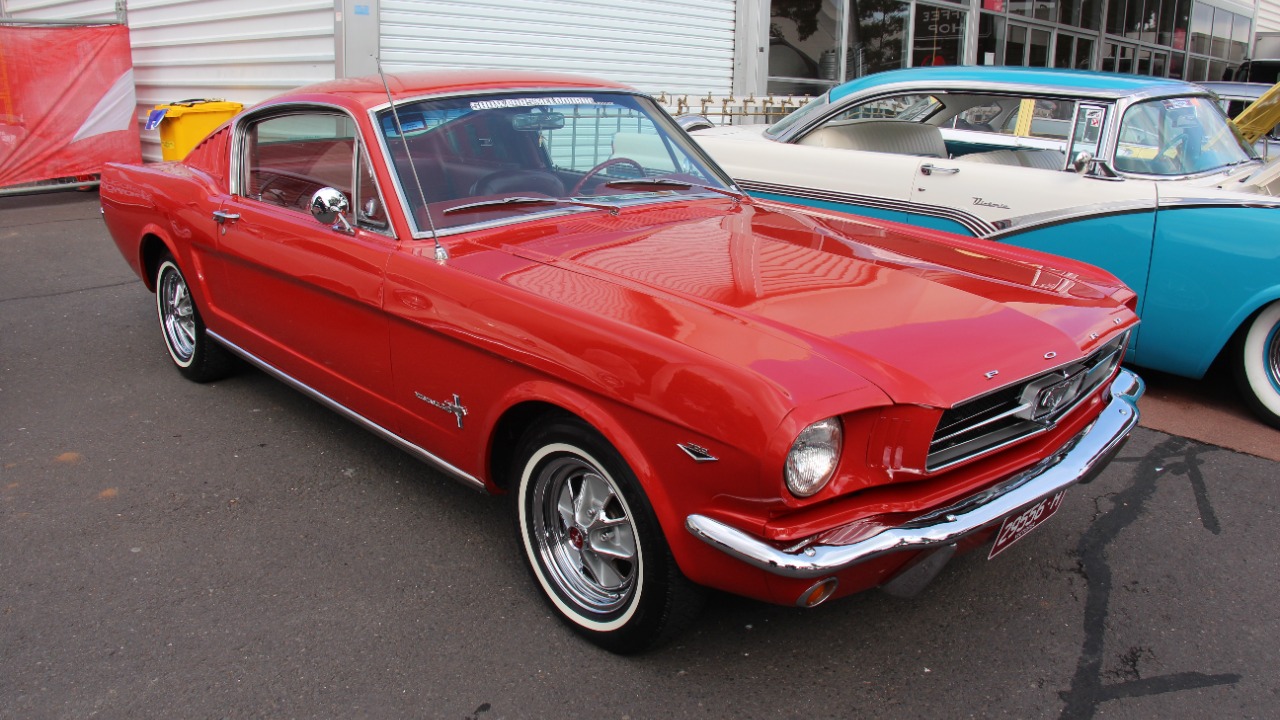
The 1965 Ford Mustang Fastback quickly became a favorite among performance enthusiasts because its compact body could accommodate increasingly powerful engines. The fastback roofline also gave it a sporty appearance that separated it from the standard Mustang. Builders could create everything from mild street cruisers to serious drag cars. Its enormous popularity ensured that the Mustang became one of the defining performance platforms of the era.
1963 Ford Falcon Sprint
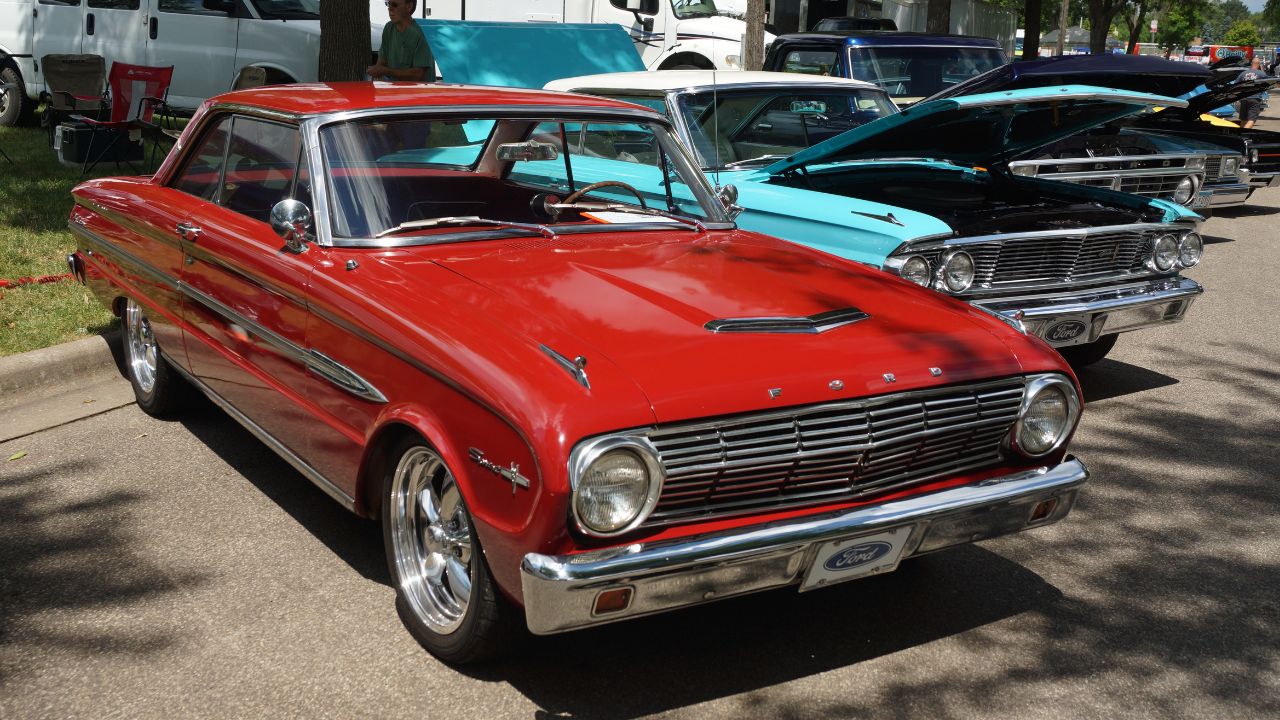
The Ford Falcon Sprint became an interesting hot-rod platform by combining compact dimensions with available V8 power. Its relatively light body allowed the engine to deliver strong performance without requiring a huge vehicle. The simple styling also worked well for sleepers and traditional street machines. Although the Mustang eventually overshadowed the Falcon, the Sprint remains an appealing choice for builders who prefer something less common.
1964 Ford Fairlane Thunderbolt
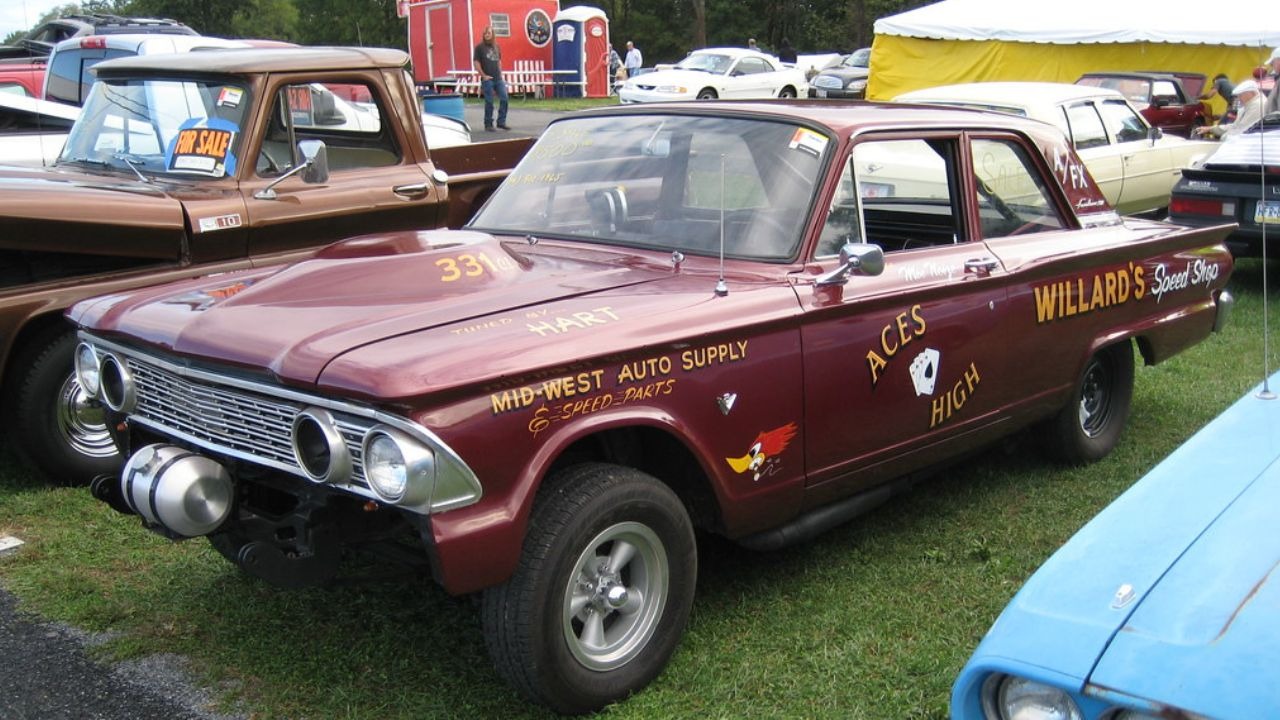
The Ford Fairlane Thunderbolt was one of the most extreme factory-built drag-racing cars of its era. Ford placed a massive 427 FE engine into a relatively lightweight Fairlane body and added extensive weight-saving modifications. Only a limited number were built, making the Thunderbolt highly collectible today. Its unusual combination of a midsize body and huge racing engine quickly made it a legend among drag-racing enthusiasts.
1966 Chevrolet Chevelle SS 396
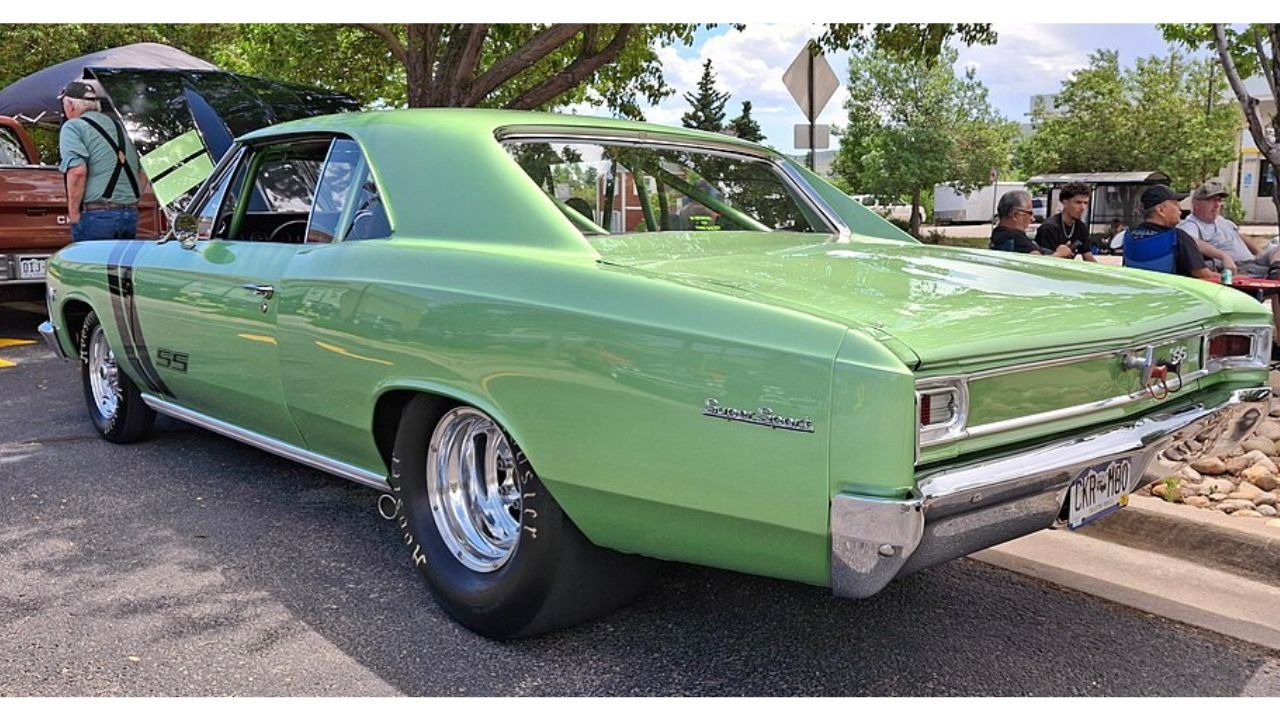
The Chevrolet Chevelle SS 396 became one of the defining muscle-oriented hot rods of the 1960s. Its big-block V8 delivered strong acceleration while the midsize body kept the car visually aggressive without becoming enormous. The combination of engine choices, available performance equipment, and muscular styling made the Chevelle an instant favorite. Today, the SS 396 remains one of the most recognizable American performance cars.
1967 Chevrolet Camaro Z/28
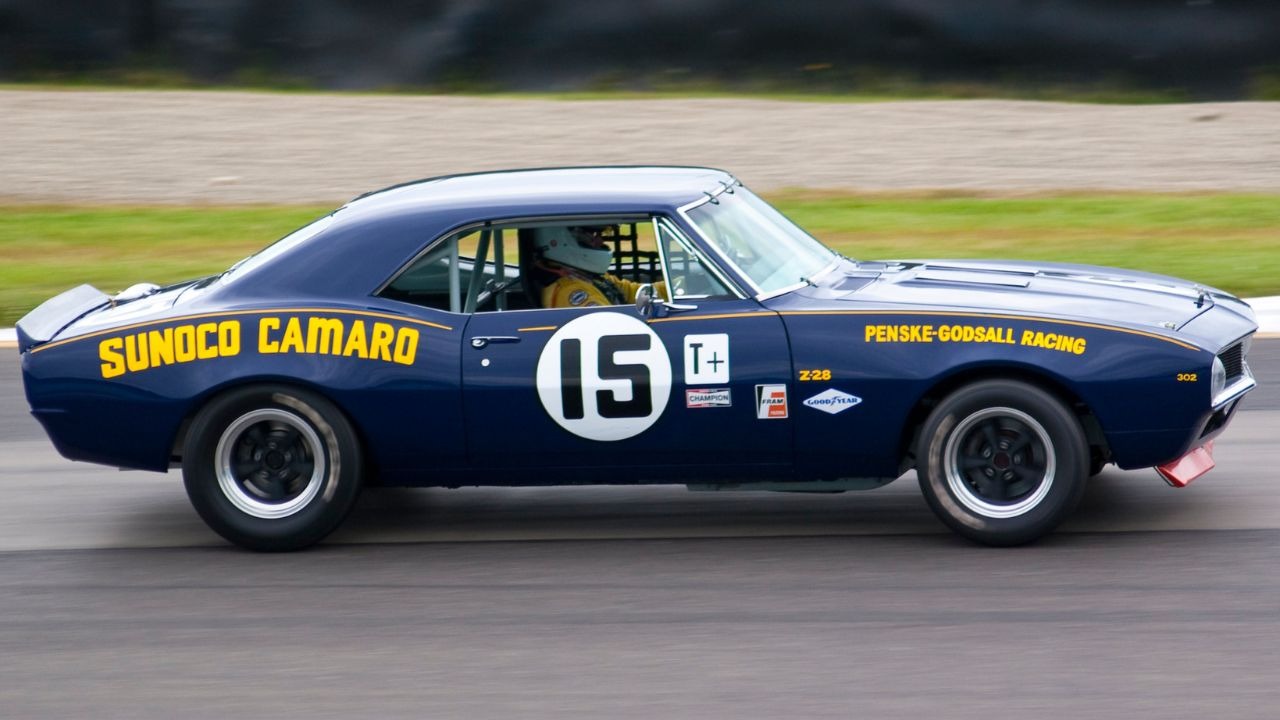
The Camaro Z/28 introduced a more focused approach to Chevrolet’s new pony car. Its high-revving 302-cubic-inch V8 was designed to meet racing requirements while giving street drivers a serious performance machine. The Z/28’s compact dimensions, aggressive appearance, and competition credentials quickly attracted enthusiasts. Its success established the Camaro as a major performance name and helped define the pony-car rivalry of the era.
1968 Dodge Dart GTS 383
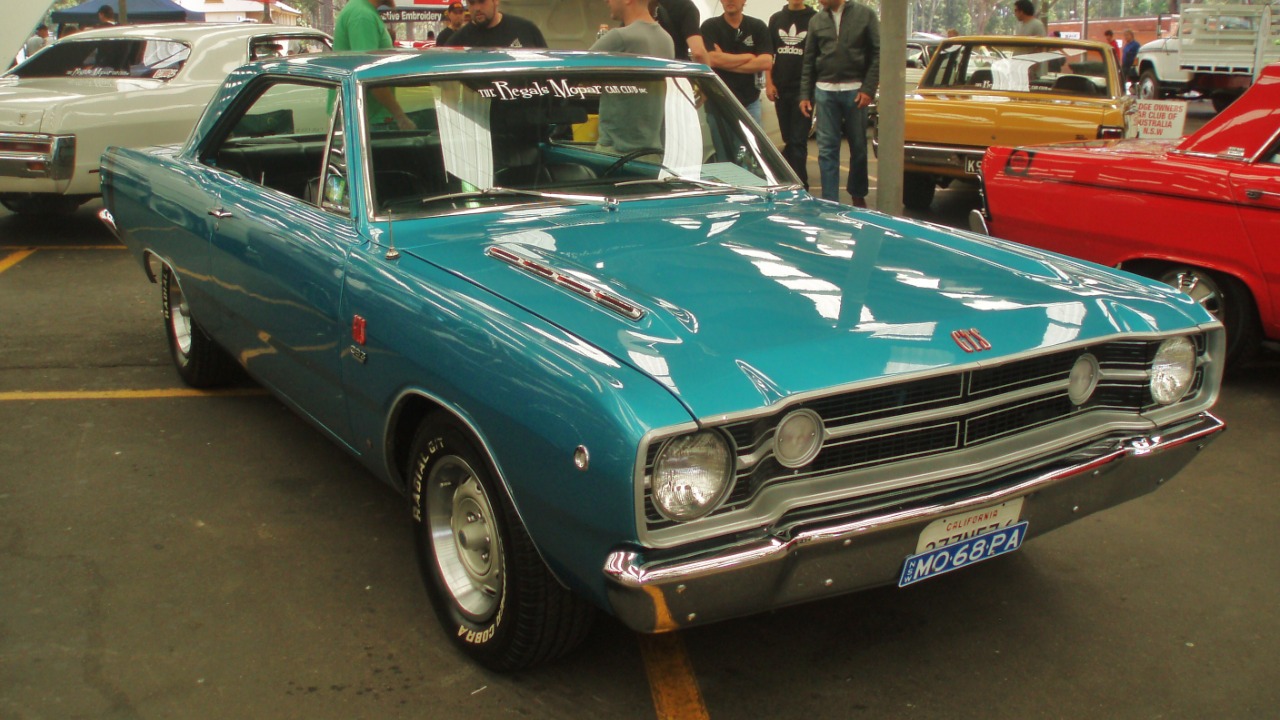
The Dodge Dart GTS 383 combined a relatively compact body with Chrysler’s powerful big-block V8. Its lightweight construction allowed the engine to provide strong acceleration, making the car particularly attractive to street racers and performance enthusiasts. The Dart’s understated appearance also made it easy to overlook compared with larger muscle cars. Today, genuine 383-powered GTS examples are valued for their combination of size and performance.
1959 Chevrolet El Camino
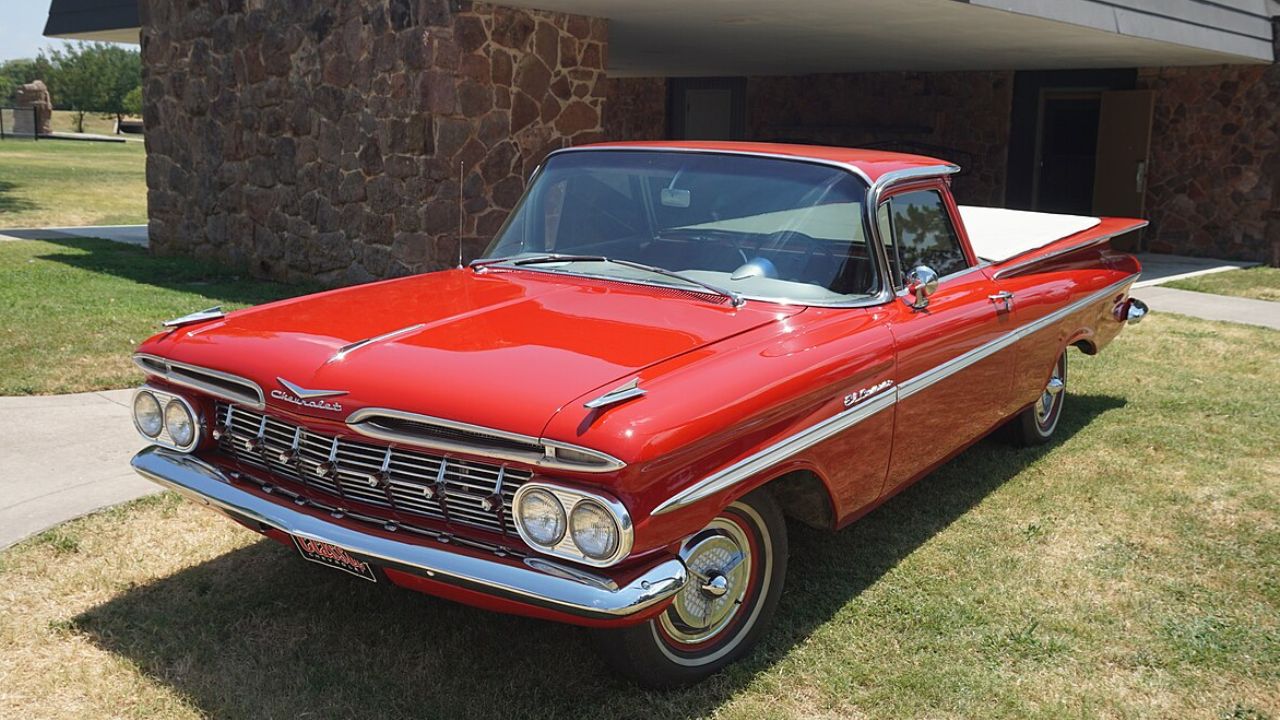
The first-generation Chevrolet El Camino became an unusual hot-rod platform because it combined passenger-car styling with an open cargo bed. Its low stance and long body created a distinctive appearance that could be enhanced with custom wheels, lowered suspension, and V8 power. Builders could create practical street machines without giving up performance. The unusual body configuration helped the early El Camino develop a lasting enthusiast following.
1969 Chevrolet Camaro ZL1
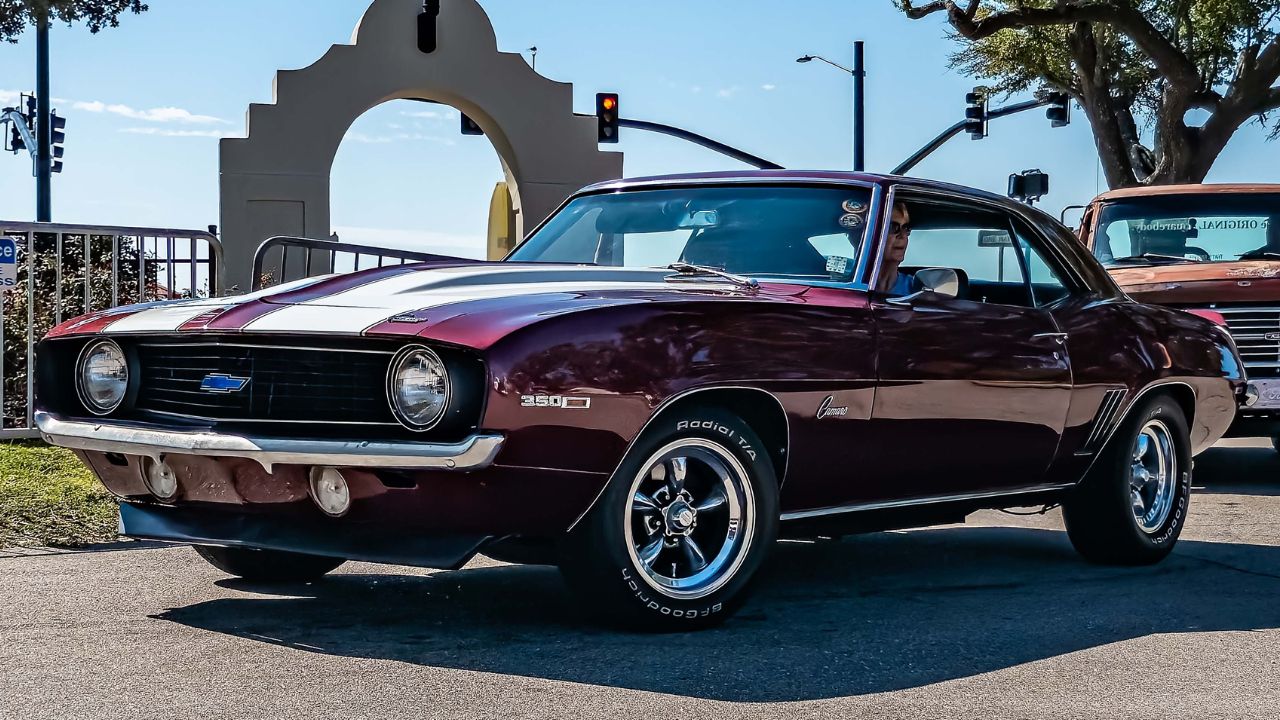
The 1969 Chevrolet Camaro ZL1 became legendary because of its extremely rare all-aluminum 427 big-block. Chevrolet built only a small number, primarily through the COPO ordering system, making genuine examples exceptionally valuable today. The lightweight engine reduced front-end weight while delivering enormous performance. Its rarity and factory-built racing potential quickly gave the ZL1 an almost mythical reputation among Chevrolet collectors.
1969 Dodge Charger Daytona
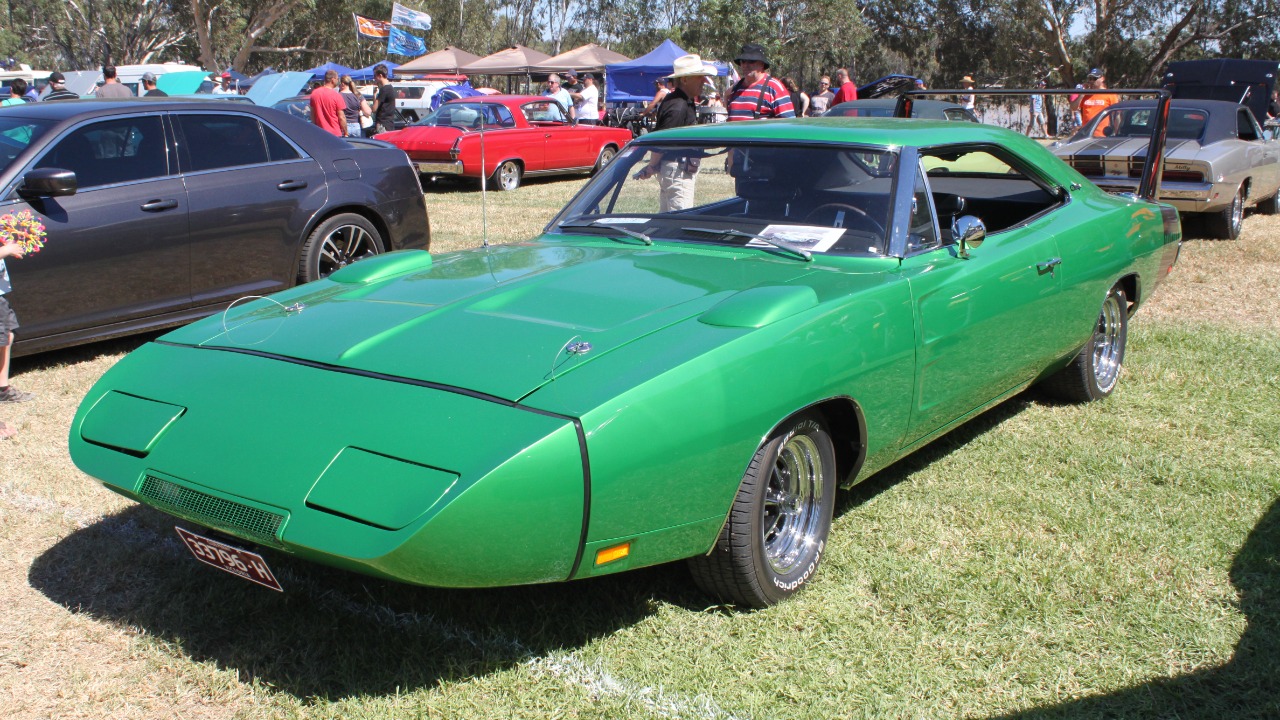
The Dodge Charger Daytona became an icon by taking aerodynamics to an extreme rarely seen on a production American car. Its enormous rear wing, pointed nose cone, and powerful V8 engines were developed around NASCAR competition. The unusual appearance attracted immediate attention, while its racing success gave the car lasting credibility. Today, the Daytona remains one of the most recognizable and collectible aerodynamic muscle cars.
1970 Plymouth Superbird
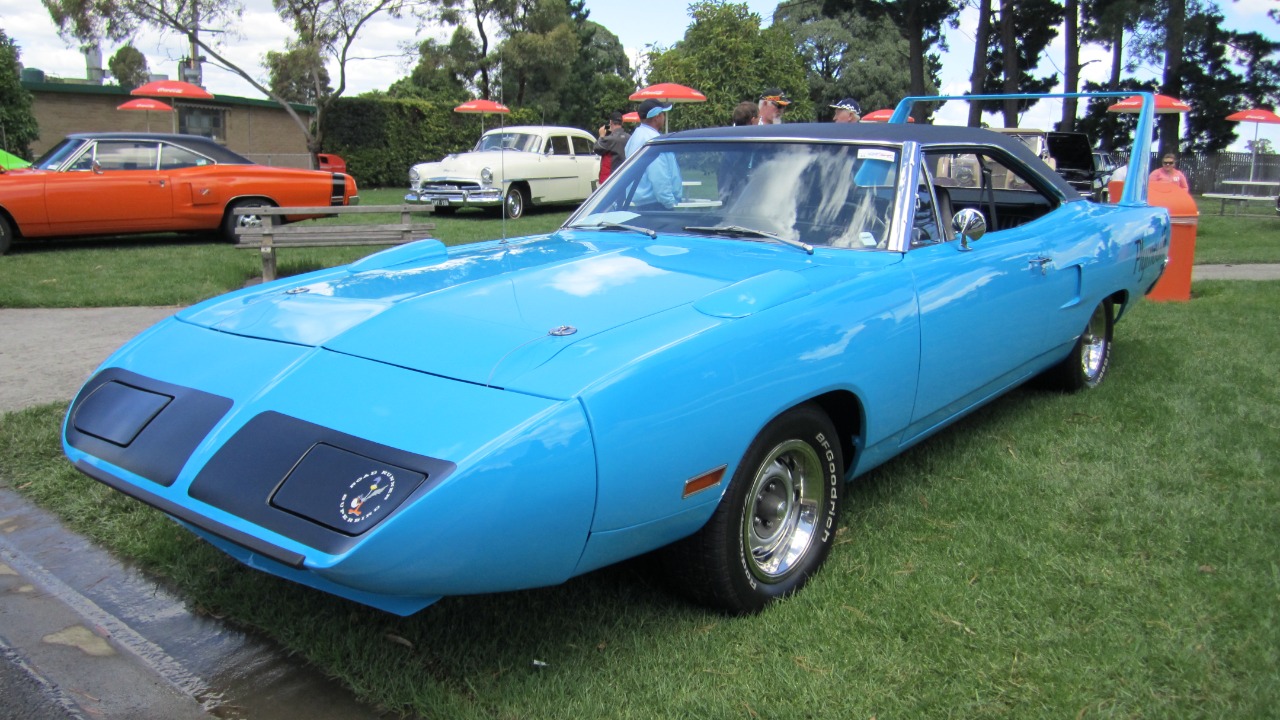
The Plymouth Superbird pushed the aerodynamic concept even further with its towering rear wing and extended nose. Based on the Road Runner, it was developed to improve high-speed NASCAR performance. The car’s unusual appearance initially shocked many observers, but its racing results quickly established its reputation. Surviving examples are now highly collectible, and the Superbird remains one of the most recognizable machines from the classic muscle-car era.
1970 Buick GSX Stage 1
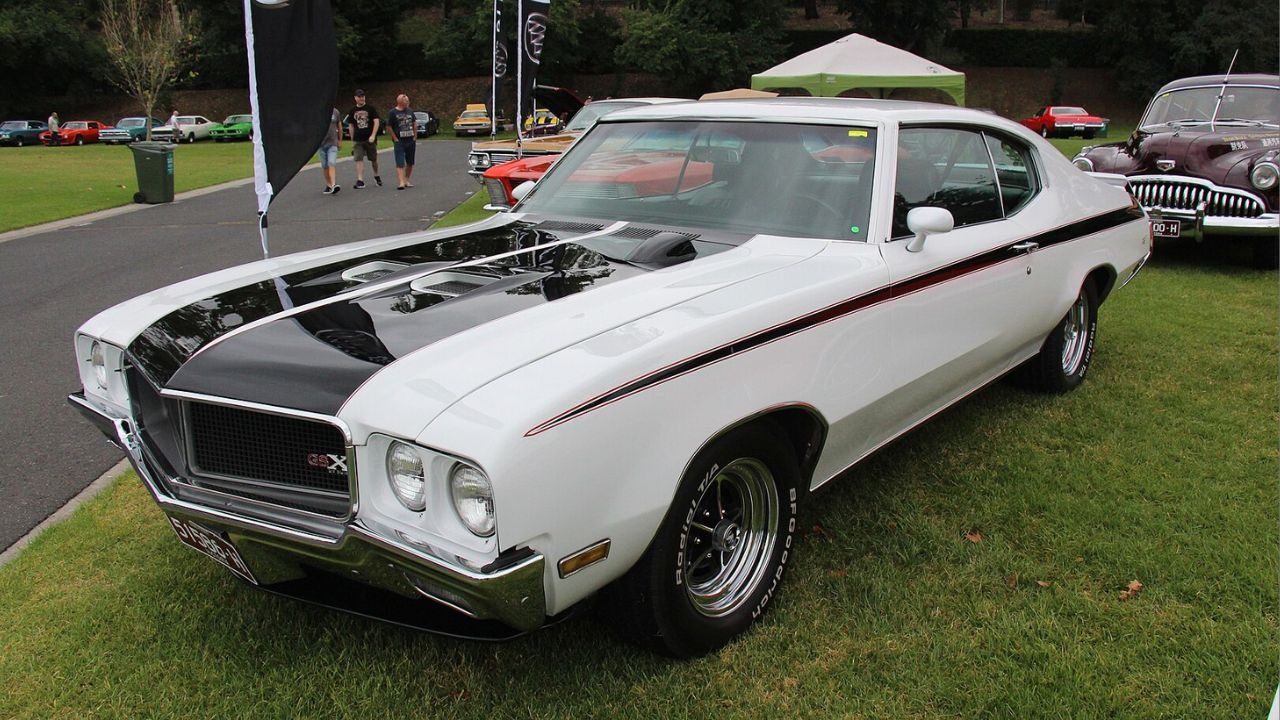
The Buick GSX Stage 1 combined luxury-car equipment with serious big-block performance. Its 455-cubic-inch V8 produced enormous torque, while the GSX package added distinctive styling and performance equipment. Buick’s approach was different from the stripped-down image of some muscle cars, giving the GSX a more upscale personality. Its rarity and powerful engine eventually turned it into one of Buick’s most respected performance classics.
More from Fast Lane Only
- Unboxing the WWII Jeep in a Crate
- 15 rare Chevys collectors are quietly buying
- 10 underrated V8s still worth hunting down
- Police notice this before you even roll window down
*Research for this article included AI assistance, with all final content reviewed by human editors.