The muscle-car era produced hundreds of performance models, but only a smaller group developed the combination of power, rarity, styling, and historical importance that collectors continue to appreciate. From factory-built drag racers to big-block legends, these 18 muscle cars stand out as memorable examples of an era when American manufacturers competed fiercely for performance-minded buyers.
Pontiac GTO
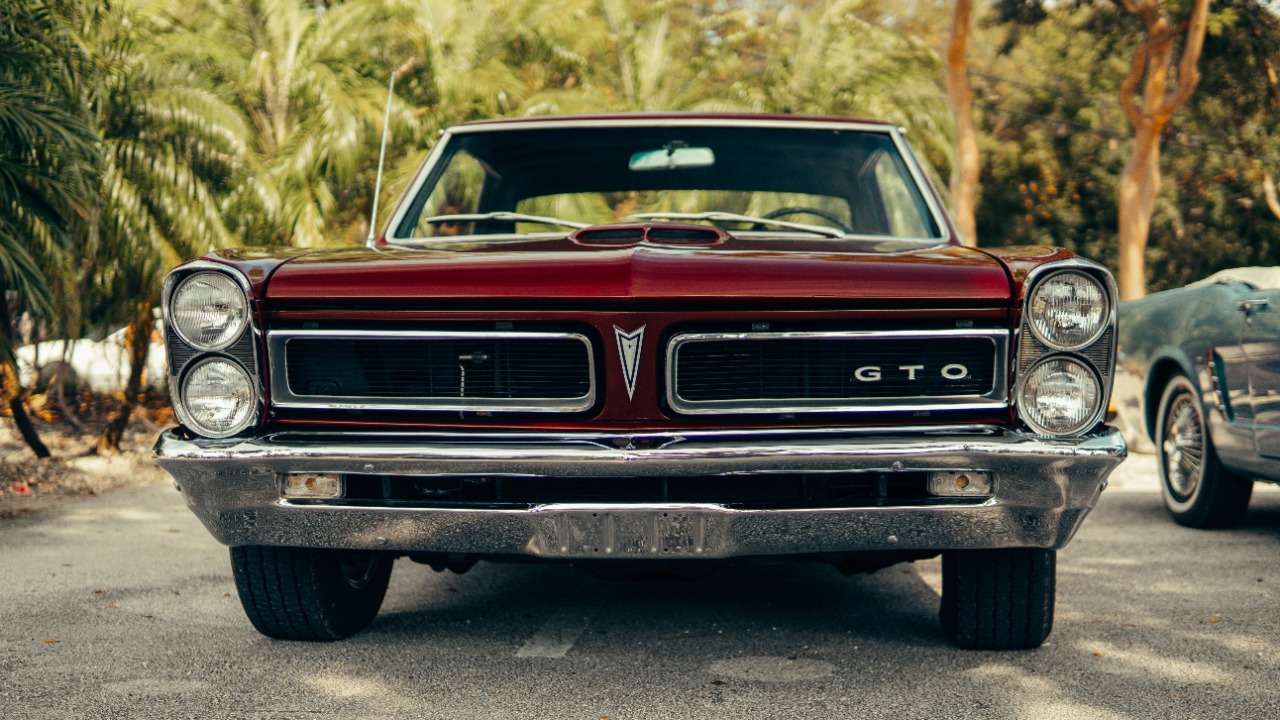
The Pontiac GTO helped establish the classic American muscle-car formula by putting a large-displacement V8 into an intermediate-sized car. Its combination of strong acceleration, relatively practical proportions, and aggressive styling quickly attracted young performance buyers. Later versions became even more powerful and distinctive. The GTO’s importance to the development of the muscle-car market gives original examples lasting significance among collectors.
Plymouth GTX
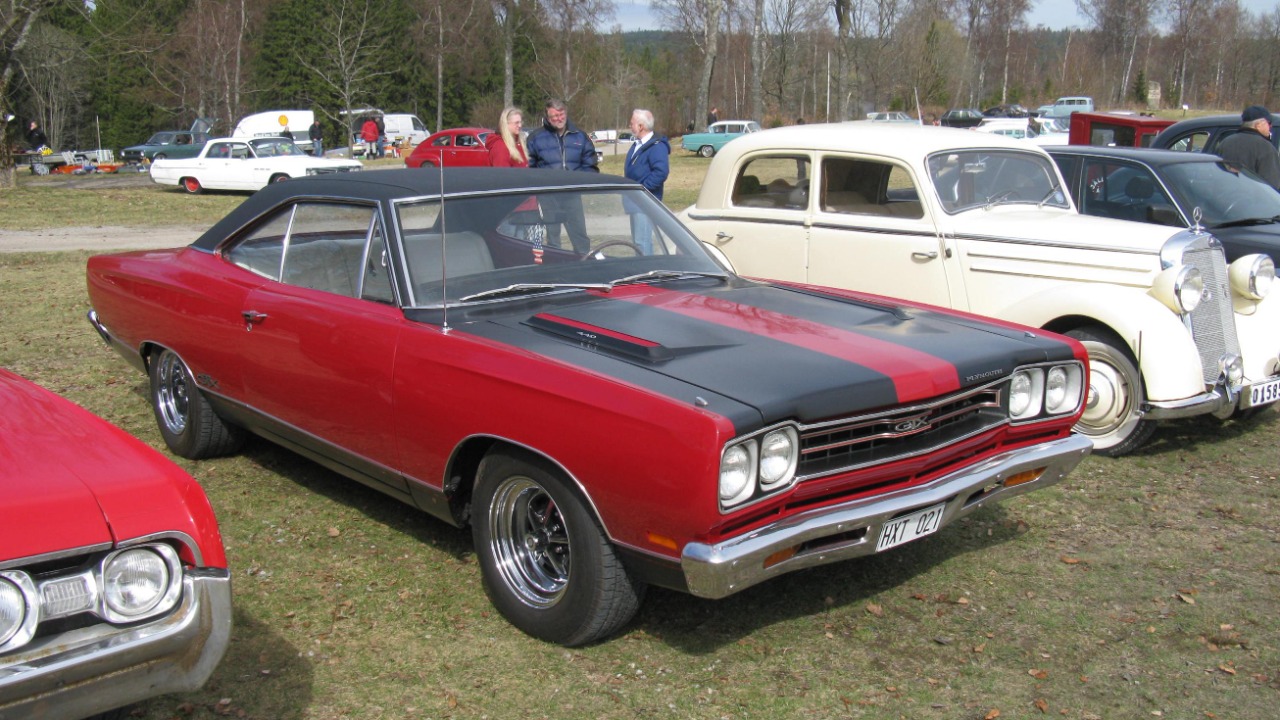
The Plymouth GTX combined serious V8 performance with a more refined image than some of Plymouth’s stripped-down performance models. Available with powerful big-block engines, it offered strong acceleration while retaining a comfortable interior and distinctive styling. The GTX became an important part of Plymouth’s performance lineup during the muscle-car era. Well-equipped and highly optioned examples are especially interesting to collectors.
Dodge Coronet R/T
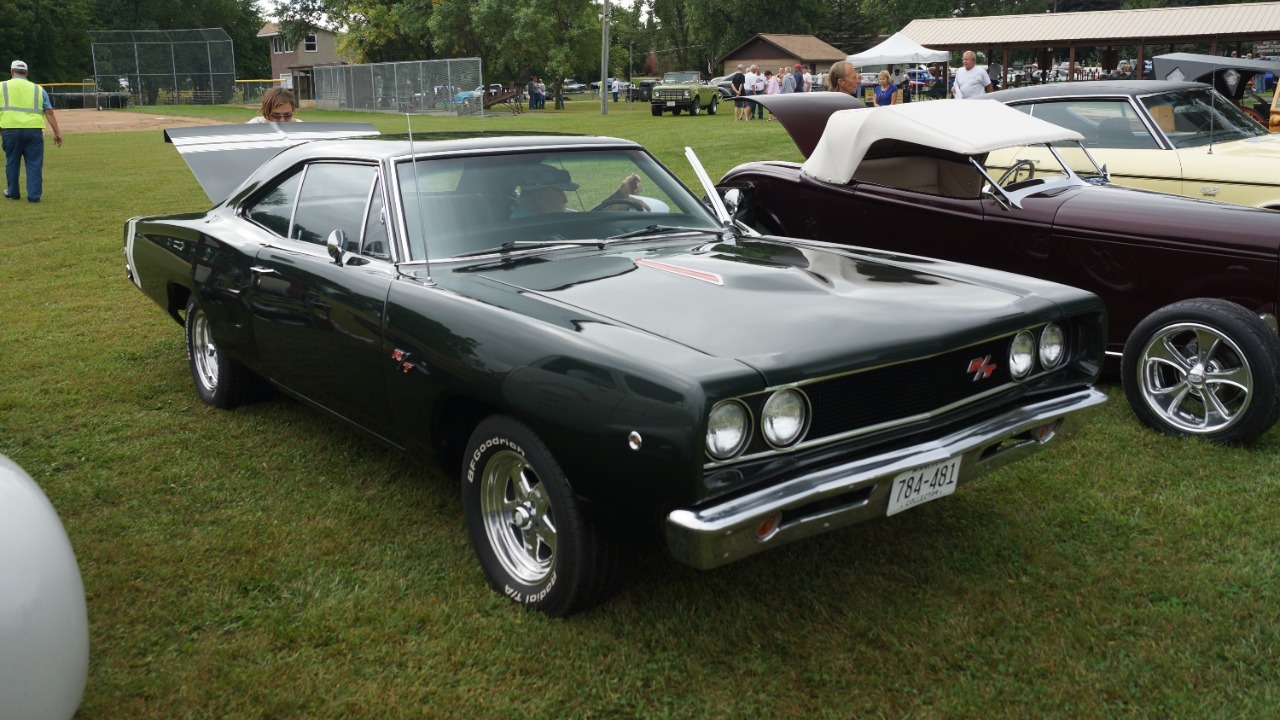
The Dodge Coronet R/T combined a relatively large American body with Chrysler’s powerful big-block engines. Available with engines such as the 440 Magnum and 426 Hemi, it offered serious performance without relying on the compact dimensions of smaller muscle cars. Its production numbers were lower than those of some mainstream Dodge models, making well-preserved R/T examples increasingly interesting to collectors.
AMC Rebel Machine
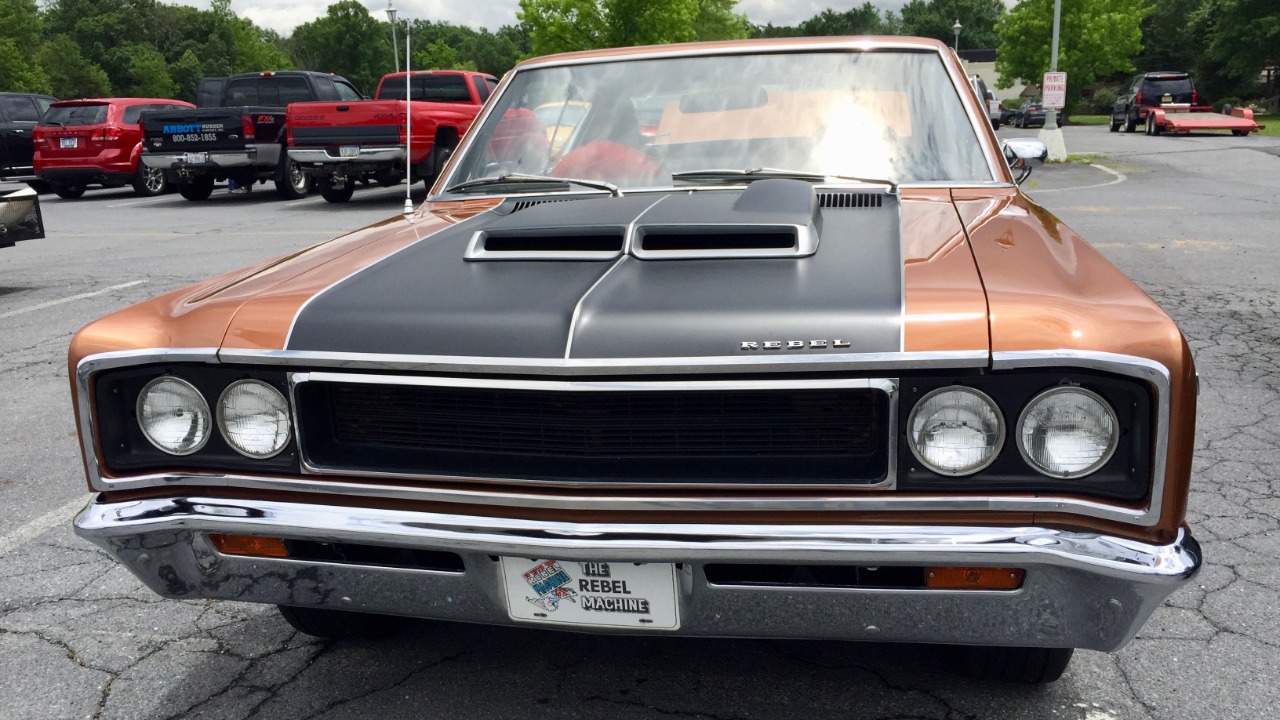
The AMC Rebel Machine demonstrated that American Motors could compete directly in the muscle-car market. Introduced for 1970, it featured a high-output 390 V8, performance suspension, distinctive graphics, and bold styling. AMC produced far fewer Rebel Machines than the major manufacturers produced their best-known muscle cars. That limited production, combined with its unusual place in AMC history, gives the model considerable collector interest.
Ford Fairlane Thunderbolt
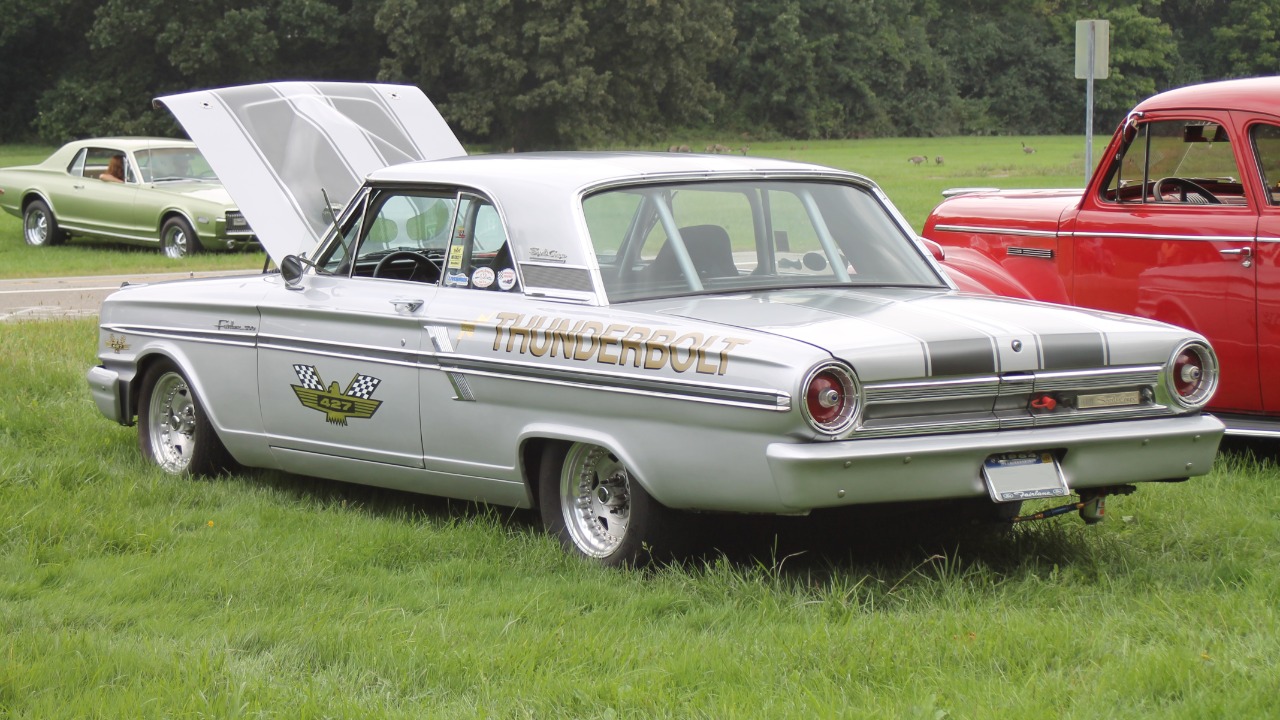
The Ford Fairlane Thunderbolt was essentially a factory-built drag-racing weapon. Ford combined a lightweight Fairlane body with the massive 427 FE V8 and added numerous weight-saving modifications. Production was extremely limited, and the cars were intended primarily for competition. Genuine Thunderbolts are therefore among the most historically significant Ford performance cars of the 1960s.
Mercury Marauder X-100
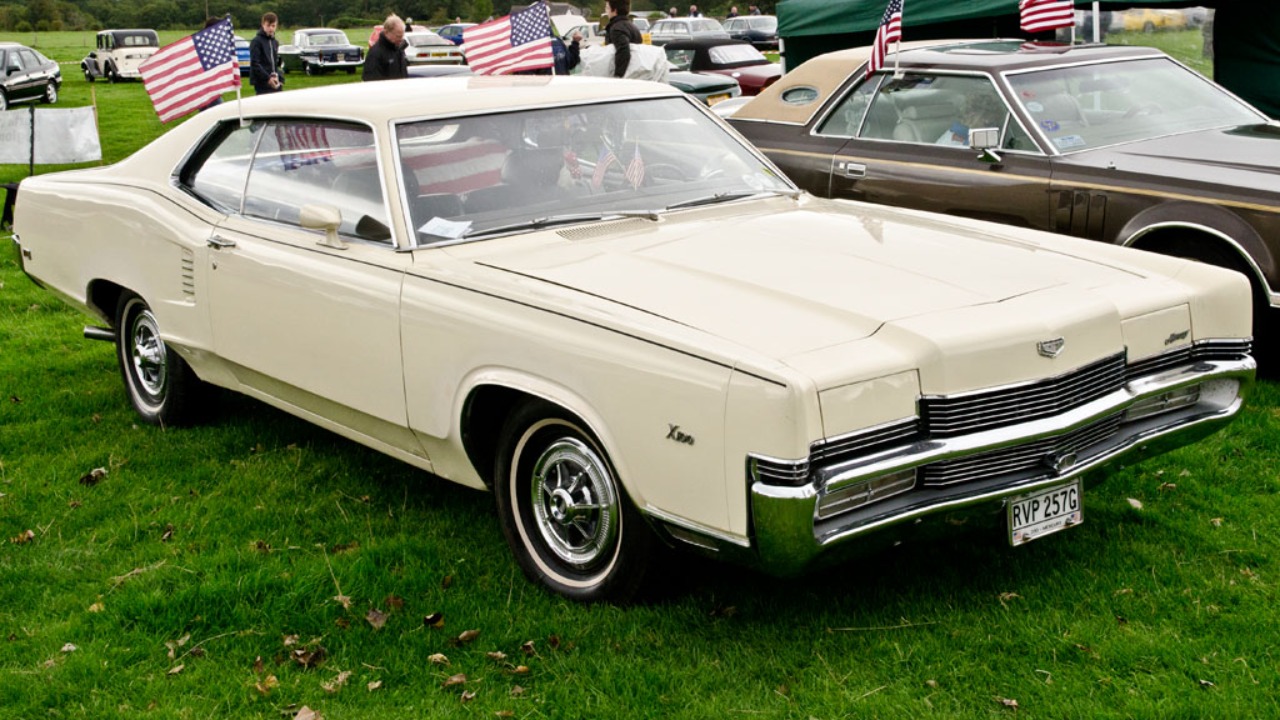
The Mercury Marauder X-100 brought big-block performance into Mercury’s full-size lineup. Its 429-cubic-inch V8, distinctive styling, and upscale interior created a different interpretation of the muscle-car formula. Production was far lower than that of more common Ford performance models. Its combination of size, power, and relative obscurity makes the Marauder X-100 an interesting collector car today.
Buick GS 455
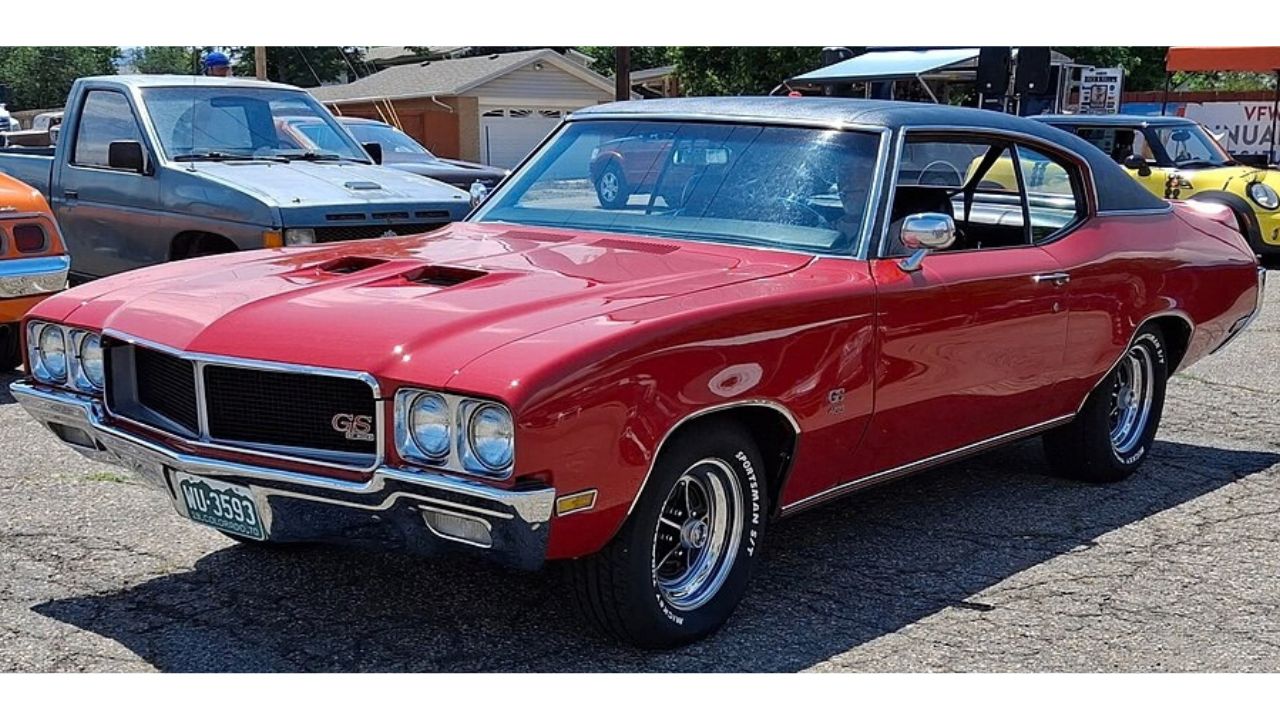
The Buick GS 455 combined luxury-car comfort with enormous V8 torque. Its 455-cubic-inch engine gave the midsize Buick serious straight-line performance, while the GS package added suspension and styling upgrades. Buick’s approach made the car different from the stripped-down image associated with some competitors. Strong original examples remain highly desirable because they represent Buick’s most serious muscle-car period.
Oldsmobile 442
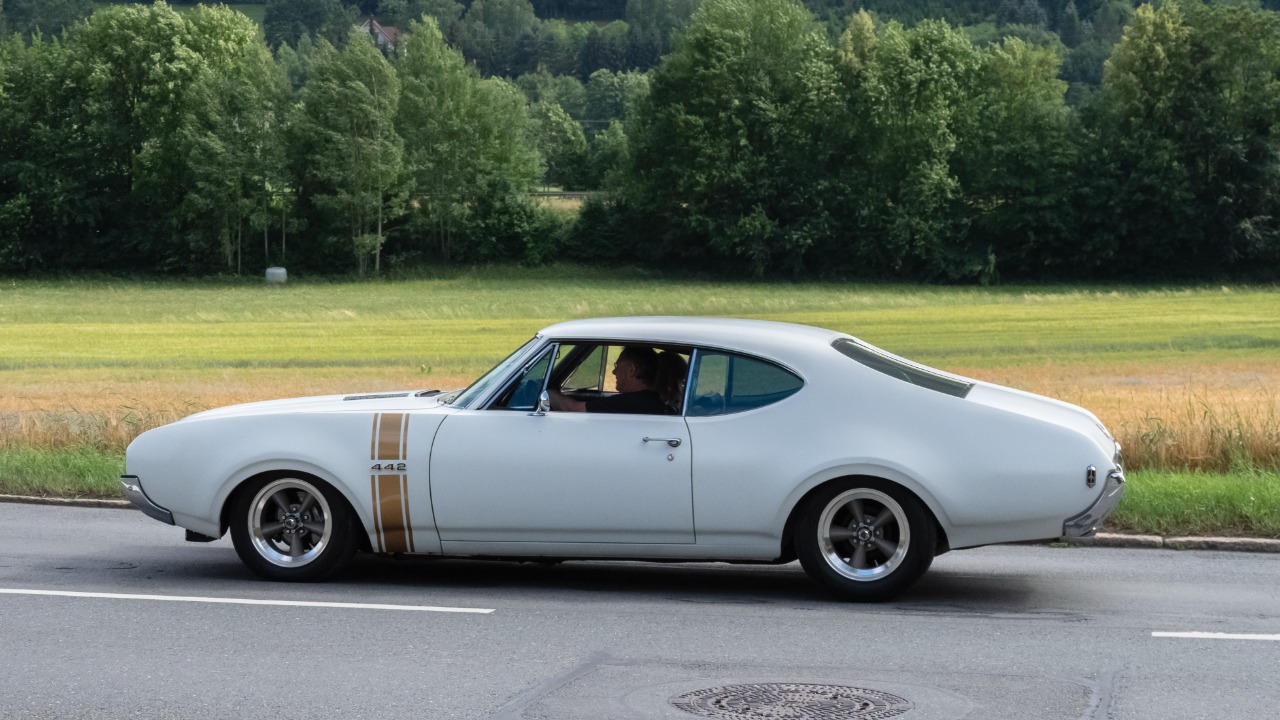
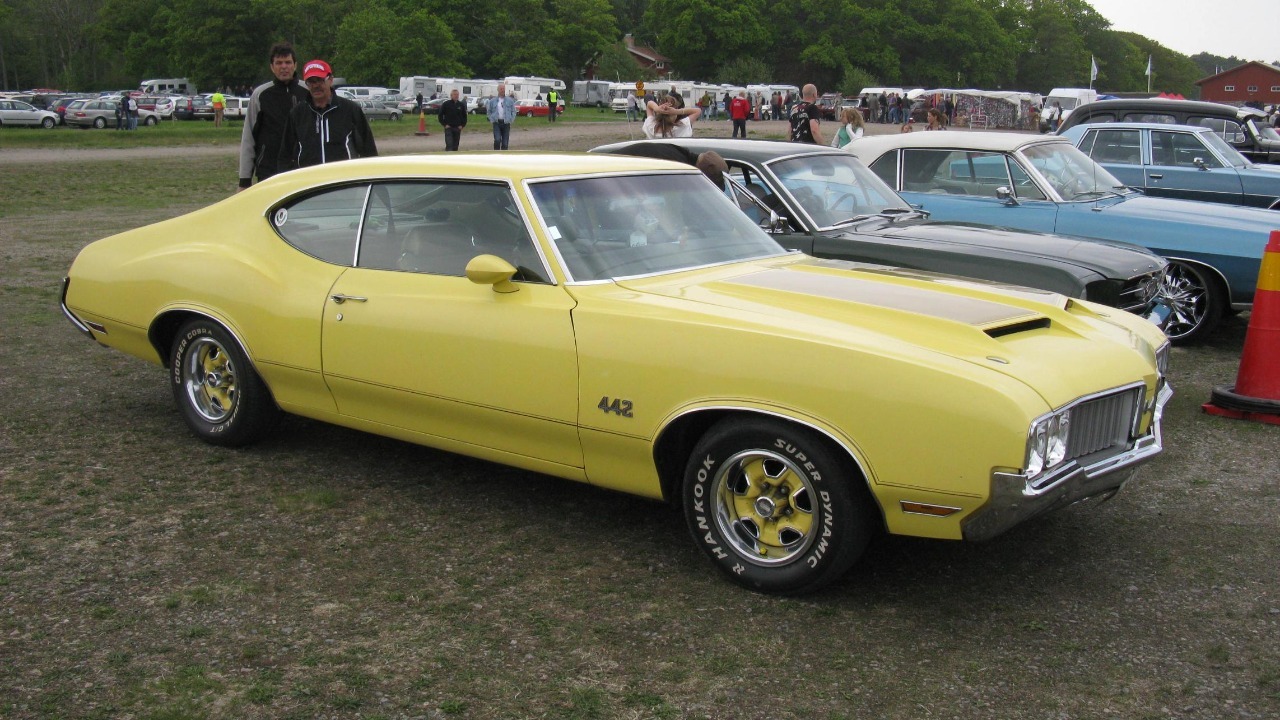
The Oldsmobile 442 developed from a performance package into one of Oldsmobile’s best-known muscle cars. Its combination of V8 power, upgraded suspension, and distinctive styling gave it a strong identity within the GM lineup. Later versions became especially powerful, while earlier cars established the model’s reputation. The 442 remains important to collectors because of its long development through the classic muscle-car period.
Pontiac Firebird Trans Am
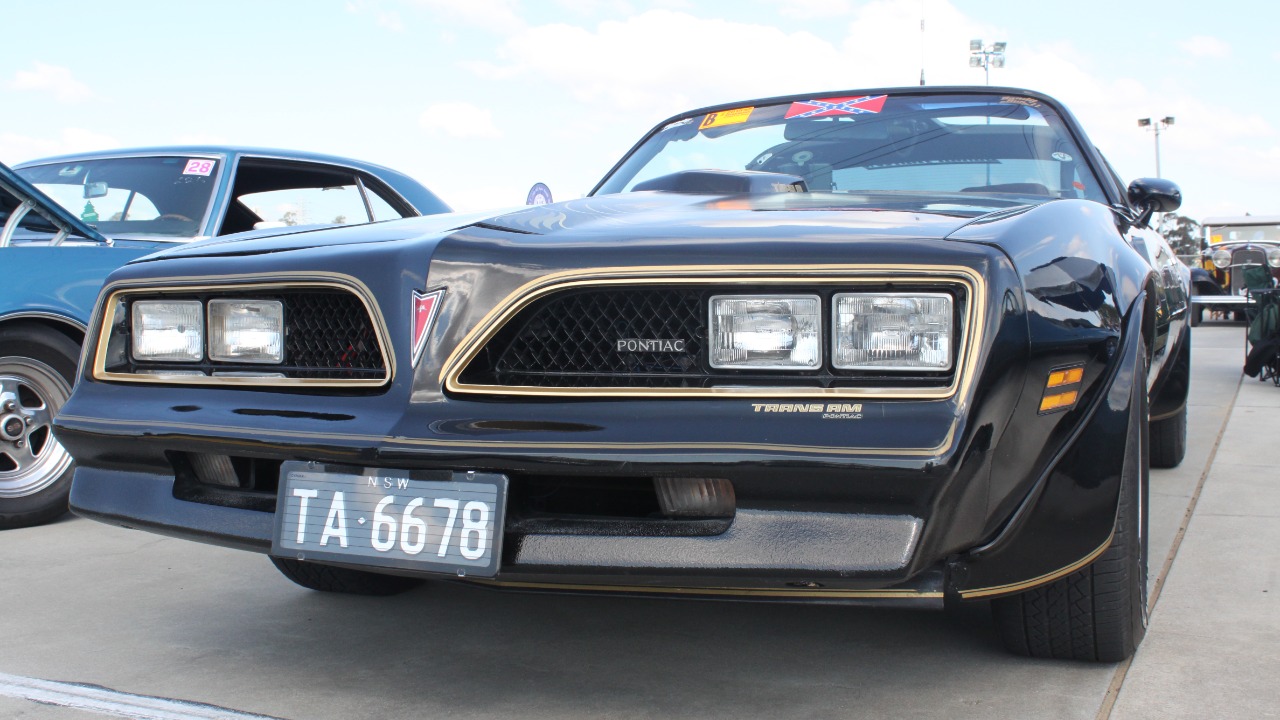
The Pontiac Firebird Trans Am became one of the most recognizable performance cars of the 1970s. Its combination of powerful V8 engines, aggressive graphics, aerodynamic bodywork, and distinctive interior equipment gave it a unique personality. High-performance versions became especially desirable. The Trans Am’s strong cultural presence and variety of performance configurations have helped make well-preserved examples increasingly significant to collectors.
Chevrolet Chevelle SS 454 LS6
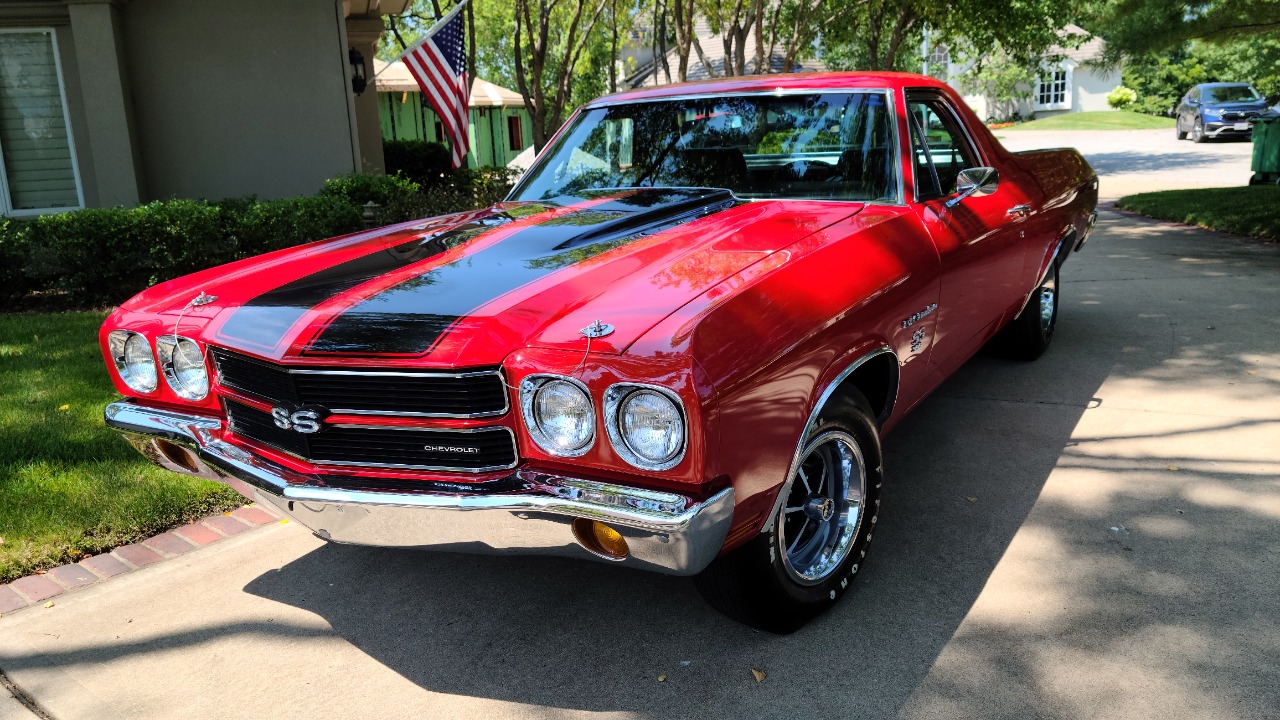
The Chevrolet Chevelle SS 454 LS6 represented one of the most powerful factory muscle cars of the classic era. Its 454-cubic-inch big-block delivered enormous performance in a midsize body. The combination of aggressive styling, limited production, and factory performance equipment made the LS6 particularly important. Genuine examples with documented original specifications are among the most closely watched Chevelles by collectors.
Ford Torino Cobra
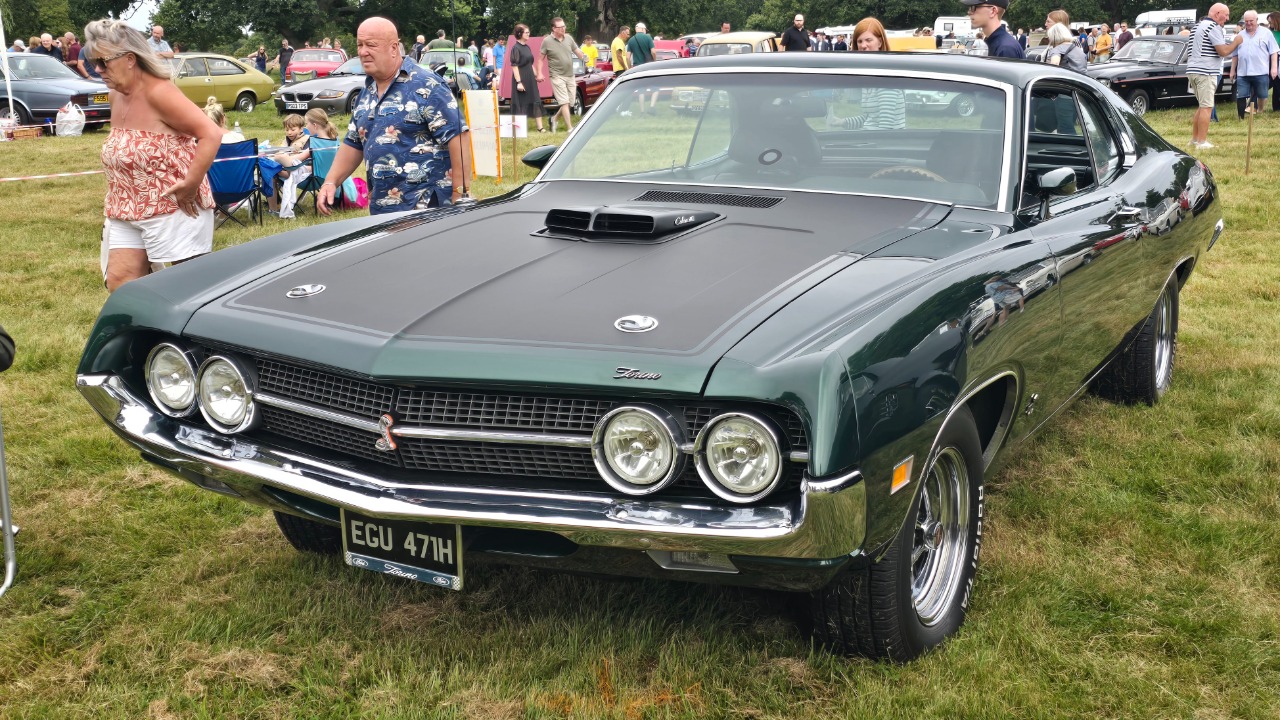
The Ford Torino Cobra brought big-block performance into Ford’s midsize lineup. Buyers could select powerful engines, including the 429 Cobra Jet, while the Cobra package added performance-oriented equipment and distinctive styling. The model also benefited from Ford’s extensive involvement in stock-car racing. Today, original Torino Cobras are valued for their combination of aggressive design, strong engines, and direct connections to Ford’s racing era.
Plymouth Road Runner 426 Hemi
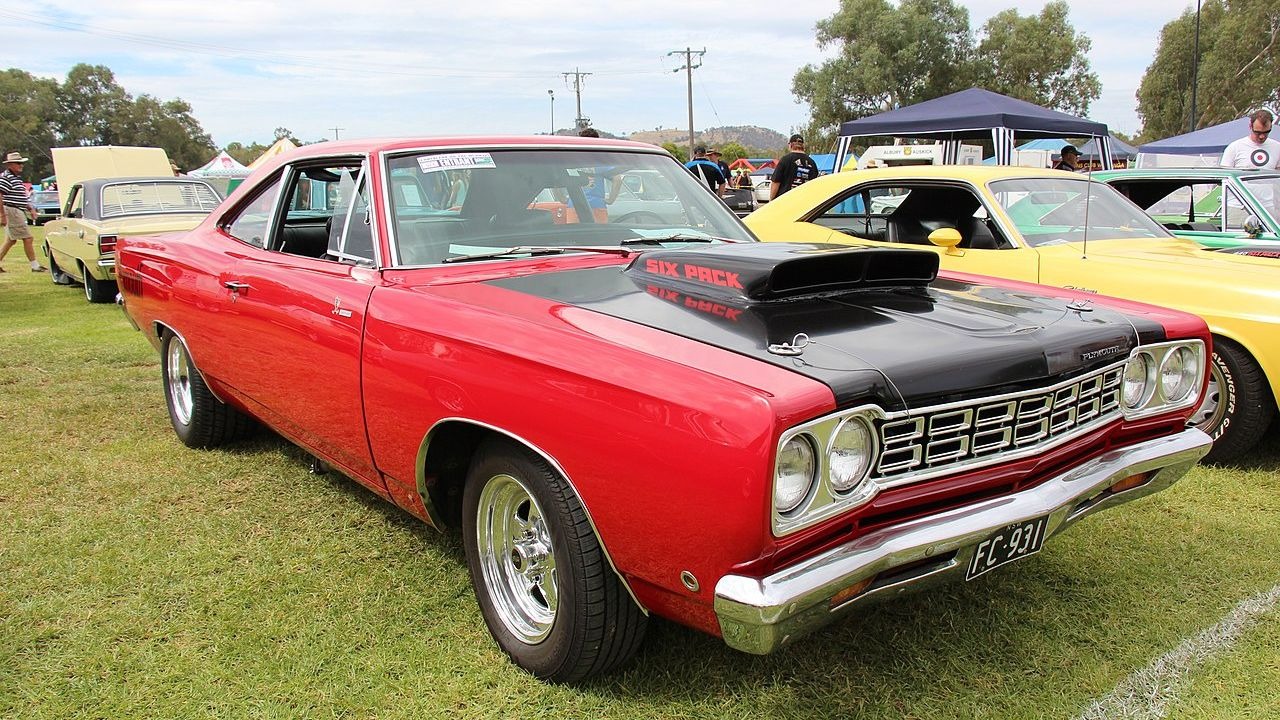
The Plymouth Road Runner was designed around affordable performance, but the availability of the 426 Hemi transformed certain examples into serious collector cars. The combination of a relatively simple body and one of Chrysler’s most famous engines created an extremely powerful package. Hemi-powered Road Runners were produced in limited numbers, giving genuine examples considerable historical importance within Plymouth’s muscle-car story.
Dodge Challenger T/A
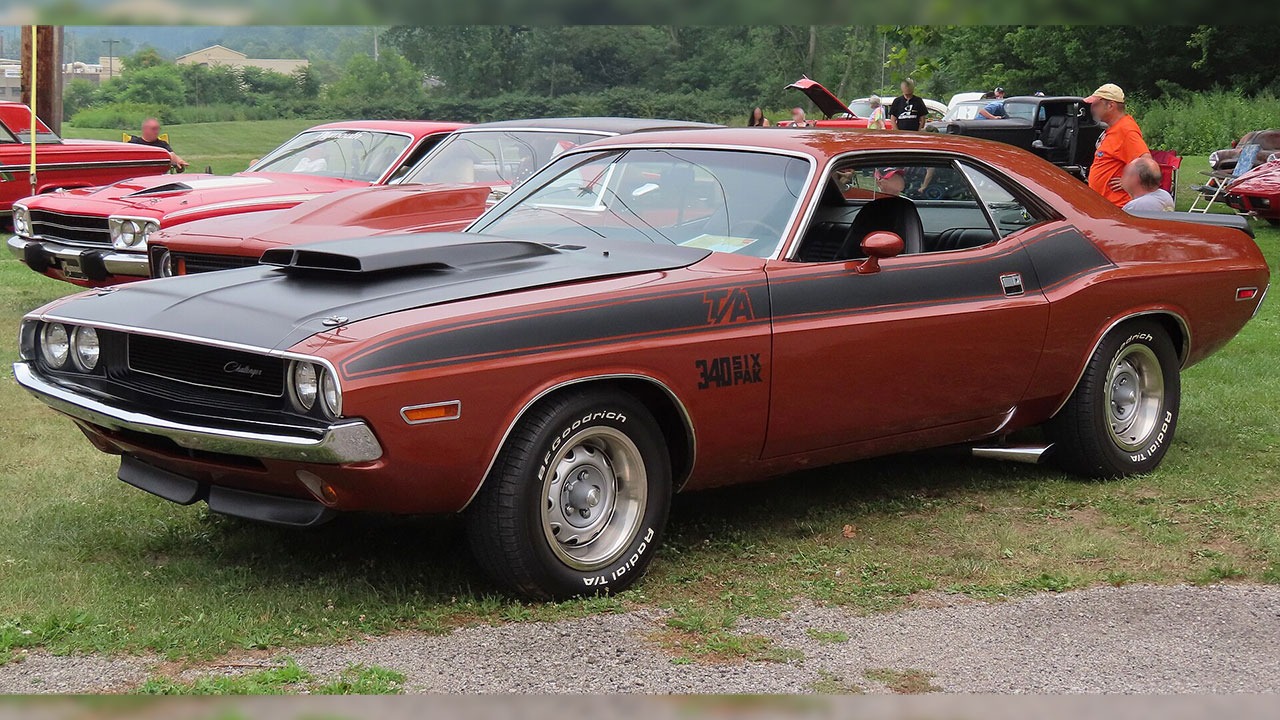
The Dodge Challenger T/A was developed with competition in mind and featured distinctive styling, staggered tire sizes, and performance-focused equipment. Its available 340 Six Pack engine gave it strong street performance, while the model’s racing connections added credibility. Production was limited to the 1970 model year. Its unique appearance and short production run make original T/As especially interesting to collectors.
Mercury Cyclone Spoiler II
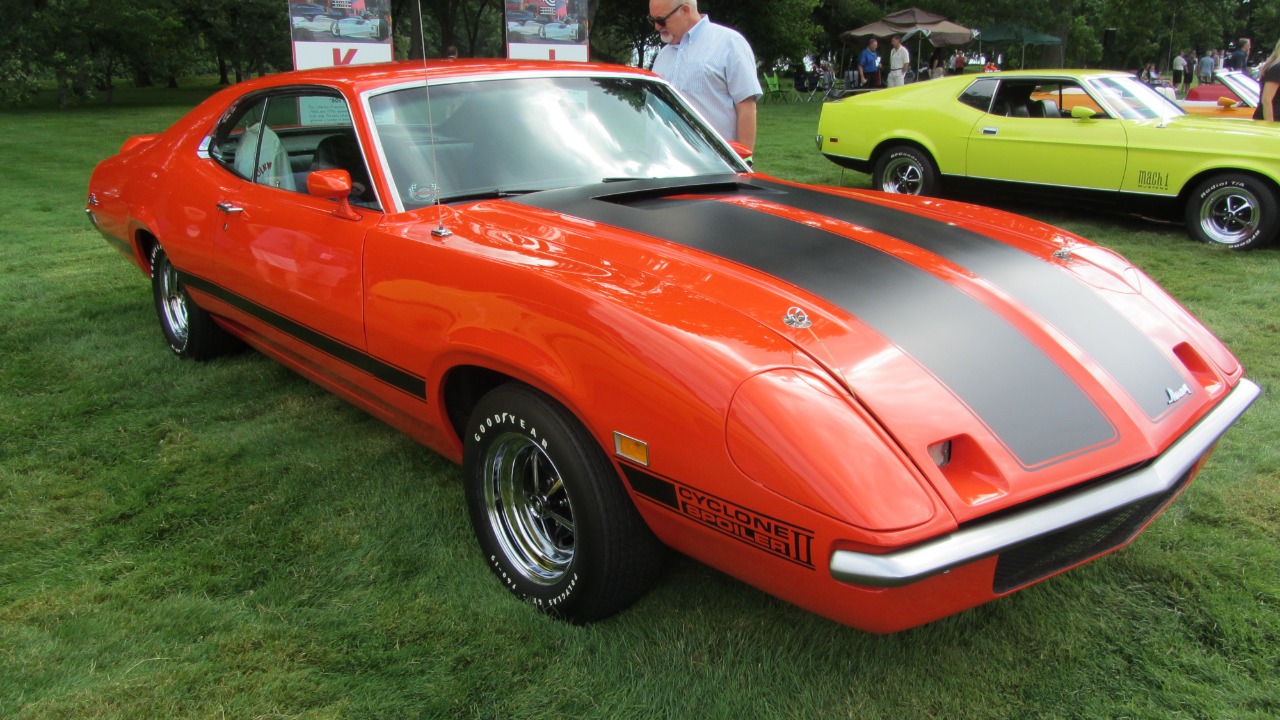
The Mercury Cyclone Spoiler II was created for NASCAR homologation and featured aerodynamic bodywork designed to support competition requirements. Available in distinctive color combinations, it had a highly recognizable appearance. Production was limited, and its direct connection to stock-car racing gives it historical significance. Surviving examples are considerably less common than ordinary Mercury performance models, making them noteworthy collector cars.
Chevrolet Camaro ZL1
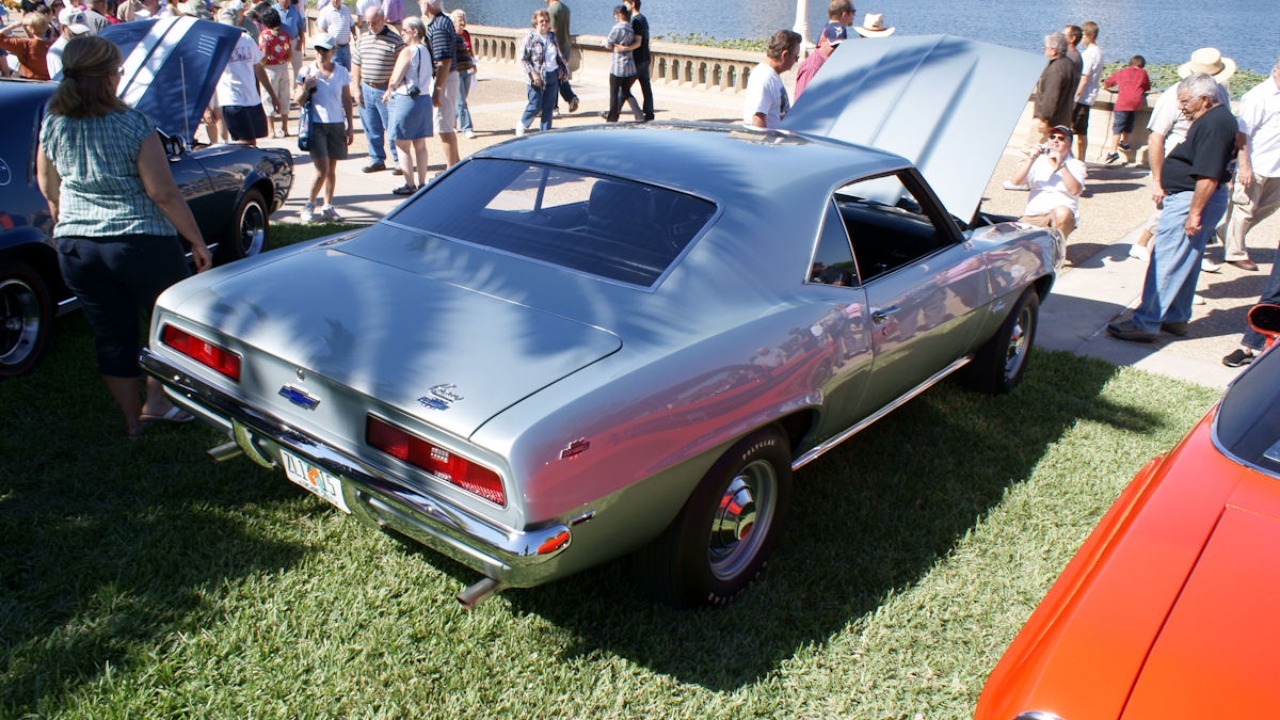
The 1969 Chevrolet Camaro ZL1 became legendary because Chevrolet installed an all-aluminum 427 big-block in a limited number of specially ordered Camaros. The engine reduced weight while delivering extraordinary performance. Production was extremely small, making original ZL1s exceptionally rare. Their combination of factory engineering, racing potential, and scarcity places them among the most significant Chevrolet muscle cars ever produced.
Pontiac GTO Judge
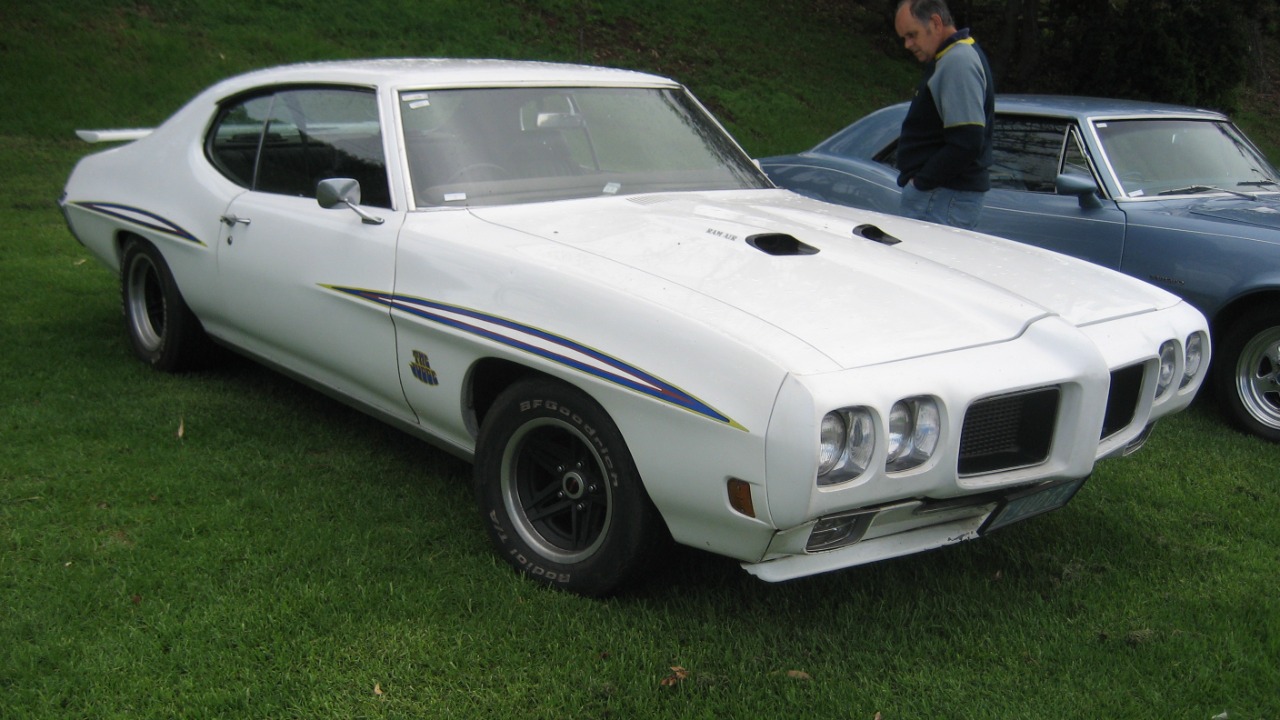
The Pontiac GTO Judge added distinctive graphics, styling equipment, and performance options to the already famous GTO formula. The package became one of the most recognizable expressions of Pontiac’s muscle-car era. Certain engine configurations were particularly desirable, while limited production increased interest among collectors. Its bold appearance and connection to the GTO name make the Judge an important Pontiac collectible.
Dodge Charger Daytona
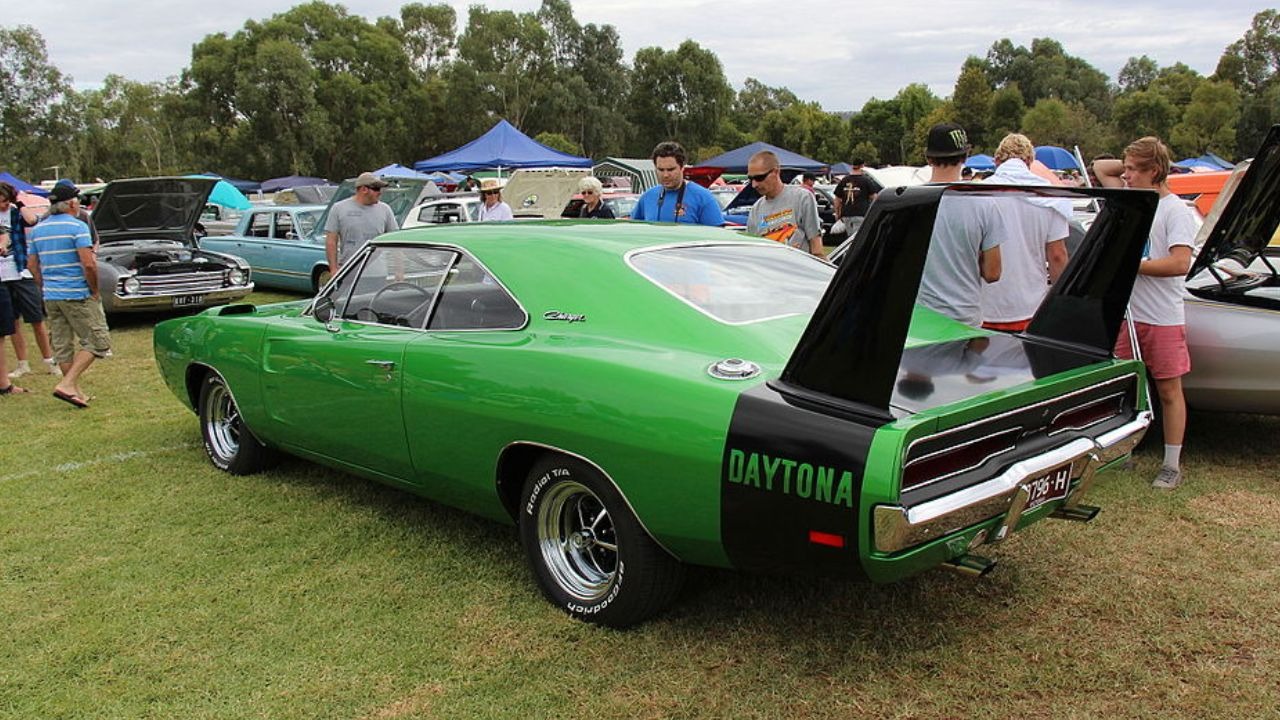
The Dodge Charger Daytona took the muscle-car formula into the world of aerodynamic engineering. Its extended nose and enormous rear wing were developed to improve high-speed performance in NASCAR competition. The unusual design made it instantly recognizable, while its racing achievements gave the car lasting historical importance. Limited production further increased its collector appeal, especially among enthusiasts interested in Chrysler’s racing history.
Plymouth Superbird
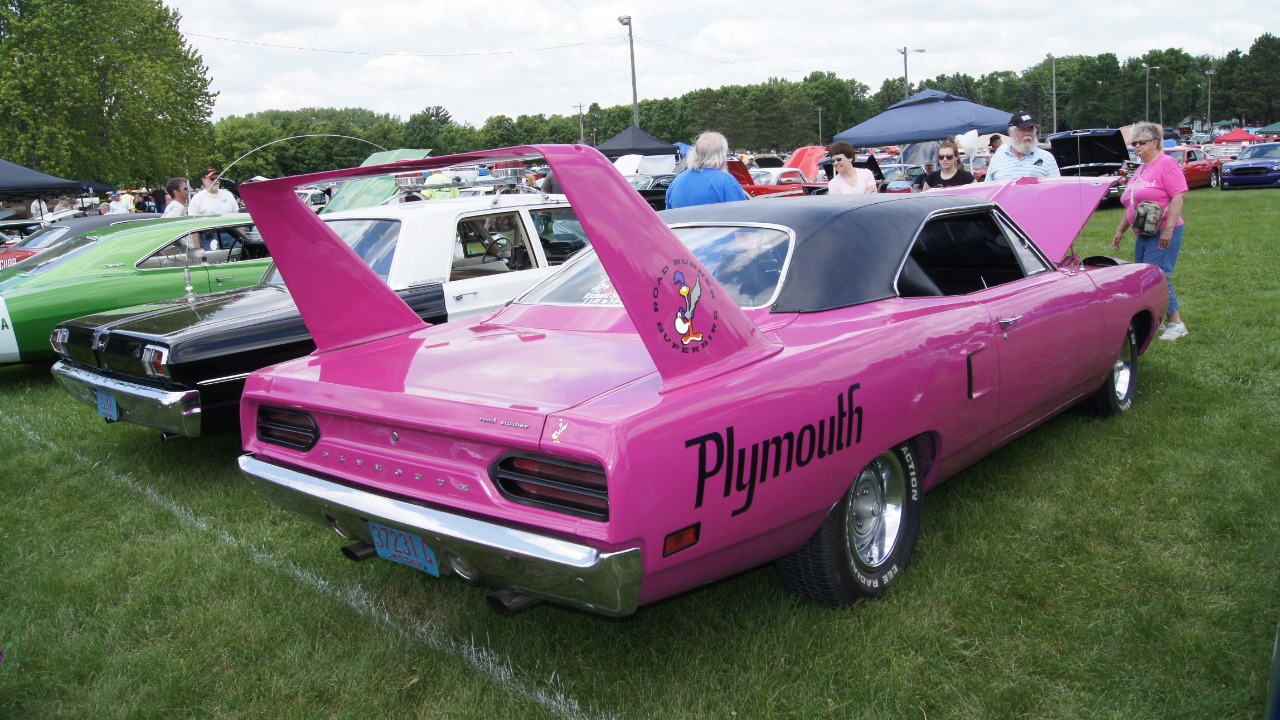
The Plymouth Superbird became one of the most dramatic homologation specials of the muscle-car era. Its extended nose, huge rear wing, and powerful V8 engines were developed specifically around NASCAR requirements. The car’s extreme appearance initially made it unusual even among other muscle cars. Its limited production, racing heritage, and unmistakable design have since made the Superbird one of Plymouth’s most recognizable collectibles.
More from Fast Lane Only
- Unboxing the WWII Jeep in a Crate
- 15 rare Chevys collectors are quietly buying
- 10 underrated V8s still worth hunting down
- Police notice this before you even roll window down
*Research for this article included AI assistance, with all final content reviewed by human editors.