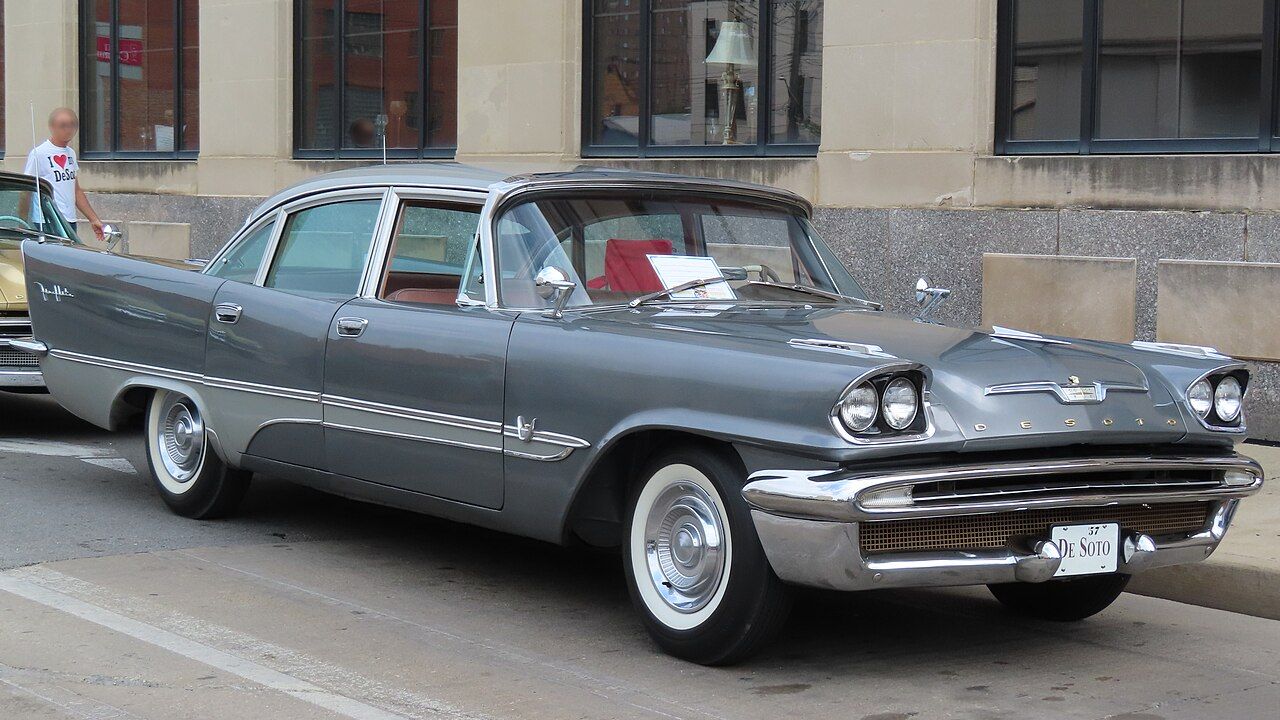
Some pickup trucks become more than simple work vehicles. They haul equipment, survive difficult jobs, and often remain with the same owners for decades. Their simple designs, dependable powertrains, and familiar character can make them difficult to replace. These pickups continue to earn loyalty from owners who value usefulness over unnecessary complexity.
Ford F-150
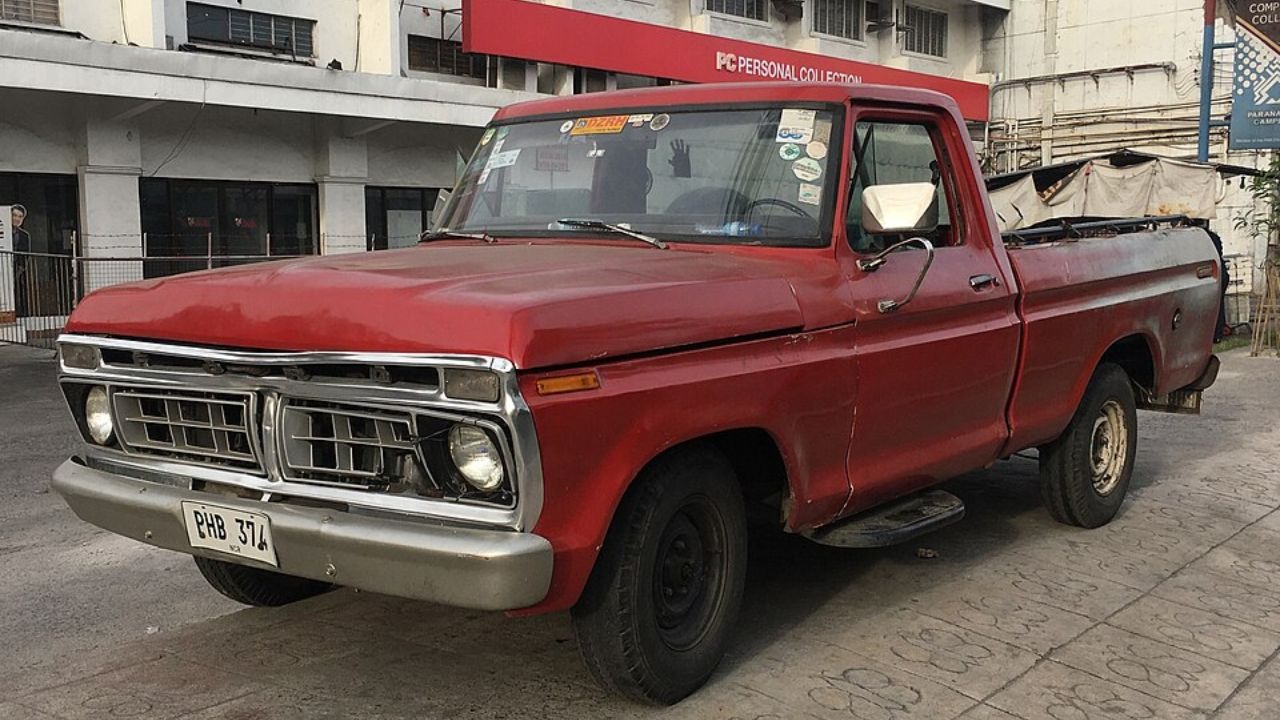
The Ford F-150 has spent decades serving as a dependable workhorse for farmers, contractors, businesses, and families. Older generations are especially appreciated for their straightforward mechanical designs and wide availability of parts. Engines such as Ford’s 300-cubic-inch inline-six helped build a reputation for durability and easy servicing. The F-Series has evolved considerably over the years, but many owners remain attached to older trucks because they are simple to understand and repair. Its long production history has also made the F-150 one of the most recognizable American pickups.
Chevrolet C10
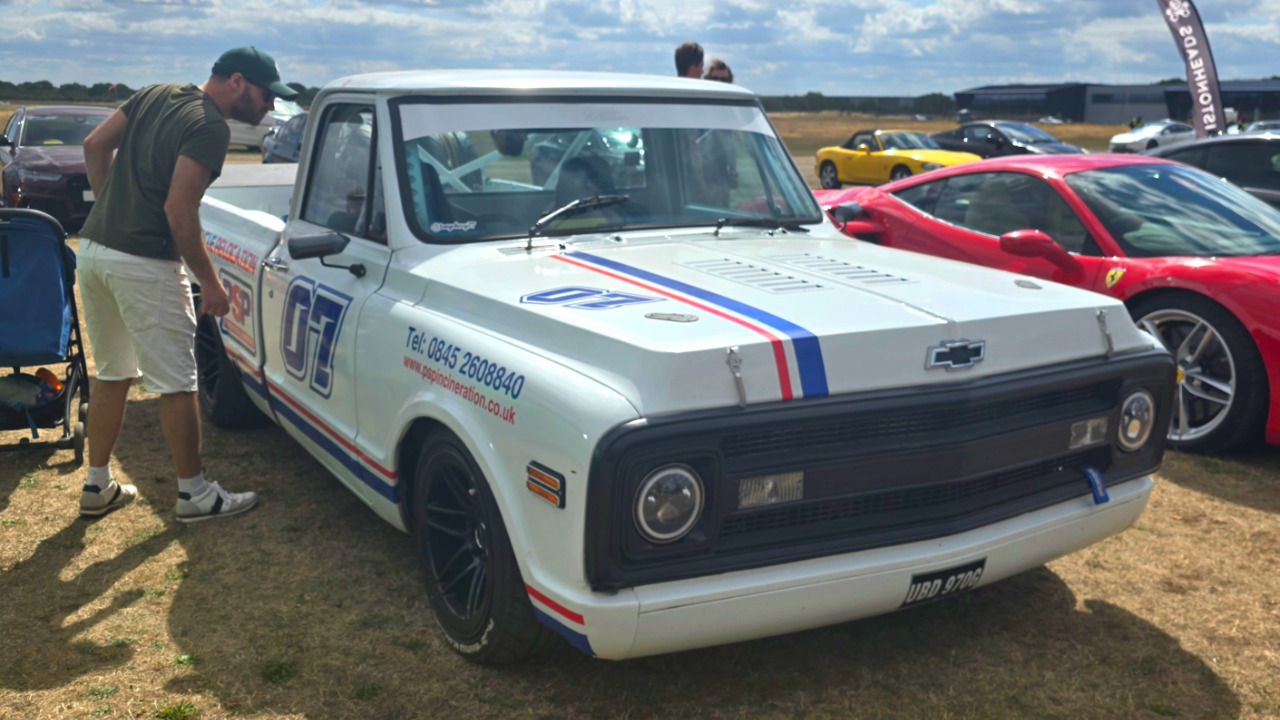
The Chevrolet C10 remains one of the most recognizable classic American pickups. Its clean styling, simple chassis, and wide range of engines made it useful as both a work truck and a personal vehicle. The 1967–1972 generation introduced greater comfort while retaining the practical character expected from a pickup. Later square-body trucks became popular with restorers and custom builders as well. For many owners, the C10 combines old-fashioned usefulness with styling that still looks distinctive decades after it left the factory.
Dodge Power Wagon
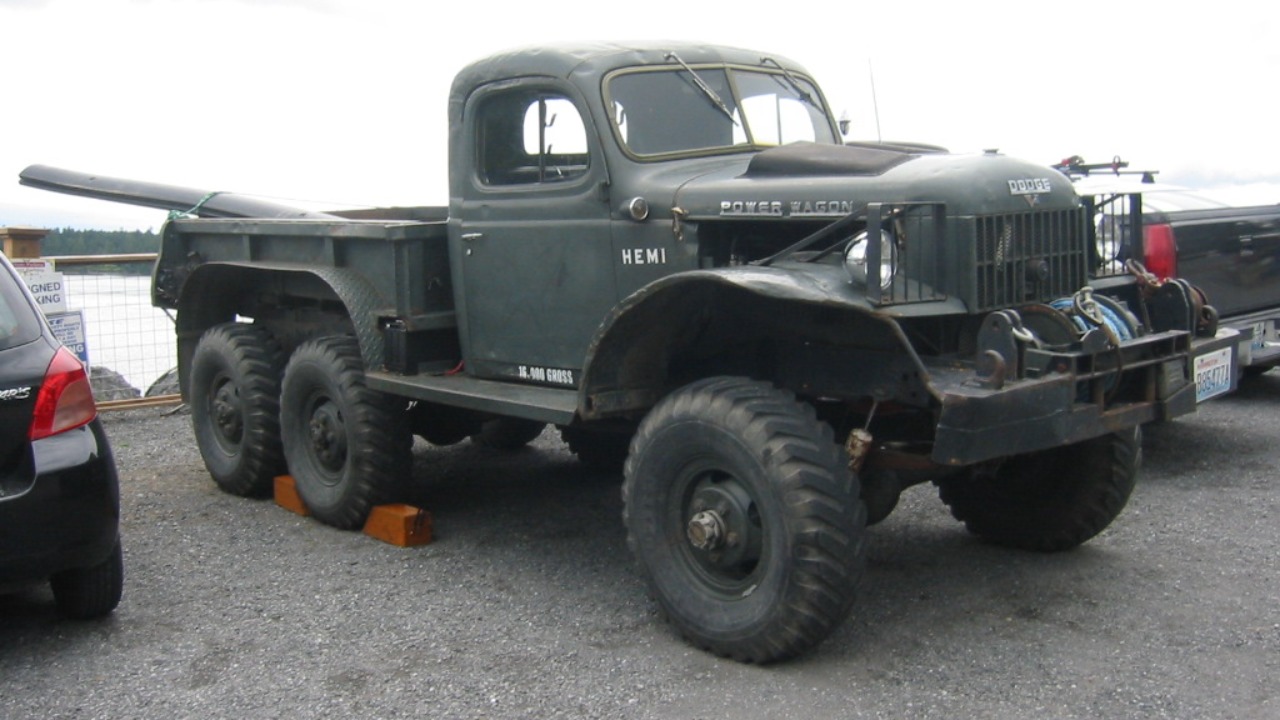
The Dodge Power Wagon earned its reputation through serious utility rather than luxury. The civilian version introduced after World War II was based heavily on military truck technology and became one of the earliest widely available four-wheel-drive pickups. Its rugged construction made it useful for farms, construction work, forestry, and remote roads. Later versions continued the Power Wagon name on conventional Dodge pickups. Owners value the name because it represents a truck designed around practical capability, with toughness and working ability taking priority over comfort and appearance.
Ford F-250
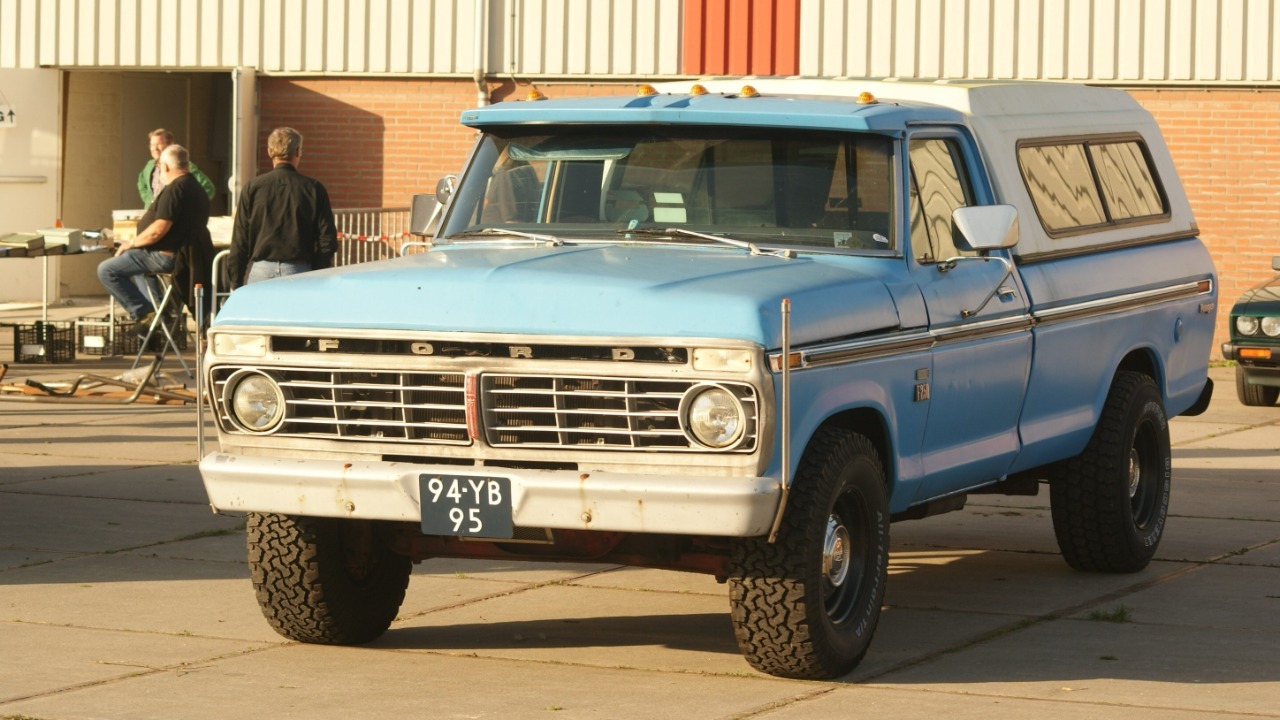
The Ford F-250 has long occupied the space between everyday half-ton pickups and heavier commercial trucks. Its stronger chassis and greater payload capacity made it popular with owners who regularly hauled equipment, trailers, livestock, and building materials. Older F-250s are particularly appealing because their mechanical layouts are relatively straightforward compared with newer trucks. Many have spent decades performing demanding work before becoming collector or hobby vehicles. For owners who need a truck that can handle serious jobs without excessive complexity, an older F-250 can be difficult to replace.
Chevrolet K10
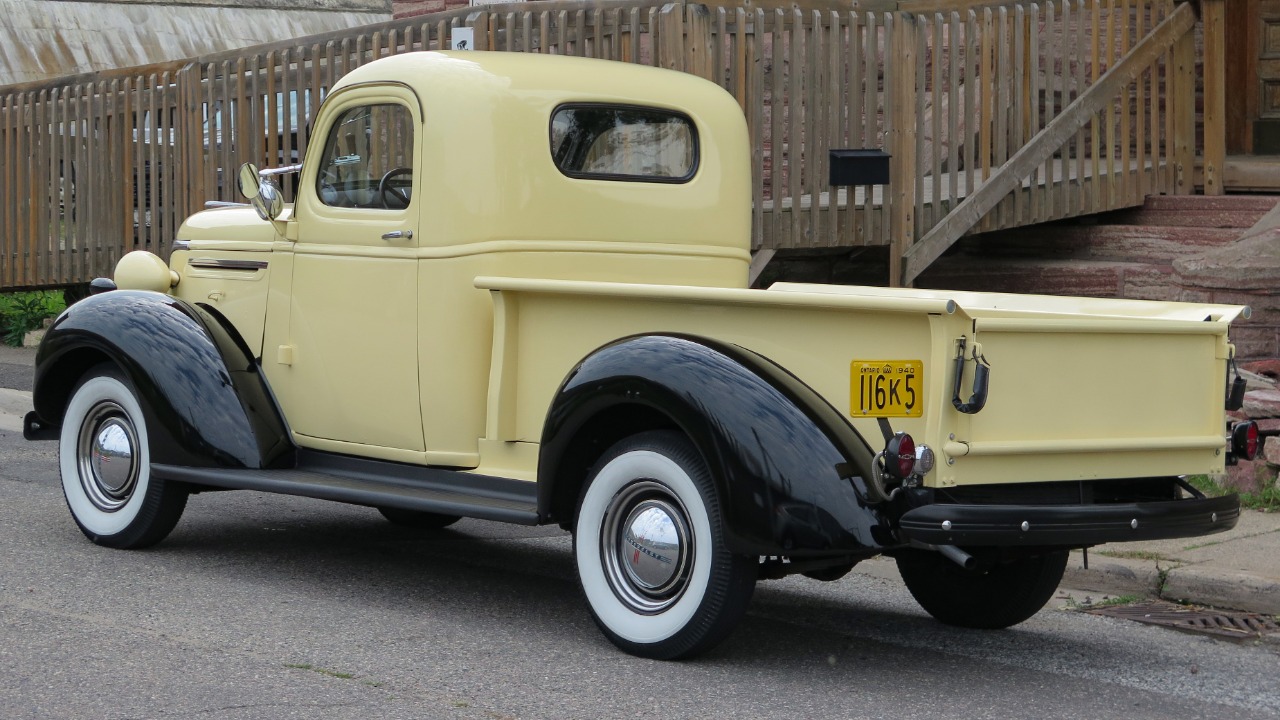
The Chevrolet K10 became especially famous for combining practical pickup capability with four-wheel drive. Its rugged body and traditional truck chassis made it useful on farms, work sites, trails, and poor roads. The 1973–1987 generation, commonly called the square-body, has developed a strong following among classic-truck enthusiasts. Owners appreciate the straightforward mechanical design, familiar V8 engines, and enormous aftermarket support. A clean K10 can serve as both a functional truck and a classic vehicle, which helps explain why many enthusiasts continue to hold onto them.
GMC Sierra Classic
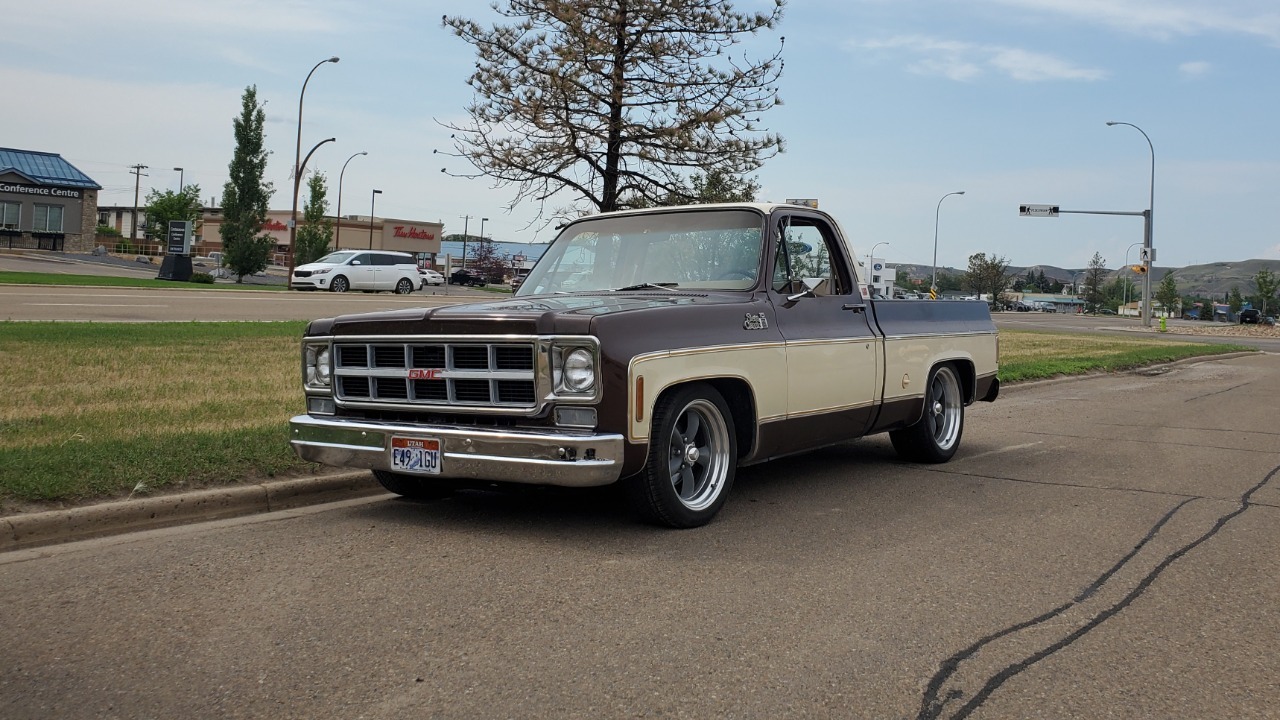
The GMC Sierra Classic represents an era when pickups could be tough work vehicles without giving up basic comfort. Its square-body design, conventional construction, and available V8 engines made it useful for hauling and everyday driving. Many examples were used hard, which makes surviving original trucks increasingly interesting to collectors. The Sierra Classic also shares important history with Chevrolet C/K pickups, which gives it access to a large parts and restoration community. Owners often appreciate its combination of ruggedness, simple mechanical systems, and distinctive GMC styling.
Ford Bronco Pickup
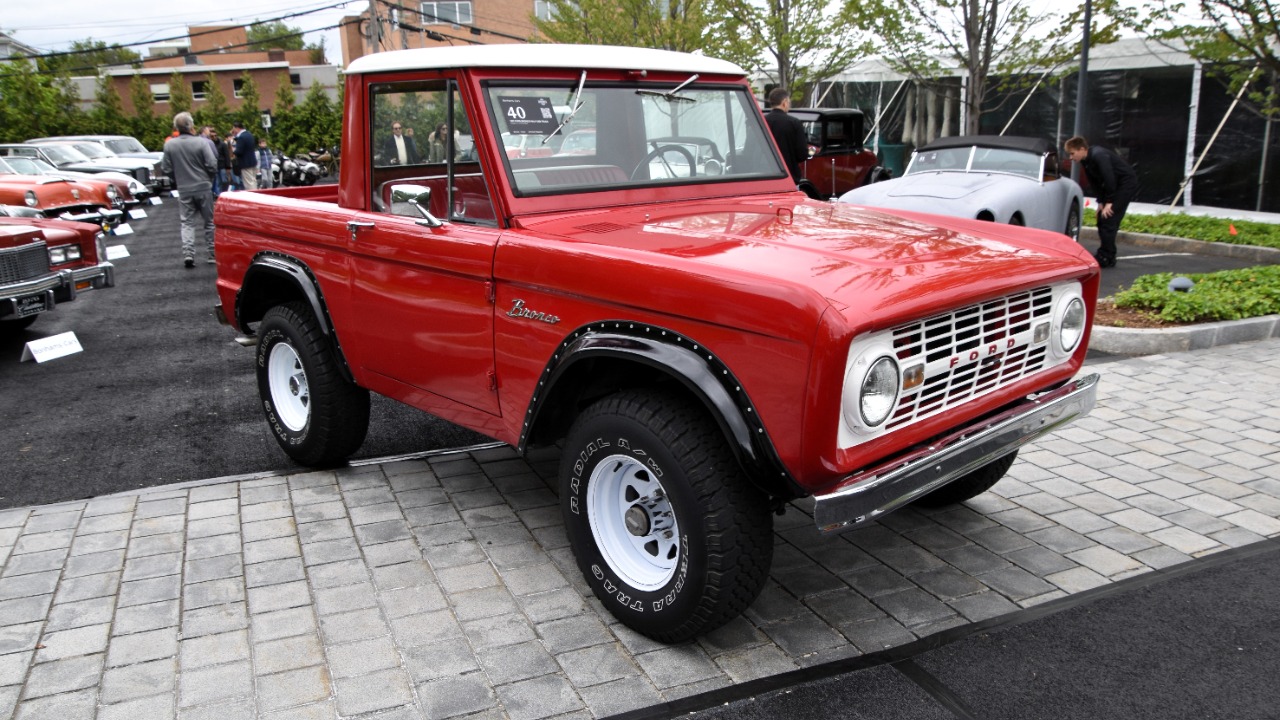
The Ford Bronco pickup, more commonly associated with the early Bronco platform and half-cab configuration, offered something unusual: a compact four-wheel-drive vehicle with an open cargo area. It was designed for buyers who wanted off-road ability combined with practical hauling space. Surviving examples are uncommon compared with conventional Ford pickups. Its compact dimensions and removable roof sections also give it a unique character among classic trucks. Owners who enjoy older four-wheel-drive vehicles often value the early Bronco pickup because few modern trucks provide the same simple, lightweight experience.
Chevrolet El Camino
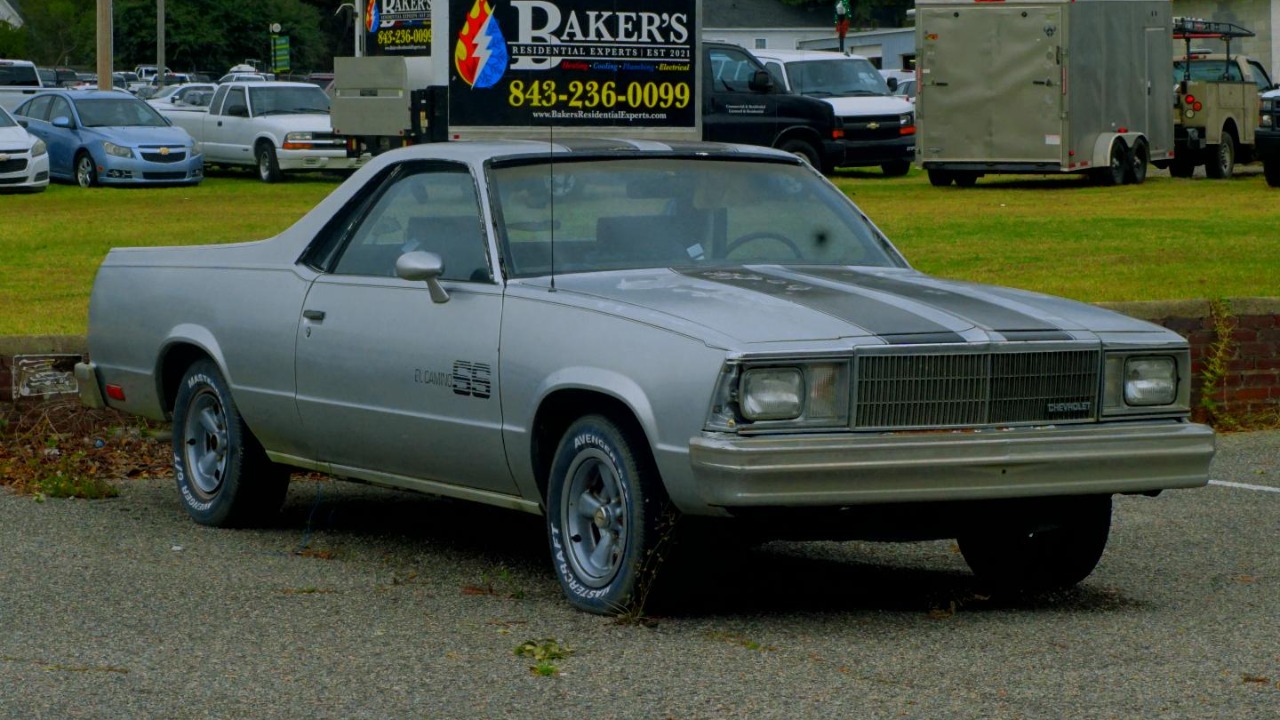
The Chevrolet El Camino blurred the line between passenger car and pickup truck. Built on car-based platforms, it provided an open cargo bed while retaining the driving character of a coupe or sedan. Performance versions also gave the El Camino a connection to Chevrolet’s muscle-car era. Its unusual layout makes it difficult to replace with a modern equivalent. Owners often keep them because they can provide everyday practicality without looking like a conventional pickup. The El Camino remains especially recognizable because almost no modern vehicle combines its proportions and purpose in the same way.
Ford Ranchero
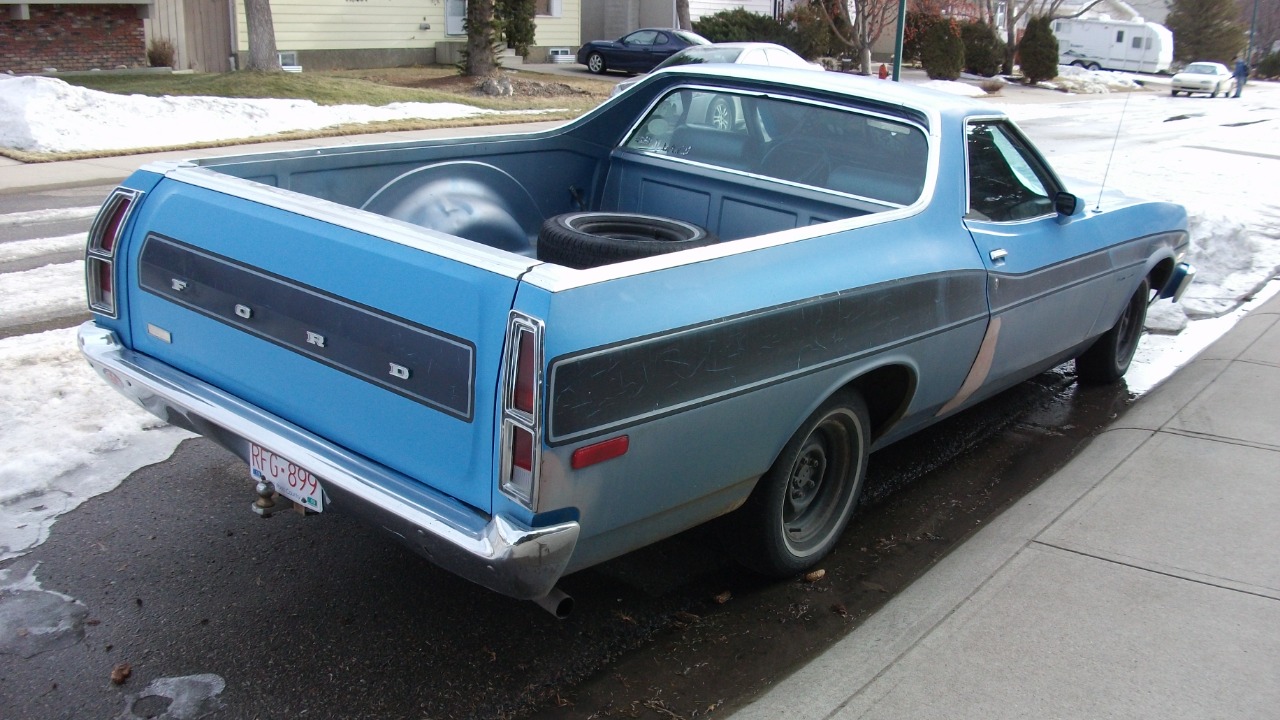
The Ford Ranchero was another unusual combination of car and pickup. Introduced before the El Camino, it gave Ford buyers an open cargo bed without requiring a traditional truck. Over its production life, the Ranchero changed from a practical utility vehicle into increasingly stylish and performance-oriented versions. The later models could even share mechanical components with Ford’s passenger cars and muscle cars. Owners appreciate the Ranchero because it offers a driving experience that modern pickups generally cannot duplicate. Its distinctive proportions and limited availability make surviving examples particularly interesting.
Dodge D-Series
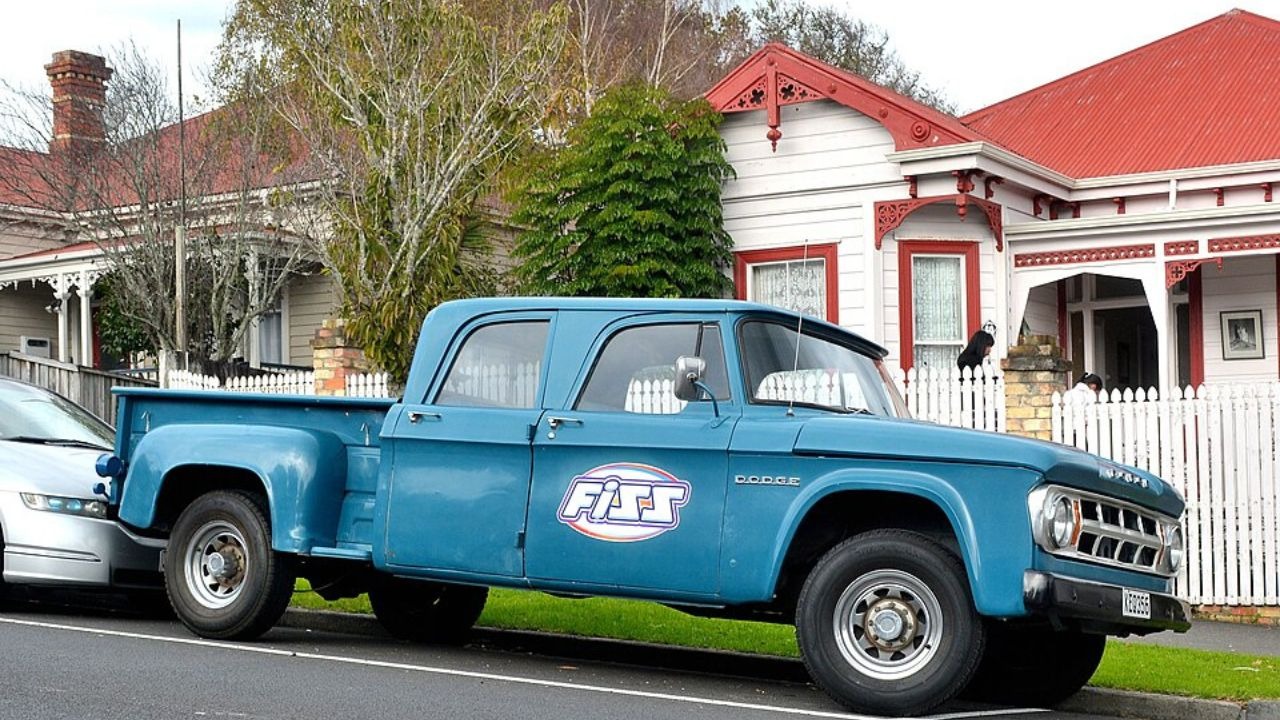
The Dodge D-Series served as Dodge’s full-size pickup line for decades before the Ram name became dominant. These trucks were available in numerous configurations, allowing them to serve farmers, tradespeople, businesses, and recreational users. Certain generations are especially recognizable for their simple styling and rugged construction. Dodge also introduced features such as the Club Cab, which helped make pickups more practical for families and work crews. Owners often appreciate older D-Series trucks because they combine traditional truck proportions with mechanical systems that are easier to understand and maintain.
Ford Courier
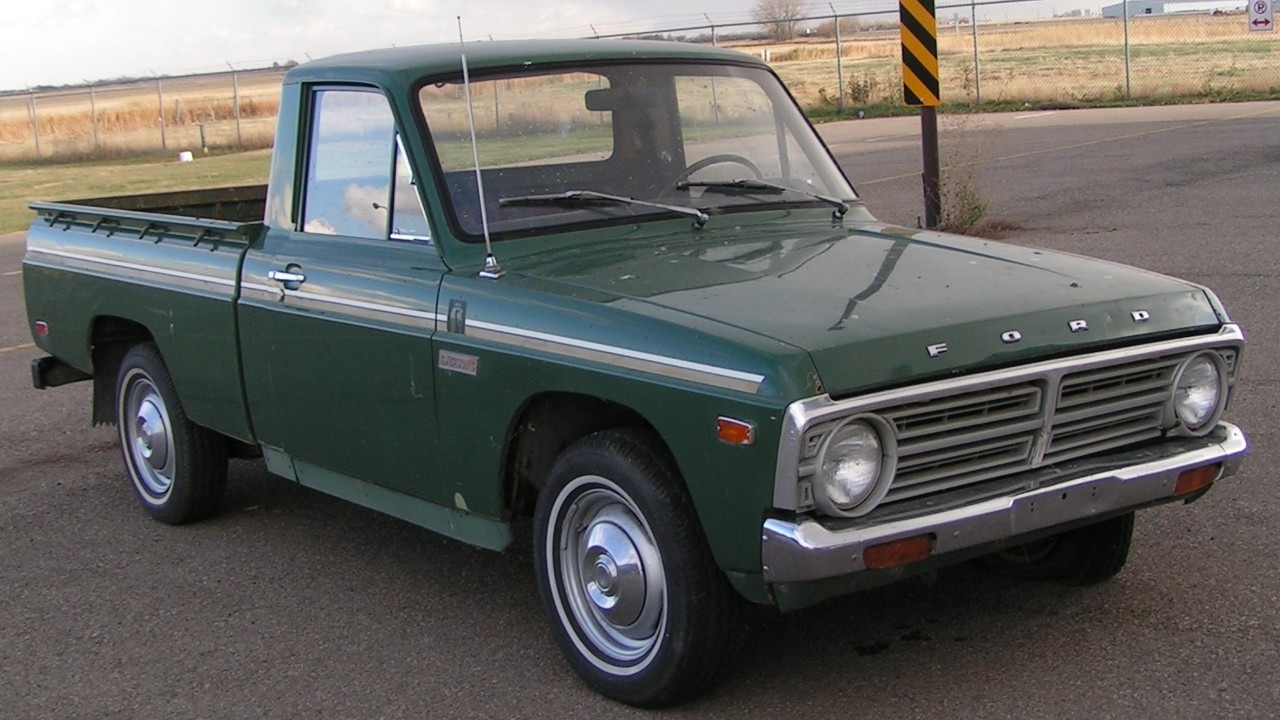
The Ford Courier gave American buyers access to a smaller pickup during the growing compact-truck market of the 1970s. It was based on a Mazda platform and offered a more manageable alternative to Ford’s larger pickups. Although it was never as dominant as the F-Series, the Courier developed a following among people who wanted a simple truck that could handle everyday hauling without the size and weight of a full-size model. Today, its compact dimensions and relatively uncommon surviving examples make it an interesting piece of pickup history.
Chevrolet S-10
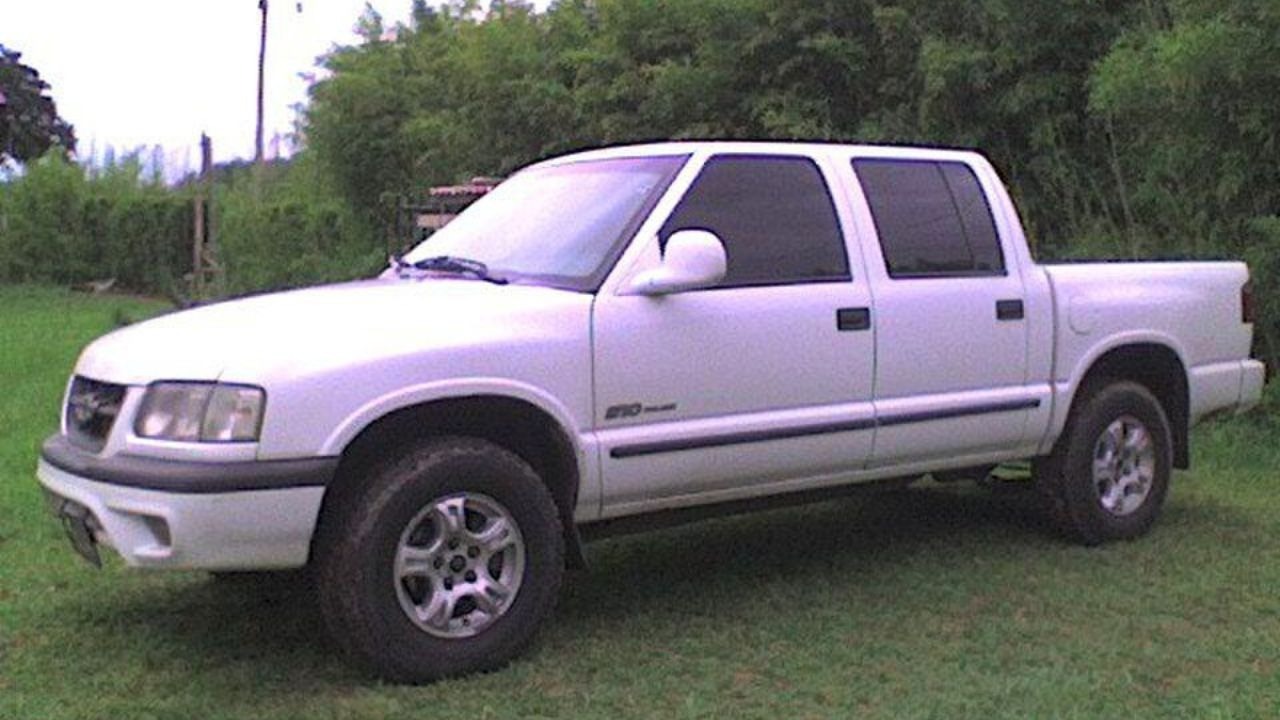
The Chevrolet S-10 helped establish the compact pickup as an important part of Chevrolet’s truck lineup. Introduced for the 1982 model year, it offered a smaller alternative to the full-size C/K series while retaining useful cargo and towing capability. Its relatively simple mechanical layout and compact dimensions made it popular with both workers and younger drivers. Early S-10s have also become popular with customizers. Owners who grew up with these trucks often value them for their size, straightforward design, and familiar driving character.
GMC S-15
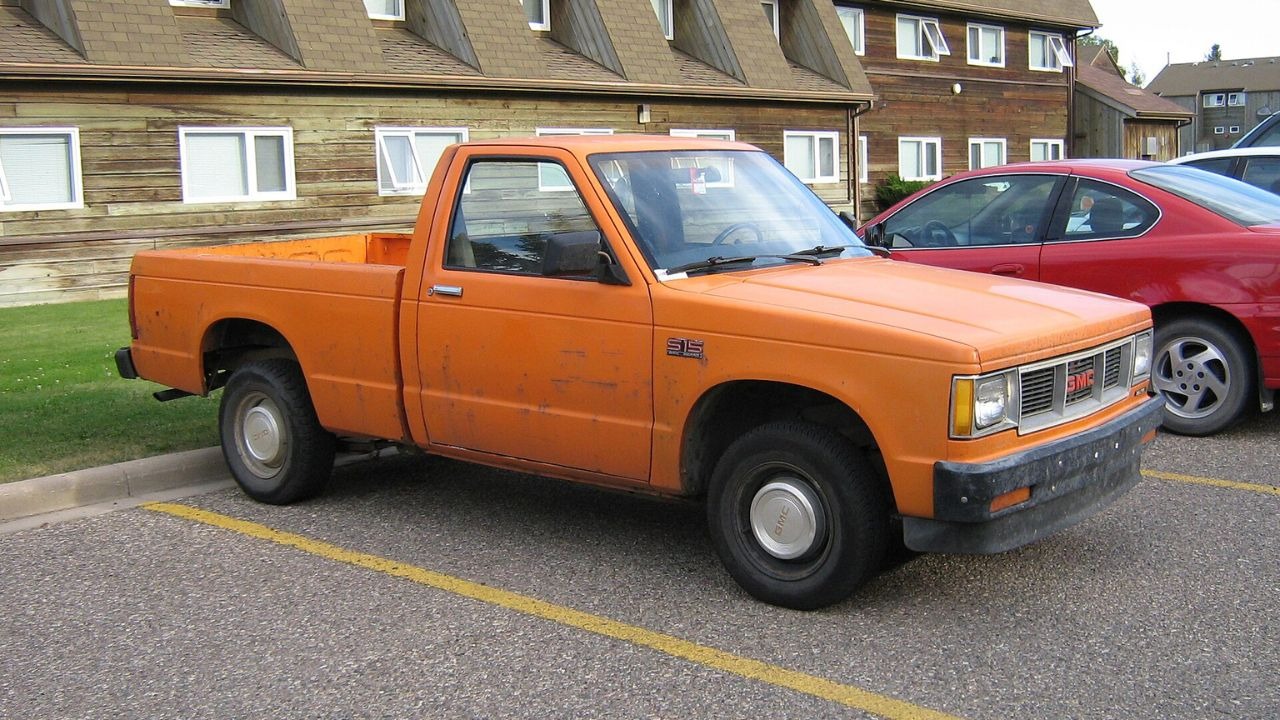
The GMC S-15 was the GMC counterpart to the Chevrolet S-10 and provided a compact alternative to the brand’s larger pickups. Its smaller size made it easier to maneuver in cities and on narrow roads while still providing a useful cargo bed. The S-15 also offered four-wheel-drive configurations for buyers who needed additional traction. As older compact pickups become less common, clean S-15 examples have become increasingly interesting to enthusiasts. Owners often appreciate the truck because it delivers practical utility without the size and weight of modern full-size pickups.
Ford Ranger
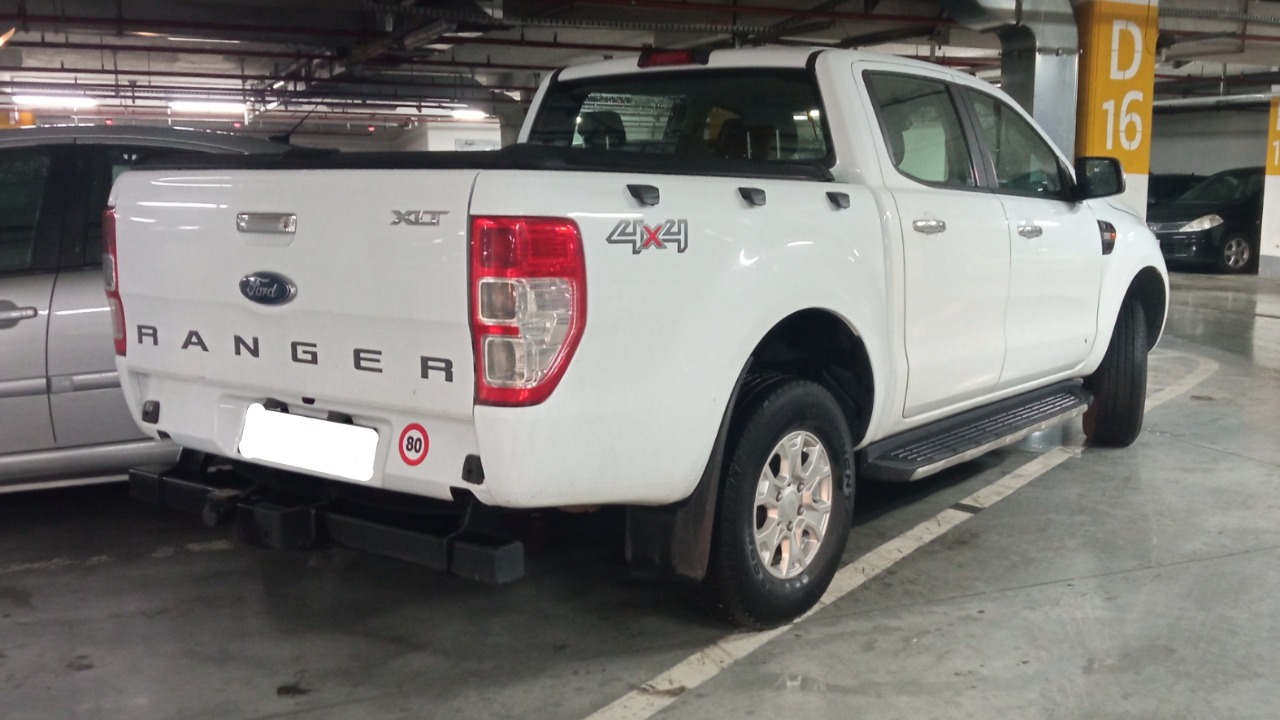
The early Ford Ranger helped define the American compact pickup market during the 1980s and 1990s. Unlike the earlier Courier, the Ranger was developed as Ford’s own compact truck for the North American market. Its relatively small footprint made it useful for everyday driving, while available four-wheel drive expanded its capabilities. Many Rangers were inexpensive work vehicles and were used heavily, making well-preserved examples increasingly interesting today. Owners who prefer older trucks often value the Ranger because it offers a simple combination of reasonable size, useful cargo space, and traditional pickup character.
Dodge Dakota
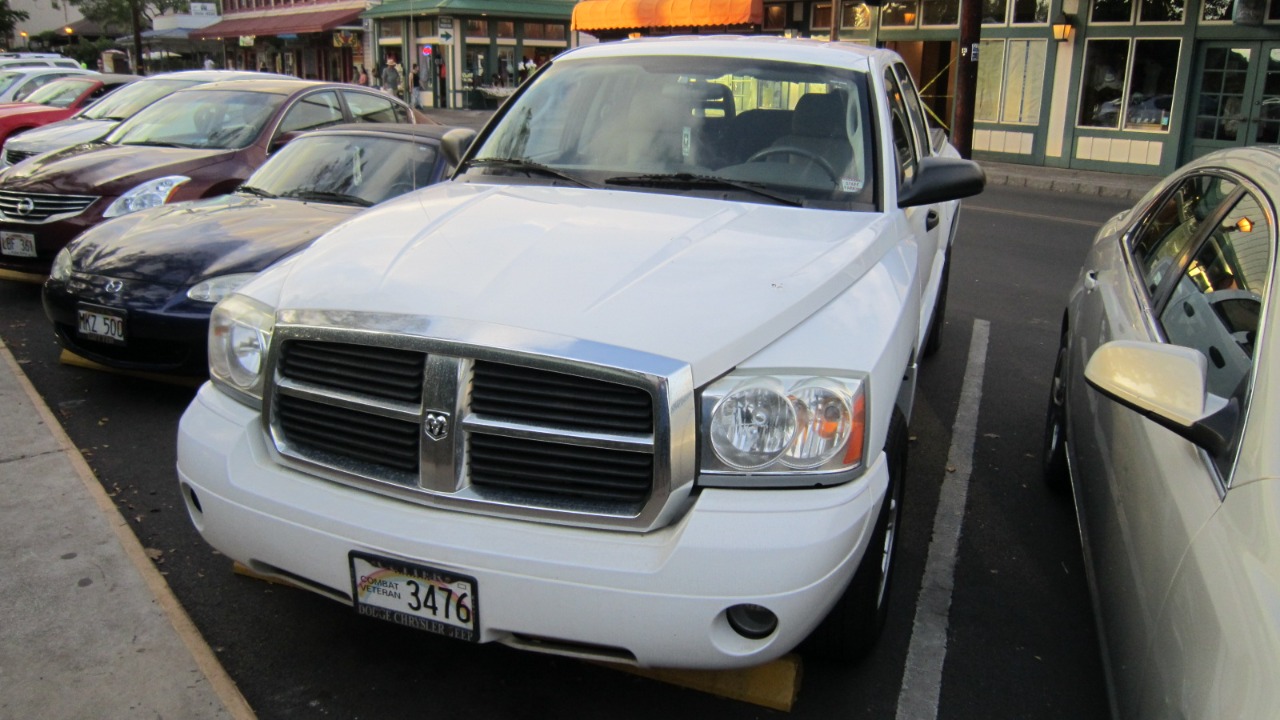
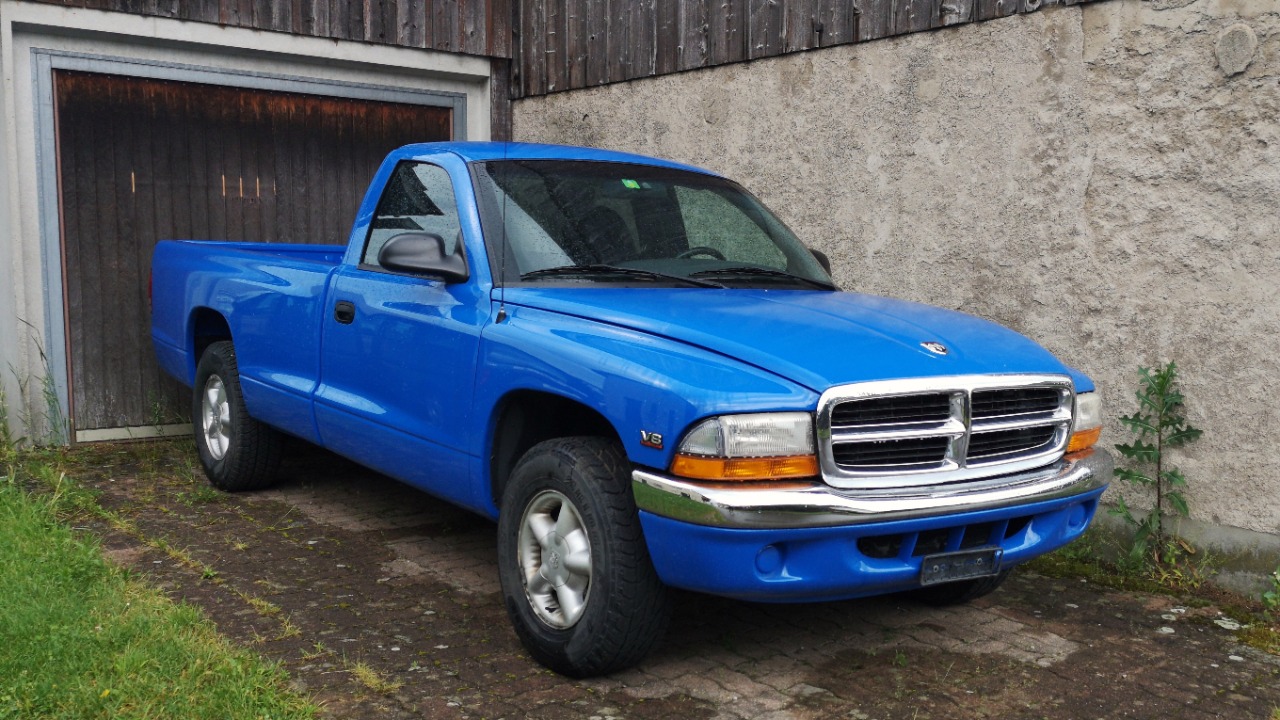
The Dodge Dakota occupied an interesting position between compact and full-size pickups. Introduced for the 1987 model year, it provided more capability than many compact trucks while remaining smaller than traditional full-size pickups. The Dakota later became available with V8 power, giving it an unusual performance advantage in its class. Its size made it useful for owners who wanted something more manageable than a full-size truck. Many enthusiasts still appreciate older Dakotas because modern pickups have grown significantly larger, leaving fewer vehicles with the Dakota’s original balance of size and capability.
Jeep Gladiator
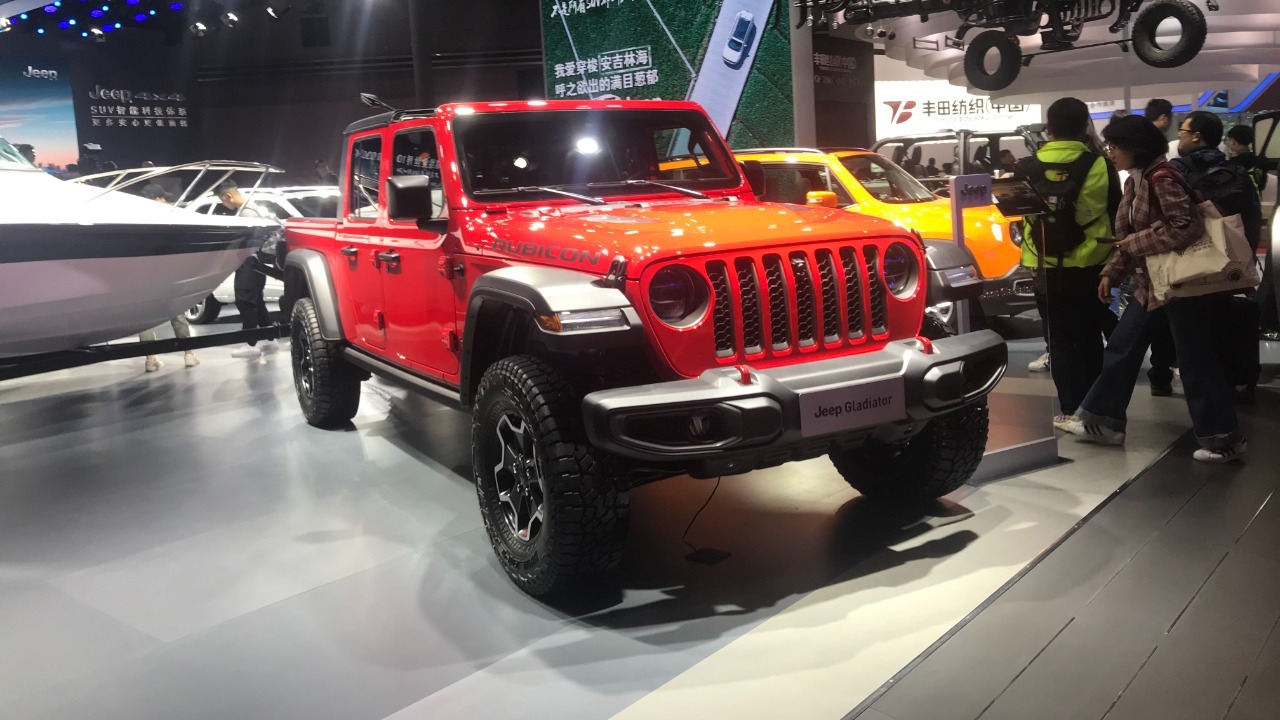
The original Jeep Gladiator was Jeep’s full-size pickup, introduced in the 1960s. It shared its basic platform with the Wagoneer and offered four-wheel-drive capability in a traditional pickup format. Later versions were renamed the J-Series, but the Gladiator name remains closely associated with Jeep’s early truck history. Its distinctive styling and off-road capability make surviving examples attractive to collectors. Owners value these trucks because they combine Jeep’s four-wheel-drive heritage with genuine cargo-carrying ability. Their age and relatively limited survival also give them a distinctive place in classic truck culture.
Willys Jeep Pickup
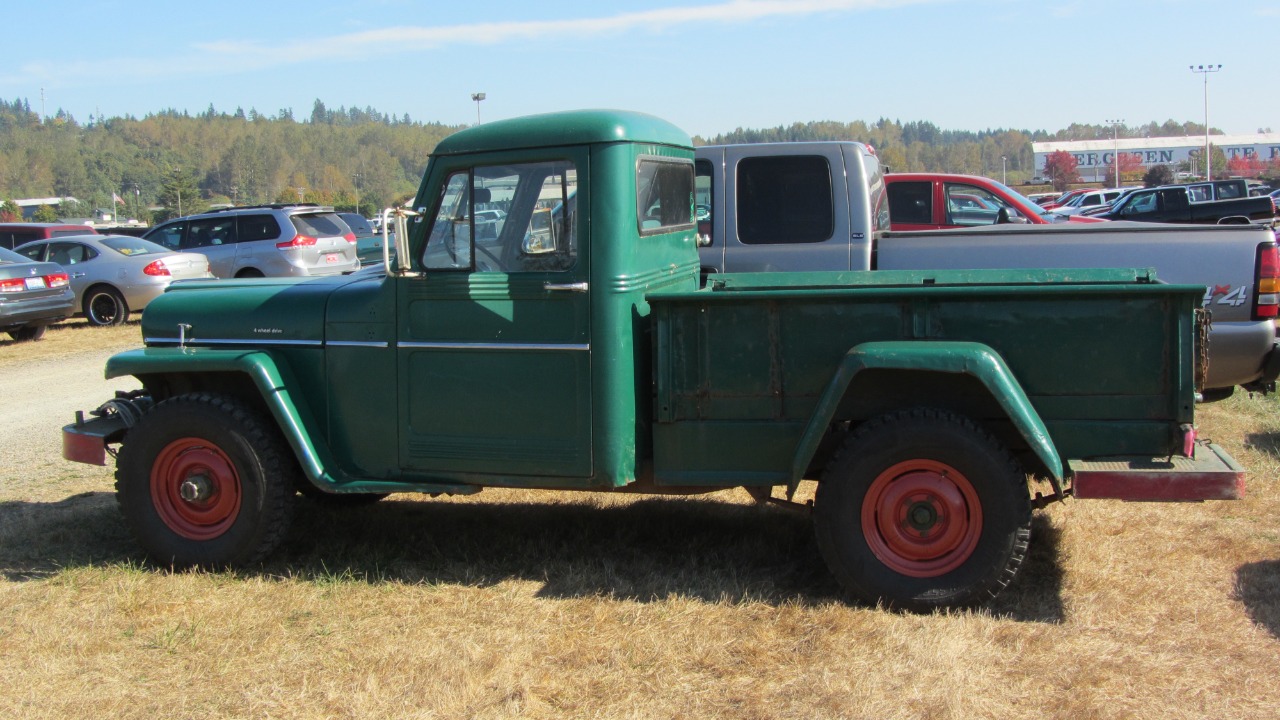
The Willys Jeep Pickup brought Jeep’s four-wheel-drive technology into a practical truck format. Introduced after World War II, it was designed for farmers, businesses, and users who needed a compact but capable work vehicle. Its rugged chassis and four-wheel-drive system made it useful on rough roads and difficult terrain. The truck also shared its mechanical heritage with other early Jeep products. Today, surviving examples are appreciated for their simple construction and historical importance. Owners who restore them often preserve a type of practical four-wheel-drive pickup that has largely disappeared from modern markets.
Nissan Hardbody
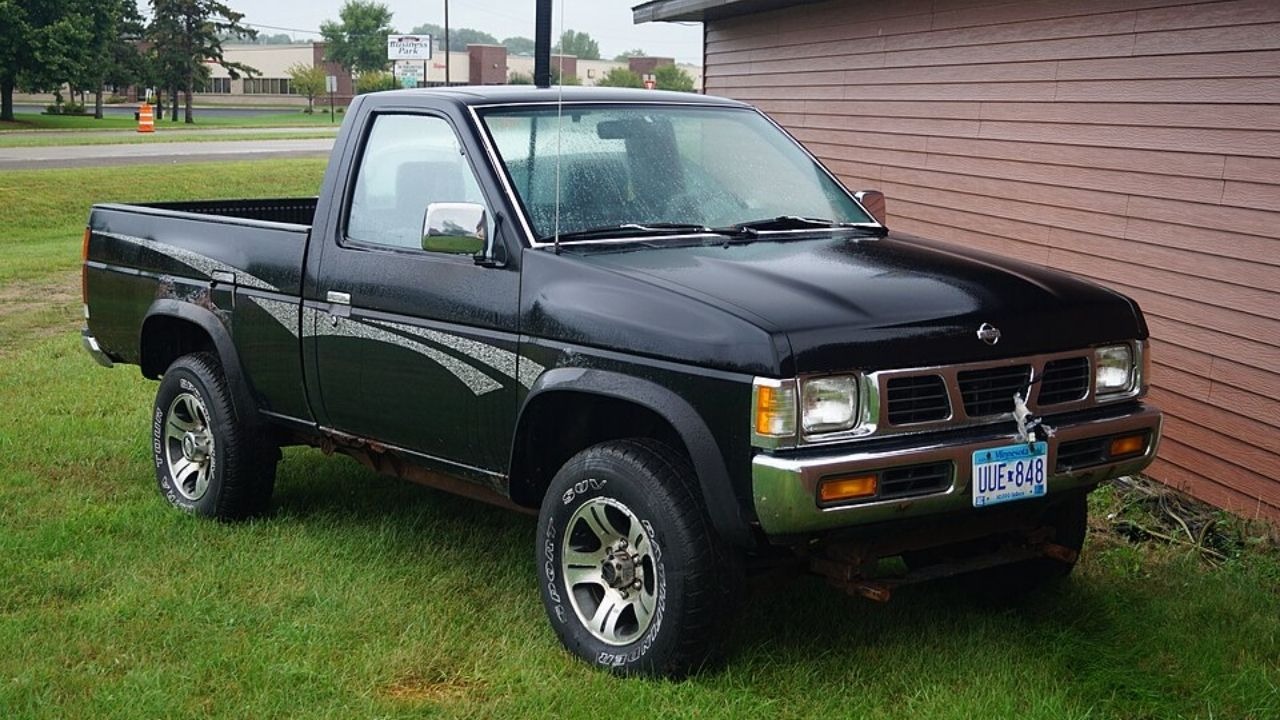
The Nissan Hardbody became one of the most respected compact pickups of the 1980s and 1990s. MotorTrend describes it as one of the era’s iconic mini trucks, alongside models such as the Toyota pickup, Isuzu P’up, Chevrolet S-10, GMC Sonoma, and Ford Ranger. Its compact dimensions, tough construction, and available four-wheel drive gave it a broad range of uses. Although Nissan is Japanese, the Hardbody became deeply established in the American compact-truck scene. Its durability and distinctive styling have helped it develop a strong enthusiast following.
More from Fast Lane Only
- Unboxing the WWII Jeep in a Crate
- 15 rare Chevys collectors are quietly buying
- 10 underrated V8s still worth hunting down
- Police notice this before you even roll window down
*Research for this article included AI assistance, with all final content reviewed by human editors.