Diesel-powered passenger cars were once unusual outside commercial vehicles, and some of the most interesting examples were sold in surprisingly small numbers. European manufacturers experimented with diesel power in luxury sedans, sporty cars, and unconventional family vehicles long before diesel became common. These seven classics stand out for their rarity, unusual engineering, or limited availability—and many are now difficult to encounter outside specialist collections.
Mercedes-Benz 260D
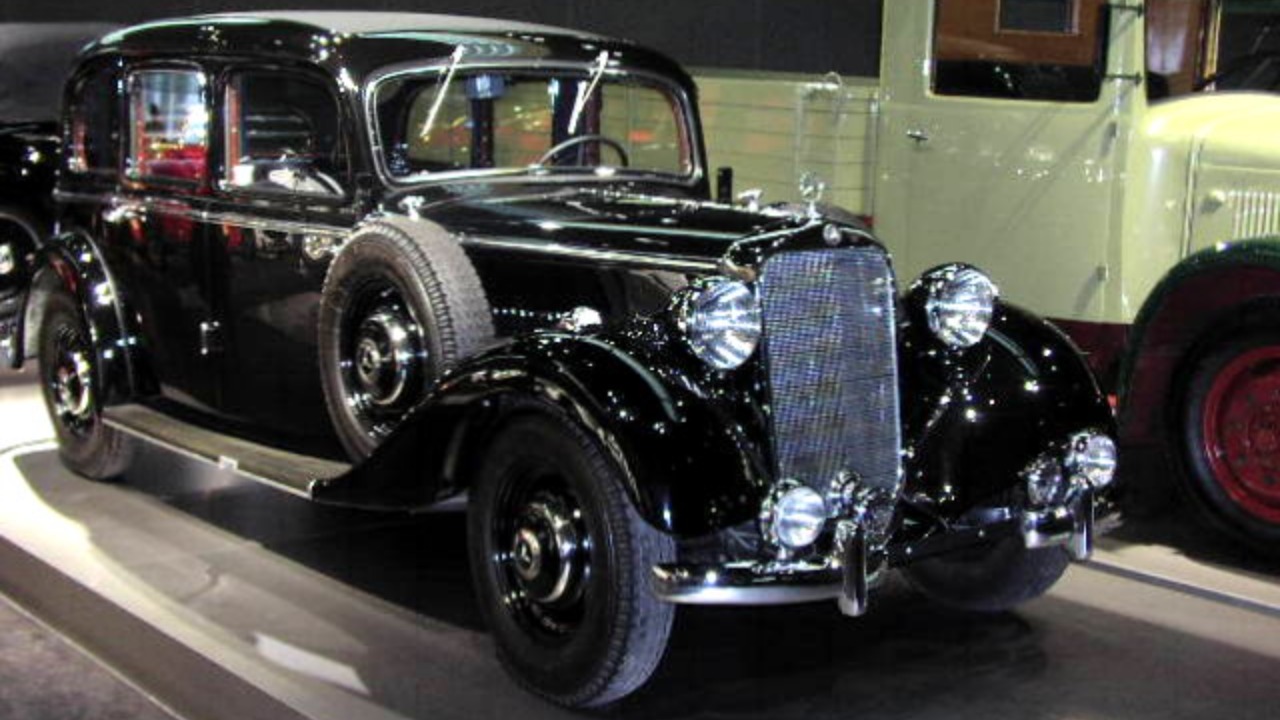
The Mercedes-Benz 260D was one of the earliest production diesel passenger cars and helped establish Mercedes-Benz as a pioneer in diesel automobiles. Introduced in the 1930s, it used a four-cylinder diesel engine at a time when compression-ignition technology was still largely associated with commercial vehicles. Its slow performance was secondary to its fuel economy and durability. Today, surviving examples are exceptionally unusual, making the 260D one of the most historically important diesel classics.
Isuzu Bellel
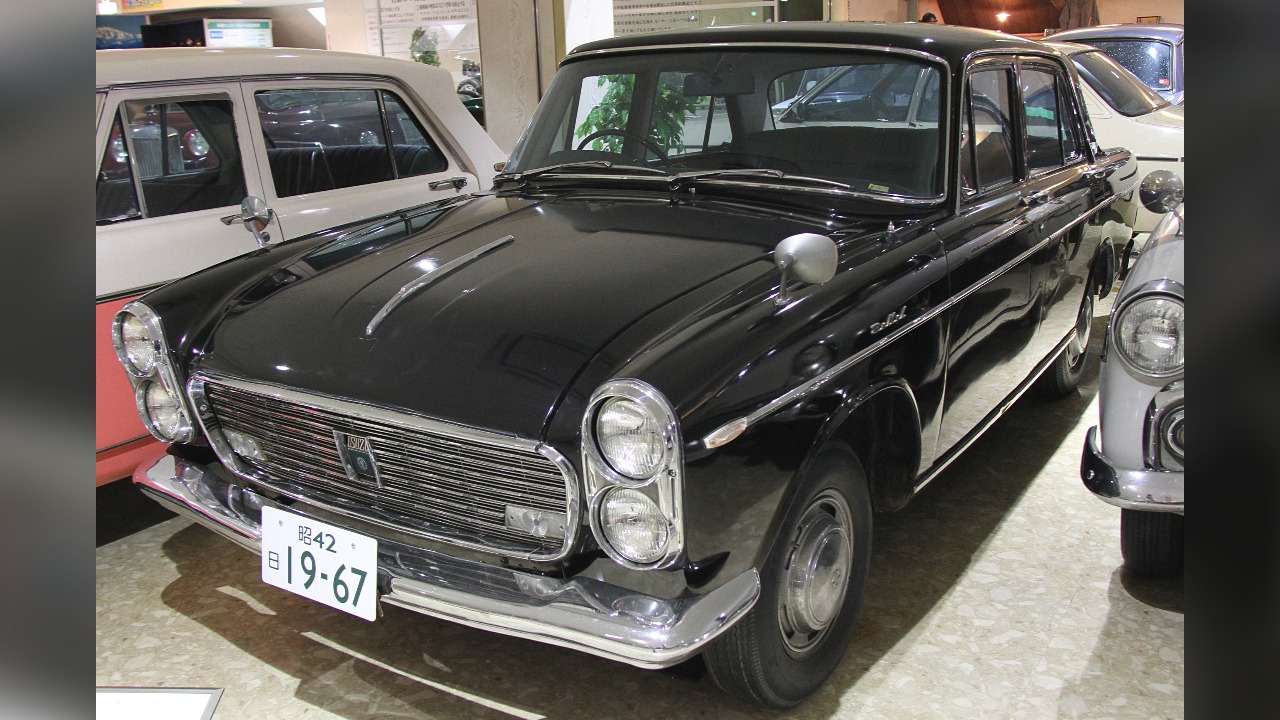
The Isuzu Bellel was an unusual Japanese sedan that became one of the country’s early diesel-powered passenger cars. Introduced in the 1960s, it offered buyers a diesel option at a time when Japanese passenger-car diesels were still relatively uncommon. Its conventional sedan styling makes it easy to overlook, but its place in Isuzu’s early passenger-car history makes surviving examples particularly interesting. Outside Japan and specialist collections, encountering a Bellel today is extremely unlikely.
Peugeot 604 D Turbo
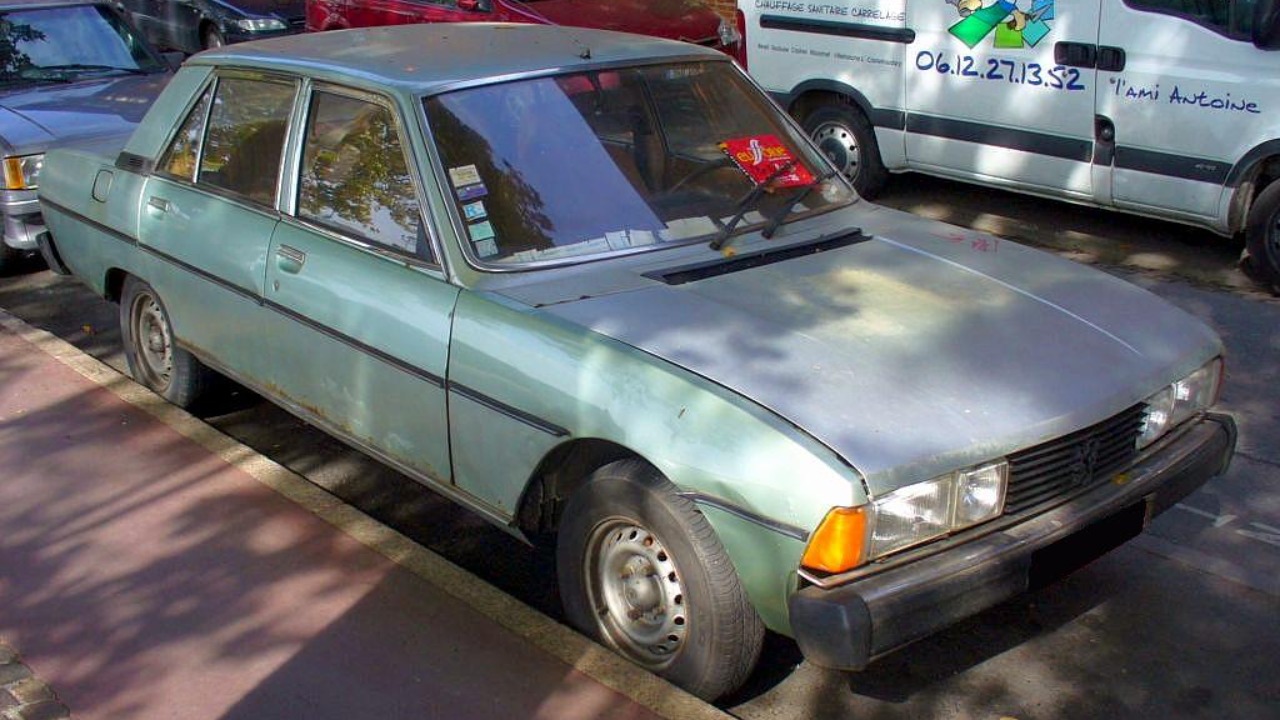
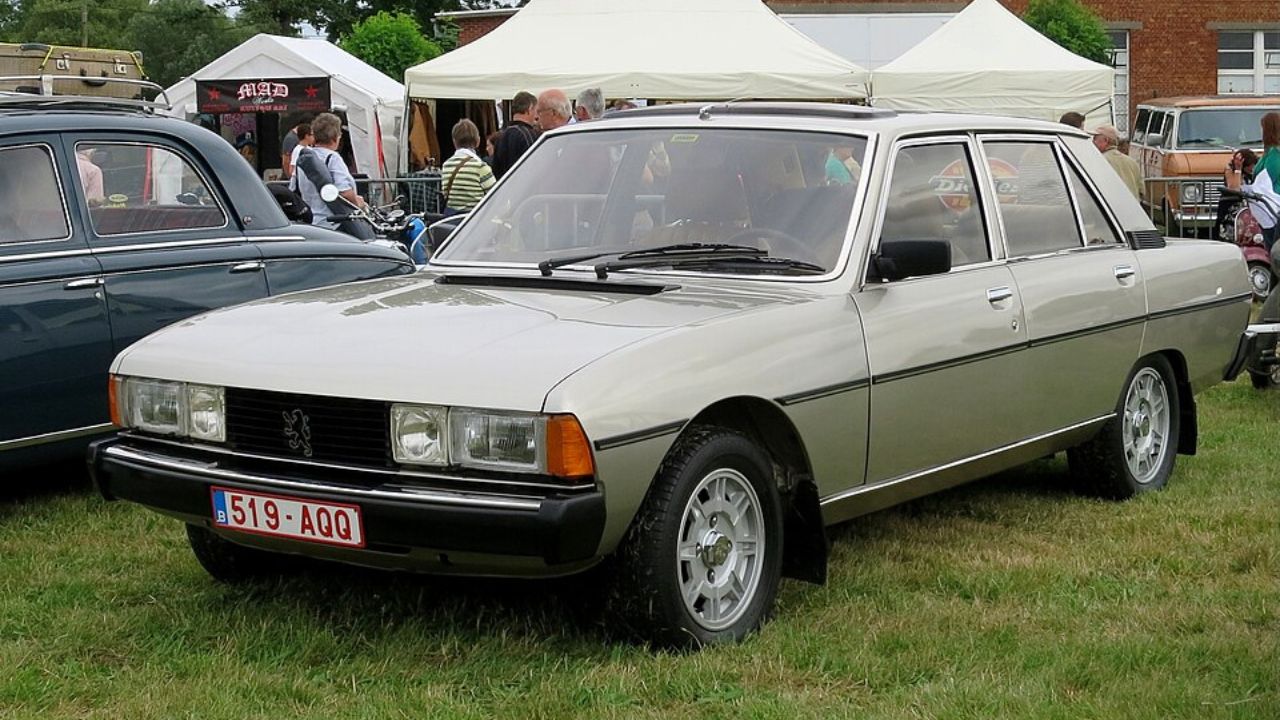
The Peugeot 604 D Turbo occupies an important place in diesel history because it became the first production turbodiesel passenger car sold in Europe. Introduced in 1979, it used Peugeot’s 2.3-liter Indénor diesel with a turbocharger, giving the large French sedan considerably more performance than a naturally aspirated diesel. The 604 itself was never a major sales success, and the turbodiesel version is now exceptionally uncommon.
Rover SD1 2400 SD Turbo
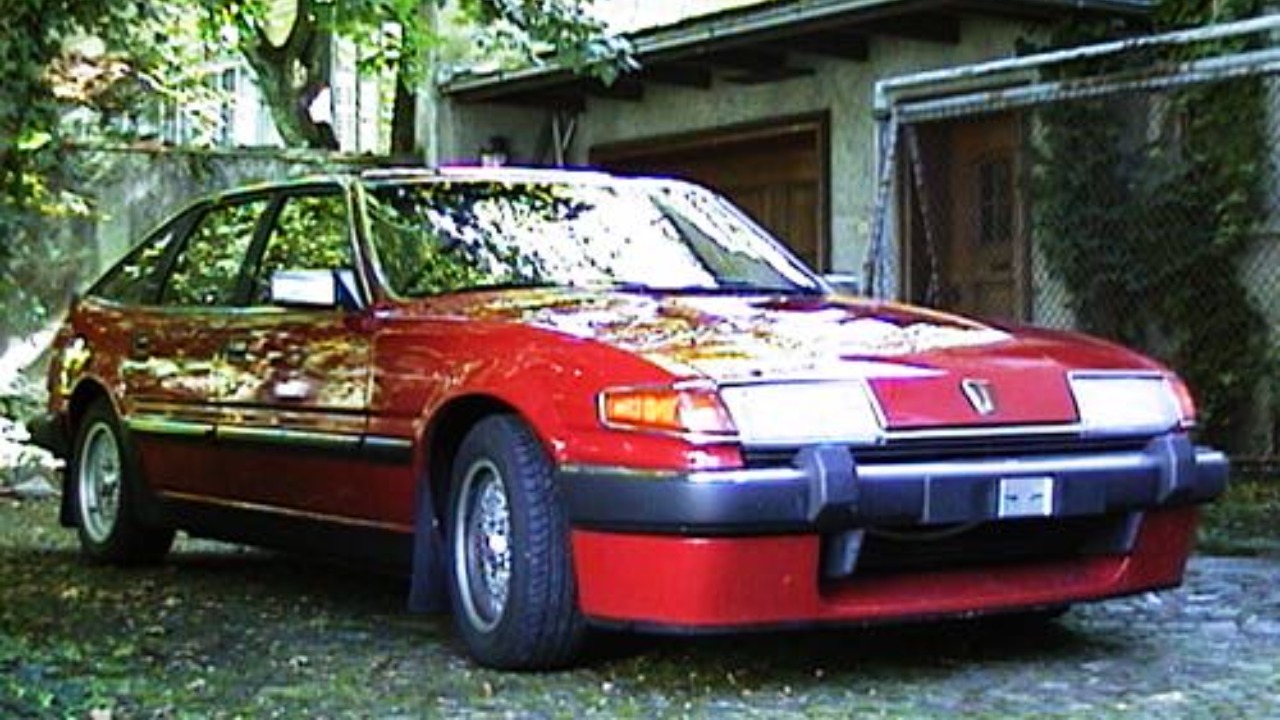
The Rover SD1 is usually remembered for its V8-powered performance versions, making the 2400 SD Turbo particularly easy to forget. It used a 2.4-liter turbodiesel engine supplied by VM Motori and produced about 90 horsepower. The combination of executive-car styling, rear-wheel drive, and diesel power gave it an unusual character. Production was limited by weak demand, and surviving examples are now much rarer than the better-known V8 SD1s.
Peugeot 505 Turbo Diesel
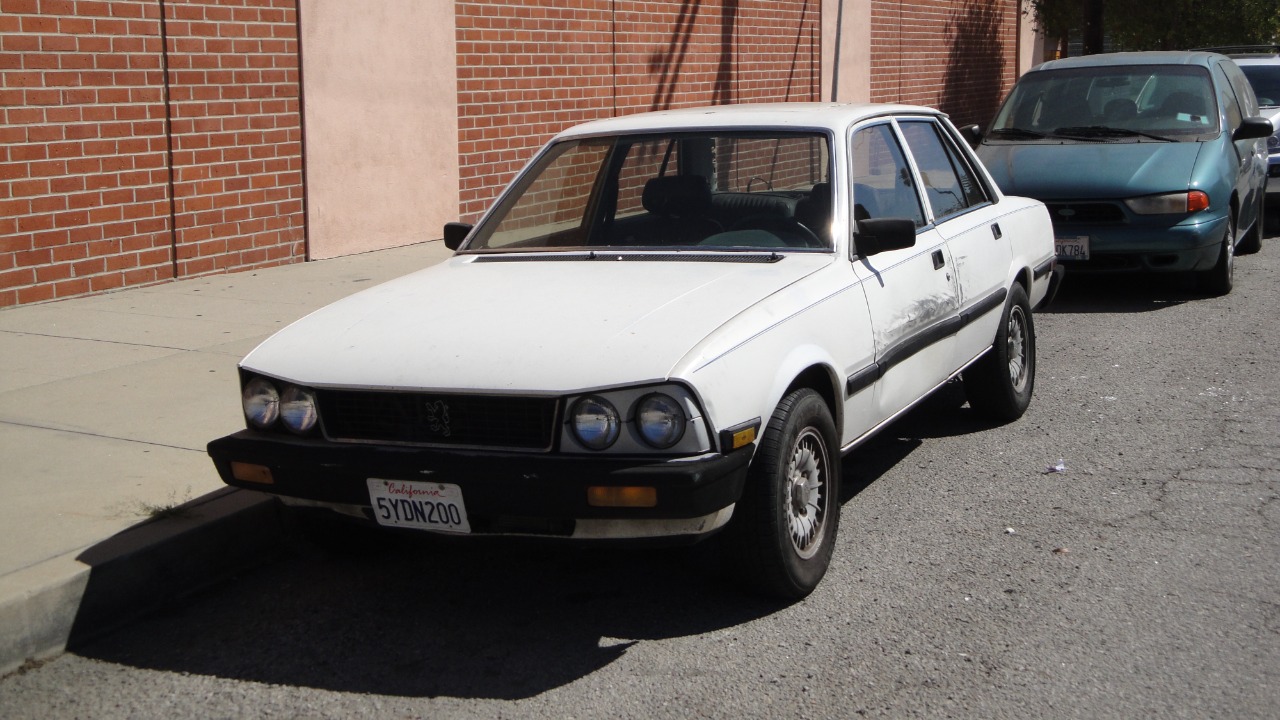
The Peugeot 505 Turbo Diesel was one of the more unusual diesel sedans sold during the fuel-conscious era of the 1980s. Its 2.3-liter turbocharged four-cylinder produced 80 horsepower and 136 lb-ft of torque, while the car’s rear-wheel-drive layout gave it a distinctly traditional character. Diesel 505s became uncommon after Peugeot left the U.S. market, and very few surviving examples are seen today.
BMW 524td
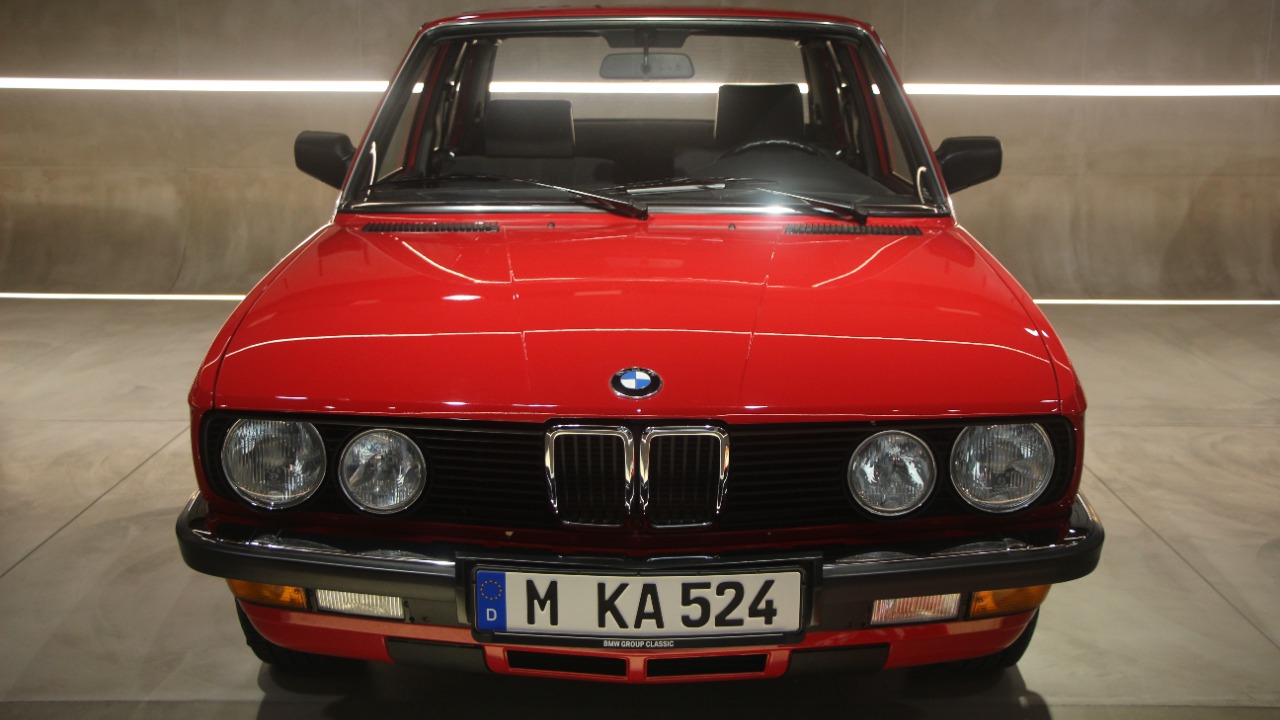
The BMW 524td was an important early diesel experiment from a company better known for high-revving gasoline engines. Introduced in the early 1980s, it combined BMW’s executive-car chassis with a turbocharged six-cylinder diesel engine. That combination gave the car much stronger performance than many contemporary diesel sedans while maintaining impressive fuel economy. Because relatively few enthusiasts sought diesel BMWs when they were new, surviving examples have become unusual sights at modern car gatherings.
Fiat Croma Turbo D
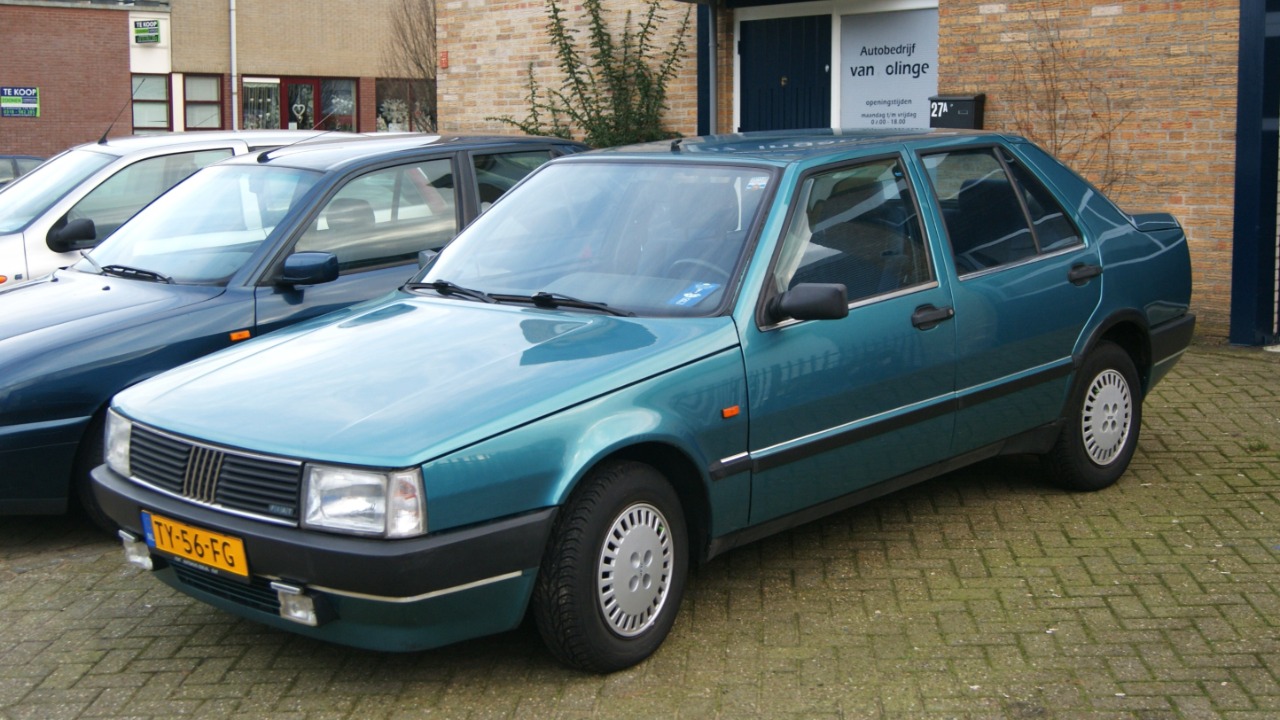
The Fiat Croma Turbo D was one of Europe’s more interesting large diesel hatchbacks, combining family-car practicality with turbocharged diesel power. The Croma belonged to an era when manufacturers were experimenting with increasingly sophisticated diesel engines to improve performance without sacrificing economy. Its unusual five-door body and relatively understated styling meant it never developed the following of more fashionable European cars. Today, a surviving diesel Croma is an especially uncommon sight outside dedicated European-car collections.
More from Fast Lane Only
- Unboxing the WWII Jeep in a Crate
- 15 rare Chevys collectors are quietly buying
- 10 underrated V8s still worth hunting down
- Police notice this before you even roll window down
*Research for this article included AI assistance, with all final content reviewed by human editors.