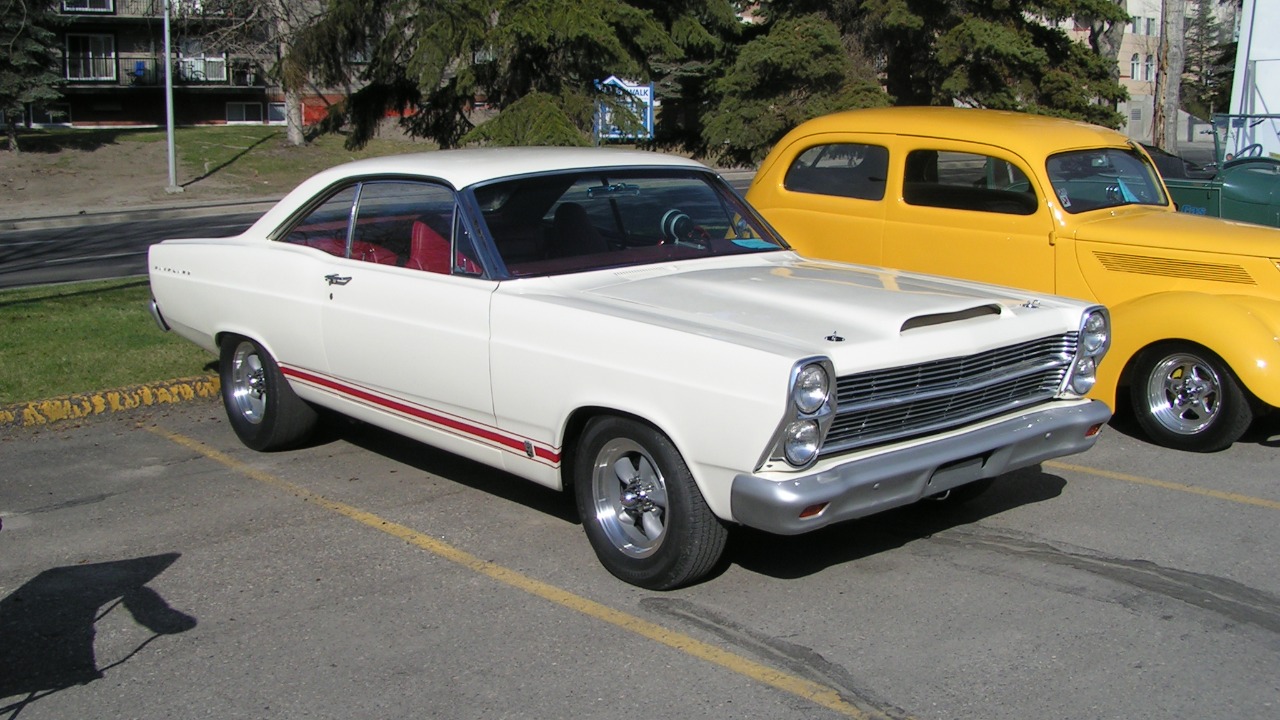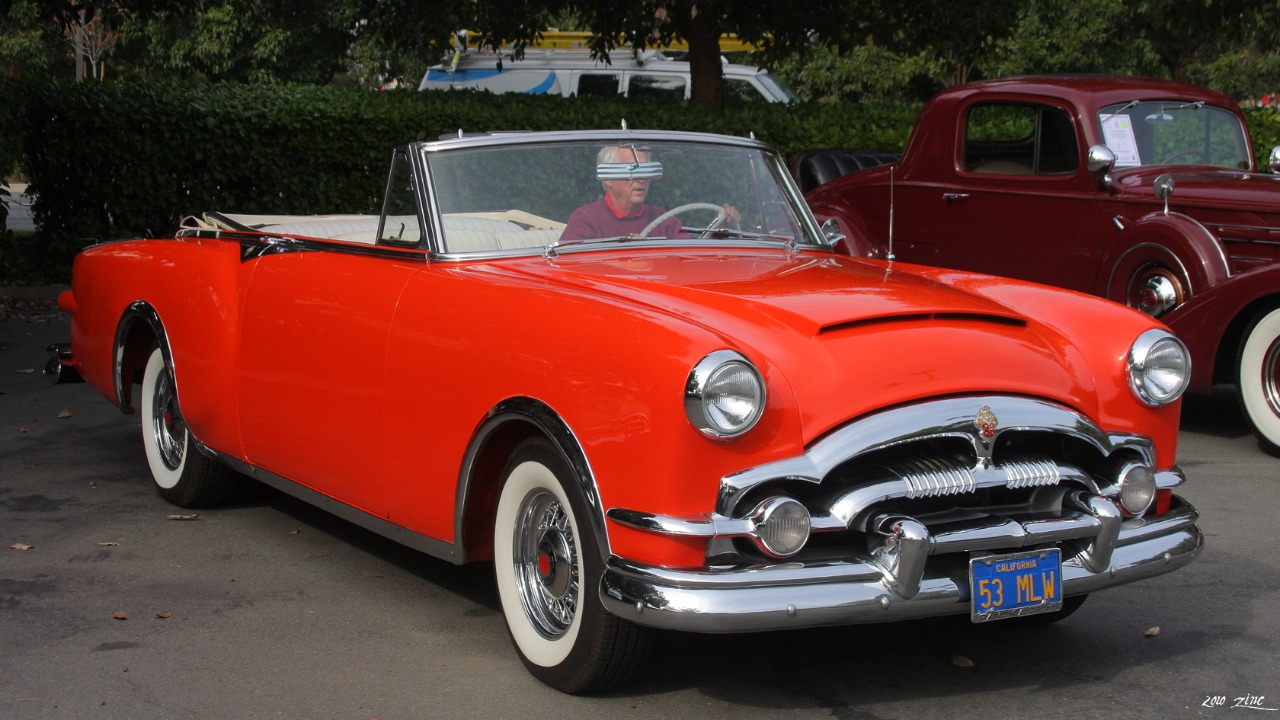
The 1950s and 1960s produced some of America’s most recognizable convertibles, but not every open-top model became a common sight. Limited production, high prices, unusual styling, and changing buyer tastes left many interesting drop-tops in small numbers. Today, these lesser-seen convertibles offer a glimpse into an era when manufacturers were willing to experiment with everything from compact roadsters to enormous luxury cruisers.
Ford Skyliner
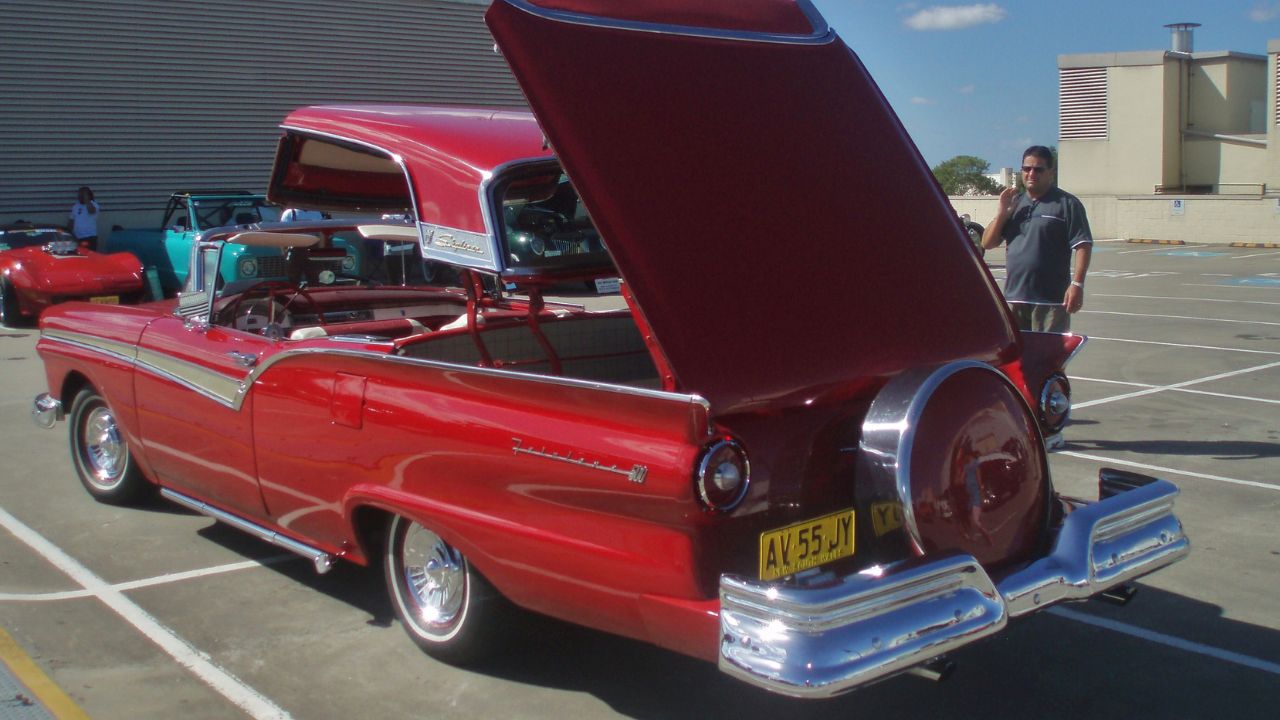
The Ford Skyliner was one of the most unusual American convertibles of the 1950s. Its retractable hardtop disappeared into the trunk through a complicated electric mechanism, giving the car the appearance of a conventional hardtop when closed. The system was impressive but expensive and mechanically complex, which limited its appeal. Surviving examples are now highly recognizable at shows because the retractable roof remains one of the most memorable pieces of 1950s American automotive engineering.
Ford Sunliner

The Ford Sunliner represented the classic American convertible formula during the 1950s. Its wide body, chrome trim, large fins on later versions, and spacious cabin captured the optimism of the period. Although Ford sold many convertibles, surviving cars in original or carefully restored condition are much less common. The Sunliner’s combination of bright styling and open-air driving makes it especially appealing to collectors looking for a recognizable 1950s American classic.
Mercury Turnpike Cruiser Convertible
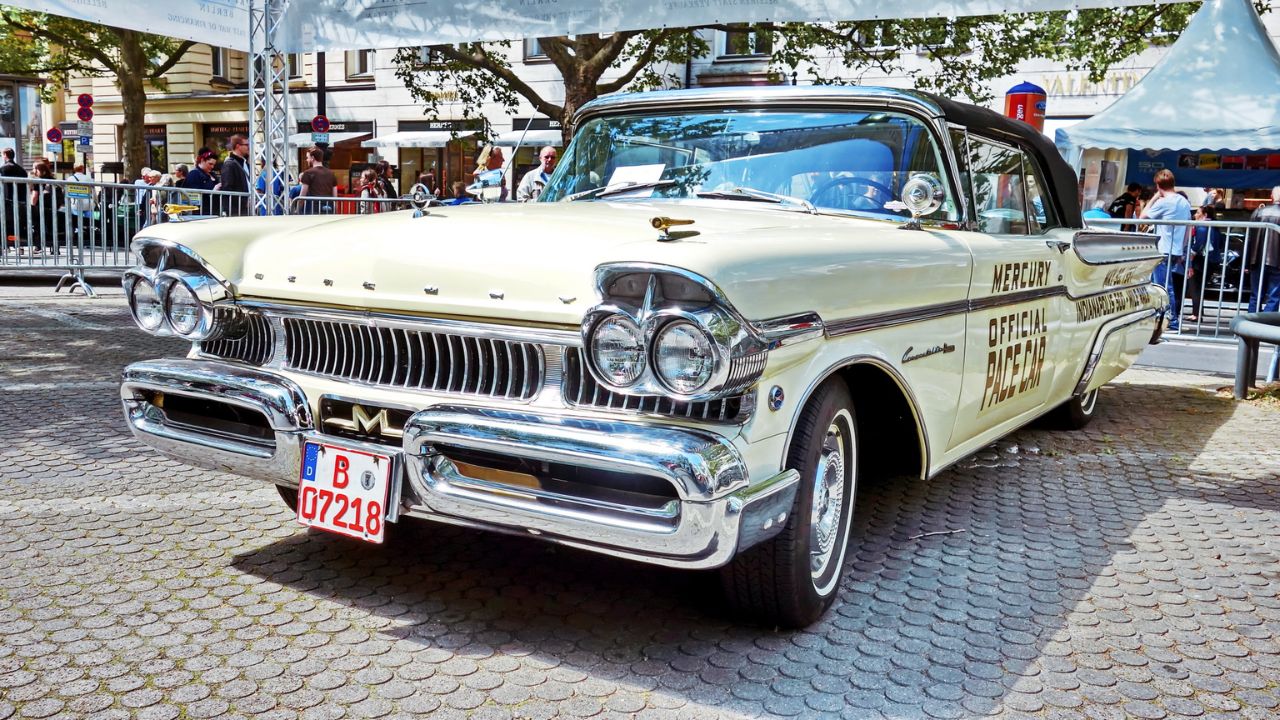
The Mercury Turnpike Cruiser was already an unusual car, and its convertible version is considerably harder to encounter. Its dramatic styling included prominent rear pillars, distinctive trim, and elaborate detailing that reflected Mercury’s attempt to position itself as a more upscale brand. The convertible added even more visual drama. Because production was limited and the design was never common to begin with, a surviving example can attract considerable attention at a classic-car gathering.
Lincoln Continental Convertible
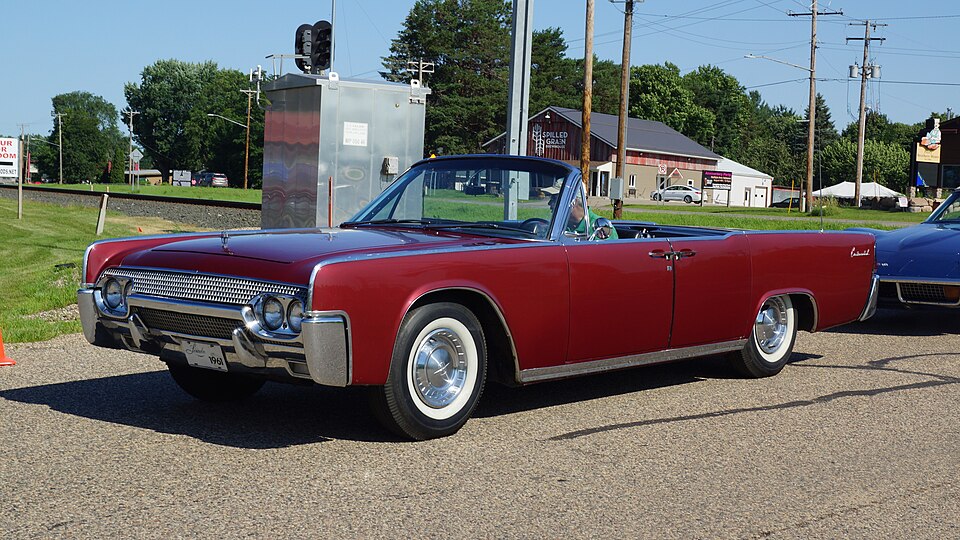
The Lincoln Continental convertible became one of the most recognizable luxury convertibles of the 1960s. Its clean slab-sided styling and rear-hinged doors made it distinctive, while the massive body gave it an imposing presence. Production numbers were far lower than those of ordinary Ford or Chevrolet convertibles, making surviving examples valuable pieces of American automotive history. The combination of luxury, size, and open-air design remains difficult to duplicate with modern cars.
Cadillac Eldorado Biarritz Convertible

The Cadillac Eldorado Biarritz represented American luxury at an extravagant level. Large tailfins, extensive chrome, dramatic bodywork, and a powerful V8 gave the convertible enormous road presence. Cadillac positioned the Biarritz near the top of its lineup, so it was never an everyday purchase for most buyers. That exclusivity, combined with decades of attrition, makes surviving examples especially interesting today. A well-restored Biarritz can dominate a classic-car show without needing any explanation.
Oldsmobile 98 Convertible
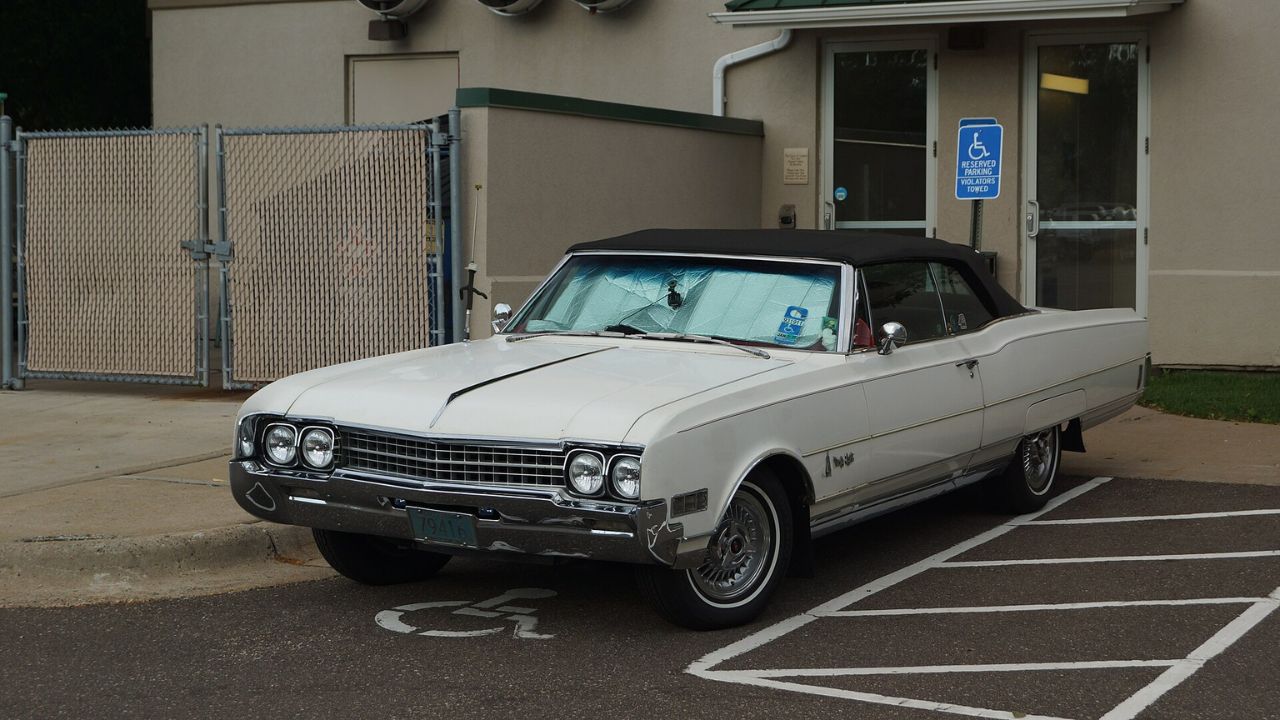
The Oldsmobile 98 was one of the brand’s largest and most luxurious cars, and its convertible versions were particularly impressive. Broad bodywork, generous chrome, and powerful V8 engines gave the car the unmistakable presence associated with premium American cars of the period. Convertibles were produced in far smaller numbers than sedans, and many disappeared over the decades. A surviving 98 drop-top is now an impressive reminder of Oldsmobile’s former position in the American luxury market.
Pontiac Bonneville Convertible

The Pontiac Bonneville became a flagship for Pontiac’s performance-oriented image while still offering substantial luxury and comfort. Convertible versions combined the long, low proportions of a full-size American car with dramatic styling and powerful engines. Depending on the generation, buyers could get increasingly bold grilles, fins, and chrome treatments. Clean examples are now difficult to find, especially in original condition, making the Bonneville convertible a standout at vintage-car events.
Buick Electra 225 Convertible
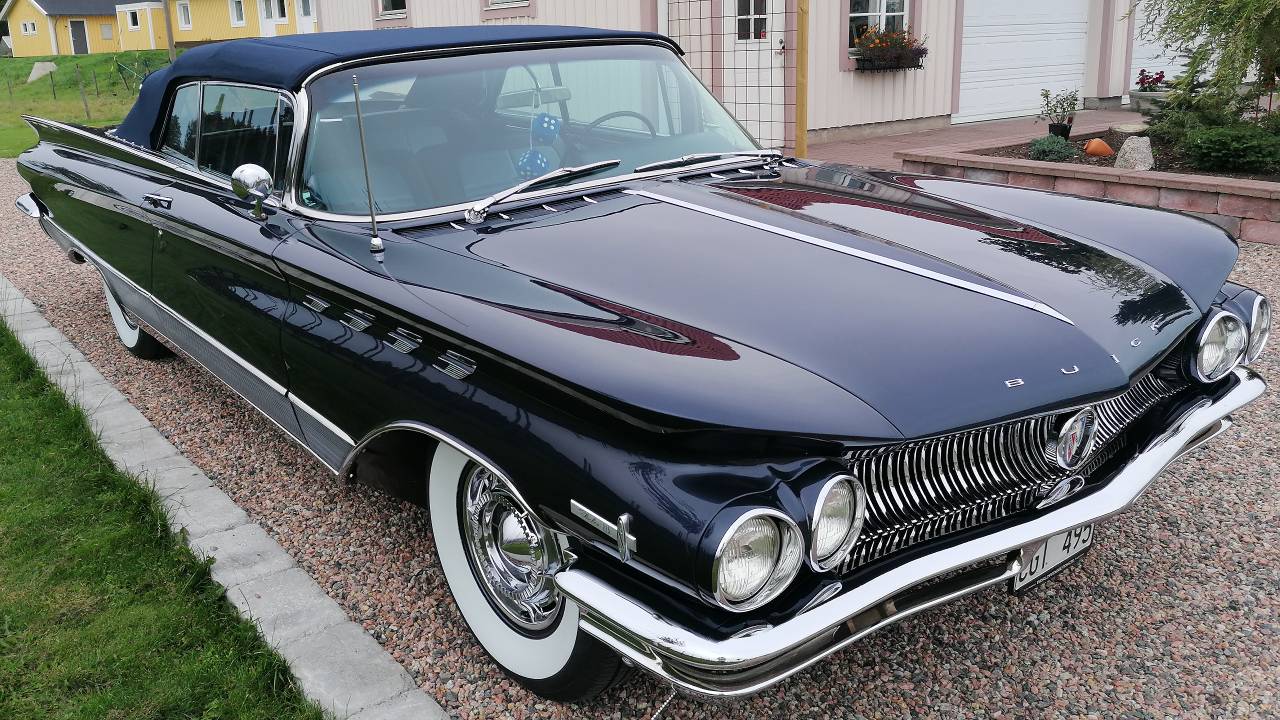
The Buick Electra 225 was a large luxury car with a reputation for smooth performance and substantial dimensions. Its convertible versions added another layer of appeal, combining a spacious cabin with the freedom of open-air driving. Buick’s elaborate trim and sculpted bodywork made these cars particularly impressive during the 1960s. Because full-size convertibles were expensive and relatively limited, surviving Electra 225 examples have become much harder to encounter than their sedan counterparts.
Chrysler 300 Convertible

The Chrysler 300 brought performance and luxury together in a distinctive package, and its convertible versions were especially striking. The long hood, broad body, and imposing grille gave the car a strong presence, while the powerful V8s reinforced its performance credentials. Chrysler offered several generations during this period, but clean open-top examples are increasingly difficult to find. They remain interesting because few cars combined American luxury and performance so directly.
DeSoto Adventurer Convertible
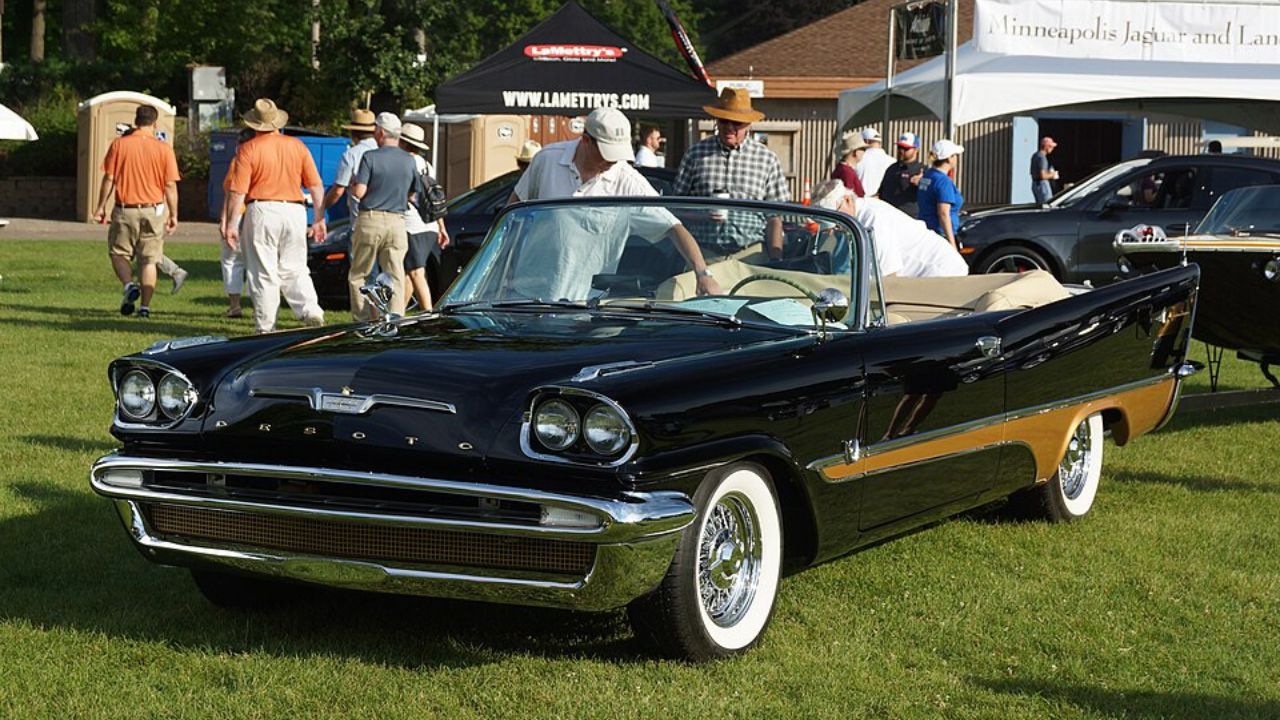
The DeSoto Adventurer was positioned as a stylish, performance-oriented model within the Chrysler family, and the convertible was one of its most eye-catching forms. Bright trim, distinctive colors, and a large V8 made it a memorable product of the late 1950s. Production was limited compared with mainstream DeSoto models, leaving relatively few survivors. Today, the Adventurer convertible provides a fascinating look at the flamboyant side of Chrysler’s styling era.
Packard Caribbean Convertible
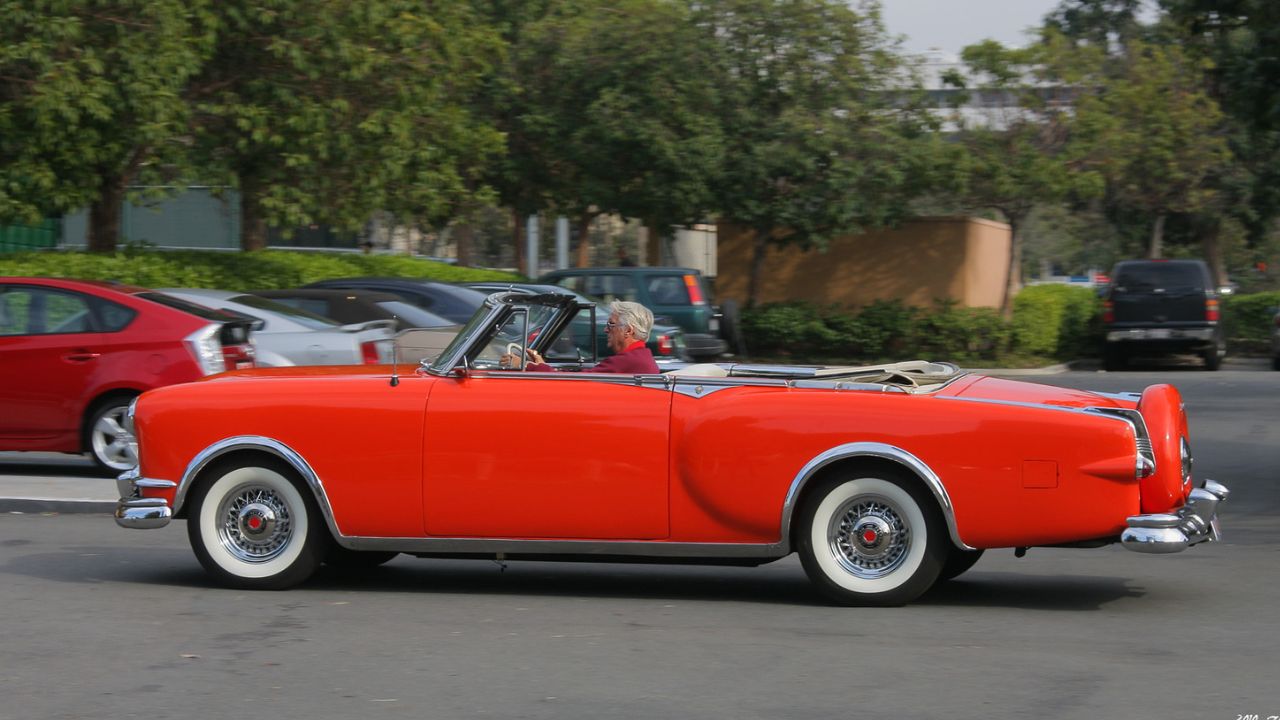
The Packard Caribbean was one of the company’s most glamorous postwar models. Its convertible body, distinctive two-tone paint schemes, and extensive brightwork reflected Packard’s attempt to compete at the highest levels of American luxury. Production remained limited, especially compared with mass-market models from Ford and Chevrolet. Surviving examples are now highly recognizable, and the Caribbean’s combination of rarity and dramatic styling makes it one of the more memorable American convertibles of the 1950s.
Nash Metropolitan Convertible
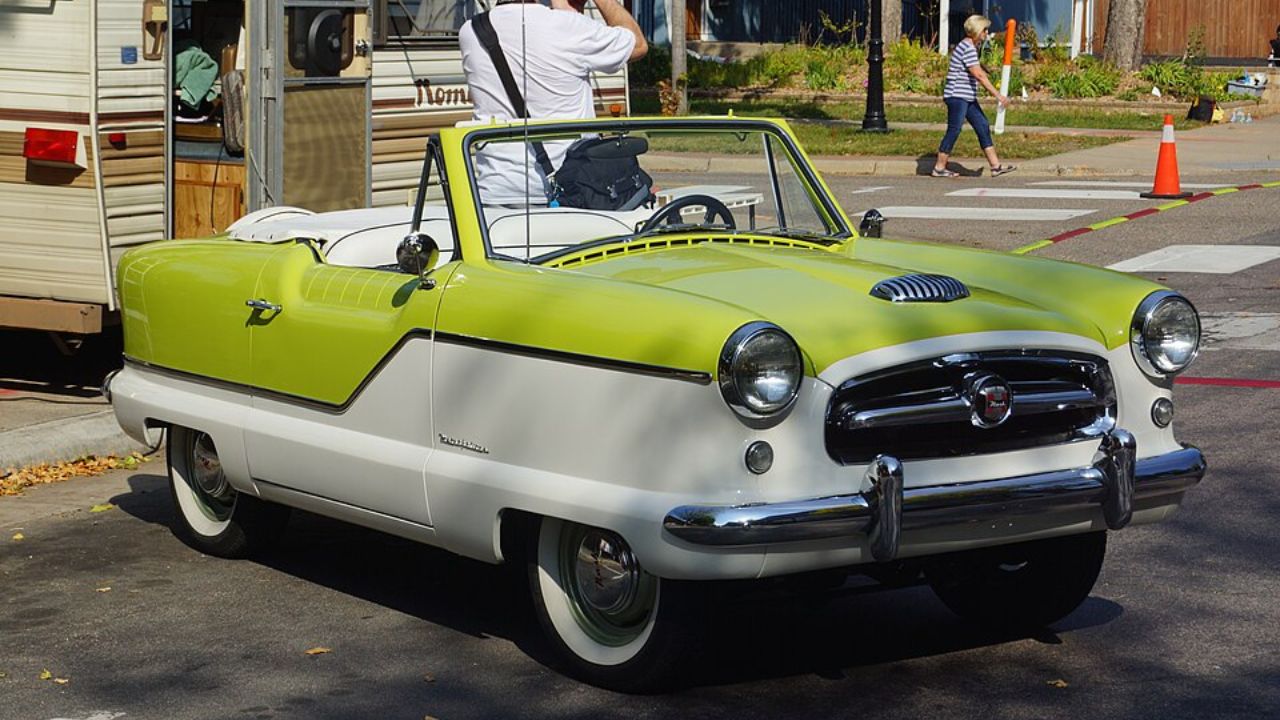
The Nash Metropolitan was tiny by American standards, making it a striking contrast to the enormous convertibles that dominated the market. Its compact dimensions, rounded body, and economical nature gave it a distinctly different personality. Convertible versions are particularly charming because they combine small-car practicality with open-air motoring. Surviving examples are uncommon, and their unusual proportions make them instantly recognizable at shows filled with much larger American classics.
Chevrolet Corvair Monza Convertible
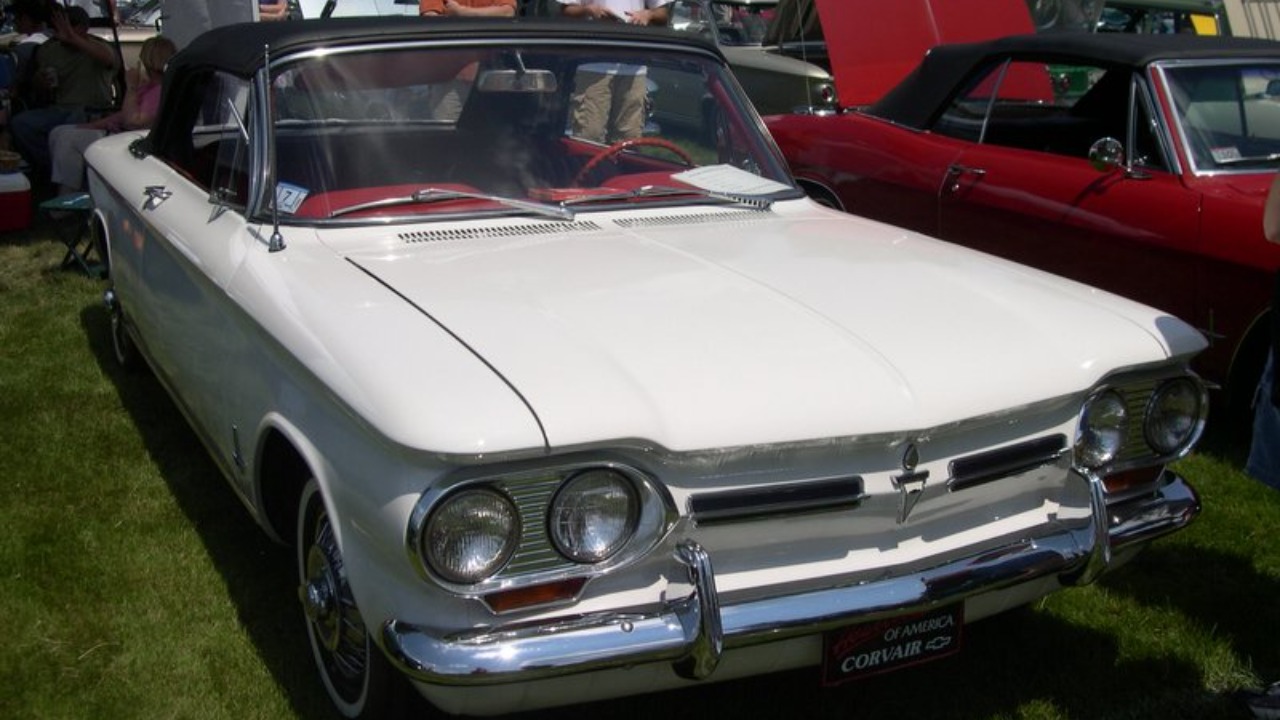
The Corvair Monza convertible brought a sporty character to Chevrolet’s unusual rear-engine compact. Its flat-six engine, independent suspension, and compact body made it fundamentally different from traditional Chevrolet models. The convertible version added to the appeal, particularly when combined with the sportier Monza trim. Today, clean examples are increasingly appreciated because they represent one of Chevrolet’s boldest attempts to build something outside the normal front-engine, rear-drive formula.
Buick Skylark Convertible
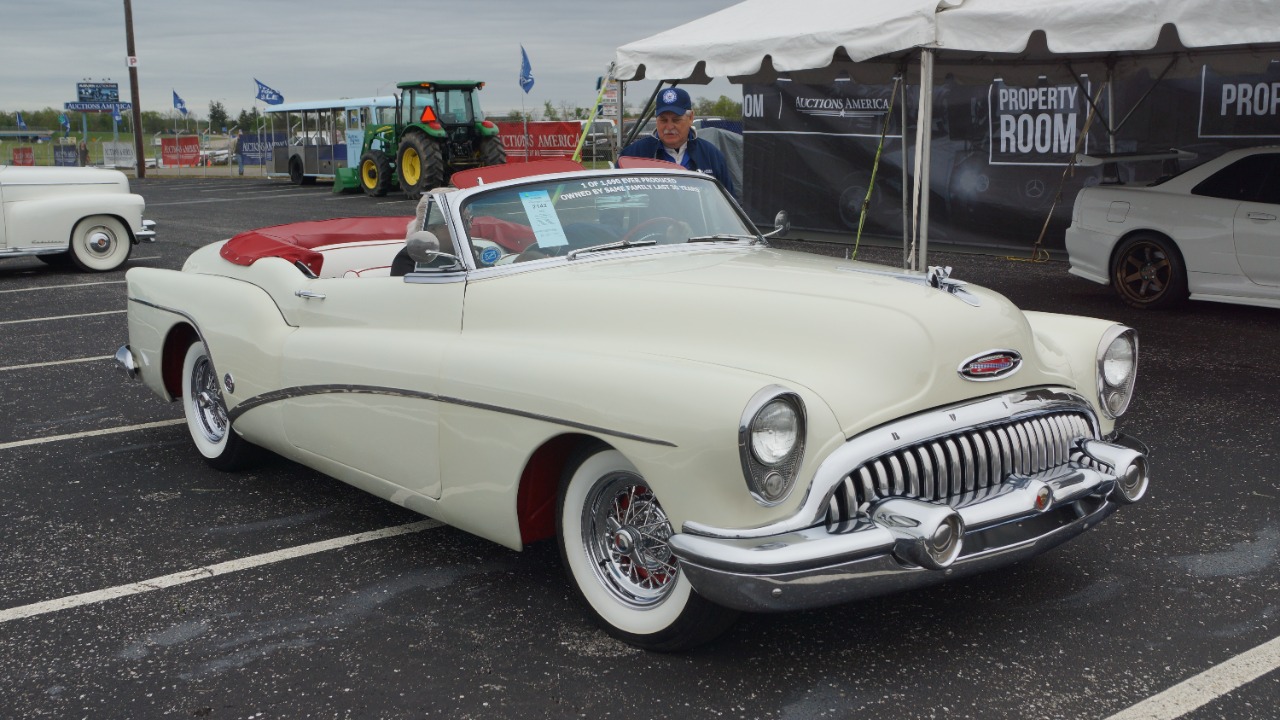
The Buick Skylark began as a stylish specialty model and became a major part of Buick’s lineup. Early convertible versions featured elegant proportions and extensive detailing, while later cars adopted the more muscular styling associated with the 1960s performance era. The Skylark’s evolution makes it interesting to collectors because it bridges Buick’s luxury heritage and its growing performance image. Well-preserved convertibles are now considerably harder to find than ordinary Skylarks.
Oldsmobile F-85 Convertible
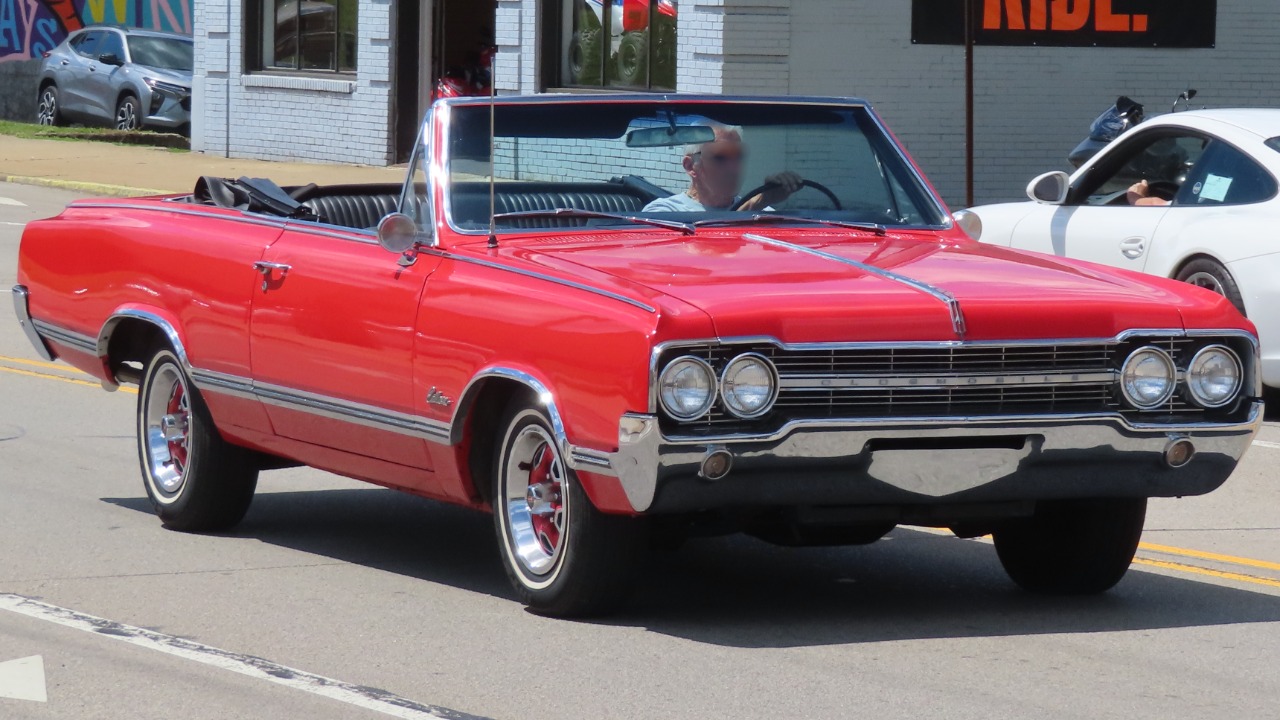
The Oldsmobile F-85 was one of the brand’s compact offerings during an era when smaller American cars were becoming increasingly important. Convertible versions gave the practical platform a sportier personality, while V8 options added genuine performance. Its relatively modest size made it different from Oldsmobile’s larger cars, and surviving convertibles are increasingly unusual. For collectors, the F-85 offers an interesting combination of compact dimensions, traditional American styling, and open-top driving.
Pontiac Tempest Convertible

The Pontiac Tempest was an innovative compact for GM, using a rear-mounted transaxle in its early years to improve weight distribution. The convertible version added considerable visual appeal to the unusual mechanical package. Some versions could also be equipped with performance-oriented engines, making the Tempest more interesting than its family-car image suggested. Surviving convertibles are uncommon today, and their unusual engineering gives them added appeal among Pontiac enthusiasts.
Mercury Comet Convertible
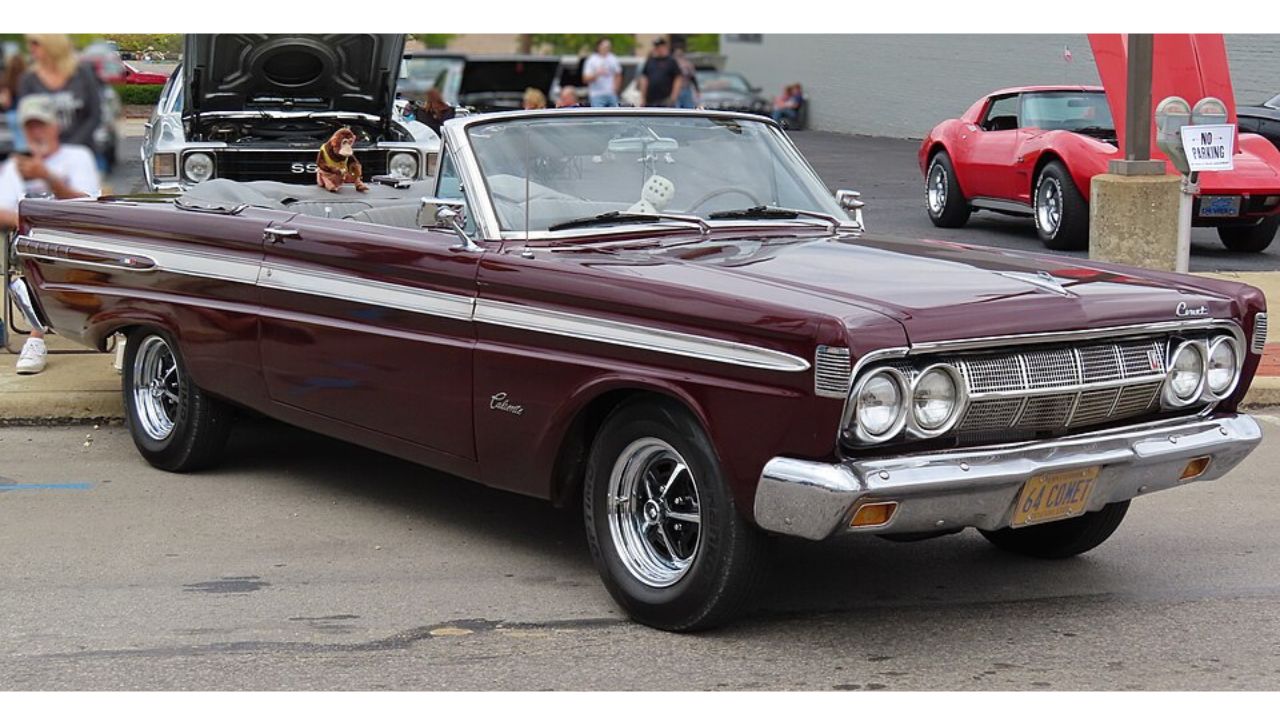
The Mercury Comet was introduced as a compact, economical model, but its convertible versions added a more stylish and enjoyable character. Early examples had clean proportions that made them attractive without the excessive dimensions of larger American cars. Later performance-oriented versions added more muscle to the formula. Because convertibles were only a small part of total Comet production, clean survivors are increasingly difficult to find and have become interesting alternatives to better-known Ford classics.
Rambler American Convertible
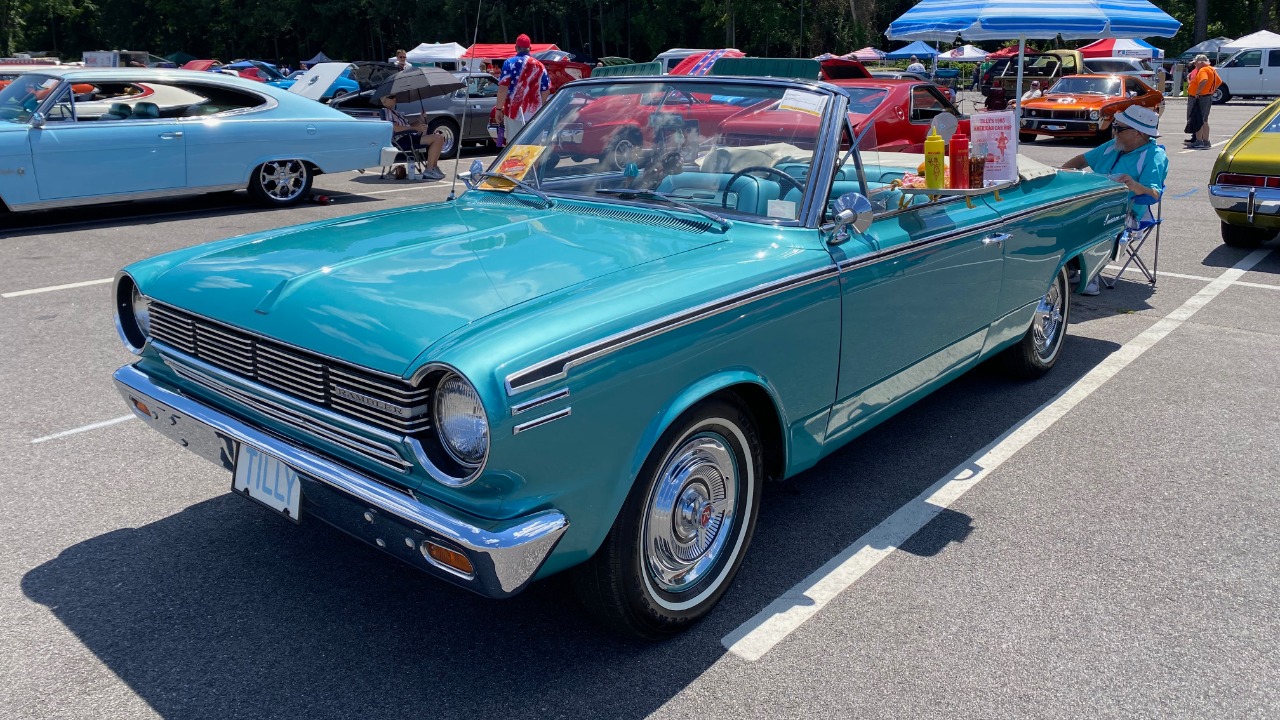
The Rambler American represented a different direction for American automobiles, emphasizing compact dimensions and sensible engineering at a time when Detroit was still building enormous cars. Convertible versions offered a more recreational interpretation of that practical formula. Their relatively limited production and the disappearance of many ordinary Ramblers have made surviving examples increasingly unusual. Today, an American convertible provides a fascinating reminder that not every 1950s or 1960s classic had to be enormous to be memorable.
More from Fast Lane Only
- Unboxing the WWII Jeep in a Crate
- 15 rare Chevys collectors are quietly buying
- 10 underrated V8s still worth hunting down
- Police notice this before you even roll window down
*Research for this article included AI assistance, with all final content reviewed by human editors.