American motorcycle history includes far more than the most familiar Harley-Davidson and Indian models. Some motorcycles have become especially interesting to collectors because of limited production, unusual engineering, distinctive styling, or their connection to important periods in American motorcycling. As good original examples become harder to find, enthusiasts increasingly hold onto the motorcycles that stand apart from the crowd.
Excelsior Super X
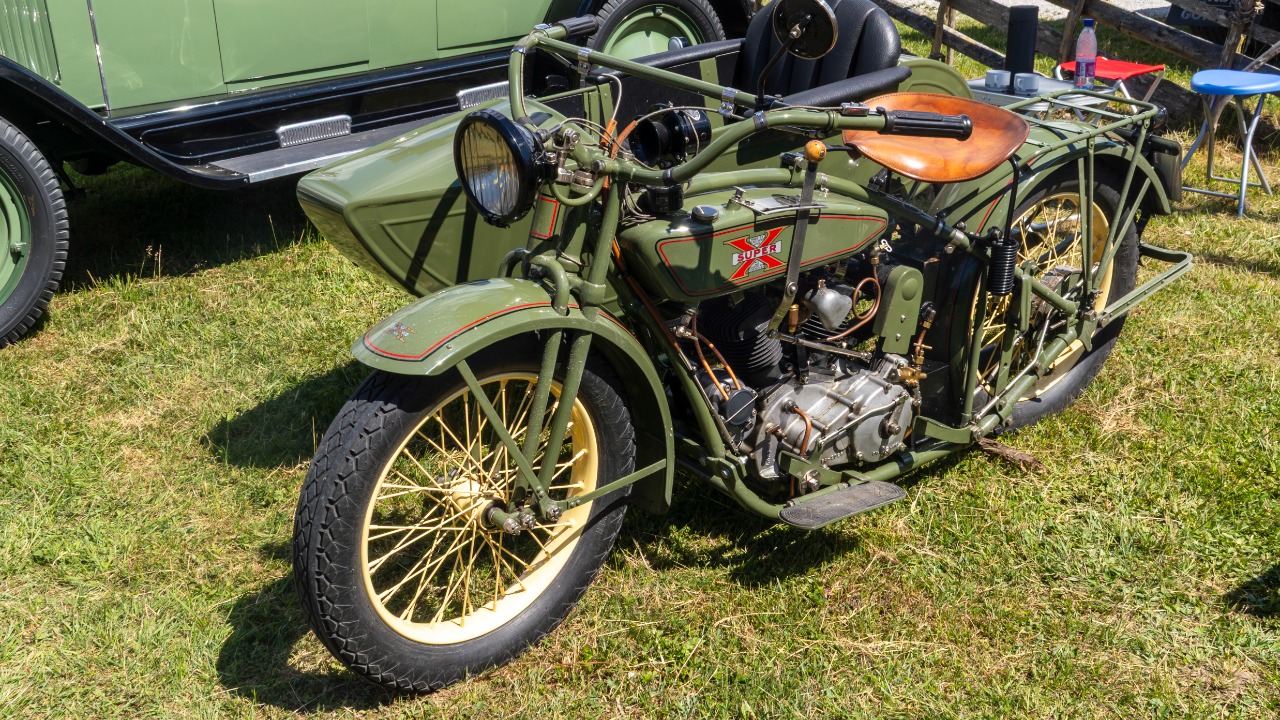
The Excelsior Super X was one of the most ambitious American motorcycles of the late 1920s. Its 45-degree V-twin engine and advanced design were developed to compete directly with Harley-Davidson and Indian. Production ended when Excelsior-Henderson withdrew from motorcycle manufacturing during the Great Depression, leaving relatively few surviving examples. Today, the Super X is especially interesting to collectors because of its unusual engineering and short production history. Enthusiasts who own one have a strong reason to preserve it, making complete and original examples increasingly difficult to encounter.
Henderson KJ
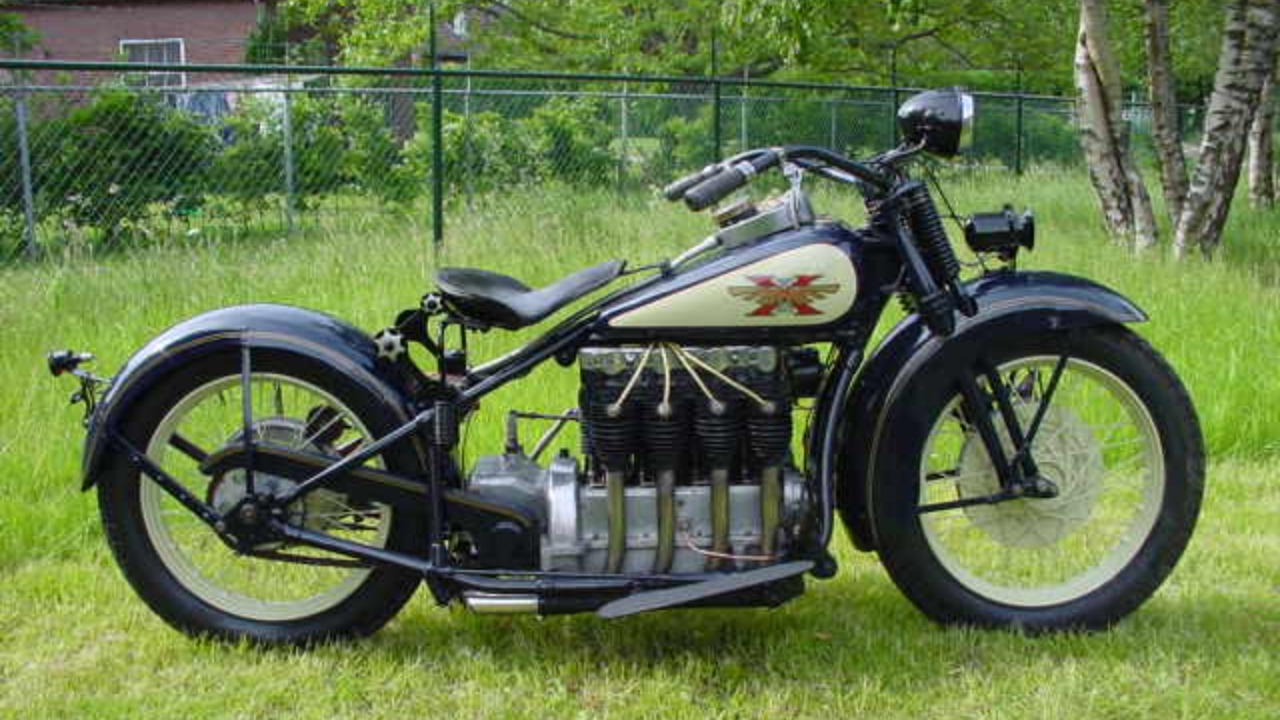
The Henderson KJ represented the final chapter of the original Henderson motorcycle company. Introduced in 1931, it used a 1,301cc inline-four engine that provided exceptionally smooth power for its time. Henderson motorcycles were never produced in numbers comparable with Harley-Davidson or Indian, and the company disappeared shortly afterward. That combination of sophisticated engineering and limited survival has made the KJ a particularly desirable vintage motorcycle. Collectors appreciate its four-cylinder layout, elegant proportions, and connection to an important but relatively short-lived period in American motorcycle manufacturing.
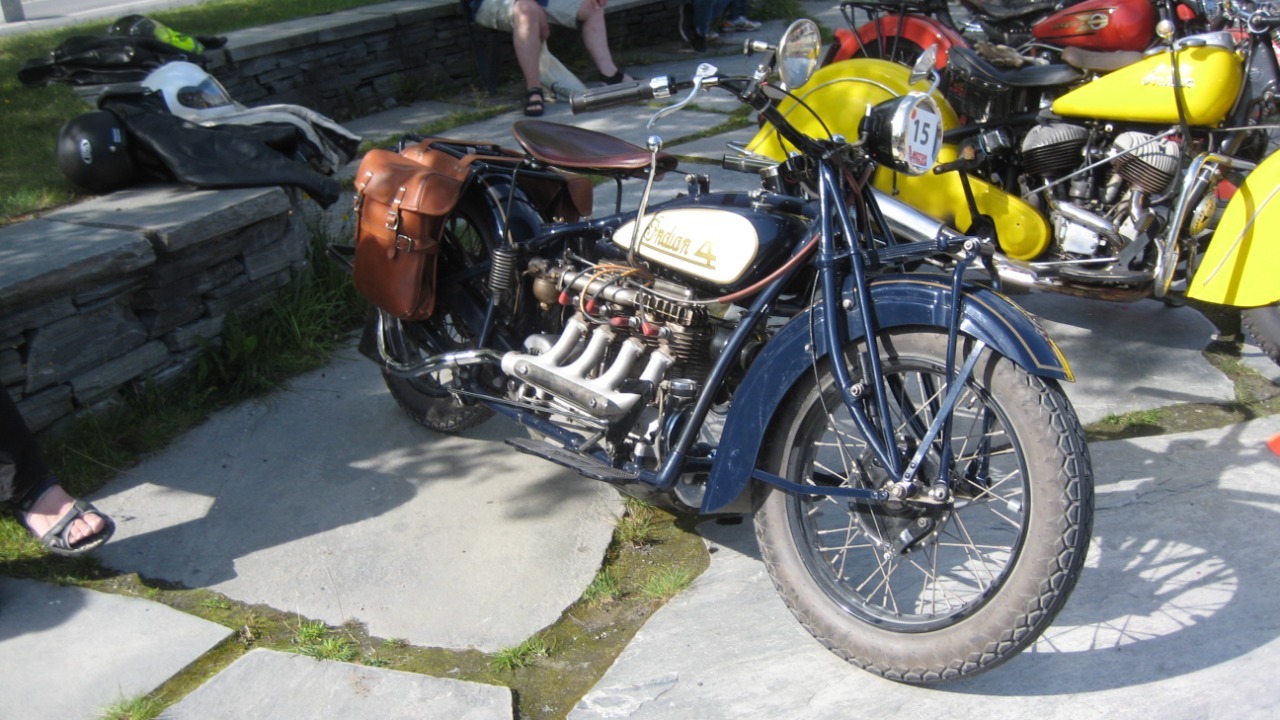
Indian Four
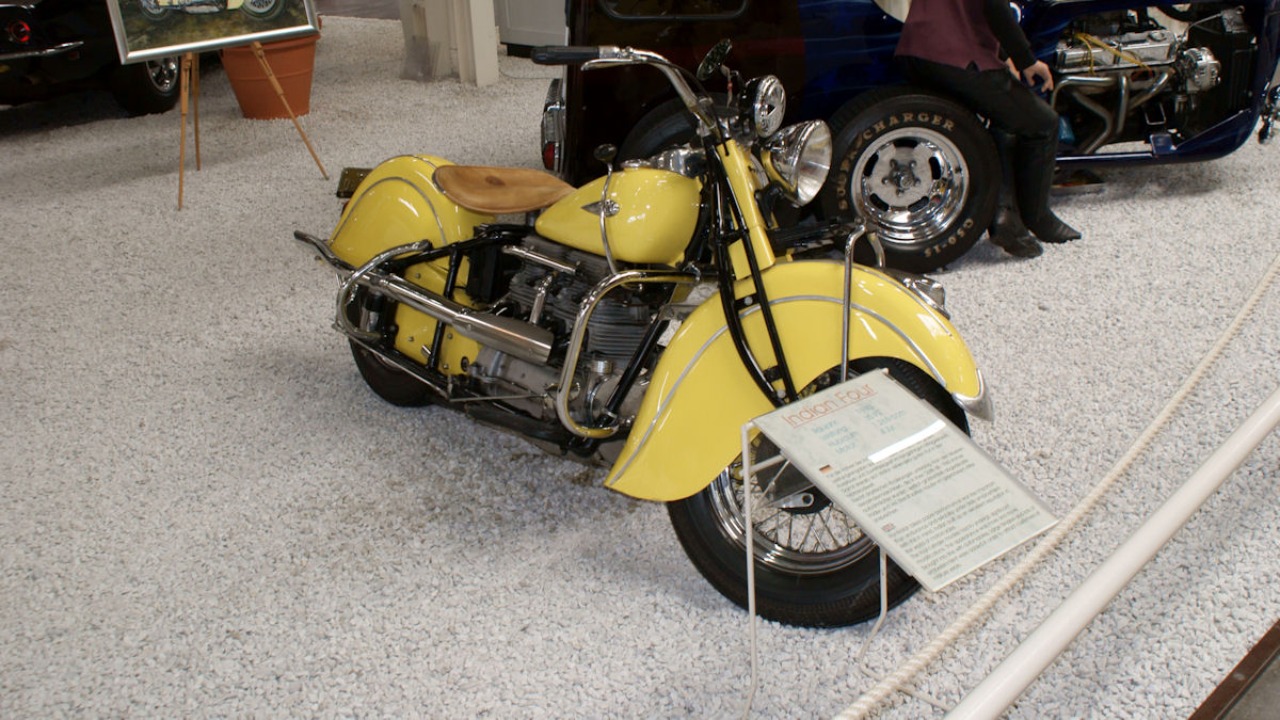
The Indian Four was one of the most distinctive motorcycles produced by an American manufacturer before World War II. Its inline-four engine gave it smooth power and a character very different from the V-twins that dominated the American market. Indian produced several versions over the years, but surviving examples are now uncommon. Original motorcycles are especially interesting because many have been restored or modified over the decades. Collectors who own Indian Fours often preserve them carefully because the combination of four-cylinder engineering, Indian styling, and historical importance makes them difficult to replace.
Harley-Davidson Knucklehead
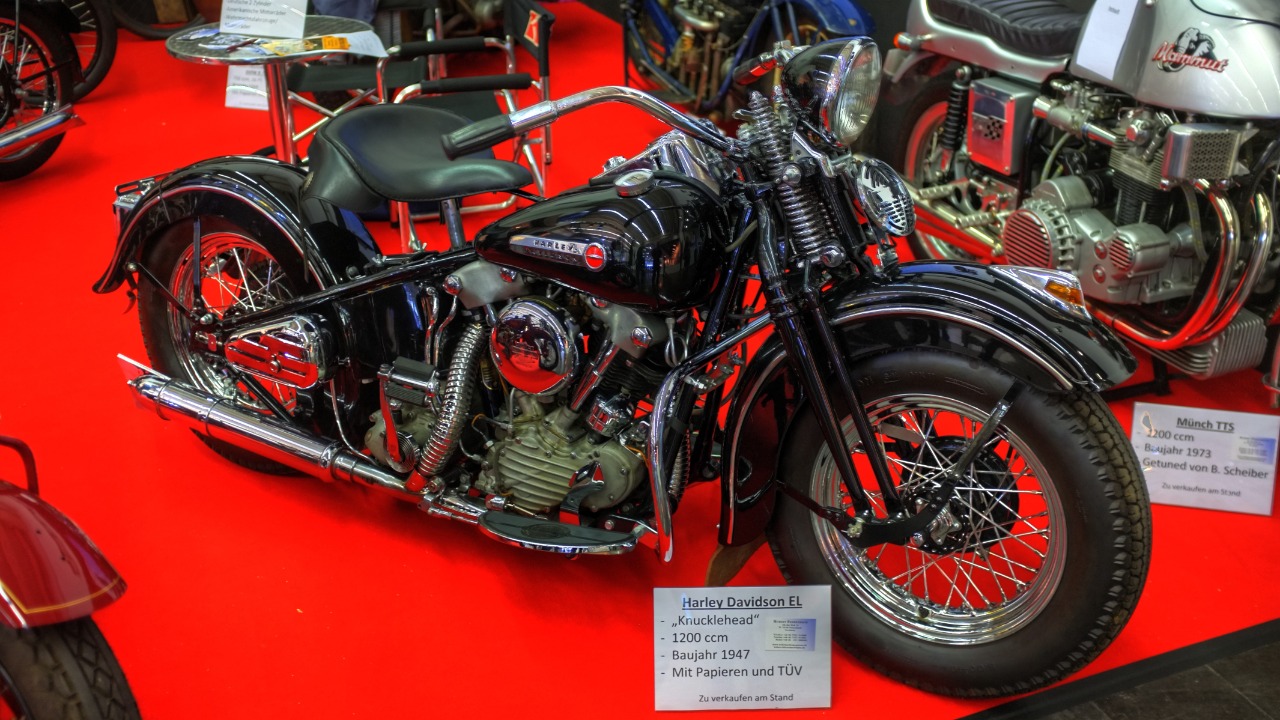
The Harley-Davidson Knucklehead introduced overhead-valve technology to Harley-Davidson’s large-displacement V-twin lineup and became an important milestone in the company’s engineering history. Produced from the 1930s into the 1940s, these motorcycles have survived through decades of use, customization, and restoration. Genuine examples with original major components are now particularly valuable to collectors. Enthusiasts often hold onto Knuckleheads because they represent a major transition in Harley-Davidson design. Their distinctive rocker boxes and early overhead-valve configuration also make them immediately recognizable among vintage American motorcycles.
Harley-Davidson Panhead
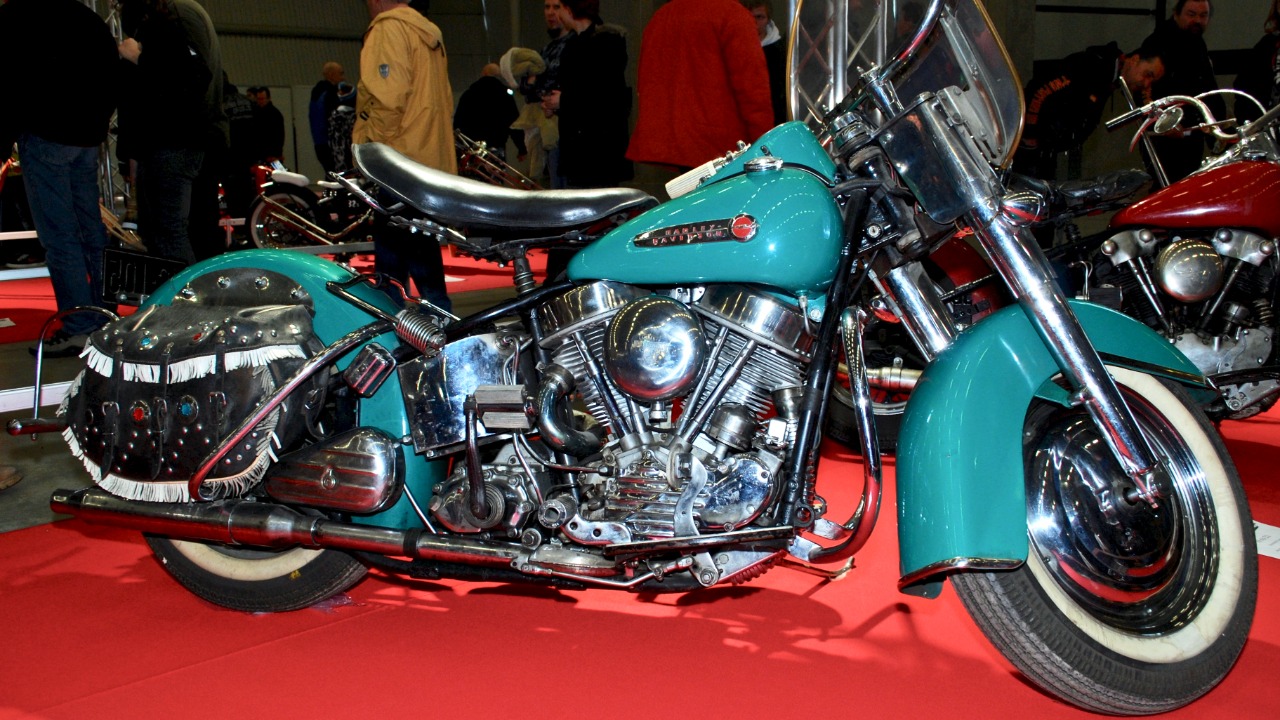
The Harley-Davidson Panhead followed the Knucklehead and became another important motorcycle in the company’s history. Introduced after World War II, it featured distinctive rocker-box covers that gave the engine its famous nickname. Panheads were widely used and modified throughout their lives, meaning completely original examples are harder to find today. Collectors appreciate motorcycles that retain their original engines, frames, controls, and period-correct equipment. The Panhead’s combination of classic styling, mechanical significance, and long production history makes it a motorcycle many enthusiasts prefer to keep rather than sell.
Harley-Davidson Sportster XLCH
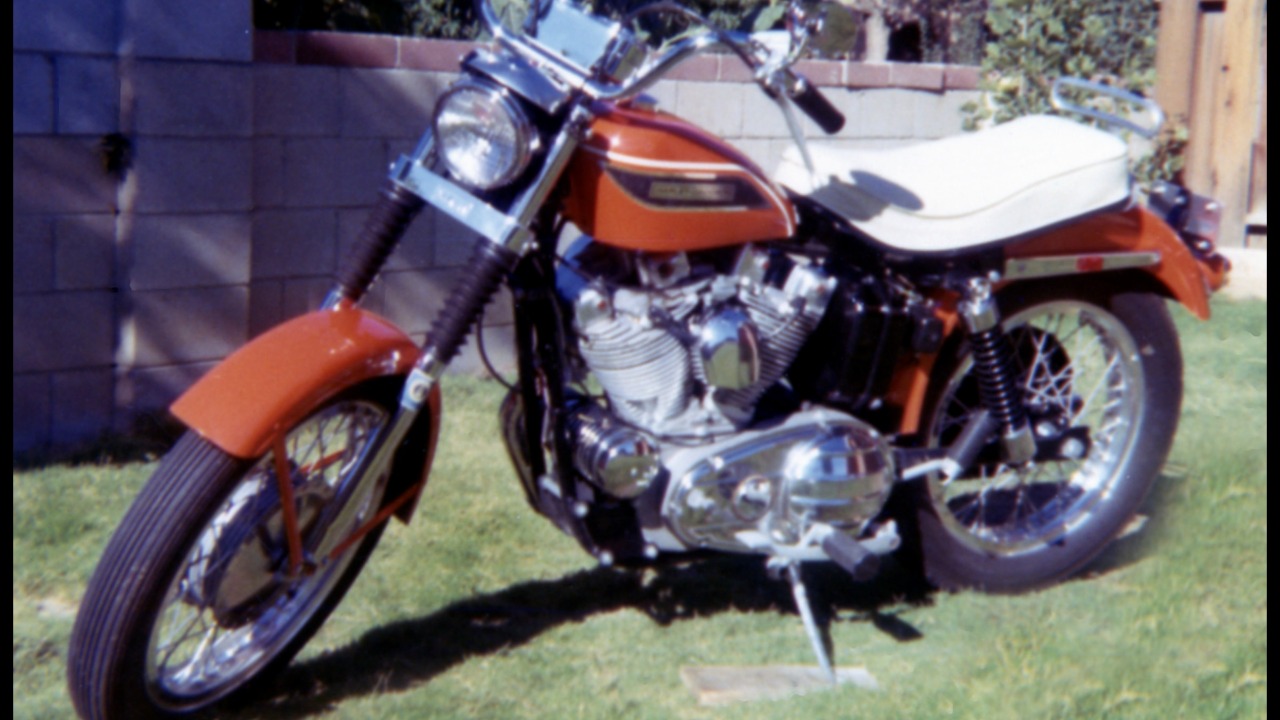
The Harley-Davidson Sportster XLCH brought a more performance-oriented character to the company’s lineup. Introduced in 1958, the XLCH was related to the Sportster family but emphasized lighter weight and sportier riding compared with Harley-Davidson’s larger touring models. Early examples are particularly interesting to collectors because of their distinctive styling and mechanical features. Many Sportsters were customized during their long lives, reducing the number of untouched motorcycles available today. Enthusiasts who own an early XLCH often preserve it because it represents an important step in Harley-Davidson’s development of a sportier motorcycle.
Harley-Davidson XR-750
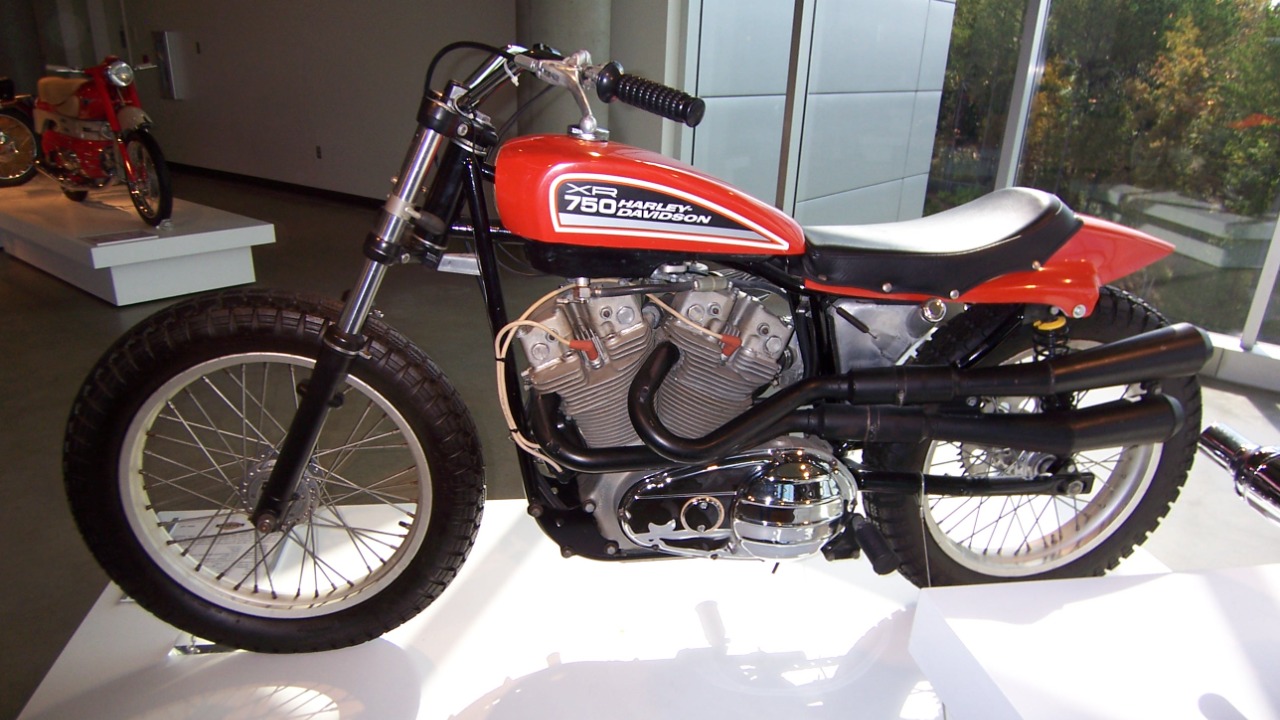
The Harley-Davidson XR-750 became one of the most successful American racing motorcycles ever produced. Developed for flat-track competition, it combined a lightweight chassis with a high-performance V-twin designed specifically for racing. Its long competition history gave the XR-750 an important place in American motorcycle culture. Genuine racing examples and historically significant machines are especially interesting to collectors. The motorcycle’s connection to professional flat-track racing also makes it different from ordinary street motorcycles. Enthusiasts who acquire original XR-750s often have little reason to let them go.
Indian Scout
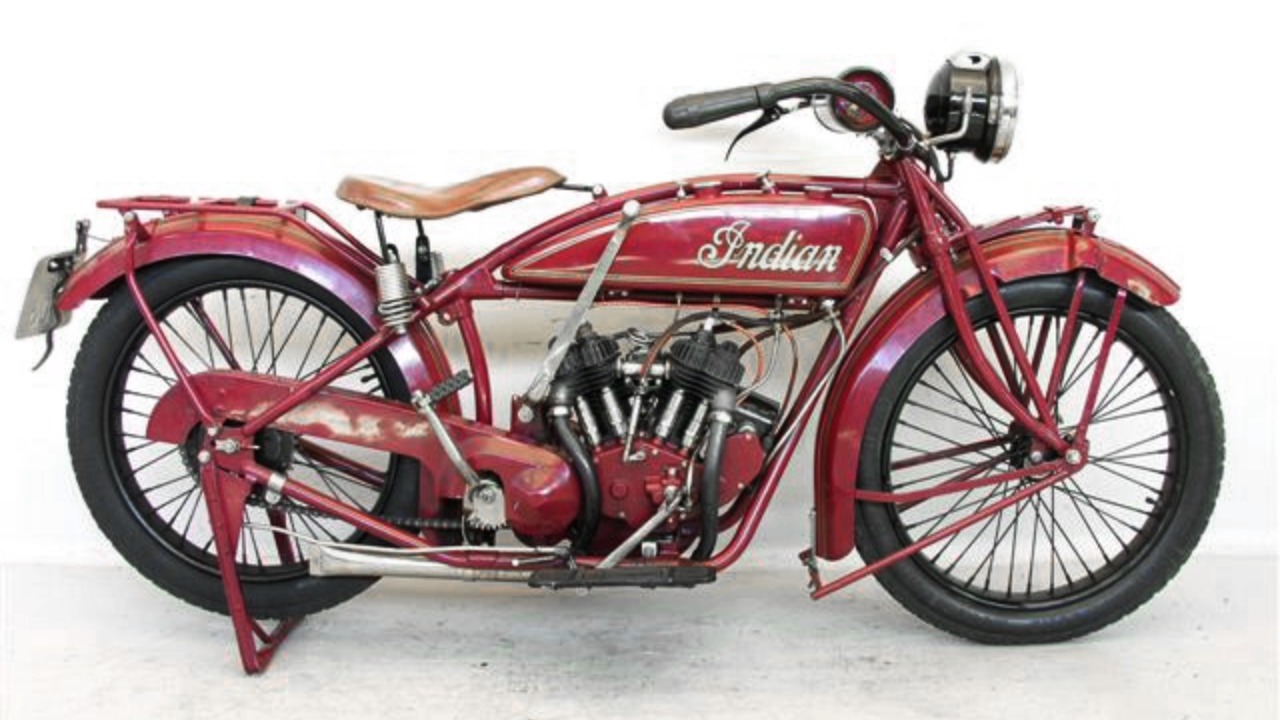
The Indian Scout became one of the company’s most respected motorcycles because of its manageable dimensions, strong V-twin engine, and versatile character. Early Scouts were used for transportation, touring, racing, and other forms of riding, helping establish the model’s reputation. Because many were heavily used during their long lives, original examples can be difficult to locate. Collectors are particularly interested in motorcycles that retain period-correct components and finishes. The Scout’s combination of historical importance and recognizable Indian styling makes surviving examples especially appealing to vintage motorcycle enthusiasts.
Indian Chief
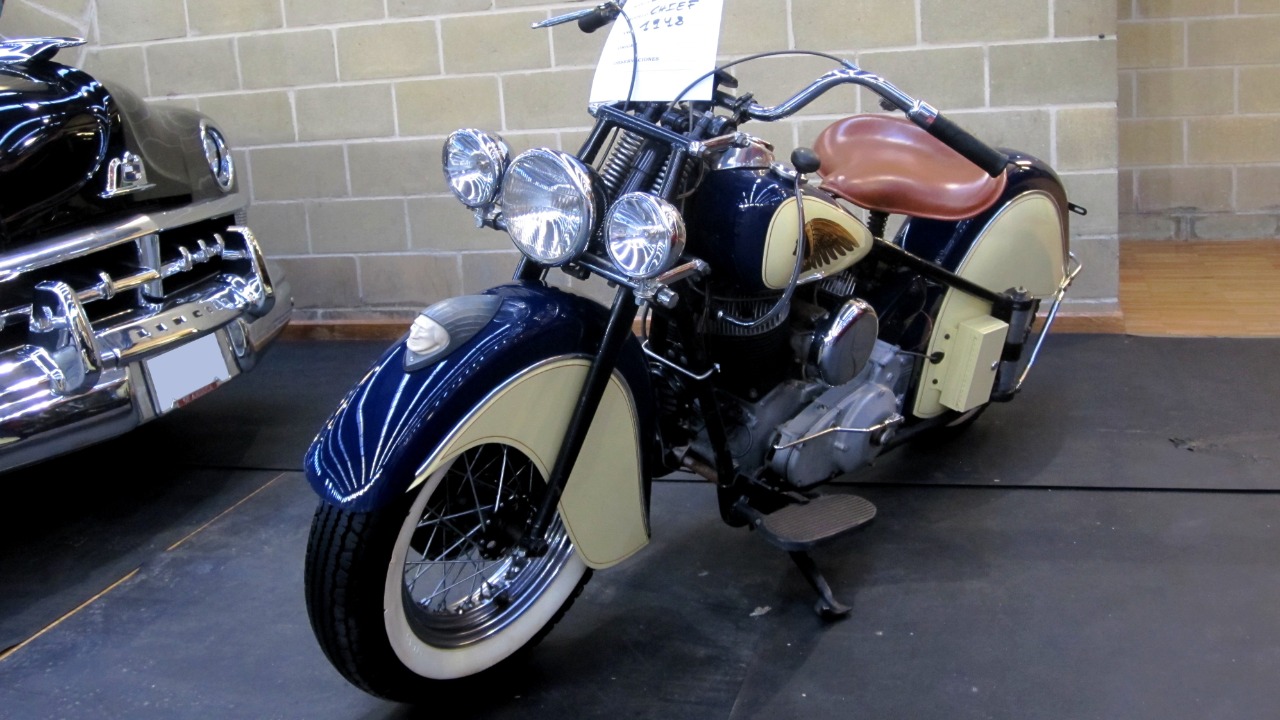
The Indian Chief became one of the company’s signature large motorcycles and remained an important part of its lineup for decades. Its large-displacement V-twin, substantial frame, and distinctive styling made it well suited to touring and long-distance riding. Although the Chief was more widely produced than some rare Indian models, age and decades of use have reduced the number of original motorcycles available. Collectors often seek examples with authentic mechanical components and correct period details. The Chief remains an important part of American motorcycle history and a motorcycle many enthusiasts prefer to preserve.
Indian Big Chief
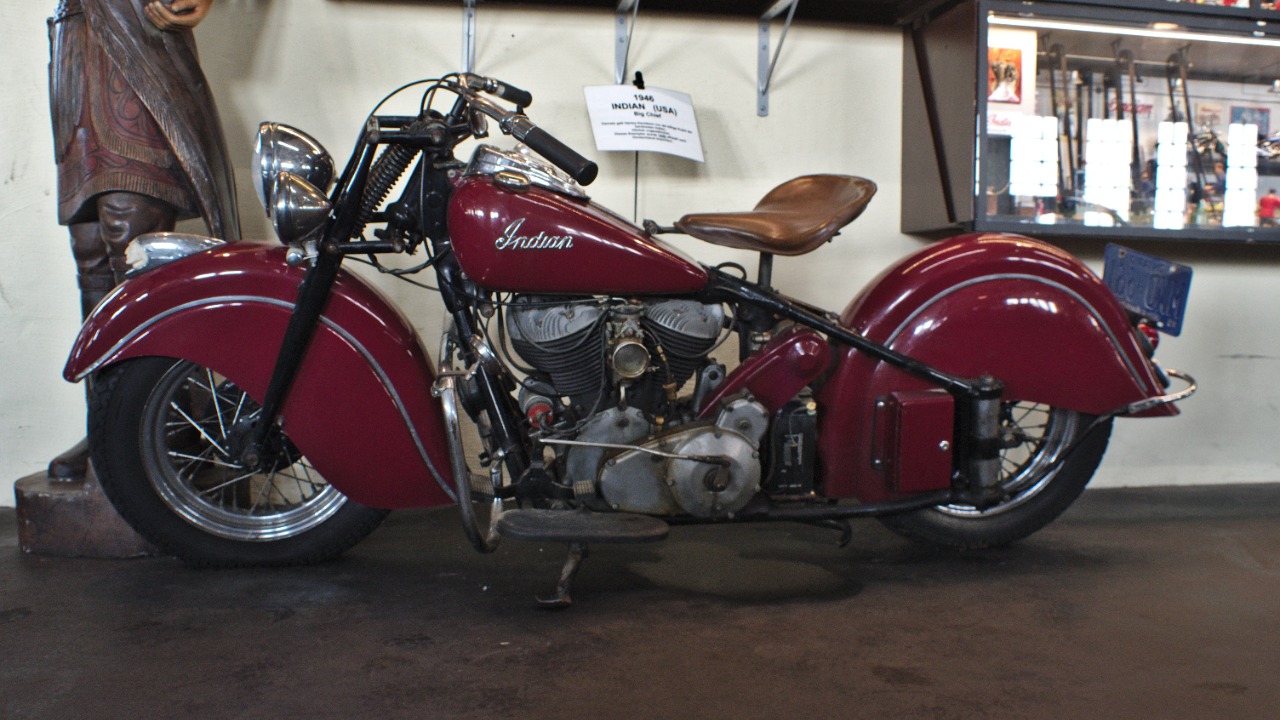
The Indian Big Chief was developed as a larger and more powerful member of the company’s V-twin family. Its substantial engine and imposing appearance gave it the presence expected from a premium American motorcycle of its period. Big Chiefs have survived in smaller numbers than many modern motorcycles, and numerous examples have undergone extensive restoration. Original or highly documented motorcycles are therefore especially interesting to collectors. The model’s large engine, traditional Indian styling, and connection to the company’s prewar history make it a motorcycle that enthusiasts are often reluctant to part with.
Harley-Davidson Dyna Super Glide Sport
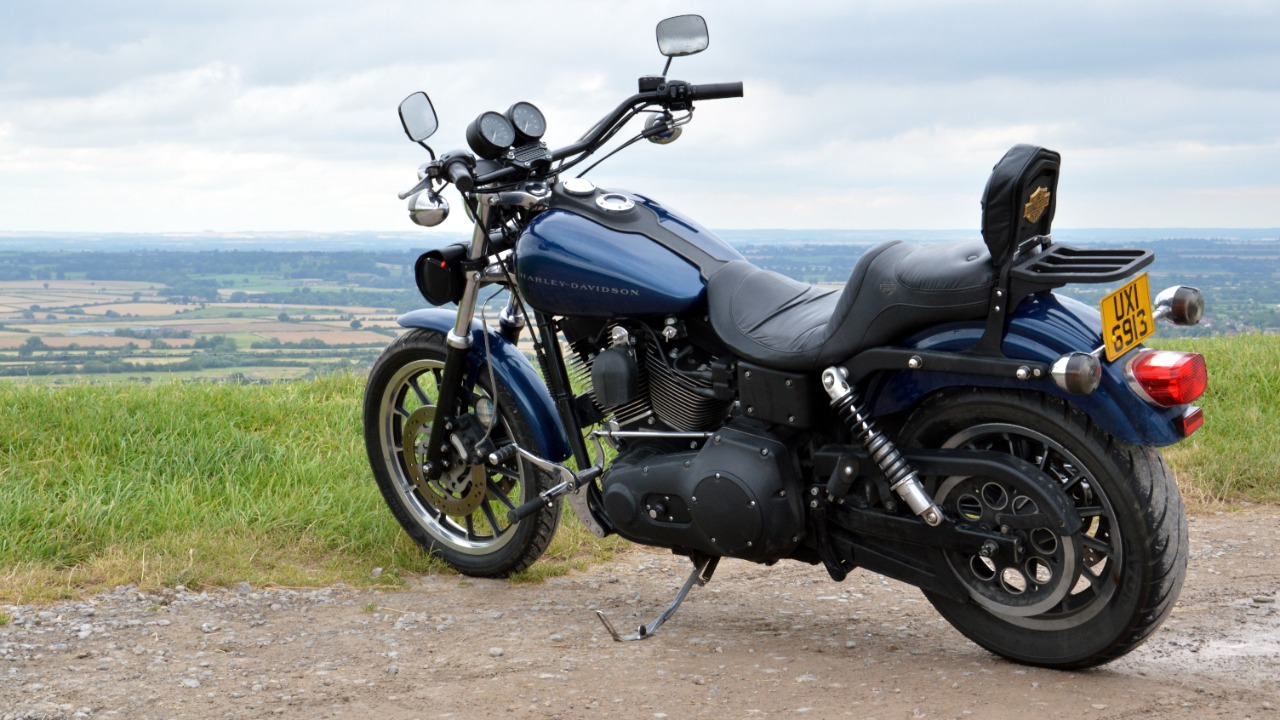
The Harley-Davidson Dyna Super Glide Sport offered a more performance-focused interpretation of the Dyna platform. It combined Harley-Davidson’s traditional V-twin character with upgraded suspension and handling equipment, giving it a different personality from many conventional cruisers. Production eventually ended as Harley-Davidson discontinued the Dyna family. Many motorcycles were also customized by their owners, making factory-original examples increasingly interesting. Enthusiasts appreciate the Super Glide Sport because it occupies a specific place in Harley-Davidson history, combining traditional American motorcycle design with a stronger emphasis on handling.
Harley-Davidson V-Rod
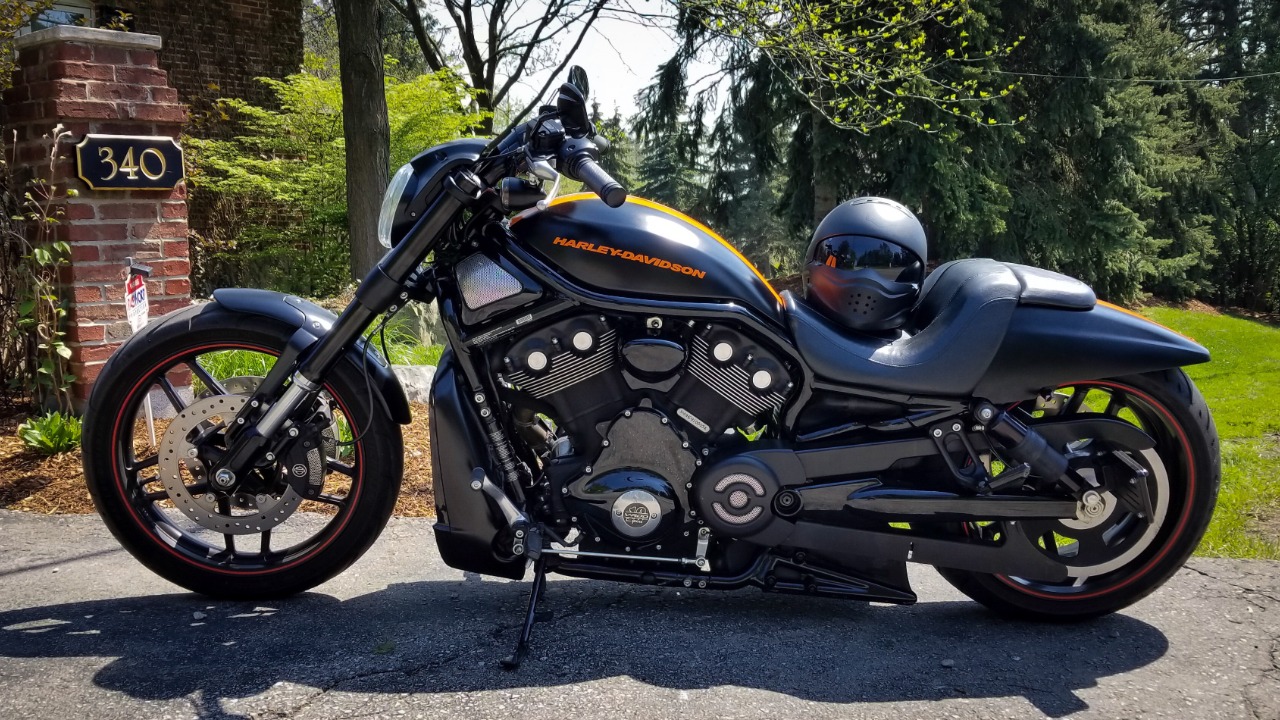
The Harley-Davidson V-Rod represented one of the company’s biggest departures from its traditional motorcycle formula. Developed around the liquid-cooled Revolution V-twin, it offered a more performance-oriented character and distinctive styling. The V-Rod family was eventually discontinued, giving it a clear place in Harley-Davidson history. Because many examples have been modified, clean original motorcycles are increasingly interesting to collectors. Enthusiasts who appreciate unusual Harley-Davidson models often hold onto V-Rods because the motorcycle represents a period when the company explored a different approach to performance and engineering.
Harley-Davidson Night Rod Special
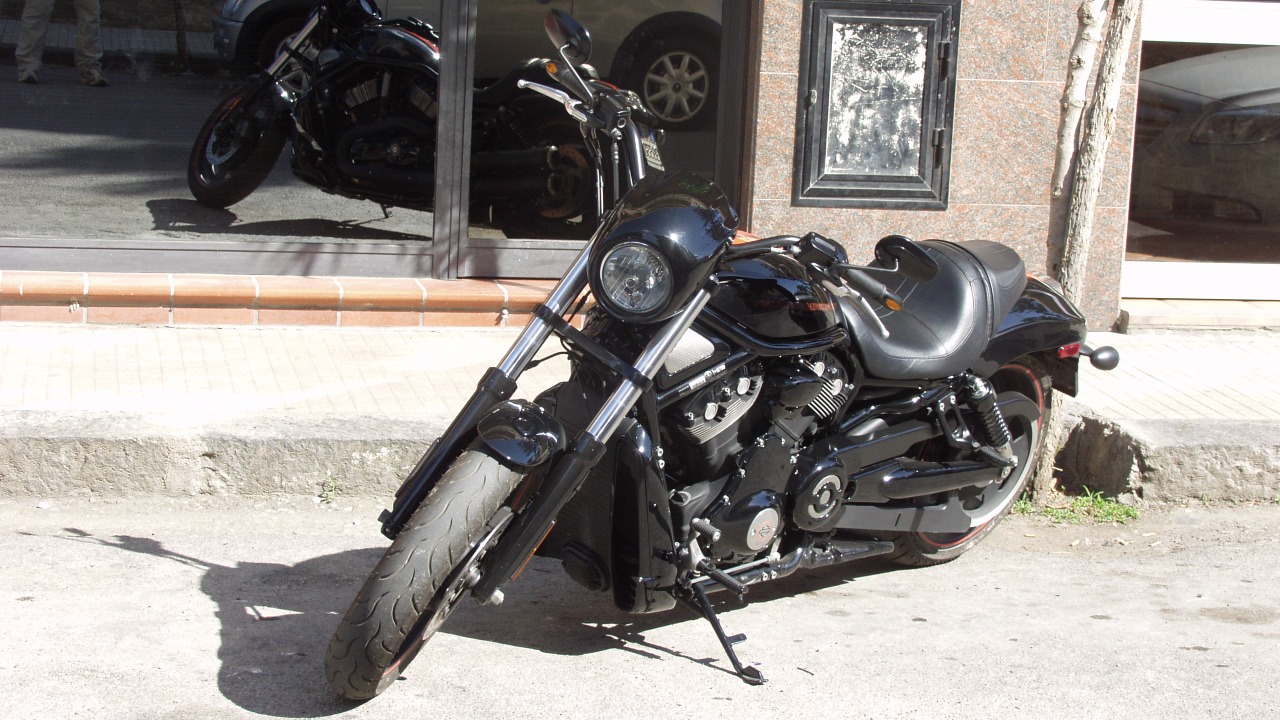
The Night Rod Special gave the V-Rod platform a darker and more aggressive appearance. Its blacked-out components, low stance, and liquid-cooled Revolution engine separated it from traditional Harley-Davidson cruisers. The model’s discontinuation has made original examples increasingly interesting, especially motorcycles that have escaped extensive customization. Its styling also gives it a distinct identity within the V-Rod family. Enthusiasts who own Night Rod Specials often preserve them because they represent an unusual combination of Harley-Davidson styling and modern performance technology.
Buell S1 Lightning
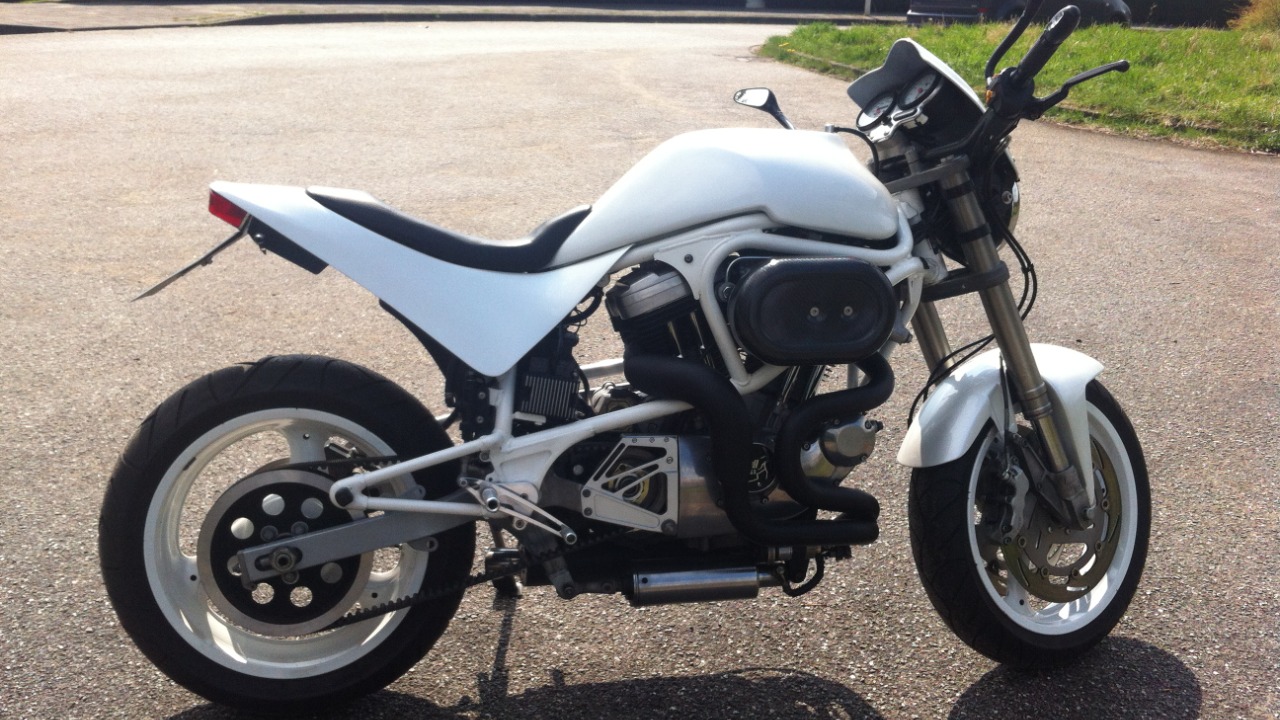
The Buell S1 Lightning was one of the most distinctive American sport motorcycles of the 1990s. It combined a compact chassis with an air-cooled Harley-Davidson-derived V-twin and unconventional engineering. Buell produced motorcycles in much smaller numbers than the major Japanese and European manufacturers, making surviving examples relatively uncommon. Many have also been modified because of their enthusiast following. Original S1 Lightnings are therefore particularly interesting to collectors. The motorcycle represents a period when American engineering was taking a very different approach to sportbike design.
Buell M2 Cyclone
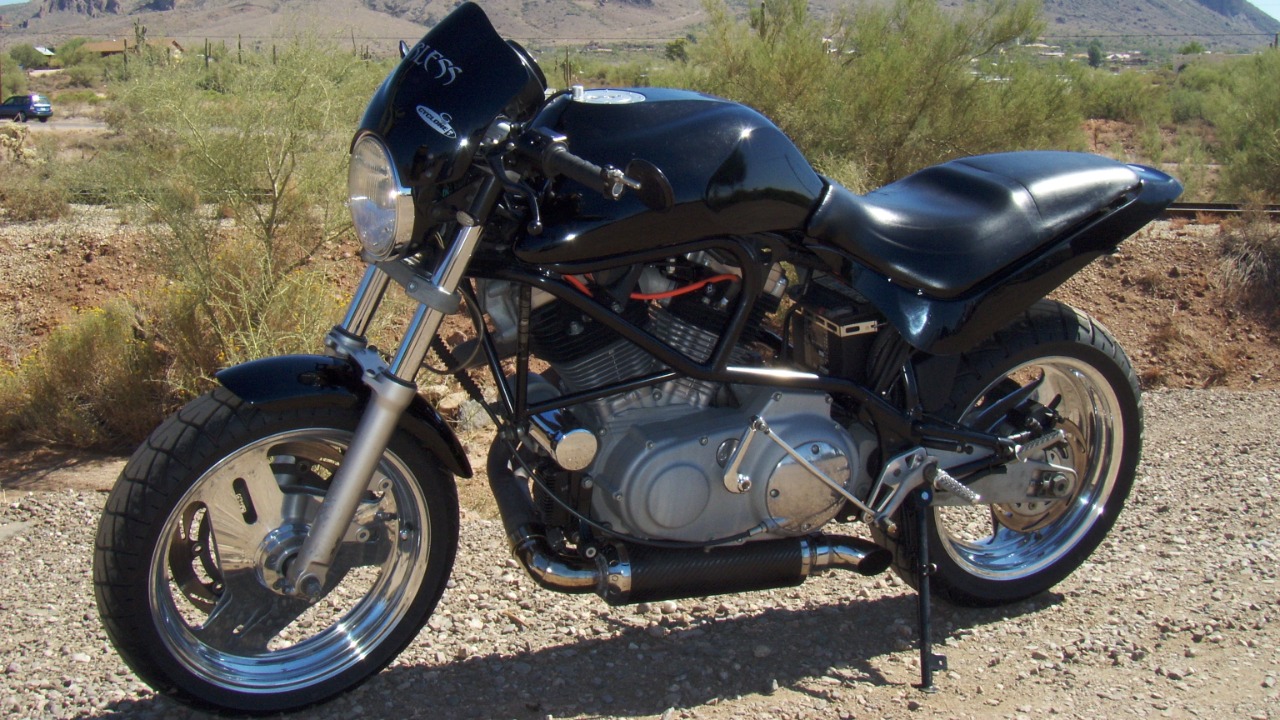
The Buell M2 Cyclone combined American V-twin character with a lightweight chassis and sport-oriented handling. It was designed around the idea that an American motorcycle could provide a more responsive alternative to traditional cruisers. Production numbers were limited compared with mainstream motorcycles, and Buell’s eventual disappearance from the market further reduced availability. Enthusiasts appreciate the M2 because it provides a direct connection to Buell’s unusual engineering philosophy. Clean examples are increasingly interesting to collectors who want an American motorcycle that does not follow the conventional cruiser formula.
Buell S3 Thunderbolt
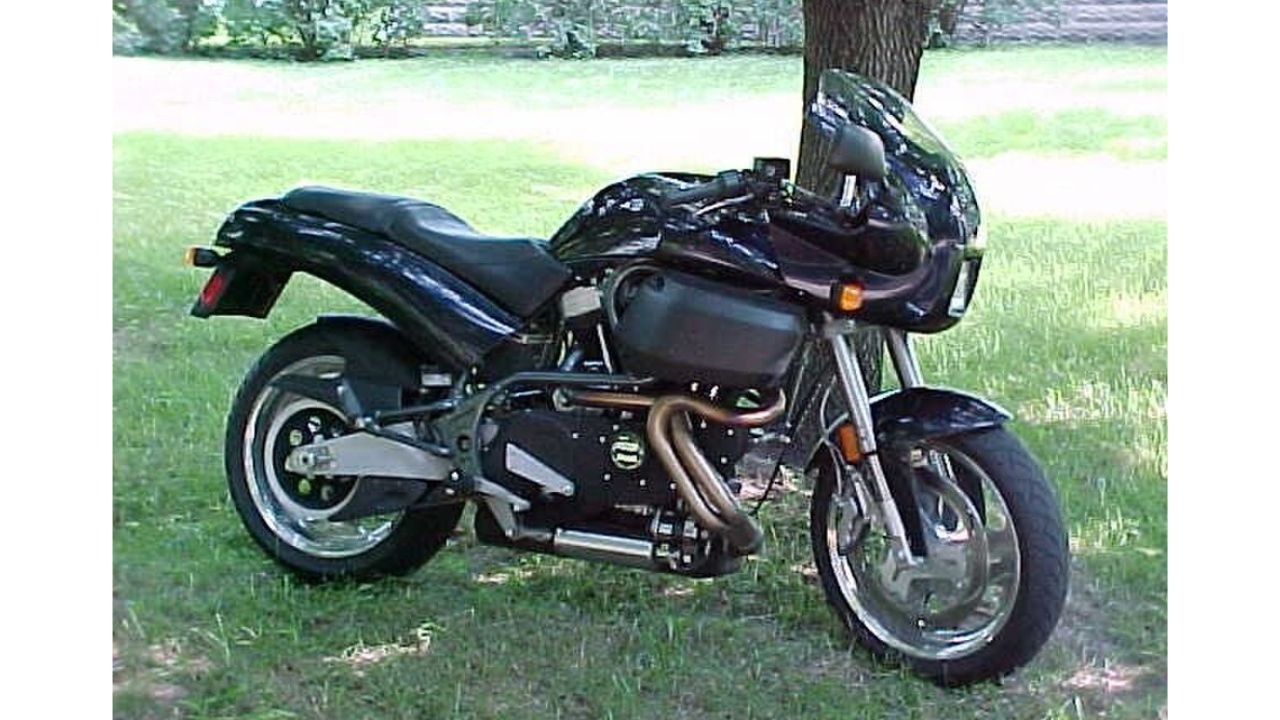
The Buell S3 Thunderbolt combined the company’s unconventional chassis engineering with a more practical sport-touring design. Compared with Buell’s more stripped-down models, it offered additional wind protection and touring capability while retaining the distinctive V-twin character. Limited production and the eventual end of Buell motorcycle manufacturing have made surviving examples less common. Original motorcycles are particularly interesting because many have accumulated modifications over the years. Enthusiasts who collect unusual American motorcycles often keep the S3 Thunderbolt because of its distinctive combination of performance and touring ability.
Buell XB9R Firebolt
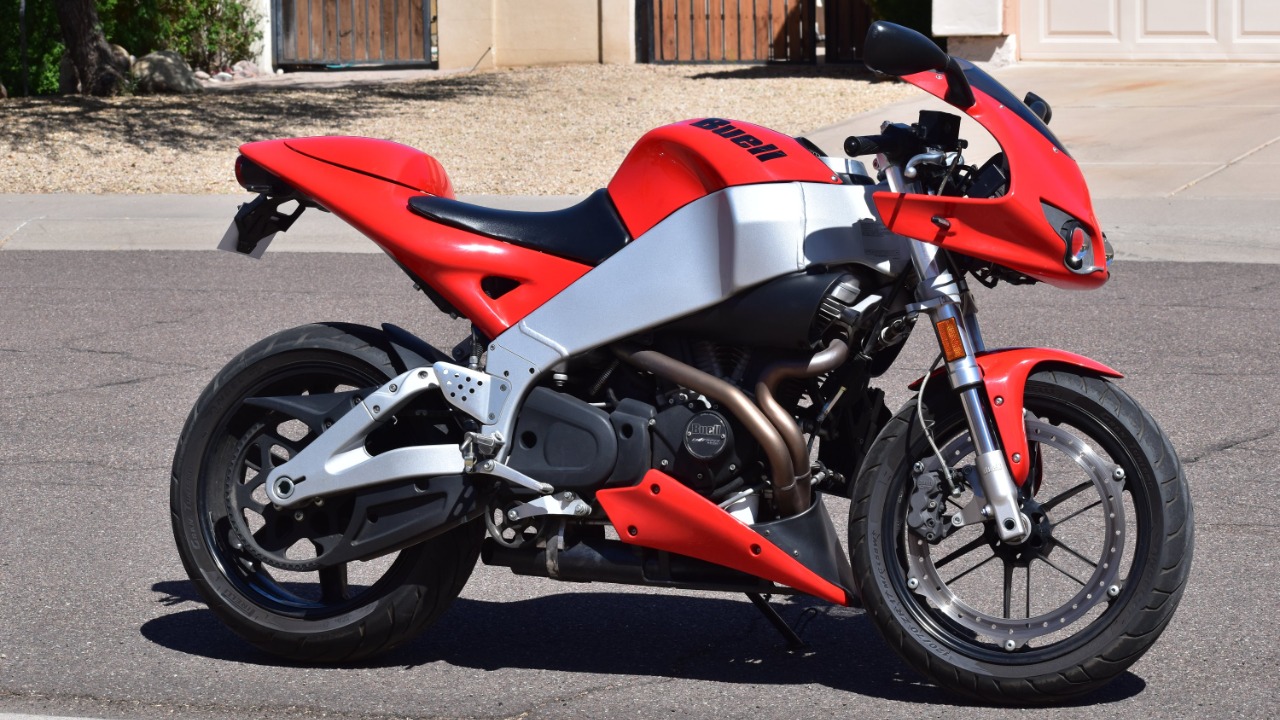
The Buell XB9R Firebolt demonstrated how unconventional American motorcycle engineering had become by the early 2000s. Its fuel-in-frame design, perimeter front brake, compact chassis, and Harley-Davidson-derived V-twin gave it a distinctive technical identity. Production numbers were modest compared with mainstream sportbikes, and the end of Buell production further reduced the number of surviving motorcycles. Many Firebolts have also been customized or altered. Enthusiasts who find an original XB9R often preserve it because its unusual engineering makes it difficult to replace with another American motorcycle.
Buell XB12S Lightning
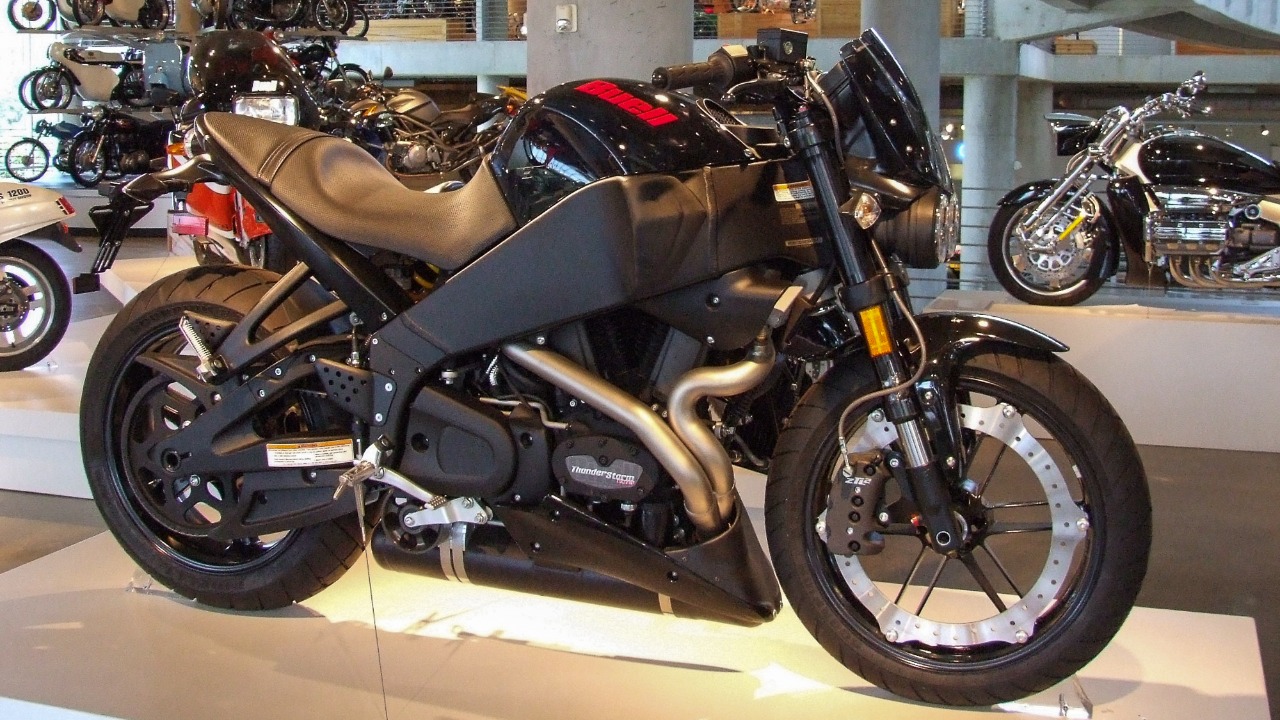
The Buell XB12S Lightning combined a compact naked-bike design with a larger-displacement V-twin and Buell’s distinctive chassis engineering. Its centralized mass, unusual braking system, and minimalist appearance gave it a character unlike most other American motorcycles. With Buell production discontinued, surviving examples have become increasingly interesting to collectors. Factory-original motorcycles are especially appealing because modifications are common among older performance motorcycles. The XB12S represents one of the final generations of Buell’s unconventional American sportbike engineering and remains a distinctive machine for enthusiasts who collect unusual motorcycles.
Harley-Davidson XR-1000
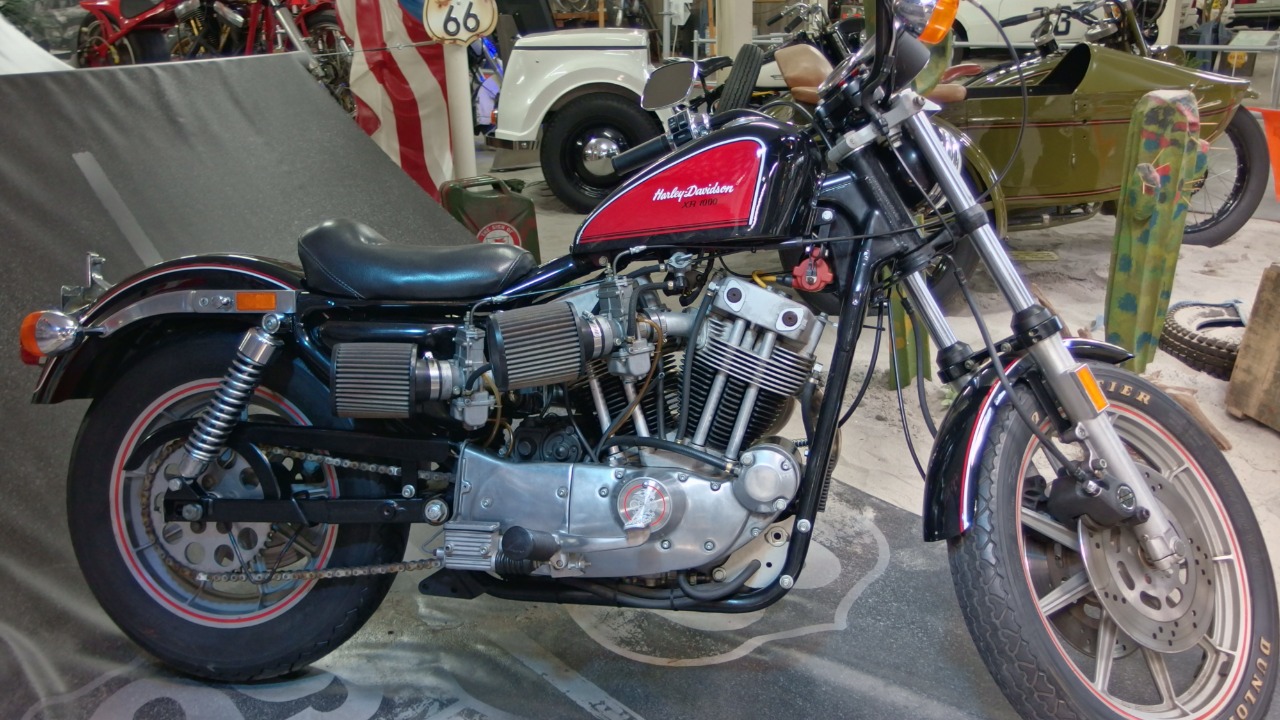
The Harley-Davidson XR-1000 was a rare factory performance motorcycle that combined Sportster street equipment with technology inspired by Harley-Davidson’s successful XR-750 racing program. Introduced in 1983, it used a modified 1,000cc Sportster engine with high-performance cylinder heads and other racing-influenced components. Production numbers were limited, and many examples were ridden hard or modified over the years. Today, original XR-1000s are increasingly difficult to find, making them particularly interesting to collectors who appreciate unusual and historically significant Harley-Davidson motorcycles.
More from Fast Lane Only
- Unboxing the WWII Jeep in a Crate
- 15 rare Chevys collectors are quietly buying
- 10 underrated V8s still worth hunting down
- Police notice this before you even roll window down
*Research for this article included AI assistance, with all final content reviewed by human editors.