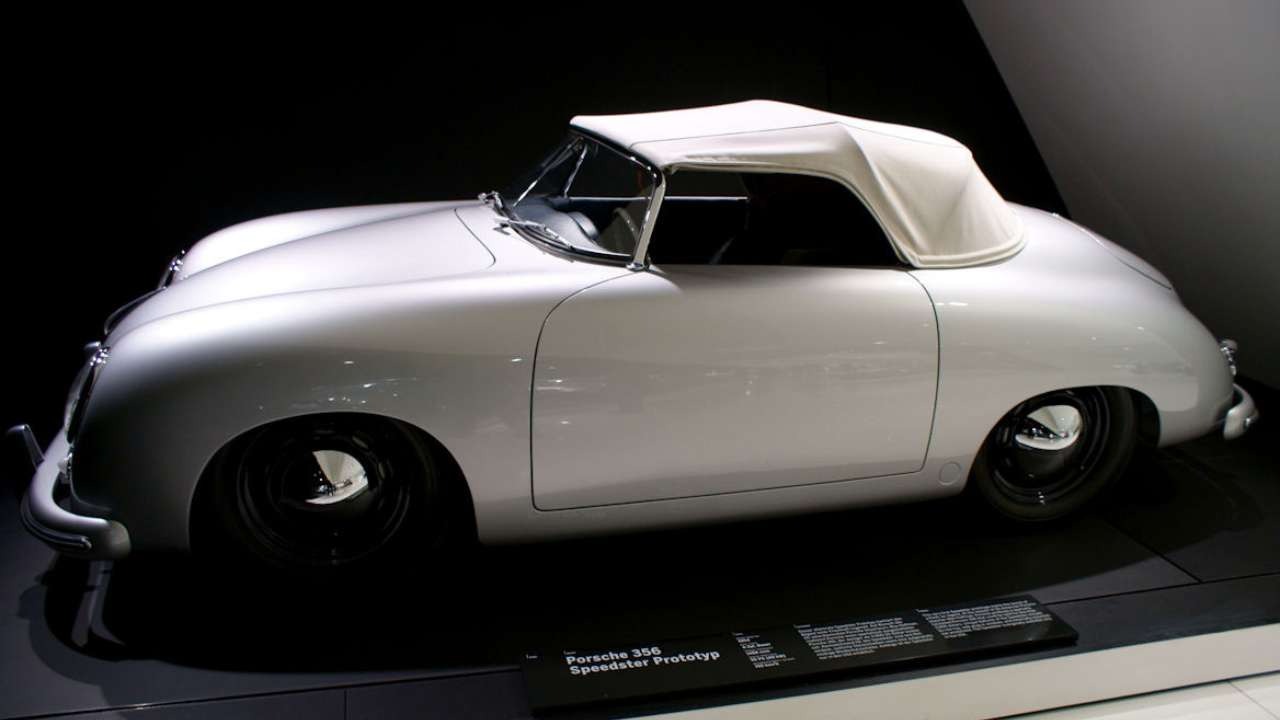
Roadsters have always offered a simple connection between driver, machine, and road. Long before modern electronics became common, these lightweight two-seaters relied on responsive steering, rear-wheel drive, and open-air driving. Some disappeared from public attention, but enthusiasts still appreciate their honest layouts, distinctive styling, and mechanical character that modern cars rarely reproduce.
MG Midget
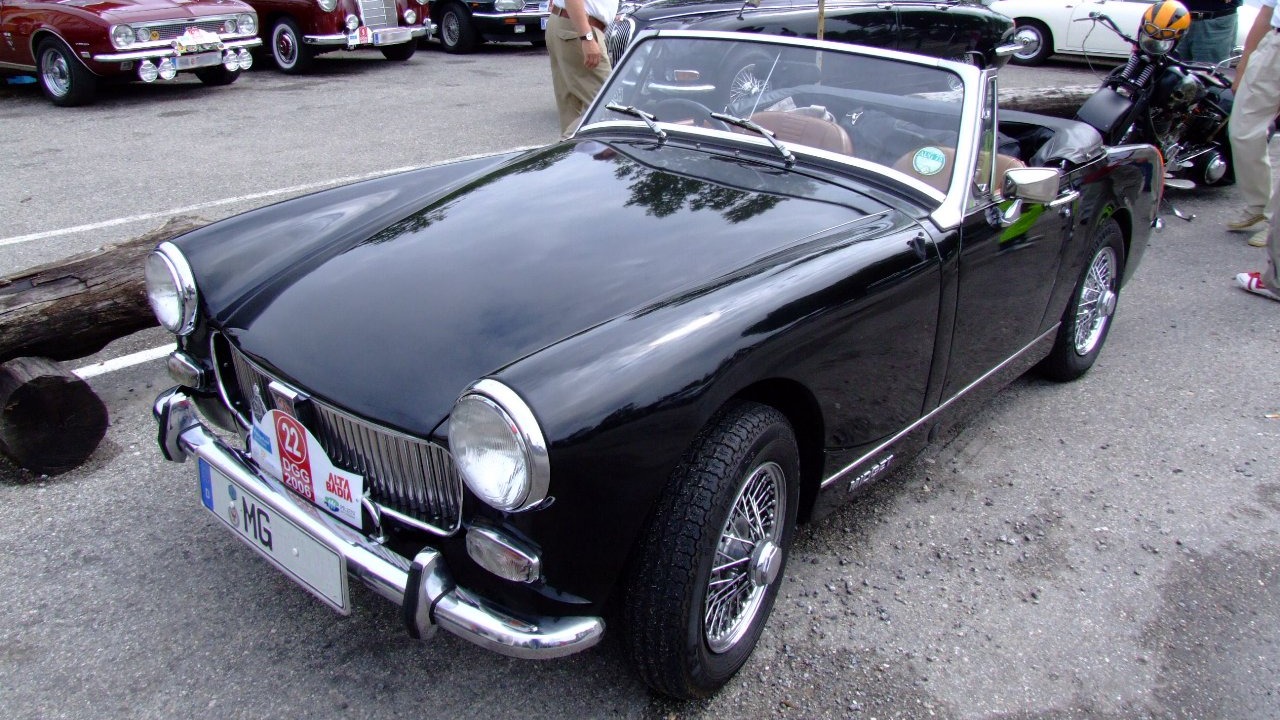
The MG Midget became one of Britain’s most accessible classic roadsters, combining a small body with simple rear-wheel-drive mechanics. Introduced in 1961, it evolved through several generations while retaining its lightweight character. Its modest four-cylinder engines were never about overwhelming power, but the car’s compact dimensions made ordinary roads feel more engaging. Enthusiasts continue to appreciate the Midget because it delivers the traditional British roadster experience without requiring a large engine or complicated technology. Good original examples remain attractive to drivers who value simplicity and direct feedback.
Triumph Spitfire
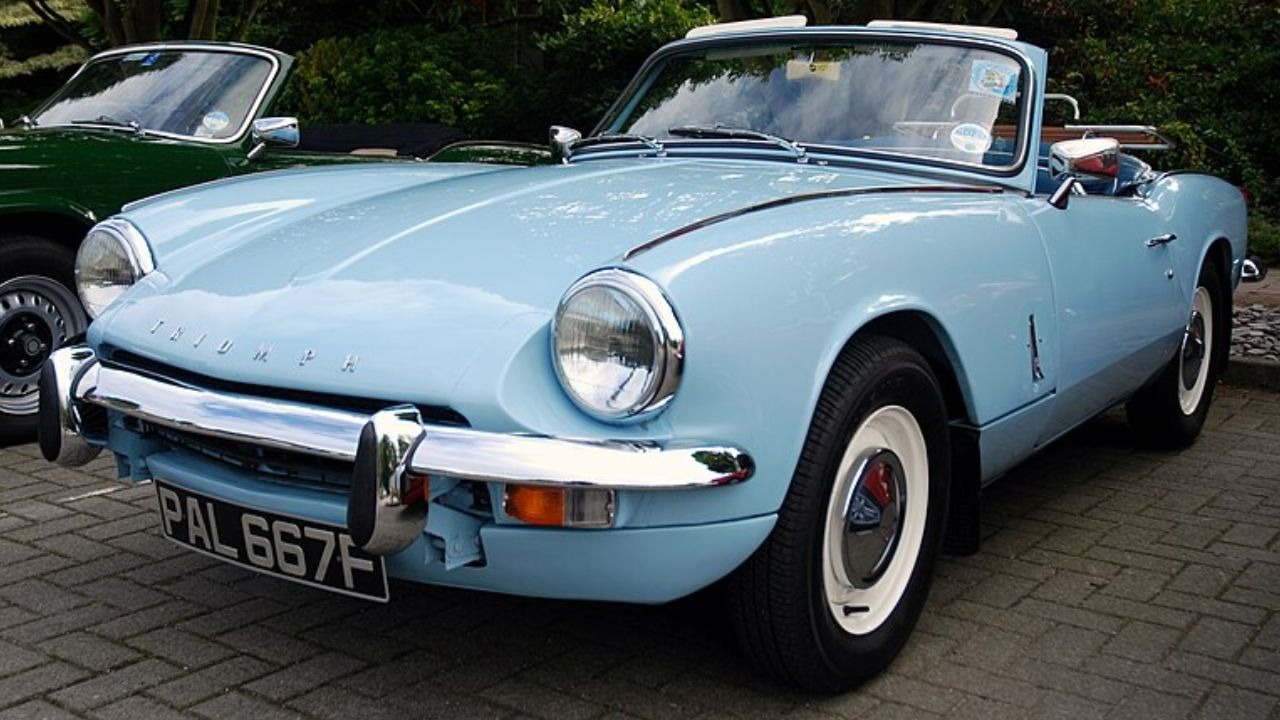
The Triumph Spitfire brought affordable open-top motoring to a wide audience with its compact proportions, four-cylinder engine, and simple rear-wheel-drive layout. Its distinctive clamshell front end became one of the model’s defining features. Over several generations, Triumph gradually improved the Spitfire’s suspension, engine, and interior while maintaining its basic character. Drivers still appreciate the car because it is light, relatively simple, and easy to enjoy at moderate speeds. Its modest performance actually reinforces its appeal for enthusiasts who prefer involvement over outright acceleration.
Fiat 124 Spider
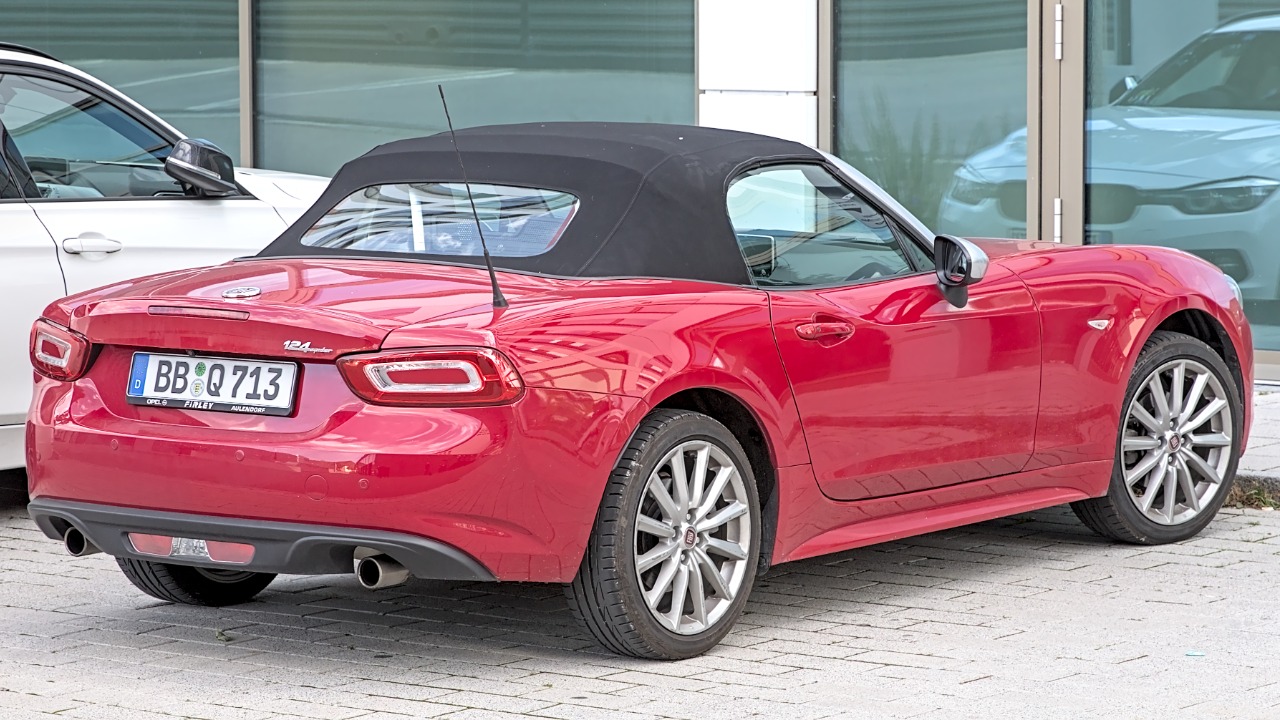
The Fiat 124 Spider combined Italian styling with a practical rear-wheel-drive roadster platform. Designed by Pininfarina, it featured elegant proportions and a four-cylinder engine mounted at the front. The model remained in production for many years, receiving mechanical updates while retaining its basic identity. Its relatively compact size and balanced layout make it appealing to drivers who enjoy winding roads rather than straight-line speed. The 124 Spider is also interesting because its design later influenced the Pininfarina Spider and its relationship with the Mazda MX-5 helped extend the nameplate’s legacy.
Alfa Romeo Spider
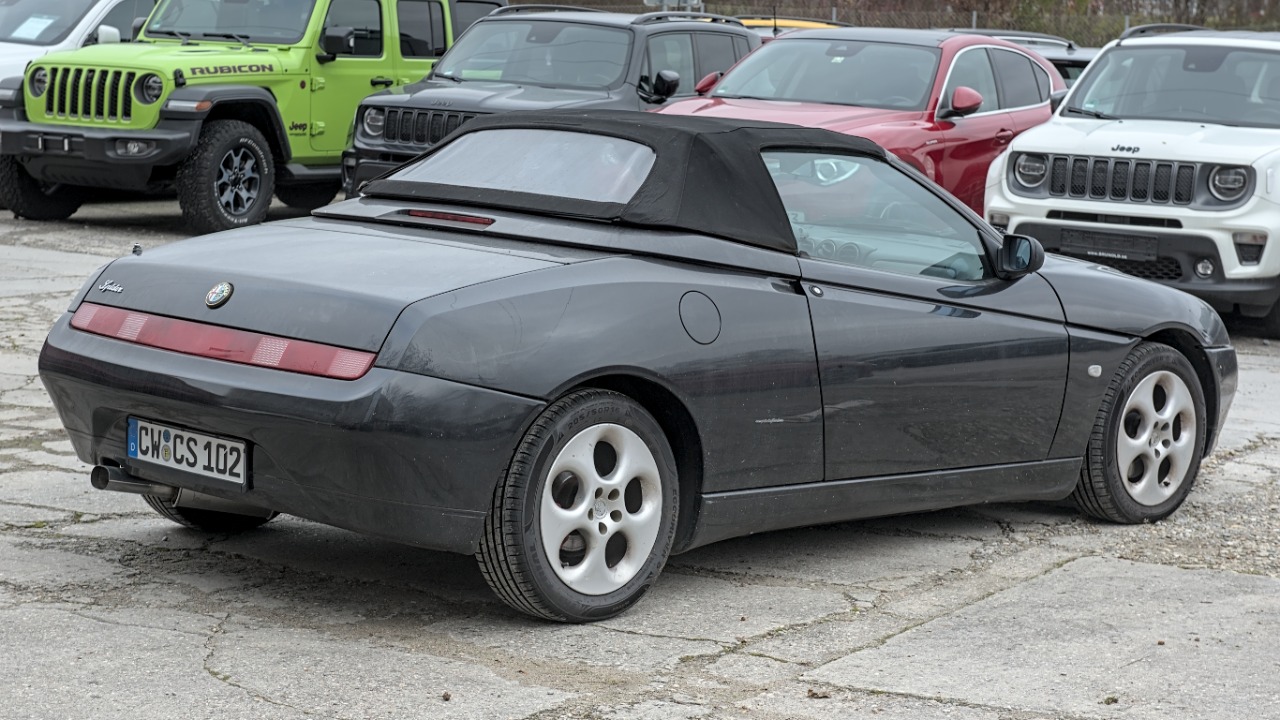
The Alfa Romeo Spider became one of Italy’s most recognizable roadsters, helped by its elegant styling and lively driving character. The early version introduced in 1966 featured a rounded rear design that became one of its most famous visual elements. Later generations changed significantly but retained the front-engine, rear-wheel-drive formula. Enthusiasts continue to seek Spiders because they combine Italian design with a relatively direct mechanical experience. The car’s long production history also means there are several distinct versions, each offering a different interpretation of the classic Alfa Romeo roadster.
Datsun 2000 Roadster
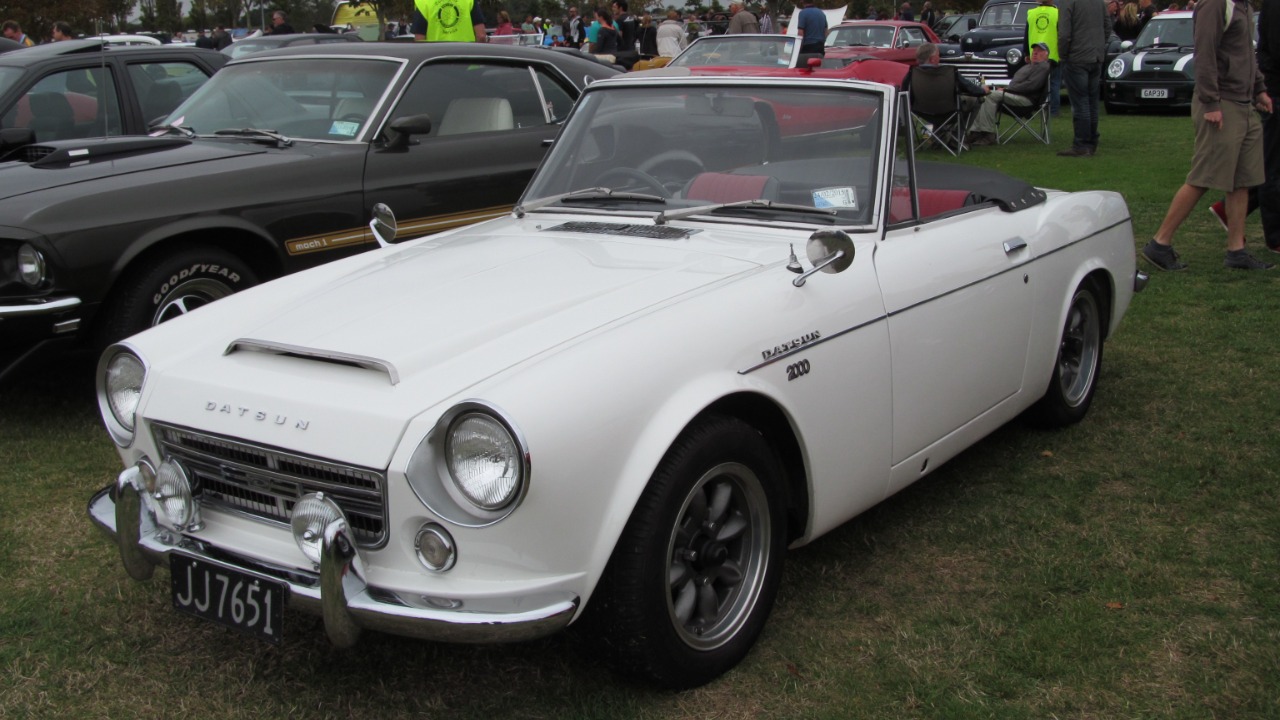
The Datsun 2000 Roadster helped establish Nissan’s reputation among American sports-car buyers before the arrival of the Z-car. Its four-cylinder engine, manual transmission, independent front suspension, and rear-wheel drive gave it a more serious performance character than its modest appearance suggested. The 2000 was particularly notable for its available five-speed transmission. Today, enthusiasts appreciate the roadster because it represents an earlier stage of Japanese performance development. Its combination of mechanical simplicity, relatively low weight, and classic open-top design makes it an interesting alternative to better-known British roadsters.
Honda S800
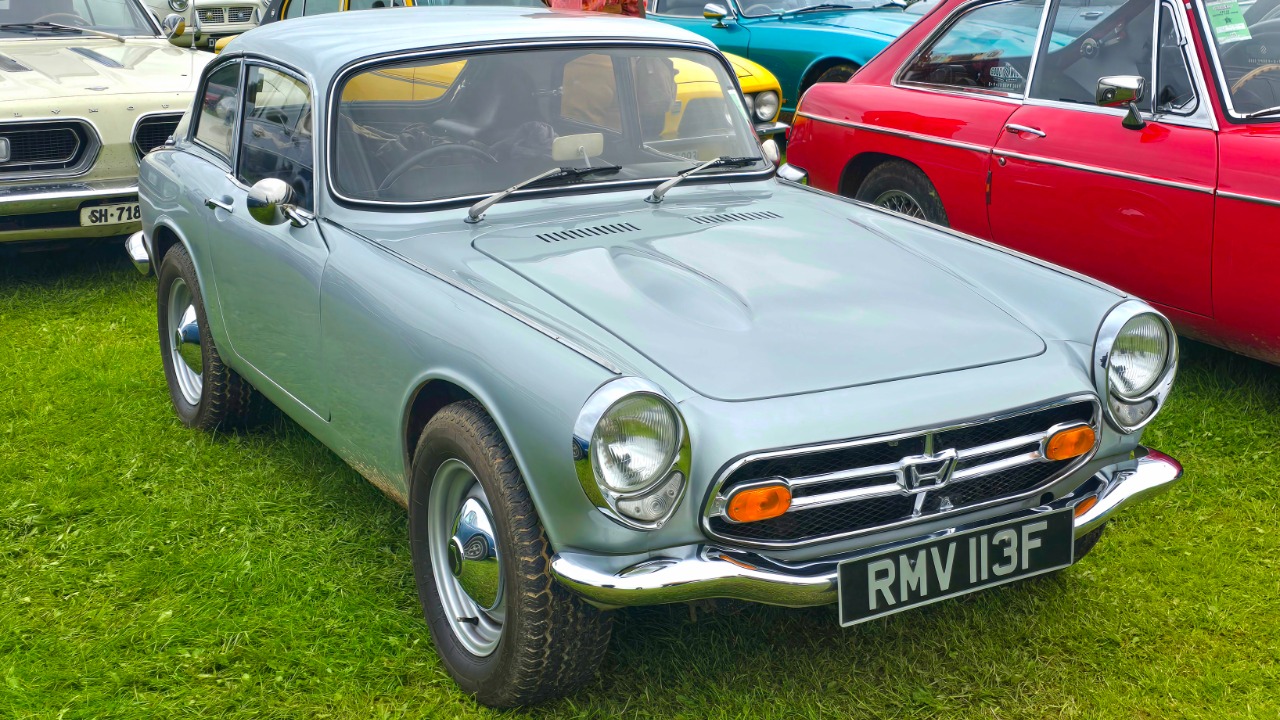
The Honda S800 demonstrated that a small engine could provide a remarkably engaging driving experience. Introduced in the 1960s, it used a compact four-cylinder engine with motorcycle-inspired engineering and a high-revving character. The S800 was available as both a roadster and coupe, but the open version remains particularly appealing to enthusiasts. Its tiny dimensions and precise mechanical layout make it very different from larger American and European sports cars of the period. Surviving examples are uncommon, giving the S800 additional appeal among collectors interested in unusual Japanese classics.
Austin-Healey Sprite
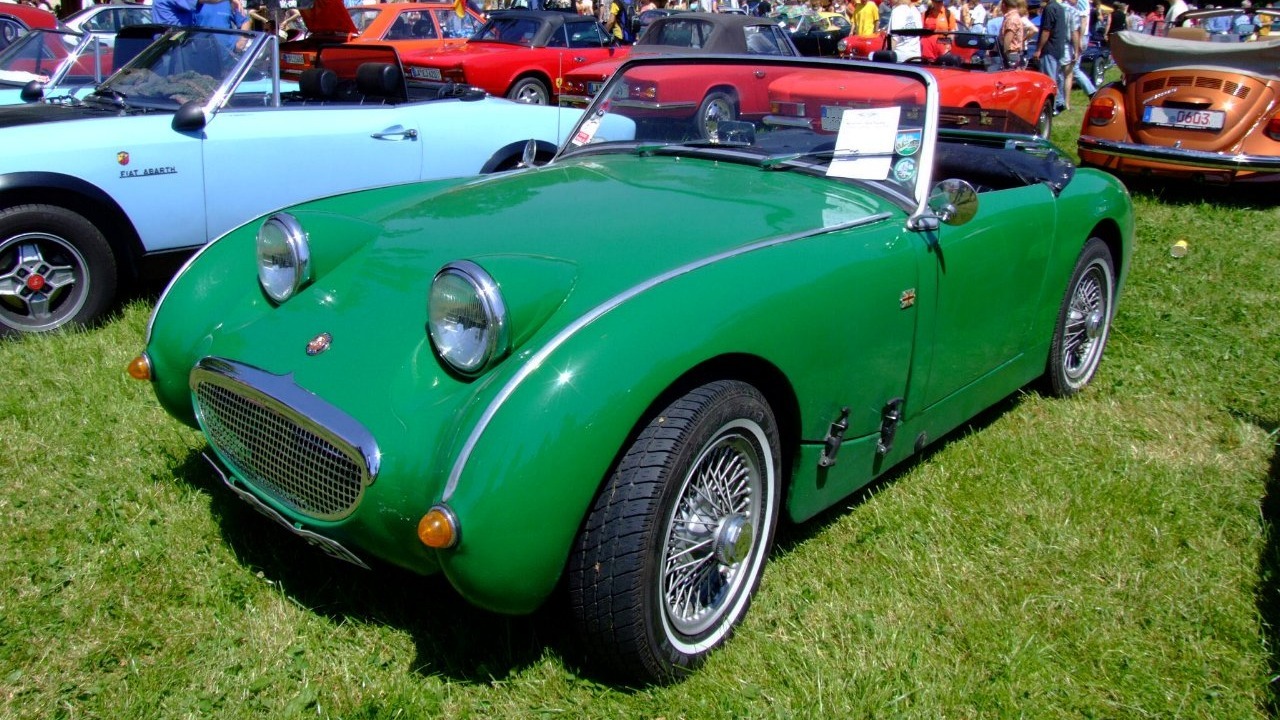
The Austin-Healey Sprite was designed around a straightforward idea: provide affordable sports-car fun with minimal weight and complexity. Early examples became famous for their distinctive front-end styling and compact proportions. A small four-cylinder engine drove the rear wheels, while the lightweight body kept performance entertaining without requiring substantial horsepower. The Sprite remains popular with enthusiasts because it emphasizes the basics of sports-car driving. Steering, braking, shifting, and cornering are all part of the experience. For drivers who prefer mechanical involvement, that simplicity remains one of its strongest qualities.
Sunbeam Alpine
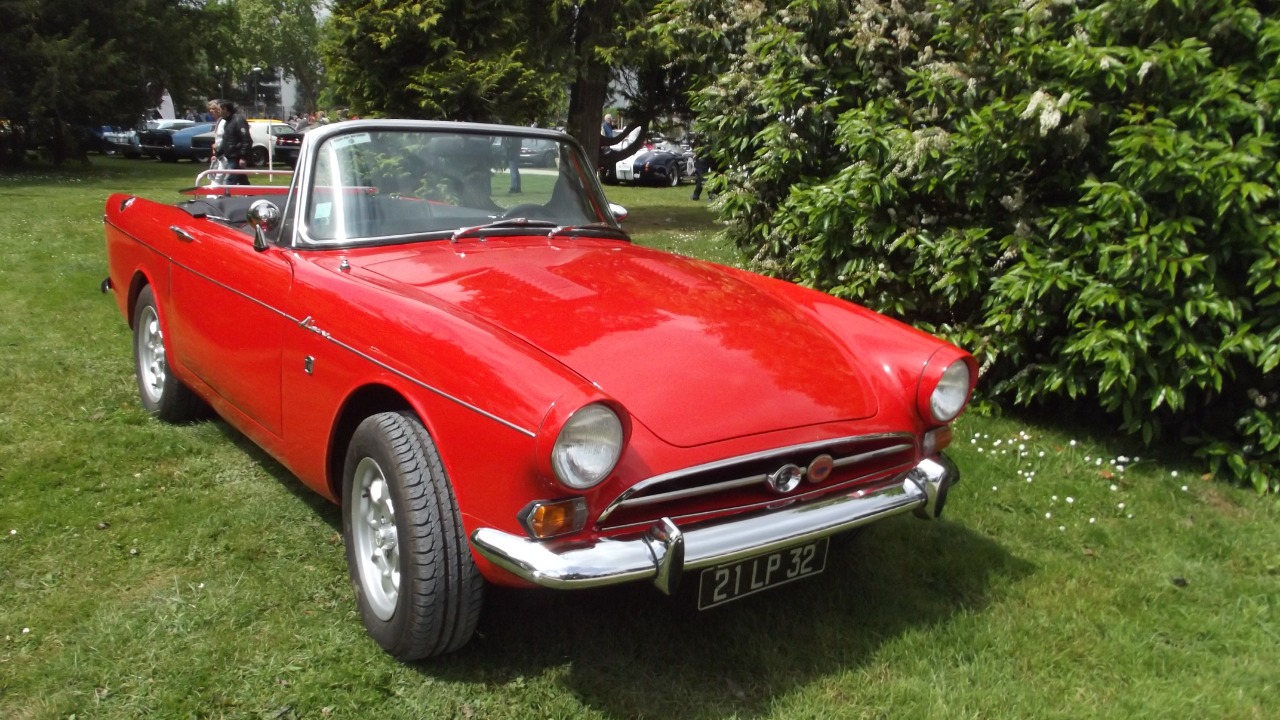
The Sunbeam Alpine offered a more comfortable interpretation of the traditional British roadster. It combined an open two-seat body with a four-cylinder engine and rear-wheel drive, while later versions received larger engines and additional equipment. The Alpine also gained international attention through its appearance in the James Bond film Dr. No. Enthusiasts appreciate the model for its elegant proportions and relatively practical character. It never reached the fame of the MG or Triumph roadsters, which is part of its appeal today. Surviving examples offer something less predictable at classic-car events.
Morgan Plus 4
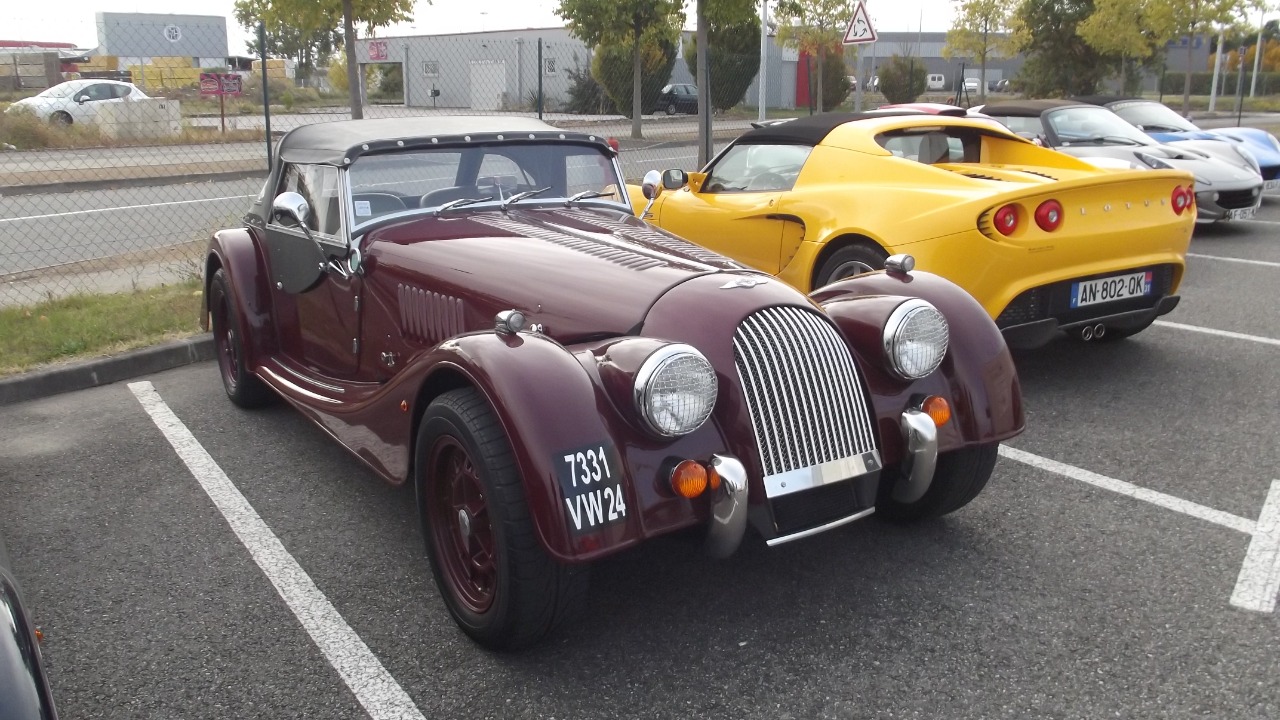
The Morgan Plus 4 represents one of the longest-running traditional roadster concepts. Morgan retained a separate chassis, lightweight body construction, and a strong focus on driver involvement while other manufacturers moved toward increasingly complex designs. Different generations used different engines and mechanical components, but the essential character remained remarkably consistent. Enthusiasts value the Plus 4 because it feels like a continuation of an earlier era rather than a modern sports car wearing retro styling. Its traditional construction and distinctive appearance give it a unique place among British roadsters.
Lotus Elan
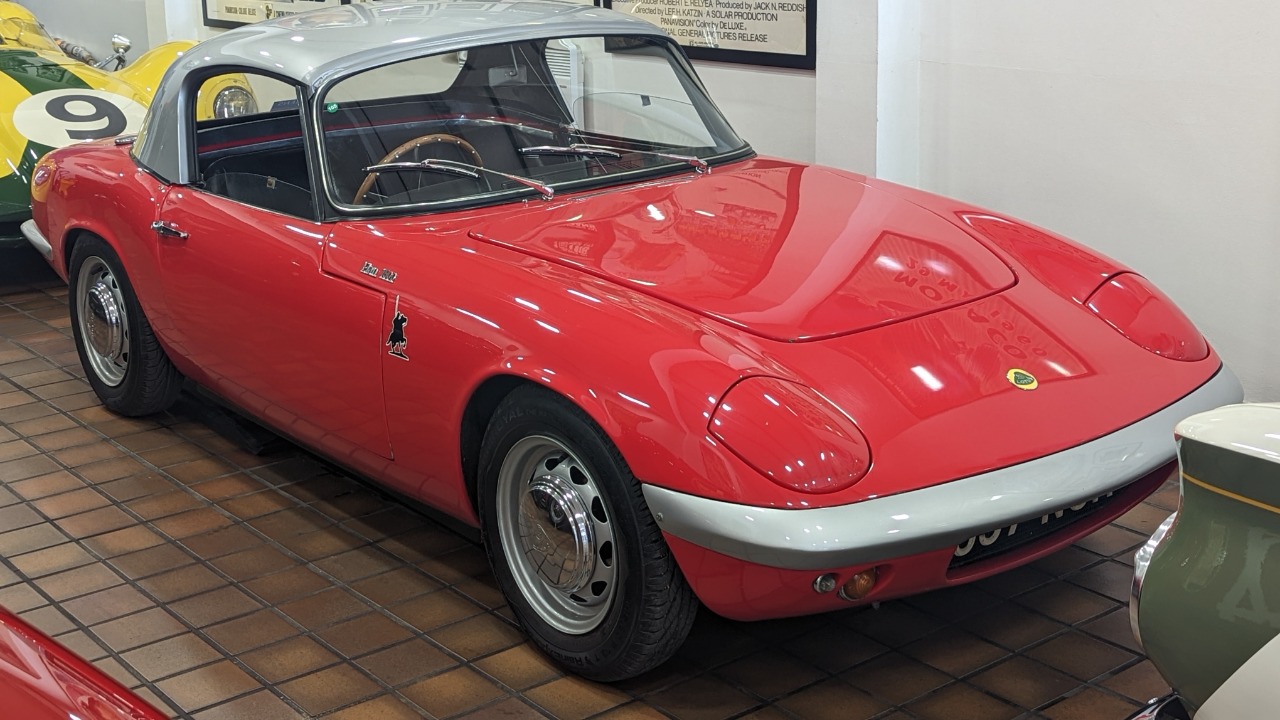
The Lotus Elan demonstrated Colin Chapman’s belief that reducing weight could produce extraordinary handling without requiring enormous engine power. Its lightweight body, independent suspension, four-wheel disc brakes, and compact dimensions created a highly responsive sports car. The four-cylinder engine provided adequate performance while the chassis did much of the work. Enthusiasts continue to admire the Elan because its engineering philosophy remains relevant to drivers who prioritize agility. The car feels fundamentally different from heavy muscle cars and luxury sports cars, making it one of the clearest expressions of Lotus’s lightweight approach.
AC Ace
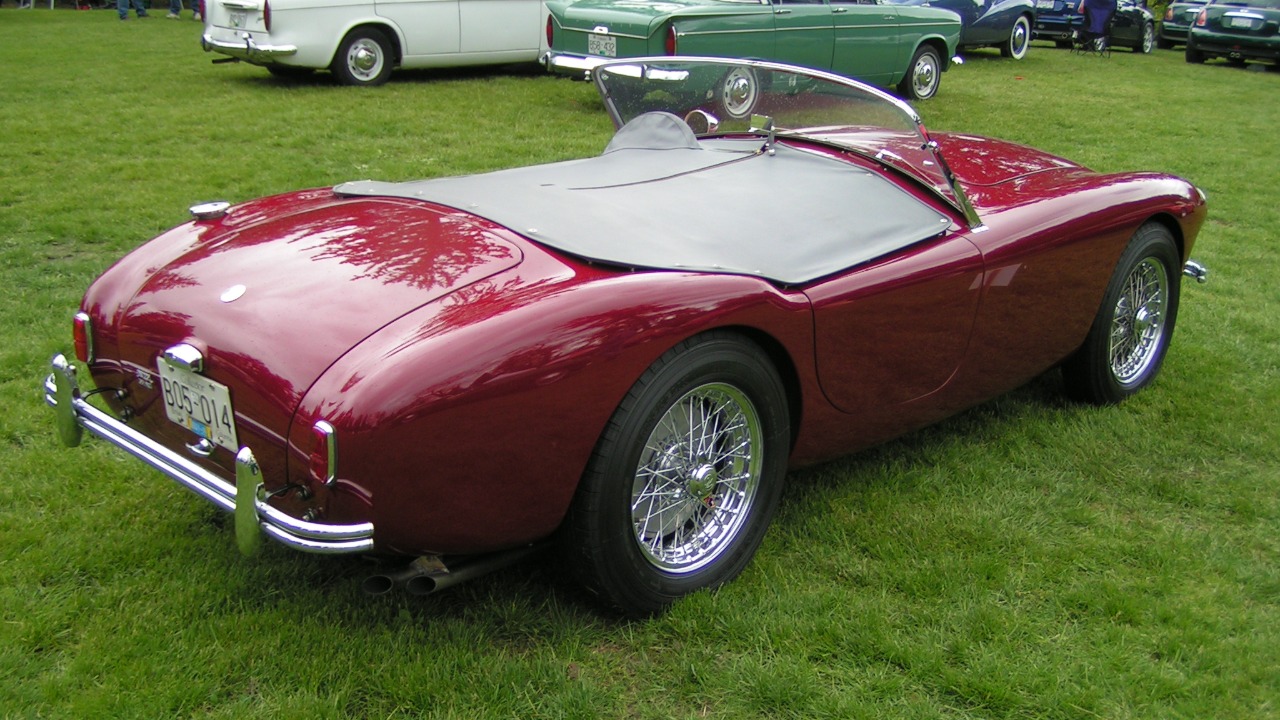
The AC Ace was a lightweight British roadster with elegant styling and a competition-oriented chassis. It used a tubular frame, independent suspension, and aluminum bodywork, creating a remarkably light platform. Different engines were installed during its production, but the Ace is particularly important because its chassis later became the foundation for the Shelby Cobra. Enthusiasts continue to seek original Aces because they are considerably rarer than the Cobra versions that became more famous. The car provides a direct connection to the engineering origins of one of the world’s best-known performance hybrids.
Sunbeam Tiger
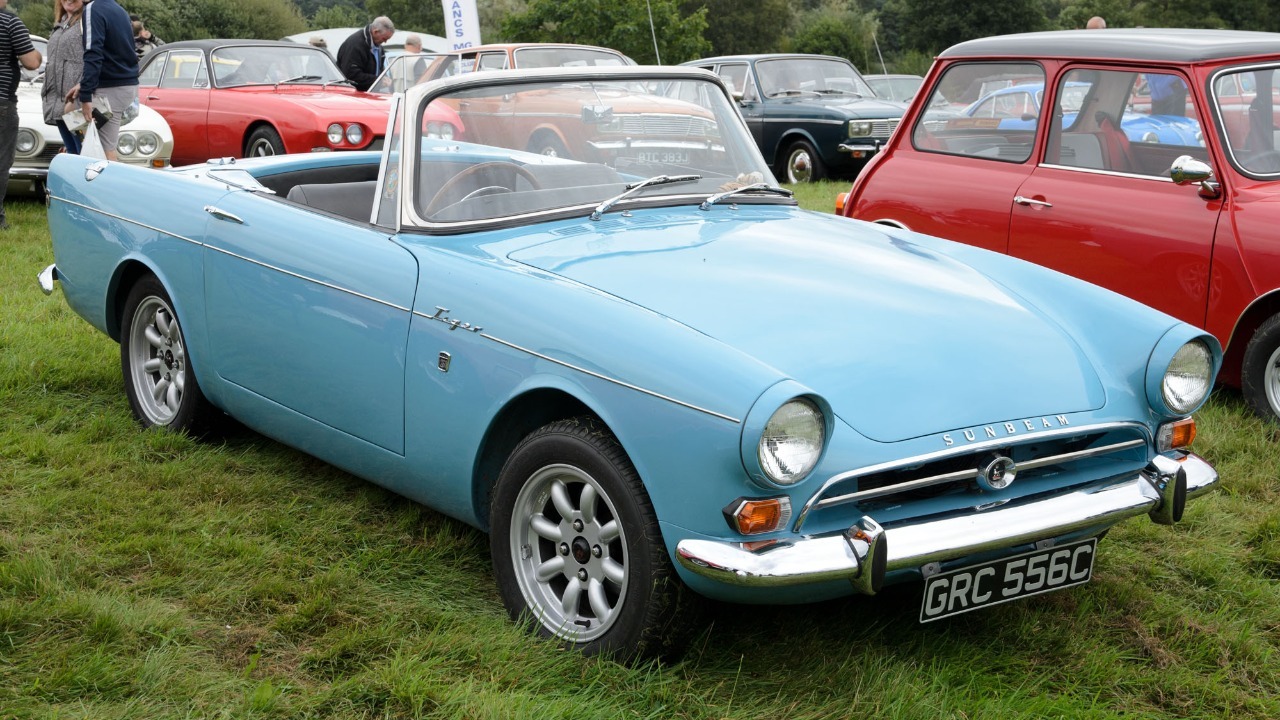
The Sunbeam Tiger took the lightweight Sunbeam Alpine and transformed it by fitting a Ford V8 into the compact engine bay. The result was a British roadster with substantially more performance while retaining relatively small dimensions. Carroll Shelby was involved in the early development, adding historical significance to the model. The combination of American V8 power and British chassis engineering gave the Tiger a distinctive personality. Enthusiasts continue to appreciate it because it offers something few other classic roadsters can provide: genuine V8 performance in a lightweight open two-seat package.
TVR Grantura
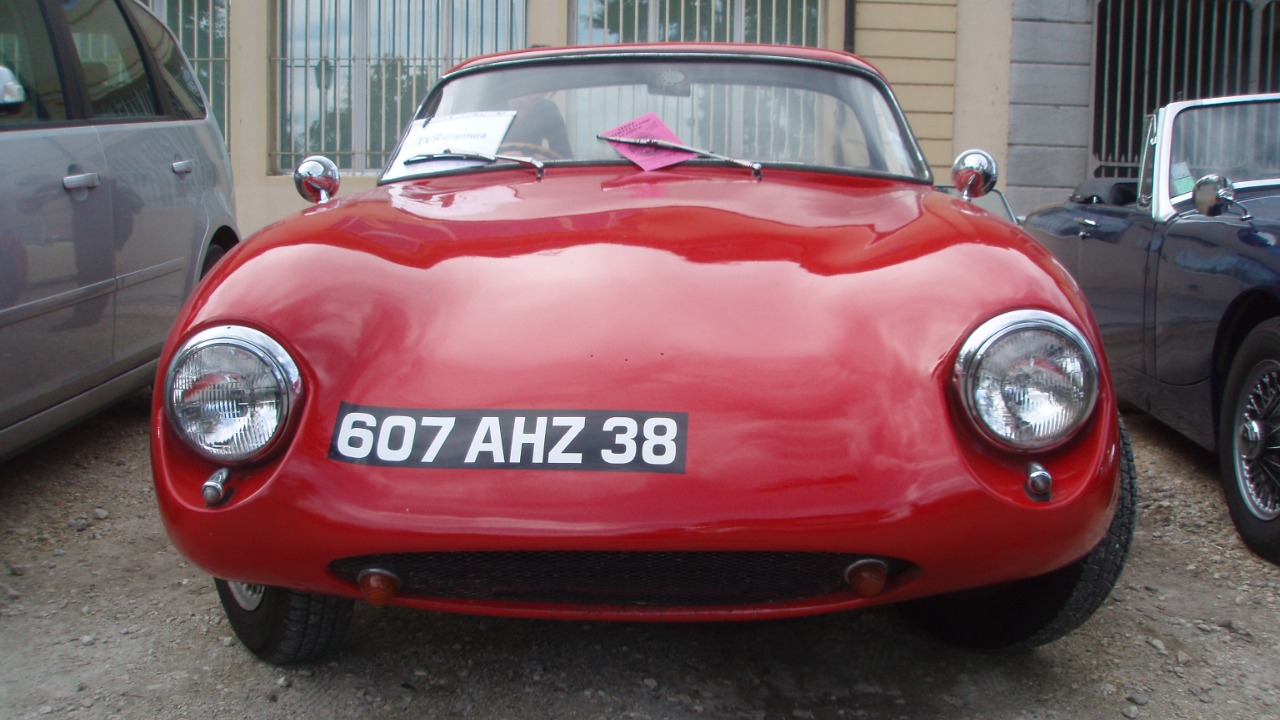
The TVR Grantura was one of the early models from the small British manufacturer that would later become famous for unusual high-performance sports cars. It used a lightweight fiberglass body mounted over a tubular chassis and could be fitted with engines from several manufacturers. Its compact dimensions and low weight made it an entertaining road car despite relatively modest power. The Grantura remains obscure compared with later TVRs, but enthusiasts value it because it represents the company’s early philosophy of combining lightweight construction, unconventional engineering, and limited production.
Berkeley SE328
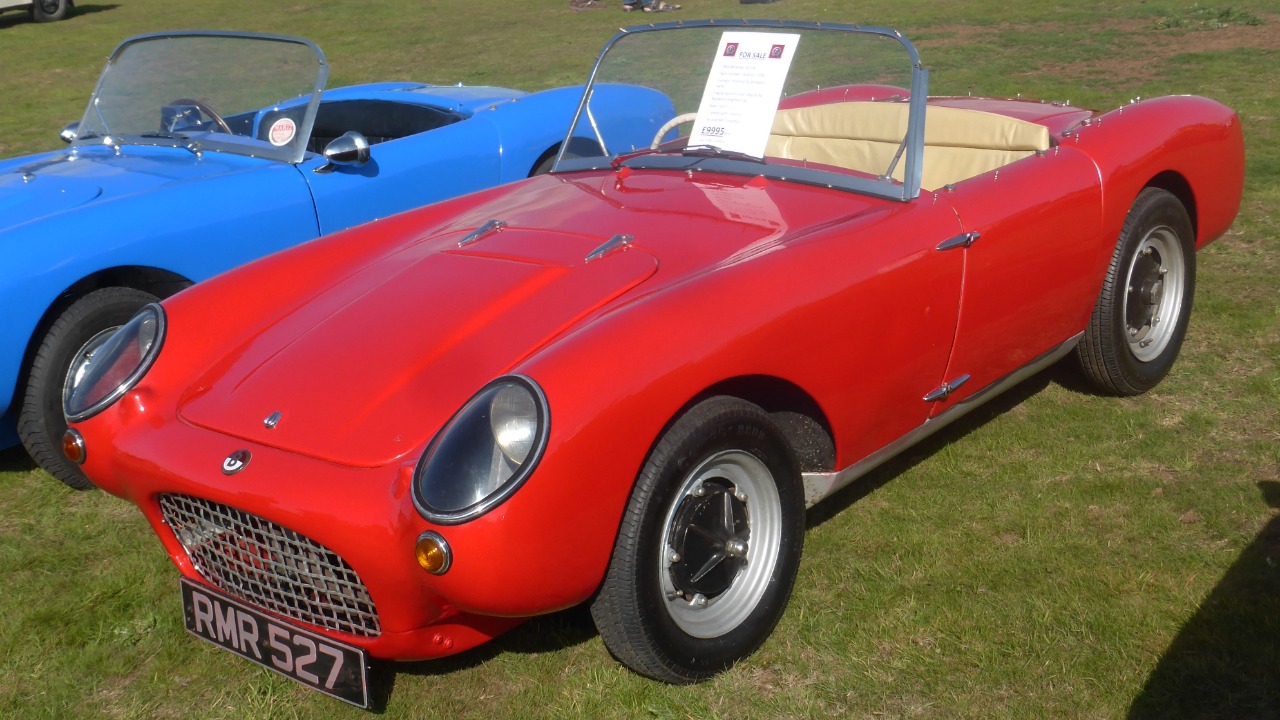
The Berkeley SE328 was an extremely small British sports car developed around lightweight construction and modest motorcycle-derived power. Its tiny two-seat fiberglass body made it dramatically different from larger roadsters of the same period. The three-cylinder engine produced limited power, but the very low weight gave the car a distinctive driving experience. Berkeley produced several versions before the company disappeared in the early 1960s. Today, surviving SE328s are rare and unusual, attracting collectors who enjoy obscure British sports cars rather than mainstream classics.
Daimler SP250
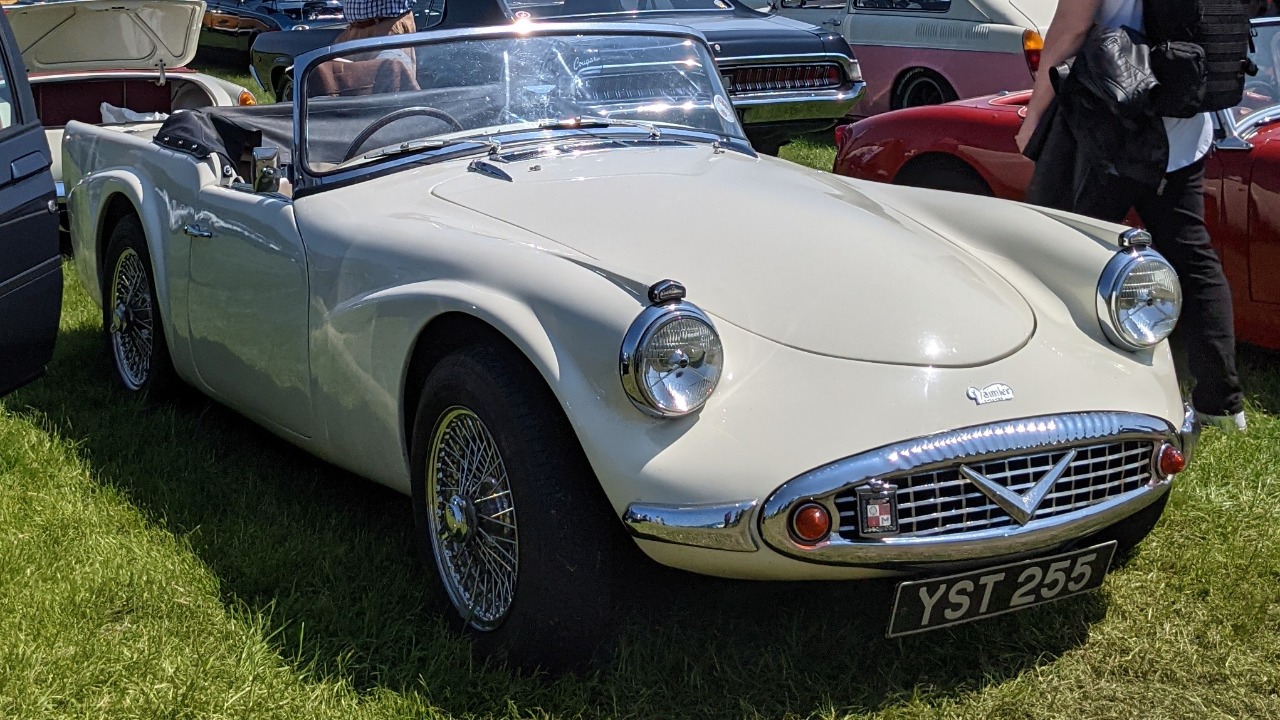
The Daimler SP250 was an unusual British roadster powered by a compact 2.5-liter V8. Its fiberglass body gave it a distinctive appearance, while the V8 provided more performance than its small dimensions might suggest. The car was introduced as a replacement for the aging Daimler sports-car range and later became associated with Jaguar after the company acquired Daimler. Its unusual styling prevented it from becoming a major sales success. Today, that individuality helps the SP250 stand out among British classics, particularly for enthusiasts who enjoy unconventional engineering.
Triumph TR4
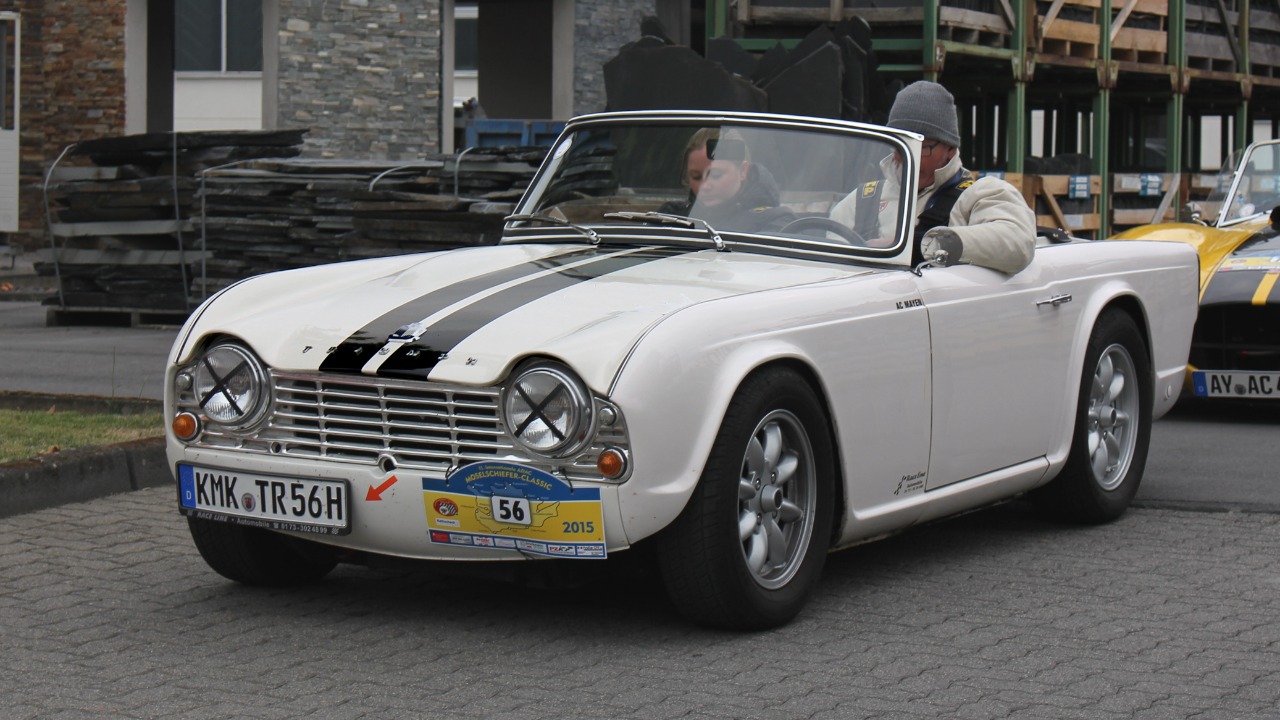
The Triumph TR4 brought a more modern appearance and greater practicality to Triumph’s traditional roadster formula. Its body was designed by Giovanni Michelotti, giving it cleaner lines than earlier TR models, while the four-cylinder engine and rear-wheel-drive chassis preserved the expected sports-car layout. The optional removable hardtop and innovative roof panel gave the TR4 additional versatility. Enthusiasts continue to appreciate the model because it combines classic roadster simplicity with slightly greater comfort. Its direct mechanical character makes it particularly appealing to drivers who want a traditional sports-car experience.
MG MGA
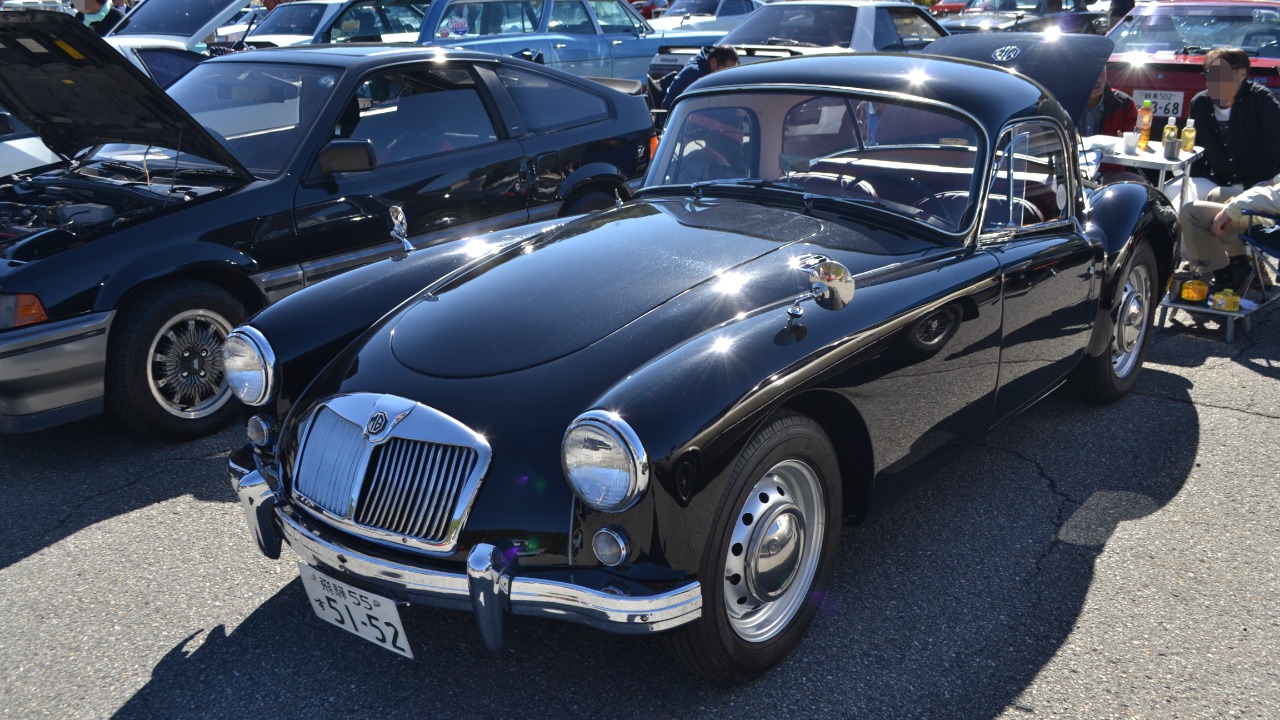
The MG MGA introduced a streamlined design that represented a major departure from the upright appearance of earlier MG roadsters. Its low body, enclosed headlights, four-cylinder engine, and lightweight construction created a clean and sporting appearance. The MGA also competed in international motorsport, adding competition credibility to its road-going character. Enthusiasts still appreciate the car because it combines elegant styling with relatively uncomplicated mechanical systems. Early examples are especially attractive to collectors who want a classic British roadster that captures the transition from prewar sports-car design to the more modern shapes of the 1950s.
Triumph TR6
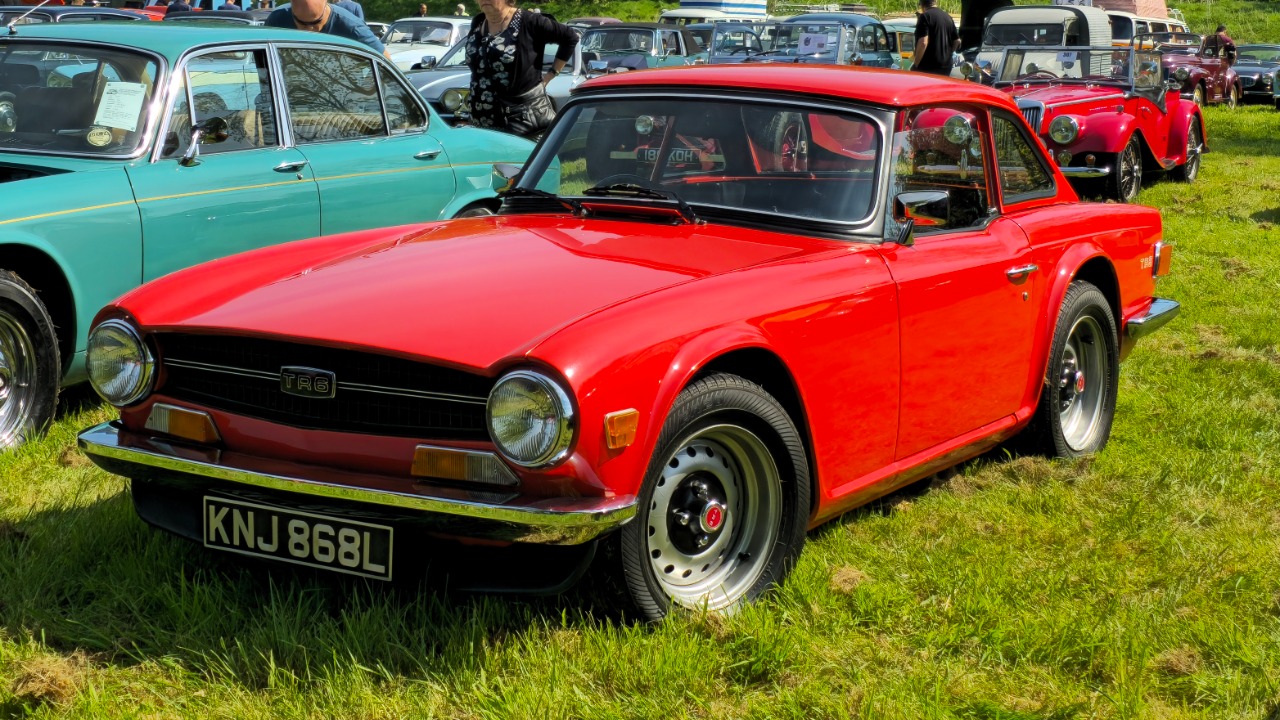
The Triumph TR6 retained the traditional British roadster formula while giving it a more muscular appearance. Its six-cylinder engine produced a distinctive exhaust note, while the rear-wheel-drive chassis and manual transmission kept the driving experience mechanical and direct. Produced from 1969 through 1976, the TR6 became one of Triumph’s most recognizable sports cars. It remains popular with enthusiasts because it offers more power and road presence than smaller British roadsters while still retaining the simplicity that defines the classic genre. A well-maintained TR6 can still deliver a highly involving open-air driving experience.
Jaguar XK120
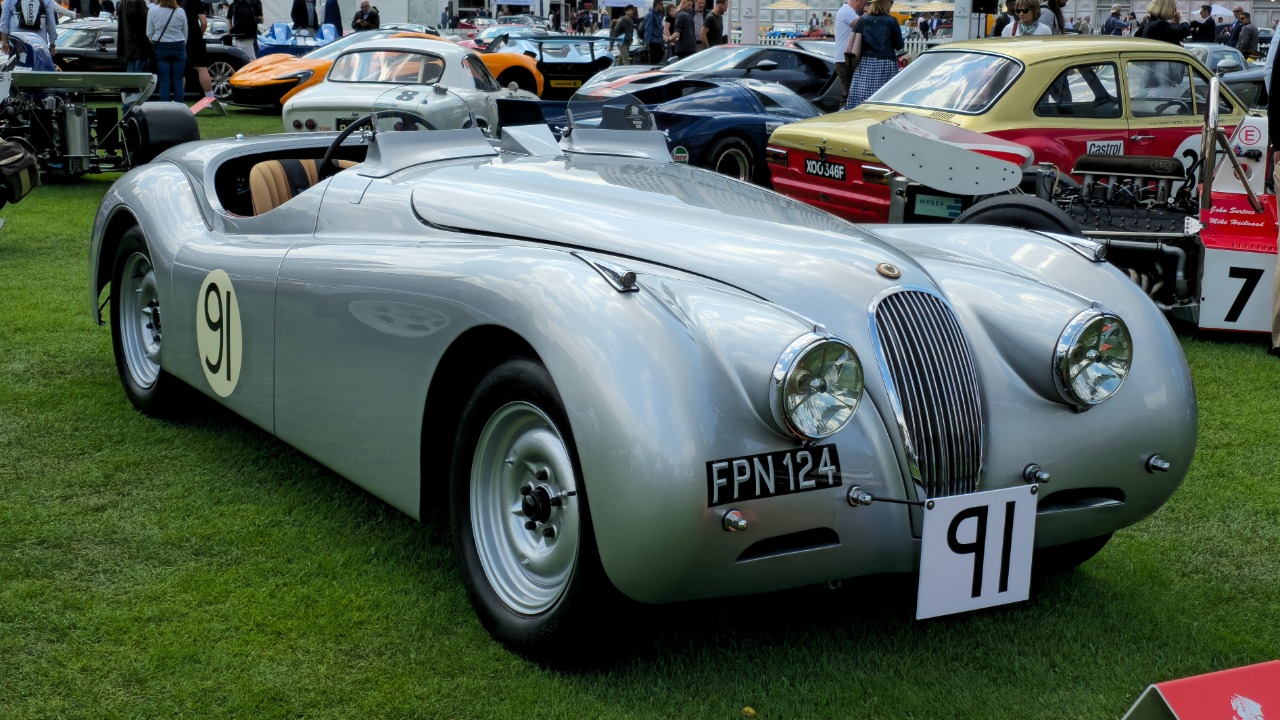
The Jaguar XK120 helped establish Jaguar as a major international sports-car manufacturer after World War II. Its elegant body concealed the company’s new XK inline-six, giving the car impressive performance for its time. The name itself referenced its claimed 120-mph top speed. Lightweight construction and strong competition results further strengthened its reputation. Today, enthusiasts continue to seek XK120s because they combine beautiful proportions with genuine historical importance. The roadster version is particularly desirable among drivers who want an authentic connection to the early postwar British sports-car era.
Porsche 356 Speedster
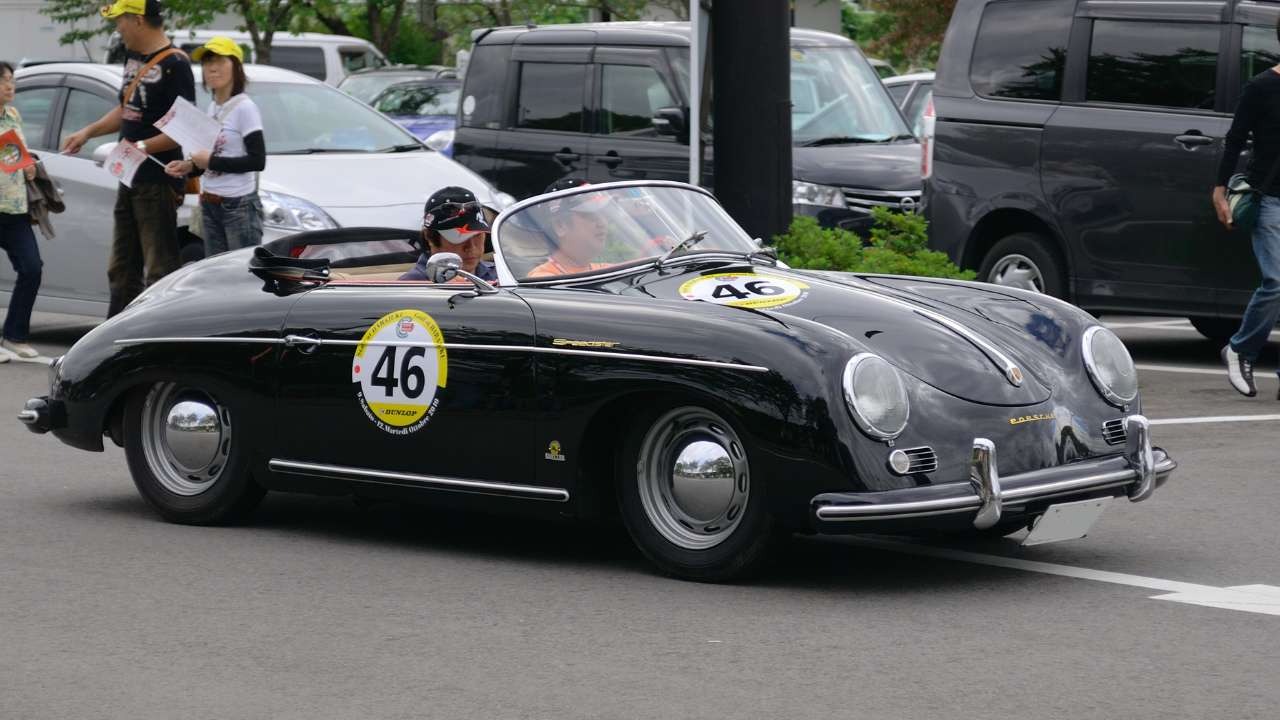
The Porsche 356 Speedster was not British, but it became one of the most influential roadsters in the history of lightweight sports cars. Created with a low windshield, minimal equipment, and a compact rear-mounted engine, it emphasized simplicity and driver involvement. Its relatively low price compared with other Porsches helped make it accessible to American sports-car buyers in the 1950s. Enthusiasts still seek genuine Speedsters because of their distinctive design, limited production, and connection to Porsche’s early development. Its influence can also be seen in later lightweight sports-car designs around the world.
ore from Fast Lane Only
- Unboxing the WWII Jeep in a Crate
- 15 rare Chevys collectors are quietly buying
- 10 underrated V8s still worth hunting down
- Police notice this before you even roll window down
*Research for this article included AI assistance, with all final content reviewed by human editors.