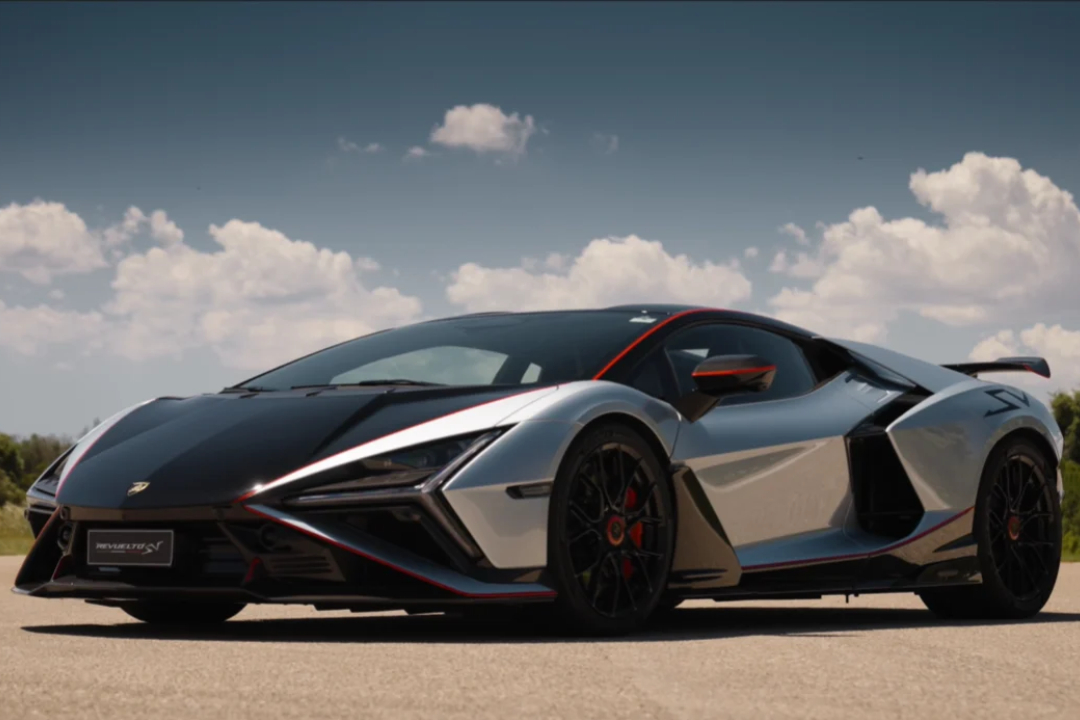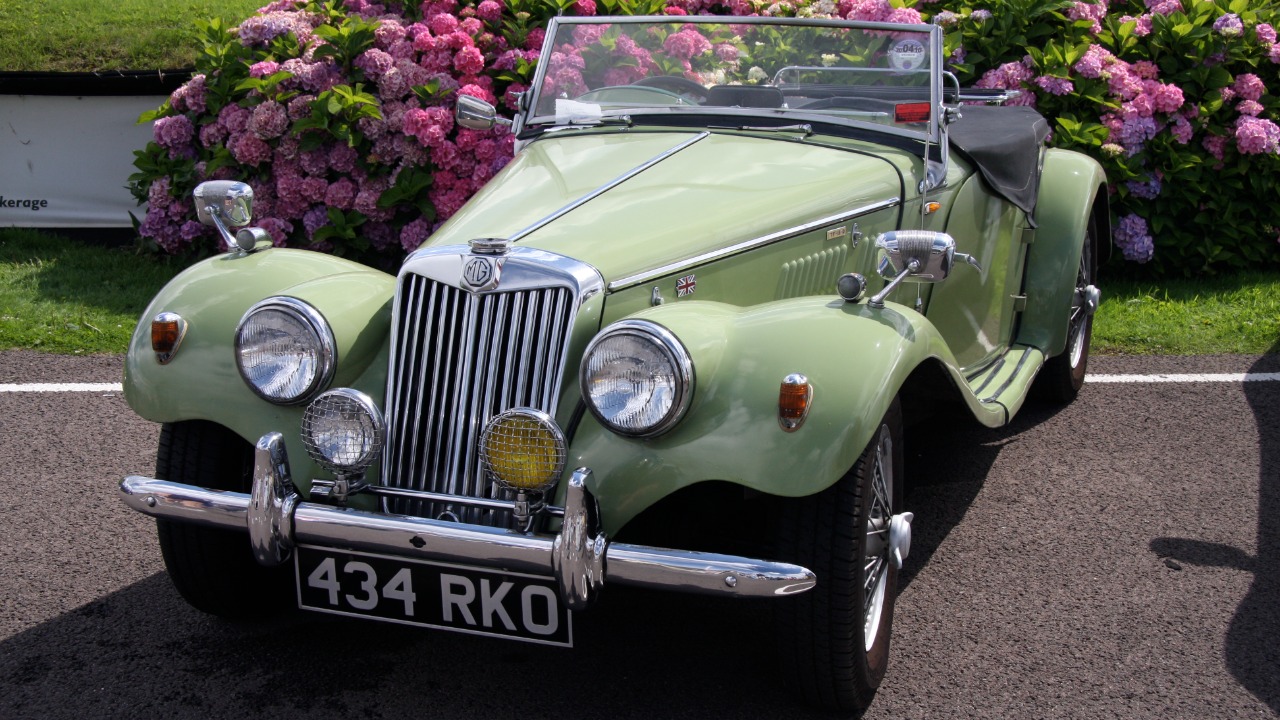
Some roadsters became famous collector cars, while others quietly disappeared from the spotlight. Their rarity, unusual engineering, lightweight construction, and limited production can make surviving examples especially meaningful to their owners. These 19 forgotten roadsters may not receive the attention of famous classics, but their owners have plenty of reasons to keep them.
Triumph GT6
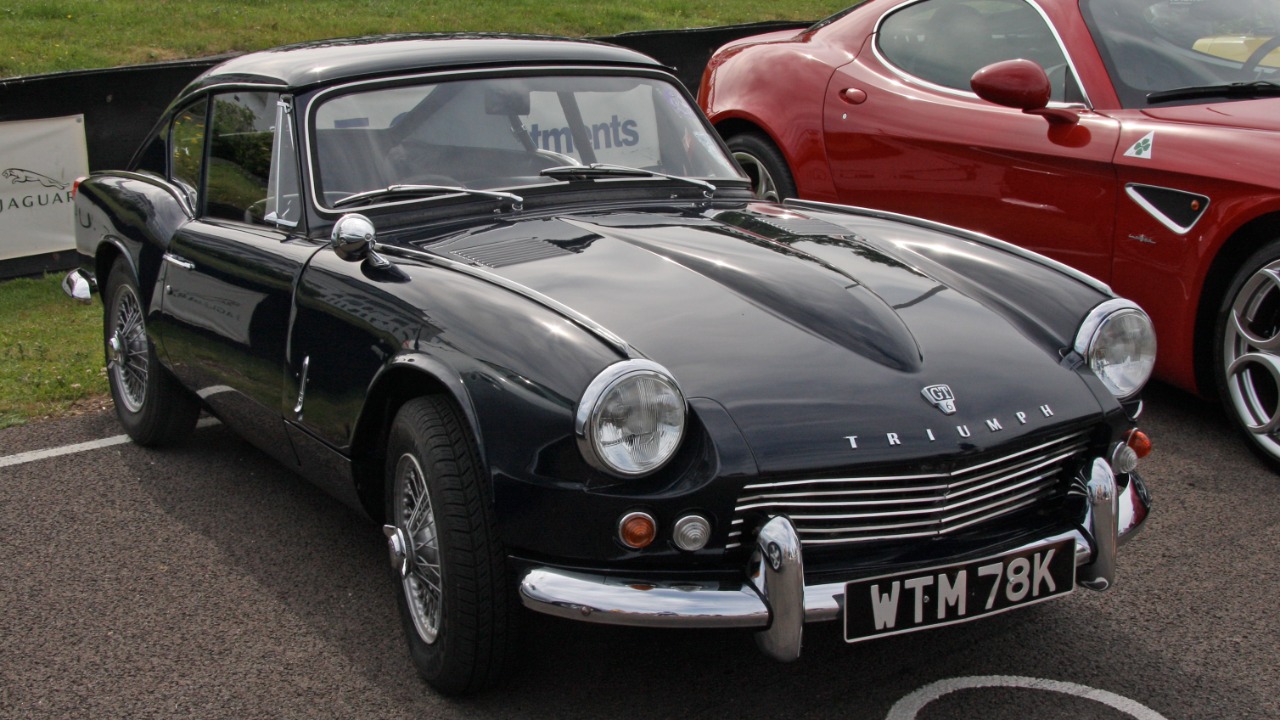
The Triumph GT6 is usually remembered as a fastback rather than a traditional roadster, but its roots came directly from the Spitfire sports-car platform. Its inline-six engine gave it more performance and a distinctive character compared with smaller Triumph models. Although not as rare as some specialist British cars, surviving original examples are increasingly difficult to encounter. Owners appreciate the combination of compact dimensions, six-cylinder power, and unmistakable Triumph styling.
Triumph Vitesse Convertible
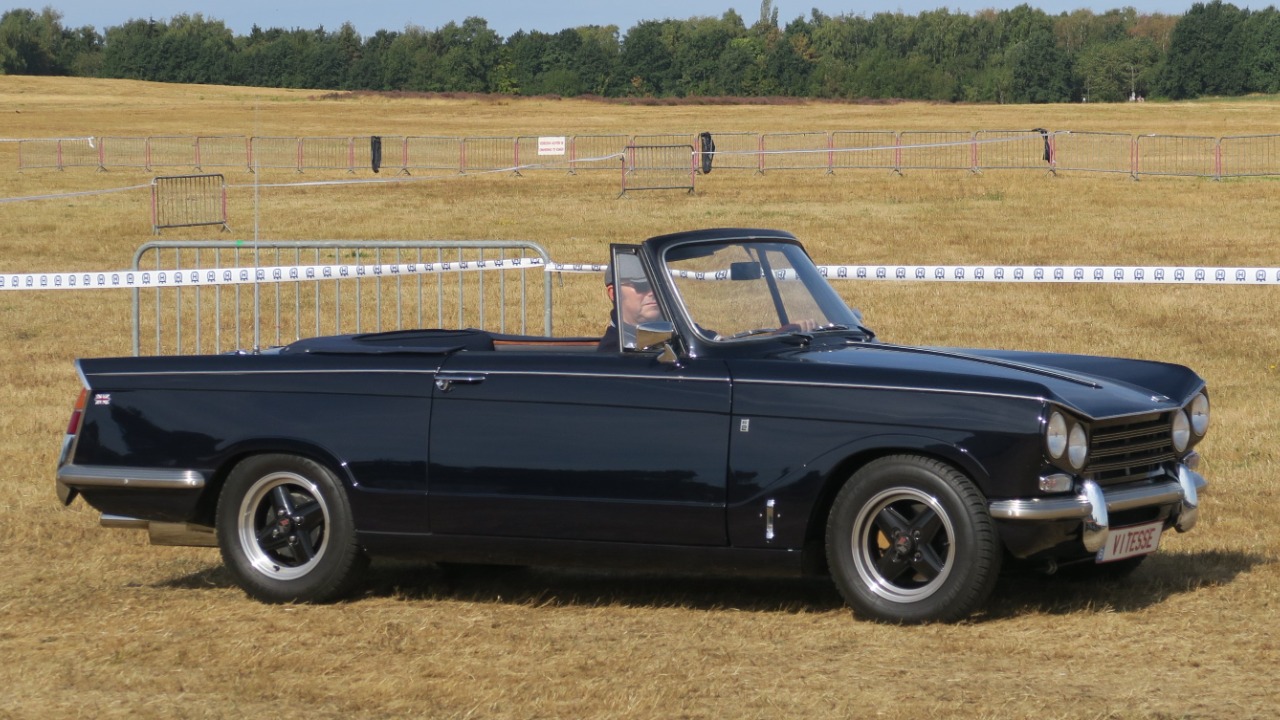
The Triumph Vitesse Convertible combined the compact Herald platform with a more powerful six-cylinder engine and upscale equipment. Its unusual combination of small dimensions and six-cylinder performance made it different from many British roadsters of its period. Production was limited compared with more famous Triumph models, and surviving convertibles are not commonly seen today. Owners often value the Vitesse because it offers something rarely found in one package: compact British styling with a surprisingly substantial engine.
Triumph Herald Convertible
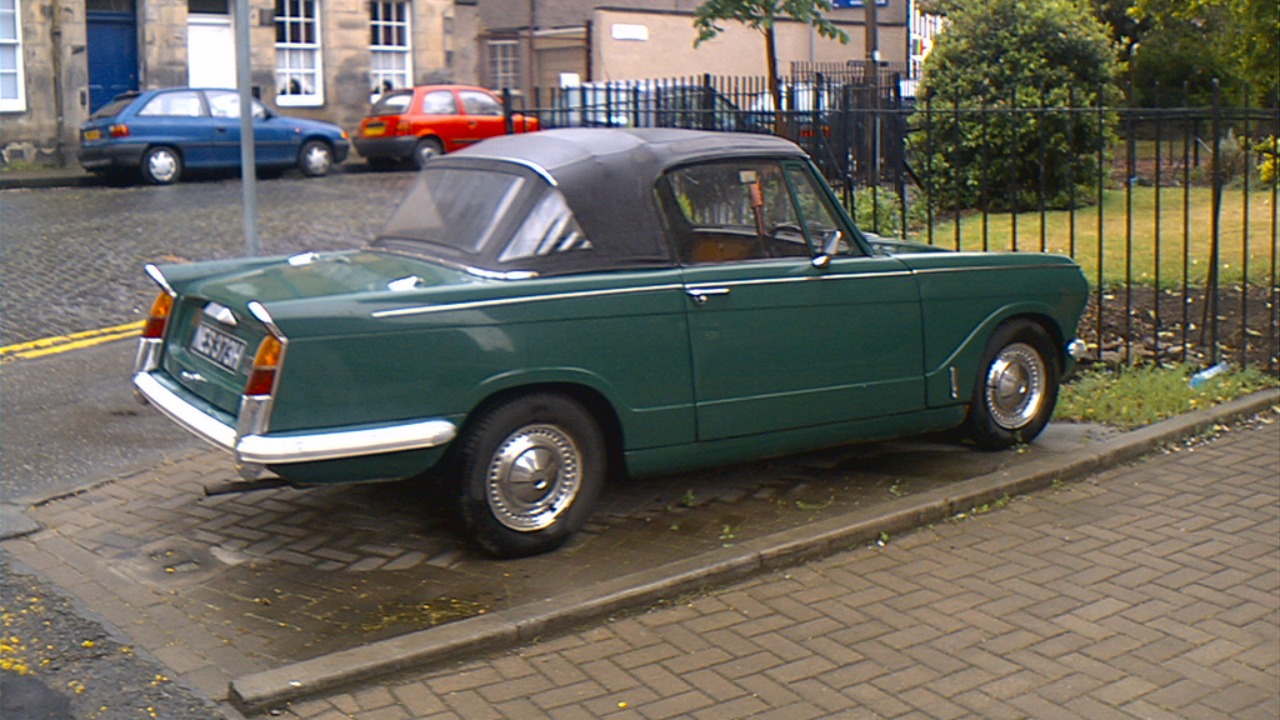
The Triumph Herald Convertible was designed as an affordable open-top car with practical everyday qualities. Its separate chassis, independent rear suspension, and distinctive front-opening hood gave it unusual engineering for its class. The convertible version was never as common as the sedan and coupe versions, making surviving examples more interesting today. Owners who preserve one often appreciate its approachable character and clever engineering rather than simply its rarity.
Austin-Healey Sprite Mark I
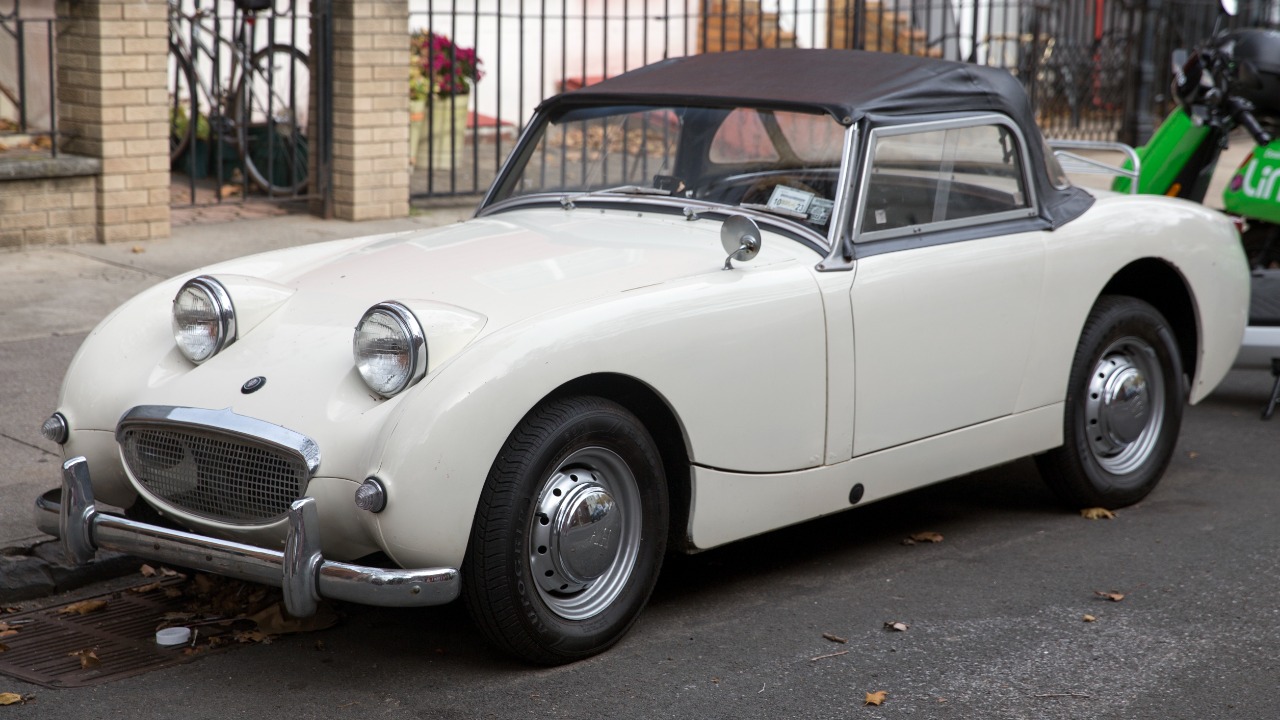
The Austin-Healey Sprite Mark I became famous for its tiny dimensions and simple approach to sports-car driving. Nicknamed the “Frogeye” because of its distinctive headlights, it offered lightweight construction and an open cockpit at a relatively affordable price. Many were used enthusiastically, modified, or raced, reducing the number of original examples. Owners who have preserved an authentic early Sprite often value its unmistakable appearance and uncomplicated driving experience.
Austin-Healey Sprite Mark II
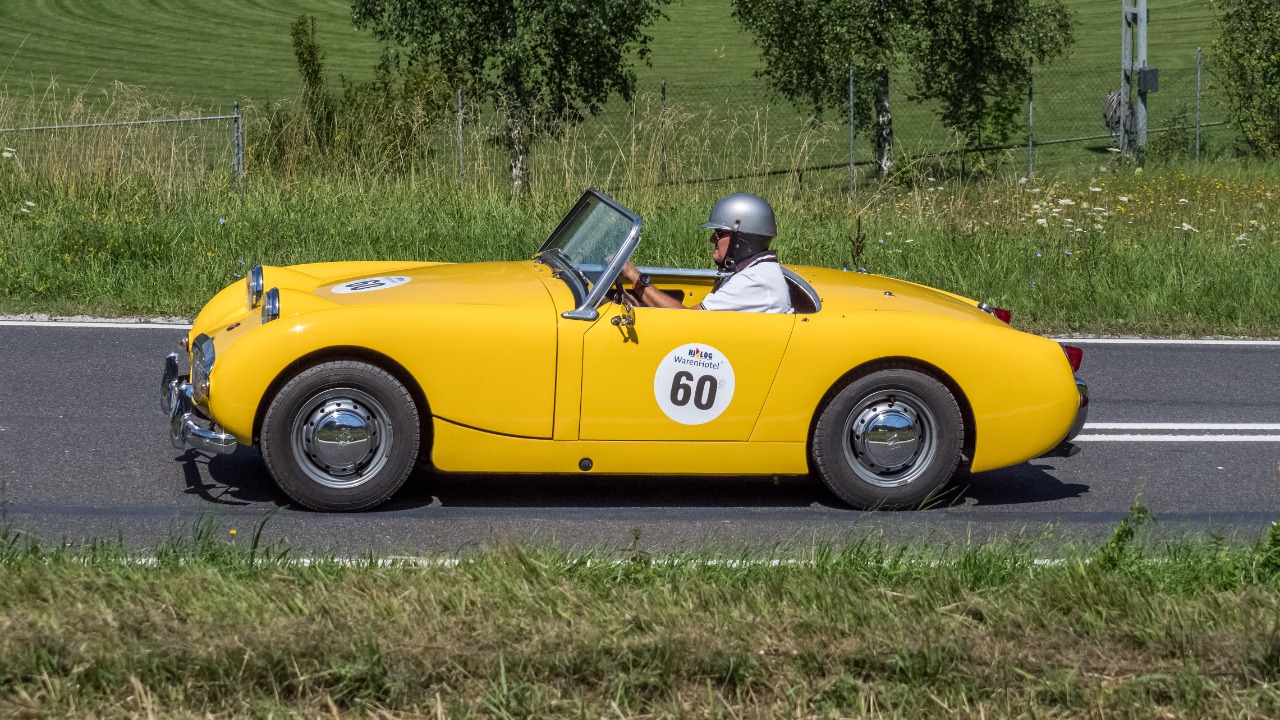
The Mark II Sprite replaced the distinctive bodywork of the original with a more conventional design while retaining the lightweight roadster formula. It was compact, mechanically straightforward, and inexpensive compared with larger sports cars. Many examples spent their lives being driven hard or modified, leaving fewer well-preserved cars today. Owners who keep an original Mark II often appreciate the simple mechanical character that made these small British roadsters so popular.
MGA Twin Cam
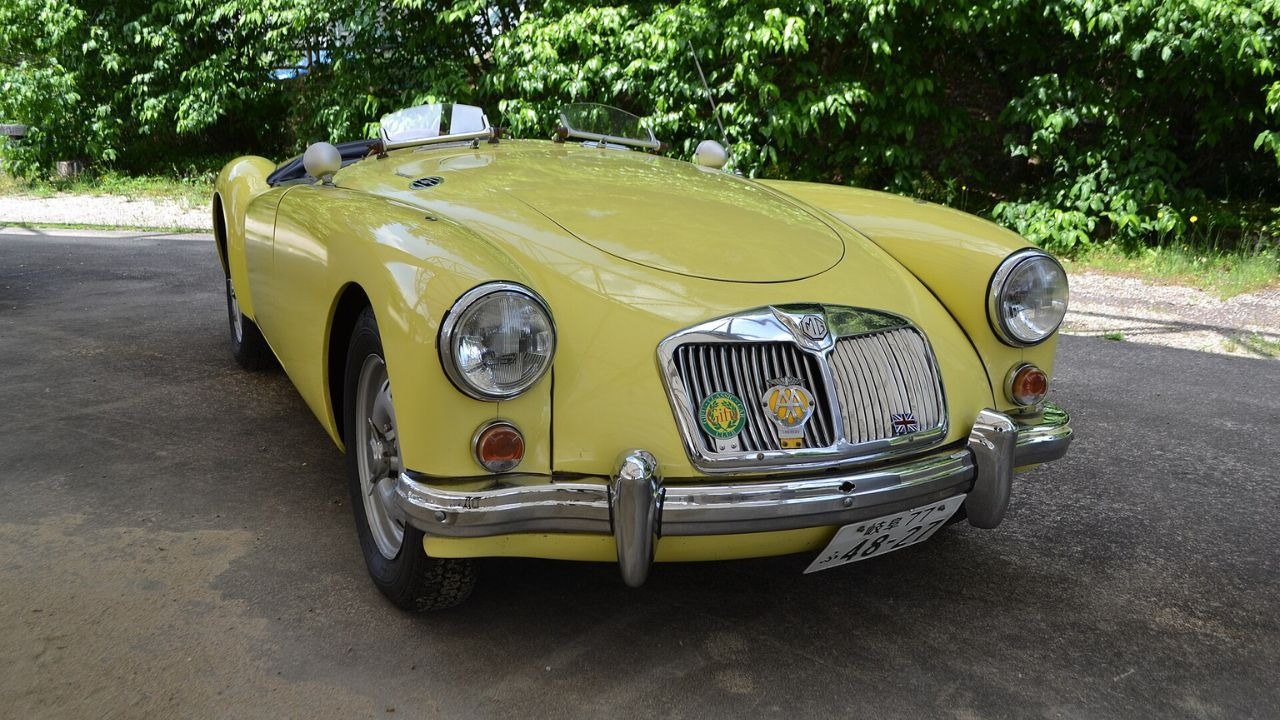
The MGA Twin Cam was a high-performance version of the MGA equipped with a double-overhead-camshaft engine. Its advanced engine technology gave it significantly more sporting character than the standard MGA. Production was limited, and the Twin Cam’s specialized mechanical components made it less common than ordinary MGAs. Surviving examples are therefore particularly interesting to collectors. Owners often value the model because it combines elegant MGA styling with a more sophisticated and unusual powertrain.
MG TF
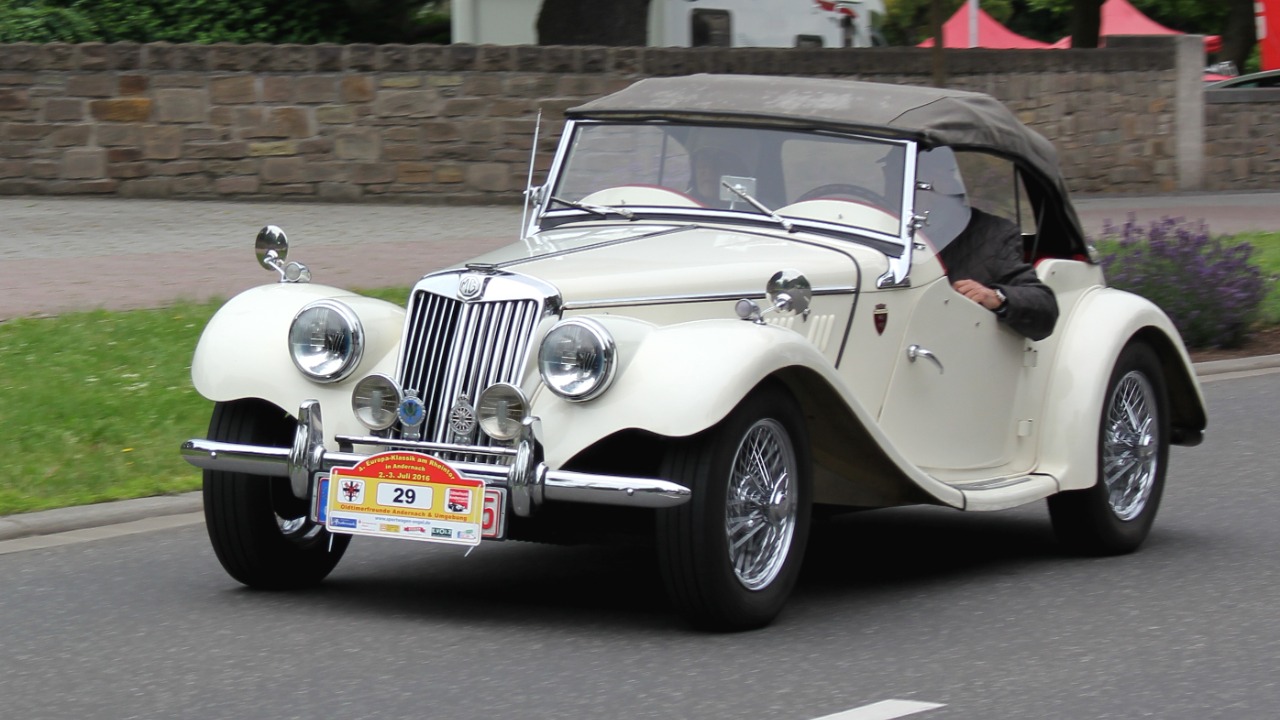
The MG TF of the 1950s was the final development of MG’s traditional T-Series sports cars. It retained the separate-chassis construction and upright roadster character of earlier models while receiving updated styling and mechanical improvements. Its traditional design became increasingly old-fashioned as newer sports cars appeared, but that character is precisely what makes it appealing today. Surviving examples provide a direct connection to MG’s early sports-car history.
MG TD
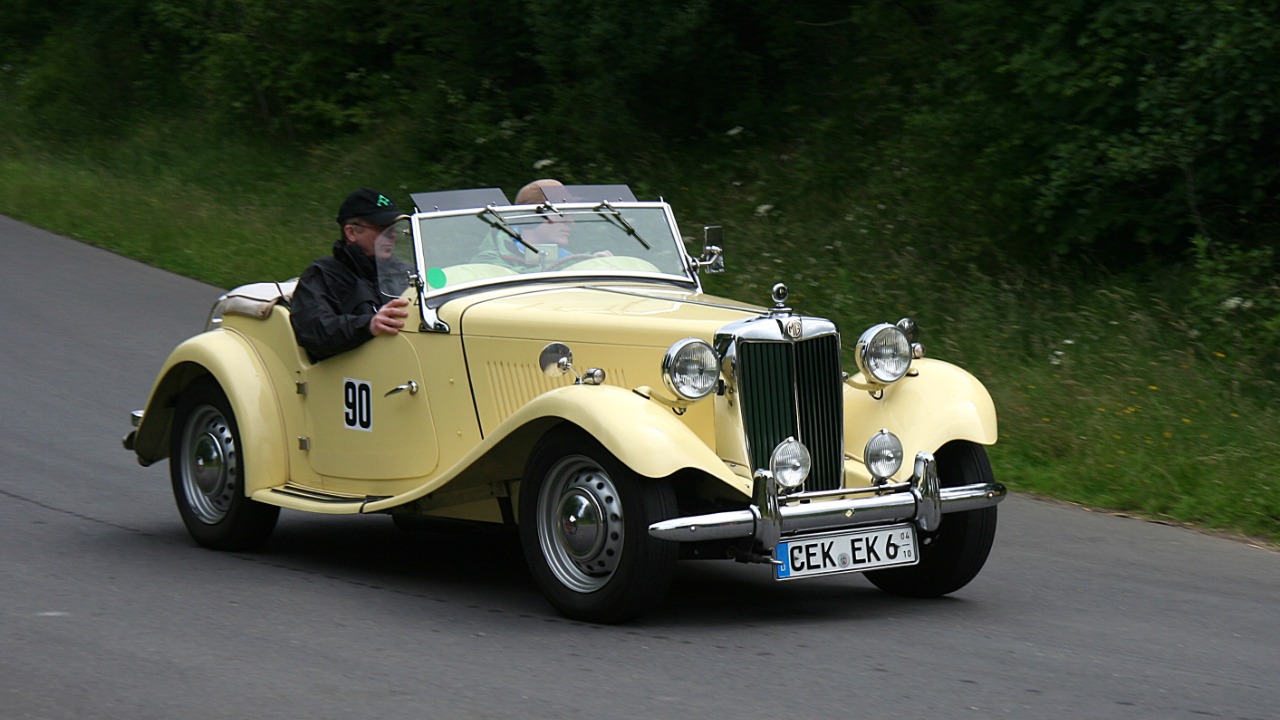
The MG TD helped popularize the classic British roadster formula among American enthusiasts after World War II. Its separate chassis, independent front suspension, compact body, and upright styling gave it a distinctive personality. Many were modified over the years, particularly in the United States, so original examples are especially interesting. Owners often keep their TDs because the car represents the beginning of a major shift toward lightweight British sports cars in the American market.
MG TC
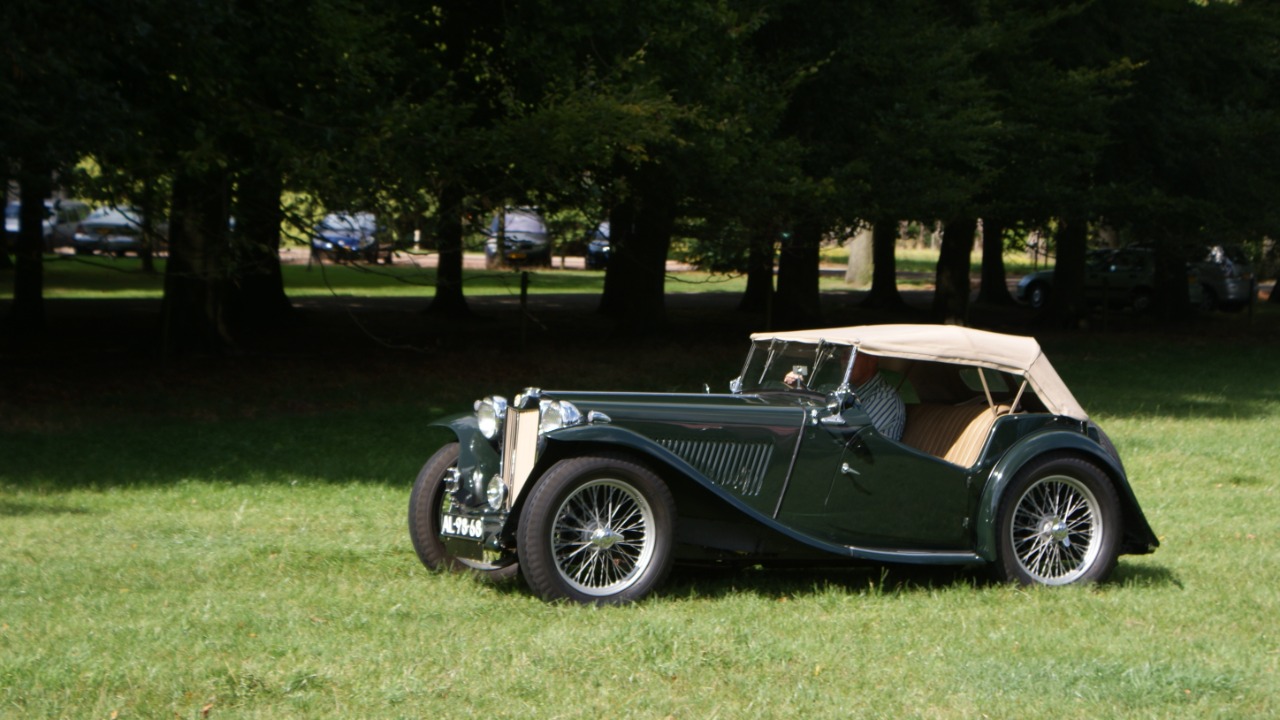
The MG TC was one of the most influential early British sports cars in the United States. Built shortly after World War II, it combined narrow bodywork, a simple four-cylinder engine, and traditional roadster proportions. American servicemen returning from Europe helped create demand for these cars, influencing the growth of the American sports-car market. Surviving examples remain highly desirable because they represent an important moment in sports-car history.
Jaguar XK120 Roadster
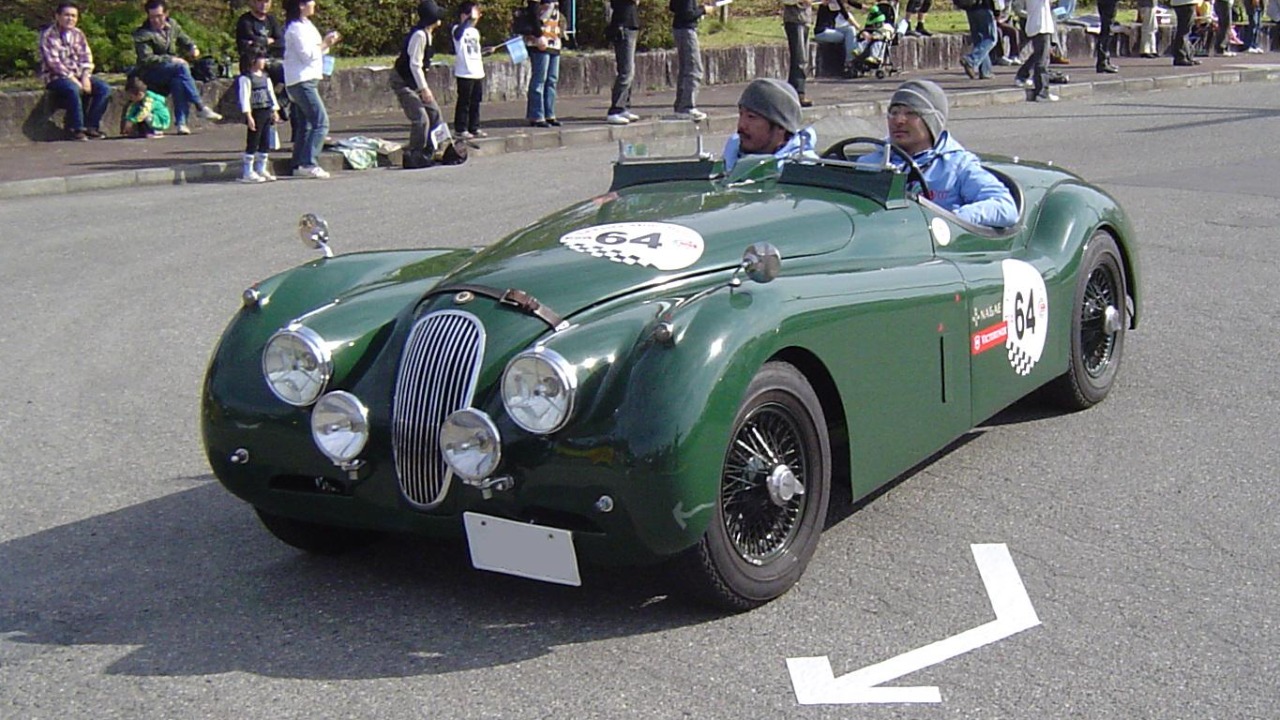
The Jaguar XK120 Roadster shocked the automotive world with its combination of elegant styling and high performance when introduced in 1948. Its XK inline-six engine and lightweight aluminum-bodied early examples gave it impressive speed for the period. Although the XK120 became famous, genuinely early and well-preserved roadsters are much harder to find than ordinary examples. Owners often treat them as important pieces of Jaguar history rather than simply old sports cars.
Jaguar XK150 Roadster
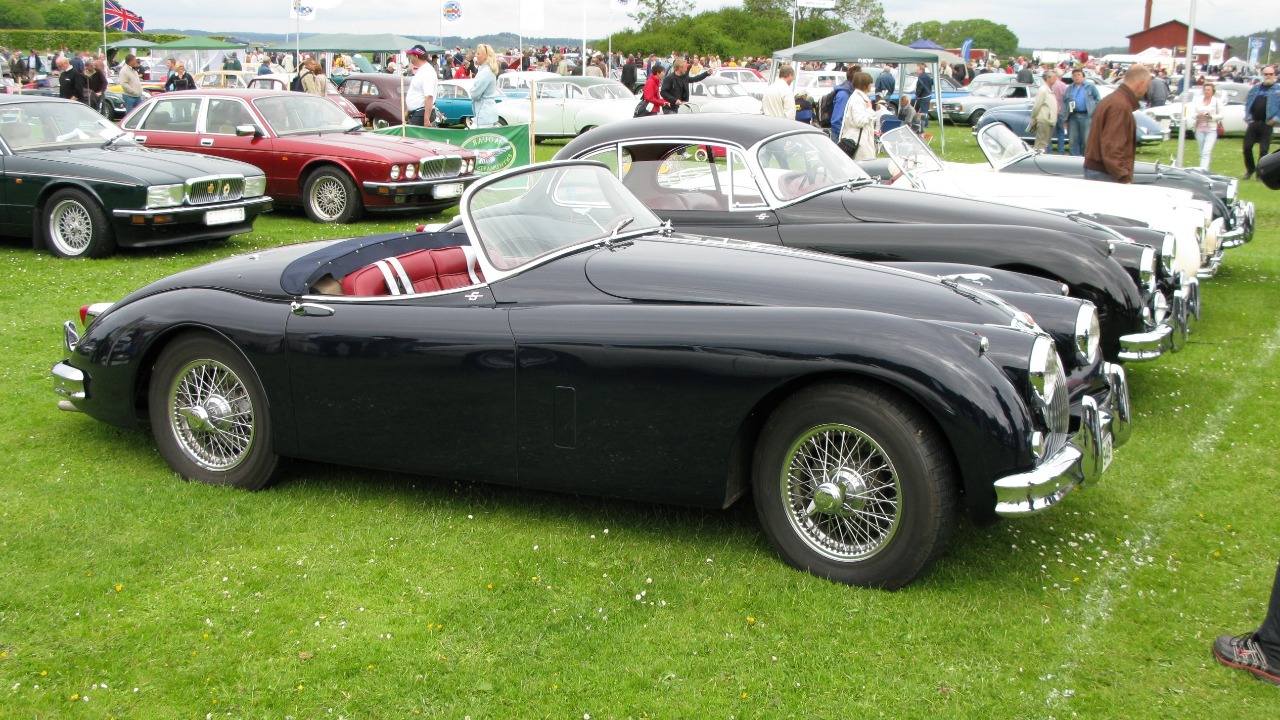
The Jaguar XK150 Roadster was the final major evolution of the XK sports-car family before the arrival of the E-Type. It offered more comfortable proportions and improved performance while retaining the classic XK shape. Roadster production was considerably lower than coupe production, making surviving open cars more unusual. Owners appreciate the XK150 because it combines traditional Jaguar styling with a more mature driving experience than the earlier XK models.
AC Ace Bristol
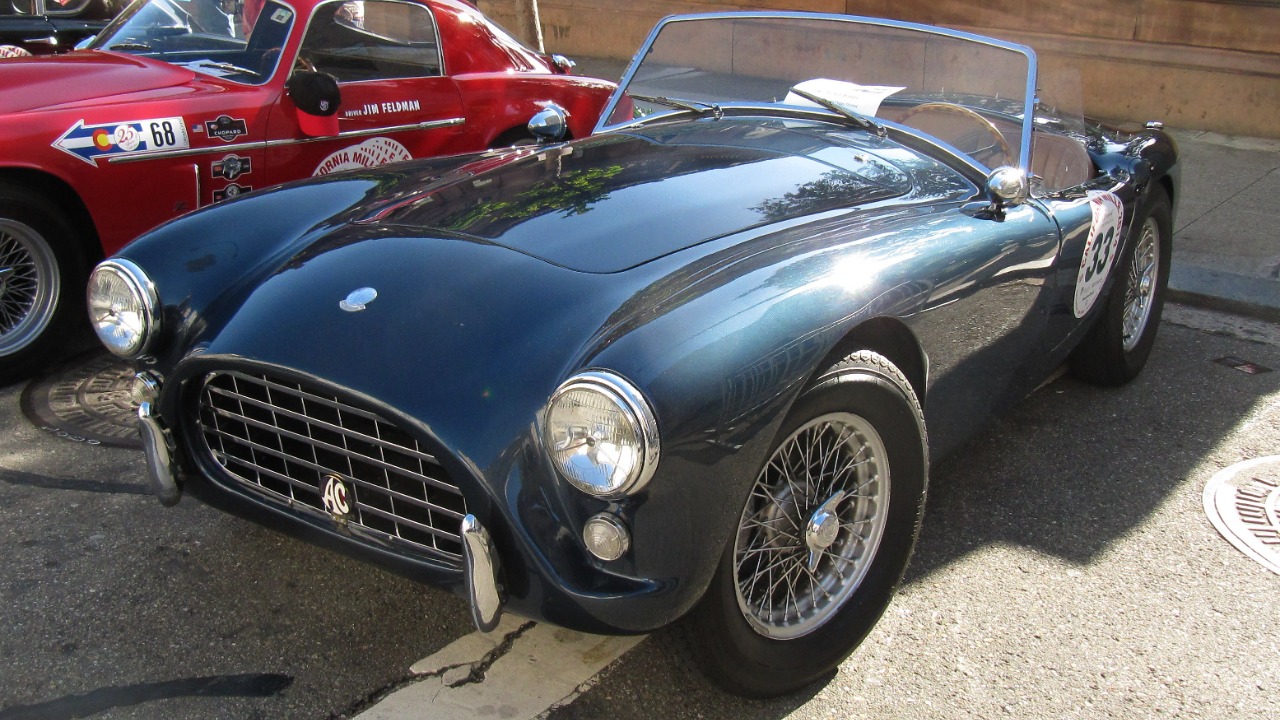
The AC Ace Bristol combined the elegant lightweight AC roadster body with Bristol’s sophisticated six-cylinder engine. The combination created a capable sports car before the later Cobra transformed the same basic concept. Production remained limited, and surviving original examples are now uncommon. Owners who preserve an Ace Bristol possess an important link between British sports-car engineering and the development of the legendary Cobra.
Austin-Healey 100S
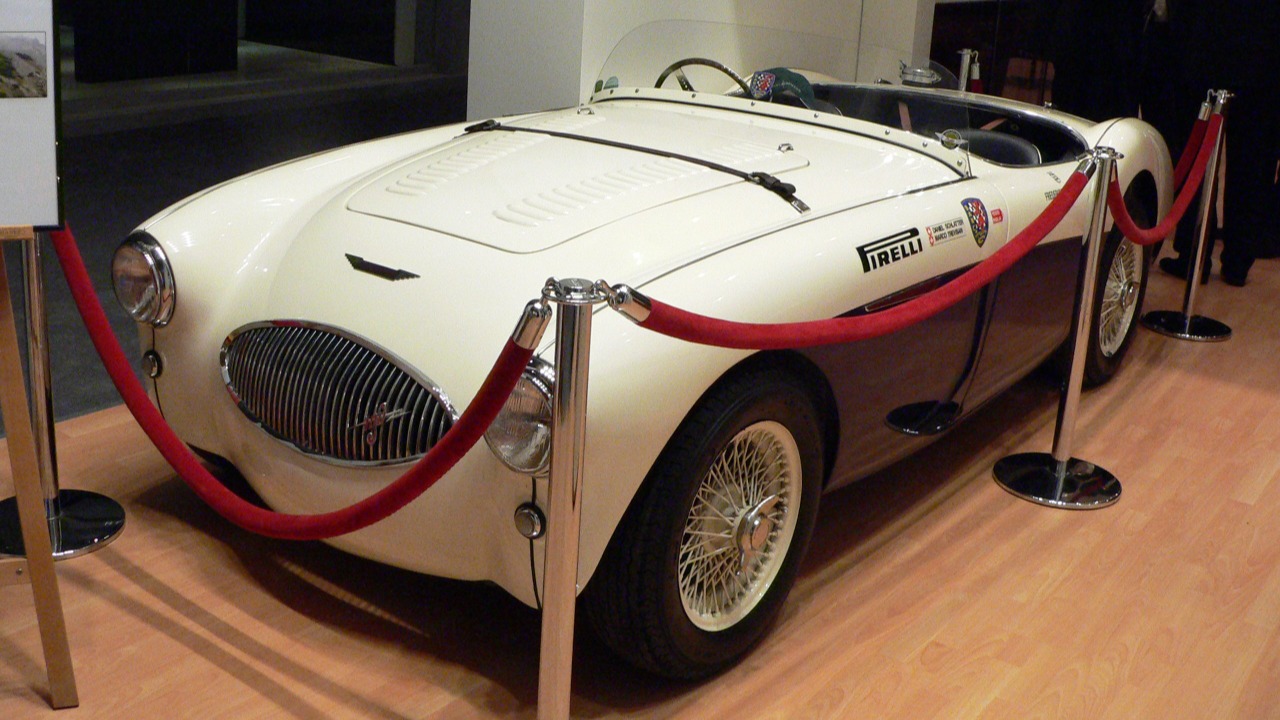
The Austin-Healey 100S was a competition-oriented version of the Austin-Healey 100 developed with extensive performance modifications. Lightweight construction, upgraded brakes, and a more powerful engine made it far more specialized than the standard roadster. Production was extremely limited, and many examples were used in competition. Original 100S cars are consequently rare and historically important. An owner fortunate enough to have one has little reason to consider letting it go.
Austin-Healey 100M
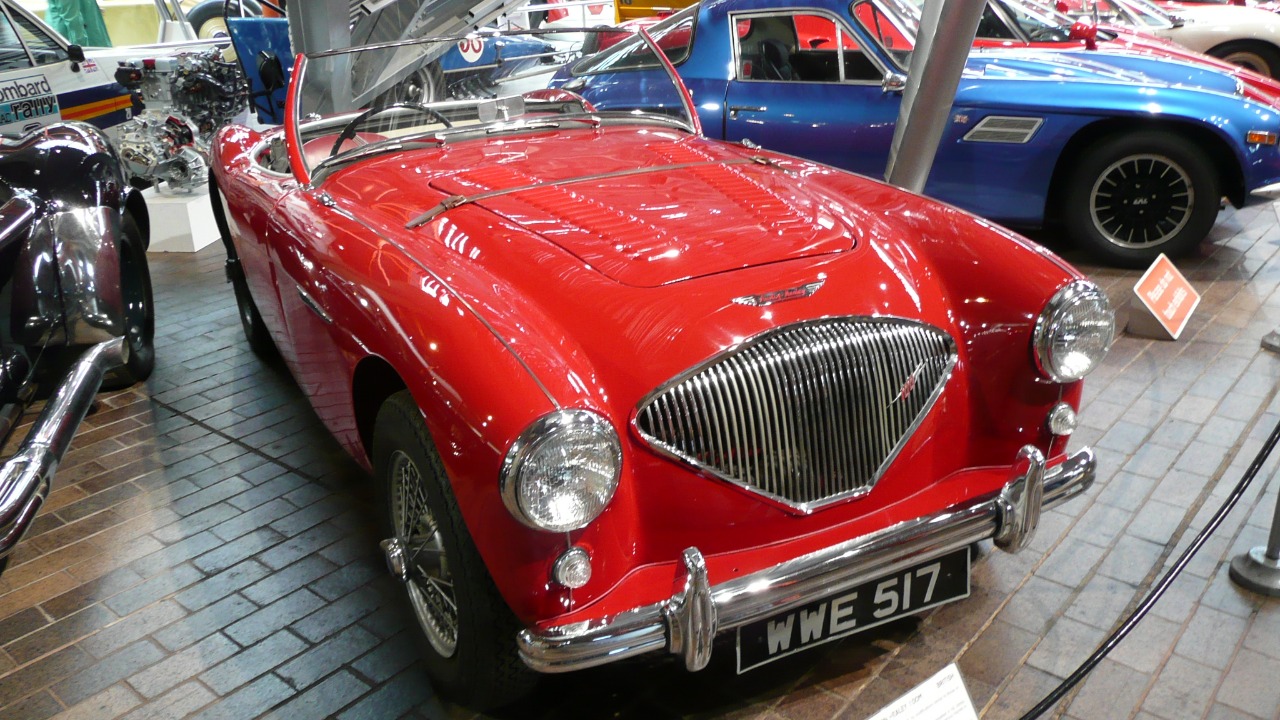
The Austin-Healey 100M brought factory-developed performance upgrades to the popular Austin-Healey 100. Its higher-performance engine, improved induction system, and distinctive styling details made it particularly attractive to enthusiasts. Genuine factory 100M examples are much less common than standard cars, while many ordinary 100s were later modified to resemble them. Owners of authentic examples often value their originality and documented factory specifications.
Porsche 550 Spyder
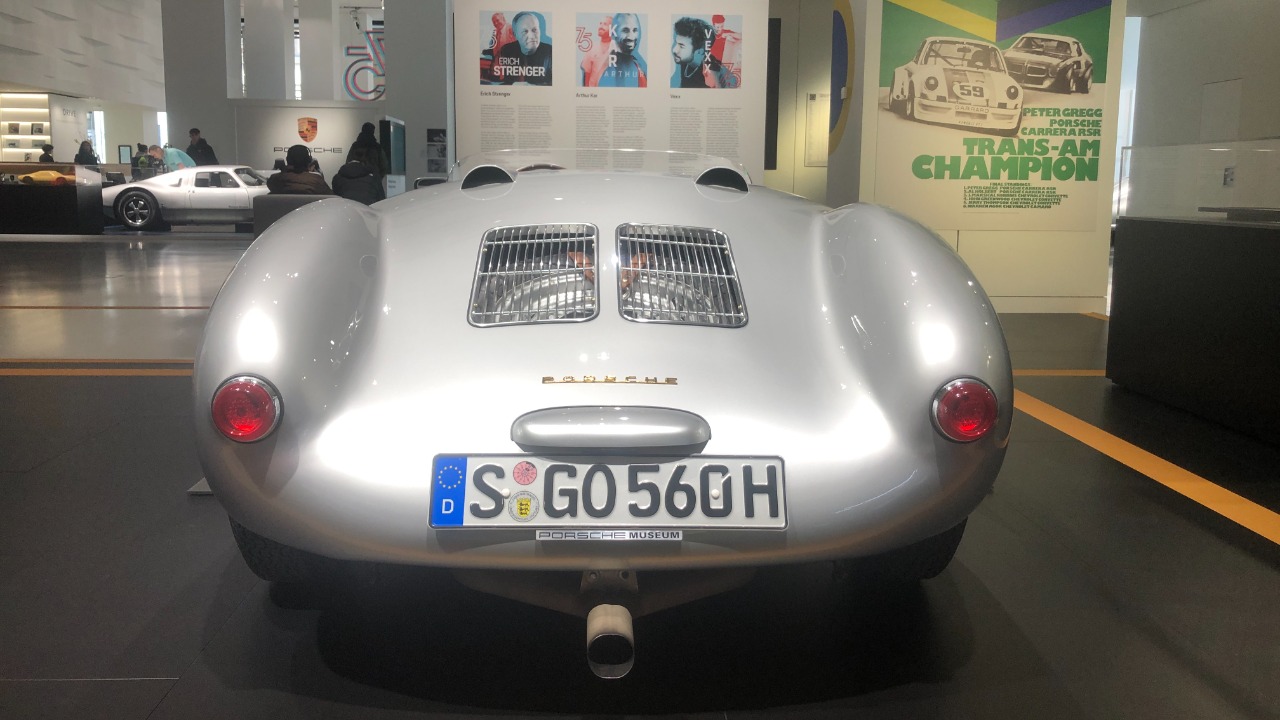
The Porsche 550 Spyder was a lightweight mid-engine sports and racing car that became closely associated with Porsche’s early motorsport success. Its tiny body and sophisticated layout made it dramatically different from ordinary roadsters. Production numbers were extremely low, and surviving original cars are now among the most significant early Porsche automobiles. Owners of genuine 550s possess a rare piece of Porsche competition history that is almost impossible to replace.
BMW 507 Roadster
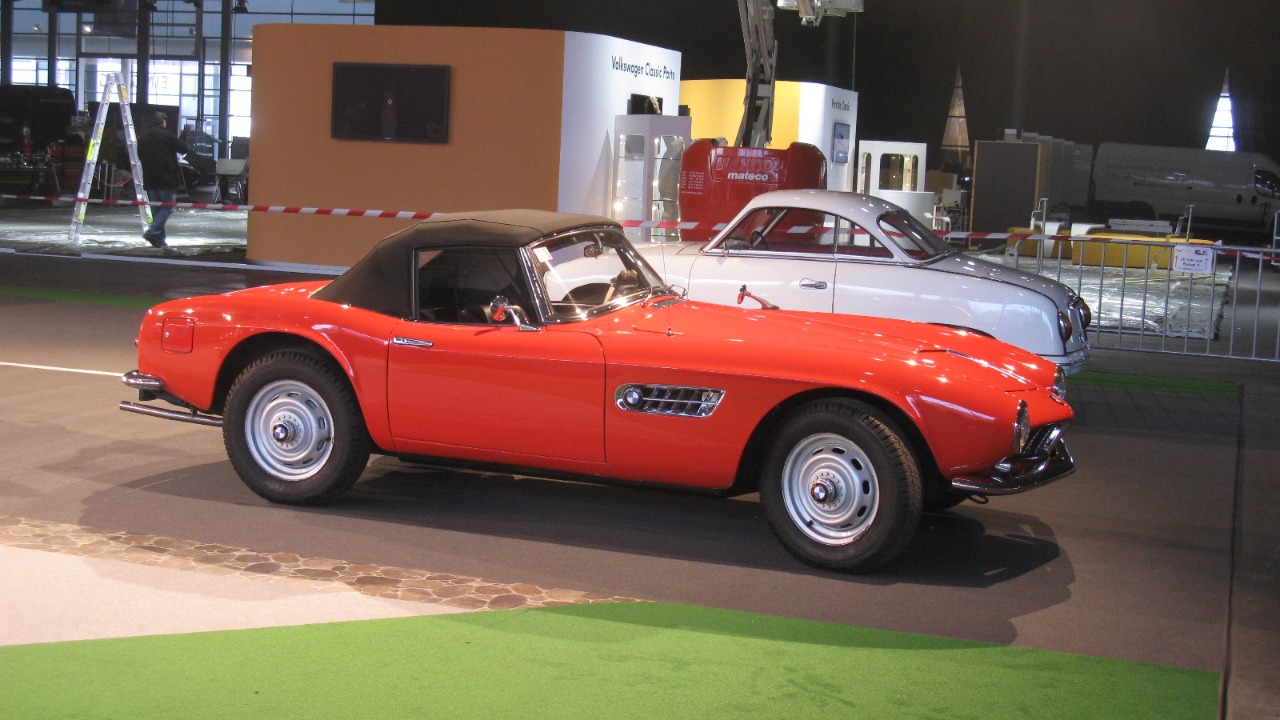
The BMW 507 Roadster was an elegant two-seat sports car designed to appeal to the luxury and performance market. Its aluminum body, V8 engine, and carefully styled proportions gave it a sophisticated character, but production remained very limited. The model became one of BMW’s most important historic sports cars. Surviving examples are now highly valued, and owners tend to regard them as significant pieces of BMW history rather than ordinary vintage convertibles.
Mercedes-Benz 190 SL
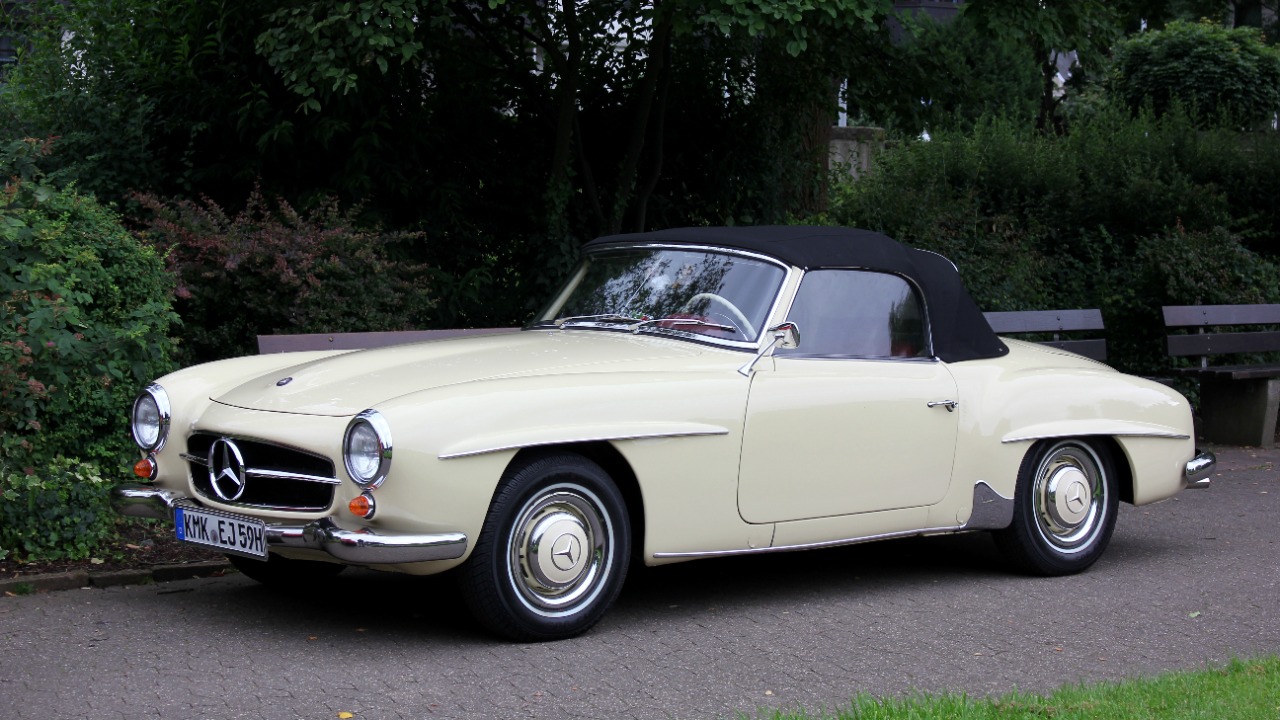
The Mercedes-Benz 190 SL offered a more accessible alternative to the company’s much more expensive 300 SL. It combined elegant styling with a four-cylinder engine, independent suspension, and a refined open-top cabin. Although more were produced than some ultra-rare roadsters, good original examples have become increasingly difficult to find. Owners appreciate the 190 SL because it provides classic Mercedes styling without requiring the extreme rarity of the 300 SL Roadster.
Sunbeam Alpine Series V
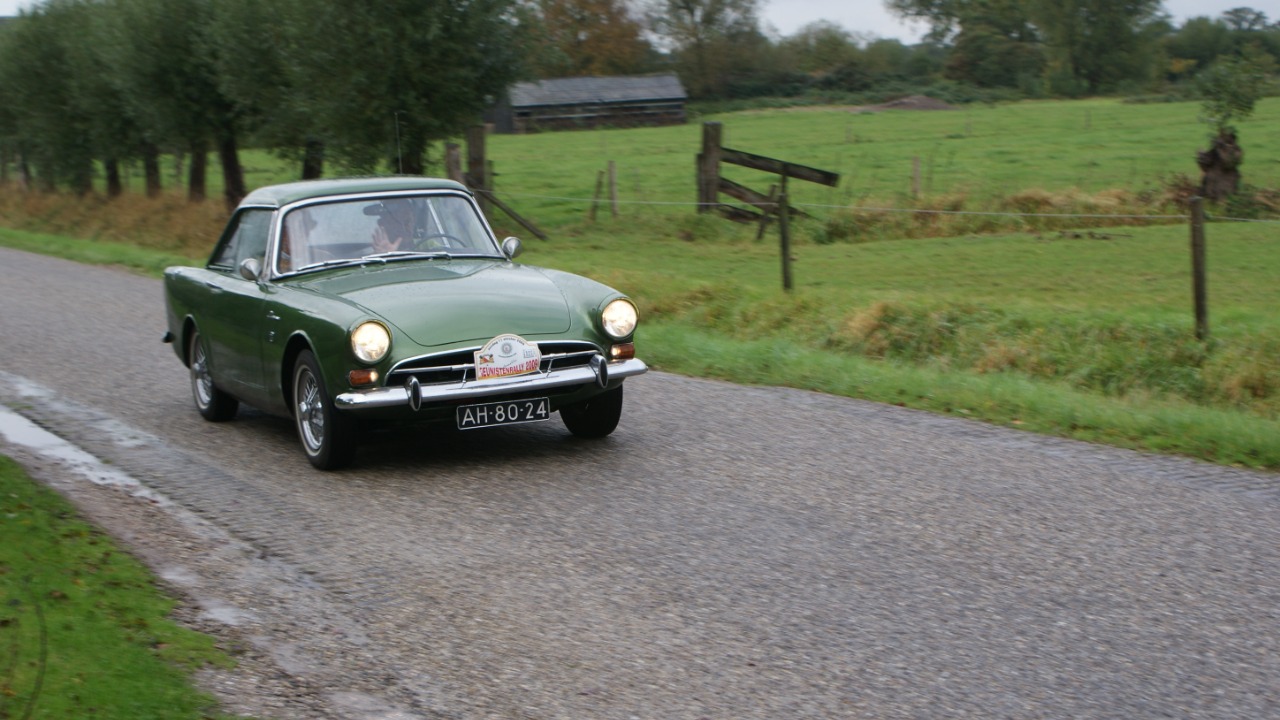
The Sunbeam Alpine Series V represented the final development of the traditional Alpine roadster before the model was replaced by the V8-powered Tiger and later Rootes products. It featured a larger engine and continued the practical open-top formula that made the Alpine popular. Today, well-preserved Series V examples are relatively uncommon. Owners often appreciate their combination of simple mechanical design, comfortable road manners, and classic British styling.
Daimler Dart SP250
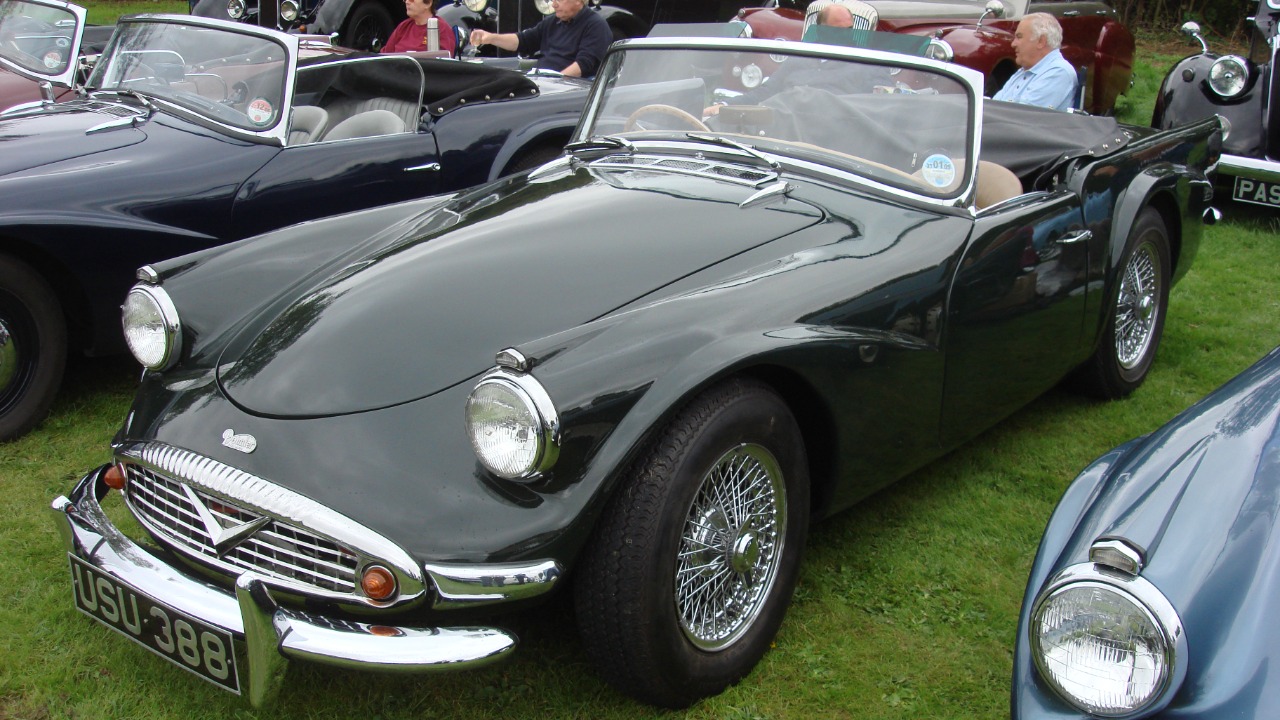
The Daimler Dart SP250 was an unusual British roadster powered by a compact V8 engine and clothed in a distinctive fiberglass body. It offered more performance than its unusual appearance might suggest. Daimler produced the model for only a relatively short period, leaving fewer survivors than many contemporary British sports cars. Its combination of V8 power, fiberglass construction, and independent styling makes the SP250 particularly appealing to collectors of unusual roadsters.
More from Fast Lane Only
- Unboxing the WWII Jeep in a Crate
- 15 rare Chevys collectors are quietly buying
- 10 underrated V8s still worth hunting down
- Police notice this before you even roll window down
*Research for this article included AI assistance, with all final content reviewed by human editors