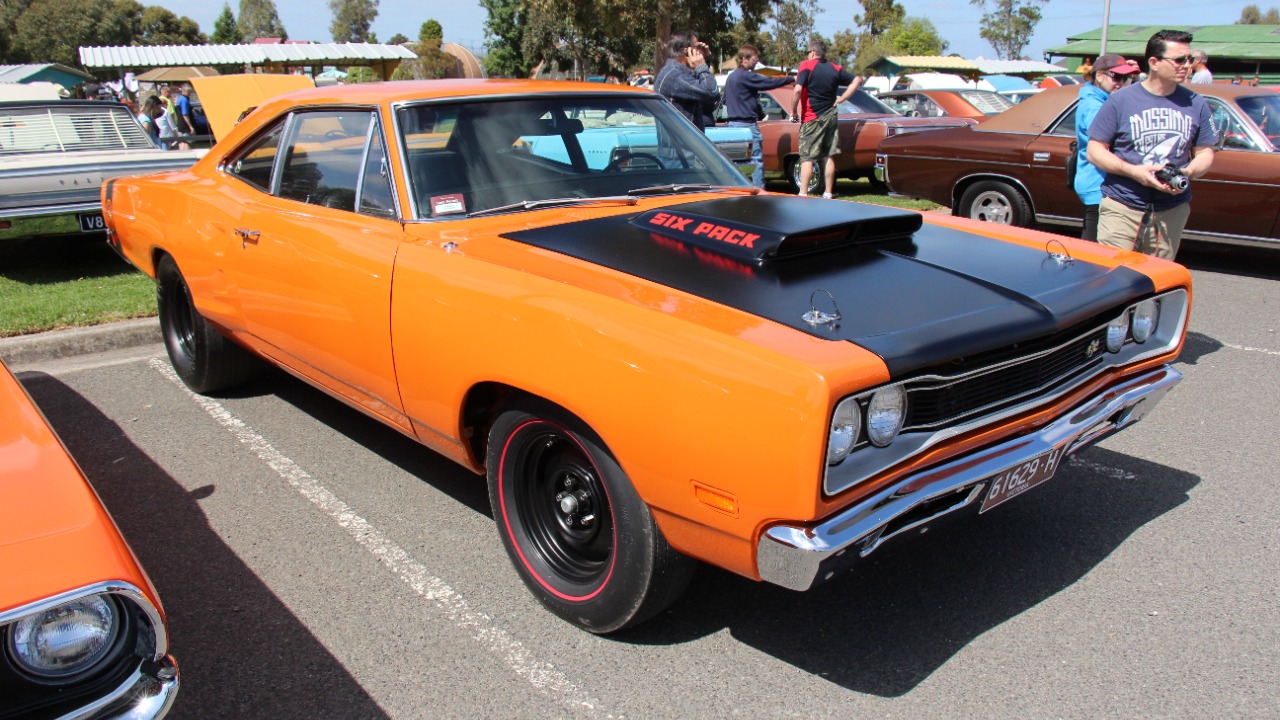
The muscle car era produced far more than the handful of names that dominate every classic-car conversation. Alongside the famous GTOs, Chargers, Chevelles, and Road Runners were performance cars that took a different approach, came from unexpected divisions, or simply got overshadowed by better-known rivals. These 19 muscle cars are the kind that longtime enthusiasts recognize immediately, even when casual fans might need a second look.
Buick GS 350
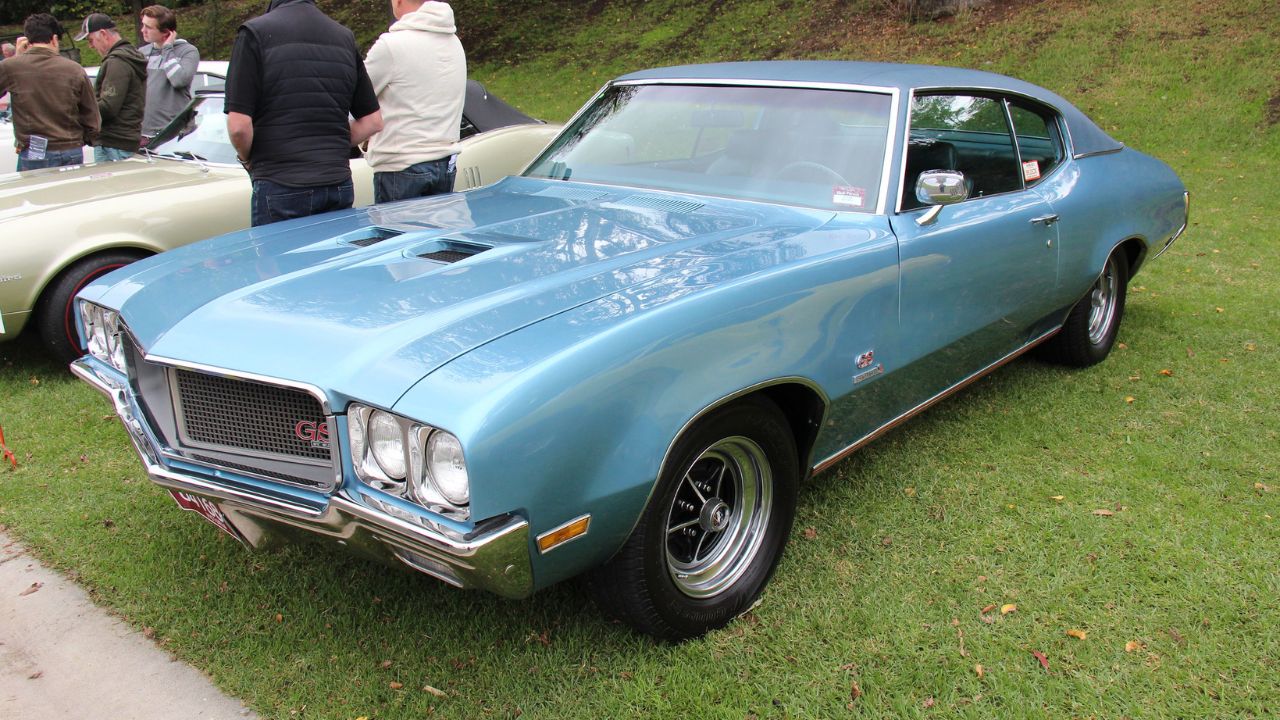
The Buick GS 350 occupied an interesting spot in Buick’s performance lineup. It offered genuine muscle-car credentials without relying on the enormous engines that made some of the brand’s larger GS models famous. The combination of an intermediate-size body, V8 power, and performance-oriented equipment gave it the basic formula enthusiasts expected from a muscle car. It was also easier to overlook than a GSX, which makes surviving examples particularly interesting today. Buick fans understand that the GS name covered more than just the most famous big-engine versions.
Buick GS California
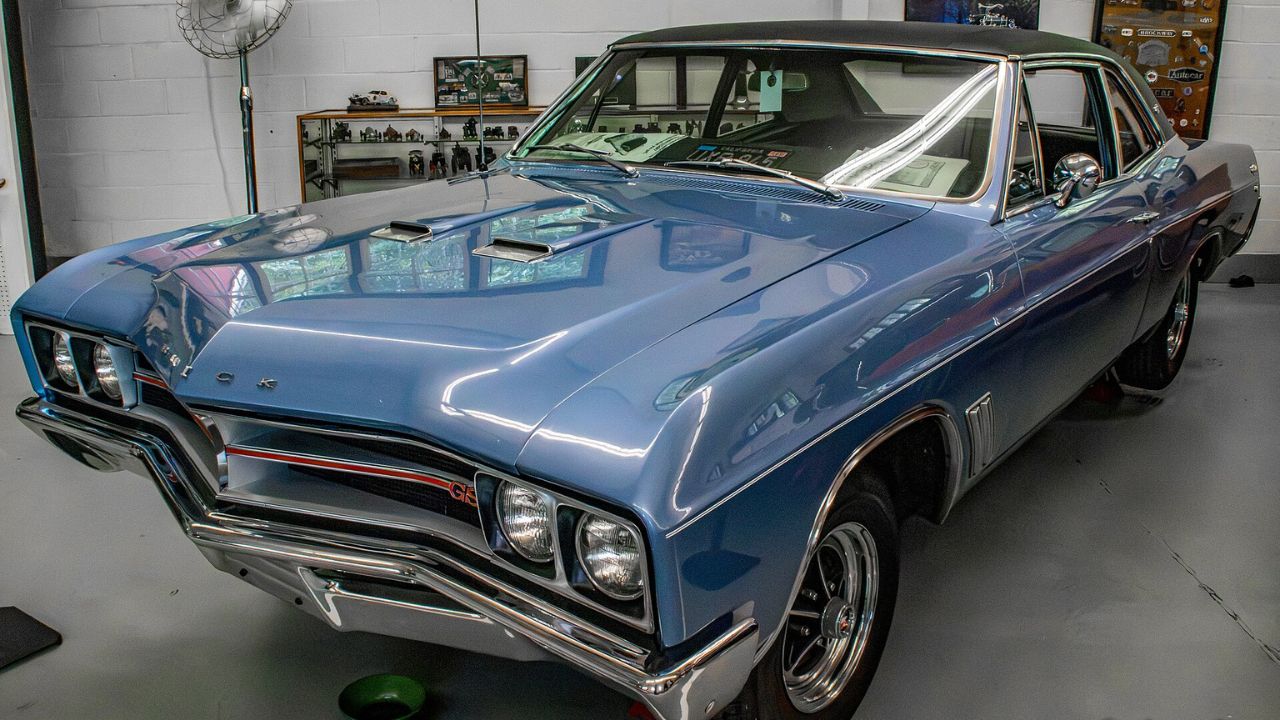
The GS California was a regional performance model that gave Buick a more affordable way to attract muscle-car buyers. Based on the Skylark, it combined sporty equipment with V8 power while maintaining Buick’s more upscale character. It did not receive the same attention as a GSX or the better-known muscle cars from Chevrolet and Pontiac, but it was a legitimate performance offering. Its relative obscurity is part of its appeal today. Enthusiasts who know Buick history recognize it as one of the less obvious muscle cars from the classic era.
Pontiac GT-37
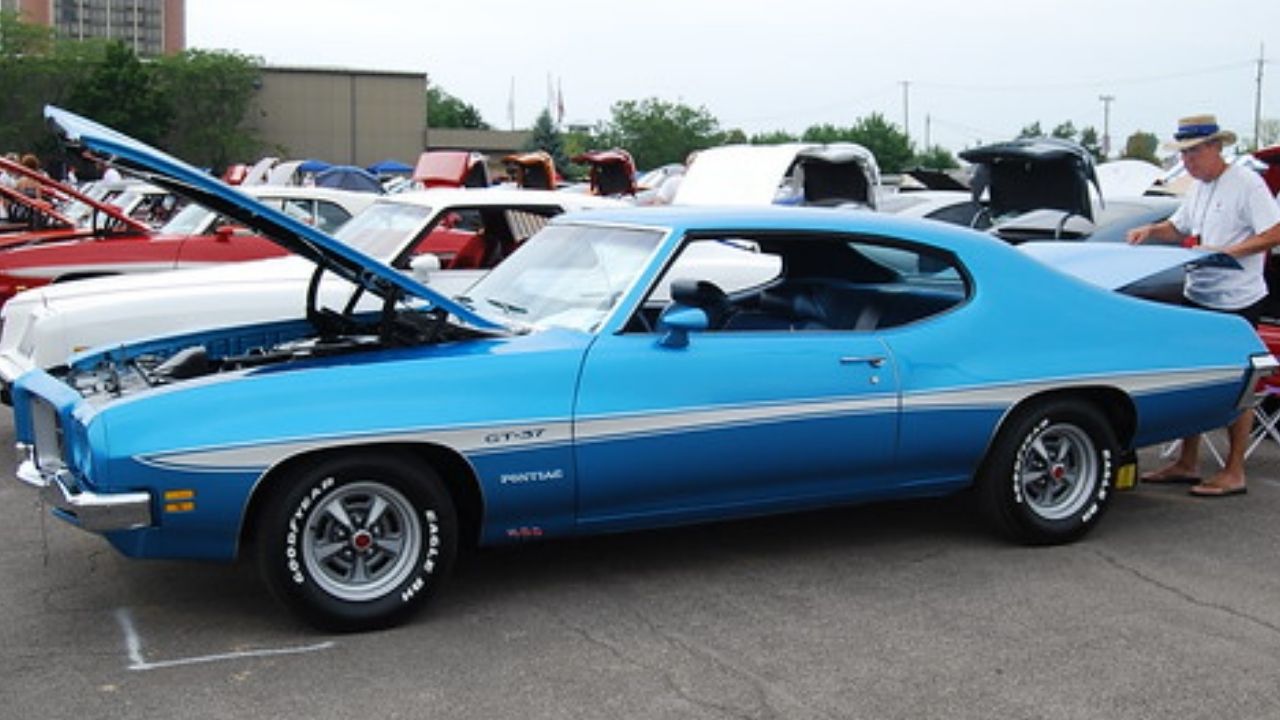
The Pontiac GT-37 was aimed at buyers who wanted Pontiac performance without paying for a more expensive GTO. It used the Tempest and LeMans platform and offered several V8 choices, giving it legitimate muscle-car potential. The styling was relatively restrained, which made the car easy to overlook. That understated character is exactly why enthusiasts appreciate it now. The GT-37 demonstrates how Pontiac’s performance lineup extended beyond the GTO and why knowing the details of Pontiac’s intermediate cars can reveal some surprisingly capable machines.
Oldsmobile Rallye 350
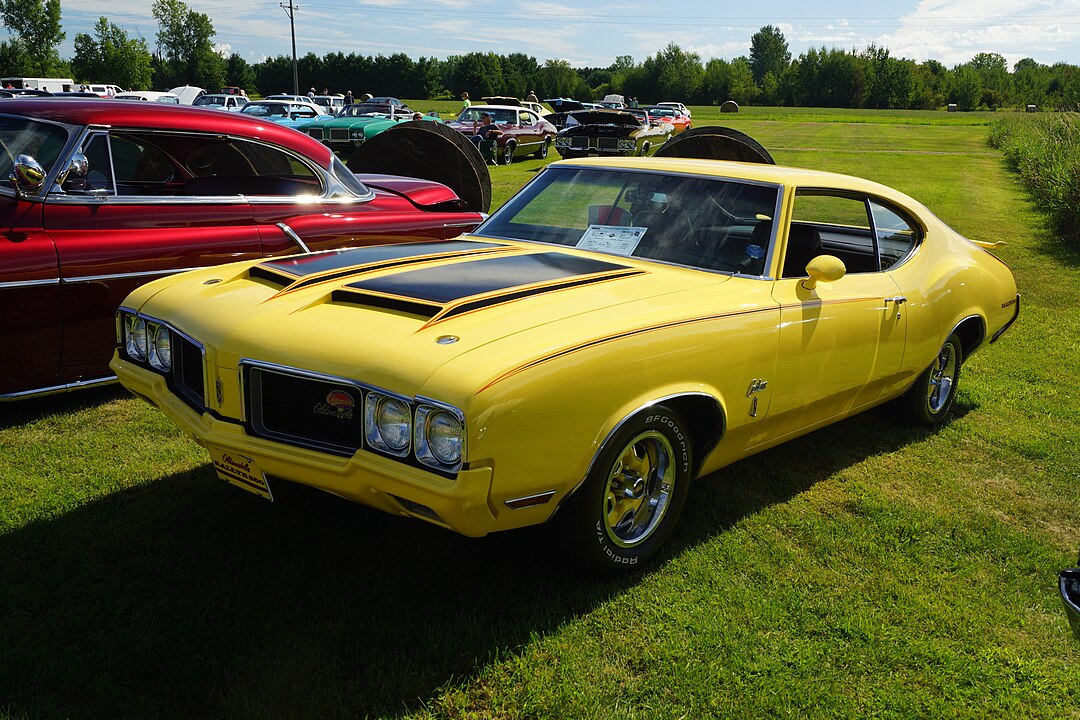
The Rallye 350 was Oldsmobile’s compact muscle-car offering during the final stretch of the classic performance era. It used a 350-cubic-inch V8 and received distinctive styling that included a front spoiler, rear spoiler, and bright exterior colors. The car was designed to provide affordable performance without stepping up to the more expensive 4-4-2. Its timing worked against it as the muscle-car market was already changing, but that has helped give it a special place among Oldsmobile enthusiasts. It remains one of the division’s most interesting lesser-known performance models.
Oldsmobile Hurst/Olds
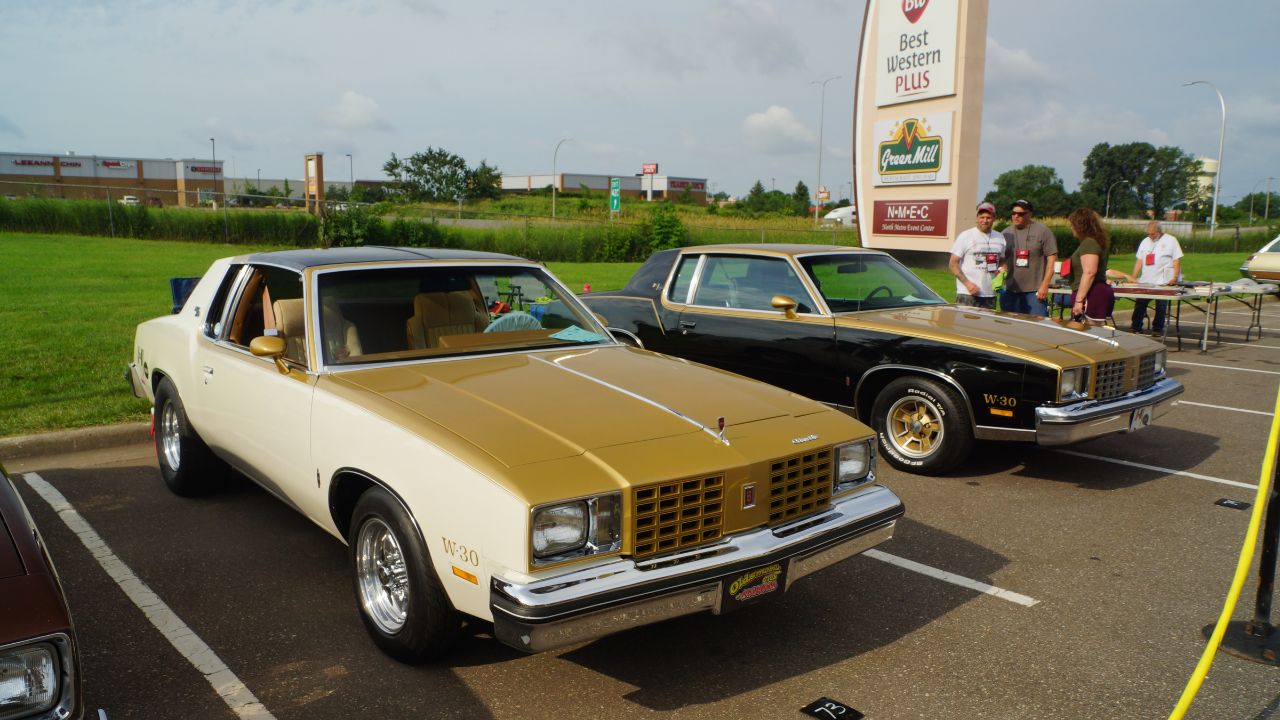
The Hurst/Olds brought together Oldsmobile’s performance engineering and Hurst’s aftermarket reputation. It was based on the Cutlass and received a unique combination of drivetrain and appearance equipment that separated it from ordinary Oldsmobiles. The limited-production nature of the model also helped establish its reputation among enthusiasts. Unlike a simple appearance package, the Hurst/Olds was built around genuine performance hardware. Its unusual identity and relatively small production numbers make it exactly the sort of muscle car that experienced collectors tend to recognize while casual enthusiasts often overlook.
Mercury Cyclone Spoiler
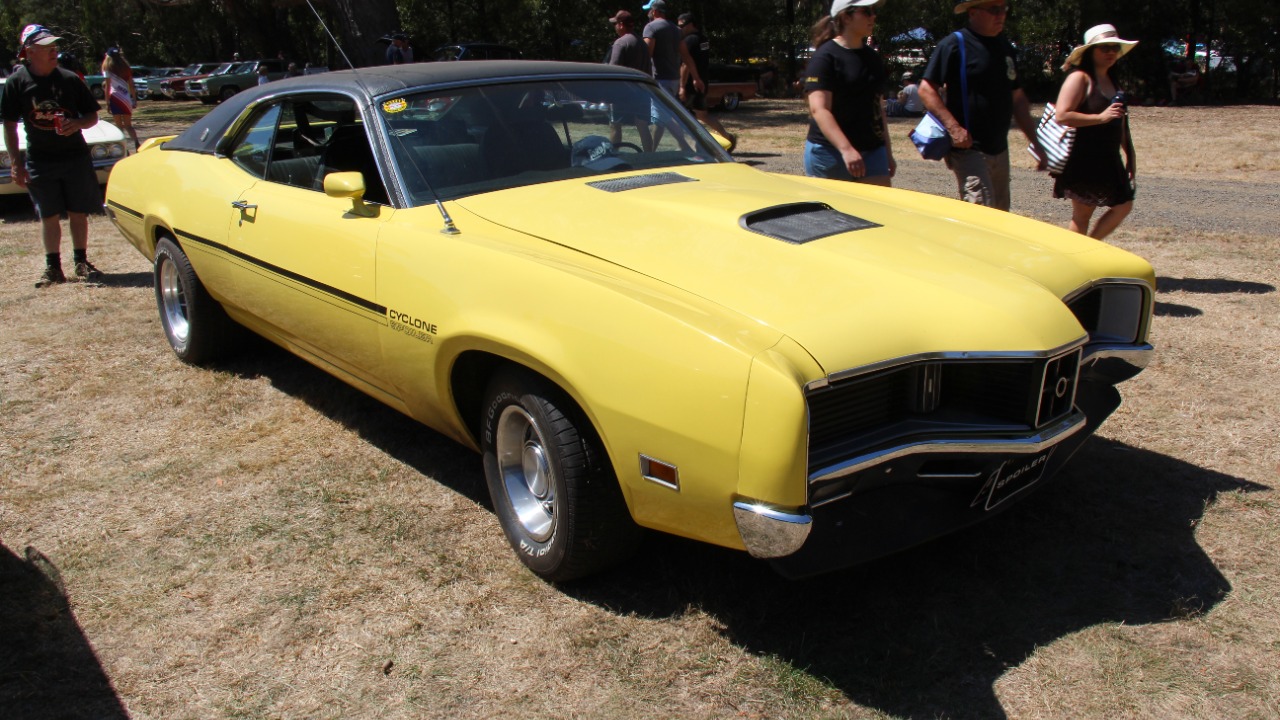
The Mercury Cyclone Spoiler was one of the brand’s strongest answers to the muscle-car boom. Based on the Cyclone, it combined an intermediate body with powerful V8 options and distinctive performance styling. The model benefited from Ford’s extensive performance development, but Mercury’s lower profile meant it never became as famous as the Mustang or Torino. The Cyclone Spoiler could nevertheless deliver serious straight-line performance. Today, it is an especially interesting choice for enthusiasts who want a classic muscle car that looks familiar without being one of the usual names.
Mercury Cyclone Spoiler II
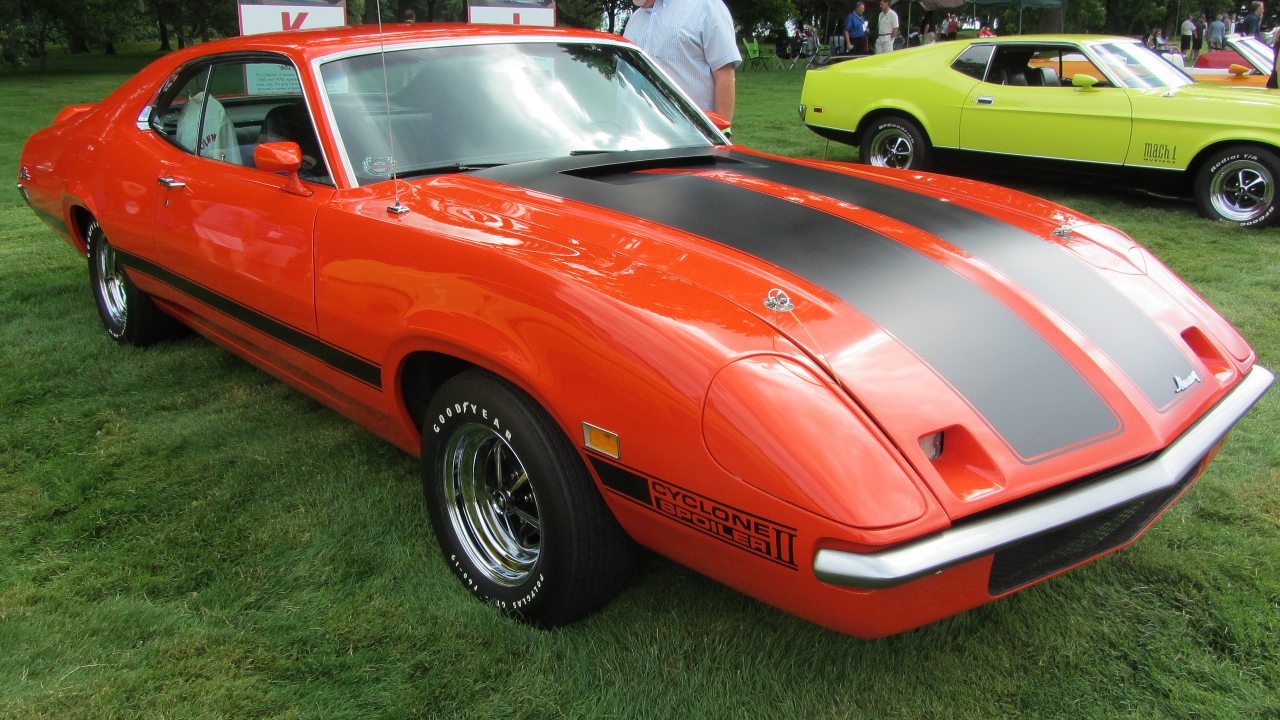
The Cyclone Spoiler II was created with NASCAR homologation in mind, making it considerably more specialized than the ordinary Cyclone. Its aerodynamic body and distinctive graphics were developed around Mercury’s competition efforts, and production numbers were limited. While it is often discussed alongside the famous Talladega and other aerodynamic specials, the Spoiler II remains less familiar to casual muscle-car fans. Its racing connection and unusual appearance make it a fascinating example of how competition requirements influenced street-legal American performance cars during the peak of the muscle era.
Mercury Comet Cyclone
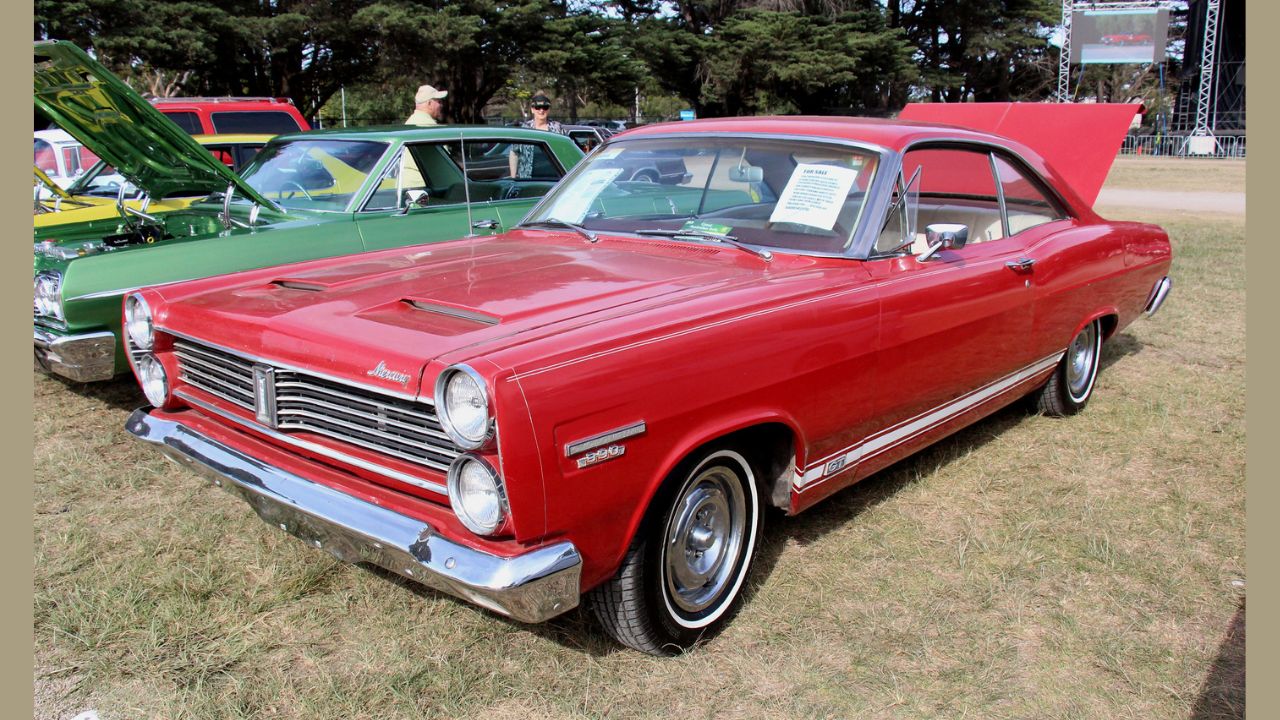
The Comet Cyclone gave Mercury a smaller platform for its performance ambitions. The model evolved from the compact Comet and eventually gained larger V8 options, turning it into a genuine muscle-car contender. Its relatively compact dimensions made the available power particularly interesting, especially compared with larger intermediate cars. The Cyclone name eventually became more closely associated with Mercury’s bigger performance models, but the earlier Comet-based versions remain important to the story. They show how Mercury gradually transformed an ordinary compact into something far more serious.
Dodge Dart GTS
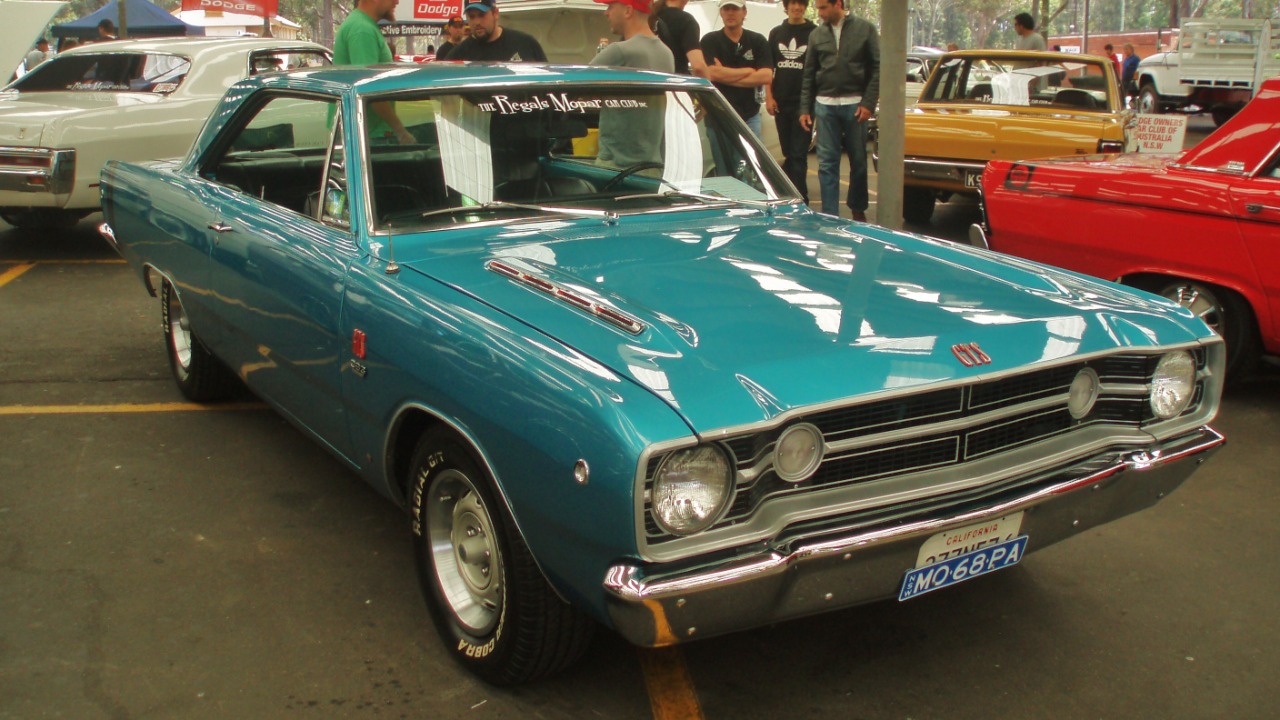
The Dart GTS was a compact Mopar performance car that could deliver much more than its modest dimensions suggested. Buyers could choose from several powerful V8 configurations, giving the lightweight Dart serious acceleration. Its compact body also made the car particularly interesting compared with Dodge’s larger muscle cars. The GTS did not have the visual drama of a Charger, but that was part of its appeal. It looked relatively ordinary while carrying enough performance hardware to make it a genuine muscle car. Mopar enthusiasts still hold the GTS in high regard.
Dodge Demon
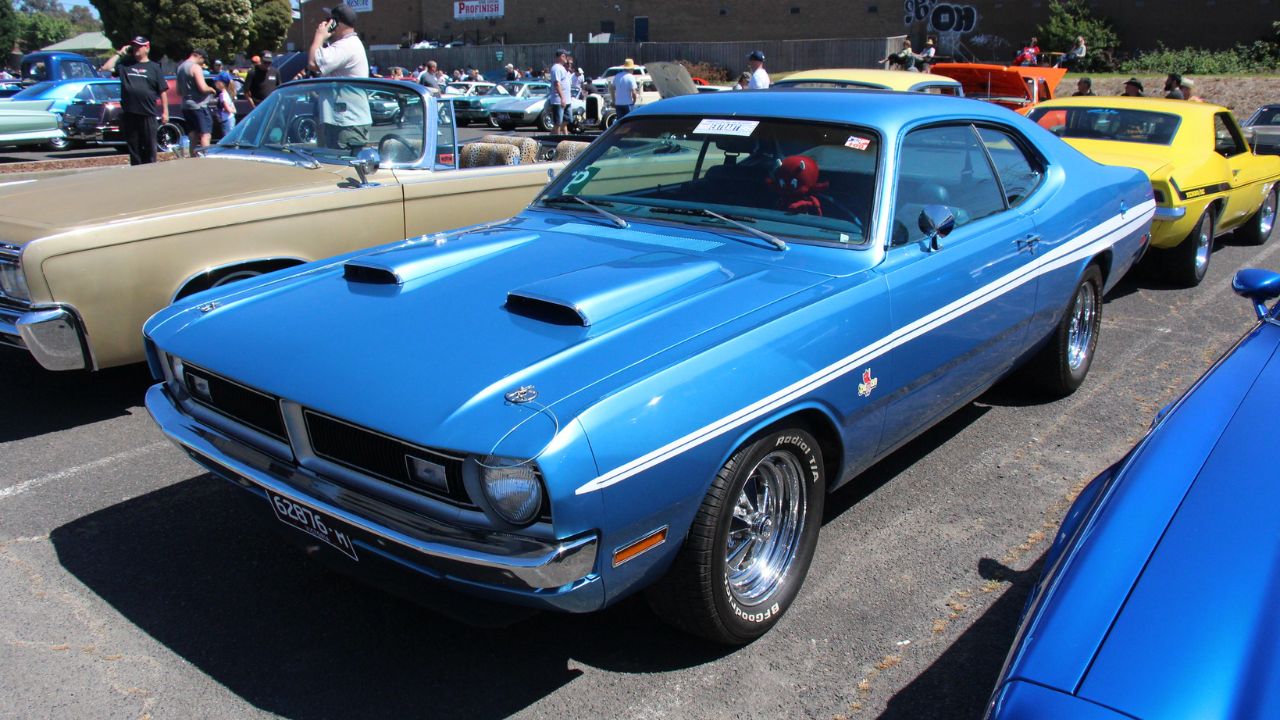
The Dodge Demon took the compact Dart platform and gave it an even stronger performance identity. Introduced during the final years of the classic muscle-car period, it offered a combination of compact dimensions, V8 power, and aggressive styling. The name itself became famous long before Dodge revived it for the modern supercharged model. The original Demon was a product of a very different automotive era, but it remains important because it demonstrated how much performance could be extracted from a relatively small American car.
Dodge Coronet Super Bee
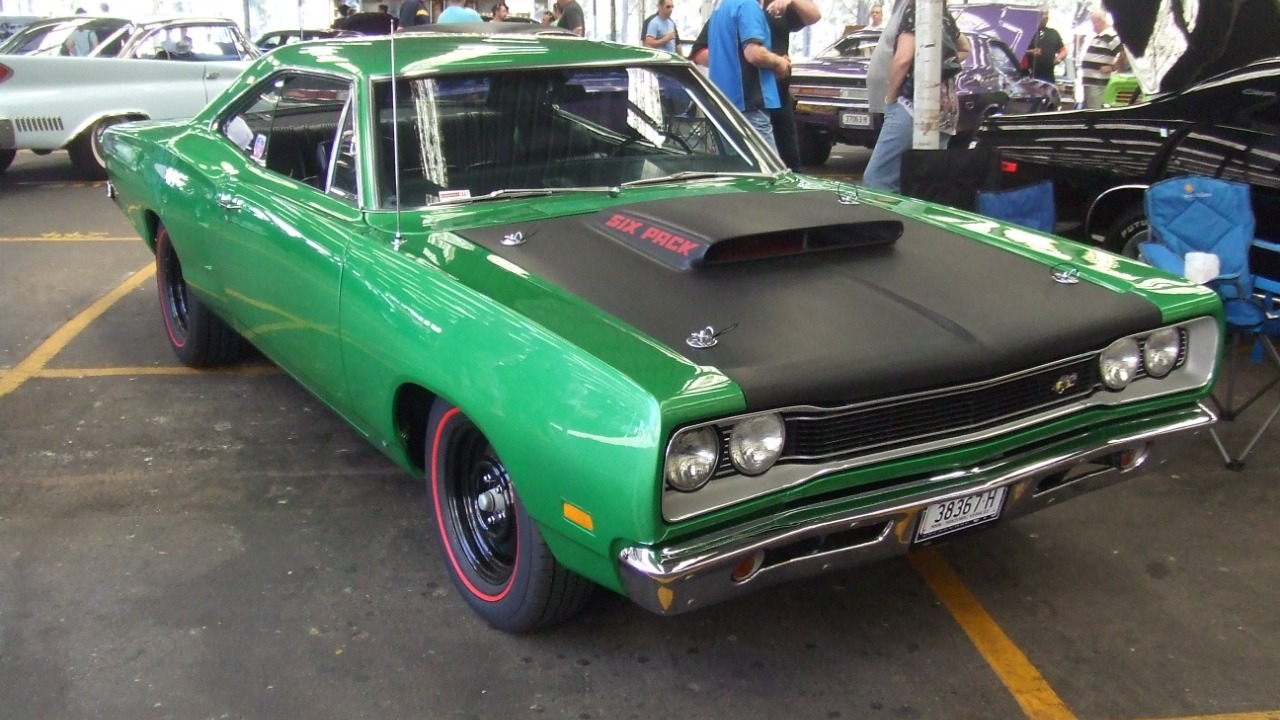
The Super Bee was Dodge’s answer to the growing demand for affordable, stripped-down muscle. It used the Coronet’s intermediate platform but focused on performance rather than luxury. Buyers could choose from several serious V8 configurations, while the bold graphics and distinctive badges made its intentions clear. Compared with the Charger, the Super Bee was less glamorous and often more affordable, which was exactly the point. It became one of Dodge’s most recognizable muscle cars and remains particularly important to enthusiasts who appreciate the brand’s performance history.
Plymouth Duster 340
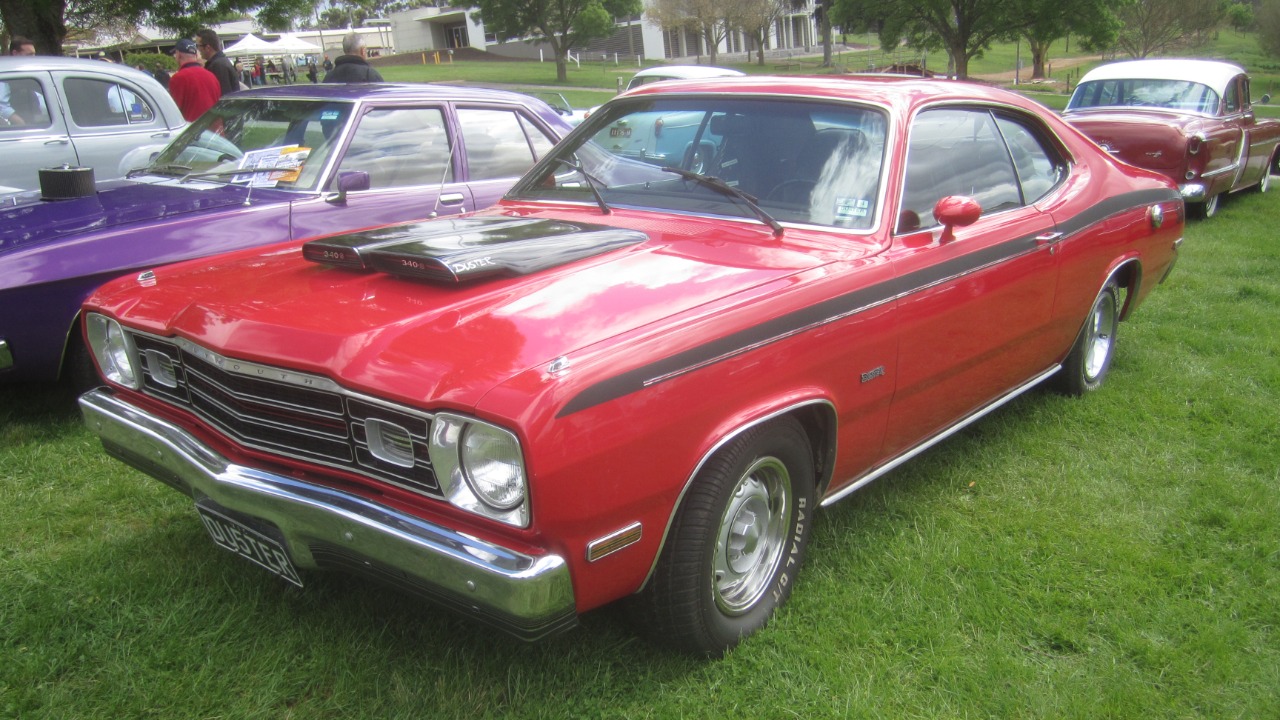
The Duster 340 brought muscle-car performance into a smaller and lighter package. Based on Plymouth’s compact A-body platform, it combined a relatively simple body with a performance V8 and sporty styling. The result was a car that could provide impressive acceleration without the size of larger muscle machines. The Duster never achieved the same cultural status as the Road Runner or GTX, but it was one of the more accessible ways to get serious Plymouth performance. Today, its compact proportions and straightforward formula make it especially appealing to traditional muscle-car fans.
Plymouth Sport Fury GT
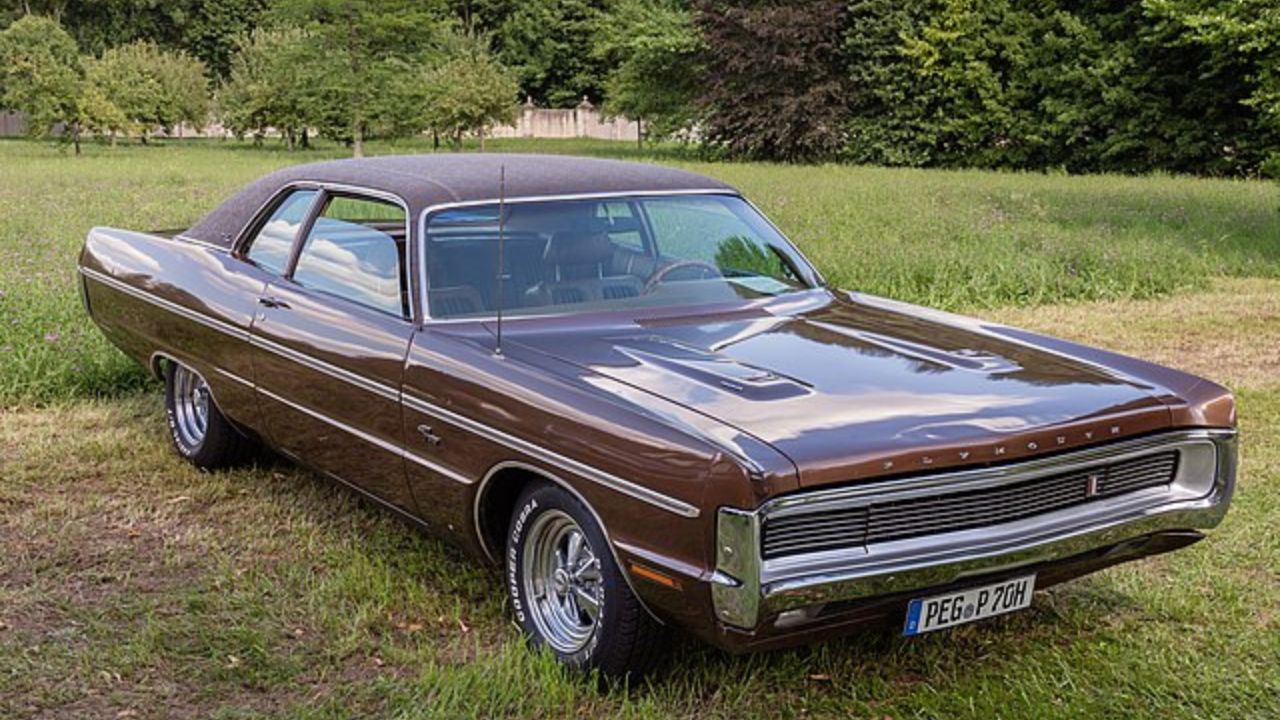
The Sport Fury GT was an unusual muscle car because it combined full-size dimensions with a performance-oriented identity. Its large body and aggressive equipment made it very different from the smaller muscle cars dominating showroom attention at the time. It could be ordered with serious V8 power, giving the car considerable straight-line ability. The Sport Fury GT is easily forgotten because it did not fit the usual muscle-car shape. For enthusiasts, that is precisely what makes it interesting. It represents the broader range of performance cars Plymouth offered during the muscle era.
AMC Rebel Machine
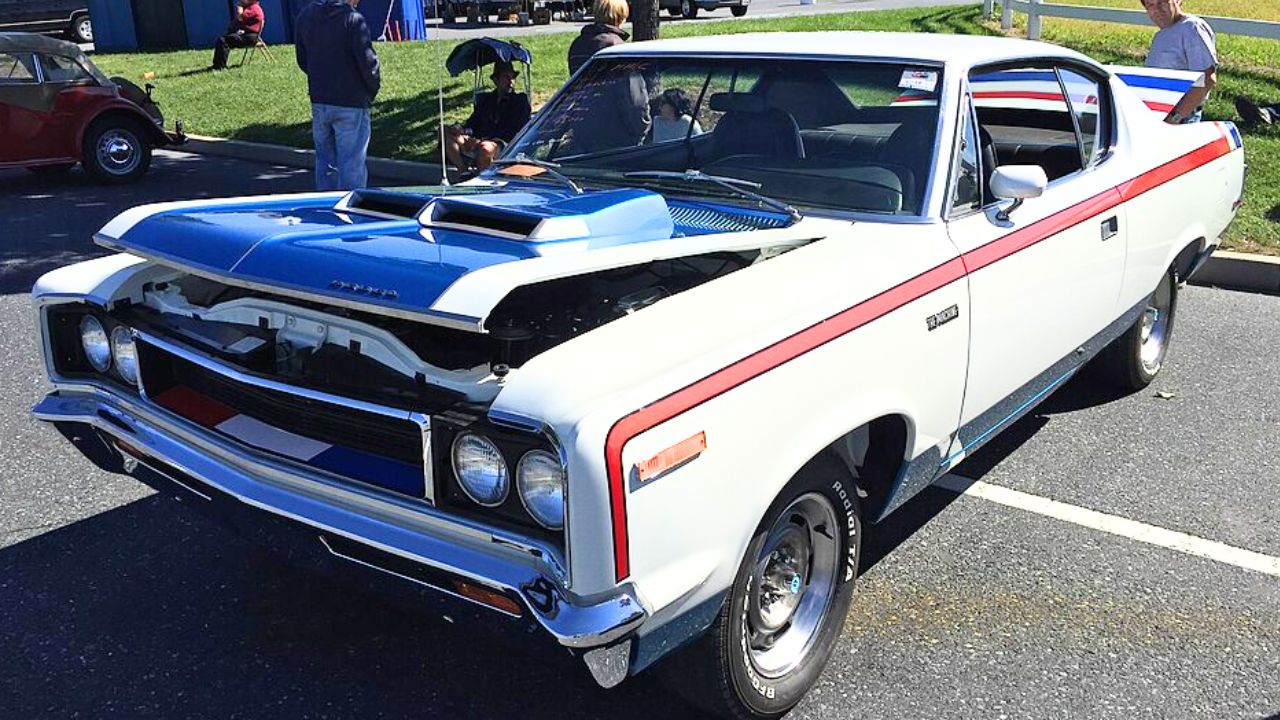
The Rebel Machine was AMC’s most recognizable response to the classic muscle-car competition. Its bold graphics and bright color combinations made it impossible to confuse with a regular Rebel, while its powerful V8 gave the car the performance to match its appearance. AMC was much smaller than Ford, Chevrolet, or Chrysler, so the Rebel Machine had a tougher time receiving the same attention. Nevertheless, it became one of the company’s signature performance cars. It remains a favorite among enthusiasts who enjoy the less predictable side of the muscle-car era.
AMC Matador Machine
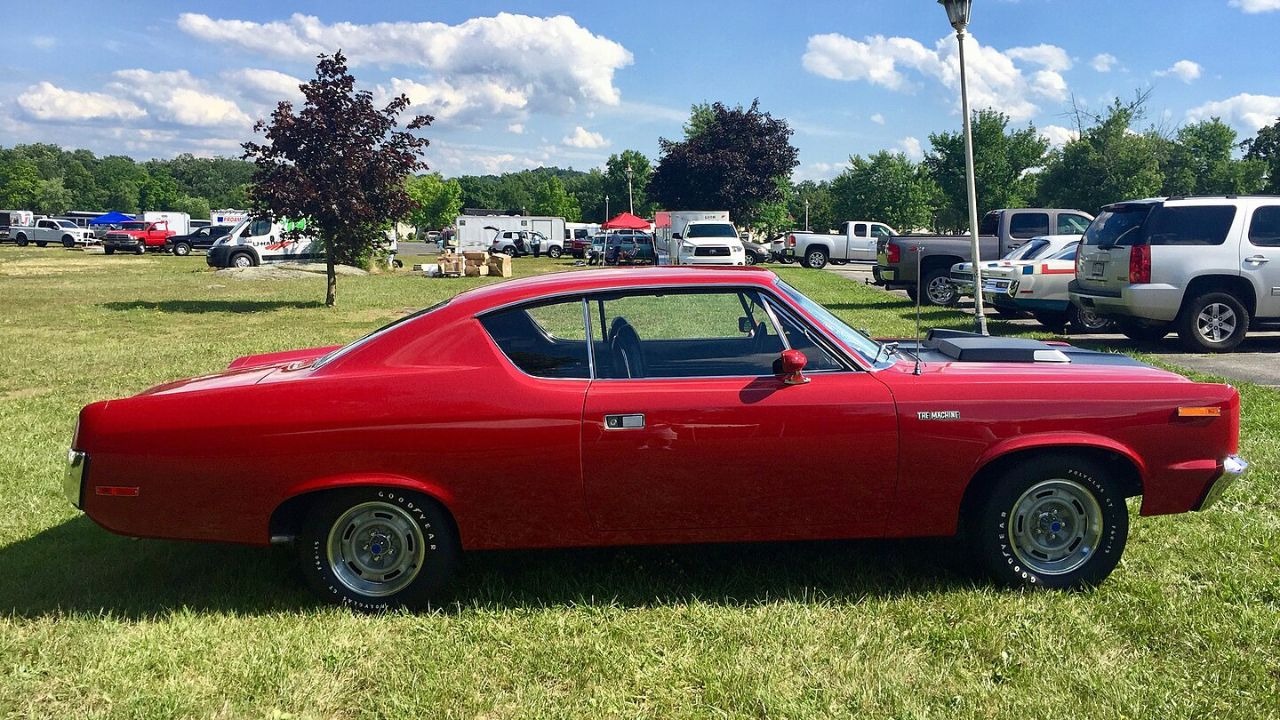
The Matador Machine continued AMC’s attempt to keep its performance credentials alive as the muscle-car market changed. It used the larger Matador platform and offered a performance package built around a V8 and sporty equipment. The car was less famous than the Rebel Machine and arrived as the traditional muscle era was beginning to fade. That makes it particularly interesting today. The Matador Machine shows AMC trying to preserve its performance identity even as changing emissions regulations, insurance costs, and consumer preferences were making classic muscle cars increasingly difficult to build.
AMC SC/Rambler
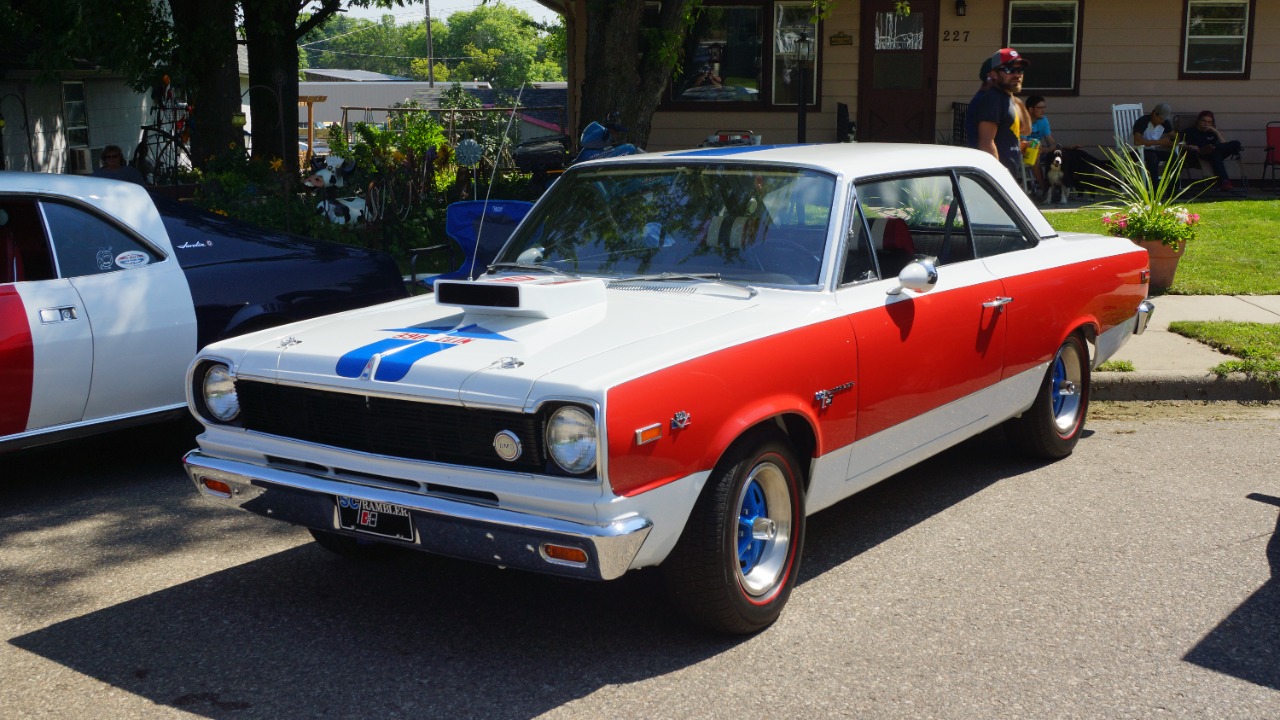
The SC/Rambler was one of the wildest compact muscle cars of its time. Based on the Rambler American, it combined a lightweight body with a powerful V8 and a highly distinctive appearance package. The car was built specifically for performance-minded buyers and received a memorable red, white, and blue treatment. Its unusual name and limited production helped keep it from becoming a mainstream icon. Among AMC enthusiasts, however, the SC/Rambler is a standout. It is a perfect example of how American Motors could build a serious performance car without following Detroit’s usual formula.
Ford Fairlane Cobra
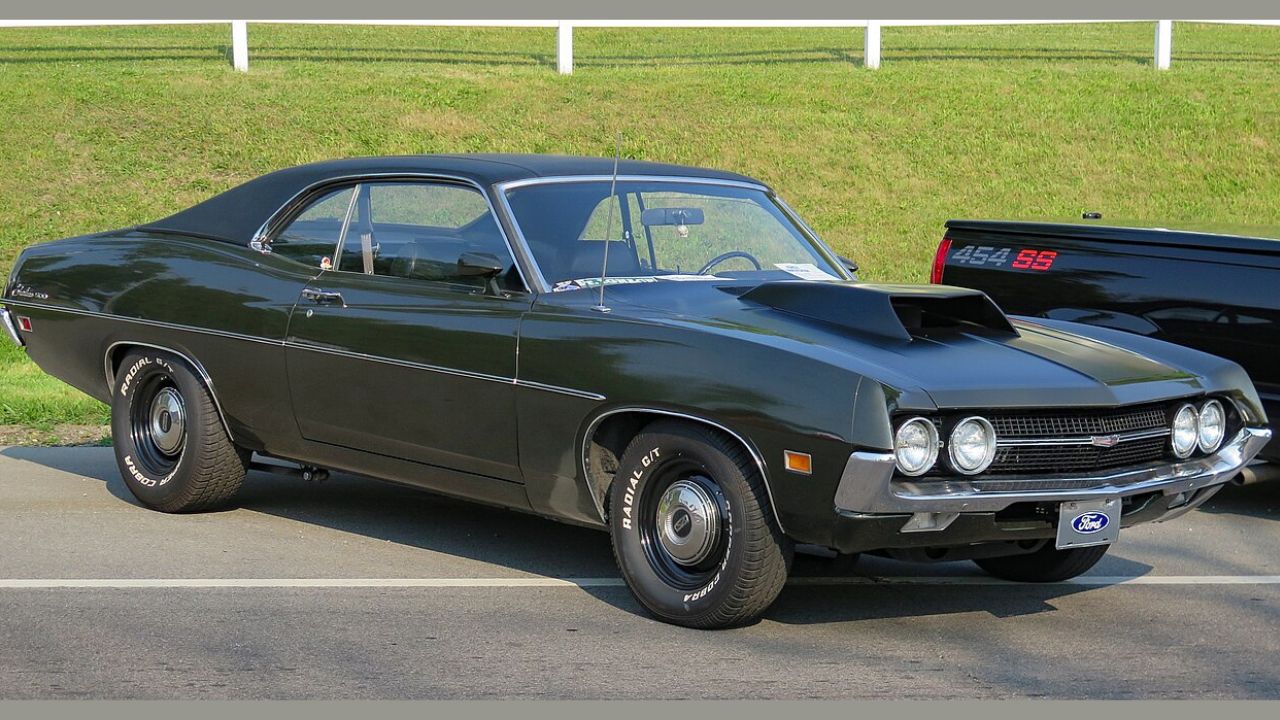
The Fairlane Cobra brought Ford’s big-engine performance into an intermediate package. It offered the kind of straight-line performance expected from a classic muscle car while maintaining the Fairlane’s practical proportions. The car could be equipped with Ford’s powerful Cobra Jet V8, giving it considerable performance potential. Although Ford’s Mustang tends to dominate conversations about the company’s classic performance cars, the Fairlane deserves recognition in its own right. It is one of the models that helped establish Ford’s reputation for building serious intermediate performance cars during the muscle era.
Mercury Montego GT

The Montego GT was one of Mercury’s less celebrated performance offerings. It brought V8 power and sportier equipment to the Montego’s intermediate platform, giving Mercury another entry into the increasingly crowded muscle-car market. Its more upscale styling distinguished it from some of the stripped-down performance cars sold by other divisions. That combination made the Montego GT easy to overlook, particularly beside Mercury’s Cyclone. For enthusiasts, however, it is an important reminder that Mercury had several genuine performance models during the muscle-car era rather than relying solely on the Cougar and Cyclone names.
Pontiac Grand Am

The original Pontiac Grand Am was introduced as a performance-oriented intermediate with a more sophisticated character than a stripped-down muscle car. It combined Pontiac’s V8 performance with sportier handling and upscale features, creating a different interpretation of the classic formula. The Grand Am was not as common as the GTO, and its timing meant it arrived as the traditional muscle era was already changing. Still, it deserves a place in the conversation because Pontiac was trying to evolve the muscle-car formula rather than simply repeat the same recipe.
More from Fast Lane Only
- Unboxing the WWII Jeep in a Crate
- 15 rare Chevys collectors are quietly buying
- 10 underrated V8s still worth hunting down
- Police notice this before you even roll window down
*Research for this article included AI assistance, with all final content reviewed by human editors.