Big-block V8s were built during an era when displacement, simple mechanical design, and heavy-duty construction mattered more than fuel economy. Many produced enormous torque without complicated electronics, making them relatively straightforward for experienced mechanics to understand and repair. These engines powered everything from family cars to muscle cars and heavy-duty trucks, and several remain respected today because they were built with durability in mind.
Chevrolet 348
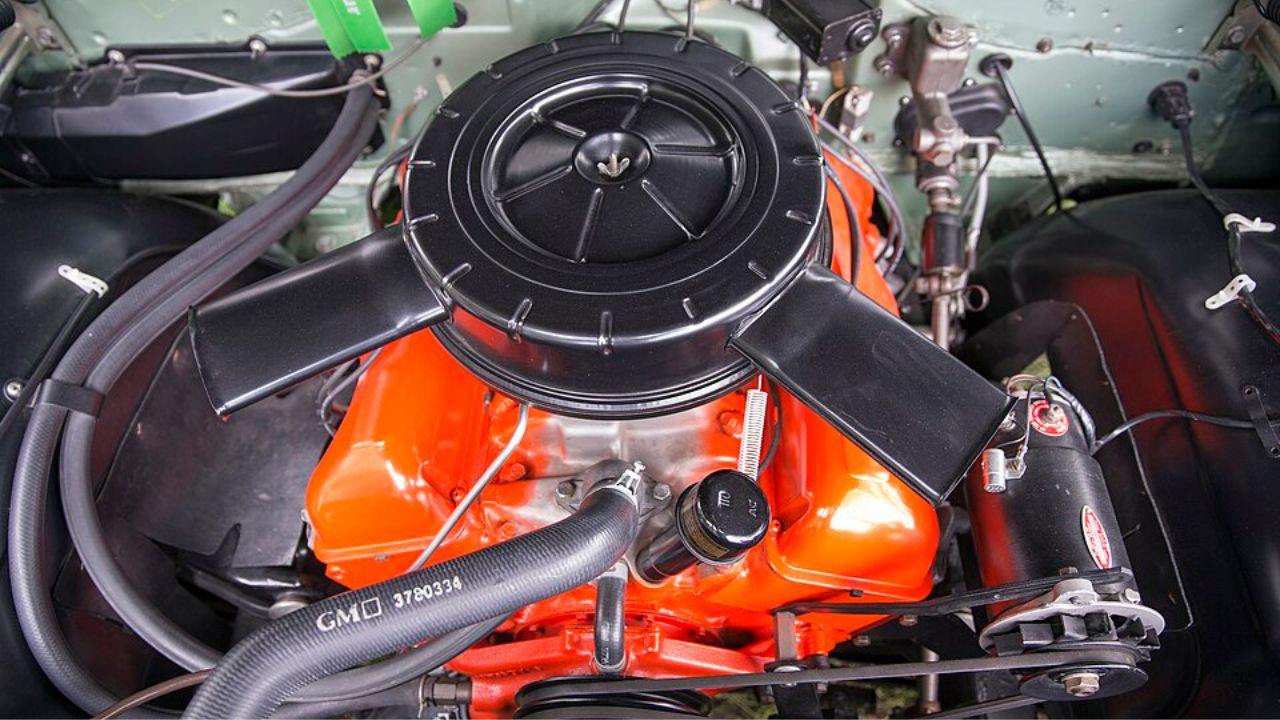
The Chevrolet 348 was one of the company’s first big-block V8s and introduced a different approach to producing substantial power and torque. Its distinctive design was built around a deep-skirt block and strong bottom end, giving it a reputation as a durable engine when properly maintained. The 348 also introduced Chevrolet’s famous W-series architecture, which later led to the legendary 409. Mechanics appreciate its straightforward construction and the fact that parts and knowledge remain available for restorations.
Chevrolet 409

The Chevrolet 409 became famous through its performance reputation, but its appeal went beyond horsepower. It was a large-displacement engine with substantial torque and a sturdy design that made it suitable for both performance cars and full-size Chevrolets. The distinctive cylinder-head arrangement gave the engine its famous appearance. Today, mechanics familiar with vintage Chevrolet engines still appreciate the 409 because it represents an era when big displacement and relatively simple mechanical systems went hand in hand.
Chevrolet 396
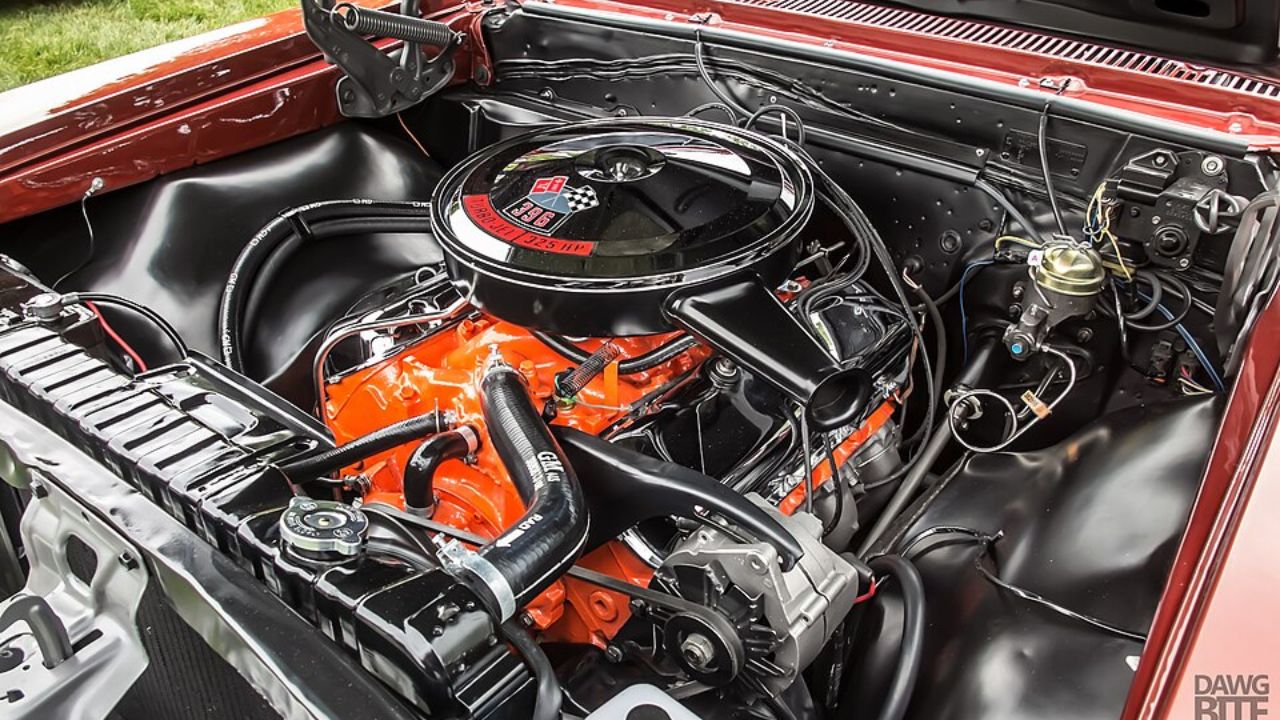
The Chevrolet 396 helped establish the Mark IV big-block family that would become one of the most important engine lines in American performance history. Its relatively compact external dimensions compared with some earlier big-blocks made it versatile, while the strong block and cylinder-head design gave it plenty of potential. It powered everything from Chevelles to Camaros and full-size cars. Its enormous popularity also means mechanics and restorers have decades of experience working on the engine.
Chevrolet 427
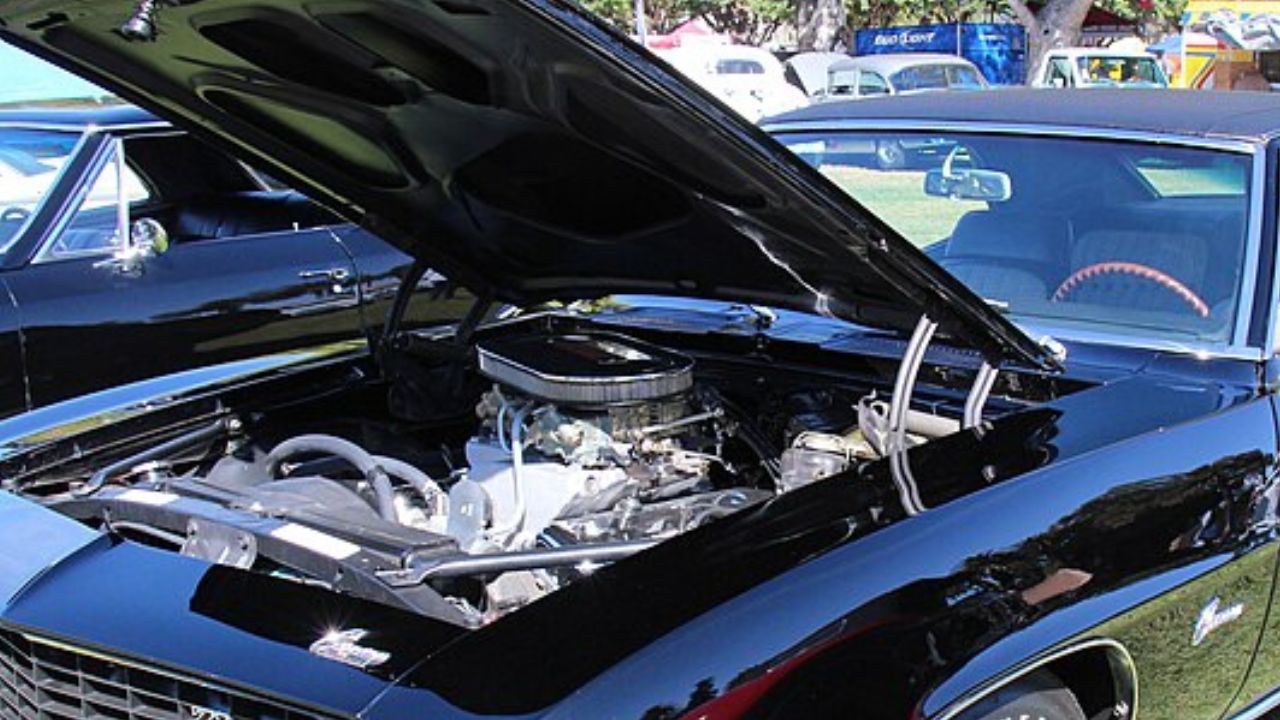
The Chevrolet 427 became one of the most respected big-blocks of the muscle-car era. It was offered in numerous configurations, ranging from relatively mild street engines to highly developed racing versions. The basic architecture proved strong enough to support serious performance without abandoning the straightforward pushrod design familiar to mechanics. The 427 also benefited from widespread use in Corvettes and other performance cars. Its combination of strength, parts availability, and enormous performance potential keeps it popular with builders.
Chevrolet 454
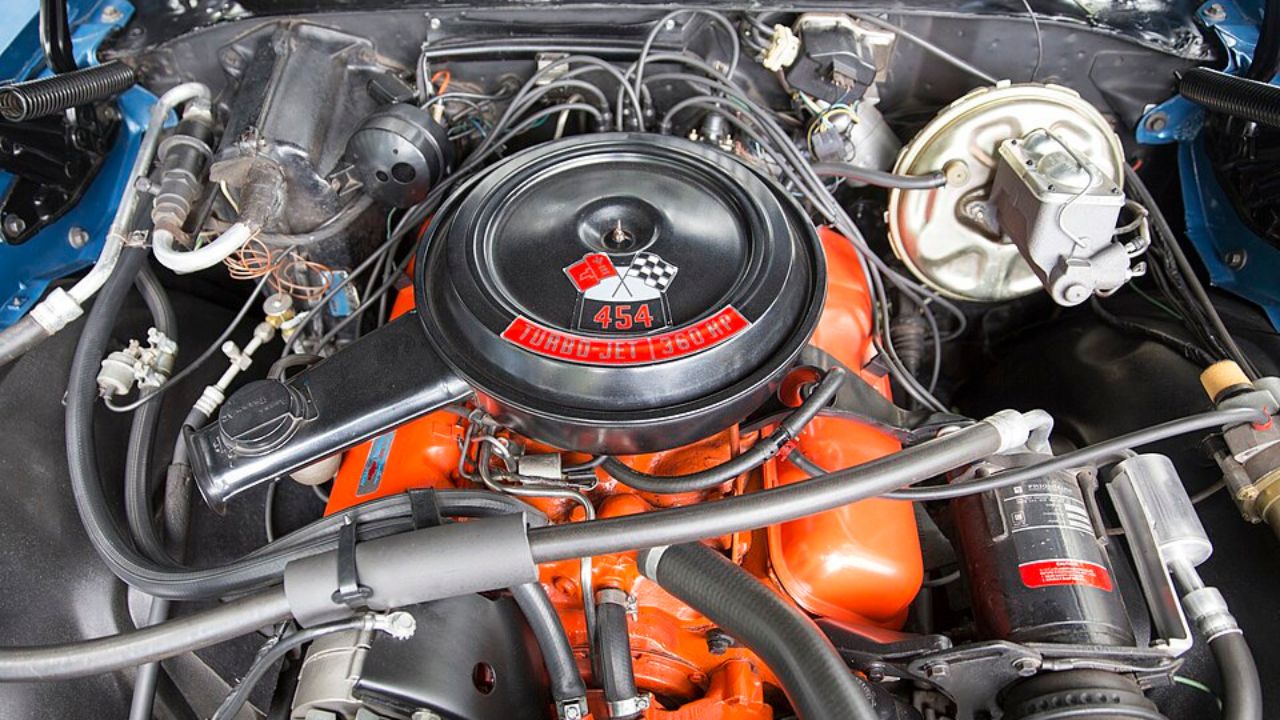
The Chevrolet 454 became one of the longest-lived and most versatile American big-blocks. Introduced in 1970, it powered muscle cars, full-size Chevrolets, pickups, motorhomes, and other heavy-duty applications. Its huge displacement produced substantial torque even when later emissions regulations reduced horsepower. The engine’s relatively simple architecture also made it easy for experienced mechanics to diagnose and rebuild. Its production history stretched for decades, and strong aftermarket support continues to keep the 454 relevant today.
Ford 390 FE
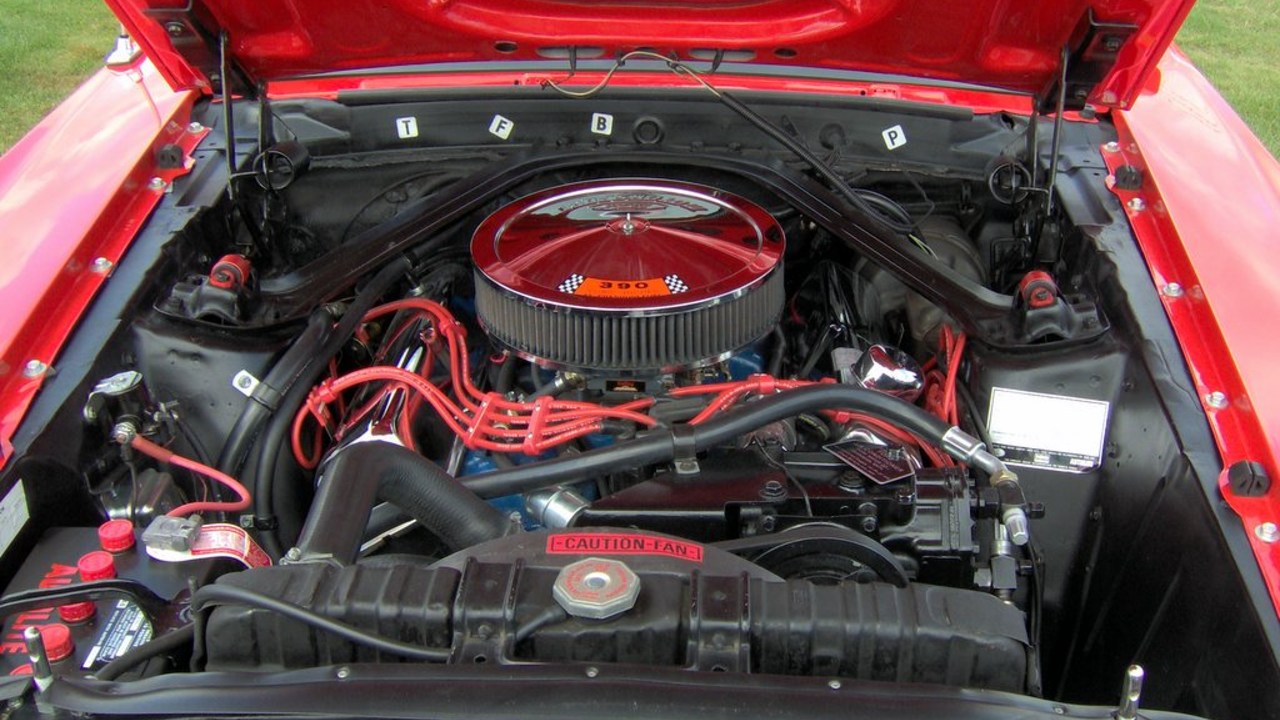
The Ford 390 was part of the long-running FE engine family and became one of Ford’s most familiar big-block V8s. It appeared in everything from full-size cars to pickups, giving mechanics extensive experience with its design. The 390 was never as exotic as Ford’s high-performance 427, but that is part of its appeal. It was a practical large-displacement engine that could deliver strong torque without requiring an especially complicated design.
Ford 427 FE
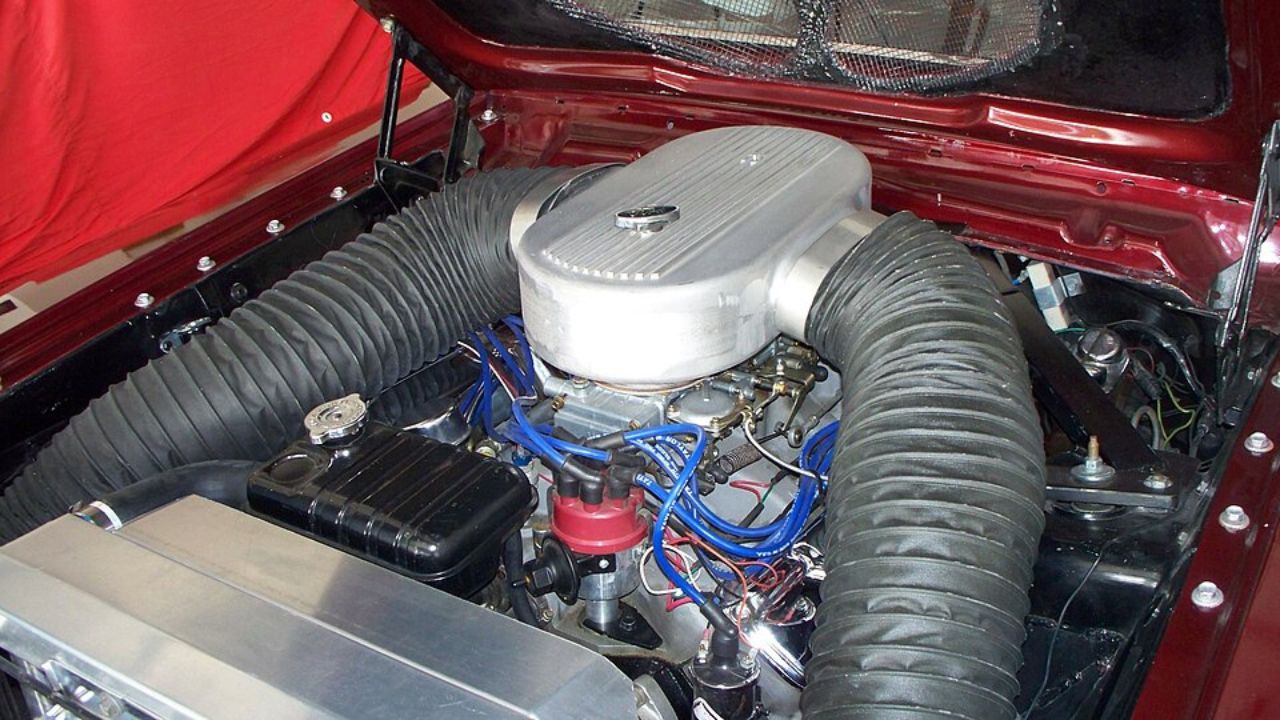
The Ford 427 FE became famous for its role in racing and high-performance street cars, but its underlying architecture also demonstrated impressive strength. Heavy-duty versions were developed for competition, while other forms found their way into Ford’s most serious performance machines. The engine’s reputation was built partly on its ability to withstand demanding use. For experienced mechanics, the 427 remains an important example of how Ford developed a production-based big-block into a formidable performance engine.
Ford 428
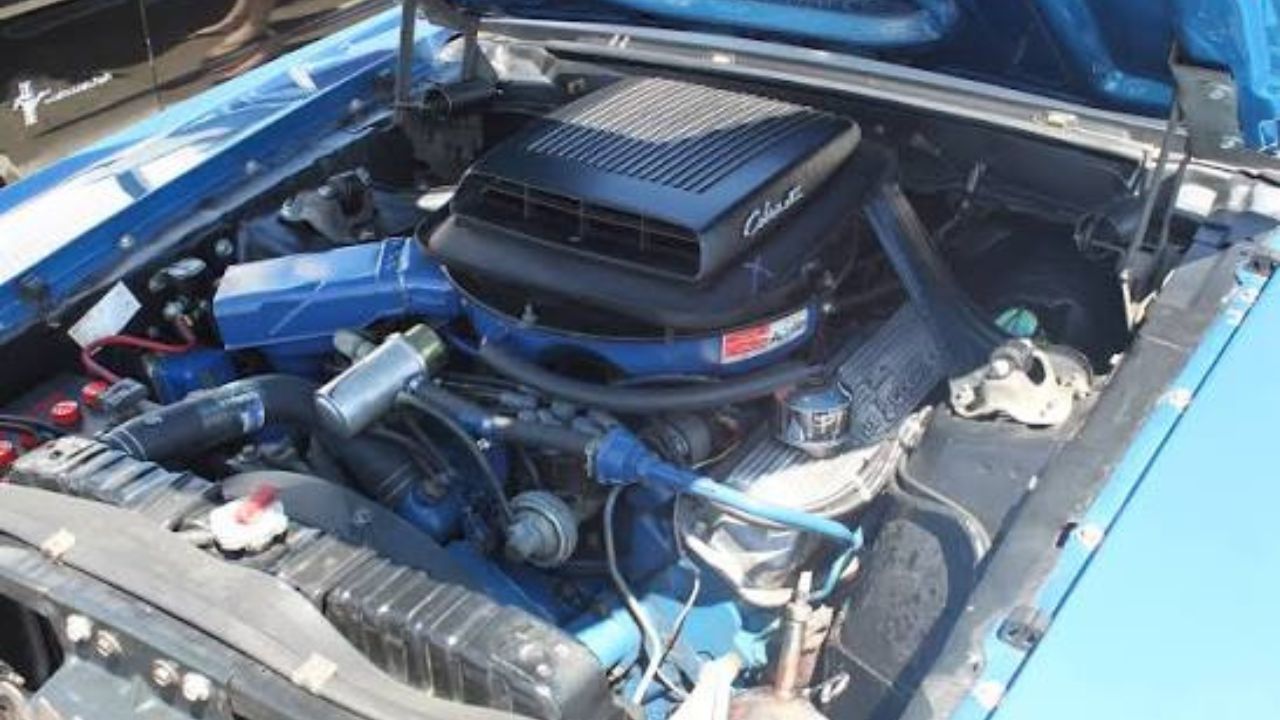
The Ford 428 offered a useful combination of large displacement and street-friendly torque. It was related to the FE family but used a larger bore and stroke combination than the 390, giving it a distinctive personality. Performance versions became important in cars such as the Mustang and Cobra Jet models. The engine’s traditional pushrod design also kept it relatively approachable for mechanics. A properly maintained 428 can deliver serious power without requiring exotic technology.
Ford 429
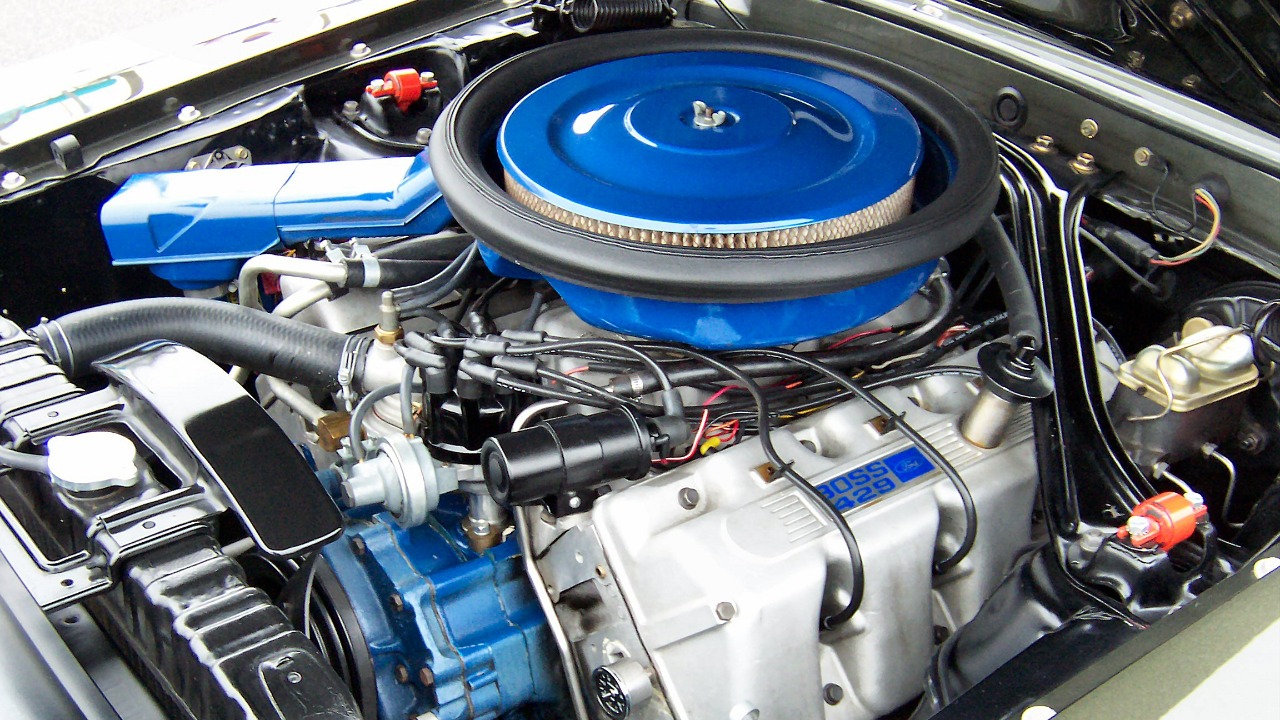
The Ford 429 represented a major step in Ford’s big-block development. It arrived with the new 385-series architecture and eventually became the foundation for some of Ford’s most famous performance engines. The basic 429 was already capable of producing strong torque, while high-performance versions demonstrated how much potential the design had. Mechanics often appreciate the engine’s sturdy construction and straightforward valve-train layout. It also became a popular foundation for restoration and performance builds.
Ford 460
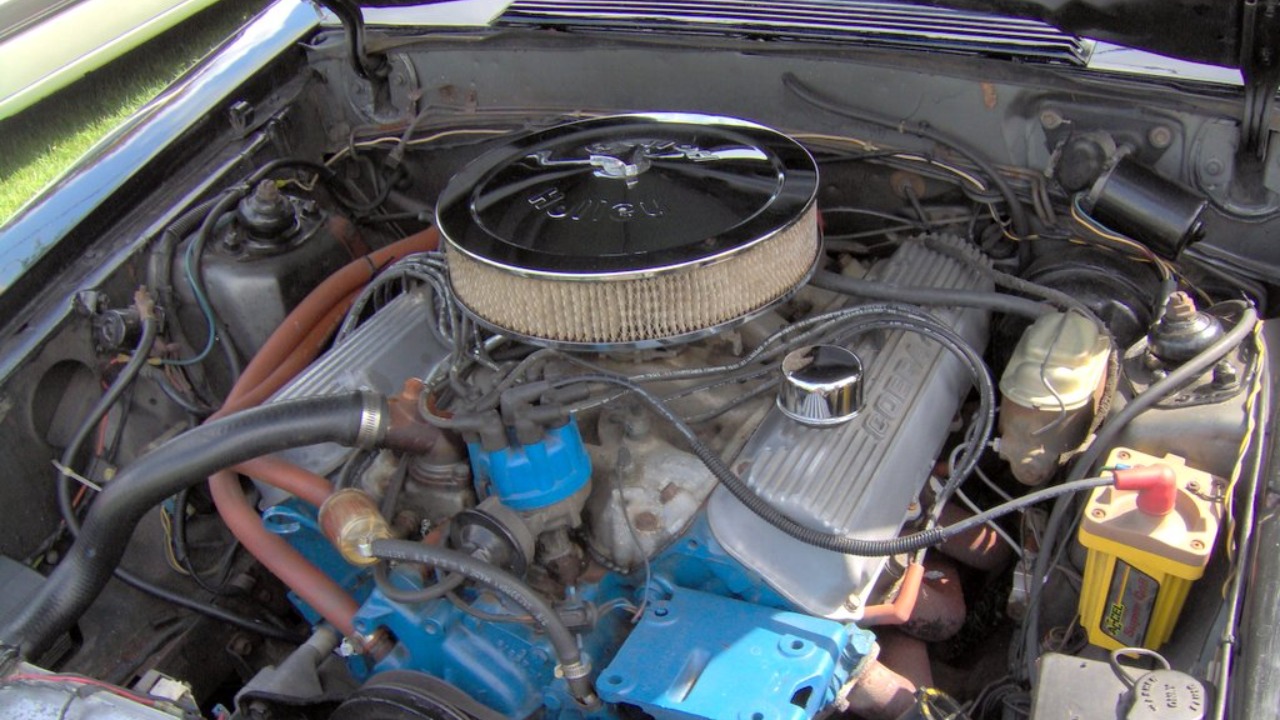
The Ford 460 became one of the best-known large-displacement Ford V8s, particularly in heavy-duty applications. Its enormous torque made it useful in full-size cars, pickups, motorhomes, and other demanding vehicles. Unlike some specialized muscle-car engines, the 460 was designed to perform useful work as well as provide strong acceleration. That working background helped give it a reputation for durability. Its relatively simple pushrod design also makes the engine familiar territory for experienced Ford mechanics.
Chrysler 383
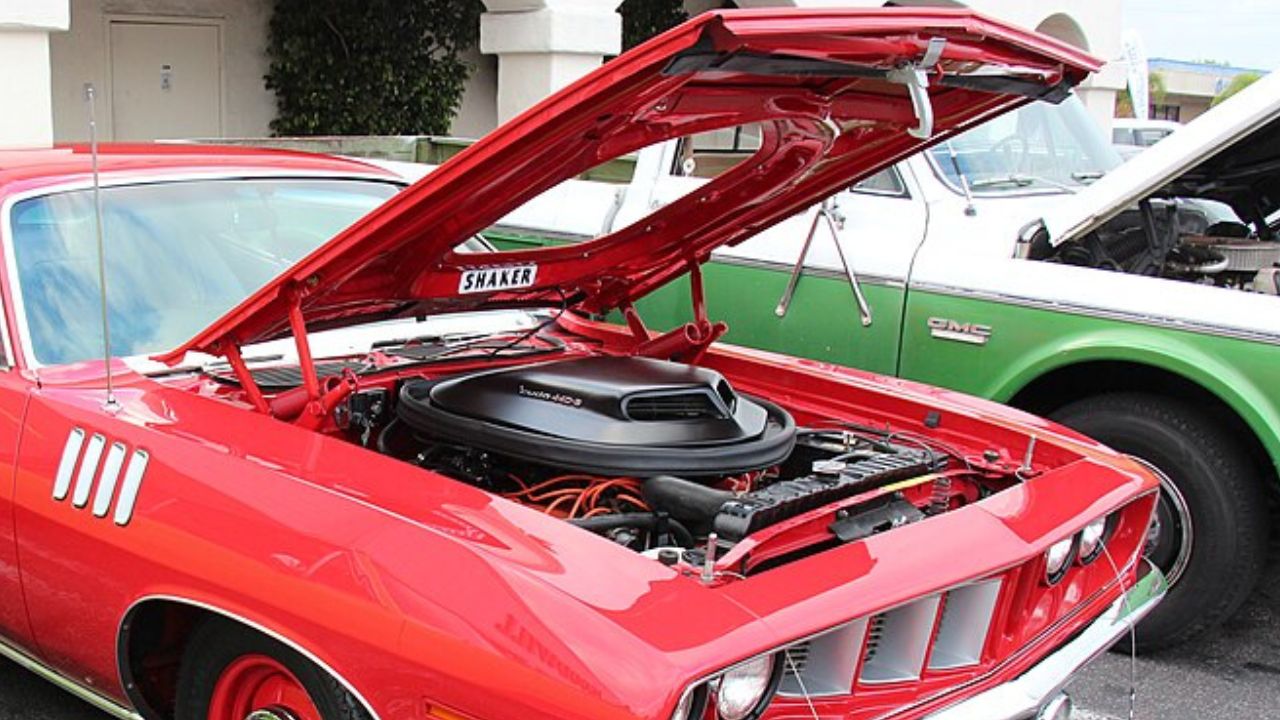
The Chrysler 383 was one of the company’s most widely used big-block V8s and became a dependable foundation for both family cars and performance models. Its combination of displacement, torque, and straightforward construction made it particularly versatile. It was not as exotic as the 426 Hemi, but its broad production use meant mechanics gained extensive experience rebuilding and servicing it. The 383’s reputation comes from being a practical big-block that could provide strong performance without demanding unusual technology.
Chrysler 413
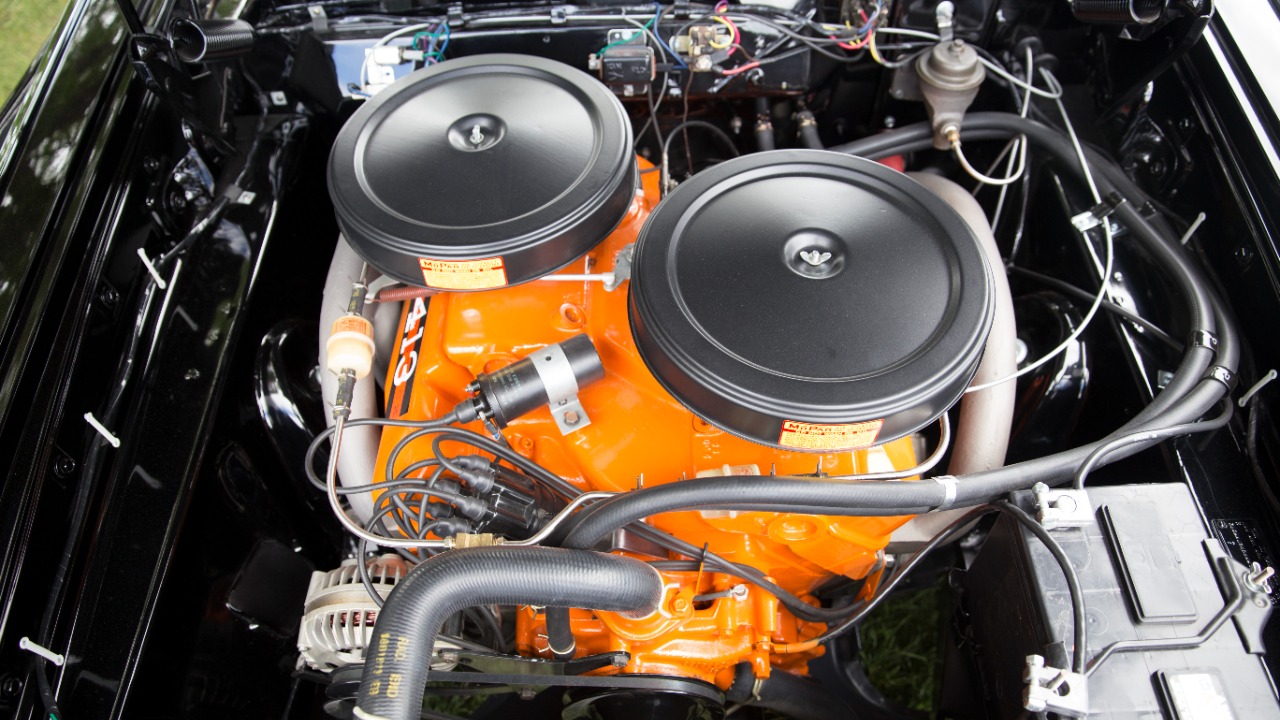
The Chrysler 413 was an important member of the company’s big-block B-series family and powered a wide range of Chrysler, Dodge, and Plymouth products. It delivered substantial torque and was available in several performance-oriented configurations. The engine’s traditional construction made it relatively easy to service compared with later electronically controlled powerplants. While better-known Chrysler engines eventually overshadowed it, the 413 remains respected by enthusiasts who appreciate durable Mopar big-block architecture.
Chrysler 426 Hemi
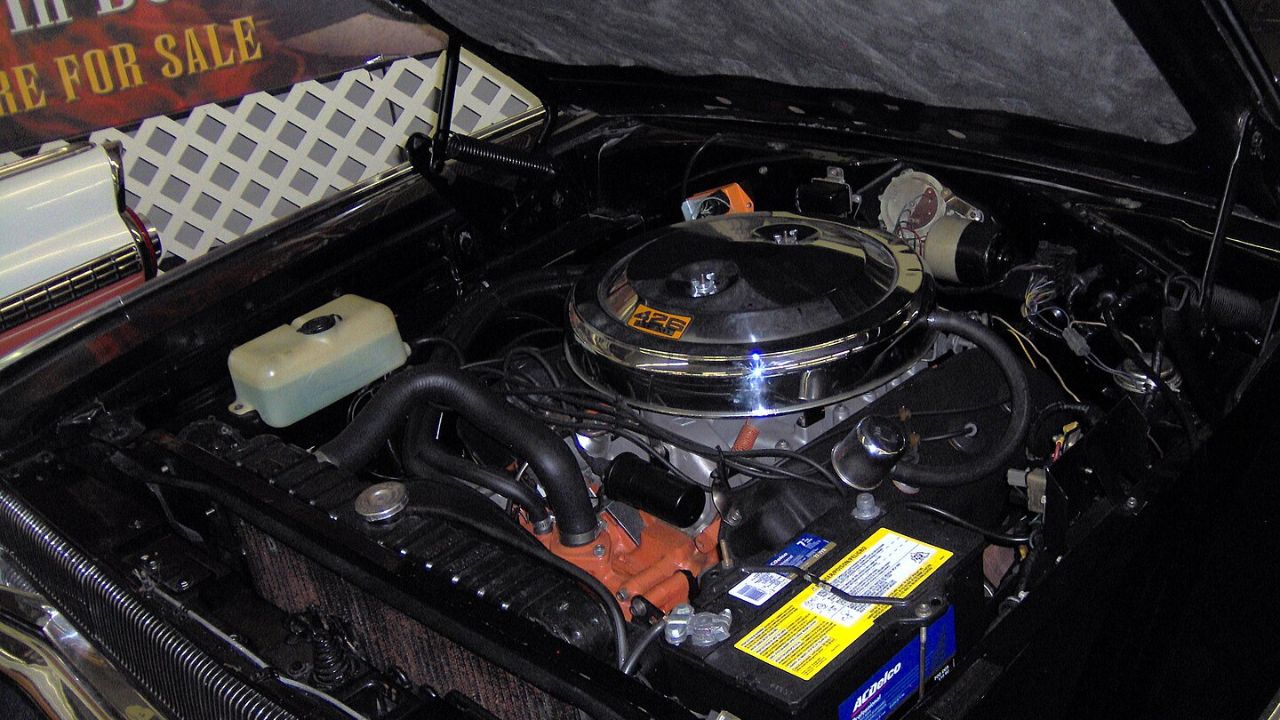
The 426 Hemi is one of the most famous American performance engines ever produced, and its reputation was built on more than headline horsepower. The hemispherical combustion chambers allowed Chrysler to create an engine with excellent breathing potential, while the heavy-duty internal components supported serious performance. Its racing success further established its legendary status. Although specialized compared with more ordinary big-blocks, experienced mechanics continue to respect the 426 Hemi’s robust construction and enormous performance capability.
Chrysler 440
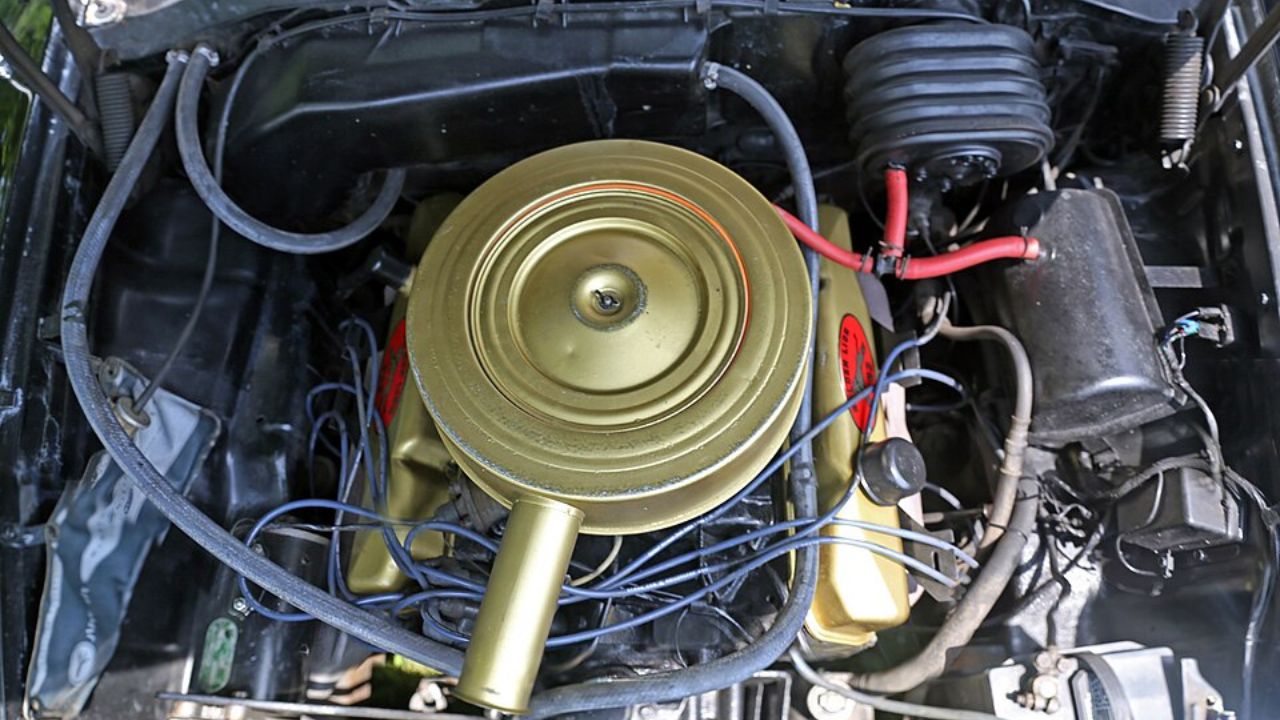
The Chrysler 440 became one of the most recognizable Mopar big-blocks because it combined huge displacement with strong street manners. It powered a wide variety of Dodge, Plymouth, and Chrysler vehicles and was available in everything from large family cars to performance machines. The engine’s straightforward architecture made it relatively easy to work on, while its enormous torque gave it plenty of usable performance. Its widespread production also created a large knowledge base among mechanics and restorers.
Buick 430
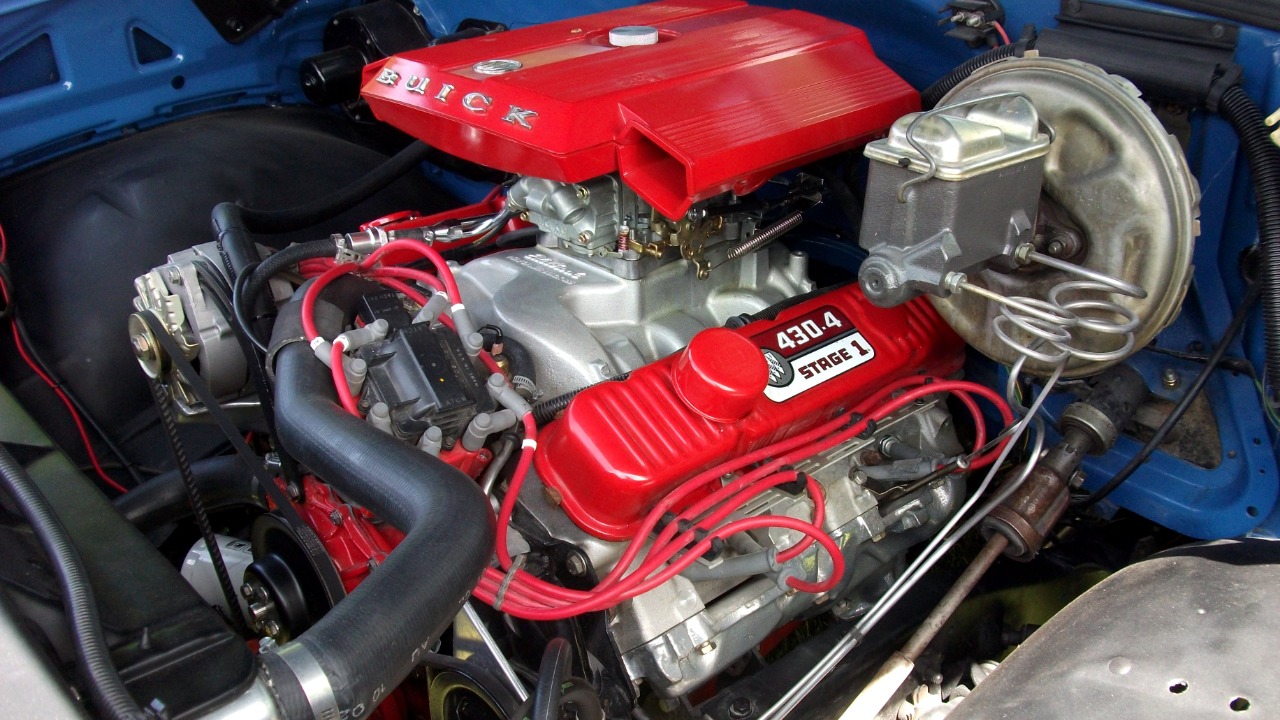
The Buick 430 was a large-displacement V8 developed for Buick’s full-size cars during the 1960s. Its torque-oriented character made it particularly well suited to heavy cars, while its conventional pushrod architecture kept maintenance relatively straightforward. The engine did not receive the same attention as Buick’s later 455, but it remains an interesting example of the division’s distinctive big-block engineering. Mechanics familiar with older Buick V8s often appreciate its robust construction and simple mechanical layout.
Buick 455
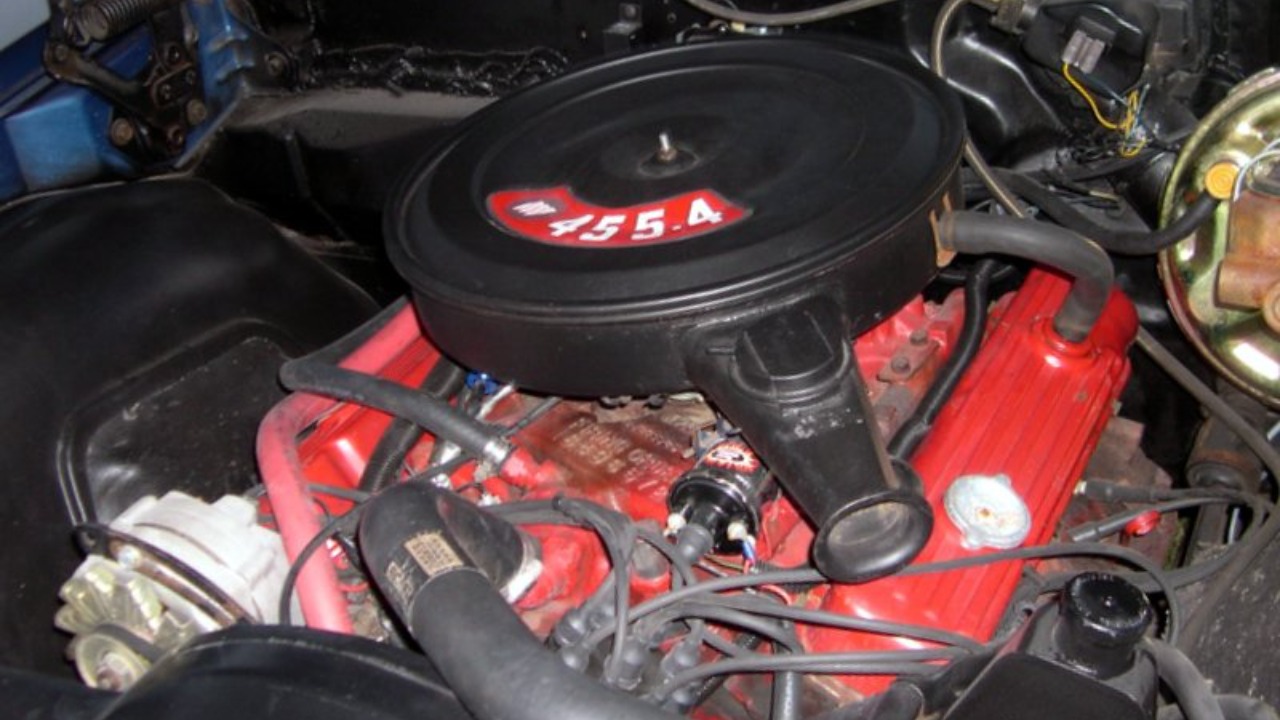
The Buick 455 was built around torque rather than simply chasing high engine speeds. Its large displacement and relatively lightweight design made it an effective powerplant for both performance cars and large Buicks. The engine also used a strong bottom end and forged connecting rods in its earlier configurations. Its enormous torque meant it rarely needed to be pushed hard during normal driving. That combination helped many examples survive long service lives when properly maintained.
Oldsmobile 455
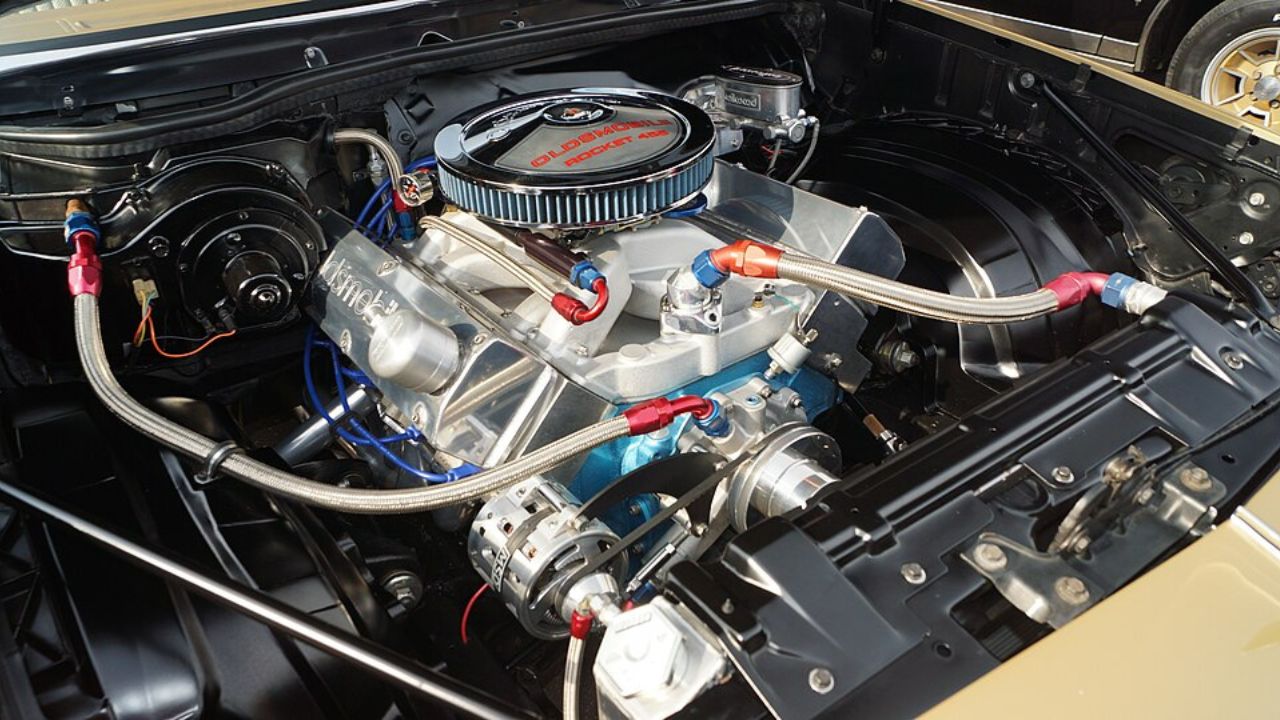
The Oldsmobile 455 became one of GM’s best-known performance big-blocks, powering everything from large luxury cars to muscle cars. Its large displacement provided tremendous low-end torque, making it especially effective on the street. The engine was also relatively easy to modify, and parts support remains strong. Its main limitation was that the oiling system was not ideal for sustained high-rpm use, but for ordinary street applications, a properly maintained 455 can be a very durable powerplant.
Pontiac 421
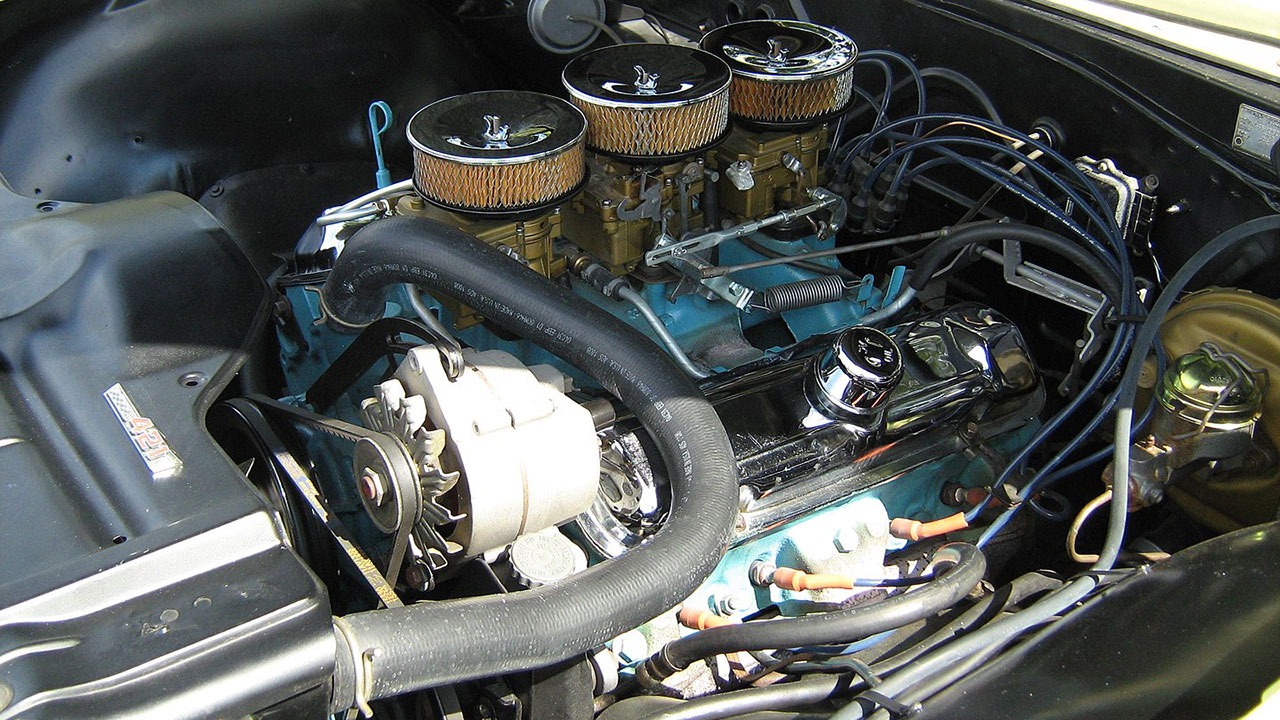
The Pontiac 421 helped establish the division’s reputation for producing large, powerful V8s before the peak muscle-car years. It combined substantial displacement with a strong bottom end and became available in several performance configurations. The 421 powered full-size Pontiacs that were surprisingly quick for their size and helped bridge the gap between traditional big American cruisers and later muscle cars. Its straightforward mechanical design also makes it relatively approachable for mechanics experienced with classic Pontiac engines.
Pontiac 455
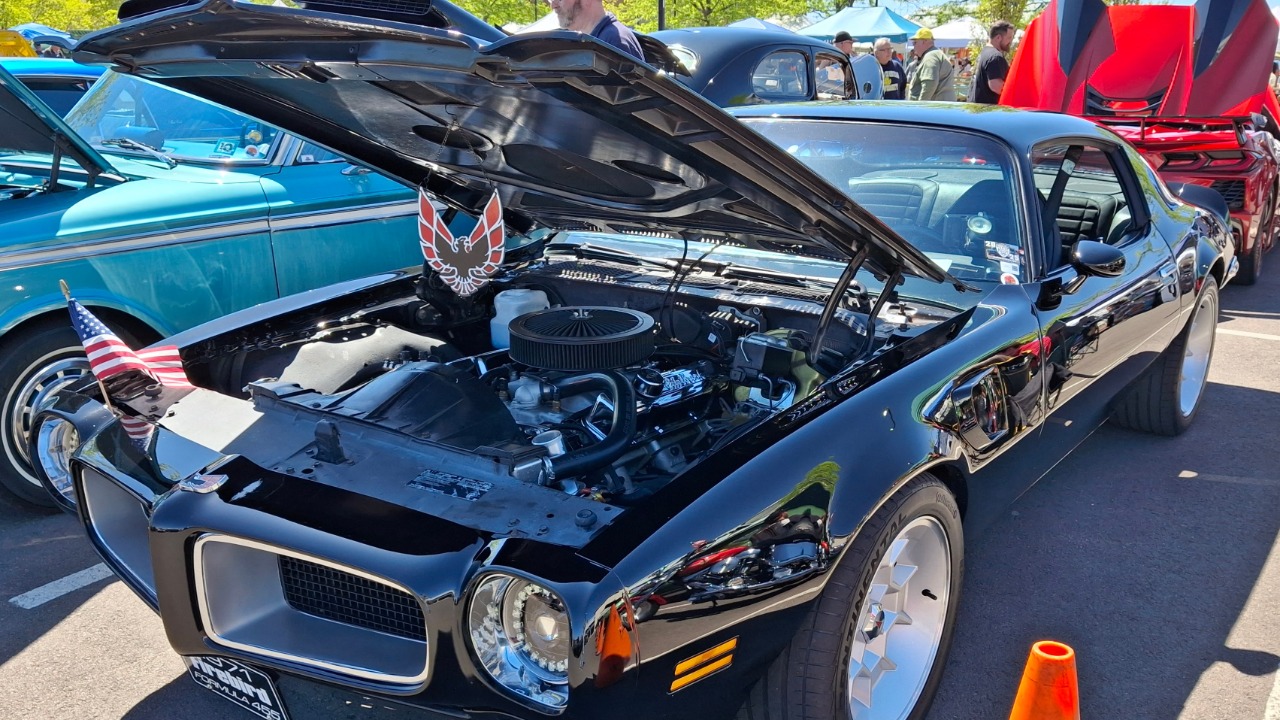
The Pontiac 455 arrived as the division’s ultimate large-displacement street V8 and became famous for its enormous torque. Unlike some high-revving performance engines, it produced much of its strength at relatively low engine speeds, making it well suited to heavy cars and street driving. The basic architecture was familiar to Pontiac mechanics and supported several performance versions. Even after factory horsepower ratings declined, the 455 remained a strong, practical big-block with considerable rebuilding potential.
Cadillac 472
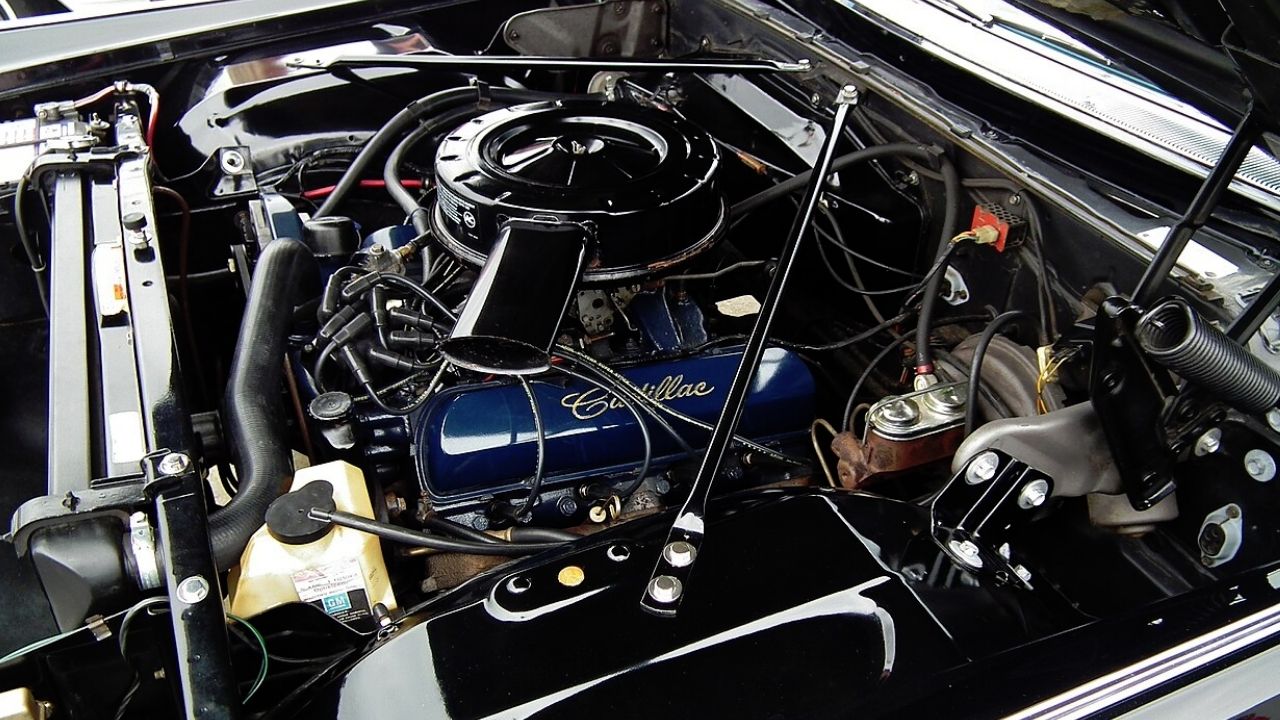
The Cadillac 472 was designed primarily to move enormous luxury cars with effortless authority, and its huge displacement gave it exceptional torque. It was introduced for the 1968 model year and became the foundation for Cadillac’s later 500-cubic-inch V8. Despite its size, the engine used a relatively conventional pushrod layout that experienced mechanics could service without exotic equipment. Its massive dimensions and heavy-duty construction make the 472 an interesting example of Cadillac’s old-school approach to big V8 power.
More from Fast Lane Only
- Unboxing the WWII Jeep in a Crate
- 15 rare Chevys collectors are quietly buying
- 10 underrated V8s still worth hunting down
- Police notice this before you even roll window down
*Research for this article included AI assistance, with all final content reviewed by human editors.