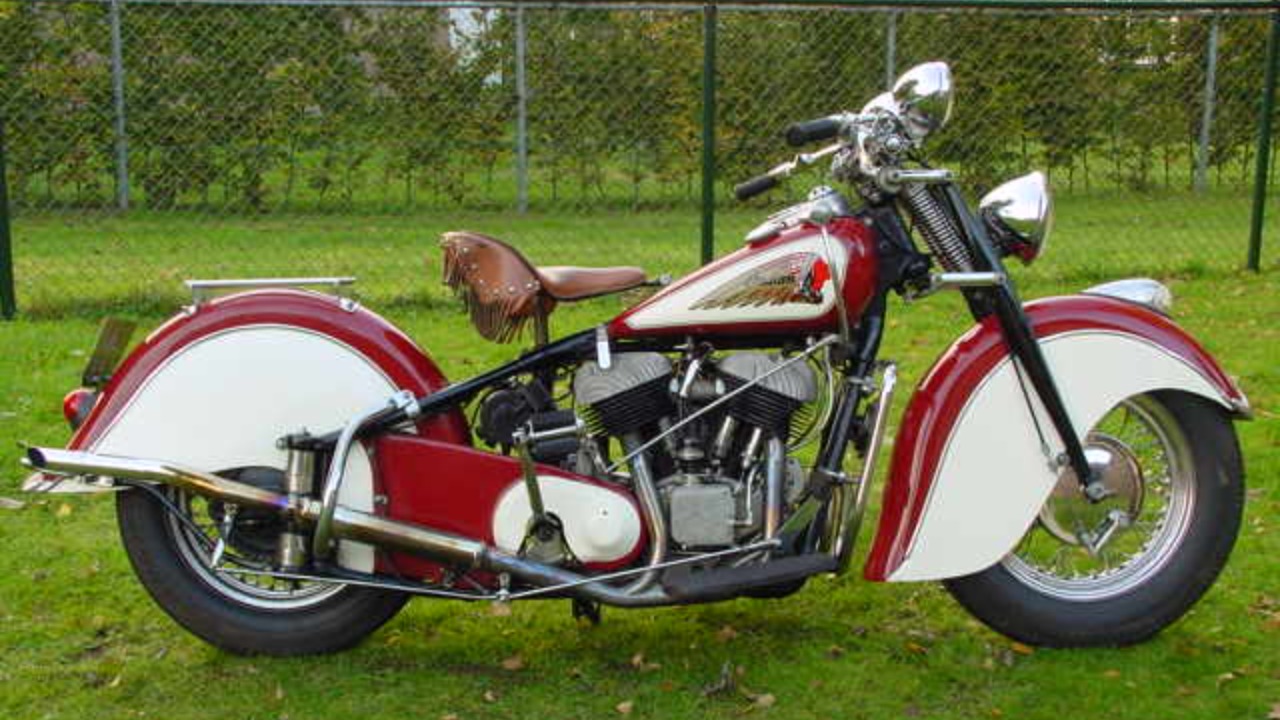
Some roadsters introduced ideas that seemed unusual when they first appeared. From lightweight construction and advanced suspension systems to innovative engines and aerodynamic designs, these open-top cars often delivered technology and driving experiences that influenced sports cars for years. Many were ahead of their time because they focused on performance, efficiency, or engineering rather than simply following popular trends.
Mercedes-Benz 300 SL Roadster
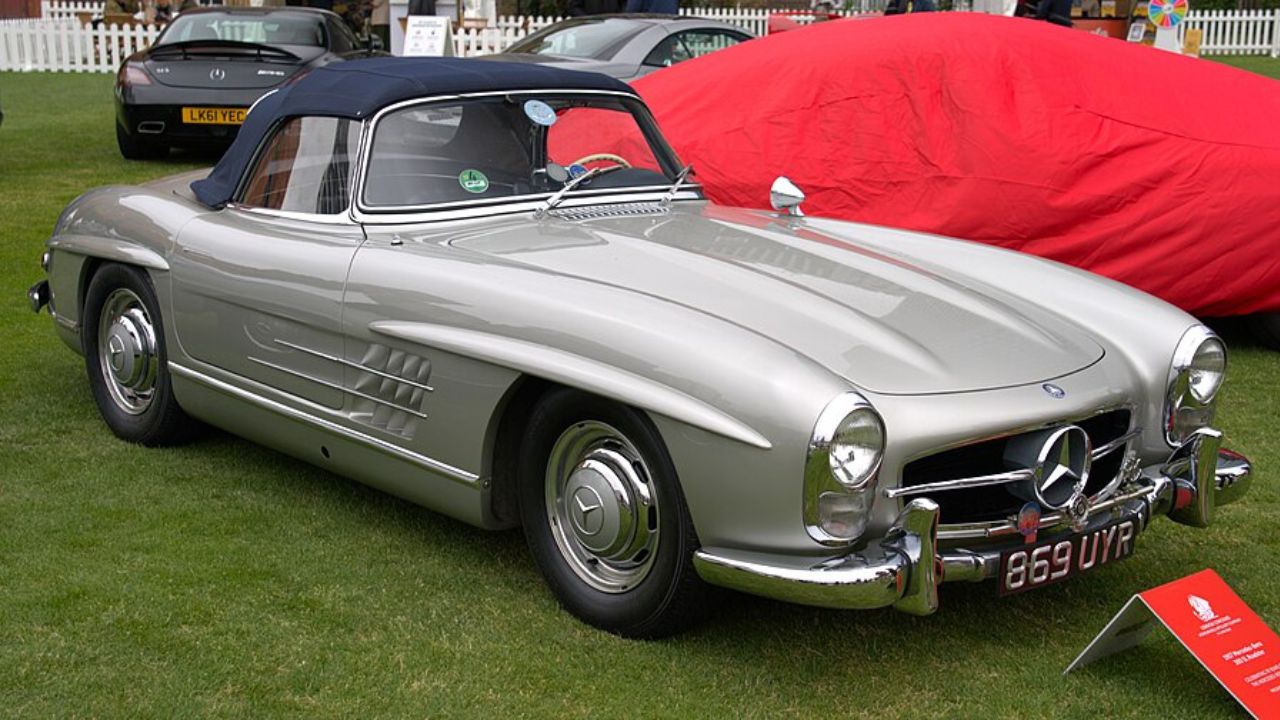
The Mercedes-Benz 300 SL Roadster brought sophisticated engineering to the open-top sports-car market in the 1950s. Its fuel-injected straight-six engine, independent suspension, and lightweight construction gave it impressive performance for its era. While the roadster used conventional doors instead of the coupe’s famous gullwing design, it retained much of the model’s advanced engineering. Its combination of speed, comfort, and technology helped establish a new standard for high-performance European roadsters.
Jaguar E-Type Roadster
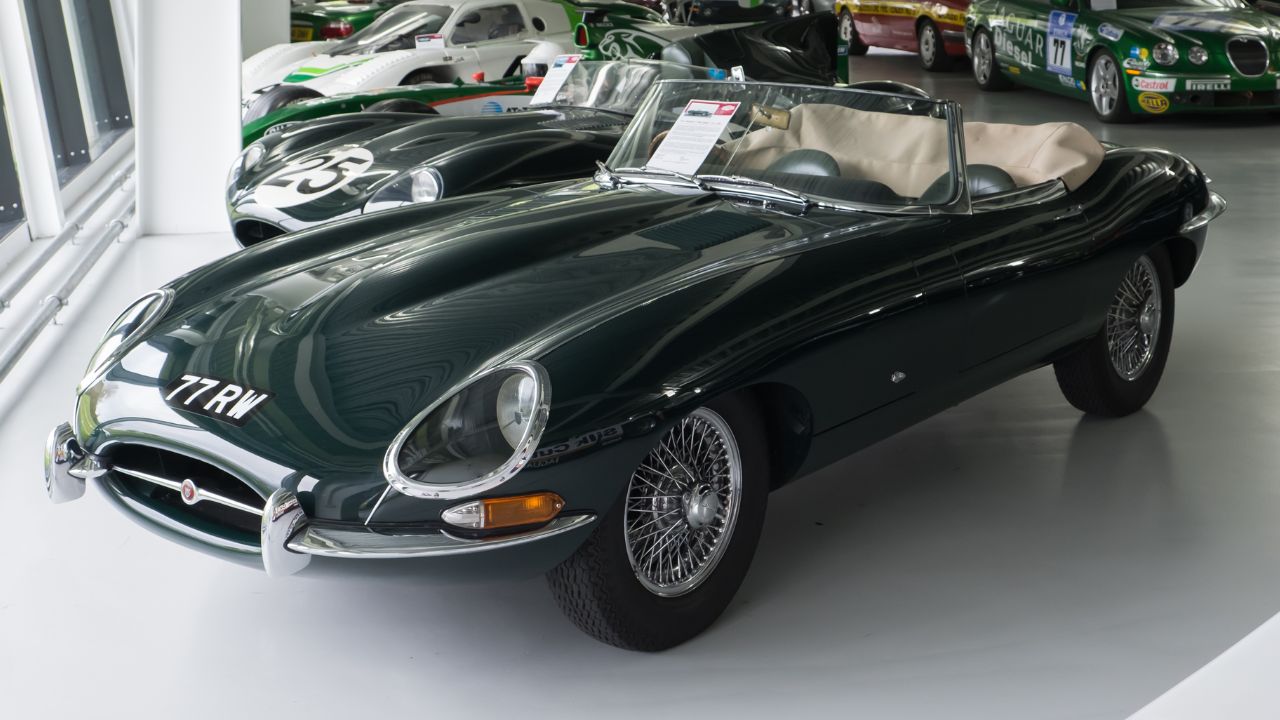
The Jaguar E-Type Roadster introduced a level of performance and styling that was remarkable for the early 1960s. Its independent rear suspension, disc brakes, long hood, and powerful inline-six engine gave it both impressive road manners and strong acceleration. The car was also considerably less expensive than many comparable exotic sports cars. Its engineering and design influenced generations of sports cars and helped make advanced performance more accessible.
Lotus Elan
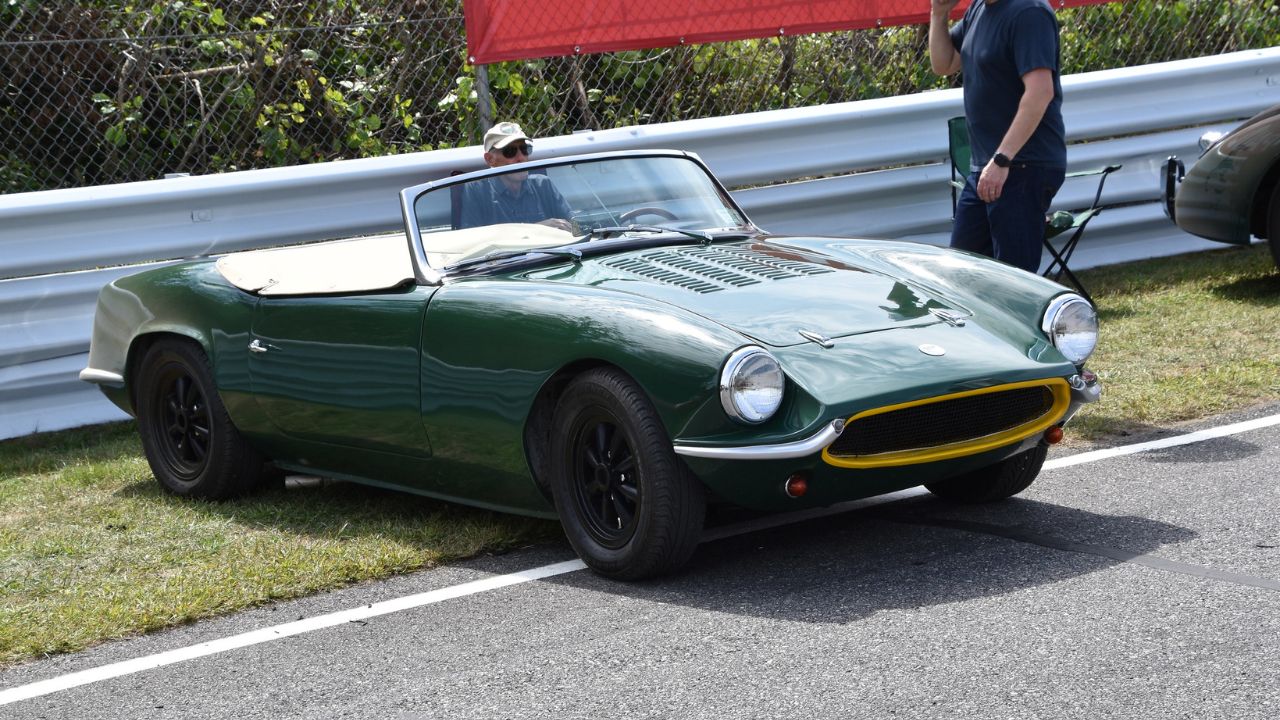
The Lotus Elan demonstrated how lightweight construction could produce exceptional performance without requiring a huge engine. Introduced in 1962, it used a fiberglass body, steel backbone chassis, independent suspension, and four-wheel disc brakes. Its small engine was not particularly powerful by muscle-car standards, but its low weight made the car remarkably agile. The Elan became an important influence on later lightweight sports cars, including the original Mazda MX-5 Miata.
Honda S800
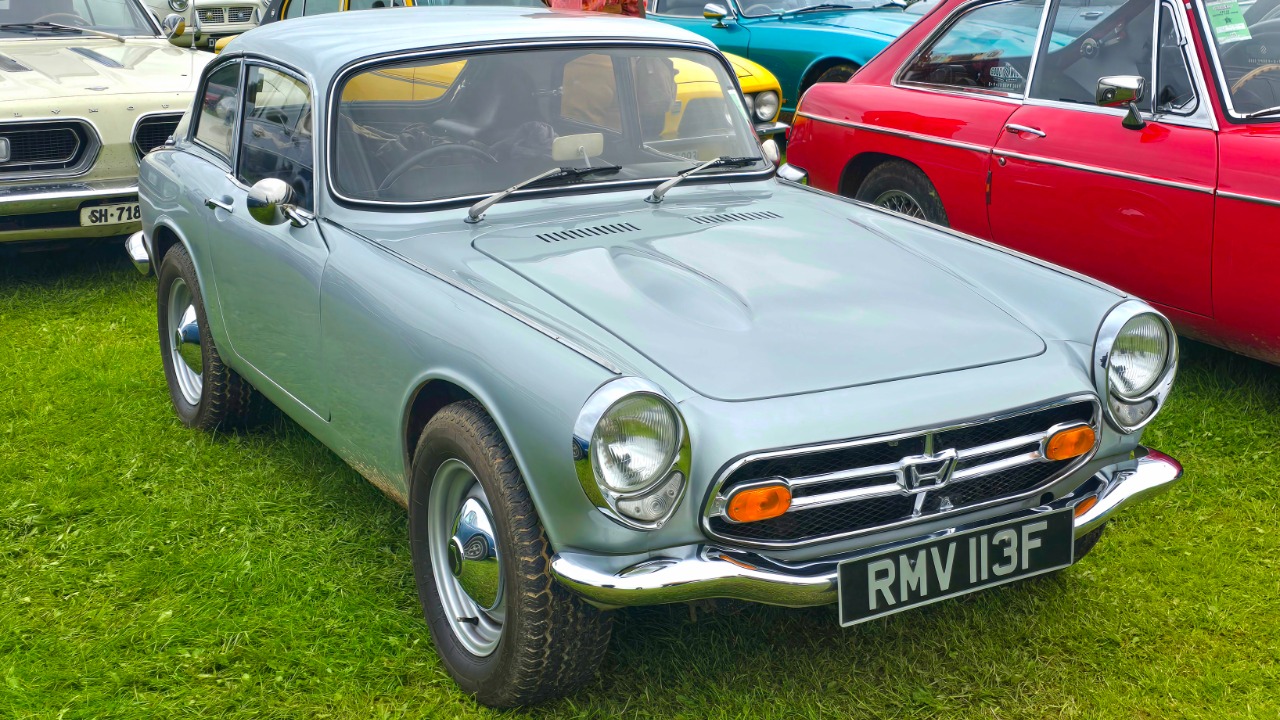
The Honda S800 showed that a small roadster could use motorcycle-inspired engineering to deliver serious performance. Its compact four-cylinder engine featured double overhead camshafts and produced strong power for its displacement. The engine was capable of very high operating speeds, while the car’s small dimensions kept weight under control. In the 1960s, that combination made the S800 an unusual alternative to larger British and European sports cars.
Alfa Romeo Spider
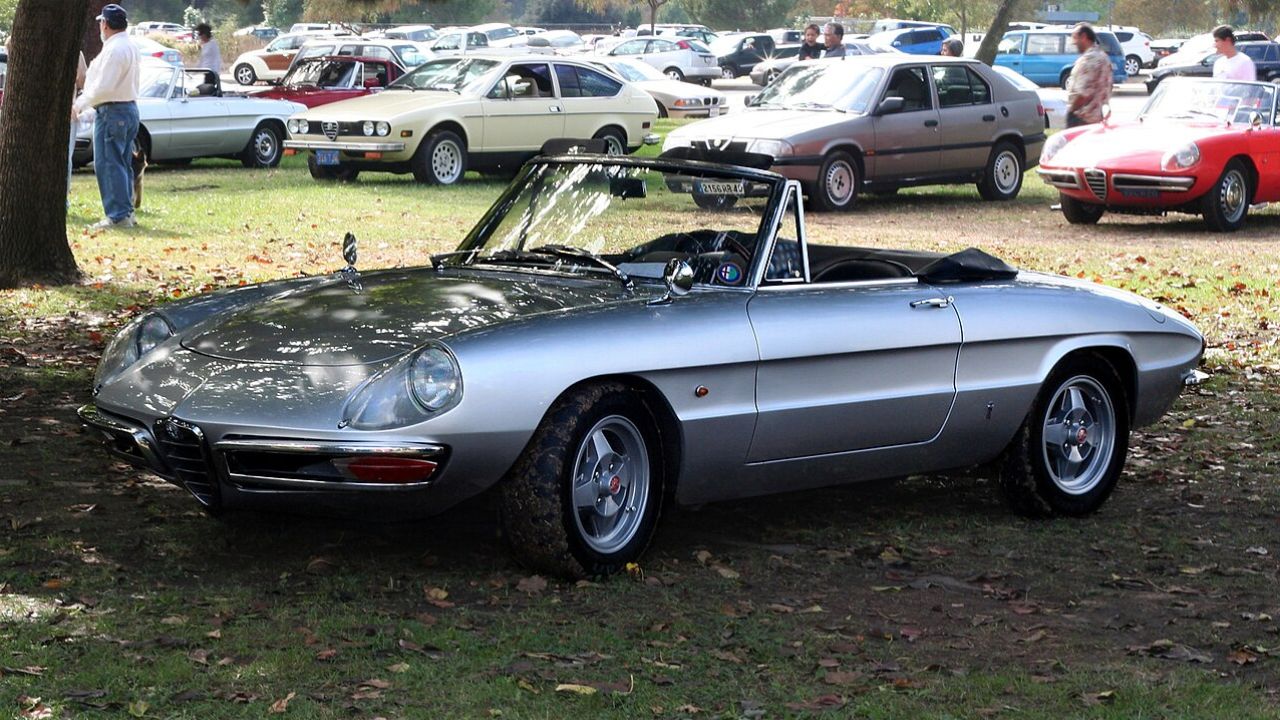
The Alfa Romeo Spider combined elegant styling with a sophisticated driving character when it arrived in the 1960s. Its twin-cam engine, rear-wheel drive, and balanced chassis made it enjoyable on winding roads. The Spider also remained in production for decades, receiving continual improvements while retaining its basic identity. Its long life demonstrated how an effective combination of lightweight construction, responsive handling, and attractive design could remain relevant across changing automotive eras.
Austin-Healey 100S
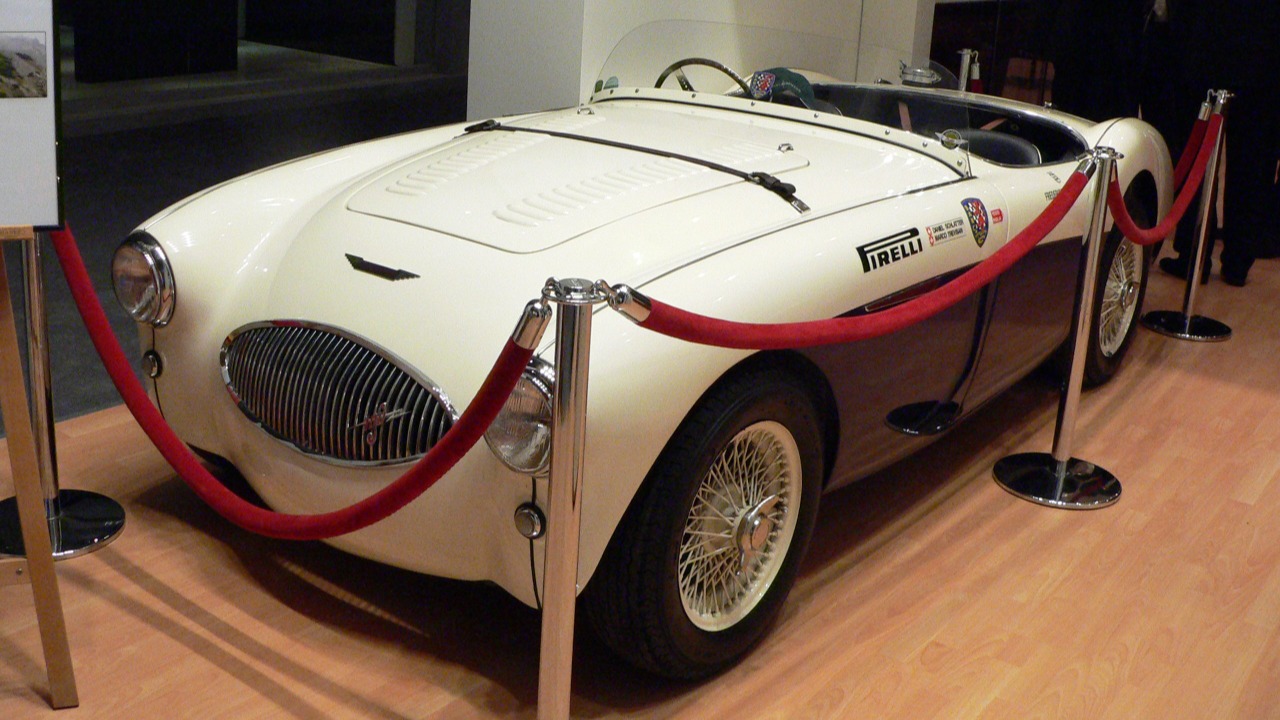
The Austin-Healey 100S was developed with competition performance in mind and featured several upgrades over the standard Austin-Healey 100. Its lightweight aluminum body panels, upgraded braking system, and more powerful engine made it a serious performance machine. The use of advanced Dunlop disc brakes was especially important because powerful sports cars of the period often relied on less effective drum brakes. The 100S demonstrated how racing technology could influence road-going sports cars.
Datsun 2000 Roadster
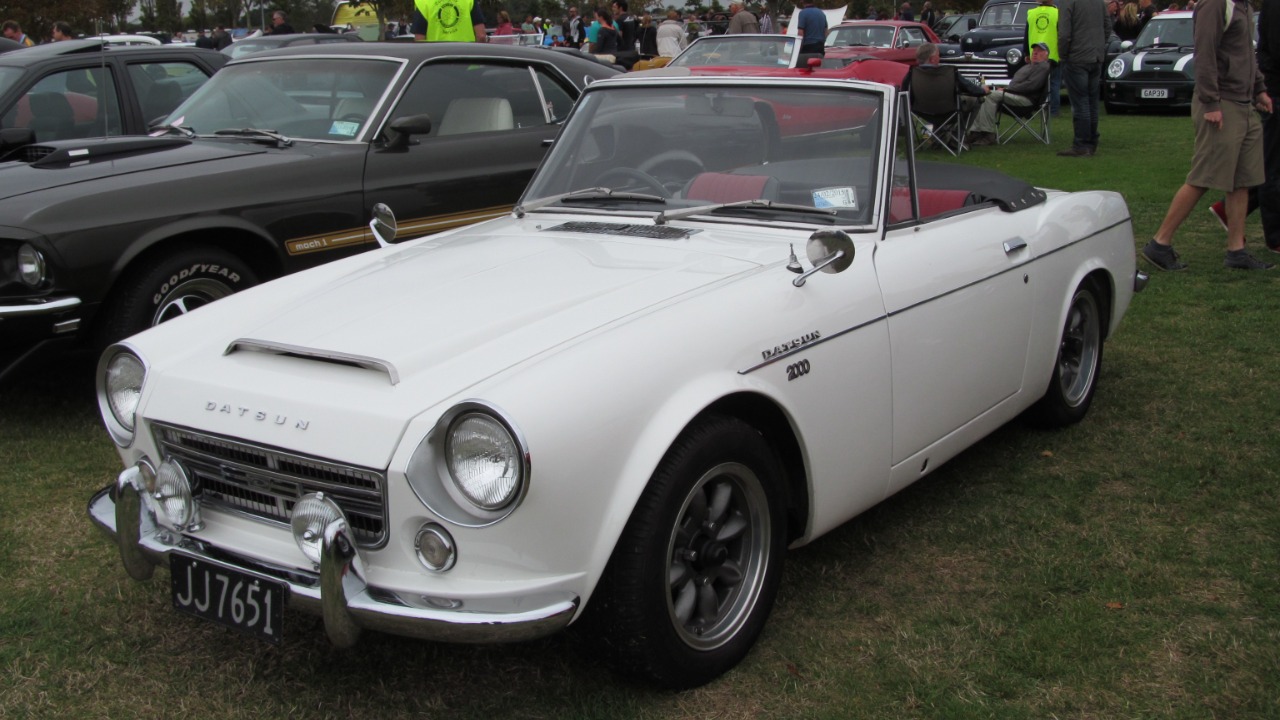
The Datsun 2000 Roadster helped demonstrate that Japanese manufacturers could build sophisticated and competitive open-top sports cars. Its 2.0-liter four-cylinder engine used a five-bearing crankshaft and produced strong performance for the period. The car also offered a five-speed manual transmission, which was unusual among affordable roadsters of its era. Its combination of reliability, performance, and practical engineering helped establish a foundation for later Japanese sports cars.
Triumph TR6
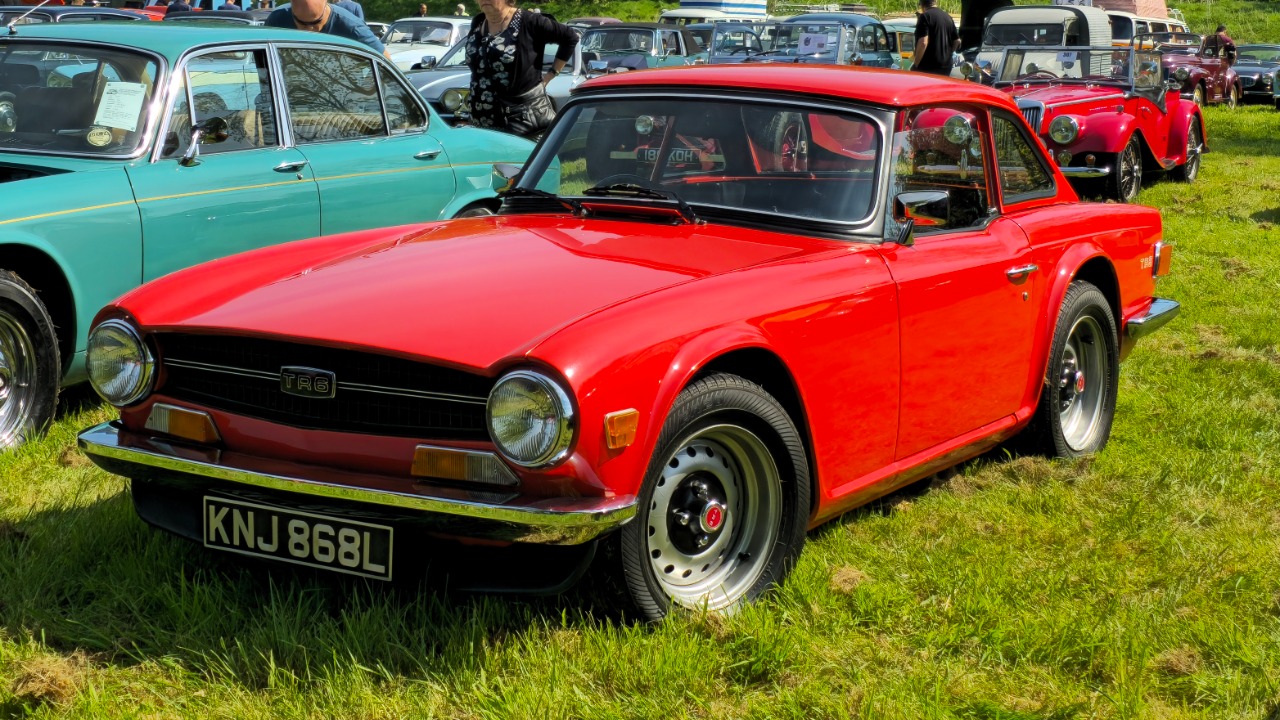
The Triumph TR6 brought a strong six-cylinder engine and traditional rear-wheel-drive sports-car layout together in a relatively compact package. Its independent rear suspension and rack-and-pinion steering helped provide responsive handling, while its straightforward mechanical design made it approachable for owners. Although its styling remained rooted in classic British sports-car traditions, the TR6 offered performance and driving characteristics that kept it competitive during a rapidly changing automotive period.
Porsche 356 Speedster
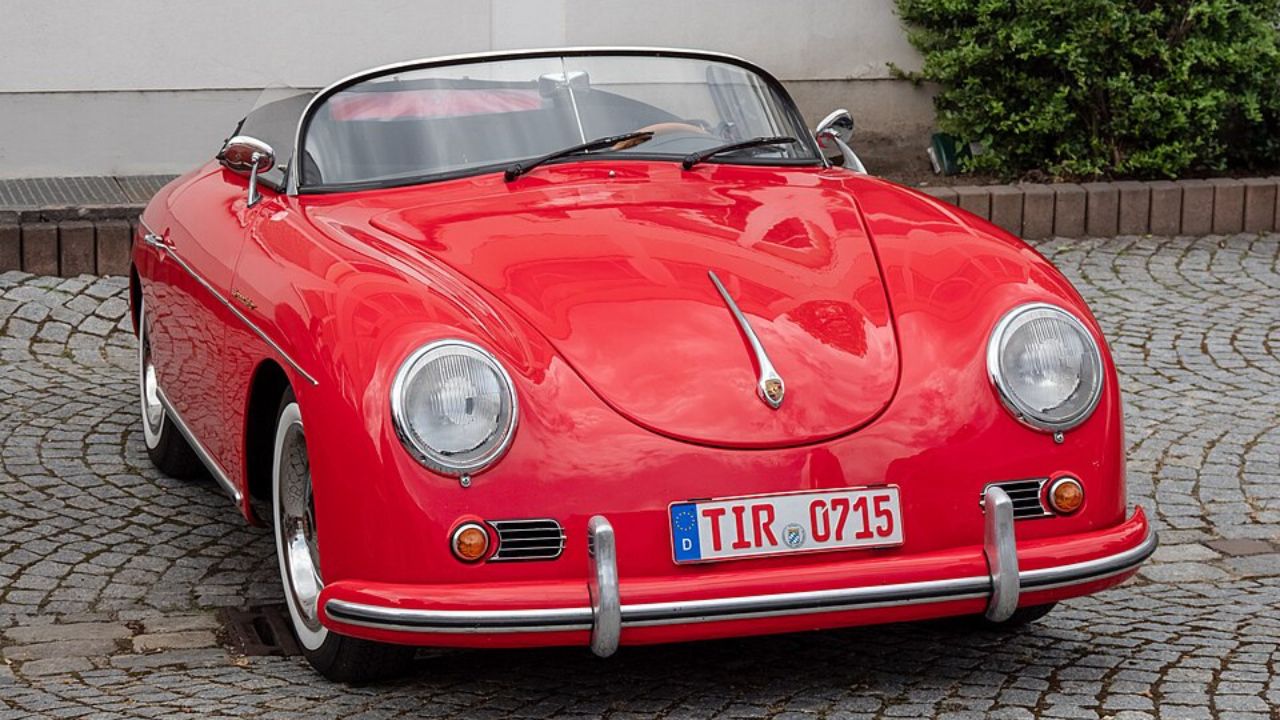
The Porsche 356 Speedster emphasized lightweight construction, simplicity, and efficient performance. Its compact flat-four engine was modest in size, but the car’s low weight and carefully engineered chassis allowed it to perform far better than its specifications might suggest. The Speedster also helped establish Porsche’s philosophy of extracting maximum performance from relatively small engines. Its influence can be seen in later lightweight sports cars that prioritized balance over outright engine size.
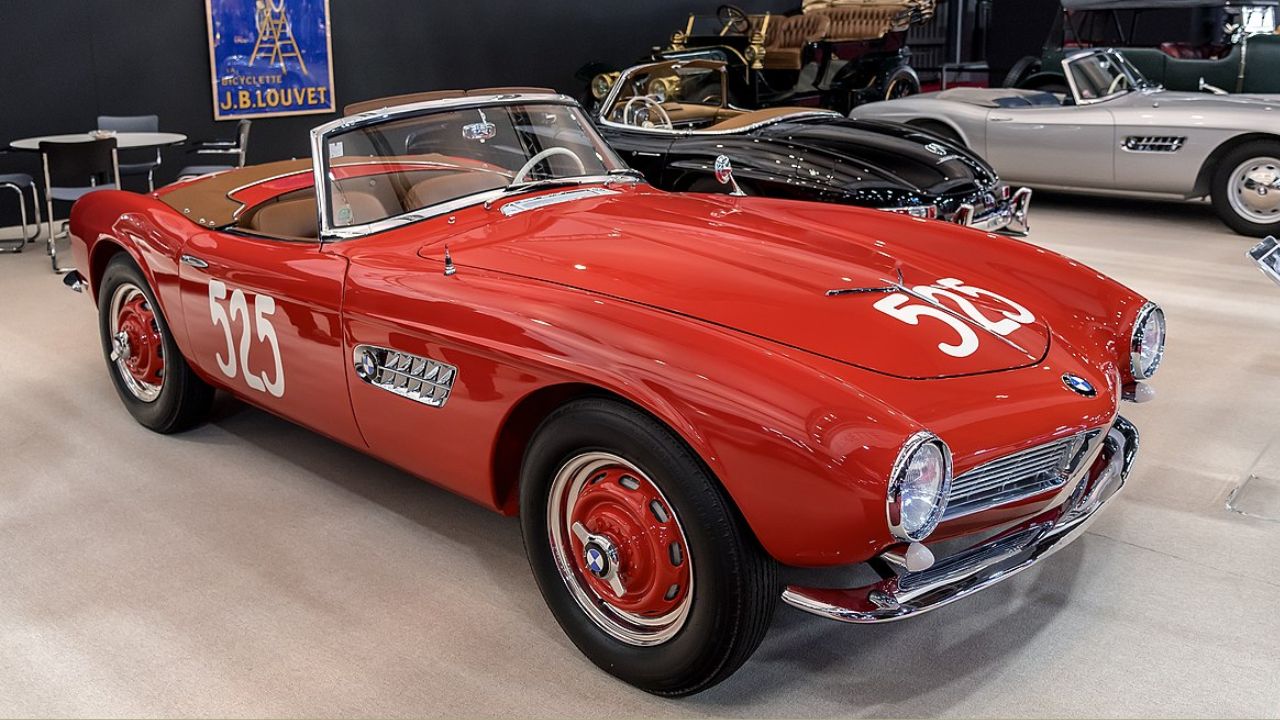
BMW 507 Roadster
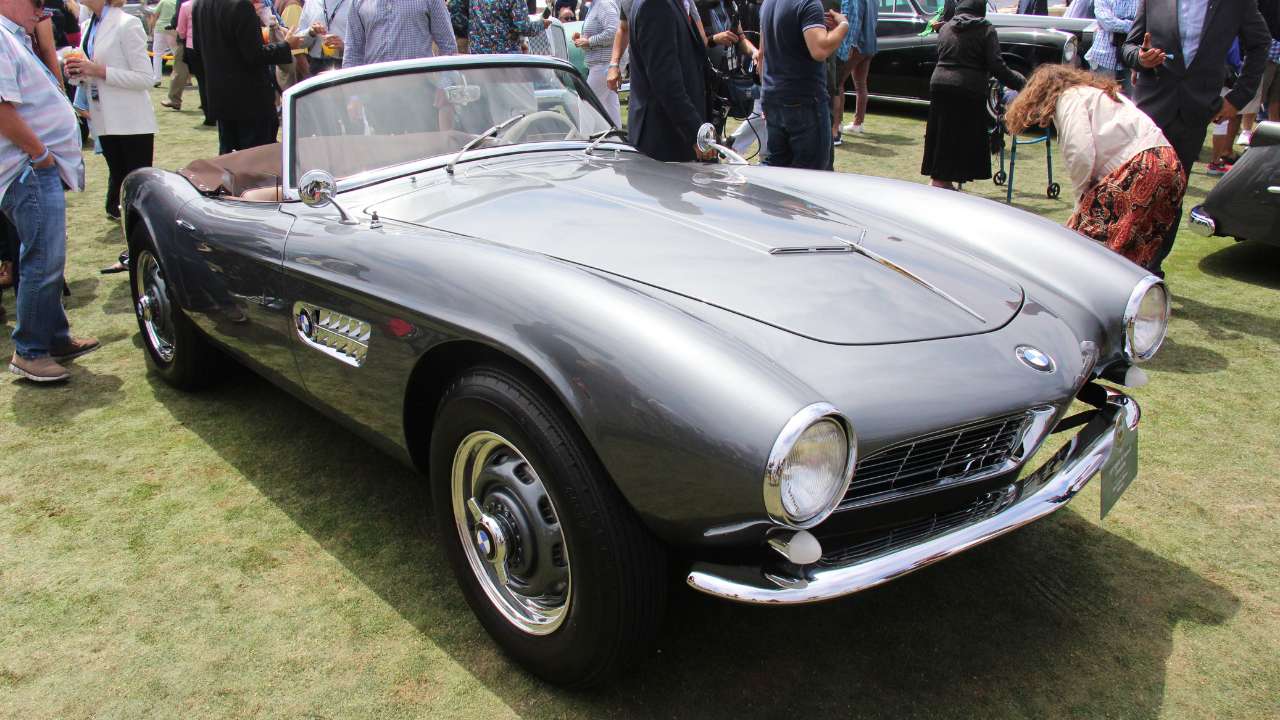
The BMW 507 Roadster introduced a sophisticated combination of elegant design and advanced engineering in the late 1950s. It used an aluminum body and a lightweight V8 engine, giving it strong performance while maintaining a refined character. The model was expensive to produce and sold in limited numbers, but its engineering demonstrated BMW’s ability to combine sports-car performance with luxury. Its design also became one of the company’s most influential early postwar shapes.
Mercedes-Benz 190 SL
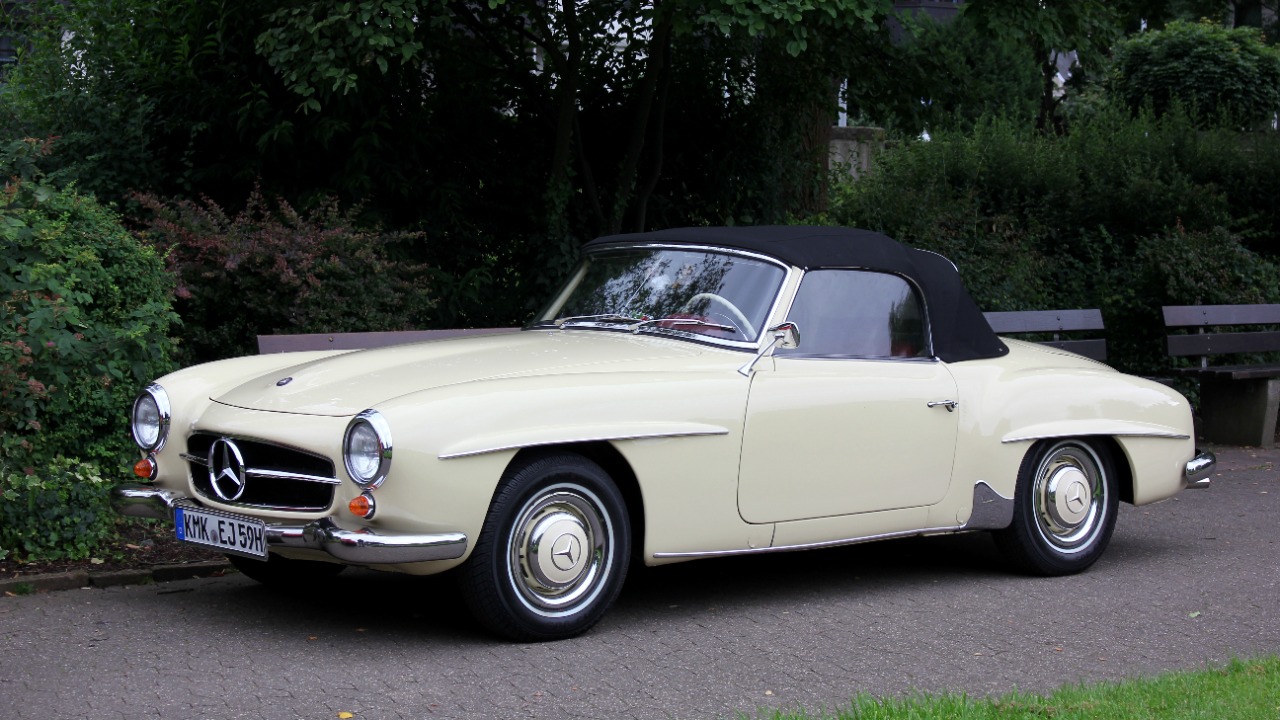
The Mercedes-Benz 190 SL offered a more accessible alternative to the company’s larger 300 SL while retaining a sophisticated roadster character. Its unitized body construction, independent suspension, and overhead-camshaft engine provided a modern combination of comfort and performance. The car showed that a sports-oriented Mercedes-Benz did not necessarily need an exotic racing-derived engine. Its balance between everyday usability and open-top driving helped define the luxury roadster concept.
Chevrolet Corvette C1
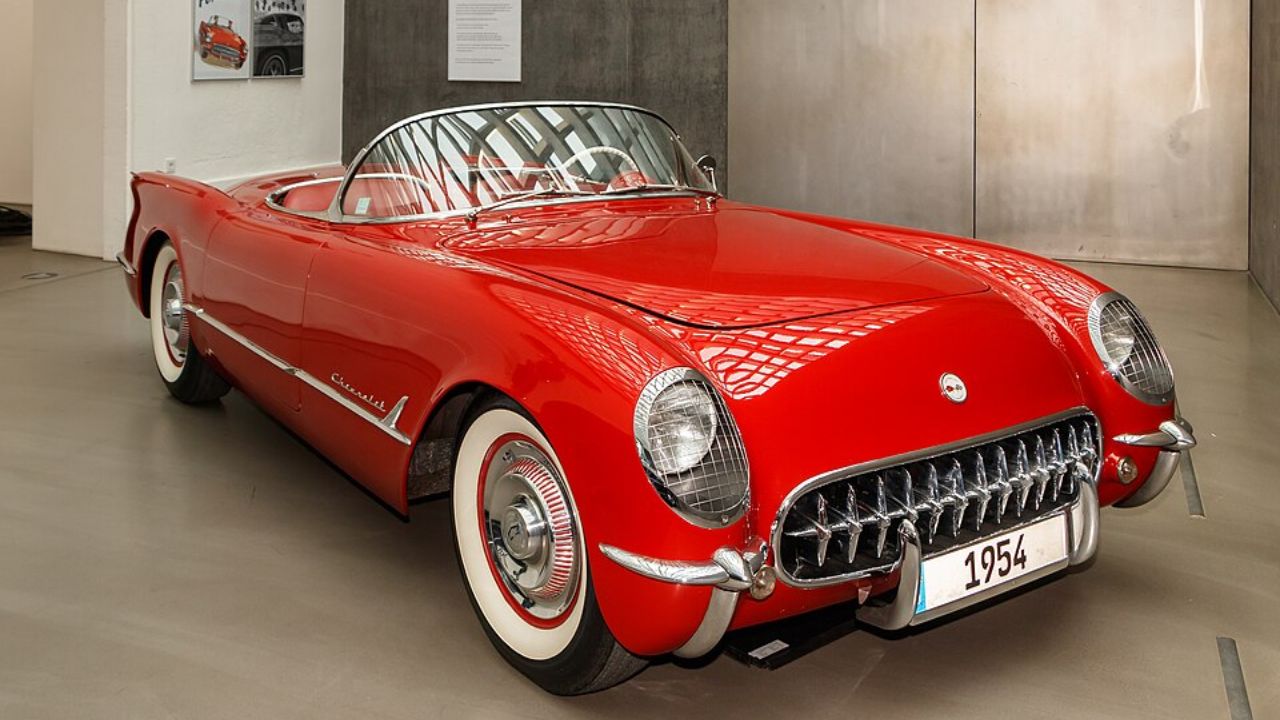
The Chevrolet Corvette C1 helped establish the American two-seat sports car as a serious category. Early versions used a six-cylinder engine, but later models received small-block V8 power and increasingly sophisticated performance equipment. Fiberglass body construction reduced weight and allowed Chevrolet to experiment with a distinctive design. Over its production run, the Corvette evolved quickly, proving that an American roadster could combine performance, technology, and mass-market production.
AC Ace
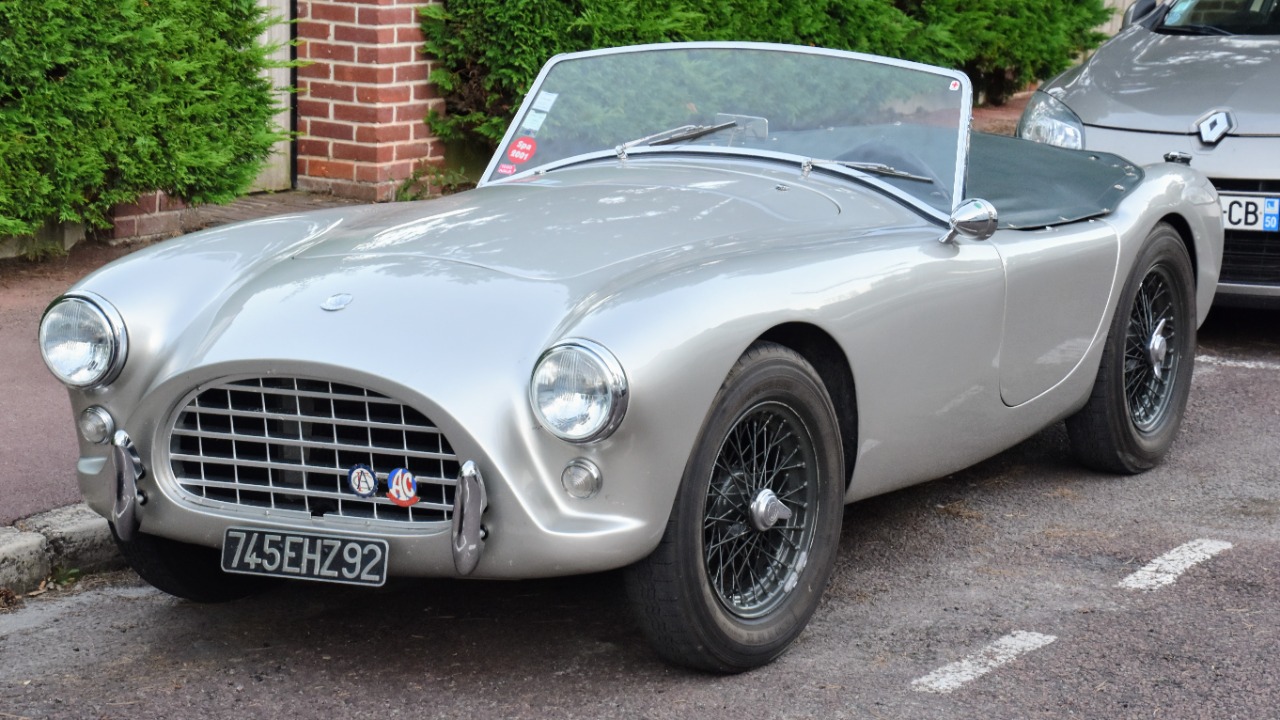
The AC Ace used a lightweight tubular chassis, aluminum body, and independent suspension to create a remarkably agile roadster. Its simple design became even more significant when Carroll Shelby used the platform as the foundation for the Cobra. The Ace demonstrated how a lightweight British chassis could handle substantially greater engine power. Its engineering concept helped create one of the most famous performance-car combinations of the 1960s.
Sunbeam Tiger
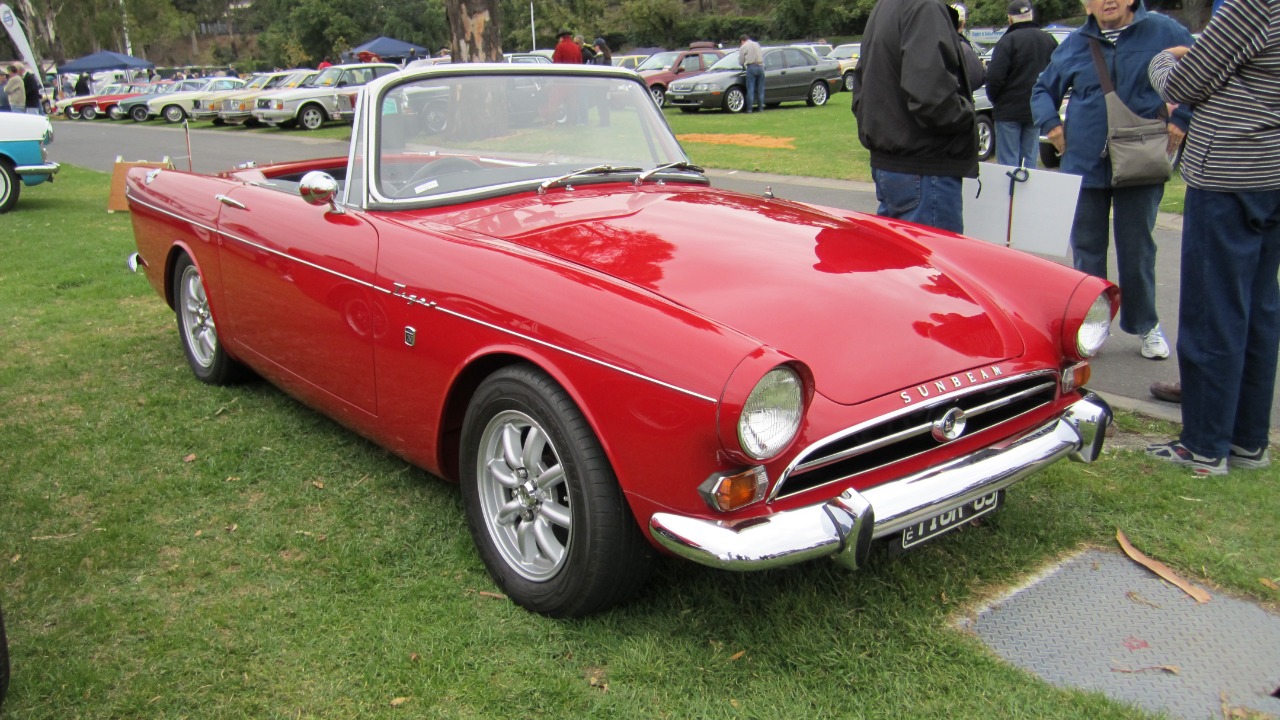
The Sunbeam Tiger placed a Ford V8 into the compact Sunbeam Alpine roadster, creating a lightweight car with significantly more performance. The basic idea was simple, but the result demonstrated the effectiveness of combining a small sports-car chassis with a powerful American engine. The Tiger offered strong acceleration without requiring a large or heavy body. It became an early example of the compact high-performance roadster concept.
Daimler SP250
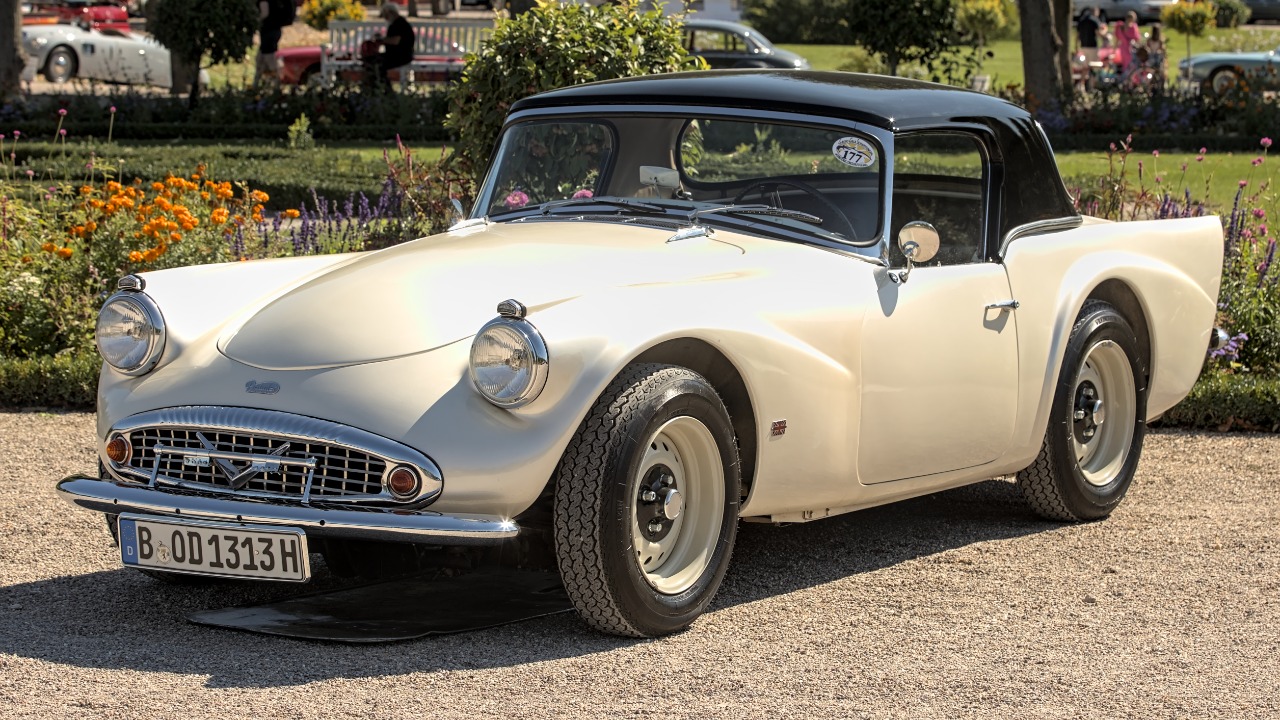
The Daimler SP250 was an unusual British roadster that combined a fiberglass body with a compact V8 engine. Its independent front suspension, disc brakes, and lightweight construction gave it a distinctive technical package for the late 1950s. The SP250 was not a major commercial success, but its engineering showed that Daimler was willing to experiment with modern materials and compact high-performance powertrains.
Fiat 124 Spider
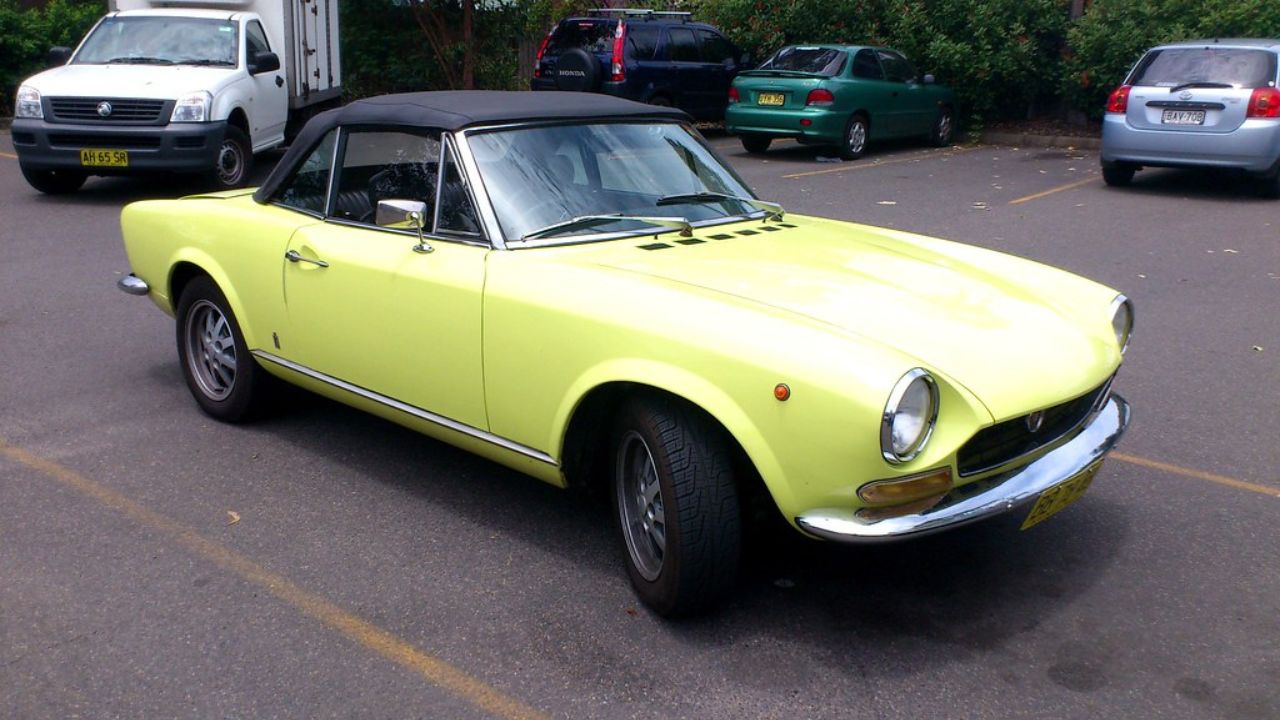
The Fiat 124 Spider combined Italian styling with practical mechanical engineering when it appeared in the 1960s. Its four-cylinder engine used a modern twin-cam design, while the rear-wheel-drive chassis provided traditional sports-car balance. The car was also designed with everyday usability in mind rather than being purely a weekend performance machine. Its combination of attractive styling, relatively light weight, and accessible engineering made it an important European roadster.
MG MGA Twin Cam
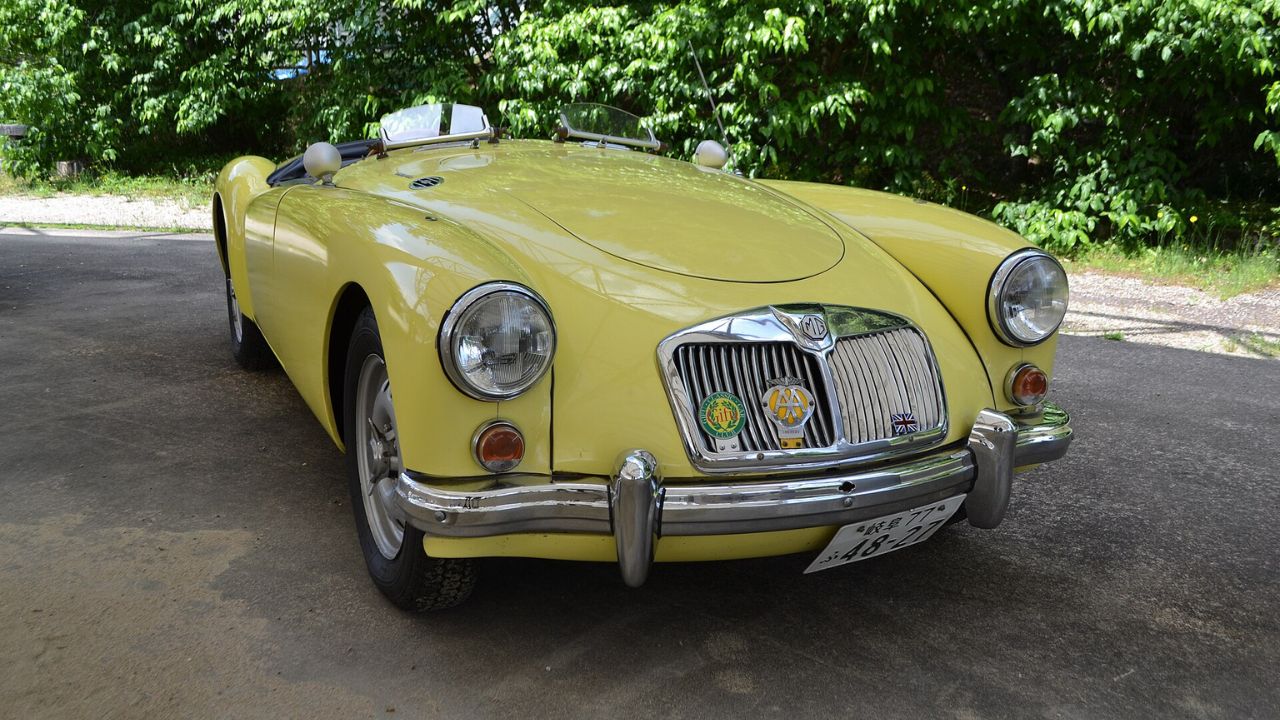
The MG MGA Twin Cam added a sophisticated twin-cam engine to the lightweight MGA platform. The engine offered substantially more performance than the standard MGA powerplant, while four-wheel disc brakes improved stopping ability. The combination demonstrated how advanced engine technology could transform an existing lightweight roadster without requiring an entirely new vehicle. Although the Twin Cam had some reliability challenges, it represented an ambitious step forward for MG.
Alfa Romeo 6C 1750 Spider
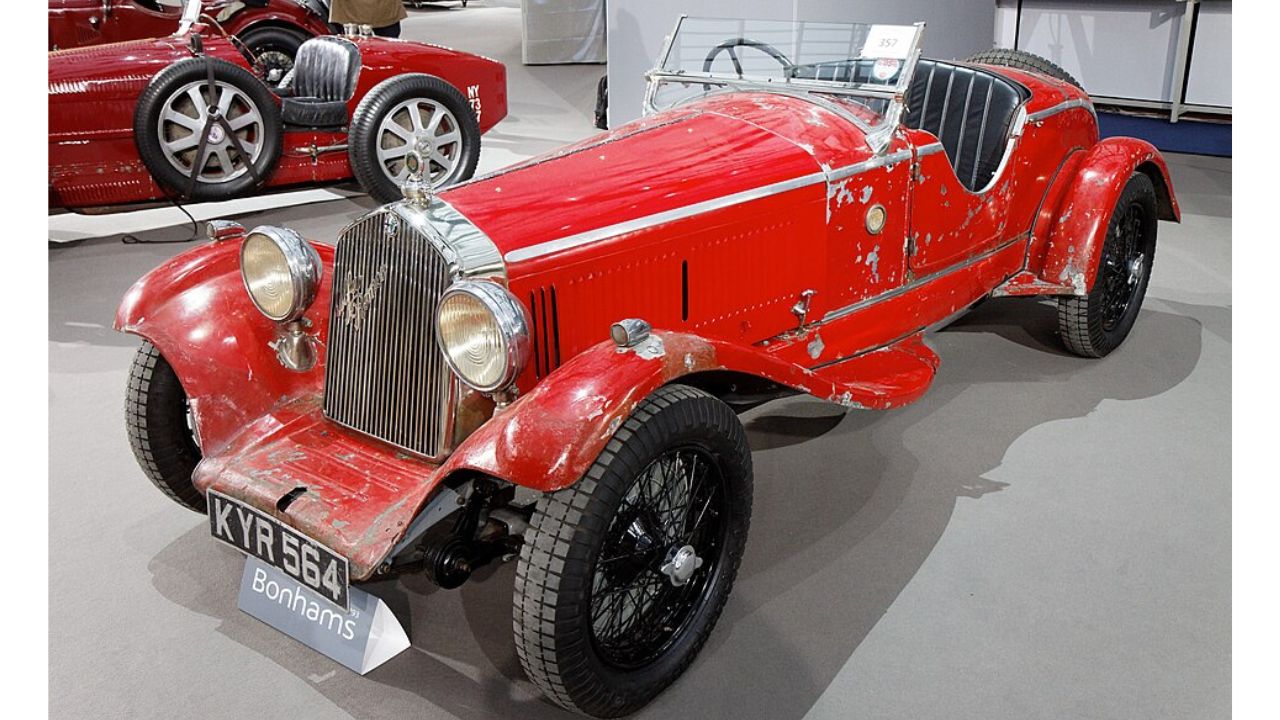
The Alfa Romeo 6C 1750 Spider combined advanced engine technology with lightweight coachbuilt construction during the early 1930s. Its supercharged inline-six engine delivered impressive performance for its time, while its low weight and capable chassis made it successful in competition. The model showed how forced induction, sophisticated engines, and lightweight bodies could be combined long before these concepts became common in modern performance cars.
Cisitalia 202 Spider
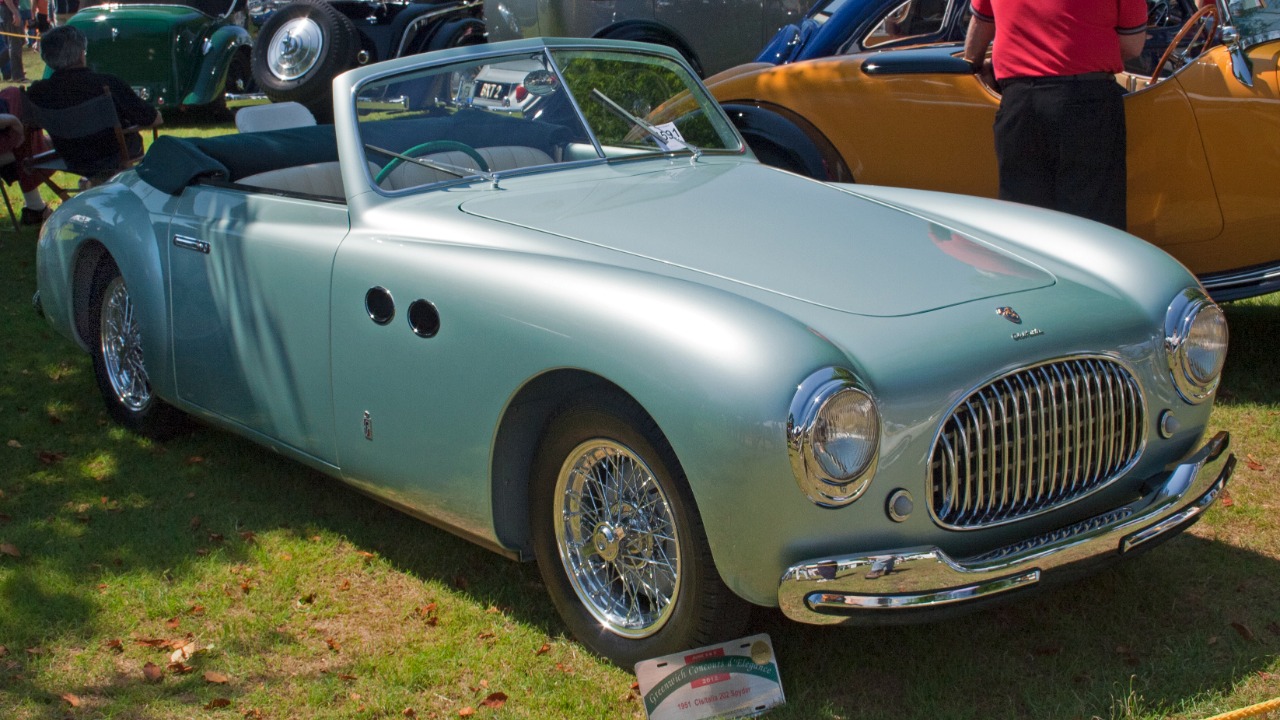
The Cisitalia 202 Spider was technologically and stylistically advanced for the postwar period. Its lightweight tubular chassis and compact four-cylinder engine produced a responsive sports car, while its aerodynamic bodywork became highly influential. The design was so significant that an example was selected for the Museum of Modern Art’s influential automotive design collection. The 202 demonstrated that aerodynamic efficiency and visual simplicity could be important parts of sports-car engineering.
Honda S2000

The Honda S2000 brought extremely high-revving naturally aspirated engine technology into a modern roadster. Its four-cylinder engine could produce impressive specific power while maintaining a compact footprint. The car also used rear-wheel drive, a close-ratio manual transmission, and a balanced chassis. When it debuted in 1999, its engine characteristics were unusual among mainstream roadsters. The S2000 showed that a relatively small naturally aspirated engine could deliver an intense performance experience without turbocharging or a large displacement.
More from Fast Lane Only
- Unboxing the WWII Jeep in a Crate
- 15 rare Chevys collectors are quietly buying
- 10 underrated V8s still worth hunting down
- Police notice this before you even roll window down
*Research for this article included AI assistance, with all final content reviewed by human editors.