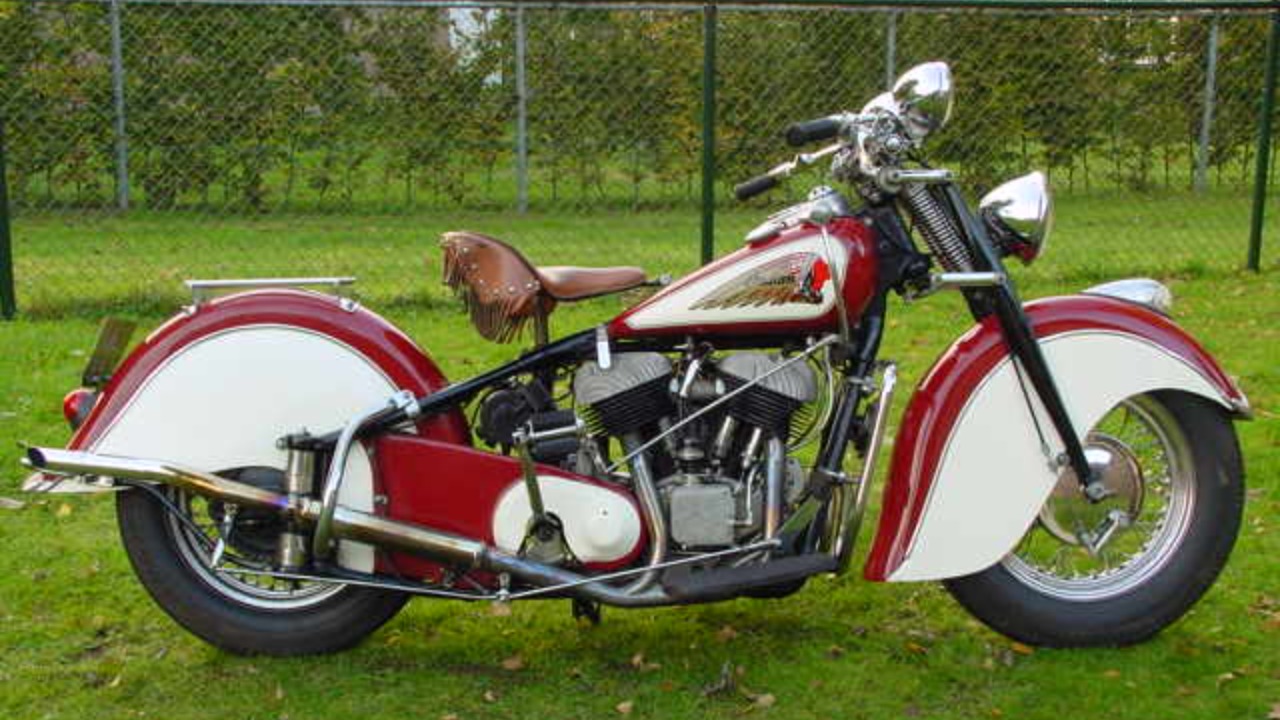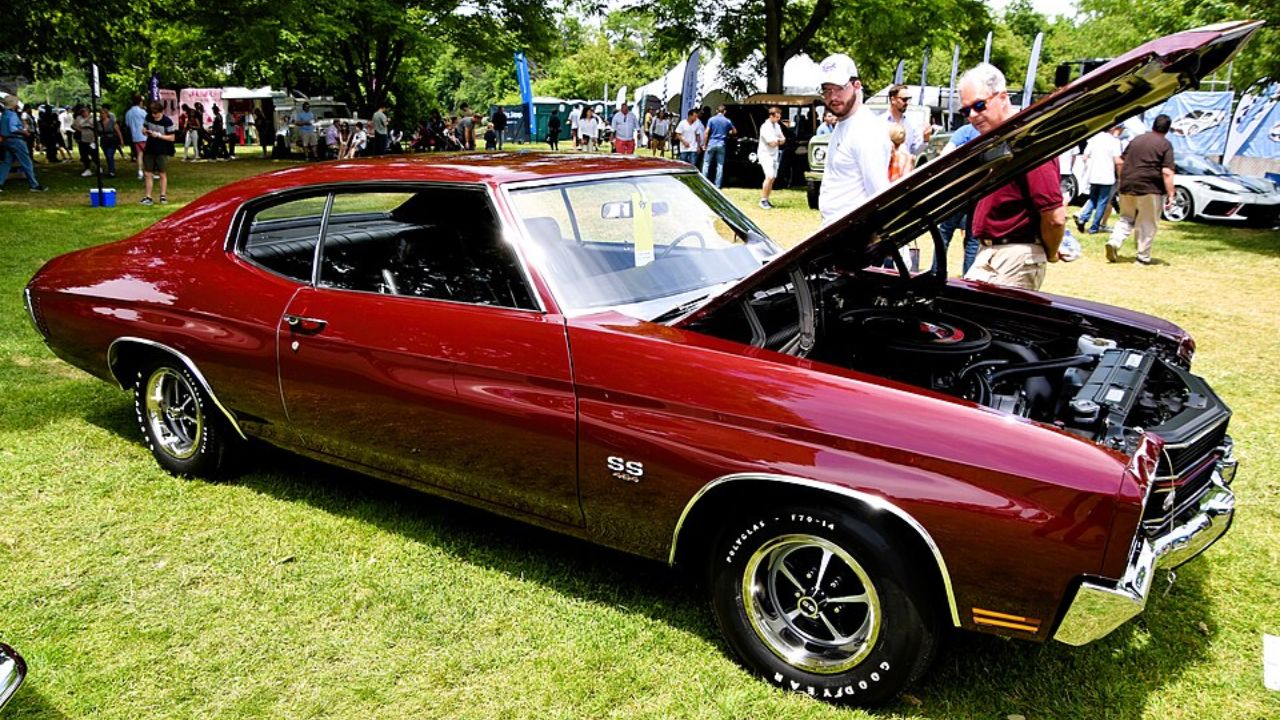
Muscle car enthusiasts often reminisce about the golden era of American automotive engineering, particularly the iconic V8 engines that powered many legendary vehicles. These classic machines are not just known for their striking designs but also for their remarkable performance. Interestingly, several of these V8s were quietly capable of delivering more horsepower than the manufacturers advertised, making them even more revered in the collector community.
1968 Chevrolet Camaro SS 396
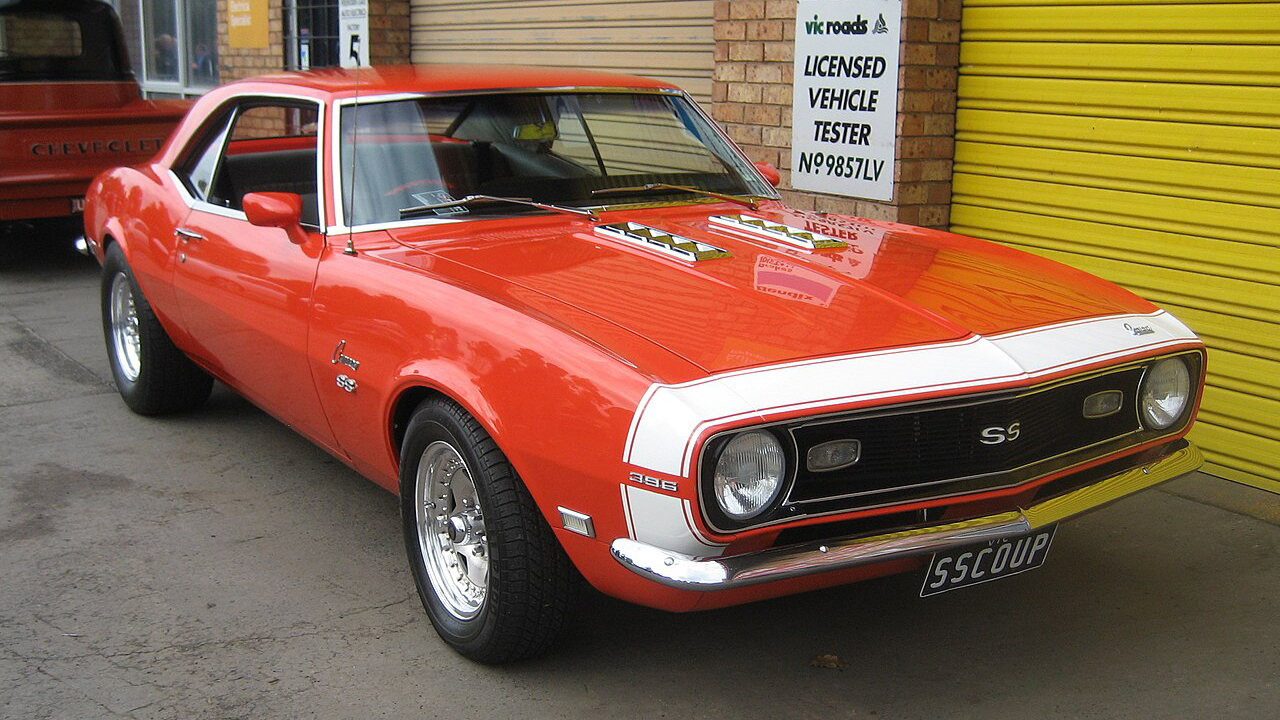
The 1968 Chevrolet Camaro SS 396 is a prime example of a muscle car that exceeded expectations. While Chevrolet advertised the engine’s output at a modest 350 horsepower, independent tests showed that it could produce closer to 400 horsepower. This discrepancy was largely due to the engine’s robust design and performance-oriented features, such as the Holley carburetor and dual exhaust system. The SS 396 quickly became a favorite among racing enthusiasts who appreciated its raw power and agility on the track.
Today, the Camaro SS 396 remains a sought-after classic, with many owners opting to restore these vehicles to their original glory. Its performance capabilities, combined with its aggressive styling, have solidified its status as an icon of American muscle. For those interested in the history of V8 engines, the Camaro SS 396 is a remarkable case of power that spoke volumes beyond its advertised figures.
1970 Ford Mustang 429 Cobra Jet
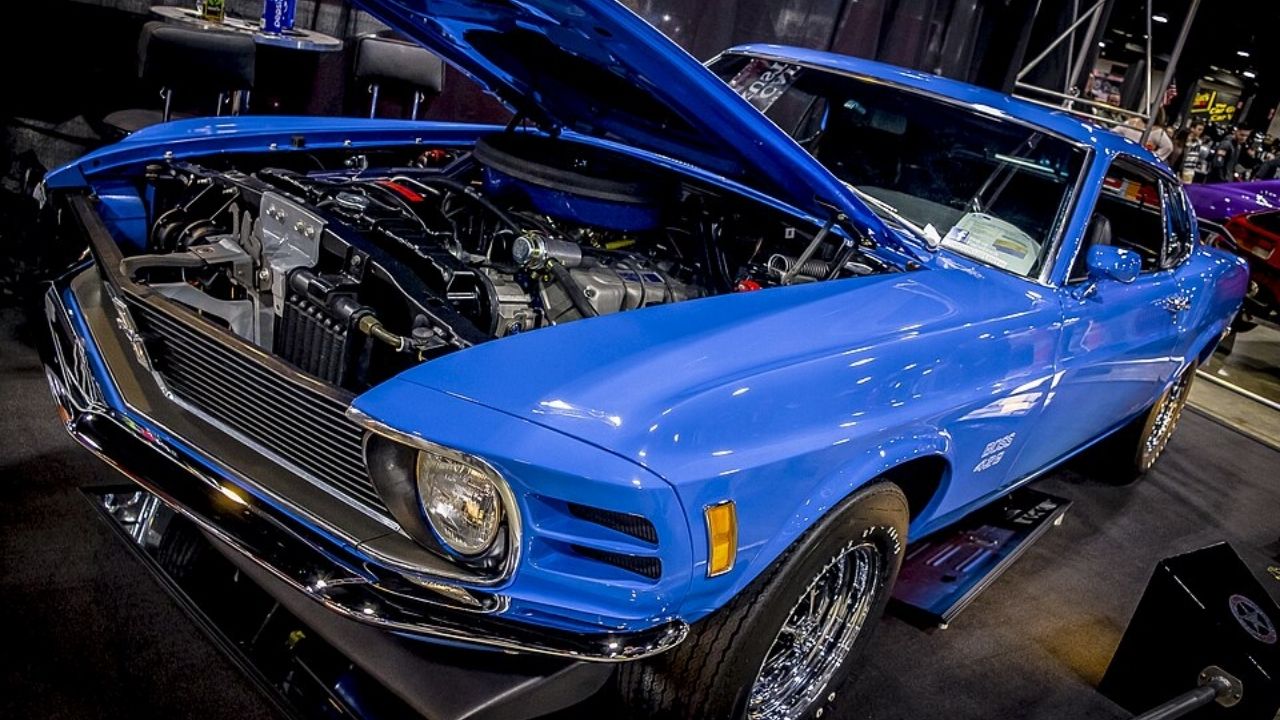
The 1970 Ford Mustang 429 Cobra Jet, known for its impressive performance, was originally advertised at 370 horsepower. However, numerous tests revealed that this beast was capable of generating over 400 horsepower, making it one of the most powerful Mustangs of its time. The secret lay in its 429 cubic inch V8 engine, which featured an aggressive cam, a four-barrel carburetor, and a host of performance enhancements that allowed it to excel on the drag strip.
With a factory rating that underestimated its potential, the 429 Cobra Jet quickly gained a reputation for both speed and reliability. It became a favorite among racers and collectors alike, who appreciated its ability to deliver thrilling performance on demand. The Mustang 429 Cobra Jet has since become a symbol of American automotive excellence, and its understated horsepower only adds to its allure among enthusiasts. For further reading on hidden horsepower in classic V8s, check out this in-depth article.
1971 Pontiac GTO Judge
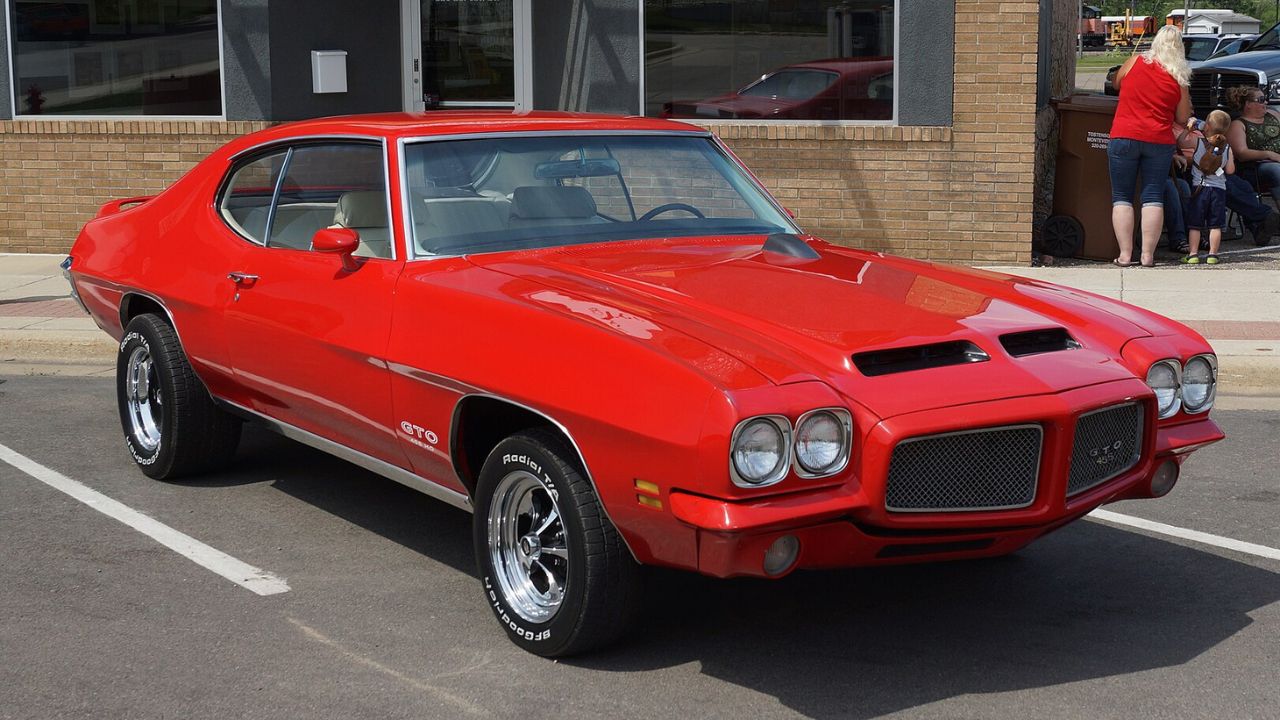
The 1971 Pontiac GTO Judge is often celebrated as one of the most iconic muscle cars of its era. Pontiac advertised the Judge’s horsepower at 366, but many enthusiasts believe it actually delivered closer to 400 horsepower in real-world conditions. This discrepancy can be attributed to the GTO’s powerful 455 cubic inch V8 engine, which was equipped with high-performance components, including a four-barrel carburetor and an aggressive camshaft.
What makes the GTO Judge particularly special is its combination of style and performance. With its bold design and vibrant color options, it became a symbol of the muscle car movement. The Judge’s underestimated power only adds to its mystique, making it a prized possession for collectors and muscle car aficionados. The enduring popularity of the GTO Judge highlights the lasting impact of Pontiac’s engineering prowess during the golden age of American muscle.
1969 Dodge Charger R/T with 426 Hemi
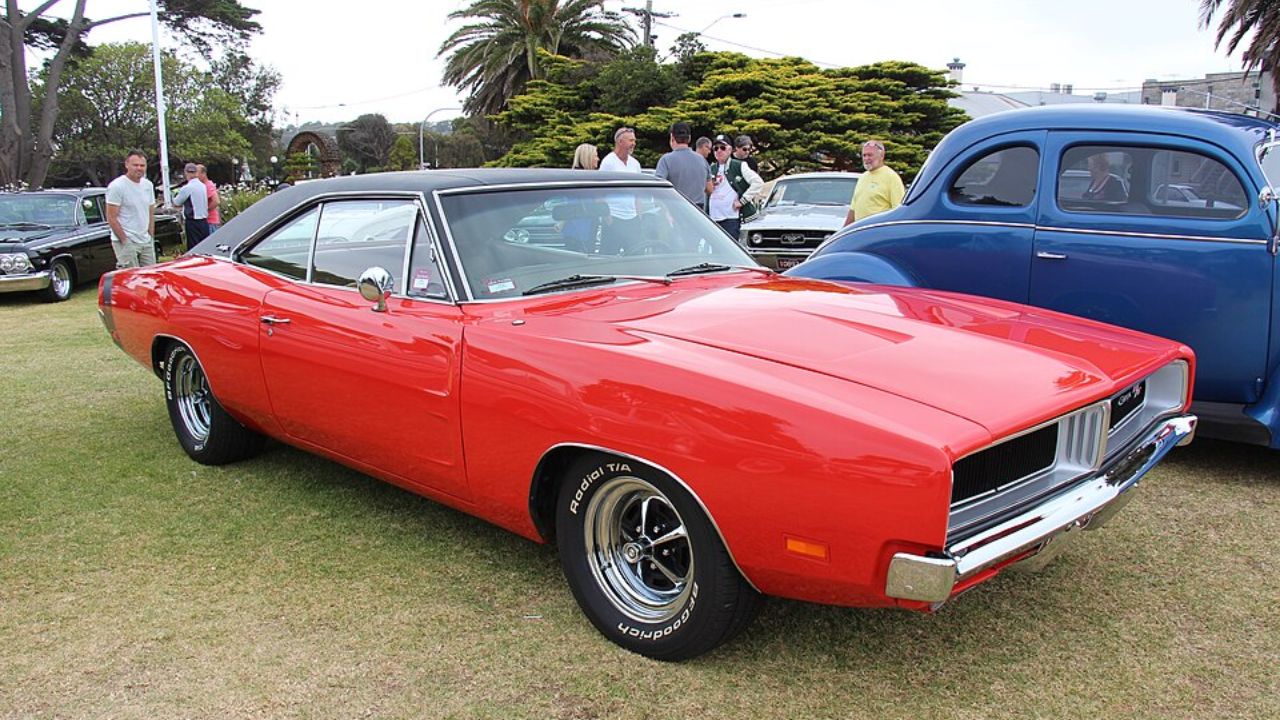
The 1969 Dodge Charger R/T equipped with the legendary 426 Hemi engine is a true representation of raw American power. While Chrysler advertised this powerhouse at 425 horsepower, real-world performance figures suggested that it could produce well over 500 horsepower. This underreporting was due to the Hemi’s unique design, which utilized hemispherical combustion chambers for better airflow and efficiency.
The Charger R/T became an instant classic, both on the streets and the racetrack, thanks to its unmatched acceleration and performance. Its aggressive styling and iconic status in pop culture, especially through its appearances in films and television shows, have helped maintain its allure among classic car enthusiasts. The 426 Hemi’s reputation for exceeding expectations has solidified its place in automotive history.
1970 Buick GSX Stage 1
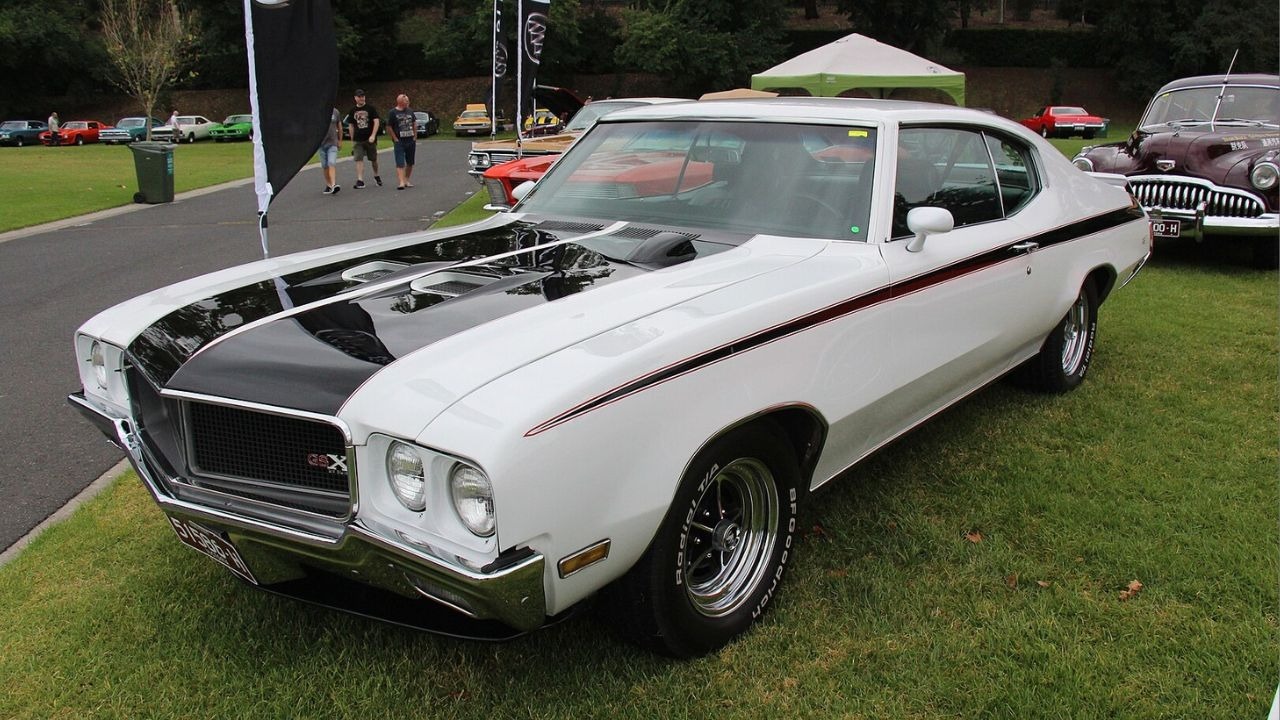
Buick’s 1970 GSX Stage 1 is another classic that often flew under the radar when it came to horsepower ratings. Officially, it was rated at 360 horsepower, but many reports indicate that it was closer to 400 horsepower in real-world scenarios. The GSX Stage 1 featured a formidable 455 cubic inch V8 engine, enhanced by a high-performance carburetor and improved exhaust systems that contributed to its impressive power output.
The combination of luxury and performance made the GSX Stage 1 a standout in the muscle car market. Its bold styling, including a unique hood and distinctive stripes, set it apart from competitors. The understated horsepower figures only added to its charm, captivating collectors and enthusiasts who sought a vehicle that offered both elegance and raw power. For those intrigued by the nuances of classic V8 engines, the GSX Stage 1 serves as an example of unrecognized potential.
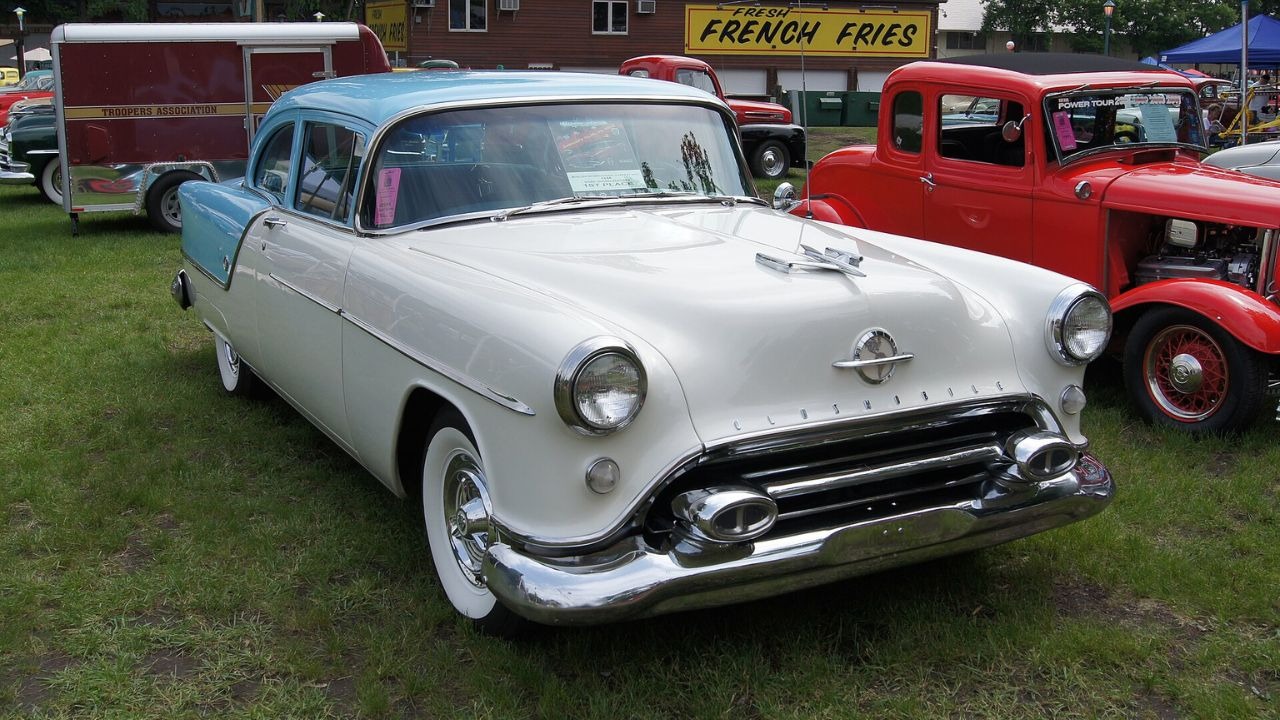
1972 Oldsmobile 442 W-30
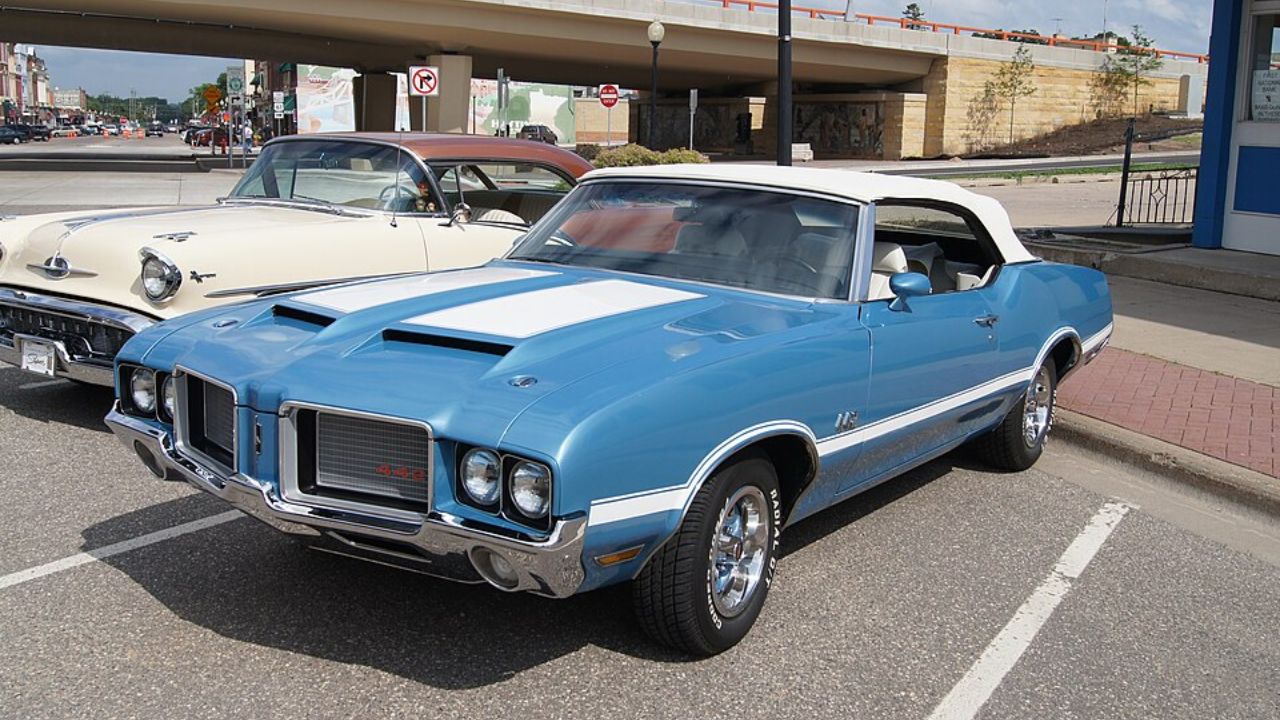
The 1972 Oldsmobile 442 W-30 is often overlooked in discussions about powerful muscle cars, primarily because it was rated at 300 horsepower. However, many performance tests have shown that the W-30’s 455 cubic inch V8 actually delivered upwards of 400 horsepower. This discrepancy is attributed to its advanced engineering, which included a high-performance intake and exhaust system designed to maximize airflow.
The 442 W-30’s combination of performance, comfort, and unique styling made it a compelling choice for muscle car enthusiasts. It featured a stylish body design coupled with a powerful engine, providing a thrilling driving experience. The understated horsepower only adds to its mystique, making it a coveted classic for collectors who appreciate the balance of performance and luxury in a muscle car.
1970 Chevrolet Chevelle SS 454
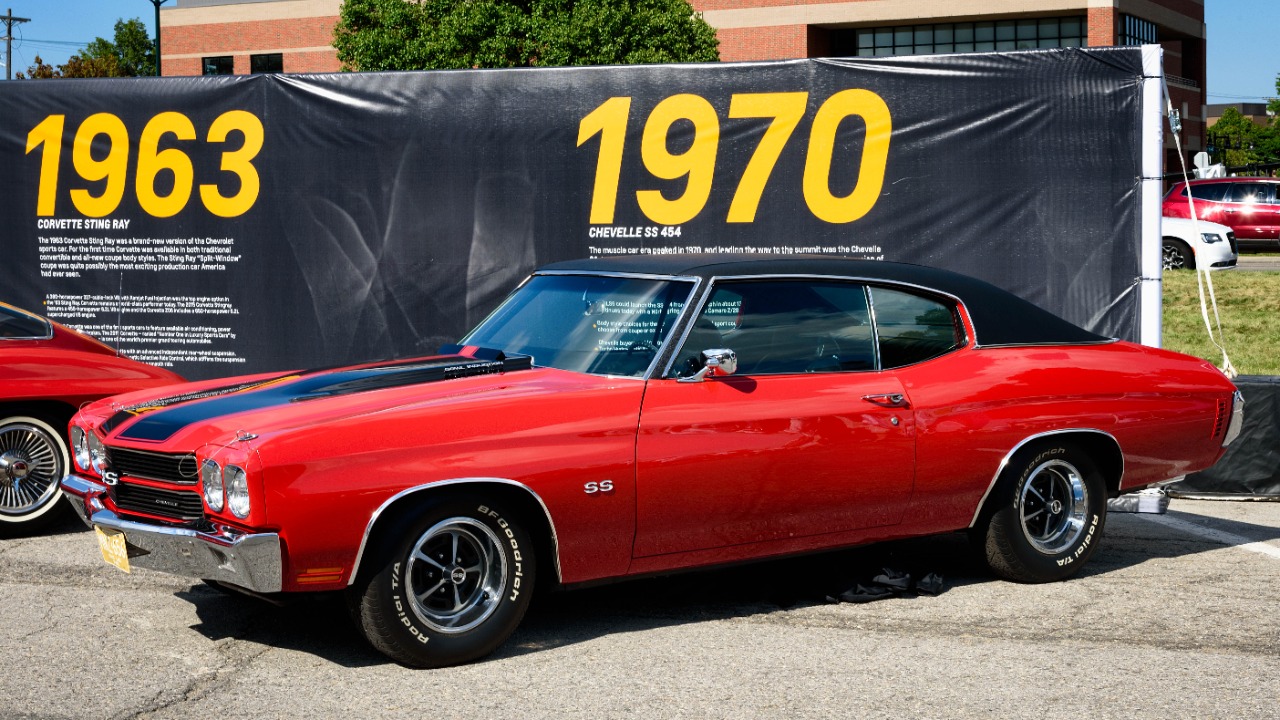
The 1970 Chevrolet Chevelle SS 454 is often hailed as one of the most iconic muscle cars of all time. While Chevrolet advertised the SS 454’s horsepower at 450, many believe it actually produced over 500 horsepower in certain configurations. This difference stemmed from the engine’s robust design, which included a high-performance big-block V8 and efficient exhaust systems that contributed to its impressive power output.
The Chevelle SS 454 quickly became a favorite among muscle car enthusiasts, thanks to its combination of power, style, and versatility. Its aggressive stance and classic lines made it a standout on the road, while its performance capabilities earned it respect on the racetrack. The Chevelle SS 454 continues to be a sought-after classic, representing the pinnacle of American muscle car engineering. For those interested in the world of classic cars, this vehicle serves as a testament to the era’s automotive innovation.
More from Fast Lane Only