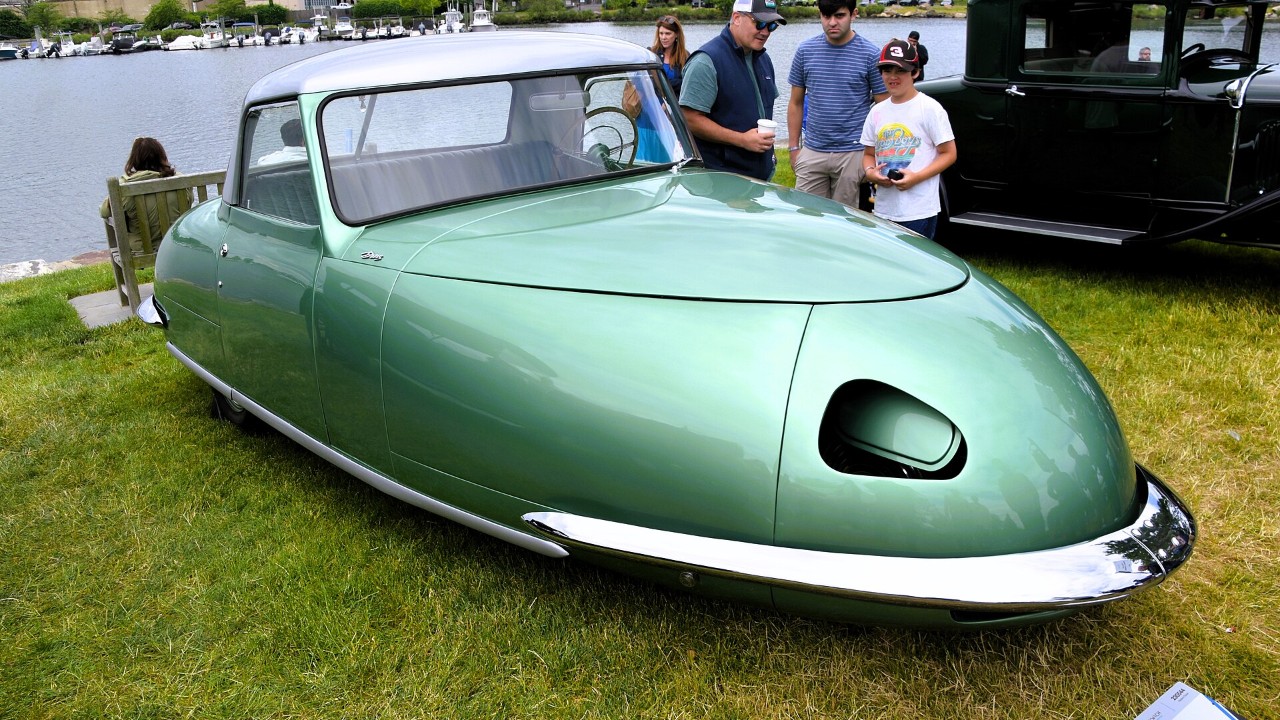
The Davis Divan had three wheels, a bench seat wide enough for four people and a listed price of $1,000. It went on sale in a decade when steel was rationed and wartime factories were looking for new work. These 12 cars from the 1940s show what happened when engineers started over with scarce metal, aircraft know-how and plenty of nerve.
Some became national bestsellers, while others disappeared within a couple of years. Each one, however, was built in a way that no carmaker would try today.
1. 1946–1952 Bentley Mark VI
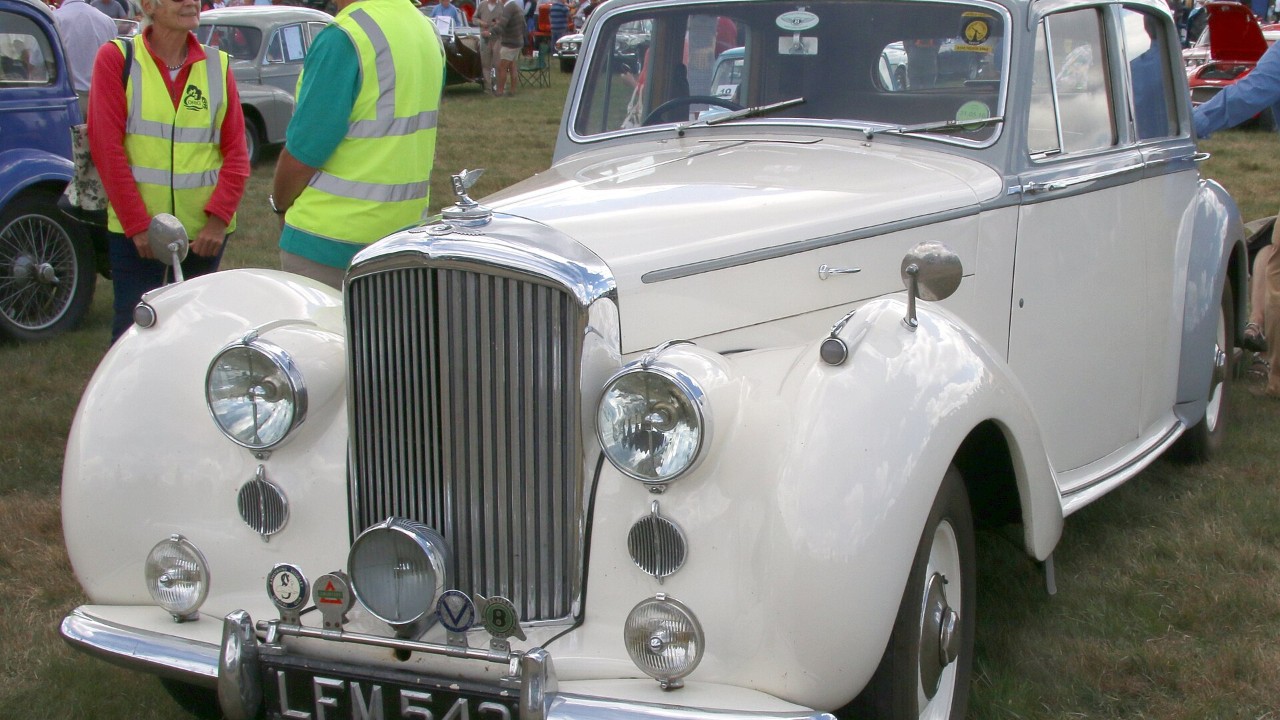
The Mark VI was the first Rolls-Royce-made car with all-steel coachwork. It was also the first that left the factory fully assembled and finished, so a buyer did not need a coachbuilder. Bentley announced it in May 1946 as its first post-war luxury car.
Under the long bonnet sat a 4,257 cc F-head straight-six, and a 4,566 cc version followed in 1951, according to Grace’s Guide. The weak point was the metal itself. Post-war steel under government controls was of poor quality, the guide notes, and that hurt the bodies over time. Even so, coachbuilders were not shut out, because 832 of the 4¼-litre cars got coachbuilt bodies.
2. 1947 Talbot-Lago T26 Record
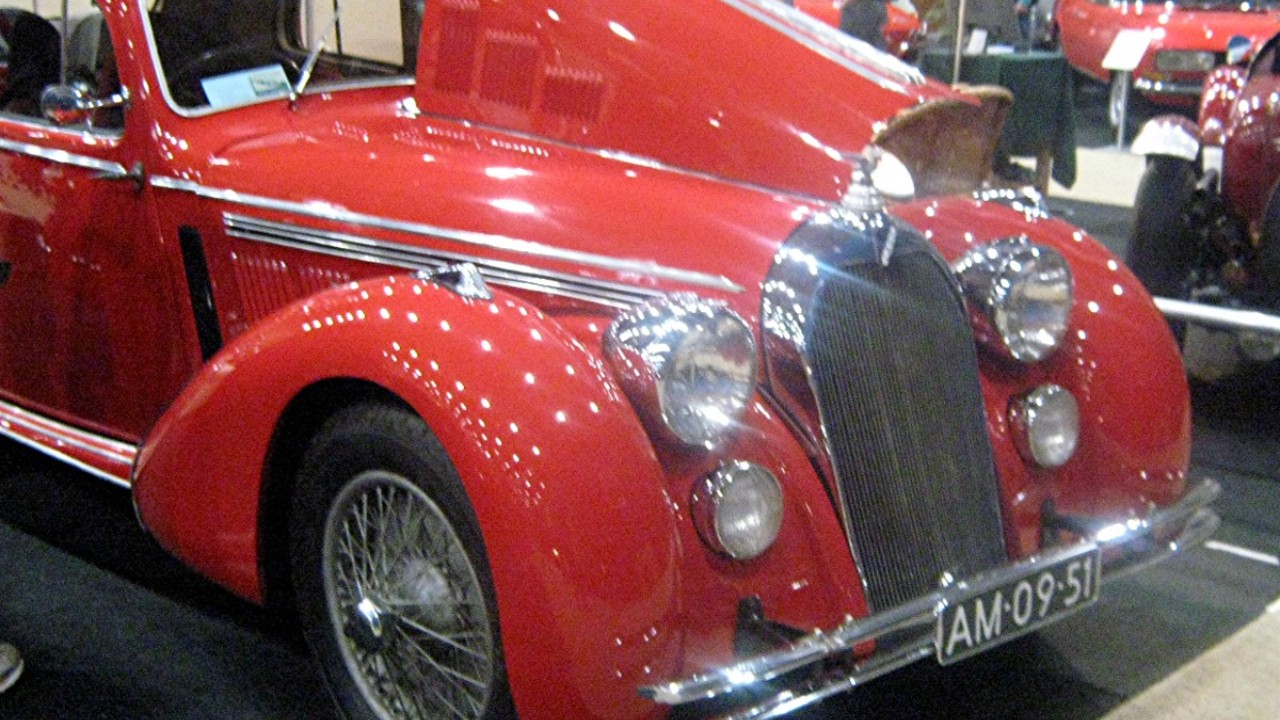
Talbot-Lago showed the T26 Record at the Paris Salon in October 1946, about a year after the war ended. Its 4,482 cc six made 170 hp, serious output for a French luxury car of that era.
Shifting was its own ritual. Drivers used a four-speed Wilson preselector, which let them choose the next gear before they needed it. In 2017, RM Sotheby’s sold a 1947 factory cabriolet at Amelia Island for $352,000. That car’s body traced back to 1934 factory designs drawn with help from Joseph Figoni, the lot essay says.
3. 1947–1952 Alfa Romeo 6C 2500 Freccia d’Oro
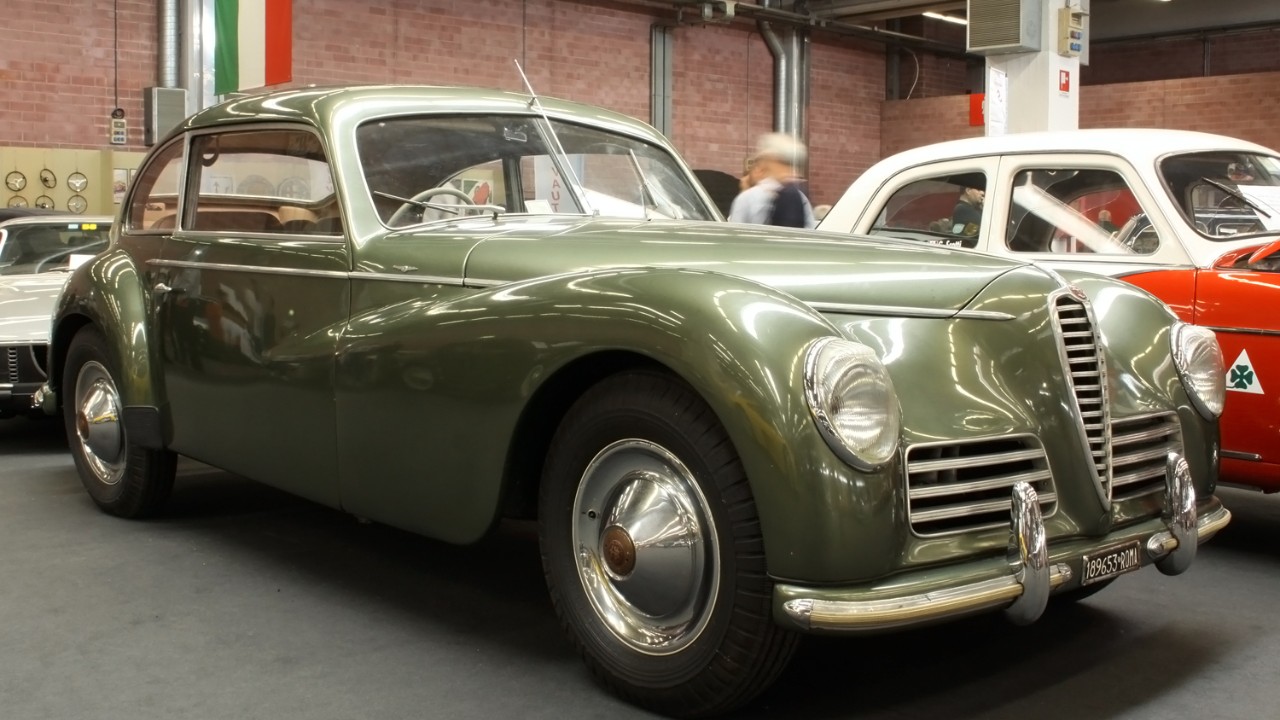
Alfa Romeo’s racing roots ran straight through its first post-war car. The Freccia d’Oro, or “Golden Arrow,” used a 2,443 cc six with double overhead camshafts. Auction house Aguttes describes that engine as designed for racing, and it made 90 hp for a top speed of 155 km/h.
Alfa built the coupe in-house at Portello, although the styling owed a lot to Touring. According to the Aguttes lot essay, Alfa made just under 2,200 6C 2500 sedans over six years, and only 680 were Freccia d’Oro models. The same essay says 56 remain. Meanwhile, Gooding & Company lists a 1949 car at 90 bhp at 4,600 rpm on a single twin-choke Weber.
4. 1947–1952 Tatra 600 Tatraplan
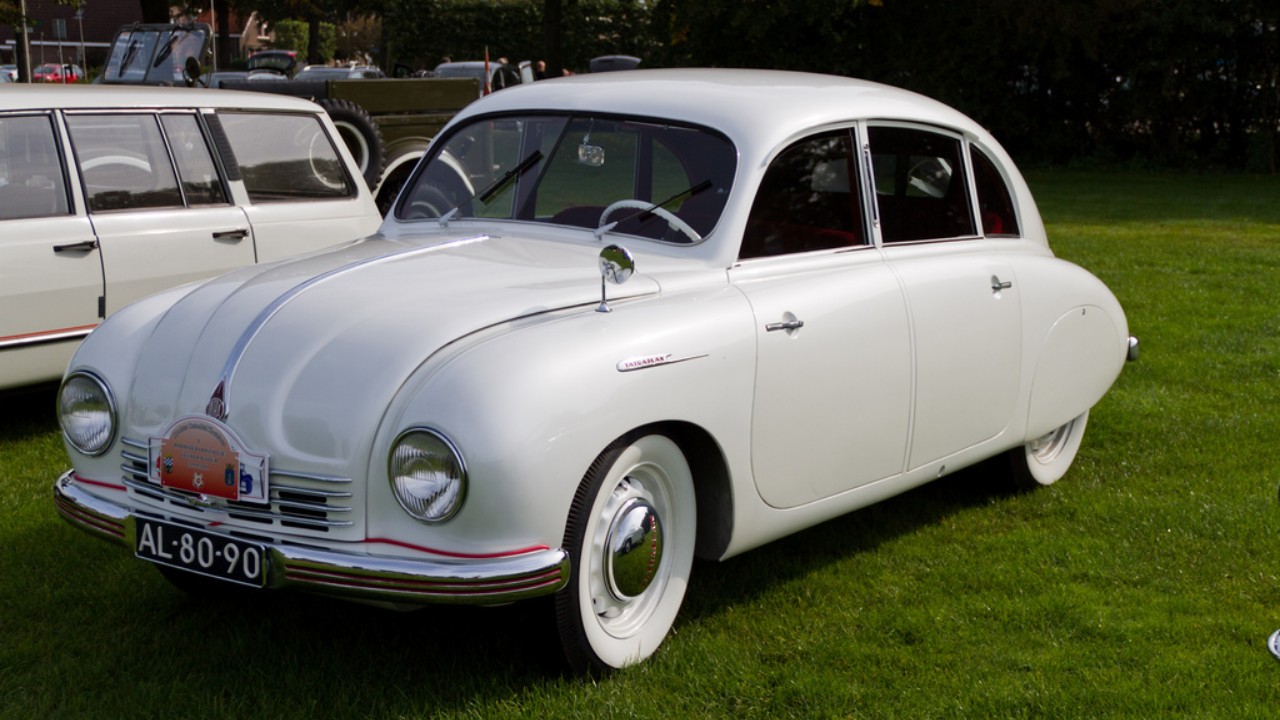
Czechoslovakia’s Tatra put the engine in the back and shaped the body for the wind. The Tatraplan used an air-cooled 1,952 cc flat-four making 50 hp, and its top speed was 81 mph. Tatra’s chief designer based much of it on the bigger T87, but he swapped that car’s V8 for the lighter four.
The car debuted at the 1947 Prague Auto Salon. According to the Lane Motor Museum, Tatra exported more than half of its Tatraplans between 1947 and 1951. Then production moved to Škoda in 1951, and every car built there went abroad. The run ended in 1952 after 6,342 cars.
5. 1945–1952 Riley RMA
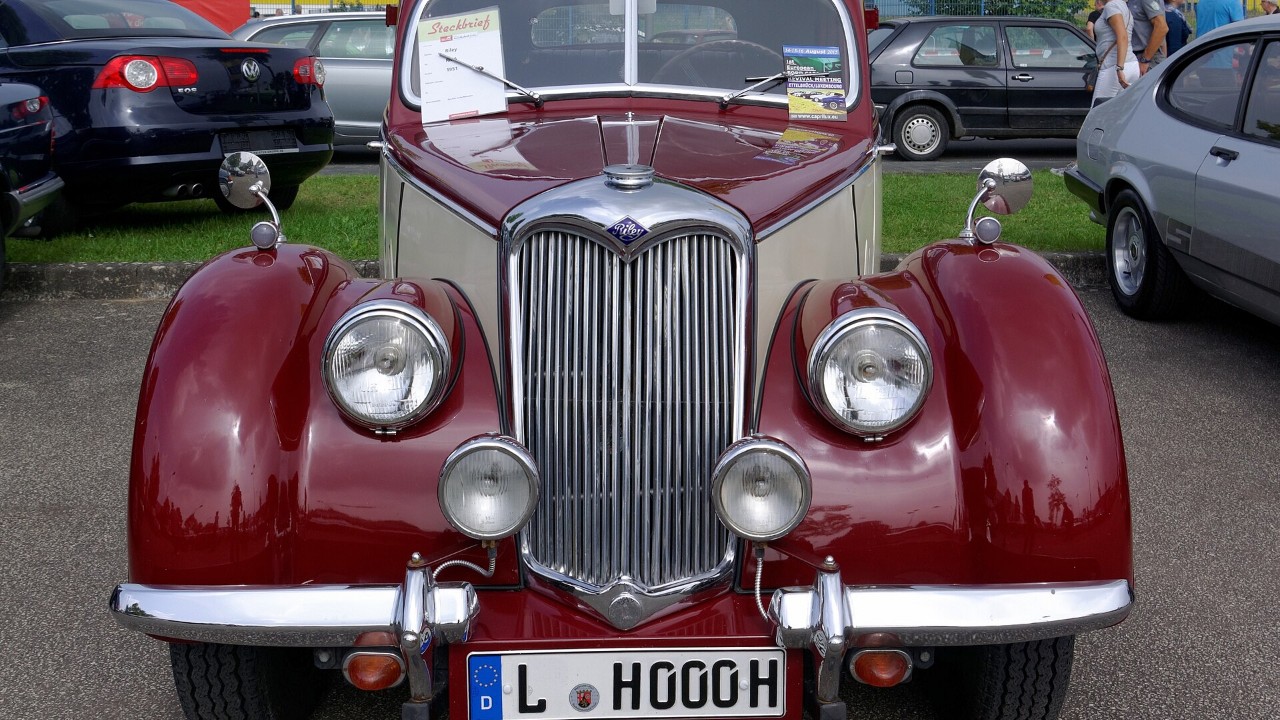
Riley had publicity out for its new 1½-litre saloon by November 1945. Under the low, sleek shape sat a body frame made of ash, which took a lot of labour to build. In fact, only the bonnet top was aluminium, while the roof was perforated steel covered with hessian and rexine.
The engine carried over from pre-war cars: a four with hemispherical combustion chambers and twin camshafts set high in the block. Torsion-bar independent front suspension reflected wartime lessons, says the Society of Automotive Historians in Britain. Riley sold 13,950 1½-litre saloons, RMA and later RME, from 1945 to 1955. Production also moved from Coventry to MG’s Abingdon works in 1949.
6. 1946–1948 Triumph 1800 Roadster
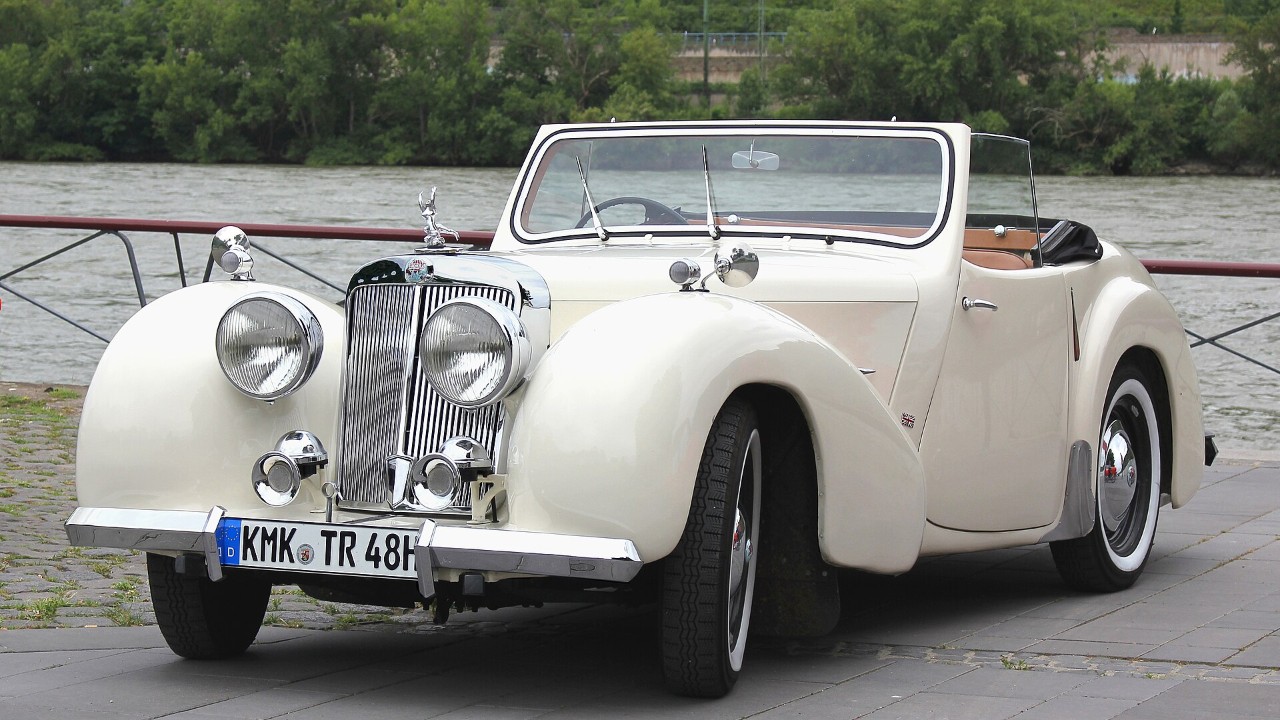
Steel was hard to get after the war, so the Triumph Roadster wore Birmabright aluminium alloy everywhere but its steel wings. That alloy was probably left over from aircraft production. Beneath it sat a marine-spec ash frame on a tubular steel chassis.
Standard’s managing director, Sir John Black, insisted on a dickey seat, a fold-out seat in the tail. That probably made it the last series-production car with one, according to Iconic Auctioneers. Power came from a 1,776 cc overhead-valve four with 65 bhp. Total output was only about 2,500 cars, and Iconic sold the 255th one for £23,063 in July 2016.
7. 1947–1949 Davis Divan
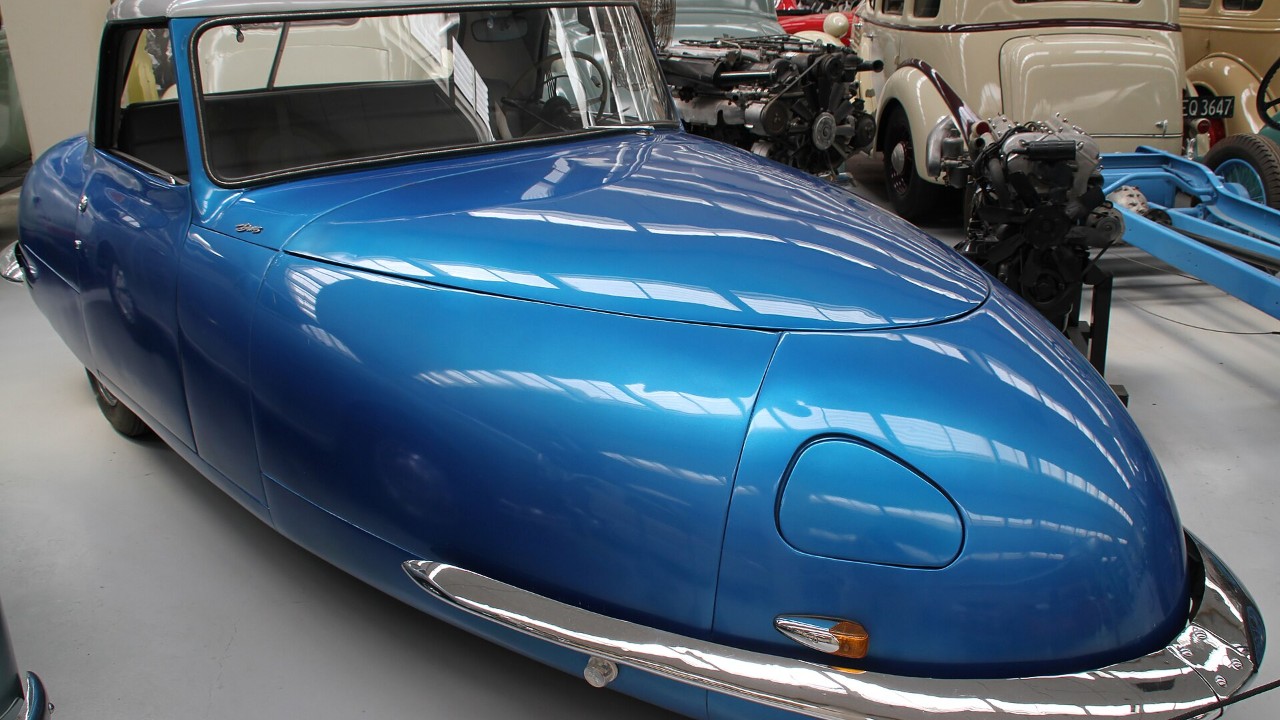
Gary Davis pitched the Davis Divan as an advanced, aircraft-inspired car. It stretched about 15½ feet, and four people sat side by side on one bench seat. Davis claimed a top speed of 116 mph for his three-wheeler.
The Davis Divan body grew out of a pre-war Frank Kurtis design built for Joel Thorne, says the Petersen Automotive Museum. However, material shortages and a lack of money stopped mass production, and the company folded. The Lane Motor Museum counts 16 running vehicles: two prototypes, 11 Divans and three military jeeps.
8. 1946–1958 GAZ-M20 Pobeda
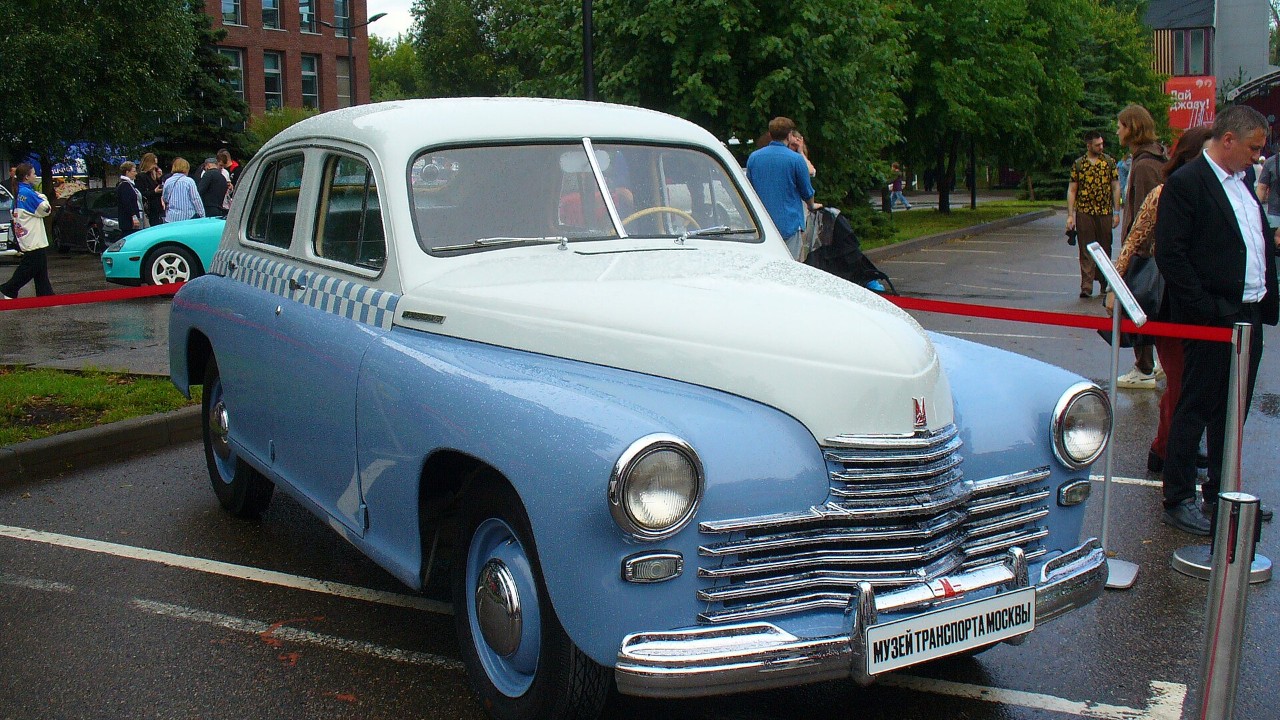
Pobeda means “Victory,” and the name told Soviet buyers exactly what the car stood for. Stalin approved it after the war alongside the smaller Moskvich. He also set aside a share of each for private buyers.
Owning one took patience, though. According to a University of Illinois Soviet history project, a Pobeda cost 16,000 rubles when an average worker earned about 600 a month. Trade unions kept waiting lists, and some buyers waited up to six years. GAZ built the car to handle very rough roads, and it made just under 236,000 before the model ended in 1958.
9. 1946–1958 Volvo PV444
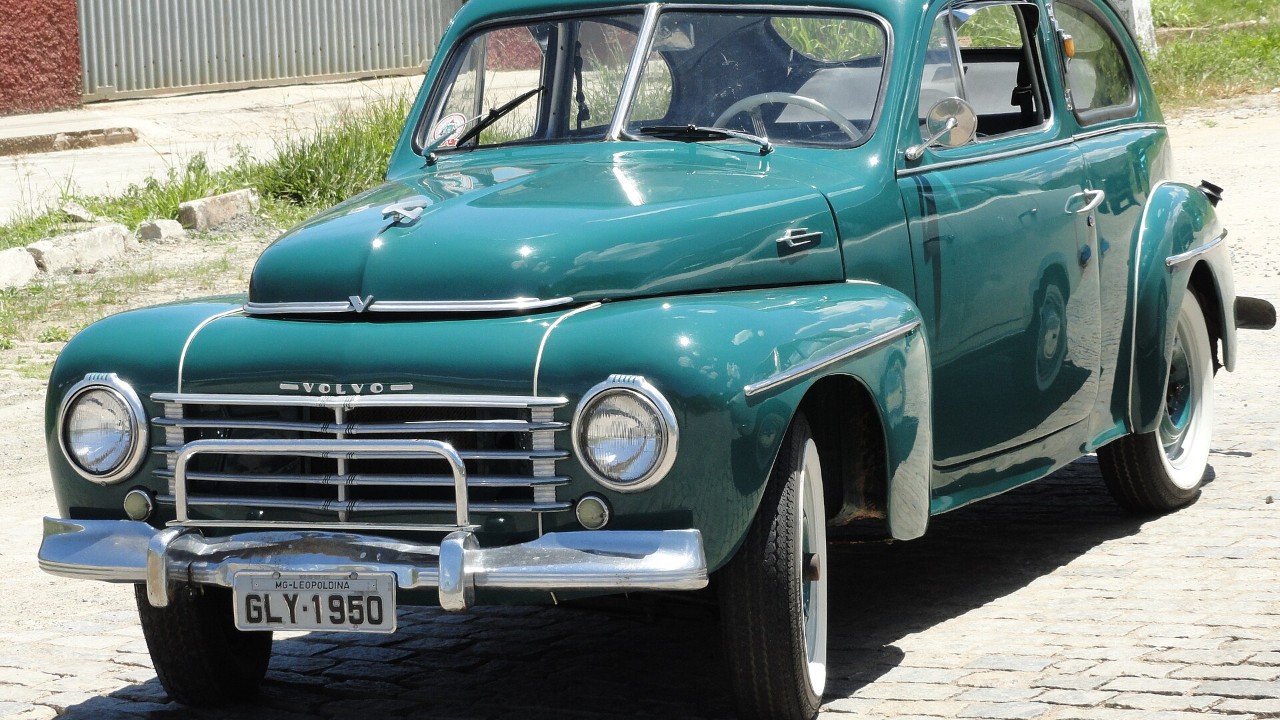
Volvo unveiled the PV444 at a big Stockholm exhibition in September 1944, while war went on across Europe. The company presented it as a “herald of hope for peace and better times.” For that reason, it set the price at 4,800 kronor, exactly what its first car, the 1927 ÖV4, had cost.
Volvo planned to build 8,000 of them. Instead, nearly 200,000 left the line before the PV544 took over, according to Volvo Cars. It was also the first Volvo with a unitary body and no separate frame. Buyers got a laminated windshield too, which Volvo counted as an important safety step.
10. 1948–1960 Peugeot 203
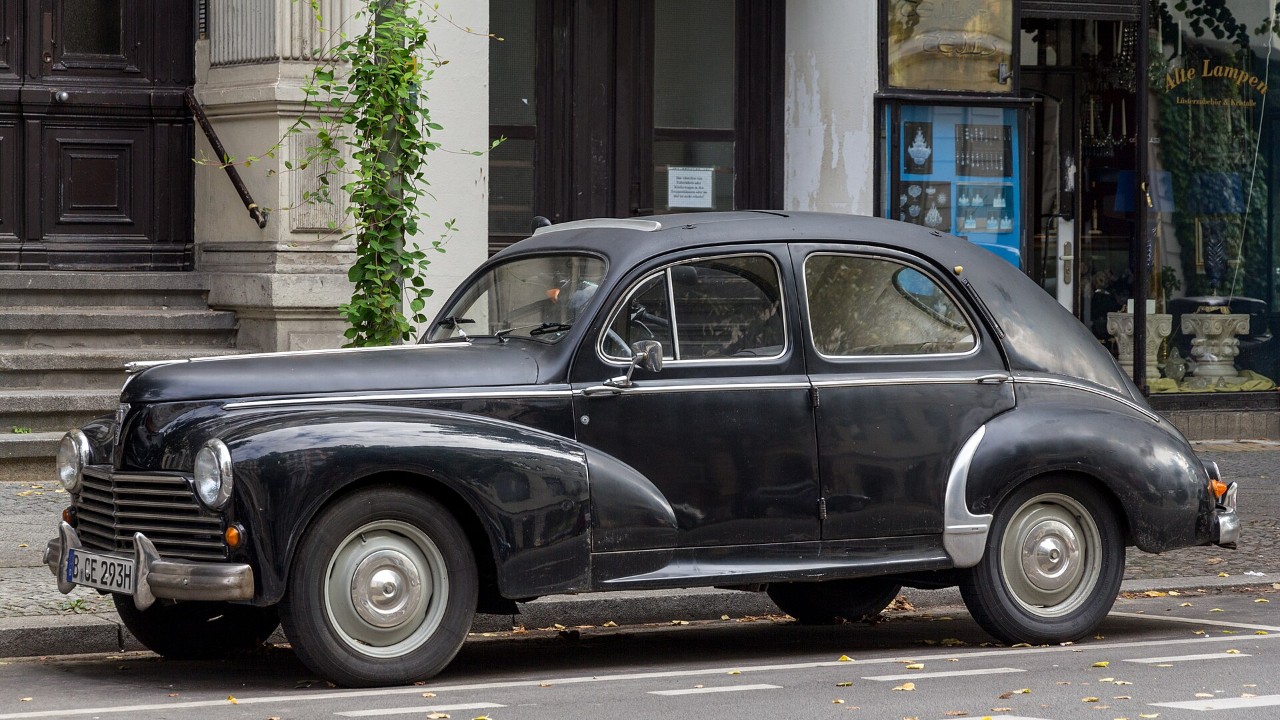
In 1953, André Mercier and Charles de Cortanze drove a Peugeot 203 15,000 km from Cape Town to Paris in 17 days. Fifty years later, Didier Pijolet and Leigh Wootton repeated the trip in under a month.
The car under them was Peugeot’s first monocoque production model. Its 1,290 cc four had hemispherical combustion chambers in light-alloy heads and made 42 PS at launch, says the BK Car Collection. By 1950, it held 19.5% of the French market, second only to the Renault 4CV. Sochaux built nearly 700,000 before production stopped on 25 February 1960.
11. 1947 Healey Elliott
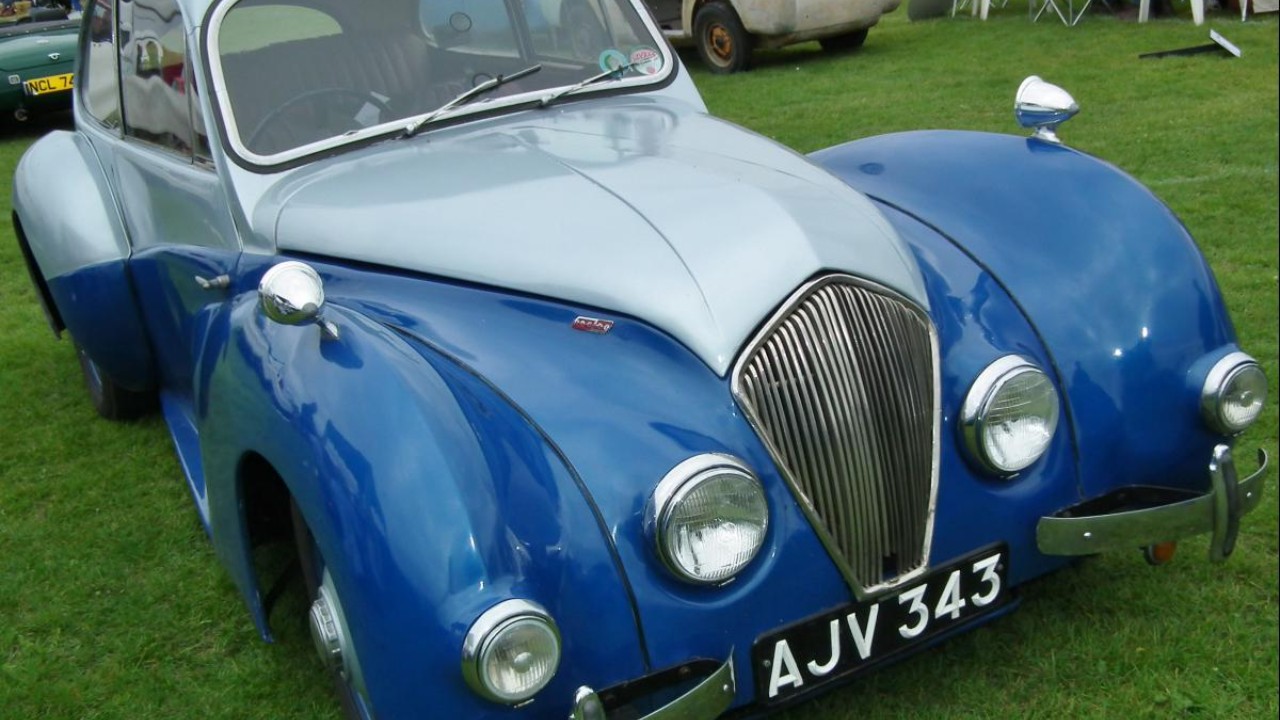
Donald Healey spent the war working with Humber on armoured fighting vehicles. By 1945 he was designing cars, and the first to carry his name was the Elliott saloon. Its streamlined panels were magnesium-aluminium alloy over ash frames.
Power came from a 2,443 cc four with 104 bhp, good for 104 mph, and Elliotts won their class in the 1947 and 1948 Alpine Rallies. The National Motor Museum owns one that the Healey company kept for many years. By comparison, RM Sotheby’s sold a 1947 saloon with a Riley-built engine for $33,000 in 2013.
12. 1948 Sunbeam-Talbot 90
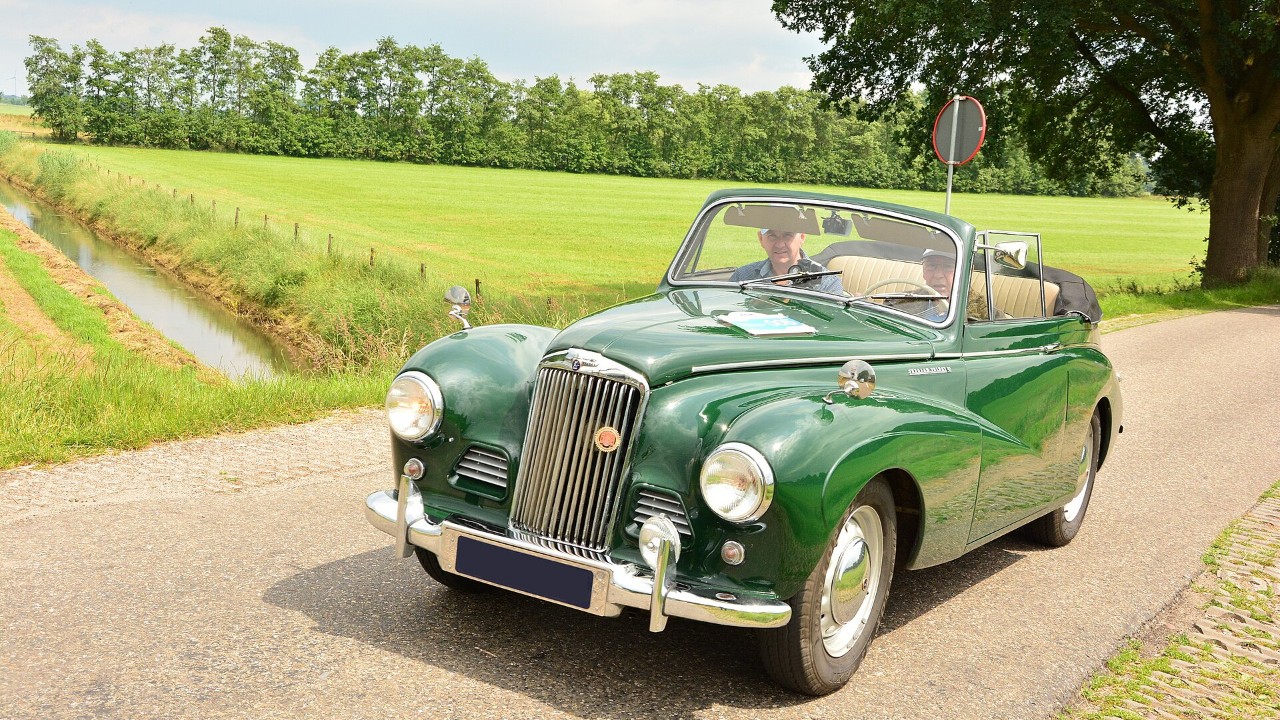
The Sunbeam-Talbot 90 arrived in July 1948 to replace the Talbot 2 Litre, and it kept that car’s chassis. Its 1,944 cc overhead-valve four made 64 bhp. British Light Steel Pressings made the saloon shells, while Thrupp & Maberly finished and trimmed the drophead coupes.
About 4,000 Mk I 90s left the line, according to the Sunbeam model history at sunbeam.org.au. Grace’s Guide also shows one of the Thrupp and Maberly coupes. Later, the 90 made its name in competition with drivers like Stirling Moss, and it won the 1955 Monte Carlo Rally outright.
More from Fast Lane Only