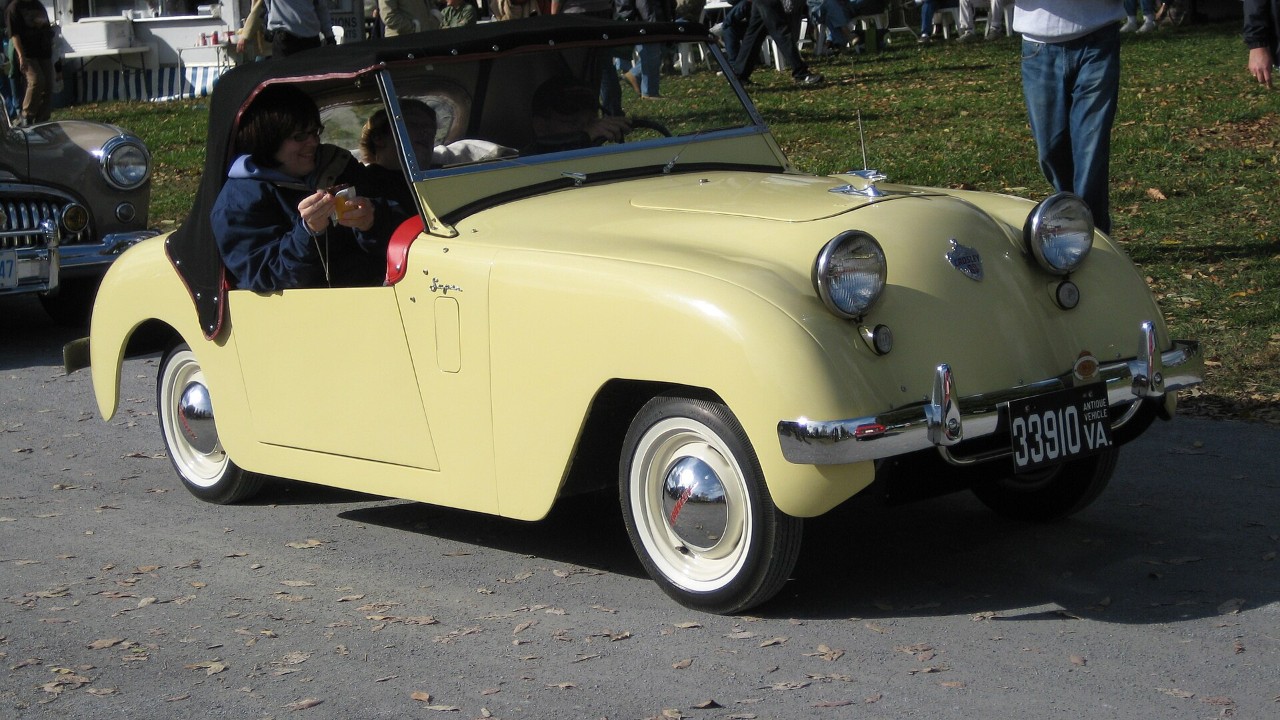
A 1949 Crosley Hotshot made 26.5 horsepower, yet one of these little roadsters won a race at Sebring. That is the charm of the two-seater. When a maker drops the back seat, it usually has something to prove.
Over the decades, two-seaters have come from every corner of the industry. Some came from tiny American firms and Japanese motorcycle-sized engines. Others, by contrast, came from Cadillac, BMW and Chrysler, companies better known for family cars. Not every one sold well, and buyers forgot a few almost as soon as the showroom lights went off.
These are our picks, twelve two-seaters we think are worth remembering. Each comes with the facts that earned it a spot, plus our own take on why it deserves a second look today. Some are cheap thrills, while others are collector cars now. All of them made the case that two seats can be plenty.
1. 1949 Crosley Hotshot
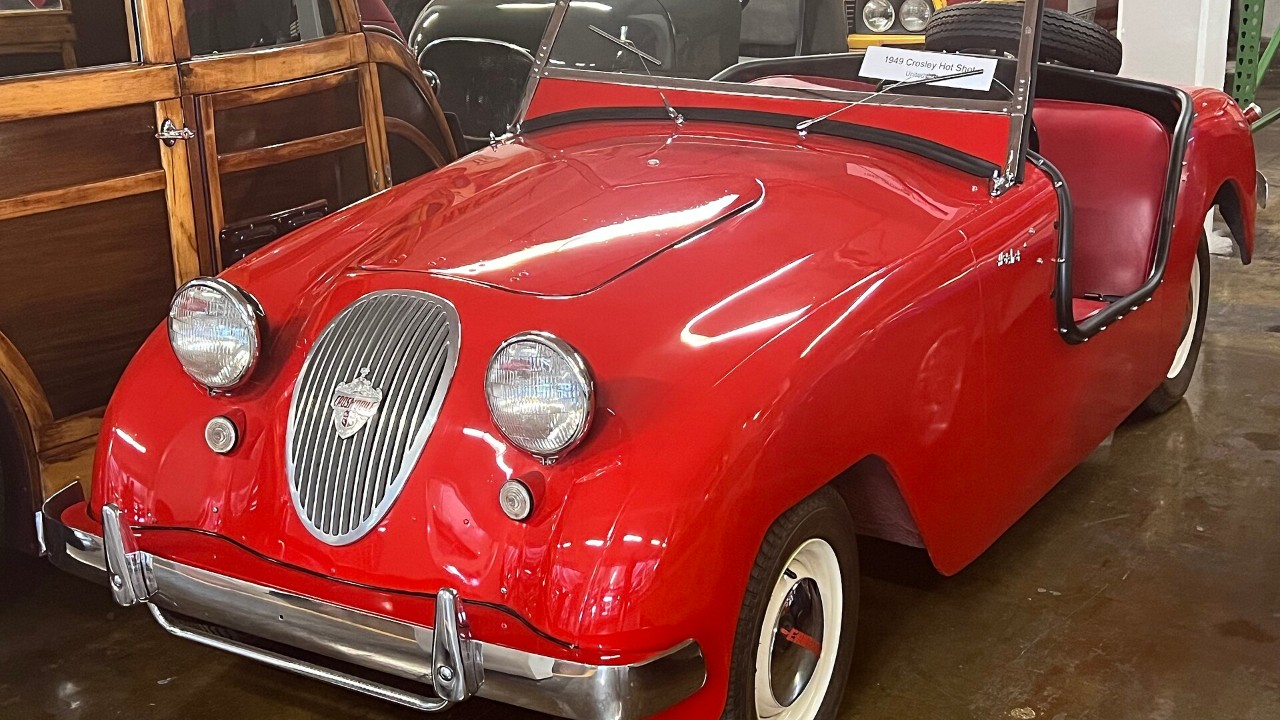
Crosley was a small-car company, and its Hotshot roadster was never going to be ordinary. It rode on an 85-inch wheelbase and had no real doors. Instead, you stepped over drop-down side panels to get in. The base price was $849, according to the Lane Motor Museum in Nashville, which keeps a 1949 car badged Crosmobile for export.
Power came from a 44-cubic-inch four-cylinder rated at 26.5 horsepower, and the top speed was about 77 mph. That sounds tame. However, the car weighed so little that it embarrassed bigger machines. A Hotshot took the overall win at the first Sam Collier Memorial race at Sebring in 1950, and the little cars won 10 of 12 SCCA West Coast races in their class.
The Hydra-disc brakes were clever but fragile, because road salt made the alloy parts seize. As a result, Crosley switched to drum brakes in mid-1950. Counting the 1949 Crosley Hotshot and its later Super Hotshot and Super Sports siblings, only 2,498 left the factory. In our view, this is the purest of all the cheap American sports cars, a reminder that speed is about weight as much as power.
2. 1966 Datsun Fairlady 1600
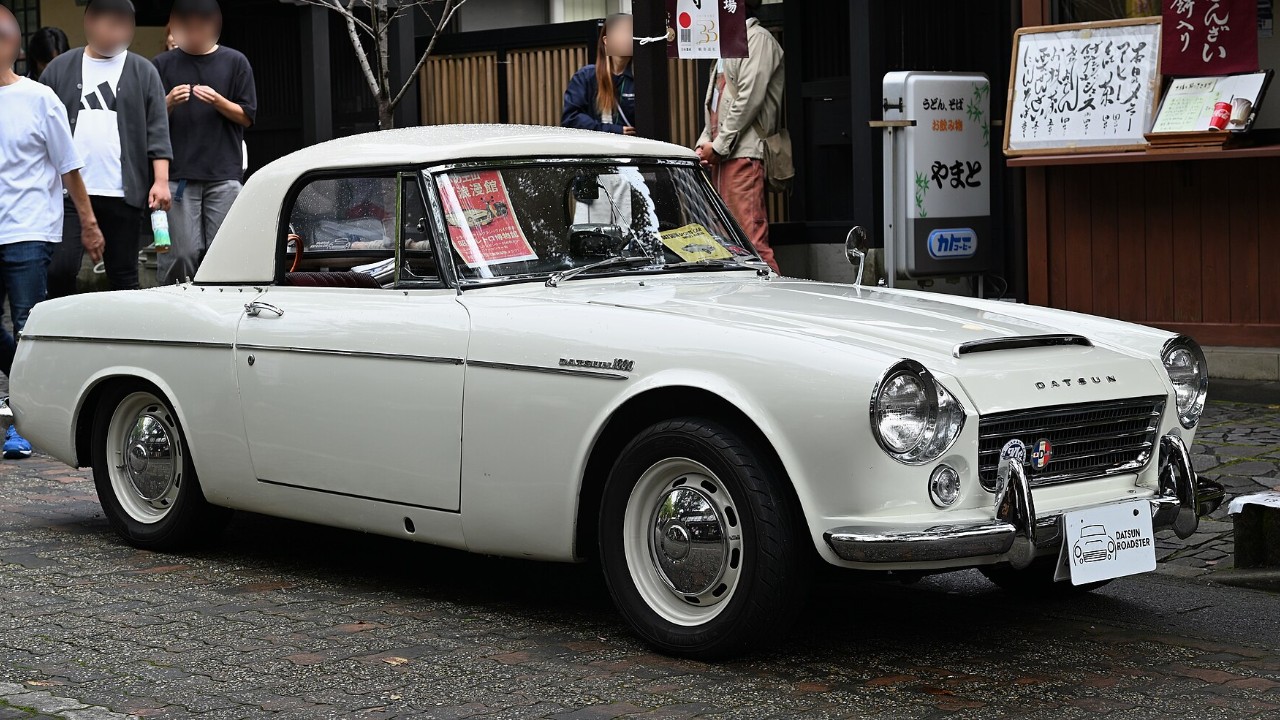
Long before the 240Z made Nissan a name in America, the Fairlady roadster was doing the groundwork. Nissan launched the Fairlady 1600, coded SP311, in May 1965. Export cars for North America wore the SPL311 code, with the steering wheel on the left.
Under the hood sat an R-type four-cylinder of 1,595 cc. Nissan’s heritage collection rates the export engine at 90 PS at 6,000 rpm. The gearbox was a four-speed with Porsche-type synchromesh on every gear, which was a real selling point then. Meanwhile, front disc brakes and double-wishbone front suspension gave it a modern feel for the price.
The 1600 also proved a point in racing. In May 1963, an earlier S310 Fairlady beat imported sports cars to win its class at the first Japan Grand Prix. That result set the tone for the cars that followed.
Our take: people overlook this Datsun because they lump it in with the MGB. Yet it offered full synchromesh and front discs, and it paved the way for the Z cars that followed. If you find a solid one, it is a far more interesting choice than the usual British roadster at a cars-and-coffee meet.
3. 1995 Suzuki Cappuccino
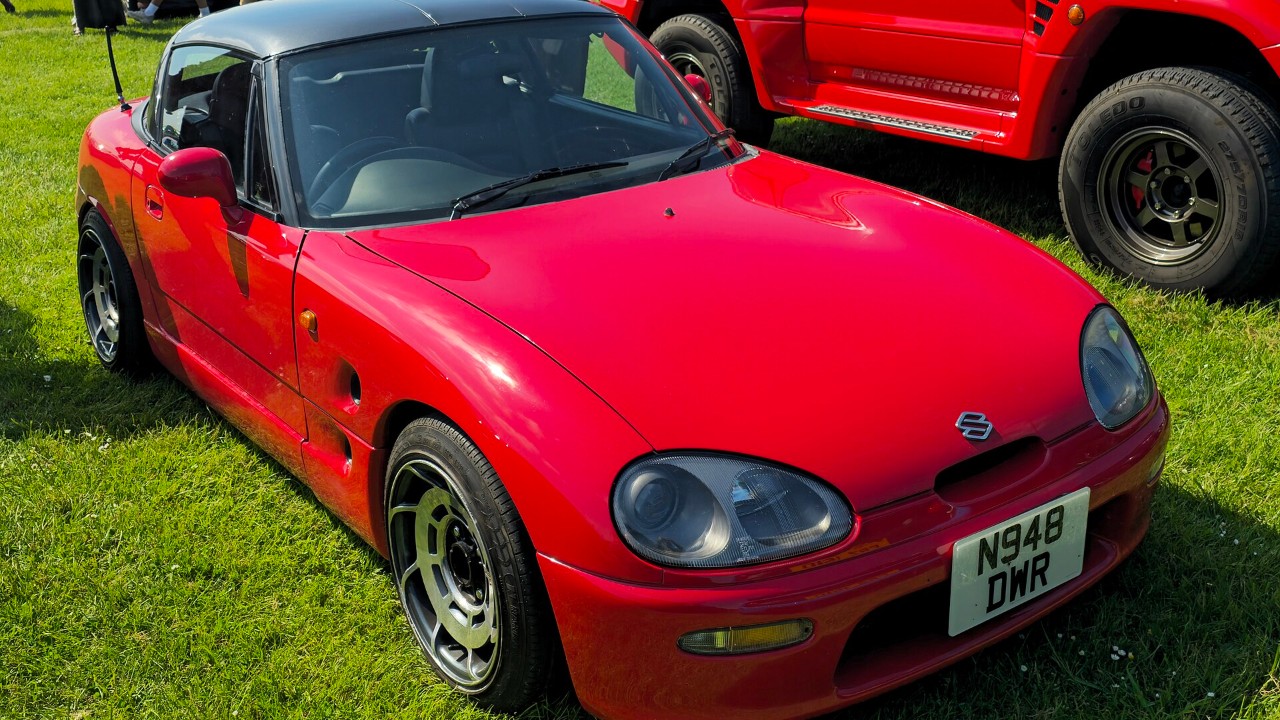
Japan’s kei-car rules cap engine size, so Suzuki built a tiny roadster that made the most of every cubic centimeter. The Cappuccino used a 657 cc turbocharged three-cylinder with twin cams and an intercooler. Suzuki claimed 64 PS at 6,500 rpm, a healthy figure for so small an engine.
The clever part was the roof. Three removable panels let you run it as a closed coupe, a T-top or a targa. Then, with the rear window and roll bar section lowered, it became a full convertible. Suzuki also claimed a 50/50 weight split with both seats filled, and curb weight was only 725 kg.
Most buyers were in Japan. In fact, 13,318 of the 15,113 cars built in 1991 and 1992 stayed at home. The UK did receive an official allocation, and 1,110 cars were registered there between 1993 and 1995.
In our view, the Cappuccino is the most fun you can have below 60 mph. It is not fast in a straight line. Instead, it rewards you for carrying speed through corners, much like a shrunken front-engine sports car from the 1960s. Since these cars are now well over 25 years old, buy the best-documented example you can find.
4. 1970 Porsche 914/6
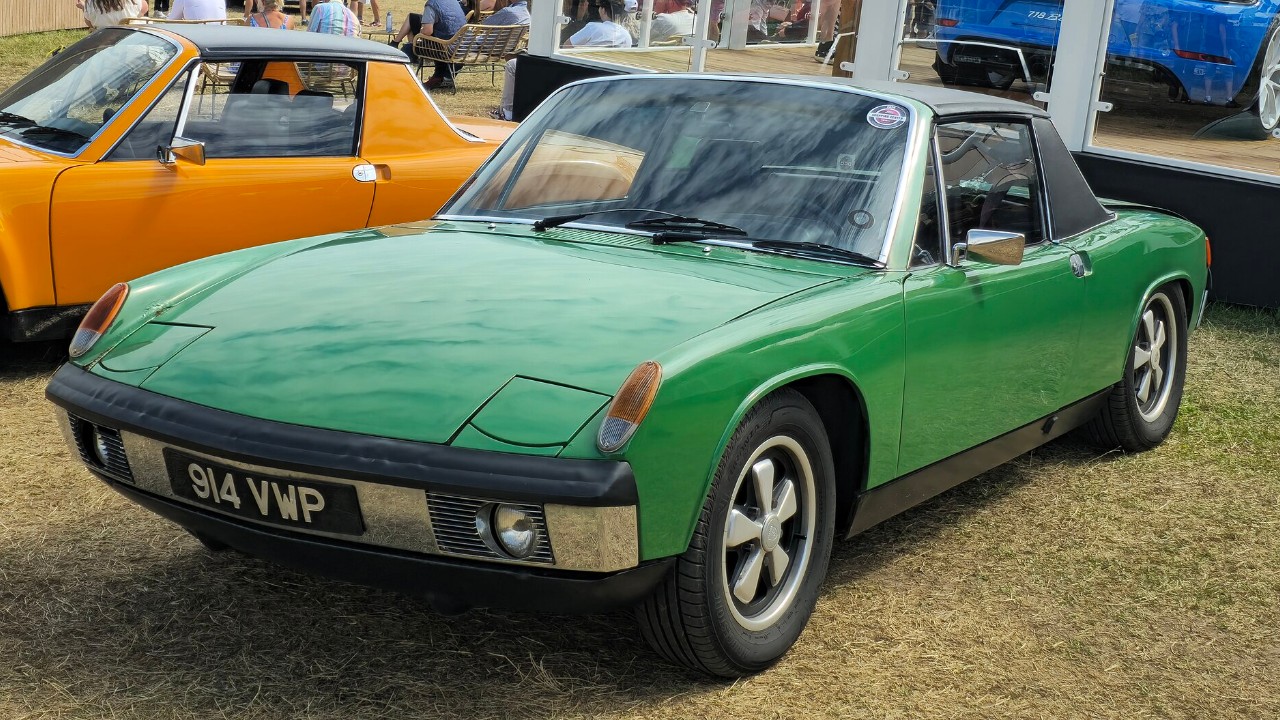
The Porsche 914 grew out of a deal with Volkswagen, and the four-cylinder version carries that reputation. The 914/6 is a different animal. It used the 1,991 cc air-cooled flat-six from the 1967 to 1969 911T, rated at 110 PS. That engine sat in the middle of the car, so the balance was excellent.
Pricing was the problem. Once the two companies settled the costs, the 914/6 ended up only a little cheaper than the 911T. That left it in an awkward spot. As a result, Porsche built only around 3,300 cars between 1970 and 1972, depending on which record you trust.
Racing gave the car its best moment. A 914/6 GT driven by Claude Ballot-Léna and Guy Chasseuil won the GTS class at the 1970 24 Hours of Le Mans. It finished sixth overall, a remarkable result for a car many people dismissed as a VW.
Critics missed what the six-cylinder car would become, as we covered in our look at how the 1970 Porsche 914-6 was judged at launch. Our take: if you want a vintage mid-engine Porsche without supercar money, this is the one to hunt down. Just verify the engine and chassis numbers before you buy, because the six-cylinder cars carry the premium.
5. 2007 Daihatsu Copen
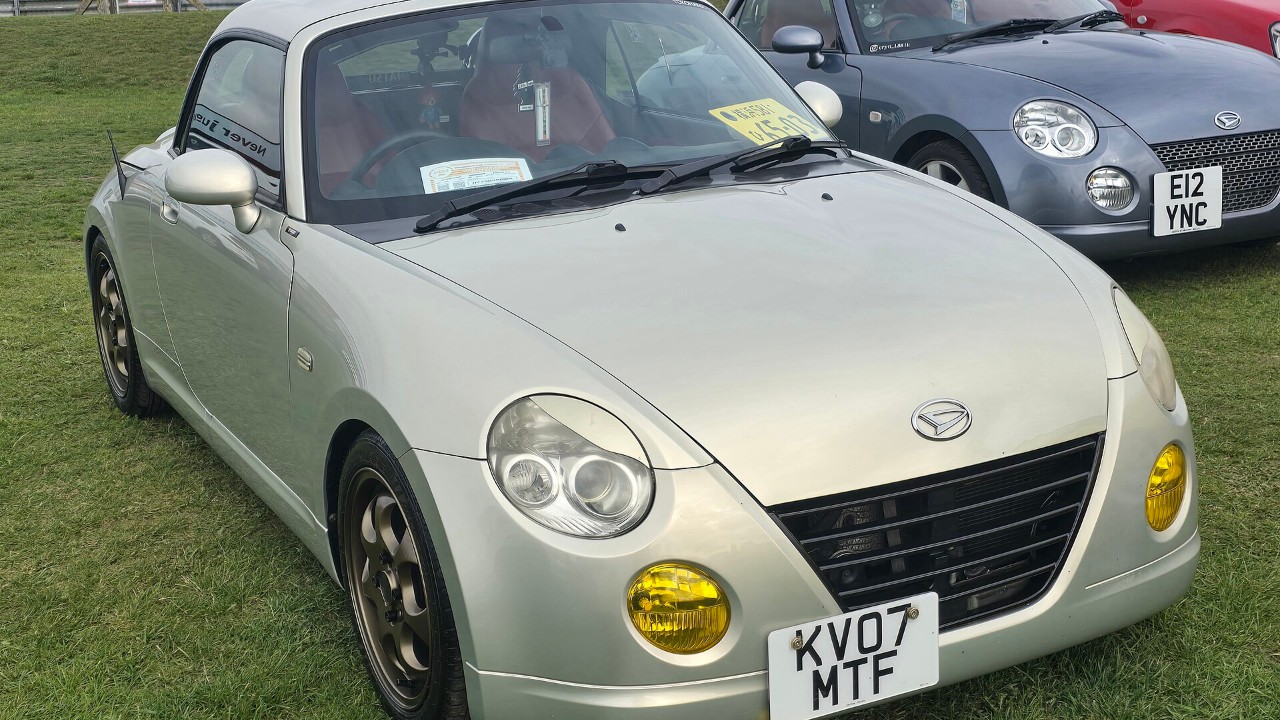
The Copen proved that a kei car could have a proper folding hardtop. Daihatsu called it the active top, a motorized hardtop that hid away behind the seats. The first-generation car went on sale in 2002 and stayed in production for a decade.
In Japan, the Copen used a 659 cc turbocharged four-cylinder rated at 64 PS. Daihatsu picked that small engine to meet Japan’s kei-car rules. Later, Daihatsu built a 1.3-liter naturally aspirated version for export markets. It also offered a detachable-top version, about 30 kg lighter, from June 2002 until mid-2007.
Daihatsu sold the right-hand-drive 660 cc car in Germany and some other European countries from 2003 to 2005. By the time first-generation production ended in 2012, Daihatsu had built more than 56,000. The final batch was a 500-unit 10th Anniversary Edition.
Our take: the Copen is a cartoon of a sports car in the best possible way. It looks like a toy, yet the steering is sharp and the roof works like a luxury car’s. If you import one, line up a specialist before you need one, because this is not a car your local shop will know.
6. Toyota Sports 800 (UP15)
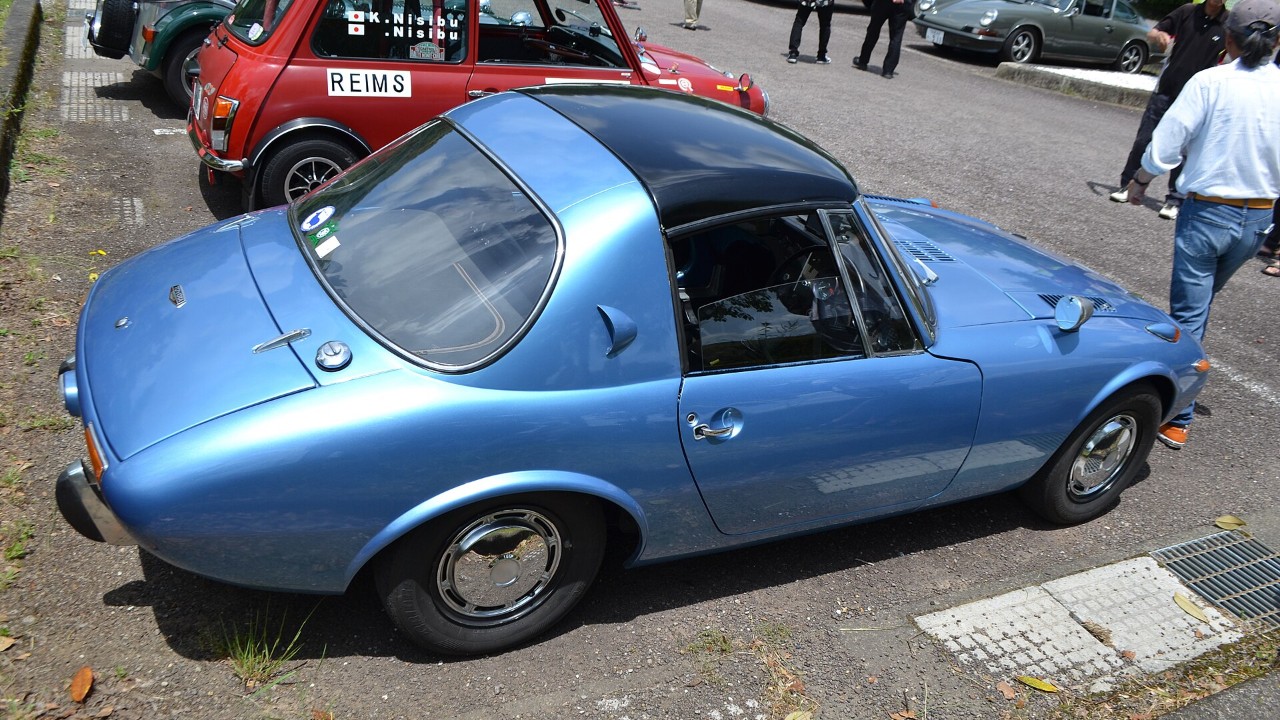
Most people think of the 2000GT when they hear the words Toyota sports car. Yet this small open two-seater reached buyers in 1965, and fans know it by its chassis code, UP15. Production ran from April 1965 to October 1969, and Toyota built around 3,131.
The engine was unusual for a car. It was a 790 cc air-cooled flat-twin, the same layout you would expect in a motorcycle, rated at 45 PS. Because the car weighed only 580 kg, that was enough for roughly 100 mph on a track. Shozo Sato, a designer on loan from Datsun, handled the styling.
The best detail is the roof. An aluminum top lifted out and stowed in the trunk, so the Sports 800 could run open or closed. That gave it the feel of a roadster with the weather protection of a coupe, which made sense for a car meant to be driven every day.
In our view, the UP15 is one of the great small-car stories from Japan. It used little power, little fuel and little metal, yet it was a true sports car. If you ever see one at a Japanese classic show, take a look at the engine bay, because it looks nothing like any other Toyota.
7. Saturn Sky Red Line
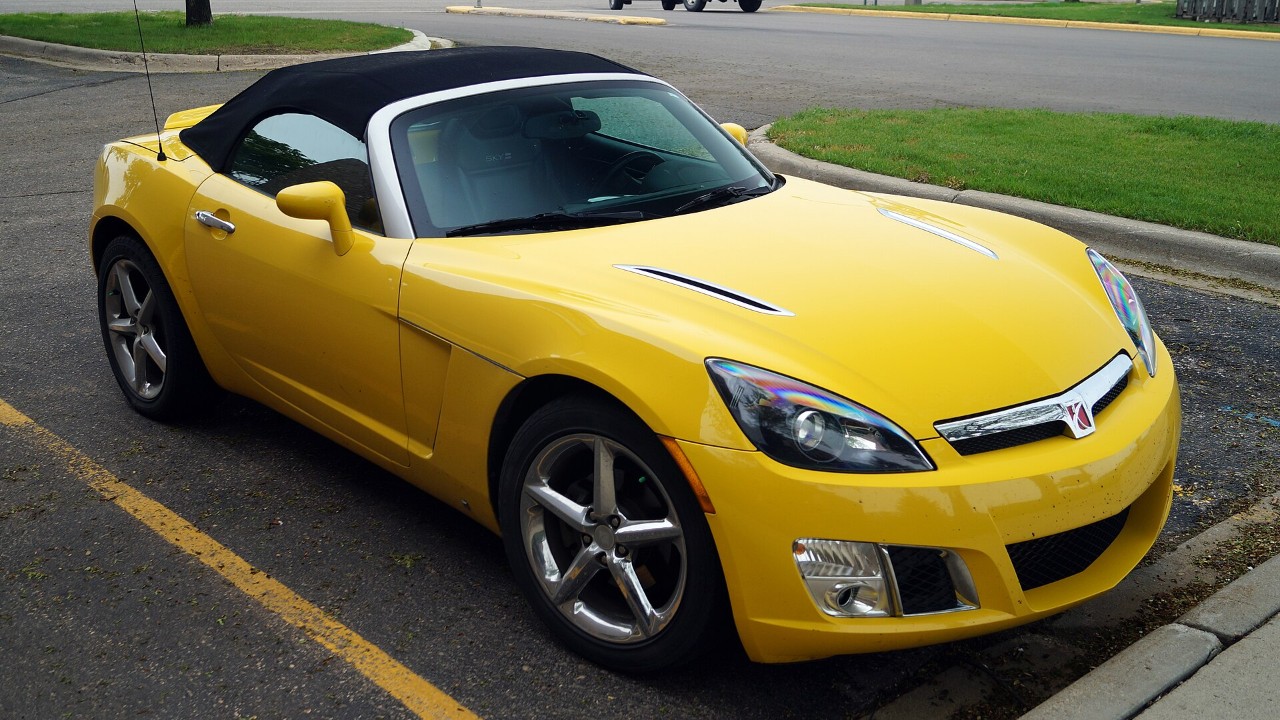
Saturn built economy cars for most of its life, so the Sky surprised everyone. The Red Line version arrived for 2007 with a 2.0-liter turbocharged, direct-injected four-cylinder. It made 260 horsepower and 260 lb-ft of torque, and the 0-to-60 mph run took about 5.2 seconds.
The Sky shared GM’s Kappa platform with the Pontiac Solstice and the Opel GT. All of them came from Wilmington Assembly in Delaware. The Saturn’s styling was cleaner than the Pontiac’s, in our opinion, with a sharp nose and a tidy tail that looks expensive even now.
Then the timing went wrong. GM’s financial crisis hit, and production at Wilmington ended in July 2009. Soon after, GM wound down the Saturn brand itself, which left the Sky as an orphan only a few years after launch.
Our take: the Red Line is one of the best performance bargains of its era, and it deserved a longer life. The trunk is tiny, and the soft top is fiddly. Even so, few roadsters of its price could match its pace. Look for a manual car, since the five-speed Aisin gearbox suits the turbo engine better than the optional automatic.
8. BMW Z3 M Roadster
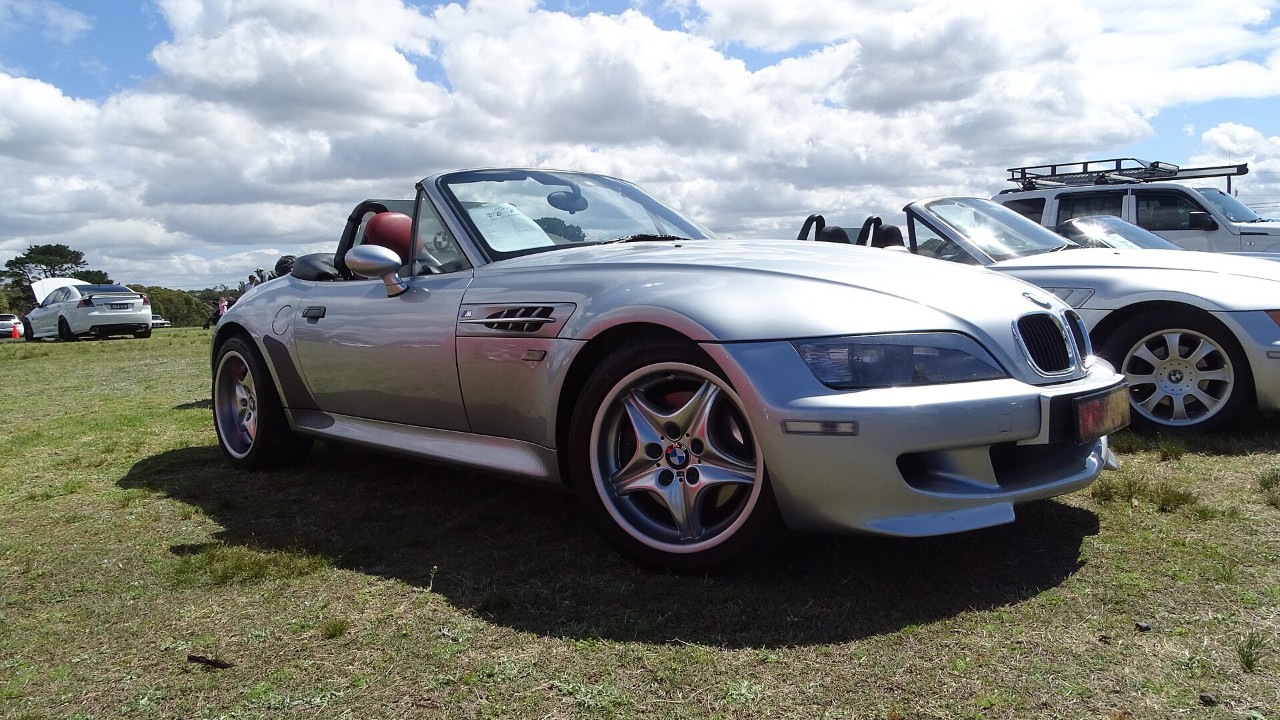
BMW’s M division took a friendly little roadster and gave it a straight-six with real teeth. The Z3 M Roadster arrived in the late 1990s. Early US cars used the S52 engine rated at 240 horsepower, while European cars got the S50 with 321 PS.
That split annoyed American buyers for years. However, the 2001 and 2002 cars closed the gap. Both markets switched to the S54 straight-six, rated at 315 horsepower for the US, with 251 lb-ft of torque at 4,900 rpm. Every car came with a five-speed manual, so there was no automatic to dilute the experience.
BMW assembled the Z3 in Greer, South Carolina, at its Spartanburg plant. That makes the M Roadster an American-built M car. That is a fun detail to know when you spot one.
In our view, the late S54 cars are the ones to chase if you can afford them. The earlier S52 cars cost less and deliver the classic M sound. Either way, get a full inspection from a BMW specialist, since any car this age has had a life.
9. 1987 Cadillac Allanté
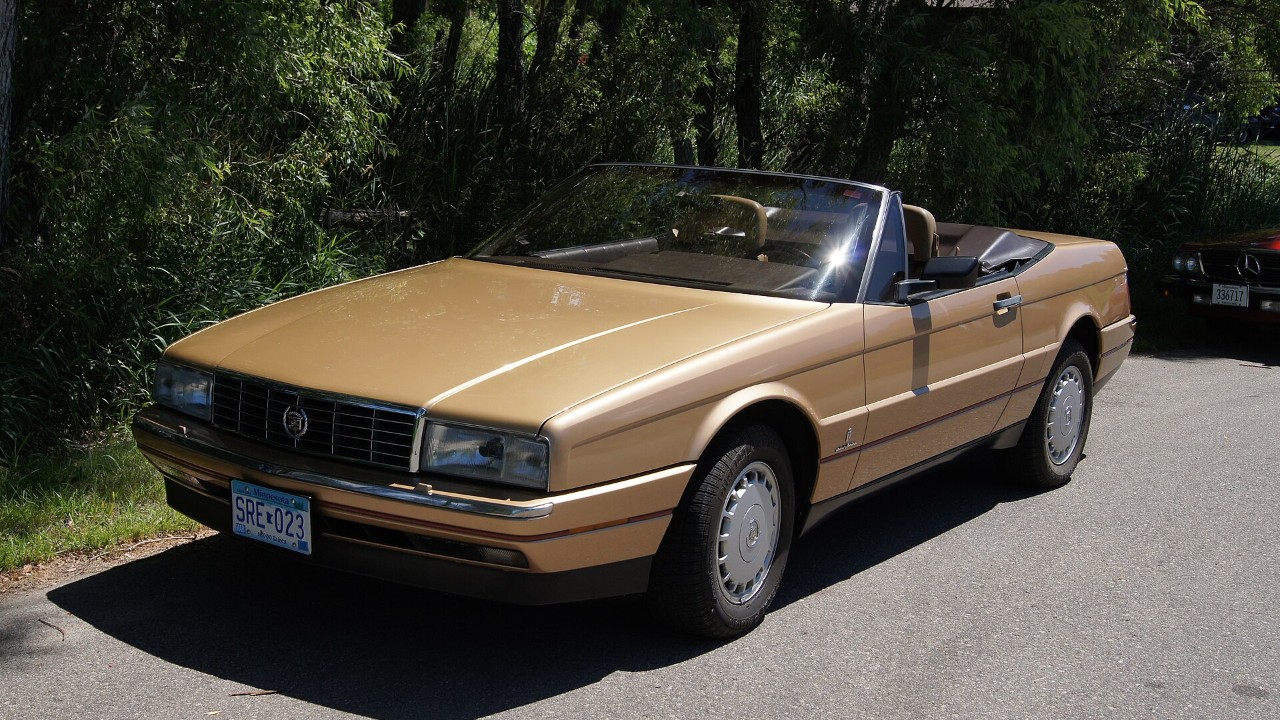
The Allanté had one of the strangest supply chains in car history. Pininfarina built the bodies at San Giorgio Canavese, near Turin. Then specially equipped Boeing 747s carried 56 bodies per flight to Detroit, where Cadillac finished the cars at its Hamtramck plant. Cadillac called the route the Allanté Air Bridge.
The first cars used a 4.1-liter V8 rated at 170 horsepower. That was modest for a car with a $54,700 base price in 1987. Cadillac built 3,363 Allantés for that first model year.
The story improved over time. By 1993, the final year, the car had the new 4.6-liter Northstar V8 with 295 horsepower. Moreover, an Allanté paced the 1992 Indianapolis 500 with Bobby Unser at the wheel. In all, Cadillac built 21,430 of them.
Our take: the Allanté deserves more credit than its reputation suggests. It was a bold attempt to beat Europe at its own game, and the Pininfarina shape has aged well. If you want one, the 1993 Northstar car is the pick, because it finally had the power the design always promised.
10. 2008 Honda S2000 CR
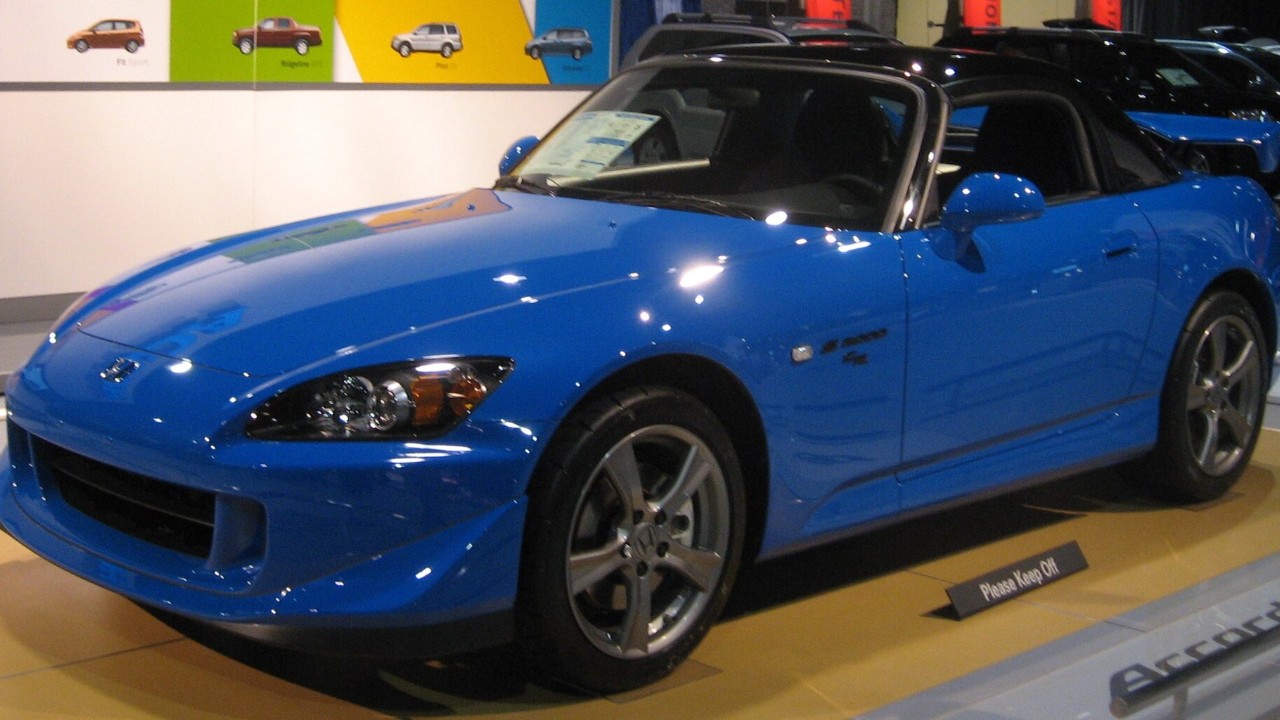
The S2000 was already a sharp tool, so Honda aimed its Club Racer version at people who wanted even more focus. The CR replaced the power soft top with an aluminum hardtop. According to Honda’s announcement, that and other changes saved about 90 pounds compared with the regular car.
Honda also fitted a full aero kit with large front and rear spoilers to cut lift at speed. Underneath, the CR got firmer springs and dampers, bigger stabilizer bars and a quicker steering ratio. Extra bracing filled the space where the soft top used to fold, so the body was stiffer too.
The engine stayed the same 2.2-liter VTEC four-cylinder. It made 237 horsepower at 7,800 rpm and revved to 8,000 rpm, which feels thrilling today. Air conditioning and the stereo became options, which tells you who Honda had in mind.
Honda built only 668 CRs for the 2008 model year, plus 31 for 2009. That small run explains why the Honda S2000 CR continues to climb in value. In our view, it is the last great analog Honda, and the low production makes it a sound long-term buy.
11. Chrysler Crossfire SRT-6 Roadster
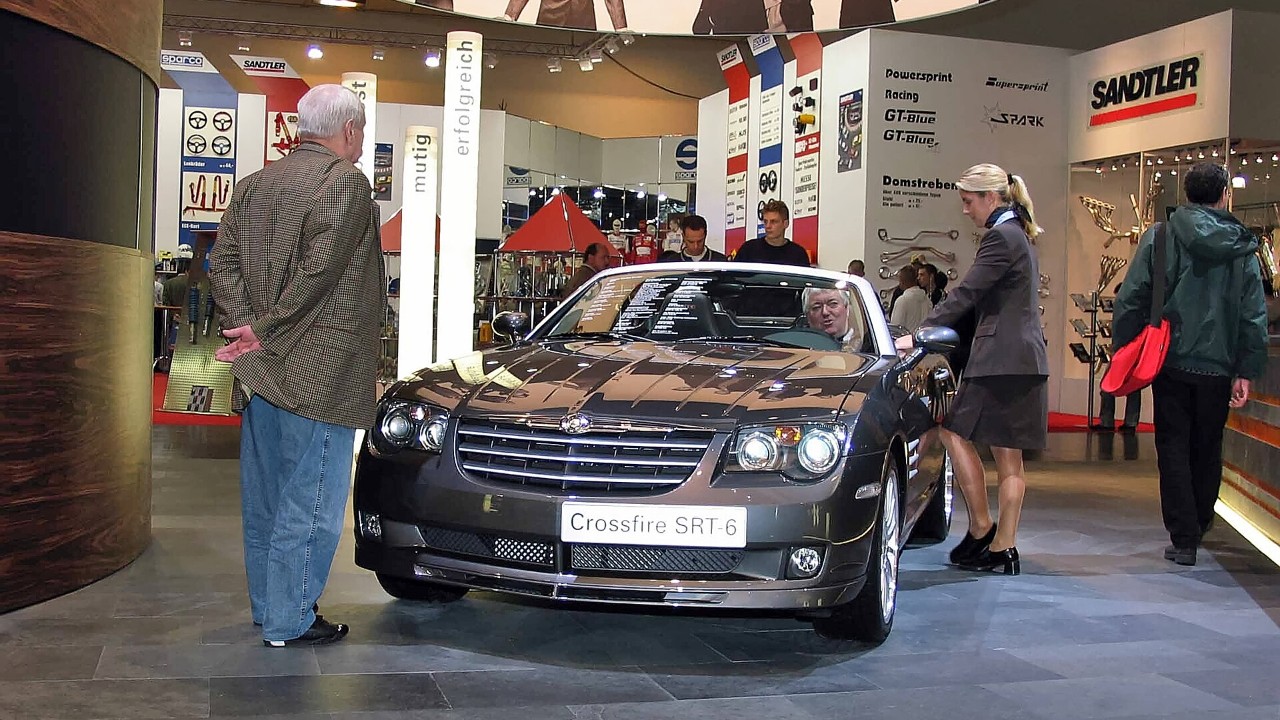
The Crossfire was a German car in an American suit. Karmann built it in Osnabrück, and much of the hardware came from the first-generation Mercedes SLK. The SRT-6 version went further, using the same drivetrain, suspension and brakes as the SLK 32 AMG.
That meant a supercharged 3.2-liter AMG V6 with 330 horsepower and 310 lb-ft of torque. The only gearbox was a five-speed automatic, which put off some enthusiasts. Even so, the car was very quick for its time, and the supercharger whine is part of the appeal.
The roadster version is the rare one. Chrysler built only 1,500 SRT-6 Roadsters for 2005 and 2006, counting both left- and right-hand-drive cars. Most of them, 1,321 in all, were left-hand-drive cars for markets like the US.
Our take: the Crossfire’s boat-tail styling still splits opinion, but the SRT-6 Roadster is one of the most interesting Chryslers of the 2000s. It is an AMG-engineered car wearing a Chrysler badge. Find one with service records for the supercharger and the automatic, and you will have a rare roadster few people at the show can identify.
12. Lotus Europa S2
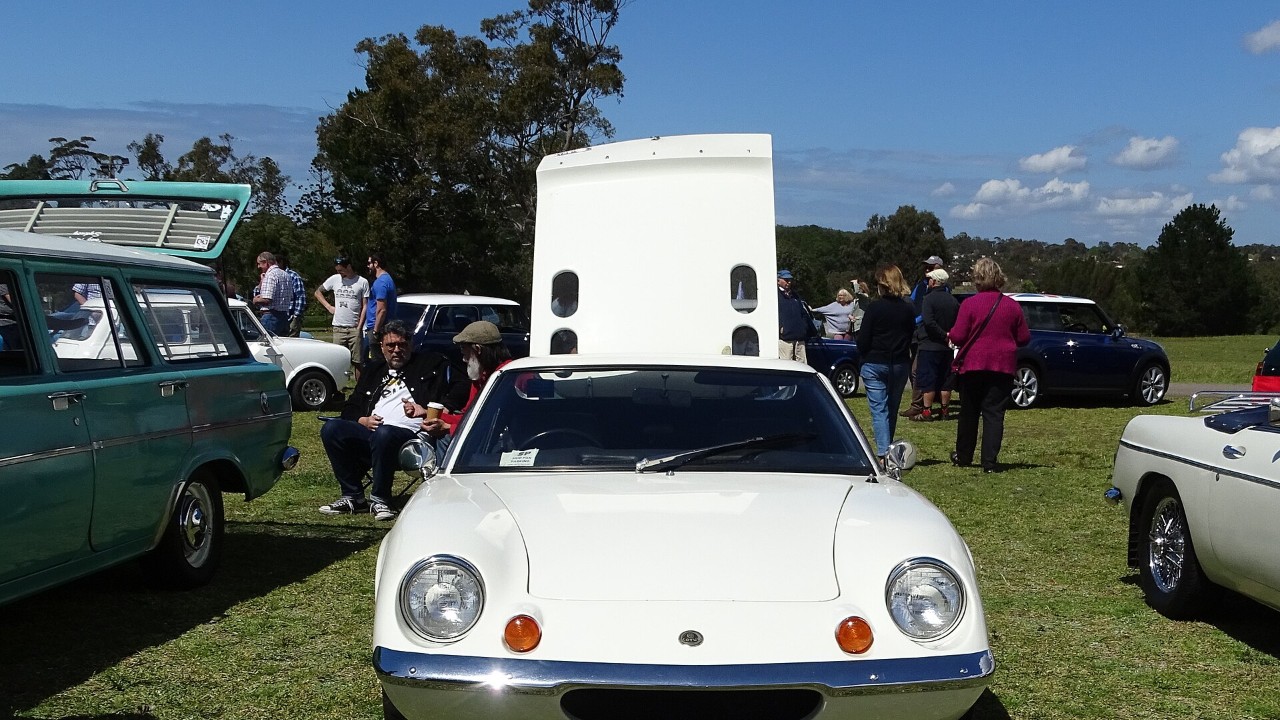
The Lotus Europa put the engine behind the driver at a time when few road cars did. In April 1968, the S2 arrived and fixed some of the first car’s quirks. The most important change was that the fiberglass body now bolted to the steel backbone chassis instead of being bonded to it, which made repairs far easier.
Power came from a 1,470 cc Renault four-cylinder tuned to 82 horsepower. That does not sound like much. Yet the Europa was low, light and slippery, so it felt quicker than the numbers suggest. Federal cars for America used a 1,565 cc Renault engine rated at 80 horsepower.
The Europa S2 is a coupe, not a roadster, but it is a strict two-seater with a cabin that wraps around you. Visibility to the rear is poor, and the cabin is snug. In our view, those quirks are part of the experience, since the car feels like a race car built for the road.
If you want one, find a car with a documented history and an owner who has used it. Lotus built 3,615 Europa S2s, a production run that keeps them rare enough to turn heads.
More from Fast Lane Only