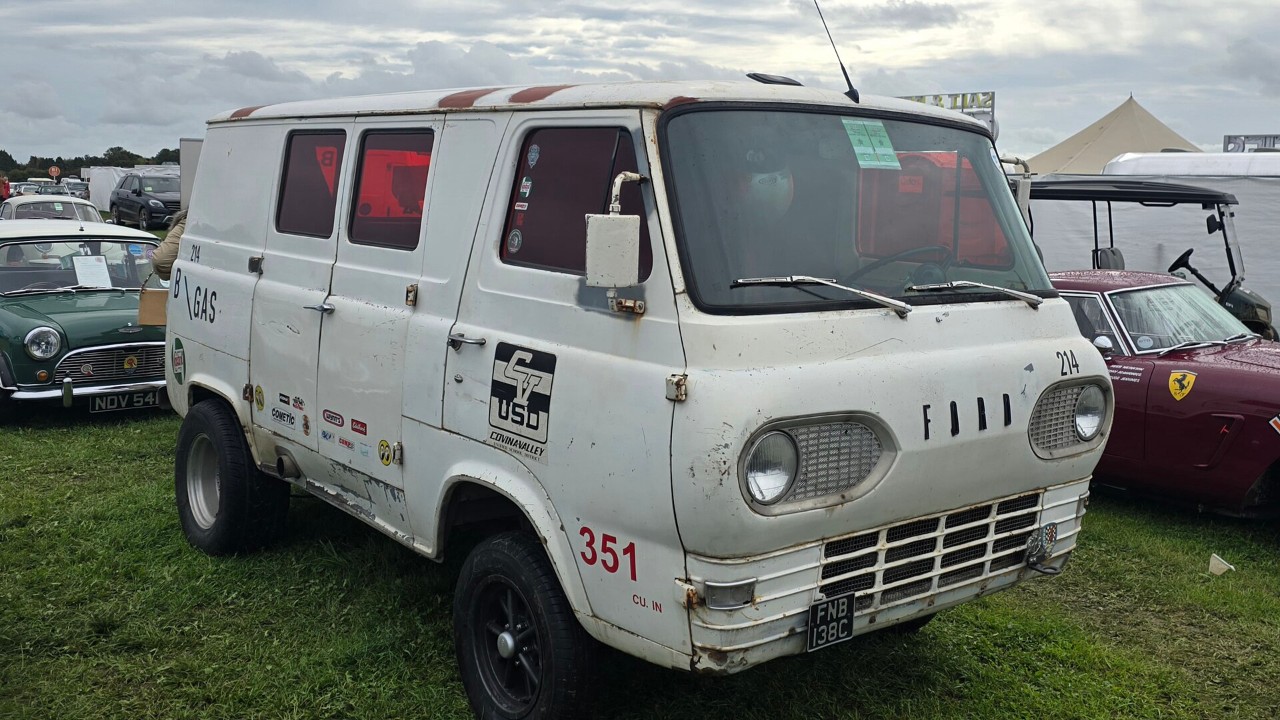
Ford sold 61,135 Econolines in 1961, the first year of a compact van built on the Falcon. That number tells you how badly Americans wanted a small, useful box on wheels, and the appetite never really went away.
Vans rarely win beauty contests. Yet the good ones seem able to haul families, tools, bikes and camping gear for decades, and we understand anyone who keeps one until the wheels fall off. Some are clever engineering in disguise, while others are simple machines that refuse to quit.
These are our picks, seven vans we’d refuse to give up. The choices and verdicts are our opinion. The years, engines and production figures behind them come from the references we read for this story.
1. 1963 Ford Econoline van
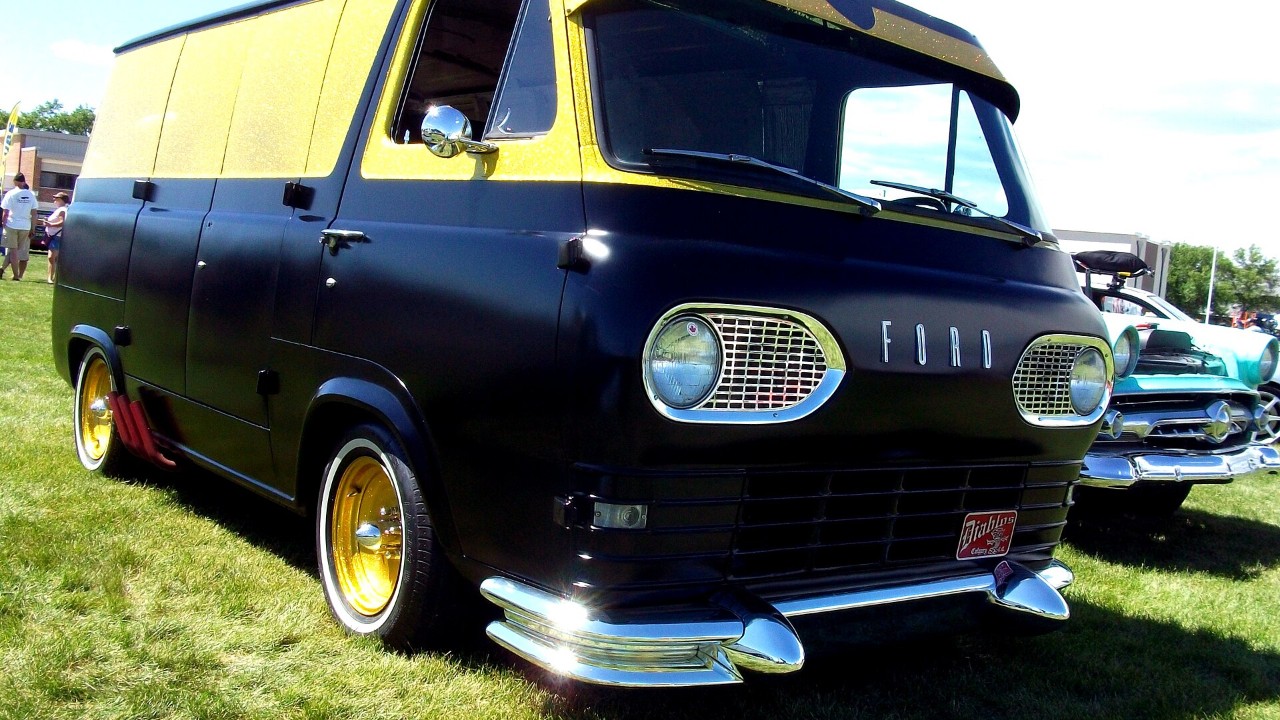
Our photo shows a 1963 from the first generation. Ford released the Econoline on September 21, 1960, as a 1961 model. It rode on the Falcon’s 90-inch wheelbase and used the compact car’s 144-cubic-inch six, rated at 85 horsepower. The forward-control layout put the driver right over the front wheels, so almost the whole length went to cargo.
Its rivals, the Volkswagen Transporter and Chevrolet Corvair 95, used rear-mounted, air-cooled engines. Ford went the other way. According to The Truth About Cars, the engine sat further forward than in those rivals, which gave the Ford Econoline a low, flat cargo floor. The van could also carry up to 1,650 pounds.
Buyers clearly liked the formula. Production climbed from 61,135 in 1961 to 88,053 in 1963, and Ford also offered passenger versions called the Station Bus and Club Wagon.
Our take: the first Ford Econoline is the van we’d keep for its honesty. It is small enough to park, simple enough to fix in a driveway and roomy enough to make every errand easy. If you shop for one, check the floor and lower body closely, because these vans spent their lives working.
2. Dodge A100 van
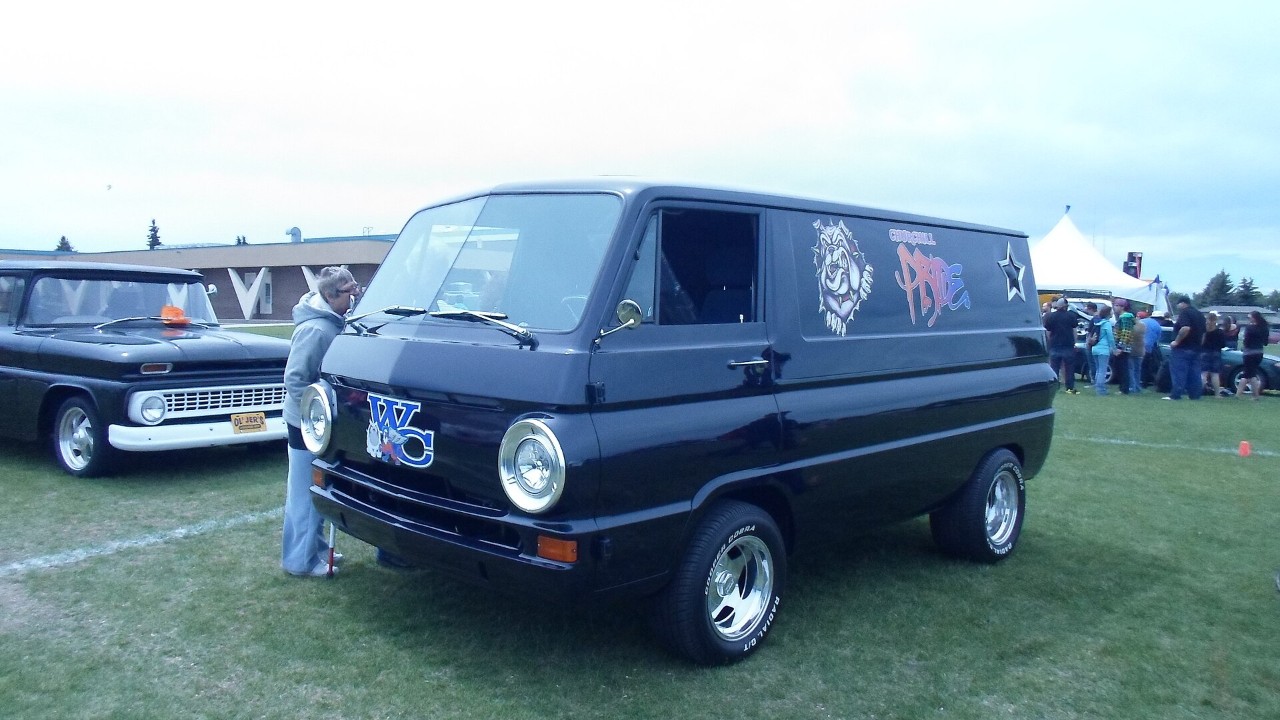
Chrysler built the A100 from 1964 to 1970, and it shared the cab-forward idea with the Econoline. The driver sat over the front axle, while the engine lived between the front seats. That arrangement kept the van short at 90 inches of wheelbase. North of the border, Chrysler sold the same vehicle as the Fargo.
The A100 also gave buyers a real choice of engines. Dodge offered slant-six engines of 170 and 225 cubic inches, plus V8s of 273 and 318 cubic inches. Meanwhile, the longer 108-inch A108 arrived for 1967 and became popular with camper conversion companies.
The most famous A100 was not a van at all. The Little Red Wagon, a heavily modified, Hemi-powered A100 pickup, performed wheelstanding shows at drag strips from the 1960s into the 2000s. For more boxy haulers in the same spirit, see our vintage panel vans that need a comeback.
In our view, a V8 A100 is the hot rod of 1960s vans. It is compact, tough and endlessly customizable, and we’d happily live with the engine noise in the cabin for that character.
3. 1962 Chevrolet Corvair Greenbrier
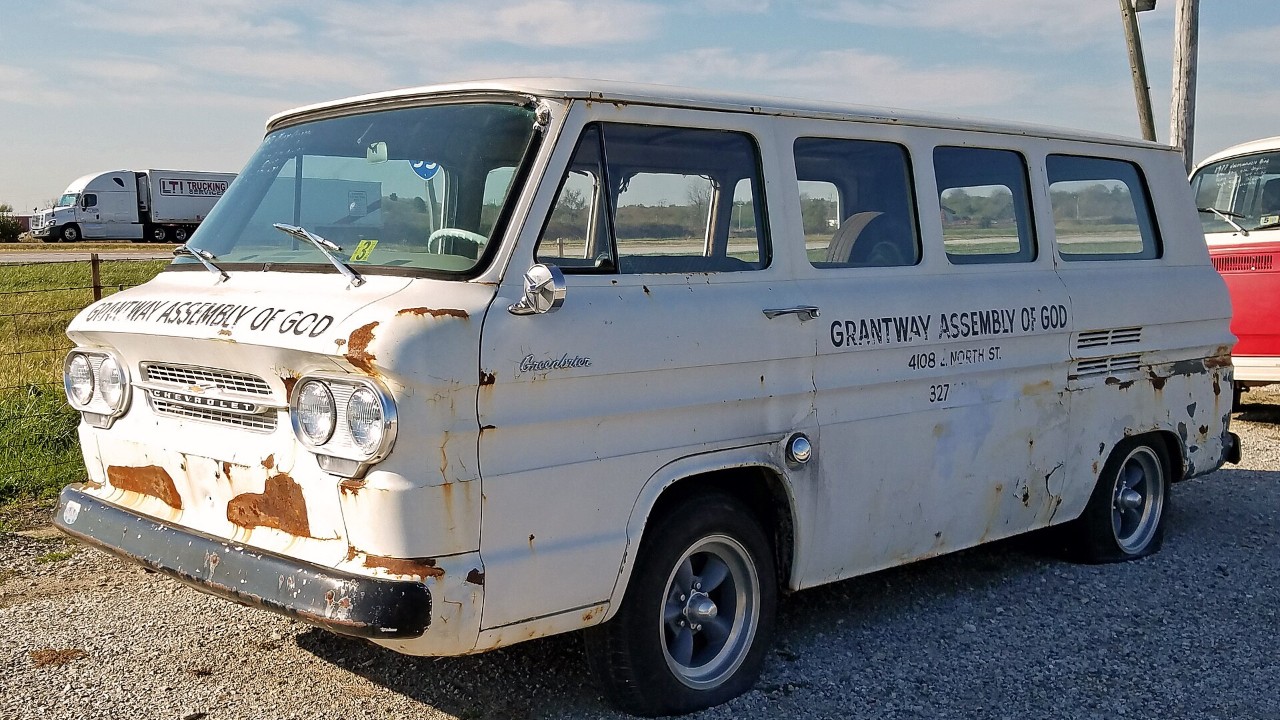
Chevrolet answered Volkswagen directly with the Corvair 95 line of light trucks and vans, built from 1961 to 1965. These used the Corvair’s rear-mounted, air-cooled powerpack in a forward-control body. As a result, the driver sat over the front wheels and the engine stayed out of the way at the back.
The Greenbrier Sportswagon was the passenger version. It shared its body with the Corvan 95 panel van with side windows, but Chevrolet marketed it as a station wagon. It came with trim and paint choices much like those on the Corvair cars.
By 1965, Chevrolet kept the Greenbrier mainly for fleet orders, and it built just 1,528 that final year. In other words, the passenger version had a short life, which makes a tidy early example like this 1962 a rare sight.
Our take: we’d hang on to a Greenbrier because nothing else from Detroit looks or sounds like it. It feels like a Corvair that went to summer camp. Before you buy, have a Corvair specialist look over the air-cooled engine, because it shares little with any other Chevy.
4. 1991 Toyota Previa
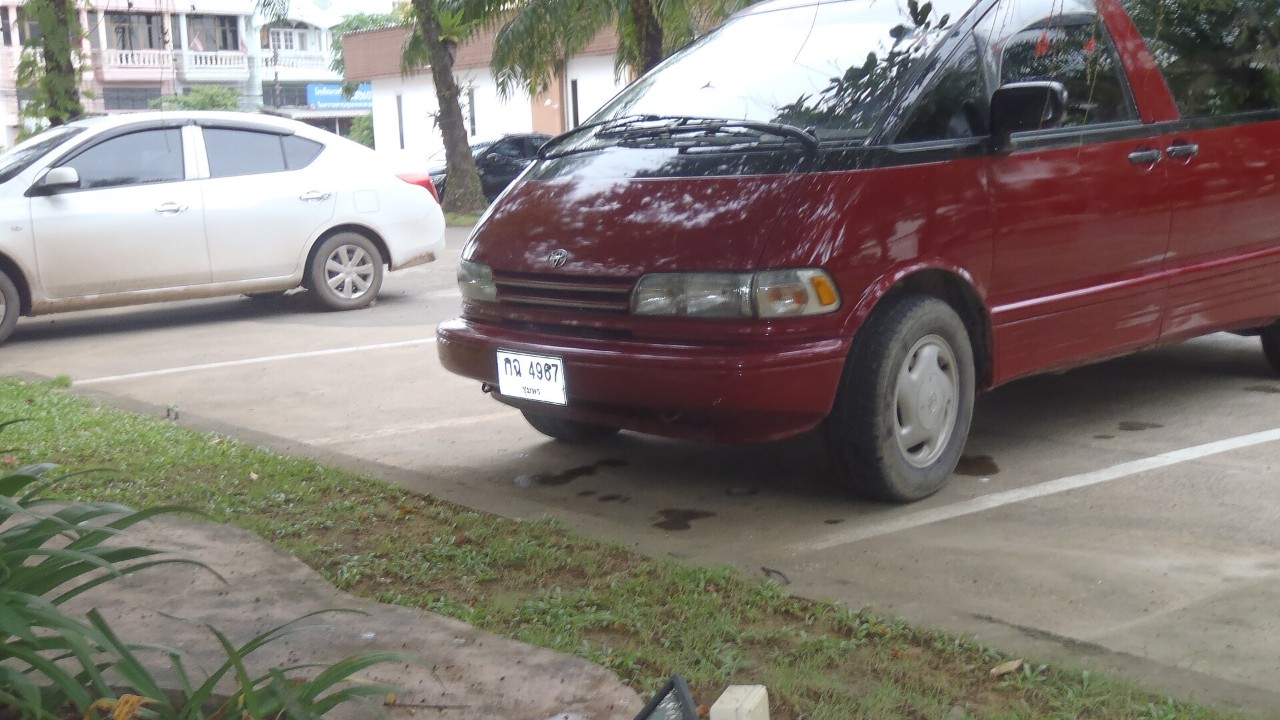
Toyota introduced the Previa in January 1990, and U.S. sales began that March for the 1991 model year. Its layout was unlike any minivan in America. The 2.4-liter 2TZ-FE four-cylinder lay almost flat beneath the front seats, tilted about 75 degrees from vertical, and drove the rear wheels. In standard form, it made 133 horsepower.
Later, Toyota added an optional supercharger for the 1994 model year. The Drive notes the boosted twin-cam made 158 horsepower, and it featured a 1991 Previa that had covered about 300,000 miles. All-Trac versions also offered four-wheel drive with a viscous-coupled center differential.
Owners nicknamed it the “egg” for its rounded shape. Toyota sold it in the U.S. until 1997, when the front-wheel-drive Sienna took its place. Even so, its odd shape and clever packaging have aged better than many of its rivals, in our eyes.
In our view, the Previa is the most clever van on this list. It is a mid-engine, rear-drive people mover with Toyota durability. If you want one, look for an All-Trac with service records, and budget for access to that tucked-away engine.
5. Mitsubishi Delica III 4WD
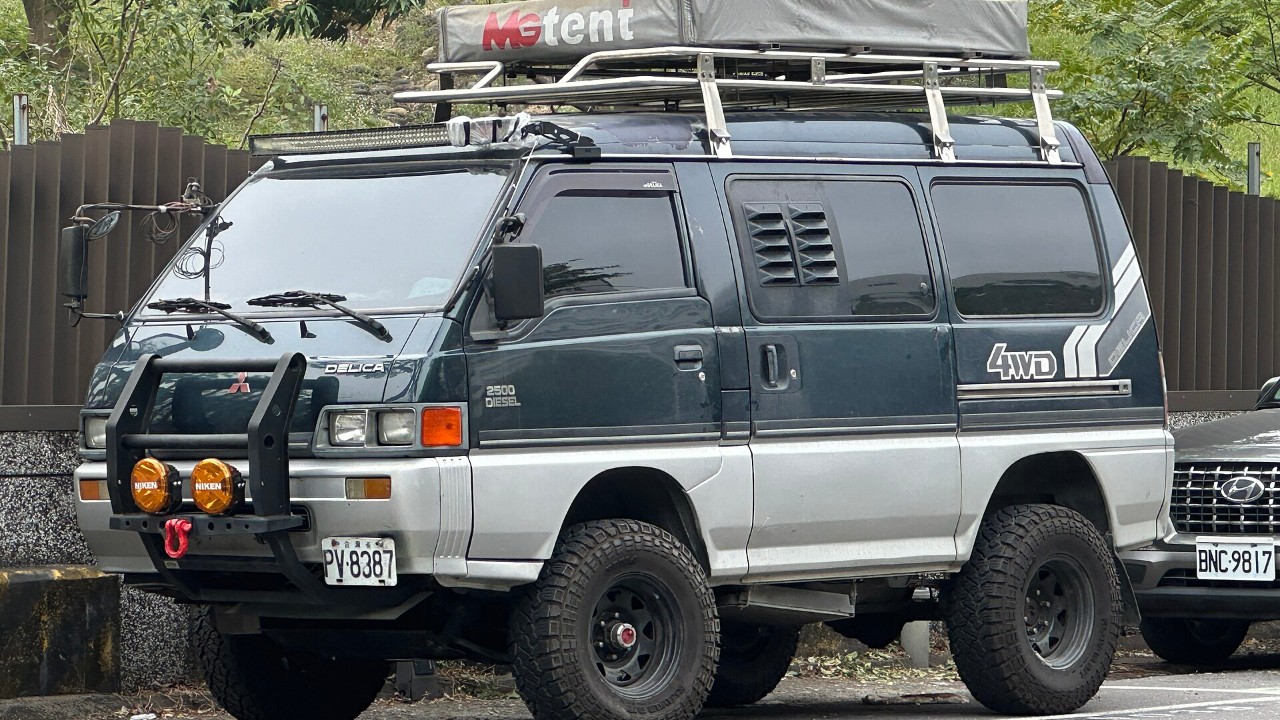
The third-generation Mitsubishi Delica ran from 1986 to 1999, and its four-wheel-drive version is the one enthusiasts hunt. Its 4WD chassis came from the Pajero, Mitsubishi’s off-roader. That gives this boxy van real trail ability, not just a badge.
Mitsubishi sold passenger models as the Delica Star Wagon, and engines ranged from small gasoline fours to a 2.5-liter diesel and turbodiesel. Mitsubishi also sold the van far beyond Japan. It reached Australia as the Starwagon, and the U.S. got it from 1987 to 1990 as the Wagon and Van. It also wore other badges, including Hyundai Grace in South Korea and Dodge 1000 in Mexico.
That go-anywhere ability makes it a natural, practical fit for the van-life crowd. Our look at camper vans and van life culture shows why rugged, roomy vans like this one keep gaining fans.
Our take: the Delica is our pick for weekends that finish at the end of a dirt road. Before you import one, check your state’s registration rules and look hard for rust underneath, since these vans are now decades old.
6. Second-generation Chevrolet Astro
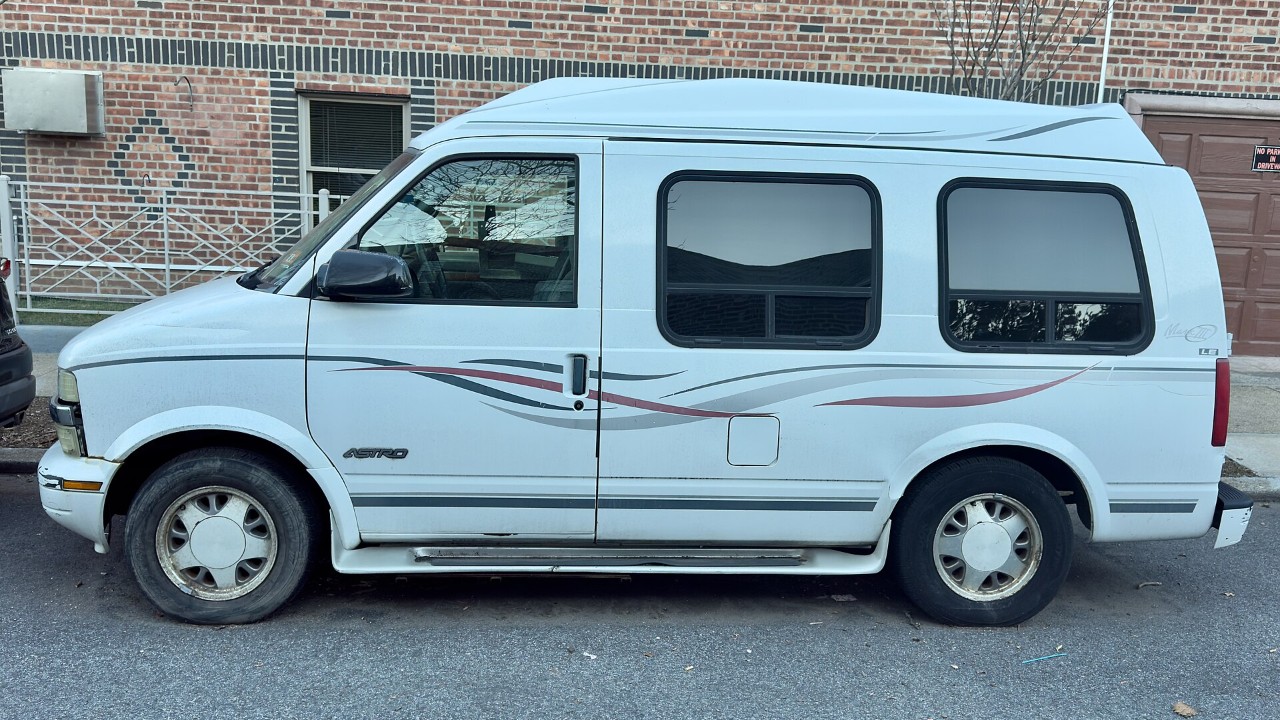
Chevrolet redesigned the Astro for 1995, and the second generation ran until May 13, 2005. Every Astro and its GMC Safari twin came from Baltimore Assembly in Maryland. In fact, those vans were the plant’s final model line.
The Astro used rear-wheel drive, with all-wheel drive available. That truck-style layout let the Astro and Safari tow up to 5,500 pounds. Because of that, it makes as much sense for a contractor as for a family with a camper.
The numbers show how many people agreed. Across both generations, about 3.2 million Astros and Safaris rolled out between 1985 and 2005. Falling sales and the cost of meeting 2005 safety standards finally ended production. In our view, nothing Chevrolet has built since fills quite the same slot.
In our view, the second-generation Astro is the one we’d hold on to for work. It tows like a truck, carries like a van and parks in a normal garage. We also like how little it pretends, since the square body makes the most of every inch. If you shop for one, favor a well-kept AWD example with towing records, and inspect the front suspension and brakes.
7. 1983 Chevrolet Beauville van
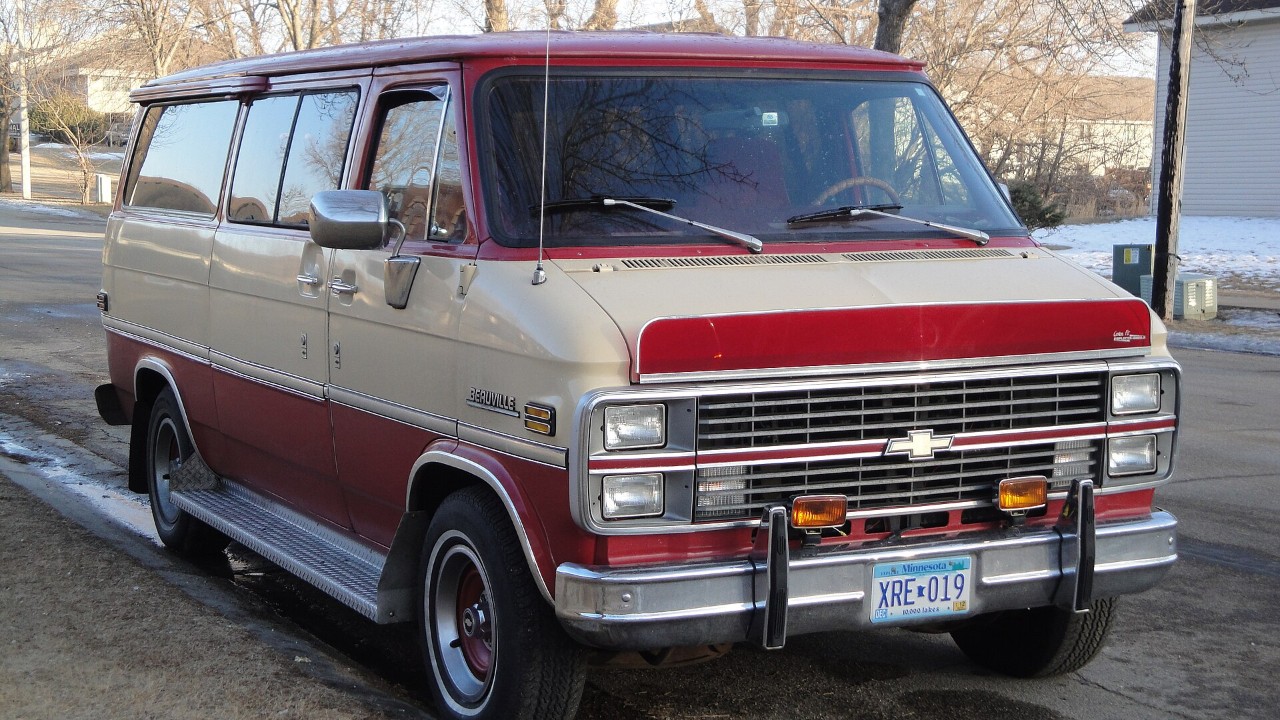
The third-generation Chevy Van arrived in April 1970 as a 1971 model, and it lasted until June 1996. Unlike the earlier forward-control vans, it moved the engine ahead of the driver and added a short hood. Beauville was the top passenger trim, with nicer seats and interior trim than the Sportvan.
The 1983 model brings its own details. That year, Chevrolet redesigned the grille with a horizontally split pattern and made rectangular headlamps standard. Buyers could choose from a long list of engines across the run, including the 305 V8 from 1976 and a 6.2-liter diesel V8 from 1982.
These vans also became rolling canvases. Outfitters turned the cargo model into countless conversion vans, and the 1975 Sammy Johns song “Chevy Van” made the whole idea famous. Our list of ’70s vans that became cultural icons covers that era in more depth.
Our take: a Beauville is the van we’d never sell because it does everything. It seats a crowd, tows a boat and still looks right with a set of mag wheels. Before you buy, check the frame and rocker panels, and confirm which engine and transmission the van carries.
More from Fast Lane Only