The 1954 Kaiser Manhattan is a quintessential example of mid-20th-century American automotive ingenuity. Known for its unique design and advanced features, this classic car holds a special place in automotive history. Here are eight intriguing facts that highlight what makes the Kaiser Manhattan a standout in the world of vintage cars.
Distinctive Styling and Design Features
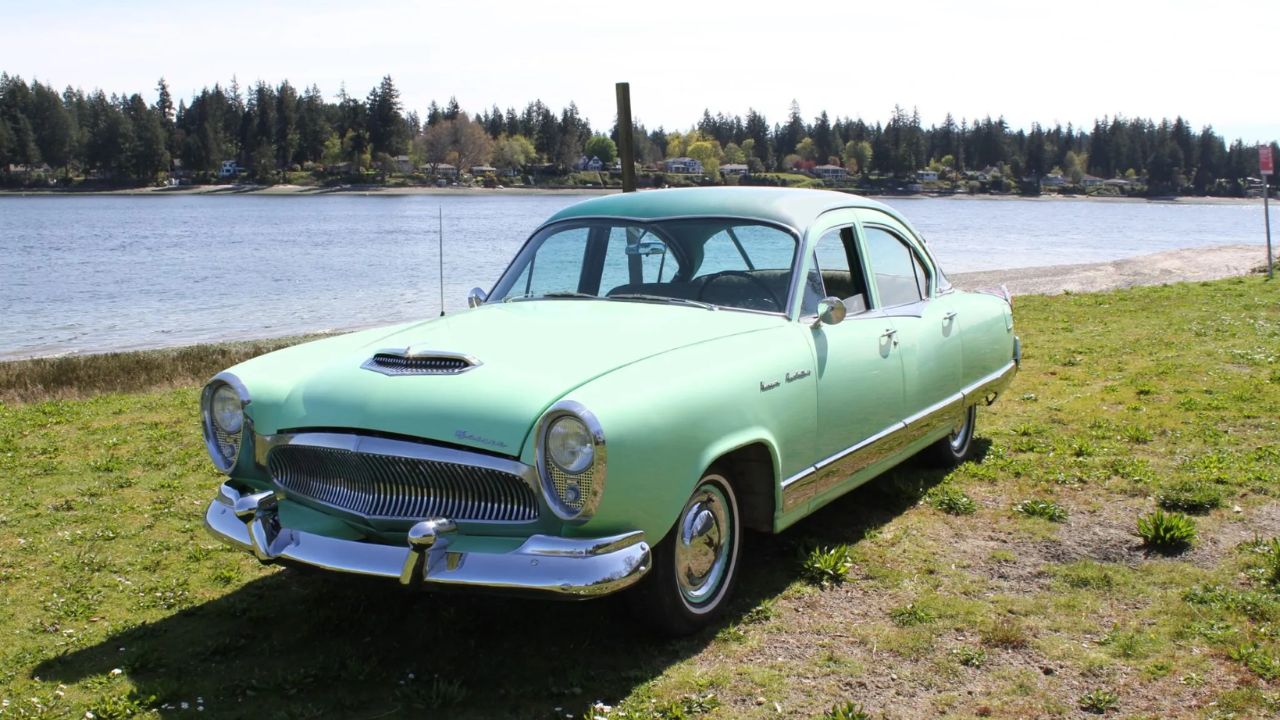
The 1954 Kaiser Manhattan boasted a stylish and sleek exterior that set it apart from its contemporaries. With its aerodynamic lines and wraparound windshield, it captured the essence of futuristic design. The vehicle’s two-tone paint options further accentuated its appeal, making it an attractive choice for those seeking a car with both flair and function.
Inside, the Manhattan offered a spacious and luxurious cabin that was ahead of its time. Plush upholstery and chrome accents provided a touch of elegance, while the intuitive dashboard layout ensured ease of use. This blend of style and comfort made the Kaiser Manhattan a favorite among discerning drivers.
Unique Engineering and Performance

Under the hood, the 1954 Kaiser Manhattan featured a Supercharged 226 CID inline-six engine, which delivered impressive performance for its era. This engine was known for its reliability and smooth operation, making the Manhattan a joy to drive. Its innovative engineering allowed for efficient fuel consumption, a notable achievement in the 1950s.
The car’s suspension system provided a comfortable ride, while its responsive steering made it easy to handle on both city streets and open highways. These performance attributes contributed to the Manhattan’s reputation as a well-rounded vehicle that could meet the demands of various driving conditions.
The Role of Henry J. Kaiser in the Automotive Industry
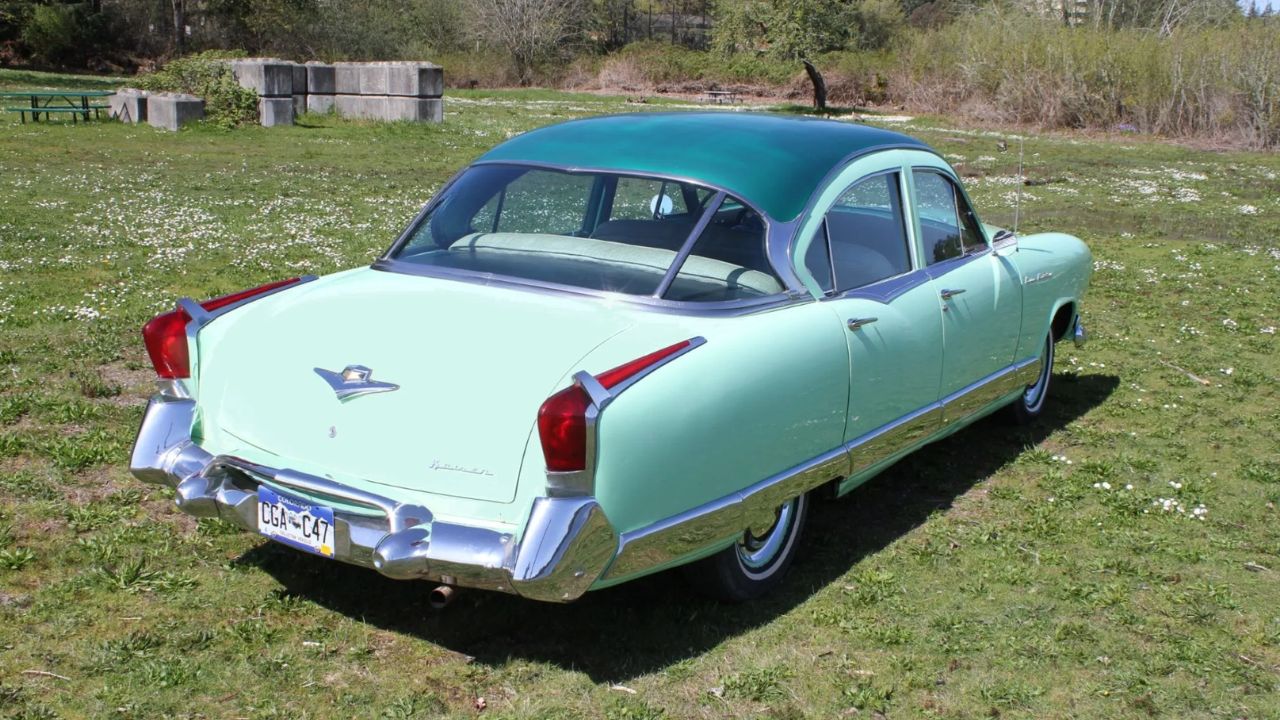
Henry J. Kaiser, an industrialist with a diverse business portfolio, played a significant role in the automotive industry during the mid-20th century. Known for his ambitious ventures, Kaiser brought innovative production techniques from his shipbuilding background to car manufacturing, aiming to revolutionize the industry.
His commitment to quality and innovation helped shape the development of the Kaiser Manhattan. Despite challenges, Kaiser’s vision and determination left a lasting impact on automotive design and production, influencing future generations of car builders.
Limited Production and Rarity
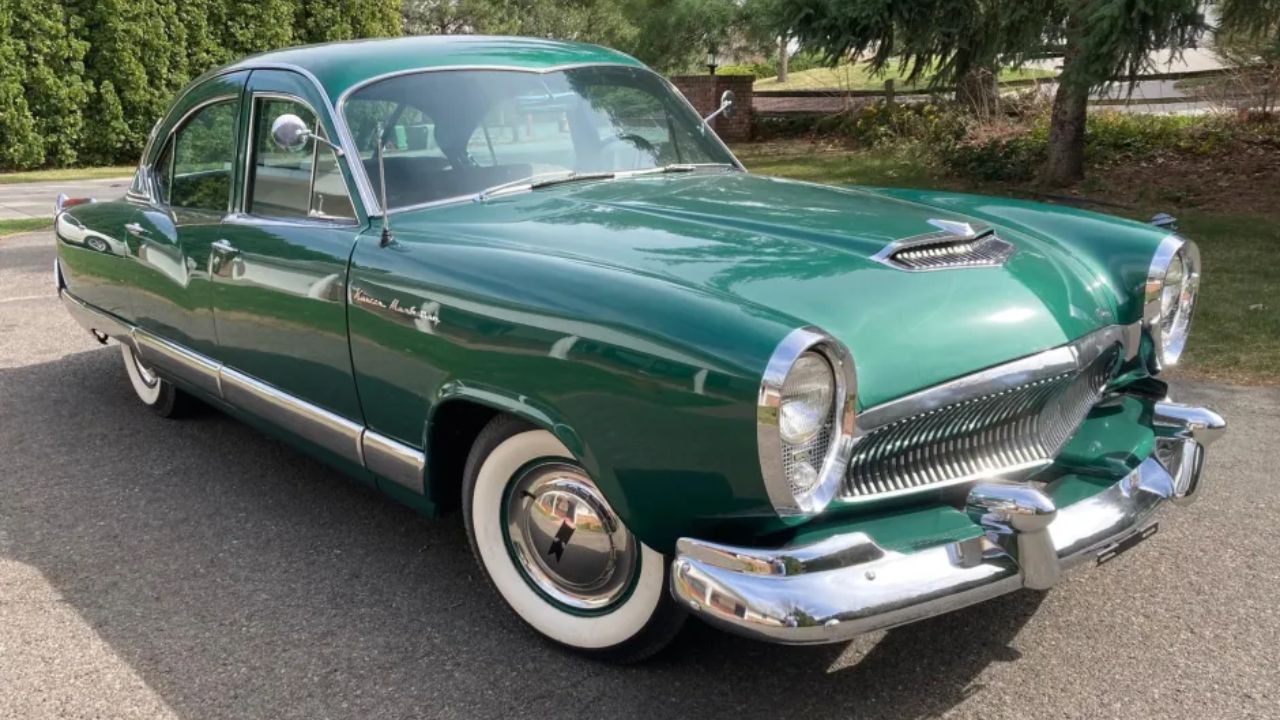
The 1954 Kaiser Manhattan was produced in limited numbers, contributing to its rarity and desirability among collectors today. With just a few thousand units manufactured, finding a well-preserved example can be a challenge, adding to its allure among classic car enthusiasts.
This scarcity enhances the Manhattan’s value, as collectors often seek out rare models to add to their collections. Owning a Kaiser Manhattan not only offers a glimpse into automotive history but also provides a sense of exclusivity due to its limited availability.
Innovations Ahead of Its Time
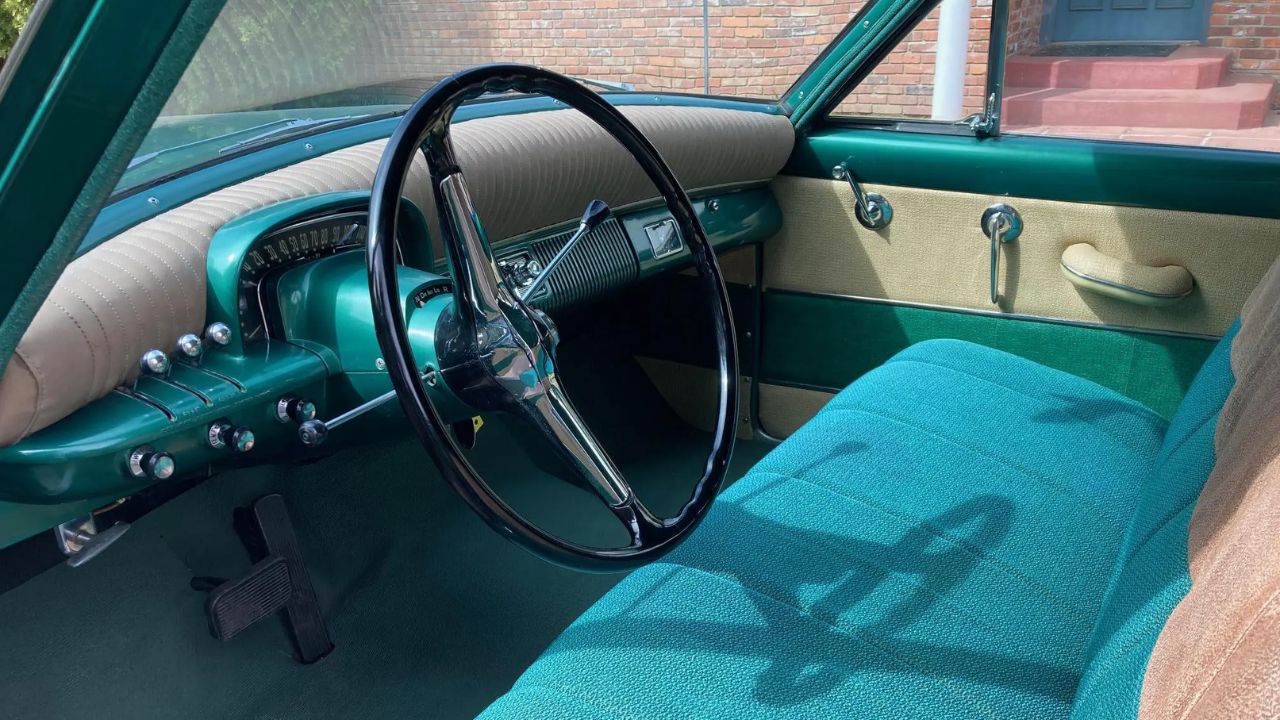
The Kaiser Manhattan was equipped with several innovations that were considered advanced for its time. Features such as power steering and a sophisticated heating system were rare in the 1950s but came standard in the Manhattan, enhancing the driving experience.
Additionally, the car’s safety features, including a padded dashboard and improved visibility, demonstrated Kaiser’s commitment to driver and passenger safety. These forward-thinking design elements set a precedent for future automotive developments and underscored the Manhattan’s progressive nature.
Collectibility and Current Market Value
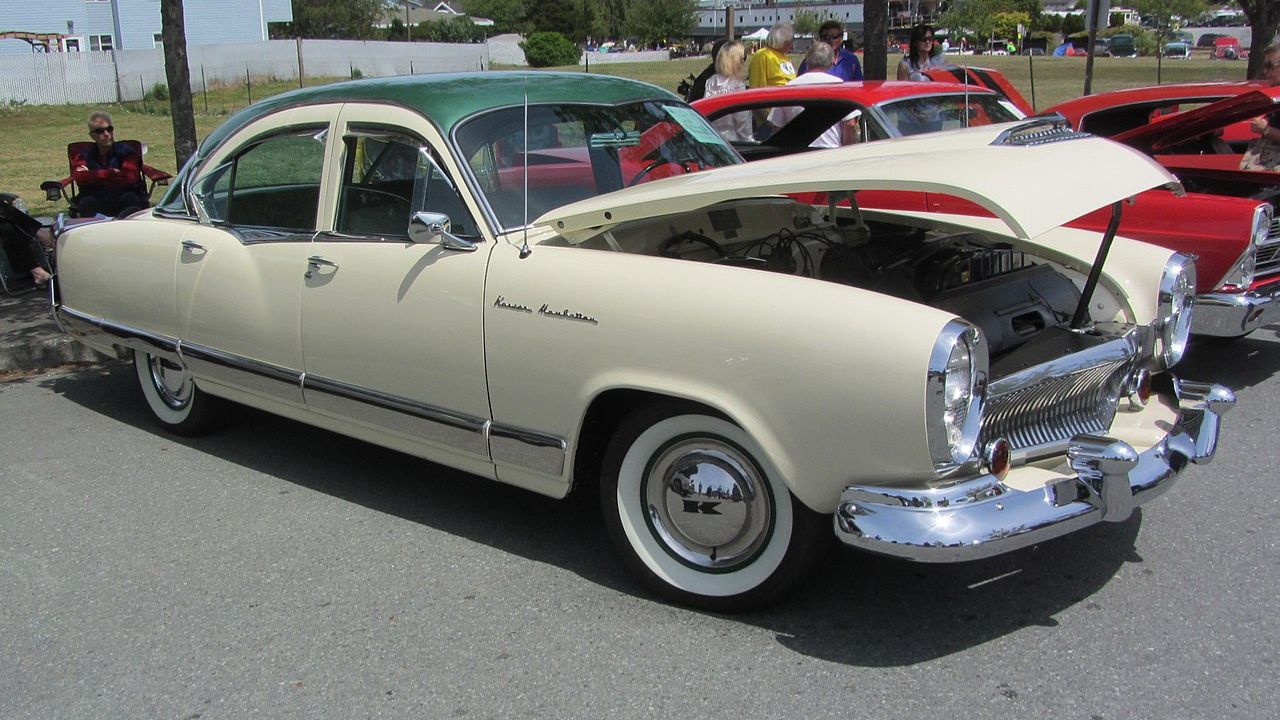
Today, the 1954 Kaiser Manhattan is a sought-after collectible, with its value steadily increasing in the classic car market. Enthusiasts and collectors appreciate its unique combination of style, performance, and rarity, driving demand for well-maintained examples.
The market value of a Kaiser Manhattan depends on factors such as condition, originality, and provenance. Restored models in pristine condition can fetch a premium price, while those needing restoration offer an exciting opportunity for enthusiasts to bring a piece of automotive history back to life.
Legacy and Influence on Future Models
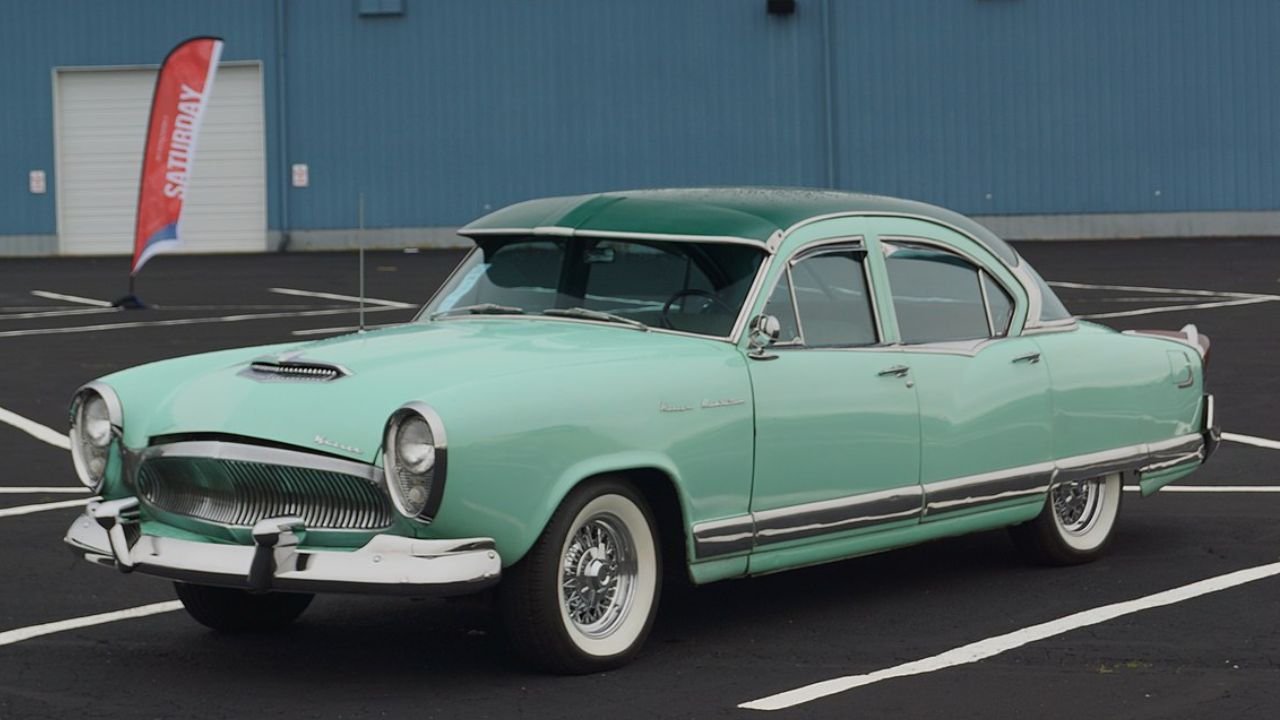
The 1954 Kaiser Manhattan’s legacy extends beyond its production years, influencing subsequent car designs and engineering approaches. Its emphasis on style, comfort, and innovation set a benchmark for future models, inspiring automakers to prioritize these elements in their creations.
While the Kaiser brand eventually ceased car production, the Manhattan’s impact on the industry endures. It serves as a reminder of a time when American automakers were pushing boundaries, and its design and engineering continue to be appreciated by enthusiasts and historians alike.
Like Fast Lane Only’s content? Be sure to follow us.
Here’s more from us:
*Created with AI assistance and editor review.