For one model year, Detroit tried to put cars on air. In 1958, every General Motors division, plus Ford, Mercury and American Motors, offered 1958 air suspension on at least one car. Instead of steel springs, these systems used rubber air bags and a compressor to hold the car level.
Most of them were gone within a year or two, and many leaked. Here are eight American cars that offered the option, with what each maker called it and what the record says about how it went.
1. 1958 Chevrolet with Level Air
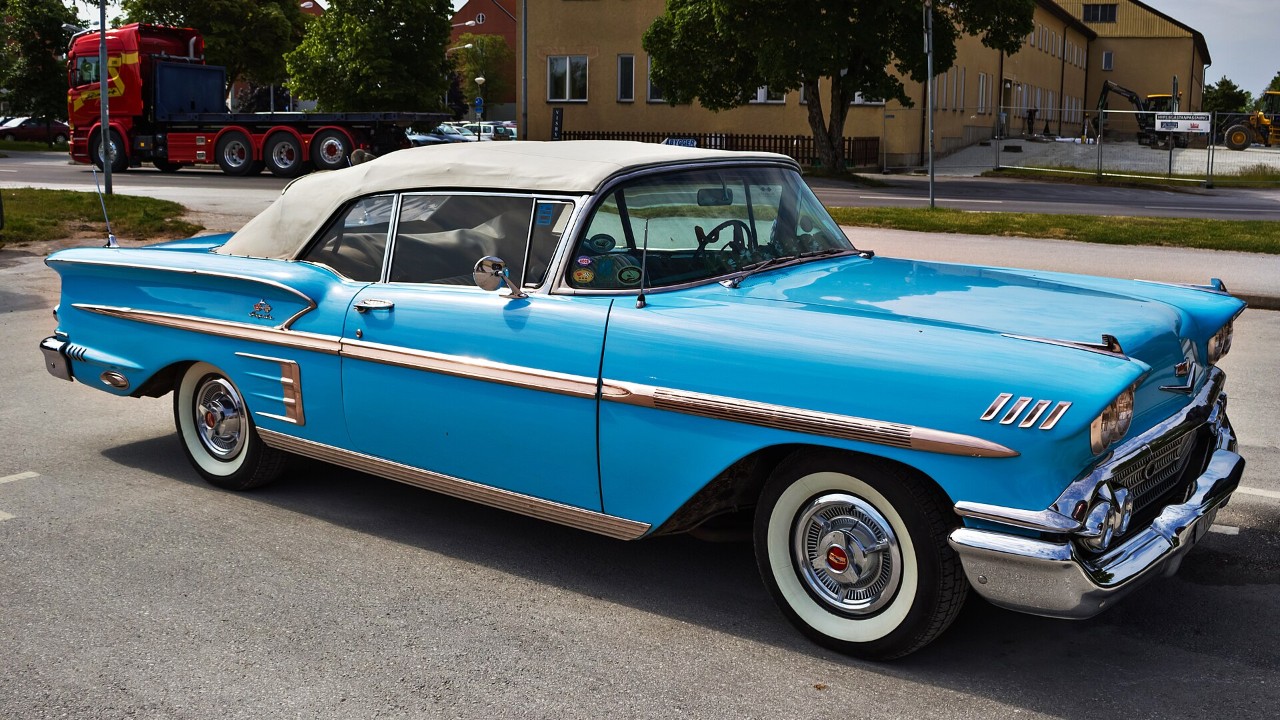
Chevrolet’s 1958 cars were all new, from the X-frame up. Full coil springs were standard. However, buyers could also tick the box for Level Air, which used a system of air bladders at each wheel.
The 348-409.com 1958 Chevrolet fact page lists “Optional Level air with 4 link rear suspension” among the year’s new features. Meanwhile, Mac’s Motor City Garage says the package “proved to be buggy and unreliable and was soon discontinued.” In fact, Chevrolet dropped air after a single year, according to Mac’s.
2. 1958 Pontiac Bonneville with Ever-Level
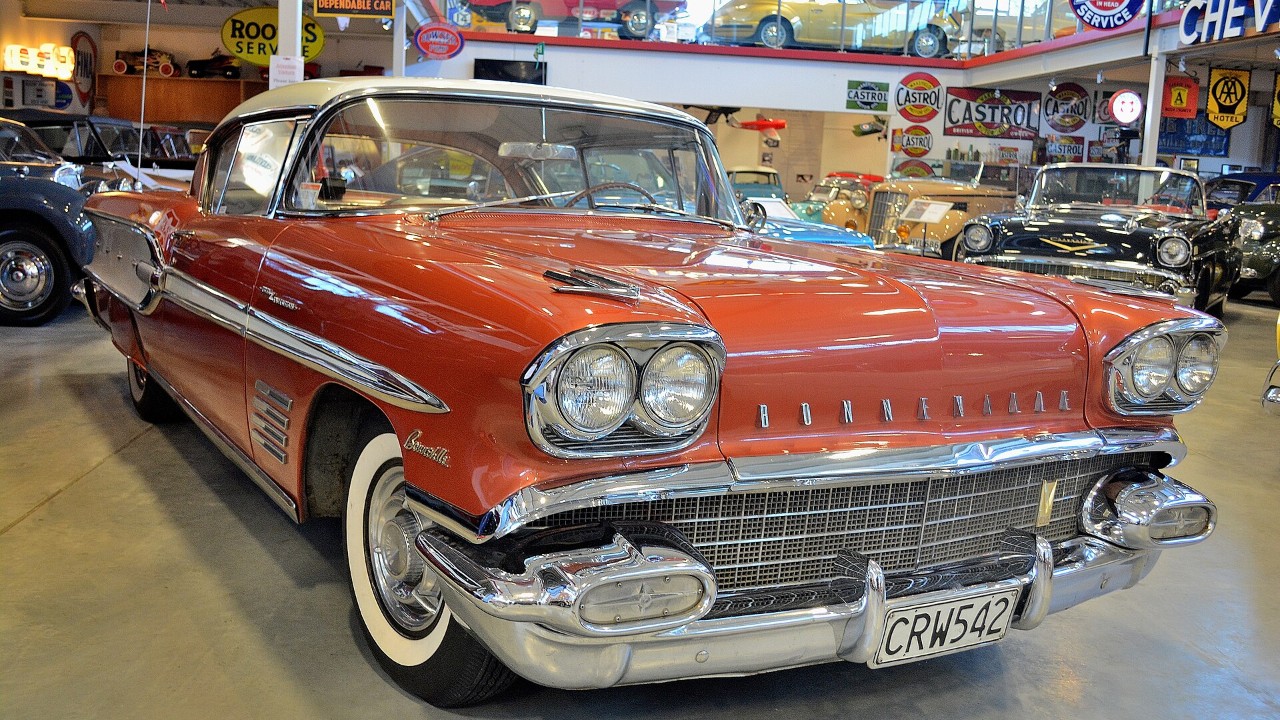
Pontiac’s version was called Ever-Level. Like every GM system that year, it grew out of a GM Engineering Staff design. Each division then adapted it in its own way for 1958.
In its story on a restored Bonneville Sport Coupe, Hagerty calls the “Ever Level” air spring suspension “a rare option among these cars.” Buyers, it adds, favored conventional coil springs instead. Hagerty also counts just 9,144 Bonneville Sport Coupes built for 1958. Pontiac kept air for one more year, then dropped it after 1959, as Mac’s notes.
3. 1958 Oldsmobile with New-Matic Ride
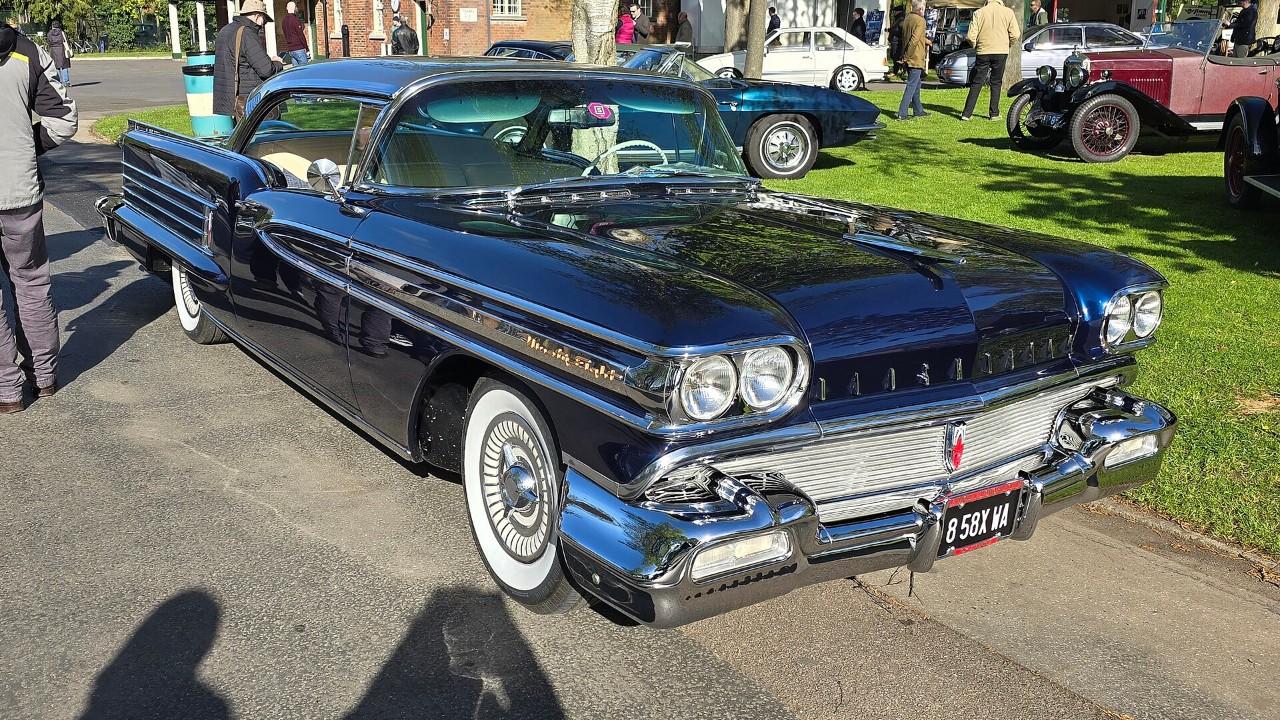
Oldsmobile sold its air system as New-Matic Ride. It arrived as an option in 1958, alongside a 371-cubic-inch V8 in every series. Still, the air springs became the part owners remember for the wrong reasons.
The Over-Drive 1958 Oldsmobile fact sheet says “air bag deterioration and poor ride quality were persistent issues with the system.” As a result, dealers converted the vast majority of New-Matic cars back to conventional springs under warranty. The same fact sheet says the option “disappeared from view in 1959.”
4. 1958 Buick Limited with Air-Poise
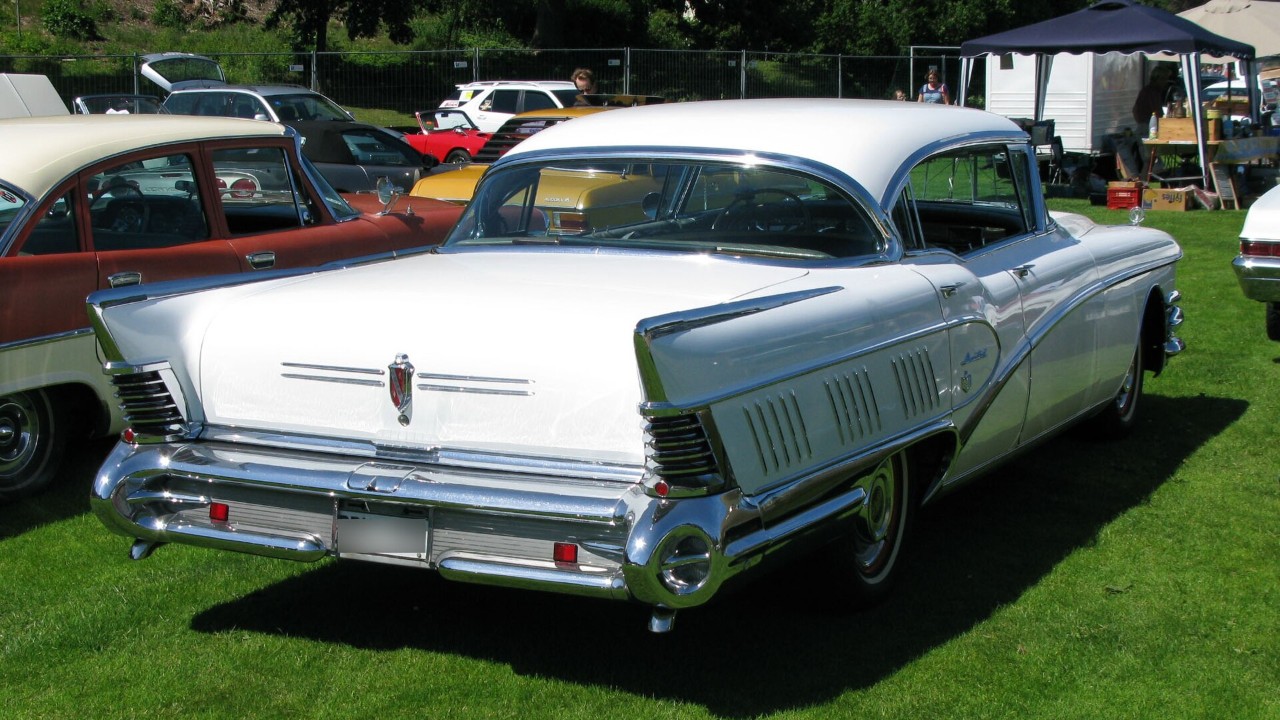
Buick’s Air-Poise replaced the coil springs with four air springs. A two-cylinder compressor, driven by the engine, charged them at up to 290 psi. There was even a manual override to raise the car for extra ground clearance.
According to Curbside Classic, Limited and Roadmaster buyers who skipped it saved “about $188 and a lot of future headaches.” Motor Trend, it notes, called Air-Poise “a most undesirable feature.” For 1959, Buick limited air to the rear springs, and then it disappeared for 1960.
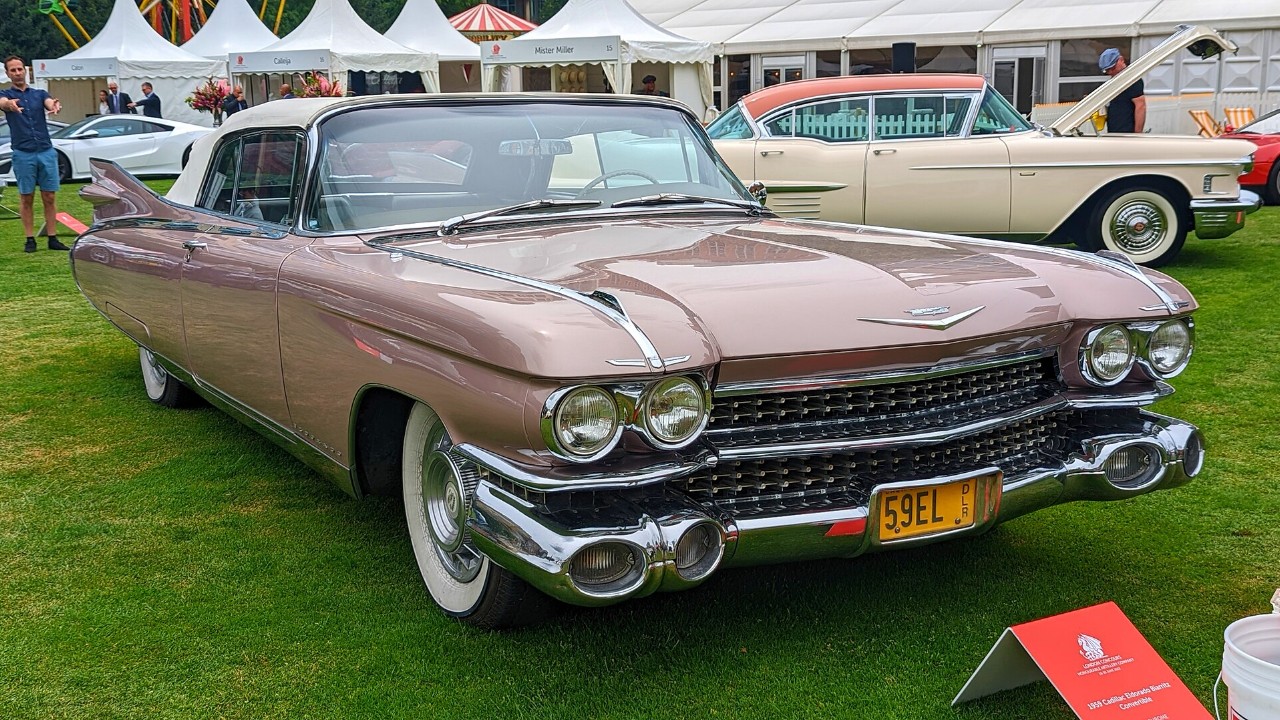
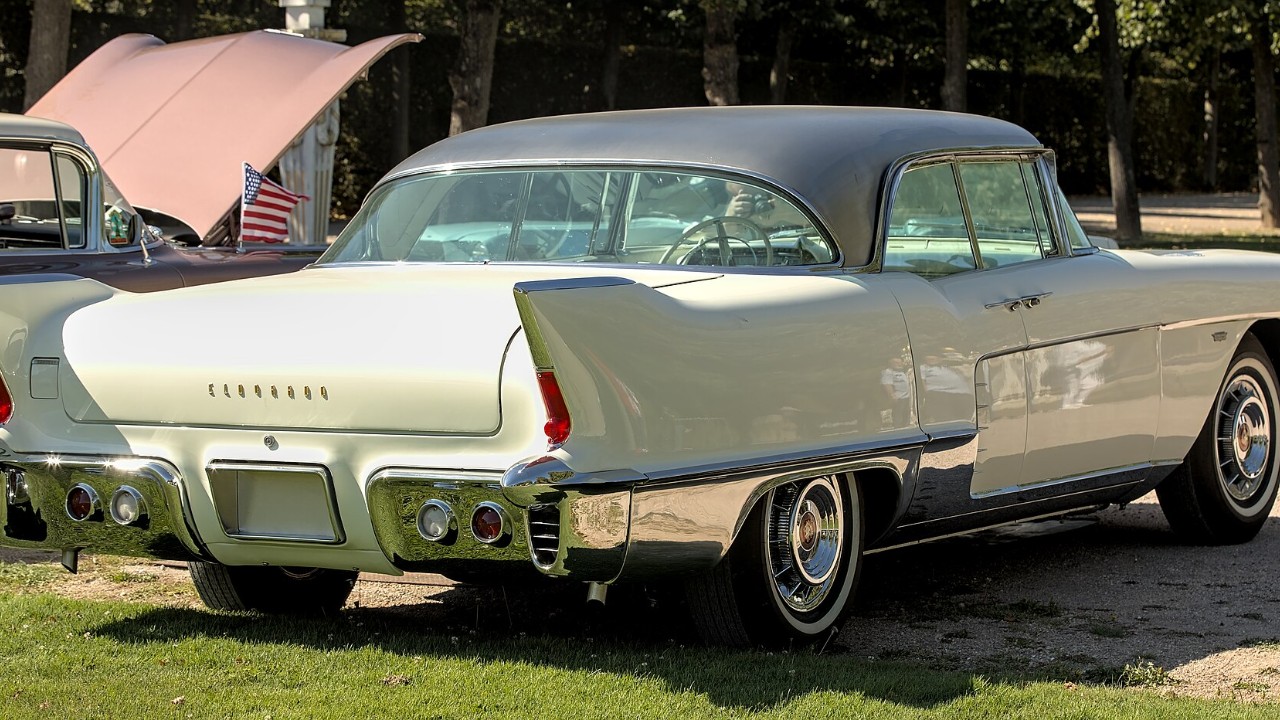
5. 1958 Cadillac Eldorado Brougham, standard air suspension
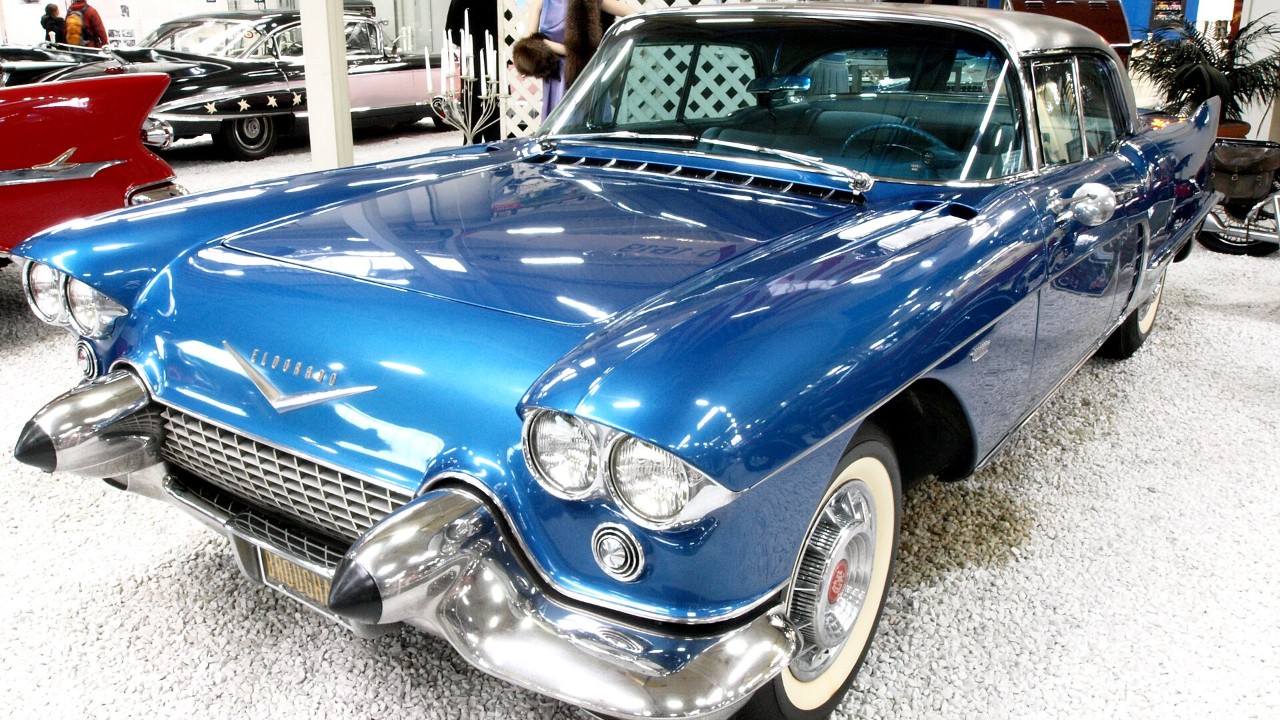
Cadillac got there first. The Eldorado Brougham arrived for 1957 with air suspension as standard equipment, and the 1958 car kept it. That makes it the one car on this list where 1958 air suspension came with the price, not as an option.
That price was steep. RM Sotheby’s puts it at $13,074 new and counts 400 Broughams sold in 1957 and 304 in 1958. It also calls conversion to conventional springs “a common conversion due to the system’s complexity.” Even so, Cadillac stayed with air through 1960, longer than any other GM division, according to Mac’s Motor City Garage.
6. 1958 Rambler Ambassador with Air-Coil Ride
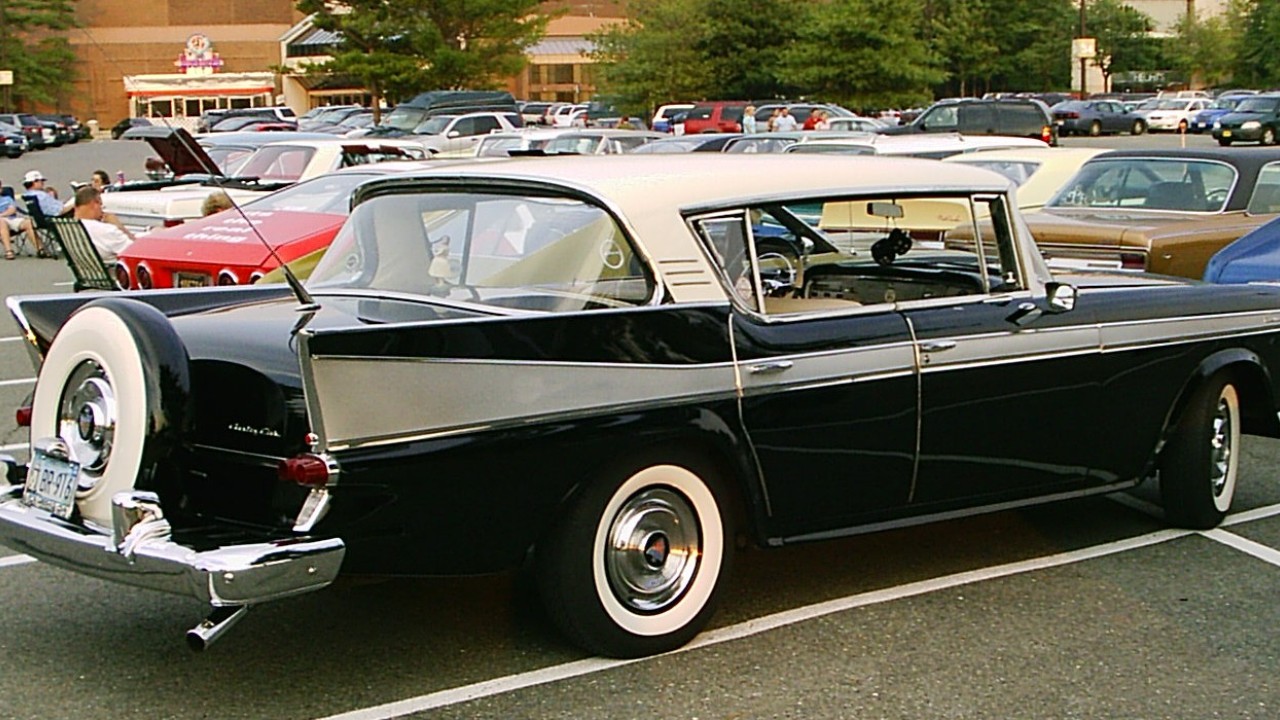
American Motors took a simpler route. Its system worked at the rear wheels only. Instead of replacing the springs, it put a rubber air spring inside each rear coil spring to keep the car level under load.
AMC engineer W. S. Berry described the design in a 1958 paper, “The Air Coil Spring: A New Factor in Rambler Suspension”. His abstract calls it “a rolling lobe air spring, designed to go inside a coil spring.” The car itself was new for 1958, too. In fact, Mac’s Motor City Garage says AMC stretched the Rambler to a 117-inch wheelbase and made a 270-hp, 327-cubic-inch V8 standard.
7. 1958 Mercury with Air Cushion Ride
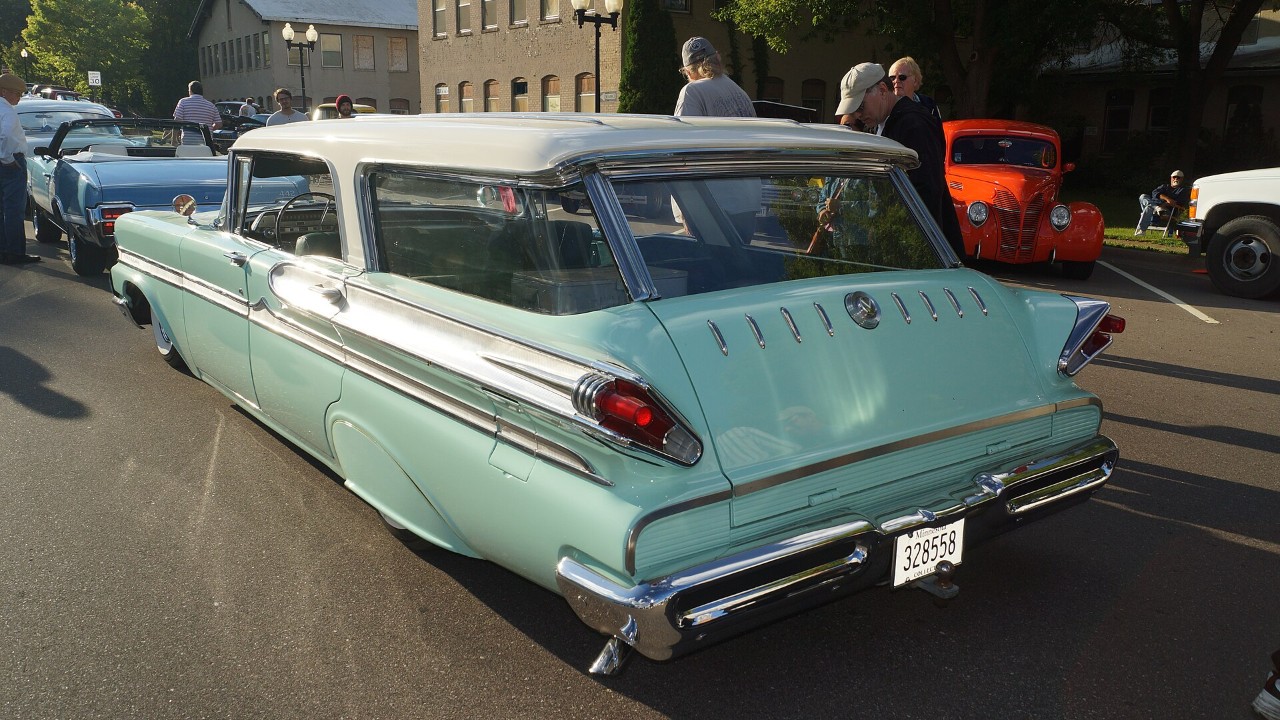
Mercury called its version Air Cushion Ride. The record here is thin. Mercury listed the option in its 1958 sales brochures, and that is about all.
Mac’s Motor City Garage says plainly that the number of cars built with it is unknown. By comparison, Lincoln adopted a coil-spring rear suspension for 1958 to prepare for air, yet never offered it. Later, Lincoln went back to rear leaf springs in 1960, according to Mac’s.
8. 1958 Ford Fairlane with Ford-Aire
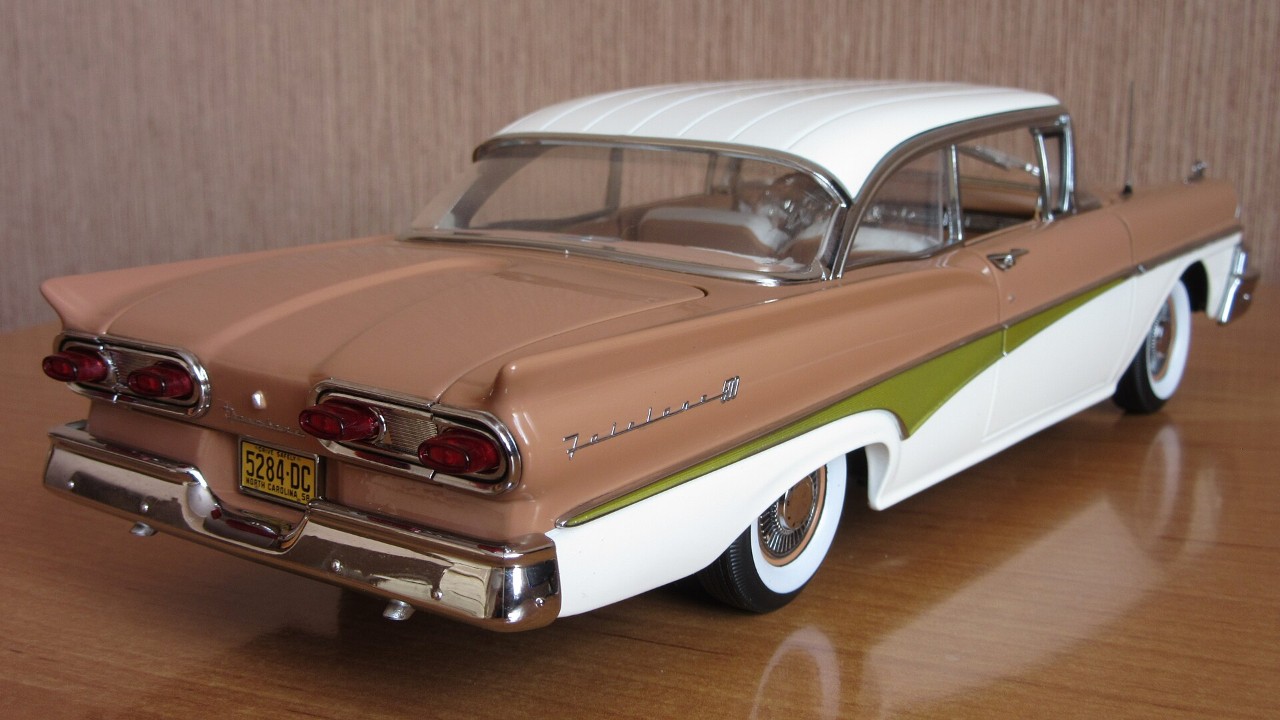
Ford-Aire was a $158 option on the Fairlane, Fairlane 500 and station wagons. A single-cylinder compressor could reach 300 psi, though the system ran at 170 to 180 psi. A vinyl-rubber air bladder sat at each wheel.
The Mac’s Motor City Garage history of Ford-Aire says the air chambers and copper lines were prone to leaks. Ford also stopped marketing it where temperatures fell below 10°F, because the valves could freeze. Edsel fared even worse: it ordered 40 pilot cars with air, but built only five, so it misses this list. Ford dropped Ford-Aire almost immediately. Estimates of how many it built range from 20 to 100 or more, and Mac’s says only a handful survive today.
More from Fast Lane Only
- Unboxing the WWII Jeep in a Crate
- 15 rare Chevys collectors are quietly buying
- 10 underrated V8s still worth hunting down
- Police notice this before you even roll window down
This article was created with the help of AI and was reviewed and edited by Fast Lane Only editors before publication.