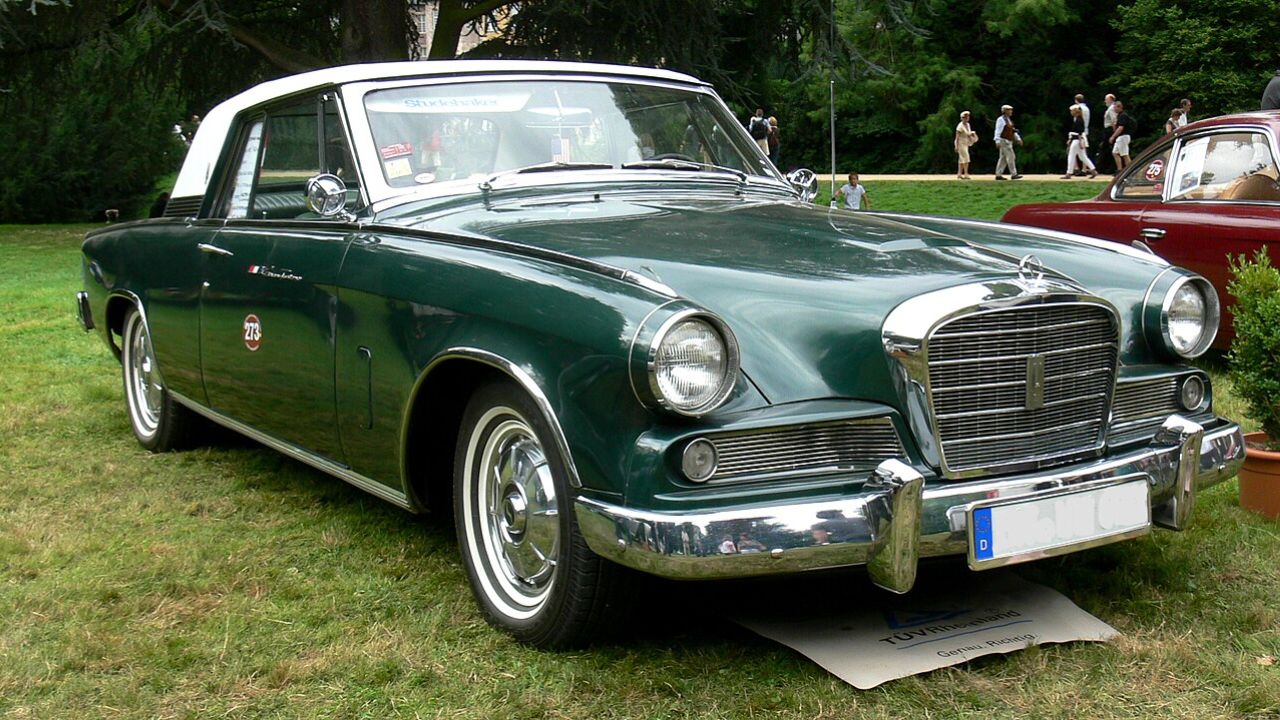
The 1964 Studebaker GT Hawk represents the culmination of the Hawk line, blending innovative design with robust performance during a pivotal era in American automotive history. As the last model produced before the brand’s decline, it encapsulates the spirit of its time while showcasing Studebaker’s commitment to quality and style.
Historical Context of the Studebaker Hawk Line
The Studebaker Corporation, founded in 1852, initially made its mark as a wagon manufacturer before evolving into a key player in the automotive industry. By the mid-20th century, Studebaker was known for its innovative vehicles, often ahead of their time in terms of design and engineering. The introduction of the Hawk line in 1962 marked a significant shift, characterized by a sporty and luxurious aesthetic that captured the attention of car enthusiasts and consumers alike.
The original Hawk models were distinguished by their unique styling and performance capabilities, offering a blend of comfort and sportiness. The 1962-1964 iterations of the Hawk line were instrumental in establishing a new kind of American muscle car, pushing the boundaries of what performance cars could achieve. As the final version of this lineage, the GT Hawk epitomized the peak of Studebaker’s creativity before the company’s eventual decline.
Design Innovations of the 1964 GT Hawk
The 1964 GT Hawk introduced several design innovations that distinguished it from its predecessors and competitors. Its sleek body lines and updated grille were not just aesthetically pleasing but also reflected contemporary automotive design trends. The elongated silhouette combined with a fastback roofline gave it a sporty appearance that appealed to a generation of buyers looking for both performance and style.
Inside, the GT Hawk featured an array of enhancements that elevated its luxury quotient. From plush upholstery to a driver-focused dashboard layout, every detail was crafted to enhance the driving experience. The integration of modern conveniences, such as improved sound insulation and advanced instrumentation, showcased Studebaker’s commitment to quality and attention to customer desires. The design choices made during this period would influence future vehicles, establishing a benchmark for what consumers expected from American cars.
Performance and Specifications
Under the hood, the 1964 GT Hawk offered a selection of powerful engine options that catered to a range of performance enthusiasts. The standard 289 cubic inch V8 engine provided a solid balance of power and efficiency, while the optional 304 cubic inch V8 engine promised a more exhilarating driving experience. With horsepower ratings reaching up to 240, the GT Hawk was not just a pretty face; it was built to perform.
The handling and suspension of the GT Hawk were also noteworthy, featuring an advanced design that improved road grip and stability. Compared to earlier models, the 1964 version boasted a refined driving experience, making it competitive in the burgeoning muscle car market. This model’s performance capabilities were significant, allowing it to hold its own against competitors like the Ford Mustang and Chevrolet Camaro, which were rapidly gaining popularity during this era.
The Market Reception of the 1964 GT Hawk
Upon its release, the 1964 GT Hawk received a mixed but generally positive reception from consumers and critics. Sales figures, however, were not as robust as Studebaker had hoped. The market was saturated with new muscle cars, and the competition was fierce. While the GT Hawk was praised for its design and performance, some consumers were hesitant to invest in a brand perceived to be struggling.
In comparison to its competitors, the GT Hawk was positioned as a unique alternative that offered distinct styling and luxury features. Automotive press coverage highlighted its innovative design, but also pointed out the challenges Studebaker faced in marketing the vehicle effectively. The Hagerty review noted that while the GT Hawk was a stunning piece of engineering, its sales were ultimately hampered by the changing landscape of the automobile industry.
Legacy of the Studebaker GT Hawk
The legacy of the 1964 GT Hawk is multifaceted, particularly as it represents the last chapter of the Hawk line. Its unique blend of style, performance, and innovation left an indelible mark on automotive history. Today, the GT Hawk is often regarded as a collector’s item, celebrated for its rarity and the nostalgia it evokes for a bygone era of American manufacturing.
In the years following its production, the GT Hawk influenced automotive design and engineering principles, inspiring future generations of vehicles. Collectors and enthusiasts alike continue to appreciate its distinctive characteristics, with many restoration projects underway across the country. The ongoing interest in the GT Hawk can be attributed to its unique place in automotive history, as well as the strong community of enthusiasts dedicated to preserving this classic vehicle.
Challenges Faced by Studebaker in 1964
As the 1964 GT Hawk was being developed and released, Studebaker faced significant financial difficulties and market challenges. The automotive landscape was shifting rapidly, with increasing competition and changing consumer preferences. The company struggled to adapt to these changes, which ultimately impacted production and sales of the GT Hawk.
Additionally, the decision to cease production of the Hawk line in 1964 highlighted the struggles of the brand as a whole. The decline of Studebaker was not just a result of internal challenges but also stemmed from broader industry trends, including the rise of the Big Three automakers and the growing popularity of compact cars. These challenges culminated in the end of an era for Studebaker, marking the GT Hawk as the final chapter in a storied legacy.
The GT Hawk in Popular Culture
The 1964 Studebaker GT Hawk has made notable appearances in popular culture, reinforcing its status as a symbol of American automotive ingenuity. It has been featured in various films and television shows, often representing a sense of freedom and adventure that resonates with audiences. The car’s striking design has made it a favorite among filmmakers, ensuring its place in the cultural zeitgeist.
Moreover, the GT Hawk’s role in popular culture has contributed to its collector appeal. As more people discover its history and unique design, the demand for this iconic vehicle continues to grow. Car enthusiasts often cite its appearances in media as a key factor in their desire to own a piece of automotive history. The HowStuffWorks article highlights how such cultural representations have solidified the GT Hawk’s status as a classic.
Collector’s Market and Restoration
The current collector market for the 1964 GT Hawk reflects a growing appreciation for this unique vehicle. As more enthusiasts recognize its significance, prices for well-preserved or restored models have seen an uptick. The rarity of the GT Hawk, combined with its storied history, makes it an attractive option for collectors looking to invest in classic cars.
For prospective buyers and restorers, there are several considerations to keep in mind. It’s essential to research the vehicle’s history, obtain detailed service records, and connect with reputable restoration specialists who understand the nuances of this model. Online forums, such as the Studebaker Drivers Club, provide valuable resources for enthusiasts seeking advice and community support in restoration projects.
More from Fast Lane Only