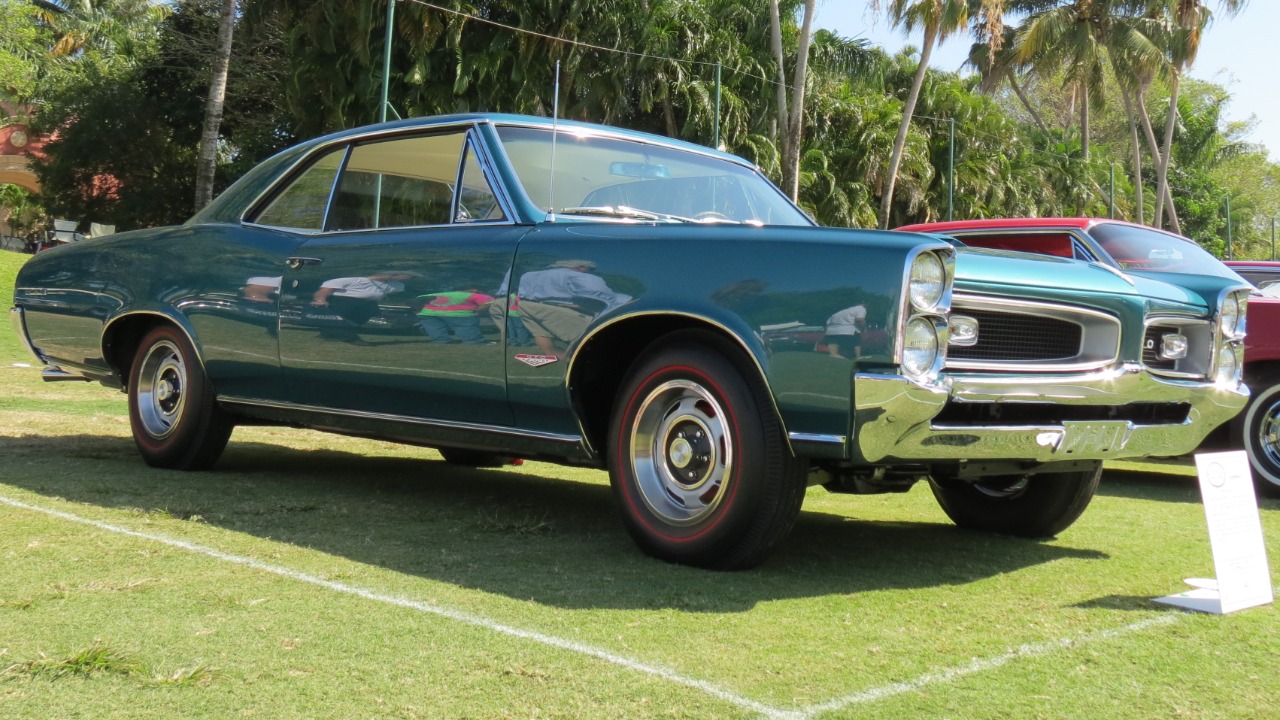
The 1965 Pontiac GTO sits at the heart of the muscle car era, and nothing stirs more debate among enthusiasts than whether the tri-power or single four-barrel version is the one to own. Both setups helped cement the GTO’s legend, yet they appeal to collectors in different ways, from raw performance and drivability to rarity, originality, and long-term value. Sorting out which is truly more desirable means looking past the folklore and weighing how each configuration actually shapes the car’s character and market standing.
When I compare the two, I see a choice between a high-profile performance icon and a more understated, often more usable, specification that still delivers the core GTO experience. The tri-power system has become shorthand for peak mid‑sixties Pontiac engineering, while the four‑barrel cars often offer better manners and easier ownership. Desirability, in practice, comes down to how a buyer balances authenticity, performance, and practicality against the premium that the triple-carburetor setup commands.
How the 1965 GTO tri-power and four-barrel really differ
The 1965 GTO’s reputation rests on its 389 cubic inch V8, but the way that power is delivered changes significantly between the tri-power and four-barrel versions. The tri-power used three two-barrel carburetors, with the center unit handling normal driving and the outer pair opening under heavy throttle, a layout that gave the car a distinctive surge at wide-open throttle and a visual signature when the hood was raised. The four-barrel cars relied on a single carburetor that still produced strong output but with a simpler fuel and linkage system, which many period testers noted as easier to tune and keep in balance over time, a point that continues to matter for owners who drive their cars regularly rather than just show them.
Factory ratings reflected this split in character, with the tri-power 389 typically quoted at higher horsepower than the single four-barrel version, especially in high-compression, manual-transmission combinations that targeted serious performance buyers. Contemporary road tests and later collector guides have consistently treated the triple-carburetor setup as the more aggressive specification, not only because of the peak numbers but also due to the sharper throttle response once the outer carburetors came in. At the same time, period documentation and modern restoration references emphasize that the four-barrel cars shared the same basic engine architecture and driveline, so in everyday driving they delivered much of the same muscle car feel without the complexity and tuning sensitivity that can come with three synchronized carburetors.
Rarity, options, and how often buyers actually chose tri-power
Desirability in the collector market often starts with how many examples were built, and the 1965 GTO is no exception. Production records and option breakdowns show that the majority of GTO buyers selected the standard four-barrel configuration, while a smaller but still significant share paid extra for the tri-power package. That imbalance means that genuine tri-power cars are rarer in today’s market, especially when filtered further by body style, transmission choice, and other high-value options such as limited-slip differentials and heavy-duty suspensions, all of which can compound scarcity when found together on a single car.
Surviving documentation, including factory order forms and dealer sales materials, also makes clear that tri-power was marketed as a premium performance upgrade rather than a default choice. Buyers who checked that box were often the same ones who ordered close-ratio manual gearboxes, performance rear axle ratios, and minimal comfort options, creating a subset of cars that were more focused and, in many cases, more heavily used in spirited driving or informal competition. As a result, well-preserved, numbers-matching tri-power GTOs from 1965 are thinner on the ground than their four-barrel counterparts, a fact that auction catalogs and registry data repeatedly highlight when particularly original examples surface.
Driving character, reliability, and real-world usability
From behind the wheel, the tri-power and four-barrel GTOs deliver overlapping but distinct experiences that matter to modern buyers. The tri-power setup rewards a driver who is willing to keep the engine in its sweet spot and appreciates the drama of the outer carburetors opening under load, which produces a noticeable change in intake sound and acceleration. Owners and restorers frequently point out that when the system is correctly set up, the center carburetor handles light-throttle cruising smoothly, while the outer units stay closed until needed, preserving drivability in traffic and on longer highway runs.
The four-barrel cars, by contrast, tend to be more forgiving when it comes to maintenance and tuning, a trait that appeals to enthusiasts who want to drive their GTOs often without constantly chasing carburetor synchronization. Service manuals and period technical bulletins underscore that a single four-barrel is simpler to rebuild and adjust, with fewer linkage points and vacuum circuits to keep in order. For many owners, that translates into greater confidence on long trips and less sensitivity to fuel quality or minor vacuum leaks, which can have a more pronounced effect on a tri-power system. In practical terms, I find that buyers who prioritize regular use and lower upkeep often lean toward the four-barrel configuration, even if they admire the tri-power’s theater.
Originality, documentation, and the risk of “cloned” tri-power cars
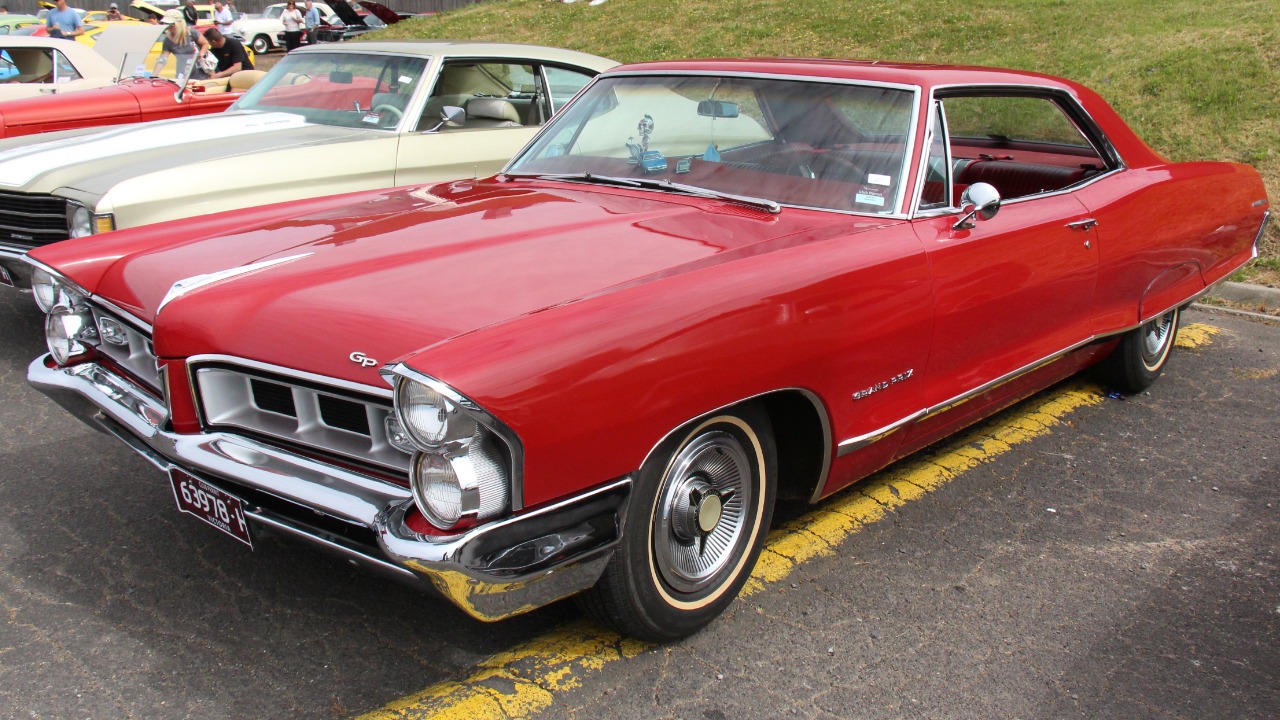
Because the tri-power option commands a premium, originality and documentation have become central to judging desirability. Factory build sheets, window stickers, and Pontiac Historical Services records are routinely used to confirm whether a 1965 GTO left the assembly line with triple carburetors or was born as a four-barrel car. Auction reports and expert appraisals repeatedly warn that some cars have been converted to tri-power during restorations or later ownership, often using correct-style components, which can make visual inspection alone unreliable when trying to verify an authentic factory configuration.
This environment has created a clear hierarchy in the market, where a documented, numbers-matching tri-power GTO typically sits at the top, followed by original four-barrel cars, and then by conversions or “clones” that wear tri-power hardware without factory backing. Price guides and sales analyses consistently show that buyers pay a noticeable premium for cars with complete paperwork and matching engine and carburetor stampings, while otherwise similar cars with undocumented or non-original setups trade for less. In my view, that dynamic means a well-documented four-barrel car can be more desirable than a questionable tri-power example, because the assurance of authenticity often outweighs the allure of additional carburetors when serious money is involved.
Market values and which setup collectors actually pay more for
When I look at recent auction results and private-sale data, a pattern emerges: all else being equal, tri-power 1965 GTOs tend to sell for more than comparable four-barrel cars, but the gap is not uniform across the board. High-quality, fully restored tri-power hardtops and convertibles with strong documentation often achieve the highest prices in their category, reflecting both their performance image and relative scarcity. However, price charts and sale summaries also show that condition, color, body style, and transmission can narrow or widen that spread, with some exceptionally original four-barrel cars outperforming average tri-power examples that lack paperwork or show signs of incorrect restoration.
Market commentary from appraisers and dealers frequently notes that the tri-power option has become a shorthand for top-spec desirability in the GTO world, which helps explain why buyers are willing to pay a premium for it even when they may not exploit its full performance potential. At the same time, those same sources point out that the four-barrel cars can represent better value for enthusiasts who want to enjoy the car without paying for the last increment of collectability. In practical terms, I see the market sorting itself into two overlapping lanes: investors and marque specialists often chase the best tri-power cars they can find, while drivers and budget-conscious collectors gravitate toward clean, documented four-barrel GTOs that deliver much of the same experience at a lower entry cost.
So which 1965 GTO specification is more desirable?
Weighing performance, rarity, originality, and market behavior together, I find that the tri-power configuration holds the edge in pure collectability, especially when backed by strong documentation and high-quality restoration work. It represents the most celebrated version of the 1965 GTO, carries a clear performance advantage on paper, and benefits from a level of visual drama that continues to resonate with enthusiasts and judges alike. For buyers focused on long-term value and top-tier show potential, those factors make a correct tri-power car the benchmark against which other 1965 GTOs are measured.
Desirability, however, is not a single metric, and the four-barrel cars claim their own compelling niche. They are typically easier to live with, often more affordable to buy, and, when properly documented, can offer a more straightforward ownership experience with fewer questions about originality or past modifications. For many enthusiasts, that balance of usability and authenticity makes a clean four-barrel GTO the smarter choice, even if the tri-power cars sit slightly higher on the collector ladder. In the end, the most desirable 1965 GTO is the one whose specification aligns with how its next owner plans to use it, whether that means chasing trophies with a meticulously documented tri-power or piling on miles in a well-sorted four-barrel that still delivers the sound and feel that made the GTO a legend.
More from Fast Lane Only