The 1968 Camaro SS arrived as a careful evolution of Chevrolet’s breakout pony car, refining the formula that had debuted only a year earlier. Rather than a clean-sheet redesign, Chevrolet focused on sharpening the styling, improving safety and comfort, and broadening the performance options that defined the Super Sport badge. By looking closely at those changes, I can trace how the second-year SS moved from promising newcomer to a more mature, better sorted muscle machine.
From exterior details to under-the-skin engineering, the 1968 SS diverged from the 1967 model in ways that matter to collectors and drivers alike. The differences were not just cosmetic; they reflected shifting federal regulations, rapid escalation in the horsepower wars, and Chevrolet’s own learning curve after the Camaro’s first season on the street and in showrooms.
Refined styling and new safety cues
The most obvious split between the 1967 and 1968 Camaro SS shows up in the sheet metal and trim, where Chevrolet subtly cleaned up the design while responding to new safety rules. The 1967 car carried vent windows in the front doors and a more intricate front fascia, details that gave it a slightly busier look. For 1968, Chevrolet deleted the front vent wings, reshaped the side glass, and simplified the grille and parking lamp treatment, which gave the SS a smoother profile and a more modern face that still sat comfortably on the same basic body shell as the first-year car, as period model guides document.
Safety-driven cues also help separate the two years at a glance. Federal regulations pushed Chevrolet to add side marker lights for 1968, so the later SS wears small rectangular lamps on the front fenders and rear quarters that the 1967 never had. Inside, the 1968 model adopted a collapsible steering column and revised interior hardware to meet updated standards, changes that are noted in contemporary factory documentation. Those tweaks did not alter the Camaro’s basic character, but they show how quickly the car had to adapt to a tightening regulatory environment between its first and second seasons.
Chassis, ride, and braking improvements
Beneath the familiar F-body shell, the 1968 Camaro SS benefited from incremental engineering updates that made it a more composed driver than the 1967 version. Both years shared the same basic front subframe and rear leaf-spring layout, but Chevrolet refined spring and shock calibrations and expanded the availability of heavy-duty suspension packages that were bundled with the SS option. Period technical summaries describe how the Super Sport package continued to include stiffer springs, upgraded shocks, and a larger front anti-roll bar, with the 1968 model gaining better matched components that improved body control without dramatically hurting ride quality, as detailed in contemporary engineering sheets.
Braking also evolved in ways that distinguish the second-year SS from the original. Front disc brakes were available on the 1967 SS, but they were still relatively rare and often paired with drum rears that could fade under hard use. By 1968, Chevrolet had refined the optional power front disc setup and promoted it more aggressively on performance-oriented cars, including the SS, which helped the later model stop more consistently from high speeds. Factory literature for 1968 highlights the improved brake hardware and revised proportioning, and those details are echoed in modern buyer’s guides that note the desirability of 1968 cars equipped with the upgraded system.
Engine choices and performance escalation
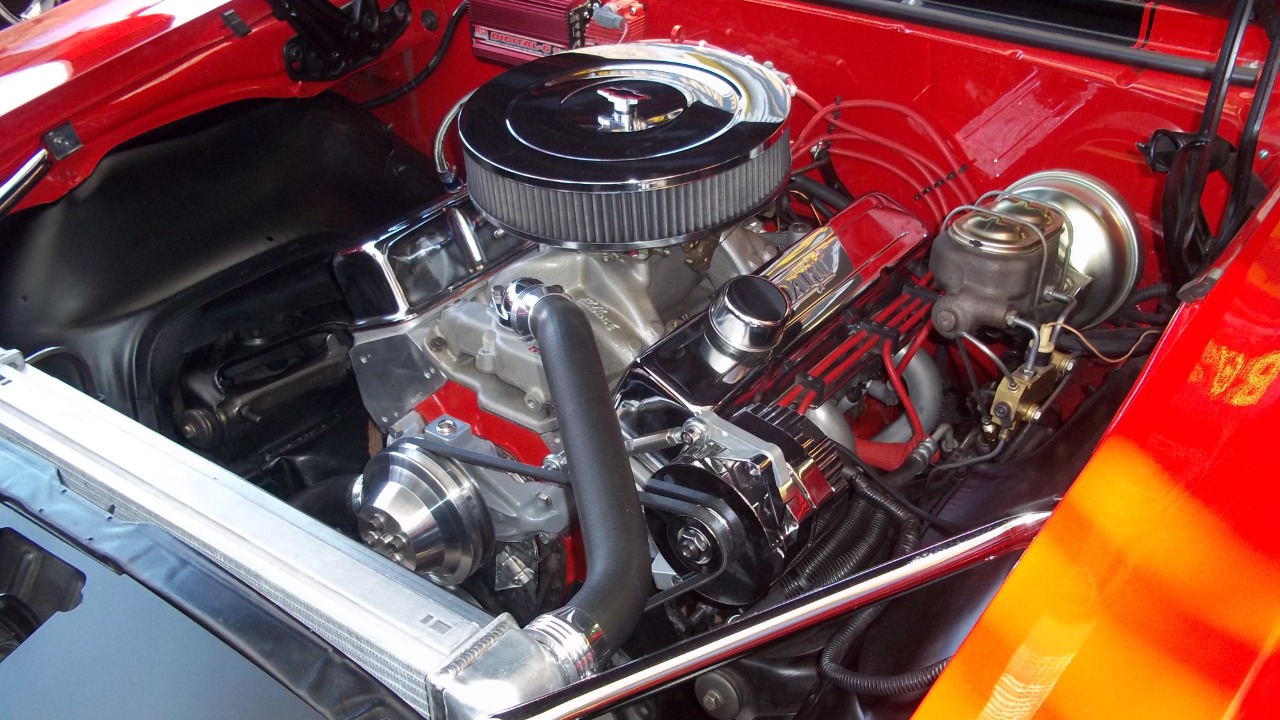
The heart of the Camaro SS story lies under the hood, and here the 1968 lineup both mirrored and expanded on what Chevrolet had offered in 1967. The first-year SS could be ordered with a 350 cubic inch small-block V8 or a 396 cubic inch big-block, with horsepower ratings that topped out at 375 in the most aggressive 396 configuration. For 1968, Chevrolet retained the 350 as the core SS engine while revising the big-block offerings and tuning, keeping the top advertised output in the same 375 horsepower neighborhood but improving drivability and durability according to period spec sheets.
What changed more meaningfully was how those engines were packaged and marketed. The 1968 SS benefited from a clearer separation between small-block and big-block variants, with distinct badging and option codes that help enthusiasts decode cars today. Chevrolet also refined the available axle ratios and transmission pairings, giving buyers a broader spread between street-friendly automatic combinations and more aggressive four-speed setups aimed at drag strip use. Modern historical overviews of the 1967–1969 SS range point out that the 1968 model year marked a turning point where the Camaro’s performance catalog became more structured, a shift that is evident in the detailed option listings compared with the more free-form 1967 menu.
Interior updates and comfort features
Inside the cabin, the 1968 Camaro SS moved subtly upmarket compared with the more bare-bones 1967 car, even when both were ordered with similar trim levels. The basic dashboard design carried over, but Chevrolet revised the instrument panel details, control knobs, and seat patterns, changes that give the later car a slightly more cohesive and modern feel. Factory brochures for 1968 highlight updated upholstery options, new color combinations, and improved sound insulation, all of which made the SS a more livable daily driver without diluting its performance mission, as summarized in period-correct sales literature.
Comfort and convenience options also expanded in the second year. While both 1967 and 1968 SS buyers could order features such as air conditioning, power steering, and console-mounted gauges, the later model integrated these extras more cleanly and offered additional combinations, including improved radio choices and revised seatbelt hardware that complied with new safety rules. Enthusiast guides that compare the first- and second-year cars often note that the 1968 SS feels less like a hastily launched response to the Ford Mustang and more like a fully developed product, a perception supported by the richer option breakdowns in contemporary documentation.
Badging, options, and collector appeal today
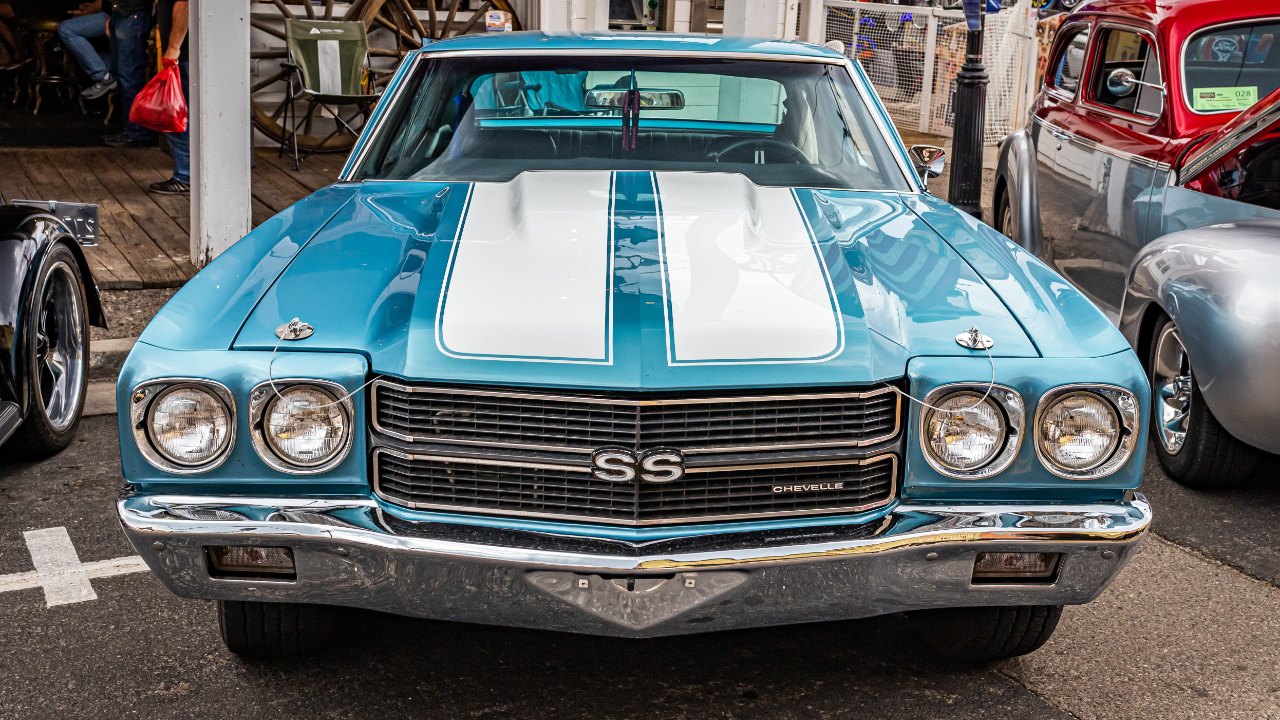
From a visual and identification standpoint, the 1968 Camaro SS refined the cues that Chevrolet had introduced in 1967, making it easier to distinguish genuine Super Sport cars from lesser trims. Both years used SS emblems on the grille, fuel cap, and fenders, along with specific hood treatments and wheel options, but the 1968 model aligned those details with its cleaner bodywork and new side marker lights. Modern reference material on first-generation Camaros explains how the 1968 SS combined its unique trim with year-specific features such as the ventless side glass, giving today’s buyers a checklist of tells that separate it from the inaugural version, as laid out in detailed identification guides.
Those distinctions have real consequences in the collector market. Because the 1967 car was the first of the line, it carries its own historical cachet, but the 1968 SS often appeals to enthusiasts who want a slightly more polished driving experience without giving up the raw character of the early F-body. Buyer’s guides that track auction results and private sales note that well-documented 1968 SS models, especially those with big-block engines and original performance options, command strong interest, in part because they blend the cleaner styling and improved hardware of the second year with the classic proportions that defined the first-generation Camaro. When I compare the two, I see the 1968 SS as the point where Chevrolet’s new pony car stopped proving it belonged and started confidently refining what it already did well, a shift that is reflected across the period factory records and modern historical analyses.
More from Fast Lane Only