The 1966 Pontiac GTO sits at a rare intersection of volume production, serious performance, and enduring collector demand. Enthusiasts treat it as a benchmark for the muscle car era, and current market chatter still revolves around how its build numbers and specifications shape values today.
Production totals, drivetrain choices, and body styles from that single model year now drive sharp price gaps between survivors. Collectors track those figures closely, because they reveal how a once common street machine turned into a carefully curated classic.
From option package to standalone muscle icon
The Pontiac GTO entered 1966 with a new status that still matters to collectors. Earlier cars started as an option on the intermediate line, but in 1966 the GTO became a model in its own right, which signaled Pontiac’s confidence in dedicated performance hardware and styling. One detailed overview notes that the 1966 Pontiac GTO arrived as a standalone model and that it exemplified the era’s taste for power and style, a shift that helped define its later reputation as an iconic muscle car, a point reinforced in a Jul 31, 2024 restoration focused summary.
Brand identity also hardened around the name itself. Enthusiasts still point out that the Model designation GTO stands for Gran Turismo Omolog, and that the 1966 Pontiac GTO carried that European flavored badge into mainstream American showrooms. A historical rundown describes how the Model GTO Gran Turismo Omolog branding helped the car earn nicknames like “Goats,” which still appear in auction listings and club forums.
Production volume and body style mix
Production figures from 1966 now anchor almost every discussion about rarity and value. One specification source lists Total Pontiac Production for 1966 at 831,331 units and gives Total 1966 GTO production as 96,94, which signals how large the performance slice became inside the brand’s overall output. Collectors often cite those Production Figures Total Pontiac Production for Total GTO numbers when they compare the car with rival muscle models from the same period.
Another enthusiast breakdown drills deeper into the body style mix and highlights how convertibles now command a premium. A widely shared post states, “Of the 96,946 GTO’s produced in 1966, only 12,798 of them were convertibles and how many are left is often the topic of debate in collector circles.” That exact phrasing, including the figures 96,946 G and 12,798, appears in a Sep Of the GTO post that enthusiasts now treat as a shorthand reference for 1966 convertible scarcity.
How 1966 compares with other GTO production years
Collectors rarely view 1966 in isolation, and they often compare it with earlier GTO runs to gauge relative supply. A production table that covers multiple years lists entries under Year, Body Style, and Production, and shows how the 1964 Coupe reached 7,384 units, the 1964 Hardtop reached 18,422 units, and the 1964 Convertible reached 6,644 units. Those figures in the Year Body Style Production Coupe Hardtop Convertible breakdown highlight how quickly GTO volumes climbed by 1966, which helps explain why that later year still appears frequently at shows.
One broader history piece underscores that growth by calling the 1966 Pontiac GTO One of the Most Popular Muscle Cars in History and noting that the car reached nearly 100,000 units sold within a single year. That description, which includes the phrase One of the Most Popular Muscle Cars and the figure 100,000 units, appears in a Jul Pontiac GTO One of the Most Popular Muscle Cars History feature that many owners share when they explain why parts support and club networks remain strong for this specific model year.
Performance hardware and driving character
Performance specifications from 1966 still shape how buyers rank different examples. A detailed muscle car history notes that the 1966 Pontiac GTO came standard with a 389 cubic inch V8 engine, and that the base tune produced around 335 horsepower, figures that appear as 389 and 335 in the source. That same overview, dated Oct 4, 2025, highlights Engine Power as a key selling point and frames the car as a classic American muscle benchmark, a view that aligns with the Oct Engine Power description shared in enthusiast circles.
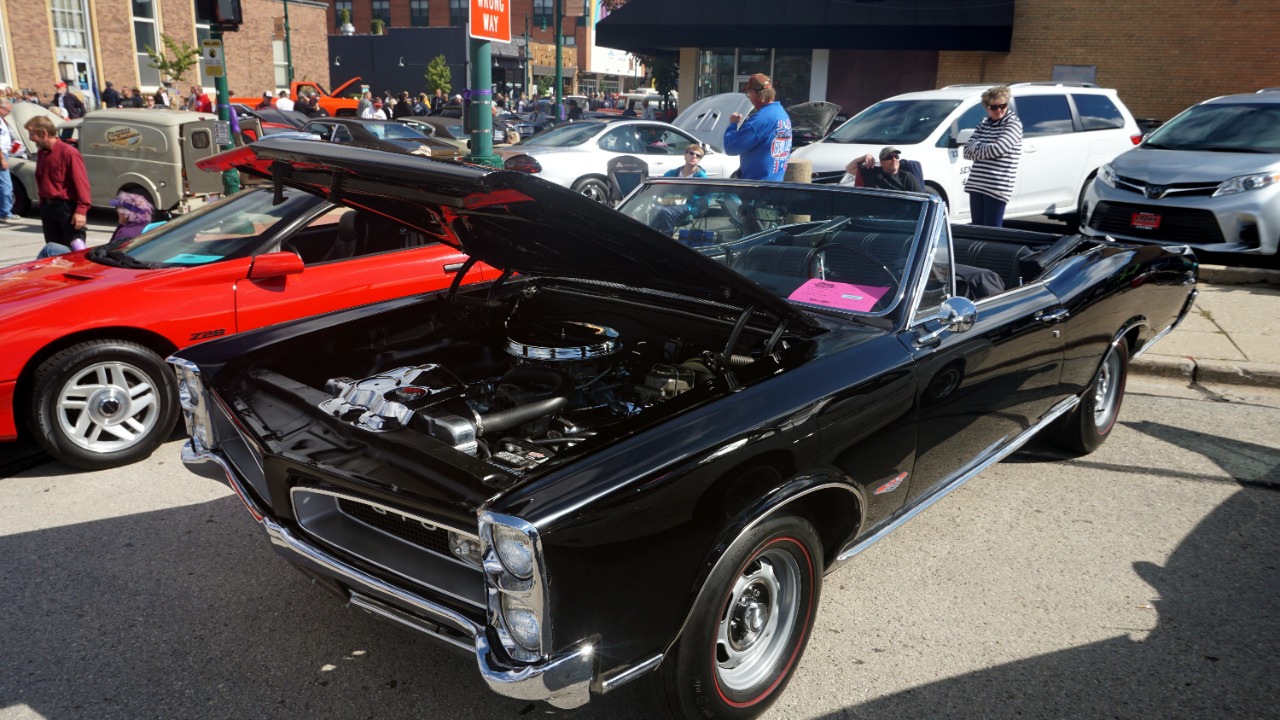
Higher specification cars pushed that formula further. A performance focused profile notes that in 1966 the GTO became a model in its own right and that Pontiac equipped it with the 389 Tri Power engine, which used multiple carburetors to sharpen throttle response and raise output. That same piece refers to the Pontiac GTO and the GTO name while explaining how Pontiac used Tri Power setups to keep the car competitive against rivals, details that appear in a Pontiac GTO GTO Pontiac Tri Power summary that many buyers consult when they decode option lists on surviving cars.
Design, cabin feel, and period appeal
Styling changes for 1966 also feed into current demand. Enthusiast histories describe how the body adopted a more curvaceous profile and a recessed grille that gave the Pontiac GTO a sleeker appearance than earlier versions, which helped the car stand out in crowded showrooms. A detailed post from May 28, 2025, describes the 1966 Pontiac GTO as a true legend and notes that the cabin is spacious with supportive seats and a driver focused layout that still captures the imagination and admiration of fans, a sentiment captured in a May 28, 2025 Pontiac GTO community write up.
Interior and trim details now influence restoration choices. A historical specification sheet dated Sep 6, 2024, notes that the 1966 Pontiac GTO Here are some facts about the 1966 Pontiac GTO and that it was one of the most iconic muscle cars of its time, while also stressing that original cars are rare and valuable. That same Sep Pontiac GTO Here Pontiac GTO Model GTO Gran Turismo Omolog overview encourages owners to preserve factory correct materials, because buyers now scrutinize everything from seat patterns to dash layouts when they judge authenticity.
Survivor cars and restoration priorities
Survivor grade examples from 1966 now attract intense attention, especially when they retain original drivetrains and documentation. A recent feature titled Pontiac GTO Coupe Survivor Deserves an Arms Salute for Its License Plate Alone, dated Nov 24, 2025, profiles a 1966 Pontiac GTO Coupe Survivor Deserves that still carries its period details and even a distinctive plate that sparked online debate. That story, which includes references to Arms Salute for Its License Plate Alone, Photo, and CARFINDER, illustrates how even small touches can elevate a survivor in the eyes of collectors, as seen in the Nov Pontiac GTO Coupe Survivor Deserves Arms Salute for Its License Plate Alone Photo CARFINDER coverage.
Performance specifications on that same survivor also highlight how buyers separate base cars from higher output builds. A detailed passage notes that while the base 389 V8 delivered strong performance, higher specification engines and gear ratios often outpaced rivals by staggering margins, which reinforces the idea that option codes now drive significant value swings. That analysis appears in a focused section that discusses how the base 389 V8 compared with other setups and is captured in the While the base 389 V8 combined often by staggering margins excerpt that many enthusiasts now quote when they justify paying more for better specified cars.
Why collectors still chase 1966 cars
Modern buyers do not just chase numbers, they also respond to the broader story around the 1966 model year. A restoration guide from May 6, 2025, notes that for anyone doing a serious restoration, the mid sixties GTO years are good targets and that each year from 1964 through the late sixties brought refinements that elevated the driving experience. That guidance, which appears in a May 6, 2025 discussion of the best GTO years to buy, places 1966 in a sweet spot where parts availability, performance, and styling all align for restorers.
Broader cultural appeal also keeps demand high. A feature dated Nov 15, 2025, frames The Enduring Appeal of the Pontiac GTO This 1966 Pontiac GTO Hardtop Coupe as more than a nostalgic object and argues that the car still reigns in the imagination of muscle fans because it blends everyday usability with serious performance. That perspective, which appears in a Nov The Enduring Appeal of the Pontiac GTO This Pontiac GTO Hardtop Coupe summary, echoes what many owners say when they describe why they still drive their cars rather than hiding them away.
How production and performance shape today’s market
Market watchers now treat 1966 GTO values as a function of production volume, specification, and originality. The combination of Total 1966 GTO production figures like 96,94, convertible counts such as 12,798, and engine options like the 389 and 389 Tri Power gives buyers a clear hierarchy when they compare listings. Manual transmission choices also matter, and period specification sheets highlight options such as 4 Manual All Synchromesh gearboxes that appeal to drivers who want a more involved experience, details that appear in the Manual All Synchromesh Production Figures Total Pontiac Production for Total GTO breakdown.
Enthusiast histories continue to reinforce that hierarchy. A detailed narrative from Oct 4, 2025, describes how Engine Power and chassis tuning helped the 1966 Pontiac GTO raise the bar for street performance and notes that the car still features prominently in lists of classic American muscle legends. Another community post from Sep 6, 2024, underlines that the 1966 Pontiac GTO Here are some facts about the 1966 Pontiac GTO and that original cars are rare and valuable, which supports the premium that well documented survivors now command, as seen in the Sep Pontiac GTO Here Pontiac GTO Model GTO Gran Turismo Omolog and Oct Engine Power discussions that continue to circulate among serious collectors.