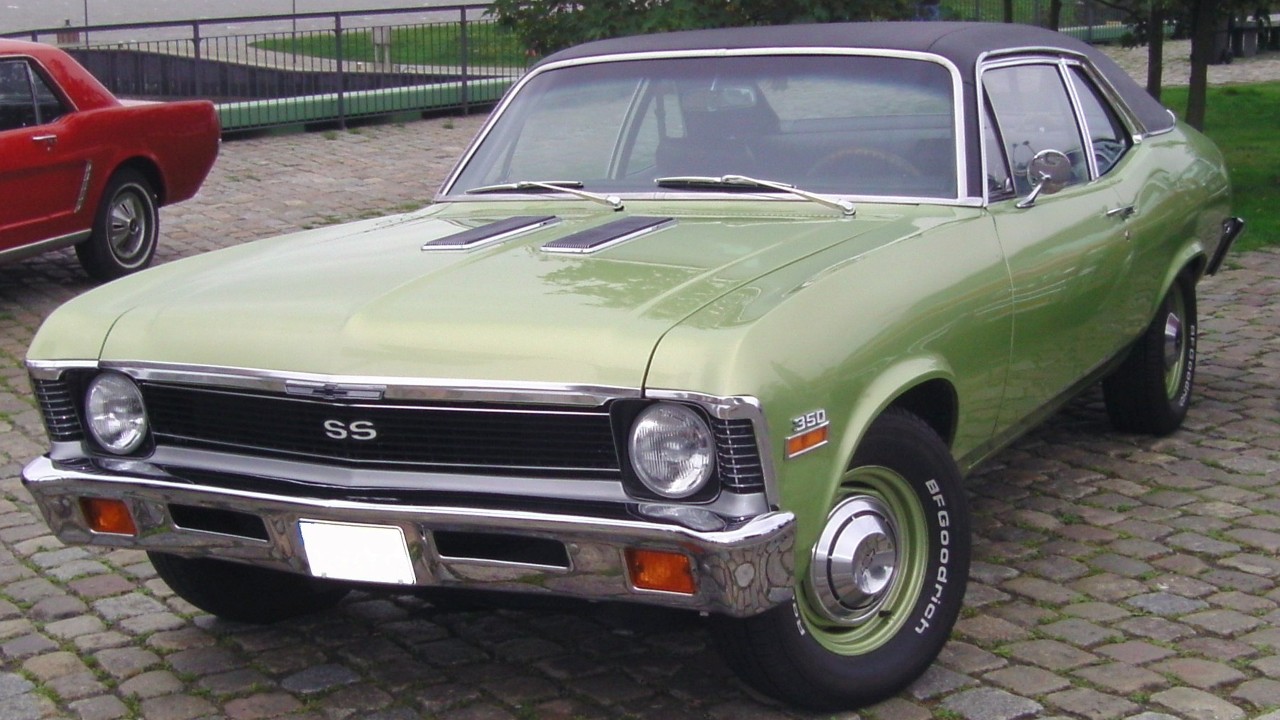
The 1968 Nova SS 350 marked a turning point for Chevrolet, proving that compact dimensions and serious performance could coexist in the same showroom slot. By pairing clean, purposeful styling with V8 power and a focused Super Sport package, Chevy created a car that bridged the gap between everyday transportation and the booming muscle market.
As I look back at that model year, the Nova SS 350 reads like a case study in how Detroit adapted to shifting tastes, rising insurance pressures, and the need for more accessible performance. It was not the loudest or largest muscle car of its era, but it helped define a compact-muscle formula that still resonates with enthusiasts and collectors.
Chevy’s compact-muscle pivot in 1968
Chevrolet’s move into compact muscle did not happen in a vacuum, it was a response to a decade in which performance and practicality were colliding. Earlier in the 1960s, big coupes and midsize bruisers dominated, but demand gradually shifted toward smaller cars that still delivered V8 punch, a trend that set the stage for the Nova SS 350. Reporting on 1960s performance notes that Chevy cars helped define what many now call the golden age of American muscle, and that as demand shifted, the company introduced smaller, more agile models to complement its full-size and midsize offerings, a pattern that frames the Nova’s role in the lineup.
That broader context matters because the Nova did not replace icons like the Chevelle, it filled a gap beneath them. Coverage of 1960s Chevy performance highlights how the brand balanced its big-block flagships with compact entries that could be sold in higher volumes and to younger buyers. In that environment, the Nova SS 350 became a strategic bridge between everyday commuters and the more expensive, insurance-heavy muscle cars, a bridge that would later help explain why compact performance machines retain value and cultural weight among classic Chevy and American muscle fans.
Third-generation Nova, new body, new mission
By the time the 1968 model year arrived, Chevrolet had already decided that the Nova needed a clean break from its economy-car roots. Reporting on the platform notes that the 1968 Nova was the first year of the third generation of Chevy Novas, and that in 1968 the wagon and sports coupe were discontinued so the car could move closer to the image of Chevy’s high-selling midsize Chevelle. That shift in body styles signaled a new mission, one that prioritized a sportier profile and a more focused lineup over the utilitarian variety of earlier years.
The redesign gave the Nova a more muscular stance and a shape that could credibly carry the Super Sport badge. Sources on the 1968 Nova describe how the model stepped away from its earlier boxy look and aligned more closely with the performance-oriented side of Chevrolet’s catalog, while still remaining smaller and lighter than the Chevelle. In that sense, the third-generation Nova was engineered as a compact canvas for serious power, and the SS 350 package was the clearest expression of that intent.
Styling and stance: from economy car to street fighter
The 1968 Nova SS did not rely on stripes or wild graphics to make its point, it used proportion and subtle aggression. One detailed account of the 1968 Chevrolet Nova SS notes that the car featured a sleek, fastback-inspired roofline, sculpted body panels, and a wide stance that gave it a confident, planted look on the street. That combination of a flowing roof and crisp sheetmetal moved the Nova away from its economy-car image and into the visual company of more expensive muscle machines.
Another description of the 1968 Chevrolet Nova SS emphasizes that it was a compact muscle car that packed a serious punch, with clean, aggressive styling and a purposeful presence. Together, these reports underscore how Chevrolet used design to signal that the Nova SS belonged in the performance conversation even before the hood was opened. The styling was not just cosmetic, it was part of a broader repositioning that turned the Nova into a compact-muscle contender rather than a basic commuter.
Inside the Nova SS 350: engines, hardware, and performance
Under the skin, the Nova SS 350 delivered the kind of hardware that justified its new attitude. Reporting focused specifically on the 1968 Chevy Nova SS notes that the standard engine was a 300-horsepower 350 cubic-inch V8, a figure that put the car squarely into muscle territory despite its compact footprint. Buyers who wanted more could opt for a 396 cubic-inch big-block, which pushed the Nova even deeper into serious performance territory and gave it the kind of straight-line capability usually associated with larger, heavier Chevrolets.
The broader 1968 Nova lineup also offered a range of V8 options that made the platform attractive to a wide spectrum of buyers. Coverage of the 1968 Chevrolet Nova’s engine options lists 307-cubic-inch, 327-cubic-inch, and 350 V8 choices, showing how Chevrolet scaled performance from mild to wild within the same basic package. That flexibility helped the Nova serve as both a sensible V8 cruiser and, in SS 350 and big-block form, a genuine muscle car, all while staying within the compact class that appealed to cost-conscious and younger drivers.
Chassis, suspension, and the way the Nova SS drove
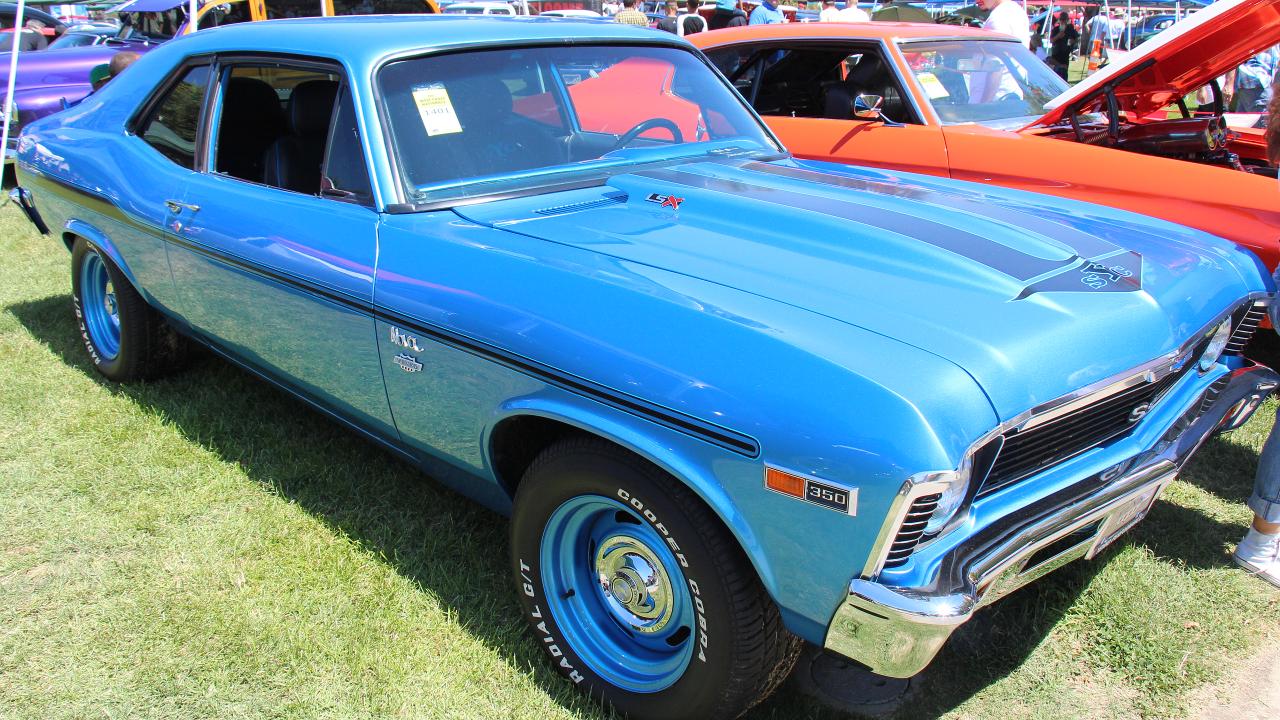
Power alone does not make a compact-muscle car credible, and Chevrolet backed the Nova SS 350’s engines with meaningful chassis upgrades. Reporting on the 1968 Chevy Nova’s performance notes that the car’s capability was enhanced by a heavy-duty suspension, power brakes, and a performance-tuned exhaust system, equipment that helped the Nova handle and stop in line with its straight-line speed. Those upgrades distinguished the SS and performance-oriented models from more basic Novas, reinforcing the idea that this compact was engineered for more than just commuting.
These mechanical changes also show how Chevrolet translated lessons from its larger muscle cars into a smaller platform. By pairing the Nova’s lighter weight with stronger suspension components and better braking, the company created a car that felt more agile than its midsize siblings while still delivering the V8 experience buyers expected. That balance between responsiveness and raw power is a key reason the Nova SS 350 continues to attract enthusiasts who want a classic that feels lively rather than lumbering.
Positioning the Nova SS 350 in Chevy’s muscle hierarchy
Within Chevrolet’s broader performance hierarchy, the Nova SS 350 occupied a carefully chosen niche. Analysis of the 1968 to 1974 period for the Chevy II Nova notes that big changes came in 1968, and that after the Chevelle greatly impacted Chevy II sales, Chevrolet repositioned the smaller car to complement rather than compete with its midsize star. The Nova, and specifically the SS 350, became the “everyman” performance option, a car that could be ordered with serious power but still fit into tighter budgets and parking spaces.
That positioning is reflected in how enthusiasts and historians describe the model. Sources that look back on the Chevy II Nova era highlight how the Nova, and the Chevy II that preceded it, evolved from basic transportation into a legitimate muscle platform once Chevrolet recognized the demand for compact performance. By 1968, the Nova SS 350 was no longer an afterthought, it was a deliberate answer to buyers who wanted Chevelle-like excitement in a smaller, more understated package.
Marketing the Nova Super Sport: no-frills horsepower
Chevrolet’s own messaging around the Nova Super Sport leaned into the idea of straightforward performance. A period-focused video feature on the 1968 Nova Super Sport notes that for performance enthusiasts seeking big horsepower without all the fancy folderol, Chevrolet offered the Nova Super Sp as a kind of stripped-down alternative to more lavishly trimmed muscle cars. That phrase captures the essence of the SS 350’s appeal, it was about power and capability first, with less emphasis on luxury or ornament.
This marketing approach aligned neatly with the car’s hardware and price point. By emphasizing the Nova Super Sp as a tool for drivers who cared more about acceleration than about extra chrome or plush interiors, Chevrolet tapped into a segment of the market that wanted authenticity and value. The Nova SS 350’s compact size, strong V8 options, and relatively simple presentation made it a natural fit for that message, and helped cement its reputation as a no-nonsense street machine.
Legacy and collector appeal of the 1968 Nova SS 350
Decades later, the 1968 Nova SS 350’s legacy is tied to its role as a bridge between everyday cars and full-bore muscle machines. Contemporary discussions of 1960s Chevy performance point out that classic Chevys retain value because they capture a specific blend of style, power, and cultural memory, and the Nova fits squarely into that narrative. Its compact-muscle formula, with engines like the 300-horsepower 350 and the available 396 big-block, gives it credibility among collectors who want something different from the more common midsize and full-size icons.
Modern coverage of the 1968 Nova also underscores how its range of V8 options, from the 307-cubic-inch and 327-cubic-inch engines up through the 350, keeps it relevant for a wide range of enthusiasts. Some gravitate toward factory-correct SS 350 cars, others build restomods that lean on the platform’s light weight and straightforward construction. In every case, the 1968 Nova SS 350 stands as proof that Chevrolet’s compact-muscle leap was more than a marketing experiment, it was a durable idea that still resonates in garages, auctions, and weekend cruise nights.
More from Fast Lane Only