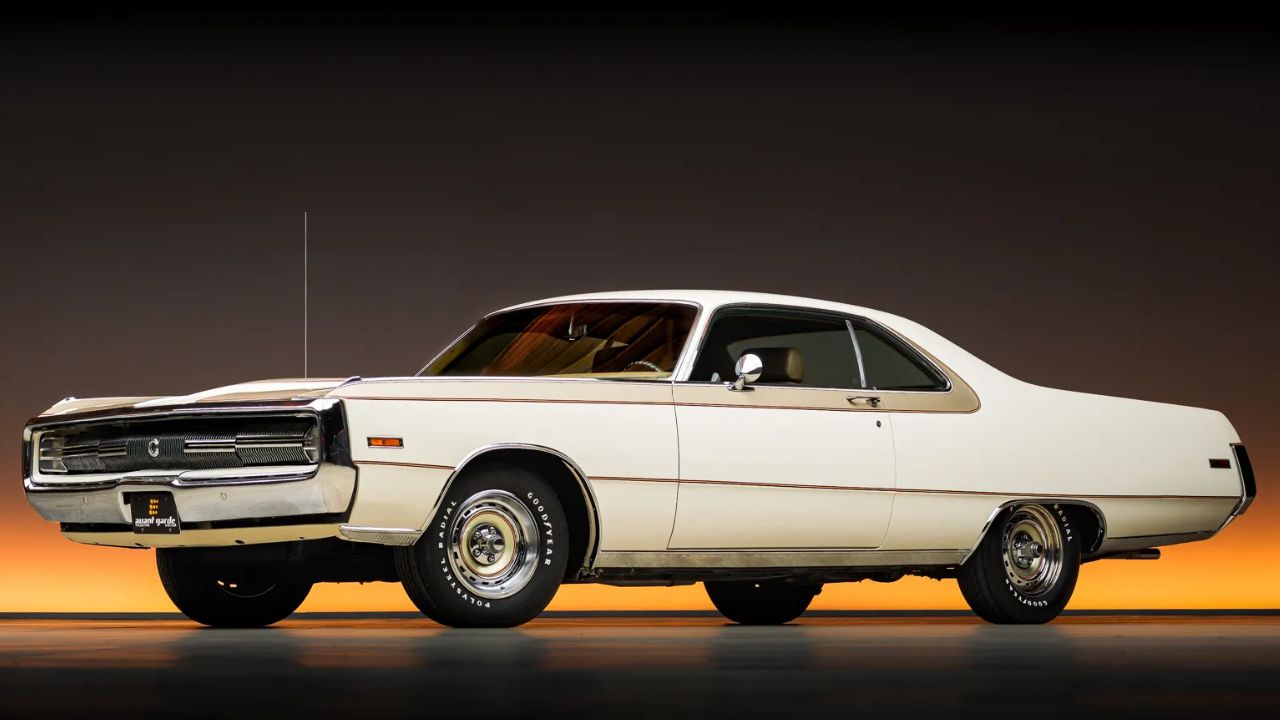
When people talk about Hurst-tuned muscle cars, the conversation usually lands on Oldsmobile. But in 1970, Chrysler got in on the act—just once—with something altogether different: the 300 Hurst. Big, bold, and built for speed and comfort, it was a muscle cruiser meant for the open road, not just the dragstrip.
With a 440 under the hood, fiberglass panels, and a gold-and-white paint scheme that didn’t whisper a thing, the Chrysler 300 Hurst was equal parts power and presence. It didn’t sell in big numbers, but for those who know, it still turns heads for all the right reasons.
Built for the Boulevard and the Strip
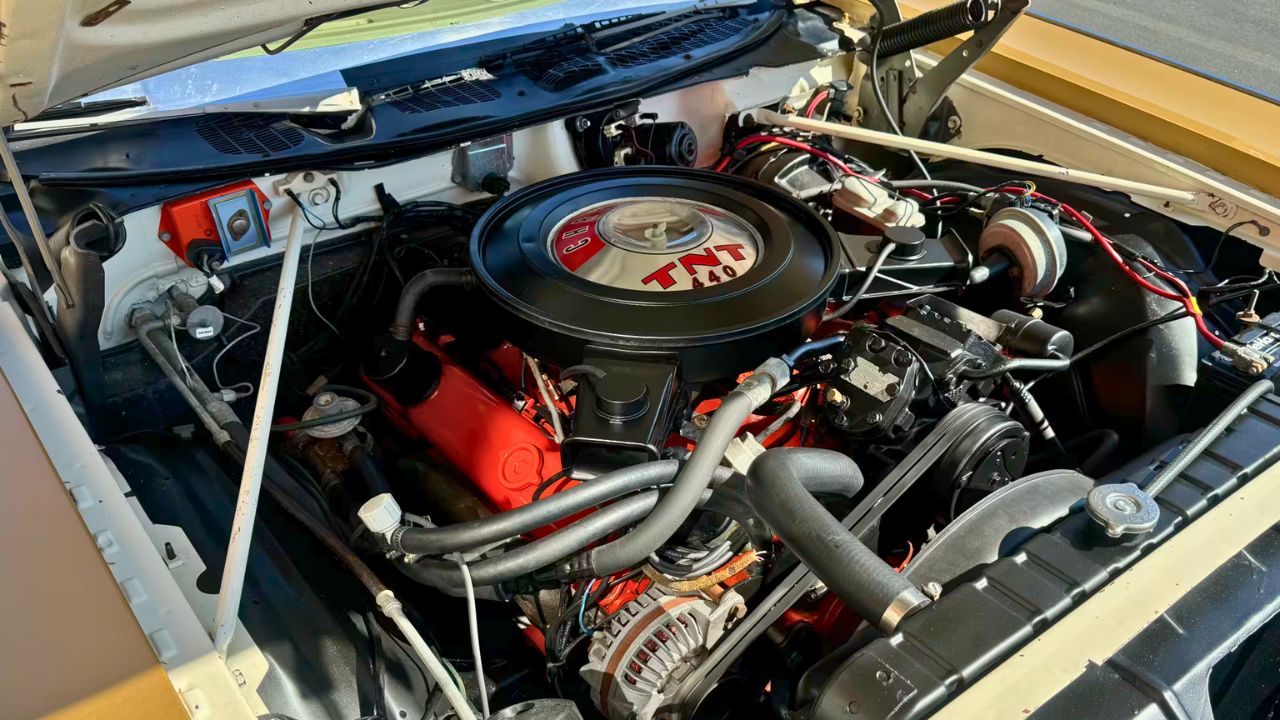
The 1970 Chrysler 300 Hurst wasn’t trying to be a Camaro killer or a dragstrip dominator. Instead, it aimed at a different kind of muscle buyer—someone who wanted comfort, presence, and straight-line speed all wrapped in one massive, gold-striped package. Under the hood sat a 440-cubic-inch TNT V8 making 375 horsepower and 480 lb-ft of torque, hooked to a 727 TorqueFlite automatic.
Despite tipping the scales at over 4,200 pounds, the 300 Hurst could hustle to 60 mph in under 7 seconds. That might not sound wild today, but for a full-size car with air conditioning and power everything, it was impressive.
A One-Year Only Collaboration
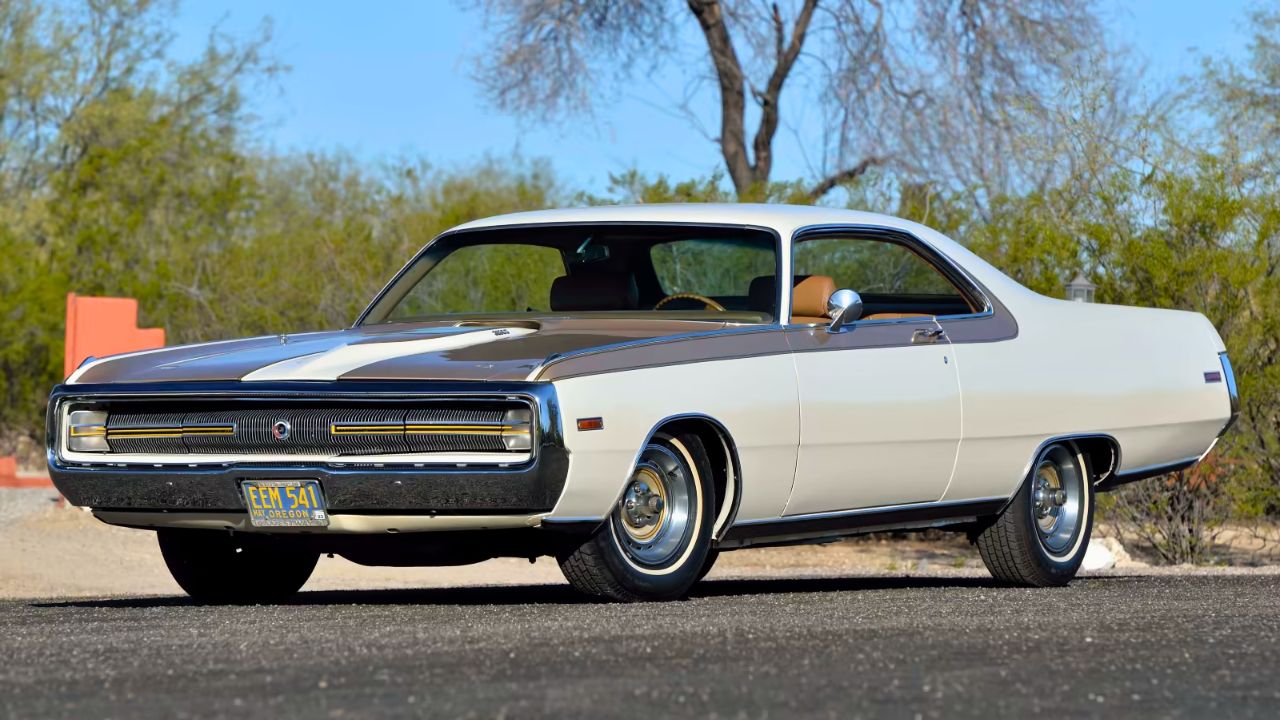
The 300 Hurst was the product of a short-lived collaboration between Chrysler and Hurst Performance. Just 501 units were built in 1970, making it a true one-year wonder. Hurst handled the fiberglass hood and trunk—both exclusive to this model—and dressed it up with their signature gold-and-white paint scheme.
Unlike the flashy Hurst/Olds of the same era, the 300 Hurst leaned more toward subtle aggression. It didn’t wear stripes or scoops—just clean lines, a hood bulge, and gold accents. It was understated, but anyone who knew what it was gave it a second look.
That Wild Trunk Lid

One of the car’s most recognizable features was the fiberglass trunk lid with an integrated spoiler—something rarely seen on full-size coupes at the time. Paired with the molded hood scoop, it gave the big Chrysler a sporty profile from front to rear.
Both the hood and trunk were made by Hurst using fiberglass bonded over steel, which added weight but gave the car its signature look. You didn’t mistake this for a regular 300 at a stoplight—not with that decklid staring back at you.
Luxury Inside, Muscle Underneath
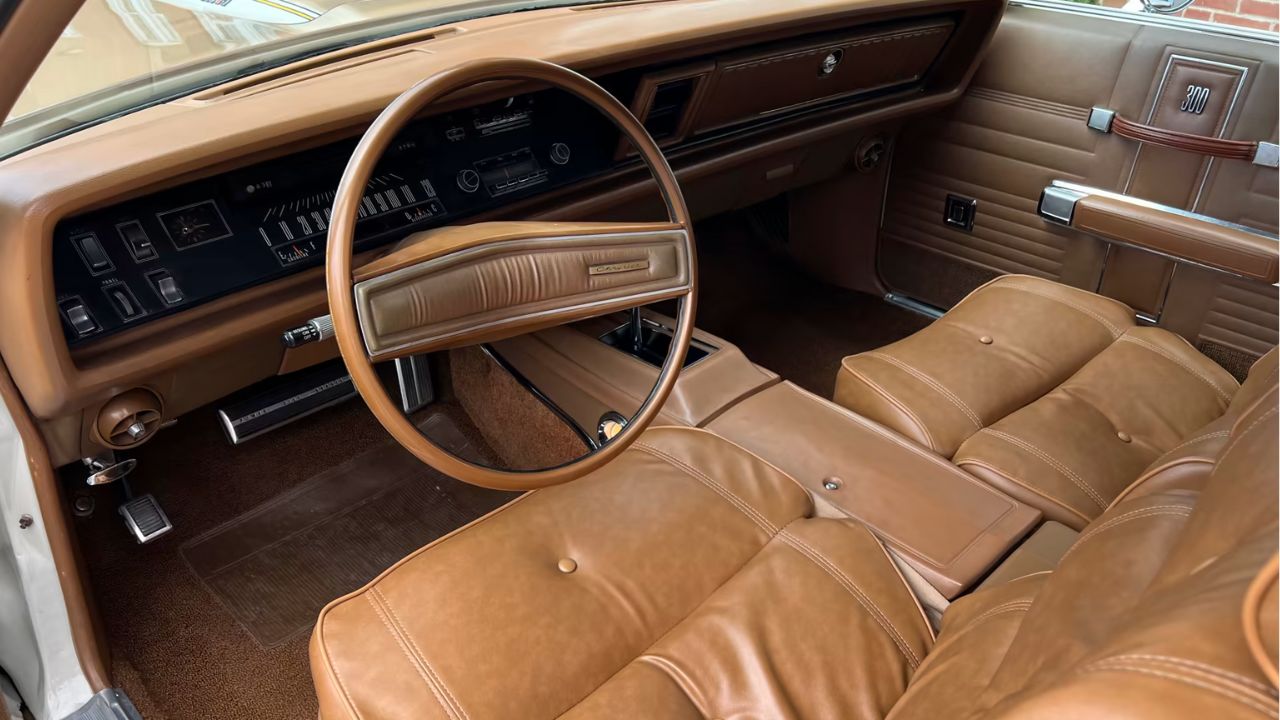
Inside, the 300 Hurst was all Chrysler—power seats, woodgrain trim, tilt wheel, and leather upholstery were all standard. It came loaded, with very few factory options because it already had just about everything. The Rallye dash included full gauges and a sweeping 150-mph speedometer.
Underneath the plush seats and thick carpets, though, it shared suspension parts with other big Mopars. That meant torsion bars up front, leaf springs out back, and a sure-footed stance when pushed. It wasn’t a canyon carver, but it had the muscle to back up the badge.
It Wasn’t Built for the Masses

At nearly $5,000 in 1970, the 300 Hurst wasn’t cheap. That price pushed it out of reach for most young muscle car buyers, and its full-size footprint meant it never fit in with the lighter, rowdier A- and B-body crowd.
That exclusivity worked both for and against it. Few were sold, even fewer survive, and even today, most people don’t know what they’re looking at until they see the Hurst badges and realize it’s not just another land yacht.
Rare Then, Rarer Now

With only 501 units built, the 300 Hurst is one of the rarest factory muscle cars Chrysler ever produced. Most of them were coupes, but a handful of prototypes—including a known convertible—have surfaced over the years.
Survivors in good condition are hard to come by. Restorers face a challenge because the hood and trunk are specific to this model, and reproduction parts are nearly nonexistent. That rarity has kept values steady and respect high among collectors in the know.
It Had the Heart of a Charger
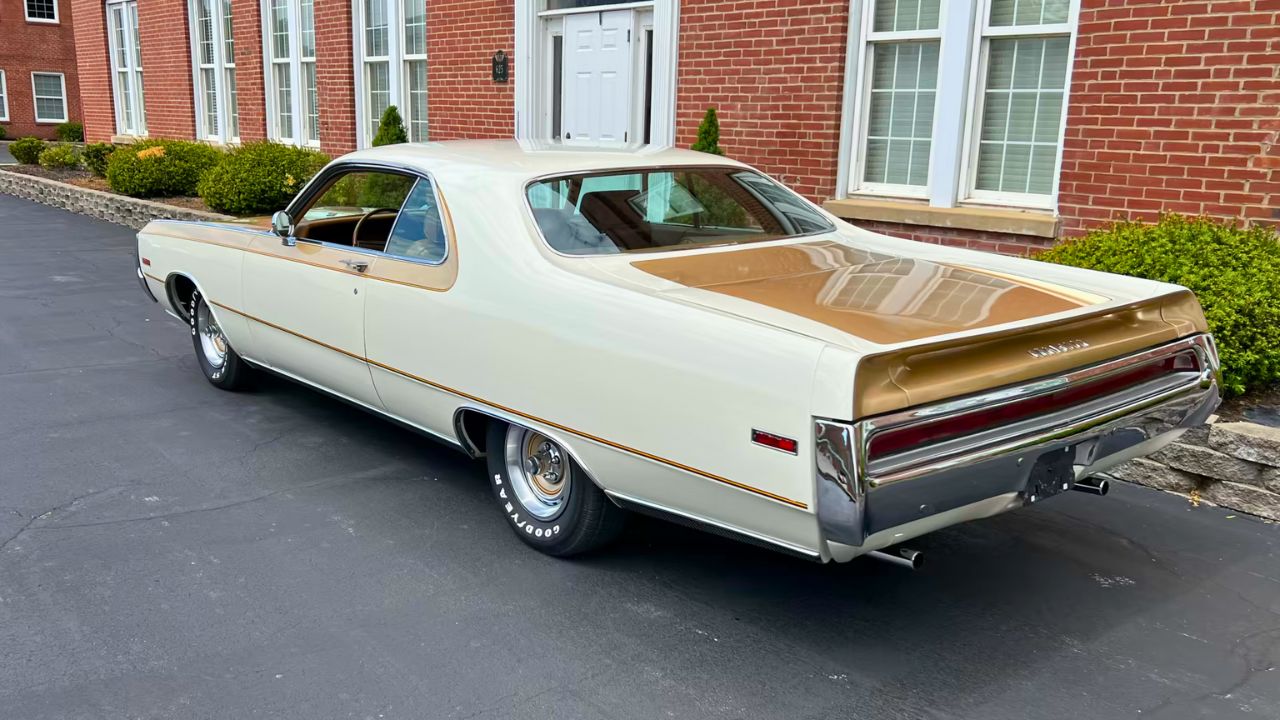
While the Charger and Road Runner got all the attention, the 300 Hurst shared more than a few parts with its B-body cousins. The 440 TNT engine was no slouch, and the TorqueFlite transmission was built to take abuse.
Even though it carried more weight, the Hurst could hold its own in a straight line. A well-tuned example could easily run with mid-level muscle cars of the time—and with the added benefit of a quieter ride and more comfortable seats.
More Muscle Cruiser Than Stoplight Brawler
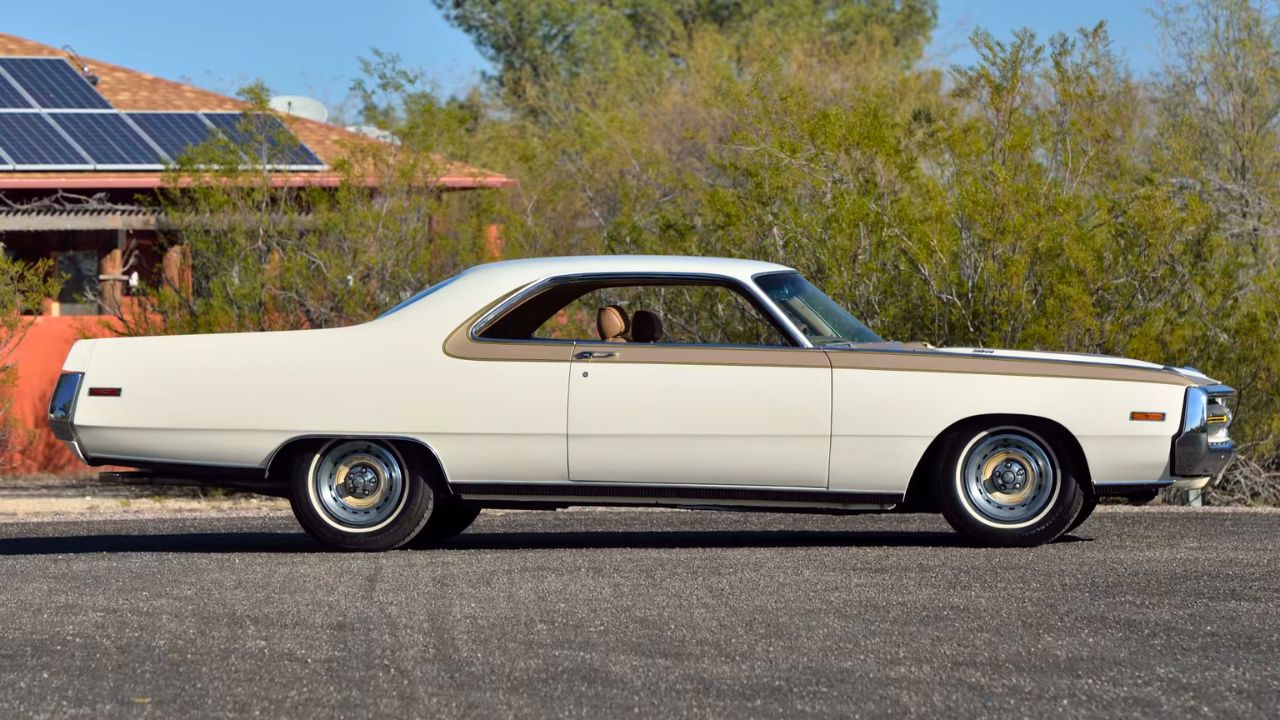
The 300 Hurst wasn’t trying to be a backroad bruiser. It was built for the kind of guy who wanted to punch the throttle on a straight stretch of highway, cruise into town in comfort, and turn heads doing it. In many ways, it was a forerunner of the personal luxury performance car.
Think of it as the Mopar answer to the Grand Prix SJ or even the Mercury Marauder X-100. It delivered the kind of muscle that wore a sport coat instead of a leather jacket.
It Helped Set the Tone for the Personal Luxury Era
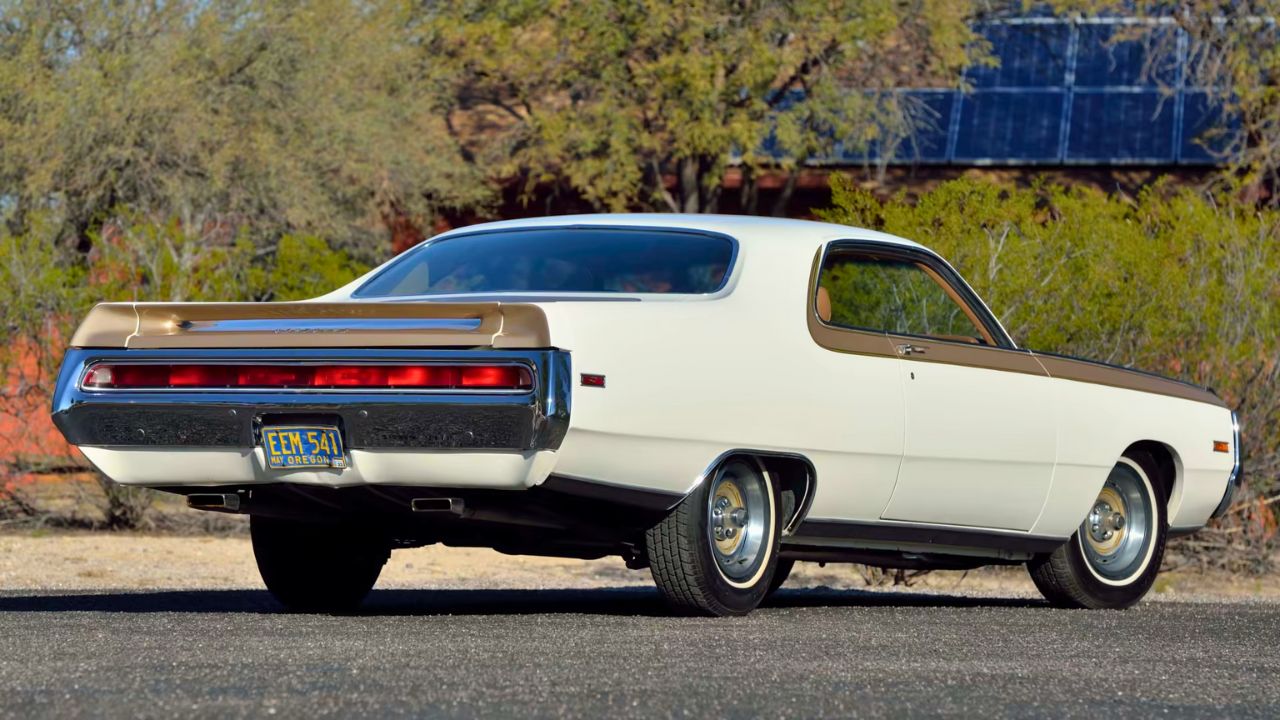
Cars like the 300 Hurst helped shift the muscle car story in the early ’70s. Insurance rates were climbing, emissions were on the horizon, and buyers were starting to want something a little more refined. The Hurst proved that you didn’t have to give up performance to get comfort.
While the muscle car wars would soon fade, cars like this bridged the gap between raw performance and full-size comfort—and they did it with factory backing and real muscle under the hood.
Still a Head-Turner, Even If Few Know Why
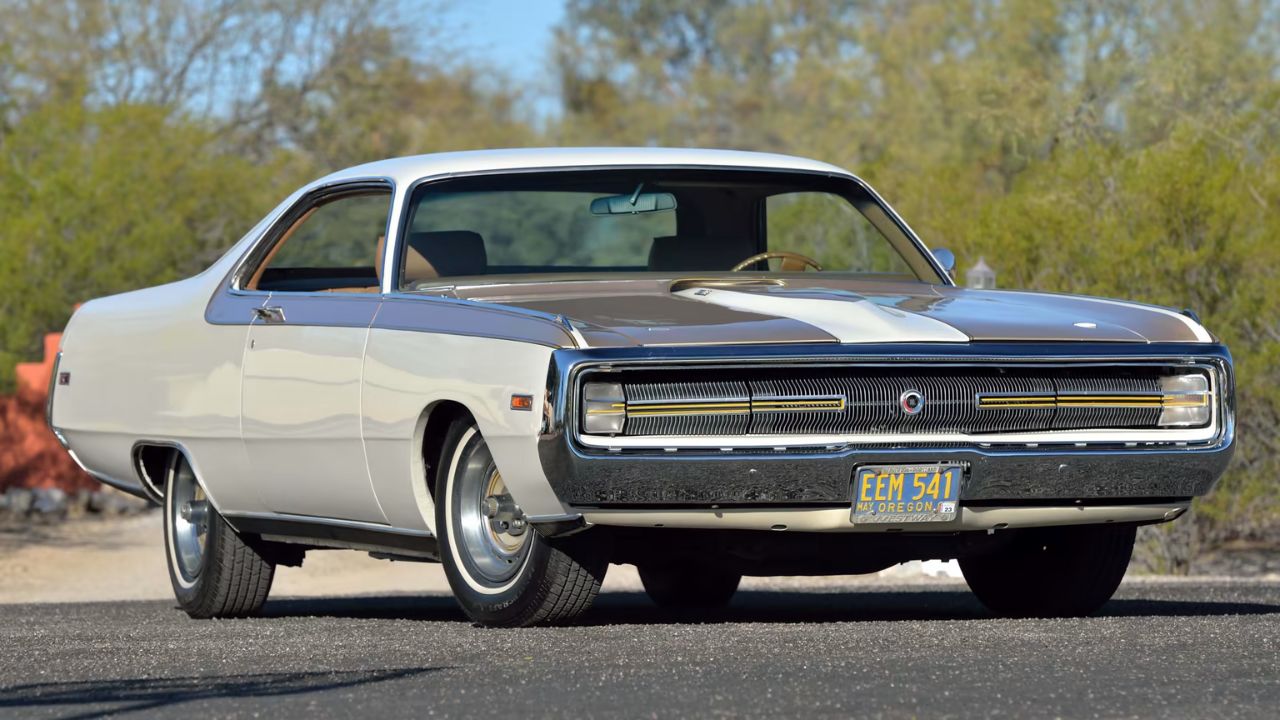
Ask the average car fan about the Hurst/Olds or the Super Bee and you’ll get nods. Mention the 300 Hurst and most will need a minute. But once they see that bulged hood, gold trim, and stretched profile, they know it’s something different.
That’s part of the appeal. The 1970 Chrysler 300 Hurst didn’t follow trends—it set its own path. It was loud without shouting, fast without flashing, and still stands tall as one of the coolest muscle cruisers Detroit ever built.
*This article was hand crafted with AI-powered tools and has been car-fully, I mean carefully, reviewed by our editors.