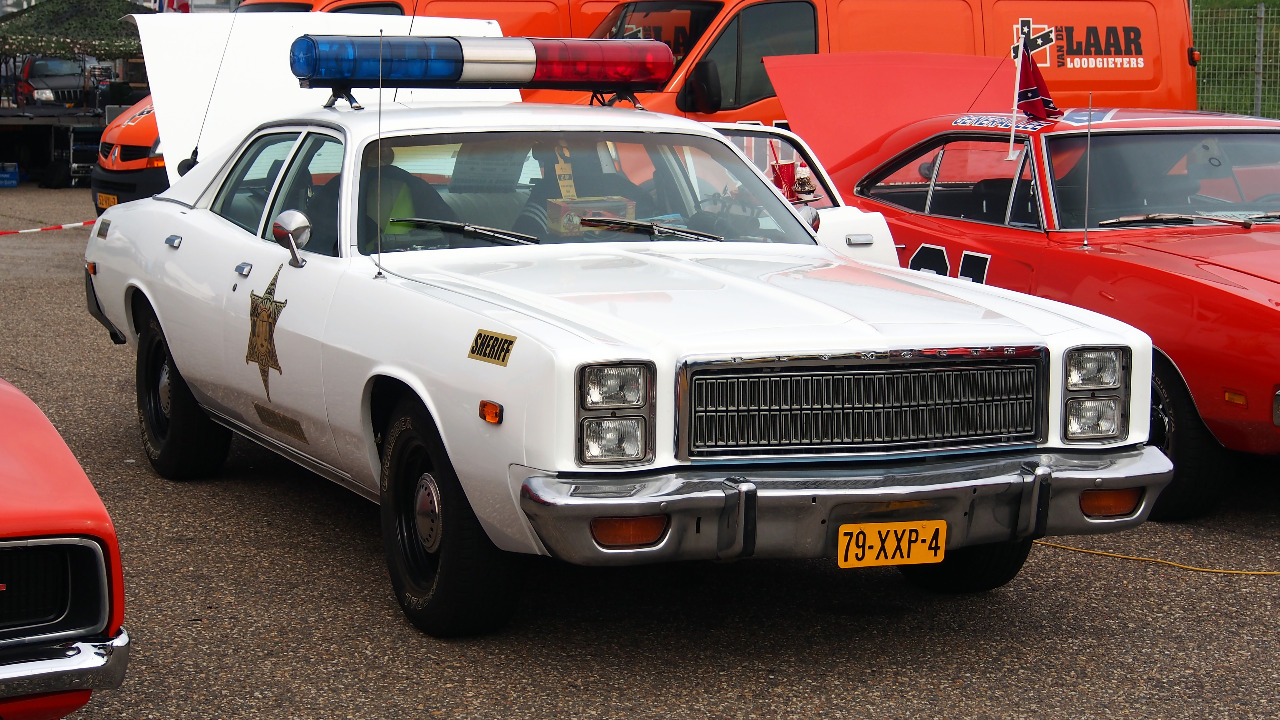
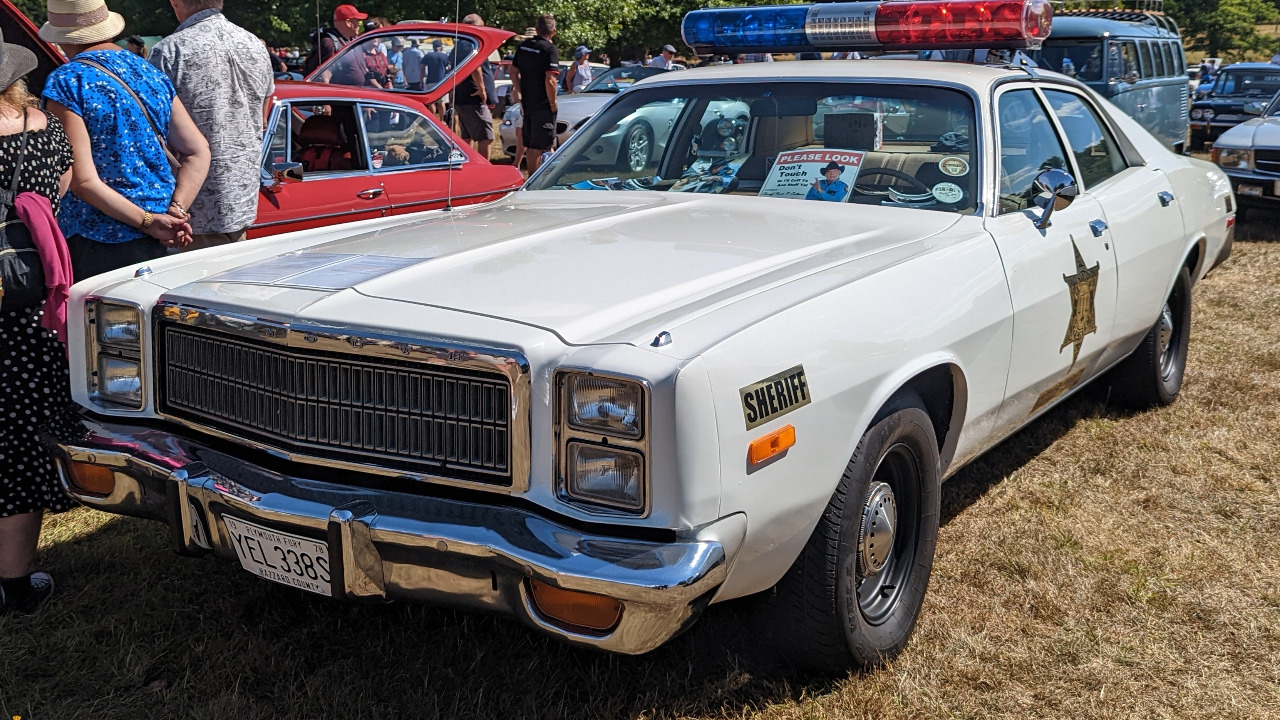
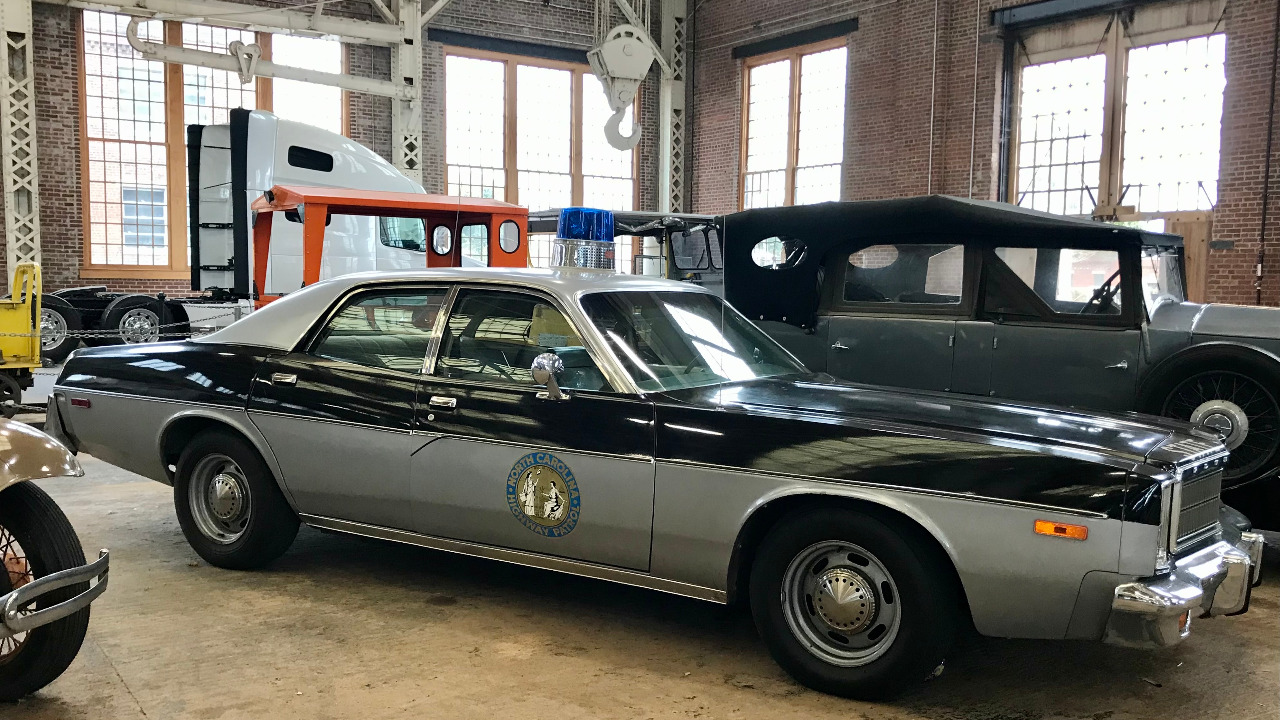
The 1978 Plymouth Fury A38 police package holds a distinctive place in the annals of American automotive history as a vehicle custom-built to meet the stringent demands of law enforcement. Engineered for speed and resilience, the Fury A38 emerged as a commanding presence on the roadways. This piece explores the distinctive characteristics of this legendary car, its specialized features, and the enduring legacy it has carved into the automotive world.
The Origins of the 1978 Plymouth Fury A38
In the late 1970s, law enforcement agencies faced the pressing need for a robust and reliable police car, one that could keep pace with the increasing demands of public safety. The era’s growing crime rates and evolving criminal tactics underscored this necessity, prompting car manufacturers to develop solutions that could enhance police capabilities. Chrysler rose to the occasion by designing a vehicle specifically for these needs, culminating in the creation of the 1978 Plymouth Fury A38 police package.
The development process of the Fury A38 was a direct response to law enforcement’s call for a more powerful and durable vehicle. Chrysler’s engineers and designers worked closely with police departments to understand the specific requirements needed for a police car to perform effectively in various scenarios. This collaboration led to the introduction of the A38 package, which featured enhancements that set it apart from other models. The A38 package included specific modifications tailored to police work, ensuring that the vehicle could withstand the rigors of high-speed chases, long patrol hours, and the varied challenges of police duty.
Key Features of the A38 Police Package
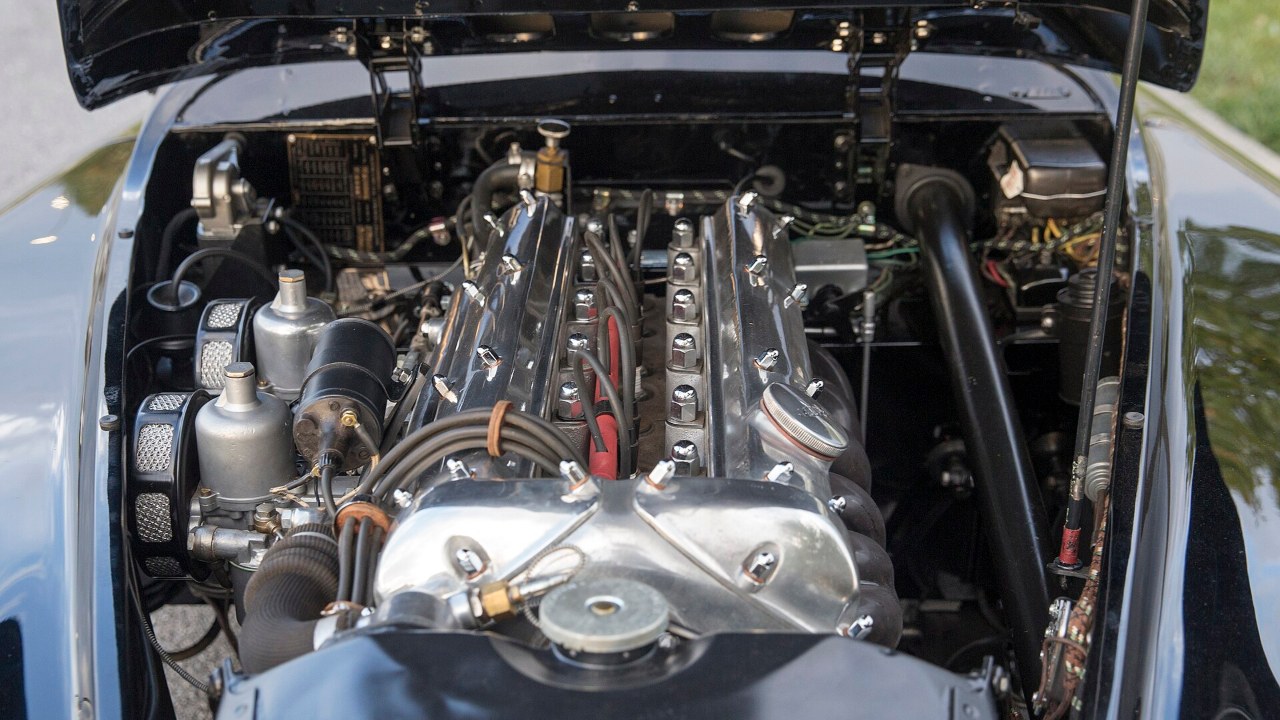
The heart of the 1978 Plymouth Fury A38 police package was its formidable engine. Equipped with a powerful V8 engine, this vehicle was designed to deliver exceptional performance, making it ideal for high-speed pursuits and quick acceleration. The engine’s capabilities were complemented by a high-performance suspension system and heavy-duty brakes, which ensured that the Fury A38 could handle the demands of police work with ease.
Beyond its engine, the design elements of the A38 were purpose-built for functionality. The car’s robust frame and reinforced bodywork were designed to endure the physical stresses associated with police operations. Inside, the vehicle included modifications such as enhanced interior space for equipment and reinforced seats to accommodate officers wearing gear. Additionally, specialized equipment like spotlights, sirens, and police radios were integrated into the design, making the A38 a complete package for law enforcement.
Alongside these physical attributes, the A38 package included several performance-enhancing modifications. These adjustments ensured that the Fury A38 was not only fast but also reliable. For more details on what made the A38 package stand out, you can explore additional resources that delve into these unique features.
Performance and Handling
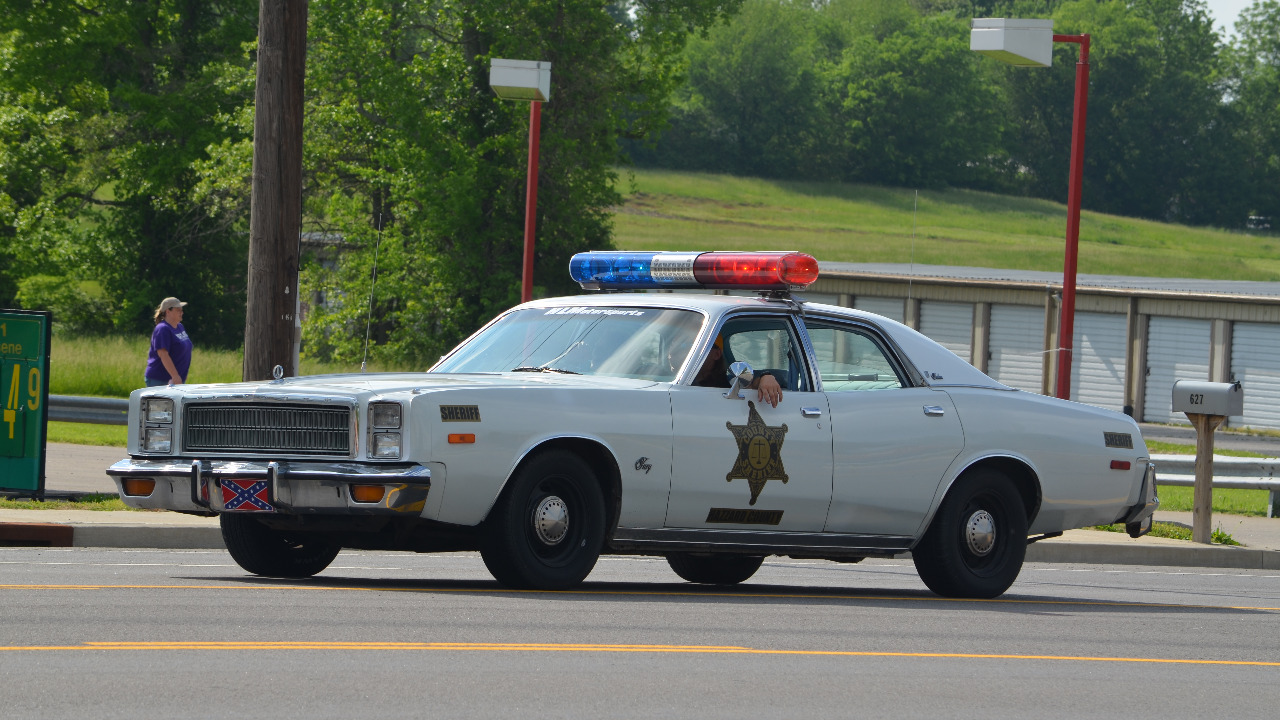
One of the standout characteristics of the 1978 Plymouth Fury A38 was its performance in high-speed scenarios. The vehicle’s speed and acceleration capabilities were unmatched, allowing officers to engage in pursuits with confidence. The A38’s V8 engine, combined with its high-performance suspension system, provided a smooth and controlled ride, even at top speeds. This level of performance made it a preferred choice for police departments across the country.
Durability and reliability were also hallmarks of the A38 package. The vehicle’s construction was specifically designed to withstand the physical demands of police work, from long hours of idling to the intensive wear and tear of high-stress situations. The A38’s reputation for reliability made it a trusted tool for law enforcement, ensuring that officers could depend on their vehicles in critical moments.
When compared to its contemporaries, the A38 stood out as a leader in police vehicle performance. While other vehicles of the time might have offered similar power, few could match the combination of speed, durability, and functionality that the Fury A38 provided. For a deeper dive into its performance capabilities, consider checking out in-depth analyses of this iconic model.
Cultural Impact and Legacy
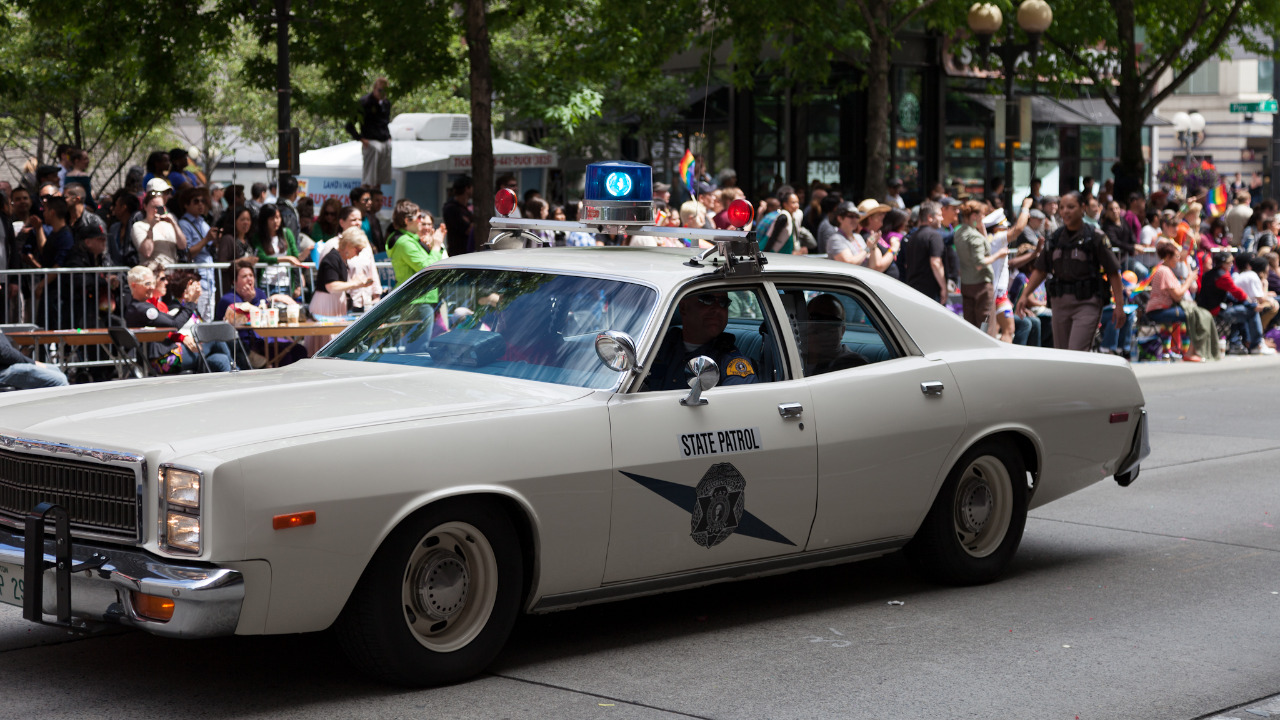
The cultural impact of the 1978 Plymouth Fury A38 extended beyond its role as a police vehicle. It made notable appearances in pop culture, including in popular television shows like “The Dukes of Hazzard,” where its distinctive design and performance were showcased. These appearances helped cement the A38’s status as an icon of its time, blending its utilitarian purpose with a sense of cultural significance. If you’re interested in its cultural impact, you might enjoy this article discussing its presence in entertainment.
Today, the A38 has found a place in the hearts of car enthusiasts and collectors. Its unique features and historical significance make it a sought-after piece in the classic car community. Enthusiasts often gather to share restoration tips, trade stories, and celebrate the legacy of this remarkable vehicle. The Fury A38’s influence can also be seen in modern police vehicles, where elements of its design and functionality continue to inspire new generations of law enforcement cars.
Restoration and Preservation
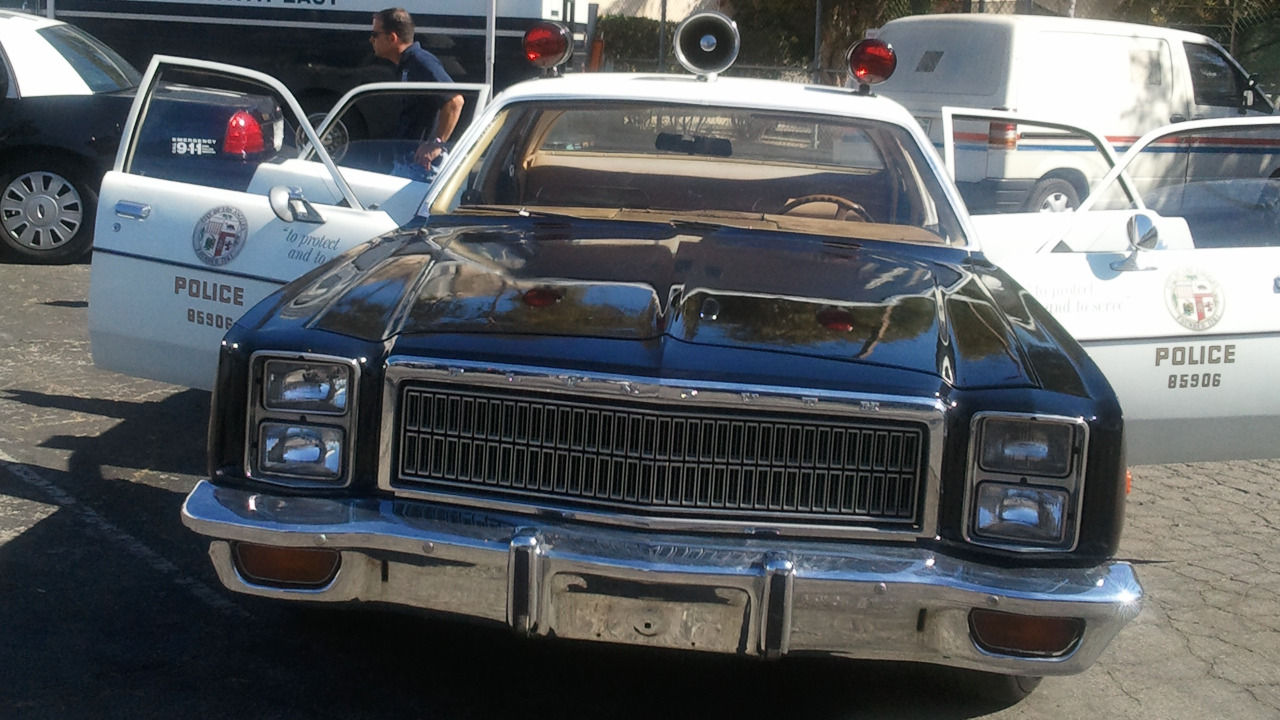
Restoring a classic 1978 Plymouth Fury A38 presents its own set of challenges. Parts availability can be a significant hurdle for restorers, as many original components are no longer in production. This scarcity requires enthusiasts to source parts from specialized vendors or salvage yards, often leading to a community-driven effort to keep these vehicles road-worthy. The expertise needed to restore a Fury A38 also extends to understanding its unique mechanical and design aspects.
Notable restorations of the Fury A38 have been undertaken by dedicated enthusiasts, who invest time and resources to bring these classic cars back to life. Stories of successful restorations often highlight the passion and dedication required to maintain the integrity of the original design while ensuring that the vehicle remains functional. For those considering taking on a restoration project, it’s crucial to research the vehicle thoroughly and connect with experienced restorers who can provide guidance and support. A great resource for restoration enthusiasts is this forum where enthusiasts share their experiences and advice.
For aspiring collectors, acquiring a 1978 Plymouth Fury A38 involves more than just a financial investment. It’s important to evaluate the car’s condition, check for authenticity, and understand the maintenance required to preserve its historical value. By focusing on these aspects, collectors can ensure that they are not only acquiring a piece of automotive history but also contributing to the preservation of a cultural icon. Enthusiasts are encouraged to engage with the community, attend car shows, and share their passion for this legendary vehicle.
Like Fast Lane Only’s content? Be sure to follow us.
Here’s more from us:
- All New Trans Am: 10 Things You Need to Know
- The Fastest Farm Truck Ever Built
*Created with AI assistance and editor review.