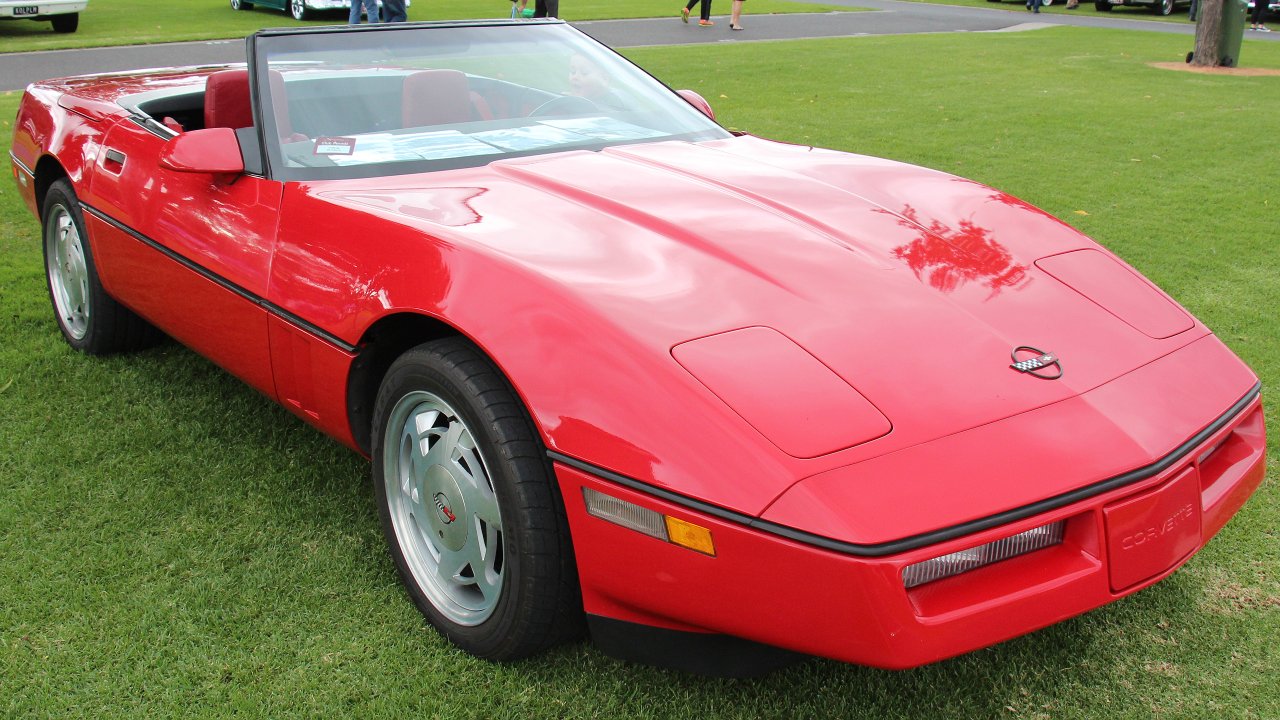
The 1989 Corvette ZR-1 never reached showrooms, yet it reshaped expectations for American performance cars before a single customer took delivery. As the first Corvette built around a Lotus-designed V8, it previewed a radical powertrain that would turn the early 1990s ZR-1 into a genuine supercar rival.
By pairing a familiar 5.7 liter displacement with exotic double overhead cams and four valves per cylinder, Chevrolet and Lotus used the 1989 pre-production ZR-1 to prove that a Detroit icon could adopt European-style engineering without losing its identity. I see that one-year preview as the hinge between the traditional small-block era and the modern high tech Corvette.
How the ZR-1 project set up a new kind of Corvette
When Chevrolet greenlit the ZR-1 program, the goal was not just more power but a different character for the Corvette. The standard L98 V8 in the late C4 already delivered strong torque, yet it relied on a traditional pushrod layout that limited high rpm breathing. Internal planning for what would become the ZR-1 targeted a car that could run with contemporary European exotics, which meant sustained power at higher engine speeds and a chassis capable of exploiting it. Later histories of the C4 ZR-1 describe it as the dawn of an “American supercar,” a label that only makes sense because the engineering brief went far beyond a simple horsepower bump, as detailed in overviews of the ZR-1’s performance evolution.
The 1989 Corvette ZR-1 prototypes were the first tangible proof that this strategy could work. They carried the new powertrain and chassis package into press previews and internal evaluations, even though full public sales would not begin until the following model year. Reporting on the original ZR-1’s debut notes that from the start, the big story was its engine, which had been Designed by Lotus specifically for the Corvette ZR concept. By the time the 1990 production cars arrived, the groundwork laid in 1989 meant Chevrolet could present the ZR-1 not as a tentative experiment but as a fully formed flagship.
The Lotus-designed LT5: a radical break from the small-block
The centerpiece of the 1989 ZR-1 story is the LT5 V8, the first Corvette engine developed with Lotus and the first to abandon the pushrod architecture that had defined Chevrolet small-blocks for decades. Engineers kept the familiar 350 cubic inch displacement and matched the standard L98’s bore and stroke, but they replaced the old valvetrain with double overhead cams and four valves per cylinder. Technical summaries of the C4 ZR-1 emphasize that the LT5’s cylinder heads and breathing were completely different from the base engine, even though the displacement figure and basic block dimensions looked similar on paper, a contrast highlighted in detailed breakdowns of the Corvette ZR-1’s specifications.
From a design standpoint, the LT5 was closer to contemporary European performance engines than to any previous Corvette motor. It used an aluminum block and heads, four camshafts, and a multi valve layout that allowed much higher airflow at elevated rpm. The National Corvette Museum’s technical overview notes that what made the ZR-1 exceptional was precisely this DOHC configuration, with four valves per cylinder, developed in partnership with Lotus as part of a program that senior engineer Lloyd Reuss strongly supported. That account of the LT5 engine underlines how unusual it was for Chevrolet to commission such an advanced design rather than simply revising its existing small-block family.
Inside the LT5: engineering details that set the ZR-1 apart
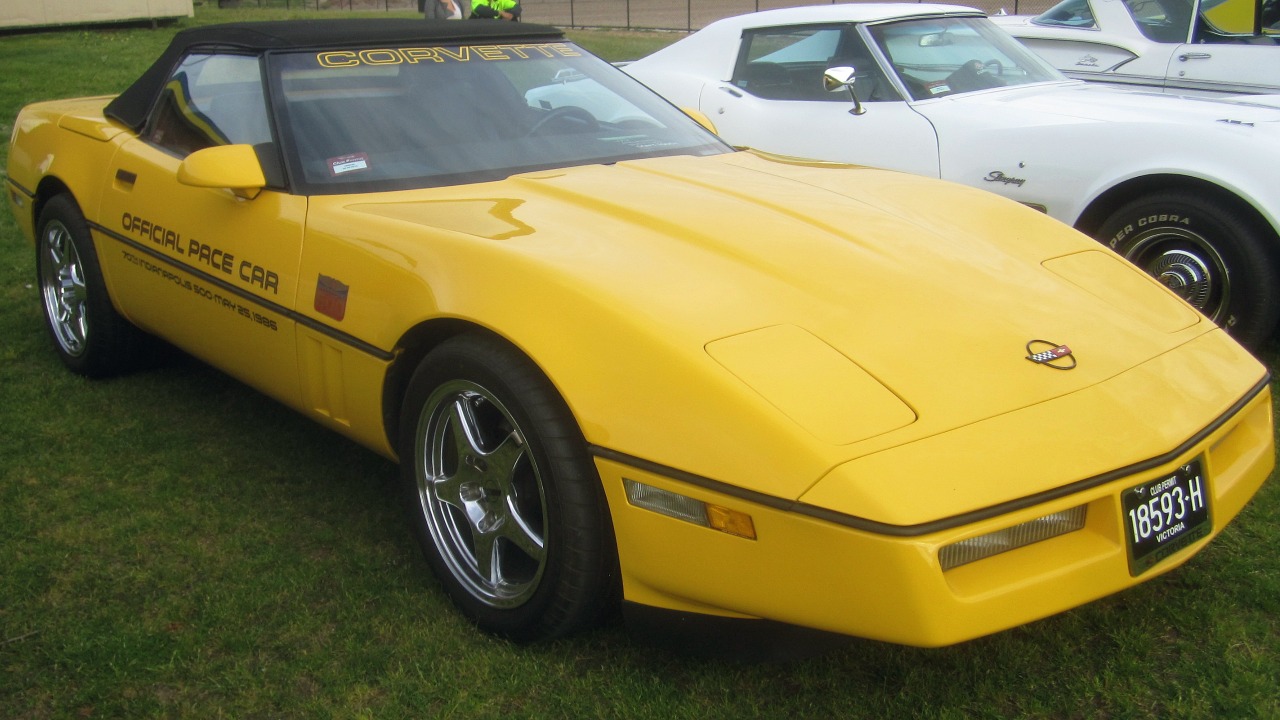
Looking more closely at the LT5’s internals, I see why the 1989 ZR-1 prototypes generated so much attention among engineers and enthusiasts. By retaining the 350 cubic inch displacement and the same bore and stroke as the L98, the engine fit within the Corvette’s existing packaging constraints, yet the new heads transformed its behavior. Reports on the C4 ZR-1’s mechanical layout explain that the LT5’s cylinder heads were completely unique, with individual intake runners and a complex plenum arrangement that supported both low speed drivability and high rpm power. One technical summary notes that it “matched the standard L98 Corvette engine with 350ci displacement, and the same bore and stroke dimensions. However, the cylinder heads were entirely different,” a contrast that underscores how much of the performance gain came from airflow and combustion efficiency rather than sheer size, as described in the However section of that analysis.
The LT5’s development process was equally demanding. Accounts of the original ZR-1 program describe how building the engine required specialized assembly procedures and tight quality control, reflecting its complexity compared with the standard small-block. One retrospective on the engine’s creation notes that when the original Corvette ZR-1 made its debut, the Lotus-designed V8 was the headline feature, and that the manufacturing process had to be tailored around its intricate valvetrain and multi piece intake system. That same reporting on how the engine was Designed and built makes clear that the LT5 was not just a tuned version of an existing motor but a clean sheet project that demanded new tooling, training, and validation.
From 1989 preview to 1990–1995 “American supercar”
The 1989 Corvette ZR-1 prototypes served as a bridge between concept and production, and their influence is easiest to see in the 1990 to 1995 cars that followed. Later coverage of the C4 ZR-1’s history describes how the production model launched with the LT5 and a suite of chassis and body changes that distinguished it from the standard Corvette, including wider rear bodywork and upgraded suspension tuning. Those same histories characterize the ZR-1 as the dawn of an American supercar, pointing to its performance figures and the way it challenged European benchmarks, a theme that runs through detailed accounts of the ZR-1’s History and development.
Power outputs and performance improved over the ZR-1’s production run, with a notable power boost arriving in 1993 as refinements to the LT5 unlocked additional horsepower. Analyses focused on the ZR-1’s place in Corvette lore emphasize that from the start, the engine sat at the top of the list of things that made the C4 ZR-1 so special. One such overview notes that the LT5 was so advanced that, for a time, it was considered too complex and expensive to adapt widely across the lineup, which is why the ZR-1 remained a limited, high end variant rather than a volume model. That perspective on the Top of the Corvette hierarchy helps explain why the 1989 preview cars are remembered less as curiosities and more as the first expression of a short but influential chapter in Corvette performance.
Legacy of the first Lotus V8 Corvette
Looking back, I see the 1989 ZR-1 as a proof of concept that changed how Chevrolet and its customers thought about the Corvette’s future. By trusting Lotus to design a bespoke DOHC V8 and then integrating that engine into a familiar chassis, Chevrolet demonstrated that the brand could absorb outside expertise without losing its core identity. Technical retrospectives on the LT5 stress that it was a double overhead cam V8 with four valves per cylinder, developed in collaboration with Lotus as part of a program that senior leadership actively supported, a combination that is documented in the What made the ZR-1 exceptional analysis.
The ZR-1’s reputation as an American supercar, cemented by the 1990 to 1995 production run, rests on foundations laid in that 1989 debut. Later histories of the C4 ZR-1’s performance and evolution show how the car’s combination of exotic engine technology and familiar Corvette styling created a template for future high end variants. Even as later generations adopted different powertrains, the idea that a Corvette could carry a highly sophisticated, globally benchmarked engine traces directly back to the Lotus-designed LT5 and the early Corvette ZR prototypes that introduced it. In that sense, the 1989 ZR-1 was not just the first Corvette with a Lotus V8, it was the moment the Corvette fully embraced the role of a world class performance car, a shift captured across detailed accounts of its American Supercar era.
More from Fast Lane Only: